
Unlocking Savings: How Misplaced Pallets Cost You More Than Money
By Tom Seest
At RackingWorld, we help guide you through selecting warehouse storage systems and racking.
Be sure to read our other related stories at RackingWorld to learn more about warehouse storage systems.
The Financial Impact Of Misplaced Pallets
The financial impact of misplaced pallets goes beyond mere inconvenience; it can hit hard where it hurts the most – the wallet. Picture this: it’s a busy warehouse, and you’re racing against time to fulfill orders. Those pallets, if not racked properly, can cause delays that ripple through the entire operation. This isn’t just about a mess on the floor; it’s about lost revenue. Every moment spent untangling a pallet pile adds up, draining resources and stalling productivity.
Racking systems are designed to keep everything organized and efficiently stacked. When pallets are misplaced, those systems lose their purpose, and chaos takes over. It’s not just a headache; it’s a financial black hole. Broken pallets and damaged goods mean wasting money on replacements and lost sales. That’s dollars down the drain because someone didn’t take a few extra seconds to put things back where they belong.
Beyond the immediate costs, there’s the ethical responsibility of running a business. Employees deserve a safe working environment, and misplaced pallets can turn that workplace into a hazard zone. Slips, trips, and injuries can lead to hefty compensation claims and higher insurance premiums. It’s not just about saving a buck; it’s about ensuring that people go home to their families every day safe and sound.
Consider the community impact as well. A thriving business supports local jobs and contributes to the economy. When inefficiencies like misplaced pallets stack up, the entire community feels the strain. Reduced productivity means fewer profits, and fewer profits can lead to cutbacks, layoffs, or even closures. The ripple effect can be devastating.
Every worker has a role to play in preventing these issues. It’s about pride in one’s work, fostering a culture where everyone takes ownership of their space. When employees see the bigger picture, they can work together more effectively. Sharing stories of narrow escapes from disaster due to simple misplacements can motivate a change in attitude. Constructing an environment where everyone feels accountable can help sidestep the financial pitfalls posed by misplaced pallets.
Ultimately, it’s about trust and action. A well-functioning operation characterized by careful attention to detail makes room for growth. Improving how we handle racking systems not only guards the bottom line but strengthens the foundation of our collective effort. It’s time we roll up our sleeves and tackle the small things that can have a monumental impact.

The Financial Impact Of Misplaced Pallets
The Financial Impact Of Misplaced Pallets
- Misplaced pallets lead to significant financial losses due to operational delays.
- Improper racking systems create chaos and undermine efficiency.
- Broken pallets and damaged goods result in wasted money and lost sales.
- Misplaced pallets pose safety hazards, increasing the risk of employee injuries.
- Community impacts arise from reduced business efficiency, potentially leading to layoffs and closures.
- Every employee has a role in maintaining order and fostering accountability within the workplace.
- Attention to detail in operations is crucial for growth and protecting the bottom line.
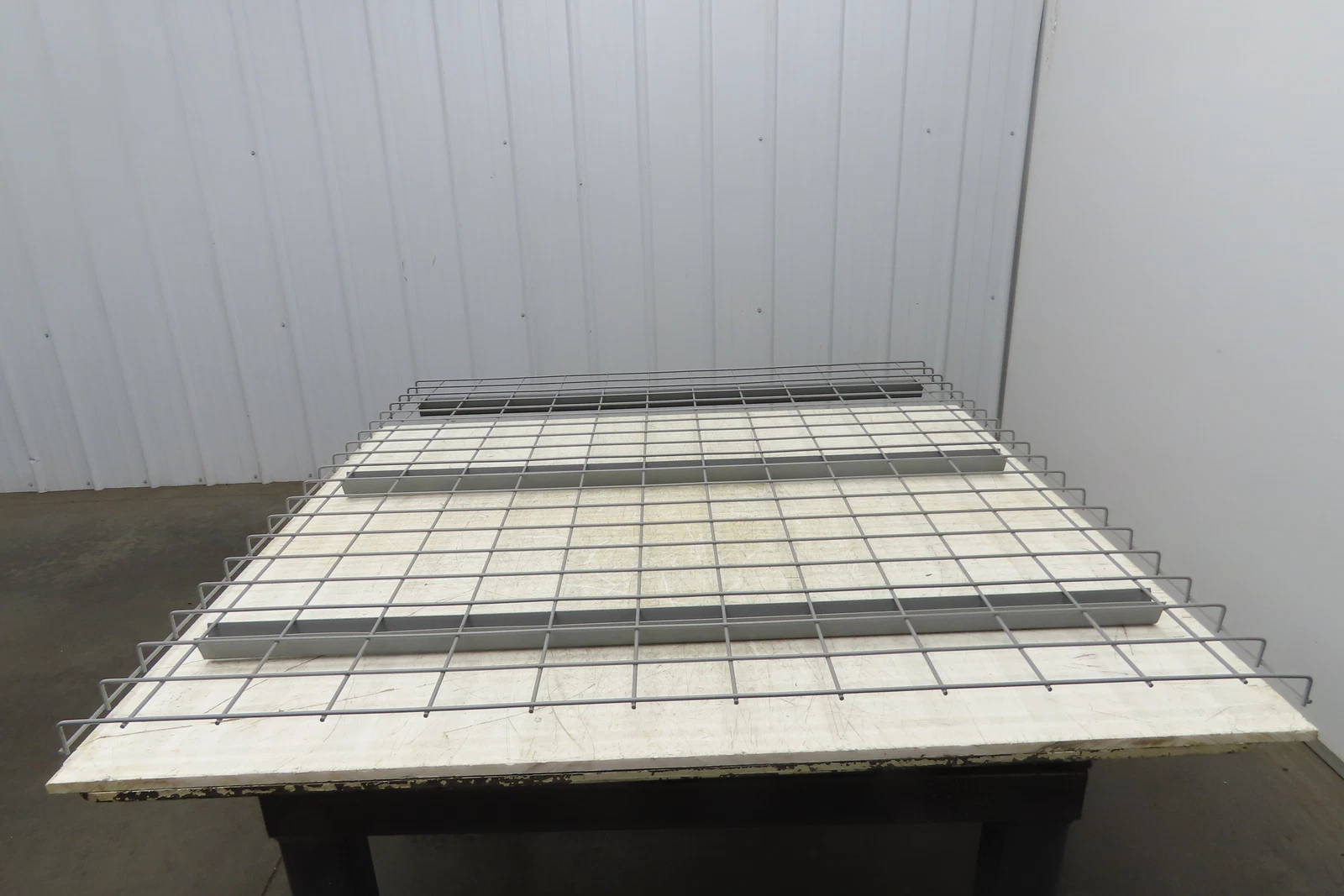
The Financial Impact Of Misplaced Pallets
Table Of Contents
- The Financial Impact Of Misplaced Pallets
- What Costs Arise From Misplaced Pallets?
- How Can Misplaced Pallets Affect Profits?
- What Is the Impact on Supply Chain Efficiency?
- How Do Misplaced Pallets Influence Customer Satisfaction?
- What Financial Risks Come with Mismanaged Pallet Inventory?
- Are There Hidden Costs Of Misplaced Pallets?
- Conclusion
- Other Resources
- Glossary Of Terms
- Other Questions
- Checklist
What Costs Arise From Misplaced Pallets?
Misplaced pallets can create a domino effect of costs that ripple through a warehouse operation like a stone dropped in a pond. Picture a bustling warehouse, where every worker is on their feet, navigating the racking systems with timing that feels choreographed. When pallets are stacked incorrectly, that precision takes a hit. Workers waste time hunting down misplaced items, their frustration mounting with each minute lost. It’s not just about missed deadlines; it’s about the sense of purpose that makes them feel valued.
Rationally, the financial implications can be staggering. The average warehouse operates on thin margins, and every moment spent searching for misplaced pallets translates into labor costs that can skyrocket. Think about the hours dedicated to resolving these misplacements rather than focusing on productivity. Inventory accuracy suffers, leading to overstocking or stockouts that further complicate the supply chain and ultimately cost more than just money.
Ethically, there’s a responsibility to your team. They depend on a well-organized environment to work efficiently and safely. When pallets are out of place, it isn’t just an inconvenience; it creates stress and potential danger in navigating narrow aisles packed with materials. This isn’t just a warehouse; it’s a community where each member relies on the others to perform their role with integrity and care.
Stories of lost prosperity are commonplace on the shop floor. Consider a small business that prided itself on its quick turnaround times. Misplaced pallets led to late deliveries, and soon enough, clients found alternatives. Loyalty dwindled as profit margins tightened. A once-thriving enterprise faced the harsh reality of lost contracts, a stark lesson on the necessity of proper organization.
Socially, a culture of accountability emerges when everyone understands the importance of proper pallet placement. When workers engage in mindfulness about their roles, the entire operation thrives. It fosters teamwork when individuals make a conscious effort to minimize mistakes, reinforcing a connection between employees and management that transcends the task at hand.
The next time pallets are stacked haphazardly, think beyond the immediate chaos. The costs extend beyond physical space and time; they reach into the workforce morale, financial forecasting, and ultimately, the heart of your business. Investing in proper racking systems and nurturing a culture of organization isn’t just good practice; it’s a commitment to excellence that pays dividends in trust, efficiency, and success.

What Costs Arise From Misplaced Pallets?
What Costs Arise From Misplaced Pallets?
- Misplaced pallets cause a domino effect, disrupting warehouse operations and costing time.
- Workers spend excessive time searching for misplaced items, leading to frustration and missed deadlines.
- Financial implications include skyrocketing labor costs and reduced inventory accuracy, affecting productivity.
- Ethically, a well-organized environment is vital for worker efficiency and safety, fostering a sense of community.
- Loss of organization can lead to significant business consequences, such as late deliveries and lost client loyalty.
- A culture of accountability develops when workers prioritize proper pallet placement, enhancing teamwork.
- Investing in racking systems and organization fosters trust and efficiency, benefiting overall business success.

What Costs Arise From Misplaced Pallets?
How Can Misplaced Pallets Affect Profits?
Misplaced pallets in warehouses are more than just a logistical headache; they can silently drain profits and stifle productivity. Picture this: a busy warehouse floor, workers hustling, and the air buzzing with energy, only to have that rhythm disrupted when a pallet is stored incorrectly. It can throw off the entire operation, causing delays that ripple through the supply chain.
On a practical level, racking systems are designed for efficiency and organization. When pallets are misplaced, the intended flow gets disrupted. Workers waste valuable time hunting down products, leading to frustration and a slowdown that affects everyone. It’s like trying to find a tool in a cluttered toolbox—it drains motivation and energy, making even the simplest tasks feel monumental.
That inefficiency doesn’t just hurt morale; it has real financial implications. Delays in shipping mean dissatisfied customers, and unhappy customers can quickly become ex-customers. Every hour lost searching for misplaced pallets equates to dollars down the drain. The chain reaction of mismanagement affects supplier relationships and inventory costs, eroding the margins that businesses work so hard to maintain.
Equally important is the ethical angle. Every worker deserves a functional workspace that allows them to do their job efficiently. When pallets are misplaced, it reflects a lack of respect for professional standards. Workers should feel valued, and a chaotic environment where misplaced pallets reign sends the message that organization and clarity don’t matter. This can lead to a toxic culture where employees no longer take pride in their work.
Storytelling plays a crucial role here. Think about the small family-owned business that built itself up from nothing. Each misplaced pallet is not just an operational issue; it symbolizes missed opportunities and lost dreams. That family relied on every aspect of their operation running smoothly, and wasted time means wasted potential.
Socially, businesses thrive on reputation. A company known for professionalism and efficiency brings in trust and new clients. A shortfall in operational excellence, like misplaced pallets, risks damaging that reputation, creating barriers to building new relationships.
The stakes are high. Efficiency fosters trust, and an organized warehouse is the backbone of a sustainable business, ensuring that dreams remain intact. Addressing pallet placement is not just about order; it’s about embracing the values that keep businesses thriving.

How Can Misplaced Pallets Affect Profits?
How Can Misplaced Pallets Affect Profits?
- Misplaced pallets disrupt warehouse operations, leading to delays and inefficiencies.
- Workers waste time searching for misplaced products, affecting overall productivity and morale.
- Pallet mismanagement has financial consequences, leading to dissatisfied customers and increased costs.
- A chaotic workspace reflects a lack of respect for professional standards, impacting employee pride and culture.
- Misplaced pallets symbolize missed opportunities and can harm the reputation of businesses.
- Operational excellence is crucial for building trust and attracting new clients.
- Effective pallet placement is essential for maintaining efficiency and supporting business sustainability.

How Can Misplaced Pallets Affect Profits?
What Is the Impact on Supply Chain Efficiency?
When it comes to supply chain efficiency, the heart of the matter lies in how well we keep things moving—from the moment a product leaves the factory to when it arrives at a customer’s doorstep. Think of it like a well-oiled machine. If one part stalls, the whole operation can grind to a halt. Racking systems play a crucial role in this dynamic. They’re the backbone that supports everything, holding products in place and allowing quick access.
Anyone who’s worked in a warehouse knows the overwhelming satisfaction of seeing a streamlined operation. When products are stored effectively and retrieved efficiently, employees can complete tasks faster, leading to lower costs and increased productivity. It’s a simple formula: if a worker spends less time searching for a part and more time fulfilling orders, the whole company thrives. This isn’t just a numbers game; it’s about keeping food on the table and lights on at home.
On a rational level, consider the economics of efficiency. Cutting down delays and miscommunication through structured racking systems reduces waste and increases inventory turnover. This means more sales, and ultimately, more profit to reinvest into the business. Making every square foot of your warehouse count is a smart strategy to keep from losing ground to competitors who might not be so meticulous.
The ethical aspect shines through when you think about the responsibility that comes with managing a supply chain. Efficient systems aren’t just about profits; they’re about fulfilling promises. When customers order a product, they expect it on time. Delivering consistently builds trust; when everyone plays their part, from warehouse workers to logistics managers, we keep our commitments to those we serve.
Storytelling also speaks volumes in this arena. Picture a small local business that relies on effective supply chain operations. Each time a delivery arrives on schedule, it’s not just a box of goods; it’s a promise kept to the community that thrives around it. Customers appreciate knowing their needs are met promptly, fostering a sense of loyalty that can weather any storm.
Finally, let’s not forget the social fabric intertwined with supply chain efficiency. It’s not just about the individual or the company; it’s about an entire network of people. When supply chains operate smoothly, it strengthens community ties and creates a ripple effect, bolstering local economies and industries. So as we evaluate our systems, it’s critical to remember that warehouse efficiency isn’t merely a function of technology or layout—it’s a lifeline for entire communities.

What Is the Impact on Supply Chain Efficiency?
What Is the Impact on Supply Chain Efficiency?
- Supply chain efficiency relies on smooth operations from factory to customer delivery.
- Racking systems are essential for supporting products and enabling quick access.
- Effective storage and retrieval processes boost employee productivity and lower costs.
- Improved efficiency results in reduced waste, increased inventory turnover, and higher profits.
- Fulfilling customer orders on time builds trust and strengthens commitments.
- Local businesses benefit from timely deliveries, fostering community loyalty.
- Efficient supply chains contribute to stronger community ties and local economic growth.

What Is the Impact on Supply Chain Efficiency?
How Do Misplaced Pallets Influence Customer Satisfaction?
Misplaced pallets can create a ripple effect that impacts customer satisfaction more than most might realize. Picture this: a bustling warehouse where everything seems to flow—items are picked, packed, and shipped with precision. Now, imagine turning the corner and finding that one racking system is jumbled, and pallets are scattered about like wayward sheep. This isn’t just a minor mishap; it’s a wound that can hurt customer trust.
From the emotional side, think about the frustration a customer feels when their order is delayed. They’ve made plans, maybe planned their day around the expected arrival, only to find their items lost in a maze of mismanaged pallets. It’s like waiting for rain in a drought; anticipation builds, and when it doesn’t arrive, disappointment sets in. This emotional connection to the product is crucial—losing that bond can lead customers to look elsewhere.
Rationally, misplaced pallets mean inefficiency. Workers waste time searching for items, and that translates to longer wait times for customers. Efficient racking systems are designed to streamline operations, reduce pick times, and ensure products are where they need to be, when they need to be there. A cluttered warehouse not only drives up operational costs but also drives the customer to frustration. Customers want assurance that their orders will arrive promptly and without hassle.
Ethically, businesses must consider the implications of mismanaged inventory. It’s about doing right by customers. Trust is built on transparency and reliability. If a company frequently sends delayed orders due to disorganized warehouses, eventually, customers will question the care that went into their services. Building a reputation for reliability means putting systems in place that prevent such scenarios from occurring in the first place.
Additionally, the social aspect cannot be ignored. Customers talk—friends, family, online reviews. A poor experience can lead to negative feedback that spreads like wildfire. On the other hand, a well-oiled operation, bolstered by effective racking systems and organized pallets, fosters positive discussions. When customers feel they’re part of a community that values their time and experience, they’re not just repeat buyers; they become advocates.
It’s crucial to recognize that every pallet adds up to a story. Each misplaced pallet sows seeds of doubt or, conversely, trust and happiness. Getting it right isn’t just an operational goal; it’s a way to connect with customers on a deeper level, ensuring their voices are heard, and their expectations are consistently met.
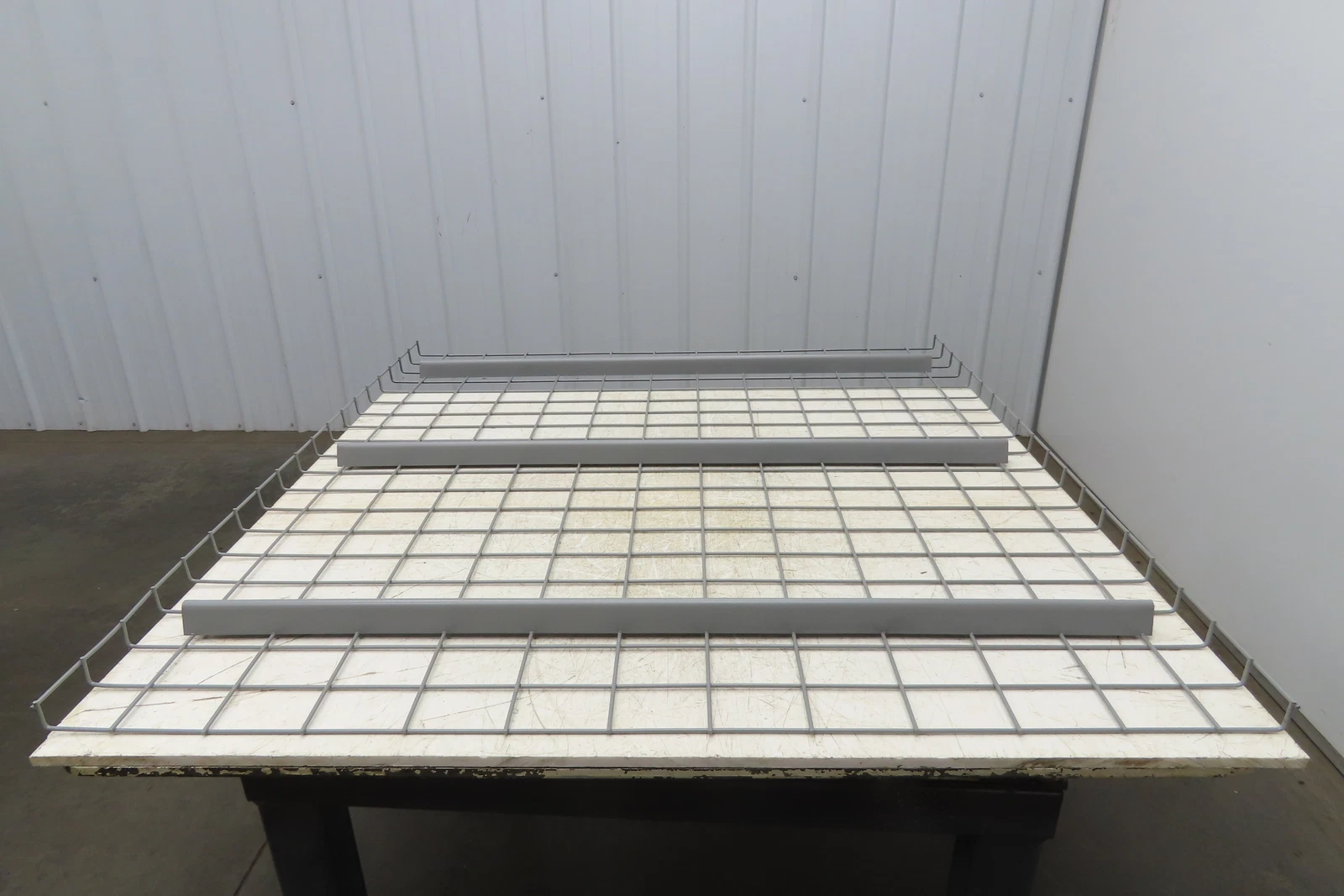
How Do Misplaced Pallets Influence Customer Satisfaction?
How Do Misplaced Pallets Influence Customer Satisfaction?
- Misplaced pallets negatively impact customer satisfaction and trust.
- A cluttered warehouse leads to inefficiency and longer wait times for customers.
- Disorganized inventory creates emotional frustration for customers awaiting their orders.
- Businesses must prioritize ethical responsibility and transparency to build trust with customers.
- Negative customer experiences can lead to detrimental word-of-mouth and reviews.
- Effective racking systems and organization can foster positive feedback and customer loyalty.
- Each pallet tells a story; operational accuracy is vital for maintaining customer connection.

How Do Misplaced Pallets Influence Customer Satisfaction?
What Financial Risks Come with Mismanaged Pallet Inventory?
Mismanaged pallet inventory can hit a business harder than a rogue forklift in a crowded warehouse. Picture this: pallets stacked haphazardly, boxes tumbling, lost products littering the floor, and an inventory management system that’s as useful as a screen door on a submarine. You’re wasting money, time, and energy—resources that could be better spent growing your business rather than cleaning up avoidable messes.
First off, let’s consider the dollars and cents. Every misplaced pallet represents potential revenue slipping through your fingers. Mistakes in inventory tracking often lead to overordering, overflowing racking systems, and ultimately, costly deductions in profits. Excess inventory clogs your warehouse, meaning more money tied up in products that aren’t moving. For a small business, that can lead to a cash flow crisis, sending a shiver down your spine as overdue bills start rolling in. A tightly managed inventory acts like a well-oiled machine; it keeps your operations streamlined and your finances healthy.
Now, think about the emotional impact on your team. Mismanagement creates stress—frustration mounts when employees can’t find what they need to get the job done. Morale plummets when people are wasting time rectifying mistakes rather than contributing to the big picture. An empowered team thrives on clarity and organization; they work best when they know their roles matter. When inventory is mismanaged, that connection to purpose and productivity is severed, and what’s left is a workplace filled with angst instead of inspiration.
On a broader scale, there’s the ethical responsibility to your customers. Today’s shoppers expect timely deliveries and accurate orders. If your inventory isn’t under control, product shortages or mix-ups lead to disappointed clients and reputational damage. Repeat customers build relationships; they trust you to deliver consistently. Letting them down can not only hurt your bottom line but also erode your standing in the community.
Lastly, consider the authority of your operation. Industry leaders understand that effective inventory management is not just about efficiency but also about maintaining a competitive edge. When you handle your pallets like a pro, word gets around. Sustainable practices in inventory control draw in likeminded partners and customers who value dependability.
Mismanaged pallet inventory isn’t just a headache; it’s a financial risk that can chip away at your confidence. Treat your inventory like the lifeblood of your business, and those financial risks will begin to fade, replaced instead by growth, trust, and success.

What Financial Risks Come with Mismanaged Pallet Inventory?
What Financial Risks Come with Mismanaged Pallet Inventory?
- Mismanaged pallet inventory can severely impact a business, causing financial losses and operational inefficiencies.
- Lack of organization leads to misplaced pallets, wasted resources, and potential cash flow crises for small businesses.
- Employee morale suffers when inventory management is poor, creating stress and reducing productivity.
- Timely deliveries and accuracy are crucial for customer satisfaction; mismanagement can damage reputations and relationships.
- Effective inventory management is essential for maintaining a competitive edge and attracting dependable partners.
- Mismanaged inventory poses financial risks that can undermine business confidence and long-term growth.
- Treating inventory as essential can transform challenges into opportunities for success and trust in the marketplace.

What Financial Risks Come with Mismanaged Pallet Inventory?
Are There Hidden Costs Of Misplaced Pallets?
Hidden costs of misplaced pallets can sneak up on you like a thief in the night, costing more than just a few lost dollars. When pallets are out of place, they can lead to a domino effect, disrupting the well-oiled machine of your warehouse operations. Racking systems, often thought of as mere storage solutions, become far less effective when they’re filled with misplaced items. Suddenly, time is wasted in the hunt for goods that should have been readily available. Employees, frustrated and fatigued, find themselves scrambling around instead of focusing on productive work that benefits both the company and their wallets.
Consider the stories behind the misplaced pallets—every misplaced item is a worker’s hard effort turned to dust. When folks show up to do their jobs, it’s more than just a paycheck; it’s about pride in their work. Misplaced pallets rob them of that, creating a gritty environment where anxiety about quotas and deadlines looms large. This isn’t just about efficiency; it’s about people’s livelihoods. Each misstep can ripple through the company culture, engendering a sense of chaos that diminishes morale.
Then there’s the ethical side of things. Treating your warehouse like a cluttered mess isn’t just bad for business; it reflects poorly on how you value the work of your employees. Good racking systems and efficient pallet management aren’t just practical steps; they’re a sign of respect for the teams that keep the operation running. It’s about fostering a community that thrives on trust, where every team member knows they can rely on their surroundings to do their jobs well.
Finally, think about the authority rooted in organized systems. A well-organized space speaks volumes about a company’s leadership. It shows commitment to best practices, safety, and a respect for resources. Customers see this too—having an efficient operation can translate into better service and reliability, garnering confidence in your business.
By addressing the hidden costs of misplaced pallets, you’re not just cleaning up the warehouse; you’re investing in a robust future for everyone involved. A strong foundation fosters trust, inspires loyalty, and ultimately drives success. It’s not just good for the bottom line; it’s good for everyone who steps foot into that space.

Are There Hidden Costs Of Misplaced Pallets?
Are There Hidden Costs Of Misplaced Pallets?
- Misplaced pallets can disrupt warehouse operations, causing inefficiencies and wasting time.
- Racking systems become ineffective when filled with misplaced items, complicating inventory management.
- Employee frustration increases as time is wasted searching for goods, affecting morale and productivity.
- Every misplaced pallet represents lost worker effort, impacting pride and contributing to a negative work environment.
- Disorganized warehouses reflect poorly on employee value and company culture, undermining trust and respect.
- An organized system showcases strong leadership and commitment to best practices, enhancing customer confidence.
- Addressing these hidden costs not only improves operations but also fosters loyalty and drives overall success.

Are There Hidden Costs Of Misplaced Pallets?
Conclusion
Misplaced pallets present challenges that impact not just financial health but also employee morale and community trust. The consequences of poor pallet management reach far beyond inconvenience; they create a cascading effect that can debilitate operations. Picture a bustling warehouse where every second counts. An incorrectly stored pallet can disrupt workflow, forcing workers to waste time searching for items, which not only slows down productivity but also increases labor costs. This inefficiency doesn’t just drain resources; it also fosters frustration, undermining the sense of purpose and value among employees.
Financially, each misplacement can lead to lost sales and higher operational costs. A disorganized warehouse results in inventory inaccuracies, leading to overstocking or stockouts that complicate order fulfillment. Mismanaged pallets can lead to damaged goods and broken equipment, which means more money spent on replacements rather than profits. For small businesses operating on tight margins, this can push them to the brink of financial instability.
Ethically, a disorganized working environment compromises employee safety. When pallets block aisles or create chaos, it transforms a safe workspace into a hazard zone. Companies have a responsibility to ensure that their employees can work in a space free of unnecessary risks.
Moreover, misplaced pallets damage not just individual businesses but the broader community as well. When operations falter and productivity declines, local economies can suffer from job cuts and reduced employment opportunities. A business that is running efficiently helps support local jobs and contributes to the vitality of its community.
Creating a culture of accountability is crucial. Employees who understand the importance of proper pallet placement foster a cooperative environment, boosting morale and enhancing collaboration. This shift can transform the warehouse experience from a chaotic grind into a smooth-running operation where everyone plays their part and feels valued.
Addressing misplaced pallets isn’t merely a matter of logistical efficiency; it’s a commitment to integrity and respect for the workforce. Implementing effective racking systems and maintaining organization reflects a dedication to excellence. When done right, these improvements nurture trust, enhance customer satisfaction, and ensure long-term business success. Taking the time to fix small issues will create a solid foundation that benefits all involved, reinforcing the idea that every detail matters in the grand scheme of operations.

Conclusion
Conclusion:
- Misplaced pallets adversely affect financial health, employee morale, and community trust.
- Incorrectly stored pallets disrupt workflows, leading to productivity losses and increased labor costs.
- Pallet mismanagement results in inventory inaccuracies, causing overstocking or stockouts.
- Unsafe environments arise when pallets are disorganized, compromising employee safety.
- Declining operations due to poor pallet management can negatively impact local economies and job opportunities.
- Fostering a culture of accountability improves morale and collaboration among employees.
- Efficient pallet management demonstrates commitment to integrity, customer satisfaction, and long-term business success.

Conclusion
Other Resources

Other Resources
Here is a list of other resources you can review online to learn more:
- WERC
- Selective Pallet Racking Systems
- Cantilever Rack Configuration & Installation: A Comprehensive Guide – BMH
- What is Selective Racking: Understanding Benefits & Options
- Interlake
- Chicago Pallet Racking
- MHI
- Heavy-Duty Cantilever Storage Racks
- Crane Manufacturers Association Of America Inc.
- Warehouse Racks, Warehouse Racking in Stock – ULINE
- Illinois
- Teardrop Industrial Shelving Rack
- What is Cantilever Racking? – AK Material Handling Systems
- Cantilever Racks Chicago
- Warehousing Education and Research Council: https://www.werc.org/
- Overhead Lifting
- Total Warehouse
- American Surplus
- The Complete Pallet Rack Guide – Simply Rack
- Illinois Pallet Racking – Storage Solutions
Use This Prompt To Get More Resources With Your Favorite Online AI Tool: Please provide me with a list of online articles with their URLs in a bulleted list that I can read regarding The Financial Impact Of Misplaced Pallets

Other Resources
Glossary Terms
The Financial Impact Of Misplaced Pallets – Glossary Of Terms
1. Pallet: A flat transport structure that supports goods in a stable manner while being lifted by forklifts or other equipment.
2. Inventory: The complete list of items in stock, including pallets of products.
3. Logistics: The detailed coordination of complex operations involving people, facilities, and supplies.
4. Supply Chain: The entire system of production, processing, and distribution of goods from supplier to consumer.
5. Lost Revenue: Income that is not realized due to inefficiencies or errors, such as misplaced pallets.
6. Warehouse Management: The processes and systems used to oversee the storage and movement of goods in a warehouse.
7. Operational Efficiency: The ability to deliver products with minimal waste and maximized output; affected by pallet management.
8. Risk Management: Strategies and practices designed to identify, assess, and mitigate risks in logistics, including misplaced pallets.
9. Cost Analysis: The process of evaluating costs associated with misplaced pallets to determine their financial impact.
10. Product Damage: Damage incurred when pallets are misplaced, leading to potential losses in product quality and value.
11. Customer Satisfaction: The measure of how products meet customer expectations, which can decline due to shipment errors.
12. Turnover Rate: The frequency at which inventory is sold and replaced, potentially affected by misplaced pallets.
13. Dock Scheduling: The organization of docking times for incoming and outgoing shipments, crucial for effective pallet management.
14. Stockouts: Situations where inventory runs out, possibly due to inefficiencies in pallet handling.
15. Inventory Accuracy: The degree to which the recorded inventory matches the actual stock, influenced by pallet placement.
16. Transportation Costs: Expenses related to moving goods, which can increase if pallets are not stored properly.
17. Space Utilization: The effective use of warehouse space, often compromised by poor pallet organization.
18. Recovery Costs: Expenses incurred to rectify issues caused by misplaced pallets, including labor and reorganization.
19. Workflow: The sequence of processes through which a piece of work passes, affected by pallet positioning.
20. Pallet Tracking: The use of technology to monitor the location and status of pallets throughout the supply chain.
21. Inventory Holding Costs: Costs related to storing unsold goods, which can rise due to misplaced pallets.
22. Demand Forecasting: The process of predicting future product demand, which can be hindered by incorrect pallet management.
23. Shipping Errors: Mistakes made during the preparation and dispatch of goods, often linked to misplaced pallets.
24. Labor Costs: Expenses associated with workforce management, which may increase due to the extra handling of misplaced pallets.
25. Supply Disruption: Interruptions in the flow of goods, often stemming from pallet mismanagement.
26. Shrinkage: The loss of inventory that occurs due to errors or damage, potentially exacerbated by misplaced pallets.
27. Reorder Level: The inventory level at which new stock should be ordered, which can be disrupted by pallet disorganization.
28. Safety Stock: Extra inventory maintained to mitigate supply chain risks, impacted by pallet accuracy.
29. Efficiency Metrics: Measurements used to evaluate performance in inventory management, affected by pallet misplacement.
30. Continuous Improvement: Ongoing efforts aimed at enhancing processes, including better pallet handling practices.

Glossary Of Terms
Other Questions
The Financial Impact Of Misplaced Pallets – Other Questions
If you wish to explore and discover more, consider looking for answers to these questions:
- What are the most common causes of pallets being misplaced?
- How much does a single misplaced pallet cost on average?
- What hidden or indirect costs are associated with misplaced pallets?
- How do misplaced pallets affect order accuracy and fulfillment times?
- How do misplaced pallets impact customer satisfaction and retention?
- What is the measurable impact of misplaced pallets on inventory accuracy?
- How do misplaced pallets influence supply chain lead times and reliability?
- What safety risks do misplaced pallets create and how often do they lead to injuries?
- What regulatory or insurance liabilities arise from pallet misplacement incidents?
- How can companies quantify the ROI of fixing pallet-placement problems?
- What racking systems or layouts reduce the risk of misplaced pallets?
- Which technologies (barcodes, RFID, WMS, GPS) are most effective at preventing misplacements?
- How much does it cost to implement pallet-tracking technologies and what savings can be expected?
- What standard operating procedures (SOPs) help prevent pallet misplacement?
- How often should warehouses audit pallet locations and inventory?
- What KPIs should managers track to detect pallet-placement issues early?
- How should warehouses train staff to improve pallet handling and placement?
- What are quick fixes teams can apply immediately to reduce misplacements?
- How do seasonal peaks or high SKU counts increase the risk of misplaced pallets?
- What are best practices for slotting and labeling to minimize errors?
- How do forklift operator behaviors contribute to pallet misplacement?
- What layout or signage changes most improve pallet organization?
- How do misplaced pallets affect material flow and throughput metrics?
- What is the role of warehouse management systems in preventing misplacements?
- How can small businesses with limited budgets address pallet misplacement effectively?
- What are the long-term cultural or behavioral changes needed to prevent recurring misplacements?
- How do misplaced pallets affect relationships with suppliers and carriers?
- What legal or contractual risks exist if misplaced pallets cause late deliveries?
- How can companies estimate the cost of missed sales due to pallet-related delays?
- What insurance claims or premium increases are common after pallet-related accidents?
- How can warehouses design root-cause analyses for recurring pallet misplacements?
- What metrics demonstrate improvement after implementing pallet-management changes?
- How does pallet misplacement contribute to inventory shrinkage or theft?
- What role can automation (conveyors, AGVs, robotics) play in eliminating misplacements?
- Which case studies show measurable savings after resolving pallet placement issues?
- What investment and timeline are realistic for reducing pallet misplacements by a target percentage?

Other Questions
Checklist
The Financial Impact Of Misplaced Pallets – A Checklist
Purpose
✅______ Use this checklist to prevent pallet misplacement, protect profits, strengthen safety, and improve customer satisfaction.
Racking and Layout Discipline
✅______ All pallets stored in assigned rack locations; no unauthorized floor parking (daily).
✅______ Aisle widths clear; no pallet or product overhang into travel paths (daily).
✅______ Rack load ratings posted and enforced; no overloading (daily).
✅______ Location labels and bay markers clean, visible, and scannable (weekly).
✅______ Fast movers in golden zones; slow movers higher/farther back (quarterly review).
✅______ Staging lanes marked; FIFO/LIFO rules posted and followed (daily).
✅______ Return, quarantine, and repair areas clearly designated (daily).
Pallet Quality and Handling
✅______ Inspect pallets at receipt; remove cracked boards, exposed nails, or unstable stringers (daily).
✅______ Standardize pallet sizes/types by SKU family to reduce misfits (quarterly).
✅______ Safe stacking height and overhang limits documented and enforced (daily).
✅______ Loads secured (wrap or strap) to prevent shifting and identification obstructions (daily).
✅______ Damaged pallet workflow in place (tag, segregate, and repair or scrap) (daily).
Inventory Control and Location Accuracy
✅______ Every pallet has a unique ID (license plate) tied to a rack location (daily).
✅______ Directed put-away used; no temporary drops without scanning (daily).
✅______ Cycle counts executed on schedule; variances resolved within 24 hours (weekly).
✅______ Location accuracy target ≥ 99% and monitored (weekly).
✅______ Exception log for stranded or misplaced pallets with root cause recorded (daily).
Receiving, Put-Away, and Replenishment
✅______ Put-away completed within defined SLA (daily; e.g., within 4 hours of receipt).
✅______ Cross-dock rules applied where applicable to reduce touches (daily).
✅______ Replenishment triggers set (min/max, reorder points) and adhered to (daily).
✅______ Pick paths optimized; slotting reviewed for congestion and reach (monthly).
Safety and Risk Controls
✅______ Emergency exits, fire equipment, and egress routes unobstructed (each shift).
✅______ End-of-aisle guards, rack anchors, and column protectors present and intact (monthly).
✅______ Formal rack inspection conducted and documented (monthly).
✅______ Forklift speed limits and right-of-way rules enforced (daily).
✅______ Near-miss and incident reporting active; corrective actions closed (weekly).
✅______ Housekeeping/5S audits passed (Sort, Set, Shine, Standardize, Sustain) (weekly).
Culture, Training, and Accountability
✅______ Onboarding includes pallet placement and racking SOPs with hands-on demonstration (each new hire).
✅______ Refresher training delivered and documented (quarterly).
✅______ Visual work instructions and standard work posted at point of use (weekly check).
✅______ Clear area ownership; supervisors audit and coach (daily).
✅______ Recognition for accuracy and housekeeping; consequences for repeat noncompliance (monthly).
✅______ Daily huddles include misplaced pallet metrics and quick countermeasures (daily).
Customer and Service Impact Controls
✅______ OTIF (on-time, in-full) tracked; pallet-related delays tagged in system (weekly).
✅______ Backorders and expedites reviewed; root causes tied to location errors addressed (weekly).
✅______ Proactive customer notifications when risk to the promise date is detected (as needed).
Metrics and Financial Tracking
✅______ Time spent locating pallets recorded (minutes per shift) (daily).
✅______ Misplaced pallets per shift measured and trended (daily/weekly).
✅______ Damage rate (% of pallets causing product damage) monitored (weekly).
✅______ Expedited freight events and costs tracked and attributed to inventory/racking errors (weekly).
✅______ Inventory carrying cost impact from inaccuracies estimated (monthly).
✅______ Insurance claims and premium changes tracked (quarterly).
✅______ Productivity (lines/hour, picks/hour) trended pre- and post-improvements (weekly).
✅______ ROI for fixes (labels, WMS, training, rack repair) calculated and reviewed (quarterly).
Technology and Tools
✅______ WMS configured with bin locations, validation, and directed workflows (quarterly review).
✅______ Handhelds/scanners operational; batteries and spare pool adequate (daily).
✅______ Location labels with check digits and scan verification in use (daily).
✅______ Real-time dashboards for location accuracy and SLA adherence visible (daily).
✅______ Consider RTLS/RFID for high-value/high-velocity zones where justified (biannual review).
Audits and Continuous Improvement
✅______ End-of-shift floor clear; no stray pallets in aisles or non-designated areas (each shift).
✅______ 5S/housekeeping scorecards completed and posted (weekly).
✅______ Top 3 root causes of misplacement addressed via quick kaizen (monthly).
✅______ Rack layout/slotting re-evaluated for seasonality and demand shifts (quarterly).
✅______ Supplier/3PL palletization quality reviewed; corrective actions agreed (quarterly).
✅______ SLA with 3PLs includes location accuracy and put-away timeliness (contract review).
Compliance and Documentation
✅______ SOPs current, version-controlled, and easy to access (monthly check).
✅______ Training and authorization records up to date (monthly).
✅______ OSHA and insurer storage/housekeeping requirements met (quarterly audit).
✅______ Incident and corrective action logs complete and signed off (weekly).
Communication and Escalation
✅______ Standard signal and channel to report blocked aisles or stranded pallets (daily).
✅______ Escalation response time target met (daily; e.g., under 30 minutes).
✅______ Cross-shift handoff includes open pallet/location exceptions (each shift).
Quick Cost Estimator (fill in and review monthly)
✅______ Misplaced pallets per week __
✅______ Average search time per pallet (minutes) __
✅______ Fully loaded labor rate ($/hour) __
✅______ Weekly labor loss = (Misplaced pallets × Search time ÷ 60) × Labor rate = __
✅______ Percent of events causing damage __% | Average damage cost per event $__ | Damage cost = __
✅______ Expedited shipments due to misplacement __ × average expedite cost $__ = __
✅______ Inventory carrying cost from overstock due to inaccuracies (monthly) $__
✅______ Insurance/claims or premium impact (monthly) $__
✅______ Total estimated weekly/monthly cost of misplacement __
Leadership Commitment
✅______ Supervisor/manager reviews this checklist and signs off on completion and actions (weekly).
✅______ Budget and resources aligned to close top identified gaps (monthly).

Checklist
At RackingWorld, we help guide you through selecting warehouse storage systems and racking.
Be sure to read our other related stories at RackingWorld to learn more about warehouse storage systems.
0 Comments