
Maximizing Efficiency And Safety With Thoughtful Racking Designs
By Tom Seest
At RackingWorld, we help guide you through selecting warehouse storage systems and racking.
Be sure to read our other related stories at RackingWorld to learn more about warehouse storage systems.
Racking Layouts Are More Important Than the Racks Themselves
In the world of warehousing, racking isn’t just about metal beams holding up your goods; it’s the very backbone of efficiency. Imagine embarking on a journey through a labyrinth of aisles where every turn feels instinctive, where every twist and nook is designed with purpose. This isn’t merely luck; it’s the result of meticulous racking layouts crafted with an understanding of flow, space, and human behavior. A well-thought-out design is more than a blueprint; it’s a commitment to optimizing the potential of every square foot.
Picture the underdog story—an organization that, despite limited funds, crafts a racking setup that dazzles. The warehouse team becomes a family, working seamlessly together as they navigate the aisles. They’ve discovered the secret sauce, where each worker moves with purpose, where every second saved translates into newfound profits and reduced strain. It’s a narrative of transformation: how a small tweak in layout leads to monumental gains, and suddenly, instead of chaos, there’s clarity.
Now, let’s get technical. When racking layouts prioritize accessibility and flow, they reduce the time it takes to pick and store items. Every moment saved isn’t just numbers on a spreadsheet; it’s the time you can spend investing in your employees, fostering their skills, and creating a workplace that thrives. This layout is not just an operational choice; it’s an ethical one, showing that by investing in better systems, you care for your workers’ time and well-being.
Consider, too, the social aspect. A well-planned racking setup fosters an environment where teamwork thrives. When teams can easily locate materials and navigate the warehouse, morale rises. They begin to form bonds not just over work, but over the shared success that a well-structured layout brings. As a social unit, they learn that collaboration leads to efficiency, creating a culture that values every member’s input.
So, when you’re looking at racks, don’t just see metal and wood; consider the story they tell. Think of the heart of your operation, the pulse of your workforce, and the efficiency that can emerge from thoughtful design. The emphasis on racking layouts is not just practical; it’s a manifesto for a better, more efficient future—one that values the people behind the processes and celebrates every victory, big or small.
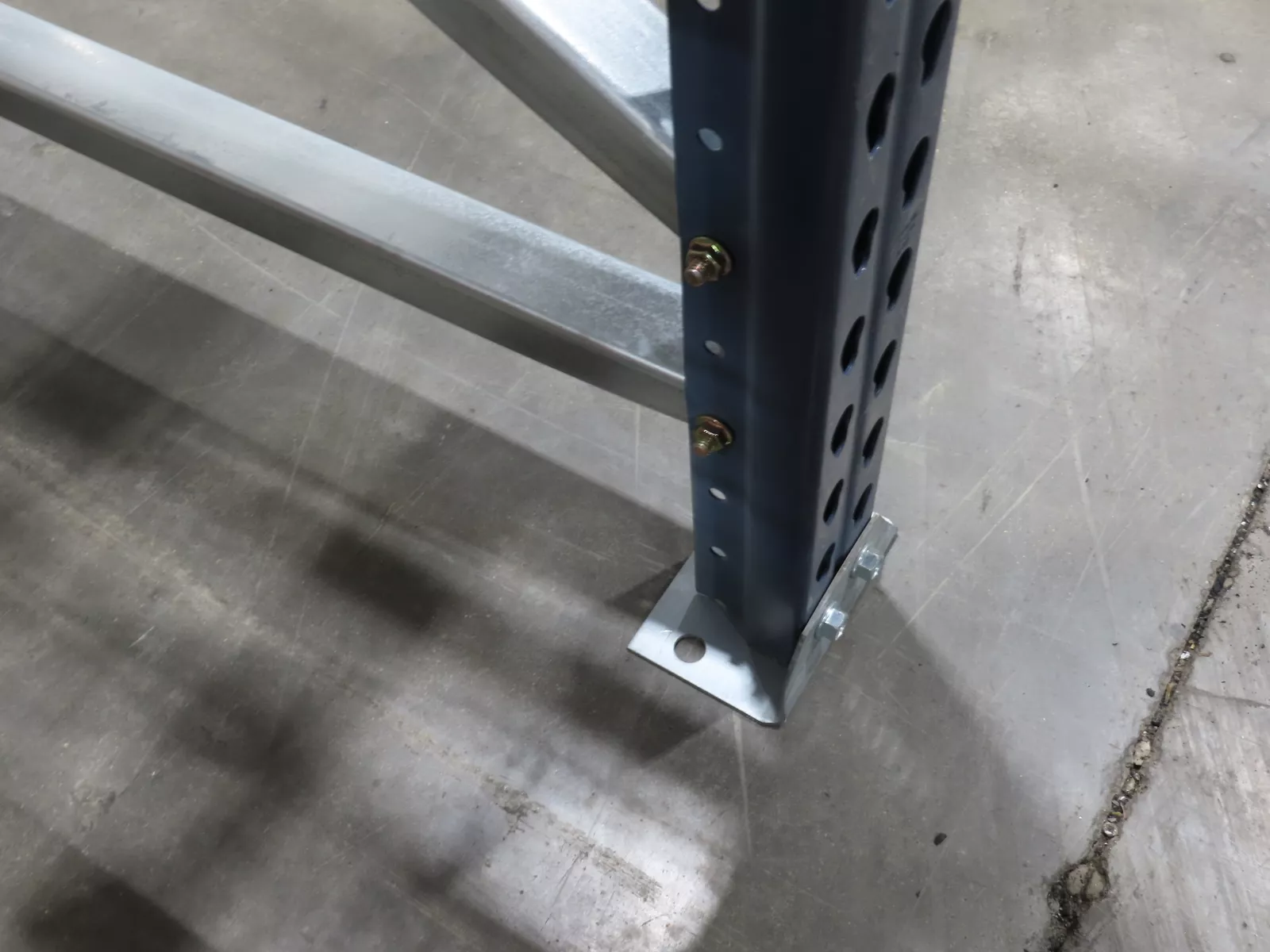
Racking Layouts Are More Important Than the Racks Themselves
Racking Layouts Are More Important Than the Racks Themselves
- Racking is essential for efficiency in warehousing, serving as the backbone for operations.
- Meticulous racking layouts optimize space and enhance the flow of movement through the warehouse.
- An effective design fosters a sense of teamwork and community among warehouse staff.
- Small adjustments in racking layouts can lead to significant improvements in productivity and clarity.
- Prioritizing accessibility in layouts reduces pick and store times, benefiting both operations and employees.
- A well-planned setup fosters morale, collaboration, and a culture of shared success among team members.
- Emphasizing thoughtful design in racking not only improves efficiency but also values the workforce and their contributions.
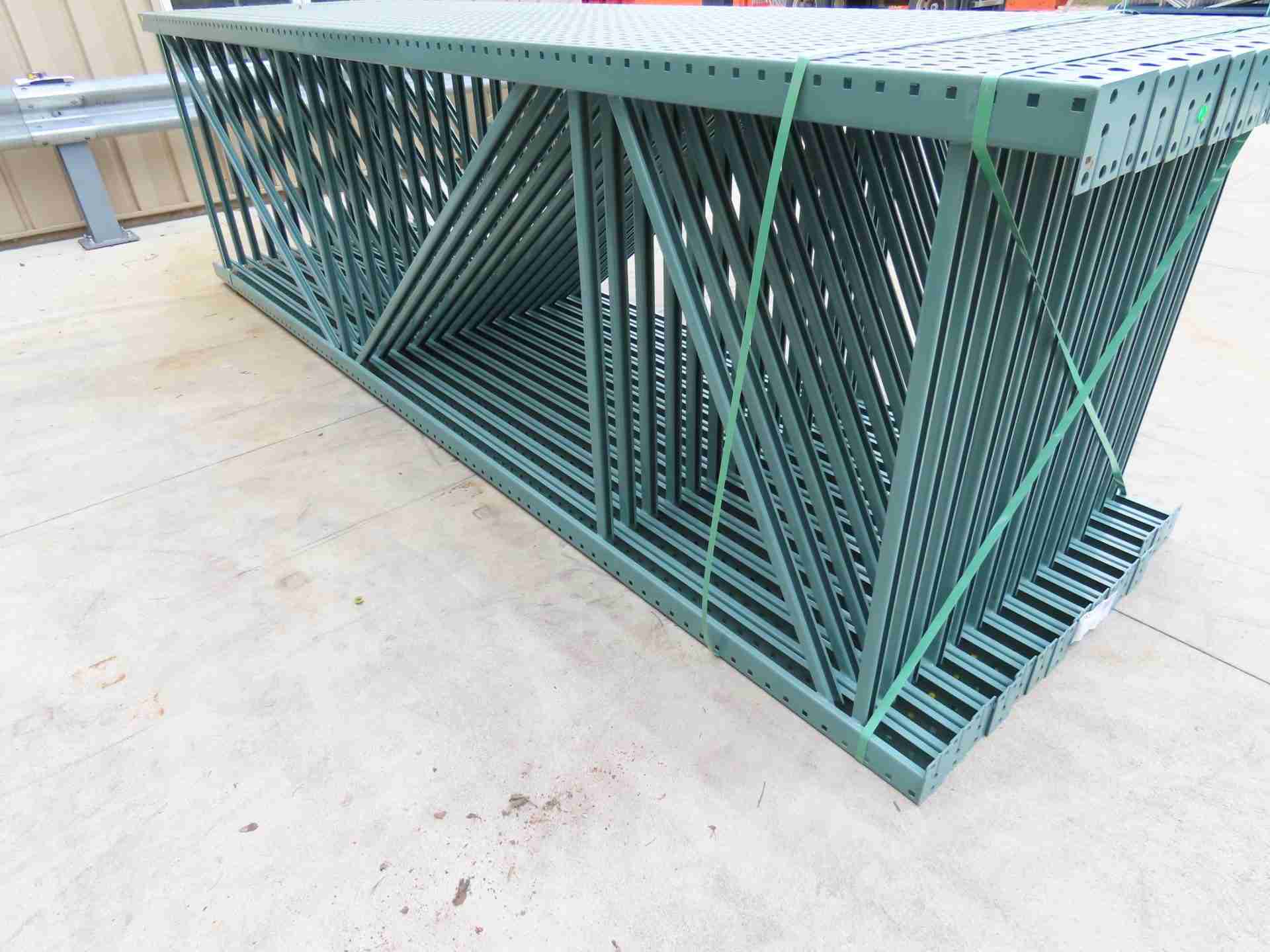
Racking Layouts Are More Important Than the Racks Themselves
Table Of Contents
- Racking Layouts Are More Important Than the Racks Themselves
- What Emotions Drive Your Decision In Choosing Racking Layouts?
- How Can You Leverage Expert Opinions to Improve Your Racking Layouts?
- What Stories Can Your Racking Layout Tell About Your Organization?
- How Do Your Peers Approach Racking Layouts In Similar Industries?
- What Challenges Have You Faced with Racking Layouts In the Past?
- Conclusion
- Other Resources
- Glossary Of Terms
- Other Questions
- Checklist
What Emotions Drive Your Decision In Choosing Racking Layouts?
When it comes to selecting a racking layout, emotions stir beneath the surface, transforming a logistical task into a deeply personal journey. Think about it: every choice we make carries a piece of our story. How we arrange our space speaks volumes about our values and aspirations. The right layout isn’t just about maximizing efficiency; it’s about how we view our work, our goals, and the relationships we build along the way.
Picture this: a warehouse packed full of chaos. Stacks of boxes teeter precariously, creating a sense of anxiety. Now imagine walking into a well-organized facility where each item has its rightful place, a serene order that empowers the team. This is the power of racking layout. It transforms not just the workspace but the emotional landscape of everyone involved. When order exists, confidence flourishes, and people feel proud of their environment.
But don’t be fooled; it’s not just about feelings. The head knows numbers don’t lie. An efficient racking layout directly translates to lower operating costs and higher productivity. You see, each square foot utilized effectively is money saved and profits gained. This rational approach guides decisions, ensuring that your layout aligns with strategic goals. When you marry the emotional impulse with solid data, that’s where real transformation happens.
Then there’s the ethical dimension: we have a duty to our teams and the environment to design spaces that encourage efficiency without compromising safety or welfare. Choose layouts that elevate not just the bottom line, but the quality of life for those who work tirelessly within those walls. This perspective fosters a culture of respect and responsibility.
Finally, consider the social aspect. Everyone’s watching and learning. When you choose a racking layout thoughtfully, you’re setting a standard, creating a shared narrative. Others in the industry take notice, maybe even imitating. You become a leader in your field, one who values both functionality and the well-being of their workforce.
Choosing a racking layout isn’t merely a task—it’s a testament to who you are as an organization. It’s an invitation to connect, to inspire trust, and to act decisively with confidence. With every choice, you’re not merely filling space; you’re crafting a legacy.
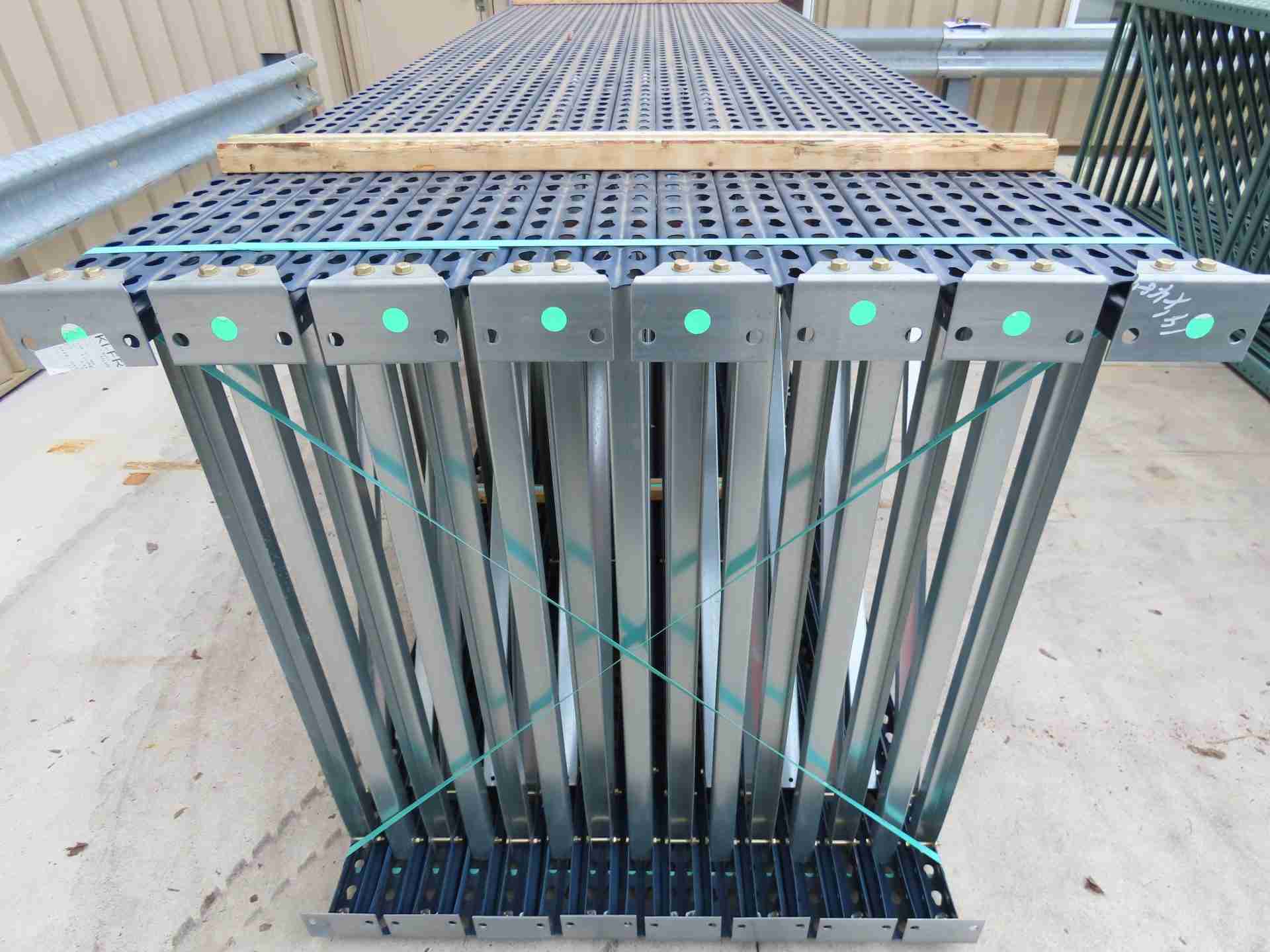
What Emotions Drive Your Decision In Choosing Racking Layouts?
What Emotions Drive Your Decision In Choosing Racking Layouts?
- Selecting a racking layout is a deeply personal journey that reflects our values and aspirations.
- A well-organized space empowers teams and enhances confidence, contrasting with chaotic environments that induce anxiety.
- An efficient layout leads to lower operating costs and higher productivity, proving the importance of data in decision-making.
- Merging emotional insights with data-driven strategies results in transformative outcomes for organizations.
- Layouts should promote efficiency while ensuring the safety and well-being of the workforce, fostering a culture of respect.
- A thoughtfully chosen layout sets a positive industry standard, influencing others and establishing leadership within the field.
- Choosing a racking layout is a reflection of organizational identity and a way to craft a lasting legacy.
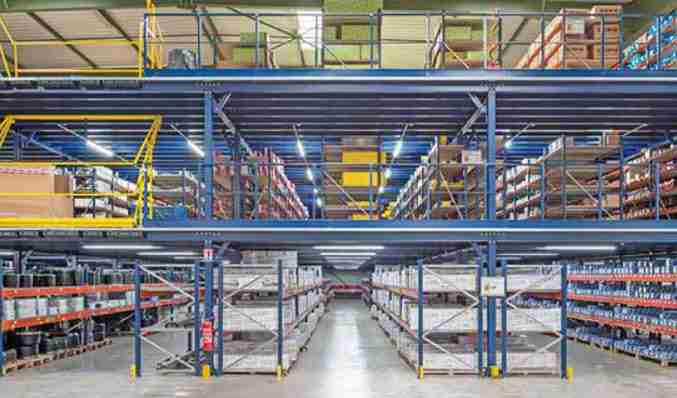
What Emotions Drive Your Decision In Choosing Racking Layouts?
How Can You Leverage Expert Opinions to Improve Your Racking Layouts?
When it comes to optimizing your racking layouts, tapping into expert opinions can be a game-changer. It’s about more than just maximizing space or efficiency; it’s about creating a system that echoes the hearts, minds, and guts of those who use it day in and day out. Picture this: a warehouse buzzing with activity, where every pallet and product finds its place seamlessly. Sounds enticing, right? That vision can become a reality when you lean on the expertise of those who’ve walked the path before you.
You see, experts—whether they’re seasoned engineers, safety officers, or operational wizards—bring a wealth of knowledge and a unique perspective shaped by experience. They’ve seen the good, the bad, and the ugly of racking designs. They know which configurations stand the test of time and which ones can leave you in a bind. So why wouldn’t you listen to their advice?
This isn’t merely about logistics; it’s a matter of ethics. Your employees deserve a safe and efficient workspace. A well-thought-out racking layout doesn’t just enhance productivity; it protects lives. Solid advice from industry experts can help you strike that delicate balance between operational performance and safety.
And let’s not overlook the narrative layer. When you bring experts into the fray, you’re crafting a story that resonates with your team. It’s not just about shelves filled with goods; it’s about building a collective journey. You can showcase case studies or anecdotes that illustrate how expert recommendations have transformed other operations. This organic connection creates a sense of camaraderie around the idea that everyone is invested in success.
Moreover, sharing these insights fosters a culture of continuous improvement—an environment where innovation thrives. Your team begins to see the value of collaboration not just among themselves, but with the external experts who can advance their knowledge. The wisdom gained from consulting these well-esteemed professionals can elevate your operation and strengthen your credibility in the industry.
In essence, leveraging expert opinions isn’t just a tactical move; it’s an emotional investment in your team’s future. By transforming your racking layouts through trusted guidance, you’re not only enhancing efficiency and safety but also igniting passion and pride among those who make it all happen. So, grab those insights and watch as your operations flourish, reinforcing a legacy of success that both inspires and endures.
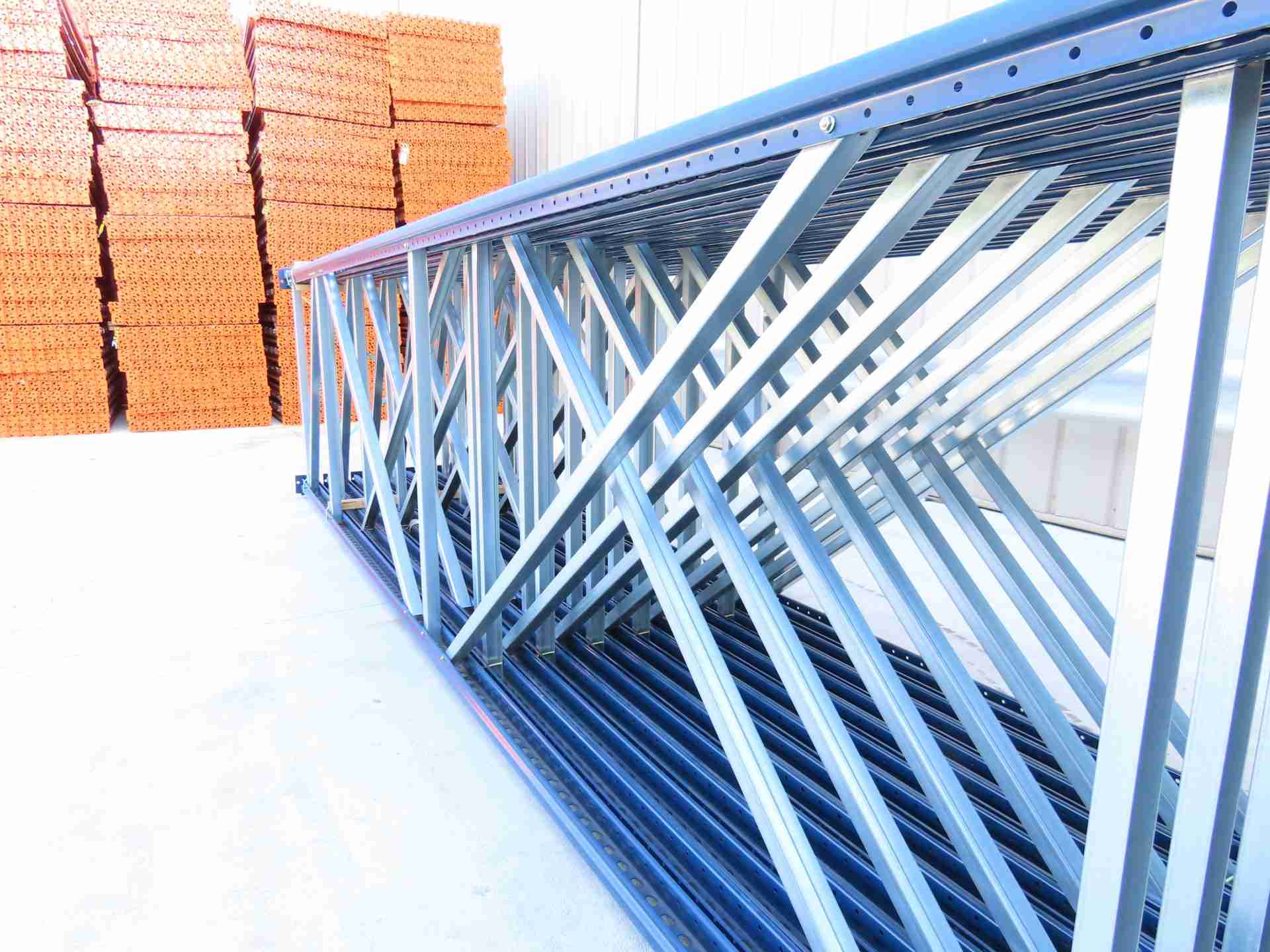
How Can You Leverage Expert Opinions to Improve Your Racking Layouts?
How Can You Leverage Expert Opinions to Improve Your Racking Layouts?
- Leveraging expert opinions can significantly enhance racking layouts beyond mere efficiency and space maximization.
- Experts, such as engineers and safety officers, provide valuable insights based on their extensive experience with racking designs.
- A well-designed racking system enhances workplace safety and protects employees, making expert advice crucial.
- Involving experts creates a narrative that fosters teamwork and a shared journey toward success among employees.
- Sharing expert insights promotes a culture of continuous improvement and collaboration within teams.
- Consulting with well-respected professionals elevates operational effectiveness and establishes credibility in the industry.
- Investing in expert guidance transforms racking layouts, enhances safety, and inspires passion among team members.
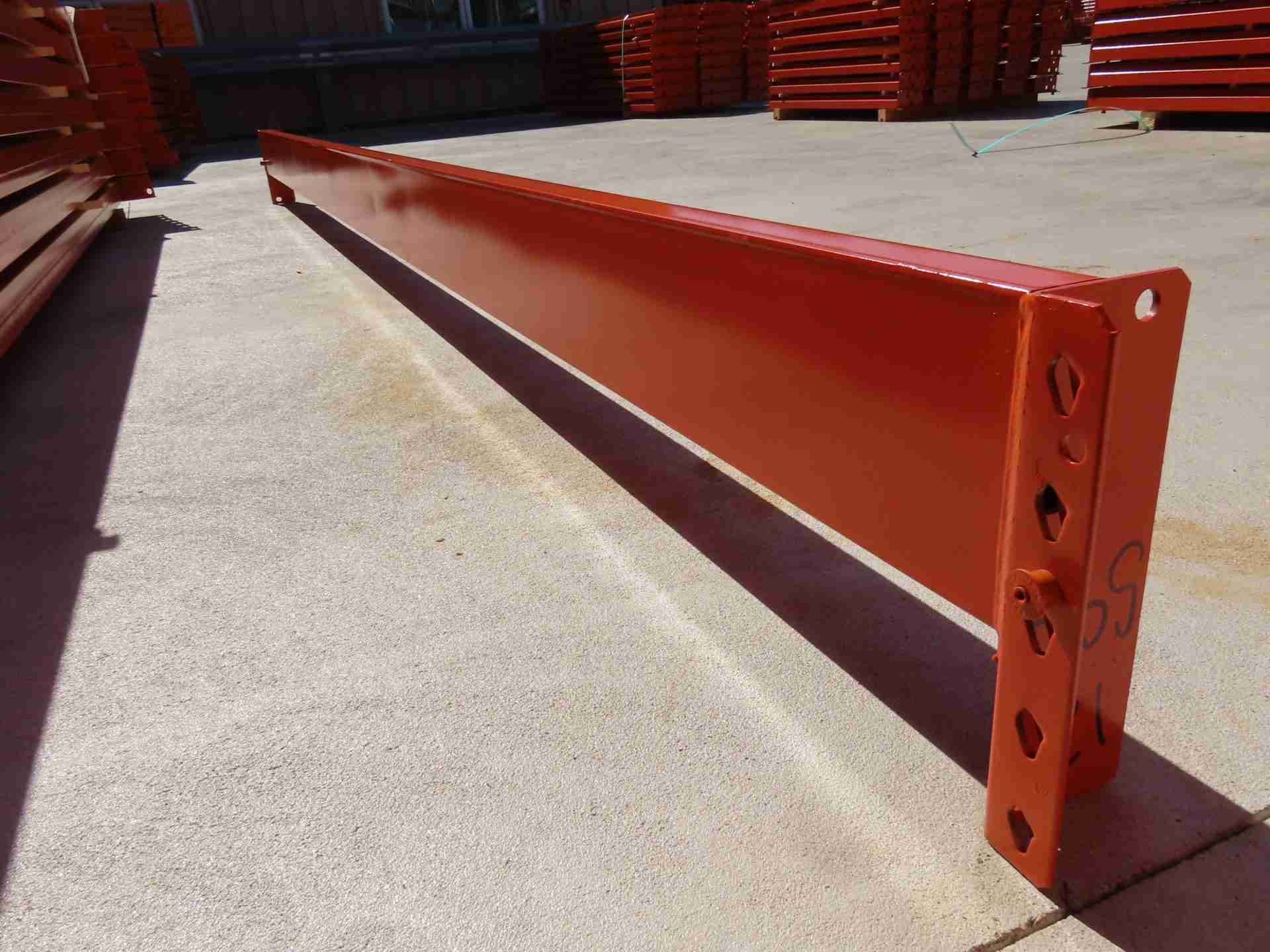
How Can You Leverage Expert Opinions to Improve Your Racking Layouts?
What Stories Can Your Racking Layout Tell About Your Organization?
Every organization has a story to tell, and sometimes, the most revealing chapters are written in the way we arrange our racking systems. Think about it: each shelf and vertical beam doesn’t just hold products; it displays your priorities, your culture, and your approach to efficiency. Imagine walking through a warehouse where racks are organized with a meticulous eye. It speaks volumes. You can feel the respect for the product, the employees, and the processes that keep things running smoothly.
From a gut perspective, a well-structured racking layout evokes a sense of order and control. It tells your team that you value their work environment, that every item has its place, and every place has its purpose. When they know where to find the tools they need, they can devote their time to what truly matters—delivering quality service and products that meet your customers’ needs. A chaotic racking system, on the other hand, breeds frustration and inefficiency. It’s like a messy desk; it distracts from the mission and undermines morale.
On the head level, consider the numbers. An efficient racking layout can enhance productivity and reduce operational costs. It allows for easy access to materials, reducing wasted time searching for items. Not to mention, it minimizes the risks of accidents, protecting your most valuable asset—your workforce. With an optimized system, you’re not just catering to the present but also planning for future growth. You’ll be prepared for changes in product lines and volume, adapting the racking to meet your evolving needs.
Ethically, maintaining a functional racking system shows commitment. It’s a message that you care about compliance and safety, reinforcing a culture of responsibility. People want to work for organizations that prioritize their well-being and ethics. This builds trust, not just internally but externally as well. When clients or partners visit, what they see in your racking layout can influence their perception of your entire operation.
Every interaction, every glance at those racks is a part of the larger narrative of who you are as an organization. They reflect the hard work, dedication, and values held by every individual that steps through your doors. When you see racking as more than mere storage, it becomes a testament to how you operate—efficiently, ethically, and with painstaking attention to detail. It invites connection, fosters pride, and inspires action. Are your racks telling the story you want?
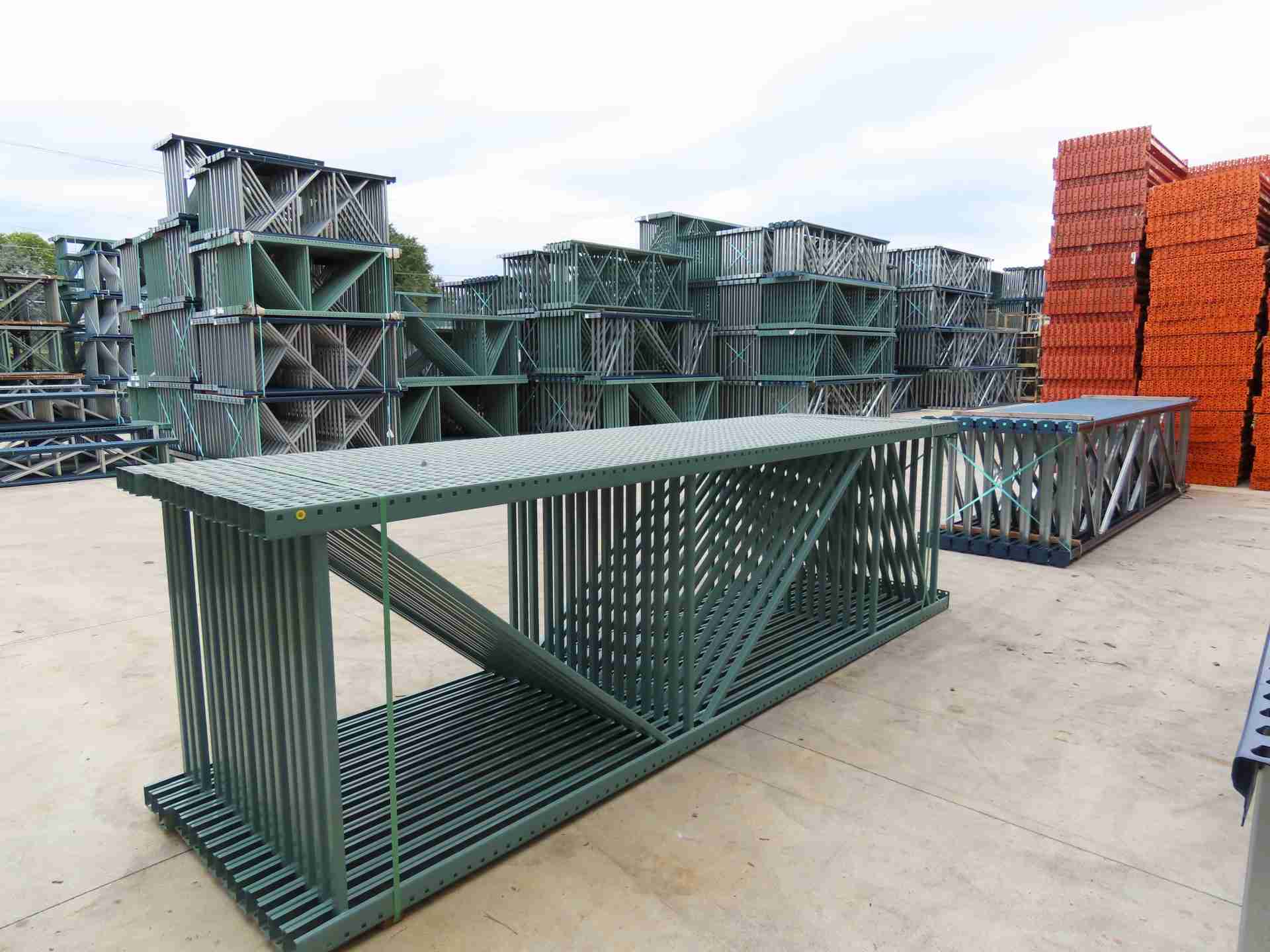
What Stories Can Your Racking Layout Tell About Your Organization?
What Stories Can Your Racking Layout Tell About Your Organization?
- Every organization has a unique story, reflected in its racking systems.
- Well-organized racking displays respect for products, employees, and operational processes.
- A structured layout promotes a sense of order, value for the work environment, and efficiency.
- Chaotic racking breeds frustration and undermines morale, similar to a messy desk.
- Efficient layouts enhance productivity, reduce operational costs, and minimize accident risks.
- Maintaining a functional racking system signifies commitment to compliance, safety, and ethical standards.
- Racking systems reflect organizational values and can influence perceptions among clients and partners.
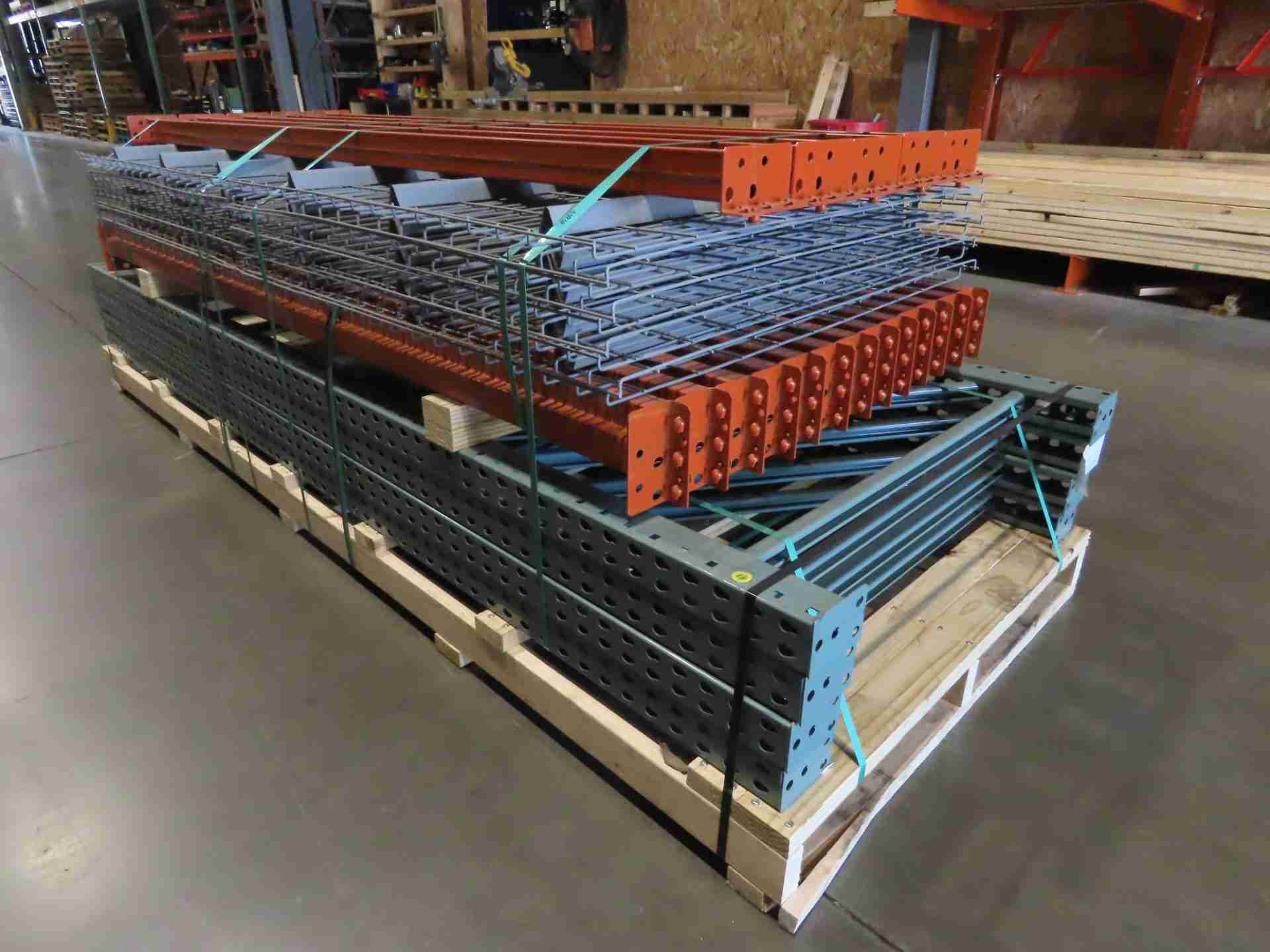
What Stories Can Your Racking Layout Tell About Your Organization?
How Do Your Peers Approach Racking Layouts In Similar Industries?
When we talk about racking layouts in industries that revolve around warehousing, logistics, or even retail, it’s not just about maximizing square footage or increasing storage density. It’s about creating a system that speaks to the heart of the operation: efficiency. Picture for a moment the bustling floor of a distribution center, the lively hum of machines, and the focused energy of workers navigating through the aisles. Each racking decision stems from a fundamental question—how do we make this space not just functional, but a thriving hub of productivity?
Many industry leaders look to each other for guidance and inspiration. A savvy warehouse manager might share insights over coffee, dissecting the nuances of their racking layouts. Did they opt for a deep lane, drive-in rack, or a selective system? The answer often hinges on the specific needs of the product at hand—a nod to ethics in efficiency that prioritizes the well-being of the staff just as much as the bottom line. Striking the right balance between safety and accessibility fosters a culture of trust, ensuring that everyone who steps into those aisles feels empowered, not encumbered.
The emotional side of racking doesn’t just start and stop with efficiency metrics; it leans heavily into community building. Those choices reflect not just technology but the very people who rely on that space day in and day out. And while one might lean on data to inform decisions, the stories behind each layout are what resonate. Colleagues share war stories of layouts gone awry, moments when they had to pivot mid-operation or adjust after a product overhaul. Those narratives weave the complex fabric of connection, offering a powerful reminder that behind each decision is a human face—somebody’s job, somebody’s livelihood.
As you look to your own operation, consider how your peers in similar industries navigate their racking strategies. Are they sticking with traditional methods, or are they venturing into innovative designs that embrace automation? Whether it’s a simple shift in layout or adopting new technologies, let the experiences of others guide you, reflect on your values, and maybe even inspire a collective action to rethink your space. Engaging with these stories can unlock profound insights, transforming not just the layout of a warehouse but fostering a new way of thinking about work, community, and progress. The journey to a more effective racking system is not a solitary endeavor; it’s an evolution that can spark inspiration and connection within your industry.
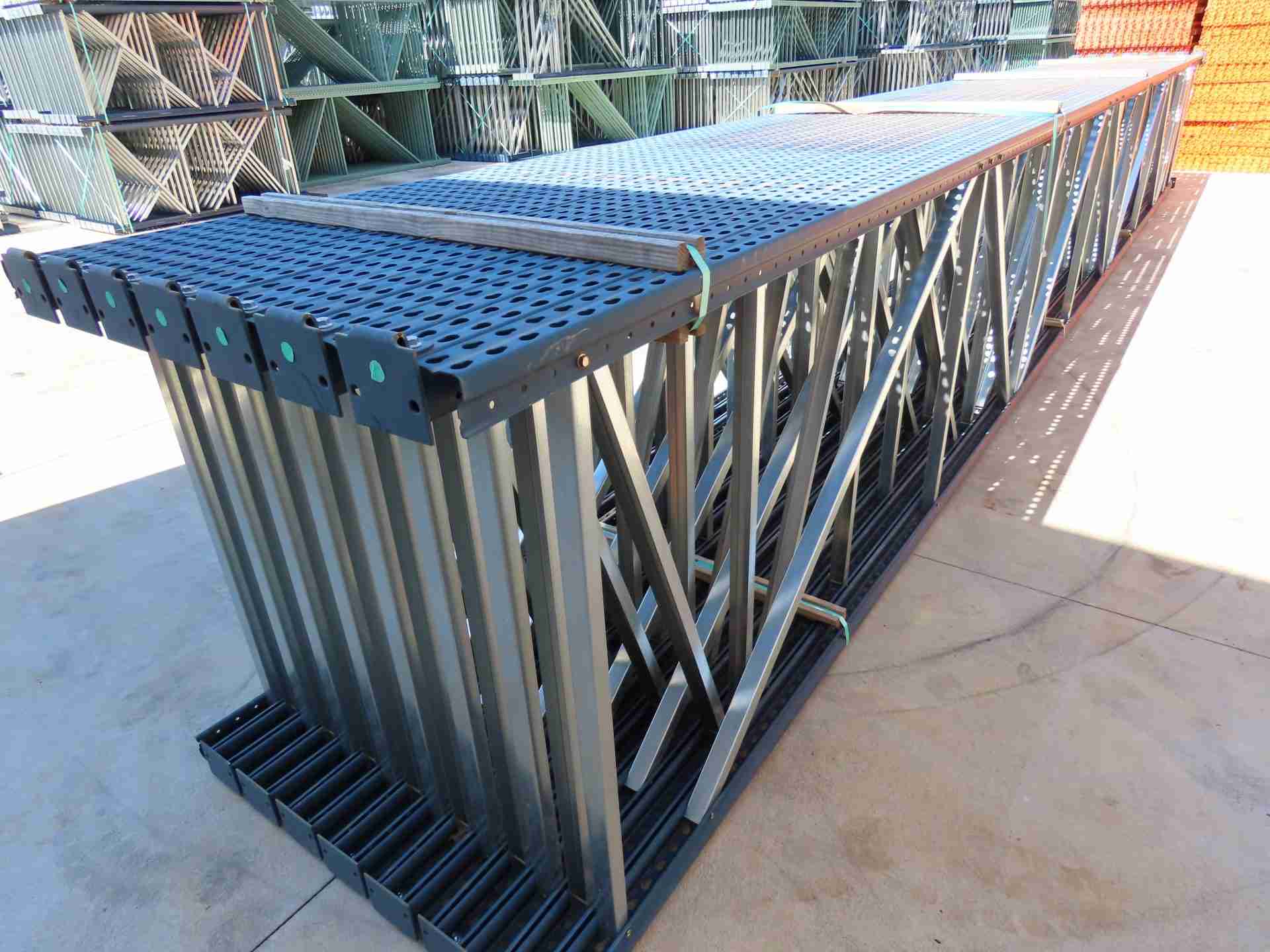
How Do Your Peers Approach Racking Layouts In Similar Industries?
How Do Your Peers Approach Racking Layouts In Similar Industries?
- Racking layouts in warehousing focus on optimizing efficiency, not just storage space.
- Key considerations involve product needs and maintaining staff well-being alongside profitability.
- Creating safe and accessible spaces fosters a culture of trust among employees.
- Racking decisions are influenced by collective experiences and shared insights among industry leaders.
- Emotional narratives behind racking choices highlight the human impact on productivity and workspace design.
- Exploring innovative designs and automation can enhance racking strategies and inspire change.
- Collaboration and community engagement are essential for evolving racking systems and improving operations.
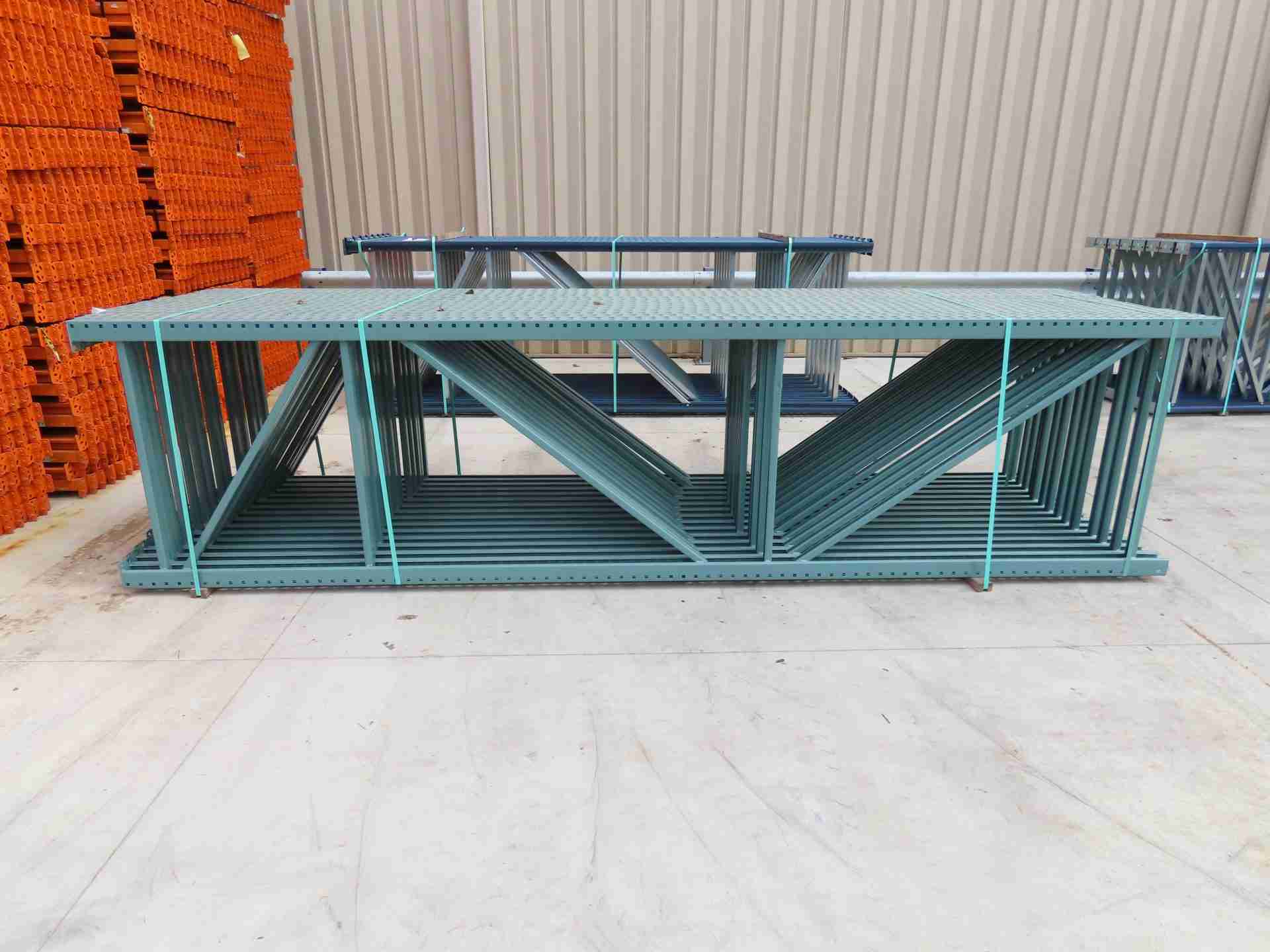
How Do Your Peers Approach Racking Layouts In Similar Industries?
What Challenges Have You Faced with Racking Layouts In the Past?
When it comes to racking layouts in a warehouse, it’s easy to think of them as simple grids or rows meant to maximize storage efficiency. Yet, beneath that seemingly straightforward surface lies a world of challenges that can shake the very foundation of operations. Picture this: you walk into a space that once flowed like a well-oiled machine, only to find chaos lurking behind the shelves. It’s not just about fitting one more box in here or adjusting a few inches there; it’s about how the very structure affects your team’s morale and productivity.
I remember a time when we faced a layout that seemed perfect on paper but crumbled in practice. The confusion among the staff was palpable; misplaced items and wasted hours became the new norm. For every minute they spent searching for equipment or inventory, there was a ripple effect—dissatisfaction grew, deadlines slipped, and ultimately, profits dipped. The gut punch of realizing that our strategy was as solid as a paper tower was hard to swallow.
It’s imperative to acknowledge the emotional side of logistics here. A poorly designed racking layout can strip away your team’s sense of accomplishment. They feel lost, like they’re wading through quicksand rather than standing firm on solid ground. When morale dips, so does customer service. Your loyal clients notice delays and mistakes, and soon, it becomes a matter of trust. Will they choose to stick with a business that can’t keep its house in order?
The ethical implications of ignoring racking layouts are clear too. Every employee deserves a workspace that empowers them. It’s not just about storing goods; it’s about creating an environment where everyone can thrive. When everyone has the tools they need—functional layouts that make sense—the entire operation feels more like a cohesive team rather than a collection of individuals stumbling around.
Let’s be honest; navigating these challenges isn’t just about finding a solution—it’s about elevating your entire organization. And when you get it right, your staff will feel that success, your clients will sense the reliability, and suddenly, that chaotic space transforms into a masterpiece of efficiency. So take a moment, reevaluate, and ensure your racking layouts are a source of pride rather than a reason for frustration. After all, building a solid foundation is the first step toward soaring high.
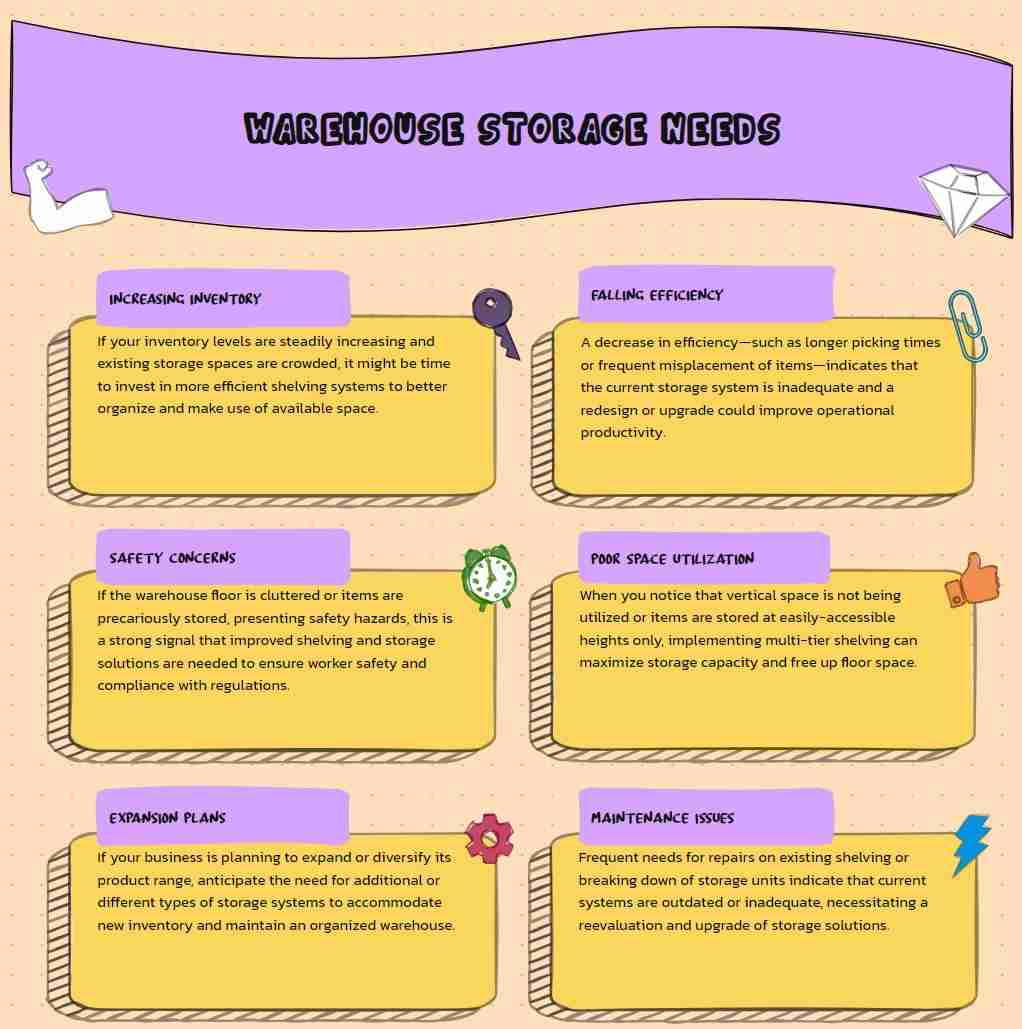
What Challenges Have You Faced with Racking Layouts In the Past?
What Challenges Have You Faced with Racking Layouts In the Past?
- Racking layouts in warehouses are often perceived as simple grids focused on maximizing storage efficiency.
- In practice, poorly designed layouts can lead to confusion, misplaced items, and wasted time, impacting team morale and productivity.
- Operational chaos can result in client dissatisfaction, missed deadlines, and ultimately decreased profits.
- A well-structured layout fosters a sense of accomplishment among employees, while a bad one can leave them feeling lost and unproductive.
- Customer service and trust can decline when operations are disorganized, leading to potential loss of clients.
- Employees deserve a workspace that empowers them, promoting collaboration and cohesiveness.
- Improving racking layouts can enhance organizational efficiency, transforming chaos into a streamlined, effective operation.
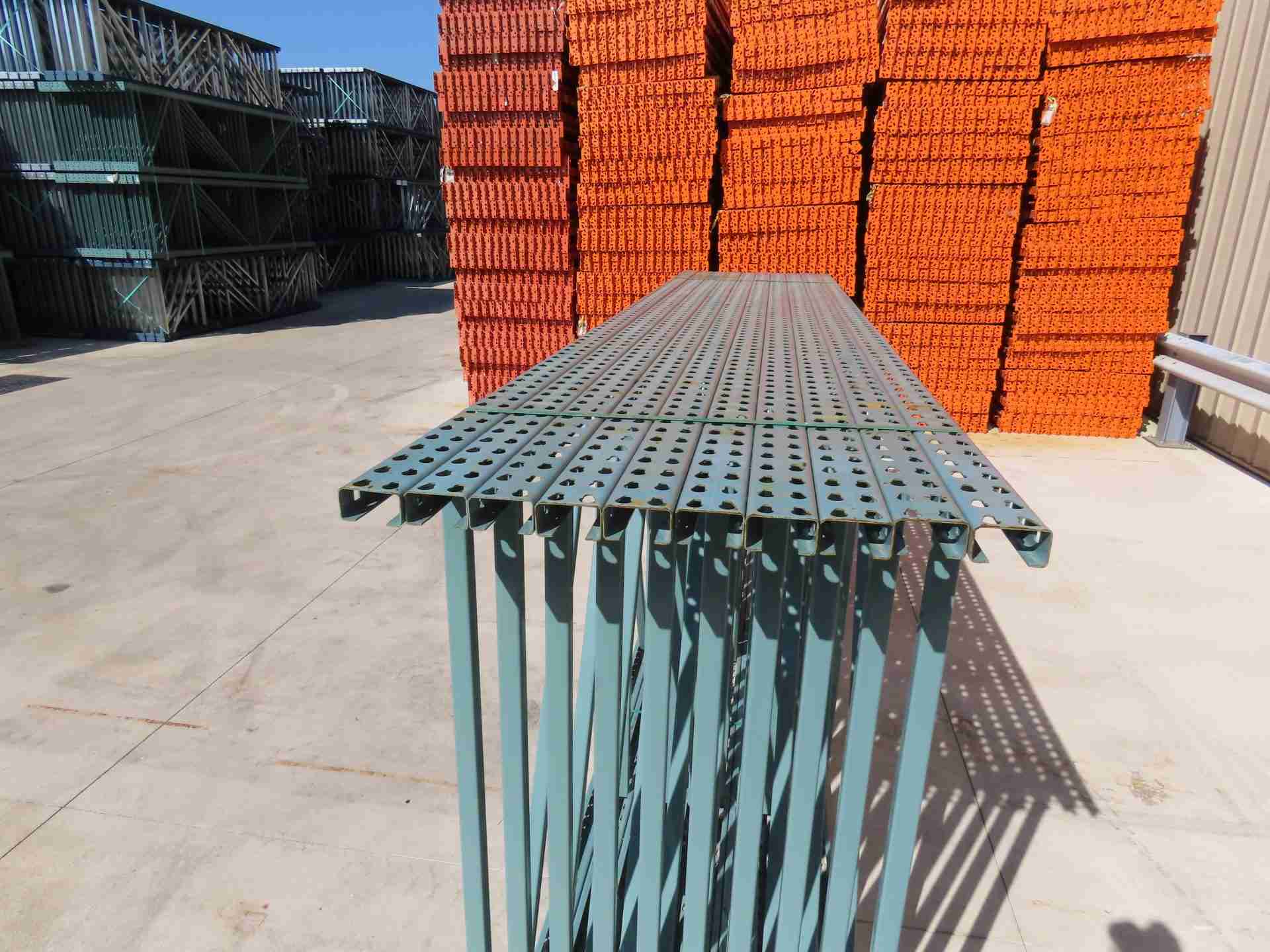
What Challenges Have You Faced with Racking Layouts In the Past?
Conclusion
Racking layouts are the unsung heroes of warehousing, wielding the power to transform chaos into order with a flick of design ingenuity. Picture stepping into a space where every item has its place—a harmony of movement that fosters productivity, safety, and morale among the workforce. This isn’t just about racks; it’s about the lifeblood of operations running smoothly.
Every choice you make in racking design resonates deeply. It reflects your organization’s values and ambitions. A thoughtful layout is akin to a well-tuned engine, where every cog works together to achieve optimal efficiency. When employees know where to find tools and materials, they feel empowered, confident, and proud of their environment. That’s a feeling worth cultivating. Conversely, a chaotic layout breeds frustration and inefficiency, weighing heavily on morale and performance. Emotionally, your workspace becomes a microcosm of the larger narrative of respect and dedication, where employees feel valued and engaged.
But let’s not dismiss the heady matters of data and economics. The numbers speak volumes: an efficient racking layout decreases operating costs, enhances productivity, and minimizes errors. Each moment reclaimed transforms into opportunities for investment in your workforce—developing skills, fostering a culture of improvement, and nurturing employee well-being. This isn’t just smart business; it’s an ethical responsibility to create environments that safeguard safety and prioritize the welfare of your team.
Racking layouts are also a reflection of your organization’s standing in the marketplace. They tell clients and partners a story about your commitment to excellence, compliance, and innovation. When others in your field observe your thoughtful design, they’re inspired to elevate their own practices, creating a ripple effect of improvement throughout the industry.
Engaging with experts can amplify this narrative, offering insights that blend experience and innovation. Their guidance arms you with knowledge that transforms theoretical ideas into practical applications, creating a symbiotic relationship between efficiency and safety.
Ultimately, the racking layout is a canvas that illustrates your organization’s journey. Each shelf and beam tells a story of humanity at work, showcasing your values and vision. Rethink what your layouts communicate and consider the legacy you’re crafting. With each decision, you’re not just filling space; you’re carving out a path towards growth, collaboration, and shared success. It’s time to turn your racking systems into a testament of your organization’s heart and dedication.
Conclusion
Conclusion:
- Racking layouts are essential for creating organized and efficient warehousing environments.
- A well-designed layout enhances productivity, safety, and employee morale.
- Design choices reflect an organization’s values and ambitions, fostering a sense of belonging among employees.
- An efficient racking layout reduces operating costs and minimizes errors, transforming time into opportunities for investment in workforce development.
- Thoughtful racking design can improve an organization’s reputation and inspire others in the industry to elevate their own practices.
- Engaging with experts can lead to innovative solutions that balance efficiency and safety.
- Racking layouts symbolize an organization’s journey and values, serving as a canvas for growth, collaboration, and success.
Conclusion
Other Resources
Other Resources
Here is a list of other resources you can review online to learn more:
- Selective Pallet Racking Systems
- Selective Pallet Racking Systems – Container Systems
- Warehouse Storage Racks
- Cantilever Rack Guide: Ordering Cantilever Racking
- Total Warehouse
- Overhead Lifting
- Teardrop Pallet Rack – Ridg-U-Rak
- Warehouse Racks, Warehouse Racking in Stock – ULINE
- Racking World
- CA Wire
- Selective Rack – Raymond West
- Crane Manufacturers Association Of America Inc.
- American Surplus
- Pallet Racking systems in Illinois and Great Lakes
- International Warehouse Logistics Association
- IIWS Inc. Rack Installation Illinois & Rack Repairs Illinois
- RMI
- Warehouse Racking Layout: The Ultimate Guide – Conger
- ASSP
- Teardrop Industrial Shelving Rack
Use This Prompt To Get More Resources With Your Favorite Online AI Tool: Please provide me with a list of online articles with their URLs in a bulleted list that I can read regarding Racking Layouts Are More Important Than the Racks Themselves
Other Resources
Glossary Terms
Racking Layouts Are More Important Than the Racks Themselves – Glossary Of Terms
1. Racking Layout: The organized arrangement of racks in a storage area designed for optimal space utilization and accessibility.
2. Warehouse Efficiency: The measure of how effectively warehouse resources, such as space and labor, are utilized.
3. Space Optimization: The strategy of maximizing the use of available space in a warehouse to accommodate more products.
4. Flow Management: The process of controlling the movement of goods through a storage facility to enhance efficiency and reduce congestion.
5. Inventory Accessibility: The ease with which items can be retrieved from storage for order fulfillment.
6. Vertical Space Utilization: The use of height within a warehouse to store goods more efficiently than simply using floor space.
7. Aisle Width: The distance between racks that allows safe movement of personnel and equipment, influencing traffic flow.
8. Load-Bearing Capacity: The maximum weight that a rack can support without compromising safety or integrity.
9. Picking Efficiency: The speed and accuracy of selecting items from racks for order fulfillment.
10. Warehouse Design: The overall layout and configuration of a warehouse, including storage areas, pathways, and workspaces.
11. Systematic Storage: A structured approach to organizing inventory that supports quick retrieval and efficient storage.
12. Cross-Docking: A logistics practice where incoming goods are directly transferred to outbound vehicles, minimizing storage time.
13. Dynamic Storage: A flexible storage system allowing for easy reconfiguration to accommodate changing inventory requirements.
14. Replenishment Strategy: A plan for maintaining inventory levels by determining when and how to restock items.
15. Safety Regulations: Guidelines and standards meant to ensure the safe operation of racking systems and overall workplace safety.
16. Picking Zones: Designated areas within a warehouse where specific products are stored for efficient order picking.
17. Racking System Type: Various configurations of racking such as selective, drive-in, or pallet flow, each suited for different storage needs.
18. SKU Management: The practices involved in tracking and organizing Stock Keeping Units (SKUs) to optimize inventory control.
19. Height Clearance: The vertical space required to safely operate machinery or conduct activities under shelving systems.
20. Material Handling: The movement, protection, and control of materials throughout the manufacturing and warehousing process.
21. Occupation Rate: The ratio of occupied space to total rack capacity, indicating how well the warehouse is utilized.
22. Order Fulfillment: The process from receiving an order to delivering the products to the customer, often influenced by racking layout.
23. FIFO (First In, First Out): An inventory management strategy ensuring that older stock is used before newer stock.
24. LIFO (Last In, First Out): An inventory management method where the most recently added items are the first to be removed.
25. Slotting Optimization: The process of arranging products in a warehouse to enhance picking efficiency and reduce travel time.
26. Automation: The use of technology to streamline warehouse operations, including racking systems for improved productivity.
27. Pallet Rack: A type of storage system designed to hold palletized materials, crucial for maximizing floor space.
28. Shelf Density: The amount of product stored per unit of shelving space, which can impact accessibility and picking efficiency.
29. Lead Time: The time it takes from placing an order to receiving the goods, often impacted by warehouse layout.
30. Capacitive Storage: The ability of a racking system to hold a certain volume or quantity of product, determining overall storage capability.
Glossary Of Terms
Other Questions
Racking Layouts Are More Important Than the Racks Themselves – Other Questions
If you wish to explore and discover more, consider looking for answers to these questions:
- What are the key factors to consider when designing an effective racking layout?
- How can racking layouts impact worker safety and morale?
- What are some common racking layout mistakes to avoid?
- How can technology enhance racking layout designs?
- What role does training play in optimizing racking layouts?
- How do racking layouts differ across various industries?
- What are the long-term benefits of investing in a quality racking layout?
- How can you assess the effectiveness of your current racking layout?
- What trends are shaping the future of racking layouts?
- How can team feedback influence racking layout designs?
Other Questions
Checklist
Racking Layouts Are More Important Than the Racks Themselves – A Checklist
Racking Layouts Checklist: Engage the Heart, Head, and Gut
Emotional Appeals:
_____ Reflect on the emotions triggered by your current racking layout. Does it inspire clarity and confidence?
_____ Assess how a well-structured layout can enhance team morale and foster a sense of pride among employees.
Rational Appeals:
_____ Calculate the time saved with optimized racking layouts. How does this translate to labor costs and overall productivity?
_____ Analyze the potential reduction in operational risks and accidents with improved layouts.
Ethical Appeals:
_____ Evaluate whether your racking layout prioritizes employee safety and well-being. Are you providing a workspace that empowers your team?
_____ Consider the environmental impact of your racking choices. Are they sustainable and responsible?
Authority Appeals:
_____ Seek out expert opinions or industry best practices when designing or revising your racking layout. Have you consulted with seasoned professionals?
_____ Review case studies or success stories from industry leaders that illustrate effective racking layouts.
Narrative Appeals:
_____ Tell the story of your warehouse through its racking layout. What values and culture does it reflect about your organization?
_____ Share anecdotes about past experiences—successful or challenging—with racking systems. What lessons can be drawn from these stories?
Social Appeals:
_____ Engage your team in discussions about racking layouts. What suggestions or ideas do they have based on their daily experiences?
_____ Observe how other organizations in your industry approach their racking systems. What can you learn from their strategies?
Action Items:
_____ Schedule a walk-through of your facility to evaluate the current racking layout and its effectiveness.
_____ Set goals for continuous improvement. What small tweaks can you implement today that will lead to bigger changes tomorrow?
_____ Foster a culture of collaboration where team feedback on layouts is encouraged and valued.
By using this checklist, you can ensure a thoughtful approach to racking layouts that resonates on multiple levels, ultimately leading to a more efficient, safe, and harmonious workplace.

Checklist
At RackingWorld, we help guide you through selecting warehouse storage systems and racking.
Be sure to read our other related stories at RackingWorld to learn more about warehouse storage systems.
0 Comments