
Maximizing Efficiency And Sustainability In Warehouse Storage
By Tom Seest
At RackingWorld, we help guide you through selecting warehouse storage systems and racking.
Be sure to read our other related stories at RackingWorld to learn more about warehouse storage systems.
Racking for Climate-Controlled Warehouses
In the expansive world of climate-controlled warehouses, racking might seem like just a series of steel shelves, but let’s take a closer look. This is where the heart of the operation beats, where the pulse of innovation meets our commitment to sustainability. Racking systems are not merely functional; they are the backbone of an ecosystem designed to preserve perishable goods, crucial materials, and cherished supplies that risk degradation without the right environment. Think about that every time you pass a warehouse – it’s not just metal; it’s a lifeline for food, pharmaceuticals, and goods that connect us to our communities.
Now, let’s engage the head. Choosing the right racking system isn’t just about maximizing space; it’s a strategic decision that can significantly impact efficiency and safety. In a climate-controlled environment, you’re not just keeping things cool; you’re safeguarding our health, our economy, and ultimately our future. With the right design, you create a workflow that minimizes waste, reduces energy consumption, and transports us, quite literally, into a better tomorrow. It’s a balance of science and practical wisdom, and it’s a testament to how we can harness technology for the greater good.
But let’s ground this in ethics too. When you invest in responsible racking solutions, you’re supporting sustainable practices that mirror our collective values. You’re ensuring that products stored under regulated conditions have the best chance to reach families, businesses, and essential services. This is a commitment to quality, a promise that extends beyond profit margins. It’s an appeal to our better selves – a product of thoughtfulness and conscientious decision-making.
Then there’s the narrative – the stories behind those thousands of pallet positions. Each shelf represents opportunities, labor, and life’s work, not just for the goods stored but for every person involved in that supply chain. It’s about human connection. Each item dispatched holds the hopes of a farmer, a manufacturer, or a local shopkeeper. In a world fraught with uncertainty, racking unifies us in our mission to keep essentials flowing.
Finally, let’s address the social impact. Organizations that prioritize robust racking methods foster a culture of integrity and accountability. They lead by example, setting standards that others strive to emulate. When we champion smart warehousing, we honor the hard work of everyone—from the engineers crafting these systems to the workers on the ground. Together, we’re forging community ties that run deeper than simple transactions, creating networks of trust that push us all forward.

Racking for Climate-Controlled Warehouses
Racking for Climate-Controlled Warehouses
- Racking systems in climate-controlled warehouses are crucial for preserving perishable goods and materials.
- Choosing the right racking system impacts efficiency, safety, and environmental sustainability.
- Well-designed racking reduces waste and energy consumption, fostering a better future.
- Investing in sustainable racking solutions aligns with collective values and ensures product quality.
- Each racking position represents opportunities, labor, and the stories of individuals in the supply chain.
- Organizations that prioritize effective racking foster integrity, accountability, and community ties.
- Smart warehousing practices create networks of trust that benefit everyone involved in the process.

Racking for Climate-Controlled Warehouses
Table Of Contents
- Racking for Climate-Controlled Warehouses
- How Does Efficient Racking Impact Overall Operational Costs Over Time?
- How Can Smart Racking Solutions Adapt to Changing Climate Conditions?
- How Can Visualization Tools Aid In the Planning Of Racking Setups?
- How Do Climate Regulations Influence Racking Systems In Warehouses?
- What Impact Does Temperature Control Have On Product Quality?
- Conclusion
- Other Resources
- Glossary Of Terms
- Other Questions
- Checklist
How Does Efficient Racking Impact Overall Operational Costs Over Time?
Efficient racking isn’t just about neatly organizing products; it’s a vital cog in the machinery of modern operations that has a profound impact on overall operational costs over time. Imagine stepping into a warehouse where chaos reigns—boxes piled high, products lost in the fray, and workers scrambling in every direction. Now, envision the flip side: a space where every item is precisely where it should be, every worker moves with purpose, and every inch of the floor is optimized. That contrast tells a story; it’s the difference between profitability and loss.
From an emotional standpoint, think about the morale of your workforce. When employees are equipped to navigate their environment efficiently, they feel more competent and empowered. Confidence swells when they can locate products quickly, reducing frustration and creating a workplace that thrives on collaboration. This harmony isn’t just ethereal. It translates directly to time saved and, ultimately, money in the bank.
Rationally, consider the numbers. Poorly organized inventory can lead to excess stocking, the doubling of orders, or costly mistakes. Efficient racking strategies help businesses build a system that maximizes space and minimizes waste. By leveraging vertical storage and strategic layout, companies can often see a reduction in operational costs. In essence, a well-thought-out racking system is akin to a well-oiled machine, where every part works in unison to drive efficiency.
Now, on the ethical front, think about sustainability and responsibility. Every inch of poorly used space is an opportunity squandered. As we collectively face resource limitations, businesses that prioritize efficiency—like optimized racking—contribute positively to the environment by reducing their footprint and encouraging smarter use of materials. That ethical stance earns trust, not just from customers but from employees and stakeholders alike.
Empirical evidence supports the idea that companies investing in efficient storage solutions report not just decreased costs but increased market competitiveness. Stories abound of companies turning their fortunes around simply by refining their racking systems. They’re not just success stories; they’re beacons of what can be achieved when we take a hard look at how we manage our space and resources.
Ultimately, embracing efficient racking isn’t just a good business decision; it’s an invitation to transform the way we perceive and perform in our work environments. It’s a call to action—a challenge to challenge the status quo and reap the rewards of efficiency, both financially and ethically.

How Does Efficient Racking Impact Overall Operational Costs Over Time?
How Does Efficient Racking Impact Overall Operational Costs Over Time?
- Efficient racking is essential for reducing operational costs and enhancing overall business efficiency.
- Well-organized warehouses improve employee morale and workplace collaboration, leading to increased productivity.
- Poor inventory organization can result in excess stock, order duplications, and costly errors.
- Strategic racking systems maximize space utilization and minimize waste, enhancing operational effectiveness.
- Efficient racking practices contribute to sustainability by reducing environmental footprints and optimizing material use.
- Companies that invest in efficient storage report lower costs and improved market competitiveness.
- Adopting efficient racking is both a sound business strategy and a transformative approach to work environments.

How Does Efficient Racking Impact Overall Operational Costs Over Time?
How Can Smart Racking Solutions Adapt to Changing Climate Conditions?
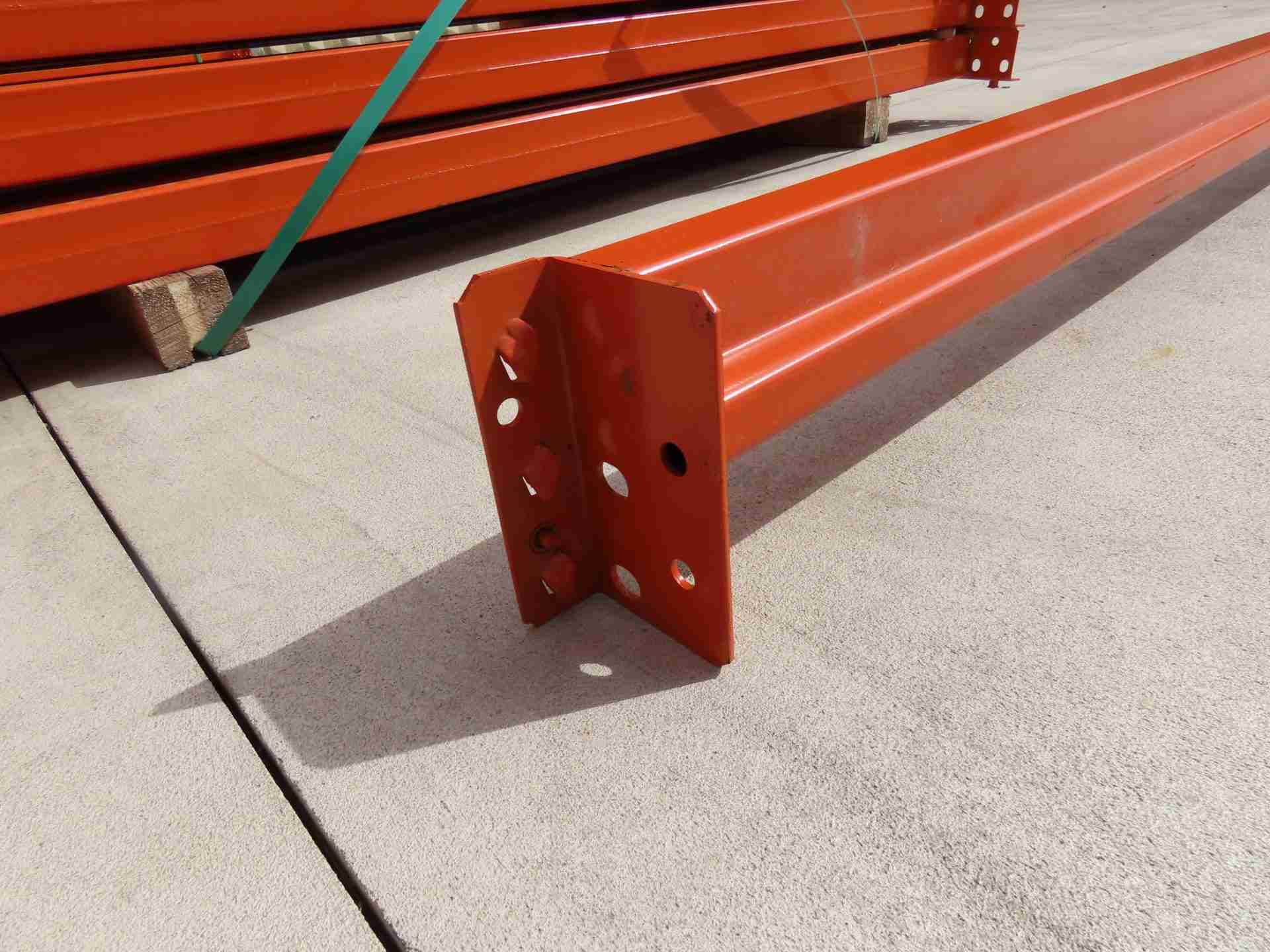
When we think about the future of our planet, the concept of adaptability often takes center stage. Our racking systems—the backbone of so many industries—must adapt in tandem with the ever-shifting climate landscape. Picture a world where the heavy-duty racks in our warehouses are not merely anchored to the ground but are dynamically designed to respond to environmental changes. These systems have the potential to not only store goods but to flourish as resilient structures against weather extremes, rising temperatures, and increased humidity.
Imagine a storm sweeping through your region. Instead of worrying about how the weather might compromise your inventory, consider a smart racking solution that anticipates these challenges. Built with materials that shift and respond to moisture, these racks can alleviate the risks posed by flooding or heavy rains, protecting not just the goods stored, but the livelihoods at stake. This is not just about profits—it’s about people. It’s about ensuring that families continue to thrive, that small businesses have the resources they need to push through adversity.
Moreover, as the climate crisis unfolds, companies will find themselves under the magnifying glass of public opinion. Ethically conscious consumers are drawn to businesses that prioritize sustainability. Investing in smart racking solutions becomes more than a logistical choice; it’s a statement. It says, “We care. We are taking action.” Utilizing these advanced systems can elevate your brand’s credibility and establish trust within your community. By publicly committing to climate-adaptive strategies, businesses can become role models, showing that they’re not afraid to lead the charge toward sustainable practices.
Let us not forget the social implications. In a time when communities are more interconnected than ever, the collective effort toward climate resilience can forge bonds among businesses, suppliers, and customers alike. Racking systems that adapt to climate changes symbolize innovation and collaboration. When one company thrives, it sends ripples throughout the community, and those ripples foster a sense of shared destiny and purpose.
The journey ahead will not be without its challenges, but that’s where the heart of innovation thrives. By embracing smart racking solutions that adapt to our changing climate, we harness not just the power of technology but the very essence of human determination. Let’s step into this future together, equipped with the right tools, and ready to build resilient foundations.
How Can Smart Racking Solutions Adapt to Changing Climate Conditions?
How Can Smart Racking Solutions Adapt to Changing Climate Conditions?
- Adaptability is crucial for the future of our planet, particularly in racking systems used across industries.
- Heavy-duty racks should be designed to dynamically respond to environmental changes, enhancing resilience against climate impacts.
- Smart racking solutions can protect inventory from weather extremes such as flooding and heavy rains, ensuring livelihoods are safeguarded.
- Investing in sustainable racking systems is not just a logistical decision, but also a statement of commitment to environmental responsibility.
- Businesses prioritizing sustainability can enhance their brand credibility and build trust within their communities.
- Climate-adaptive racking systems promote innovation and collaboration, creating interconnectedness among businesses and their communities.
- Embracing smart solutions can drive progress, empowering companies to face challenges while fostering resilience and determination.

How Can Smart Racking Solutions Adapt to Changing Climate Conditions?
How Can Visualization Tools Aid In the Planning Of Racking Setups?
There’s something inherently satisfying about watching a well-oiled machine in action, isn’t there? Picture a bustling warehouse, filled with rows of racking that are not just stacked with boxes, but optimized for efficiency. It’s like a symphony—each element in perfect harmony, working together to create a cohesive, productive environment. That’s where visualization tools come in—these powerful allies in the planning of racking setups can make all the difference between chaos and order.
Let’s dig into that a bit. Imagine you’re standing in the very spot where your racking system will stand, and you have the ability to see it all unfold before your eyes. With visualization tools, it’s like having a crystal ball—allowing you to model scenarios, tweak layouts, and forecast outcomes before you even lift a finger. This isn’t just good planning; it’s a chance to harness your imagination and bring efficiency to life. You can spot potential bottlenecks, maximize storage space, and even optimize workflow—all without breaking a sweat. That’s the power of visual thinking: it engages your mind and allows you to explore uncharted territories of possibility.
Now, think about the people who will be working in that space. There’s a profound responsibility that comes with planning a racking layout. It’s more than just maximizing square footage; it’s about ensuring their safety and comfort. Visual tools allow you to simulate how those individuals will interact with the space. By contemplating their movements, you’re not only improving efficiency but also promoting an ethical work environment. After all, a well-planned racking system can help prevent injuries and boost morale.
And let’s not forget about the stories behind those products on the shelves. Each box represents a part of someone’s story, a transaction, a need being met. Visualization tools can help you envision how these products flow through the supply chain, connecting the dots between demand and supply.
The truth is, effective racking setups are about more than just organizing products—they’re about creating a community, a culture, and fostering connections between businesses and customers. These tools provide the clarity needed to ensure that these connections thrive. So, whether you’re planning a small storage area or a massive distribution center, utilizing visualization can transform your approach. It’s about embracing technology to craft an environment that works for everyone. Engage the heart, and let’s build something extraordinary together.

How Can Visualization Tools Aid In the Planning Of Racking Setups?
How Can Visualization Tools Aid In the Planning Of Racking Setups?
- Visualization tools enhance the planning of racking setups, creating efficient environments.
- These tools allow users to model scenarios and forecast outcomes before implementation.
- They help identify bottlenecks, maximize storage, and optimize workflows effortlessly.
- Planning layouts involves considering the safety and comfort of workers in the space.
- By simulating interactions, visual tools promote efficient and ethical work environments.
- Products on the shelves represent stories; visualization helps connect supply and demand.
- Effective racking setups foster community and connections between businesses and customers.

How Can Visualization Tools Aid In the Planning Of Racking Setups?
How Do Climate Regulations Influence Racking Systems In Warehouses?
When we think of climate regulations, the first image that may pop into our minds isn’t the towering shelves of a warehouse, but rather the vastness of nature, perhaps a sunset over a serene landscape. Yet, the truth is, the heartbeat of our environment is intertwined with our logistics and storage systems. Racking systems in warehouses might seem like the unsung heroes of modern commerce, but under the ever-watchful eye of climate regulations, they’re evolving into champions of sustainability.
Picture a warehouse where every racking system is designed for efficiency—not just in space utilization but in energy consumption. These racks are no longer mere steel structures; they’re pivotal players in a narrative that stretches across industries and communities. When businesses adopt eco-friendly materials and implement energy-efficient designs, they’re sending a message: they care about the planet. This isn’t just about compliance; it’s about commitment. It’s about future generations inheriting a world that’s livable.
From a rational perspective, climate regulations can serve as a catalyst for innovation. Companies that embrace these guidelines often find themselves at the forefront of technology, utilizing advanced materials that reduce their carbon footprint. These innovations don’t just happen in a vacuum; they require collaborative efforts, drawing expertise from engineers, environmental scientists, and business leaders. By creating smart racking systems that optimize storage while minimizing waste, these companies aren’t just meeting regulations—they’re setting new industry standards.
Ethically, it’s our responsibility to ensure that our warehouses reflect the values we stand for. When workers see racking systems designed with consideration for the environment, it fosters pride in their workplace and builds a culture of sustainability. It’s a reminder that every box stacked high and every pallet secured contributes to a greater good.
On a social level, think about the impact of sharing these stories. A company that showcases its eco-conscious racking systems becomes an authority in its field, capturing the admiration of customers and peers alike. Communities rally behind businesses that prioritize the planet, creating an unshakeable bond built on trust and shared values.
As we navigate the intricate lattice of commerce and climate, remember that every regulation doesn’t just impose a limit—it opens a door to endless possibilities. The journey to a sustainable future is in our hands, one racking system at a time. Let’s be the architects of a legacy that not only meets the demands of today but inspires the innovations of tomorrow.

How Do Climate Regulations Influence Racking Systems In Warehouses?
How Do Climate Regulations Influence Racking Systems In Warehouses?
- Climate regulations are increasingly influencing logistics and storage systems, particularly in warehouses.
- Racking systems are evolving from mere structures to vital components in sustainable practices.
- Businesses are adopting eco-friendly materials and energy-efficient designs as a commitment to the planet.
- Climate regulations act as a catalyst for innovation, enabling companies to reduce their carbon footprint.
- Collaborative efforts among engineers, scientists, and business leaders enhance the development of smart racking systems.
- Ethically designed racking systems foster pride among workers and promote a culture of sustainability.
- Sharing stories of eco-conscious practices helps build community trust and strengthens company reputations.

How Do Climate Regulations Influence Racking Systems In Warehouses?
What Impact Does Temperature Control Have On Product Quality?
When you think about temperature control, what often springs to mind? A simple thermostat? A high-tech refrigeration unit? While those gadgets are impressive, they’re just the tip of the iceberg when it comes to the bigger picture. You see, temperature control is about human connection—it’s about preserving the stories, memories, and passions wrapped up in every product that rolls off the assembly line or travels through the supply chain. Imagine a family gathering around the dinner table, the warmth of a home-cooked meal drawing everyone together. That perfect roast chicken or that decadent chocolate cake didn’t just appear by magic; it was carefully crafted and, more importantly, safeguarded by precise temperature management.
Racking up countless hours in the kitchen, farmers to producers alike know that temperature fluctuations can turn a culinary masterpiece into a disaster. Refrigerated transport, climate-controlled warehouses, and the delicate balance of heating and cooling all play pivotal roles in ensuring that what you consume is not just safe but bursting with quality. Think about it: when you bite into a piece of fruit, isn’t the sweet, juicy explosion a testament to the care taken throughout its journey?
On a rational level, the science is clear. Improper temperature storage can lead to spoilage, loss of nutritional value, and even unpleasant surprises that nobody wants to encounter—like a can of food that swells because of bacteria. It’s rational to understand that our food safety and the very essence of the product rely on those degrees in the freezer or those clicks of the thermostat.
But beyond the science lies an ethical responsibility. Producers and distributors owe it to consumers to maintain high-quality standards. They’re not just delivering products; they’re nurturing trust. When you select that artisanal cheese or handcrafted chocolate, you’re part of a larger story, one built on the commitment to excellence and assurance that someone did their part to protect that parcel of joy.
So, let’s rally around temperature control—this unsung hero that safeguards quality. Whether you’re in a boardroom making decisions, a factory managing processes, or simply buying groceries for your family, recognize that every moment counts. Temperature control isn’t merely about cold or heat; it’s a heartfelt commitment to quality that reverberates through our lives. Embrace it, support it, and know that when you do, you’re helping to create a world where quality isn’t just a hope—it’s a promise kept.

What Impact Does Temperature Control Have On Product Quality?
What Impact Does Temperature Control Have On Product Quality?
- Temperature control extends beyond basic gadgets; it’s integral to human connection and communal experiences.
- Careful temperature management is essential for preserving culinary masterpieces, ensuring quality in food products.
- Temperature fluctuations can jeopardize food safety, affecting nutritional value and leading to spoilage.
- Scientific evidence highlights the importance of proper temperature storage in preventing food-related issues.
- Producers and distributors have an ethical responsibility to maintain high-quality standards for consumer trust.
- Selecting quality products reflects a commitment to excellence and the journey involved in their creation.
- Recognizing the importance of temperature control contributes to a world where quality is a promise upheld.

What Impact Does Temperature Control Have On Product Quality?
Conclusion
In the intricate world of climate-controlled warehouses, the racking systems are more than mere structures; they are the heartbeat of an operation devoted to efficiency and sustainability. Picture a vast space where every steel shelf plays a crucial role in preserving the essentials of life—food, pharmaceuticals, and supplies that intertwine with our very existence. These racking systems represent not just a logistical necessity but a lifeline, ensuring vital goods reach families and businesses in a world that often feels disconnected.
From a rational perspective, selecting the right racking is a strategic endeavor that influences the flow of operations and, ultimately, safety within these facilities. It’s not simply about maximizing space; it’s about crafting an environment that minimizes waste, trims energy costs, and aligns with a future where resource limitations are a pressing reality. Imagine the relief that comes from a well-organized warehouse—where every worker knows exactly where to find what they need, and every movement is purposeful. This efficiency inspires confidence and enables collaboration, boosting morale and driving success.
Ethically speaking, the choice of racking systems reflects our commitment to sustainability. Investing in efficient solutions resonates with our shared values and is an ethical stance that honors the lives and labor of those who form the backbone of our supply chains. Every shelf and pallet represents individual stories, linking farmers to consumers and underlining the human connections at play.
Socially, organizations that embrace effective racking foster cultures of integrity and accountability. They establish themselves as role models, inspiring others within their communities. As these systems adapt to the growing demands of our climate, they not only safeguard goods but exemplify entrepreneurial courage, demonstrating that businesses care about their environmental footprint.
In this age of regulation and climate awareness, racking systems evolve from simple storage solutions into champions of sustainability. By prioritizing adaptability and integrating technological advancements, companies not only comply with regulations but lead the charge toward a greener future. It’s a statement of intention: connecting profitability with stewardship of the planet.
Ultimately, the journey ahead might be challenging, but with the right vision and tools, we can redefine our approach to warehousing. By committing to these smart racking solutions, we safeguard the future of our communities, ensuring they thrive amid uncertainty. Let’s build a legacy where efficiency and ethics meet—a future where our supply chains not only work but enhance the lives we touch. In this endeavor, we’re not just participants; we’re architects of a more sustainable tomorrow.

Conclusion
Conclusion:
- Racking systems in climate-controlled warehouses are vital for operational efficiency and sustainability.
- They ensure the preservation and delivery of essential goods like food and pharmaceuticals.
- Selecting the right racking influences operational flow, safety, and waste reduction.
- Well-organized warehouses promote worker efficiency, morale, and collaboration.
- Investing in efficient racking solutions reflects a commitment to sustainability and ethical practices.
- Effective racking fosters cultures of integrity, inspires communities, and showcases environmental responsibility.
- Racking systems evolve into champions of sustainability, aligning profitability with ecological stewardship.

Conclusion
Other Resources
Other Resources
Here is a list of other resources you can review online to learn more:
- Teardrop Industrial Shelving Rack
- SEMA
- CMMA
- Cantilever Racks Chicago
- Warehousing and Fulfillment
- Rack Manufacturers Institute
- Pallet Racking 101: A Comprehensive Guide & Options Explained
- The Ultimate Pallet Racking Guide – Speedrack West
- Rack Manufacturers Institute
- Bradford Systems
- IIWS Inc. Rack Installation Illinois & Rack Repairs Illinois
- Material Handling Safety
- Cantilever Rack Guide: Ordering Cantilever Racking
- Pallet Rack Systems – New and Used Pallet Racking and Shelving Experts
- Cantilever Rack Guide: Ordering Cantilever Racking
- Interlake
- Warehousing Education and Research Council: https://www.werc.org/
- Iowa Illinois Warehouse Racking
- Arrow Industrial Sales
- Wolter
Use This Prompt To Get More Resources With Your Favorite Online AI Tool: Please provide me with a list of online articles with their URLs in a bulleted list that I can read regarding Racking for Climate-Controlled Warehouses

Other Resources
Glossary Terms
Racking for Climate-Controlled Warehouses – Glossary Of Terms
1. Racking: A system of shelving or supports used to store items in a warehouse, specifically designed to maximize space efficiency.
2. Climate-Controlled: Referring to a facility that maintains a specific temperature and humidity level to protect stored products.
3. Warehouse Management System (WMS): Software that helps manage day-to-day operations in a warehouse, including inventory tracking and order fulfillment.
4. Pallet Rack: A type of racking system designed to store pallets of goods, typically made of steel, allowing for easy access and organization.
5. Temperature Regulation: The process of maintaining a consistent temperature within a climate-controlled space to ensure product quality.
6. Humidity Control: Managing the moisture levels within a warehouse to prevent mold growth and product degradation.
7. Ventilation: The system that provides fresh air circulation within a warehouse to help control temperature and humidity.
8. Insulation: Materials used in warehouse construction that help maintain the desired temperature by minimizing heat transfer.
9. Cross-Docking: A practice in logistics where products are transferred directly from inbound to outbound transportation without long-term storage.
10. FIFO (First In, First Out): An inventory management technique where older stock is sold or used before newer stock to minimize spoilage.
11. LIFO (Last In, First Out): An inventory method where the most recently acquired items are sold or used before older stock.
12. Bulk Storage: A method of storing goods that allows for large quantities to be stored in designated areas, often in climate-controlled settings.
13. Automated Storage and Retrieval System (AS/RS): A robotic system that automates the storage and retrieval of goods within the warehouse.
14. Cold Storage: A specialized area in a warehouse specifically designed to hold perishable items at low temperatures.
15. Warehouse Layout: The design and organization of a warehouse, including the arrangement of racking and storage areas for optimal efficiency.
16. Safety Standards: Regulations and guidelines in place to ensure the safety of workers and products stored in warehouses.
17. Inventory Turnover: A measure of how often inventory is sold and replaced over a specified period, influencing storage needs.
18. Load Capacity: The maximum weight that a racking system can safely support, crucial for determining storage configurations.
19. Shelving Units: Individual shelves or racks designed for specific types of products, often adjustable for varying sizes.
20. Distribution Center: A facility designed to store products before they are distributed to retailers or customers, often utilizing climate control.
21. Order Picking: The process of selecting and retrieving products from racking systems to fulfill customer orders.
22. Temperature Extremes: Drastic temperature variations that can harm sensitive products if not properly controlled in climate-controlled warehouses.
23. Perishable Goods: Items that have a limited shelf life and require specific temperature and humidity conditions to maintain quality.
24. Regulatory Compliance: Adherence to laws and regulations that govern warehousing operations, especially for food and pharmaceuticals.
25. Modular Racking: A flexible racking system that can be adjusted or expanded based on changing storage needs.
26. Load-Bearing Pallet: A pallet designed to support heavy loads while ensuring stability during storage and transportation.
27. Skid: A flat, portable platform for storing and handling goods, often used in warehouses to facilitate loading and unloading.
28. Environmental Monitoring: The practice of tracking temperature and humidity levels within a warehouse to ensure optimal conditions.
29. Product Segregation: The strategy of separating different types of products within a warehouse to prevent cross-contamination or damage.
30. Warehouse Efficiency: The effectiveness of warehouse operations in terms of speed, accuracy, and space utilization, often supported by technology and training.

Glossary Of Terms
Other Questions
Racking for Climate-Controlled Warehouses – Other Questions
If you wish to explore and discover more, consider looking for answers to these questions:
- What are the key features of an effective racking system in climate-controlled warehouses?
- How do different types of racking systems compare in terms of efficiency and sustainability?
- What technology is currently being integrated into racking systems for climate control?
- What are the cost implications of investing in smart racking solutions?
- How can businesses ensure compliance with climate regulations regarding warehouse operations?
- What role do employees play in the effectiveness of a racking system?
- How can companies measure the environmental impact of their racking systems?
- What best practices exist for the maintenance of racking in climate-controlled environments?
- How can warehouses leverage data analytics for improving their racking strategies?
- What challenges do businesses face when transitioning to more sustainable racking solutions?

Other Questions
Checklist
Racking for Climate-Controlled Warehouses – A Checklist
Climate-Controlled Warehouse Racking Checklist
Emotional Appeals
_____ Reflect on the significance of racking systems in your community; how do they support local businesses and families?
_____ Consider the human stories behind stored products; each shelf holds potential connections to real lives.
_____ Visualize the satisfaction of a well-organized space; how could this affect workplace morale and community trust?
Rational Appeals
_____ Assess the potential cost savings from implementing efficient racking systems; how can you use space more effectively?
_____ Analyze potential bottlenecks and inefficiencies in current setups; what data do you have that supports changes?
_____ Identify the energy consumption of existing systems; how can optimizing racking reduce your carbon footprint?
Ethical Appeals
_____ Evaluate your organization’s commitment to sustainability; are your racking solutions reflecting your values?
_____ Do your racking systems comply with climate regulations, and how do they contribute to a healthier environment?
_____ Ensure that worker safety and comfort are prioritized in your warehouse design; how are these considerations reflected in your layouts?
Authority Appeals
_____ Research leading companies in climate-controlled warehousing; what best practices are they using for racking?
_____ Collaborate with experts in warehouse logistics or climate control; what innovative insights can they provide?
_____ Stay informed on emerging technologies in racking systems; how can these technologies improve performance in your operations?
Narrative Appeals
_____ Think about the journey of a product from storage to consumer; how does your racking system affect this narrative?
_____ Document success stories from businesses that improved their efficiencies through racking systems; what can you learn from them?
_____ Create a visual story or infographic illustrating the positive impacts of efficient racking within your organization.
Social Appeals
_____ Foster a culture of accountability by sharing the story of your racking system enhancements with your team; how can collective effort create a sense of purpose?
_____ Engage with other businesses and suppliers in your community; can you form partnerships centered around sustainability?
_____ Promote transparency in your racking choices; how can sharing your process with customers build trust and loyalty?

Checklist
At RackingWorld, we help guide you through selecting warehouse storage systems and racking.
Be sure to read our other related stories at RackingWorld to learn more about warehouse storage systems.
0 Comments