
Fast Solutions: Local Suppliers And Racking Emergencies
By Tom Seest
At RackingWorld, we help guide you through selecting warehouse storage systems and racking.
Be sure to read our other related stories at RackingWorld to learn more about warehouse storage systems.
Can Local Suppliers Quickly Fix Racking Emergencies?
When managing a warehouse or distribution center, issues with pallet racking can disrupt operations faster than you can say “inventory management.” A collapsed rack or damaged shelving unit isn’t just a cosmetic problem; it can lead to safety hazards, wasted time, and potential financial losses. So, the question arises: can local suppliers quickly fix these racking emergencies?
The Local Advantage
Imagine you’re in the middle of peak season, and your pallet racking suddenly fails. A local supplier can swoop in as your knight in shining armor. They have the advantage of proximity, which means they can reach your facility faster than larger, distant retailers. For instance, during last year’s holiday season, many logistics companies faced delays due to supply chain disruptions. However, those who partnered with nearby suppliers found they could access emergency parts, like replacement beams or safety brackets, much faster.
Local suppliers often have a deep understanding of the geographic area’s unique racking needs. They’re not just parts vendors; they’re your neighbors. They know the common challenges faced by warehouses in your region, and many have built their reputation on being reliable during urgent situations.
Response Time Matters
In critical moments, response time is everything. A local supplier is typically more nimble than larger corporate entities bogged down by bureaucracy. They often have a quick-reaction team on standby ready to address pack racking mishaps. For instance, if a pallet racking system is compromised and causes a small-scale disaster, local suppliers often have the necessary equipment and expertise to stabilize the situation on-site within hours.
Real-World Scenarios
Let’s take a look at a recent example: During an unexpected storm last spring, several regional warehouses experienced severe wind damage that impacted their racking structures. Local suppliers were quick to offer temporary solutions while the longer-term repairs were being organized. They provided sturdy bracing and reinforcement materials that not only helped stabilize the racks but also ensured that operations could continue, albeit in a limited capacity.
The Bottom Line
In the fast-paced world of warehousing, the ability to swiftly resolve pallet racking emergencies can make or break your bottom line. Your local supplier isn’t just a point of purchase; they’re a crucial partner in maintaining your operational integrity. Don’t wait until disaster strikes—establish a relationship with local suppliers today to ensure that when a racking emergency occurs, help is just a phone call away.
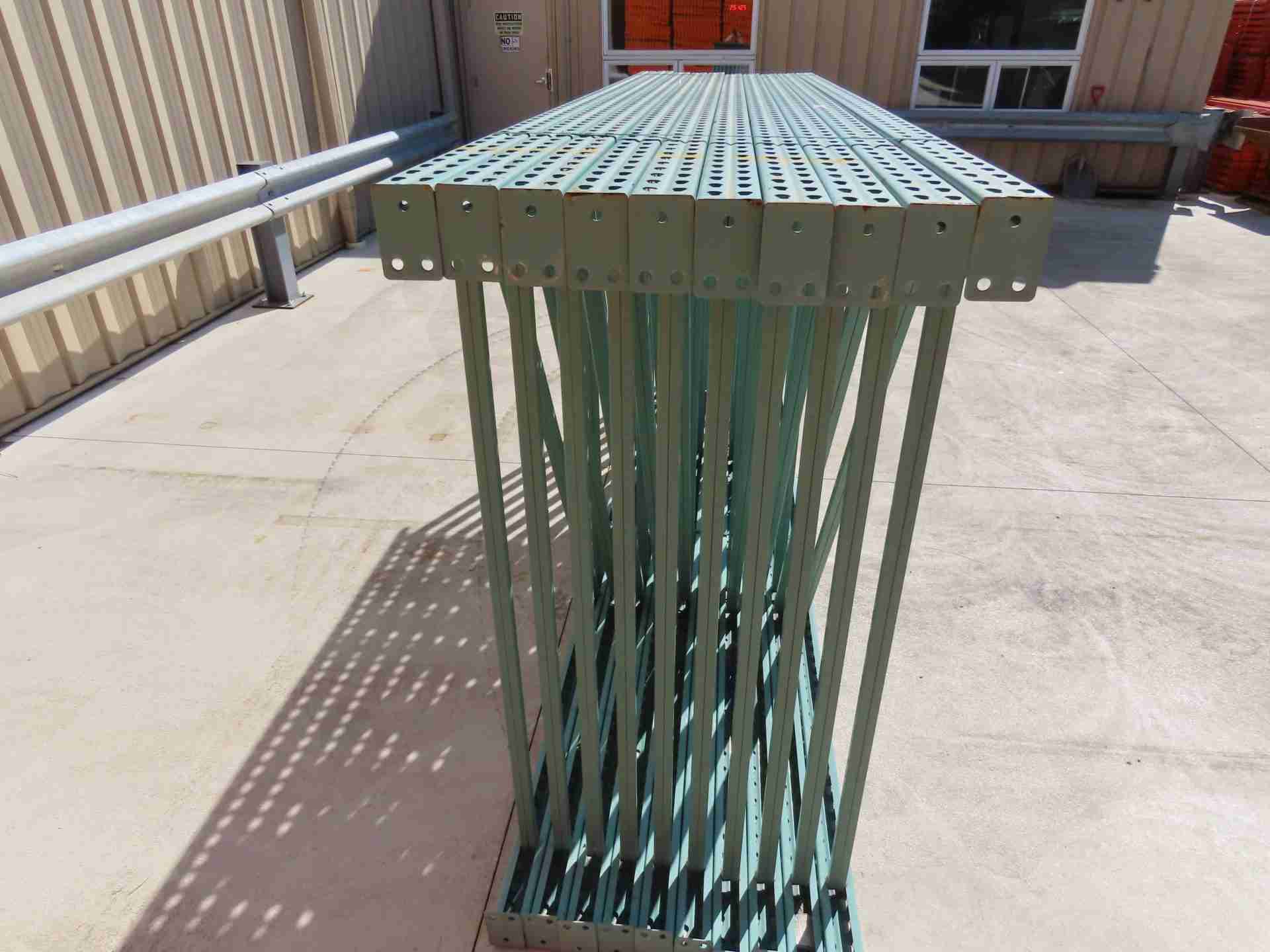
Can Local Suppliers Quickly Fix Racking Emergencies?
Can Local Suppliers Quickly Fix Racking Emergencies?
- Warehouse operations can be severely disrupted by pallet racking issues.
- Collapsed racks and damaged shelving can create safety hazards and financial losses.
- Local suppliers can provide rapid responses during emergencies, especially during peak seasons.
- Proximity of local suppliers allows for quicker access to emergency parts and repairs.
- Local suppliers understand regional racking needs and challenges, enhancing their reliability.
- In urgent situations, local suppliers have quick-reaction teams ready to assist on-site.
- Building relationships with local suppliers can help maintain operational integrity during racking emergencies.
Can Local Suppliers Quickly Fix Racking Emergencies?
Table Of Contents
- Can Local Suppliers Quickly Fix Racking Emergencies?
- How Quickly Can Local Suppliers Respond To Racking Emergencies?
- What Types Of Racking Emergencies Do Suppliers Typically Address?
- Are There Specific Certifications For Local Racking Suppliers?
- How Do Local Suppliers Assess The Urgency Of Racking Issues?
- What Is The Average Repair Time For Racking Emergencies Locally?
- Do Local Suppliers Offer Emergency Repair Services After Hours?
- How Can Businesses Find Reliable Local Racking Suppliers Quickly?
- Conclusion
- Other Resources
- Glossary Of Terms
- Other Questions
- Checklist
How Quickly Can Local Suppliers Respond To Racking Emergencies?
In today’s fast-paced business environment, time is money—especially when it comes to pallet racking. Imagine a critical component of your warehouse operation suddenly failing, leaving your products exposed and operations halted. This is not just a logistical hiccup; it’s a potential crisis. That’s where local suppliers come into play, and their response time can be the difference between a minor inconvenience and a catastrophic loss.
Consider a recent incident involving one of the largest logistics companies in the Midwest. A complete pallet racking collapse caused a significant disruption, endangering both employees and inventory. Their local supplier had a robust emergency response plan in place, allowing them to mobilize a team within hours of the incident. They provided the necessary equipment and expertise quickly, mitigating damage and getting the warehouse back in operation swiftly.
Local suppliers often have a unique advantage due to proximity, allowing rapid response and customized solutions tailored to your specific needs. Rather than waiting for shipments from national suppliers, local providers can offer immediate onsite evaluations and repairs. This hands-on approach facilitates faster decision-making, critical during emergencies when seconds count.
Furthermore, the pandemic has underscored the necessity of reliable local racking solutions. Supply chain disruptions became commonplace, making organizations reevaluate their dependencies on distant suppliers. Companies that relied solely on national suppliers were often left waiting for parts, inspections, or repairs. Meanwhile, businesses with solid relationships with local suppliers were able to pivot effectively, benefiting from earlier responses and a more personalized approach.
By fostering a strong alliance with local pallet racking suppliers, businesses equip themselves with a safety net that can save them during unforeseen challenges. Local suppliers not only provide faster service but also often have a better understanding of local regulations and standards, ensuring compliance and safety while you get back on track.
In today’s climate of uncertainty, it’s essential to prioritize partnerships that can deliver rapid responses. Whether it’s a sudden rack repair or a new installation, knowing that your local supplier is just a phone call away can provide peace of mind. So, when you think about your storage solutions, remember: the true value of a local supplier is not just in their products, but in their ability to respond quickly when it matters most. Don’t get caught off guard; make sure you’re prepared for anything with a partner who is committed to your success.
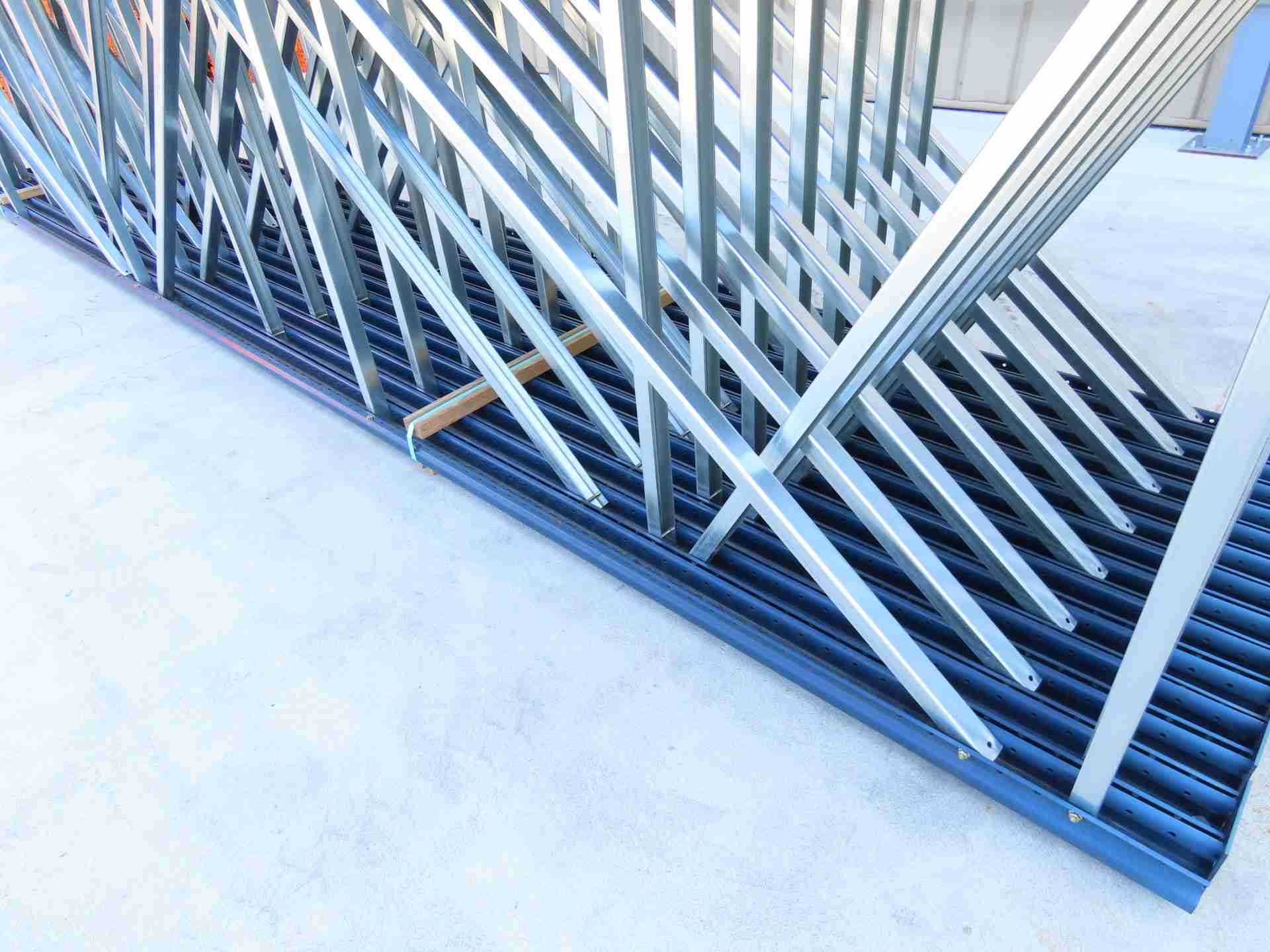
How Quickly Can Local Suppliers Respond To Racking Emergencies?
How Quickly Can Local Suppliers Respond To Racking Emergencies?
- Timely responses from local suppliers can prevent critical disruptions in warehouse operations due to pallet racking failures.
- A significant racking collapse at a major logistics company highlighted the importance of having a robust emergency response plan from local suppliers.
- Local suppliers can mobilize quickly, providing necessary equipment and expertise to mitigate damage and resume operations.
- The proximity of local suppliers allows for immediate onsite evaluations and tailored solutions, facilitating faster decision-making during emergencies.
- The pandemic emphasized the need for reliable local racking solutions, as many companies faced delays with distant suppliers.
- Strong partnerships with local suppliers ensure compliance with local regulations and can act as a safety net during unforeseen challenges.
- Choosing local suppliers for storage solutions provides businesses with peace of mind, due to their quick response capabilities when emergencies arise.
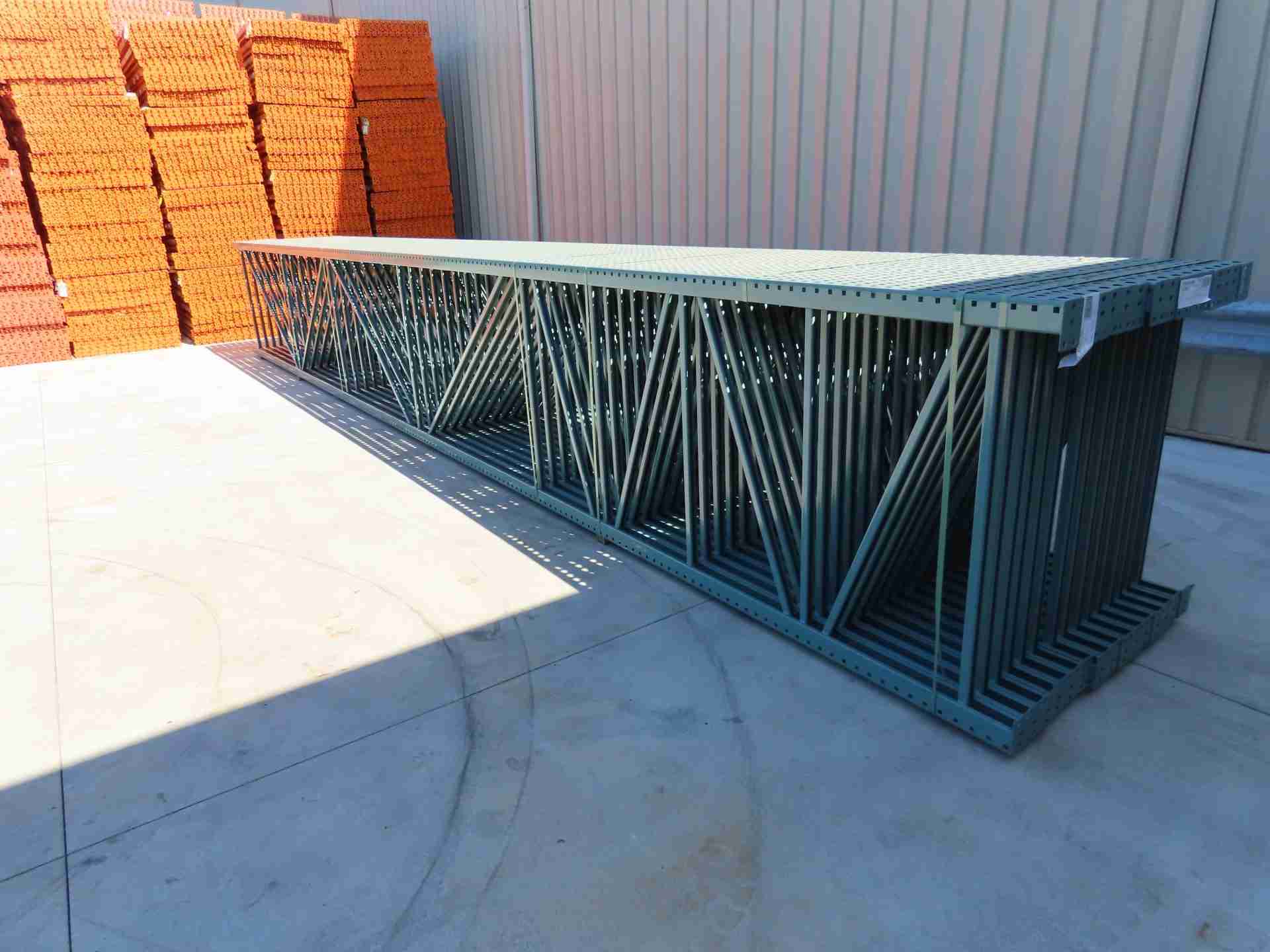
How Quickly Can Local Suppliers Respond To Racking Emergencies?
What Types Of Racking Emergencies Do Suppliers Typically Address?
In the bustling world of warehousing and logistics, pallet racking systems are the backbone of inventory management. But what happens when these systems face an emergency? The stakes are high, and the consequences can be catastrophic. Suppliers in this sector must be prepared for a variety of racking emergencies that can disrupt operations and even lead to accidents.
The first emergency type often encountered is pallet racking collapse. This can happen due to improper loading practices, overloading beyond safe weight limits, or even equipment collisions, such as with forklifts. Remember the warehouse collapse in Texas earlier this year that made headlines? That disaster was partly attributed to poorly maintained racking systems, underlining the importance of regular inspections and adherence to safety regulations. Suppliers can step in with emergency assessments, helping warehouses identify weaknesses in their racking systems and providing solutions to avoid such incidents.
Another common issue arises from systematic wear and tear of the racking infrastructure. Over time, racking systems can succumb to rust, corrosion, or structural fatigue. This is particularly relevant as warehouses are often filled with damp goods or exposed to extreme temperatures. Recent changes in environmental regulations have necessitated that suppliers not only provide replacement parts but also offer consultation services on preventive measures. When a racking system shows signs of deterioration, suppliers must act swiftly to prevent a full-blown emergency, ensuring businesses can continue operations without expensive downtimes.
Additionally, there’s the danger of pallet racking misalignment. When racks are not properly aligned, it can lead to stability issues, heightening the risk of accidents. Suppliers often address this by conducting audits and implementing real-time monitoring systems that alert warehouse managers to potential misalignments before they escalate. An example of this can be seen in a recent warehouse in Ohio that faced safety violations because of misaligned racks, prompting immediate supplier intervention.
Lastly, fire hazards remain a pressing concern within warehouses, particularly those utilizing high-density pallet racking. As inventory multiplies, so does the risk of fire, especially when flammable materials are involved. Suppliers can help by integrating fire safety measures in their racking designs, ensuring both compliance with safety regulations and peace of mind for their clients.
In essence, the type of racking emergencies suppliers typically address is diverse and critical. Staying ahead of these issues not only protects assets but also preserves employee safety and operational efficiency. The right supplier can be the difference between a minor hiccup and a full-blown disaster.
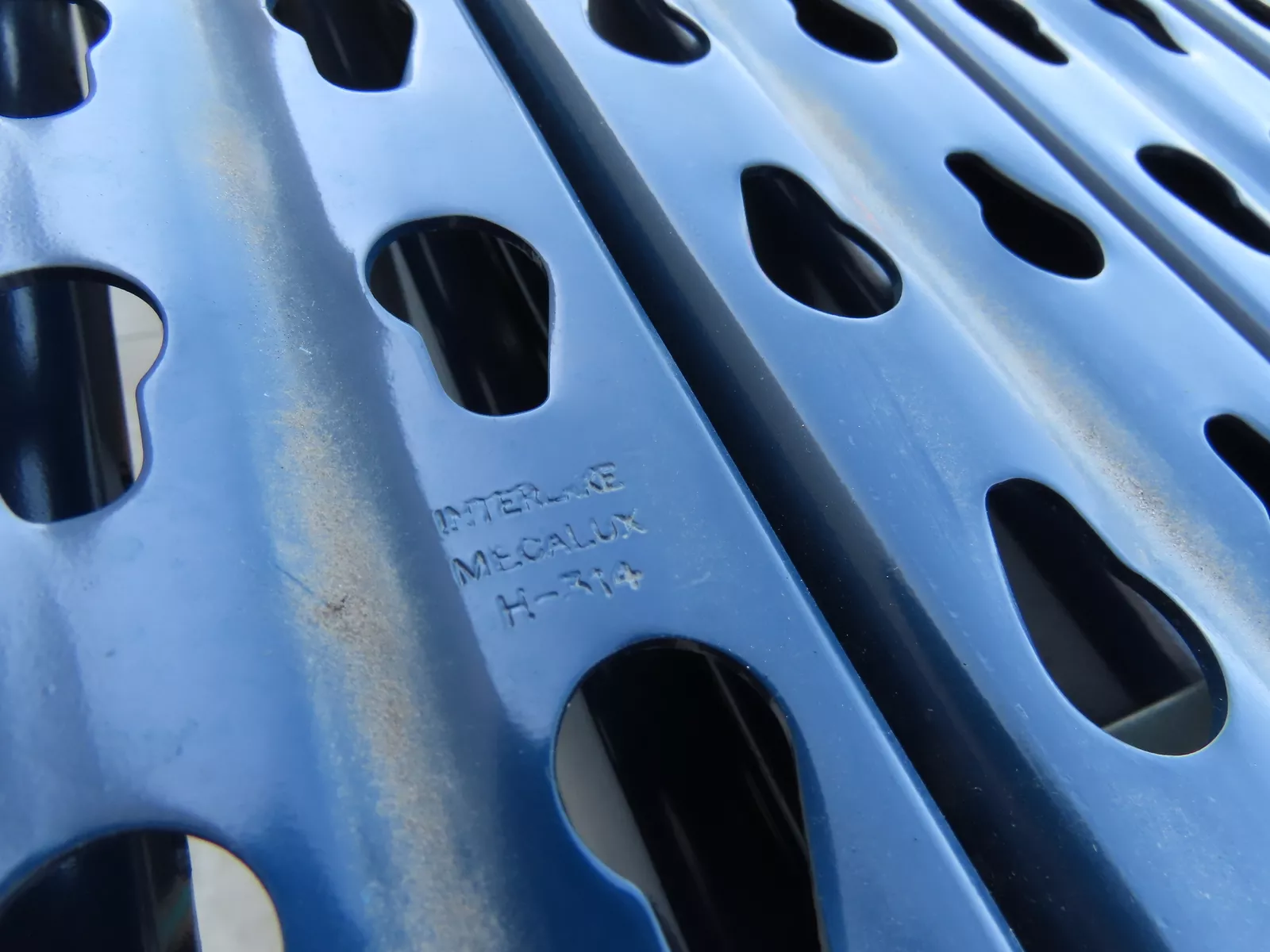
What Types Of Racking Emergencies Do Suppliers Typically Address?
What Types Of Racking Emergencies Do Suppliers Typically Address?
- Pallet racking systems are essential for inventory management in warehouses.
- The most common emergency is pallet racking collapse, often due to improper loading, overloading, or equipment collisions.
- Regular inspections and adherence to safety regulations are crucial to prevent collapses.
- Wear and tear of racking systems can lead to issues like rust and structural fatigue, necessitating timely supplier intervention.
- Pallet racking misalignment can create stability issues; suppliers conduct audits and implement monitoring systems to prevent this.
- Fire hazards in high-density racking environments are a major concern; suppliers integrate fire safety measures into their designs.
- Effective supplier intervention can protect assets, ensure employee safety, and maintain operational efficiency.
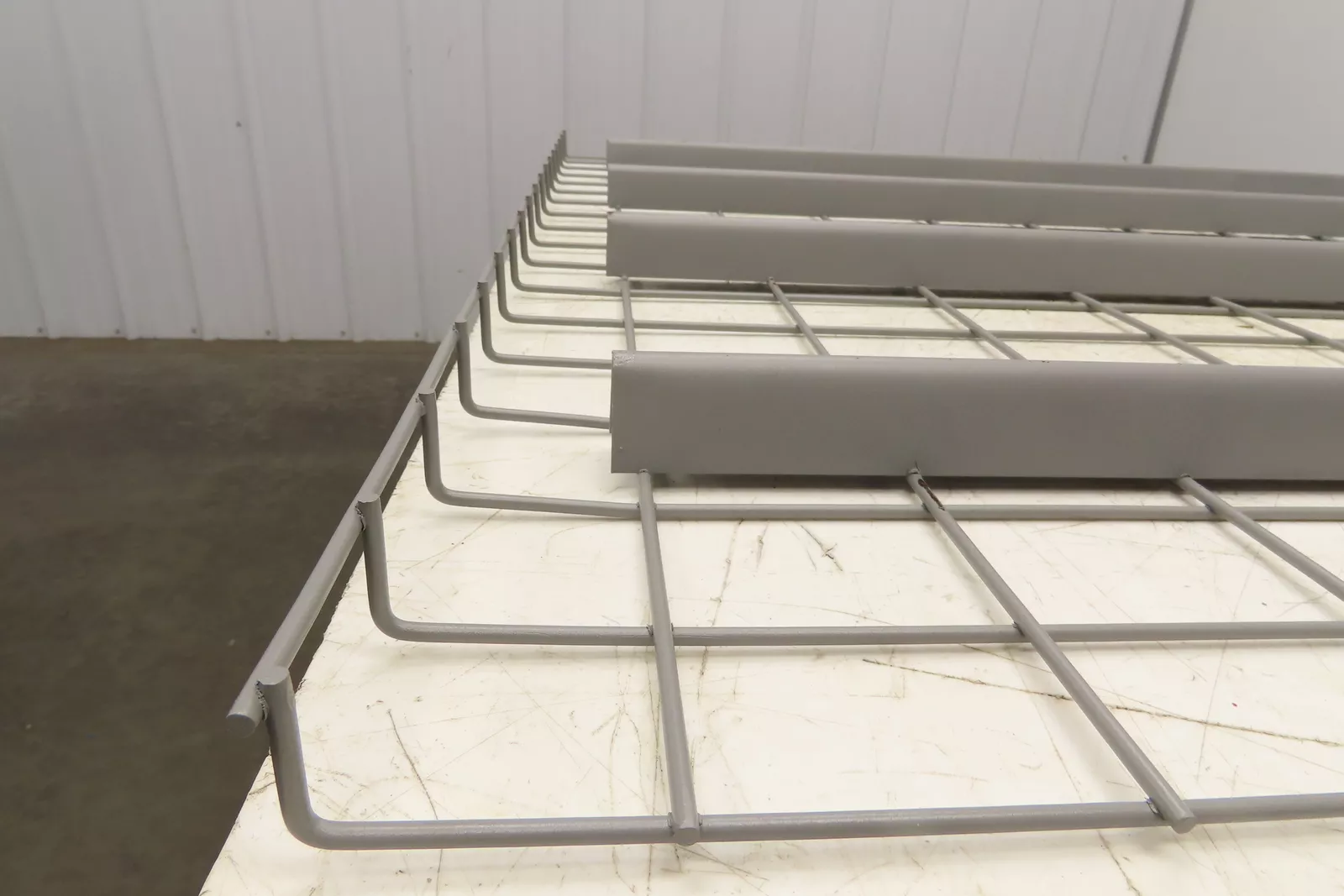
What Types Of Racking Emergencies Do Suppliers Typically Address?
Are There Specific Certifications For Local Racking Suppliers?
When it comes to choosing local suppliers for your pallet racking needs, understanding the landscape of certifications can be a game changer. Certifications aren’t just stamps of approval; they’re indicators of quality, safety, and efficiency in the storage solutions sector. But what specific certifications should you look for when vetting local racking suppliers?
First, let’s talk about the American National Standards Institute (ANSI) and their guidelines. A supplier with ANSI-certified pallet racking systems demonstrates a commitment to design and manufacturing that meets the rigorous standards set for safety and performance. This certification ensures that the products can withstand the demands of high-volume environments while minimizing risk. For instance, in the wake of the recent supply chain interruptions observed globally, many businesses are now placing a premium on safe and reliable racking systems. Choosing an ANSI-certified supplier positions your operation to mitigate disruptions and maintain productivity.
Beyond ANSI, you should also look for certifications like the Occupational Safety and Health Administration (OSHA) compliance. OSHA guidelines are critical, especially in warehousing environments where pallet racking systems are frequently used. A certified supplier will indicate they understand and adhere to these safety regulations, thus providing a layer of reassurance that your workforce will be protected. As companies prioritize employee wellness amid rising labor costs and increased scrutiny over workplace safety, racking suppliers touting OSHA compliance become not just suppliers but partners in your success.
Additionally, consider suppliers with International Organization for Standardization (ISO) certification. ISO standards are recognized worldwide and ensure that a supplier maintains high-quality processes from production to delivery. A local racking supplier with ISO certification signifies that they consistently produce reliable pallet racking systems that won’t falter under pressure. This is particularly important in today’s fast-paced and often volatile market.
Moreover, supplier peer recommendations and case studies can be invaluable. For instance, if a local racking supplier has successfully equipped a major retailer like Costco with their pallet racking systems, it’s clear they have proven their worth. Seek testimonials and references from previous clients to gain insight into their capability, reliability, and post-sale support.
When selecting local racking suppliers, prioritize those with the appropriate certifications like ANSI, OSHA, and ISO, alongside real-world results and endorsements. Your choice of supplier can either fortify your operational efficiency or leave you vulnerable. Make the wise choice today, and watch how it transforms your business landscape.
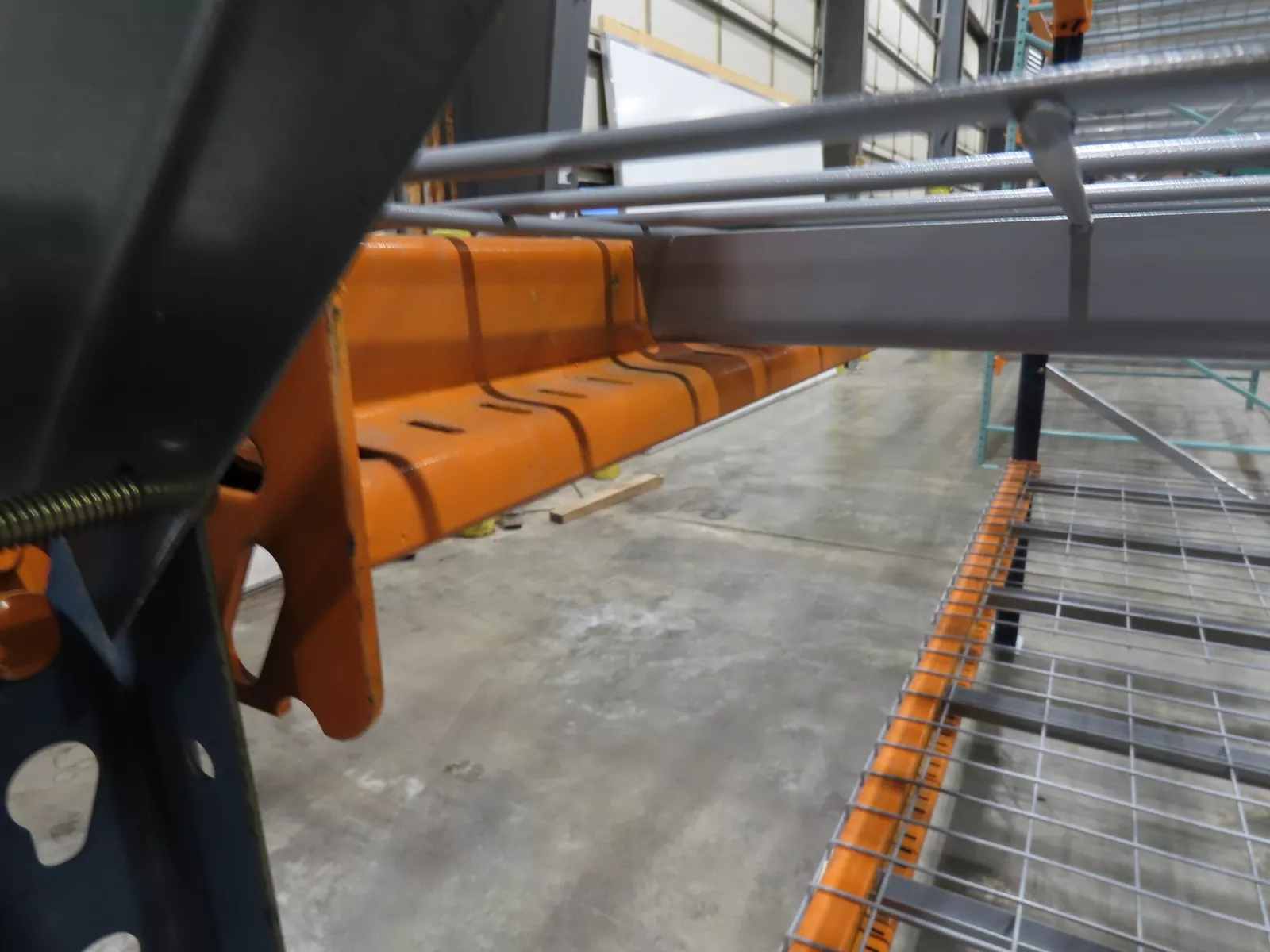
Are There Specific Certifications For Local Racking Suppliers?
Are There Specific Certifications For Local Racking Suppliers?
- Understanding certifications is crucial when choosing local suppliers for pallet racking needs.
- American National Standards Institute (ANSI) certified systems demonstrate safety and performance standards.
- ANSI certification helps mitigate risks in high-volume environments, aiding in maintaining productivity.
- Occupational Safety and Health Administration (OSHA) compliance is essential for workplace safety in warehousing settings.
- ISO certification indicates that suppliers maintain high-quality processes throughout production and delivery.
- Peer recommendations and case studies can provide valuable insight into a supplier’s reliability and capability.
- Prioritize suppliers with ANSI, OSHA, and ISO certifications, as well as proven outcomes, to enhance operational efficiency.

Are There Specific Certifications For Local Racking Suppliers?
How Do Local Suppliers Assess The Urgency Of Racking Issues?
In the bustling world of logistics and inventory management, timely and effective responses to racking issues can spell the difference between success and disaster. Local suppliers play a crucial role in addressing these challenges, particularly in the realm of pallet racking. Understanding how these suppliers assess the urgency of racking issues is essential for any business that relies on effective storage solutions.
First and foremost, suppliers evaluate the nature and severity of the problem. For instance, if a local warehouse reports a structural compromise in their pallet racking system—perhaps caused by improper weight distribution or an unexpected impact—suppliers must act swiftly. They not only check the immediate safety of the racking but also consider the potential risk of product damage. A recent incident in a mid-sized distribution center highlights this: when a rogue forklift operator crashed into a poorly aligned racking system, the local supplier mobilized a team within hours to assess the damage and restore safety, demonstrating that urgency is often dictated by the potential hazards to personnel and inventory.
Additionally, local suppliers monitor external factors that can influence urgency. An industry-wide shortage of pallet racking components, exacerbated by recent supply chain disruptions, has heightened the stakes. If suppliers are unable to replace or repair damaged racking systems swiftly due to these shortages, they prioritize on-site visits and temporary solutions. For example, during the pandemic, some suppliers pivoted to offering rental racking systems that provided immediate relief while permanent solutions were on backorder. Their ability to adapt to current events illustrates how local suppliers gauge urgency not just by the issue at hand but also by the broader context.
Another critical factor is customer feedback. Local suppliers often maintain close relationships with their clients, allowing them to quickly gauge the severity of any racking issues based on previous interactions and the overall impact on operations. If a client expresses that racking issues are causing significant hiccups in order fulfillment, the supplier’s response will inevitably be more immediate compared to a routine maintenance request.
Local suppliers assess the urgency of racking issues by evaluating the severity of the problem, considering external market conditions, and relying on customer feedback. Their swift responses not only protect assets but also reinforce trust and partnership, ensuring businesses can continue operating smoothly in an ever-changing environment.

How Do Local Suppliers Assess The Urgency Of Racking Issues?
How Do Local Suppliers Assess The Urgency Of Racking Issues?
- Timely responses to racking issues are crucial in logistics and inventory management.
- Local suppliers play a vital role in addressing pallet racking challenges.
- Suppliers evaluate the nature and severity of racking problems, prioritizing safety and potential risks.
- External factors, such as industry shortages and supply chain disruptions, influence urgency in responses.
- Suppliers may offer temporary solutions, like rental racking systems, during shortages.
- Customer feedback is critical; suppliers gauge urgency based on the impact of issues on client operations.
- Swift responses by local suppliers help protect assets and build trust with businesses.
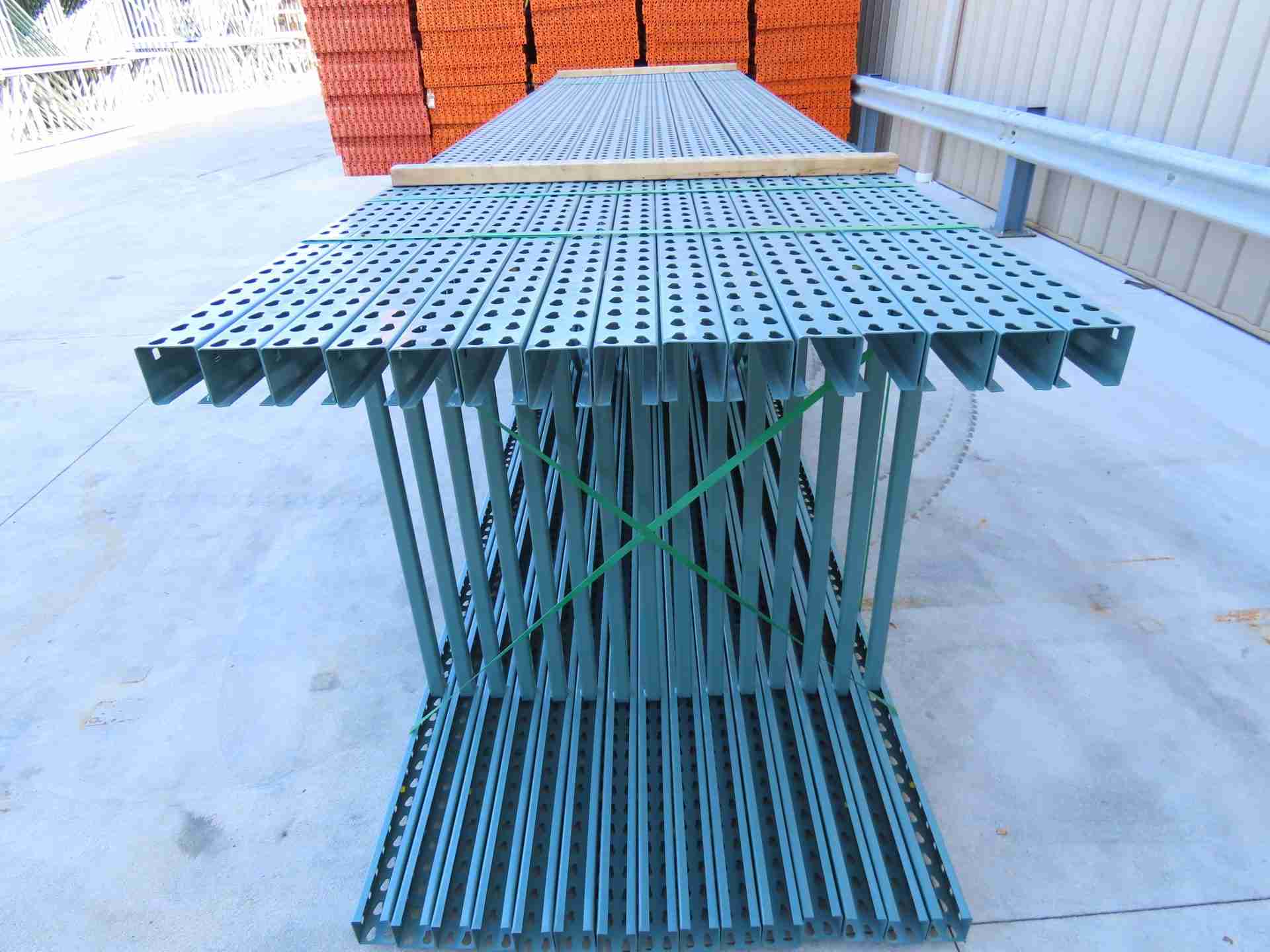
How Do Local Suppliers Assess The Urgency Of Racking Issues?
What Is The Average Repair Time For Racking Emergencies Locally?
In the bustling world of warehouse operations, the efficiency of your logistics hinges largely on the state of your pallet racking systems. When crisis strikes—be it from mechanical failure, accidental impact, or the wear and tear of daily use—time genuinely becomes money. So, what’s the average repair time for racking emergencies in your area? Let’s break it down.
First, it’s essential to understand that not all pallet racking emergencies are created equal. For minor repairs—like replacing a single beam or adjusting a few bolts—typically, you can expect turnaround times of 1 to 3 hours if you have a reliable repair team on hand. Local companies like *Racking Solutions Inc.* emphasize speedy response times; savvy warehouse managers often cultivate ongoing relationships with these experts to ensure rapid intervention when the need arises.
On the other side of the spectrum, major disasters—such as a complete failure of a rack system due to an inadequately anchored structure or significant damage from a forklift collision—can set your operation back significantly. For these complex issues, the average repair time could stretch from 12 hours to even 48 hours, depending on the severity of the damage and the availability of necessary replacement parts.
Current events illustrate just how crucial swift resolution is. Recently, a major retail distribution center in Ohio experienced a structural failure in its pallet racking, halting operations for two days. As reported by *Warehouse Times*, the ripple effect of this downtime was felt across the supply chain, inciting delays that extended from regional delivery to national shipping. Such incidents underline the importance of proactive maintenance and having a rapid response plan in place.
Moreover, with the rise of e-commerce and increased demands for rapid fulfillment, having your pallet racking systems up and running should be non-negotiable. Incorporating regular inspections and having a dependable repair service on your speed dial can drastically reduce emergency response times. Businesses that invest in preventative measures often find they can handle most minor issues before they escalate, keeping disruption at a minimum.
In a world where every second counts, being equipped with knowledge about the average repair time for pallet racking emergencies not only prepares you but fortifies your entire operation against the unforeseen. Act fast, and ensure your racking systems remain a pillar of your success—time is not just money; it’s your business’s lifeblood.
What Is The Average Repair Time For Racking Emergencies Locally?
What Is The Average Repair Time For Racking Emergencies Locally?
- The efficiency of warehouse logistics heavily relies on the condition of pallet racking systems.
- Minor repairs (e.g., beam replacement) typically take 1 to 3 hours with a reliable repair team.
- Major repairs (e.g., complete system failure) can take 12 to 48 hours, depending on severity and part availability.
- A recent incident in Ohio highlighted the significant impact of pallet racking failures, causing two days of halted operations.
- Proactive maintenance and a rapid response plan are crucial for minimizing downtime in warehouse operations.
- Regular inspections and dependable repair services can help prevent minor issues from becoming major disruptions.
- Understanding average repair times is essential for maintaining operational efficiency in an increasingly competitive market.
What Is The Average Repair Time For Racking Emergencies Locally?
Do Local Suppliers Offer Emergency Repair Services After Hours?
In today’s fast-paced world, operational downtime can be a nightmare for any business. When your warehouse’s pallet racking system experiences an emergency failure or unforeseen damage, the clock is ticking, and every minute lost can translate to dollars down the drain. For this reason, an increasing number of local suppliers are stepping up to provide after-hours emergency repair services to meet the urgent needs of their clients.
Let’s face it: the unexpected doesn’t stick to a 9-to-5 schedule. Whether it’s a major retailer experiencing a rush sale or a manufacturer facing production delays, the stakes can be high. Local suppliers who offer around-the-clock services stand out in this chaotic landscape by positioning themselves as reliable problem-solvers. It’s not just about fixing pallet racking; it’s about restoring business operations and peace of mind.
For instance, consider a logistics company in the throes of peak season. Imagine a pivotal pallet racking system buckling under the pressure of increased inventory. If their local supplier is equipped to provide emergency repair services at night or during weekends, that company can mitigate significant losses. It’s an instant win that also builds trust and loyalty with the client. Such services are no longer luxuries; they are essential, and businesses are starting to recognize suppliers that deliver this level of support.
An example of this trend can be seen in the recent supply chain disruptions worldwide. Companies are eager to minimize the impact of operational interruptions, leading many to partner with local suppliers that offer comprehensive maintenance plans and emergency services. Local suppliers can be the lifeline businesses need during critical situations, especially in industries where product integrity must be preserved.
Moreover, as more local suppliers step into the role of emergency responders, they are also embracing technology. With apps and hotlines specifically designed for quick response times, these suppliers ensure that help is just a call or click away. For example, suppliers that facilitate real-time communication and updates surrounding repair services not only enhance customer satisfaction but also build a reputational advantage over larger competitors.
In summary, as businesses reevaluate their operational strategies in light of recent challenges, they are increasingly turning to local suppliers who prioritize after-hours emergency repair services. Investing in a supplier who can respond at a moment’s notice is not just a wise decision—it’s a strategic move that can solidify a business’s foundation. Be proactive. Choose a supplier who is as committed to your business’s success as you are. Remember, when brutal realities strike, having the right local support can make all the difference.
Do Local Suppliers Offer Emergency Repair Services After Hours?
Do Local Suppliers Offer Emergency Repair Services After Hours?
- Operational downtime poses significant challenges for businesses, impacting finances and efficiency.
- Local suppliers are increasingly providing after-hours emergency repair services to address urgent client needs.
- Emergency situations can arise outside of regular business hours, making round-the-clock support essential.
- Reliable local suppliers help businesses mitigate losses during peak times, enhancing trust and loyalty.
- Recent supply chain disruptions have led companies to partner with local suppliers for maintenance and emergency services.
- Technology is being embraced by suppliers to ensure quick responses, enhancing customer satisfaction and competitiveness.
- Investing in proactive local support is crucial for operational resilience and business success.
Do Local Suppliers Offer Emergency Repair Services After Hours?
How Can Businesses Find Reliable Local Racking Suppliers Quickly?
In today’s fast-paced marketplace, businesses are constantly on the hunt for efficient and effective solutions to enhance their logistics and inventory management. If your operation relies on proper storage, the right racks can make all the difference. But how can businesses find reliable local racking suppliers quickly? The answer lies in a strategic approach that emphasizes research, relationships, and responsiveness.
*Start with Local Directories and Online Platforms*
Always begin your search in local directories, such as Yellow Pages or Yelp, or online platforms like Google Maps. Simply typing “pallet racking suppliers near me” will reveal a variety of options. However, don’t stop at the surface; read reviews and evaluate ratings to gauge reliability. For instance, recent disruptions in global supply chains have shed light on the critical importance of relying on local suppliers to avoid delays in acquiring pallet racking solutions. By sourcing locally, businesses can often bypass the extended lead times associated with international shipping challenges.
*Leverage Industry Networks*
Utilize industry connections to gather recommendations on local racking suppliers. Engage with peers in your industry through social media platforms or local business groups to ask for referrals. Consider the example of a manufacturing company that was rapidly expanding its warehouse but needed pallet racking quickly. By reaching out to its network, it discovered a local supplier that not only provided the racking but also accommodated its tight deadline.
*Evaluate Supplier Qualifications*
Once you have a list of potential suppliers, sharpen your focus by evaluating their qualifications. Ask about their tenure in the business, customer service policies, and whether they provide installation services. For instance, a reputable supplier should have not only a wide selection of pallet racking but also certifications that demonstrate compliance with safety standards, especially critical in light of recent regulatory enforcement shifts aimed at warehouse safety.
*Request Quotes and Compare Offerings*
Don’t hesitate to request quotes from multiple suppliers. This not only gives you a clearer picture of market pricing but also allows for comparisons in terms of services offered. For example, some suppliers might include installation and after-sale support, while others may only sell the racks.
*Utilize Technology and Social Media*
Finally, tap into technology. Social media channels like LinkedIn can be treasure troves for finding reputable suppliers. By attending virtual networking events or joining groups dedicated to warehouse management, you can gain insights and access to reliable local racking suppliers quickly.
By employing these strategies, businesses can secure the pallet racking solutions they need without unnecessary delays, ensuring that operations run smoothly and efficiently.
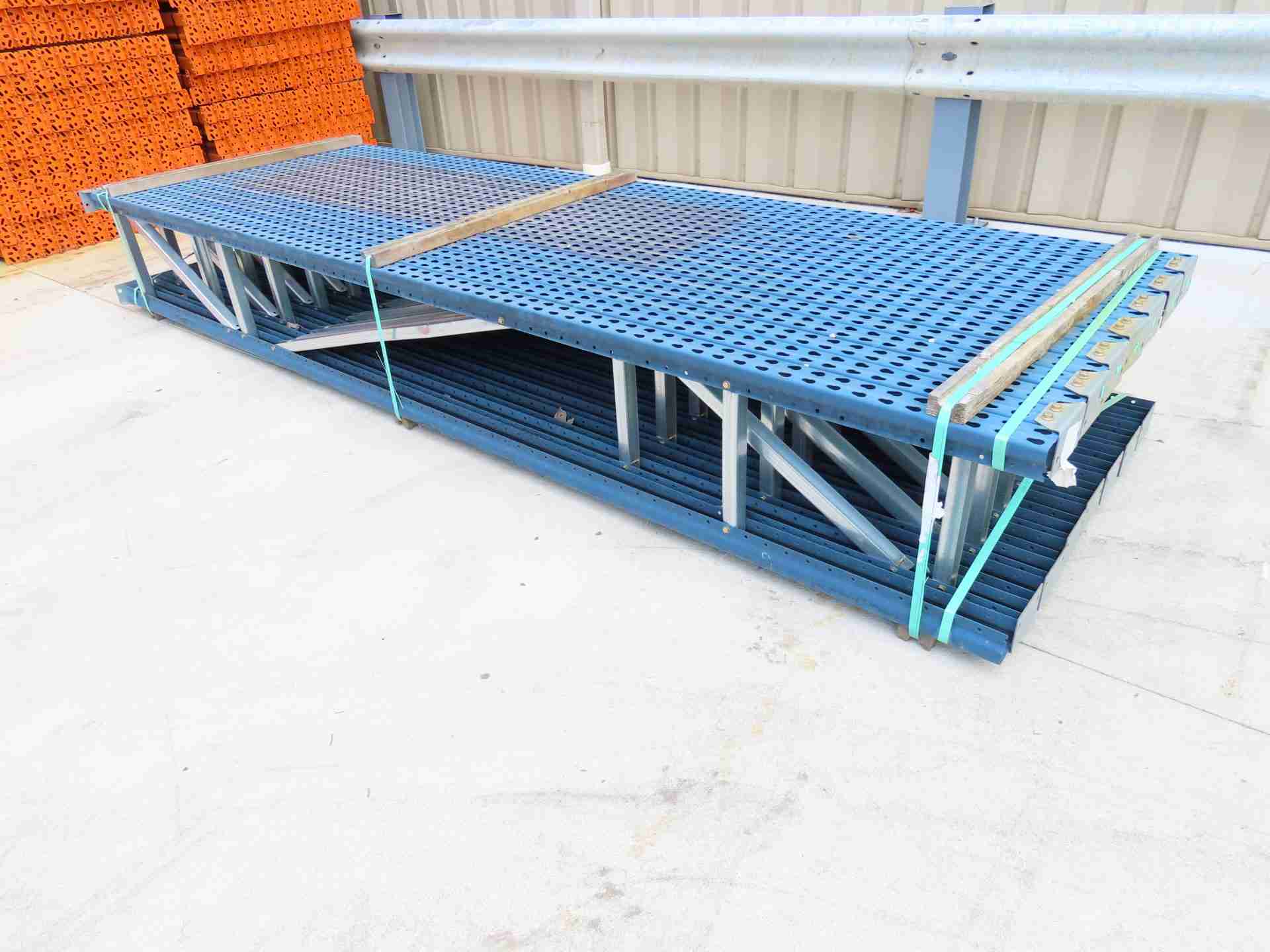
How Can Businesses Find Reliable Local Racking Suppliers Quickly?
How Can Businesses Find Reliable Local Racking Suppliers Quickly?
- Businesses seek efficient logistics and inventory management solutions.
- Finding reliable local racking suppliers requires research, relationships, and responsiveness.
- Start searching in local directories and online platforms, reading reviews to evaluate reliability.
- Leverage industry networks for supplier recommendations through social media and local business groups.
- Evaluate potential suppliers based on their qualifications, tenure, and compliance with safety standards.
- Request quotes from multiple suppliers for better pricing and service comparisons.
- Utilize technology and social media for insights and connections to reputable local suppliers.

How Can Businesses Find Reliable Local Racking Suppliers Quickly?
Conclusion
In the high-stakes world of warehouse operations, where every second translates into dollars, swift and reliable solutions to pallet racking emergencies are paramount. As we’ve laid out, local suppliers like Arrow Industrial Sales offer invaluable resources that expedite responses to crises, ensuring that your operations remain uninterrupted.
Consider the perilous landscape of potential racking disasters—from structural collapses triggered by improper loading to corrosion from environmental factors. These issues aren’t just minor inconveniences; they pose severe risks to both safety and profitability. However, with a local supplier in your corner, you no longer need to face these challenges alone. The agility of local businesses allows for immediate onsite evaluations and repairs, saving you from the lengthy delays that often plague national suppliers, especially during peak seasons.
Furthermore, by fostering relationships with local suppliers, you gain a crucial safety net. Their familiarity with the specific needs of businesses in the area translates into customized, effective solutions that larger entities simply can’t match. Imagine experiencing a pallet racking failure during your busiest operational period, only to find that your local supplier can mobilize a team to restore order within hours—not days. That’s not just a win for your business; it’s a strategic advantage.
Understanding the importance of certifications—such as ANSI, OSHA, and ISO—provides an additional layer of assurance that your supplier prioritizes both quality and safety. These credentials demonstrate a commitment to maintaining high standards that safeguard your operations against erosion and disaster. The credibility of your local supplier can be your strongest ally during times of crisis, safeguarding your inventory and workforce.
Moreover, the landscape of the marketplace continues to evolve, with many suppliers now offering after-hours emergency repair services. This further underscores the necessity of securing reliable support on which you can depend—regardless of the clock.
Now is the time to act! Don’t find yourself in the unenviable position of scrambling for solutions during an emergency. Reach out to Arrow Industrial Sales at (574) 349-6575 today. Establish that vital connection that ensures help is just a call away when disaster strikes. The right supplier can be the lifeline your business needs, helping to mitigate losses, restore operational efficiency, and uphold safety standards. Partner with local suppliers who are committed to your success, and watch how it transforms your business’s resilience and readiness for the challenges ahead.
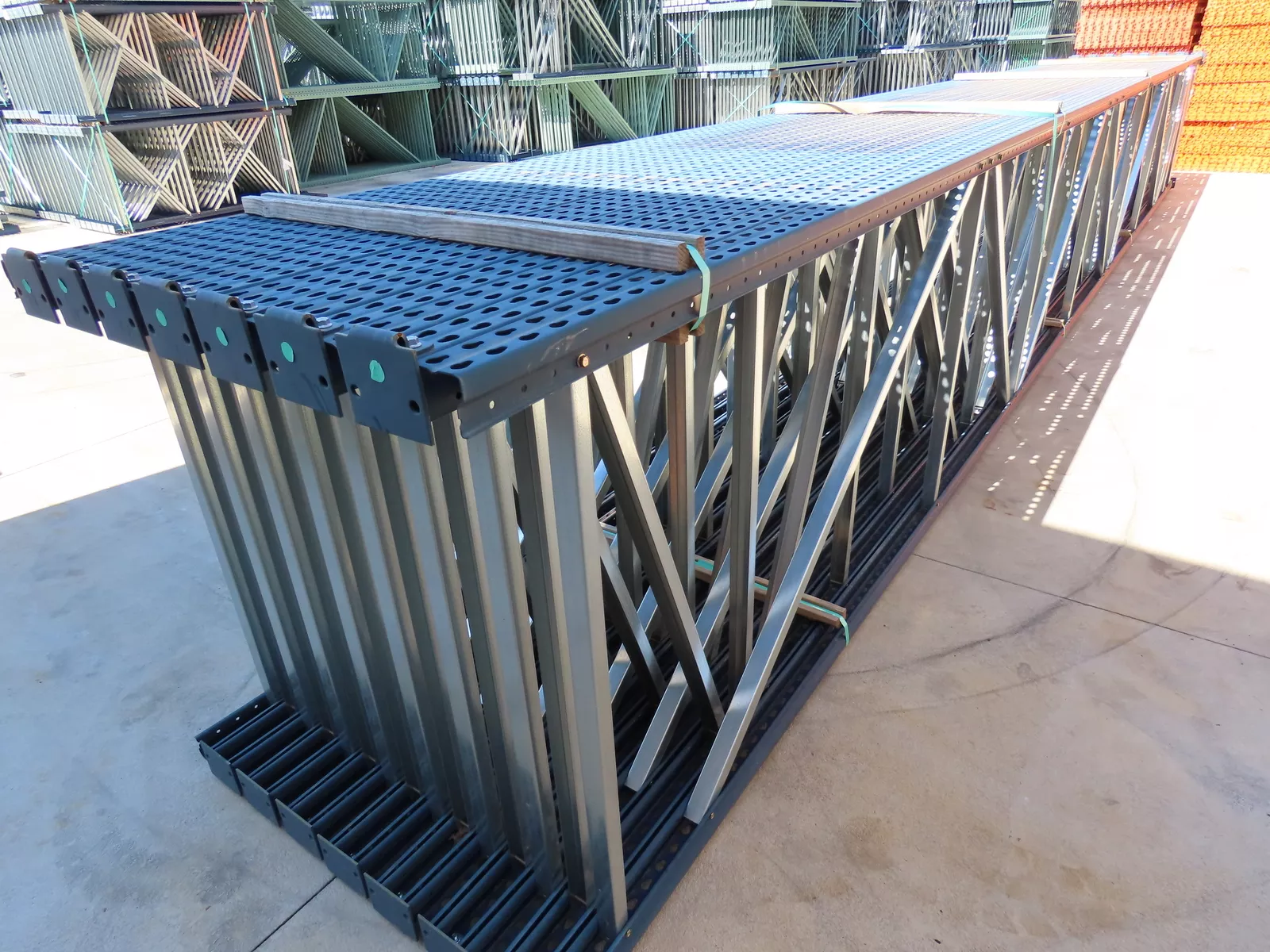
Conclusion
Conclusion:
- Local suppliers, like Arrow Industrial Sales, provide swift, reliable solutions to pallet racking emergencies, ensuring uninterrupted operations.
- Potential racking disasters, such as structural collapses or corrosion, pose serious risks to safety and profitability.
- Local suppliers can conduct immediate onsite evaluations and repairs, avoiding delays associated with national suppliers, especially during peak times.
- Building relationships with local suppliers offers customized, effective solutions tailored to specific business needs.
- Certifications like ANSI, OSHA, and ISO provide assurance that local suppliers prioritize quality and safety standards.
- Many local suppliers now offer after-hours emergency repair services, highlighting the importance of reliable support.
- Act now by contacting Arrow Industrial Sales at (574) 349-6575 to establish a vital connection for emergency assistance.
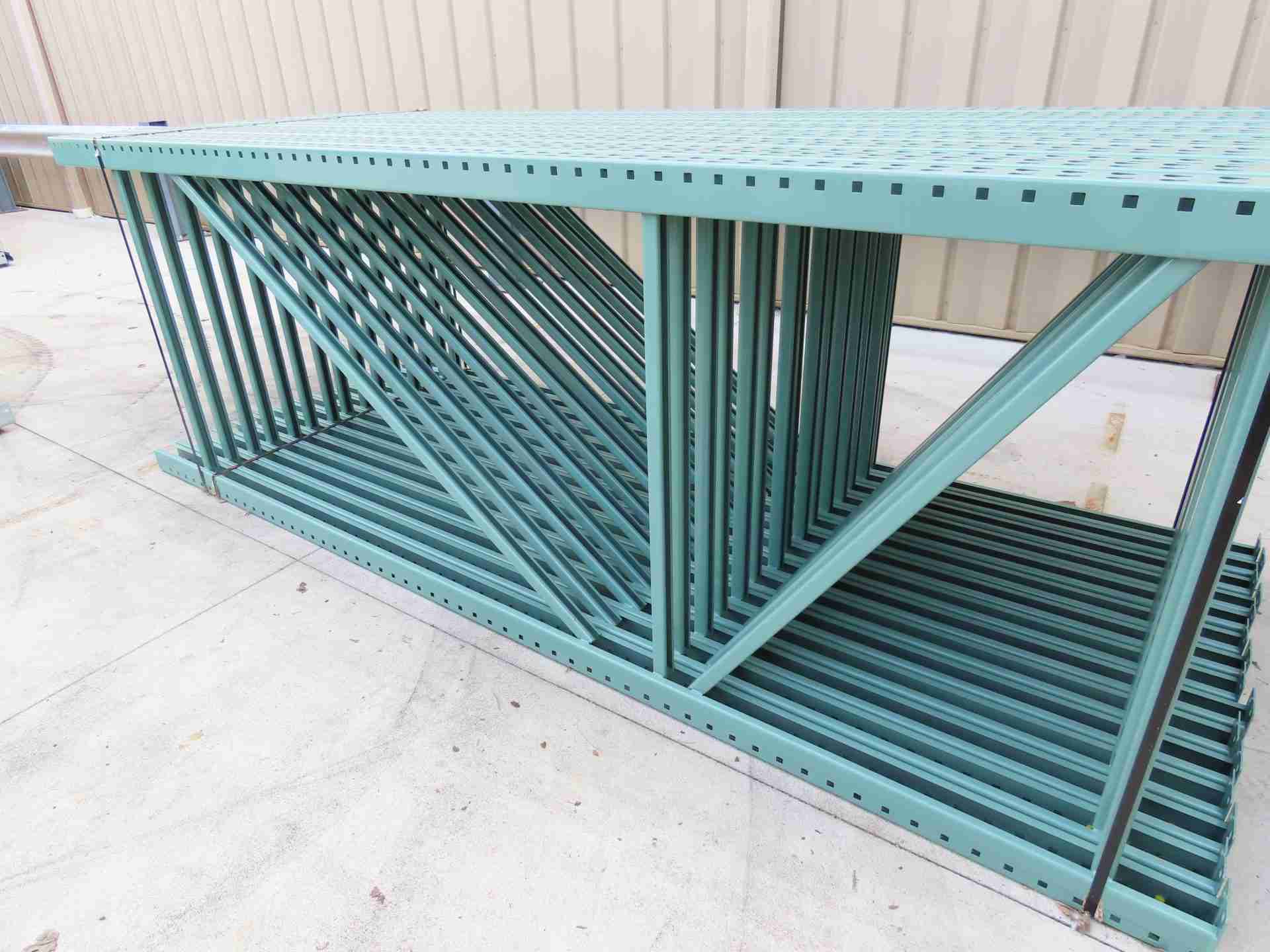
Conclusion
Other Resources
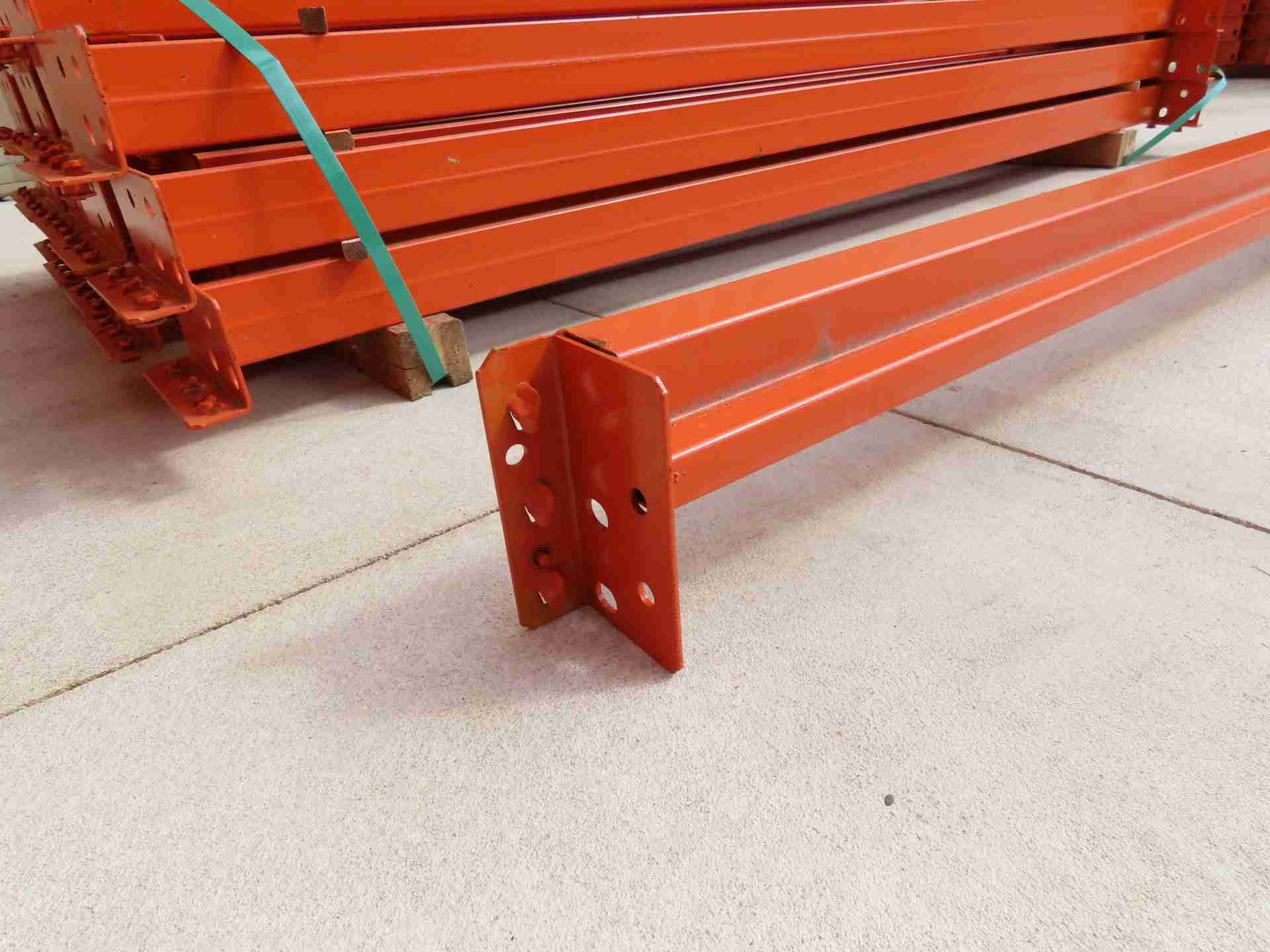
Other Resources
Here is a list of other resources you can review online to learn more:
- SEMA
- Pallet Racking systems in Illinois and Great Lakes
- Racking World
- Warehouse Racking Chicago, IL
- American Surplus
- Storage Equipment Manufacturers Association
- IIWS Inc. Rack Installation Illinois & Rack Repairs Illinois
- Cantilever Rack Configuration & Installation: A Comprehensive Guide – BMH
- IWLA
- Teardrop Industrial Shelving Rack
Use This Prompt To Get More Resources With Your Favorite Online AI Tool: Please provide me with a list of online articles with their URLs in a bulleted list that I can read regarding Can Local Suppliers Quickly Fix Racking Emergencies?
Other Resources
Glossary Terms
Can Local Suppliers Quickly Fix Racking Emergencies? – Glossary Of Terms
1. Racking: The system of shelves or frameworks used for storing goods in warehouses or storage facilities.
2. Emergency Response: The immediate actions taken to address a sudden problem or crisis, such as a racking failure.
3. Supplier: A business or individual that provides goods or services, in this case related to racking systems.
4. Local Supplier: A provider of goods or services located within a close geographical area, facilitating quicker response times.
5. Inventory Management: The supervision of non-capitalized assets, including stock levels, which is critical for efficient warehouse operations.
6. Racking Failure: A situation where the racking system becomes unstable, potentially leading to damage or injury.
7. Load Capacity: The maximum weight a racking system can safely hold without the risk of failure.
8. Forklift: A powered industrial vehicle used to lift and move materials over short distances, often used in racking systems.
9. Inspection: The process of examining racking systems to ensure safety and compliance with regulations.
10. Repair Kit: A collection of tools and materials needed to fix damaged racking components.
11. Installation: The process of setting up racking systems in a warehouse or storage facility.
12. Modular Racking: A flexible racking system that can be easily reconfigured to meet changing storage needs.
13. Emergency Maintenance: Urgent repairs and servicing needed to restore functionality to damaged racking.
14. Safety Regulations: Standards and guidelines that ensure safe operation and maintenance of racking systems.
15. Refurbishment: The process of renovating or upgrading existing racking systems to improve safety and functionality.
16. Pallet Racking: A type of racking system specifically designed for the storage of pallets, often used in warehouses.
17. Consultation: The process of seeking expert advice on racking solutions and emergency protocols.
18. Load Testing: Evaluating the strength and stability of racking systems under maximum weight conditions.
19. Risk Assessment: The identification and evaluation of potential hazards associated with racking systems.
20. Compliance: Adherence to safety and industry standards concerning the use and maintenance of racking systems.
21. Contractor: A person or company hired to execute repair, installation, or maintenance services for racking systems.
22. Emergency Contact List: A list of local suppliers and contractors to be contacted during a racking emergency.
23. On-Site Support: Services provided at the location of the racking system to assist with emergencies or repairs.
24. Triaging: The process of prioritizing repairs based on severity and urgency in a racking emergency.
25. Material Handling: The movement, protection, and control of materials throughout the manufacturing, warehousing, distribution, and consumption stages.
26. Structural Integrity: The ability of a racking system to withstand its intended load without failure.
27. Preventative Maintenance: Regular inspections and servicing aimed at preventing racking emergencies before they occur.
28. Emergency Toolkit: A set of essential tools and equipment kept on-site for quick repairs during racking emergencies.
29. Supplier Network: A group of local suppliers strategically connected to provide quick access to racking solutions.
30. Turnaround Time: The time it takes for a local supplier to respond and address a racking emergency, from the initial call to resolution.
Glossary Of Terms
Other Questions
Can Local Suppliers Quickly Fix Racking Emergencies? – Other Questions
If you wish to explore and discover more, consider looking for answers to these questions:
- What are the most common causes of racking emergencies?
- How can businesses prevent racking emergencies from occurring?
- What should businesses look for in a local racking supplier?
- Are there specific regulations for pallet racking safety?
- What are the signs that a racking system needs repair?
- How do local suppliers price their emergency repair services?
- Can local suppliers provide training for warehouse staff on racking safety?
- What kind of warranties or guarantees should be expected from local suppliers?
- How often should a warehouse conduct inspections of its racking systems?
- What are the potential legal implications of a racking system failure?
Other Questions
Checklist
Can Local Suppliers Quickly Fix Racking Emergencies? – A Checklist
1. Conduct Initial Research
_____ Search local directories (e. g. , Yellow Pages, Yelp).
_____ Use online platforms (e. g. , Google Maps) to find nearby suppliers.
_____ Read reviews and ratings from previous customers.
2. Leverage Industry Connections
_____ Reach out to peers in your industry for supplier recommendations.
_____ Engage with local business groups or social media networks.
3. Assess Supplier Qualifications
_____ Inquire about the supplier’s experience and tenure in the business.
_____ Check for relevant certifications (e. g. , ANSI, OSHA, ISO).
_____ Ask about customer service policies and installation services.
4. Compare Offerings and Quotes
_____ Request quotes from multiple suppliers for comparison.
_____ Evaluate what is included in the quote (e. g. , installation, after-sale support).
5. Assess Responsiveness and Availability
_____ Confirm if the supplier offers after-hours emergency repair services.
_____ Utilize communication tools to ensure quick response times.
6. Evaluate Understanding of Local Needs
_____ Ensure the supplier understands regional racking requirements and challenges.
_____ Ask about the supplier’s strategy for addressing common local racking emergencies.
7. Build a Relationship
_____ Establish a direct line of communication with your chosen suppliers.
_____ Foster a partnership that includes regular check-ins and updates.
8. Plan for Preventive Maintenance
_____ Discuss preventive maintenance plans to reduce future outages.
_____ Schedule regular inspections to proactively manage racking systems.
By following this checklist, you can enhance your likelihood of finding a reliable local racking supplier who meets your operational needs and minimizes disruptions in your warehouse or distribution center.

Checklist
At RackingWorld, we help guide you through selecting warehouse storage systems and racking.
Be sure to read our other related stories at RackingWorld to learn more about warehouse storage systems.
0 Comments