
Maximize Your Space And Wallet By Selling Unused Racks
By Tom Seest
At RackingWorld, we help guide you through selecting warehouse storage systems and racking.
Be sure to read our other related stories at RackingWorld to learn more about warehouse storage systems.
How to Resell Racks You No Longer Use
When it comes to those racks you no longer use, it’s not just about clearing space; it’s about connecting with a community that values what you once deemed excess. Every rack has a story—a moment when it became a crucial part of your workspace, your passion project, or your home. But now, gazing at the neglected metal, remember that it could still hold value to someone else.
Let’s start with the heart. Think about that person striving to create something meaningful, working tirelessly in their garage or studio. They’re out there, dreaming of the perfect setup to showcase their craftsmanship or organize their supplies. When you resell your unused racks, you’re not just offloading equipment; you’re handing over a lifeline, extending your success into someone else’s journey. You have the power to uplift and inspire through that simple transaction.
Now, shift your focus to the head. Racking can be a lucrative business when approached wisely. Whether you choose to list your racks on an online marketplace or participate in a local sale, you’re not just getting rid of clutter; you’re reclaiming funds that could kick-start your next project or investment. In a world where sustainability is key, reselling also promotes a cycle of reusability, keeping good equipment out of landfills and fostering an ethical approach to consumerism. You’re making smart choices that benefit your wallet and the environment.
Finally, let’s talk about the gut instinct—the thrill of forging connections. When you sell, you’re engaging with potential buyers who appreciate craftsmanship and practical solutions. These aren’t just transactions; they’re exchanges of trust—a nod to shared values of hard work and resourcefulness. You’ve walked the walk, and now you have the chance to guide another through their steps.
Consider sharing your story when listing those racks. Talk about how you used them, what they helped you achieve, and why they’re still valuable. Show empathy for potential buyers who could benefit from what you once cherished.
So, take that step. Post that listing, attend that yard sale, and watch as those well-loved racks embark on new adventures. You’re not just clearing space; you’re building bridges in your community, inspiring others, and restoring faith in the power of good equipment finding new homes. Embrace the role you play in this ongoing journey. It’s time to let go and watch others rise.

How to Resell Racks You No Longer Use
How to Resell Racks You No Longer Use
- Unused racks represent more than clutter; they connect you with a community that values what you once had.
- Each rack has a story and has played a significant role in your workspace or projects.
- Reselling racks provides a lifeline to others striving to create and organize their workspace.
- Racking can be profitable; selling helps reclaim funds for future projects while promoting sustainability.
- Reselling fosters reusability and ethical consumerism, keeping equipment out of landfills.
- Engaging with potential buyers creates connections based on shared values of craftsmanship and resourcefulness.
- Sharing your story enhances the selling experience and encourages empathy toward potential buyers.

How to Resell Racks You No Longer Use
Table Of Contents
- How to Resell Racks You No Longer Use
- What Memories Do Your Old Racks Hold That Make Them Hard to Part With?
- How Much Could You Earn By Selling Racks You No Longer Need?
- Are You Aware Of the Best Platforms for Reselling Used Equipment?
- What Ethical Considerations Should You Keep In Mind While Reselling?
- How Can Reselling Your Racks Contribute to a More Sustainable World?
- Conclusion
- Other Resources
- Glossary Of Terms
- Other Questions
- Checklist
What Memories Do Your Old Racks Hold That Make Them Hard to Part With?
Every garage, shed, and basement holds more than just tools and forgotten projects; it harbors a chronicle of life lived, moments shared, and aspirations nurtured. Take a moment to think about those old racks that line your walls. They might be adorned with cobwebs, rust, or the occasional tools of yesteryears, but each one tells a story that sunlight and time cannot fade.
Racking isn’t merely a means of organization; it’s a witness to our journeys. Perhaps one rack was used to support your first set of weights, a promise you made to yourself that you’d get fit. Each dumbbell is a memory—swirling sweat and determination, the heavy breaths of your younger self pushing boundaries. Or that old wooden rack, where you painstakingly organized your tools after endless hours in the garage, just preparing for the next big project that never quite got off the ground. These aren’t just shelves; they’re milestones etched in the grain of wood and the steel of metal.
From a rational standpoint, there’s an argument to be made about decluttering. Minimalism is the modern mantra, urging us to cast aside the old in pursuit of the new. Yet, isn’t there something ethically sound about holding onto those relics? Their presence speaks volumes about our past selves, reminding us of who we were back then and who we aspire to be now. It’s about respect; respect for the sweat equity and dreams that built those racks and the ambitions that prompted their assembly.
Think about how easy it is to be distracted in a world where everything is disposable, designed for quick use and even quicker replacement. By clinging to our old friends—the racks that stabilized our projects and dreams—we forge a connection to the past, anchoring our identities in a society that often encourages us to forget.
We don’t just discard these memories; we honor them, giving space to reflect and inspire. As much as they hold the tools of our trade, they also cradle the moments that ultimately define us. So as you consider whether to let go of those racks, remember: they carry your essence, your history, and perhaps a glimpse of who you are yet to become. It’s a legacy worth holding onto.

What Memories Do Your Old Racks Hold That Make Them Hard to Part With?
What Memories Do Your Old Racks Hold That Make Them Hard to Part With?
- Garages, sheds, and basements hold more than tools; they are chronicles of life lived and aspirations nurtured.
- Old racks, despite their wear, tell stories that are tied to personal journeys and milestones.
- Each piece of equipment, like dumbbells and tools, is associated with memories of effort and determination.
- Decluttering and minimalism are common practices, but keeping relics honors our past selves and dreams.
- Holding onto these items creates a connection to the past and anchors our identities in a fast-paced society.
- These racks not only store tools but also cradle moments that shape who we are.
- Ultimately, they embody our essence, history, and potential futures—a legacy worth preserving.

What Memories Do Your Old Racks Hold That Make Them Hard to Part With?
How Much Could You Earn By Selling Racks You No Longer Need?
When you look around your space, what do you see? Racking systems, like silent soldiers, standing at attention, awaiting their next duty. They’ve served you well, maybe holding everything from tools to toys, but now they’re collecting dust and taking up valuable real estate. Here’s the thing: those racks you no longer need can turn into cash in your pocket, and beyond that, a chance to transform someone else’s life.
Think about it. Every piece of racking has its own story—a story of purpose, utility, and potential. Selling these racks isn’t just about decluttering; it’s about passing on that legacy to someone who genuinely needs them. Think of the young entrepreneur, the start-up, or even the local craftsperson. They’re searching for the right tools to launch their dreams, and that racking system could be the very thing that helps turn ambition into reality. It’s a chance to impact someone’s journey, not just yours.
Now let’s talk dollars and sense. You might be surprised by how much your old racking could fetch in the marketplace. With the rise of online platforms, from community groups to specialty resale sites, you can reach people who are eager to invest in quality, pre-owned equipment. By pricing it right, you may find that those racks can fetch a pretty penny, filling your wallet while decluttering your space.
But the gut instinct kicks in when you consider the ethical angle. Waste is a modern epidemic, and every item you sell rather than toss contributes to a more sustainable future. It’s not just about making a few bucks; it’s about making choices that ripple outward into your community and beyond. Each rack sold is one less item lingering in a landfill, one more option for someone trying to build a life or business from the ground up.
Engage with your audience—share your story. Perhaps you started your journey with the very racks you want to sell. Share the memories, the successes, and the failures; tell them why you’re moving on. A transparent narrative fosters trust; potential buyers want to know they’re not just purchasing a product but engaging with a person.
Selling racking systems you no longer need isn’t just an opportunity for profit; it’s a chance to connect, inspire, and contribute to a wider story—one of growth, sustainability, and community. The journey begins with a simple choice.

How Much Could You Earn By Selling Racks You No Longer Need?
How Much Could You Earn By Selling Racks You No Longer Need?
- Racking systems often go unused, taking up space while collecting dust.
- Selling unused racks could generate cash and benefit someone in need.
- Each racking system has a unique story of utility and potential.
- Old racks can aid young entrepreneurs and local craftspeople in their pursuits.
- Online platforms provide opportunities for selling pre-owned equipment at good prices.
- Selling rather than discarding reduces waste and promotes sustainability.
- Sharing personal stories about the racks fosters trust and connection with buyers.

How Much Could You Earn By Selling Racks You No Longer Need?
Are You Aware Of the Best Platforms for Reselling Used Equipment?
When it comes to reselling used equipment, choosing the right platform can feel a bit like searching for the right tool in a cluttered garage. Each platform is its own unique system, just like those racking units housing everything from power drills to garden shears. Some are effective and efficient, while others leave you frustrated, wondering if it’s really worth the effort. But for those willing to dig a little deeper, the right choice can lead to a rewarding experience, both financially and emotionally.
Take a moment to consider the power of connection. Each used item you sell carries a story—perhaps it was an essential part of your home improvement project or the tool that completed countless weekend DIY adventures. By using platforms like eBay, Facebook Marketplace, or specialized sites like GearTrade, you’re not just moving items; you’re passing on that history. You are giving someone else the opportunity to build their own narrative, with your trusty equipment at the heart of it. That’s a meaningful transaction, rooted in a shared understanding of hard work and perseverance.
Your choices matter. You deserve to partner with platforms that not only allow you to sell but also respect the labor behind each product. Consider local directories or community-based apps that promote ethics and sustainability. These avenues not only empower your wallet but foster a sense of community. When you sell locally, you’re creating relationships that stretch beyond transactions; you’re supporting your neighbors, building trust, and igniting economic revival in your area.
Moreover, the sheer act of reselling plays into our collective consciousness around conservation and consumption. We’re all part of this tapestry, and each item sold contributes to a shift away from a throwaway culture. You’re not merely decluttering; you’re making a statement about the value of longevity and resourcefulness.
As you navigate your options, remember: it’s not just about the price you get. It’s about building a network, sharing experiences, and, yes, racking up wins for both you and the future owner of that beloved tool or piece of equipment. Choose platforms that resonate with your values—where trust and connection thrive. Take the plunge, engage with your community, and keep that cycle of value alive and kicking. The right platform is out there; it just takes that first step to find it.

Are You Aware Of the Best Platforms for Reselling Used Equipment?
Are You Aware Of the Best Platforms for Reselling Used Equipment?
- Choosing the right platform for reselling used equipment is essential and can be overwhelming.
- Each platform has unique qualities and can affect your experience positively or negatively.
- Selling items allows you to pass on their stories and connect with new owners.
- Platforms like eBay, Facebook Marketplace, and GearTrade enable meaningful transactions.
- Opt for local directories and community-based apps to foster ethics, sustainability, and community relations.
- Reselling contributes to a shift away from a throwaway culture, promoting conservation and longevity.
- Focus on building networks and connections, rather than just on financial profit, to create lasting value.

Are You Aware Of the Best Platforms for Reselling Used Equipment?
What Ethical Considerations Should You Keep In Mind While Reselling?
When you step into the world of reselling, it’s essential to remember that the journey is about more than just the bottom line. Each interaction you have, every transaction you make, is an opportunity to build a community based on trust and integrity. Think about it: when a customer walks into your shop or clicks on your online listing, they’re not just looking for a product—they’re seeking a story. They want to feel good about their purchase, and as resellers, it’s our responsibility to articulate a narrative that emphasizes honesty and respect.
Start by racking your thoughts around the items you sell. Are they sourced ethically? Is your pricing fair, both for you and the buyer? These aren’t just questions of inventory management; they’re the foundation of a trustworthy enterprise. Consumers today are savvy, often well-informed, and equipped with the resources to dig into the origins of what they buy. They care about sustainability, supporting local artisans, and the transparency of supply chains. Being upfront about where your products come from fosters a deeper connection with your customers, making them more likely to return.
Now let’s engage both the head and the gut. Embrace the notion that reselling has the power to uplift not just your financial situation but also those around you. You’re giving new life to pre-loved items and helping someone find exactly what they need while simultaneously minimizing waste. This is an act of stewardship that goes beyond profit margins; it sparks a sense of camaraderie among neighbors. When you promote a product ethically, you’re sowing the seeds of goodwill, which can flourish into a supportive community.
You fully embody the role of an authority in your field by being knowledgeable and approachable. Share your insights, provide clear information, and always stand behind your products. When you treat your customers like partners in this journey, they’ll reciprocate by championing your cause to others.
Lastly, understand that ethical reselling is often a balancing act. You can pursue profit, but not at the expense of your values. Embrace the knowledge that your choices have repercussions—both socially and environmentally. Let this understanding inspire you to push beyond mere transactions toward meaningful interactions. Trust, confidence, and action stem from a commitment to doing right not only by yourself but also by those who choose to step into your world of reselling.

What Ethical Considerations Should You Keep In Mind While Reselling?
What Ethical Considerations Should You Keep In Mind While Reselling?
- The reselling journey is not just about profit but building a community based on trust and integrity.
- Customers seek a story behind their purchases, which requires resellers to emphasize honesty and respect.
- Questions about ethical sourcing and fair pricing are foundational to creating a trustworthy enterprise.
- Today’s consumers value sustainability, support for local artisans, and transparency in supply chains.
- Reselling can uplift both your financial situation and foster community spirit by reducing waste.
- Being knowledgeable and approachable helps position you as an authority and encourages customer loyalty.
- Strive for a balance between profit and values, recognizing the social and environmental impact of your choices.

What Ethical Considerations Should You Keep In Mind While Reselling?
How Can Reselling Your Racks Contribute to a More Sustainable World?
When we think about racking, our minds might jump to the steel and bolts in a warehouse, dutifully holding pallets and products. But if we take a moment to look deeper, we can recognize that these metal frameworks can play a pivotal role in a more sustainable future. Racking is far more than just a functional element of warehousing; it’s a symbol of potential—a chance to encourage responsible usage and minimize waste.
Imagine the thousands of racks that populate warehouses across the globe, many of them forgotten or underutilized. Now picture those very same racks finding new life, repurposed and resold. Each transaction becomes a small but impactful step toward reducing the relentless cycle of consumption that defines modern living. This simple act of reselling isn’t just a financial exchange; it’s a choice for sustainability—a way to breathe new life into materials that might otherwise add to landfills. By reselling your racks, you’re not only decluttering your space, but you’re also promoting a circular economy. It’s a win-win situation where sustainability meets practicality.
From an emotional standpoint, consider the stories entwined with these racks. Each one carries the weight of countless goods, each with a history and purpose. When resold, they carry the promise of new beginnings. But it’s not just about the racks; it’s about the people behind the scenes—those who need them, whether to kickstart a new business venture or to support a local community initiative. This act fosters connections, creating a network of shared responsibility and collaboration.
Ethically, the choice to resell aligns with a growing social consciousness. We’re increasingly aware of our environmental footprint, and reselling your racks offers a practical way to lower it. This isn’t merely a trend; it’s an evolving narrative about how we treat the resources at our disposal. And when we approach reselling as a community, we cultivate a culture of support and stewardship.
So, whether you’re an entrepreneur looking to save money or an individual ready to declutter—recognize the broader impact of your choices. Your decision to resell your racks can ripple out into the world, fostering sustainability and encouraging a culture of conscious consumption. Every rack has a story; let yours contribute to a more sustainable future, one transaction at a time.

How Can Reselling Your Racks Contribute to a More Sustainable World?
How Can Reselling Your Racks Contribute to a More Sustainable World?
- Racking systems go beyond simple storage solutions; they hold potential for sustainability.
- Countless underutilized racks in warehouses can be repurposed and resold to minimize waste.
- Reselling racks contributes to a circular economy, merging sustainability with practicality.
- Each rack carries a history and, when resold, signifies new beginnings and second chances.
- The practice of reselling fosters connections and builds a network of community responsibility.
- Ethical reselling aligns with an increasing awareness of environmental impact and social consciousness.
- Your decision to resell can promote sustainability and conscious consumption, influencing the broader community.

How Can Reselling Your Racks Contribute to a More Sustainable World?
Conclusion
Let’s tackle the old racks cluttering your space that serve as heavy reminders of projects past and dreams that didn’t quite manifest. Every piece of metal or wood carries its own history, a testimony to your ambitions and efforts. But you know what? Those bygone moments don’t have to end with you—they can inspire someone else. By reselling that unused equipment, you’re not just recycling; you’re reviving dreams, extending a lifeline to those aspiring creators out there who are just beginning their journeys. Your discarded racks could be the catalyst for someone else’s success story, a stepping stone in their quest to innovate or create something great.
Think about it from a financial perspective: freeing up that space can pad your wallet. Platforms like Facebook Marketplace or eBay can transform what you see as clutter into cash, allowing you to invest in new projects or simply add a few extra bucks to your budget. In an era where sustainability is becoming more critical, reselling stands as an ethical choice, keeping items from cluttering landfills and promoting a culture of reusability. It’s not only a smart business move but also a necessary step toward conscientious living.
Emotionally, selling those racks connects you with potential buyers who resonate with your story—individuals looking to harness tools that have a history just like their own. This process fosters trust and shared values, transforming mere transactions into communal exchanges. Sharing your journey with those racks—your struggles, your triumphs—breathes life into the sale, establishing a bond that outweighs simple commerce.
As you ponder how to part with these items that once defined your space, remember: every sale is a chance to uplift a neighbor, to contribute a piece of knowledge and experience. Each rack carries with it not just your past, but whispers of someone else’s future. So take a deep breath, let go of that nostalgia, and watch as those pieces of your life transform into tools of inspiration for others. Embrace this journey of reselling; it’s a bridge between your past and someone else’s bright future, a catalyst for change, and a testament to the power of community and sustainability. Together, we can create a world where our stories continue to resonate, long after the tools that once defined us have moved on.

Conclusion
Conclusion:
- Declutter your space by reselling old racks, transforming reminders of past projects into opportunities for others.
- Unused equipment can inspire aspiring creators, serving as stepping stones in their innovation journeys.
- Financially, reselling can convert clutter into cash, allowing for investment in new projects or extra funds.
- Reselling aligns with sustainability goals by reducing landfill waste and promoting a culture of reusability.
- Selling connects you emotionally with buyers who share similar stories and values, fostering trust through shared experiences.
- Each sale represents a chance to uplift neighbors and pass on knowledge, turning your past into someone else’s future.
- Embrace reselling as a bridge between your history and another’s potential, highlighting the power of community and sustainability.

Conclusion
Other Resources

Other Resources
Here is a list of other resources you can review online to learn more:
- Pallet Racking systems in Illinois, Great Lakes
- Storage Equipment Manufacturers Association
- Wolter
- International Warehouse Logistics Association
- Storage Equipment Manufacturers’ Association
- Warehouse Racking Layout: The Ultimate Guide – Conger
- Warehousing Education and Research Council: https://www.werc.org/
- Teardrop Pallet Rack – Ridg-U-Rak
- IWLA
- New Cantilever Racks and Racking Kits
- Selective Racking
- Heavy-Duty Cantilever Storage Racks
- Teardrop Uprights
- Selective Racking
- American Society of Safety Professionals
- Teardrop Pallet Rack – Ridg-U-Rak
- Racking World
- American Surplus
- Selective Pallet Racking Systems
- Intro to Warehouse Racks & Warehouse Racking Systems – ShipBob
Use This Prompt To Get More Resources With Your Favorite Online AI Tool: Please provide me with a list of online articles with their URLs in a bulleted list that I can read regarding How to Resell Racks You No Longer Use

Other Resources
Glossary Terms
How to Resell Racks You No Longer Use – Glossary Of Terms
1. Resell: The act of selling an item again after purchasing it, often at a reduced price.
2. Rack: A framework or support structure used for storing or displaying items such as clothing, equipment, or tools.
3. Inventory: A detailed list of items available for sale, usually kept for tracking and management purposes.
4. Condition: The state of an item, including its wear, tear, functionality, and overall appearance, which affects resale value.
5. Market Research: The process of gathering information about consumer needs and preferences within a specific market to inform pricing and sales strategies.
6. Pricing Strategy: The method used to set the sale price of an item, considering factors like condition, demand, and competition.
7. Value Assessment: The evaluation of an item’s worth based on factors such as age, condition, and market trends.
8. Listing: A description of an item prepared for sale, often including details on condition, features, and pricing.
9. Platform: An online marketplace or physical location where items can be sold, such as eBay, Craigslist, or consignment shops.
10. Shipping: The process of preparing and sending an item to the buyer, which may involve packaging and delivery services.
11. Local Pickup: A sale option where buyers collect the item in person, eliminating shipping costs and delays.
12. Negotiation: The discussion process between buyer and seller to agree on a price, often involving offers and counteroffers.
13. Photos: Visual representations of an item that help potential buyers assess its condition and attractiveness.
14. Description: A detailed account of an item’s features, benefits, and specifications to entice buyers.
15. eCommerce: The buying and selling of goods or services through electronic systems, such as the internet.
16. Referral: Recommendations by previous customers to potential buyers, often leading to increased trust and sales.
17. Payment Options: Various methods available for transactions, including credit cards, PayPal, and cash.
18. Customer Feedback: Reviews and ratings provided by buyers, offering insights into the selling experience and item satisfaction.
19. Consignment: An arrangement where items are sold on behalf of the owner by a retailer, receiving a percentage of the sale.
20. Flipping: The practice of buying items at a low cost and reselling them at a higher price for profit.
21. Brand Reputation: The perception of a brand or seller based on previous interactions, quality of products, and customer service.
22. Terms and Conditions: The rules and guidelines that govern a sale, including return policies and warranties.
23. Promotion: Marketing tactics used to increase visibility and attract buyers, such as discounts or social media posts.
24. Fulfillment: The process of completing an order, including packaging, shipping, and customer communication.
25. Return Policy: A statement outlining the conditions under which customers can return purchased items.
26. Buyer’s Market: A market condition where supply exceeds demand, leading to advantageous pricing for buyers.
27. Seller’s Market: A market condition where demand exceeds supply, allowing sellers to command higher prices.
28. Community Engagement: The act of participating in local events or online forums to increase visibility and connect with potential buyers.
29. Sustainability: The practice of reselling items to reduce waste and promote environmentally friendly consumption.
30. Social Media Marketing: Using platforms like Facebook and Instagram to promote and sell items, reaching a wider audience.
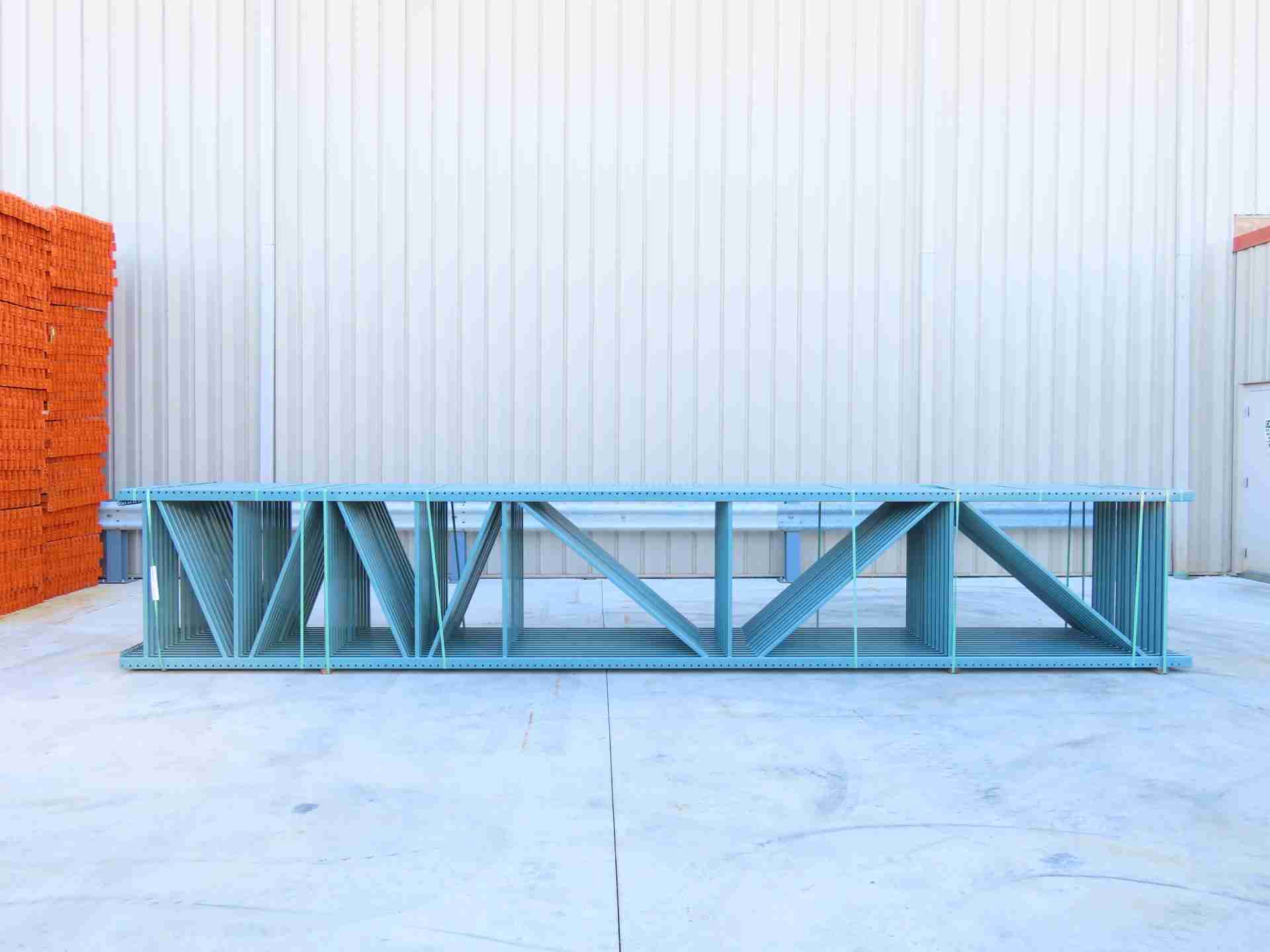
Glossary Of Terms
Other Questions
How to Resell Racks You No Longer Use – Other Questions
If you wish to explore and discover more, consider looking for answers to these questions:
- What types of racks are most commonly resold?
- How do you determine the right pricing for used racks?
- What are the most effective online marketplaces for selling racks?
- How can you ensure a successful sale when reselling?
- Are there any legal considerations when reselling equipment?
- What tips can help improve the visibility of your listing?
- What kind of documentation or information should be provided to potential buyers?
- How can reselling racks benefit a local community?
- What is the best way to handle negotiations with potential buyers?
- How can you promote your racks to reach a wider audience?

Other Questions
Checklist
How to Resell Racks You No Longer Use – A Checklist
Checklist for Reselling Your Unused Racks
Heartfelt Connections:
_____ Reflect on the stories associated with your racks and how they contributed to your journey.
_____ Think about the potential impact on the buyer—how will your racks help them achieve their dreams?
_____ Share your personal anecdotes and the joy your racks brought you in your listings.
Rational Considerations:
_____ Assess the market value of your racks by researching similar listings.
_____ Determine the most effective platforms for selling (e. g. , eBay, Facebook Marketplace, local community boards).
_____ Calculate potential earnings and how they can fund your next project or investment.
Ethical Selling:
_____ Ensure your racks are in good condition and accurately represent their history in your listings.
_____ Establish fair pricing that reflects the value while being respectful to potential buyers.
_____ Consider the ethical implications of reselling and promote sustainability by keeping items out of landfills.
Authority and Trust:
_____ Provide detailed descriptions and clear photos to foster buyer confidence.
_____ Offer insights into the quality, usage, and care of the racks you’re selling.
_____ Be transparent about why you’re selling and how the racks can serve new owners.
Narrative Framework:
_____ Craft a compelling narrative in your listings that resonates with your audience.
_____ Highlight the shared values of hard work and resourcefulness in your sales approach.
_____ Encourage buyers to imagine the new stories they will write with your racks.
Social Responsibility:
_____ Engage with buyers and build a community around your sales.
_____ Consider selling locally to strengthen neighborhood ties and foster trust.
_____ Promote the importance of reusability and circular economy principles in your marketing.
Action Steps:
_____ Choose a day to declutter and gather all unused racks for sale.
_____ Take high-quality photos and draft engaging descriptions for each rack.
_____ Post listings on selected platforms and share them with your social networks to reach a broader audience.
Reflection:
_____ After each sale, consider how the transaction made you feel—did you foster a meaningful connection?
_____ Reflect on the impact of your sales—how did they contribute to sustainability and community building?
_____ Think about what you might do differently next time to enhance your selling experience.
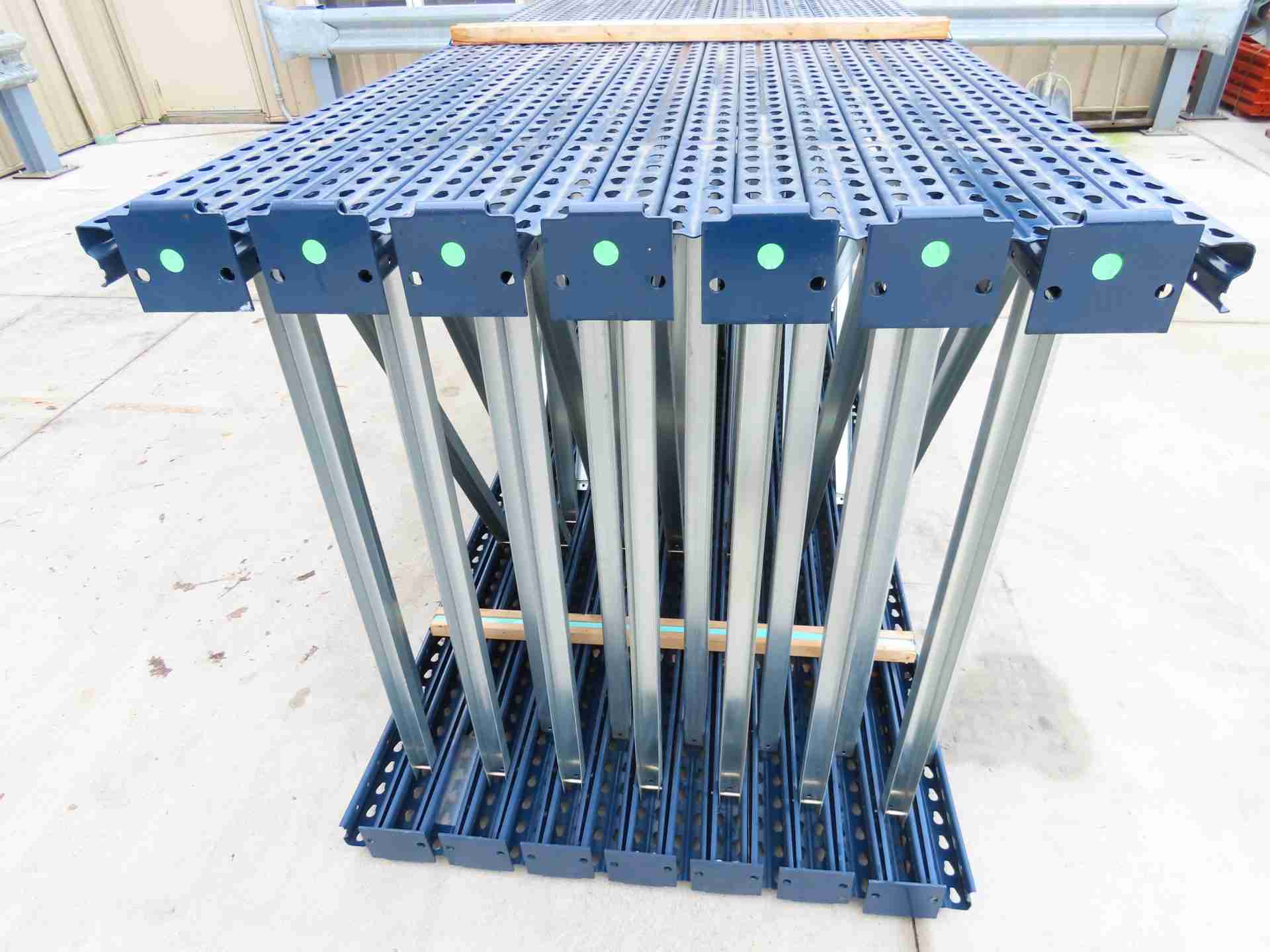
Checklist
At RackingWorld, we help guide you through selecting warehouse storage systems and racking.
Be sure to read our other related stories at RackingWorld to learn more about warehouse storage systems.
0 Comments