
Ensuring Safety And Efficiency Through Proactive Inspection
By Tom Seest
At RackingWorld, we help guide you through selecting warehouse storage systems and racking.
Be sure to read our other related stories at RackingWorld to learn more about warehouse storage systems.
How to Inspect Your Pallet Racks for Damage
When it comes to the world of warehousing, racking systems are the unsung heroes holding up our products and livelihoods. Yet, every day, these steadfast structures are put to the test, standing tall against the relentless pace of our operations. That’s why inspecting your pallet racks for damage isn’t just a task on a to-do list; it’s a responsibility that goes beyond the nuts and bolts—it’s about safeguarding lives and livelihoods.
Picture this: a foggy morning in your facility. You glance over at those steel giants, their frames gleaming under the fluorescent lights. They’ve supported you through countless deliveries and shipments, a fortress of organization. But beneath that robust exterior, a hidden crack or dent could be brewing, potentially jeopardizing not only your inventory but the safety of your team. This isn’t just about assets or bottom lines; it’s about people. Lives depend on those beams holding steady.
Start your inspection from top to bottom, and don’t rush the process. Take a moment to connect with your equipment. Every dent represents a story—maybe a forklift mishap that skidded too close, or a hurried employee who misjudged the load. Look for structural damage: are there bends in the uprights? Are the cross beams still straight? Take a candid inventory, not just of the materials, but the weight they carry in your operations and the trust your team places in them.
As you work, think critically. This is more than routine maintenance; it’s a moral duty. Ensuring the integrity of your racking systems directly impacts your employees’ safety and the efficiency of your business. Would you put your family on poorly constructed furniture? The same principle applies here. Each scratch or loosened bolt reflects a choice you’re making about care and quality.
Engage your team in this process—inspect, discuss, and educate. Share the stories of the past and invite them to contribute their observations. By fostering a culture of awareness, you’re building a collective responsibility that resonates throughout the warehouse. Together, you create a safer working environment and a stronger foundation for future endeavors.
So, roll up your sleeves and take a hard look at those racks. Because when you give your pallet racking the attention it deserves, you’re not just maintaining equipment; you’re investing in a safer, more efficient future for everyone involved.
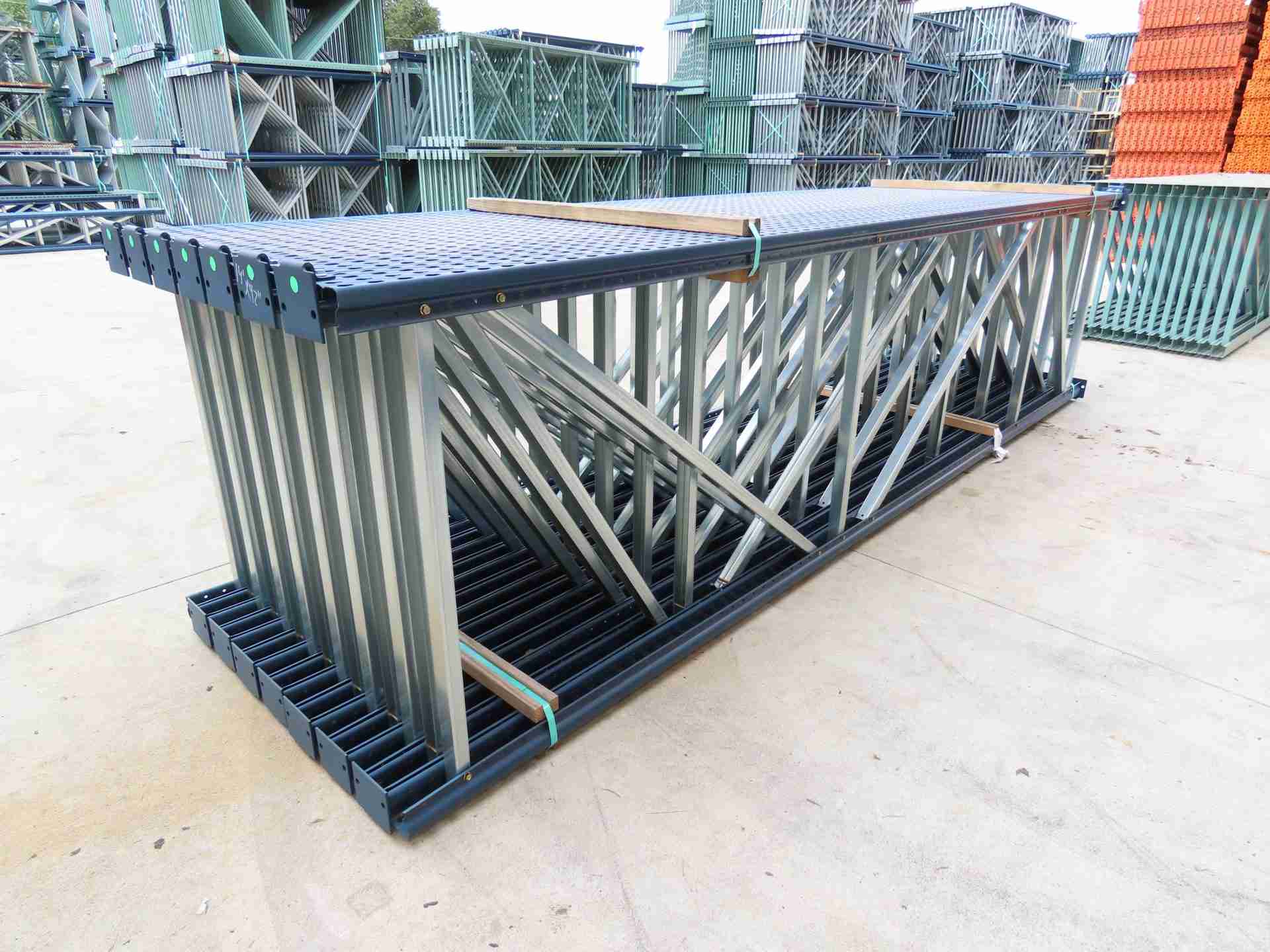
How to Inspect Your Pallet Racks for Damage
How to Inspect Your Pallet Racks for Damage
- Racking systems in warehouses are essential for product safety and operational efficiency.
- Regular inspection of pallet racks is crucial to ensure the safety of both inventory and personnel.
- Hidden damage, such as cracks or dents, can compromise the integrity of the racks and endanger lives.
- Inspections should start from the top and be thorough, focusing on structural damage and weight capacity.
- Maintaining racking systems is not just a task, but a moral responsibility to protect employees and ensure smooth operations.
- Engaging the team in the inspection process fosters awareness and collective responsibility towards safety.
- Investing time in racking maintenance enhances the safety and efficiency of the workplace for everyone.
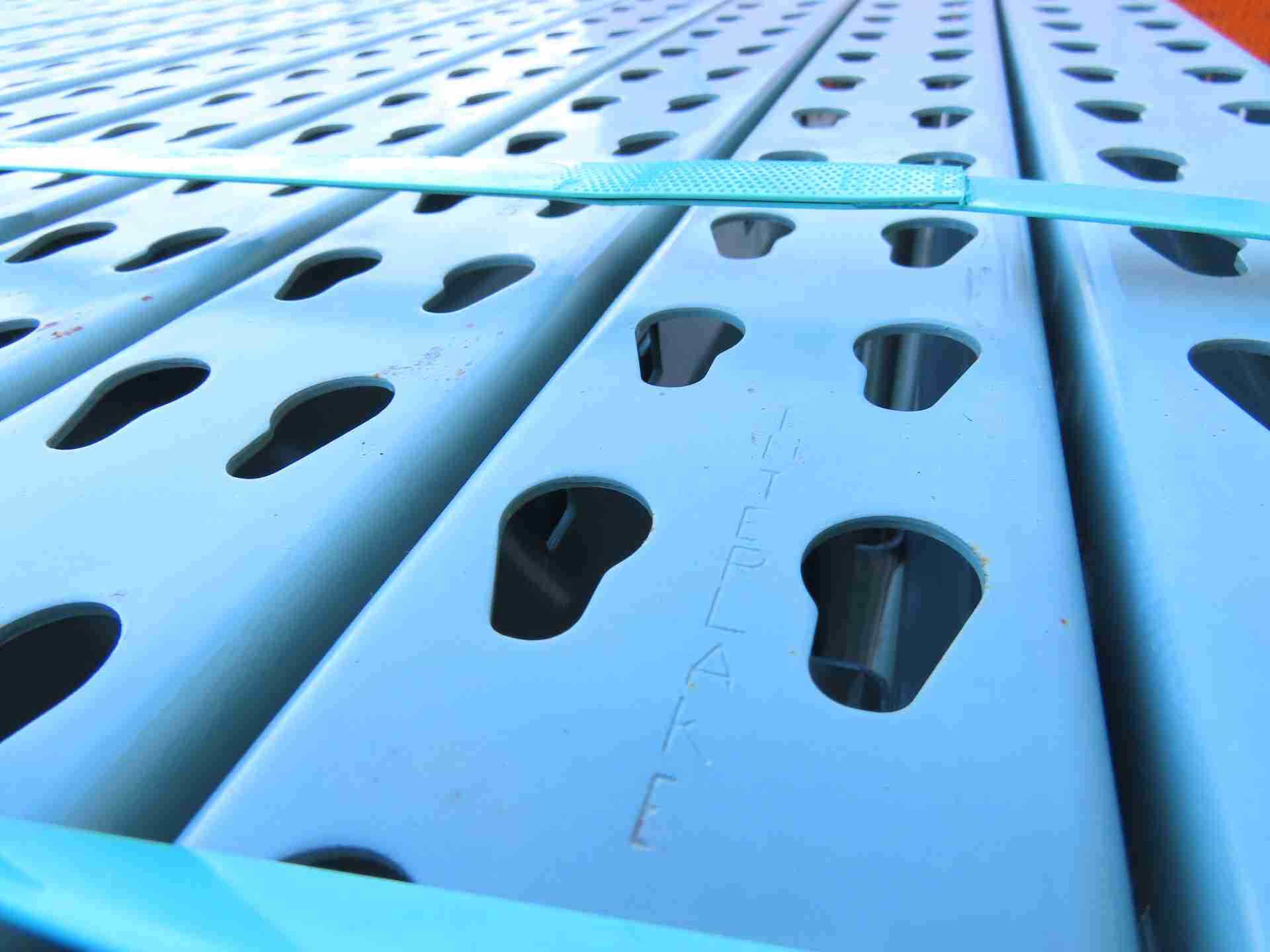
How to Inspect Your Pallet Racks for Damage
Table Of Contents
- How to Inspect Your Pallet Racks for Damage
- What Emotional Risks Could a Damaged Pallet Rack Pose to Workers?
- How Can You Rationally Assess the Safety Of Your Warehouse Setup?
- Is It Ethical to Ignore Potential Hazards In Your Workplace?
- Who Can You Trust to Provide Expert Advice on Pallet Rack Inspections?
- How Does a Compelling Story About Workplace Safety Resonate with You?
- Conclusion
- Other Resources
- Glossary Of Terms
- Other Questions
- Checklist
What Emotional Risks Could a Damaged Pallet Rack Pose to Workers?
When we think about the emotional risks posed by a damaged pallet rack, we often overlook the human element in the equation. These aren’t just metal beams and wooden pallets; they’re critical components of an environment where people work hard every day. If we allow a damaged racking system to exist unchecked, we’re not just risking the integrity of our stock; we’re jeopardizing the well-being and morale of our workers.
Imagine walking through a warehouse where the towering racking seems like a looming threat. Each creak and groan of the metal feels like a whisper of danger, and uncertainty hangs in the air. Employees become hyper-aware of their surroundings, navigating the aisles with a heightened sense of anxiety. Instead of focusing on their tasks, their thoughts drift to “What if that beast wobbles and collapses?” Such mental strain can erode confidence and diminish productivity, turning an engaged team into a group of individuals hampered by fear.
Now consider the ethical implications. We have a responsibility to ensure that our workplaces are safe and uplifting. By neglecting damaged racking, we send an implicit message: that profit is more important than people. When employees sense that their safety isn’t the priority, it fractures trust and can lead to a culture of complacency. This isn’t just a hazard; it’s a moral failing that could backfire on leadership in profound ways.
From a rational standpoint, a culture of safety creates an environment where employees can thrive. When they feel secure, their engagement levels skyrocket. Think of it like investing in a foundation—for every dollar spent on safety enhancements, we save multiples down the line in reduced accidents and increased morale. Who wouldn’t want that?
And let’s not forget the power of narrative and connection. Every worker has a story—perhaps it’s a single parent striving to provide for their family, or a young person eager to make their mark. By ensuring a safe workspace, we’re honoring those narratives and helping people see their role in the bigger picture. We create solidarity, turning colleagues into a team that supports and looks out for one another.
In a world where the stakes are high, both emotionally and physically, let’s be the custodians of safety. Supporting our workers isn’t just a business decision; it’s a commitment to building a better community, fostering trust, and empowering individuals to do their best work without fear. After all, a healthy workplace is more than just a structure; it’s a thriving environment for human potential.

What Emotional Risks Could a Damaged Pallet Rack Pose to Workers?
What Emotional Risks Could a Damaged Pallet Rack Pose to Workers?
- Emotional risks of damaged pallet racks impact both stock integrity and worker well-being.
- Damaged racking creates anxiety among employees, hindering their focus and productivity.
- Neglecting workplace safety sends a message that profit is prioritized over employee safety.
- Complacency can result from fractured trust due to unsafe working conditions.
- A culture of safety enhances employee engagement, reducing accidents and boosting morale.
- Supporting safety honors the personal stories of workers, fostering solidarity and teamwork.
- Promoting a healthy workplace is a commitment to community, trust, and human potential.
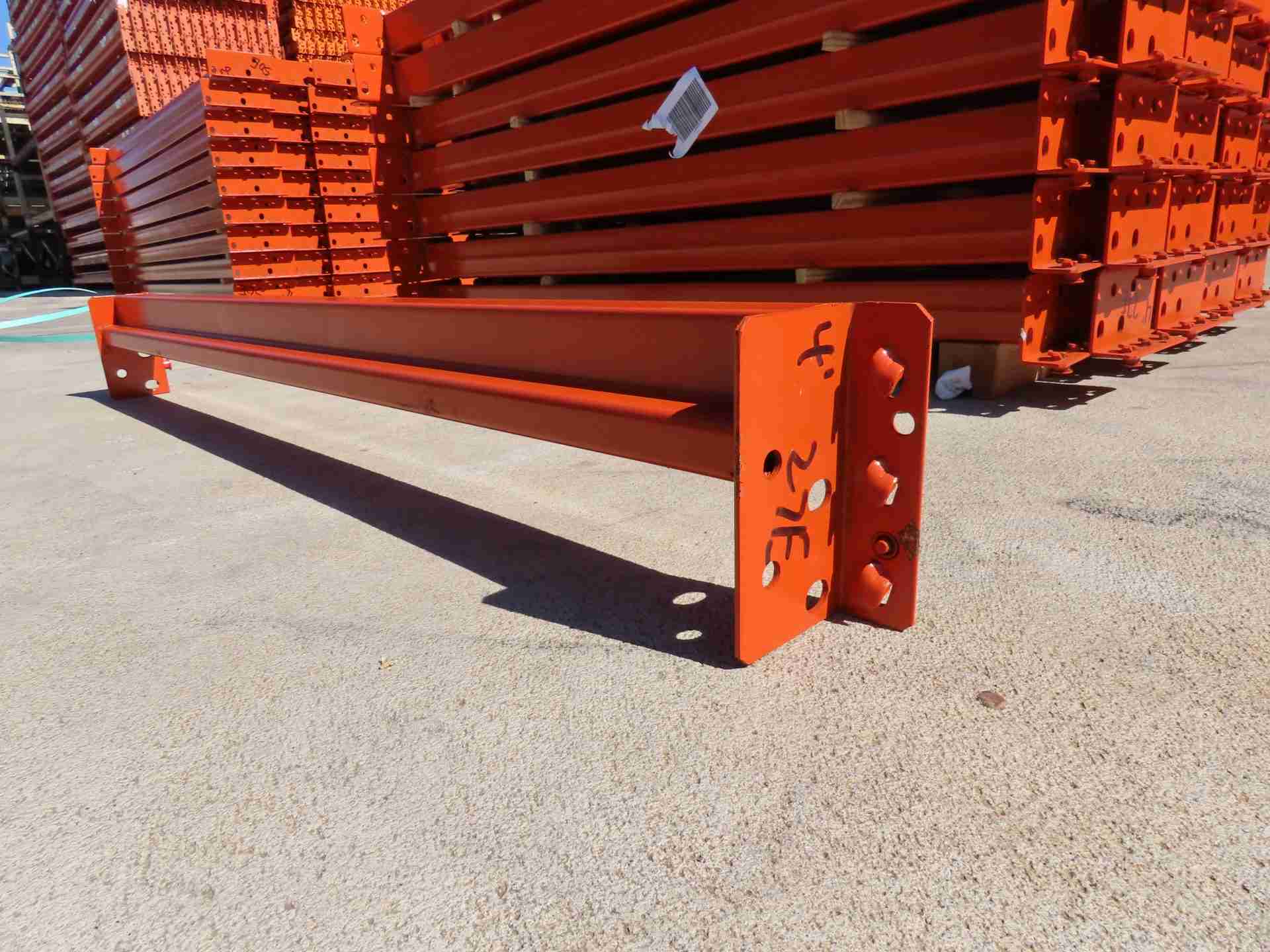
What Emotional Risks Could a Damaged Pallet Rack Pose to Workers?
How Can You Rationally Assess the Safety Of Your Warehouse Setup?
When you step into a warehouse, what do you see? Shelves towering like skyscrapers, pallets stacked high, and a symphony of machinery at work. It’s an impressive sight, but within that bustling backdrop lies a silent question—how safe is it? Assessing the safety of your warehouse setup demands both the mind and the heart.
Let’s start with the racking systems. They’re not just metal frameworks; they’re your backbone, cradling everything from delicate items to heavy equipment. Imagine the impact if those racks fail. One moment, everything’s functioning; the next, chaos erupts. A rational assessment means examining the load limits, ensuring stability, and conducting regular inspections. Think of it as a relationship: nurture the racks, respect their limits, and they’ll do the heavy lifting for you.
Now, let’s talk ethics. You have a responsibility to your team, the very people who dedicate their time and energy to your vision. Picture them every day, navigating the warehouse, trusting that the setup around them is designed to protect them, not endanger them. It’s not just about compliance with regulations; it’s about fostering an environment where safety is paramount. When you put their well-being first, you inspire loyalty and dedication, cultivating a culture that values every worker as irreplaceable.
Think about the narratives that swirl around warehouses, the stories of near misses, or worse, accidents that reshape lives. It’s a wake-up call. Knowing that the warehouse environment can be perilous should ignite a gut reaction to take action. Regular training, clear signage, and open communication can make all the difference. Imagine having your employees empowered to speak up about safety concerns or suggest improvements. That’s not just rational thinking—it’s a community effort that binds the team together.
From a social perspective, safety isn’t merely an individual endeavor; it’s a team sport. Encourage an atmosphere where safety audits and toolbox talks are commonplace, where workers feel comfortable addressing problems without fear. When everyone’s engaged, the warehouse transforms from a collection of shelves and machines into a united front, working in harmony for a common goal.
Your warehouse setup isn’t just a logistical hub; it’s the heartbeat of your operation. Assessing its safety isn’t merely a task—it’s a commitment to human connection, reliability, and workplace integrity. Each action you take not only shields your assets but cradles the very people who make your business thrive.
How Can You Rationally Assess the Safety Of Your Warehouse Setup?
How Can You Rationally Assess the Safety Of Your Warehouse Setup?
- Warehouse environments feature towering shelves, stacked pallets, and busy machinery, raising safety concerns.
- Racking systems are essential; regular inspections and understanding load limits are crucial for preventing chaos.
- Prioritizing team safety fosters loyalty, creating a culture that values and protects every worker.
- Acknowledge the risks in warehouses; proactive training, clear signage, and open communication are vital.
- Safety is a collective responsibility; promote safety audits and discussions to empower workers.
- Engaged workers transform the warehouse into a unified team, focused on shared goals.
- Ensuring safety is a commitment to integrity, protecting both assets and the people who drive the business.
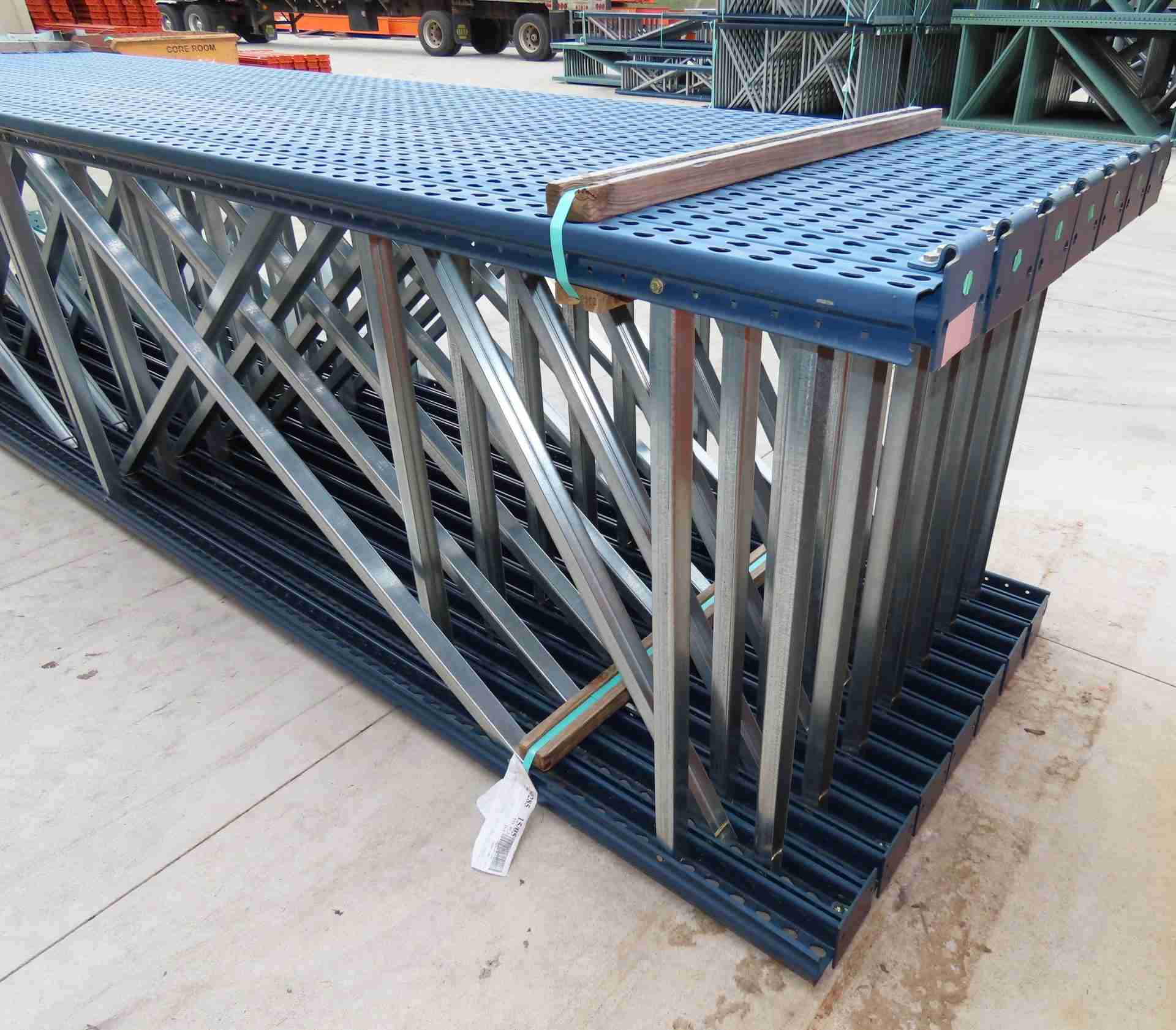
How Can You Rationally Assess the Safety Of Your Warehouse Setup?
Is It Ethical to Ignore Potential Hazards In Your Workplace?
When you walk into your workplace, what do you see? Rows of racking, machines humming, colleagues buzzing with energy. It’s impressive, isn’t it? Yet, beneath that surface of productivity lies a fundamental question: Is it ethical to ignore potential hazards?
Picture this: a worker, fatigued and focused, reaches for an item on a poorly anchored rack. It wobbles, teeters, then crashes down—shattering not just glass, but also trust. Trust in your leadership, trust in safety protocols, and ultimately, trust in the very environment you’ve fostered. When we ignore potential hazards, we compromise that trust. It’s an act that ripples through every fiber of our professional lives.
Now, let’s engage the head. Statistically, workplace accidents cost companies millions. Insurance premiums skyrocket, productivity takes a nosedive, and morale? Well, that’s a tough pill to swallow. Rationally, addressing hazards like poorly secured racking or inadequate safety training isn’t just an ethical obligation; it’s a business imperative. Investing in safety is investing in people.
Let’s tap into the gut. Think about the moments we’ve witnessed a colleague jeopardizing their well-being—whether it’s climbing too high on a racking system or bypassing safety gears. It’s more than a risk; it’s a betrayal of camaraderie. We look out for one another. When we fail to address hazards, we send the message that a bottom line is more important than a colleague’s life. How does that sit with you?
Ethically, we are responsible for creating environments where everyone feels safe and protected. This isn’t just a legal obligation; it’s a moral one. We owe it to our teams, our families, and our communities to foster workplaces that prioritize well-being above all else.
Authority figures in our industry tout the importance of safety, yet too often those words fall on deaf ears. As individuals, we wield authority over our own actions. So take a moment, and ask yourself how you can lead by example.
Remember, workplace safety weaves us together in community. It’s a collective effort, one where each decision you make echoes in the lives of those around you. Safety isn’t just a box to check; it’s a badge of honor. When we choose not to ignore potential hazards, we are saying, “I care about you.” That’s the real win.
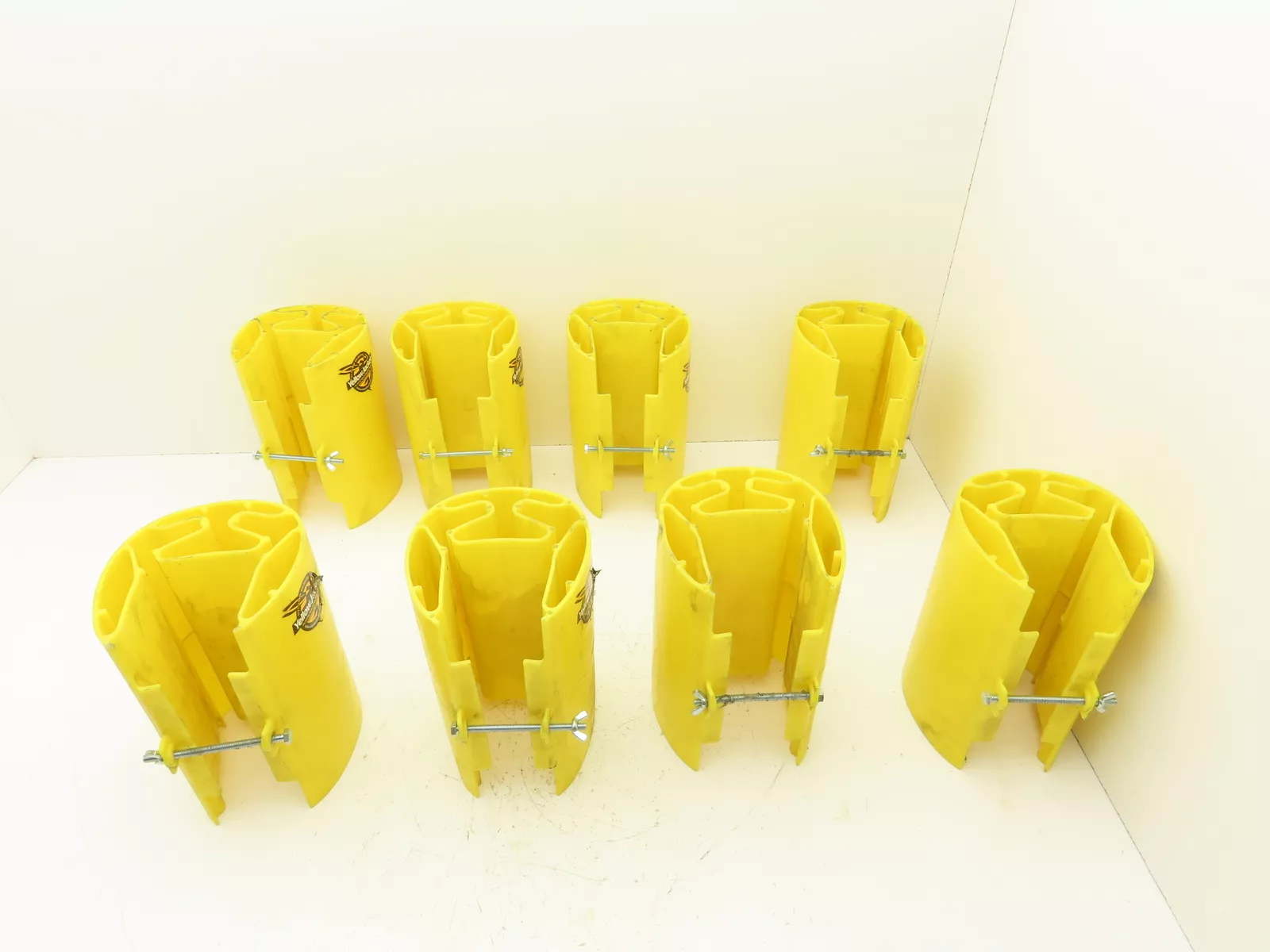
Is It Ethical to Ignore Potential Hazards In Your Workplace?
Is It Ethical to Ignore Potential Hazards In Your Workplace?
- The workplace may appear productive, but hidden hazards raise ethical concerns.
- An incident involving a safety failure can erode trust in leadership and safety protocols.
- Workplace accidents are costly, affecting insurance, productivity, and employee morale.
- Addressing safety hazards is not just ethical but also a crucial business strategy.
- Ignoring safety risks is a betrayal of trust and camaraderie among colleagues.
- Ethically, creating a safe work environment is both a legal and moral obligation.
- Workplace safety is a collective responsibility that fosters community and care.
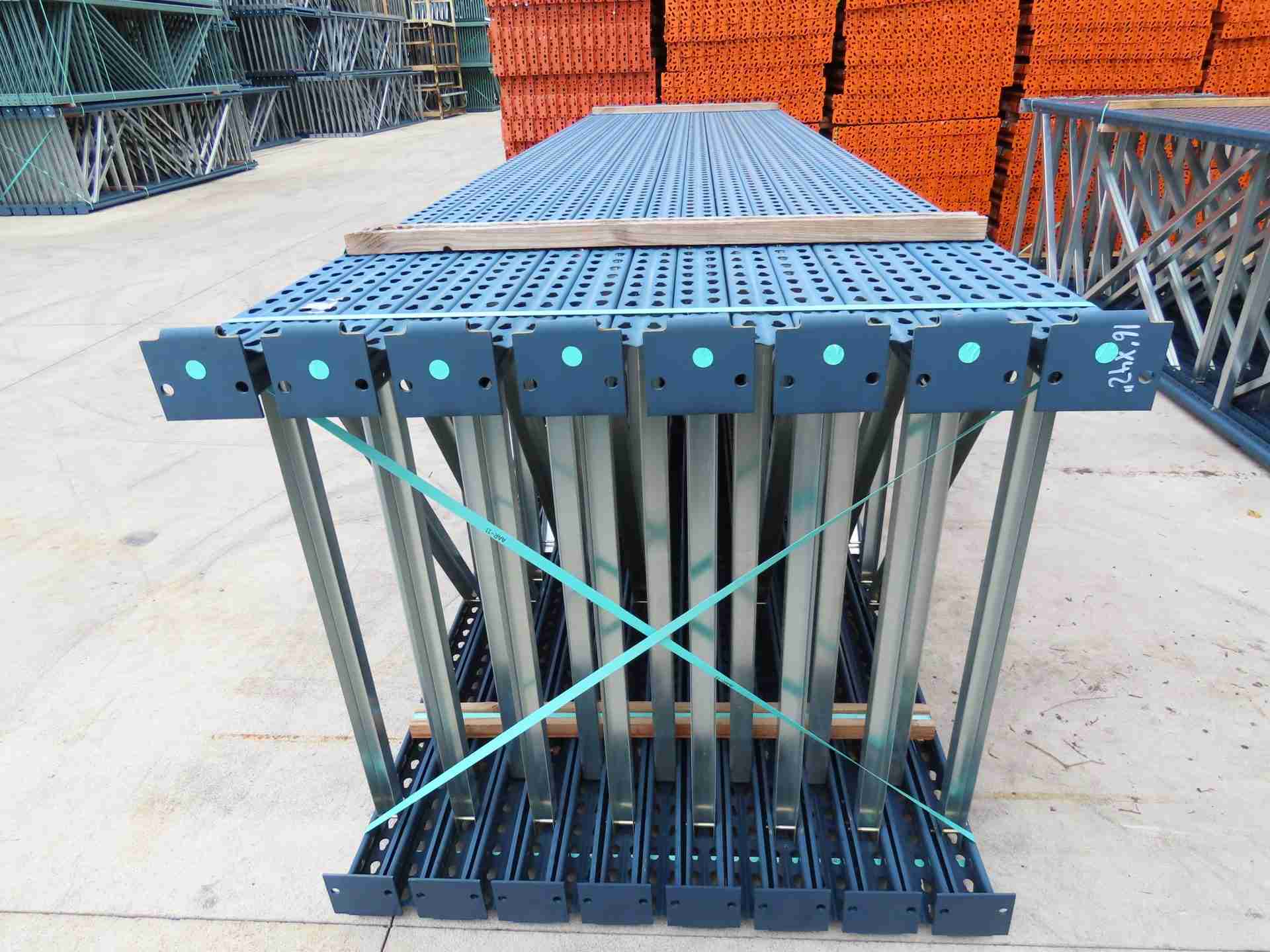
Is It Ethical to Ignore Potential Hazards In Your Workplace?
Who Can You Trust to Provide Expert Advice on Pallet Rack Inspections?
When it comes to ensuring the safety and efficiency of your warehouse operations, the heart of the matter often lies in your racking systems. You might be under the impression that a simple visual inspection every now and then will do the trick. But let me tell you, that approach is like slapping a Band-Aid on a bullet wound. Who can you trust to provide expert advice on pallet rack inspections? It’s a question that deserves careful thought.
First, start by looking within your industry. Reach out to seasoned professionals who have spent years navigating the ins and outs of racking safety. These are folks who have felt the weight of a poorly maintained system on their shoulders. Their lived experiences provide invaluable insights that no manual can offer. They know the ropes—and they care deeply about creating a culture of safety within your organization. When they speak, people listen; their authority is earned, not given.
Now, think about the ethics involved. Are you willing to gamble the safety of your team on the advice of generic inspection guidelines? When choosing a partner for inspections, look for certifications, experience, and a clear commitment to safety. Steer clear of the flashy sales pitch; focus on those who value integrity over profits. Trust is built on a foundation of honesty, and when you choose a trustworthy advisor, you’re not just checking boxes—you’re making a promise to your employees that their safety is paramount.
It’s not just about the numbers, either. There’s a profound narrative at play here: your racking systems are the backbone of your operations. Every pallet, every item is a story waiting to unfold. When you lose that trust, you lose more than just product—it can disrupt the fabric of your entire organization.
Lastly, consider the social aspect. Engaging with your community—be it through trade organizations, local workshops, or even online forums—can help you connect with like-minded individuals dedicated to safety and efficiency. These conversations can lead to collaborations and learning opportunities that build a stronger network of competence and trust.
So, when searching for guidance on pallet rack inspections, don’t just settle for the first name that comes up. Dig deeper, connect genuinely, and pave a path toward expertise. Your team and your operation depend on it.
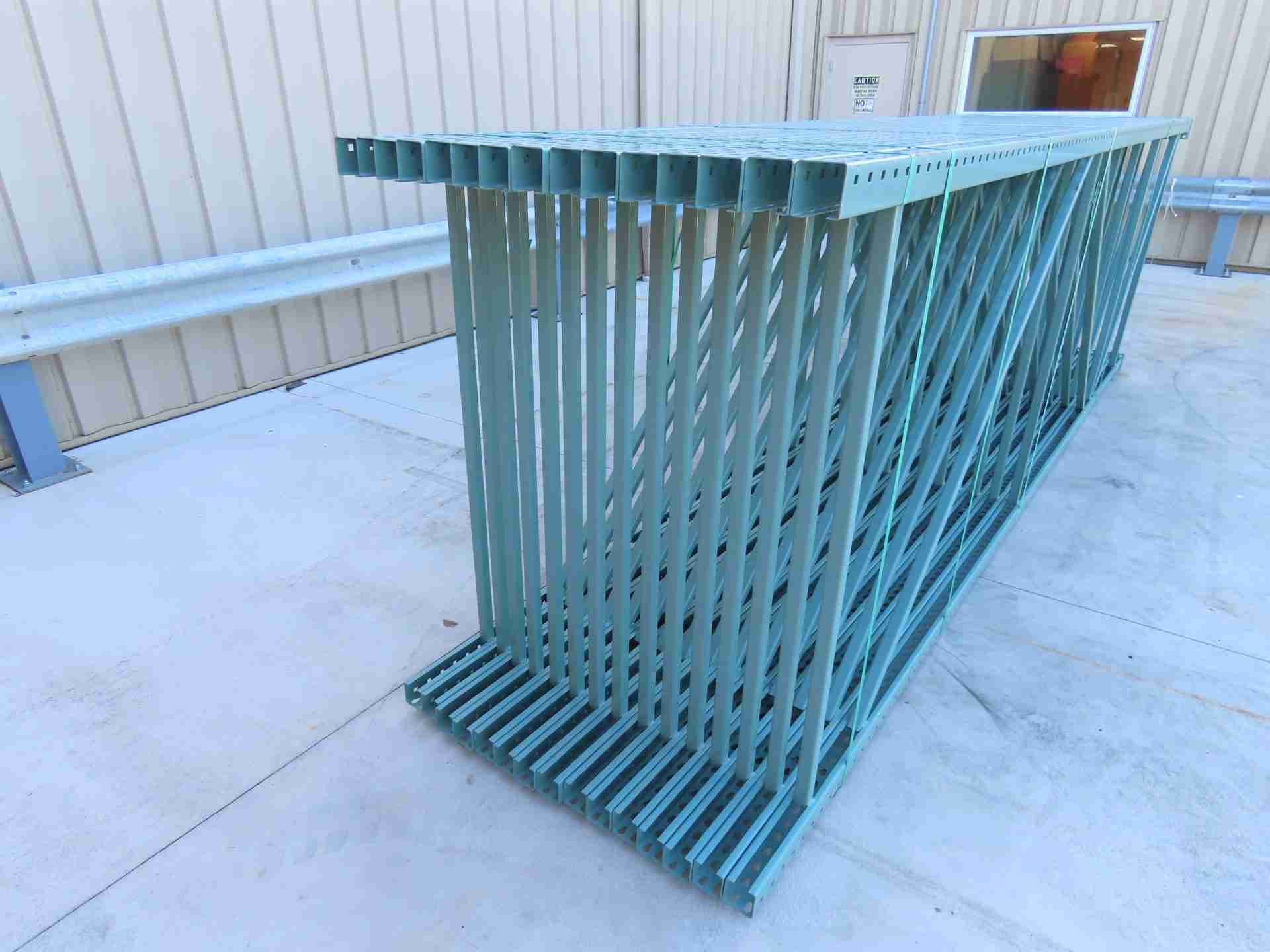
Who Can You Trust to Provide Expert Advice on Pallet Rack Inspections?
Who Can You Trust to Provide Expert Advice on Pallet Rack Inspections?
- The safety and efficiency of warehouse operations rely heavily on robust racking systems.
- Visual inspections are insufficient; expert guidance is essential for effective pallet rack inspections.
- Seek advice from experienced professionals within your industry who understand racking safety intricacies.
- Prioritize ethics by choosing inspection partners with certifications, experience, and a commitment to safety.
- The reliability of racking systems impacts the overall fabric of your organization; trust is critical.
- Engage with the community through trade organizations and workshops to enhance safety and efficiency knowledge.
- Thoroughly research and connect with reputable advisors for comprehensive pallet rack inspection guidance.
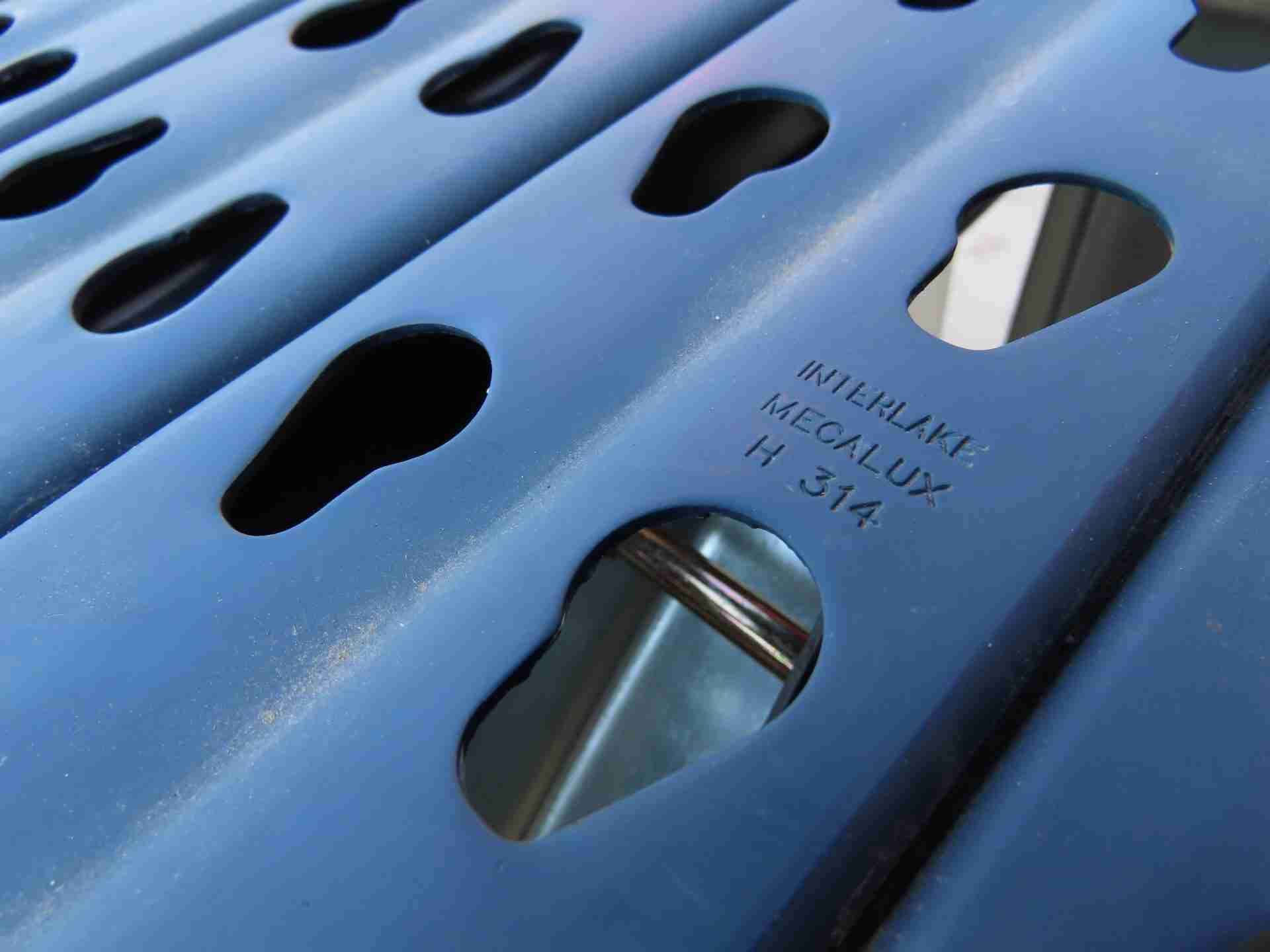
Who Can You Trust to Provide Expert Advice on Pallet Rack Inspections?
How Does a Compelling Story About Workplace Safety Resonate with You?
When we talk about workplace safety, what often gets lost in the dry statistics and endless regulations is the human element. Imagine a bustling warehouse, filled with workers hustling between racking systems, their day-to-day efforts sometimes overshadowed by the looming threat of accidents. You might think safety measures are just another box to check, but have you ever considered how a compelling story can change that narrative?
Picture a father, someone like you, providing for his family while navigating a maze of towering shelves. Each item on that racking system represents a commitment to the life he left behind and the future he envisions for his children. But what happens when silence replaces the hustle? A careless moment, a disregard for safety protocols, and suddenly that father’s role shifts. He becomes not just a worker, but a statistic. This story isn’t about fear; it’s about connection. It’s about the faces behind the equipment and how each person contributes to the greater good.
Now, let’s engage your head. The numbers tell us that workplaces with solid safety protocols are more productive and retain employees longer. The rationality of working in a secure environment benefits everyone—less time lost to injuries equates to savings for the company and ongoing employment for you. This isn’t just smart business; it’s about creating a culture where everyone feels valued and protected.
Then comes the gut punch: ethical responsibility. We’ve all heard the phrase “look out for one another.” What does that really mean? It means that every time you place that responsibility on your shoulders, you’re signing a silent contract with your coworkers. By making safety a priority, you’re advocating not just for your own well-being but for those around you. An accident doesn’t ripple through a workplace; it sends tidal waves through families and communities.
Stories of survival, of pushing through adversity, resonate deeply with us. They inspire action. When you hear firsthand accounts of those who have navigated near-misses or horrendous accidents, it compels you to take safety seriously. Socially, we rally around each other, sharing lessons learned and building a shared ethos of care and prevention.
So the next time you step into that workplace, remember: you’re not just clocking in; you’re playing a critical role in a larger story—one that has the power to save lives and forge connections. Embrace that responsibility. Let’s make safety a compelling chapter in our daily grind.
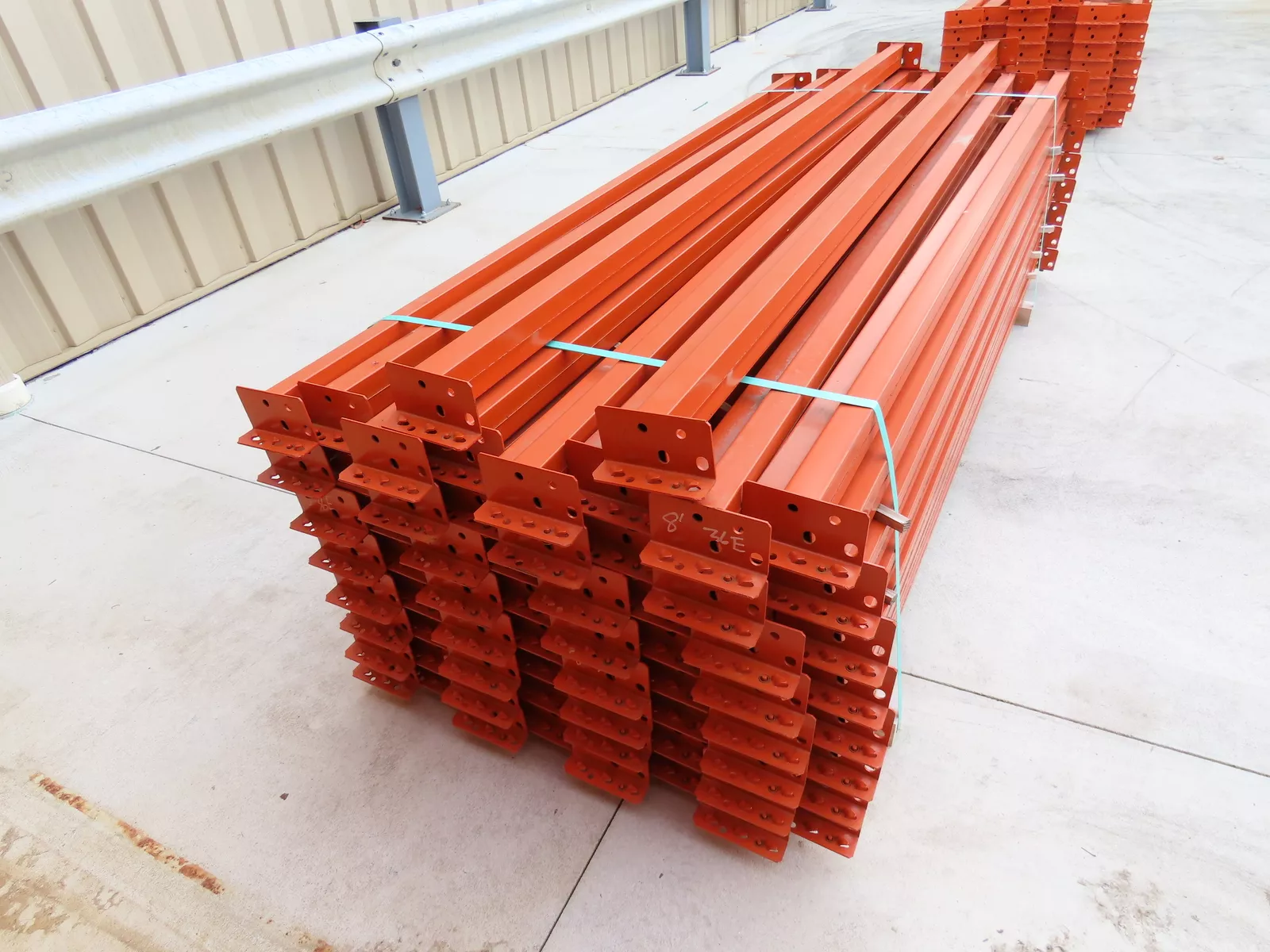
How Does a Compelling Story About Workplace Safety Resonate with You?
How Does a Compelling Story About Workplace Safety Resonate with You?
- Workplace safety is often overshadowed by statistics and regulations, losing the human element.
- A compelling story, such as that of a father providing for his family, can change perceptions about safety measures.
- Accidents reduce workers to statistics, highlighting the importance of safety and personal connection.
- Effective safety protocols lead to higher productivity and employee retention, benefiting both individuals and the company.
- Ethical responsibility is crucial; prioritizing safety means advocating for both personal and coworker well-being.
- Firsthand accounts of accidents inspire people to take safety seriously and foster a culture of care.
- Each worker plays a vital role in a broader narrative of workplace safety, which has the potential to save lives.
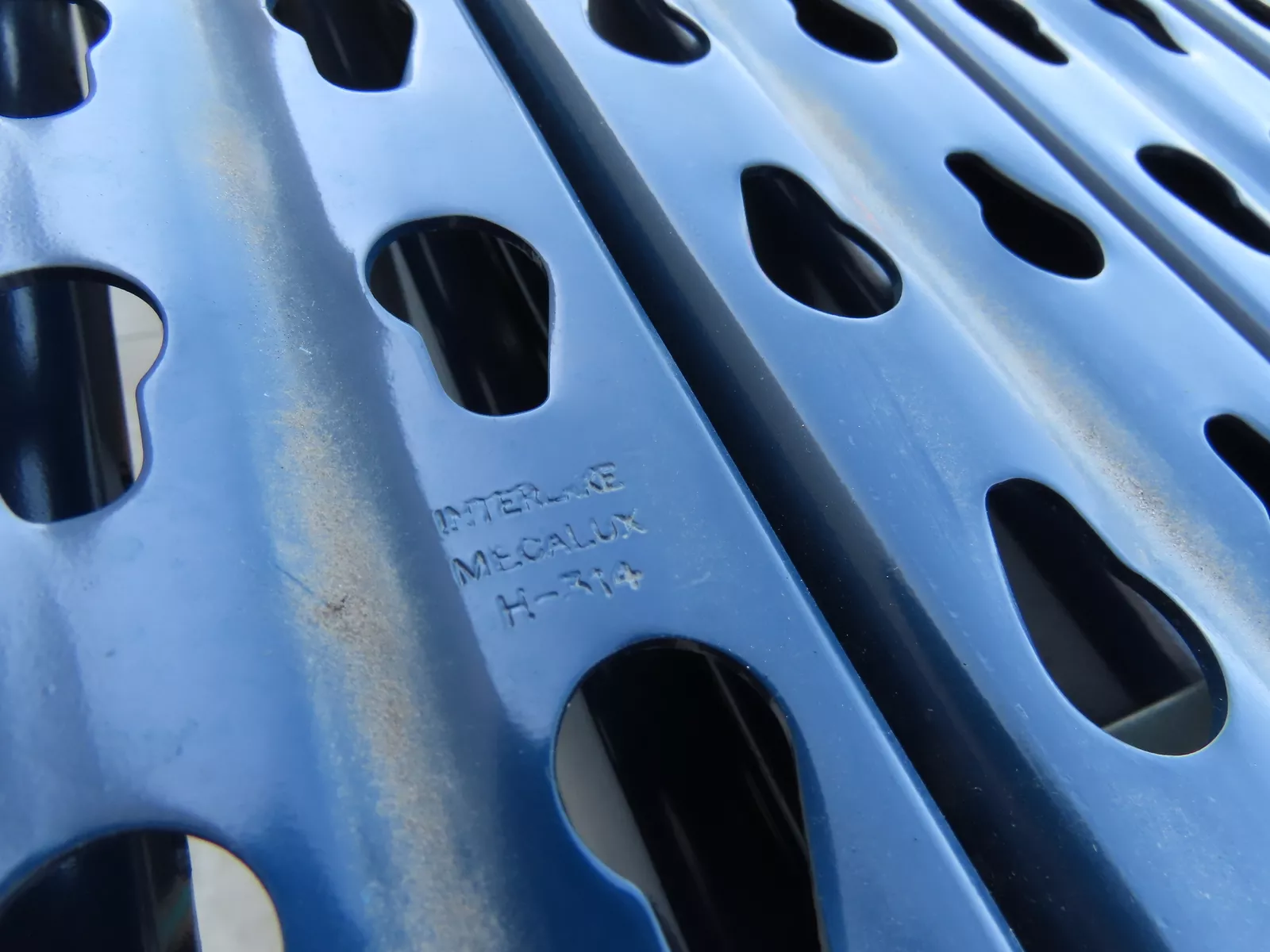
How Does a Compelling Story About Workplace Safety Resonate with You?
Conclusion
Inspecting pallet racks is not merely a matter of operational efficiency; it’s an act steeped in responsibility and human connection. Every warehouse, bustling with activity and organized chaos, relies on these structures to hold up more than just products—they uphold the livelihoods of everyone working around them. When you pause to inspect those towering racks, you’re engaging in a crucial dialogue between safety and trust, one that speaks volumes about how you value your team and their environment. Imagine a busy worker maneuvering through aisles teeming with inventory. If these racks are compromised, an accident could not only harm goods but also shatter the lives of those who depend on them.
The emotional weight of this reality cannot be overstated. A dent or crack in the framework is not just another item on a maintenance checklist; it reflects a moment of potential danger, a decision made every day about the safety of colleagues. This is where ethics comes into play. By ensuring that safety is prioritized—by holding yourself accountable for the condition of your equipment—you send a clear message: that every individual matters, that their well-being surpasses any fleeting profit margins.
From a rational standpoint, acknowledging the importance of rigorous inspections can save your business immense resources in the long run. Statistics illustrate that a safe workplace translates into higher morale and productivity, creating an emotionally secure environment. It’s a smart investment, fostering a culture where employees feel empowered to speak up about safety concerns, leading to collective vigilance and camaraderie.
Moreover, let us not overlook the narratives that emerge within these walls. The stories of the people who handle that racking system—that hardworking father or dedicated single parent—are threads that weave through the fabric of your organization. These stories remind us that the stakes are high and that your commitment to safety resonates beyond the warehouse floor.
Lastly, look around. Engaging with the community by seeking expert advice or participating in industry discussions amplifies not just your knowledge but also the collective sense of responsibility toward safety. This isn’t just about upholding regulations; it’s about creating a legacy where safety is interwoven with every task, empowering individuals to thrive in a safe environment. When you invest in the integrity of your pallet racks, you’re voting for a stronger, more unified workplace—one where every employee can do their best work, free from fear and united in purpose. It’s time to make that commitment, for them and for you.
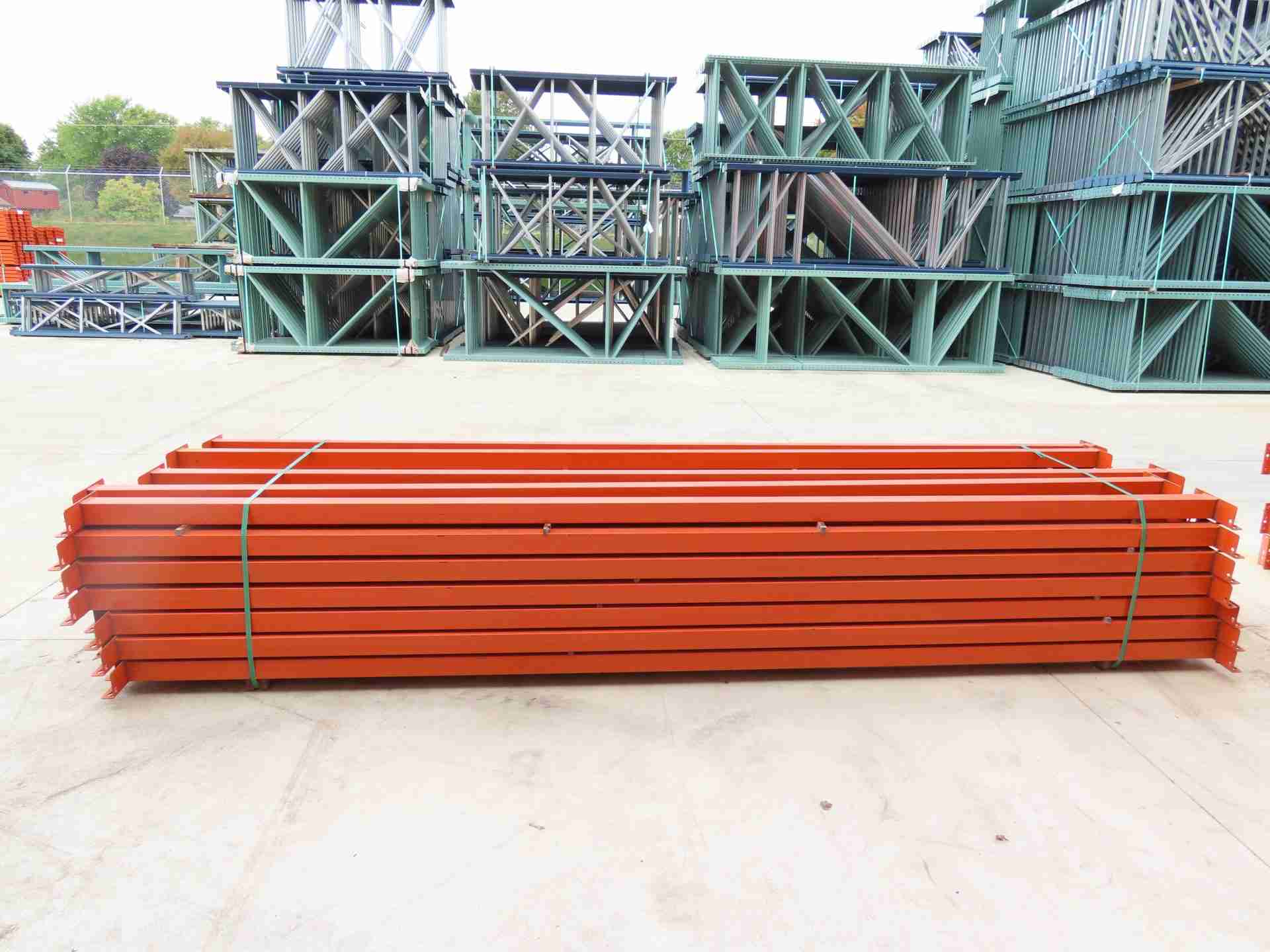
Conclusion
Conclusion:
- Pallet rack inspections are essential for operational efficiency and the safety of workers.
- Inspections reflect the value placed on employee well-being and trust within the workplace.
- A compromised rack can lead to accidents affecting both goods and the lives of warehouse employees.
- Addressing safety issues demonstrates accountability and prioritizes the well-being of colleagues over profits.
- Rigorous inspections can save resources and enhance employee morale and productivity.
- Stories of employees highlight the human element and the importance of safety in the workplace.
- Engaging with the community fosters a culture of safety and creates a legacy of responsibility within the organization.
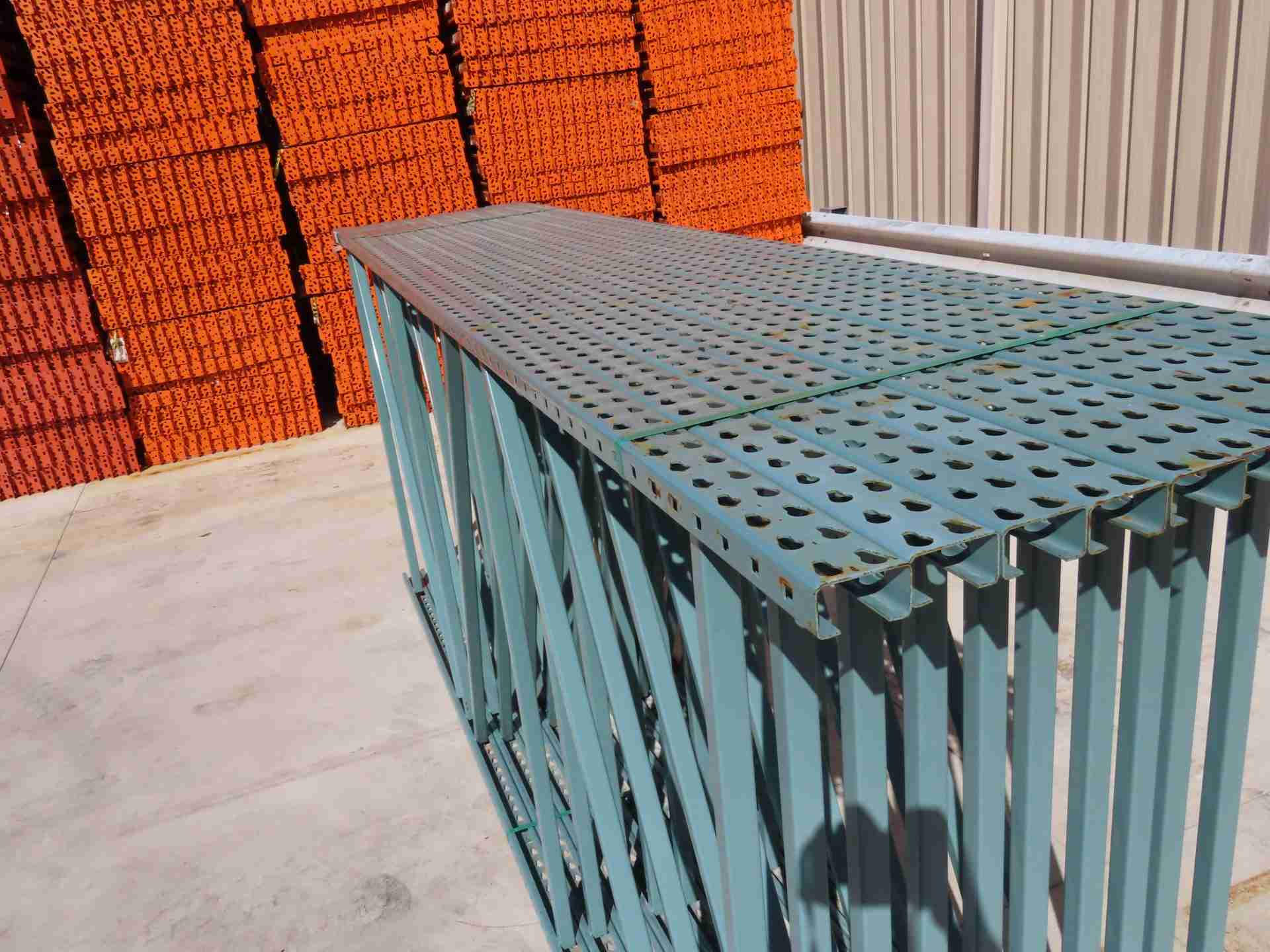
Conclusion
Other Resources
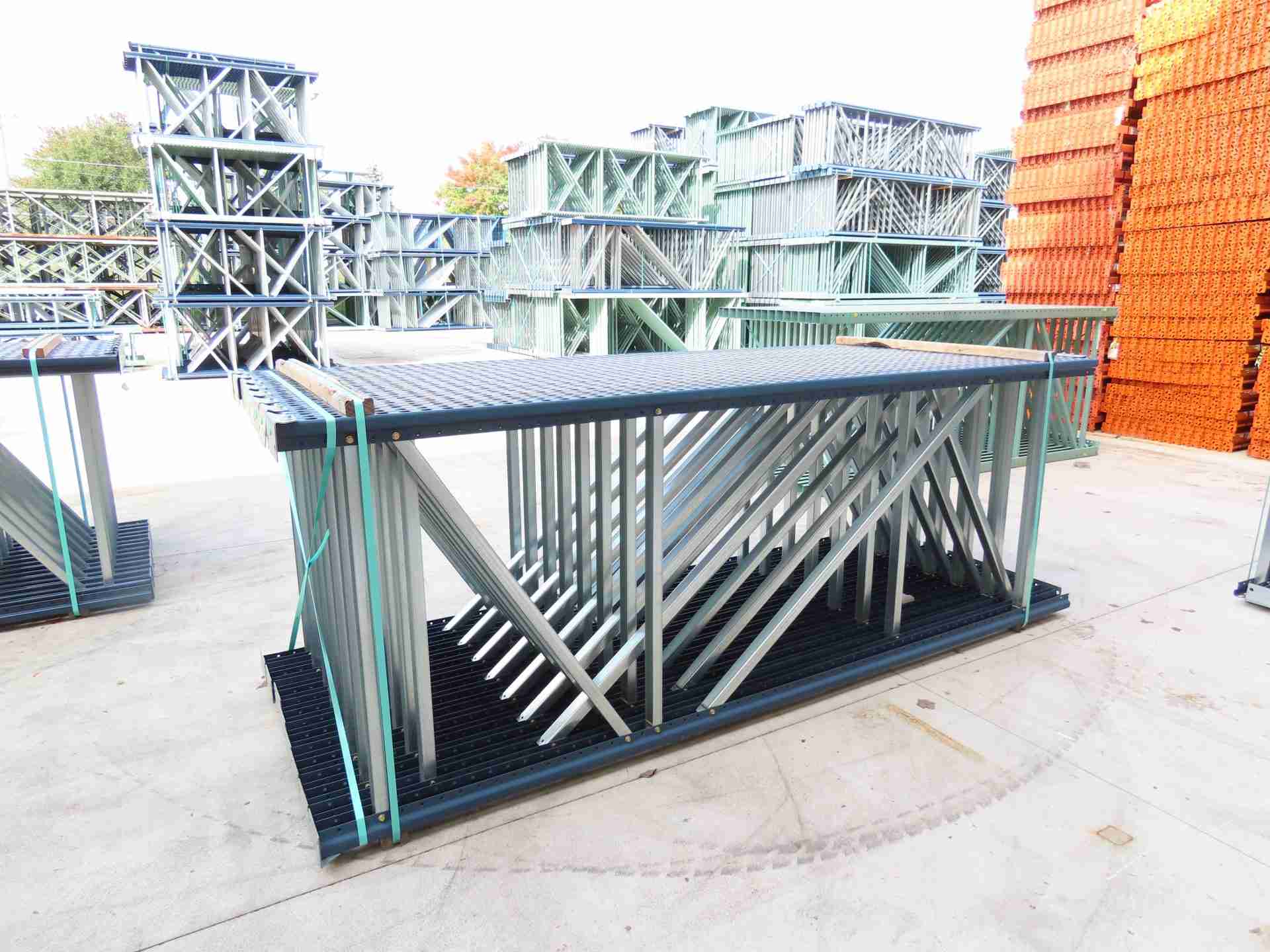
Other Resources
Here is a list of other resources you can review online to learn more:
- The Complete Pallet Rack Guide – Simply Rack
- Warehousing Education and Research Council: https://www.werc.org/
- National Safety Council
- Shipping Boxes, Packaging Materials, Pallet Racking
- Chicago Pallet Racking
- Chicago Pallet Racking
- New Cantilever Racks and Racking Kits
- Heavy-Duty Cantilever Storage Racks
- BMH Equipment LLC
- Cantilever Racks Chicago
- Illinois
- Teardrop Uprights
- Cantilever Racking Specialists – Get the Right Racks
- Wolter
- Teardrop Industrial Shelving Rack
- Teardrop Industrial Shelving Rack
- SEMA
- Material Handling Safety
- Total Warehouse
- Pallet Racking 101: A Comprehensive Guide & Options Explained
Use This Prompt To Get More Resources With Your Favorite Online AI Tool: Please provide me with a list of online articles with their URLs in a bulleted list that I can read regarding How to Inspect Your Pallet Racks for Damage

Other Resources
Glossary Terms
How to Inspect Your Pallet Racks for Damage – Glossary Of Terms
1. Pallet Rack: A storage system designed to support and organize palletized materials in warehouses.
2. Inspection: A thorough examination of pallet racks to identify damage, wear, or structural issues.
3. Damage: Any physical harm or deterioration affecting the integrity of pallet racks, such as bends, cracks, or missing components.
4. Structural Integrity: The ability of the pallet rack to support designated loads without failure, ensuring safety and stability.
5. Deflection: The degree to which a pallet rack bends or shifts under weight, potentially indicating weakness or damage.
6. Upright: The vertical component of a pallet rack that supports beams and holds the load; critical for stability.
7. Beam: The horizontal component of a pallet rack, connecting uprights and providing support for pallets and materials.
8. Cross-Bracing: Diagonal supports between uprights that enhance stability and prevent swaying or tipping of the rack.
9. Load Capacity: The maximum weight a pallet rack can safely hold, as specified by the manufacturer.
10. Visual Inspection: A primary method of examination involving checking for obvious signs of damage or wear without specialized tools.
11. Forklift Damage: Damage incurred from forklifts colliding with or impacting the pallet racks, often resulting in bent uprights or beams.
12. Pallet Stops: Safety features attached to beams that prevent pallets from sliding off the racks.
13. Safety Variance: The allowable limit of deviation from the original design that ensures the safe use of pallet racks.
14. Load Distribution: The way weight is balanced across the pallet rack, which affects stability and safety.
15. Anchor: Devices used to secure pallet racks to the floor, enhancing stability and preventing tipping.
16. Storage Density: The efficiency of space utilization in a warehouse as a result of pallet rack configuration.
17. Compliance: Adherence to safety regulations and guidelines governing the use and inspection of pallet racks.
18. Wear and Tear: Gradual deterioration from regular use that can compromise the structure and safety of pallet racks.
19. Replacement Parts: Components such as beams, uprights, or braces that can be substituted when damaged or worn.
20. Inspection Checklist: A detailed list of items to check during pallet rack inspections to ensure thoroughness and safety.
21. Load Spreader: A device used on the rack to distribute weight evenly across multiple points, reducing pressure on any single point.
22. Pallet Size: The dimensions of the pallets stored in racks, which must be compatible with the rack design for safety.
23. Sway: Lateral movement of pallet racks that can indicate stability problems, potentially leading to tipping.
24. Damage Classification: A categorization system for different types of damage, helping prioritize repairs and replacements.
25. Maintenance Schedule: A timeline for regular inspections and upkeep of pallet racks to ensure continued safety and functionality.
26. Safety Inspection: A systematic evaluation focusing specifically on identifying potential hazards and ensuring compliance with safety standards.
27. Dunnage: Material used to stabilize and secure loads on pallets, preventing movement and potential damage.
28. Risk Assessment: The process of evaluating potential safety hazards related to pallet racks and determining necessary actions.
29. Reporting: The documentation of inspection findings, damages, and maintenance needs, ensuring accountability and tracking.
30. Repair Protocol: Standard procedures for addressing identified damages or weaknesses in pallet racks to restore safety and functionality.
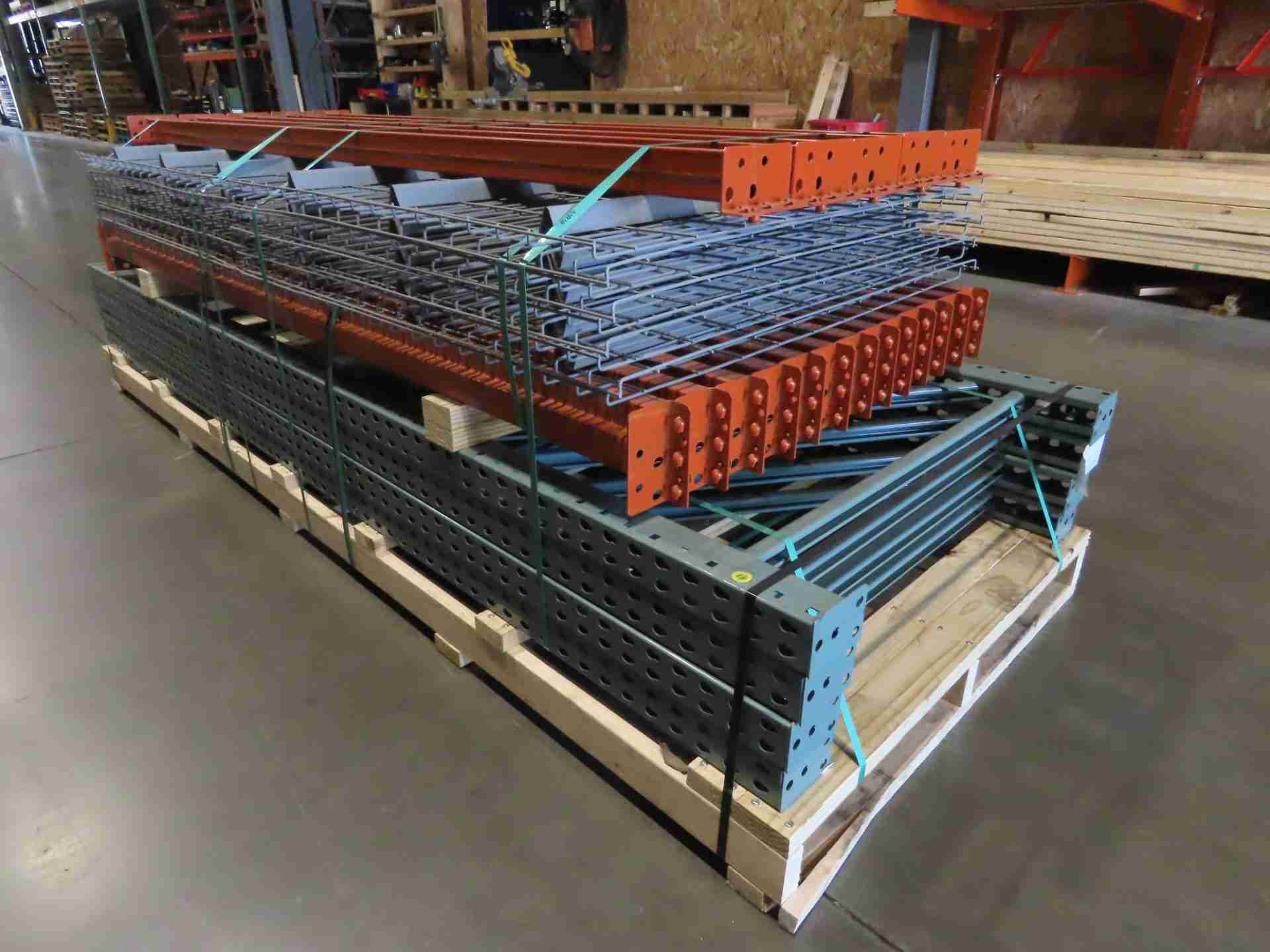
Glossary Of Terms
Other Questions
How to Inspect Your Pallet Racks for Damage – Other Questions
If you wish to explore and discover more, consider looking for answers to these questions:
- What are the signs of a damaged pallet rack?
- How often should pallet racks be inspected for safety?
- What tools or equipment are needed for inspecting pallet racks?
- What are the best practices for conducting a thorough pallet rack inspection?
- How can I educate my team on safety and inspection protocols?
- What should I do if I find damage during an inspection?
- Are there certification programs for pallet rack inspectors?
- What regulations govern pallet rack safety in warehouses?
- How can I foster a culture of safety in my workplace?
- What impact does pallet rack safety have on overall warehouse efficiency?
- How can I keep accurate records of inspections and maintenance?
- What are the potential legal ramifications of ignoring pallet rack safety?
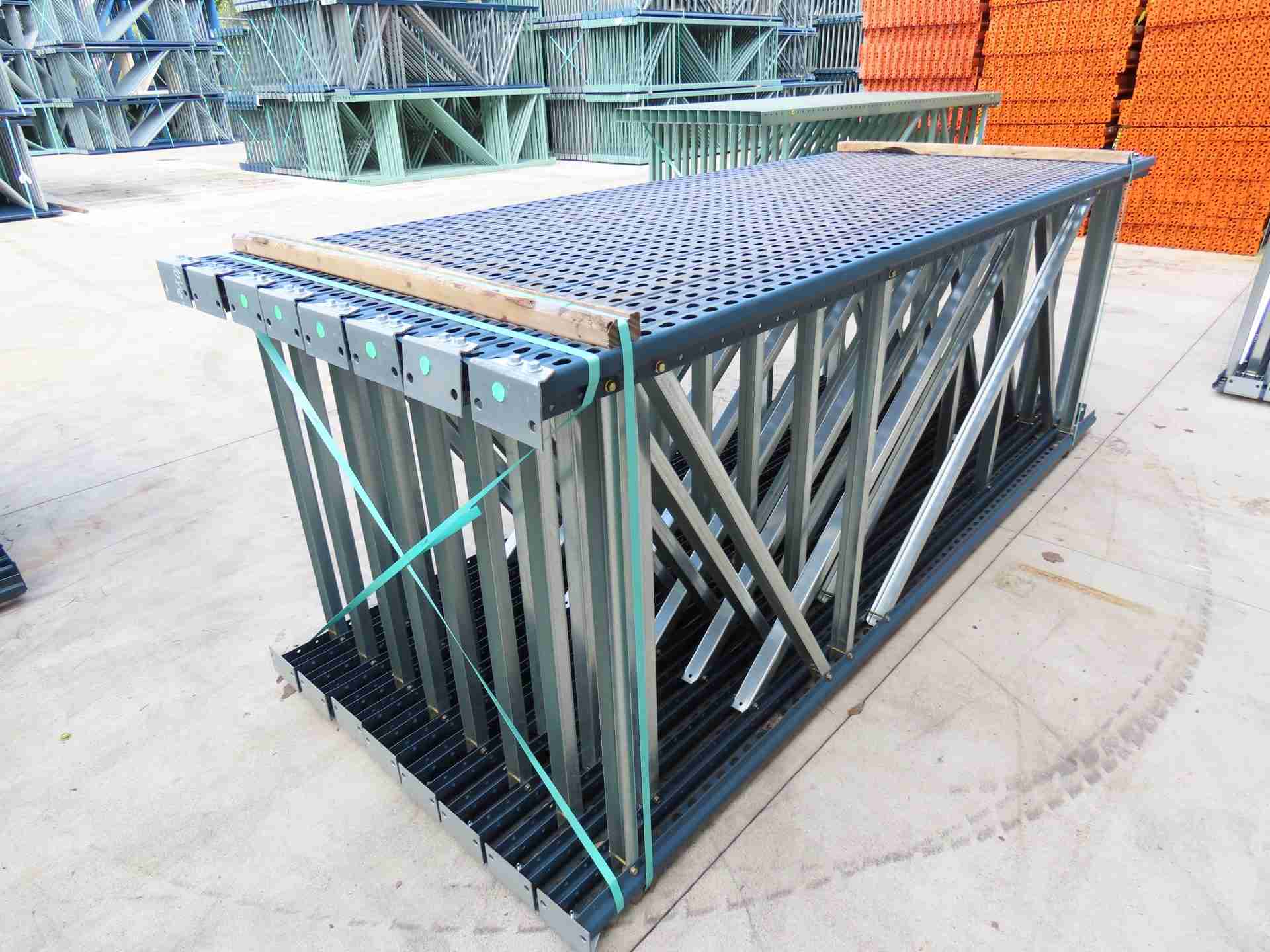
Other Questions
Checklist
How to Inspect Your Pallet Racks for Damage – A Checklist
Pallet Rack Inspection Checklist
Emotional Appeals
_____ Reflect on People First: Remember that each inspection is about maintaining a safe environment for your colleagues.
_____ Visualize Safety: Picture your team thriving in a secure space—how do damaged racks disrupt that vision?
Rational Appeals
_____ Conduct Regular Inspections: Schedule and adhere to routine checks of all pallet racks.
_____ Evaluate Load Limits: Review each rack’s specifications to ensure they can handle the current inventory loads.
Ethical Appeals
_____ Prioritize Employee Safety: Is your team’s well-being a priority? Ensure safety procedures come before profits.
_____ Foster a Culture of Transparency: Encourage open discussions about safety and any observed issues with warehouse equipment.
Authority Appeals
_____ Engage Expert Advice: Consult with experienced safety professionals for thorough inspections and guidance.
_____ Verify Credentials: Look for certifications or references before hiring external inspection services.
Narrative Appeals
_____ Share Safety Stories: Collect and share narratives of past incidents or near-misses to elevate safety awareness among the team.
_____ Connect Roles to Outcomes: Help employees understand how their roles directly impact workplace safety and community well-being.
Social Appeals
_____ Build a Safety Team: Involve staff in safety inspections to foster teamwork and shared responsibility for workplace safety.
_____ Encourage Peer Reporting: Create a system where employees can voice safety concerns without fear, promoting a supportive safety culture.
Take Action
_____ Create a Safety Audit Schedule: Establish a timeline for regular inspections and evaluations of the racking systems.
_____ Educate Your Team: Provide training sessions focused on the importance of safety and how to conduct basic inspections.
Use this checklist to guide your inspections and foster a safer and more efficient work environment for everyone involved.
Checklist
At RackingWorld, we help guide you through selecting warehouse storage systems and racking.
Be sure to read our other related stories at RackingWorld to learn more about warehouse storage systems.
0 Comments