
Labor Efficiency Revolutionized: The Power Of Strategic Racking
By Tom Seest
At RackingWorld, we help guide you through selecting warehouse storage systems and racking.
Be sure to read our other related stories at RackingWorld to learn more about warehouse storage systems.
How Strategic Racking Can Improve Labor Efficiency
Strategic racking isn’t just about slapping some shelves together in a warehouse; it’s about crafting a system that echoes through the very heart of your operation. Picture a bustling warehouse, a symphony of workers moving like a well-oiled machine. This is the vision that strategic racking brings to life. Now, imagine the difference it makes when every item has its rightful place, easy to find and even easier to access. It’s like having a well-cooked meal waiting for you after a long day—satisfying and rewarding.
Think about the time wasted when things aren’t organized. Workers moving back and forth, searching for that one elusive part buried under a mountain of chaos—it’s not just frustrating; it’s a drain on productivity. By implementing a strategic racking system, you fuel efficiency like a high-octane engine, allowing your team to focus on what really matters: getting the job done. This isn’t just a financial decision; it’s a moral imperative to respect the time and effort of every individual on your payroll. Each second spent searching for misplaced items is a second that could be invested in innovation, customer service, or perhaps even a little more time at home.
Let’s talk authority; strategically designing your racking solutions isn’t something you just shoot from the hip. It requires understanding the nuances of your specific operation. A little research goes a long way, and enlisting the help of experts who know the ins and outs of logistics can pay dividends that far exceed initial investments. It’s not just about filling space; it’s about creating a flow that resonates with the natural rhythm of work. When every item slides into place, morale skyrockets, camaraderie deepens, and performance improves.
Moreover, don’t underestimate the social appeal here. Racking systems that empower your workforce cultivate a culture where teamwork thrives. You’re not just building a more efficient space; you’re building a sense of ownership and pride among your workers. They see their contributions enhanced by an environment that values their time and effort.
So let’s get to it. Transform your racking systems, and watch not just productivity soar, but spirits lift. You’re not just organizing a warehouse; you’re redefining what it means to work efficiently and effectively together. Trust me, when your team feels empowered, the skies are the limit.

How Strategic Racking Can Improve Labor Efficiency
How Strategic Racking Can Improve Labor Efficiency
- Strategic racking is essential for creating an efficient warehouse system that enhances operations.
- Organized storage allows easy access to items, significantly boosting productivity.
- Time wasted searching for misplaced items can lead to inefficiencies and frustration among workers.
- Implementing a strategic racking system respects the time and effort of employees, allowing for better focus on critical tasks.
- Designing racking solutions requires understanding the specific operational needs and may benefit from expert guidance.
- An effective racking system fosters teamwork, ownership, and morale among workers.
- Transforming racking systems can redefine workplace efficiency, enhancing both productivity and employee satisfaction.

How Strategic Racking Can Improve Labor Efficiency
Table Of Contents
- How Strategic Racking Can Improve Labor Efficiency
- How Can Optimized Racking Streamline Workflow and Reduce Wasted Time?
- Are Your Current Storage Solutions Slowing Down Employee Productivity?
- What Ethical Implications Arise From Poor Warehouse Organization?
- What Evidence Supports the Impact Of Racking on Labor Efficiency?
- Can Improved Racking Methods Foster a Safer Work Environment?
- Conclusion
- Other Resources
- Glossary Of Terms
- Other Questions
- Checklist
How Can Optimized Racking Streamline Workflow and Reduce Wasted Time?
When you walk into a warehouse or storage facility, the first thing that hits you isn’t the smell of metal or the distant hum of machinery—it’s the energy. It’s the pulse of organized chaos, where every worker is a crucial piece of an intricate puzzle. And right at the heart of this operation is something often overlooked: optimized racking.
Imagine this scenario: You’ve got a busy day ahead, orders stacked high, and every minute counts. But as your team navigates the aisles, they’re constantly retracing steps, digging through boxes, and squinting at labels. Frustration mounts, productivity plummets, and before you know it, wasted hours turn into dried-up profits. This is where optimized racking comes into play, transforming that chaotic dance into a smooth, synchronized operation.
Now, let’s think about this from a rational perspective. A well-thought-out racking system—designed to meet the unique needs of your space—cuts down the time spent searching for items. It streamlines pick paths, minimizes interference, and enhances space utilization. The result? Fewer headaches, faster order fulfillment, and ultimately, happier customers. That’s not just good for business; it’s good for your bottom line.
On an ethical level, consider how optimized racking directly benefits your workforce. Time wasted hunting for items leads to frustration, reduced morale, and even workplace accidents. By investing in a smarter storage solution, you’re making a commitment to the people who keep your business running. You’re saying, “I trust you to work efficiently, and I’m providing you with the tools to do that safely.” This creates a culture of respect and trust, essential ingredients in any thriving workplace.
And let’s not forget the narrative aspect. Picture yourself at the end of a long day with a sense of accomplishment. The orders are shipped, the shelves are tidy, and your team is walking out with smiles, ready to tackle tomorrow’s challenges. That’s the power of effective racking. It’s not just about organizing; it’s about fostering a sense of purpose and community.
In this bustling world, where we often measure success by speed and efficiency, let’s not lose sight of the human element. Optimized racking isn’t merely a logistical improvement; it’s a pathway to building a cohesive, motivated team that works together towards a common goal. So, let’s roll up our sleeves and embrace this change, because the time saved could belong to us—our teams, our families, and our future.

How Can Optimized Racking Streamline Workflow and Reduce Wasted Time?
How Can Optimized Racking Streamline Workflow and Reduce Wasted Time?
- The atmosphere in a warehouse or storage facility is energized, showcasing organized chaos where every worker plays a vital role.
- Optimized racking is essential for improving efficiency, transforming chaotic navigation into a streamlined operation.
- A well-designed racking system reduces search times, streamlines pick paths, and improves space utilization.
- Investment in optimized racking leads to faster order fulfillment and increased customer satisfaction, benefiting the business financially.
- Effective racking systems enhance workforce morale by reducing frustration and potential workplace accidents.
- Successful racking fosters a sense of accomplishment and community among team members at the end of the workday.
- Optimized racking is not just a logistical upgrade; it helps build a cohesive, motivated team focused on common goals.
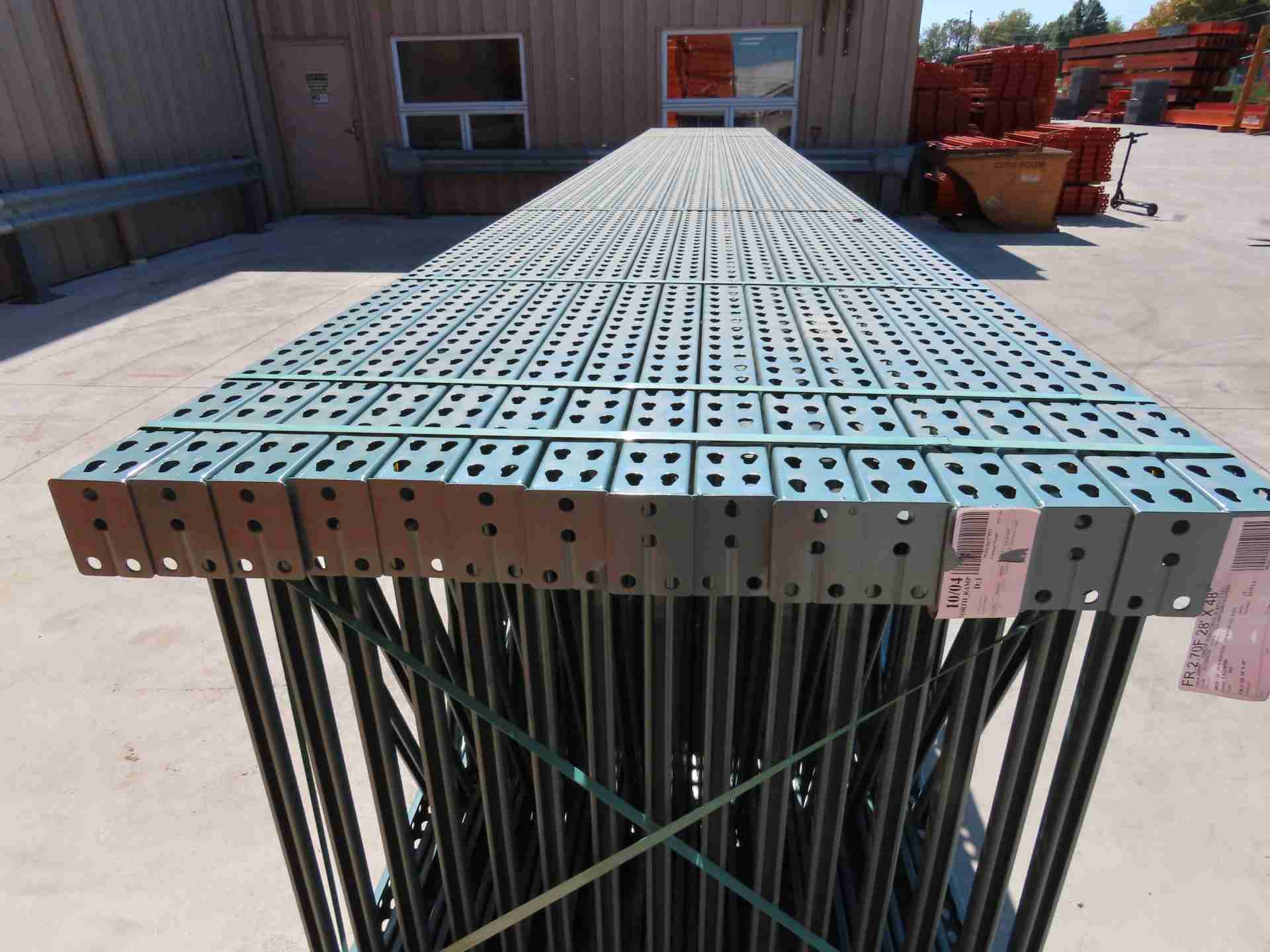
How Can Optimized Racking Streamline Workflow and Reduce Wasted Time?
Are Your Current Storage Solutions Slowing Down Employee Productivity?
When you walk into a workspace filled with scattered boxes, cluttered desks, and overflowing cabinets, a sense of chaos isn’t the only thing that hits you—it’s a palpable hindrance to productivity. Consider this: how can an employee bring their best self to work, tackling tasks with enthusiasm, when they’re mired in a physical and mental environment that screams disorganization? In a world where time is money, every minute your team spends searching for that one vital document or struggling with outdated storage solutions is a minute lost—a minute that could have been spent innovating, collaborating, or even connecting with a coworker.
Racking isn’t just about shelves and storage; it’s about the backbone of your operations. Think of racking as the unsung hero of the workplace. The right racking solution organizes the chaos, allowing your team to access what they need quickly and effortlessly. From a rational standpoint, this efficiency translates directly into time savings and cost reductions. A well-organized space breeds an environment where creativity can thrive, innovation can flourish, and ultimately, profits can soar.
But look deeper. The ethics of productivity matter too. It’s our responsibility as leaders to create an environment that respects our employees’ time and talents. When clutter is diminished and spaces are optimized, we send a powerful message: we value our team. We believe in their potential. And in turn, they will believe in you.
Consider the stories of companies that took the plunge to revamp their storage systems. With minimal disruption, they shifted from chaotic setups to streamlined, efficient environments. Employees were liberated from frustration, energized by their surroundings, and empowered to take on more responsibility. Team spirit soared! Colleagues teamed up to declutter, turning a mundane task into a bonding experience, revitalizing a sense of purpose and ownership.
Let’s face it—people care about where they work. A clean, organized space reflects a company that is committed to excellence. When they see racking solutions that make sense, they don’t just see shelves; they see a structure that supports their daily grind, reinforcing a culture of productivity and teamwork.
So, as you evaluate your current storage solutions, take a moment to ask yourself: Is it time to eliminate the clutter and invest in an efficient racking system that can boost your team’s morale and performance? Because in the end, a tidy workspace is more than just aesthetics—it’s a foundation for success.
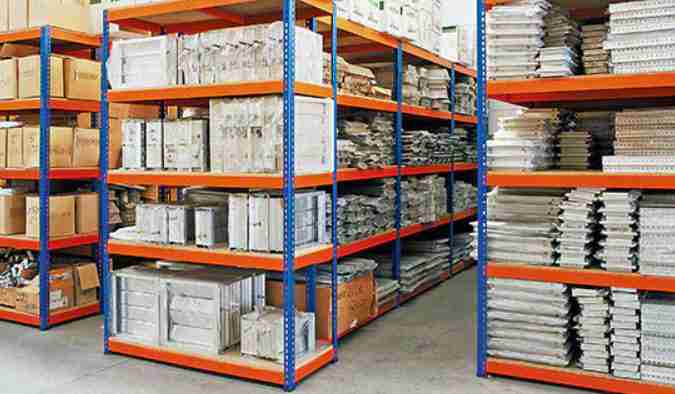
Are Your Current Storage Solutions Slowing Down Employee Productivity?
Are Your Current Storage Solutions Slowing Down Employee Productivity?
- A cluttered workspace hinders productivity and morale, making it difficult for employees to perform at their best.
- Time spent searching for documents or dealing with disorganization translates to lost productivity and innovation.
- Racking solutions serve as the backbone of operations, organizing chaos and fostering easy access to needed resources.
- A well-organized space leads to time savings, cost reductions, and an environment where creativity and innovation can thrive.
- Creating an organized workspace is an ethical responsibility, demonstrating respect for employees’ time and talents.
- Revamping storage systems can energize employees, enhance teamwork, and increase a sense of ownership within the workplace.
- A tidy and organized workspace reflects a company’s commitment to excellence and can boost overall morale and performance.

Are Your Current Storage Solutions Slowing Down Employee Productivity?
What Ethical Implications Arise From Poor Warehouse Organization?
Poor warehouse organization may seem like a logistical headache, but its ethical implications ripple far beyond misplaced boxes and tangled racking systems. When we think about workers navigating a chaotic space, it’s hard not to consider the toll taken on their dignity and morale. Imagine a dedicated employee, a person with dreams and responsibilities, navigating sharp corners and cluttered aisles, all while racing the clock to meet an unseen quota. This isn’t just about efficiency; it’s about respect for the humanity behind the hard work.
From a rational standpoint, poor organization translates to inefficiency and waste. Time is money, and when resources are mismanaged, it costs everyone. Employees become frustrated; they lose precious time searching for items or worse, face injury from navigating unsafe spaces. This doesn’t just affect the bottom line; it can undermine trust in management. Workers deserve more than to be treated as mere cogs in a machine. They want to feel like valued members of a team, yet a disorganized environment tells them they are expendable.
Now, consider the ethical dimensions of how businesses operate. A clean, orderly warehouse is a reflection of a company’s values. Organizations that neglect proper organization do more than just harm productivity; they send a message to their workforce and the public that they lack accountability. The ethical responsibility extends to the broader community, as chaotic practices can inadvertently lead to supply chain disruptions, causing ripple effects that impact customers, families, and local economies.
Socially, we are drawn to environments that reflect care and order. When a company showcases a well-organized warehouse, they signal to their employees and customers that they are committed to a culture of safety, professionalism, and respect. It fosters a sense of belonging and pride among workers, encouraging them to contribute more meaningfully to their roles.
In storytelling, when we hear of real-life situations where chaos was turned into order, it inspires action. A warehouse that invests in proper organization can transform lives, helping employees thrive, building community trust, and ultimately bringing joy to those who interact with it. Addressing these ethical implications is not just about organization; it’s about embracing an approach that honors the people who push the wheels of progress every day.

What Ethical Implications Arise From Poor Warehouse Organization?
What Ethical Implications Arise From Poor Warehouse Organization?
- Poor warehouse organization negatively impacts workers’ dignity and morale.
- Chaotic environments lead to inefficiency, waste, and potential injuries for employees.
- Disorganization undermines trust in management and makes workers feel expendable.
- A well-organized warehouse reflects a company’s values and accountability.
- Neglecting organization can disrupt supply chains and affect the wider community.
- A tidy workspace fosters a culture of safety, professionalism, and respect.
- Investing in organization can transform lives and build community trust.

What Ethical Implications Arise From Poor Warehouse Organization?
What Evidence Supports the Impact Of Racking on Labor Efficiency?
When we think about the unsung heroes of efficiency in warehouses and production lines, the conversation often drifts toward technology, speed, and automation. But let’s pull back the curtain and shine a light on a silent workhorse that often gets overlooked—racking. This humble yet vital system for storage and organization can significantly elevate labor efficiency, and an examination of real-world evidence makes that clear.
Imagine walking into a sprawling warehouse filled with towering shelves, meticulously organized, items arranged not just for aesthetics but for purpose. When racking systems are implemented thoughtfully, they transform chaos into order, allowing workers to find what they need without the exhausting hunt. This simple act of organization doesn’t just ease the workload; it nurtures the soul of the workforce. Less searching translates to less frustration, and with an environment infused with order, productivity flourishes.
But let’s get into the nuts and bolts—how does racking change the game? Numerous studies reveal that optimized racking configurations can reduce the time spent picking and placing items by up to 30%. This staggering figure doesn’t just speak to efficiency; it reverberates through every aspect of the job. Workers who no longer struggle to locate their next task can focus on what truly matters—getting the job done right and feeling pride in their work. When racking systems maximize vertical space and enhance access, they elevate both the output and the morale of the workforce.
Ethically, investing in a well-designed racking system shows employees that their time and effort are valued. It’s a statement: “We believe in the work you put in.” and “We want to make it easier for you.” This not only fosters loyalty but also encourages team members to collaborate more effectively, leading to a stronger workplace culture.
Moreover, the social aspect cannot be understated. A well-structured racking system becomes part of a shared narrative, where each worker feels like a valued contributor to a collective success story. They see the fruits of their labor, feel empowered in their roles, and recognize their importance in the operation’s larger mechanics.
With all this evidence mounting, it’s time to embrace the transformation that well-planned racking offers. For managers, it’s a call to action: investing in racking isn’t just about shelves; it’s about nurturing a thriving, efficient, and motivated workforce. Let’s champion racking not just as a logistics solution, but as a catalyst that empowers employees to find pride and purpose in every shift.

What Evidence Supports the Impact Of Racking on Labor Efficiency?
What Evidence Supports the Impact Of Racking on Labor Efficiency?
- Racking systems are essential for storage and organization in warehouses and production lines, often overlooked in discussions about efficiency.
- Well-organized racking transforms chaotic environments into orderly ones, reducing the time workers spend searching for items.
- Optimized racking can reduce picking and placing time by up to 30%, enhancing overall labor efficiency and productivity.
- Investing in racking acknowledges the value of employees’ time and effort, fostering loyalty and improving workplace collaboration.
- A well-structured racking system fosters a positive workplace culture, where employees feel like valued contributors to a collective success story.
- Racking systems not only enhance operational efficiency but also elevate worker morale by empowering them in their roles.
- Managers are encouraged to view racking as a catalyst for employee pride and motivation, not just a logistics solution.
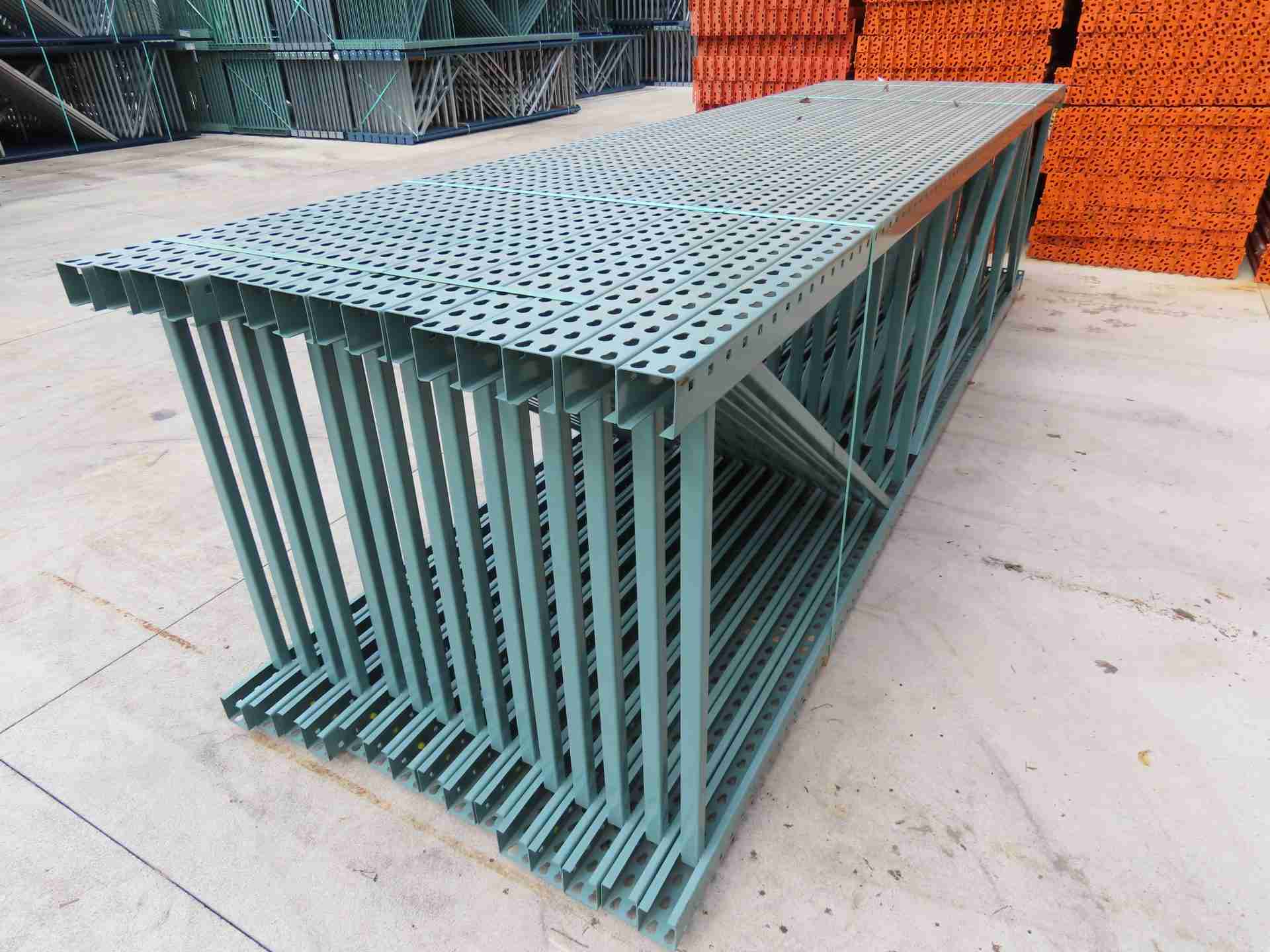
What Evidence Supports the Impact Of Racking on Labor Efficiency?
Can Improved Racking Methods Foster a Safer Work Environment?
When we think about the spaces where we work, it’s easy to overlook the structures that literally hold our livelihoods together. Racking systems, often relegated to the background, play a pivotal role in not just efficiency but, more importantly, safety. Imagine coming into a warehouse, knowing that every shelf—every rack—has been meticulously designed and installed to prevent accidents and protect those who rely on it day in and day out. That’s not just good business; it’s a moral imperative.
Consider this: every day, countless workers navigate through a maze of towering shelves loaded with goods, each one a potential hazard if not properly secured. You can feel the tension in the air, a silent anxiety that seeps into the bones as forklifts whir by and heavy pallets loom overhead. Improved racking methods are not just about saving time or maximizing space; they’re about ensuring that the people working in these environments can go home safe at the end of the day. This isn’t a matter of abstract policy; it’s a fundamental human concern.
From a rational standpoint, investing in high-quality racking systems equips organizations with the ability to streamline operations while fostering a proactive safety culture. Statistics don’t lie: workplaces that prioritize safety see a marked reduction in accidents and injuries. It’s a win-win—a more efficient operation that also guarantees a safer working environment. Companies that recognize the value in improving racking methods not only enhance productivity but also cultivate a sense of community and responsibility among their employees.
Ethically speaking, there’s a profound responsibility that comes with management roles. Leaders should prioritize the well-being of their teams. Every misplaced item and every wobbling rack is a chance for something terrible to happen. By prioritizing better racking solutions, businesses show they care, inviting the workforce to be active participants in a culture that values safety as much as profit.
When we talk about fostering a safer work environment, we’re not just making improvements; we’re setting a standard. We’re creating spaces where workers feel valued, supported, and empowered to perform their best—free from fear of injury and loss. And in that shared commitment, we find a collective strength, a bond that transforms a workplace from a mere operation into a thriving community. When we get racking right, we not only protect our assets but also the most valuable resource we have: our people.

Can Improved Racking Methods Foster a Safer Work Environment?
Can Improved Racking Methods Foster a Safer Work Environment?
- Racking systems are essential for workplace efficiency and safety, often overlooked in their importance.
- Well-designed racking systems prevent accidents and protect workers in environments like warehouses.
- Improved racking methods address safety concerns, ensuring employees return home safe after their shifts.
- High-quality racking systems improve organizational operations while fostering a culture of safety.
- Prioritizing safety leads to a reduction in workplace accidents and injuries, enhancing productivity.
- Management has a responsibility to create a culture that values safety alongside profit, showing care for employees.
- Creating safer work environments fosters a sense of community and empowers employees to perform their best.
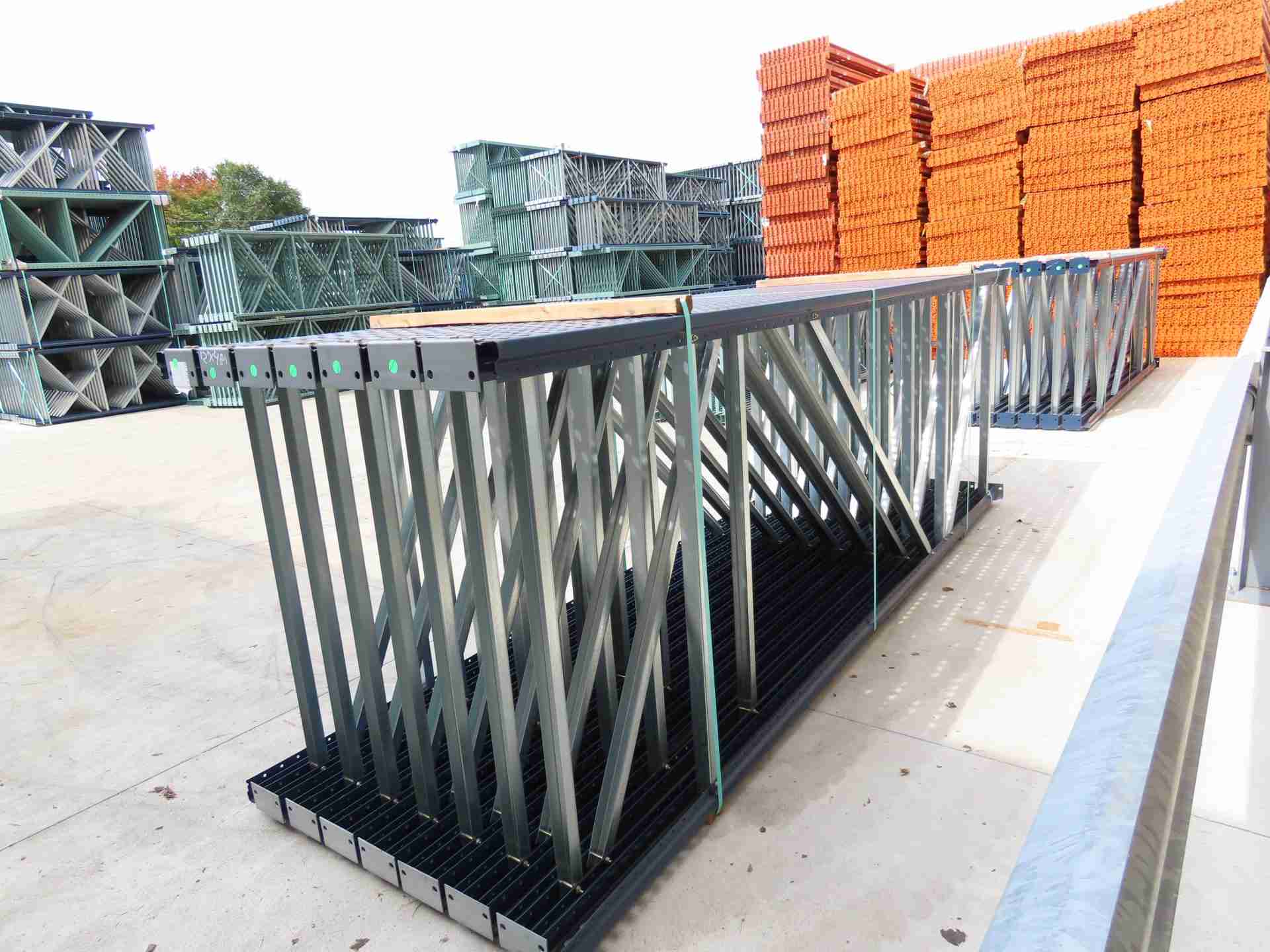
Can Improved Racking Methods Foster a Safer Work Environment?
Conclusion
Strategic racking isn’t merely a means of storing items; it’s a revolutionary paradigm shift that can redefine your workplace. Imagine a warehouse where workers glide through their tasks like dancers on a stage, each one orchestrated by the rhythm of an intelligently designed racking system. This isn’t just about physical organization; it’s about creating a culture of productivity and respect for every employee’s time. Picture the satisfaction that comes from knowing exactly where each item is, not wasting precious minutes searching through clutter. Implementing the right racking solutions boosts efficiency while fundamentally respecting the workforce.
Moreover, we must consider the ethical implications of poor organization. When your workers are left to navigate chaos, it’s more than frustrating—it chips away at their morale and sense of belonging. Investing in optimized racking is not just a logistical improvement; it’s a powerful statement of respect and trust in your team. It shows that you care enough to provide a safe, efficient environment that values their contributions. As they work in a tidier, well-organized space, employees feel empowered, fostering camaraderie and a strong sense of ownership in their roles.
And let’s not forget the social dynamics at play. A well-structured racking system is about more than just individual tasks; it cultivates collaboration and teamwork, transforming mundane tasks into opportunities for bonding and shared success. The shared experience of maintaining an organized workspace fosters a supportive culture where everyone can thrive, and that’s priceless.
From a rational standpoint, implementing strategic racking is about maximizing space while streamlining workflow. Evidence shows it can lead to up to a 30% reduction in time spent picking items, translating directly into happier customers and improved profits. However, the narrative doesn’t just end there; it extends into the lives of the people behind the operation. It’s inspiring to witness how companies that have committed to better racking systems foster an environment of motivation and collaboration, pushing employees toward fulfilling their potential.
Ultimately, investing in proper racking is a step toward ensuring the safety and well-being of your workforce. It’s about laying the groundwork for a thriving community within your operation. When you create an organized environment, you’re not just making a smarter investment—you’re redefining what it means to work together toward a common goal. Let’s roll up our sleeves and embrace this change with all our heart, head, and gut. The future is bright, and it starts with the right foundation.

Conclusion
Conclusion:
- Strategic racking transforms storage into a workplace productivity revolution.
- Intelligently designed racking systems enhance workflow and respect employee time.
- Investing in organized racking shows respect and trust in the workforce, boosting morale.
- A well-structured racking system enhances collaboration and fosters camaraderie among employees.
- Efficient racking can lead to up to a 30% reduction in picking time, improving customer satisfaction and profits.
- Companies with optimized racking systems create motivating environments that encourage employee potential.
- Proper racking investment lays the groundwork for a safe, thriving community focused on shared goals.
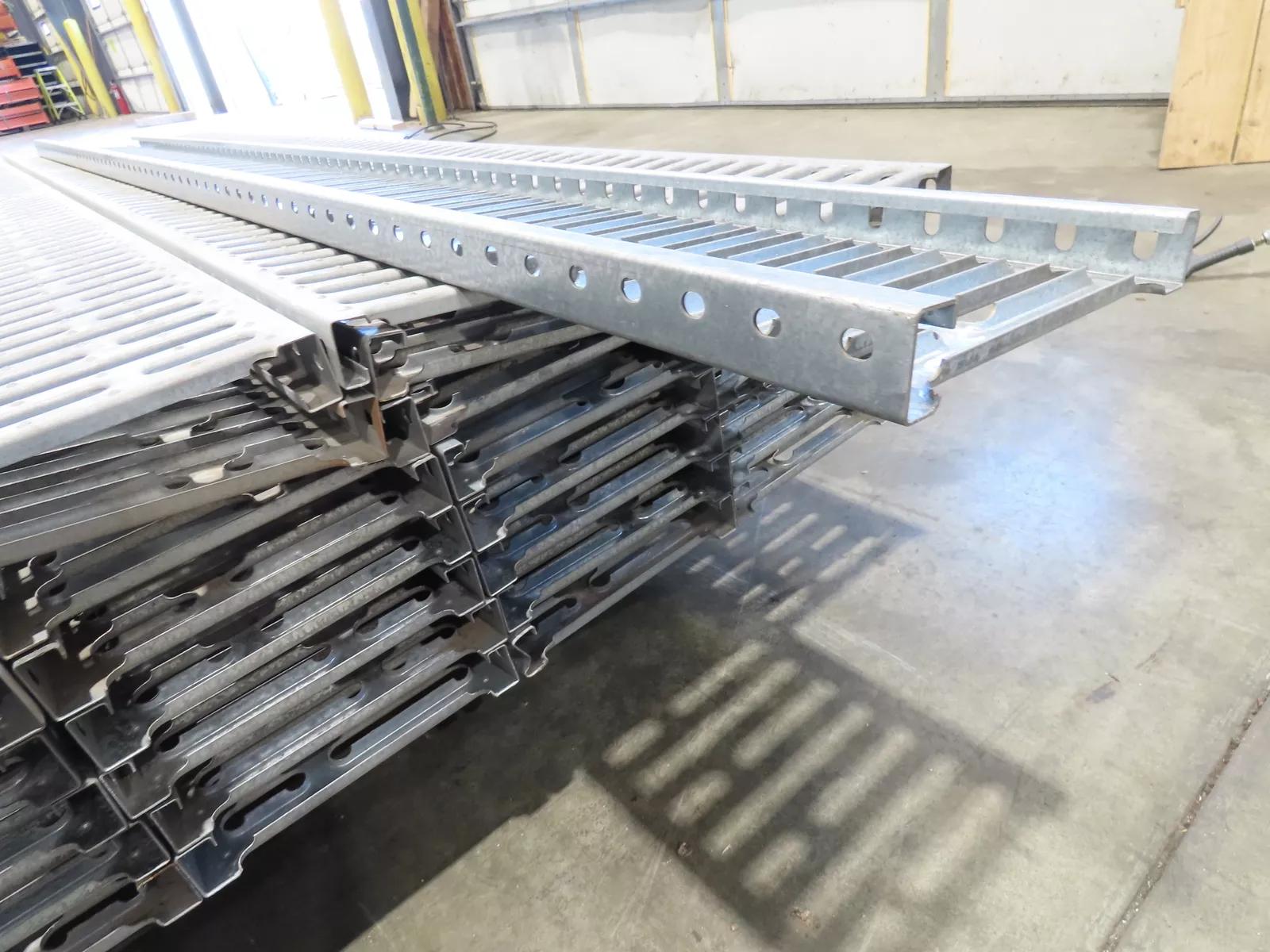
Conclusion
Other Resources
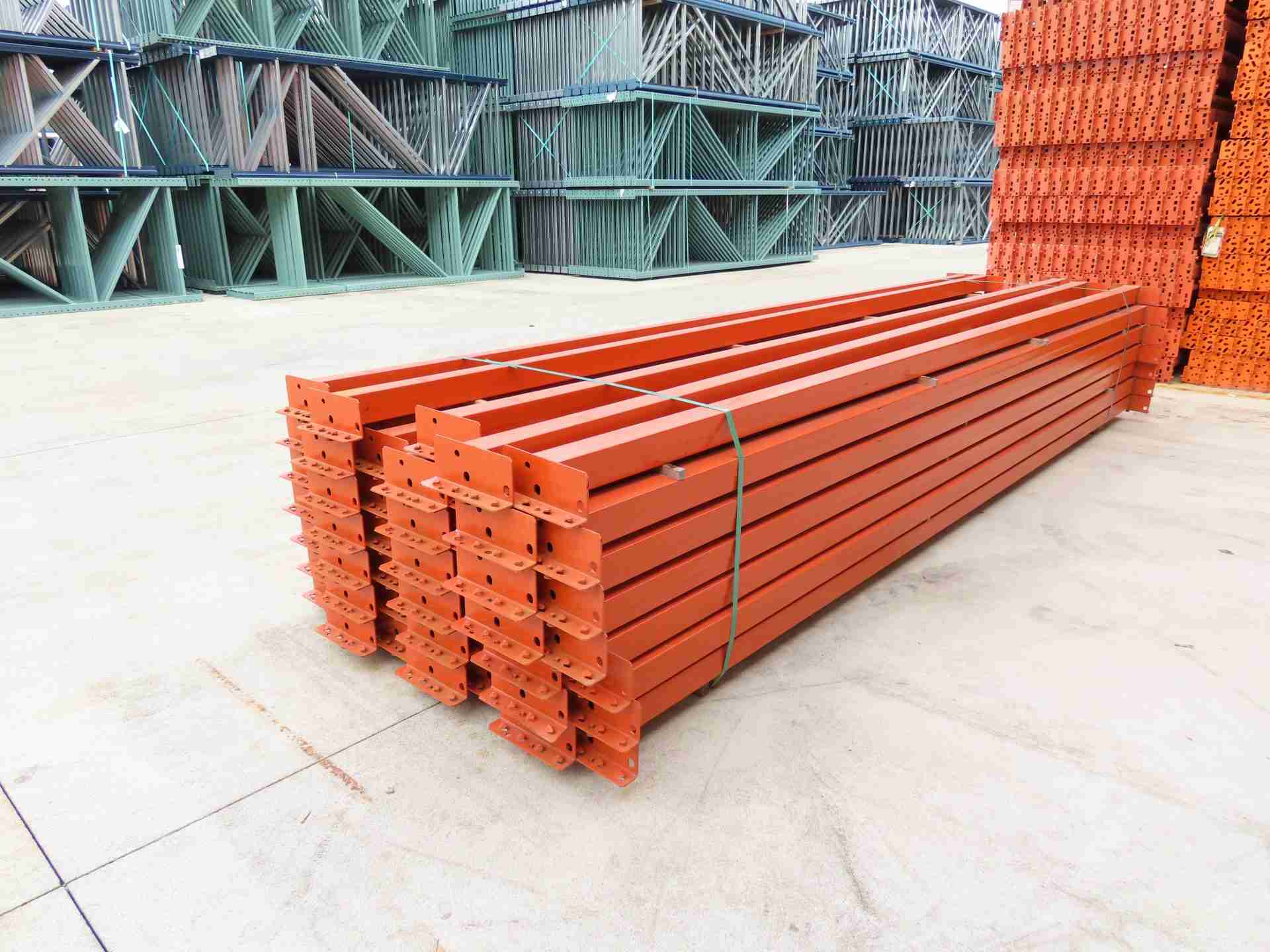
Other Resources
Here is a list of other resources you can review online to learn more:
- Rack Manufacturers Institute
- Teardrop Industrial Shelving Rack
- Bradford Systems
- ASSP
- Warehouse Storage Racks
- Overhead Lifting
- Warehousing and Fulfillment
- Selective Pallet Racking Systems
- IIWS Inc. Rack Installation Illinois & Rack Repairs Illinois
- Teardrop Pallet Rack – Ridg-U-Rak
- Teardrop Pallet Rack – Ridg-U-Rak
- Iowa Illinois Warehouse Racking
- SEMA
- American Surplus
- Warehouse Storage Racking in Illinois
- NSC
- Pallet Racking systems in Illinois, Great Lakes
- Cantilever Rack Guide: Ordering Cantilever Racking
- Arrow Industrial Sales
- Shipping Boxes, Packaging Materials, Pallet Racking
Use This Prompt To Get More Resources With Your Favorite Online AI Tool: Please provide me with a list of online articles with their URLs in a bulleted list that I can read regarding How Strategic Racking Can Improve Labor Efficiency
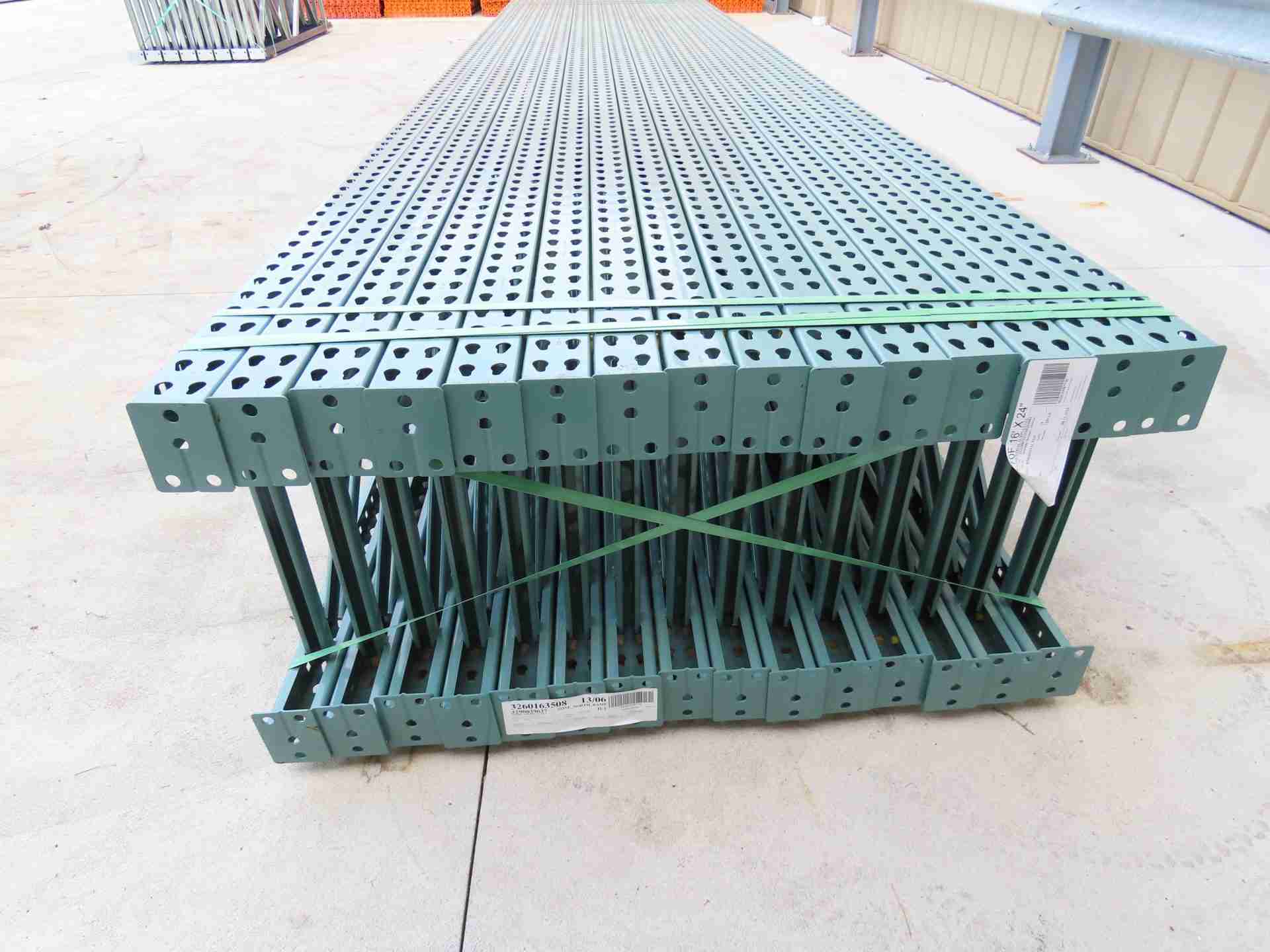
Other Resources
Glossary Terms
How Strategic Racking Can Improve Labor Efficiency – Glossary Of Terms
1. Strategic Racking: A warehouse organization method that maximizes space utilization and workflow efficiency through the careful placement of racking systems.
2. Labor Efficiency: A measure of how effectively workforce resources are used to complete tasks and operations, often expressed in output per labor hour.
3. Workflow Optimization: The process of improving operational processes to minimize delays and enhance the flow of work within a workspace.
4. Space Utilization: The effective use of available space in a warehouse, ensuring that every square foot is used to its fullest potential.
5. Load Capacity: The maximum weight or volume that a racking system can safely support, critical for maintaining safety and efficiency.
6. Picking Process: The methodology used to select items from inventory in response to customer orders, which can be optimized by strategic racking.
7. Inventory Management: The supervision of non-capitalized assets, or inventory, to ensure that stock levels are maintained efficiently.
8. Lean Warehousing: A systematic method for waste minimization within a warehouse without sacrificing productivity.
9. Ergonomics: The study of people’s efficiency in their working environment, especially regarding the design of tools and workspace layouts.
10. Throughput: The amount of product or items that can be processed by a warehouse or system in a given time frame.
11. Kaizen: A Japanese term meaning “continuous improvement,” used in business to promote ongoing efforts to enhance processes.
12. Cross-Docking: A logistics practice where products are unloaded from incoming vehicles and directly loaded onto outbound vehicles with minimal handling.
13. Accessibility: The ease with which workers can reach stored items, which can be improved through the design of strategic racking systems.
14. Safety Standards: Regulations and protocols put in place to ensure the safe operation of racking systems and the overall warehouse environment.
15. Automation: The use of technology to perform tasks with minimal human intervention, often used to increase warehouse efficiency.
16. Forklift Operations: The procedures and practices involved in the use of forklifts to move goods within a warehouse, influenced by racking design.
17. Order Fulfillment: The complete process from receiving an order to delivering the product to the customer, which can be streamlined with effective racking.
18. Stock Rotation: A process of organizing inventory to ensure that older stock is sold first, reducing waste and ensuring freshness.
19. Custom Racking Solutions: Tailored racking designs that meet specific operational needs and space constraints of a warehouse.
20. High-Density Storage: Racking systems designed to store a larger number of items within a smaller footprint, maximizing space efficiency.
21. FIFO (First In, First Out): An inventory management method where the oldest stock is sold or used first, often facilitated by specific racking systems.
22. Warehouse Layout: The physical arrangement of different areas in a warehouse, which affects efficient movement and storage.
23. Pallet Racking: A framework used to store palletized goods, commonly found in warehouses, designed for optimal space and accessibility.
24. Batch Picking: A picking method where items for multiple orders are gathered simultaneously, increasing efficiency through strategic racking.
25. Cycle Counting: An inventory auditing procedure where a portion of the inventory is counted on a specific schedule, often affected by storage organization.
26. Lead Time Reduction: The practice of reducing the time between order placement and delivery, enhancing customer satisfaction and efficiency.
27. Workstation Design: The arrangement of workspaces within a warehouse to maximize ease of access, safety, and productivity.
28. Return on Investment (ROI): A performance measure used to evaluate the efficiency of an investment, such as the implementation of new racking systems.
29. Material Handling: The movement, protection, storage, and control of materials throughout the manufacturing, warehousing, distribution, consumption, and disposal stages.
30. Inventory Turnover: A ratio showing how many times a company’s inventory is sold and replaced over a period, reflecting efficiency in stock management.
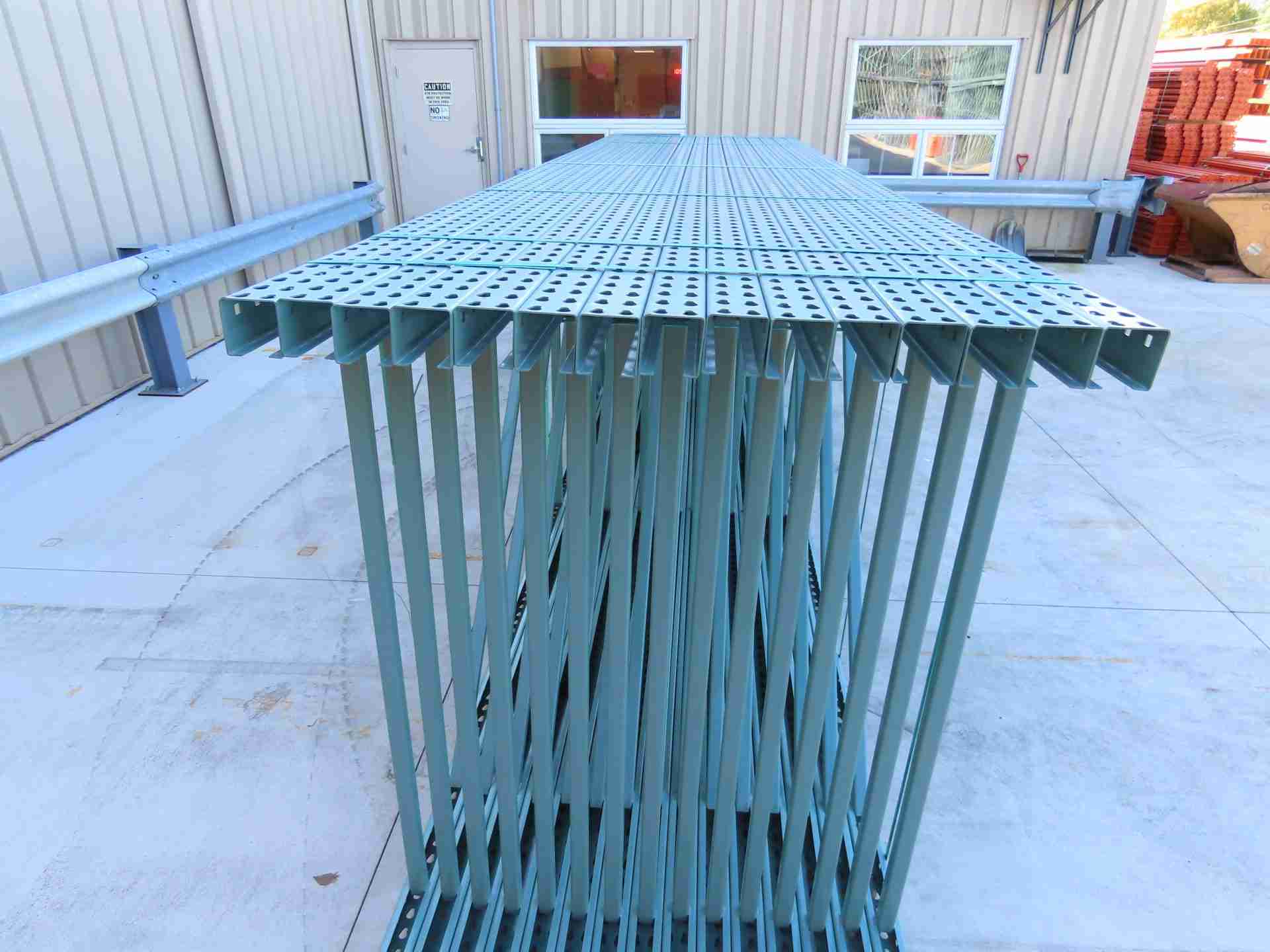
Glossary Of Terms
Other Questions
How Strategic Racking Can Improve Labor Efficiency – Other Questions
If you wish to explore and discover more, consider looking for answers to these questions:
- What are some examples of strategic racking systems in successful warehouses?
- How does the initial investment in strategic racking compare to the long-term savings?
- What specific metrics can be used to measure improvements in labor efficiency after implementing racking systems?
- How often should a warehouse evaluate the effectiveness of its racking solutions?
- What are common mistakes when setting up racking systems that could hinder efficiency?
- What role does employee feedback play in the design of racking systems?
- How can technology enhance the effectiveness of racking solutions?
- What are the best practices for maintaining organized racking systems over time?
- How can racking systems be adapted as a warehouse grows or changes in purpose?
- What training do employees need to maximize the benefits of a new racking system?
Other Questions
Checklist
How Strategic Racking Can Improve Labor Efficiency – A Checklist
Checklist: Enhancing Labor Efficiency through Strategic Racking
Emotional Appeal
_____ Visualize the impact: Imagine your team working seamlessly, empowered by a well-organized environment. What does that look like for you?
_____ Reflect on the satisfaction: Consider the joy of ending the day feeling accomplished, with a tidy workspace and fulfilled orders.
Rational Appeal
_____ Assess time savings: Calculate potential hours saved by implementing an optimized racking system. How much time could you reclaim?
_____ Evaluate cost reductions: Analyze how improved efficiency could translate to better profitability. What are the financial benefits?
Ethical Appeal
_____ Commit to employee respect: How does your current racking system reflect your value for employee time and effort?
_____ Embrace responsibility: Consider your role in fostering a safe and organized work environment. Are you prioritizing the well-being of your team?
Authority Appeal
_____ Research expertise: Consult with logistics experts or vendors for tailored racking solutions. Who can provide insights specific to your operation?
_____ Investigate best practices: Look into case studies or success stories from organizations that improved their racking systems. What can you learn from them?
Narrative Appeal
_____ Tell a success story: Share a narrative about a workplace transformation due to strategic racking. How did this change inspire teamwork and morale?
_____ Create a vision for the future: Imagine what success looks like when your facility is organized. How does that narrative motivate you and your team?
Social Appeal
_____ Foster teamwork: Encourage collaboration among team members to assess current racking systems. How can they participate in creating a more organized space?
_____ Build a culture of pride: Showcase the benefits of a well-organized system to promote ownership and commitment among your workforce. How can you celebrate improvements as a team?
Use this checklist to explore how improving your racking system can not only enhance efficiency but also uplift and empower your team.
Checklist
At RackingWorld, we help guide you through selecting warehouse storage systems and racking.
Be sure to read our other related stories at RackingWorld to learn more about warehouse storage systems.
0 Comments