
Maximizing Efficiency And Safety: The Power Of Cantilever Racking In Wire Handling
By Tom Seest
At RackingWorld, we help guide you through selecting warehouse storage systems and racking.
Be sure to read our other related stories at RackingWorld to learn more about warehouse storage systems.
How Do Wire Rod and Coil Handlers Leverage Cantilever Racking?
When you spend your days handling wire rods and coils, you learn fast that the right storage setup isn’t just about space—it’s about respect for the work and the people who do it. Cantilever racking steps into this story like a seasoned coworker who knows the job inside out. It’s designed to tackle those long, awkward loads that pallet racking just can’t handle without turning the warehouse into a maze of headaches.
Here’s the plain truth: coil and wire rod handlers need a system that’s as tough and flexible as they are. Cantilever racking offers that by giving shoulders and arms to the inventory—arms that reach out to hold the rods and coils steady, separated and easy to get at. No wrestling with piles or precarious stacks, no risking damaged goods or busted knuckles. It’s a straightforward solution that feels like common sense on the floor.
That smart design doesn’t just save time; it keeps folks safe. Every minute saved avoiding awkward lifts or fumbling around means fewer accidents—and that’s not just good for business; it’s the right thing to do for the people putting in the hard graft day after day. When you lean on cantilever racking, you’re not only improving efficiency but sending a message that safety and respect come first.
Behind the scenes, it’s also a lesson in accountability and craftsmanship. Wire rod and coil handlers know their work matters, and cantilever racking supports that pride with a platform built to last. It’s engineered to handle heavy-duty demands without buckling, standing up to whatever the plant throws at it. That’s the kind of reliability that grows trust among crew and management alike.
Workplaces built around smart storage solutions like cantilever racking foster a tight-knit crew, too. When everyone can find their gear fast and work without the usual hiccups, it builds a rhythm, a shared understanding that gets the job done and gets it done right. It’s not just about racks and rods—it’s about creating a workday where everyone feels steady footing and clear purpose.
So for wire rod and coil handlers, leveraging cantilever racking isn’t just a practical choice; it’s grounding, a backbone to the daily grind that holds the team up and keeps the wheels turning. It’s the kind of solution that speaks quietly but firmly: we respect the craft, the worker, and the product. And that makes all the difference.

How Do Wire Rod and Coil Handlers Leverage Cantilever Racking?
How Do Wire Rod and Coil Handlers Leverage Cantilever Racking?
- Cantilever racking is designed specifically to handle long, awkward loads like wire rods and coils, outperforming pallet racking in these applications.
- It provides sturdy arms to hold inventory steady, separated, and easily accessible, reducing the risk of damage and injuries.
- The system improves workplace safety by minimizing awkward lifts and fumbling, leading to fewer accidents.
- Cantilever racking supports accountability and craftsmanship with a durable design built to withstand heavy-duty demands.
- Reliable storage solutions foster trust between crew members and management.
- Efficient and organized storage creates a smoother workflow and a shared sense of purpose among workers.
- Using cantilever racking demonstrates respect for the craft, workers, and products, serving as a backbone for daily operations.

How Do Wire Rod and Coil Handlers Leverage Cantilever Racking?
Table Of Contents
- How Do Wire Rod and Coil Handlers Leverage Cantilever Racking?
- How Does Cantilever Racking Improve Safety for Coil Handlers?
- What Cost Savings Result From Using Cantilever Racking Systems?
- How Does Cantilever Racking Increase Efficiency In Wire Rod Handling?
- What Ethical Considerations Arise In Selecting Storage Solutions?
- How Do Cantilever Racks Support Heavy Load Management Effectively?
- What Impact Does Cantilever Racking Have on Workspace Organization?
- Conclusion
- Other Resources
- Glossary Of Terms
- Other Questions
- Checklist
How Does Cantilever Racking Improve Safety for Coil Handlers?
Coil handling is no joke. Anyone who’s spent time in a warehouse or shop floor knows the weight, the awkward shapes, and the risks that come with moving heavy coils day in and day out. That’s where cantilever racking steps in, not just as a storage option, but as a real game-changer for safety. It’s like having a strong, steady partner who keeps your precious loads right where they should be, no wrestling involved.
Pallet racking has its place, sure, but when it comes to coils—those giant, unwieldy metal rolls—cantilever racks offer a clear edge. Unlike your standard pallet racks, cantilever arms hold coils securely on open, horizontal supports. This means less chance of the coil slipping or getting crushed. When you’ve got a ton of steel coiled up, the last thing you want is to be playing a dangerous guessing game with weight distribution or making awkward lifts that can lead to serious injury. Cantilever racks make that game unnecessary. They spread the load evenly and let you stack with confidence.
From a practical standpoint, this setup reduces accidents. Forklift operators aren’t left guessing where to grip or worried about uneven loads tipping over. There’s less clutter, fewer pile-ups, and when things are where they ought to be, everybody breathes a little easier. It’s not just about equipment safety—it’s about people coming home whole after every shift. That matters more than profits or schedules.
Ethically, providing safer storage options like cantilever racking is a no-brainer for any operation that values its crew. You owe it to the people who keep the wheels turning not to cut corners with dangerous stacking or by squeezing more into pallet racking ill-suited for coils. Trust in proper racking builds respect on the floor, sends a message that management cares, and fosters a culture where safety isn’t just a checkbox but a shared responsibility.
Picture this: a coil handler moves through the floor, confident that the cantilever racks holding those heavy coils won’t fail or cause a trip hazard. There’s less second-guessing and more getting the job done the right way. That’s a story worth telling because, in the end, every safe day on the floor adds up—saving time, saving bodies, and keeping everyone in the game.
Switching to cantilever racking isn’t just an upgrade; it’s a commitment to smarter, safer coil handling. You keep your people and your product safer. And that’s something every hands-on worker can respect.

How Does Cantilever Racking Improve Safety for Coil Handlers?
How Does Cantilever Racking Improve Safety for Coil Handlers?
- Coil handling is challenging due to heavy weight, awkward shapes, and safety risks on warehouse floors.
- Cantilever racking offers superior safety and security for storing heavy coils compared to standard pallet racks.
- Cantilever racks hold coils on open, horizontal supports, reducing slip, crush risks, and uneven weight distribution.
- This racking system decreases accidents by minimizing forklift operator guesswork and reducing clutter and pile-ups.
- Implementing cantilever racking demonstrates ethical commitment to worker safety and fosters a culture of shared responsibility.
- Safer storage boosts worker confidence, reduces hazards, and ensures employees return home safely after every shift.
- Switching to cantilever racking is a smart, safety-focused upgrade that protects both people and products effectively.

How Does Cantilever Racking Improve Safety for Coil Handlers?
What Cost Savings Result From Using Cantilever Racking Systems?
When it comes to saving hard-earned dollars in your warehouse, cantilever racking systems aren’t just another piece of metal standing around—they’re a straight shooter that knows how to work smart and cut the nonsense. Unlike traditional pallet racking that sometimes feels like trying to fit square pegs in round holes, cantilever racks give you a clear line of sight and easy access. That means less time wrestling with awkward angles and more time moving product. Time saved is money earned. Plain and simple.
Look, every minute your crew spends twisting, turning, or crawling around awkward pallet racking spots is lost productivity. Cantilever racks, with their open-arm design, eliminate that headache by offering flexibility you can’t beat. Store bulky, long, or oddly shaped items without the usual guesswork or danger. The fewer the accidents and missteps, the fewer the medical claims and downtime—which translates directly into your bottom line. It’s an ethical win too; your people deserve a safer workspace.
Think about the cost of wasted space. Pallet racking can sometimes act like a stubborn mule, crowding your inventory into corners and leaving you scratching your head. Cantilever racks stretch out the possibilities, letting you maximize vertical and horizontal space without wrestling forklifts into tight spots. More inventory on the same footprint means less need to rent or build more warehouse space. That’s hard savings you can count, month after month.
There’s also a story worth telling about maintenance and durability. Cantilever systems hold up tough under weight and weather, cutting down on repair costs. Stop-shelling out cash every year on patch-ups and reinforcements. What you’re left with is a tough-as-nails setup, ready to take the hits while you keep your operation humming.
On the authority front, seasoned warehouse managers and operation experts lean on cantilever racks because they know what works in the mud and dust of real-world conditions—not some glossy brochure. The social proof isn’t just talk; it’s hands-on results, recommendations from folks who don’t have time for fluff.
Cantilever racking systems aren’t just about holding your goods—they’re about holding your costs down and your operation up. They give you the confidence that comes from knowing your investment won’t waste space, slow down your crew, or rack up unexpected expenses. You’re choosing a practical, honest solution that respects both your products and your payroll. In the tough world of warehousing, that kind of straightforward efficiency speaks loud and clear.
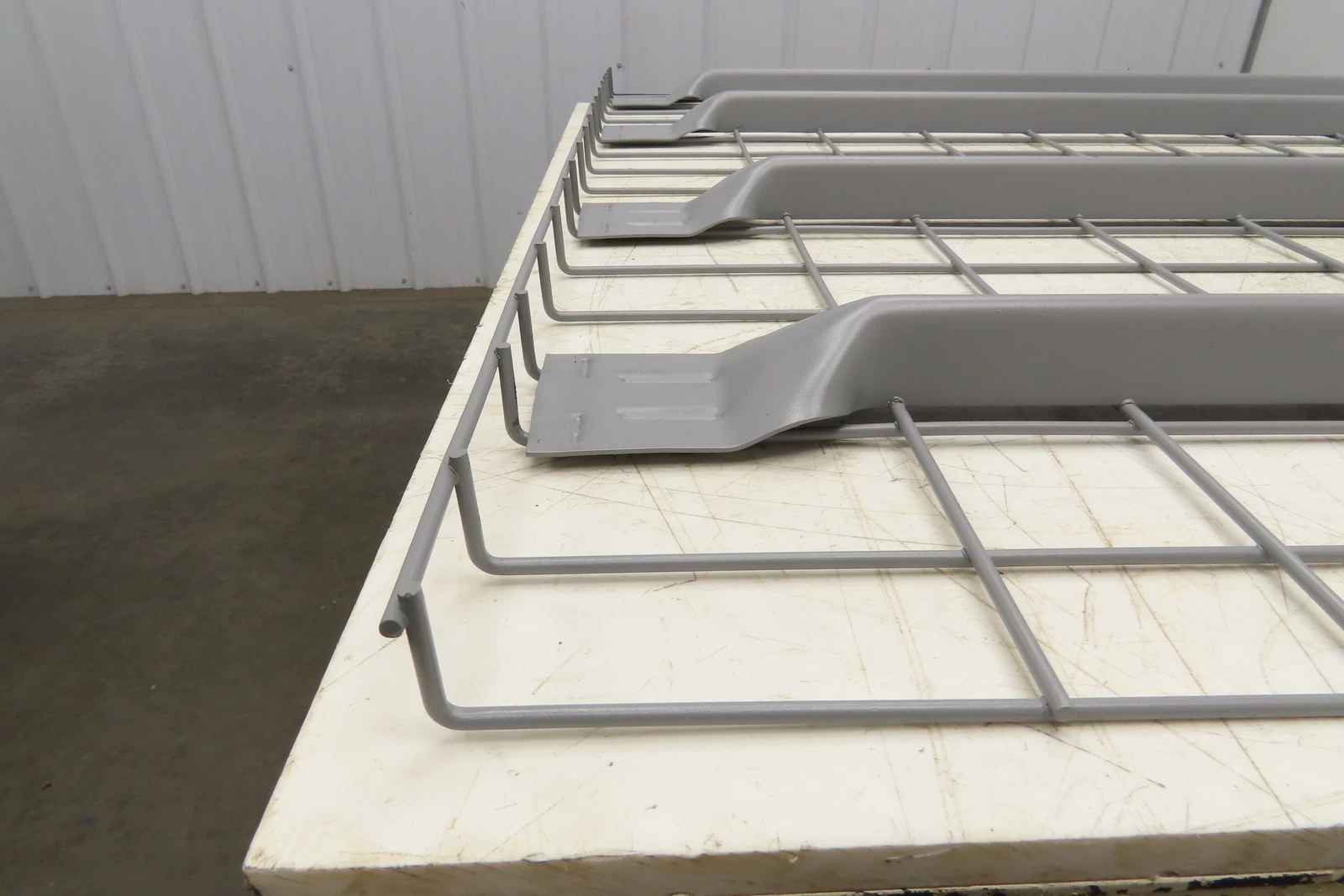
What Cost Savings Result From Using Cantilever Racking Systems?
What Cost Savings Result From Using Cantilever Racking Systems?
- Cantilever racking systems offer clear visibility and easy access, reducing time wasted on maneuvering awkward pallet racks.
- The open-arm design improves productivity by accommodating bulky, long, or oddly shaped items safely and conveniently.
- They maximize vertical and horizontal space, allowing more inventory storage within the same footprint and lowering costs on additional warehouse space.
- Cantilever racks are durable, require less maintenance, and cut repair costs due to their robust construction.
- Experienced warehouse managers prefer cantilever racks for their proven effectiveness in real-world, demanding conditions.
- These systems enhance workplace safety, reducing accidents, medical claims, and downtime.
- Cantilever racking balances cost-efficiency and operational efficiency, protecting both products and payroll.

What Cost Savings Result From Using Cantilever Racking Systems?
How Does Cantilever Racking Increase Efficiency In Wire Rod Handling?
When you’re knee-deep in wire rod day after day, efficiency isn’t just a nice-to-have—it’s the backbone of keeping the whole operation running smooth. That’s where cantilever racking steps in, changing the game with plain old common sense that anyone who’s worked the floor can appreciate. Unlike the usual pallet racking that stacks goods in rigid boxes, cantilever racks open things up. They give you straight access to long, bulky wire rods without the hassle of wrestling pallets or fumbling with awkward loads. This means faster loading and unloading, cutting down the minutes lost hustling around like a chicken with its head cut off.
From a practical standpoint, cantilever racking isn’t just about speed; it’s about smart space. Wire rods don’t conform to tidy little boxes, and trying to fit them into pallet racking is like squeezing a square peg into a round hole. Cantilever racks let you stack rods horizontally, easy to spot and grab exactly what you need. That cuts down errors and keeps the inventory tight. With clear sightlines and fewer trips to double-check, the whole crew feels a lot less beat up by the end of the day.
There’s something ethical in giving your team the right tools to do their job—tools that respect their time and effort. When handling heavy wire rods, ease of use isn’t just a convenience; it’s a safety lifeline. Cantilever racks reduce the need for risky maneuvers, meaning fewer injuries and less downtime. That’s not just good for the company’s bottom line, it also shows a genuine care for the people putting in the work, building trust the kind that lasts longer than any quarterly report.
You don’t need a fancy pitch or highfalutin jargon to understand why cantilever racking stands out. It’s how the pros handle wire rod—straightforward, reliable, and built to withstand the rough and tumble of daily demands. The kind of solution you don’t just buy—you invest in. It’s the kind of upgrade that doesn’t announce itself with fanfare, but once it’s there, you wonder how you ever got along without it.
If your wire rod handling still leans on pallet racking and sees crews wasting time with clumsy moves, it’s time to rethink. Cantilever racking isn’t just another option—it’s a proven answer that works as hard as the people who count on it.

How Does Cantilever Racking Increase Efficiency In Wire Rod Handling?
How Does Cantilever Racking Increase Efficiency In Wire Rod Handling?
- Cantilever racking improves efficiency by providing easy access to long, bulky wire rods, avoiding the hassle of pallets and awkward loads.
- Unlike pallet racking, cantilever racks allow horizontal stacking of wire rods, optimizing space and reducing errors in inventory handling.
- Clear sightlines and fewer trips for rechecking reduce worker fatigue and increase overall productivity.
- Provides safer handling of heavy wire rods by minimizing risky maneuvers, lowering injury rates and downtime.
- Demonstrates respect for workers by offering tools that save time and effort, building long-term trust within the team.
- Offers a straightforward, reliable, and durable storage solution suited for demanding daily operations.
- Cantilever racking is a proven, practical upgrade that outperforms pallet racking and boosts operational performance.

How Does Cantilever Racking Increase Efficiency In Wire Rod Handling?
What Ethical Considerations Arise In Selecting Storage Solutions?
Choosing the right storage solution isn’t just a matter of metal beams and empty space—it’s about responsibility. When it comes to something like pallet racking, it’s tempting to think, “just slap it together and call it good.” But that’s where ethics come knocking, and they don’t come quietly.
First off, there’s the safety factor. If that pallet racking collapses and someone gets hurt, it’s not just a business expense—it’s a real person with a real story. Families get affected, workers lose livelihoods, and trust evaporates faster than a cold beer on a hot day. Making sure storage is robust, maintained, and inspected isn’t cutting corners; it’s about valuing human life over a few bucks saved. That kind of responsibility hits you in the gut because it’s about honoring the people who show up every day.
Then there’s the bigger picture—the environment. Using materials that can be recycled, or arranging your stock to reduce waste, goes beyond just being tidy. It respects the planet we lean on every day. Choosing pallet racking that’s durable rather than disposable means fewer resources wasted and less junk in the landfill later. That’s common sense with conscience—doing right by the earth while keeping your operation efficient.
On top of that, there’s a social contract at play. Everyone deserves to work in a place that’s straightforward, safe, and run with integrity. When you select storage solutions, you’re also sending a message to your team, your customers, and your community about what you stand for. Do you value quick profits, or do you value trust built over the long haul? The right choice in pallet racking says you’re in it for the long game—steady, reliable, and mindful.
From a practical standpoint, experience shows that ethical choices usually pay off. Skimping on quality or ignoring regulations might save cash now but costs more down the road—in accidents, lawsuits, or lost reputation. Calling in the experts, listening to those on the floor, and taking a hard look at real-world needs brings clarity grounded in respect. That’s how you build systems that work both for people and the bottom line.
At the end of the day, selecting storage solutions is more than stacking shelves—it’s stacking trust. When you make ethical choices in places like pallet racking, you’re not just organizing goods—you’re organizing peace of mind for everyone who depends on it.

What Ethical Considerations Arise In Selecting Storage Solutions?
What Ethical Considerations Arise In Selecting Storage Solutions?
- Choosing the right storage solution involves ethical responsibility beyond physical construction.
- Safety is paramount; properly maintained and inspected pallet racking protects real people and their livelihoods.
- Environmental considerations include using recyclable materials and durable racking to reduce waste and landfill impact.
- A social contract exists: ethical storage choices reflect integrity and build long-term trust with employees, customers, and the community.
- Ethical decisions typically prove cost-effective by avoiding accidents, lawsuits, and reputational damage.
- Consulting experts and considering frontline feedback ensures storage systems meet real-world needs respectfully and effectively.
- Overall, ethical storage solutions organize not just goods but also trust and peace of mind for all stakeholders.

What Ethical Considerations Arise In Selecting Storage Solutions?
How Do Cantilever Racks Support Heavy Load Management Effectively?
When you’ve spent years on the shop floor or in the warehouse trenches, you learn the hard way that not all storage solutions are made equal. Cantilever racks aren’t just another piece of metal—they’re the unsung workhorses that stand up when the going gets tough. Unlike traditional pallet racking, which can box you in with bulky frames and limited access, cantilever racks throw the doors wide open. They deliver straightforward, no-nonsense loading and unloading for long, awkward, or heavy items that’d otherwise have you wrestling with forklifts and straps.
The real beauty of cantilever racks lies in their design—which is simple but smart. Arms reach out like open hands, supporting heavy loads without cluttering up the floor or trapping your goods behind posts. This open-front approach isn’t just about convenience; it’s about safety and efficiency. When your crew can see what’s where at a glance and grab items without wrestling beams or pallets, you cut down on accidents and wasted time. That’s a win for everyone.
There’s a kind of trust you build with stuff that doesn’t fail you under pressure. Those steel arms hold up boards, pipes, and lumber like a seasoned ally, spreading the weight evenly and standing firm through the daily grind. This structural strength isn’t just measured in pounds or tons; it means peace of mind for the folks who rely on these racks to keep their work running smooth and on schedule. It’s about having a system that won’t crack when you’re staring down deadlines and heavy loads alike.
On top of all that, cantilever racks play nice with the environment too—you use less of that bulky framing, wasting less space, and getting more out of every square foot. For businesses trying to do right by their customers and their bottom line, and maybe even by the planet, that matters.
Cantilever racks aren’t just racks. They’re part of a bigger story: a story where hard work, common sense, and solid engineering come together to keep things moving, keep people safe, and make the toughest jobs just a little easier. They earn their keep every day, quietly proving that smart, practical solutions have a place in heavy load management you can count on. Pallet racking has its place, but when you need freedom, strength, and reliability all rolled into one, cantilever racks answer that call without fuss or fail.

How Do Cantilever Racks Support Heavy Load Management Effectively?
How Do Cantilever Racks Support Heavy Load Management Effectively?
- Cantilever racks provide superior storage for long, awkward, or heavy items compared to traditional pallet racking with bulky frames and limited access.
- Their simple yet smart design features open arms that support heavy loads without cluttering floors or trapping goods behind posts.
- This open-front approach enhances safety and efficiency by allowing quick visibility and easy access, reducing accidents and wasted time.
- Steel arms evenly distribute weight, offering structural strength and reliability under pressure, ensuring smooth workflow even under heavy loads and tight deadlines.
- Cantilever racks maximize space usage by requiring less bulky framing, benefiting both business efficiency and environmental impact.
- They combine practical engineering with durability to support demanding warehouse operations, making tough jobs easier and safer for workers.
- While pallet racking has its uses, cantilever racks excel when freedom of access, strength, and reliability are paramount, providing a trustworthy storage solution.

How Do Cantilever Racks Support Heavy Load Management Effectively?
What Impact Does Cantilever Racking Have on Workspace Organization?
When you walk into a cluttered workshop or warehouse, it hits you right in the gut—the chaos, the wasted time hunting for tools or materials, the frustration gnawing at your patience. That’s where cantilever racking comes in, quietly working behind the scenes to restore order on the shop floor. Unlike traditional pallet racking, this system isn’t just about stacking boxes; it’s about reclaiming space and sanity in a way that speaks to both the mind and the heart of anyone who’s ever had to wrestle with messy, inefficient storage.
From a practical standpoint, cantilever racking takes awkward, oversized, or long items—pipe, lumber, metal bars—and turns them into tidy rows of goodness, making inventory easier to see, grab, and manage. This isn’t some fancy gadget but a simple, strong arm reaching out to catch your headaches before they start. It’s a straightforward solution rooted in years of hands-on experience, the kind that doesn’t just improve workflow but respects the hard work and time of every person on the crew.
There’s also a sense of pride that comes with a well-organized workspace. When your materials are neatly arranged, accessible, and accounted for, there’s no fumbling around or excuses—just confidence in how your operation runs. It’s ethical too, showing respect not just for the tools and products you handle, but for the people who lean into the labor every day. Trust builds when leaders and workers see that investments in smart systems like cantilever racking lead not to waste but to real efficiency and safety.
This is backed by authorities in workplace management and industrial operations who affirm that optimized storage solutions prevent injuries and boost productivity. The story here isn’t just about racks and beams; it’s about creating an environment that supports real work, fosters cooperation, and reduces stress. When your space works for you, instead of the other way around, morale rises; people show up ready to tackle what the job demands.
Choosing cantilever over standard pallet racking changes everything. It respects the quirks of your space, adapts to your needs, and tells a story of practical wisdom—of getting the job done without fuss but with plenty of grit. If your workspace feels like it’s shouting for help, maybe it’s time to give cantilever racking a shot and see what happens when order meets common sense.

What Impact Does Cantilever Racking Have on Workspace Organization?
What Impact Does Cantilever Racking Have on Workspace Organization?
- Cantilever racking restores order in cluttered workshops by addressing chaos and wasted time caused by inefficient storage.
- It is designed for storing awkward, oversized, or long items like pipes, lumber, and metal bars in tidy, accessible rows.
- This system improves workflow by providing a simple, strong solution grounded in practical experience, respecting workers’ time and effort.
- A well-organized workspace with cantilever racking boosts confidence, ethical respect, and trust among workers and leaders.
- Optimized storage solutions like cantilever racking are backed by authorities for preventing injuries and increasing productivity.
- The system creates a supportive environment that reduces stress, fosters cooperation, and raises workplace morale.
- Cantilever racking adapts to unique space requirements, offering practical efficiency and encouraging order and common sense in storage management.

What Impact Does Cantilever Racking Have on Workspace Organization?
Conclusion
At the heart of handling wire rods and coils lies a simple truth: respect for the work and the folks who do it. Cantilever racking isn’t just another storage system—it’s the unsung backbone that meets the real-world mess head-on with straightforward, no-nonsense smarts. Unlike pallet racks that box you in or force you into awkward lifts and tight spaces, cantilever racks stretch out open arms to hold those long, heavy coils steady and ready. This isn’t just about saving a few inches or minutes—it’s about saving busted knuckles, broken goods, and most importantly, the bodies behind the work.
There’s something powerful about a system that matches the toughness and flexibility required on the floor. Cantilever racking offers that durability and ease, cutting through wasted motions and risky maneuvers. It spreads weight smartly, holds loads firmly, and invites a clear line of sight that turns chaotic piles into tidy rows you can trust to grab and go. The payoff? Fewer accidents, less downtime, and crews that walk off the job safer and feeling respected.
This respect isn’t just good manners—it’s an ethical foundation. Choosing cantilever racks speaks volumes about valuing the workforce. It says, “We don’t cut corners on safety or space because you matter.” That kind of integrity fuels trust, builds morale, and keeps the engine running smooth long after the day’s done. From a practical standpoint, the racks pay for themselves with fewer injuries, less wasted inventory, and smarter use of space—no awkward forklift dances or crowbar shuffles required. More stored goods in less room, less time hunting down materials, less broken gear to replace. That’s cold, hard savings anyone running a floor knows to appreciate.
Beyond dollars and cents, there’s the bigger picture that can’t be ignored: responsibility. The right storage choice is a commitment—to the people on the ground, to the community, and even to the planet. Cantilever racking’s straightforward design means less waste, less bulky framing, and a system built to last, not just for today but for the long haul. It’s common sense wrapped in steel arms that stand steady, day after day.
When it comes to workspace organization, cantilever racking brings back order where chaos once reigned. It clears the path, reduces frustration, and makes getting the job done less of a grind. That neatness isn’t just neat—it’s practical, ethical, and morale-boosting. It’s a win for leadership and crew, creating a rhythm that gets work done right without the usual headaches.
In the end, cantilever racking does more than store coils and rods—it holds up a crew, a process, and a promise. A promise that respects hard work, values safety, honors craftsmanship, and runs a tight, sensible ship that gets the job done. It’s not flashy, but it’s reliable. It’s the kind of ally every wire rod and coil handler needs in the trenches—steady, tough, and built to bear the weight of the day with quiet confidence that never quits.
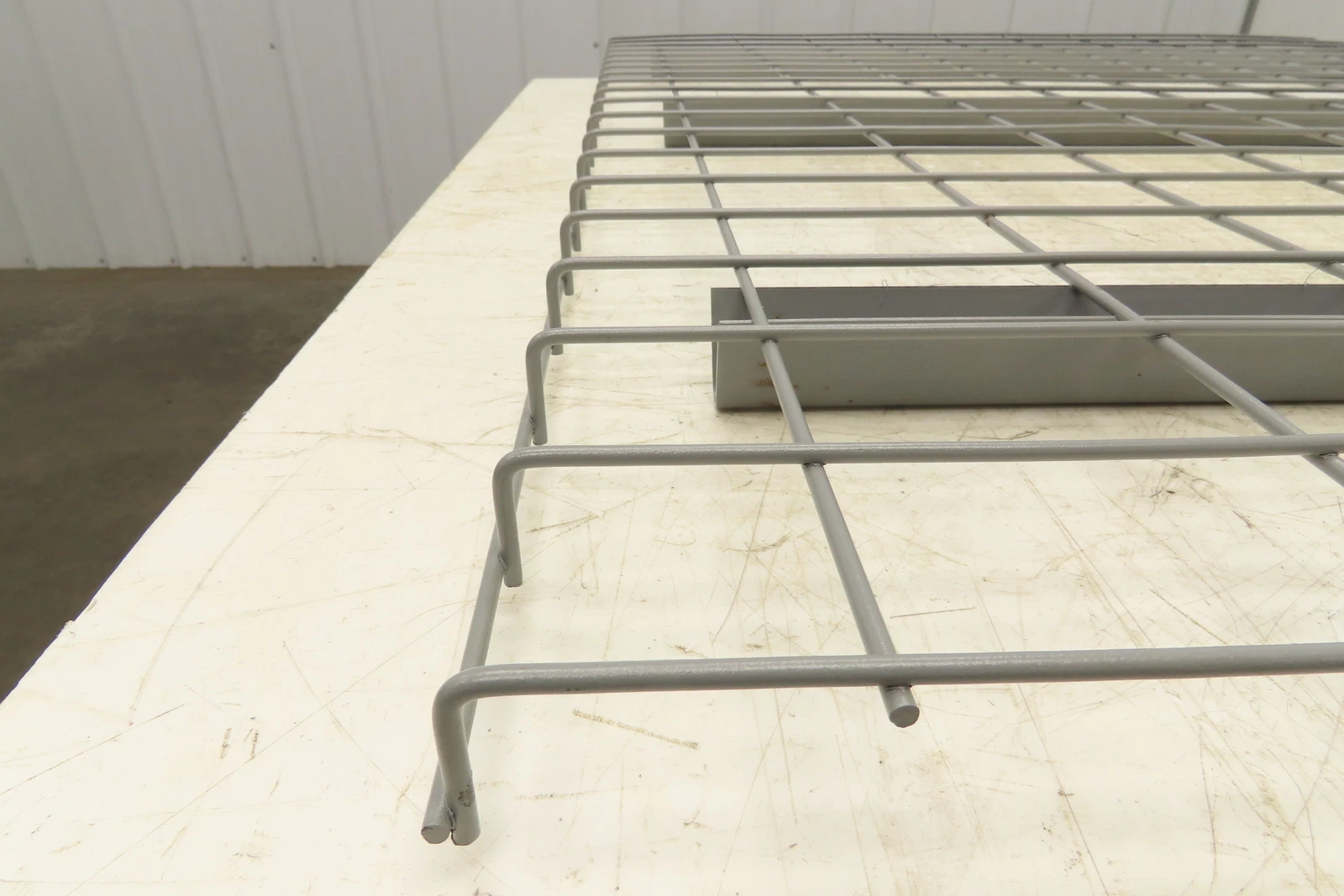
Conclusion
Conclusion:
- Cantilever racking respects the work and workers by providing a practical and safe storage solution for wire rods and coils.
- It outperforms pallet racks by offering open, accessible storage that prevents awkward lifts and cramped spaces.
- The system enhances durability and efficiency by reducing wasted motion, spreading weight evenly, and maintaining clear visibility.
- Choosing cantilever racks reflects an ethical commitment to workforce safety, trust, and morale.
- It delivers practical benefits such as fewer injuries, less inventory waste, better space utilization, and smoother operations.
- The design supports environmental responsibility through minimal waste and long-term durability.
- Cantilever racking organizes workspaces effectively, boosting productivity and maintaining a steady, reliable work environment.

Conclusion
Other Resources

Other Resources
Here is a list of other resources you can review online to learn more:
- Warehouse Storage Racking in Illinois
- Selective Pallet Racking Systems
- Racking World
- Illinois
- National Safety Council
- Total Warehouse
- Selective Racking
- Chicago Pallet Racking
- Cantilever Racking Specialists – Get the Right Racks
- Warehouse Racks, Warehouse Racking in Stock – ULINE
- Warehouse Racking System: Powerful Guide to Optimise, 2024
- Warehousing and Fulfillment
- Used Teardrop Pallet Rack – American Surplus
- Wolter
- Chicago Pallet Racking
- Crane Manufacturers Association Of America Inc.
- Pallet Racking systems in Illinois and Great Lakes
- Pallet Racks, Pallet Racking, Pallet Shelves in Stock – ULINE
- Interlake Mecalux
Use This Prompt To Get More Resources With Your Favorite Online AI Tool: Please provide me with a list of online articles with their URLs in a bulleted list that I can read regarding How Do Wire Rod and Coil Handlers Leverage Cantilever Racking?

Other Resources
Glossary Terms
How Do Wire Rod and Coil Handlers Leverage Cantilever Racking? – Glossary Of Terms
1. Wire Rod: A semi-finished metal product typically supplied in coils, used for manufacturing wire and other steel products.
2. Coil Handler: Equipment or machinery designed to transport, lift, or manipulate coils in industrial settings.
3. Cantilever Racking: A storage system featuring arms extending from a central column to support long or bulky items.
4. Load Capacity: The maximum weight that a cantilever rack or handler can safely support.
5. Arm: The horizontal support of cantilever racking on which coils or wire rods rest.
6. Column: The vertical structure of cantilever racks that supports the arms.
7. Upright: Another term for the column in cantilever storage systems.
8. Industrial Storage: Systems and methods designed to store materials efficiently in manufacturing or warehousing environments.
9. Coil Cradle: A specialized attachment or feature on a handler designed to securely hold coils.
10. Stability: The ability of a storage system or handler to maintain balance under load.
11. Space Utilization: Efficient use of storage space, reduced by using cantilever racking for bulky wire rods and coils.
12. Forklift Compatibility: How well coil handlers and racks work with forklifts for loading and unloading.
13. Accessibility: Ease of reaching and handling wire rods or coils stored on cantilever racks.
14. Material Handling: The movement, protection, storage, and control of materials throughout manufacturing and warehousing.
15. Ergonomics: Design considerations that improve the ease and safety of handling coils or wire rods.
16. Load Distribution: The manner in which weight is spread across cantilever arms to prevent damage.
17. Safety Stops: Components used to prevent coils or rods from rolling off cantilever arms.
18. Adjustable Arms: Arms on cantilever racks that can be repositioned to accommodate different coil sizes.
19. Overhead Clearance: The vertical space required by handlers to maneuver coils stored on racks.
20. Automated Handling: Use of robotic or automated systems to move wire rods and coils with cantilever racking.
21. Protective Coating: Surface treatments on racks or handlers to prevent corrosion when storing metal coils.
22. Coil Diameter: The measurement across the coil, important for rack arm spacing and handling.
23. Load Height: The vertical dimension of the coil or wire rod stack on the cantilever rack.
24. Weight Centering: Positioning of coils on the rack arm to maintain balance and prevent tipping.
25. Rack Footprint: The floor space occupied by a cantilever racking system.
26. Storage Density: Amount of material stored per unit volume using cantilever racks.
27. Handling Efficiency: The speed and ease with which wire rods and coils are moved using handlers and racks.
28. Industrial Applications: The sectors where cantilever racking and coil handling are commonly used, such as steel manufacturing.
29. Load Securing: Methods used to fix coils in place on cantilever arms during storage and movement.
30. Maintenance Access: The ability to service and inspect cantilever racks and coil handlers for safety and performance.

Glossary Of Terms
Other Questions
How Do Wire Rod and Coil Handlers Leverage Cantilever Racking? – Other Questions
If you wish to explore and discover more, consider looking for answers to these questions:
- What are the specific load capacity ratings for cantilever racking used with wire rods and coils?
- How do you calculate the number of arms and arm spacing required for different coil diameters and rod lengths?
- What are the floor and foundation requirements for installing cantilever racks in an existing warehouse?
- How do cantilever racks compare to pallet racks in upfront cost and long‑term total cost of ownership?
- What maintenance and inspection schedules are recommended to keep cantilever racking safe and functional?
- What common failure modes should operators watch for (e.g., arm bending, anchor pullout, corrosion)?
- How do you secure coils on cantilever arms to prevent rolling or slipping during storage and retrieval?
- What forklift types and attachments are best suited for loading and unloading coils from cantilever racks?
- Are there standard industry regulations or codes (OSHA, ANSI, European standards) that apply to cantilever racking for coils?
- How does cantilever racking perform in seismic zones and what bracing or anchoring is required?
- What are the options for single‑sided vs. double‑sided cantilever racks and how do you choose between them?
- How do you handle mixed inventory (different diameters, weights, and lengths) on the same cantilever system?
- What protective accessories are available (end stops, arm locks, coil cradles, cushions) and when should they be used?
- How do cantilever racks affect warehouse layout, aisle width, and traffic flow planning?
- What are the typical lead times, delivery, and installation processes when purchasing cantilever racking?
- How is load distribution calculated across columns, arms, and baseplates for heavy coil inventories?
- Can cantilever racking be retrofitted into facilities that currently use pallet racking, and what modifications are needed?
- What is the expected service life of cantilever components and which parts are most likely to need replacement?
- How do environmental factors (humidity, salt air, chemicals) affect material choice and finish for cantilever racks?
- What fire protection and sprinkler system considerations apply when storing coils on cantilever racks?
- How do insurers view cantilever racking installations and does it influence premiums or coverage requirements?
- What training should be provided to forklift operators and handlers to safely use cantilever racking?
- How do you perform a safe load test and verification after installation or after repairs?
- What are the ergonomic benefits and remaining ergonomic risks for workers when using cantilever racking?
- How does cantilever racking integrate with inventory systems, labeling, and barcode/RFID workflows?
- What are the limitations and situations where pallet racking or other systems are preferable to cantilever?
- How do you price and justify return on investment (ROI) for switching to cantilever racking?
- Are there case studies or performance metrics showing reduced accidents and improved throughput after installation?
- What customization options exist for unusual coils (mandrels, core supports, tapered arms)?
- How do you manage stacking height limits and safe stacking practices for multiple coils per arm?
- What bolt and anchoring specifications are required for different floor types (concrete thickness/strength)?
- How are cantilever racks protected from forklift impacts and what barriers or bollards are recommended?
- What are best practices for marking load limits, part locations, and safe handling instructions on the racks?
- How should an operation plan for end‑of‑life recycling or disposal of cantilever racking components?

Other Questions
Checklist
How Do Wire Rod and Coil Handlers Leverage Cantilever Racking? – A Checklist
Fit-for-Purpose Design
✅______ Confirm product mix (rod lengths, diameters, coil IDs, weights, materials)
✅______ Define maximum unit load and typical load per pick
✅______ Determine storage orientation (horizontal rods or saddle-mounted coils)
✅______ Choose arm style (straight or inclined) and required arm length
✅______ Specify end stops or retainers for coil roll-off prevention
✅______ Select dividers or cradles for separation and stability
Engineering and Capacity
✅______ Verify arm capacity exceeds the heaviest expected load with a safety margin
✅______ Verify per-level and per-bay capacities meet the stacking plan
✅______ Confirm upright and base capacities for combined loads
✅______ Validate slab or floor load rating and anchorage requirements
✅______ Obtain engineered drawings and calculations for the system
✅______ Post rated capacities visibly on each bay
Layout and Space Planning
✅______ Map clear aisles for forklift and coil-ram turning and travel
✅______ Confirm overhead clearances and avoidance of sprinklers and wiring
✅______ Optimize vertical level spacing for product sizes
✅______ Design dedicated loading and unloading zones
✅______ Provide egress paths kept free at all times
✅______ Plan expansion bays and knockouts for growth
Components and Accessories
✅______ Specify base lengths to stabilize the longest loads
✅______ Include arm lips, bolt-on saddles, or UHMW liners for coil protection
✅______ Add column and aisle guards and end-of-row protection
✅______ Use spacers and tie-backs where double-sided racks are required
✅______ Provide location labels and load signage
✅______ Select corrosion-resistant finishes where needed
Material Handling Compatibility
✅______ Validate forklift class, mast height, and attachment fit
✅______ Confirm coil-handling tools (rams and C-hooks) clear arms and bases
✅______ Define safe approach paths and spotting marks
✅______ Standardize load dimensions and dunnage for consistent picks
✅______ Set maximum stack height per arm or level
✅______ Establish staging areas to prevent aisle blockages
Operational Controls
✅______ Create SOPs for loading and unloading sequence and placement
✅______ Define center-of-gravity and arm spacing rules for rods and coils
✅______ Prohibit mixed-size loads on a single arm unless approved
✅______ Implement location management (bin IDs and slotting by velocity)
✅______ Set FIFO or LIFO rules per product type
✅______ Integrate barcode or RFID labeling where applicable
Safety and Training
✅______ Train operators on rack capacities and proper placement
✅______ Train on attachment use and approach angles
✅______ Enforce PPE and no-climb policies on racking
✅______ Define out-of-service criteria for damaged components
✅______ Post visual cues for safe lift heights and travel speeds
✅______ Review emergency procedures and muster routes
Inspection and Maintenance
✅______ Conduct daily visual checks for hits, bends, and loose hardware
✅______ Schedule monthly supervisory inspections with checklists
✅______ Perform annual expert inspection and torque verification
✅______ Replace damaged arms and uprights immediately
✅______ Keep inspection and repair logs
✅______ Maintain clean, debris-free bases and aisles
Efficiency and Organization
✅______ Slot fast movers at ergonomic heights and nearest aisles
✅______ Group by size and grade to reduce search and travel time
✅______ Ensure clear sightlines to SKUs and labels
✅______ Minimize rehandles with direct pick faces
✅______ Measure pick and put-away time before and after implementation
✅______ Track damage and near-miss rates for improvement
Cost and ROI
✅______ Calculate space saved versus floor stacking or pallet racking
✅______ Quantify labor time reduction per move
✅______ Track maintenance and damage cost changes
✅______ Compare throughput gains to capital cost
✅______ Plan spare parts inventory for critical components
✅______ Review total cost of ownership annually
Ethics and Compliance
✅______ Align with applicable racking standards and local codes
✅______ Use durable, recyclable materials where possible
✅______ Reduce waste with reusable dunnage and standardized loads
✅______ Engage operators for feedback on safety and usability
✅______ Document risk assessment and mitigations
✅______ Keep compliance and training records current
Go-Live Readiness
✅______ Pilot test a bay and validate SOPs
✅______ Complete operator sign-offs and competency checks
✅______ Verify signage, labels, and floor markings are installed
✅______ Clear legacy clutter and remove conflicting storage
✅______ Lock in the inspection schedule on the calendar
✅______ Set baseline KPIs (throughput, injuries, damage, and space use) for post-implementation review

Checklist
At RackingWorld, we help guide you through selecting warehouse storage systems and racking.
Be sure to read our other related stories at RackingWorld to learn more about warehouse storage systems.
0 Comments