
Protect Your Team And Your Bottom Line: The Essential Guide To Rack Safety
By Tom Seest
At RackingWorld, we help guide you through selecting warehouse storage systems and racking.
Be sure to read our other related stories at RackingWorld to learn more about warehouse storage systems.
Top 10 Rack Safety Violations to Avoid
When we think about safety in the workplace, especially concerning rack systems, we often focus on the technical – the how-to’s, the guidelines, and the obligatory checklists. But what if we approached rack safety from a more heartfelt angle? Picture this: you’ve invested countless hours in your career, built a team that feels like family, and scrimped and saved to ensure your business thrives. Now, imagine all that crashing down due to a preventable accident. That heavy weight resting on your shoulders isn’t just the responsibility of the company but a shared burden that affects everyone involved.
As you stroll through your facility, take a moment to glance at the racking systems lined up like soldiers. Each rack isn’t just a structure made of metal; it’s a crucial backbone of your operations. It holds not only inventory but the promise of productivity and prosperity. Neglecting rack safety can leave an indelible mark on your bottom line and on the lives of the people you’ve committed to serve. Safety violations might seem routine or even harmless at times, but they’re like cracks in a dam; the longer you ignore them, the more likely they’ll lead to disaster.
Racking systems should be treated with respect. Dismissing weight limits, for instance, is a gutless gamble. Overloading racks might save time today, but it could cost lives tomorrow. A little awareness can ignite a culture of safety, showing that you value each person who walks your warehouse floor. This isn’t just about compliance; it’s about care. Every single time you remind a team member about maintaining proper aisle space or inspecting for loose bolts, you reinforce a shared understanding that each of us is responsible for safeguarding our collective future.
We all want to return home to our families after the workday – that’s the bottom line. Embracing rack safety isn’t just practical; it’s ethical. It’s about honoring the people who trust you with their livelihoods. Encourage open dialogue around rack safety, create training sessions, and foster a culture of accountability. When each worker feels empowered to speak up, the entire enterprise thrives. So let’s treat racking not as mere inventory storage but as a sanctuary for teamwork and commitment. After all, safety is a shared journey, and every step taken is a step toward sustainment and success.

Top 10 Rack Safety Violations to Avoid
Top 10 Rack Safety Violations to Avoid
- The importance of safety in workplace rack systems extends beyond technical guidelines and checklists.
- Workplace safety is a collective responsibility that impacts everyone involved, not just the company.
- Racking systems are vital to operations, holding not only inventory but also potential for productivity and prosperity.
- Neglecting rack safety can lead to serious consequences, similar to ignoring cracks in a dam.
- Overloading racks is a dangerous gamble that prioritizes short-term gains over long-term safety.
- Creating a culture of safety involves encouraging communication, training, and accountability among team members.
- Emphasizing rack safety is both practical and ethical, ensuring that everyone returns home safely after work.

Top 10 Rack Safety Violations to Avoid
Table Of Contents
- Top 10 Rack Safety Violations to Avoid
- How Can Proper Training Reduce Accidents In Your Warehouse?
- Are You Aware Of the Hidden Costs Of Ignoring Rack Safety Standards?
- How Can Employee Involvement Strengthen Your Warehouse Safety Culture?
- How Can Data and Audits Help Identify Safety Risks In Your Facility?
- What Ethical Responsibilities Do Leaders Have Toward Employee Safety?
- Conclusion
- Other Resources
- Glossary Of Terms
- Other Questions
- Checklist
How Can Proper Training Reduce Accidents In Your Warehouse?
In the hustle and bustle of a warehouse, where racking systems tower high and machinery whirs at every corner, it’s easy to forget that behind every package processed, every shipment dispatched, there are people. Real people. They come to work everyday, not just to earn a paycheck, but to contribute to something larger—a team, a community, and even families waiting for them to return home safely at the end of the day. When we discuss training in warehouses, we are not merely checking a box; we are weaving safety into the very fabric of our daily lives.
Proper training drills down into every nook and cranny of operations, creating a powerful foundation. When workers are educated about the intricacies of racking systems, understand the weight limits, know how to operate forklifts, and can identify hazards before they turn into regretful decisions, we’re not just reducing accidents—we’re cultivating a culture of awareness and responsibility. This culture resonates not only through the aisles of your warehouse but extends into the lives of your employees, nurturing trust and loyalty. Who wouldn’t feel invested in a workplace that truly cares for their wellbeing?
Think about it: every accident not only disrupts productivity but leaves emotional scars that ripple through a workplace. Fear, anxiety, and trauma can linger long after physical wounds have healed. An environment where safety is prioritized through comprehensive training sends a clear message: you matter. It tells each worker that they are not just a cog in a machine but a vital part of a community that values human life over profits.
Moreover, when training becomes a shared commitment—fostering open discussions, encouraging mentorship, and creating opportunities for professional growth—the workforce becomes linked in an unbreakable bond. It builds respect for one another and for the equipment, reducing the chances for accidents dramatically.
When employees feel empowered, engaged, and valued, their performance excels, leading to lower turnover rates and higher morale. They aren’t just showing up to clock in; they are showing up ready to thrive, to keep each other safe, and to contribute to a legacy of excellence.
So let’s not underestimate the power of proper training. It ignites passion, fosters connection, and, ultimately, transforms a warehouse into a sanctuary of safety—a place where lives, livelihoods, and hope come together.

How Can Proper Training Reduce Accidents In Your Warehouse?
How Can Proper Training Reduce Accidents In Your Warehouse?
- The warehouse is filled with people committed to their work and community, not just earning a paycheck.
- Training in warehouses weaves safety into daily operations and creates a powerful foundation for workers.
- Proper training educates workers about racking systems, weight limits, forklift operation, and hazard identification.
- A culture of awareness and responsibility nurtures trust and loyalty among employees.
- Accidents disrupt productivity and leave emotional scars, emphasizing the importance of a safety-focused environment.
- Shared commitment to training fosters mentorship, respect, and reduces chances of accidents.
- Empowered and engaged employees lead to better performance, lower turnover rates, and higher morale.
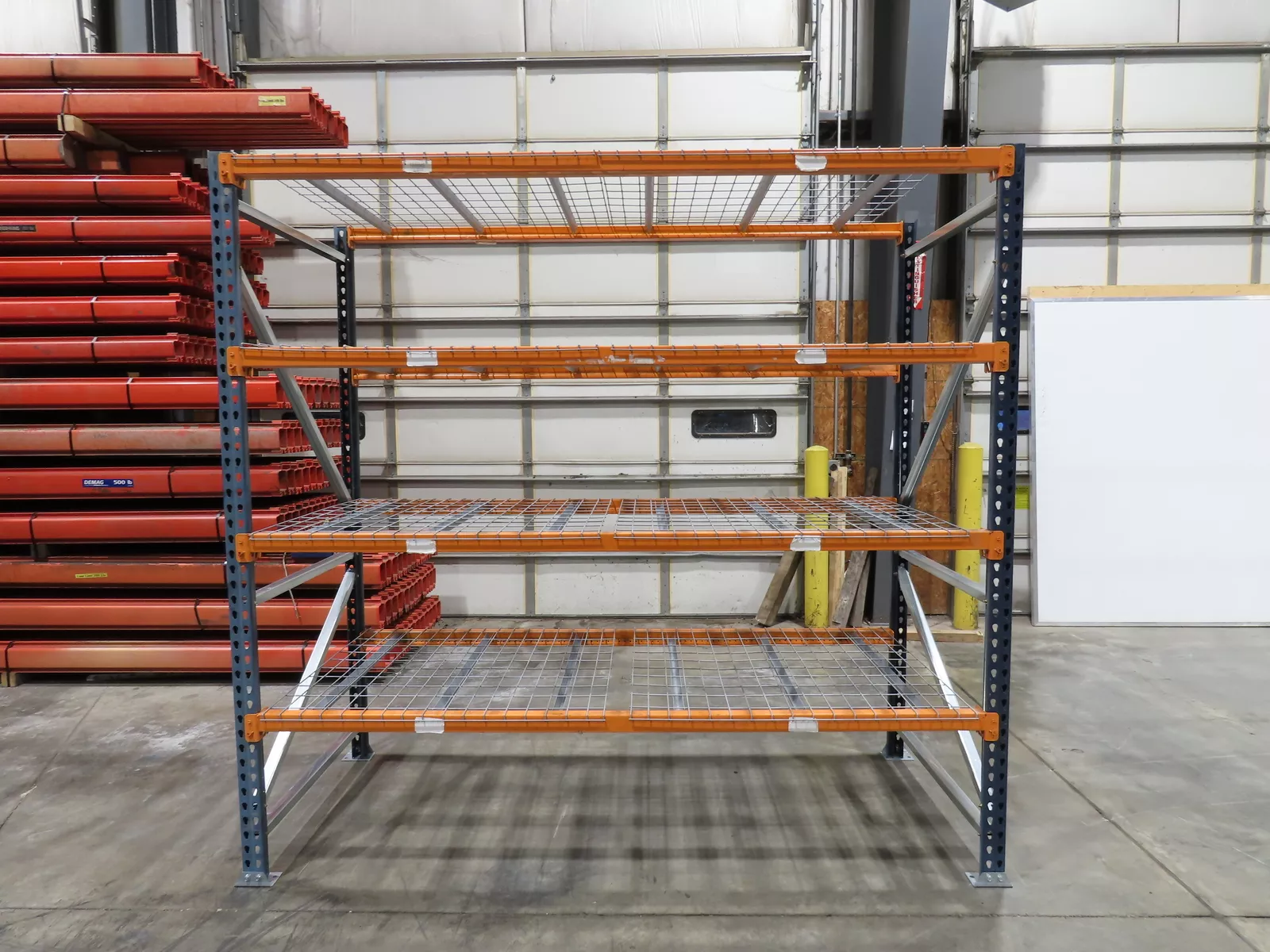
How Can Proper Training Reduce Accidents In Your Warehouse?
Are You Aware Of the Hidden Costs Of Ignoring Rack Safety Standards?
When we talk about racking in warehouses, we often get sidetracked by numbers—square footage, tons of inventory, and the latest technology that promises efficiency. But hidden between the steel beams and pallets lies a side of racking that can’t be quantified easily: the very real human cost of neglecting safety standards.
Imagine a warehouse humming with life—a place where hard-working individuals invest their time, sweat, and dreams. Now picture one of those workers, someone you know, grappling with an unstable rack that has been neglected for too long. When racking safety standards are brushed aside, the consequences aren’t just financial; they ripple through families, friends, and communities. It’s the gut-wrenching reality of seeing someone suffer from injuries that could have been avoided. These are not just numbers, but lives at stake.
Now, let’s engage the head. Racking systems are designed to hold immense weight, but they can only do so if they’re treated with respect and maintained properly. Ignoring safety standards is like ignoring the warning lights on your car dashboard; it’s a gamble that rarely ends well. Companies bearing the brunt of legal fees, compensation claims, and eroded trust—these are the intellectual cost of overlooking safety.
Ethically, we have a responsibility to protect our fellow workers. Each time we choose convenience over caution, we risk not just our livelihoods, but the very fabric of trust that binds us as a responsible workforce. When we hear stories of accidents caused by neglect, it’s a stark reminder that our choices impact more than just the bottom line; they shape lives and futures.
As we foster connections with one another, the safest workplaces become those that operate on shared values. If a racking system collapses today, it’s not just a failure of metal and engineering; it’s a collective failure to uphold safety practices. Society thrives when people look out for one another, ensuring that their neighbors—not just co-workers—return home safe every day.
We need to remember that under every load, behind every rack, is a person with a story and loved ones waiting for their return. It’s time to prioritize safety over shortcuts. Let’s stand up and ensure that our racking systems are not just functional, but safe. The true cost of ignorance is often too high—a debt payable in human lives.

Are You Aware Of the Hidden Costs Of Ignoring Rack Safety Standards?
Are You Aware Of the Hidden Costs Of Ignoring Rack Safety Standards?
- Racking in warehouses involves crucial human costs related to safety standards, beyond just numbers and efficiency.
- Neglecting racking safety can lead to serious injuries for workers, impacting families and communities.
- Proper maintenance and respect for racking systems are essential to prevent accidents.
- Ignoring safety leads to financial burdens for companies, including legal fees and compensation claims.
- Ethical responsibilities require protecting fellow workers and maintaining the trust within the workforce.
- Safe workplaces are built on shared values and collective accountability for safety practices.
- The importance of prioritizing safety over convenience ensures that every worker returns home safely.
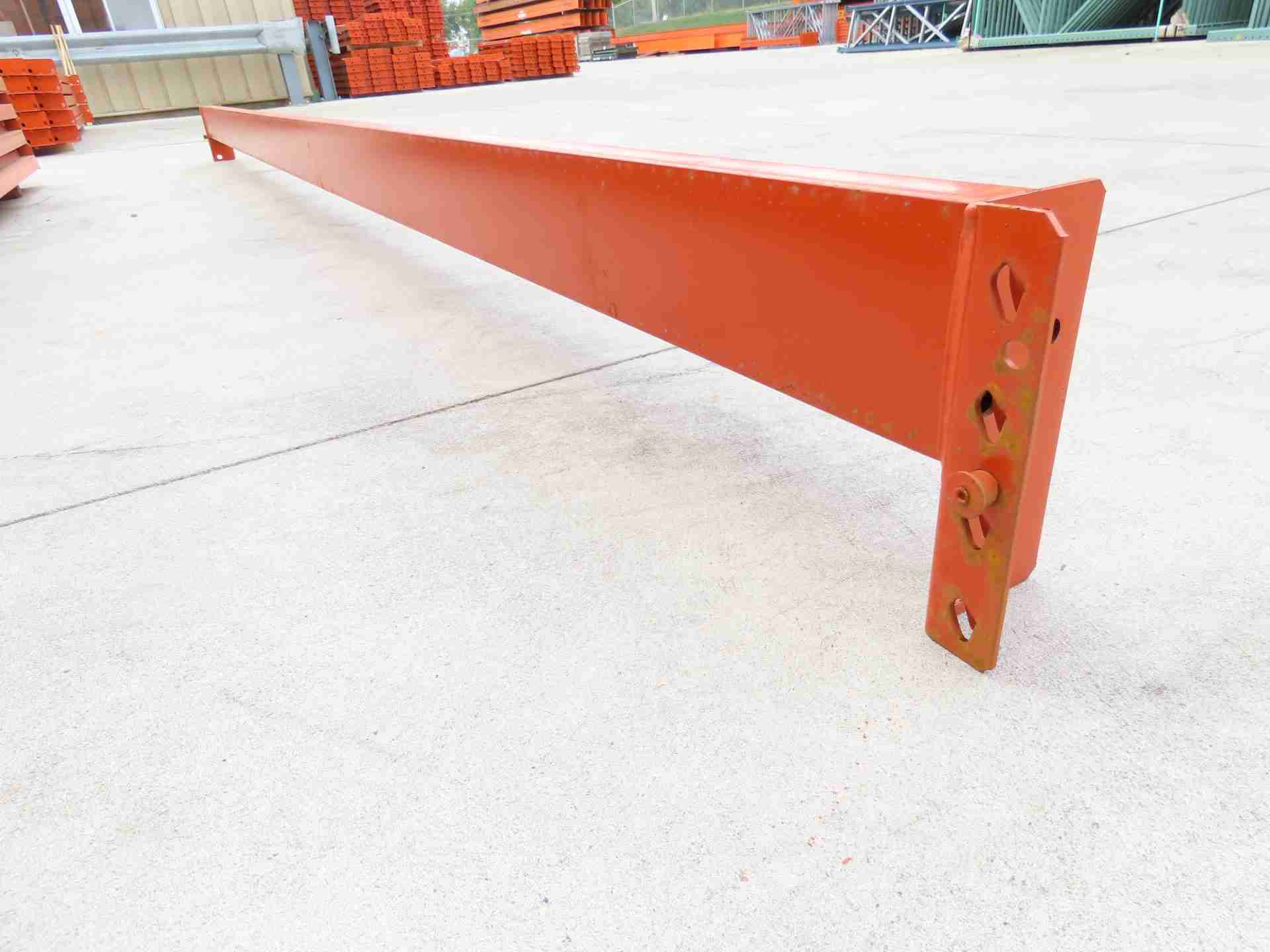
Are You Aware Of the Hidden Costs Of Ignoring Rack Safety Standards?
How Can Employee Involvement Strengthen Your Warehouse Safety Culture?
When it comes to warehouse safety, it’s not just about policies, protocols, and shiny new equipment. It’s about people—real, hardworking folks who start their day ready to contribute, to lean into the grind. But here’s the thing: when those people become active participants in safety discussions, a powerful transformation occurs. Employee involvement isn’t just a checkbox; it’s the lifeblood of a thriving safety culture.
Think about it. When workers take ownership of their environment, like the racking system that holds up countless pallets, they also hold the responsibility for keeping it safe. Engaging employees in safety meetings and procedures fosters a sense of agency. They aren’t just passive observers; they become the guardians of their workspace, empowered to identify hazards and propose solutions. This engagement goes beyond just shared words; it touches their hearts, instilling pride in their contributions. A safe warehouse isn’t just about avoiding accidents; it’s about caring for one another as a team, about making every person feel valued.
Rationally, we know that accidents cost time, money, and often lives. But when employees become advocates for safety, they turn that knowledge into action. They communicate freely about unsafe conditions, share innovative ideas from the ground up, and inspire their peers to follow suit. This grassroots approach to safety doesn’t just cut costs; it can drastically reduce incidents. Trust in leadership grows when employees see that their voices matter. Make no mistake; that trust translates into better morale, better performance, and ultimately, a thriving work environment.
On an ethical level, creating a culture where employees are actively involved in safety speaks to our collective responsibility. It conveys that everyone deserves to work in an environment where they can return home safe and sound. When you cultivate an atmosphere of open dialogue and collaboration, you’re not just following regulations; you’re nurturing a community centered on well-being.
So, rally the troops. Integrate employees into your safety strategy. Share stories of success and near misses, learn from each experience, and watch how this involvement sparks an energy that permeates every corner of your warehouse. It’s not just about compliance; it’s about creating a culture where safety is a shared value. We’re all in this together, and when everyone pulls their weight, safety becomes second nature, ensuring we all go home at the end of the day.

How Can Employee Involvement Strengthen Your Warehouse Safety Culture?
How Can Employee Involvement Strengthen Your Warehouse Safety Culture?
- Warehouse safety is primarily about people, not just policies and equipment.
- Active employee involvement in safety discussions transforms safety culture.
- Workers taking ownership of their environment enhances responsibility for safety.
- Engaging employees fosters pride and a sense of guardianship in their workspace.
- Advocates for safety contribute to communication about hazards and innovative solutions.
- A culture of involvement enhances trust in leadership and improves morale and performance.
- Creating a collaborative safety culture promotes a sense of community and well-being.

How Can Employee Involvement Strengthen Your Warehouse Safety Culture?
How Can Data and Audits Help Identify Safety Risks In Your Facility?
In the often-bustling heart of a facility, where the hum of machinery intertwines with the pulse of hardworking individuals, safety can sometimes take a backseat to productivity. We often rely on instincts, informed by experience, to navigate these daily activities. But let’s face it: that’s not enough. Data and audits can shine a glaring light on potential safety risks, acting as the unsung heroes in our quest for a safer workplace.
Imagine the racking filled with products that your team tirelessly assembles and moves day in and day out. Every interaction, every lifting, and every adjustment carries a risk. When we dive deep into data, we start to see patterns—timing, frequency, and even common areas of mishap that might go unnoticed. For example, think about the employees who dodge those heavy loads; they don’t know they’re walking into a potential accident waiting to happen. By analyzing this data, facilities can take informed actions.
Audits, too, play a crucial role. They’re not about pointing fingers or handing out grades—this is about creating a culture of trust and improvement. When an auditor walks through your doors, they’re not just checking boxes; they’re sharing a narrative. The narrative of safety, where each finding is an opportunity to enhance the well-being of every team member and visitor. When leadership embraces this philosophy, it sends a powerful message: your safety matters.
That’s the heart of it, isn’t it? It’s about our responsibility to one another. Every parent in that facility wants to go home knowing their family member is safe. Every worker deserves to clock in and out without the cloud of danger hanging overhead. By committing to data-driven insights and thorough audits, we’re not just meeting regulatory requirements; we’re building a legacy of care and respect.
So, why not dial into that data and harmonize it with those audits? Think of it as tuning up a finely crafted machine, but at the core, it’s about human life. By taking action, we can create an environment where safety is not an afterthought, but a shared value. When safety becomes ingrained in the culture, everyone wins—your team, your facility, and your community. So, let’s embrace these tools and foster a space where safety thrives. Together, we can turn the tide.
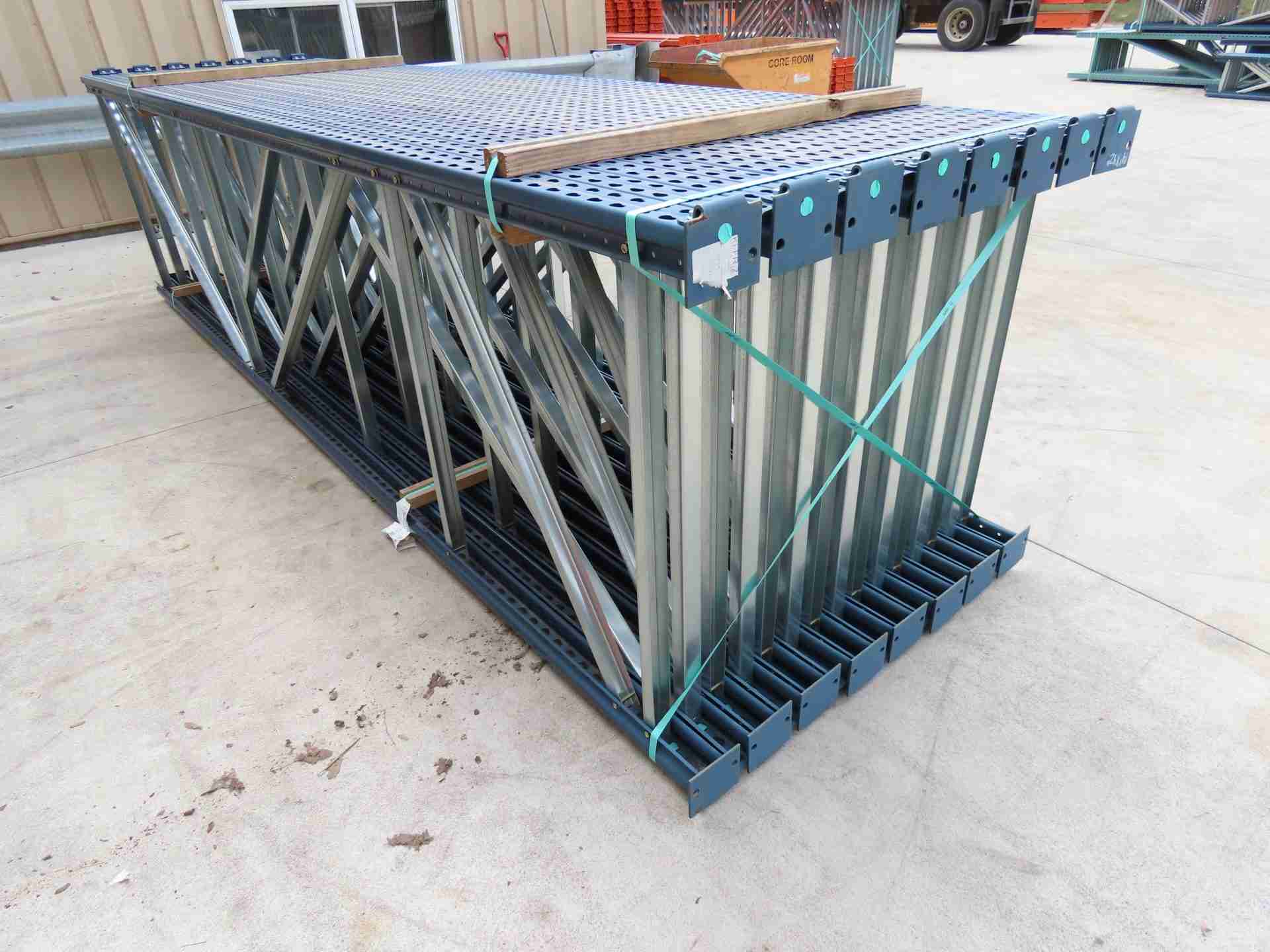
How Can Data and Audits Help Identify Safety Risks In Your Facility?
How Can Data and Audits Help Identify Safety Risks In Your Facility?
- In busy facilities, productivity often overshadows safety concerns.
- Instincts and experience alone are insufficient for ensuring workplace safety.
- Data analysis reveals safety risks and patterns that may go unnoticed.
- Audits are essential for fostering a culture of trust and improvement, not punishment.
- The narrative of safety shared through audits enhances the well-being of all team members.
- Commitment to data-driven insights and audits helps build a legacy of care and respect.
- Creating a culture where safety is a shared value benefits everyone in the community.
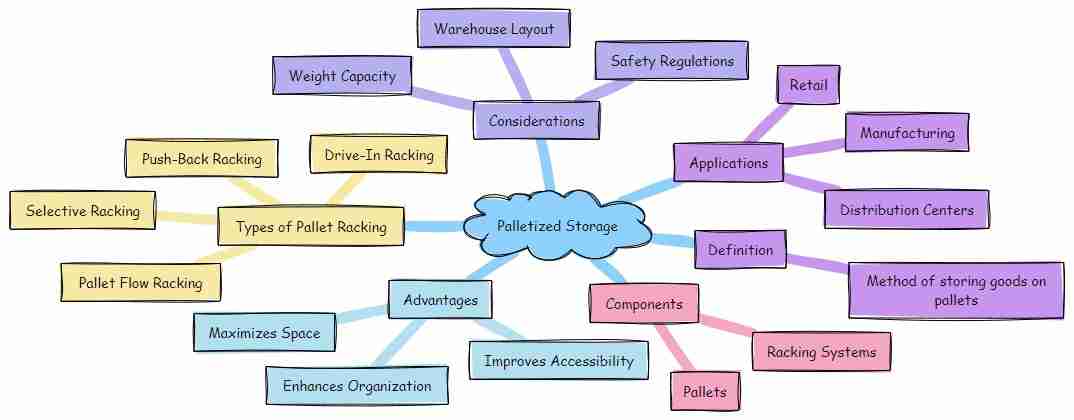
How Can Data and Audits Help Identify Safety Risks In Your Facility?
What Ethical Responsibilities Do Leaders Have Toward Employee Safety?
Leaders shoulder a profound responsibility when it comes to employee safety, and it transcends mere compliance with laws or regulations. At the heart of effective leadership lies an ethical commitment to protect the well-being of every individual on the team. This isn’t just about racking up a list of safety protocols; it’s about fostering a culture where employees feel genuinely valued and understood.
Imagine a workplace where every laborer, desk jockey, or skilled tradesman walks through the door knowing that their safety is paramount. It’s a powerful feeling to know that someone cares deeply enough to ensure that equipment is well-maintained, that hazards are routinely assessed, and that all employees are equipped with the necessary training to keep their skills sharp. This speaks to the gut—when people know they can focus on their tasks without the looming fear of injury or catastrophic failure, they thrive.
Leaders must engage their heads, imparting rational strategies that underpin safety initiatives. Training sessions don’t have to be dry or mundane; they can be storytelling opportunities that showcase real-life consequences of negligence. Sharing narratives of those who faced dangerous situations can create a visceral understanding that resonates far beyond any bullet point on a PowerPoint. You want your team to connect with these stories, to feel empathy for their peers and appreciate the necessity of safety measures.
Moreover, ethical leadership invokes authority with integrity. When leaders prioritize safety, they establish trust. They send a clear message: “Your life matters more than profit margins or deadlines.” This bond—not just between leader and employee but within the entire workforce—fosters a supportive environment. People watch out for one another, bolstered by a collective commitment to creating a safer workplace.
In recognizing how these dynamics play out, one sees that employee safety isn’t just a list of tasks to check off; it’s an ongoing relationship built on mutual respect, shared experiences, and a devotion to human dignity. Leaders who truly embrace this responsibility inspire action and commitment, not just compliance. They’re asking every employee to step up, join hands, and weave a safety net that ensures everyone makes it home at the end of the day—something that can never be taken for granted.

What Ethical Responsibilities Do Leaders Have Toward Employee Safety?
What Ethical Responsibilities Do Leaders Have Toward Employee Safety?
- Leaders hold a profound responsibility for employee safety that goes beyond mere legal compliance.
- Effective leadership is rooted in an ethical commitment to the well-being of every team member.
- A workplace culture that values employee safety fosters a sense of care and understanding.
- Employees perform better when they feel safe and supported, free from fear of injury.
- Safety training can be engaging and impactful through storytelling and real-life consequences.
- Ethical leadership fosters trust and emphasizes that employee lives are prioritized over profit.
- True commitment to safety builds relationships of mutual respect and devotion to human dignity.

What Ethical Responsibilities Do Leaders Have Toward Employee Safety?
Conclusion
Rack safety is often a topic cloaked in technical jargon and rigid guidelines, but at its core, it’s about people—real lives hanging in the balance. Imagine walking through your warehouse, surrounded by the structures that support your business, and recognizing that neglecting their safety not only jeopardizes your operation but deeply affects the team you’ve worked tirelessly to foster. Each rack stands as a testament to the countless hours your employees invest, and every safety violation serves as a warning that could lead to catastrophic consequences. Ignoring safety protocols isn’t merely an oversight; it’s a gamble with potentially dire outcomes.
Emphasizing safety isn’t just about ticking boxes on compliance lists; it’s about embracing a culture of care and responsibility. When every worker involves themselves in the safety dialogue, it transforms the workplace from a mere organization into a community that thrives on mutual respect and shared values. Your team members should feel empowered to speak up about unsafe practices because their voices should matter. This collective responsibility encourages a workplace culture where everyone looks out for one another, nurturing trust and enhancing morale.
Moreover, in today’s data-driven world, we have tools at our fingertips to visualize patterns of potential risks. Meaningful audits and data analysis can spotlight safety issues that may otherwise escape notice. When employees see their leaders taking actionable steps based on this information, it reinforces a commitment to a safe environment—one where every team member can focus on their work without fear.
Leaders play a pivotal role, too. Ethical leadership goes beyond enforcing regulations; it’s about genuinely valuing the safety and well-being of every individual on the team. It creates a framework where safety isn’t just rhetoric but is ingrained in daily operations and interactions. By establishing this culture, leaders send a powerful message that human life is worth more than profits or deadlines—a notion that resonates deeply within the workforce.
At the end of the day, the call to action is simple yet profound: prioritize safety over convenience, invest in training and conversation, and embed responsibility into your workplace’s DNA. Together, let’s turn our racking systems into pillars of safety, not just for the sake of productivity, but to honor the lives that depend on it. After all, this journey toward safety is an enduring shared commitment—and it begins with each of us.

Conclusion
Conclusion:
- Rack safety is primarily about protecting people and their well-being.
- Neglecting rack safety threatens both operational integrity and employee welfare.
- Creating a safety culture involves every worker engaging in safety discussions.
- Empowered team members contribute to a community of mutual respect and shared values.
- Data-driven tools and audits can help identify and mitigate safety risks.
- Leaders must prioritize ethical leadership that values safety over profits.
- Prioritize safety, invest in training, and embed responsibility into workplace culture.
Conclusion
Other Resources

Other Resources
Here is a list of other resources you can review online to learn more:
- Heavy-Duty Cantilever Storage Racks
- Pallet Rack Systems – New and Used Pallet Racking and Shelving Experts
- SEMA
- Shipping Boxes, Packaging Materials, Pallet Racking
- Racking World
- CMMA
- Chicago Pallet Racking
- What is Selective Racking: Understanding Benefits & Options
- Pallet Racking 101: A Comprehensive Guide & Options Explained
- Interlake Mecalux
- Selective Racking
- ASSP
- RMI
- Warehouse Racking Systems: Beginner’s Guide to Rack Systems
- NSC
- Bradford Systems
- IWLA
- Warehouse Racks, Warehouse Racking in Stock – ULINE
- Warehousing and Fulfillment
- Teardrop Pallet Rack – Ridg-U-Rak
Use This Prompt To Get More Resources With Your Favorite Online AI Tool: Please provide me with a list of online articles with their URLs in a bulleted list that I can read regarding Top 10 Rack Safety Violations to Avoid

Other Resources
Glossary Terms
Top 10 Rack Safety Violations to Avoid – Glossary Of Terms
1. Rack Safety: Refers to measures and practices put in place to ensure that storage racks are used without risk of accidents or injuries.
2. Load Capacity: The maximum weight that a rack can safely support, determined by the manufacturer’s specifications.
3. Overloading: Placing more weight on a rack than its designated load capacity, increasing the risk of structural failure.
4. Inspection: Regular evaluation of racks for damages, wear, and compliance with safety standards to prevent accidents.
5. Pallets: Flat transport structures used to support goods for storage and handling; improper use can lead to safety violations.
6. Anchor Points: Fixed points that secure racks to the floor or wall to prevent tipping or movement.
7. Spreader Bars: Equipment used to distribute weight evenly across the rack system, reducing the risk associated with overloading.
8. Clear Aisles: Keeping pathways free of obstructions to ensure safe maneuvering around racks and enhance emergency access.
9. Weight Distribution: The method of placing weight evenly across a rack to maintain stability and prevent tipping.
10. Inspection Frequency: How often racks should be checked for damage or safety compliance; ideally at regular intervals per safety regulations.
11. Material Handling: The movement, protection, and storage of materials; improper handling can lead to accidents with racks.
12. Safety Training: Education provided to employees about proper rack usage and protocols to minimize safety violations.
13. Load Labels: Tags or markings indicating the maximum load limits for specific racks, crucial for compliance with safety standards.
14. Rack Design: The structural configuration of racks, which must conform to safety regulations to prevent collapse or failure.
15. Tilted Racks: Racks that are not level; this can compromise stability and lead to load shifting or accidents.
16. Damaged Racks: Racks that have visible signs of wear, such as dents or bends, which can compromise their integrity.
17. Personal Protective Equipment (PPE): Gear worn to minimize risk of injury; important when working in areas with heavy racks.
18. Safety Compliance: Adherence to established safety guidelines and regulations to prevent workplace accidents.
19. Stacking Procedures: Guidelines on how goods should be organized and placed on racks to maintain balance and safety.
20. Training Programs: Structured sessions designed to educate employees on safe rack practices and emergency protocols.
21. Forklift Operation: Safety practices related to operating forklifts in areas with racks to prevent collisions and damage.
22. Ergonomics: The study of how workers interact with their environment; crucial for minimizing injury when accessing racks.
23. Workplace Hazards: Potential sources of risk within a warehouse, particularly those related to improperly managed racks.
24. Reporting Procedures: Established methods for employees to communicate safety concerns regarding racks to management.
25. Secure Packaging: Ensuring items stored on racks are properly packaged to avoid falling or shifting during handling.
26. Emergency Response: Procedures in place to follow in case of a rack-related accident or injury.
27. Reinforcement: Additional support structures installed on racks to enhance strength and stability.
28. Load Chart: A visual guide indicating how to safely load racks, including the weight limits for different sections.
29. Safety Signage: Posted reminders and warnings about safety practices related to rack use within a warehouse.
30. Regular Maintenance: Routine checks and repairs on racks to ensure they remain in safe operating condition.

Glossary Of Terms
Other Questions
Top 10 Rack Safety Violations to Avoid – Other Questions
If you wish to explore and discover more, consider looking for answers to these questions:
- What are the most common rack safety violations?
- How can businesses foster a culture of safety beyond compliance?
- What specific training programs are effective for warehouse safety?
- How often should racking systems be inspected and maintained?
- What are the legal implications of rack safety violations?
- How can technology improve rack safety monitoring?
- What steps can management take to encourage employee feedback on safety?
- What role does communication play in enhancing warehouse safety?
- How can employee engagement influence safety outcomes?
- What are some successful case studies of companies improving rack safety?
- How can audits be effectively implemented to enhance safety standards?
- What are the best practices for handling hazardous materials in racking systems?
- How can emotional intelligence contribute to safety leadership?
Other Questions
Checklist
Top 10 Rack Safety Violations to Avoid – A Checklist
Rack Safety Compliance Checklist
Heart Appeals
_____ Foster a Culture of Care: Discuss the importance of safety in a way that connects with the personal well-being of your team.
_____ Share Personal Stories: Encourage employees to share experiences related to safety to illustrate its significance.
_____ Promote Team Spirit: Celebrate safety achievements as a collective victory to strengthen community ties.
Head Appeals
_____ Conduct Regular Audits: Schedule consistent audits of racking systems and safety practices.
_____ Utilize Data Insight: Analyze safety data to identify trends and potential hazards in your operations.
_____ Implement Practical Training: Develop comprehensive training programs that educate employees on safety protocols and racking system use.
Gut Appeals
_____ Recognize Risks: Regularly remind employees of the physical dangers associated with improper rack use.
_____ Highlight the Cost of Neglect: Use concrete examples of accidents and their repercussions on individuals and families.
_____ Encourage Intuition: Empower employees to trust their instincts when they sense something is unsafe.
Ethical Appeals
_____ Commit to Compliance: Uphold all relevant safety regulations and ensure all employees are trained accordingly.
_____ Value Employee Input: Create avenues for employees to suggest improvements to safety practices.
_____ Act with Integrity: Make decisions that prioritize welfare over productivity or profit.
Authority Appeals
_____ Lead by Example: Ensure leaders model safe practices and visibly engage in safety training.
_____ Provide Resources: Allocate necessary funds and resources for safety improvements and training initiatives.
_____ Invite Experts: Bring in safety consultants to offer recommendations and training sessions.
Narrative Appeals
_____ Share Success Stories: Highlight instances where safety interventions led to positive outcomes.
_____ Create a Safety Journey: Develop a narrative framework that chronicles the company’s commitment to safety over time.
_____ Use Visual Aids: Incorporate compelling visuals in training materials to enhance understanding and retention.
Social Appeals
_____ Encourage Peer Check-ins: Foster a buddy system where employees check in on one another’s safety practices.
_____ Host Safety Meetings: Hold regular safety meetings where employees can contribute ideas and report concerns.
_____ Engage in Community Safety Initiatives: Participate in community events that emphasize safety and foster good relationships beyond the workplace.
Make this checklist a living document—update it as new standards emerge and continuously seek feedback from your team to adapt to their needs. Together, we can cultivate a robust culture of safety in our workplace.

Checklist
At RackingWorld, we help guide you through selecting warehouse storage systems and racking.
Be sure to read our other related stories at RackingWorld to learn more about warehouse storage systems.
0 Comments