
Maximizing Efficiency, Safety, And Sustainability In Window & Door Storage
By Tom Seest
At RackingWorld, we help guide you through selecting warehouse storage systems and racking.
Be sure to read our other related stories at RackingWorld to learn more about warehouse storage systems.
How Do Window and Door Manufacturers Leverage Pallet Racking?
In the world of window and door manufacturing, every minute counts and every inch of space is precious. Pallet racking steps in not just as another piece of warehouse gear but as the unsung hero that keeps the whole operation running smooth and steady. When you’re juggling bulky frames, fragile glass panes, and all the bits and pieces that go into a sturdy door or a perfect window, a good pallet racking system isn’t just helpful—it’s downright essential.
Think about it: these manufacturers deal with heavy loads and oddly shaped items that demand careful handling. Pallet racking lets them stack materials safely and access them quickly, cutting down on wasted time clawing through clutter or fumbling around with awkward stacks. It’s about working smarter, not harder. In an industry where deadlines loom and quality can’t be compromised, having organized space that minimizes damage isn’t just a nice-to-have—it’s a must-have.
There’s something honest and reliable about pallet racking too. It’s straightforward, tough, and built to last, much like the windows and doors these craftsmen create. This reliability inspires confidence on the floor—when folks know their materials are stored right, the stress eases, and attention can shift back to doing the job well. It’s not just about storing stuff; it’s about setting the stage for craftsmanship, for pride in work, and for the kind of productivity that wins repeat business. Nobody wants to waste hours digging through a mess or patching up damaged goods.
On the ethical front, pallet racking supports safer workplaces. Warehouses cluttered with loose pallets and poorly stored materials can turn hazardous. Proper racking keeps pathways clear and reduces the risk of accidents. When companies invest in good storage, it shows they care about their people’s wellbeing—a value that resonates deep with employees and customers alike.
Stories from the floor tell the real tale. When a plant switched over to pallet racking, what used to be a daily struggle with disorganized piles turned into a smooth flow of operations. Team members found themselves working side by side without the usual friction, morale lifted, and production numbers followed suit. It’s a simple change that echoes across every shift, every shipment, every finished product.
Pallet racking isn’t just metal shelves; it’s the backbone beneath the hustle—making sure that hard work turns into solid results. For window and door manufacturers, it’s the crucial link between chaos and order, between a good day’s work and a great one. The choice to leverage pallet racking says, “We value what we build, and we respect the hands that build it.” That kind of no-nonsense, practical wisdom is what keeps this trade moving forward.
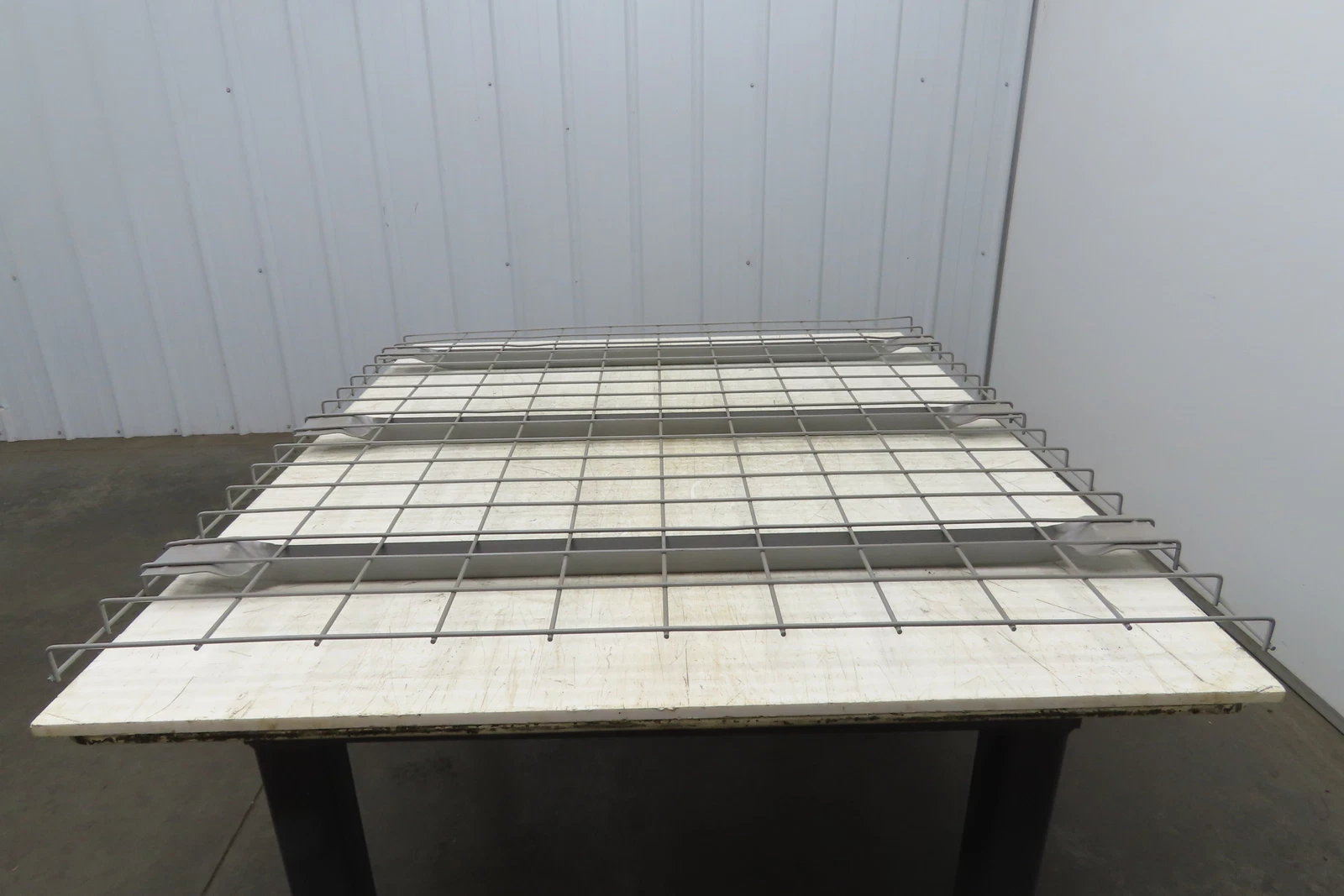
How Do Window and Door Manufacturers Leverage Pallet Racking?
How Do Window and Door Manufacturers Leverage Pallet Racking?
- Pallet racking is essential in window and door manufacturing for efficient handling of bulky, fragile, and heavy materials.
- It enables safe stacking and quick access to materials, reducing wasted time and clutter.
- Organized storage minimizes damage and supports deadlines and quality standards.
- Pallet racking is durable and reliable, boosting worker confidence and focus on craftsmanship.
- Proper racking enhances workplace safety by keeping pathways clear and reducing accidents.
- Switching to pallet racking improves team morale, workflow, and production output.
- It serves as the backbone of operations, reflecting respect for the craft and the workers involved.
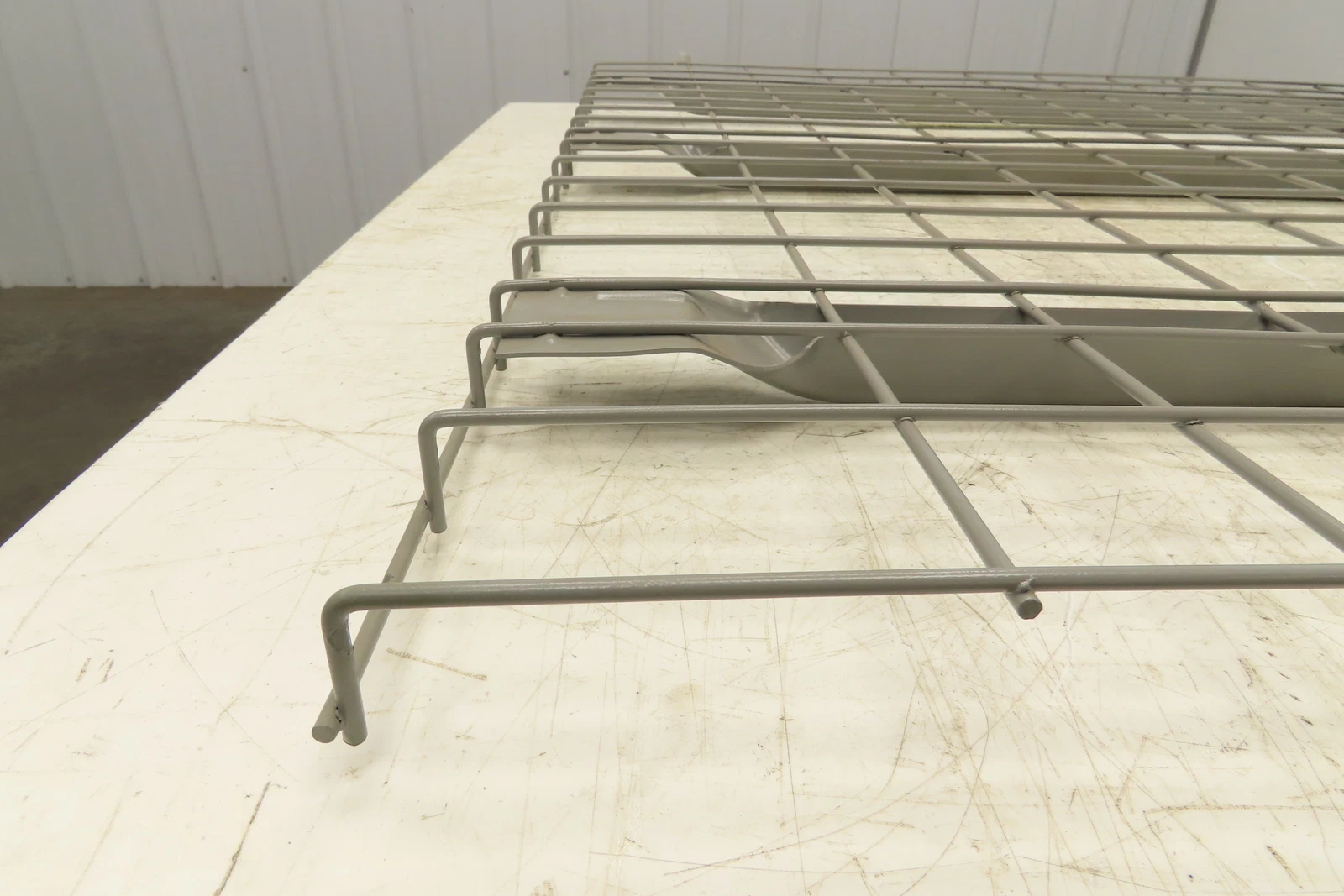
How Do Window and Door Manufacturers Leverage Pallet Racking?
Table Of Contents
- How Do Window and Door Manufacturers Leverage Pallet Racking?
- How Does Pallet Racking Improve Warehouse Efficiency?
- What Cost Savings Come From Using Pallet Racking?
- How Does Pallet Racking Protect Fragile Window and Door Products?
- Can Pallet Racking Reduce Order Fulfillment Errors?
- What Safety Measures Are Needed with Pallet Racking?
- How Do Manufacturers Optimize Space with Pallet Racks?
- Conclusion
- Other Resources
- Glossary Of Terms
- Other Questions
- Checklist
How Does Pallet Racking Improve Warehouse Efficiency?
When it comes down to getting the job done in a warehouse, Pallet Racking isn’t just some fancy setup—it’s the backbone that keeps everything moving. Think about those early mornings when the clock’s already ticking, and every second wasted digging through cluttered piles is a punch in the gut. Pallet Racking changes that whole game by putting order to chaos with a simple, sturdy system that’s been proven time and again on cold concrete floors and packed shelves.
There’s a straightforward, honest logic behind Pallet Racking—by stacking goods safely and accessibly, it squeezes more out of every inch of space. That’s not just number-crunching fluff; it’s real dollars and muscle saved because your crew isn’t wasting time playing hide-and-seek with inventory. When pallets are neatly organized and easy to find, the hands-on work flows smoother, folks aren’t worn down hunting for stuff, and the whole place breathes a little easier.
Beyond the practical, this setup builds a quiet trust among everyone who walks in the door. When workers know the place is set up right—with no danger lurking behind shoddily stacked pallets—they feel confident. You can’t sugarcoat the value of safety and respect; it’s an unspoken bond between the company and its people. Pallet Racking speaks to that—it says, “We care enough to do the job right, not just fast.” That kind of backbone isn’t something you put a price tag on. It’s ethical and smart.
From a social standpoint, there’s also something to be said about pride in a well-run warehouse. You don’t want to be the guy who’s lost in the mess or behind the curve. Pallet Racking helps turn a chaotic, frustrating environment into a place you can be proud of, one where teamwork and efficiency aren’t buzzwords—they’re the daily reality. It’s like giving everyone a better toolbox to work with, letting them bring their best every day.
In the trenches, from forklift drivers to loaders, Pallet Racking is the no-nonsense hero that lets the whole operation click. It’s not magic; it’s built on common sense, solid engineering, and the kind of real-world experience that comes from knowing what works—even when the clock’s against you and the pressure’s high. It invites you to trust in a system that’s ready to carry the weight and keep your warehouse running like it should.

How Does Pallet Racking Improve Warehouse Efficiency?
How Does Pallet Racking Improve Warehouse Efficiency?
- Pallet Racking is essential in warehouses, providing a sturdy system that organizes goods and eliminates wasted time searching through clutter.
- It maximizes space efficiently by safely stacking goods, saving real costs and labor by making inventory easily accessible.
- The system fosters safety and trust among workers by preventing hazards associated with poorly stacked pallets.
- Pallet Racking reflects a company’s commitment to doing the job correctly and ethically, beyond just speed.
- It transforms chaotic environments into organized, pride-worthy workplaces that support teamwork and efficiency daily.
- Workers at all levels rely on Pallet Racking’s practical, well-engineered design to keep operations smooth under pressure.
- The system offers dependable support to maintain warehouse productivity, based on proven real-world experience.

How Does Pallet Racking Improve Warehouse Efficiency?
What Cost Savings Come From Using Pallet Racking?
Everybody who’s run a warehouse or stacked a storeroom knows that wasted space isn’t just an eyesore—it’s money slipping through your fingers. Pallet racking isn’t some fancy gadget; it’s a straightforward, tough-as-nails system that turns chaos into order and empty spots into dollars saved. One reason it packs such a punch is by squeezing every inch of vertical space, letting you stack higher without turning your operation into a fire hazard. That means less real estate costs because you’re not paying for air or hallways you don’t need. You can fit more products on the same footprint, cutting the need to lease extra storage—plain and simple savings that straight-up boost your bottom line.
But Pallet Racking doesn’t just save space; it trims costs in labor, too. When goods are easy to access and organized, your crew wastes less time hunting down pallets or dealing with messy inventory. That’s fewer hours clocked, less frustration, and a smoother workflow. It’s the kind of efficiency that lets you get more done without burning out your people or tossing overtime dollars into the wind. When forklifts can glide through neatly set aisles and grab exactly what they need, the whole warehouse hums like a well-oiled machine—and that means less wear and tear on equipment and less downtime fixing accidental damage.
Here’s where it gets ethical and practical: using Pallet Racking reduces accidents. A stable, secure system means fewer falling pallets, fewer sprains and broken bones. Keeping your people safe isn’t just the right thing to do—it saves you from costly workers’ comp claims and insurance spikes. Protecting your crew builds trust and loyalty, which pays off every day in reliability and pride. That’s a savings you can’t always price out but definitely feel in the long haul.
There’s authority in choosing a proven setup, too. Pallet Racking has spent decades in the trenches, earning its keep in factories, warehouses, and distribution centers worldwide. It’s the go-to for those who need a durable, dependable system that won’t let them down. Investing in Pallet Racking sends a message to your team and partners that you value quality and efficiency—no cutting corners here.
At the end of the day, it boils down to one thing: respect for your operation and your people. Pallet Racking helps you run smoother, save cash, and keep everyone safe—turning common-sense storage into a business advantage that hits you right in the gut with its practicality and the potential to grow your success.

What Cost Savings Come From Using Pallet Racking?
What Cost Savings Come From Using Pallet Racking?
- Pallet racking maximizes vertical space, allowing higher stacking without increasing fire hazards and reducing real estate costs by minimizing unused air or hallway space.
- It increases storage capacity on the same footprint, cutting the need for additional leased storage and boosting overall savings.
- Organized pallet access reduces labor costs by minimizing time spent searching for goods, improving workflow efficiency and decreasing overtime expenses.
- Neatly arranged aisles facilitate smoother forklift operation, reducing equipment wear and accidental damage downtime.
- Pallet racking enhances safety by preventing falling pallets and workplace injuries, lowering workers’ compensation claims and insurance costs.
- Its proven durability and reliability, trusted worldwide in warehouses and distribution centers, reflect a commitment to quality and efficiency.
- Implementing pallet racking respects both the operation and workforce, providing practical business advantages through smoother processes, cost savings, and increased safety.

What Cost Savings Come From Using Pallet Racking?
How Does Pallet Racking Protect Fragile Window and Door Products?
When you’re dealing with fragile window and door products, you quickly learn that a little bump or shift can turn a perfectly good piece into scrap metal or shattered glass. That’s where pallet racking comes in—plain and simple, it’s the unsung hero in the warehouse, standing guard over these fragile loads like a trusty old work boot protects your feet on a rough job site.
Pallet racking isn’t just about stacking boxes higher or making use of space; it’s about respect for the product and everyone who depends on it. Each window frame or door panel is a promise to someone’s home, a family’s comfort, or a worker’s shelter. With pallet racking, you’re not just putting things away; you’re treating these fragile pieces with care that echoes the hands that made them and the hands that will install them. That’s an ethical stand—protecting what matters with pride and responsibility.
From a practical standpoint, pallet racking locks these products in place, keeping everything tidy and stable. Imagine trying to juggle fragile glass panels without a system—chaos, breakage, wasted money, and headaches all around. But with pallet racking, the risk of accidental bumps or falls plummets because each shelf is built strong and reliable, crafted specifically to hold those delicate frames safely. It’s a system designed by those who’ve spent years watching what works and what doesn’t in real warehouses where mistakes cost more than just time—they cost trust.
The wisdom here is straightforward: use the right tools for the job. Pallet racking offers a simple, sturdy solution that ensures fragile window and door products aren’t just tossed around like spare parts. It’s knowing that good storage means keeping things intact so that a window can brighten a home or a door can safely secure a family. You get that gut feeling when you see a clean, well-organized rack—this is a place where people care, where products survive and thrive.
Choosing pallet racking sends a message to your team, clients, and partners—quality and care matter here. It bridges the gap between hard work on the floor and trust in the product reaching its final destination unharmed. When you rely on pallet racking, you’re not just storing goods; you’re safeguarding livelihoods and honoring craftsmanship with common sense and a bit of grit.

How Does Pallet Racking Protect Fragile Window and Door Products?
How Does Pallet Racking Protect Fragile Window and Door Products?
- Pallet racking protects fragile window and door products from damage caused by bumps or shifts during storage.
- It represents respect and care for the products, acknowledging their role in people’s homes and comfort.
- Pallet racking keeps items locked in place, maintaining order and stability to prevent breakage and loss.
- The system is specifically designed for delicate frames, reducing the risk of accidents with sturdy, reliable shelves.
- Using pallet racking is about employing the right tools to keep products intact and functional for end users.
- A clean, well-organized pallet rack reflects a workspace that values quality, care, and product preservation.
- Choosing pallet racking conveys a commitment to craftsmanship, responsibility, and safeguarding livelihoods.

How Does Pallet Racking Protect Fragile Window and Door Products?
Can Pallet Racking Reduce Order Fulfillment Errors?
You ever worked that warehouse line where the chaos feels like a busted jukebox — orders flying in, folks scrambling to grab the right stuff, and that sinking feeling when you realize half the picks are wrong? Pallet racking isn’t just metal slapped together to save floor space; it’s the silent partner that can straighten out the mess and cut down those costly order fulfillment errors.
Here’s the thing: when everything’s jammed on the floor or tossed in messy rows, mistakes happen like clockwork. Wrong pallets get pulled, items get mixed up, and customers end up waiting while you’re figuring out what went sideways. But by stacking inventory neatly in pallet racking systems, you create a sense of order—like lining up your tools before a job. It helps workers find the right products fast, reduces the chances of grabbing the wrong thing, and makes the entire picking process smoother.
Emotionally, it’s a relief for the folks on the floor. Imagine the stress melting away when you don’t have to double-check every order or deal with the headache of returns caused by mistakes. There’s pride in knowing your setup helps your team work smarter, not just harder, and that your customers get what they need without the back-and-forth hassle. That kind of confidence is contagious—it rallies the crew, brings out accountability, and gives everyone a stake in getting things right the first time.
On the practical side, pallet racking structures make it easier to label, organize, and segment products by priority or frequency of use. That’s a time-saver that also cuts errors. Less fumbling means fewer rogue picks; fewer rogue picks mean happier customers and trimmed costs. You’re investing in a system that respects the flow of real-world work, turning a chaotic environment into a well-oiled machine.
From a stand of responsibility, it’s about respecting everyone’s time—your team’s, your customer’s, even your own. Order fulfillment errors aren’t just numbers on a spreadsheet, they’re broken promises, wasted hours, and sometimes, lost trust. Installing pallet racking shows you care enough to do things right. It’s a solid, shop-tested move that stands on the shoulders of countless warehouses that have seen the same struggles and found a straightforward fix.
There’s a reason pallet racking is the backbone of efficient warehouses everywhere. It’s simple, durable, and it works. When you invest in good pallet racking, you’re not just buying shelves—you’re building trust with your crew and your customers, stepping up your game, and leaving less room for the kinds of mistakes nobody wants to explain.

Can Pallet Racking Reduce Order Fulfillment Errors?
Can Pallet Racking Reduce Order Fulfillment Errors?
- Warehouse chaos with messy floor storage leads to frequent order fulfillment errors and delays.
- Pallet racking systems organize inventory neatly, helping workers find products faster and reducing picking mistakes.
- Using pallet racks eases emotional stress on workers by minimizing the need for double-checking and reducing returns.
- Organized racking improves labeling, product segmentation, and prioritization, saving time and cutting errors.
- Fewer mistakes result in happier customers, lower costs, and a more efficient warehouse workflow.
- Installing pallet racking demonstrates respect for everyone’s time and commitment to fulfilling orders accurately.
- Pallet racking is a proven, durable solution that builds trust with teams and customers while enhancing overall warehouse efficiency.

Can Pallet Racking Reduce Order Fulfillment Errors?
What Safety Measures Are Needed with Pallet Racking?
When you’re dealing with pallet racking, you’re dealing with more than just steel beams and wooden pallets—you’re dealing with the safety of real people, folks who clock in every day to get a job done and go home in one piece. The heart of the matter is simple: if your pallet racking isn’t solid and secure, you’re playing with fire. A collapse or accident doesn’t just slow the business down—it leaves families worried, jobs hanging in the balance, and trust broken. No one wants to be responsible for that.
From a head standpoint, there’s a straightforward list of must-dos. Inspect the racks regularly for any damage—bent uprights, loose bolts, or signs of rust are all flashing warning signs. Weight limits exist for a reason: overloading racks is like stacking a house of cards in a hurricane. Make sure your team knows those limits and respects them. Anchor your racks firmly to the floor so they don’t tip when bumped or weighed down, and use beam locks to keep everything from suddenly giving way. Keep aisles clear and pallets tidy; clutter invites accidents faster than a frayed wire.
Ethically, this is more than just rule-following—it’s about doing right by your people. If you cut corners on pallet racking safety, you’re putting livelihoods and lives on the line. It’s a question of integrity. Every bolt tightened and inspection logged says you respect the hands that rely on this system day in and day out. This is workplace respect in action.
Authority comes with experience and proven practices. OSHA guidelines and industry standards exist because they work, born from countless hard lessons learned the hard way. Following these isn’t optional—it’s fundamental. Providers and manufacturers of pallet racking systems know the ropes, and their expertise can help you avoid pitfalls. Listen to those who’ve seen what’s at stake.
Maybe you’ve seen a close call or two—someone lifting a pallet too heavy, shelves giving way a bit—those moments hit you in the gut. They remind you why it matters to keep safety front and center every single day. It’s about looking out for each other in a place where mistakes can cost dearly.
When everyone takes pallet racking safety seriously, it sets a culture where trust and confidence grow. People work better, stay safer, and know their heads are kept out of the sandbox. It’s a practical, grounded approach to protecting what matters most—the people, the work, and the future of the business.

What Safety Measures Are Needed with Pallet Racking?
What Safety Measures Are Needed with Pallet Racking?
- Pallet racking safety directly impacts the well-being of workers who rely on secure equipment to return home safely.
- Regular inspections for damage, strict adherence to weight limits, firm anchoring, and use of beam locks are essential safety measures.
- Maintaining clear aisles and organized pallets reduces the risk of accidents and promotes a safer work environment.
- Safety is an ethical responsibility, reflecting respect and integrity toward employees whose livelihoods depend on proper rack maintenance.
- Compliance with OSHA guidelines and industry standards is mandatory, drawing on proven expertise to prevent costly mistakes.
- Close calls highlight the importance of vigilance and collective responsibility in preventing accidents linked to pallet racking.
- A strong safety culture enhances trust, confidence, productivity, and protects the people, operations, and future of the business.

What Safety Measures Are Needed with Pallet Racking?
How Do Manufacturers Optimize Space with Pallet Racks?
When you step into a busy warehouse, it’s easy to feel like you’re staring down a maze of chaos. Boxes piled haphazardly, forklifts weaving through tight aisles, folks shouting for a hand. But the places that run smooth, the ones that hum like a well-oiled machine, have one secret weapon: pallet racking. This isn’t just about stacking stuff high; it’s about wringing every inch of space for maximum muscle. Manufacturers lean on pallet racking because it turns cramped, cluttered spaces into organized, efficient powerhouses.
On the surface, pallet racking looks simple—metal beams and shelves holding pallets—but it’s the backbone of smart warehouse design. With solid systems in place, manufacturers can stack tall instead of wide, freeing up floor space for workers to move safely and equipment to operate without fear of a costly crash. It’s a straightforward, no-nonsense way to avoid burnout from endless searching and shifting things around. When the right pallet racking is set up, it creates order out of the clutter, saving time and cutting frustration. That’s real value for every pair of hands on the job.
It’s not just about squeezing more into the same room. Using pallet racking responsibly means creating workplaces where folks don’t have to risk strain or injury reaching or bending for heavy loads. That ethical edge matters because a safe, organized environment shows respect for the people turning the gears every day. When a company invests in solid pallet racking, it’s investing in the dignity of its workforce, sending a clear message that their well-being holds weight equal to the inventory stored on those racks.
There’s a quiet pride in mastering space with pallet racking—like a backyard mechanic tuning an engine until it purrs just right. It’s practical wisdom earned from years of hands-on experience, knowing exactly how to fit the puzzle pieces of stock, machinery, and manpower into one living, breathing ecosystem. Success here isn’t flashy; it’s gritty, solid, and reliable. Those who get it know that the best space optimization isn’t about gimmicks or tricks; it’s about respecting the realities of the job with a system that works as hard as the people who rely on it every day.
So, when manufacturers talk about optimizing space, pallet racking isn’t just a tool—it’s the foundation of trust, efficiency, and respect wrapped up in steel. It’s the difference between a warehouse that’s just full and one that’s fully ready to deliver. And that, in the end, is what keeps business moving forward, one perfectly placed pallet at a time.

How Do Manufacturers Optimize Space with Pallet Racks?
How Do Manufacturers Optimize Space with Pallet Racks?
- Pallet racking transforms chaotic, cramped warehouses into organized, efficient spaces by maximizing storage capacity.
- It enables vertical stacking, freeing floor space for safer worker movement and equipment operation.
- Pallet racking eliminates time wasted searching and rearranging inventory, enhancing productivity.
- Proper use of pallet racking reduces worker strain and injury, reflecting ethical workplace practices.
- Investing in pallet racking demonstrates respect for worker well-being alongside inventory management.
- Mastering pallet racking requires practical experience and creates a reliable, optimized warehouse ecosystem.
- Pallet racking serves as the foundation of trust, efficiency, and respect, ensuring warehouses are fully prepared to deliver.

How Do Manufacturers Optimize Space with Pallet Racks?
Conclusion
In window and door manufacturing, pallet racking is the sturdy backbone that quietly holds everything together. It’s not just about storage; it’s about carving out order from the chaos inherent in handling bulky, fragile materials. These racks take the weight—literally and figuratively—turning a cluttered, nerve-wracking warehouse into a smooth-running workspace where every piece has its place. When you’ve got deadlines breathing down your neck and delicate glass or hefty frames to protect, pallet racking isn’t optional; it’s the no-nonsense solution that keeps the job on track.
The magic lies in the simple, rugged logic of pallet racking: stack smart, reach easy, and keep safety front and center. By squeezing every inch of space vertically, you cut down on wasting costly floor area and avoid sprawling messes. That means fewer forklifts dodging each other like bumper cars and more steady hands getting the work done without scrambling. When crews know their workspace isn’t a hazard waiting to happen, stress drops, morale ticks up, and productivity follows suit. It’s a quiet confidence born from knowing the system won’t fail when you need it most.
Pallet racking pays its dues beyond just space and speed. It’s a guardian for fragile inventory, locking in window panes and door panels so they don’t turn into shards or dents before hitting the job site. This respect for the product reflects respect for the craftsmen and the customers relying on those products to stand the test of time. It’s a practical, ethical stand that says you care about quality, safety, and throwing your weight behind the people who make it all happen.
Cutting corners with storage isn’t just bad business—it’s a dangerous gamble with safety. Solid pallet racking systems come with clear rules: inspect regularly, stick to weight limits, anchor firmly, and keep aisles clear. This is about protecting the folks who show up every day to labor hard and go home whole. Every bolt tightened and beam locked is a piece of respect handed down the line, building trust that transforms a warehouse into a team effort, not just a scramble.
Errors on the floor aren’t just frustrating; they’re costly hits to reputation and wallets. Organized, labeled, and easy-to-navigate pallet racks reduce mix-ups and speed up order fulfillment. That means fewer headaches, fewer returns, and customers who come back because they know you care enough to get it right the first time. It’s about accountability and pride—giving your crew a setup that lets them work smarter, not just harder.
At its core, pallet racking is a no-frills tool shaped by experience and common sense. It’s tough, reliable, and built to do the heavy lifting so the people on the floor can focus on the craft at hand. It’s respect in steel form: respect for space, for safety, for product, and for the hands that build and install every window and door. In the end, it’s what separates a warehouse that survives from one that thrives—one solid pallet at a time.

Conclusion
Conclusion:
- Pallet racking provides essential support and organization in window and door manufacturing, managing bulky and fragile materials efficiently.
- It maximizes vertical space, reduces floor clutter, and enhances safety and workflow in busy warehouses.
- Pallet racks protect delicate inventory like glass panes and door panels, ensuring product quality and customer satisfaction.
- Proper use and maintenance of pallet racking systems are critical for worker safety and operational trust.
- Organized and clearly labeled racks minimize errors, speeding up order fulfillment and improving reputation.
- Durability and reliability of pallet racking allow workers to focus on craftsmanship without distraction.
- Pallet racking is a foundational, practical tool that supports productivity, safety, and respect in the manufacturing environment.

Conclusion
Other Resources

Other Resources
Here is a list of other resources you can review online to learn more:
- Chicago Pallet Racking
- Warehouse Automation
- Rack Manufacturers Institute
- Warehouse Racking Systems: Beginner’s Guide to Rack Systems
- Intro to Warehouse Racks & Warehouse Racking Systems – ShipBob
- Interlake Mecalux
- Mustang Material Handling
- IWLA
- Pallet Racking systems in Illinois and Great Lakes
- Interlake
- RMI
- What is Selective Racking: Understanding Benefits & Options
- WERC
- Arrow Industrial Sales
- Interlake Mecalux
- Pallet Racking systems in Illinois, Great Lakes
- New Cantilever Racks and Racking Kits
- Selective Pallet Racking Systems – Container Systems
- CMMA
- SEMA
Use This Prompt To Get More Resources With Your Favorite Online AI Tool: Please provide me with a list of online articles with their URLs in a bulleted list that I can read regarding How Do Window and Door Manufacturers Leverage Pallet Racking?

Other Resources
Glossary Terms
How Do Window and Door Manufacturers Leverage Pallet Racking? – Glossary Of Terms
1. Pallet Racking: A storage system designed to hold pallets of goods in warehouses, enabling organized and efficient inventory management.
2. Window Manufacturing: The process of producing windows through cutting, assembling, and finishing materials like glass, frames, and hardware.
3. Door Manufacturing: The production of doors through cutting, assembling, finishing, and quality control of materials such as wood, metal, or composite.
4. Inventory Management: The systematic approach to ordering, storing, and using components input in manufacturing processes.
5. Space Optimization: Using storage solutions like pallet racking to maximize available warehouse or factory floor space.
6. Warehouse Efficiency: The ability to use storage and handling systems to reduce time and labor costs in inventory management.
7. Material Handling: The movement, protection, storage, and control of materials and products throughout the manufacturing process.
8. Load Capacity: The maximum weight a pallet racking system can safely support.
9. Accessibility: The ease with which stored goods can be reached and retrieved from pallet racks.
10. Vertical Storage: The use of height in storage design to increase capacity without expanding floor area.
11. SKU (Stock Keeping Unit): A unique identifier for each distinct product or component stored and tracked.
12. Just-in-Time Inventory: Inventory model where materials arrive exactly when needed for production, reducing storage time.
13. FIFO (First In, First Out): Inventory management strategy where the oldest stock is used first.
14. LIFO (Last In, First Out): Inventory management strategy where the most recently stored stock is used first.
15. Pallet: A flat platform used to stack and transport goods in warehouses.
16. Racking Configuration: The specific design layout of pallet racks in storage space, such as selective, drive-in, or push-back.
17. Selective Racking: A pallet rack system allowing direct access to each pallet, ideal for diverse inventory.
18. Drive-In Racking: A pallet rack allowing forklifts to drive into the rack for deep storage of similar SKUs.
19. Push-Back Racking: A pallet rack system where pallets are loaded on carts that move along rails for multiple pallet depth storage.
20. Forklift: A powered industrial truck used to lift and move pallets within storage facilities.
21. Order Picking: The process of retrieving items from pallet racks to fulfill production or shipment.
22. Cross-Docking: Transferring goods directly from inbound to outbound transport with minimal storage time.
23. Inventory Turnover: The rate at which inventory is used and replenished, affecting storage needs.
24. Load Stability: The condition of palletized goods being securely arranged to prevent shifting or falling during storage.
25. Safety Compliance: Adherence to regulations governing the design, installation, and use of pallet racking systems.
26. Modular Racking: Pallet racks built from standardized units that can be reconfigured or expanded as needed.
27. Warehouse Layout: The arrangement of storage racks, equipment, and workflow within a manufacturing facility.
28. Lead Time Reduction: Minimizing the interval between ordering materials and their use in production through effective storage systems.
29. Damage Reduction: Using pallet racks to prevent inventory damage by securely storing goods off the floor.
30. Supply Chain Integration: Coordinating storage systems with procurement, production, and distribution processes for seamless operation.

Glossary Of Terms
Other Questions
How Do Window and Door Manufacturers Leverage Pallet Racking? – Other Questions
If you wish to explore and discover more, consider looking for answers to these questions:
- What types of pallet racking are best suited specifically for windows and doors (e.g., selective, cantilever, push-back, drive-in)?
- How do you choose between cantilever racks and traditional pallet racks for long or oddly shaped door and frame inventory?
- What are the typical costs (purchase, installation, and maintenance) of different pallet racking systems for a window and door manufacturer?
- What is the expected return on investment (ROI) and typical payback period after installing pallet racking?
- How do pallet racking systems affect insurance premiums and liability for manufacturers?
- What are the specific loading limits and how are weight capacities calculated for racks holding windows and doors?
- What OSHA or local regulatory standards and building codes apply to pallet racking in window and door warehouses?
- How often should pallet racking be inspected and what should a formal inspection checklist include?
- What are best practices for anchoring and bracing racks in facilities located in seismic or high-wind zones?
- Which rack protection accessories (column guards, end-of-aisle protectors, row spacers) are recommended to prevent damage to racks and inventory?
- How can pallet racking be configured to minimize damage to fragile glass panes and finished door surfaces?
- What specialized fixtures or attachments (slotted supports, padded arms, panel racks) exist for storing glass and window frames safely?
- How do pallet racking layouts integrate with forklift and material handling routes to optimize flow and reduce collisions?
- What picking strategies (zone, batch, pick-to-light) work best with pallet racking to reduce order fulfillment errors?
- How can pallet racking be combined with inventory management systems or WMS for better traceability and accuracy?
- What climate control or humidity considerations are necessary when storing wooden frames or treated doors on pallet racks?
- How do you measure and plan vertical space to maximize storage without compromising safety or accessibility?
- What training should employees receive for safe loading, unloading, and operating around pallet racking?
- How are fragile items secured on racks during storage and transit within the warehouse (strapping, blocking, padding)?
- What are common causes of rack damage and how can a preventative maintenance program reduce downtime and repair costs?
- Can pallet racking be retrofitted into older buildings, and what structural checks are needed before installation?
- What are the advantages and disadvantages of leasing versus buying pallet racking equipment?
- How scalable are pallet racking solutions for manufacturers planning future growth or seasonal spikes?
- What safety signage and labeling standards should be used on racks to indicate load limits and product locations?
- How do racking choices influence pick-and-pack ergonomics and worker fatigue reduction?
- What sustainability benefits can pallet racking provide, and are there recyclable or eco-friendly rack materials/options?
- How should fragile returns or damaged goods be segregated and stored within a racked system?
- What role do rack suppliers, installers, and certified inspectors play, and how do you vet them?
- Are there case studies or benchmarks showing measurable efficiency gains for window and door manufacturers after installing pallet racking?
- How do different pallet types and sizes impact racking selection and storage density?
- What emergency procedures and access paths should be maintained around pallet racks for fire safety and evacuation?
- How can flow-racking or FIFO/LIFO configurations be used to support production schedules and reduce product aging?
- What are the costs and processes for relocating, reconfiguring, or expanding an existing pallet racking system?
- How do you balance high-density storage with ease of access for custom or rush orders?
- What warranties and post-installation support are typical from reputable pallet racking manufacturers?

Other Questions
Checklist
How Do Window and Door Manufacturers Leverage Pallet Racking? – A Checklist
Objectives and Fit
✅______ Defined goals: space utilization, throughput, damage reduction, safety.
✅______ Confirmed product mix and handling profiles (glass panes, frames, doors, hardware).
✅______ Chosen material flow strategy (FIFO/LIFO, batch and pick waves).
Inventory and Load Profiling
✅______ Documented pallet sizes, weights, and load variances.
✅______ Measured longest and odd-shaped items (frames, extrusions) and selected storage method.
✅______ Established packaging standards (edge protectors, corner boards, stretch or shrink wrap).
✅______ Verified pallet quality and consistency to prevent rack damage.
Rack System Selection
✅______ Selected rack types: selective, double-deep, push-back, drive-in, cantilever, vertical storage for frames.
✅______ Specified decking: wire mesh or solid where needed; backstops or netting for glass protection.
✅______ Engineered accommodations for A-frames or stillages if used (rated bays and beams).
✅______ Confirmed load ratings, deflection criteria, and manufacturer engineering sign-off.
✅______ Load plaques prepared and posted per bay.
Layout and Space Optimization
✅______ CAD/engineered layout completed with clear pick, replenish, and staging zones.
✅______ Aisle widths matched to truck type and turning radius.
✅______ Verified vertical clearances, flue spaces, and sprinkler code requirements.
✅______ Slotting plan: fast movers near shipping; heavy or bulky items at optimal ergonomic heights.
✅______ Cross-docking and buffer zones defined to reduce touches.
Equipment Compatibility
✅______ Forklift and reach truck mast heights and attachments compatible with top beam levels.
✅______ Guardrails, end-of-aisle protectors, and column guards specified.
✅______ Pallet stops and row spacers used to maintain flues and alignment.
Safety and Compliance
✅______ Racks anchored and leveled; beam locks and safety pins installed.
✅______ Seismic and wind load compliance verified; permits obtained where required.
✅______ Weight limits posted; no overhang beyond engineered specifications.
✅______ Housekeeping standards: clear aisles; no floor stacking in travel paths.
✅______ Emergency egress routes and signage unobstructed.
Protection for Fragile Products
✅______ Cushioned dunnage, separators, and non-slip mats for glass and finished surfaces.
✅______ Back mesh or netting, or pallet safety bars, to prevent push-through.
✅______ Dedicated lanes or bays for glass, glazed units, and finished doors to prevent contact damage.
✅______ Edge and corner protection standardized for all fragile SKUs.
Operations and Accuracy
✅______ Location labeling scheme implemented (format: bay/level/position; large, high-contrast).
✅______ WMS/bin locations created; barcodes or RFID enabled for pallets and locations.
✅______ Visual management: color zones, photo labels, and load capacity tags.
✅______ Standard pick paths and replenishment triggers documented.
✅______ Cycle counting process scheduled; exception handling defined.
Training and Culture
✅______ Operator training on rack use, load limits, and safe handling of glass and doors.
✅______ Daily pre-shift checks for damage, loose hardware, and spills.
✅______ Near-miss reporting active; corrective actions tracked.
✅______ Certified racking inspection training for designated staff.
Inspection and Maintenance
✅______ Commissioning inspection completed and documented.
✅______ Routine inspections scheduled: daily visual, monthly supervisor, annual third-party.
✅______ Damaged uprights and beams tagged out and replaced per manufacturer guidance.
✅______ Torque checks for anchors and bolts; corrosion monitoring plan in place.
Performance and Cost
✅______ Baseline KPIs set: space utilization, pick accuracy, damage rate, dock-to-stock time, labor hours per line.
✅______ ROI model includes space savings, labor reduction, damage reduction, and insurance impacts.
✅______ Preventive maintenance budgeted; spare parts kit on hand (beams, clips, guards).
Sustainability
✅______ Reused or recycled racking where compliant; end-of-life plan documented.
✅______ Packaging waste minimized via reusables for internal moves.
✅______ Damage reduction targets set to cut scrap and rework.
Go-Live Readiness
✅______ Safety walkthrough completed; corrective actions closed.
✅______ Mock picks and replenishment tests passed under peak-load scenarios.
✅______ Contingency plan for overflow and seasonal surges established.
✅______ Stakeholder sign-offs obtained from operations, safety, and quality.

Checklist
At RackingWorld, we help guide you through selecting warehouse storage systems and racking.
Be sure to read our other related stories at RackingWorld to learn more about warehouse storage systems.
0 Comments