
Maximizing Efficiency And Sustainability: The Power Of Cantilever Racking In Metal Recycling
By Tom Seest
At RackingWorld, we help guide you through selecting warehouse storage systems and racking.
Be sure to read our other related stories at RackingWorld to learn more about warehouse storage systems.
How Do Metal Recycling Yards Leverage Cantilever Racking?
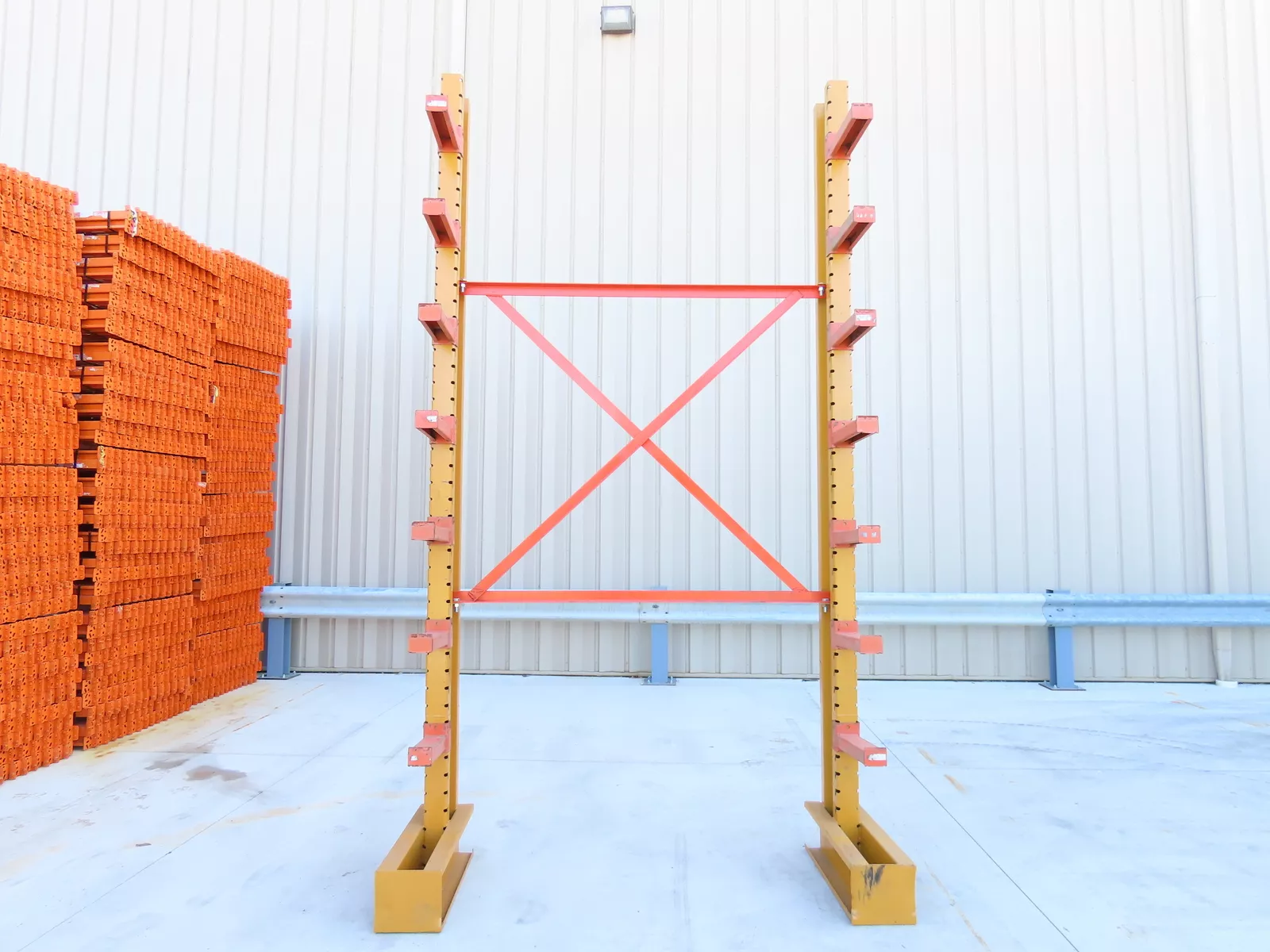
When you step into a metal recycling yard, you don’t just see heaps of scrap and clutter; you see a system struggling to keep order in chaos. That’s where cantilever racking steps in—not flashy, but tough as nails and built for the long haul. These racks aren’t about fancy boxes or neat little bundles; they’re about giving shape to giant, awkward piles of scrap steel, pipes, and rods that just won’t fit on your regular pallet racking. It’s common sense made steel.
Cantilever racking lets yards stack long, bulky items horizontally, freeing up floor space and making everything accessible without wrestling forklifts into tight corners. When you’re moving tons of metal, every inch counts, and these racks are a lean, mean space-saving machine. The simple design—arms extending from a single column—means no front uprights getting in the way. It’s like building a sturdy backbone you can load and unload without second-guessing your moves. That’s the kind of reliability anyone managing a metal yard wants to stake their reputation on.
But this is more than just clever storage. It’s a matter of respect—for the workers who shuffle through heavy, sharp materials day in and day out; for the environment burdened with junk metal longing for a new purpose; and for the community that benefits when recycling yards run safe, efficient operations. Using cantilever racking can cut down time spent searching for material, reduce accidents caused by cluttered scrap, and boost the whole yard’s productivity. It’s ethical business with a practical payoff.
There’s something honest about a metal yard that trusts its equipment to do the job without fuss. That trust builds confidence—not just in the gear, but in the people who rely on it to keep their work steady and safe. And when a system as straightforward as cantilever racking proves itself day after day, it sparks a quiet kind of pride. Behind every organized scrap pile is a story about grit, good judgment, and knowing your tools. That’s why yards lean on this rugged backbone—not for glory, but because it works. And in the tough, dusty world of metal recycling, that’s all that really matters.
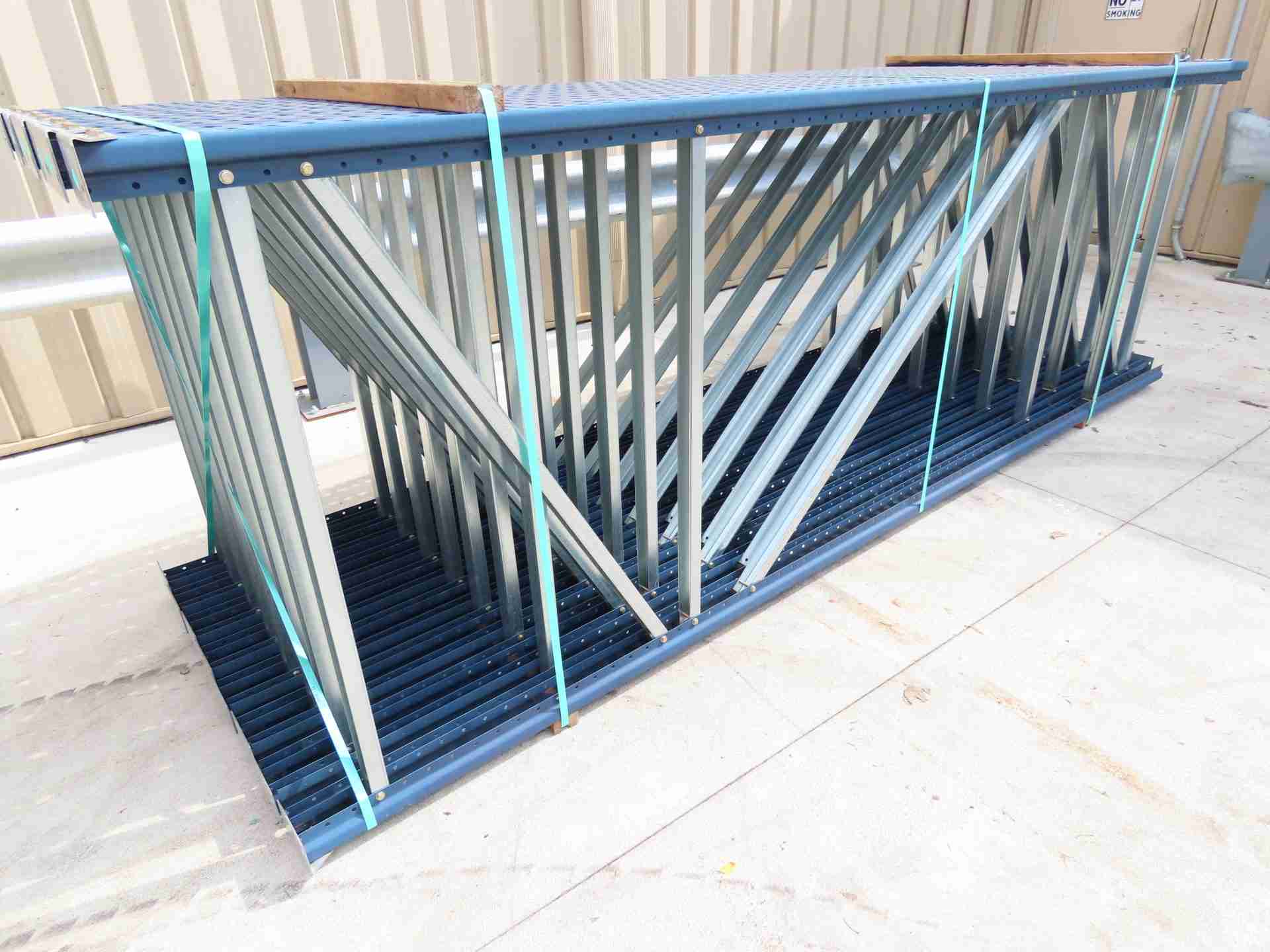
How Do Metal Recycling Yards Leverage Cantilever Racking?
How Do Metal Recycling Yards Leverage Cantilever Racking?
- Cantilever racking organizes large, awkward scrap steel, pipes, and rods that don’t fit on regular pallet racks, bringing order to metal recycling yards.
- These racks allow horizontal stacking of bulky items, saving floor space and improving accessibility without forklift maneuvering challenges.
- The simple design of cantilever racking features arms extending from a single column, eliminating front uprights and enhancing loading efficiency.
- Using cantilever racks respects workers by reducing accidents and easing material handling in yards with heavy, sharp scrap.
- It supports environmental goals by facilitating efficient recycling operations and reducing clutter in metal yards.
- Cantilever racking boosts yard productivity by decreasing time spent searching for materials and streamlining storage management.
- The racks inspire confidence and pride in yard workers through reliable, no-nonsense equipment that performs consistently in tough conditions.
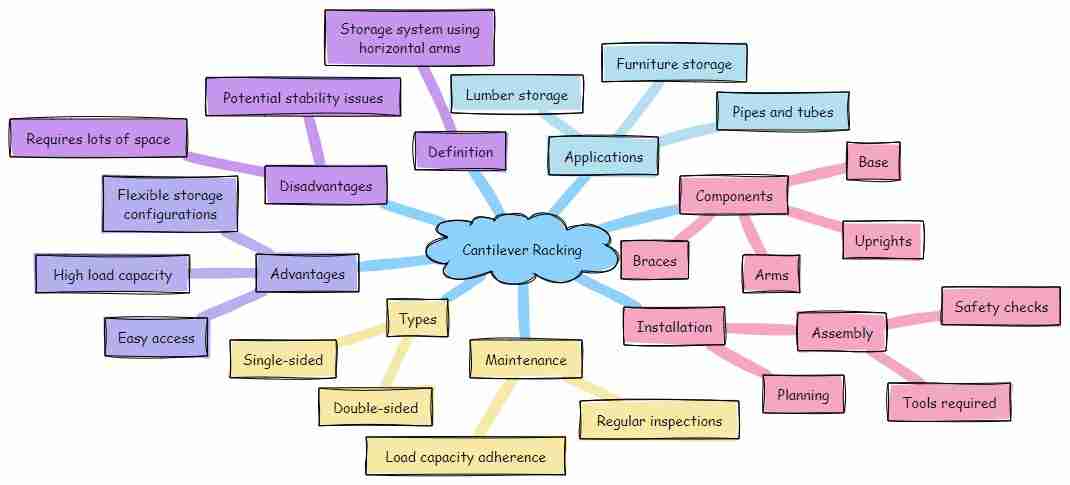
How Do Metal Recycling Yards Leverage Cantilever Racking?
Table Of Contents
- How Do Metal Recycling Yards Leverage Cantilever Racking?
- How Does Cantilever Racking Improve Space In Metal Yards?
- Can Cantilever Racks Safely Hold Heavy Metal Loads?
- How Does Using Cantilever Racking Save Time In Sorting?
- Do Cantilever Racks Reduce Hazards for Metal Recycling Workers?
- What Makes Cantilever Racking Better Than Traditional Shelving?
- How Much Cost Can Yards Cut Using Cantilever Racking?
- Conclusion
- Other Resources
- Glossary Of Terms
- Other Questions
- Checklist
How Does Cantilever Racking Improve Space In Metal Yards?
When you’re knee-deep in steel beams, pipes, and awkward lengths of metal, you know that space isn’t just floor—it’s breathing room, efficiency, and sanity. Cantilever racking changes the whole game by turning wasted space into organized muscle. Unlike traditional pallet racking, it gives you open arms to stack those bulky, uneven metal pieces without the hassle of tight aisles or forks banging against sharp edges.
Think about it: metal yards aren’t neat, tidy warehouses. They’re a kind of chaos that needs smart control. Cantilever racks hold long, heavy loads off the ground, freeing up floor space to move around safely. That’s not just about fitting more metal—it’s about giving your crew a better work environment. When everyone knows that every beam has its spot and there’s room to breathe between loads, stress goes down and productivity goes up. People don’t like working in clutter and confusion. They want a place that respects the sweat and muscle they put in every day.
There’s a straightforward honesty to it, too. Using cantilever racks means you’re not wasting precious square footage with bulky supports or inflexible layouts. The racks hug the walls or stretch into aisles, keeping everything accessible, reducing the need for lengthy forklift drives, and cutting down on wasted movement. Time saved here adds up to dollars earned there. It’s simple math backed by real-world smarts: better space equals better business.
Ethically, it’s about respecting the tools, the materials, and the people. When metal is stored properly, it stays safer from damage and rust. That’s not just cost-saving—it’s about responsibility. You’re preserving the integrity of the product and the wellbeing of your team, proving you care more than just about ticking boxes.
In yards everywhere, those who’ve made the switch understand something vital—cantilever racking isn’t just clever storage; it’s a vote for doing right by your operation and your people. It turns a sprawling jumble into a system that works, offering clear sightlines and easy loading. It earns trust because it delivers real results, day in and day out. And that’s the kind of upgrade anyone in the metal business can stand behind.

How Does Cantilever Racking Improve Space In Metal Yards?
How Does Cantilever Racking Improve Space In Metal Yards?
- Cantilever racking transforms wasted space into organized storage for bulky, uneven metal pieces, unlike traditional pallet racking.
- It holds long, heavy loads off the ground, freeing floor space for safer, more efficient movement in metal yards.
- Provides a better work environment by reducing clutter and stress, improving productivity and respect for workers’ effort.
- Maximizes square footage by minimizing bulky supports and inflexible layouts, enhancing accessibility and reducing forklift travel time.
- Proper metal storage with cantilever racks helps prevent damage and rust, preserving product integrity and reducing costs.
- Represents an ethical approach to managing materials and respecting team wellbeing beyond mere compliance.
- Converts chaotic storage areas into efficient systems with clear sightlines and easy loading, delivering consistent, practical results.

How Does Cantilever Racking Improve Space In Metal Yards?
Can Cantilever Racks Safely Hold Heavy Metal Loads?
When you’re staring down a stack of heavy steel pipes or thick sheets of metal, the last thing you want is a rack that’s about to throw in the towel. Cantilever racks have this reputation for being the workhorse in the warehouse world—built tough to carry those awkward, bulky loads that wouldn’t fit neatly on Pallet Racking. But can they really stand up to the brute weight of heavy metal? Yep, and here’s why that matters deep down, not just on paper.
There’s something reassuring about racks that don’t just look strong but act strong—when you see a cantilever rack holding up tons of metal without a sag or groan, it earns your respect. It’s not just about carrying weight; it’s about trust. When you load up a bundle of steel beams, you’re betting on that rack like you bet on your tools—no questions asked. And that feeling? It’s as real as the sweat on your brow after a hard day’s work.
Technically speaking, cantilever racks are designed to handle heavy, long items exactly because their arms extend outward without uprights in the way. This makes them perfect for metals that don’t fit well on Pallet Racking, which is great for boxed or palletized goods but not so much for heavy, bulky steel. The secret sauce is good engineering: high-grade steel construction, well-designed brackets, and secure anchoring to concrete floors. When installed right and loaded within specs, these racks become more than metal supports—they turn into the backbone of efficient, safe storage.
On the ethical side, it’s about more than just dollars. Using racks that are strong enough protects your crew and your equipment. When a rack fails, it’s not just property loss; it’s people at risk. Doing things right isn’t just smart; it’s the decent, responsible thing to do. Keeping the shop floor safe and organized creates an environment the whole team can be proud of, where everyone knows the gear they carry is held with care.
If you’ve been around the trade long enough, you know that nothing beats seeing something work day in and day out. Cantilever racks holding heavy metal loads isn’t just an idea—it’s everyday reality. It’s common sense backed by solid steel, sweat, and stories from the floor. So when you’re setting up storage for heavy metal, lean on the racks built for the job—they deliver strength, peace of mind, and a quiet promise that your gear’s got a strong place to rest.
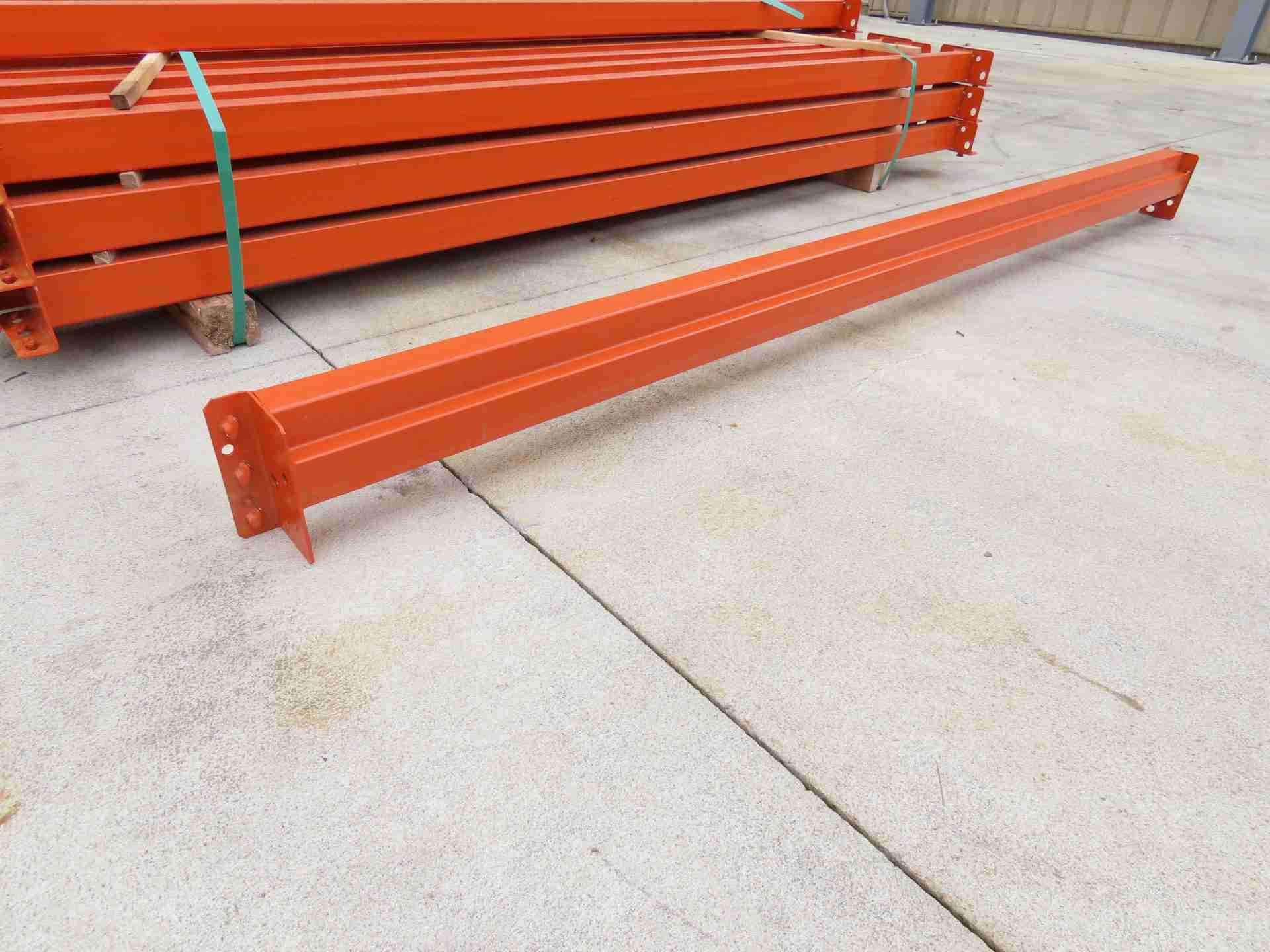
Can Cantilever Racks Safely Hold Heavy Metal Loads?
Can Cantilever Racks Safely Hold Heavy Metal Loads?
- Cantilever racks are built tough to carry heavy, bulky metal loads that pallet racking can’t accommodate.
- They provide reliable strength and trust, supporting heavy steel without sagging or failing.
- Designed with outward-extending arms and no uprights, ideal for long, heavy items like steel beams.
- Constructed from high-grade steel with well-designed brackets and securely anchored to concrete floors.
- Properly installed racks ensure efficient, safe storage, becoming the backbone of warehouse organization.
- Using strong racks protects both crews and equipment, reducing risks and promoting workplace safety.
- Cantilever racks are proven in practice daily, offering strength, peace of mind, and dependable support.

Can Cantilever Racks Safely Hold Heavy Metal Loads?
How Does Using Cantilever Racking Save Time In Sorting?
When you’ve spent years in warehouses, loading docks, or any place where materials pile up like an untamed mess, you learn quickly that time wasted is money lost. Cantilever racking isn’t just another fancy system—it’s the practical answer to that endless frustration of hunting, shifting, and juggling long, awkward items. Unlike traditional pallet racking, which can box you into tight corners and slabs of wood or pipe become a wrestling match, cantilever racks open up your space and your mind. You see, the simple design lets you slide items on and off without fighting against vertical bars or cramped shelves. It’s like having an extra set of hands that never complains or calls in sick.
Emotionally, there’s a relief in knowing your workday won’t be eaten up by the chaos of disorganized inventory. The stress of scrambling to find the right beam, pipe, or lumber for a job melts away when everything is out in the open, easy to reach, and logically arranged. That feeling—of getting the job done without the usual hassle—builds a quiet pride in the work itself. It’s a small victory, but it counts when your paycheck depends on knocking out orders fast and right.
From a rational standpoint, cantilever racking maximizes efficiency by turning sorting from a two-handed wrestling match into a smooth, swift operation. No more stacking and unstacking pallets just to grab one item. Your team moves faster, decisions happen quicker, and there’s less wear and tear on both people and gear. The result? Lower labor costs, fewer mistakes, and a cleaner, safer workspace. It’s not just good for business numbers; it’s good for health and morale too—a solid investment that pays back in sweat saved and trust earned.
On the ethical front, creating an environment where workers aren’t battling their tools every day speaks volumes. It shows you respect their time and effort, valuing safety and ease over cutting corners. That kind of leadership earns loyalty and keeps the whole operation humming along smoothly. When everyone knows their gear works with them instead of against them, it breeds a culture of care that’s hard to fake.
Authority comes in knowing that cantilever racking is a time-tested solution trusted by industries where speed and accuracy aren’t just goals—they’re lifelines. This system’s been around because it works, plain and simple. It’s no gimmick but a tough, reliable way to keep your workflow on track. Once you’ve seen what it does, you start wondering why anyone would stick with pallet racking for those tricky, long items in the first place.
Cantilever racking doesn’t just save time; it saves the day. It lights the way through the daily grind and makes sorting something you can handle without losing your cool—or your lunch break. In a world where every second counts and every item matters, this system is the unsung hero that keeps the gears turning and the work real.
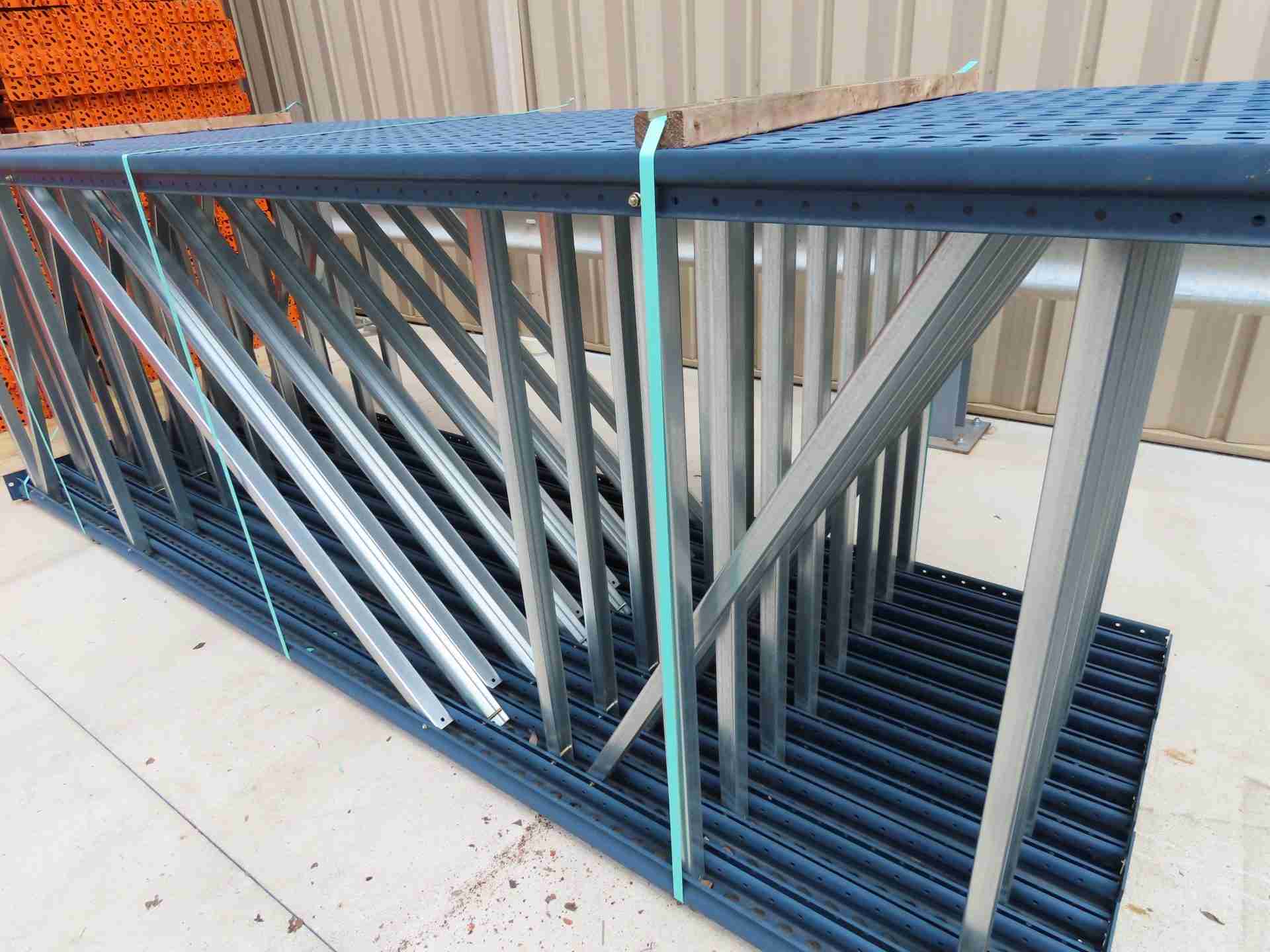
How Does Using Cantilever Racking Save Time In Sorting?
How Does Using Cantilever Racking Save Time In Sorting?
- Cantilever racking offers a practical solution for handling long, awkward items, unlike traditional pallet racking that restricts space and complicates access.
- The design allows easy sliding on and off of items without vertical bars or cramped shelves, improving workflow and accessibility.
- It reduces workday stress by organizing inventory logically and keeping items visible and reachable, enhancing job satisfaction and pride.
- Efficiency increases as sorting becomes smoother, lowering labor costs, minimizing errors, and reducing physical strain on workers and equipment.
- The system promotes a safer, cleaner workspace and boosts employee morale by valuing their time and effort.
- Cantilever racking represents a reliable, industry-trusted solution that supports speed and accuracy in operations.
- This system saves time and effort daily, acting as a vital tool that streamlines material handling and supports consistent workflow.
How Does Using Cantilever Racking Save Time In Sorting?
Do Cantilever Racks Reduce Hazards for Metal Recycling Workers?
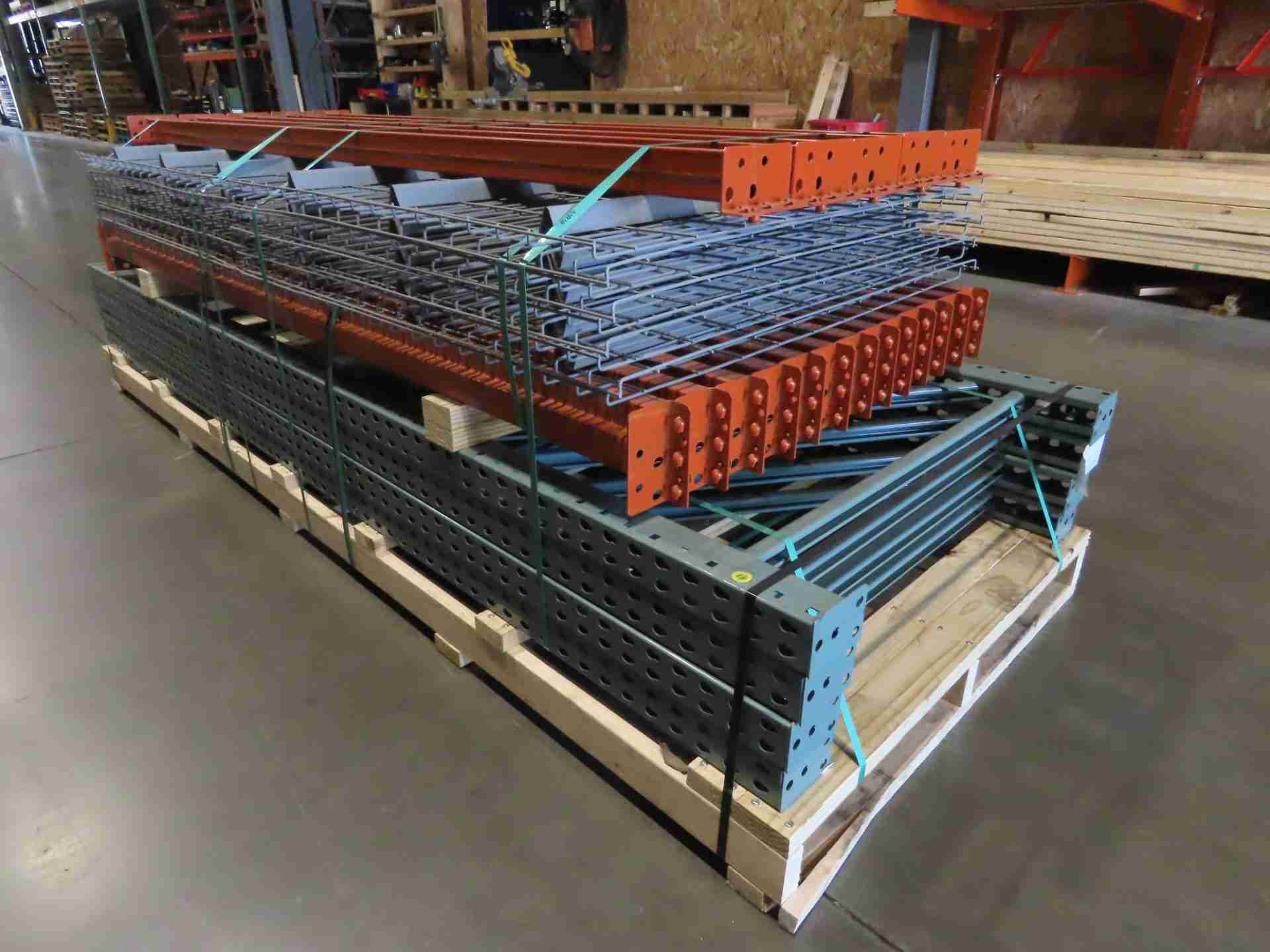
When you’re elbow-deep in the grind of metal recycling, you know a cluttered shop floor isn’t just a pain—it’s an open invitation to accidents. Pallet racking has been the go-to for years, stacking materials in neat rows, but it’s not always a perfect fit for the odd shapes and heavy, awkward lengths of metal scrap. That’s where cantilever racks step in, and folks on the floor start to notice the difference, plain and simple.
Picture this: Instead of wrestling with bundles of rails or pipes jammed into tight spaces or piled on the ground, a cantilever rack gives each piece its own spot, where it’s easy to see and grab without twisting yourself into a pretzel. Nobody wakes up thinking about the day they might get caught under a toppled load or scrape a shin on a stray bar, but it happens—too often. The muscle memory it takes to handle old-fashioned pallet racking doesn’t always match the unpredictable shapes we’re dealing with in metal recycling. Cantilever racks are built for the long haul, sturdy and open on one side, letting workers pull or set down metal with less hassle and fewer headaches.
This isn’t just a convenience—it’s about respect for the folks who do the heavy lifting. Every yardstick, pipe, or beam has a place that’s safer to reach, reducing the chances of dropped loads or the painful surprise of bending wrong under a bulky scrap. It’s easy to miss how much stress builds up when you’re dodging hazards all day, but when metal piles stay put and organized, workers feel it. The shift isn’t flashy, but trust grows in the quiet. It’s a grounded, commonsense way to look out for the people who keep the metal moving.
Ethically, it’s on everyone’s shoulders to make the workplace safer. Providing cantilever racks shows a commitment to cutting down risks that can cost far more than just lost time—it’s about saving hands, bones, and peace of mind. This is backed not just by gut instinct but by industry pros who’ve seen how better storage cuts down trips, slips, and the kind of accidents you don’t want on your record or conscience. It builds a culture where safety is a shared goal, not just a checkbox.
If you want to keep your team whole and your operation humming, cantilever racks aren’t a luxury—they’re a smart, down-to-earth investment. They take the mess out of metal handling and put the control back in workers’ hands. When the floor’s cleaner, the risks drop, and you’ve got a crew that knows their safety is taken seriously. That’s a win everyone can stand behind.

Do Cantilever Racks Reduce Hazards for Metal Recycling Workers?
Do Cantilever Racks Reduce Hazards for Metal Recycling Workers?
- Cluttered shop floors in metal recycling increase accident risks; traditional pallet racking often fails with irregular metal shapes.
- Cantilever racks provide dedicated, accessible spots for odd-sized metal pieces, reducing the need for awkward handling.
- These racks are sturdy and open on one side, allowing easier, safer loading and unloading for workers.
- Organized storage with cantilever racks reduces physical strain and the danger of dropped loads or injury from improper lifting.
- Implementing cantilever racks demonstrates respect for workers and contributes to a safer, less stressful work environment.
- This storage solution supports a culture of safety by lowering incidents like trips, slips, and falls.
- Cantilever racks are a practical investment that keeps operations efficient and shows commitment to employee well-being.
Do Cantilever Racks Reduce Hazards for Metal Recycling Workers?
What Makes Cantilever Racking Better Than Traditional Shelving?
Look, when you’re out in the warehouse or the shop floor, you want something that just works — no fuss, no mess. Traditional shelving has been around for ages, but cantilever racking steps up game because it’s built around the real needs, the kind you know by feel. It’s not just about stacking boxes; it’s about handling the awkward stuff — long pipes, lumber, steel beams — anything that doesn’t fit neat and square. Pallet racking is great for boxes, but when you’re dealing with things that don’t play by those rules, cantilever racks make sense. They give you open arms, no pesky uprights getting in the way, which means loading and unloading feels like less of a wrestling match.
Here’s the thing: it’s not just me saying this, it’s the kind of rig that folks who make a living moving heavy, weird-shaped gear stick with, because it’s solid and straightforward. That counts for a lot. It’s easy on the back, too — you’re not twisting yourself into a pretzel trying to get at something stuck behind a shelf post. That comfort isn’t just about staying pain-free; it means the job gets done faster and safer, day in, day out.
If you think about the money and the muscle, cantilever racking respects both. It’s designed to handle weight without breaking a sweat and keeps your valuable stuff off the ground and organized without wasted space. More space means more jobs, which means more paychecks rolling in. That’s no small thing. Plus, it keeps work areas tidy and accessible, so everyone can breathe easier, work smarter, and avoid those nasty forklift accidents or wasted hours searching for the right gear. It’s about doing the right thing — protecting your team, your tools, and your bottom line all at once.
People trust cantilever racking because it’s proven in the trenches. Every install is a promise: here’s a system that won’t quit on you halfway through the shift. Having that kind of gear on your side makes you look like you know what you’re doing — and who doesn’t want to be the one with the toolkit and the smarter setup? When your racking keeps pace with the way you really work — tough, flexible, and no-nonsense — you feel it. It’s a quiet kind of confidence that comes from knowing your storage system isn’t just there, it’s working as hard as you do.

What Makes Cantilever Racking Better Than Traditional Shelving?
What Makes Cantilever Racking Better Than Traditional Shelving?
- Cantilever racking is designed for handling awkward, long items like pipes, lumber, and steel beams that don’t fit traditional shelving.
- Unlike pallet racking, cantilever racks have open arms without obstructive uprights, making loading and unloading easier and less physically demanding.
- Used by professionals who move heavy, irregular gear, it is solid, straightforward, and reduces strain on the back, improving safety and efficiency.
- It supports heavy weights effectively while maximizing space, helping keep valuable items off the ground and organized.
- More efficient use of space leads to increased productivity and more job opportunities, benefiting overall business revenue.
- Keeps work areas tidy and accessible, reducing forklift accidents and time wasted searching for equipment.
- Trusted for reliability and durability, it provides confidence by matching tough, flexible, and practical workplace demands.

What Makes Cantilever Racking Better Than Traditional Shelving?
How Much Cost Can Yards Cut Using Cantilever Racking?
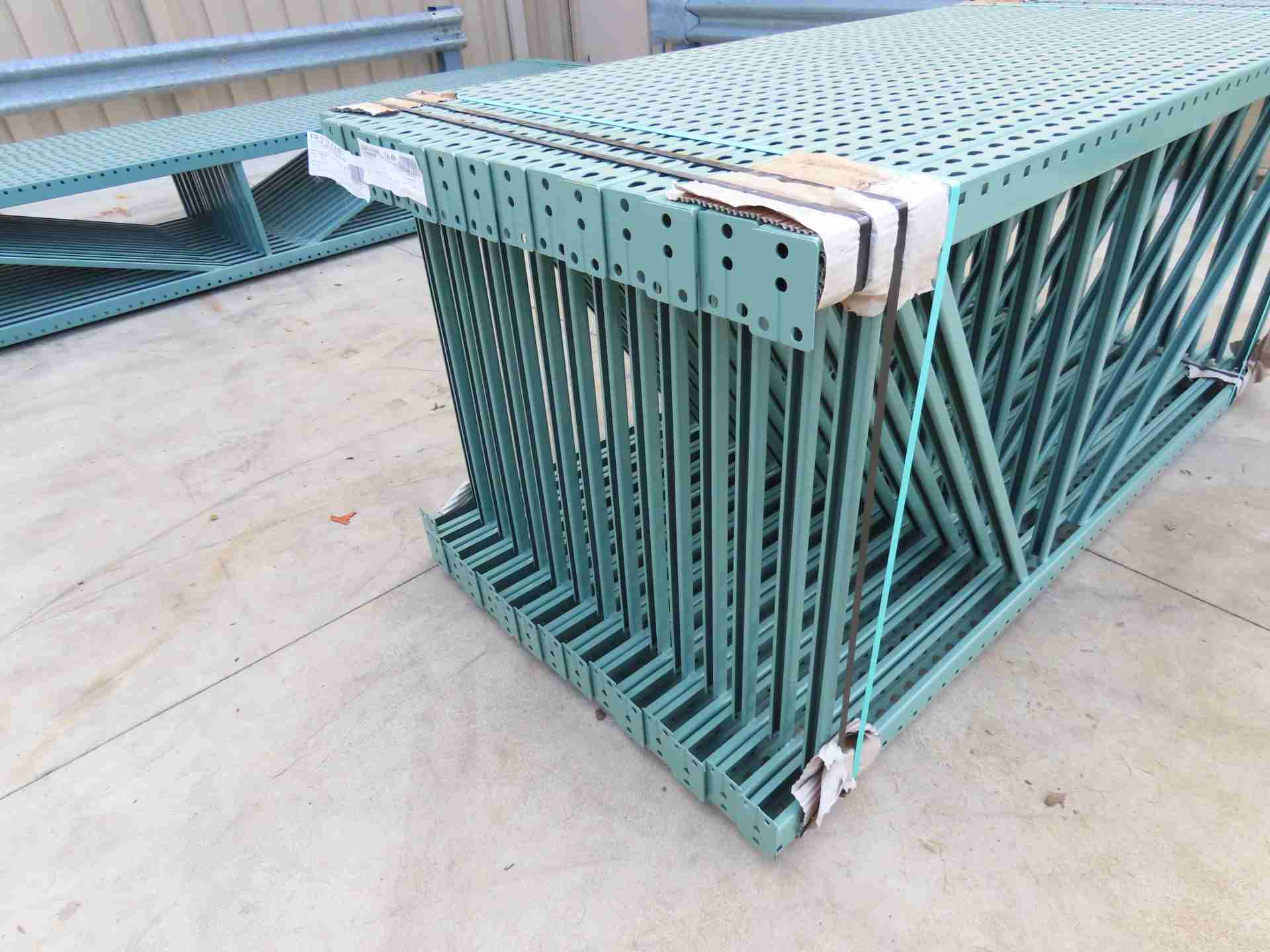
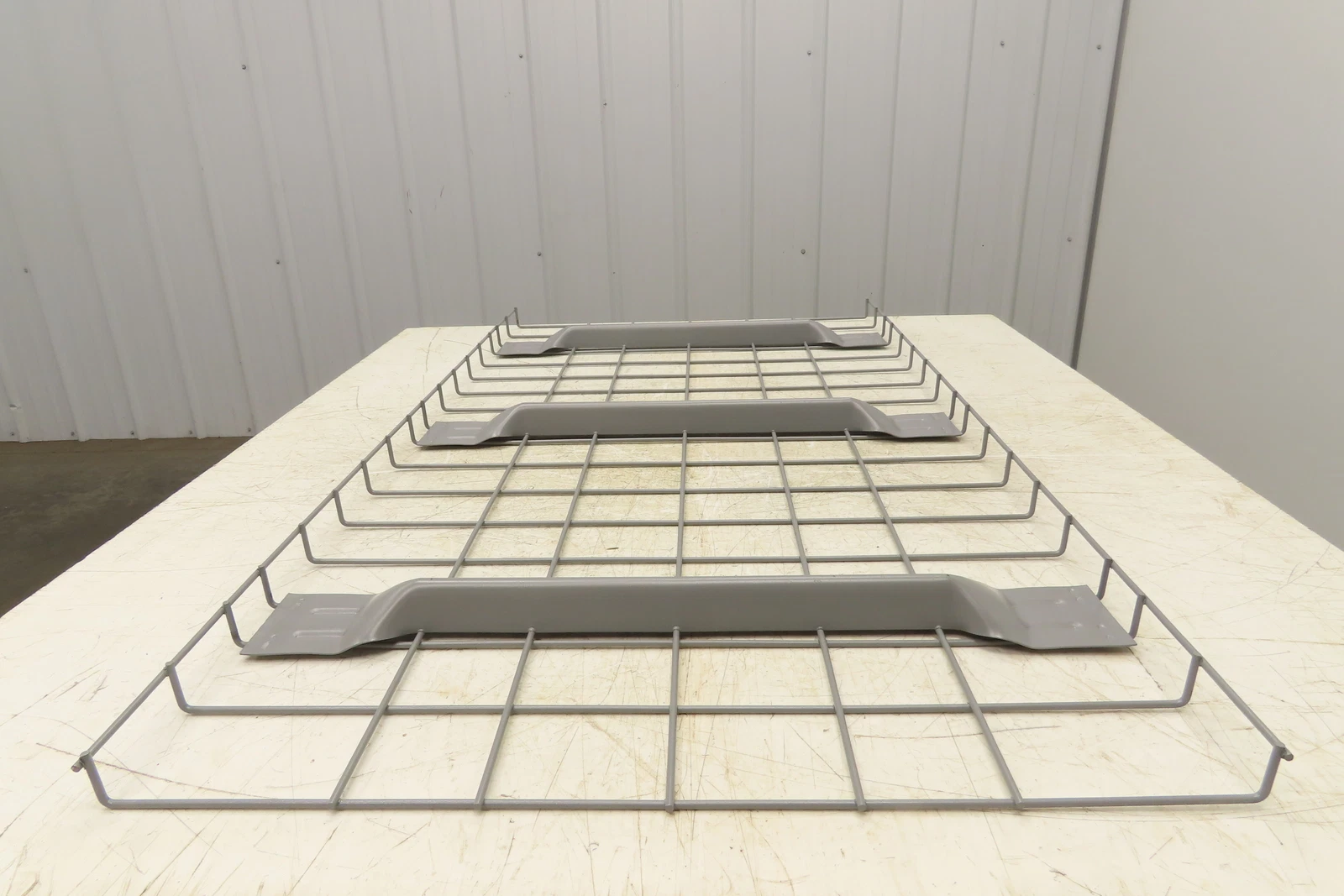
Look, when you’re running a yard packed tight with gear, materials, or anything that doesn’t fit nice and square on a pallet, the last thing you want is wasted space eating up your bottom line. Pallet racking’s been the go-to for years, but it’s not the silver bullet for every setup—especially when those long, awkward loads show up. That’s where cantilever racking steps up and starts saving you real money.
First off, cantilever racks are built for the long haul—literally. Pipes, lumber, steel bars—stuff that won’t stack neatly but sure as heck needs good storage—and you don’t have to twist your brain (or your back) to reach it. By ditching the bulky front columns and using arms to support the load, you free up a ton of space. More usable room means you don’t have to expand your footprint or rent extra spots somewhere else, which translates into cold, hard cash staying in your pocket.
Now, from a straight-up practical standpoint, imagine cutting down those forklift runs because everything’s easy to grab and organize. When forklifts spend less time weaving around tight aisles and more time loading trucks, your labor costs drop. That’s payroll savings you see every week. Efficient flow means fewer accidents and less damage to goods, another chunk saved from the “unexpected expenses” jar.
But it’s not just about dollars and cents. There’s an honest satisfaction in knowing you’ve made a smart call for your team, the environment, and the business. Cantilever racking often takes less steel and no bulky pallets as a middleman, so you’re minimizing waste and making cleaner workspaces. That’s integrity by design—good for the planet and good for morale.
Trust comes from seeing the racks handle the loads without complaint, day after day. No nonsense, no fluff—just solid engineering doing its job so you don’t have to sweat it. When your suppliers and crew see your yard humming along smoothly, your reputation gets a boost too, making deals and partnerships easier.
The truth is, yards that switch to cantilever racking often find cost savings sneaking up on them—lower rental fees, less overtime, fewer damaged goods—and the boost in efficiency pays off in a way you can measure on every invoice. It’s not some fancy gadget; it’s just smart organization built for the real world, proven by hands-on grit and common sense. If you want to tighten your budget without cutting corners, cantilever racking isn’t a gamble—it’s a down-to-earth win.
How Much Cost Can Yards Cut Using Cantilever Racking?
How Much Cost Can Yards Cut Using Cantilever Racking?
- Cantilever racking efficiently stores long, awkward loads like pipes, lumber, and steel bars that don’t fit on standard pallets.
- Its design eliminates bulky front columns, using arms to support loads and freeing up significant space, reducing the need for yard expansion or extra rental space.
- Improved accessibility reduces forklift travel time and labor costs, while enhancing safety and minimizing product damage.
- Using less steel and avoiding pallets decreases material waste and creates cleaner, more environmentally friendly workspaces.
- Durable engineering provides reliable, maintenance-free performance, boosting team confidence and operational smoothness.
- A well-organized yard with cantilever racks enhances reputation, facilitating better supplier and partner relationships.
- Overall cost savings include lower rental fees, reduced overtime, fewer damaged goods, and measurable efficiency gains, making cantilever racking a practical investment.
How Much Cost Can Yards Cut Using Cantilever Racking?
Conclusion
Metal recycling yards don’t need flashy gadgets; they need gear that’s tough, reliable, and built for the kind of heavy lifting that comes with long steel beams, pipes, and awkward scrap. Cantilever racking shows up as the quiet workhorse that turns chaos into order without fuss. It’s simple in design but mighty in function—arms reaching out from a single column, keeping bulky metal off the ground and easy to access. This isn’t just about saving space; it’s about respect—respect for the metals being recycled, the workers handling it, and the community relying on a safe, efficient operation.
These racks open up floor space by hugging walls and lining aisles with no obstructive uprights. That means forklifts move smoother, workers don’t have to play contortionist maneuvering heavy loads, and everything’s right there when it’s needed. The time saved chasing down materials and wrestling with storage adds up to dollars earned and stress avoided. When the work area is tidy, people feel safer and more productive—things that don’t show up on spreadsheets but sure make a difference on payday and at quitting time. That kind of system earns quiet pride. It’s the kind of no-nonsense solution hard-working folks embrace because it respects their sweat and saves their backs.
Cantilever racking holds up under weight too. Built of high-grade steel with solid anchors, these racks shoulder the heavy loads metal yards throw at them—no sagging, no creaking, just steady support. That strength translates into safety. A rack failure isn’t just lost metal, it’s potential injury. By choosing well-engineered storage, yards protect their crews and their bottom line. Safety isn’t a checkbox; it’s a responsibility earned through solid equipment and sensible decisions.
Beyond the practical, cantilever racks cut hazards by keeping materials organized and off the ground, reducing the risk of trips, slips, and dropped loads. When workers know their tools and gear aren’t fighting them, morale climbs and so does loyalty. This setup doesn’t just make the yard look better; it makes it run better. It’s a down-to-earth investment in people and process, not just machinery.
Compared to traditional shelving or pallet racking, cantilever is made for the real world—awkward, heavy, long stuff that doesn’t slide neatly into place. It offers open access, easy loading, and fewer bruised knuckles. That means jobs get done faster, safer, and with fewer headaches. More efficiency means less wasted time and money, lower labor costs, fewer damaged goods, and a smoother day on the floor. It’s simple math backed by real-world hustle.
In the end, cantilever racking isn’t a luxury or a fancy upgrade; it’s the sensible backbone of a metal recycling yard that aims to work hard, stay safe, and make the most of every inch. It respects the material, the workers, and the business by turning disorder into a system that just works. That’s the kind of smart, no-frills solution anyone running a heavy-duty operation can get behind—and that’s the kind of difference that pays off day in, day out.

Conclusion
Conclusion:
- Cantilever racking provides tough, reliable storage designed specifically for heavy, long, and awkward metal materials in recycling yards.
- Its simple design with arms extending from a single column maximizes floor space and keeps materials off the ground for easy access.
- The racks improve workflow by enabling smoother forklift movement and reducing physical strain on workers handling heavy loads.
- Constructed from high-grade steel with solid anchors, cantilever racks support heavy weights safely and prevent rack failure hazards.
- Organizing materials off the ground reduces trip hazards and boosts worker morale and loyalty by creating a safer, tidier work environment.
- Cantilever racking outperforms traditional shelving for bulky metal by offering open access, easier loading, and reducing damage and labor costs.
- It serves as a foundational, no-nonsense solution that respects materials, workers, and operational efficiency in metal recycling yards.

Conclusion
Other Resources
Other Resources
Here is a list of other resources you can review online to learn more:
- Selective Pallet Racking Systems – Container Systems
- Iowa Illinois Warehouse Racking
- Racking World
- BMH Equipment LLC
- American Surplus
- Warehouse Racking Layout: The Ultimate Guide – Conger
- IIWS Inc. Rack Installation Illinois & Rack Repairs Illinois
- Illinois Pallet Racking – WPRP
- Selective Pallet Racking Systems
- Teardrop Industrial Shelving Rack
- Warehousing Education and Research Council: https://www.werc.org/
- Rack Manufacturers Institute
- Used Pallet Rack for Sale in Illinois – American Surplus
- Teardrop Pallet Rack – Ridg-U-Rak
- IIWS Inc. Rack Installation Illinois & Rack Repairs Illinois
- Warehouse Racks, Warehouse Racking in Stock – ULINE
- National Safety Council
- New Cantilever Racks and Racking Kits
- Interlake
- Used Teardrop Pallet Rack – American Surplus
Use This Prompt To Get More Resources With Your Favorite Online AI Tool: Please provide me with a list of online articles with their URLs in a bulleted list that I can read regarding How Do Metal Recycling Yards Leverage Cantilever Racking?
Other Resources
Glossary Terms
How Do Metal Recycling Yards Leverage Cantilever Racking? – Glossary Of Terms
Cantilever Racking: A storage system that uses arms extending from vertical columns to hold long or bulky items like metal bars and pipes.
Load Capacity: The maximum weight that cantilever racks can safely support.
Vertical Columns: Upright structural supports that hold the arms of cantilever racks.
Arms: Horizontal extensions attached to vertical columns used to support stored materials.
Bulk Storage: Storage of large or irregularly shaped items that do not fit on traditional shelving.
Metal Scrap: Recycled metal materials collected for reuse.
Floor Space Optimization: Efficient use of available area to maximize storage capacity.
Accessibility: Ease of reaching stored items in a warehouse or yard.
Overhead Clearance: The space above the top of storage racks necessary for handling equipment.
Industrial Forklift: Machinery used to lift and transport heavy materials within recycling yards.
Cantilever Base: The foundation that stabilizes vertical columns in cantilever racking.
Adjustable Arms: Rack arms that can be repositioned to accommodate different sizes of materials.
Storage Density: The amount of material stored per unit area.
Inventory Management: The process of tracking and controlling stored materials.
Material Handling: The movement, protection, storage, and control of materials.
Structural Stability: The ability of the racking system to remain secure under load.
Space Utilization: Efficient use of physical storage area.
Long-Span Storage: Storage designed to hold long or extended items.
Modular Design: A system made of interchangeable parts for flexible configuration.
Loading Efficiency: The speed and ease with which items can be stored or retrieved.
Safety Standards: Regulations ensuring secure and hazard-free storage.
Heavy-Duty Racks: Racking designed to support very heavy loads.
Cantilever Arms: The projecting elements that carry the stored goods in the racking system.
Material Segregation: Separating different types of metals for sorting and processing.
Durability: The ability of racking materials to withstand wear and environmental factors.
Corrosion Resistance: The capacity of rack components to resist rust and degradation.
Space Saving: Reduction in storage footprint while maintaining capacity.
Yard Layout Planning: Designing storage arrangements to optimize flow and organization.
Operational Workflow: The sequence of processes involved in handling recycled metals.
Load Distribution: Ensuring stored weight is spread evenly to prevent rack failure.

Glossary Of Terms
Other Questions
How Do Metal Recycling Yards Leverage Cantilever Racking? – Other Questions
If you wish to explore and discover more, consider looking for answers to these questions:
- What are the standard load capacities and arm lengths for cantilever racking used in metal recycling yards?
- How do you calculate the required capacity and spacing for cantilever arms based on the types of metal stored?
- What are the installation requirements and typical lead time for cantilever racking systems?
- What type of floor anchoring or foundation is required for safe cantilever rack installation?
- How does cantilever racking perform in outdoor yards exposed to weather and temperature changes?
- What coatings or materials prevent corrosion on racks and stored metal in outdoor environments?
- How often should cantilever racks be inspected and what should an inspection checklist include?
- What are the common failure modes for cantilever racks and how are repairs handled on-site?
- What safety standards and regulations (e.g., OSHA, ANSI) apply to cantilever racking in recycling yards?
- How should cantilever racking be anchored or braced in seismic or high-wind zones?
- What are best practices for labeling, organizing, and inventorying long or irregular metal stock on cantilever racks?
- How do cantilever racks integrate with forklifts, cranes, and other material-handling equipment?
- What training do workers need to load and unload safely from cantilever racks?
- How do you determine safe stacking heights and overhang limits for different metal profiles?
- What are the cost ranges for purchasing, installing, and maintaining cantilever racking?
- How long is the typical service life of a cantilever racking system, and what affects longevity?
- What is the expected return on investment (ROI) and payback period after switching to cantilever racking?
- Are there tax credits, grants, or incentives for yards that upgrade storage to improve recycling efficiency?
- Should yards buy new or used cantilever racks, and what are the pros and cons of each option?
- How customizable are cantilever racks for mixed loads, tapered items, coils, or bundled scrap?
- What accessories (dividers, stops, shelves) improve organization and safety on cantilever systems?
- How do you handle damaged racks—repair in place, replace modules, or full system retrofit?
- What are the insurance implications or premium changes when installing cantilever racking?
- How do cantilever systems compare economically and operationally to alternatives like ground stacking, pallet racking, or mezzanines?
- What are best-practice layouts and aisle widths to balance storage density with forklift access?
- How are load distribution and balance managed to prevent tipping or collapse when racks are partially loaded?
- What documentation (load charts, certifications, installation records) should yards keep for compliance and audits?
- How do cantilever racks affect sorting workflows and picking accuracy in day-to-day operations?
- What noise, dust, or environmental controls are recommended when storing and sorting metal on open cantilever racks?
- How do yards protect workers from sharp edges and protruding items stored on cantilever arms?
- Can cantilever racking be modularly expanded as inventory needs grow, and what is the process?
- What are real-world case studies or performance metrics showing efficiency or safety improvements after installation?
- Who are reputable suppliers and installers for heavy-duty cantilever racking tailored to metal recycling?

Other Questions
Checklist
How Do Metal Recycling Yards Leverage Cantilever Racking? – A Checklist
Planning and Assessment
✅______ Map current inventory of long and bulky items (pipes, beams, rods, sheets) by length, diameter, weight, and turnover
✅______ Identify zones where floor storage can be eliminated or reduced
✅______ Define target aisle widths and forklift turning and mast clearance requirements
✅______ Determine required accessibility (single-sided or double-sided racking)
✅______ Set performance goals (space gained, pick time reduced, damage reduction)
Rack Specification
✅______ Confirm load ratings needed per arm, per level, and per bay based on heaviest bundles
✅______ Select arm type and length to match item profiles and deflection limits
✅______ Choose upright height to accommodate maximum stock length and stacking levels
✅______ Specify base dimensions and brace configurations for stability
✅______ Verify finish or coating appropriate for the environment (indoor, outdoor, corrosion exposure)
✅______ Plan end stops, deck options, or saddles for round stock where needed
Site Prep and Installation
✅______ Survey slab thickness, flatness, and condition; confirm anchoring requirements
✅______ Lay out racks to maximize wall use and drive-through access where feasible
✅______ Establish clear, consistent aisle spacing for forklifts and attachments used
✅______ Install per manufacturer specifications with torque-verified anchors and plumb uprights
✅______ Document configuration, load charts, and bay and arm capacities at point of use
Operations and Access
✅______ Assign dedicated pick and put-away lanes to reduce cross-traffic
✅______ Match forklift, carriage, and attachment to load lengths and rack height
✅______ Define staging areas for inbound and outbound to prevent blocking aisles
✅______ Standardize loading patterns (heaviest or bulkier items at the lowest practical levels)
Inventory Organization and Sorting
✅______ Categorize locations by material type, dimension range, and turnover (A/B/C)
✅______ Implement visible location IDs on uprights and arms
✅______ Use color bands or tags to denote length, grade, or diameter families
✅______ Apply first-in, first-out (FIFO) or designated rotation rules where needed
✅______ Set maximum bundle size and strapping standards for rack stability
Housekeeping and Orderliness
✅______ Keep lower levels clear of loose scrap and offcuts; assign scrap bins nearby
✅______ Maintain dedicated return spots for partial bundles and odd lengths
✅______ Establish daily end of shift tidy standards for aisles and rack fronts
✅______ Remove damaged dunnage and broken strapping immediately
Maintenance and Inspections
✅______ Schedule regular visual checks for arm deformation, loose hardware, and impact marks
✅______ Re-torque anchors and critical fasteners at defined intervals
✅______ Replace damaged arms, uprights, and bracing promptly; quarantine affected bays
✅______ Keep rack bases clear for cleaning and drainage; manage rust as needed
✅______ Update load signage after any reconfiguration
Workflow and Time Savings
✅______ Measure average pick time before and after implementation
✅______ Track forklift travel distance reductions via layout changes
✅______ Monitor touches per order line and re-handling rates
✅______ Record order accuracy and mis-pick trends by location
Cost and ROI Tracking
✅______ Compare storage density (items/ft²) pre- and post-installation
✅______ Track overtime and labor hours saved in picking and put-away
✅______ Record reductions in product damage and equipment impacts
✅______ Calculate avoided facility expansion or off-site storage costs
✅______ Review total cost of ownership versus baseline every quarter
Sustainability and Material Care
✅______ Elevate materials to reduce ground contact and moisture exposure
✅______ Segregate coated and uncoated metals to minimize cross-contamination
✅______ Implement drip management or covers for outdoor racks
✅______ Reuse dunnage and eliminate unnecessary pallets and packaging where feasible
Training and Accountability
✅______ Train operators on rack capacities, loading patterns, and signage
✅______ Certify equipment and attachment use for long-load handling
✅______ Assign ownership for each rack zone’s condition and counts
✅______ Document and communicate escalation steps for damage or overloading
Continuous Improvement
✅______ Review slotting quarterly based on demand and seasonality
✅______ Pilot adjustments to arm spacing or level heights for common SKUs
✅______ Capture operator feedback on congestion, visibility, and access
✅______ Benchmark KPIs and iterate layout to meet target gains
Checklist
At RackingWorld, we help guide you through selecting warehouse storage systems and racking.
Be sure to read our other related stories at RackingWorld to learn more about warehouse storage systems.
0 Comments