
Maximizing Efficiency And Safety: The Pallet Racking Edge For Canned Goods
By Tom Seest
At RackingWorld, we help guide you through selecting warehouse storage systems and racking.
Be sure to read our other related stories at RackingWorld to learn more about warehouse storage systems.
How Do Canned Goods Processors Leverage Pallet Racking?
When you’re knee-deep in the daily grind of canned goods processing, you quickly learn that space isn’t just a convenience—it’s a lifeline. Pallet racking isn’t some fancy, highfalutin system; it’s the honest backbone that keeps the whole operation from turning into a cluttered mess. It’s where order meets necessity in a way that every worker, from the floor up to the manager’s office, can appreciate.
On the surface, pallet racking is about stacking pallets safely and efficiently, but underneath, it’s about trust. Trust that a pallet won’t tip over, spill goods, or slow down production. It means folks coming off a long shift can count on smooth workflows, no head-scratching delays hunting for a misplaced crate or fumbling over a pile of cans. That kind of reliability lights a fire of confidence in the team. It says, “We respect the sweat and hours you put in, so here’s a system that respects your time and effort.”
There’s a certain pride in seeing rows of cans lined up like soldiers in battalion formation, each one easy to get to and accounted for. Pallet racking makes it happen without guesswork, without chaos. It keeps everything visible and accessible, laying the groundwork for smarter inventory management. When processors know exactly where each product is, they cut down waste, prevent spoilage, and boost delivery accuracy. This isn’t just cold efficiency—it’s responsible. Producing food meant to nourish communities comes with weighty responsibility, and pallet racking supports that ethical backbone by minimizing errors that could otherwise lead to shortages or mishandled shipments.
Look, every pallet rack tells a story of hands-on solutions hammered out over years of trial and error. It’s a humble yet vital part of the supply chain puzzle—the silent workhorse bearing the load of thousands of cans. That’s no small thing in a world where serving quality food quickly matters to families depending on those shelves.
So, leveraging pallet racking is more than stacking steel beams. It’s about respect for the craft, commitment to quality, and a no-nonsense approach to making sure the line keeps moving. The processors who get it know: a well-organized warehouse is a steady heartbeat beneath every successful operation. They bet on the simple strength of pallet racking—and it pays off in trust, efficiency, and pride every single day.
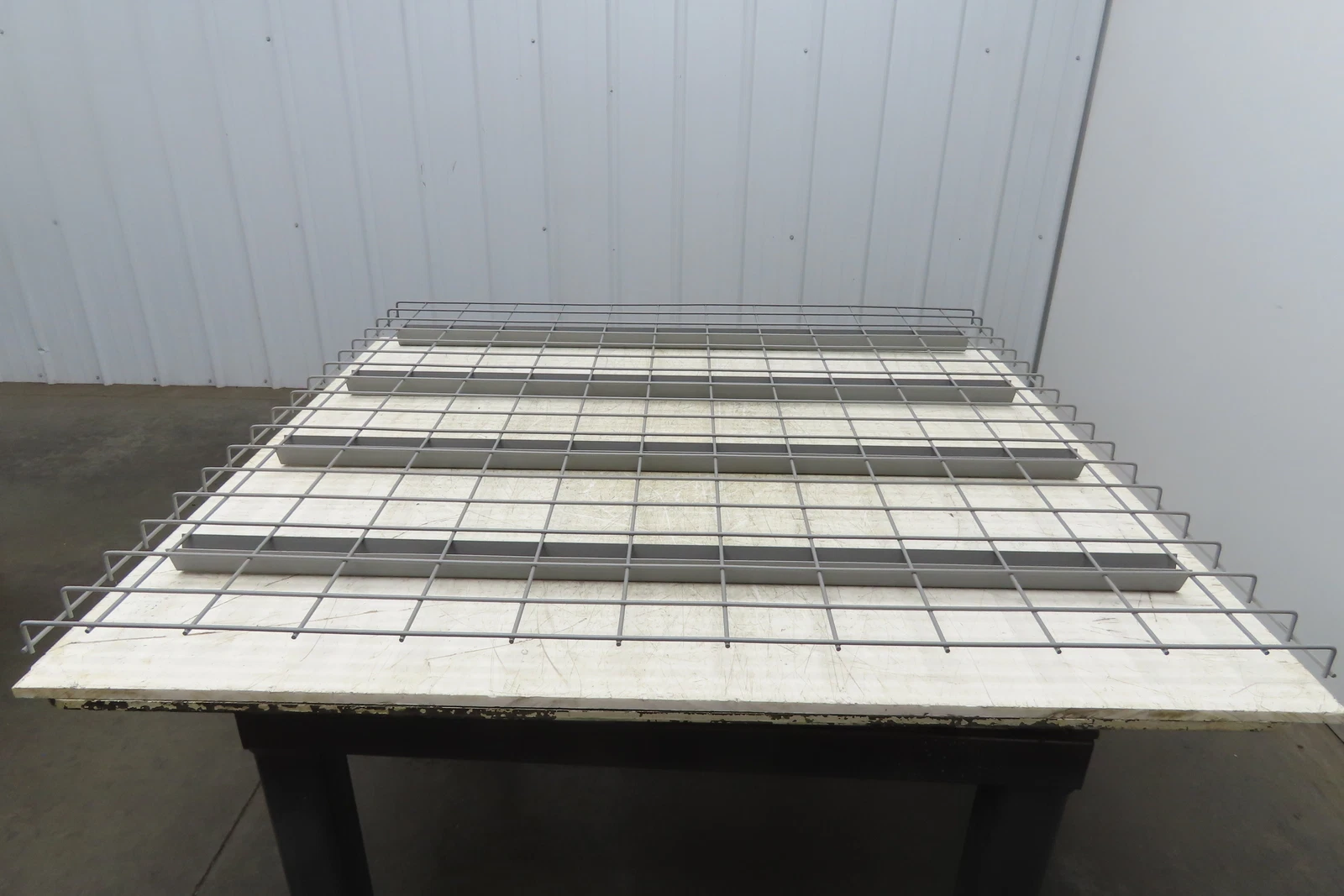
How Do Canned Goods Processors Leverage Pallet Racking?
How Do Canned Goods Processors Leverage Pallet Racking?
- Pallet racking is essential in canned goods processing, providing necessary space and preventing clutter throughout the operation.
- It ensures safe and efficient pallet stacking, fostering trust that prevents spills, tip-overs, and production delays.
- Pallet racking enables smooth workflows, reducing time lost searching for misplaced items and increasing worker confidence.
- Organized pallet racking maintains product visibility and accessibility, supporting smarter inventory management and reducing waste.
- This system upholds ethical responsibility by minimizing errors that could cause shortages or mishandled shipments.
- Years of practical experience have made pallet racking a vital, reliable component of the supply chain.
- Using pallet racking reflects respect for the craft, commitment to quality, and keeps operations running efficiently with pride and trust.

How Do Canned Goods Processors Leverage Pallet Racking?
Table Of Contents
- How Do Canned Goods Processors Leverage Pallet Racking?
- How Does Pallet Racking Improve Warehouse Space Efficiency?
- How Do Pallet Racks Reduce Product Damage Risks?
- What Ethical Benefits Do Organized Warehouses Provide?
- How Can Pallet Racking Speed Up Order Fulfillment?
- How Does Racking Support Safety for Warehouse Workers?
- What Role Does Pallet Racking Play In Inventory Management?
- Conclusion
- Other Resources
- Glossary Of Terms
- Other Questions
- Checklist
How Does Pallet Racking Improve Warehouse Space Efficiency?
When it comes to making the most out of warehouse space, pallet racking isn’t just a fancy term—it’s the backbone of getting your inventory organized without turning your workplace into a cluttered mess. Picture this: a warehouse where every inch is put to work, where forklifts glide down neat aisles instead of dodging piles of boxes. That’s what pallet racking does, plain and simple.
You see, pallet racking transforms what could be a sprawling, chaotic heap of goods into a system that’s smart, safe, and downright efficient. It’s about stacking smarter, not just taller, and letting gravity do its job while keeping everything accessible. With pallet racking, you’re not squeezing stuff in wherever it fits like you’re playing a game of Tetris—you’re creating order, and that order saves time. Every minute you don’t waste hunting for a specific pallet is time earned back for the real work, and that adds up fast.
It’s also about respect—respect for the people who work the floor day in and day out. A well-racked warehouse means less risk of accidents, less chance of crushed backs and sprained wrists from awkward lifts. It makes the job safer, which is the right thing to do, plain and simple. When you provide workers with a system designed around their safety and ease, it shows you care, and that kind of environment earns loyalty and hard work in return.
From an ethical standpoint, pallet racking reflects responsibility. It’s an investment in safety and efficiency that respects both the company’s bottom line and the well-being of its team. Running a tight ship with pallet racking isn’t just good business—it’s being a good steward of your resources and the people who help keep your operations afloat.
Look, nobody wants a warehouse that feels like a battle zone. Good pallet racking systems tell a story of pride and professionalism, where things have a place and every pallet counts. It’s about confidence, knowing that when an order comes in, you can find exactly what you need, fast and without hassle. That trust in your setup makes the whole operation hum, and it’s the kind of no-nonsense, workaday solution that keeps the wheels turning every single day.

How Does Pallet Racking Improve Warehouse Space Efficiency?
How Does Pallet Racking Improve Warehouse Space Efficiency?
- Pallet racking maximizes warehouse space by organizing inventory efficiently and preventing clutter.
- It creates neat aisles for forklifts to move smoothly, enhancing operational flow.
- Pallet racking transforms chaotic storage into a smart, safe, and accessible system.
- Stacking is done thoughtfully to save time and avoid wasting minutes searching for pallets.
- The system promotes worker safety by reducing risks of injuries from awkward lifting and accidents.
- It demonstrates ethical responsibility by investing in both safety and company efficiency.
- Good pallet racking reflects professionalism, builds confidence, and supports reliable warehouse operations.

How Does Pallet Racking Improve Warehouse Space Efficiency?
How Do Pallet Racks Reduce Product Damage Risks?
When it comes to keeping your goods safe, pallet racking ain’t just some fancy storage idea—it’s the backbone of every solid warehouse operation. You’ve probably seen the chaos in a place without proper pallet racking: boxes smashed, products crushed, and no telling what’s gonna get broken next. It’s like stacking bricks without any mortar—you’re asking for trouble.
Pallet racking reduces product damage risks by giving everything a proper home, off the ground and out of harm’s way. It’s not just about piling things up; it’s about organizing them smart so forklifts or workers don’t have to guess where to put heavy loads or squeeze between unstable stacks. When you use pallet racking right, you’re controlling the chaos, making sure that every item sits tight and stays put. That means no more boxes toppled over because someone tried to haul too much at once or stored it wrong.
Think of it like this: when your product’s damage rate drops, it’s not just about saving a buck or two. It’s about respect—for the people handling those goods and the customers waiting on the other end. Everyone feels a little pride when the product arrives clean, complete, and ready to use. That pride builds trust. If you’ve ever worked a warehouse floor, you know that trust isn’t given, it’s earned—one neat pallet at a time. That’s where pallet racking shines, turning a messy, unsafe storage area into a system that’s easy to navigate and safe to work in.
The ethical side can’t be overlooked either. Businesses don’t want to waste resources replacing damaged goods or dealing with returns because of careless storage. Using pallet racking efficiently means fewer losses and less waste. It’s about doing right by your team, your customers, and the planet all at once. Plus, properly racked pallets reduce accidents—because safety’s not just a line on a checklist, it’s a real thing that protects real people every day.
Years working in warehouses teach you that machinery can fail, but a good pallet racking system is like a second pair of hands you can trust. When everything’s stacked with sense and care, the whole operation hums smoother. It’s that blend of common sense and solid gear that keeps products safe, time after time. Pallet racking isn’t just storage—it’s peace of mind, no matter what kind of product you’ve got stacked on that floor.

How Do Pallet Racks Reduce Product Damage Risks?
How Do Pallet Racks Reduce Product Damage Risks?
- Pallet racking is essential for safe and organized warehouse storage, preventing chaos and product damage.
- It reduces damage risks by keeping items off the ground and securely in place, avoiding unstable stacks.
- Effective use of pallet racking minimizes guessing for forklift operators and workers, improving handling safety.
- Lower product damage rates build respect and trust among workers and customers by ensuring goods arrive intact.
- Proper pallet racking supports ethical business practices by reducing waste, losses, and returns.
- It enhances workplace safety by lowering accident risks through secure and stable storage systems.
- Reliable pallet racking acts as a trusted aid in warehouse operations, maintaining smooth workflow and peace of mind.
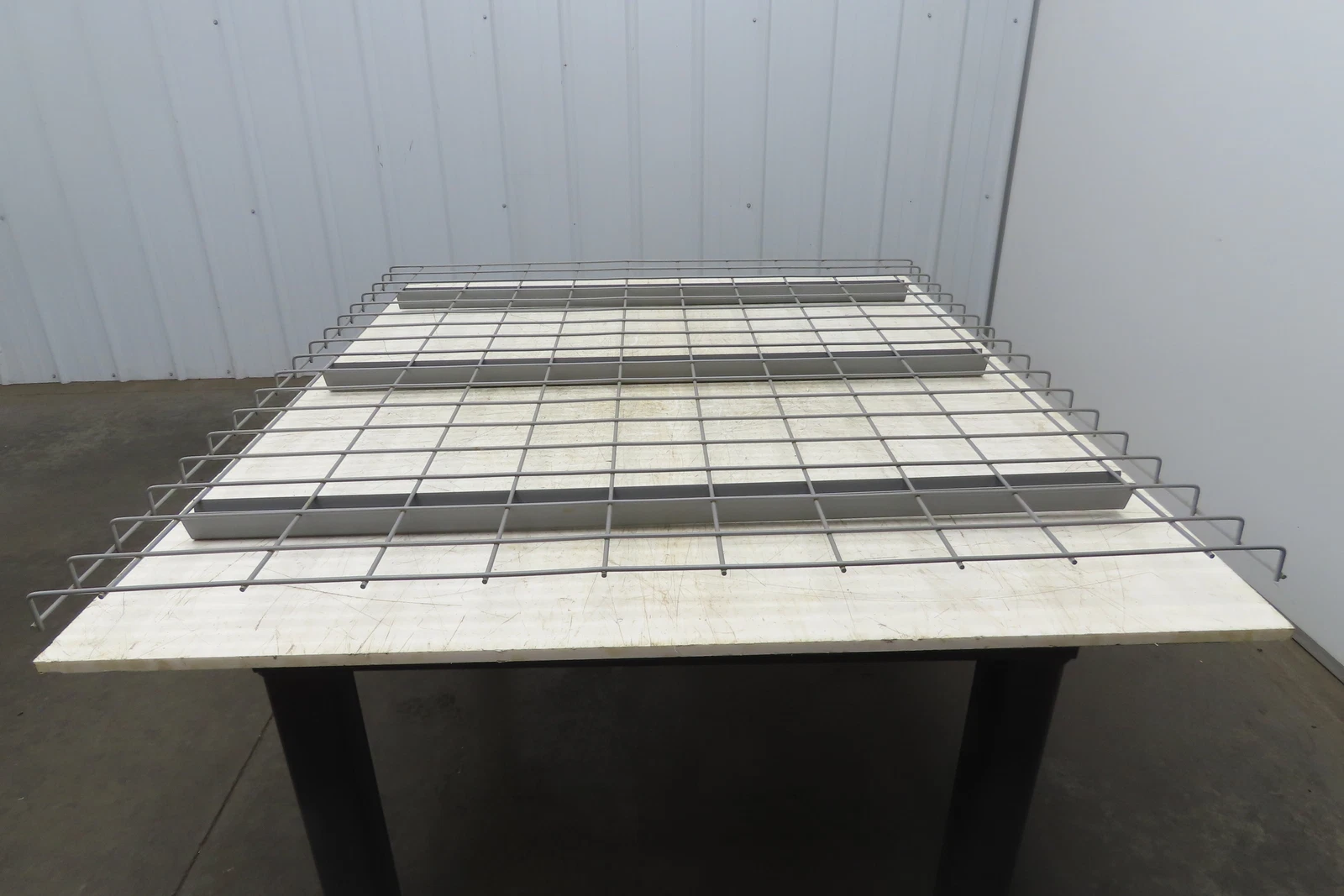
How Do Pallet Racks Reduce Product Damage Risks?
What Ethical Benefits Do Organized Warehouses Provide?
When a warehouse is organized right, with everything in its place—say, pallet racking lined up neat and steady—it’s not just about saving time or making life easier. It’s about doing right by the people who work there and the community it serves. Think about the folks lifting heavy boxes, moving pallets, or driving forklifts. When you’ve got a tidy setup, those pallet racks aren’t just metal beams; they’re the backbone of safety. No guesswork, no scrambling to find what you need, and no risking a stacked mess that could topple and cause real harm. That kind of care in setup shows respect for everyone’s well-being. It says, “We value your sweat and your safety.”
On the level of head and heart, an organized warehouse speaks to common sense and responsibility. It’s about honesty in how goods are handled and ensuring orders go out right, every time. When items are stored clearly on pallet racking, the chance of errors drops, and with fewer mistakes, customers get what they need without delay or mix-up. This reliability builds trust—it’s as simple as that. No one wants to wait on a shipment or find damaged goods, so being organized is an unspoken promise to do your job well and honor your commitments.
There’s an ethical rhythm to this whole thing, one that’s easy to overlook—fairness. When we talk about organized warehouses, we’re talking about fair treatment for workers who aren’t just cogs but people. If the environment is chaotic, it’s hard to mentally show up or take pride in the work. Clean pallet racking and orderly aisles create a space where effort is recognized and respected. It fosters dignity, reduces stress, and makes clocking in feel like stepping onto a job site where you count, not a roulette wheel of hazard.
Socially, organized warehouses ripple out beyond four walls. They keep the supply chain honest, protect the environment by reducing wastethrough breakage or spoilage, and support communities by ensuring goods move safely and efficiently. When you see pallet racking done right and every box labeled and in place, you’re witnessing a commitment to doing business with integrity—not just for profit but with purpose.
Organized warehouses are more than neat stacks and rows of pallet racks. They’re a pledge to people and principles, a way of working that respects labor, protects lives, and fulfills promises. For those with hands-on experience, that kind of setup isn’t fancy; it’s fundamental. It’s what being ethical looks like when the boots hit the floor and the work begins.

What Ethical Benefits Do Organized Warehouses Provide?
What Ethical Benefits Do Organized Warehouses Provide?
- Organized warehouses prioritize safety, protecting workers by reducing hazards through tidy, stable pallet racking.
- Clear and orderly storage minimizes errors, ensuring accurate orders and timely deliveries, which builds customer trust.
- Fair treatment of workers is fostered by clean, organized environments that promote dignity, reduce stress, and recognize effort.
- Well-managed warehouses contribute to social responsibility by maintaining honest supply chains and protecting the environment from waste.
- Orderliness in warehouses demonstrates respect for both labor and community, integrating ethical practices into daily operations.
- Organized setups reflect common sense and responsibility, serving as an unspoken promise to honor commitments and quality standards.
- For experienced workers, a properly organized warehouse is a fundamental ethical standard essential to effective, safe work.

What Ethical Benefits Do Organized Warehouses Provide?
How Can Pallet Racking Speed Up Order Fulfillment?
You’re standing in a warehouse with a pile of orders staring you down, time ticking, and customers waiting. You know every minute wasted is a chance to lose trust and profit. That’s where pallet racking comes in—it’s not fancy, but it’s the backbone that keeps everything moving smooth and steady. Pallet racking isn’t just about stacking stuff; it’s about working smarter so you can ship faster and keep customers coming back.
When you’ve got pallet racking set up right, finding what you need becomes a no-brainer. Instead of digging through piles or scrambling on the floor, everything has a spot. That cuts down on wasted steps, unnecessary bending, and those frustrating head-scratching pauses. Workers get to keep their heads in the game instead of hunting for products—a simple change that shaves precious minutes off every order and piles up into big time savings.
There’s something satisfying about seeing a neat row of pallet racking, each shelf loaded but accessible. It tells you this place runs with purpose. That kind of order doesn’t just happen by wishful thinking; it happens because someone cared enough to put an efficient system in place. And that care? It echoes through every shipped order, every happy customer on the other end, knowing their stuff arrived fast and intact. It’s more than mechanics; it’s respect for the job and the people relying on you.
From a common-sense standpoint, pallet racking makes warehouses safer, too. When goods aren’t just piled up on the floor or shoved haphazardly, accidents drop. The result: fewer damaged products, less downtime, and a team that feels right about where they work. That trust in your workplace translates into faster fulfillment because people aren’t worried about hazards—they’re focused on hustling.
If you want order fulfillment to fly, pallet racking is the no-nonsense answer. It’s proven, reliable, and respects the hard-earned sweat of every worker. No fluff, just straight-up practicality that keeps things ticking—the kind of solution that earns trust, commands respect, and delivers results day in and day out.

How Can Pallet Racking Speed Up Order Fulfillment?
How Can Pallet Racking Speed Up Order Fulfillment?
- Pallet racking is essential for efficient warehouse operations, enabling faster shipping and customer satisfaction.
- Properly organized pallet racking eliminates wasted steps, reduces unnecessary bending, and speeds up order processing.
- Neat and accessible pallet racks reflect purposeful, well-implemented systems driven by care and respect for the job.
- Pallet racking enhances workplace safety by preventing accidents caused by haphazard stacking of goods.
- Safer work environments reduce product damage, downtime, and improve team morale and focus.
- Pallet racking supports faster fulfillment by allowing workers to concentrate on their tasks without safety concerns.
- It is a practical, reliable solution that builds trust, respect, and delivers consistent warehouse performance daily.

How Can Pallet Racking Speed Up Order Fulfillment?
How Does Racking Support Safety for Warehouse Workers?
Look, when you’re hauling around heavy boxes or stacking pallets high, safety isn’t just some rule on paper—it’s the difference between clocking out in one piece or getting sidelined with an injury. Pallet racking isn’t just about cramming more stuff into a space; it’s the backbone that keeps the whole operation from turning into chaos. When racking is solid, well-maintained, and properly installed, it means shelves don’t collapse under weight, forklifts won’t accidentally push over unstable loads, and everyone in the warehouse doesn’t have to walk on eggshells.
Think about the folks on the floor—the guys and gals who breathe life into the warehouse every day. Their muscles ache, their hands get dirty, and they rely on equipment that won’t betray them when the pressure’s on. Good racking makes their jobs safer, yes, but it also shows respect for the sweat they put in. It says, “We care enough to keep this place from turning into a danger zone.” That kind of respect breeds trust. Workers who trust their environment can focus better, work faster, and keep accidents off the scoreboard.
From the head, the logic is clear. Pallet racking organizes goods in a way that limits movement, reduces jams, and keeps traffic flowing smoothly. When pallets have designated spots, you don’t have to guess where that next shipment sits or risk shifting heavy loads around. The system cuts down on mishaps that come from clutter or unstable stacking. Every detail—from the upright frames to the beams—matters when it comes to holding weight and standing firm over time. The structure is designed to meet industry standards because safety isn’t just nice to have; it’s a non-negotiable.
Ethically, businesses have a responsibility to protect their workers. Proper racking isn’t just about avoiding lawsuits; it’s about doing right by the people who make the operation tick. It’s a commitment to more than profits—it’s a commitment to people’s well-being. When management invests in quality pallet racking and regular inspections, they’re stepping up to say, “Your safety matters.”
On the social front, safety builds a culture where everyone watches out for one another. When you know the equipment won’t let you down, you’re more likely to have each other’s backs. Pallet racking might sound like cold steel, but it holds more than just goods—it holds a promise that the workplace is a place where your health and life come first.
At the end of the day, racking supports safety by making the warehouse a place where risks are managed, trust is earned, and every worker can go home without a scrape or worse. It’s common sense, it’s respect, it’s responsibility—all stacked up on sturdy pallet racking.

How Does Racking Support Safety for Warehouse Workers?
How Does Racking Support Safety for Warehouse Workers?
- Safety in pallet racking is essential to prevent injuries and maintain smooth warehouse operations.
- Well-installed and maintained pallet racking prevents collapses and unstable loads, protecting workers and equipment.
- Quality racking demonstrates respect for warehouse workers, fostering trust and improving focus and productivity.
- Pallet racking organizes inventory to reduce movement, jams, and mishaps, ensuring efficient traffic flow.
- Structures are designed to meet industry safety standards, making safety a mandatory priority.
- Businesses have an ethical responsibility to invest in proper racking to protect workers’ well-being beyond legal obligations.
- Safe pallet racking fosters a workplace culture of mutual care, risk management, and trust, ensuring workers return home unharmed.

How Does Racking Support Safety for Warehouse Workers?
What Role Does Pallet Racking Play In Inventory Management?
Pallet racking might not be the flashiest part of a warehouse, but if you’ve ever tripped over a mess of boxes or lost time hunting for a misplaced item, you know it’s the backbone holding everything together. It’s the unsung hero that turns chaotic piles into an organized system, saving your sanity and your bottom line. When you think about inventory management, pallet racking isn’t just about shelves—it’s where efficiency meets practicality, carved out in steel beams and heavy-duty bolts.
The head knows it’s about maximizing space and cutting costs. Proper pallet racking means stacking smarter, not just higher. It allows every pallet to have its spot, making stock easy to track and access without dangerous climbs or endless searching. When inventory flows smoothly, orders get out on time, and customers feel that trustworthy rhythm. Behind every successful shipment is pallet racking silently doing its job, making sure goods aren’t just stored—they’re managed.
But the heart gets into this, too. Anyone who’s spent long hours on the warehouse floor understands the pride in a well-kept space. There’s a simple satisfaction in walking down neat aisles, knowing the system works because someone cared enough to build it right. It’s respect for the work itself, for the goods, and for the folks who rely on that inventory day in and day out. Pallet racking isn’t just metal; it’s part of a bigger story about teamwork, trust, and getting the job done right.
Ethically, it’s about safety and responsibility. A poorly planned setup isn’t just inefficient—it’s dangerous. Pallet racking done right keeps workers safe from falls and collapses, protects inventory from costly damage, and reduces waste. That’s integrity in action, showing that managing inventory isn’t just about numbers but about people.
Pallet racking earns its place because it’s real, straightforward, and tough. It trusts no frills—just solid design that stands up to the daily grind. If you want your inventory to work for you, not against you, you start here. When the shelves are right, the whole system hums, and everybody gets to call it a good day’s work.

What Role Does Pallet Racking Play In Inventory Management?
What Role Does Pallet Racking Play In Inventory Management?
- Pallet racking is the essential, though often overlooked, structure that organizes warehouse inventory and improves efficiency.
- It maximizes space and reduces costs by enabling smarter stacking and ensuring every pallet has an assigned spot for easy tracking and access.
- Efficient pallet racking supports smooth inventory flow, timely order fulfillment, and reliable customer service.
- Well-maintained pallet racking fosters pride and respect among warehouse workers, contributing to a positive and organized work environment.
- Proper design prioritizes safety, preventing accidents, protecting goods, and reducing waste, reflecting ethical responsibility.
- Its durable and straightforward construction withstands daily warehouse demands without unnecessary complexity.
- Effective pallet racking is foundational to a functional inventory system, enabling overall operational success and teamwork.

What Role Does Pallet Racking Play In Inventory Management?
Conclusion
At the heart of any canned goods processing operation, pallet racking stands as the unsung hero—a simple, sturdy system that turns chaos into order and sweat into pride. This isn’t about flashy technology or highfalutin schemes; it’s about real-world, hands-on solutions that respect the work and the workers who keep the line moving day in, day out. Pallet racking does more than stack cans; it builds trust. It’s confidence in knowing that pallets won’t tip, products won’t get crushed, and orders won’t get lost in a heap. That trust lifts the team, fuels steady workflows, and honors the effort behind every shift.
Space in a warehouse isn’t spare—it’s sacred. Pallet racking maximizes every square foot without turning the place into a dangerous jumble. It reshapes sprawling piles into neat, accessible rows where forklifts can glide without dodging danger, and workers can find what they need without the usual headaches. This order saves time, cuts down on costly mistakes, and keeps backs and wrists from paying the price. It’s common sense layered with respect for the folks who make the operation tick.
Damage and waste are the warehouse’s silent enemies, lurking in unstable stacks and muddled aisles. Pallet racking shuts the door on them by giving every box a proper home, keeping goods off the floor and out of harm’s way. When products arrive intact, it’s not just about dollars saved—it’s about pride in the job done right, respect for the customers depending on those shelves, and a solid ethical footprint that honors resources and reduces waste.
Safety isn’t some abstract policy; it’s the difference between getting through a shift whole or sidelined by injury. Well-built pallet racks are the quiet guardians keeping shelves steady and aisles clear. They mean fewer accidents, less reckless juggling of loads, and a workplace where workers can focus without fear. Investing in quality racking sends a clear message: You matter. Your safety matters. This ethical commitment ripples beyond the warehouse floor, fostering a culture where everyone looks out for one another.
Inventory management hinges on knowing exactly where each pallet sits and how to get to it fast. Pallet racking is the backbone of that clarity—it turns shelves into a system where goods aren’t just stored but managed smartly. This efficiency speeds up order fulfillment, cutting wasted steps and erasing guesswork. It means customers get what they ordered, when they need it, building trust that keeps business humming.
Ultimately, pallet racking strips away the fancy and leaves what really counts: a no-nonsense backbone that respects the grit and grind of everyday work, delivers consistent results, and sustains an operation that feeds communities. It’s humble steel and sweat equity welded into a system that protects people, products, and pride. This is the kind of practical, reliable muscle every canned goods processor bets on—and it pays off every day.

Conclusion
Conclusion:
- Pallet racking is a crucial, sturdy system that organizes warehouse operations, ensuring pallets are stable and products remain undamaged.
- It maximizes warehouse space efficiently, creating accessible rows that improve workflow and reduce physical strain on workers.
- Pallet racking minimizes damage and waste by providing proper storage, protecting goods, and supporting ethical resource use.
- It enhances safety by maintaining steady shelves and clear aisles, reducing accidents and fostering a protective workplace culture.
- The system improves inventory management by clearly organizing pallets, speeding order fulfillment, and reducing errors.
- Pallet racking supports reliable, consistent operations essential to the canned goods processing industry.
- It combines practical durability with respect for workers, protecting people, products, and pride in the workplace.

Conclusion
Other Resources

Other Resources
Here is a list of other resources you can review online to learn more:
- IIWS Inc. Rack Installation Illinois & Rack Repairs Illinois
- Illinois
- Pallet Racks, Pallet Racking, Pallet Shelves in Stock – ULINE
- BMH
- SEMA
- Teardrop Pallet Rack – Ridg-U-Rak
- Warehouse Racks, Warehouse Racking in Stock – ULINE
- Selective Rack – Raymond West
- RMI
- Cantilever Racking Specialists – Get the Right Racks
- The Complete Pallet Rack Guide – Simply Rack
- Warehouse Automation
- WERC
- Warehouse Storage Racking in Illinois
- Interlake Mecalux
- Pallet Racking systems in Illinois and Great Lakes
- International Warehouse Logistics Association
- Selective Racking
- Pallet Racking systems in Illinois and Great Lakes
- Warehouse Racking System: Powerful Guide to Optimise, 2024
Use This Prompt To Get More Resources With Your Favorite Online AI Tool: Please provide me with a list of online articles with their URLs in a bulleted list that I can read regarding How Do Canned Goods Processors Leverage Pallet Racking?

Other Resources
Glossary Terms
How Do Canned Goods Processors Leverage Pallet Racking? – Glossary Of Terms
1. Pallet Racking: A storage system designed to hold materials on pallets in horizontal rows with multiple levels.
2. Canned Goods: Food products preserved and sealed in metal cans.
3. Processor: A facility or company that prepares and packages canned goods.
4. Warehouse: A large building where goods are stored before distribution.
5. Inventory Management: The process of ordering, storing, and using a company’s goods.
6. Load Capacity: The maximum weight that a pallet rack can safely hold.
7. Vertical Space Utilization: Using the height of storage areas to maximize storage capacity.
8. Forklift: A vehicle used to lift and move pallets within a warehouse.
9. Pallet: A flat transport structure that supports goods in a stable manner while being lifted.
10. Slotting: The method of organizing products in a warehouse based on demand and handling requirements.
11. Accessibility: The ease with which goods can be retrieved from storage.
12. Throughput: The rate at which goods move through a warehouse or production facility.
13. Safety Standards: Regulations and guidelines to ensure safe storage and handling of goods.
14. Space Optimization: Efficient use of available storage area.
15. Load Stability: The secured condition of pallets preventing shifting or falling.
16. Rack Configuration: The specific arrangement and type of pallet racking used.
17. Cross Docking: A logistics practice where goods are unloaded and immediately loaded for shipment.
18. FIFO (First-In, First-Out): Inventory rotation method to ensure older stocks are used first.
19. LIFO (Last-In, First-Out): Inventory method where the last items stored are first retrieved.
20. Picking Efficiency: The speed and accuracy of selecting goods from storage.
21. Bulk Storage: Storing large quantities of a single product.
22. Load Distribution: Evenly spreading weight across racking systems to prevent collapse.
23. Material Handling Equipment: Tools used to move, store, and control materials.
24. Racking Inspection: Routine checks to maintain structural integrity of pallet racks.
25. Shelf Life Management: Tracking the duration products remain usable.
26. Automation Integration: Incorporating automated systems with pallet racking for improved efficiency.
27. Load Backrest: A structure on racks preventing goods from falling backward.
28. Beam: Horizontal support in pallet racks holding pallets.
29. Upright Frame: The vertical part of the pallet rack structure providing support.
30. Warehouse Layout: The arrangement of storage, equipment, and aisles within the warehouse.

Glossary Of Terms
Other Questions
How Do Canned Goods Processors Leverage Pallet Racking? – Other Questions
If you wish to explore and discover more, consider looking for answers to these questions:
- What types of pallet racking systems (selective, drive-in, push-back, pallet flow, cantilever, etc.) are best suited for canned goods?
- How do you calculate required load capacity per beam and per rack for canned goods pallets?
- What are the optimal aisle widths and forklift clearances for safe, efficient picking in a canned goods facility?
- How should warehouse layout and rack configuration be designed for FIFO (first-in, first-out) versus LIFO operations?
- How does pallet racking integrate with warehouse management systems (WMS) and barcode/RFID tracking?
- What racking options support automated storage and retrieval systems (ASRS) or pick-to-light systems?
- What are the typical installation timelines and site requirements for new racking installations?
- Which industry standards and regulations (OSHA, NFPA, local building codes, food safety/HACCP) apply to pallet racking in food processing warehouses?
- What are recommended inspection frequencies and checklists for rack safety and integrity?
- What are common signs of rack damage and when should a rack be taken out of service?
- How should damaged racks be repaired or replaced, and who should perform the repairs?
- What protective equipment and guards (column protectors, end-of-aisle bollards, rack shields) are most effective to prevent forklift impacts?
- How does pallet racking design change for cold storage or temperature-controlled environments?
- What materials and finishes resist corrosion and cleaning chemicals used in food warehouses?
- How should racks be designed or adapted to support sanitation procedures and regular cleaning schedules?
- What are best practices for pest control and preventing contamination around racking?
- How can racking support traceability and recall procedures for specific lots or batches of canned goods?
- What spill containment or secondary containment measures are needed around pallet racks?
- How does racking layout affect order picking speed and pick rates per hour?
- What ergonomic considerations (rack heights, pick-face levels, use of mezzanines) reduce worker strain and injuries?
- What training programs and frequency are recommended for forklift operators and rack inspectors?
- How do you determine what pallet sizes and pallet patterns work best with a chosen racking system?
- How to plan for seasonal volume spikes and temporary overflow using racking or portable solutions?
- What are the comparative costs (capital and operational) of different racking systems and their expected ROI?
- Is leasing racking equipment preferable to purchasing for a canned goods processor, and under what circumstances?
- How is weight distribution and load stacking planned to avoid overloading uprights or beams?
- What signage, load-rating labels, and capacity markings are legally required or recommended on racks?
- How do seismic, wind, or other regional factors influence racking design and anchoring?
- What are the best practices for implementing pallet rotation and shelf-life control for canned goods?
- How do racking systems impact waste reduction, spoilage rates, and inventory shrink?
- What maintenance schedule and documentation practices should be used to demonstrate compliance and due diligence?
- How should staging, receiving, and shipping areas be arranged relative to racking to minimize handling steps?
- What solutions exist for narrow-aisle or high-density storage while retaining safe access for forklifts?
- How can rack layouts be optimized using data (turnover, velocity, SKU dimensions) to reduce travel times?
- What are common failure modes of pallet racking and how can they be prevented by design or process controls?
- How does racking choice affect insurance premiums and liability exposure for food processors?
- What warranty, certification, and installation verification should be required from racking suppliers?
- How long is the expected service life of commercial pallet racking and what factors shorten or extend it?
- What sustainable or recyclable racking materials and end-of-life disposal options are available?
- How should recall handling workflows be integrated with racking layout to isolate and retrieve affected stock quickly?

Other Questions
Checklist
How Do Canned Goods Processors Leverage Pallet Racking? – A Checklist
Strategy and Planning
✅______ Storage strategy defined (FIFO/FEFO) aligned to shelf life and customer requirements
✅______ SKU profiling completed (dimensions, weight, case/pallet configuration, velocity)
✅______ Pallet standards defined (type, condition criteria, overhang limits)
✅______ Throughput targets documented (receiving, put-away, picks, replenishment)
✅______ Future growth and seasonality accounted for in capacity plan
Space and Layout
✅______ Building clear height, column grid, and slab condition verified
✅______ Aisle widths validated for equipment turning radius and load size
✅______ Dedicated zones marked (receiving, staging, quarantine, returns, recycling)
✅______ Cross-aisles and emergency egress paths unobstructed
✅______ Dock-to-stock flow mapped to minimize travel and touches
Rack Selection and Design
✅______ Rack type matched to needs (selective, double-deep, drive-in, push-back, pallet flow)
✅______ Beam levels set to product heights plus handling clearance
✅______ Flue spaces incorporated for fire protection and ventilation
✅______ Accessories specified (wire decking, pallet supports, backstops, row spacers)
✅______ Impact protection included (end-of-aisle guards, post protectors, rack netting as needed)
✅______ Corrosion-resistant finishes considered for humid/cooler areas
Engineering and Compliance
✅______ Load calculations stamped by a qualified engineer
✅______ Seismic and floor slab capacity verified for rack loads and anchors
✅______ Conforms to applicable standards (RMI/ANSI and local codes)
✅______ Fire protection reviewed (sprinkler coverage, high-piled permits if required)
✅______ High-hazard or special products segregated per code
Installation and Commissioning
✅______ Racks installed per manufacturer specifications; all base plates anchored
✅______ Plumbness and levelness checked; tolerances documented
✅______ Beam locks engaged and verified
✅______ Load plaques posted with maximum bay/beam capacities
✅______ Pre-startup safety review completed before loading inventory
Load Management
✅______ Heaviest pallets stored on lower levels
✅______ Even load distribution across beams; no point loading without supports
✅______ Pallet condition inspected before racking (no broken boards or blocks)
✅______ Overhang controlled to protect flues and adjacent loads
✅______ No double-stacking on beams unless the system is rated for it
Material Handling and Traffic
✅______ Equipment matched to rack design (fork type, mast height, reach capability)
✅______ Traffic lanes, speed limits, and right-of-way rules posted
✅______ Mirrors, barriers, and floor striping in high-traffic intersections
✅______ Battery charging area compliant (ventilation, spill kits, signage)
✅______ Staging lanes sized and labeled (inbound, outbound, exceptions)
Safety and Ergonomics
✅______ Fall protection provided for elevated work
✅______ Case-pick areas equipped with decking and toe boards
✅______ Lighting sufficient for safe picks and scans at height
✅______ PPE requirements posted and enforced
✅______ Spill response materials available; procedures posted
Inventory Management and Traceability
✅______ Location schema defined; all rack positions labeled and scannable
✅______ Lot/expiry captured at receiving; FEFO enforced in WMS
✅______ Replenishment rules set (min/max or triggers) to keep pick faces stocked
✅______ Cycle count program active; accuracy target defined
✅______ Visual identification aids used (color coding, signage)
Order Fulfillment and Replenishment
✅______ Slotting based on velocity (A/B/C) to minimize travel
✅______ Clear separation of pick and replenish tasks and time windows
✅______ Pick paths optimized; congestion points eliminated
✅______ Dedicated fast-mover zones or pallet flow lanes where applicable
✅______ Pack-out and QA checks positioned near shipping
Damage Prevention
✅______ Stretch-wrap and strapping standards defined; corner boards used as needed
✅______ Pallet infeed/outfeed guides and backstops installed where risk exists
✅______ Dock levelers and bumpers maintained to prevent shock damage
✅______ Temperature and humidity monitored to prevent condensation and corrosion
✅______ Impact reporting process in place (tag-out and escalation)
Housekeeping and 5S
✅______ Aisles clear; no storage on floors outside designated zones
✅______ Debris, broken pallets, and wrap removed promptly
✅______ Tools, labels, and consumables stored at point of use
✅______ Routine 5S audits scheduled and tracked
✅______ Waste streams sorted for recycling where possible
Training and Culture
✅______ Operators trained/certified for equipment and rack use
✅______ Rack safety awareness training completed (capacity, damage reporting)
✅______ New-hire and refresher training schedule maintained
✅______ Near-miss reporting encouraged; corrective actions tracked
✅______ Posted SOPs for receiving, put-away, pick, replenish, and inspection
Inspection, Maintenance, and Repairs
✅______ Daily walk-throughs for obvious damage and obstructions
✅______ Monthly supervisory rack inspections documented
✅______ Annual qualified rack inspection completed
✅______ Impacted or damaged components tagged out and repaired with OEM parts
✅______ Anchor bolts, beam locks, and protectors checked and tightened on schedule
Environmental and Product Care
✅______ Pest control program active; ingress points sealed
✅______ Temperature zones mapped; products stored within specification
✅______ Condensation controls in coolers/freezers; non-slip floors maintained
✅______ Corrosion checks on racks and pallets; touch up or replace as needed
✅______ Food safety requirements integrated (GMPs; allergen segregation if applicable)
Metrics and Continuous Improvement
✅______ Space utilization measured (cubic and slot utilization)
✅______ Dock-to-stock time tracked
✅______ Pick rate and order cycle time monitored
✅______ Inventory accuracy and damage rate (PPM) reported
✅______ Safety KPIs tracked (near misses, recordables); actions closed
✅______ Periodic re-slotting and layout reviews executed
Documentation and Records
✅______ As-built drawings, load tables, and permits on file
✅______ Inspection and repair logs maintained
✅______ Training records current and accessible
✅______ SOPs and emergency procedures controlled and versioned
✅______ Vendor/OEM manuals and contacts available for quick reference

Checklist
At RackingWorld, we help guide you through selecting warehouse storage systems and racking.
Be sure to read our other related stories at RackingWorld to learn more about warehouse storage systems.
0 Comments