
Unlock Your Potential: Overcome Chaos To Accelerate Life’s Rewards
By Tom Seest
At RackingWorld, we help guide you through selecting warehouse storage systems and racking.
Be sure to read our other related stories at RackingWorld to learn more about warehouse storage systems.
How Disorganization Kills Fulfillment Speed
Disorganization has a hidden cost that often goes unnoticed until it’s too late. It creeps into our lives like a thief in the night, robbing us of fulfillment and dragging down our productivity. Picture a warehouse filled with racking systems, meant to streamline operations, yet instead, they’re cluttered with misplaced tools, outdated inventory, and half-finished projects. This chaos doesn’t just create confusion; it breeds frustration and disillusionment.
When you walk into a disorganized space, there’s a palpable weight in the air. It’s stress knocking at your door, making you question whether you can keep up with demands. Heart and gut instinct tell you something’s off. You know you’re capable of more, yet find yourself wading through obstacles that shouldn’t be there. Rationally, you understand that your time is finite and should be spent on growth and creativity, not rummaging through a heap of mess.
Ethically, the disruption caused by disorganization impacts not just you but your team, your community, and your customers. A disarrayed work environment sends a signal that you don’t value space, time, or the efforts of those around you. Think about it: would you trust a shop with scattered tools to fix your car or a contractor who can’t find their blueprints? It’s a blow to credibility that can take years to rebuild.
This isn’t just about tidiness; it’s about creating a culture of efficiency and respect. By embracing organization, we align our actions with our values, reestablishing trust within our communities. Clean, organized racking systems in a workshop tell a story of dedication and skill. They show you’re prepared. They show respect for the craft and those who rely on your work.
It’s time to take action. Start simply by decluttering one section—a racking system, a storage room, or even a desk. Watch how a little effort transforms not just the space but your mindset. As you clear out the old, new ideas flow in, reigniting passion and propelling you toward your goals. Connection to your work deepens, and fulfillment speeds up as you reclaim your space and, by extension, your purpose. In a world where chaos often feels like the norm, let’s dare to cultivate order and see how far it takes us.

How Disorganization Kills Fulfillment Speed
How Disorganization Kills Fulfillment Speed
- Disorganization leads to unnoticed costs that affect fulfillment and productivity.
- A cluttered environment creates confusion, frustration, and disillusionment.
- Stress arises in disorganized spaces, affecting capability and performance.
- Disorganization disrupts teams, communities, and customer relations, signaling a lack of respect for time and effort.
- A clean, organized workspace reflects dedication, skill, and preparedness.
- Taking action by decluttering can transform spaces and mindsets, sparking new ideas and passion.
- Embracing organization fosters efficiency, respect, and deeper connections to work and purpose.

How Disorganization Kills Fulfillment Speed
Table Of Contents
- How Disorganization Kills Fulfillment Speed
- How Does Disorganization Impact Your Daily Happiness?
- What Are the Emotional Costs Of Clutter?
- Can Chaos In Life Lead to Missed Opportunities?
- How Does Being Organized Relate to Self-Esteem?
- What Role Does Disorganization Play In Stress Levels?
- Are You Prioritizing Tasks That Truly Matter?
- Conclusion
- Other Resources
- Glossary Of Terms
- Other Questions
- Checklist
How Does Disorganization Impact Your Daily Happiness?
Disorganization doesn’t just clutter your space; it reaches into the core of your happiness, often without you even realizing it. Imagine coming home after a long day, ready to unwind, only to be met with chaos—a pile of unopened mail stacked high, tools scattered across the garage, and a kitchen that looks like a tornado blew through it. That mess weighs heavier than you think, pressing down on your mood like a lead blanket.
When we’re disorganized, it’s not just our living spaces that suffer; our minds become cluttered too. There’s a sense of unease that sneaks in, making it hard to focus on what truly matters. Studies show that an orderly environment helps us think clearly, increasing our productivity and, ultimately, our happiness. This isn’t just some pie-in-the-sky theory; it’s grounded in the everyday struggles many face. You start the day overwhelmed, your to-do list feels miles long, and each little disarray screams for attention, drowning out the joy of the simpler moments.
On another level, there’s a relational impact too. Think about how often we gather with friends or family. When your home is chaotic, it can be a psychological barrier. You might hesitate to invite loved ones over, fearing judgment or embarrassment. But when things are in their place, your home transforms into a haven, a space of connection, laughter, and shared memories. It becomes a canvas for those heartfelt moments that stay with us long after the visit ends.
The ethics of managing our environments speaks to responsibility, both to ourselves and those around us. A tidy setup isn’t merely for aesthetics; it’s about respect for your space and for the people who share it with you. Practical tools like racking systems can provide effortless organization, helping you optimize your environment and regain control over your life. Investing time and resources into creating a more organized space is an investment in your happiness.
At the end of the day, it’s clear: living with disorganization drains our joy and complicates our connections, while a little effort towards tidiness can lead to a more fulfilled, happy life. Embracing organization is not just about having a clean space; it’s about reclaiming your peace of mind, building confidence, and fostering genuine connections.

How Does Disorganization Impact Your Daily Happiness?
How Does Disorganization Impact Your Daily Happiness?
- Disorganization negatively impacts happiness and creates mental clutter.
- Unorganized spaces can lead to feelings of overwhelm and hinder focus.
- An orderly environment enhances productivity and overall well-being.
- Chaos in the home can deter social interactions due to fear of judgment.
- A tidy living space fosters connection and creates lasting memories.
- Maintaining organization reflects responsibility towards oneself and others.
- Investing in organization tools can lead to improved peace of mind and joy.

How Does Disorganization Impact Your Daily Happiness?
What Are the Emotional Costs Of Clutter?
Clutter isn’t just the stuff piled up in the corner; it’s a weight that hangs over your head, gnaws at your peace of mind, and chips away at your sense of control. Picture this: you’re coming home after a long day, and instead of a welcoming space, you’re greeted by chaos. Racking systems teeter over boxes of forgotten projects, and you can’t help but feel a wave of anxiety wash over you. That disarray stirs frustration and disappointment, and suddenly, it’s more than just stuff—it’s a reflection of what’s going on inside you.
Firstly, let’s talk about emotional strain. Every item you own carries a memory, a piece of your past. When that past becomes a cluttered present, it can cloud your emotional landscape. Memories tied to objects can trigger sadness or regret, dragging you down when you least need it. That overflowing garage or stuffed closet isn’t just inconvenient; it can turn into a mental obstacle, making it hard to focus and be present. It’s hard to envision a brighter future when you’re surrounded by reminders of what once was, or what you’ve failed to complete.
Rationally, you might recognize the need for organization, but the inertia of clutter can feel like an insurmountable task. You tell yourself you’ll get to it tomorrow, but tomorrow comes, and the pile grows. This procrastination feeds the cycle—each day that passes can spiral deeper into feelings of shame. The ethical responsibility to care for your space, your sanctuary, becomes muddy when the clutter keeps growing.
Moreover, this isn’t just individual misery—it affects relationships too. Guests tread lightly through your space, perhaps not wanting to intrude on your strewn treasures. Friendships falter when you avoid inviting people over, feeling embarrassed by the disarray. It’s vital to recognize how this burden doesn’t just weigh on you; it impacts those you care about, making it harder to connect in a meaningful way.
Take a step back to consider the freedom that comes with decluttering. Imagine the sense of pride you’d feel creating a space that serves not just a purpose, but a refuge. The act of sorting through clutter is not merely a chore; it’s a chance to reclaim your life. It’s about more than just tossing items into bins or setting up racking systems; it’s about shedding emotional baggage and making room for new experiences and opportunities. Embrace that path to clarity—it’s a story of growth, control, and a reminder that you deserve a life unencumbered by unnecessary weight.
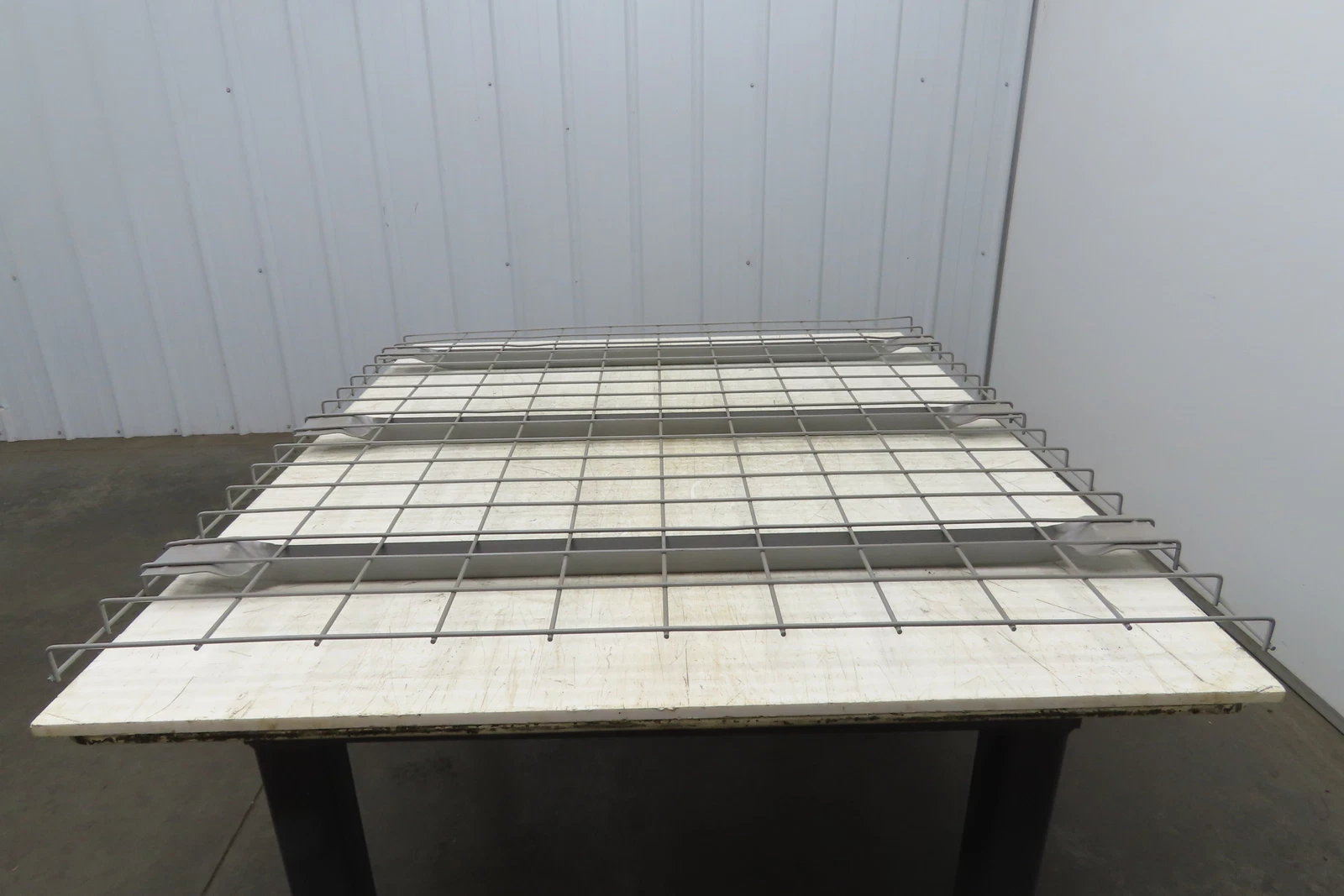
What Are the Emotional Costs Of Clutter?
What Are the Emotional Costs Of Clutter?
- Clutter creates emotional strain, impacting peace of mind and sense of control.
- Items are tied to memories, leading to feelings of sadness and regret.
- Disorganized spaces become mental obstacles, hindering focus and presence.
- Procrastination regarding decluttering leads to deeper feelings of shame.
- Clutter affects relationships, making it difficult to host and connect with others.
- Decluttering offers freedom, creating a purposeful and welcoming space.
- The process is about reclaiming life and making room for new opportunities.

What Are the Emotional Costs Of Clutter?
Can Chaos In Life Lead to Missed Opportunities?
Life can sometimes feel like a tornado, with chaos swirling around us, tossing routines and plans aside. In the midst of this turbulence, we often find ourselves grappling with missed opportunities, wondering if things might have turned out differently had our lives been more predictable. Think about it: how often have life’s unexpected twists blocked your view of potential paths? When you’re caught in the whirlwind, it’s easy to overlook the golden chances that might be right in front of you.
Consider the story of a warehouse manager who relied heavily on racking systems to streamline operations. For years, he worked tirelessly to keep everything organized and efficient. But one winter, a storm caused a major disruption. The chaos left him scrambling to manage supply chain issues, and he found himself consumed by the immediate crises. In the midst of this, he neglected an important opportunity to invest in new technology that could have revolutionized his operations. He was busy dealing with the fallout of chaos and lost sight of where he could grow and improve.
This narrative isn’t just about a racking system; it’s a metaphor for life’s unpredictability. The truth is, chaos can blindside us, redirecting our focus away from opportunities we might otherwise seize. It challenges us to react, often at the expense of proactivity. Think about times you’ve rushed to put out fires in your own life, be it in work or personal relationships. The human instinct to react can obscure our vision, leaving us disconnected from what truly matters—the potential for change and progress.
When we connect the dots, it becomes clear: chaos isn’t inherently negative. It offers us experiences that forge resilience. Yet, to truly benefit from chaos, we have to balance the immediate demands with a broader perspective. We need to carve out space to reflect amid the noise. From our hands-on experiences, we learn that tools of organization, much like those racking systems, can provide stability in unpredictable times. They serve as a guide, allowing us to navigate through the mess, ensuring we don’t miss opportunities that might just change our course.
Embracing the chaos can be tough, but it’s essential to recognize that within it lies the potential for growth. Don’t let the whirlwind sweep you away; instead, use it as a catalyst for discovering new possibilities. Be proactive, keep your eyes peeled, and let the storm lead you to better, more fulfilling opportunities instead of leaving you wondering what could have been.

Can Chaos In Life Lead to Missed Opportunities?
Can Chaos In Life Lead to Missed Opportunities?
- Life can feel chaotic, resembling a tornado that disrupts routines and plans.
- Individuals often miss opportunities due to life’s unpredictable twists and immediate crises.
- A warehouse manager’s story illustrates how chaos can distract from potential growth and innovation.
- Chaos is not inherently negative; it can foster resilience when approached with the right mindset.
- Finding balance between reacting and being proactive is crucial for recognizing opportunities.
- Organization tools can provide stability and guidance during turbulent times.
- Embracing chaos can lead to personal growth and new possibilities if one remains proactive.

Can Chaos In Life Lead to Missed Opportunities?
How Does Being Organized Relate to Self-Esteem?
Being organized is more than just having a tidy space; it’s a framework that supports our daily lives, builds confidence, and cultivates a sense of self-worth. Just think about how it feels to walk into a clutter-free room. There’s an instant relief—your mind clears, and you can breathe easier. Using racking systems in a workshop or storage area doesn’t just organize tools; it establishes a sense of order and control. You know where everything is, and you can find it without tearing apart your environment. This efficiency breeds confidence because you’re telling yourself, “I’ve got this under control.”
When we take the time to organize, whether it’s our workspace or our to-do list, we begin to build a narrative that fosters a positive self-image. It’s a small act, yet it sends a huge message to ourselves: “I value my time and resources.” Each neatly labeled box or organized project file serves as a tangible reminder of our ability to manage our lives, reinforcing our self-esteem. It’s the kind of feeling that arises not from flashy achievements but from the steady, reliable practice of organization.
On a more emotional level, we also connect with others through our organized efforts. When friends or family see that we’ve taken charge of our space, it speaks volumes about our character. It shows diligence and respect for both ourselves and those around us. People notice when the environment feels inviting and manageable, leading them to feel more comfortable and connected. The communal aspect of being organized fosters relationships grounded in trust, respect, and shared experience.
Moreover, there’s an ethical edge to organization. It demonstrates responsibility—to ourselves, to our families, and even to our workplace. When we maintain organized spaces, we reduce stress not just for ourselves, but for everyone who shares those spaces with us. This collective ease nurtures a supportive environment where everyone can thrive, enhancing personal and social well-being.
Ultimately, adopting organizational habits inspires action. It encourages us to tackle new challenges with a sense of clarity and assurance. So, whether you’re arranging a garage using racking systems or streamlining your schedule, each step taken toward organization is a step toward improving your self-esteem and creating a more fulfilling life.

How Does Being Organized Relate to Self-Esteem?
How Does Being Organized Relate to Self-Esteem?
- Organization goes beyond a tidy space; it supports daily life and builds confidence.
- A clutter-free environment brings instant relief and mental clarity.
- Using racking systems establishes order and control over tools and resources.
- Organizing fosters a positive self-image, reinforcing self-esteem through small acts of order.
- Organized spaces improve connections with others, showcasing respect and diligence.
- Maintaining organization demonstrates responsibility and reduces stress for everyone involved.
- Adopting organizational habits encourages tackling new challenges with clarity and assurance.

How Does Being Organized Relate to Self-Esteem?
What Role Does Disorganization Play In Stress Levels?
Disorganization can creep into daily life like a storm cloud, weighing heavily on our shoulders and affecting more than just our physical surroundings. When we find ourselves surrounded by chaos—cluttered closets, overflowing drawers, or even a chaotic workspace—we’re not just dealing with a messy environment; we’re also inviting stress into our lives. Think of it this way: when your life’s like a poorly maintained racking system, loaded with too much stuff and nothing in order, you’re left searching through the clutter while time slips away.
Emotionally, disorganization hits hard. Imagine coming home after a long day, exhausted, only to be met with a sea of unpaid bills, mismatched socks, or an untidy garage. It feels suffocating, like drowning in a wave of responsibilities that seem impossible to tackle. That sense of overwhelm can lead to anxiety, making us question our ability to handle even the simplest tasks. Our mental clarity becomes clouded, and we start to feel like we’re living in a perpetual state of chaos.
Rationally, the evidence is clear: studies show that a disorganized space can directly increase stress levels. We know that when we’re trying to focus on important tasks, a cluttered environment pulls our attention in a hundred different directions. It’s a cognitive overload that can lead to decreased productivity and decision-making fatigue. There’s no peace of mind when the chaos around us reflects the chaos within.
Ethically, it’s worth considering how our disorganization impacts those around us. Friends and family might feel the stress ripple outwards from our tangled lives, leading to frustrations that affect relationships. When we tidy up not just for ourselves but for those we care about, we foster a nurturing environment for connection.
Authority on the matter comes from experts who endorse the benefits of organization—not just for a tidy living space, but for a peaceful mindset. It encourages us to take action, to implement simple systems that promote order and minimize stress.
Every small victory in clearing away the clutter, whether it’s a single drawer or an entire room, fills us with a sense of achievement. Each organized shelf echoes resilience, reminding us that even amid disarray, we can take charge, one step at a time. In a world where life’s pressures pile up like a neglected storage unit, mastering the art of organization becomes an act of defiance—a declaration that we won’t let disarray dictate our lives.

What Role Does Disorganization Play In Stress Levels?
What Role Does Disorganization Play In Stress Levels?
- Disorganization affects mental and emotional well-being, inviting stress into our lives.
- Cluttered environments lead to decreased productivity and cognitive overload.
- Returning to a disorganized home after a long day can feel overwhelming and suffocating.
- Disorganization can strain relationships, as stress ripples outwards to friends and family.
- Experts endorse organization for promoting peace of mind and reducing stress.
- Small victories in organization provide a sense of achievement and resilience.
- Mastering organization is an act of defiance against chaos in our lives.

What Role Does Disorganization Play In Stress Levels?
Are You Prioritizing Tasks That Truly Matter?
Are you prioritizing tasks that truly matter? It’s easy to get caught up in the daily grind, running from one task to another, often in a blur of urgency. But let’s take a moment to step back and reflect. Picture yourself in a busy warehouse, surrounded by towering racking systems. Each shelf represents different responsibilities, all clamoring for your attention. But which of those tasks are essential, and which are just noise?
When you look at those racking systems, you see the foundation of order and efficiency. Just like in a well-organized warehouse, your life and work call for a hierarchy. You need to identify the items on your list that drive progress, not just the ones that seem pressing. The gut check here is simple: Do tasks fill you with purpose and satisfaction, or are they merely fire drills?
From a rational standpoint, prioritizing what truly matters saves time and reduces stress. Think about it—spending time on low-impact tasks can lead to feelings of frustration and burnout. Contrast that with investing energy into strategic tasks that align with your goals. The effort becomes more rewarding, not just in the accomplishment, but in the impact you create. Ask yourself, when you clear out the clutter, what will remain that defines your mission and adds value beyond the daily routine?
Ethically, there’s a responsibility to yourself and those who rely on you. Focusing on what genuinely matters builds trust with colleagues and clients alike. They feel your commitment to delivering quality over quantity. When you tackle priorities with integrity, your reputation grows. People notice and begin to rely on your judgment, creating a network of support and collaboration that nurtures growth.
In narratives, stories of failure often illuminate the need to prioritize wisely. Picture a mechanic overwhelmed with repairs, trying to juggle every request but leaving the critical safety checks undone. The stories resonate; they remind us that prioritizing effectively is not just a skill but a necessity.
So, as you look at your tasks today, consider this: only by lifting the weight of the trivial can you truly focus on what matters. Take the time to clear the clutter and make space for what’s important. Rely on your instincts, lean on your experiences, and give yourself the freedom to prioritize boldly. The right choices will set the course for a more fulfilling journey ahead.

Are You Prioritizing Tasks That Truly Matter?
Are You Prioritizing Tasks That Truly Matter?
- Evaluate tasks to identify what truly matters versus what is merely urgent.
- Establish a hierarchy of responsibilities to drive progress and efficiency.
- Prioritize tasks that provide purpose and satisfaction, avoiding low-impact distractions.
- Focusing on important tasks can save time and reduce feelings of frustration and burnout.
- Building trust with colleagues and clients through quality work enhances reputation and collaboration.
- Stories of failure highlight the necessity of wise prioritization in achieving success.
- Clearing distractions allows for focus on significant tasks that define your mission and values.

Are You Prioritizing Tasks That Truly Matter?
Conclusion
Disorganization is a silent thief, sneaking into our lives and leaving chaos in its wake, robbing us of fulfillment and the ability to find joy in our daily routines. It manifests as a cluttered workspace or home, where every misplaced tool and half-finished project serves as a reminder of unmet potential. Picture walking into that space; the weight of disarray pulls at your shoulders, igniting stress and frustration. You know you’re capable of achieving more, yet find yourself bogged down by obstacles of your own making.
Emotionally, clutter is a heavy burden. When our surroundings embody chaos, our minds often reflect that disorder, leading to increased anxiety and decreased focus. Come home after a long day to an unruly space, and instead of rest, you’re greeted by a flurry of unpaid bills and disheveled belongings. It’s overwhelming, eroding your peace of mind and energy. This isn’t just about a messy home. Disorganization impacts relationships too, making you hesitant to invite friends over or engage in meaningful connections. A tidy space transforms your environment into a welcoming haven for shared experiences and cherished memories.
Rationally, it’s clear that maintaining order can lead to improved productivity and emotional well-being. Studies show that a clean and organized environment fosters clarity, allowing creativity and new ideas to flourish. Ethically, a disorderly space reflects a lack of respect for oneself and those who share that environment. It sends a message that we don’t value the time and efforts of others, damaging our credibility and the trust we build with teammates and customers alike.
Yet, there’s hope in taking the first steps toward organization. Start small—declutter a desk or a single racking system—and experience how this seemingly simple action can transform your mindset. Each organized space becomes a symbol of respect for your craft and those who depend on you, establishing a culture of efficiency. As you make room for clarity and purpose, you ignite passion and connect more deeply with your work.
The journey toward organization may not be easy in a world filled with chaos, but it’s one rooted in practicality, emotional freedom, and the potential for growth. By embracing order, you reclaim control over your life, reduce stress, and create an environment where fulfillment thrives. Ultimately, in a society that often disregards the importance of organization, dare to cultivate order and watch as your life reshapes itself, leading you toward greater opportunities, meaningful connections, and a more fulfilled existence.

Conclusion
Conclusion:
- Disorganization creates chaos, hindering fulfillment and joy in daily routines.
- Clutter manifests in workspaces and homes, serving as reminders of unmet potential.
- Emotional burden of clutter leads to increased anxiety and decreased focus.
- Disorganization affects relationships, making social interactions difficult.
- A clean environment fosters clarity, creativity, and emotional well-being.
- Taking small steps toward organization can transform mindset and promote efficiency.
- Embracing order allows for reclaiming control, reducing stress, and fostering fulfillment.
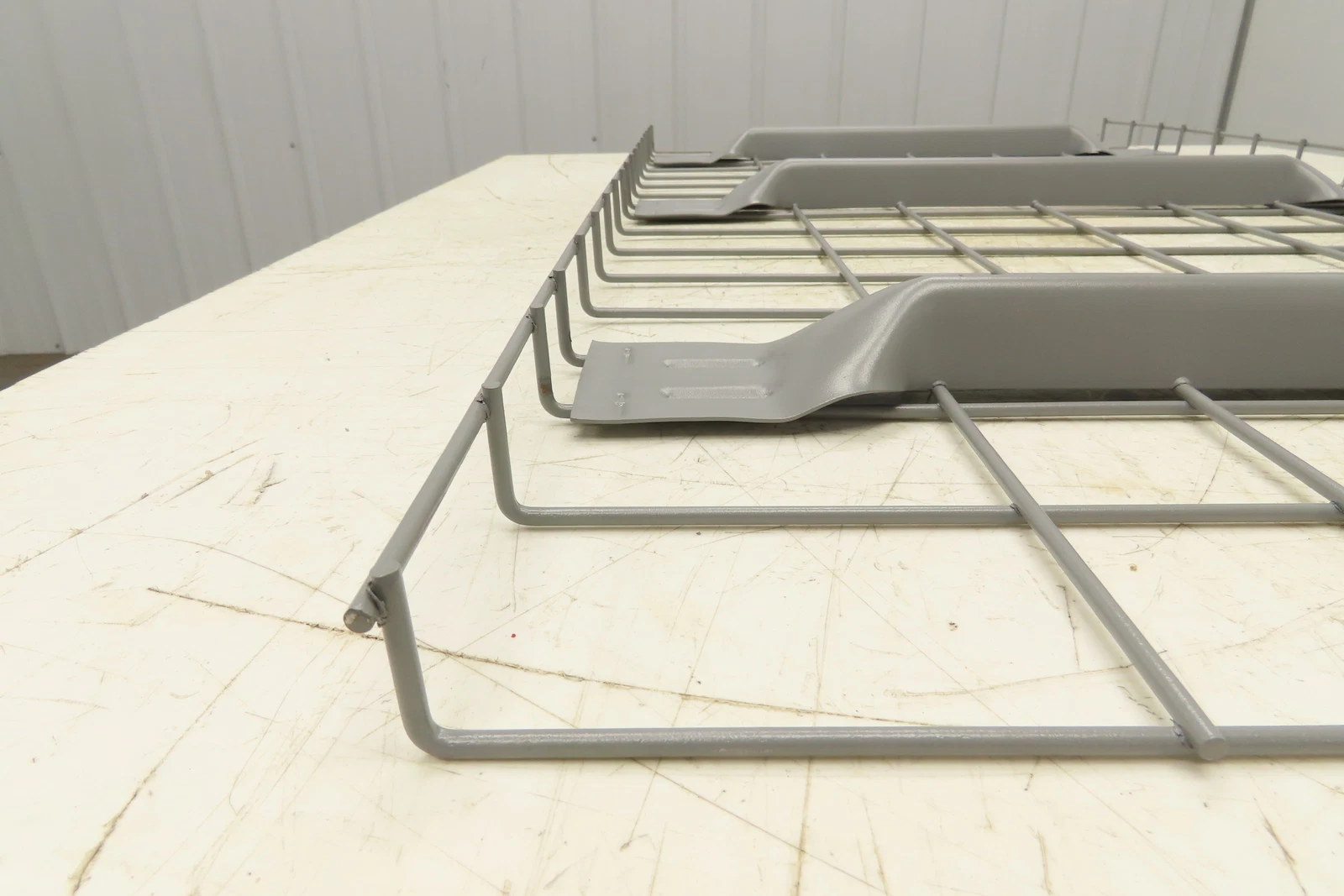
Conclusion
Other Resources

Other Resources
Here is a list of other resources you can review online to learn more:
- Interlake Mecalux
- Material Handling Safety
- Cantilever Rack Guide: Ordering Cantilever Racking
- Illinois Pallet Racking – WPRP
- American Society of Safety Professionals
- Interlake Mecalux
- Overhead Lifting
- RMI
- Teardrop Pallet Rack – Ridg-U-Rak
- Intro to Warehouse Racks & Warehouse Racking Systems – ShipBob
- Teardrop Industrial Shelving Rack
- Total Warehouse
- Selective Racking
- Chicago Pallet Racking
- Cantilever Rack Guide: Ordering Cantilever Racking
- Teardrop Industrial Shelving Rack
- Used Teardrop Pallet Rack – American Surplus
- Teardrop Racks – Pallet Rack World
- New Cantilever Racks and Racking Kits
- Warehouse Racks, Warehouse Racking in Stock – ULINE
Use This Prompt To Get More Resources With Your Favorite Online AI Tool: Please provide me with a list of online articles with their URLs in a bulleted list that I can read regarding How Disorganization Kills Fulfillment Speed

Other Resources
Glossary Terms
How Disorganization Kills Fulfillment Speed – Glossary Of Terms
1. Disorganization: A state of chaos or lack of order in physical or mental spaces, leading to inefficiency.
2. Fulfillment: The realization of one’s potential or desires, often linked to personal satisfaction and achievement.
3. Productivity: The measure of output or efficiency in completing tasks and achieving goals.
4. Clarity: The quality of being clear and easily understood, essential for effective decision-making and planning.
5. Stress: A state of mental or emotional strain resulting from demanding circumstances, often exacerbated by disorganization.
6. Prioritization: The process of arranging tasks or activities in order of importance to manage time effectively.
7. Time Management: Strategies and techniques used to allocate time efficiently and achieve specific goals.
8. Goal Setting: The practice of identifying and establishing objectives to guide efforts and measure progress.
9. Focus: The ability to concentrate attention on a specific task or objective, often hindered by disorganization.
10. Clutter: Accumulated items or information that obstructs space and mental clarity, contributing to disorganization.
11. Procrastination: The action of delaying or postponing tasks, often as a result of feeling overwhelmed by disorganization.
12. Workflow: The sequence of processes or steps involved in completing tasks, which can be disrupted by disorganization.
13. Accountability: The obligation to explain or justify one’s actions, crucial for maintaining productivity and organization.
14. Efficiency: The ability to accomplish tasks with minimal waste of time and resources, often compromised by disorder.
15. Mindfulness: The practice of being present and fully engaged in the moment, helping to counter disorganization.
16. Routine: A regular pattern of actions or habits that can enhance stability and reduce disorganization.
17. Organizational Tools: Resources such as planners, digital apps, or systems designed to aid in maintaining order and efficiency.
18. Decision Fatigue: The deteriorating quality of decisions made by an individual after a long session of decision-making, often exacerbated by disorganization.
19. Mental Clutter: The accumulation of thoughts and distractions that impair focus and productivity.
20. Systems: Structured methods or protocols designed to enhance organization and streamline processes.
21. Distraction: Anything that diverts attention from tasks, which can increase stress and reduce fulfillment.
22. Balance: The equitable distribution of effort and attention among various aspects of life, essential for well-being.
23. Space Management: The efficient organization and utilization of physical space to enhance productivity.
24. Resilience: The ability to recover quickly from setbacks, often supported by a clear and organized approach to challenges.
25. Insight: The capacity for understanding the deeper reasons behind feelings of disorganization and unfulfillment.
26. Reflection: The process of examining one’s thoughts and experiences to foster growth and improve organization.
27. Alignment: Ensuring that goals and actions are in harmony, reducing confusion and enhancing fulfillment.
28. Adaptability: The ability to adjust to new conditions or challenges, important for maintaining organization amidst change.
29. Intentionality: The quality of being deliberate and purposeful in actions, crucial for overcoming disorganization.
30. Vision: A clear idea of the desired future, guiding actions and helping prioritize tasks to enhance fulfillment.

Glossary Of Terms
Other Questions
How Disorganization Kills Fulfillment Speed – Other Questions
If you wish to explore and discover more, consider looking for answers to these questions:
- What are the first steps to take when you don’t know where to start decluttering?
- How long does it realistically take to organize a workspace, garage, or warehouse?
- What are low-cost organization solutions for small budgets?
- How do you choose the right racking system or storage solution for your needs?
- How do you prioritize what to keep, donate, recycle, or discard?
- What are simple rules to make quick decisions about items you’re emotionally attached to?
- How do you maintain organization long-term and prevent relapse into clutter?
- What daily or weekly routines help sustain an organized environment?
- How do you measure the impact of organization on productivity and fulfillment?
- What metrics show improvement after organizing (time saved, reduced errors, happier team)?
- How do you get buy-in from team members or family who resist change?
- What are common psychological barriers to decluttering and how do you overcome them?
- How can people with ADHD, depression, or executive-function challenges create realistic organization systems?
- When is it worth hiring a professional organizer versus DIY?
- What tools, apps, or software best support digital and physical organization?
- How do you organize digital clutter like email, files, and passwords?
- How can organization improve customer trust, brand reputation, and service speed?
- What are the safety and compliance considerations for industrial racking and storage?
- How much should you expect to invest (time and money) to transform a chaotic space?
- What is the return on investment (ROI) for organizational improvements?
- How do you design an organizational system that scales as your business or household grows?
- What are the best labeling and inventory practices for small teams?
- How do you handle sentimental items without creating more clutter?
- How do you balance minimalism with keeping useful items for occasional needs?
- What strategies help prioritize tasks so you focus on high-impact work?
- How do you create an organization plan that fits a busy schedule?
- What are quick wins that yield visible improvements and motivate further action?
- How can leaders create a culture of organization within a team or company?
- What training or incentives encourage consistent organizational behavior among staff?
- How do you audit and update your organizational systems periodically?
- What role does ergonomics play in designing an efficient workspace?
- How should you prepare for seasonal shifts or major transitions (moving, downsizing)?
- What are ethical and eco-friendly ways to dispose of unwanted items?
- How do you document processes so organization survives personnel changes?
- What case studies or real-world examples show successful organization transformations?
- How do you integrate organization practices into existing workflows without disruption?
- What common mistakes undermine organizational efforts and how do you avoid them?
- What emergency or contingency plans should an organized system include?

Other Questions
Checklist
How Disorganization Kills Fulfillment Speed – A Checklist
Foundation and Focus
✅______ Define the top three outcomes that equal fulfillment for the next 90 days; post them where you work.
✅______ Identify the single bottleneck that slows you most and commit to removing it this week.
Quick Win Zone Reset
✅______ Choose one micro-zone (one shelf, drawer, or desk section) and fully reset it today.
✅______ Remove trash, duplicates, and outdated items; donate, recycle, or discard.
✅______ Assign a clear “home” for every remaining item; label shelves, bins, and drawers.
Racking and Physical Flow
✅______ Group items by purpose and frequency of use; place daily-use items at eye/hand level.
✅______ Set visual min/max levels on shelves to prevent overstock and understock.
✅______ Create a “return-to-home” rule: everything goes back immediately after use.
✅______ Post a simple map of zones and labels for quick retrieval and training.
Daily Operating Rhythm
✅______ Block two daily focus windows (60–90 minutes) for high-impact work.
✅______ End-of-day 10-minute reset: clear surfaces; stage tomorrow’s first task.
✅______ Use one capture inbox for tasks, mail, and notes; empty it daily.
Priority and Work-in-Process
✅______ Triage tasks into Must/Should/Could; schedule Musts first.
✅______ Limit concurrent projects to three active at a time.
✅______ Use a single visible board or list for all commitments.
Stress and Clarity
✅______ Before switching tasks, take three deep breaths and note the next single action.
✅______ Keep pathways and shared spaces clear; maintain a “guest-ready” standard.
✅______ Create a 15-minute weekly “paper sweep” to tame mail and loose documents.
Opportunity Guardrails
✅______ Reserve 5–10% of weekly time for scanning improvements and learning.
✅______ Maintain a “Next Bets” list; review it during the weekly review.
✅______ Set decision checkpoints for pending opportunities with clear criteria.
Self-Esteem Builders
✅______ Track daily completions; record at least one win per day.
✅______ Display one visible indicator of progress (before/after photo, cleared shelf).
Digital Order
✅______ Consolidate files in one cloud location; standardize folder names and dates.
✅______ Archive or delete obsolete digital items monthly.
✅______ Keep a single task system synced across devices.
Ethics and Relationships
✅______ Define shared-space norms with labels and simple rules.
✅______ Prepare a visitor-ready kit (tidy bin, wipes, spare labels) for fast resets.
Disposal and Inflow Control
✅______ Establish donate/sell/recycle bins with weekly offloading.
✅______ Apply a 1-in-1-out rule for tools, supplies, and subscriptions.
Metrics That Matter
✅______ Time-to-find any tool/document is under 60 seconds.
✅______ Time-to-start first meaningful task each day is under 5 minutes.
✅______ Count and reduce open projects weekly; aim for a steady decline.
If–Then Triggers
✅______ If a zone hits 80% capacity, schedule a declutter block within 48 hours.
✅______ If a task takes under 2 minutes, do it now.
✅______ If a new project starts, pause or finish one before adding it.
Chaos Contingency
✅______ Create grab-and-go kits for critical workflows.
✅______ Document simple SOPs for your top five recurring tasks.
Weekly and Monthly Sustainment
✅______ Weekly review (30–45 minutes): clear inboxes, plan Musts, update metrics.
✅______ Monthly reset (60 minutes): purge one zone, refresh labels, refine systems.
✅______ Use accountability (buddy, checklist, or calendar reminders) to stay on track.

Checklist
At RackingWorld, we help guide you through selecting warehouse storage systems and racking.
Be sure to read our other related stories at RackingWorld to learn more about warehouse storage systems.
0 Comments