
Discover If Your Pallet Racking Is Compliant
By Tom Seest
At RackingWorld, we help guide you through selecting warehouse storage systems and racking.
Be sure to read our other related stories at RackingWorld to learn more about warehouse storage systems.
Does Your Local Pallet Racking Meet Safety Regulations?
In the bustling world of warehousing, efficient storage solutions can make or break productivity. But beneath the surface of savvy inventory management lies a critical question—does your local pallet racking meet safety regulations? This isn’t just about compliance; it’s about protecting your investment, your workers, and your bottom line.
Picture this: a warehouse buzzing with activity, forklifts whizzing by, and shelves lined with products. Now, imagine if one of those shelves collapses due to faulty pallet racking. The fallout can be catastrophic—not just in terms of lost inventory, but also in potential injuries and legal repercussions. Recent events have highlighted the importance of adhering to safety regulations. For instance, a high-profile incident involving a major retailer came to the forefront last year after a poorly maintained pallet racking system failed, resulting in significant damage and a serious injury. This incident served as a wake-up call for many companies regarding the importance of compliance and regular safety inspections.
So, what constitutes a compliant pallet racking system? First, you need to consider the structural integrity of your racking. Are the beams and columns in good condition? Regular inspections and maintenance are crucial to ensure that no visible damage or wear and tear compromises the stability of your setup. In fact, the Occupational Safety and Health Administration (OSHA) provides guidelines on specific inspections that should be performed at regular intervals.
Furthermore, are you implementing load limits suitable for your pallet racking design? Each configuration has a specified capacity, and exceeding it can lead to disaster. Make sure that all employees are aware of these limits and properly trained to load pallets accordingly. For example, a recent survey found that nearly 30% of warehouse employees were unsure about their company’s load limit guidelines. This lack of awareness can be a significant risk factor, as improperly loaded racks are more susceptible to accidents.
Compliance goes beyond simple inspections; it also involves understanding local regulations. Municipalities have varying codes that dictate how pallet racking must be installed and maintained. Staying informed about these regulations not only safeguards your business but also builds trust with your clients who are increasingly concerned about safety and ethical practices.
A seemingly minor detail like pallet racking can pose a significant risk if neglected. Taking proactive steps to ensure that your local pallet racking meets safety regulations is not just a legal obligation; it’s a wise business strategy that can enhance employee safety, boost operational efficiency, and protect your assets. Don’t wait until there’s an issue; prioritize safety today to secure your operational future.
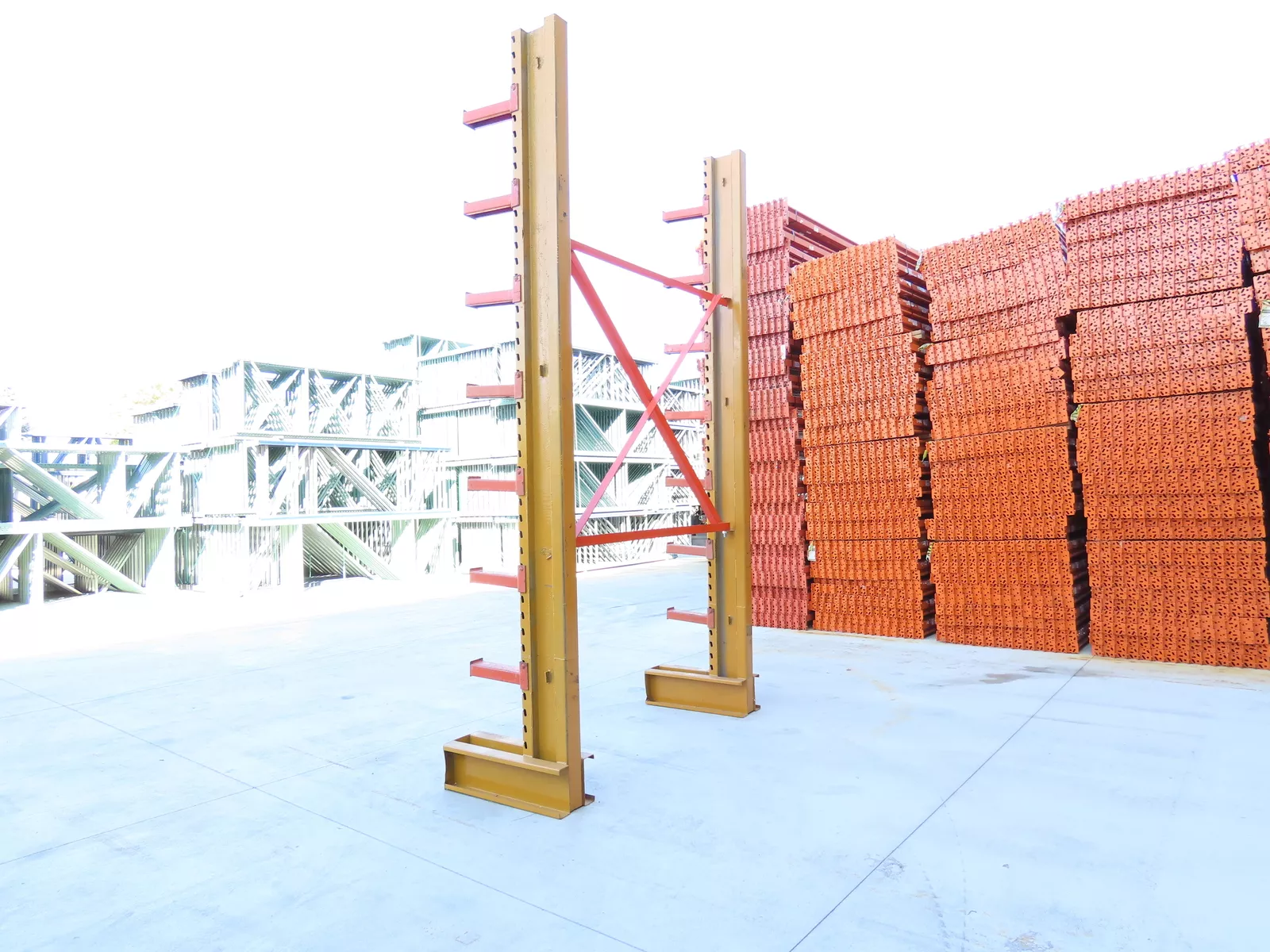
Does Your Local Pallet Racking Meet Safety Regulations?
Does Your Local Pallet Racking Meet Safety Regulations?
- Efficient storage solutions are essential for productivity in warehousing.
- Compliance with pallet racking safety regulations is crucial for protecting investments, workers, and business bottom lines.
- A notable incident involving a major retailer highlighted the risks of poor pallet racking maintenance.
- Regular inspections and maintenance are necessary to ensure the structural integrity of pallet racking systems.
- Warehouse employees must be trained on load limits to prevent accidents caused by overloading racks.
- Understanding and adhering to local regulations is vital for compliance and client trust.
- Prioritizing safety in pallet racking systems enhances employee safety and operational efficiency.
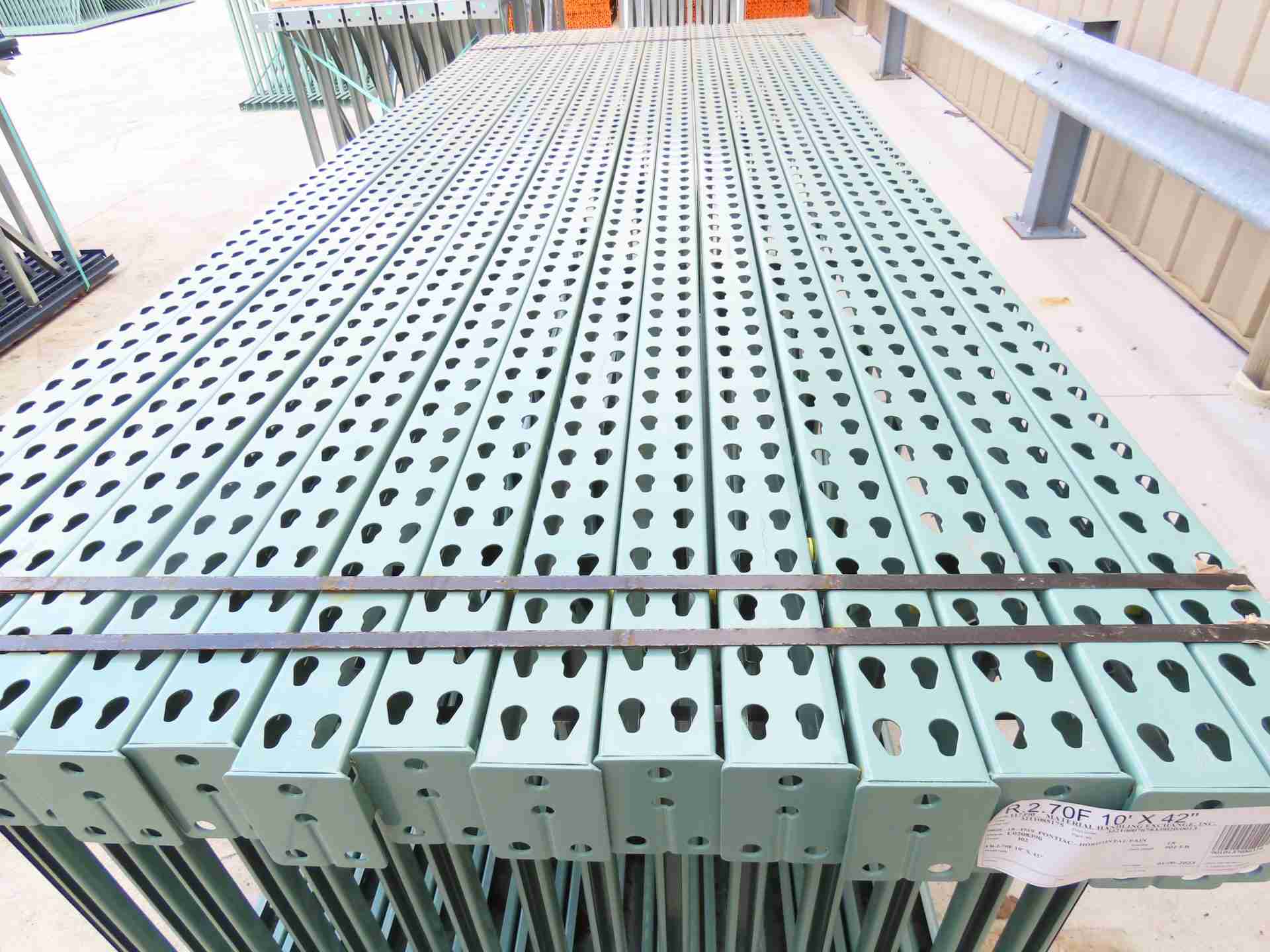
Does Your Local Pallet Racking Meet Safety Regulations?
Table Of Contents
- Does Your Local Pallet Racking Meet Safety Regulations?
- Does Your Pallet Racking Comply With Local Safety Regulations?
- What Are The Key Safety Standards For Pallet Racking Systems?
- How Often Should Pallet Racking Be Inspected For Safety?
- What Are The Consequences Of Non-Compliance With Safety Regulations?
- How Can You Determine If Your Racking System Is Safe?
- What Types Of Inspections Are Required For Pallet Racking?
- Conclusion
- Other Resources
- Glossary Of Terms
- Other Questions
- Checklist
Does Your Pallet Racking Comply With Local Safety Regulations?
In the fast-paced world of warehousing and distribution, ensuring your pallet racking systems are compliant with local safety regulations is not just a matter of legal obligation—it’s crucial for your business’s sustainability and reputation. In recent years, various industries have faced swift regulatory changes, emphasizing safety and efficiency. The evolution of safety protocols can seem daunting, but understanding your responsibilities and investing in compliance can save you from potential accidents, costly fines, and reputational damage.
Take a moment to evaluate your pallet racking systems. Are they installed correctly? Have you considered potential hazards such as overloading or improper spacing? Here’s an eye-opening fact: according to the Occupational Safety and Health Administration (OSHA), failure to comply with safety regulations in warehouse settings can lead to serious accidents. A report from earlier this year shed light on a tragic incident in a Los Angeles warehouse where improperly maintained pallet racking led to structural failure and injuries. This is a grim reminder of why compliance cannot be taken lightly.
When it comes to compliance, local regulations can vary greatly. For example, California’s stringent codes around seismic safety mean that any pallet racking systems require specific anchoring methods. If your warehouse operates in an earthquake-prone area, you must ensure your systems adhere to these requirements. In contrast, warehouses in less seismically active regions might focus more on load-bearing limits, ensuring that the materials being stored do not exceed the racking’s specifications.
Moreover, consider the financial implications: OSHA fines can range from hundreds to thousands of dollars per violation. The investment in compliant pallet racking can significantly reduce the risk of sudden inspections, fines, and liability claims. Furthermore, adopting compliant systems can elevate your brand’s image, reassuring clients and partners of your commitment to safety.
If you haven’t recently audited your pallet racking against current local regulations, now is the time. It’s wise to engage with compliance experts, who can conduct thorough assessments and provide tailored solutions. Empower your workforce by providing training on safe racking practices, promoting a culture of awareness and responsibility—a strategy that pays dividends in both compliance and morale.
Ensuring your pallet racking complies with local safety regulations is not just about avoiding penalties; it’s about creating a safer, more efficient workplace. Quick action today can prevent accidents tomorrow. Don’t wait for a wake-up call—take control of your compliance, and elevate your business to new heights while keeping safety at the forefront.

Does Your Pallet Racking Comply With Local Safety Regulations?
Does Your Pallet Racking Comply With Local Safety Regulations?
- Compliance with local safety regulations for pallet racking systems is essential for business sustainability and reputation.
- Recent regulatory changes emphasize the importance of safety and efficiency in warehousing and distribution.
- Improper installation and hazards like overloading can result in serious accidents and fines from organizations like OSHA.
- Specific regulations vary by region; for instance, California has strict seismic safety codes for pallet racks.
- OSHA fines for non-compliance can range from hundreds to thousands of dollars, affecting financial stability.
- Engaging compliance experts and training your workforce on safe practices can enhance safety and compliance culture.
- Proactive compliance efforts contribute to a safer workplace and help avoid potential legal and financial repercussions.
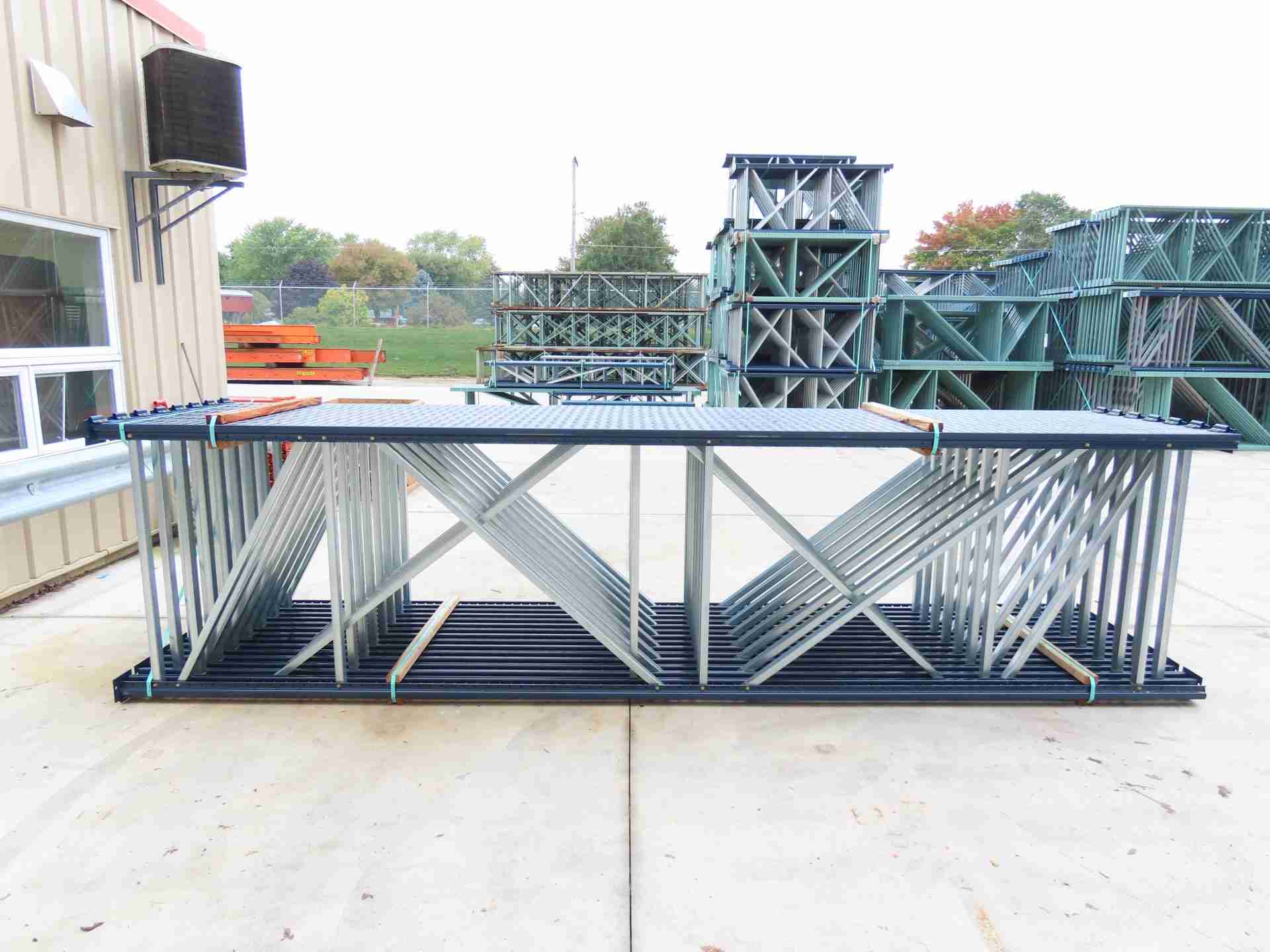
Does Your Pallet Racking Comply With Local Safety Regulations?
What Are The Key Safety Standards For Pallet Racking Systems?
When it comes to the safety of pallet racking systems, understanding the key standards is non-negotiable. Mishaps in warehouse environments can lead to costly injuries and liabilities, and knowing how to navigate the maze of regulations can give you an edge in setting up a secure operation.
First, let’s talk about the American National Standards Institute (ANSI) and the Rack Manufacturers Institute (RMI). These organizations have established definitive guidelines that inform how pallet racking should be designed, installed, and maintained. The ANSI/RMI MH16.1 standard covers structural integrity, ensuring that your racking system can withstand the rigors of daily operations without sacrificing stability. This is critical in a world where the average warehouse is bustling with activity—think of Amazon’s fulfillment centers, which rely heavily on robust pallet racking to keep their operations flowing smoothly.
Next are the Occupational Safety and Health Administration (OSHA) requirements. Compliance with these regulations isn’t just about following the law; it’s about fostering a culture of safety within your organization. OSHA requires that all pallet racking systems be inspected regularly to ensure they meet safety standards. For instance, if you notice signs of damage like bent beams or unstable shelves, it’s imperative to take action immediately. Remember the high-profile cases, such as the warehouse collapse incident in Illinois, where neglecting these regulations resulted in devastating consequences? Those incidents serve as cautionary tales for every business owner.
Moreover, there’s the importance of employee training. Ensuring that your staff is well-versed in pallet racking safety standards is essential. Regular training sessions can minimize risks and keep everyone on the same page. After all, an informed employee is your best defense against potential accidents.
Did you know that nearly 1,000 injuries occur annually in the U.S. alone due to pallet racking failures? That’s a staggering statistic! Implementing these safety standards not only protects your workforce but also shields your bottom line from the heavy costs associated with workplace injuries.
Adhering to the key safety standards for pallet racking systems is an investment in your operation’s longevity and stability. From compliance with ANSI/RMI and OSHA regulations to committing to ongoing employee education, each step you take reinforces the safety framework within your organization. Don’t wait for disaster to strike—be proactive, and ensure that your pallet racking systems are not only efficient but safe, too. Your team—and your profits—will thank you!
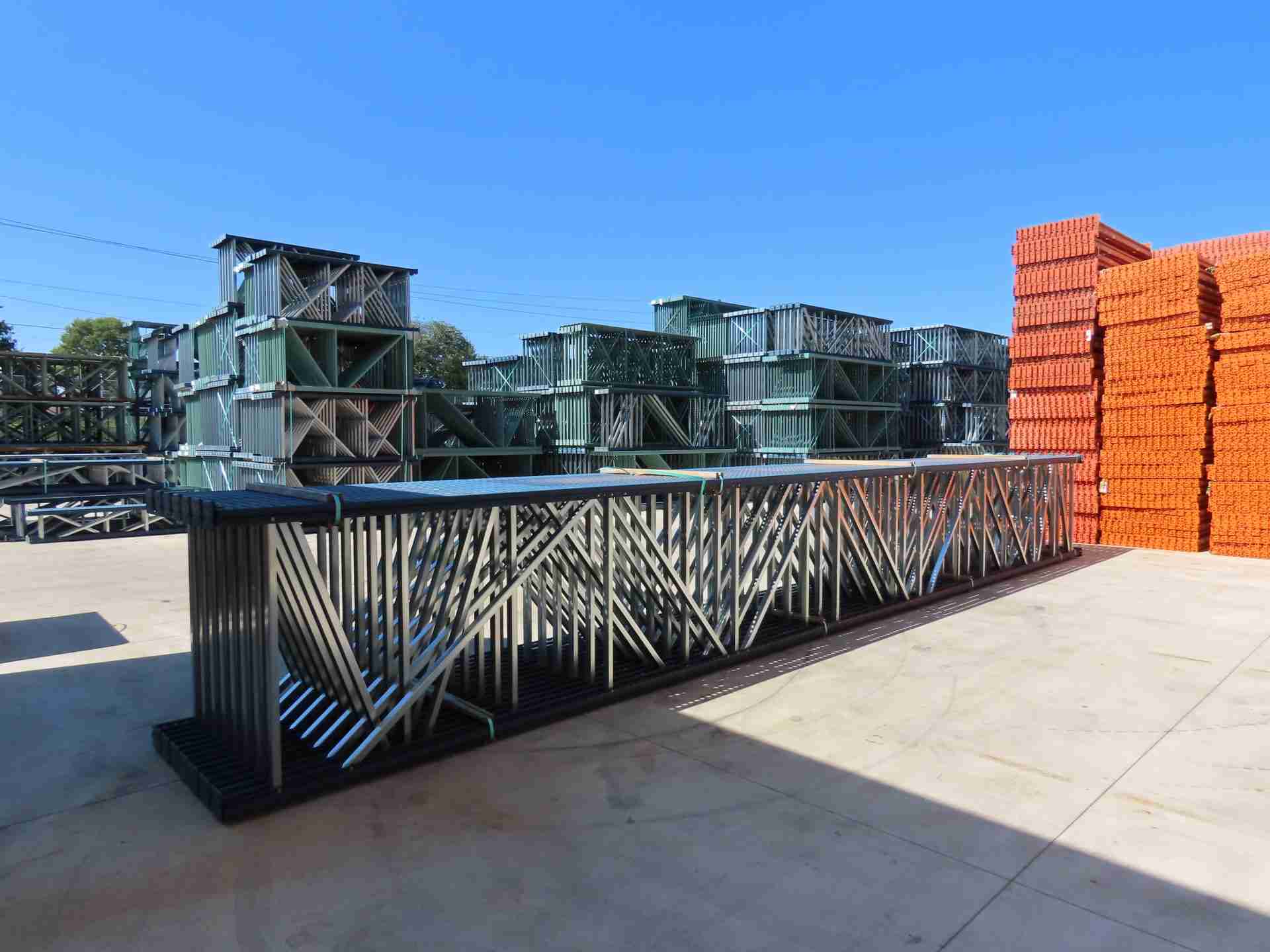
What Are The Key Safety Standards For Pallet Racking Systems?
What Are The Key Safety Standards For Pallet Racking Systems?
- Understanding key safety standards for pallet racking systems is essential to prevent injuries and liabilities.
- The American National Standards Institute (ANSI) and the Rack Manufacturers Institute (RMI) provide guidelines for the design, installation, and maintenance of pallet racking.
- ANSI/RMI MH16.1 standard ensures structural integrity, crucial for daily operations in busy warehouses.
- Compliance with Occupational Safety and Health Administration (OSHA) regulations fosters a culture of safety and requires regular inspections of racking systems.
- Employee training on pallet racking safety standards minimizes risks and enhances workplace safety.
- Nearly 1,000 injuries yearly in the U.S. result from pallet racking failures, underscoring the importance of adhering to safety standards.
- Investing in safety standards reinforces operational longevity, stability, and profitability while protecting the workforce.
What Are The Key Safety Standards For Pallet Racking Systems?
How Often Should Pallet Racking Be Inspected For Safety?
In the bustling world of logistics and warehousing, one often overlooked element could be a ticking time bomb—your pallet racking system. These sturdy yet sometimes neglected structures bear the weight of your inventory, and any oversight can lead to catastrophic consequences. So, how often should you inspect your pallet racking for safety? Let’s break it down.
First, safety regulations recommend that pallet racking be inspected at least once a year by a qualified professional. However, this is the bare minimum. Your specific business dynamics may necessitate a more frequent inspection schedule. For instance, if your warehouse sees heavy traffic—like during peak seasons or holiday rushes—quarterly inspections might be warranted. Many industry leaders find that bi-monthly checks not only enhance safety but build a culture of vigilance that pays dividends in increased employee morale.
Why is this frequency crucial? Take a look at recent events: In 2021, a major retailer faced severe financial repercussions after a pallet racking collapse led not just to injuries but costly lawsuits. The fallout wasn’t just financial; the company’s reputation was irrevocably tarnished. You can avoid such a fate by being proactive. Remember, it’s not just about compliance; it’s about creating a safe working environment that fosters trust and efficiency.
During inspections, focus on key elements: Look for signs of wear and tear, assess overall load capacity, and check for any structural damage. An example you might consider: a distribution center might take the time to implement a detailed checklist during these inspections, ensuring that no stone is left unturned. Incorporating technology like weight sensors can add another layer of safety by alerting you if a racking unit is overloaded, providing peace of mind in today’s fast-paced environments.
Additionally, train your employees to identify potential issues. Engaging your workforce in safety not only empowers them but also creates an atmosphere of accountability. Encourage your staff to report minor issues before they escalate; a little vigilance today can save against potential disaster tomorrow.
Don’t skate by on the minimal regulations. Your pallet racking is an invaluable asset—ensure it remains safe and sound by embracing a proactive inspection schedule. Evaluate your specific needs, keep safety top-of-mind, and you won’t just meet standards; you’ll exceed them, safeguarding your business today and into the future.
How Often Should Pallet Racking Be Inspected For Safety?
How Often Should Pallet Racking Be Inspected For Safety?
- Pallet racking systems are critical for inventory safety but can be overlooked.
- Annual inspections by qualified professionals are the minimum requirement.
- In warehouses with heavy traffic, consider quarterly or bi-monthly inspections.
- Recent incidents show the dangers of neglecting inspections, impacting financials and reputation.
- During inspections, check for wear and tear, load capacity, and structural integrity.
- Incorporate technology, such as weight sensors, to enhance safety measures.
- Engage employees in safety training to foster accountability and proactive reporting of issues.
How Often Should Pallet Racking Be Inspected For Safety?
What Are The Consequences Of Non-Compliance With Safety Regulations?
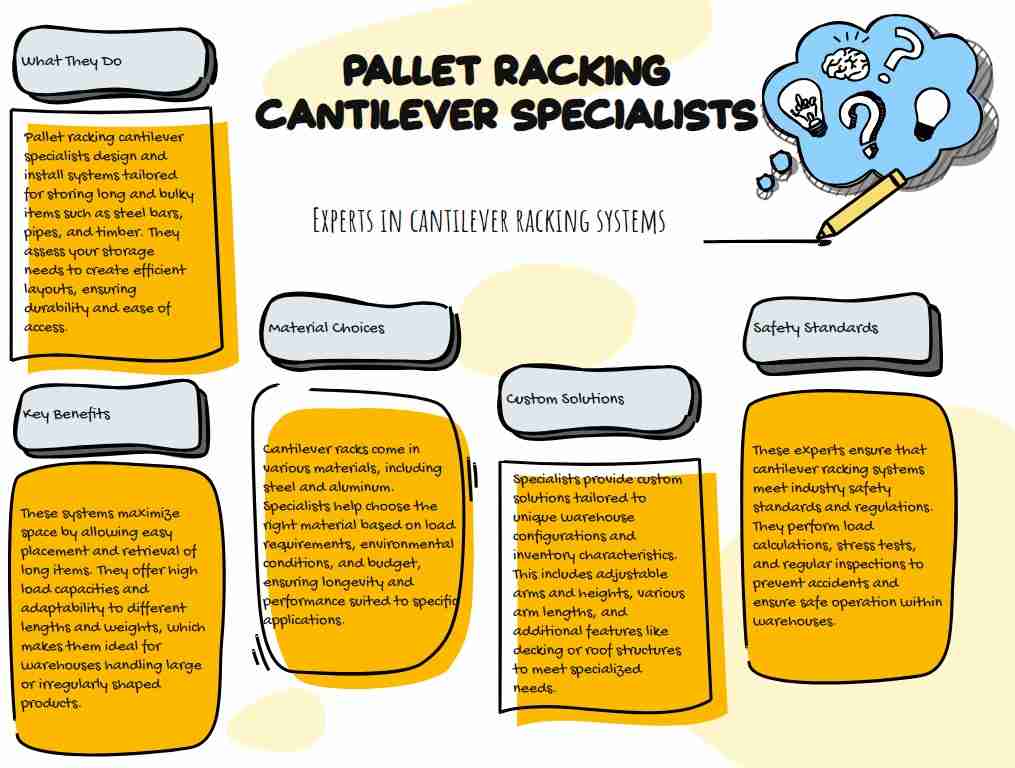
In today’s fast-paced business environment, the consequences of non-compliance with safety regulations can be devastating—and it’s a gamble that no prudent business owner should take. Ignoring regulations isn’t just a minor oversight; it’s a recipe for disaster. Take pallet racking systems, for instance. They are designed to maximize storage efficiency, but improper use can lead to catastrophic results.
Recently, a warehouse in Michigan faced serious penalties after a safety inspection revealed their pallet racking systems were improperly installed. The racks couldn’t bear the weight of the products stored, leading to a dramatic collapse. The immediate aftermath included injuries to workers and a hefty financial penalty from OSHA—a staggering $150,000! The long-term impact? Aside from the mountains of fines, the company suffered reputational damage that can take years, even decades, to mend.
Examples abound across various industries. In 2021, a major retailer faced a lawsuit after a worker was injured by falling merchandise due to unsafe pallet racking practices. The ripple effect of non-compliance was evident not just in direct financial costs but also in lost productivity and morale. Employees are more likely to disengage when they don’t feel safe in their workplace, leading to even more profound issues down the line.
Moreover, the consequences extend beyond mere penalties and liabilities. Investors and partners scrutinize compliance records closely; a company facing consistent safety violations may find it difficult to secure funding or maintain favorable partnerships. In a world where corporate social responsibility and stakeholder trust are paramount, how can any business afford to be viewed as negligent?
Let’s not forget the impact on insurance premiums. Companies with a track record of safety failures often see their insurance costs skyrocket as insurers assess the risk. The money saved by cutting corners or ignoring safety protocols quickly evaporates in the form of increased premiums.
The bottom line is simple: adherence to safety regulations isn’t just a legal requirement; it’s a cornerstone of successful business strategy. Investing in safe practices, like properly managing your pallet racking systems, isn’t just about compliance—it’s about protecting your employees, safeguarding your brand, and ensuring the longevity of your operations. Non-compliance is a risk that can lead to your company’s downfall, while compliance lays the foundation for a thriving, sustainable future. Don’t leave your safety to chance; invest in it today!
What Are The Consequences Of Non-Compliance With Safety Regulations?
What Are The Consequences Of Non-Compliance With Safety Regulations?
- Non-compliance with safety regulations can have serious consequences for businesses.
- Improperly installed pallet racking systems can lead to catastrophic events, including workplace injuries and structural failures.
- A Michigan warehouse faced $150,000 in fines from OSHA after an inspection revealed unsafe racking systems.
- Non-compliance not only incurs financial penalties but also causes reputational damage and lowered employee morale.
- Investors and partners scrutinize safety compliance; frequent violations can hinder funding and partnerships.
- Insurance premiums can increase significantly for companies with a history of safety failures, negating any cost-saving measures.
- Adhering to safety regulations is essential for protecting employees, brand reputation, and long-term business success.
What Are The Consequences Of Non-Compliance With Safety Regulations?
How Can You Determine If Your Racking System Is Safe?
When it comes to storage solutions, nothing is more critical than ensuring the safety of your pallet racking system. A well-structured environment enhances efficiency, boosts productivity, and most importantly, safeguards the well-being of your workers. But how can you confidently assess whether your racking system is truly up to par?
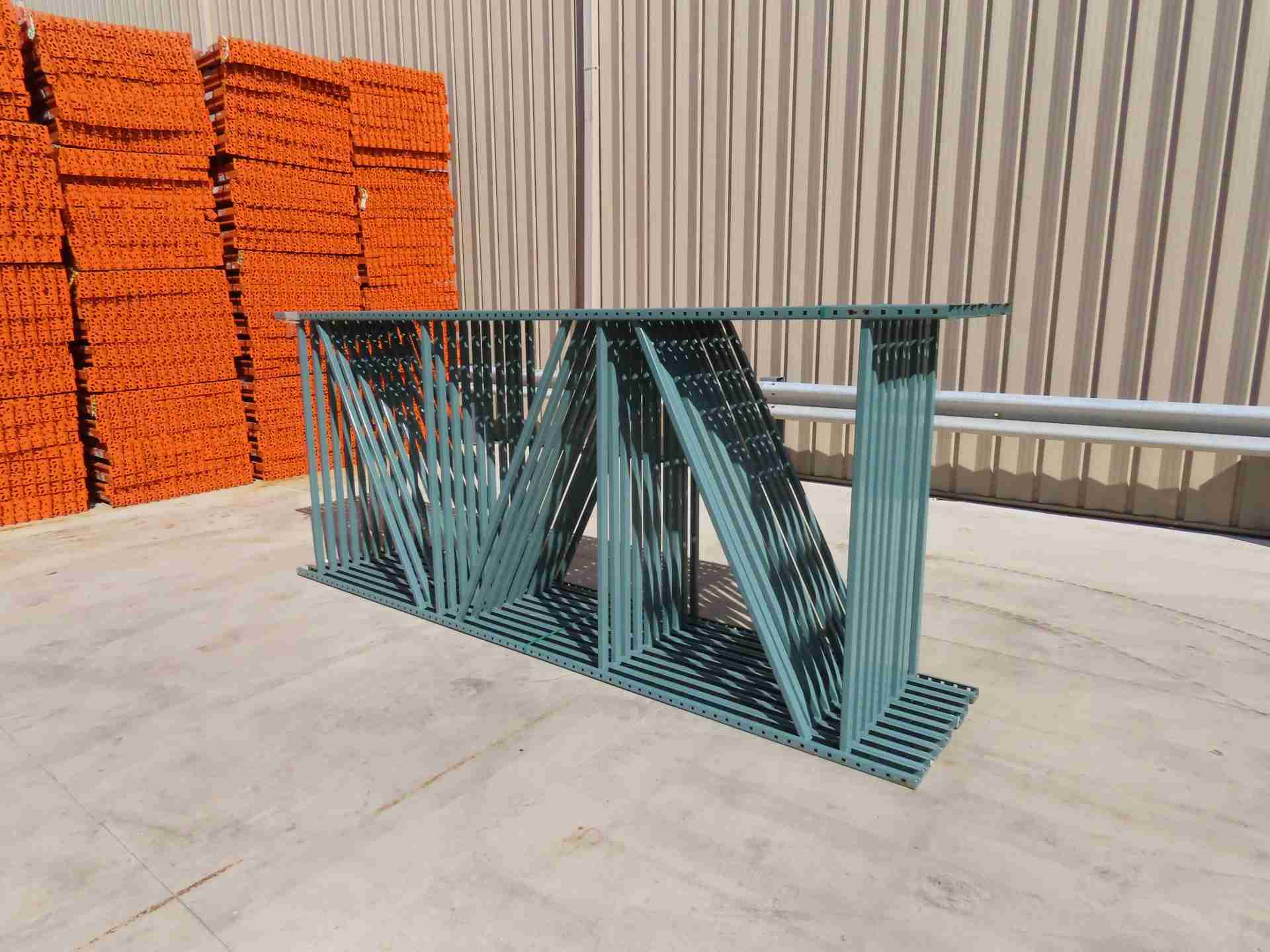
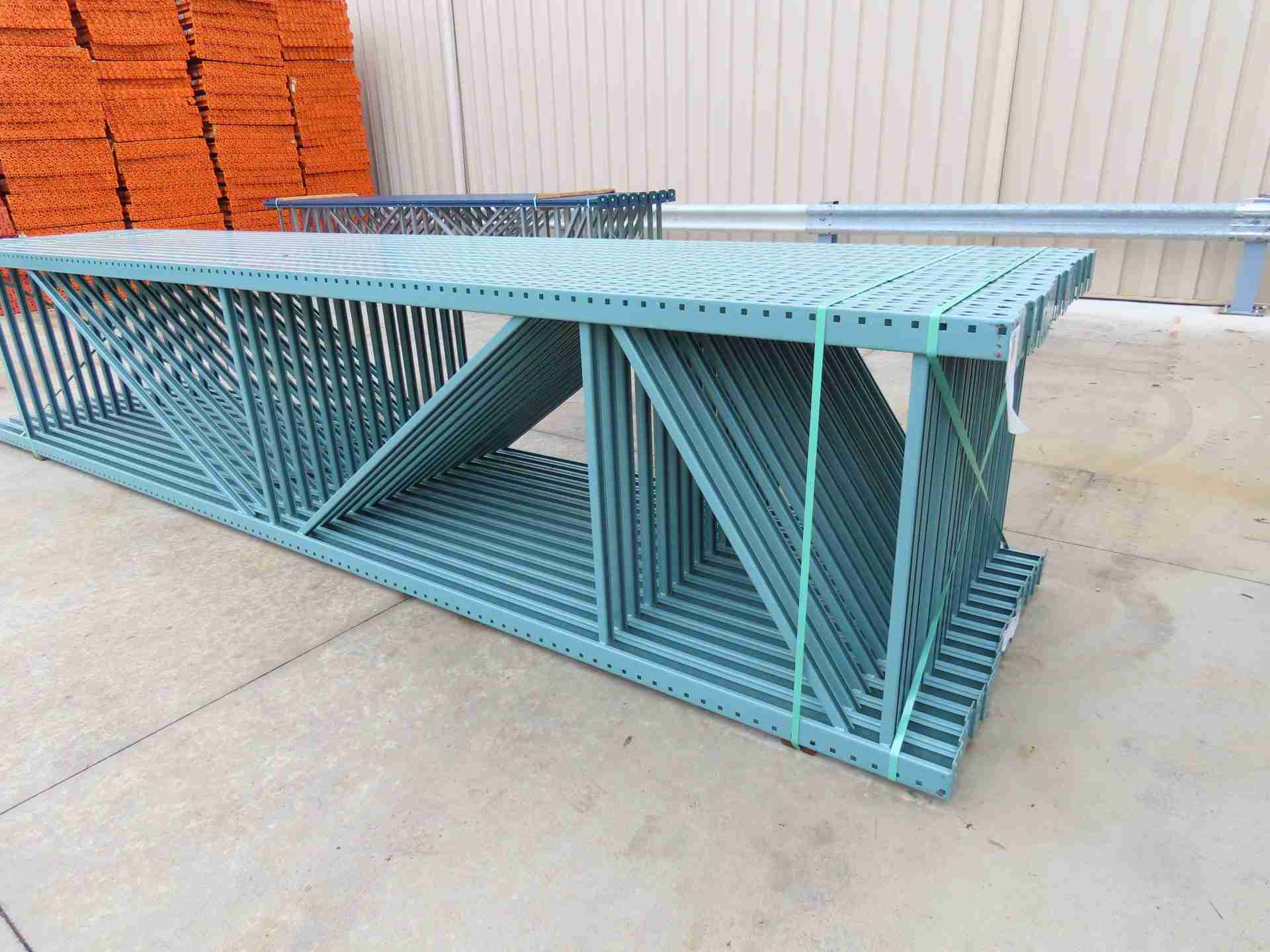
First, take a moment to evaluate the physical condition of your pallet racking. Is there visible damage? Consider recent events, such as the unfortunate warehouse collapse in late 2023 that made headlines due to substandard racking practices. A single dent or bend can compromise the integrity of your entire system, so be proactive in inspecting for wear and tear.
Next, you should consult the manufacturer’s specifications for your pallet racking. Each system comes with guidelines that dictate weight limits, usage parameters, and recommended safety inspections. Make sure your operations align with these specifications. If, for example, you have been using a rack rated for 2,000 pounds to hold loads of 3,000 pounds, you are playing a dangerous game. Always adhere to these guidelines to avoid catastrophic failures.
Moreover, keep an eye on the configuration of your pallet racking. Effective warehouse design plays a significant role in safety. Arranging racks too closely can impede accessibility and make it challenging to carry out proper loading and unloading procedures. An example of safe layout practices is ensuring that there’s ample space to maneuver forklifts, reducing the risk of accidental collisions. If your warehouse layout resembles a game of Tetris, it’s time for a reassessment.
Don’t underestimate the value of employee training. Whether it’s your warehouse workers or management, ensuring everyone understands safe operating procedures is paramount. Regular training sessions can dramatically reduce the likelihood of unsafe practices becoming a norm. Remember the national conversation surrounding workplace safety that surged after significant accidents? Implementation of effective training can help you steer clear of becoming an anecdote in such discussions.
Finally, regular audits are essential. Hire certified professionals to conduct thorough inspections of your pallet racking system. They can identify vulnerabilities that you might overlook, ensuring your operation is in compliance with OSHA regulations and other safety standards.
Ensuring your pallet racking system is safe isn’t merely about avoiding fines or bad press; it’s about fostering a culture of safety, enhancing productivity, and protecting your workforce. By regularly evaluating your systems, adhering to guidelines, providing training, and conducting audits, you can confidently arm yourself against potential hazards and keep your operations running smoothly. After all, safety today ensures success tomorrow.
How Can You Determine If Your Racking System Is Safe?
How Can You Determine If Your Racking System Is Safe?
- Ensure the safety of your pallet racking system to enhance efficiency and productivity while safeguarding workers.
- Evaluate the physical condition of your pallet racking, checking for visible damage such as dents or bends.
- Consult the manufacturer’s specifications to adhere to weight limits and usage parameters, avoiding dangerous overloads.
- Assess the warehouse layout to prevent improper configurations that could impede accessibility and safety during operations.
- Prioritize employee training to ensure all personnel understand safe operating procedures and reduce unsafe practices.
- Conduct regular audits by certified professionals to identify vulnerabilities and ensure compliance with safety regulations.
- Fostering a culture of safety through regular evaluations, adherence to guidelines, training, and audits protects your workforce and enhances operational success.
How Can You Determine If Your Racking System Is Safe?
What Types Of Inspections Are Required For Pallet Racking?
In the world of warehousing and distribution, the safety and efficiency of your operations hinge significantly on one key element: Pallet Racking. However, just having a robust pallet racking system is not enough. Regular inspections necessitate meticulous attention to ensure your equipment not only adheres to safety regulations but also maximizes operational efficiency. These inspections should be conducted at specified intervals and can be categorized into several types.
1. Routine Inspections:
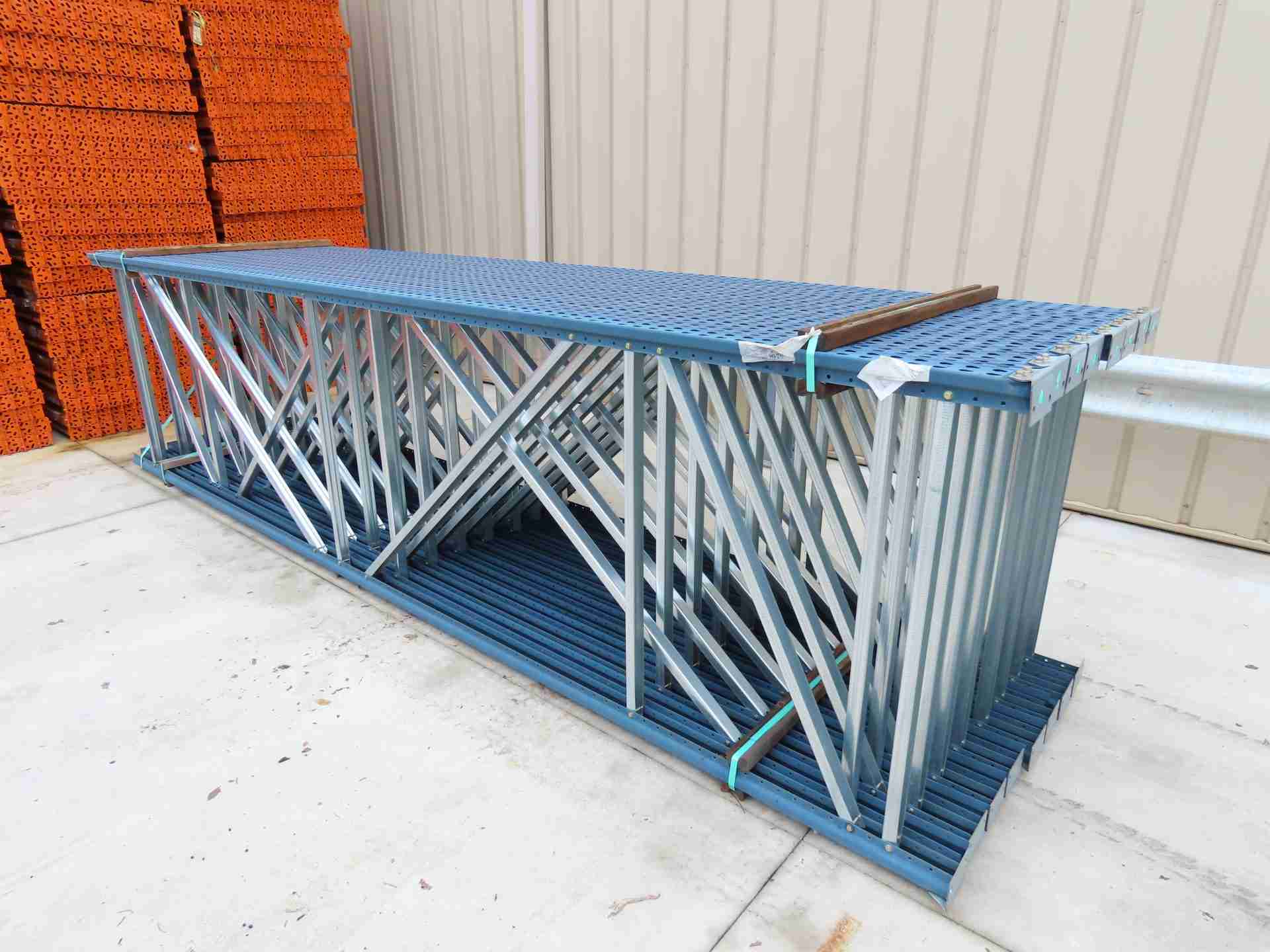
Routine inspections are your first line of defense. Conducted daily by warehouse staff, these visual inspections are essential to spot any obvious signs of damage or wear and tear. Look for bent beams, loose bolts, or misaligned racks. A recent case where a warehouse in Texas experienced a minor incident due to neglected pallet racking maintenance exemplifies the importance of this initial check. Daily vigilance can prevent costly accidents and ensure a safer workspace for employees.
2. Monthly Inspections:
Building on the routine checks, monthly inspections are a step up. These in-depth evaluations require trained personnel to assess more complex elements of the pallet racking system, such as load limits and structural integrity. During these inspections, it’s crucial to verify compliance with standards set by organizations like the American National Standards Institute (ANSI) and the Occupational Safety and Health Administration (OSHA). With the rise of e-commerce, the need for regular detailed inspections has become paramount to keep up with the increased efficiency demands in warehouses.
3. Annual Inspections:
At least once a year, a thorough professional assessment of your pallet racking is an absolute must. Engaging certified inspectors to delve deeply into the condition of your racking systems will help identify hidden issues that regular staff might overlook. In light of several notable warehouse collapses reported over the past year, it’s clear that comprehensive annual inspections can ward off catastrophic failures. These inspections should cover all aspects of the racking, including connections and load capacities, to ensure it meets the rigorous demands of your operations.
4. Post-Incident Inspections:
After any incident or near miss, it’s imperative to conduct an immediate inspection of your pallet racking. Such actions not only help in diagnosing the cause of the incident but also in refining your safety protocols moving forward. Investing in regular and thorough inspections serves as a proactive measure, safeguarding both your personnel and your bottom line.
Emphasizing the importance of these inspections not only promotes a culture of safety but also enhances operational longevity. As we navigate a rapidly evolving supply chain landscape, ensuring the integrity of your pallet racking systems has never been more critical.
What Types Of Inspections Are Required For Pallet Racking?
What Types Of Inspections Are Required For Pallet Racking?
- Pallet racking is crucial for safety and efficiency in warehousing and distribution.
- Regular inspections are necessary to adhere to safety regulations and maximize operational efficiency.
- Routine Inspections: Daily visual checks by warehouse staff to catch signs of damage or wear, preventing incidents.
- Monthly Inspections: In-depth evaluations by trained personnel to assess load limits and structural integrity, ensuring compliance with ANSI and OSHA standards.
- Annual Inspections: Comprehensive assessments by certified inspectors to identify hidden issues, preventing catastrophic failures.
- Post-Incident Inspections: Immediate checks following any incident to diagnose causes and improve safety protocols.
- Promoting a culture of safety through these inspections enhances operational longevity and preserves personnel safety.
What Types Of Inspections Are Required For Pallet Racking?
Conclusion
In the fast-paced realm of warehousing and industrial operations, ensuring your pallet racking systems meet safety regulations is not merely about compliance—it’s integral to your business’s sustainability and success. As underscored throughout this article, the stakes are high; from the ramifications of ignoring safety standards to the immense benefits of being proactive. It’s time to take a hard look at your operations. Are your pallet racking systems truly safe? Picture your busy warehouse, where every square foot counts. An oversight in your racking setup could trigger catastrophic failures—think about the recent high-profile incidents making headlines, which served as harsh wake-up calls for many businesses. The truth is, injuries and financial penalties resulting from non-compliance can shatter reputations and bottom lines alike.
So, what can you do? First, schedule inspections that go beyond the bare minimum. Ensure that qualified professionals assess your system at least once a year, but consider increasing the frequency based on your operations’ intensity. Remember: each day your racking systems are left unchecked is a gamble that could lead to disaster.
Keep your employees educated and engaged in safety practices. Foster a culture of awareness about load limits and maintenance checks, and implement regular training sessions. Have you communicated your compliance protocols effectively? If not, you set the stage for avoidable accidents that could harm your workforce and your company’s future.
Moreover, align yourself with compliance experts who can offer tailored assessments and solutions. Staying informed about local regulations and adhering to industry standards isn’t just about avoiding fines—it’s about ensuring you run a responsible, trusted operation your clients can depend on.
The call to action is crystal clear: Don’t wait for an incident to push your business toward compliance. The time is now to take decisive action. Reach out to Arrow Industrial Sales at (574) 349-6575 to access invaluable insights and support geared towards safeguarding your warehouse operations. Emphasizing safety today ensures not only smoother operations but also a sustainable tomorrow. Act now; your future reputation and workforce depend on it!

Conclusion
Conclusion:
- Meeting pallet racking safety regulations is essential for business sustainability and success.
- Neglecting safety standards can lead to severe repercussions, including injuries and financial penalties.
- Regular inspections by qualified professionals should be scheduled at least once a year, with more frequency for busier operations.
- Promote employee awareness about load limits, maintenance checks, and provide regular safety training sessions.
- Engage with compliance experts to align with local regulations and industry standards.
- Take proactive measures instead of waiting for an incident to ensure your operations are compliant and safe.
- Contact Arrow Industrial Sales for support in safeguarding warehouse operations.
Conclusion
Other Resources
Other Resources
Here is a list of other resources you can review online to learn more:
- Chicago Pallet Racking
- International Warehouse Logistics Association
- Warehouse Racking System: Powerful Guide to Optimise, 2024
- Total Warehouse
- Heavy-Duty Cantilever Storage Racks
- Bradford Systems
- Cantilever Rack Guide: Ordering Cantilever Racking
- Warehousing and Fulfillment
- Crane Manufacturers Association Of America Inc.
- Teardrop Industrial Shelving Rack
Use This Prompt To Get More Resources With Your Favorite Online AI Tool: Please provide me with a list of online articles with their URLs in a bulleted list that I can read regarding Does Your Local Pallet Racking Meet Safety Regulations?
Other Resources
Glossary Terms
Does Your Local Pallet Racking Meet Safety Regulations? – Glossary Of Terms
1. Pallet Racking: A storage system designed for high-density storage of goods on pallets, typically consisting of vertical frames and horizontal beams.
2. Safety Regulations: Standards and guidelines established by authorities to ensure safe operations in warehouse and storage environments.
3. Load Capacity: The maximum weight that a pallet racking system can safely support, defined by manufacturer specifications.
4. Inspection: The process of examining pallet racking systems for compliance with safety standards and identifying potential hazards.
5. OSHA: Occupational Safety and Health Administration; a U. S. agency responsible for enforcing workplace safety regulations, including those applicable to pallet racking.
6. Forklift: A powered industrial truck used to lift and transport heavy materials, commonly utilized in warehouses for pallet handling.
7. Aisle Width: The space between rows of pallet racks, which must be sufficient for safe maneuvering of equipment like forklifts.
8. Beam Adjustment: The process of altering the height at which beams are mounted on rack frames to accommodate varying pallet sizes.
9. Deflection: The bending of a pallet rack beam or frame under load; excessive deflection may indicate structural instability.
10. Bracing: Support structures added to pallet racks to enhance stability and resist lateral forces, often in the form of diagonal bars.
11. Anchoring: The process of securing pallet racking systems to the floor to prevent tipping and enhance overall stability.
12. Pallet Types: Various styles of pallets (e. g. , block, stringer, double-faced) that can affect racking compatibility and safety.
13. Weight Distribution: The even distribution of weight across the pallet rack to prevent overloading specific areas and maintain stability.
14. Rack Collapse: A failure of the pallet racking structure, often due to exceeding load capacity or improper installation.
15. Safety Signage: Warning labels and informational signs placed near pallet racking systems to promote safe handling and operations.
16. Training: Instruction provided to employees on safe operating procedures for handling pallets and using pallet racks.
17. Compliance: Adherence to safety regulations and standards specific to pallet racking and warehouse operations.
18. Risk Assessment: The process of identifying and evaluating potential hazards associated with pallet racking systems.
19. Maintenance: Regular upkeep activities to ensure pallet racking systems remain in good condition and compliant with safety regulations.
20. Systematic Inspection: A methodical approach to examining all aspects of pallet racking, including physical integrity and compliance.
21. Load Labeling: Markings on pallets or racking systems indicating the maximum load limit to ensure safety compliance.
22. Clearance Height: The vertical space above the highest point of stored goods, ensuring sufficient clearance for safety and accessibility.
23. Structural Integrity: The ability of a pallet racking system to withstand expected loads and forces without failing.
24. Pallet Jack: A hand-operated or powered device used to lift and move pallets, often utilized in conjunction with pallet racking.
25. Utilization Rate: A measure of how efficiently warehouse space is used, often assessed in relation to the capacity of pallet racking.
26. Warehouse Management System (WMS): Software that helps manage warehouse operations including inventory, storage locations, and pallet racking.
27. Hazardous Materials: Substances that require special handling and storage procedures due to their potential health or safety risks.
28. Ergonomics: The study of designing workplace environments to optimize safety and reduce strain on employees.
29. Fire Safety Regulations: Standards that address fire prevention and safety measures, including spacing requirements for pallet racks.
30. Emergency Procedures: Established protocols for responding to incidents involving pallet racking, such as collapses or other safety hazards.
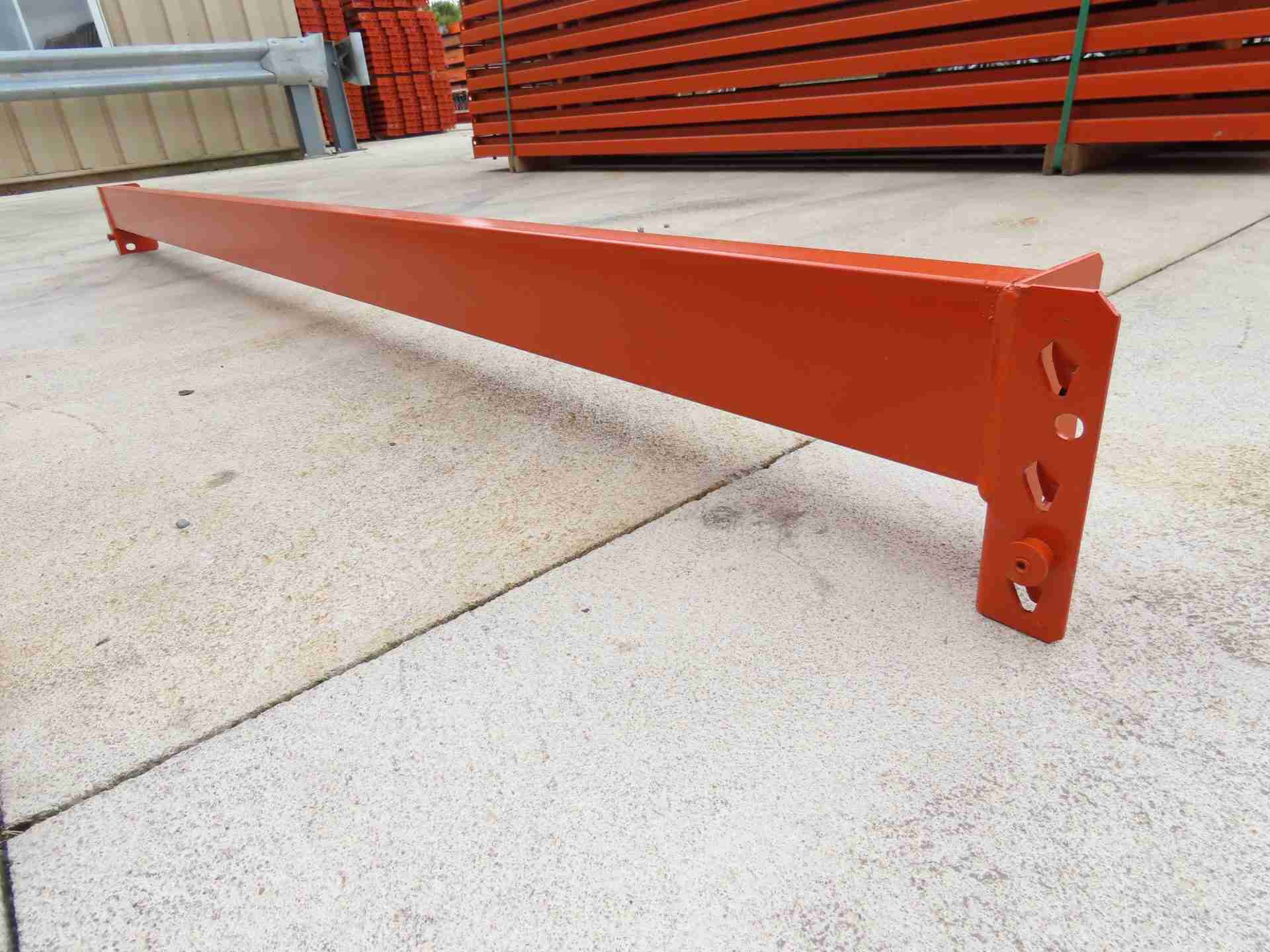
Glossary Of Terms
Other Questions
Does Your Local Pallet Racking Meet Safety Regulations? – Other Questions
If you wish to explore and discover more, consider looking for answers to these questions:
- What are the specific safety regulations for pallet racking in my area?
- How can I find certified inspectors for my pallet racking system?
- What types of training should employees receive regarding pallet racking safety?
- What are the signs that my pallet racking needs to be replaced?
- How can I ensure my employees are aware of load limits?
- What steps should I take if I discover my pallet racking is non-compliant?
- Can I retrofit my existing pallet racking system to meet current safety standards?
- How much does it typically cost to bring pallet racking into compliance?
- What should I do if my pallet racking system is involved in an accident?
- Are there insurance benefits for complying with pallet racking safety regulations?
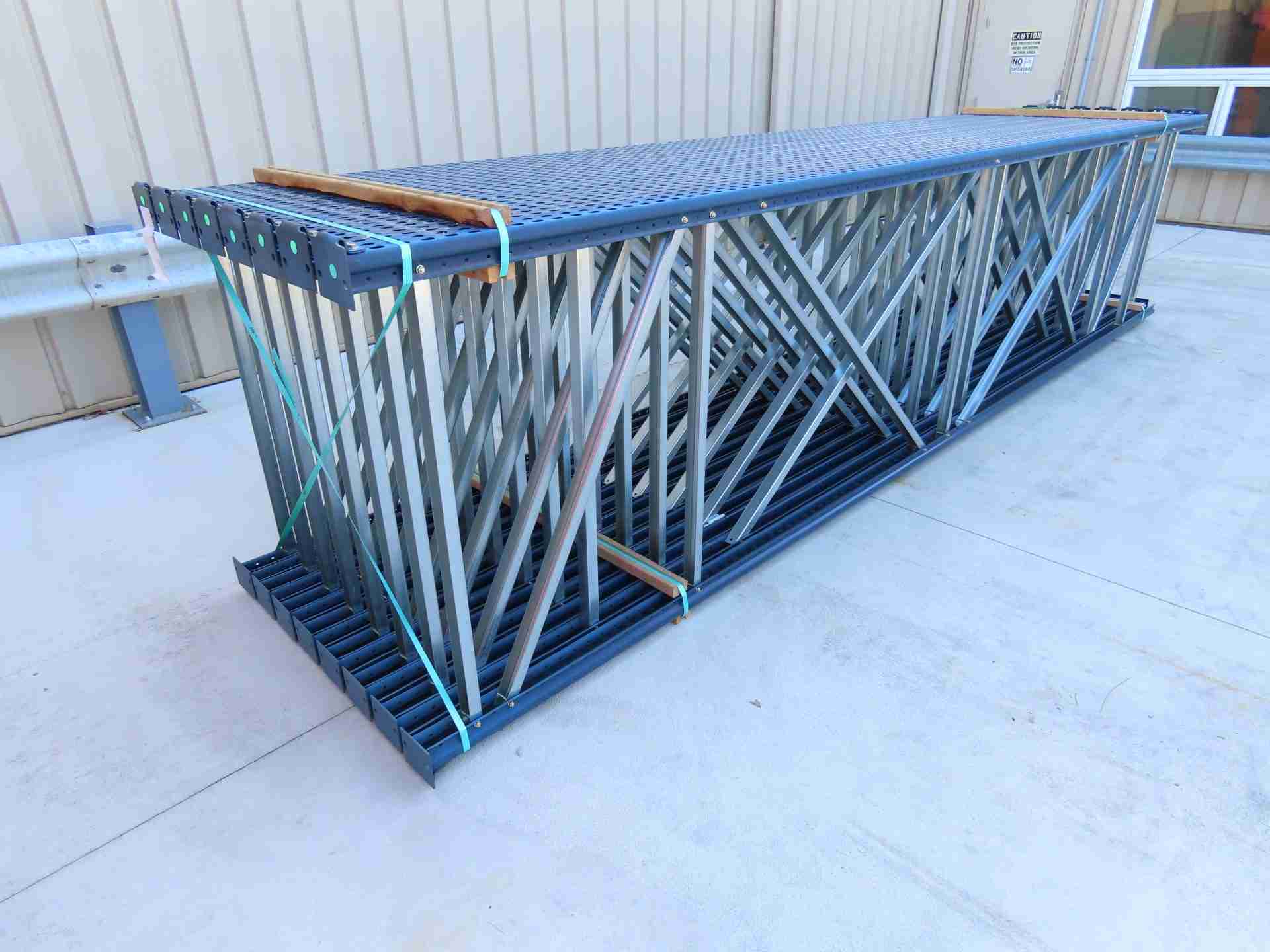
Other Questions
Checklist
Does Your Local Pallet Racking Meet Safety Regulations? – A Checklist
Checklist: Assessing Your Local Pallet Racking Safety Compliance
Use this checklist to ensure that your pallet racking systems meet safety regulations and standards. Regularly reviewing these key areas can protect your investment, enhance employee safety, and prevent costly fines.
1. Physical Inspection
_____ Check for visible damage: Inspect beams and columns for dents, bends, or rust.
_____ Look for loose bolts and misalignment in racks.
_____ Assess spacing between racks to ensure accessibility for safe operations.
2. Structural Integrity
_____ Ensure beams and columns are in good condition.
_____ Verify that your racking systems can bear the specified load limits.
_____ Consult manufacturer specifications for load limits and usage guidelines.
3. Load Management
_____ Confirm that load limits are clearly marked and easily visible.
_____ Train employees on proper loading techniques and weight limits.
_____ Review loading practices regularly to prevent overloading.
4. Compliance with Regulations
_____ Familiarize yourself with local safety codes and regulations (e. g. , OSHA, ANSI/RMI standards).
_____ Ensure that your pallet racking systems comply with specific local requirements (e. g. , seismic regulations).
_____ Stay updated on any changes in local safety regulations.
5. Regular Inspection Schedule
_____ Conduct routine inspections daily (check for obvious hazards).
_____ Implement detailed inspections monthly to assess load limits and structural properties.
_____ Schedule comprehensive annual inspections by a certified professional.
6. Post-Incident Reviews
_____ Conduct immediate inspections following any accidents or near misses.
_____ Analyze the causes of incidents and revise safety protocols accordingly.
7. Employee Training
_____ Provide regular training sessions on pallet racking safety for all staff.
_____ Encourage employees to report potential hazards or issues promptly.
_____ Foster a culture of safety and accountability among the workforce.
8. Documentation and Record Keeping
_____ Maintain records of all inspections and training sessions.
_____ Document any incidents, corrective actions taken, and outcomes.
9. Engage Experts
_____ Consider hiring compliance experts for thorough assessments.
_____ Stay informed by consulting safety professionals for tailored solutions.
10. Emergency Preparedness
_____ Implement safety protocols for emergency situations involving pallet racking.
_____ Ensure that emergency procedures are known by all employees.
By regularly completing this checklist, you can help ensure that your pallet racking systems are safe, compliant, and optimized for efficiency. Safety is not just a legal obligation; it is a cornerstone of sustainable business performance.
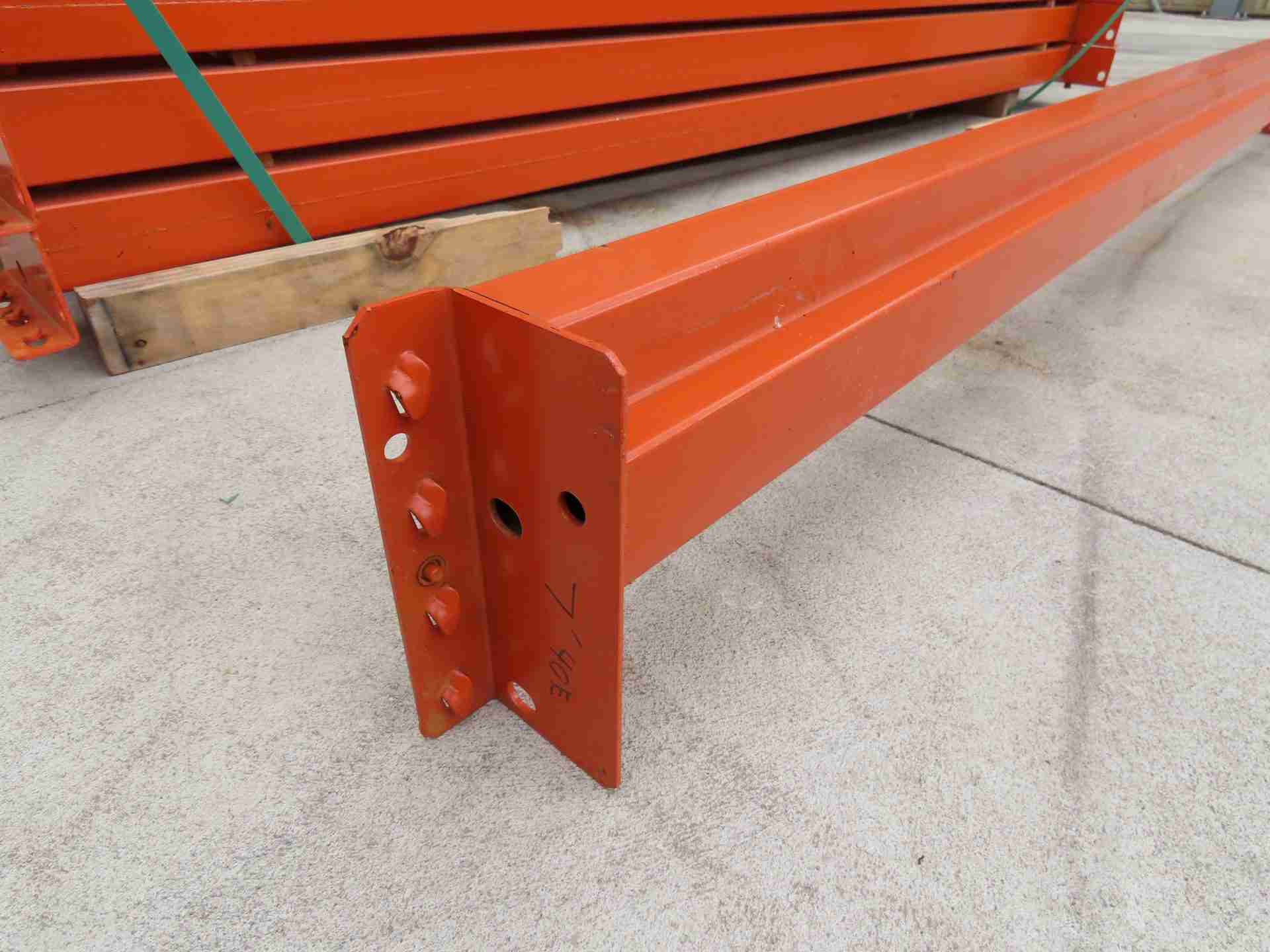
Checklist
At RackingWorld, we help guide you through selecting warehouse storage systems and racking.
Be sure to read our other related stories at RackingWorld to learn more about warehouse storage systems.
0 Comments