
Discover The Hidden Dangers In Your Warehouse Shelving
By Tom Seest
At RackingWorld, we help guide you through selecting warehouse storage systems and racking.
Be sure to read our other related stories at RackingWorld to learn more about warehouse storage systems.
Could Your Warehouse Shelving Be a Ticking Time Bomb?
When it comes to warehouse operations, overlooking your Pallet Racking systems can be a disaster waiting to happen. These structures hold up your entire inventory, and yet, they often don’t receive the attention they deserve. With current global supply chain challenges compounding the pressure to maintain operational efficiency, ensuring the safety and integrity of your storage solutions has never been more critical.
Consider the ramifications of a poorly maintained Pallet Racking system. Not only can it lead to inventory loss and workplace injuries, but a catastrophic failure can bring your operations to a grinding halt. In 2023 alone, accidents related to warehouse shelving systems have resulted in hundreds of injuries across the nation, with some companies facing legal repercussions and plummeting reputations. Are you prepared for the fallout?
Regular inspection and maintenance of your Pallet Racking aren’t just best practices—they’re essential. Think about it: if you don’t have a firm grip on the condition of your racks, you’re risking everything from your employees’ safety to your bottom line. Implementing a structured inspection schedule, complete with documentation and action plans for repairs or replacements, turns a blind eye into an informed and proactive stance. For instance, a recent case study illustrated how a leading logistics provider reduced accident rates by over 50% simply by investing in regular inspections and employee training programs.
Moreover, with the rise of e-commerce and the increasing volume of goods flowing through warehouses, the stress on shelving systems has escalated. Just last month, a significant retailer faced a major recall due to damaged inventory caused by collapsed racking. This incident sent shockwaves through the industry and highlighted the pressing need for reliable systems in today’s fast-paced environment.
Don’t wait for a disaster to strike before you take action. Consider the potential hidden costs of neglecting your Pallet Racking, from worker compensation claims to disgruntled employees and lost productivity. Instead, seize the opportunity to elevate your operations. Whether it’s through audit processes, employee training, or modernizing your storage solutions, taking proactive measures ensures that your warehouse isn’t just serving its function—it’s thriving.
In today’s competitive landscape, the phrase “nothing is too small to matter” has never been truer. Take control of your warehouse safety today and transform a ticking time bomb into a fortress of productivity and efficiency. Don’t gamble with your future; safeguard it!

Could Your Warehouse Shelving Be a Ticking Time Bomb?
Could Your Warehouse Shelving Be a Ticking Time Bomb?
- Overlooking Pallet Racking systems can lead to significant operational disasters.
- Pallet Racking holds inventory and requires regular attention for safety and integrity.
- Poor maintenance can result in inventory loss, workplace injuries, and operational shutdowns.
- In 2023, accidents related to warehouse shelving have caused hundreds of injuries and legal issues.
- Regular inspections and maintenance are essential to safeguard employee safety and company finances.
- Increased e-commerce has heightened stress on shelving systems, leading to incidents and recalls.
- Proactive measures, such as audits and employee training, can enhance warehouse productivity and efficiency.

Could Your Warehouse Shelving Be a Ticking Time Bomb?
Table Of Contents
- Could Your Warehouse Shelving Be a Ticking Time Bomb?
- How Can You Assess Shelving Stability?
- Are There Specific Weight Limits For Warehouse Shelves?
- What Regular Maintenance Should Be Performed On Shelving?
- How Can Improper Shelving Lead To Workplace Accidents?
- What Materials Are Best For Durable Shelving?
- How Often Should You Inspect Your Warehouse Shelving?
- Conclusion
- Other Resources
- Glossary Of Terms
- Other Questions
- Checklist
How Can You Assess Shelving Stability?
When it comes to storage solutions, the stability of your shelving is not just important—it’s imperative. As businesses navigate the ever-shifting tides of the market, ensuring that your pallet racking and shelving systems are steadfast can mean the difference between smooth operations and costly disruptions. Here’s how you can assess the stability of your shelving effectively.
First, understand that not all pallet racking is created equal. The material, design, and load capacity of your racking system determine its overall stability. For instance, if you are utilizing a heavy-duty pallet racking system in a high-demand warehouse, a regular shelving unit won’t cut it. Ensure your racks are constructed from durable steel and designed to accommodate the specific weights and sizes of the products you store. Remember the recent supply chain disruptions that affected many retailers? Those who optimized their racking systems for stability had an easier time adapting to rising inventory demands.
Next, conduct a thorough inspection. Regularly inspecting your pallet racking can prevent minor issues from escalating into major problems. Check for signs of wear and tear, such as bent beams, rust, or loose connections. For instance, during my consultations with warehouse managers, I recommend investing in an inspection checklist that includes points for evaluating base plates, cross braces, and upright frames. A proactive approach can help fend off disasters that lead to accidents and, ultimately, financial loss.
Another critical aspect to assess is the weight distribution on your pallet racks. Avoid overloading any particular section, as this can cause structural imbalances. A savvy logistics manager I worked with shared how their company faced significant losses when improperly balanced racks collapsed. Promote best practices among employees, such as placing heavier items at the bottom and ensuring even weight distribution across all shelves. This not only protects your inventory but also enhances the efficiency of your operation.
Moreover, do not underestimate the importance of a solid foundation. Shelving stability depends on the flooring as much as the racks themselves. Uneven or weak flooring can compromise even the sturdiest pallet racking systems. In today’s thriving warehouses, investing in proper flooring solutions is becoming a hallmark of operators who prioritize safety and efficiency.
Assessing shelving stability is multifaceted, involving inspection, weight distribution, and the condition of the flooring. By prioritizing these factors, you not only secure your inventory but also bolster the overall success of your business in an unpredictable market landscape. As you evaluate your shelving solutions, remember stability isn’t merely about holding weight; it’s about supporting your entire operation’s future.

How Can You Assess Shelving Stability?
How Can You Assess Shelving Stability?
- Shelving stability is crucial for smooth operations in businesses.
- Not all pallet racking systems are equal; material, design, and load capacity matter.
- Regular inspections of pallet racking can prevent major issues.
- Weight distribution is key; avoid overloading any section of racks.
- Connecting with employees about best practices enhances shelving stability.
- The condition of the flooring is critical for shelving stability.
- Prioritizing stability protects inventory and ensures business success.

How Can You Assess Shelving Stability?
Are There Specific Weight Limits For Warehouse Shelves?
In the bustling world of warehouse operations, the question of weight limits for warehouse shelves is critical. Beyond just compliance, understanding these parameters ensures safety, efficiency, and unlocking the maximum potential of your storage systems. One of the most significant components in any warehouse setup is pallet racking, designed to hold hefty loads while maintaining structural integrity.
When considering weight limits, various factors come into play. First and foremost, it’s crucial to understand that most pallet racking systems have specific ratings outlined by their manufacturers. Regularly, you’ll see weight limits stamped or labeled on the racking itself—these figures are not mere suggestions. Ignoring them can lead to catastrophic failures, leading to damage to goods and posing safety risks to warehouse workers.
For example, a standard selective pallet racking system can typically hold between 3,000 to 5,000 pounds per shelf level. This is an impressively robust capacity, allowing businesses to store a vast array of products efficiently. However, if you decide to stack items that exceed these recommended weight limits—say, barrels of heavy materials or industrial tools—it could lead to a dangerous collapse. Just this year, several reports highlighted incidents where warehouses escalated their storage without proper assessment—resulting in injuries and significant losses.
Moreover, it’s not just about the shelves themselves; you also need to consider the flooring and overall structure supporting your pallet racking. The load-bearing capabilities of your warehouse floor can differ significantly, especially in older buildings that may not have been evaluated for modern weight expectations. Consulting with structural engineers or warehouse design experts ensures you’re in compliance with local building codes and safety regulations.
Additionally, as industries evolve and the trend toward automation continues, many companies are investing in advanced racking solutions that offer even greater weight capacities and optimized space utilization. Current innovations in pallet racking systems, like dynamic storage or multi-tier shelving, allow businesses to maximize their warehouse’s footprint while meeting specific weight limits safely.
The importance of understanding and adhering to weight limits for warehouse shelves cannot be overstated. Always consult your supply chain experts and rely closely on manufacturer guidelines regarding pallet racking systems. This strategic approach saves you from costly errors and keeps your operations running smoothly, ensuring that your warehouse becomes not just a storage space but a dynamic center for productivity and success.

Are There Specific Weight Limits For Warehouse Shelves?
Are There Specific Weight Limits For Warehouse Shelves?
- Understanding weight limits for warehouse shelves is critical for safety and efficiency.
- Pallet racking is designed to hold heavy loads while maintaining structural integrity.
- Manufacturers specify weight ratings for pallet racking systems, which must be adhered to.
- Exceeding weight limits can lead to catastrophic failures, including safety risks and damage to goods.
- Warehouse flooring also needs to support the pallet racking loads, with assessments for older buildings advised.
- Innovations in pallet racking systems, like dynamic storage, allow optimized space utilization and greater weight capacities.
- Consultation with supply chain experts and adherence to manufacturer guidelines are essential for safe operations.

Are There Specific Weight Limits For Warehouse Shelves?
What Regular Maintenance Should Be Performed On Shelving?
When it comes to maximizing your storage efficiency and ensuring the safety of your operation, regular maintenance on your shelving—especially pallet racking—is not just an option; it’s a necessity. In the fast-paced world of logistics and warehousing, where time is money and safety is paramount, neglecting this crucial aspect can cost you more than just lost inventory.
Inspecting for Structural Integrity
First and foremost, ensure that your pallet racking systems are routinely inspected for structural integrity. Look for signs of wear and tear, including bent beams, loose connections, or rust. A recent study by the National Institute for Occupational Safety and Health revealed that a significant percentage of warehouse injuries stem from inadequate maintenance. By proactively examining your shelving, you eliminate potential hazards before they escalate.
Reorganizing Inventory
The organization of your pallet racking is also vital. As your inventory changes, so should your shelving arrangement. With the current rise in e-commerce, many businesses are seeing a rapid turnover in stock. Make it a point to regularly review your layout. If a product is moving slowly, consider relocating it to a less accessible area and keeping high-demand items easily reachable.
Cleaning and Sanitizing
Don’t overlook cleanliness! Regular cleaning of your pallet racking is crucial, especially in industries like food storage where hygiene is paramount. Create a cleaning schedule to remove debris and dust that could potentially lead to slip hazards or attract pests. In light of the recent emphasis on sanitation due to the global pandemic, this practice is more relevant than ever.
Professional Inspections
For comprehensive safety, schedule annual inspections with a professional. These experts can assess your shelving systems, including your pallet racking, with a keen eye for detail that might go unnoticed during regular checks. Don’t wait until a problem arises—investing in these inspections can save you from costly repairs or injuries down the line.
Employee Training Programs
Finally, don’t underestimate the power of training. Regularly educate your team on proper storage techniques and the significance of maintaining the security of pallet racks. A well-informed staff will not only perform their jobs better but will also take ownership of the safety and cleaning practices around your shelving systems.
Incorporating these maintenance practices will not only enhance the lifecycle of your shelving but also create a safer and more efficient work environment. Stay ahead of the game, and you’ll reap the rewards of a well-maintained storage system that supports your business goals—both today and into the future.

What Regular Maintenance Should Be Performed On Shelving?
What Regular Maintenance Should Be Performed On Shelving?
- Regular maintenance of shelving, especially pallet racking, is essential for storage efficiency and safety.
- Routine inspections for structural integrity should be conducted to identify wear, bent beams, loose connections, and rust.
- Reorganizing inventory based on turnover rates is crucial for accessibility and efficiency in e-commerce environments.
- Regular cleaning and sanitizing of pallet racking is important to mitigate slip hazards and maintain hygiene, particularly in food storage.
- Schedule annual professional inspections for thorough assessments and to catch issues before they lead to costly repairs or injuries.
- Implement employee training programs focusing on proper storage techniques and the importance of maintaining pallet rack safety and cleanliness.
- Adopting these practices enhances shelving lifecycle and creates a safer, more efficient work environment, supporting long-term business goals.

What Regular Maintenance Should Be Performed On Shelving?
How Can Improper Shelving Lead To Workplace Accidents?
In the bustling world of warehouses and retail spaces, proper shelving may not scream urgency, but it is a silent influencer of workplace safety. When it comes to storage solutions, pallet racking stands out—but only when done right. Neglecting to properly install or maintain pallet racking can pave the way for disaster.
Imagine this scenario: your warehouse team is rushing to meet an impending deadline. Products are stacked haphazardly on shelves, and instead of using pallet racking designed for optimum safety, employees are relying on makeshift solutions. In this chaotic environment, a single misstep can lead to a catastrophic accident. Just last summer, a well-known distribution center experienced a serious incident when improperly secured shelving collapsed under the weight of heavy goods. The fallout not only resulted in injuries but also brought unwanted media attention and legal ramifications that could have easily been avoided with a keen eye on safety protocols.
The story doesn’t end here; the stakes are high for businesses that ignore the fundamentals of proper shelving. An employee at a local hardware store recently suffered a serious injury when an unstable palette of goods toppled over. Investigations revealed that the store had been using outdated shelving techniques and equipment, leading to not only injuries but also fines from regulatory agencies. These severe consequences provide a wake-up call to business owners who underestimate the importance of safe storage practices.
So, why does it matter? For one, the financial repercussions of not implementing proper shelving strategies can be staggering. According to the National Safety Council, workplace injuries cost businesses upwards of $170 billion annually. Imagine how much of that could be mitigated by simply investing in quality pallet racking and training employees on effective inventory management techniques.
Additionally, operational efficiency suffers in unsafe environments. Employees are less productive when concerned about possible hazardous conditions around them. By reinforcing proper pallet racking setups, you not only bolster safety but also empower your workforce to perform better, knowing they are in a secure environment.
In this age of accountability, businesses can no longer afford to ignore shelving solutions that affect workplace integrity. Implement solid pallet racking systems, regularly inspect their conditions, and cultivate a culture of safety. After all, a focus on proper shelving is not just about organization; it’s about preserving the health and well-being of your most valuable asset—your employees.

How Can Improper Shelving Lead To Workplace Accidents?
How Can Improper Shelving Lead To Workplace Accidents?
- Proper shelving is crucial for workplace safety in warehouses and retail spaces.
- Neglecting installation or maintenance of pallet racking can lead to serious accidents.
- Rushing to meet deadlines can result in haphazard stacking and reliance on makeshift solutions.
- Recent incidents, like the collapse of unsecured shelving in a distribution center, highlight the risks involved.
- Ignoring safe storage practices can lead to severe injuries, fines, and legal issues for businesses.
- Workplace injuries cost businesses over $170 billion annually, emphasizing the need for proper shelving strategies.
- Implementing effective shelving solutions can enhance operational efficiency and employee well-being.

How Can Improper Shelving Lead To Workplace Accidents?
What Materials Are Best For Durable Shelving?
When it comes to finding materials for durable shelving, you must think beyond mere aesthetics. Your shelving solutions should not only fulfill their purpose but also withstand the test of time, inducing a sense of reliability that attracts repeat customers. In the realm of industrial shelving, few materials stand out as much as pallet racking—a robust, versatile choice for any storage solution.
Pallet racking systems are engineered to sustain heavy loads with stability and durability. Imagine a warehouse bustling with activity, where every square foot counts. Utilizing pallet racking increases your storage efficiency while ensuring that your shelves can carry the weight of assorted goods without sagging or bending over time. The rise of e-commerce and storage demand during recent global supply chain disruptions has spotlighted the importance of robust storage solutions. Companies are gravitating toward pallet racking because it meets these heightened demands without breaking the bank.
Next in line is steel. When durability is your primary concern, nothing quite matches the strength and resilience of steel shelving. Unlike wood, which can warp or degrade over time due to environmental factors, steel doesn’t flinch at humidity, heat, or heavy loads. Take a cue from online retailers who have shifted toward steel units for their fulfillment centers, ensuring that they can store everything from apparel to electronics effectively. One notable example is the recent expansion of major retail chains that have seamlessly integrated steel shelving into their distribution centers following the 2023 surge in online shopping.
Another contender worth exploring is high-grade plastic, particularly for spaces requiring lighter and more portable solutions. While not as heavy-duty as metal options, high-quality plastic shelving can resist corrosion and is incredibly easy to clean—perfect for those in industries such as healthcare or food service. With recent healthcare mandates emphasizing cleanliness and efficiency, plastic shelving has seen a surge in adoption.
Lastly, consider hybrid systems which combine various materials for optimized performance. These systems use the durability of steel along with lighter materials for handles or trays, offering the best of both worlds. As many businesses reimagine their workflows post-pandemic, hybrid solutions are quickly becoming popular—demonstrating an agility that modern businesses crave.
Selecting the right materials for durable shelving is not just a functional decision; it’s a strategic one. Quality constructions like pallet racking and steel units, coupled with innovative materials, can enhance your storage solutions and streamline operations in the face of evolving market demands. Choose wisely, and you’ll reap the rewards for years to come.

What Materials Are Best For Durable Shelving?
What Materials Are Best For Durable Shelving?
- Durable shelving materials should prioritize both function and reliability, appealing to repeat customers.
- Pallet racking is a favored choice in industrial shelving, known for its robustness and versatility.
- Pallet racking systems effectively support heavy loads, increasing storage efficiency and preventing sagging.
- Steel shelving is unmatched in strength and resilience, making it ideal for various environmental conditions.
- High-grade plastic shelving offers portability and corrosion resistance, making it suitable for healthcare and food service industries.
- Hybrid shelving systems combine materials for optimized performance, catering to the agility of modern businesses.
- Selecting the right shelving materials is a strategic decision that can significantly enhance operations and adapt to market demands.
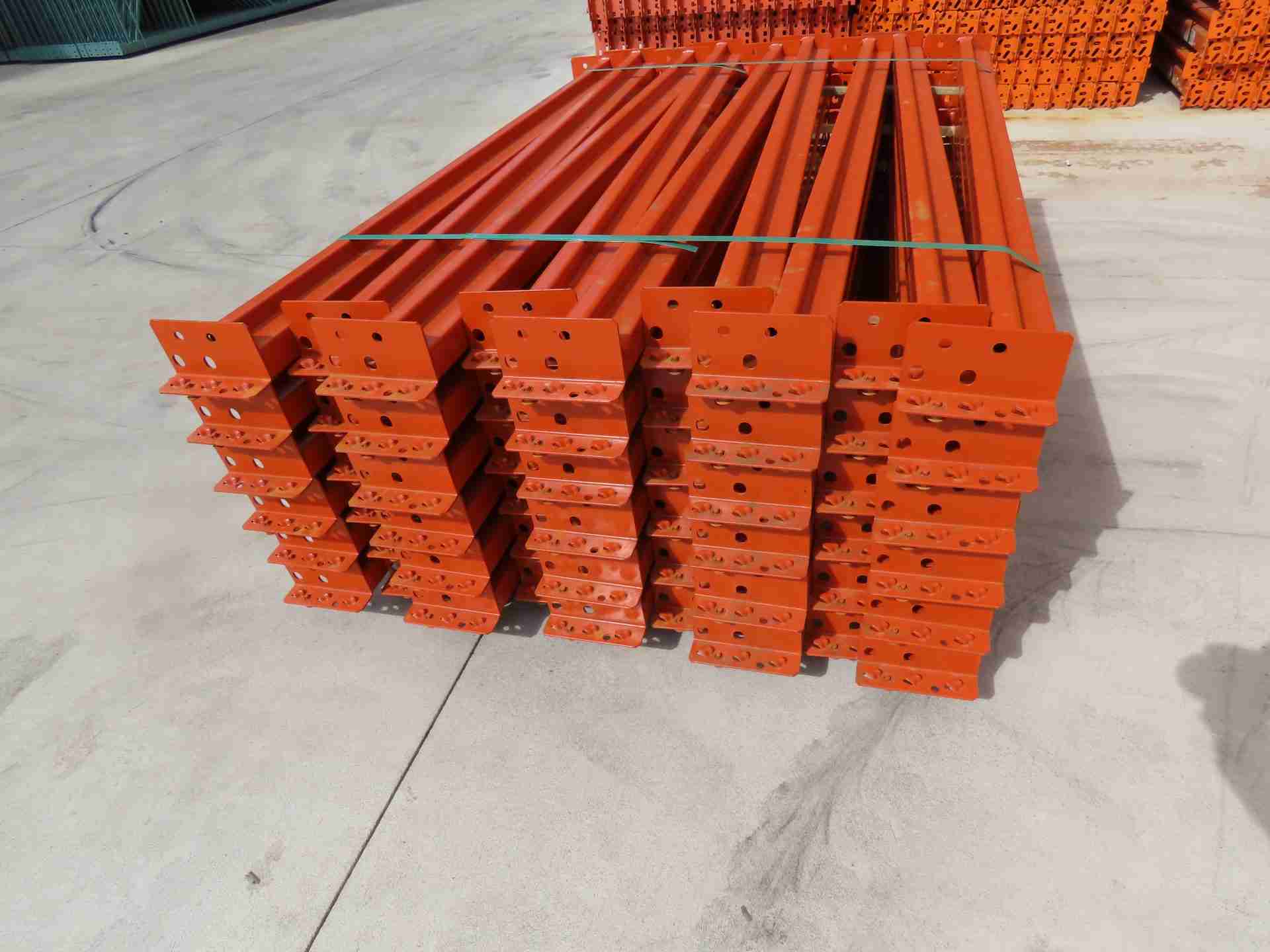
What Materials Are Best For Durable Shelving?
How Often Should You Inspect Your Warehouse Shelving?
In today’s fast-paced logistics landscape, neglecting the inspection of your warehouse shelving—especially your pallet racking—can lead to catastrophic consequences, both financially and operationally. The question isn’t just whether you should conduct inspections, but rather how frequently you should be doing them to ensure safety, compliance, and efficiency.
First and foremost, understand that your pallet racking system bears the weight of your operation. Manufacturers recommend conducting a thorough inspection of your pallet racking at least once per month. This frequency provides a balance: it’s regular enough to catch minor issues before they escalate, yet not so often that it interrupts your workflow. For instance, consider a recent incident in a major warehouse where a failure in pallet racking led to a significant product loss and downtime, costing the company over $1 million. Such devastating outcomes could have been mitigated with routine inspections.
But it’s not just about frequency; it’s about the thoroughness of each inspection as well. During these checks, look for signs of wear and tear, including bent shelving, rust, or missing supports. A quick glance isn’t enough—inspect each level of your pallet racking, checking for any signs of damage from both above and below. In a recent survey by industry experts, about 30% of warehouse professionals reported finding structural issues during their routine checks, ranging from minor to critical deficiencies.
To further bolster your efforts, consider the climate of your warehouse. If you operate in an environment prone to moisture, such as a cold storage facility, your pallet racking may require inspections every two weeks. This keeps your system intact and prevents the devastating impact of corrosion on your shelves.
Additionally, during peak operational seasons, such as the holidays or back-to-school sales, ramp up your inspections. The flow of goods can change dramatically during these busy times, putting added stress on your pallet racking. Taking proactive measures enables you to identify potential weaknesses even before they become evident, reducing the likelihood of accidents and ensuring operational continuity.
Finally, don’t overlook the importance of training your staff. Equip them with the knowledge to perform preliminary inspections, so they can notify you of any immediate concerns. By embedding an inspection mindset into your warehouse culture, you create a proactive vs. reactive environment that fosters both safety and efficiency.
In short, the smart strategy is to inspect your pallet racking regularly and rigorously—because when it comes to warehouse safety and performance, it’s better to be proactive than reactive.

How Often Should You Inspect Your Warehouse Shelving?
How Often Should You Inspect Your Warehouse Shelving?
- Neglecting warehouse shelving inspection can lead to financial and operational consequences.
- Manufacturers recommend inspecting pallet racking at least once a month to catch issues early.
- Routine inspections could prevent significant product loss and costly downtime, as seen in a case with over $1 million in losses.
- Thorough inspections should check for wear and tear, bent shelving, rust, and missing supports.
- In moisture-prone environments, more frequent inspections (every two weeks) may be necessary to prevent corrosion.
- Increase inspection frequency during peak operational seasons to manage stress on the pallet racking system.
- Train staff to perform preliminary inspections, promoting a proactive safety culture in the warehouse.

How Often Should You Inspect Your Warehouse Shelving?
Conclusion
In today’s fast-paced and demanding commercial landscape, your warehouse isn’t just a storage space—it’s a critical asset that can either propel your business to new heights or hold you back with potential hazards. As we’ve explored, neglecting your pallet racking systems can lead to catastrophic consequences, including injuries, inventory loss, and operational disruptions. The alarming statistics speak volumes, with hundreds of injuries reported annually due to poorly maintained warehouse shelving. It’s clear: your shelving should be a priority, not an afterthought.
But fear not! The path to a safer, more efficient warehouse is within your reach. By implementing regular inspections, adhering to manufacturer guidelines, and investing in quality materials, you can ensure that your storage solutions uphold the highest standards of safety and productivity. Remember the importance of weight limits and the right materials—opt for robust, durable options like steel and innovative hybrid systems tailored to your unique operational needs.
Now is the time to act, not react. Your organization’s safety relies on proactive measures. Establish a systematic inspection schedule, empower your employees with training, and modernize your shelving system—because every dollar you spend on preventive measures can save you thousands in potential losses down the road. Just one incident can lead to a domino effect of financial strain, reputation damage, and costly downtime, so don’t leave your warehouse’s integrity to chance.
At Arrow Industrial Sales, we’re here to support you every step of the way. Our expert team is ready to provide tailored solutions, from audits to modern shelving options, designed to secure your operation. Don’t wait for a catastrophe to strike; take control of your warehouse’s future today! Call us at (574) 349-6575 and discover how we can provide you with unparalleled storage solutions that not only meet but exceed industry standards.
Can you afford to gamble with your warehouse’s safety and efficiency? The answer is clear: the longer you wait, the greater the risk. Invest in your operations now and transform your warehouse from a ticking time bomb into a dynamic, productive powerhouse that drives success. Your employees, your inventory, and your bottom line will thank you!

Conclusion
Conclusion:
- Your warehouse is a crucial asset that can drive business success or lead to hazards.
- Poorly maintained pallet racking systems can result in injuries, inventory loss, and operational disruptions.
- The importance of regular inspections, adherence to guidelines, and investment in quality materials cannot be overstated.
- Prioritize safety through systematic inspection schedules and employee training.
- Modernize your shelving system with robust materials like steel and tailored hybrid solutions.
- Arrow Industrial Sales offers expert support for audits and shelving options to secure operations.
- Investing in safety and efficiency now can prevent significant financial losses and operational setbacks in the future.

Conclusion
Other Resources

Other Resources
Here is a list of other resources you can review online to learn more:
- Cantilever Racking Specialists – Get the Right Racks
- Bradford Systems
- Illinois Pallet Racking – Storage Solutions
- Racking World
- Interlake Mecalux
- Pallet Racking systems in Illinois and Great Lakes
- Warehouse Racking Chicago, IL
- What is Cantilever Racking? – AK Material Handling Systems
- Rack Manufacturers Institute
Use This Prompt To Get More Resources With Your Favorite Online AI Tool: Please provide me with a list of online articles with their URLs in a bulleted list that I can read regarding Could Your Warehouse Shelving Be a Ticking Time Bomb?

Other Resources
Glossary Terms
Could Your Warehouse Shelving Be a Ticking Time Bomb? – Glossary Of Terms
1. Warehouse Shelving: Structure designed for the storage of goods and materials in a warehouse setting.
2. Load Capacity: The maximum weight a shelving unit can safely hold without risk of failure.
3. Rack Stability: The ability of a shelving unit to remain upright under load and during environmental changes.
4. Overloading: Placing more weight on a shelving unit than it is designed to support, which can cause collapse.
5. Weight Distribution: How the total weight is spread across the shelves; improper distribution can lead to tipping.
6. Shelf Bracing: Support added to shelving units to increase stability and prevent swaying or collapsing.
7. Vertical Clearance: The space between the top of stored materials and the ceiling, affecting safety and compliance.
8. Aisle Width: The width of pathways between shelves, essential for safe movement and equipment operation.
9. Safety Stock: Extra inventory kept on hand to prevent stockouts, affecting shelf space and safety.
10. Pallet Racking: Shelving specifically designed to hold pallets, requiring special considerations for load capacity.
11. Inspection Protocol: A systematic approach for regularly checking shelving units for damage and safety compliance.
12. Fire Code Compliance: Adhering to local regulations regarding the setup of shelving to ensure fire safety.
13. Load Signage: Labels or signs indicating the maximum weight allowed per shelf, crucial for preventing overload.
14. Seismic Considerations: Adjustments made to shelving design or placement to ensure stability during earthquakes.
15. Deterioration: Wear and tear over time that can compromise the integrity of shelving materials.
16. Material Fatigue: The weakening of shelving materials due to repeated stress, which can lead to failure.
17. Pallet Stops: Devices used on shelving to prevent pallets from falling off the edge, enhancing safety.
18. Forklift Safety: Protocols and training to ensure safe operation of forklifts around shelving units.
19. Human Factors: Consideration of how human behavior and ergonomics affect safety around shelving.
20. Risk Assessment: The process of identifying hazards associated with shelving and implementing corrective measures.
21. Ergonomic Design: Shelving designed to reduce strain on workers, promoting safe interaction with stored items.
22. Load Manifest: A document detailing the weight and distribution of items on shelves for inventory management.
23. Preventive Maintenance: Regular checks and repairs conducted on shelving to prolong its lifespan and safety.
24. Emergency Protocols: Procedures to follow in the event of a shelving collapse or other safety incidents.
25. OSHA Regulations: Standards set by the Occupational Safety and Health Administration that govern workplace safety.
26. Inventory Management: The process of overseeing and controlling stock levels, organization, and safety within shelving units.
27. Structural Integrity: The strength and stability of shelving units, critical for their safe operation and use.
28. Storage Density: The amount of product stored in a given space, which can impact safety if not managed properly.
29. Compliance Audits: Evaluations conducted to ensure shelving and storage practices meet safety standards and regulations.
30. Emergency Preparedness: Plans and training established to prepare for potential shelving-related accidents or disasters.

Glossary Of Terms
Other Questions
Could Your Warehouse Shelving Be a Ticking Time Bomb? – Other Questions
If you wish to explore and discover more, consider looking for answers to these questions:
- What are the signs of a failing pallet racking system?
- How can I implement a structured inspection schedule for my shelving?
- What are the potential legal repercussions of ignoring pallet racking maintenance?
- What are the best practices for weight distribution on warehouse shelves?
- What is the process for safely repairing or replacing damaged shelving?
- Are there specific guidelines for shelving in various industries?
- What training programs are available for warehouse employees regarding safety and shelving maintenance?
- How can technology assist in monitoring the condition of warehouse shelving?
- What are the costs associated with inadequate shelving maintenance?
- How can I assess the quality of shelving materials used in my warehouse?
- What certification or standards should my shelving systems meet for compliance?
- How does environmental moisture affect pallet racking systems?
- What role does employee involvement play in ensuring warehouse safety?
- What are the latest innovations in pallet racking systems?
- How do I choose the right shelving system for my specific needs?

Other Questions
Checklist
Could Your Warehouse Shelving Be a Ticking Time Bomb? – A Checklist
Regular Inspection and Maintenance
_____ Conduct thorough inspections of pallet racking systems at least once a month.
_____ Look for signs of wear and tear, such as:
_____ Bent beams
_____ Loose connections
_____ Rust or corrosion
_____ Schedule professional inspections annually for detailed assessments.
_____ Inspect shelving after high-demand seasons or when inventory flow drastically changes.
Weight Management
_____ Review and adhere to manufacturer weight limits displayed on pallet racking.
_____ Ensure even weight distribution across shelves.
_____ Store heavier items on lower shelves to prevent tipping or collapse.
Stability Assessment
_____ Evaluate the foundation and flooring; ensure they can support shelving systems.
_____ Check for structural integrity, including base plates, cross braces, and upright frames.
Employee Training
_____ Implement regular employee training programs on proper shelving techniques and safety procedures.
_____ Educate staff on identifying potential hazards during their tasks.
Inventory Organization
_____ Regularly reorganize and optimize shelving based on inventory turnover rates.
_____ Ensure high-demand items are easily accessible and slower-moving items are stored appropriately.
Cleaning Protocol
_____ Establish a regular cleaning schedule to remove dust and debris from shelves.
_____ Maintain cleanliness, particularly in sensitive environments like food storage.
Record Keeping
_____ Maintain documentation of inspections, repairs, and employee training.
_____ Create action plans for any needed repairs or replacements identified during inspections.
Compliance and Safety
_____ Consult with structural engineers to ensure compliance with safety regulations.
_____ Have a clear emergency response plan for accidents related to shelving failures.
Modernization and Technology
_____ Investigate advanced racking solutions that offer optimized weight capacities and space utilization.
_____ Consider hybrid shelving solutions combining different materials for enhanced stability and efficiency.
By following this checklist, you can transform your warehouse shelving from a potential risk into a safe, efficient storage solution that supports your operations effectively.

Checklist
At RackingWorld, we help guide you through selecting warehouse storage systems and racking.
Be sure to read our other related stories at RackingWorld to learn more about warehouse storage systems.
0 Comments