
Ensuring Safety, Efficiency, And Reliability In Rack Installations
By Tom Seest
At RackingWorld, we help guide you through selecting warehouse storage systems and racking.
Be sure to read our other related stories at RackingWorld to learn more about warehouse storage systems.
Compliance Checklist for New Rack Installations
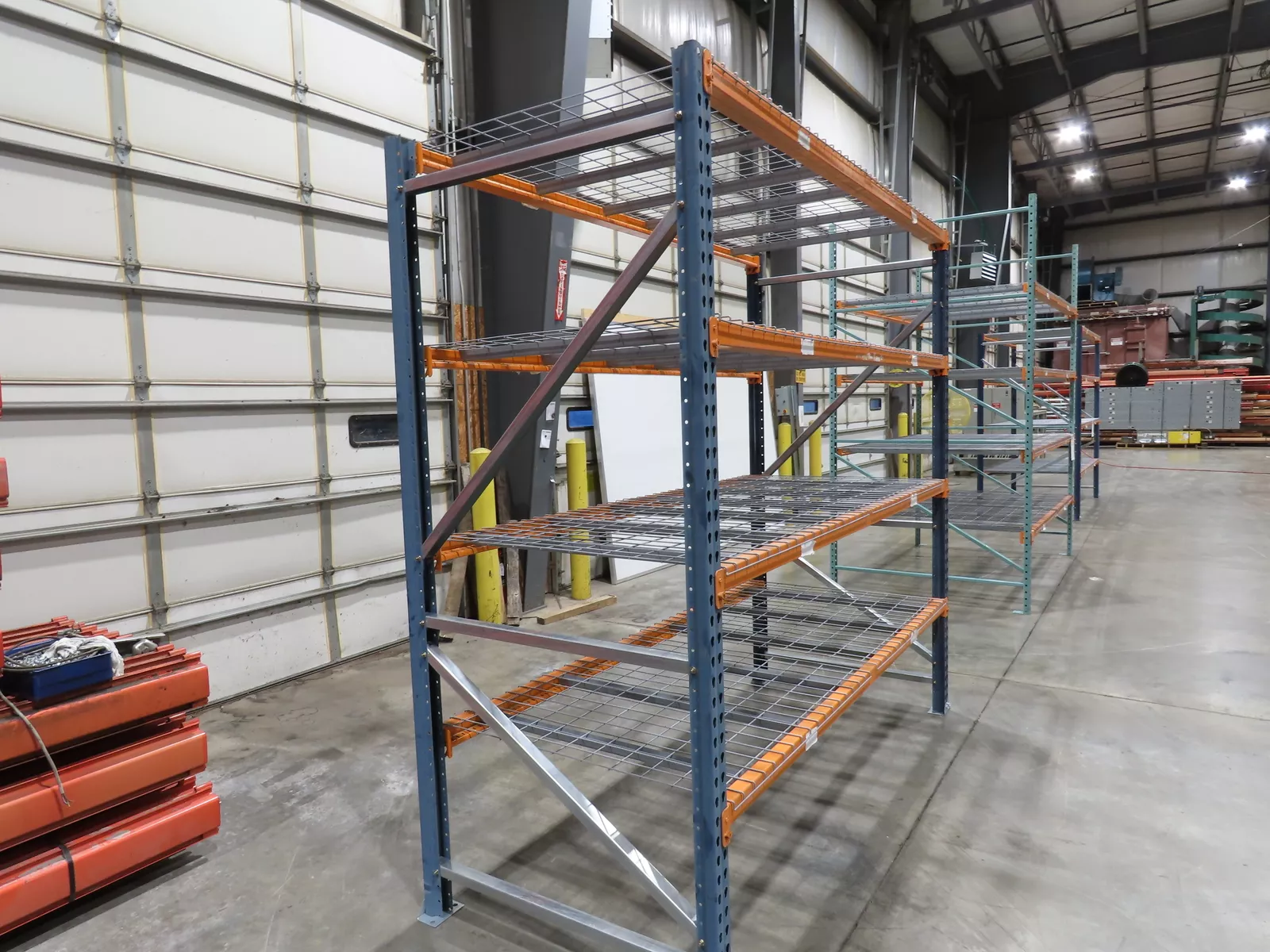
When it comes to installing racking systems, the stakes are higher than you might realize. Picture this: you’re standing in a warehouse, surrounded by rows of neatly organized shelves, each one holding the potential to keep your operation running smoothly. But behind that organized façade lies a world where safety, efficiency, and compliance are not just checkboxes on a list; they’re the foundation upon which trust and reliability are built.
Let’s think about the heart of your operation—your people. Each employee relies on the integrity of the racking system to do their job safely. Imagine the deep sense of responsibility that comes with knowing that you’ve installed those racks following best practices and regulations. That feeling of pride echoes through the entire workforce. A well-installed racking system doesn’t just optimize space; it safeguards human lives. It’s about nurturing a culture where everyone knows that their well-being is a top priority.
Now, to appeal to your rational side, let’s break down the compliance checklist. Start by reviewing local building codes, ensuring that your racking systems are in line with legal requirements. Confirm that your racks have been approved for the specific loads they will bear, because improper load management can lead to catastrophic failures. Keep your installation records accessible and maintain documentation of product specifications and compliance approvals. This isn’t just bureaucratic red tape; it’s a safeguard against the chaos that can arise when things go wrong.
Ethically, guess what? Your decisions don’t affect just your bottom line. They ripple out into the community and the lives of your employees. Proper compliance protections aren’t just nice-to-haves—they’re cornerstones of ethical business practice. By committing to compliance, you’re standing up for transparency and responsibility, showing your workers that their safety matters more than short-term gains.
In this day and age, everyone is watching. Regulatory agencies, customers, and competitors alike are paying attention to how businesses conduct themselves. Engaging socially with your team about compliance builds camaraderie; it becomes part of your company’s identity, fostering trust and shared accountability. When everyone on the floor knows the rules and adheres to them, you cultivate an environment where safety and efficiency thrive.
Install those racks right, folks. Your commitment to compliance is an investment in your people, your product, and your future. So grab that checklist, heave those racks into place, and let’s do this the right way—together.

Compliance Checklist for New Rack Installations
Compliance Checklist for New Rack Installations
- Installing racking systems involves higher stakes than it seems, affecting safety, efficiency, and compliance.
- Employees depend on the integrity of racking systems for their safety, fostering a culture of responsibility and pride.
- Compliance includes reviewing local building codes and ensuring racks are approved for specific loads to prevent failures.
- Maintaining accessible installation records and documentation is crucial for safeguarding against potential chaos.
- Ethical compliance impacts not just the company, but also the community and employees, emphasizing safety over profits.
- Business practices are under scrutiny from regulatory agencies, customers, and competitors, making compliance vital.
- Engaging teams about compliance fosters camaraderie and cultivates an environment of safety and efficiency.
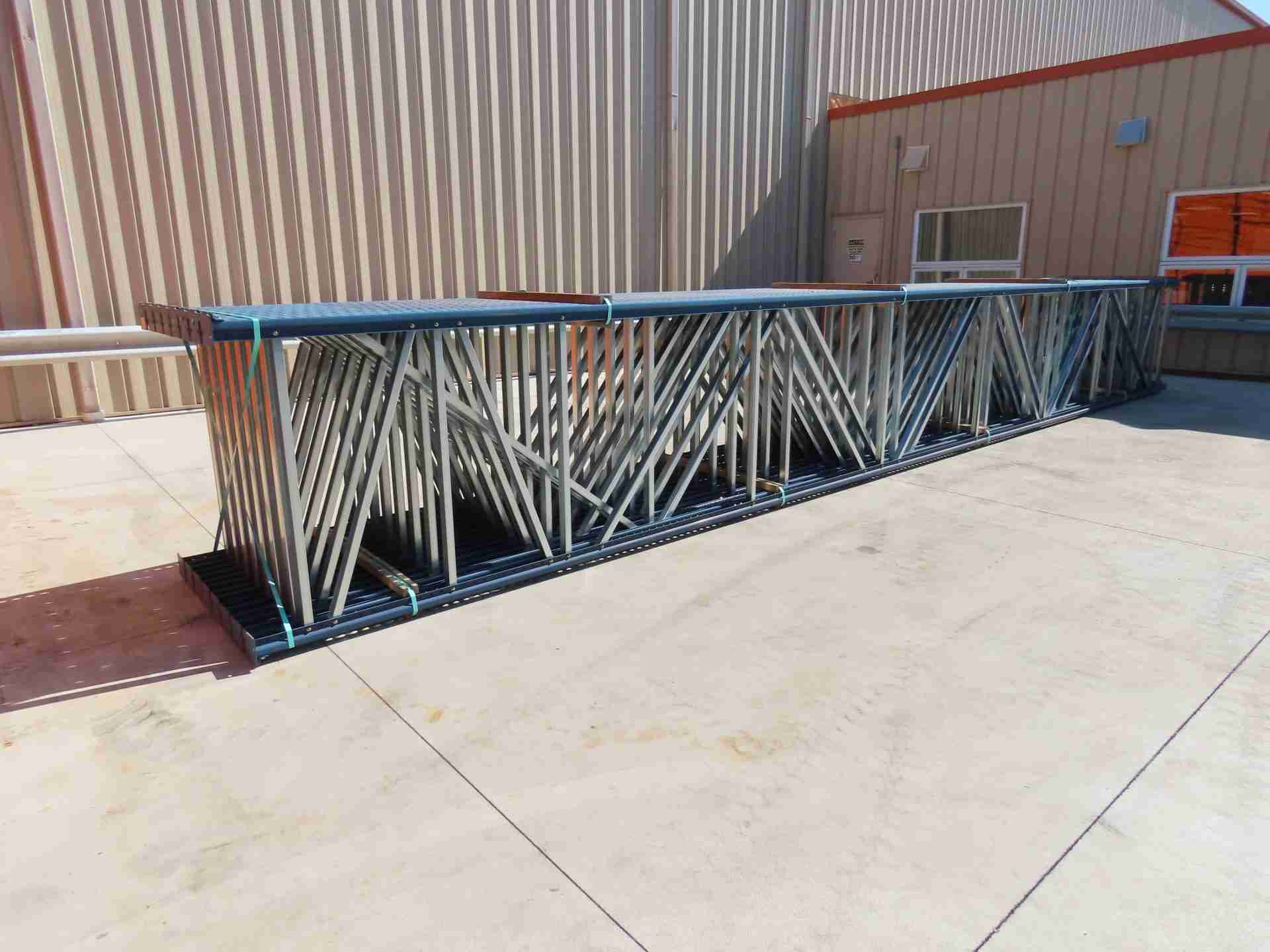
Compliance Checklist for New Rack Installations
Table Of Contents
- Compliance Checklist for New Rack Installations
- What If Failing to Comply Leads to Costly Penalties?
- How Can We Ensure Safety In Our Installations?
- Are You Aware Of the Latest Compliance Regulations?
- What Best Practices Can Guide Our Installation Process?
- How Does Compliance Impact Our Professional Reputation?
- Conclusion
- Other Resources
- Glossary Of Terms
- Other Questions
- Checklist
What If Failing to Comply Leads to Costly Penalties?
What if failing to comply leads to costly penalties? It’s a question that hangs over many businesses like a dark cloud, ready to unleash a storm of financial havoc. Picture this: a family-owned construction firm, rich in tradition and hard work, suddenly finds itself in hot water due to an overlooked regulation. Racking up fines that they never saw coming, their dreams of expansion begin to crumble. The weight of that financial burden doesn’t just shake the foundations of the business; it shakes the very lives intertwined with it.
Let’s talk about real consequences. The heart tells us we’re all in this together. When a company stumbles, it doesn’t just affect the bottom line; it reverberates through communities, affecting employees, their families, and even local economies. The business owner, once a beloved fixture in the community, can become an outcast, vilified for mistakes that stem from negligence or a lack of understanding. Can you feel the sting not just in the wallet, but in the conscience as well? No one wants to be the reason someone loses their job or faces uncertainty.
Rationally, we know that regulations exist for a reason–to ensure safety, quality, and fairness. They may feel burdensome, but adhering to them is not only legally sound but ethically responsible. Think about it: would you feel comfortable returning to a restaurant if you knew they had cut corners on health inspections? Compliance isn’t just about avoiding fines; it’s about earning the trust of your customers and neighbors. It’s about standing for something bigger than oneself.
Now consider the authority that compliance brings. Businesses recognized for their diligence are often rewarded with loyalty and respect. Imagine being the beacon of reliability in your industry, where customers appreciate that you’ve taken the time to follow the rules, ensuring their safety as well as the integrity of your trade. Just like a racking system that holds everything together, your adherence to compliance supports the overall structure of your operation.
In a world where stories of failure travel fast, be the company that shares the narrative of success through commitment and responsibility. Rally your team around the importance of compliance. Construct a culture where everyone understands their role in building trust, not just for the business, but for the community they cherish. Together, you can forge a path where costly penalties become a cautionary tale, not one lived out in your story.
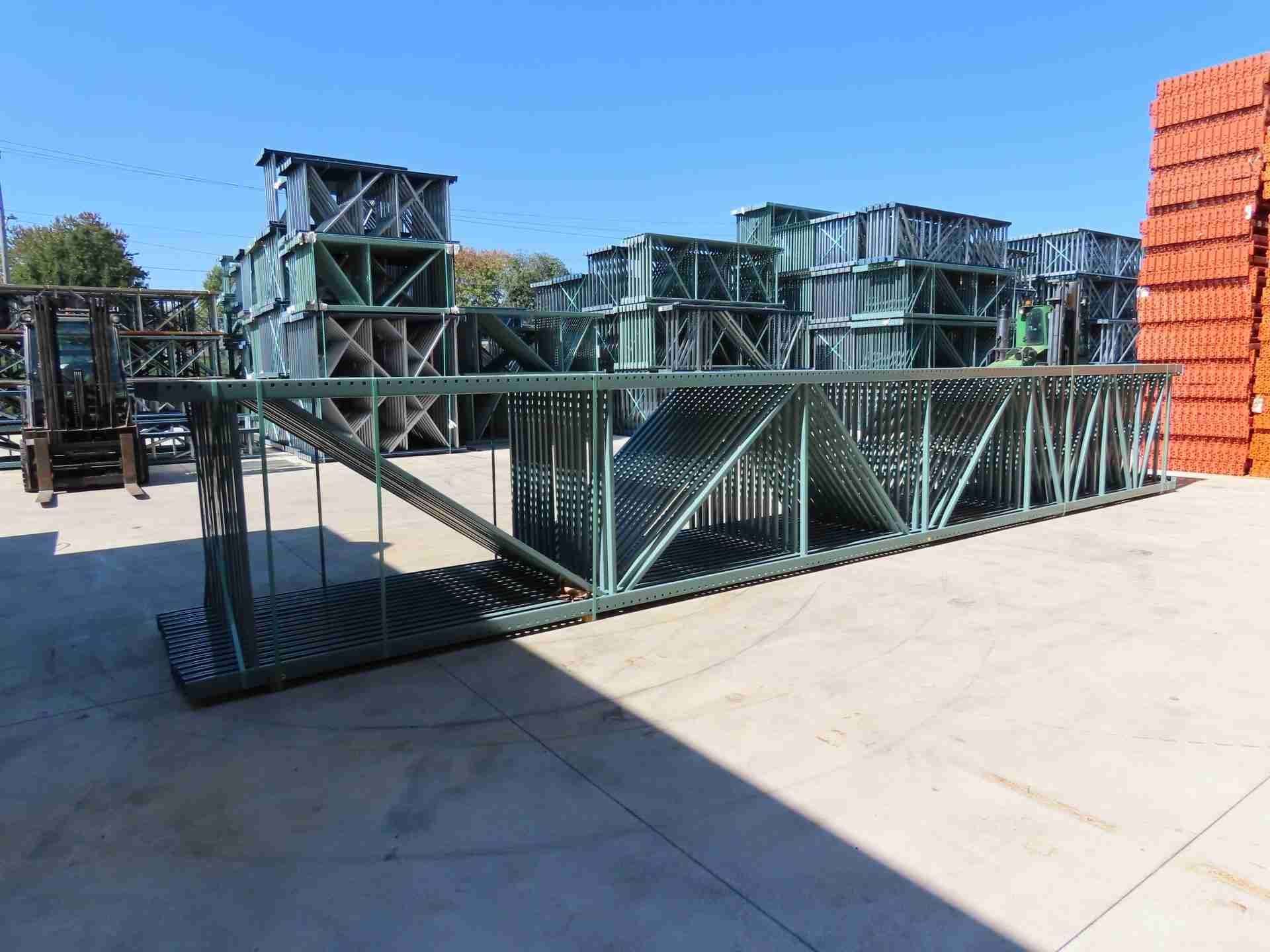
What If Failing to Comply Leads to Costly Penalties?
What If Failing to Comply Leads to Costly Penalties?
- Failing to comply with regulations can lead to severe financial penalties for businesses.
- A family-owned construction firm faces unintended fines that threaten its growth and stability.
- Noncompliance affects not only the company but also employees, families, and local economies.
- Business owners may become vilified in their communities for regulatory oversights.
- Regulations are essential for safety, quality, and fairness; compliance is both legally and ethically necessary.
- Companies known for compliance build customer trust and loyalty, enhancing their industry reputation.
- Cultivating a culture of compliance among employees can help prevent costly penalties and foster community support.

What If Failing to Comply Leads to Costly Penalties?
How Can We Ensure Safety In Our Installations?
When it comes to safety in our installations, one word resonates louder than any other: responsibility. Each day, we assemble and interact with complex systems, whether it’s heavy-duty racking in a warehouse or intricate machinery in a factory. These environments are not just places of work; they are our families’ livelihoods, our friends’ careers, and our communities’ backbone. The stakes are high, and it’s up to us to ensure that we treat safety not as a checkbox but as a culture.
Start by putting the right tools in place. Every racking system should meet stringent standards. That means not just checking the boxes on safety inspections, but actively engaging in a dialogue about what works and what doesn’t. This is where the heart and the head come together. Statistics may show the success rates of existing safety measures, but stories—those heart-wrenching, gut-churning narratives that we hear from our coworkers—drive the point home. Imagine a scenario where a simple oversight leads to an accident. The ripple effects extend far beyond the individual involved; they touch everyone connected to that person.
Implement regular training sessions that go beyond the basics. Create an environment where every team member feels empowered to voice their concerns about safety within their work environments. Lead by example—let those with the most experience share not just their expertise but their mistakes. When we share stories of near misses, we build a tapestry of trust that reminds everyone of our shared responsibility. The ethical duty to protect one another cannot be overstated. Safety isn’t just a policy; it should be a norm, a deeply woven fabric in the company culture.
Moreover, rally your team around safety as a social cause. Make it an integral part of your identity as a company. Encourage open dialogues. Celebrate safety milestones — a month without accidents, a year of zero injuries — using these achievements as motivational touchstones. Foster that sense of community, because people are more likely to adhere to safety protocols when they feel their colleagues genuinely care about their well-being.
Ensuring safety in our installations is about inspiring confidence and action. It’s about turning every single person from a passive observer into an engaged participant, all working toward the same goal: a safer workplace for everyone. Because safety isn’t just a thing we do; it’s who we are.
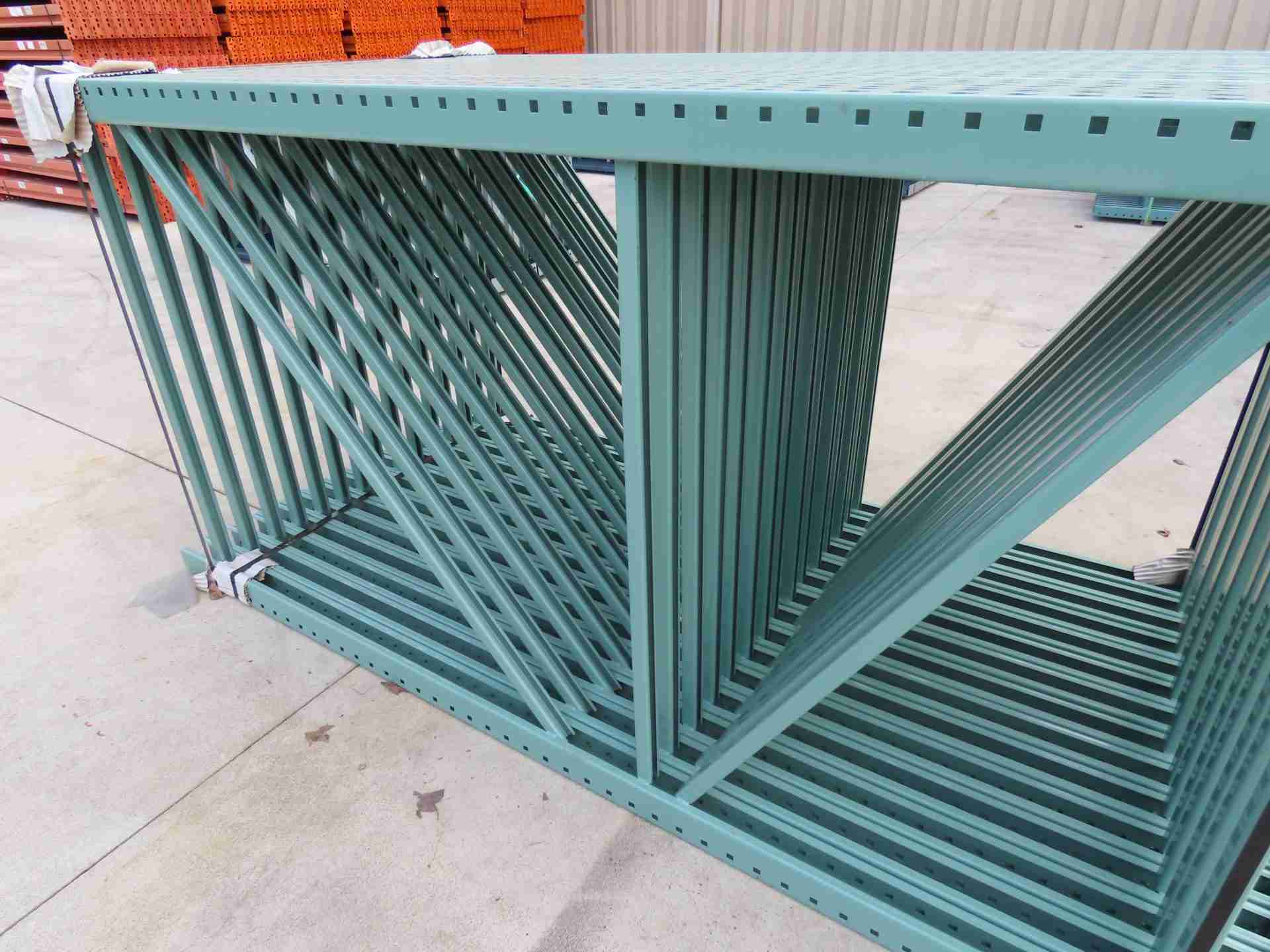
How Can We Ensure Safety In Our Installations?
How Can We Ensure Safety In Our Installations?
- Safety in installations emphasizes the importance of responsibility as part of company culture.
- Complex systems in workplaces, like racking and machinery, impact livelihoods and community well-being.
- Engage actively in safety discussions, focusing on meaningful feedback rather than just compliance.
- Share personal narratives about safety incidents to highlight the human impact of oversights.
- Conduct comprehensive safety training, encouraging open dialogue and empowerment among team members.
- Celebrate safety achievements and foster a community ethos around safety as a collective responsibility.
- Transform each individual from a passive observer to an engaged participant in creating a safer workplace.
How Can We Ensure Safety In Our Installations?
Are You Aware Of the Latest Compliance Regulations?
When we think about compliance regulations, we often picture dense documents, legal jargon, and a plethora of rules that seem to float in a bureaucratic ether. But let’s strip away the layers for a moment. At its core, compliance is about trust. It’s about ensuring the integrity of our workplaces, protecting our customers, and fostering a culture of accountability. And like a well-organized warehouse racking system that holds everything in place, effective compliance regulations provide a framework that allows businesses to thrive while safeguarding their values.
Picture a business owner, pouring their heart and soul into their enterprise, working late into the night to meet deadlines while worrying about operational compliance. It’s an emotional gamble, isn’t it? Every decision feels pivotal, with the weight of responsibility resting on their shoulders. The reality is, navigating through this complex landscape does not just keep the doors open; it nurtures the very ethos of trust within your community.
But let’s think rationally for a moment. Ignoring the latest compliance regulations is like driving a car without checking the rearview mirror. It opens you up to risks that could have been easily avoided. A sudden shift in the landscape—be it data protection laws or employment standards—can leave you vulnerable if you’re not actively engaged. Staying ahead means not just knowing what the rules are, but understanding how they resonate with the fundamental principles of your business. It lends credibility and puts you a step ahead of competitors who may still be operating with outdated practices.
Now, let’s step back for a second. Why should we care? Because ethics matter. Each regulation is designed to protect the dignity of individuals and the integrity of our systems. Upholding compliance isn’t just a checkbox; it’s a commitment to doing what’s right. And when you operate from a place of ethics, you cultivate a loyal following—customers who return not just for the product, but for the trust you’ve built.
In a world that thrives on connection, being proactive in compliance helps build that foundational network of relationships. When you foster a transparent environment, you create safe havens for your employees and clients alike. The ripple effect is profound; a culture rooted in compliance not only attracts talent but also instills a shared sense of purpose. Together, let’s embrace these regulations not as burdens, but as the sturdy rungs of a ladder toward sustainable success. So, are you ready to take the next step in your compliance journey?

Are You Aware Of the Latest Compliance Regulations?
Are You Aware Of the Latest Compliance Regulations?
- Compliance regulations are fundamentally about trust, integrity, and accountability in the workplace.
- Effective compliance provides a framework for businesses to thrive while safeguarding their core values.
- Navigating compliance is essential for business owners to maintain operations and nurture community trust.
- Ignoring compliance can expose businesses to significant risks and potential vulnerabilities.
- Understanding regulations is crucial for maintaining credibility and gaining a competitive edge.
- Upholding compliance reflects ethical commitments and fosters customer loyalty beyond just products.
- Proactive compliance creates a transparent environment, enhancing relationships and attracting talent.
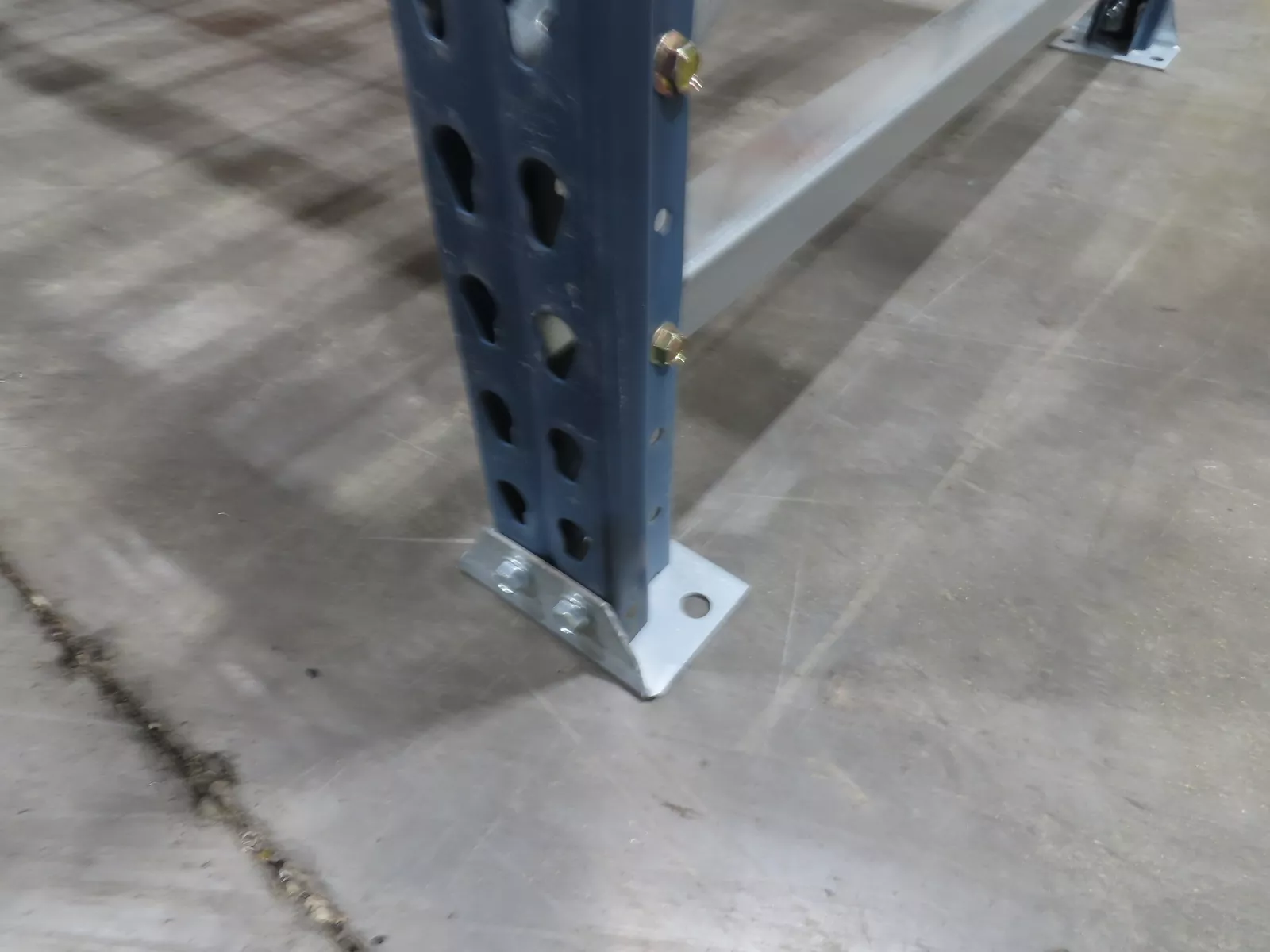
Are You Aware Of the Latest Compliance Regulations?
What Best Practices Can Guide Our Installation Process?
When it comes to installation, the devil is often found in the details. Racking might seem like just another task on a long to-do list, but it’s those meticulous details that can make the difference between a job well done and one that falls short of expectations. It’s about more than just getting it right; it’s about ensuring safety, durability, and peace of mind for everyone involved.
First, let’s talk about the emotional rollercoaster that comes with a project. Imagine the anticipation of finally seeing your hard work come to fruition. You’re not just installing equipment; you’re creating a foundation—literally and figuratively. This is where your efforts intersect with the dreams of your clients, turning abstract ideas into tangible reality. When you see that smile on a client’s face at the end of an installation, it’s worth every moment spent racking and re-evaluating.
Now, let’s engage the rational side. Consider the guidance of established best practices that ground the installation process in tried-and-true methods. Utilizing industry standards not only helps avoid costly mistakes but also assures you and your clients that you’re operating under a framework of excellence. These aren’t just rules; they are the blueprints of wisdom gathered from years in the field, showcasing the expertise that comes from both success and failure.
Ethics must also come into play. Installing with integrity means prioritizing quality over shortcuts, even when those shortcuts might seem tempting. Always think about how your work will impact the community and the environment. Making a conscious choice to adhere to ethical guidelines cultivates trust, reinforcing the idea that you’re not just there for the job but for the people affected by your work.
Finally, let’s not underestimate the power of community. Every successful installation relies on collaboration—between team members, with clients, and even with suppliers. Share your experiences and lessons learned, and invite feedback. When we foster a culture of open dialogue, we create a network of support that makes every racking process smoother and more efficient.
It’s not just about putting pieces together; it’s about building relationships and creating something that will serve its purpose long after you’ve driven away. Embrace these best practices, and you’ll not only see projects thrive—you’ll become a trusted part of the community fabric.
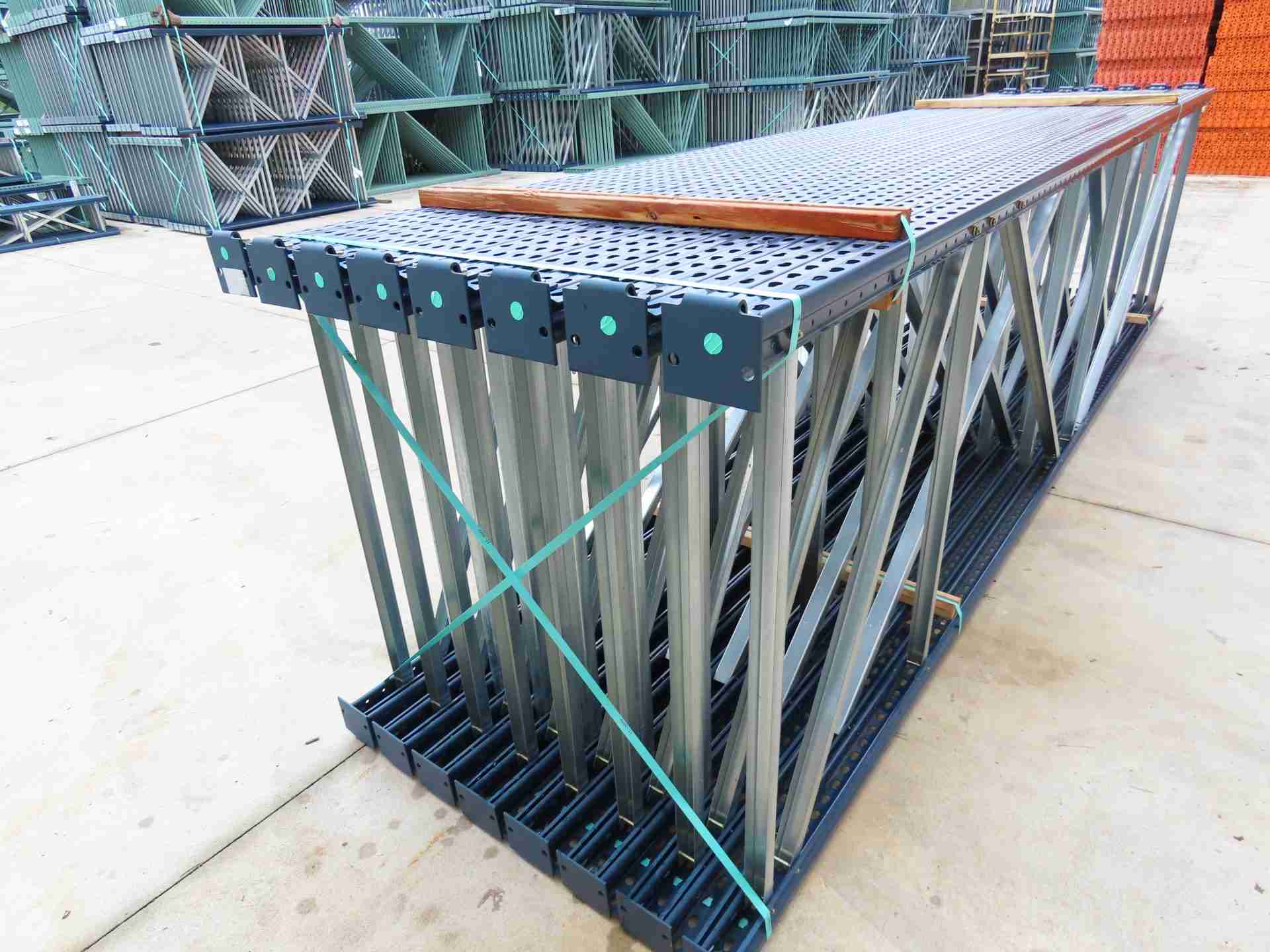
What Best Practices Can Guide Our Installation Process?
What Best Practices Can Guide Our Installation Process?
- Installation requires meticulous attention to detail for safety, durability, and peace of mind.
- Emotional satisfaction comes from transforming clients’ dreams into tangible realities.
- Best practices serve as a framework for excellence, helping to avoid costly mistakes.
- Ethics in installation prioritizes quality and considers community and environmental impacts.
- Collaboration with team members, clients, and suppliers is crucial for successful installations.
- Open dialogue fosters a supportive culture, enhancing the efficiency of the installation process.
- Building relationships and community trust is as important as the physical work of installation.

What Best Practices Can Guide Our Installation Process?
How Does Compliance Impact Our Professional Reputation?
In a world that often prioritizes speed over thoroughness, it’s easy to overlook the quiet yet powerful influence that compliance has on our professional reputation. Think about it: every time we commit to upholding standards—whether they be safety protocols, ethical guidelines, or industry regulations—we’re not just checking boxes; we’re racking up trust within our communities. Compliance is like a sturdy bridge that connects us with clients, colleagues, and the public, and each brick laid is a choice to act with integrity.
When a business falters on compliance, it doesn’t merely face penalties or fines; it risks its very identity. Imagine the heartache of a small family-run operation, once admired for its craftsmanship, now losing contracts and reputation simply because they overlooked a key regulation. It’s not just a hit to the bottom line but a gut punch to all those who poured their sweat and soul into building something meaningful.
Rationally, non-compliance invites scrutiny and skepticism. We live in an era where information travels faster than a wildfire. One misstep can mar a hard-earned reputation thousands of honest hours built upon. Conversely, adherence to compliance leads to glowing endorsements—both from clients and employees, fostering a culture of pride and integrity. It’s about embodying authority and expertise, which in turn cultivates confidence in our services or products.
But let’s not forget the ethical imperative. Choosing compliance is a commitment to the right way of doing business. It’s a promise to stakeholders and society at large that we won’t just chase profits, but will also prioritize safety and fairness. This moral compass can ignite pride in teams, rallying them together around shared values, which translates professionally. When a firm stands on solid ground, its people stand taller.
Socially, compliance serves as a badge of honor. When we align our practices with regulations, not only do we uphold our promises, but we also invite others to hold us accountable. There’s strength in numbers—communities rally around those they trust. A commitment to compliance doesn’t just shield us; it connects us, turning co-workers into allies and customers into advocates.
By making compliance a cornerstone of our professional ethos, we’re not just safeguarding our reputation; we’re cultivating a legacy of trust that resonates deeply with everyone we encounter.
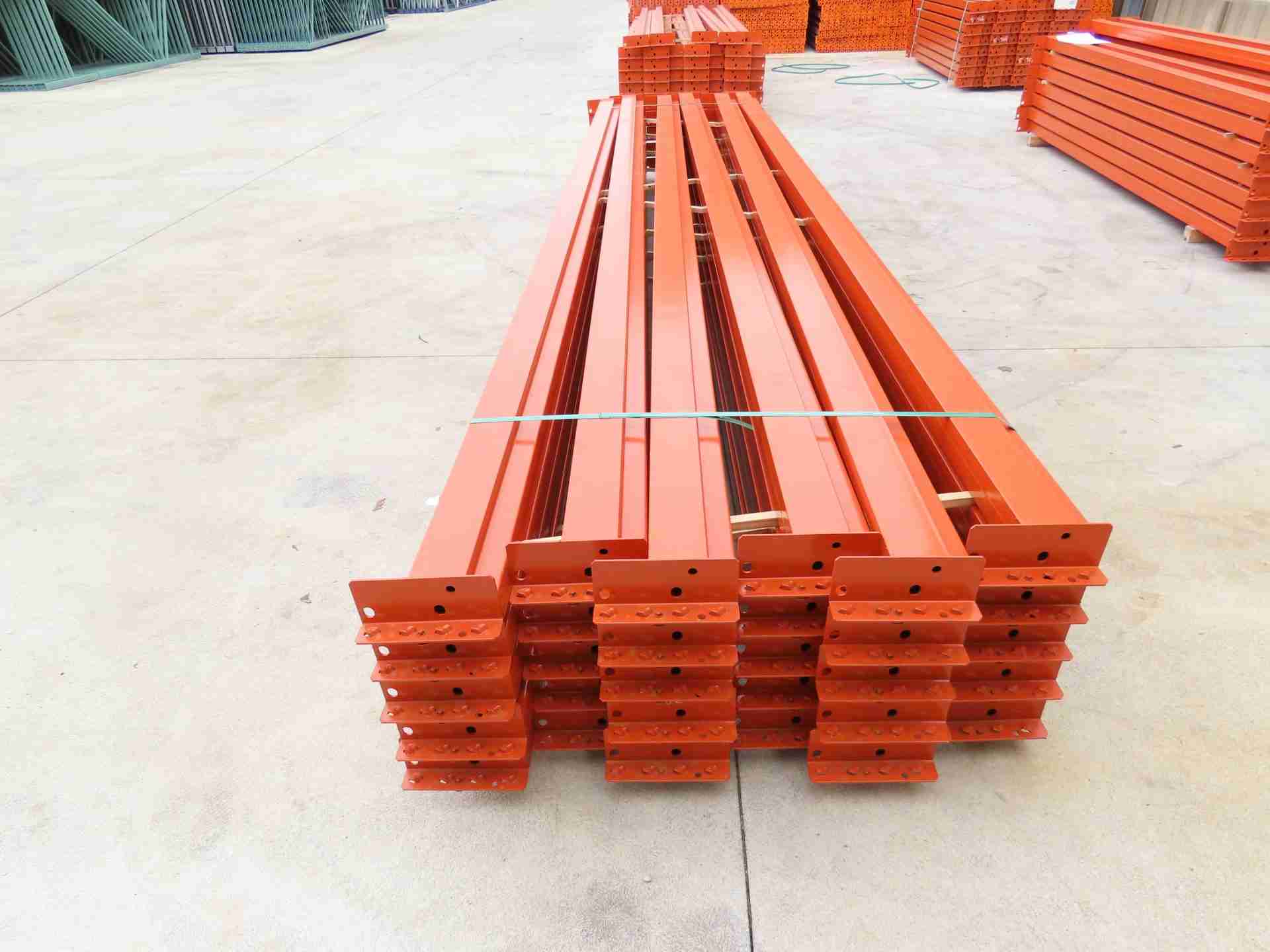
How Does Compliance Impact Our Professional Reputation?
How Does Compliance Impact Our Professional Reputation?
- Compliance significantly impacts professional reputation, prioritizing integrity over speed.
- Upholding standards builds trust within communities, acting as a bridge to clients and colleagues.
- Non-compliance risks business identity and can lead to loss of contracts and reputation.
- Adhering to regulations fosters a culture of pride and integrity, resulting in positive endorsements.
- Choosing compliance reflects a commitment to ethical business practices, prioritizing safety and fairness.
- Compliance serves as a badge of honor, inviting community support and accountability.
- Making compliance a core value safeguards reputation and cultivates a lasting legacy of trust.
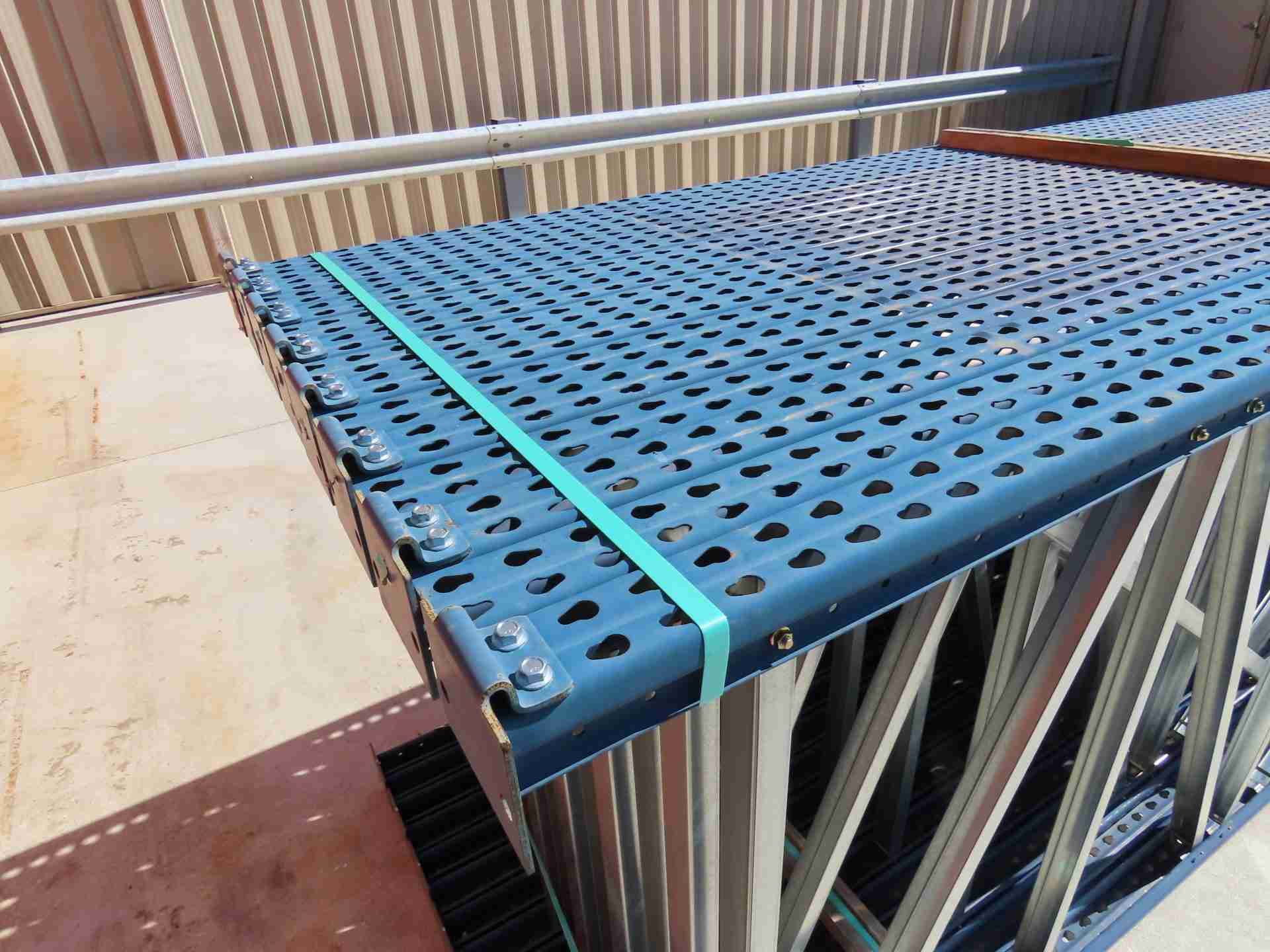
How Does Compliance Impact Our Professional Reputation?
Conclusion
When it comes to racking installations, the significance of compliance transcends technicalities; it reverberates through the very core of our organizations and communities. Think about it: each racking system isn’t just an assembly of metal and shelves; it’s the backbone of your operation, steering productivity and safety in a world where risks linger around every corner. At the heart of this endeavor is a commitment to your people. Ensuring that every rack meets safety standards and complies with regulations isn’t just smart; it’s an ethical imperative. When you prioritize these elements, you’re not just following a checklist—you’re nurturing a culture of reliability, empowering your workforce, and crafting an environment where safety isn’t just a policy but a shared value.
Rationally speaking, overlooking compliance can trigger catastrophic consequences. Consider the fines, the potential business losses, the heartbreak that follows if a failure occurs due to negligence. Imagine a community where a beloved local business suddenly falters because regulatory oversights brought it to its knees. Each action you take in aligning with compliance is an investment—not merely in your business but in the fabric of the community that your business serves. The stakes are high, and the responsibility is significant. A failure to comply not only impacts the bottom line but sends ripples of uncertainty throughout families and neighborhoods.
This is about more than just avoiding penalties. It’s about forging trust with clients and stakeholders, positioning your company as an authority grounded in integrity and responsibility. It’s not just about being in the right; it’s about leading by example and creating a culture of accountability. When your team sees that safety and compliance are prioritized, they feel valued and united in a common mission—creating not just a safe workspace, but a thriving community.
Engaging your team in conversations about compliance transforms it from an abstract concept into a communal cause. Celebrating safety milestones, fostering open dialogues, and sharing personal insights about past mistakes help develop a supportive ecosystem. By embracing this mindset, compliance evolves from a burden to a badge of honor, anchoring your reputation as a trustworthy, ethical entity.
So, the next time you’re faced with a racking installation or compliance matter, remember: it’s not just about assembling shelves or adhering to rules. It’s about building legacies, nurturing connections, and showing the world that your organization stands tall on a foundation of safety, integrity, and community responsibility. Let’s do it right—together, with purpose and pride.

Conclusion
Conclusion:
- Compliance in racking installations is crucial for organizational and community integrity.
- Each racking system is vital for productivity and safety, emphasizing the importance of adherence to safety standards.
- Prioritizing compliance nurtures a culture of reliability and empowers the workforce.
- Neglecting compliance can lead to significant consequences, including fines and business losses.
- Compliance fosters trust with clients and positions your company as an authority in integrity and responsibility.
- Engaging teams in compliance discussions transforms it into a shared cause and promotes a supportive culture.
- Racking installations are about building legacies and community connections through safety and responsibility.

Conclusion
Other Resources
Other Resources
Here is a list of other resources you can review online to learn more:
- Total Warehouse
- What is Cantilever Racking? – AK Material Handling Systems
- Intro to Warehouse Racks & Warehouse Racking Systems – ShipBob
- Interlake Mecalux
- Cantilever Rack Guide: Ordering Cantilever Racking
- Overhead Lifting
- Material Handling Industry
- Storage Equipment Manufacturers’ Association
- Teardrop Uprights
- Warehousing Education and Research Council: https://www.werc.org/
- What is Selective Pallet Racking
- Cantilever Racks Chicago
- Teardrop Pallet Rack – Ridg-U-Rak
- Racking World
- Rack Manufacturers Institute
- Shipping Boxes, Packaging Materials, Pallet Racking
- Warehouse Racks, Warehouse Racking in Stock – ULINE
- Crane Manufacturers Association Of America Inc.
- Pallet Racking systems in Illinois and Great Lakes
Use This Prompt To Get More Resources With Your Favorite Online AI Tool: Please provide me with a list of online articles with their URLs in a bulleted list that I can read regarding Compliance Checklist for New Rack Installations
Other Resources
Glossary Terms
Compliance Checklist for New Rack Installations – Glossary Of Terms
1. Compliance: Adherence to established regulations, standards, and requirements in various industries.
2. Rack Installation: The process of setting up structures for storing equipment or goods, often used in warehouses or data centers.
3. Regulatory Standards: Defined rules and guidelines that must be followed to ensure safety and operational efficiency.
4. Safety Protocols: Procedures designed to protect personnel and equipment during installation and operation.
5. Load Capacity: The maximum weight a rack system can support without compromising structural integrity.
6. Structural Integrity: The ability of the rack to remain stable and supportive under expected loads and conditions.
7. Inspections: Systematic examinations performed to ensure compliance with safety and regulatory standards.
8. Documentation: Official records that provide evidence of compliance, inspections, and installation procedures.
9. Site Assessment: An evaluation of the installation location to determine suitability for rack systems.
10. Manufacturer Guidelines: Instructions provided by the rack manufacturer detailing installation and safety practices.
11. Fire Safety: Regulations and practices aimed at reducing fire hazards within rack storage areas.
12. Accessibility: Ensuring that installed racks allow for safe and efficient access to stored items.
13. Ergonomics: The study of how to optimize human interaction with items or environments to enhance safety and efficiency.
14. Weight Distribution: The arrangement of weight across the rack to maintain stability and prevent topple risks.
15. Aisle Space: The distance between racks which allows for safe navigation and operating equipment.
16. Locking Mechanisms: Safety features that secure racks and stored items to prevent accidental dislodgement.
17. Environmental Factors: Conditions such as temperature, humidity, and dust that could affect rack installation and maintenance.
18. Preventive Maintenance: Regular checks and servicing to prevent equipment failure and maintain compliance.
19. Seismic Compliance: Adhering to regulations that ensure rack stability during earth tremors or seismic events.
20. Vertical Clearance: The minimum height required above racks to ensure safety and proper operation.
21. Emergency Exits: Clearly marked pathways and exits to facilitate rapid evacuation in case of emergencies.
22. Training Programs: Educational sessions designed to inform staff about compliance and safe operational procedures.
23. Labeling Systems: Identification tags for racks and stored items to improve inventory management and safety.
24. Load Testing: The practice of applying weight to racks to validate their load capacity and structural integrity.
25. Anchor Systems: Devices used to secure racks to the ground or walls to enhance stability.
26. Building Codes: Legal requirements dictating the construction and safety standards for installations.
27. Inventory Management: The process of tracking and controlling stored items within rack systems.
28. Hazard Assessment: The identification of potential risks associated with rack installations and operations.
29. Inspection Frequency: The schedule dictating how often racks should be inspected for safety and compliance.
30. Reporting Procedures: Protocols for documenting compliance issues, hazards, or incidents related to rack installations.
Glossary Of Terms
Other Questions
Compliance Checklist for New Rack Installations – Other Questions
If you wish to explore and discover more, consider looking for answers to these questions:
- What specific local building codes should be considered for rack installations?
- How can we keep our installation records organized and accessible?
- What are the most common compliance failures in racking systems?
- What training should employees receive regarding safety and compliance?
- How can we effectively communicate safety protocols to our team?
- What tools can help us monitor compliance in real-time?
- How do we assess the load-bearing capacity of our racks?
- What metrics can we use to measure safety improvements over time?
- How can we integrate compliance into our company culture?
- What are the consequences of non-compliance beyond fines?
- How often should we review and update our compliance practices?
- Where can we find current compliance regulations for our industry?
- What are the benefits of involving employees in safety discussions?
- How does our compliance compare to industry standards?
- What steps can we take to ensure ethical installation practices?
Other Questions
Checklist
Compliance Checklist for New Rack Installations – A Checklist
Emotional Appeals
1. Foster a Culture of Safety: Create an environment where every employee feels valued and safe while working with racking systems.
2. Engage Your Team: Host discussions around the importance of compliance and safety to build camaraderie and shared responsibility.
Rational Appeals
3. Review Local Building Codes: Ensure all rack installations comply with applicable regulations and standards.
4. Document Compliance Records: Maintain accessible records of product specifications and installation procedures.
Ethical Appeals
5. Prioritize Ethical Decisions: Make choices that reflect a commitment to your employees’ safety and community well-being over short-term gains.
6. Communicate Transparently: Share compliance goals and strategies with your workforce to establish trust and accountability.
Authority Appeals
7. Seek Expert Guidance: Consult professionals in building codes and safety regulations to align your practices with best standards.
8. Stay Updated on Regulations: Regularly review the latest compliance rules and trends to ensure your practices meet current industry standards.
Narrative Appeals
9. Share Success Stories: Highlight instances where adherence to compliance has led to positive outcomes for the company and its employees.
10. Build a Legacy of Trust: Strive to create a lasting reputation for integrity and safety that resonates throughout the organization and community.
Social Appeals
11. Celebrate Safety Milestones: Acknowledge and reward adherence to safety protocols to encourage a shared commitment among employees.
12. Cultivate Community Relationships: Engage with local stakeholders to demonstrate your commitment to compliance and safety, enhancing your business’s reputation.
Checklist
At RackingWorld, we help guide you through selecting warehouse storage systems and racking.
Be sure to read our other related stories at RackingWorld to learn more about warehouse storage systems.
0 Comments