
Don’t Neglect Your Warehouse Equipment Maintenance
By Tom Seest
At RackingWorld, we help guide you through selecting warehouse storage systems and racking.
The maintenance of your warehouse—and by extension, your business—cannot afford to be a mere afterthought. Procrastination only heightens risk. Call Arrow Industrial Sales today at (574) 349-6575. Our experts are ready to collaborate with you to evaluate your current setup, discuss optimal solutions, and create a tailored plan that safeguards your assets and enhances your operational efficiency.
Be sure to read our other related stories at RackingWorld to learn more about warehouse storage systems.
Are You Guilty Of Overlooking Warehouse Maintenance on Vital Equipment?
Imagine stepping into your warehouse and witnessing a scene of chaos—broken pallets, wobbly racks, and equipment that has seen better days. Scary, right? But for many warehouse managers, this is a norm, not an exception. It’s easy to get caught up in the day-to-day rush. Orders pile up, deadlines loom, and suddenly, that maintenance checklist gets shuffled to the bottom of your priorities. Yet, ignoring maintenance on vital equipment like pallet racking can lead to disastrous and costly consequences.
Picture this: Properly maintained pallet racking isn’t just functional; it’s the backbone of your entire operation. When you neglect it, you’re not only risking your inventory but also the safety of your team members. Overloaded or damaged racks can collapse, leading to injuries, product loss, and even legal ramifications. Not to mention the damage to your reputation. When safety and reliability are compromised, customer trust is on the line. And in today’s competitive market, the last thing you want is to be known as “the warehouse with the unsafe racks.”
You might think, “We’re busy; we don’t have time for maintenance.” But here’s the truth: An ounce of prevention is worth a pound of cure. A proactive approach to maintenance can save you significant time, money, and stress later on. Regular inspections, adjustments, and repairs ensure your pallet racking remains robust and reliable. A small investment today can be the difference between operational excellence and a headache you can’t shake off.
So, what can you do? Start by carving out time each month for an equipment check-up. Create a maintenance schedule that includes your pallet racking and stick to it like a promise. Invest in training your team on identifying potential issues early. This initiative fosters a culture of accountability and safety, inspiring trust in your operations.
Think about the bigger picture. Your warehouse is an extension of your brand, a reflection of your values. How you maintain your equipment speaks volumes about your commitment to quality and safety. Don’t be that warehouse manager who overlooks maintenance. Be the one who takes action and leads by example. Your team, your customers, and your bottom line will thank you for it. Remember, it’s more than just pallet racking; it’s the foundation of your success.

Are You Guilty Of Overlooking Warehouse Maintenance on Vital Equipment?
Are You Guilty Of Overlooking Warehouse Maintenance on Vital Equipment?
- Warehouse maintenance often gets overlooked in the rush of daily operations.
- Neglecting vital equipment like pallet racking can lead to serious safety and financial consequences.
- Properly maintained pallet racking is crucial for operational efficiency and safety.
- Ignoring maintenance risks inventory loss, team safety, and can damage company reputation.
- A proactive maintenance approach can save time, money, and stress in the long run.
- Establish a regular maintenance schedule and train staff to identify potential equipment issues.
- Maintaining equipment reflects your brand’s commitment to safety and quality.

Are You Guilty Of Overlooking Warehouse Maintenance on Vital Equipment?
Table Of Contents
- Are You Guilty Of Overlooking Warehouse Maintenance on Vital Equipment?
- What Are The Signs Of Neglected Warehouse Equipment Maintenance?
- How Often Should Warehouse Equipment Be Inspected For Maintenance?
- What Maintenance Tasks Are Essential For Warehouse Machinery?
- How Can Poor Maintenance Affect Warehouse Operations And Safety?
- What Are The Costs Associated With Delayed Maintenance On Equipment?
- What Role Does Employee Training Play In Equipment Maintenance?
- Conclusion
- Other Resources
- Glossary Of Terms
- Other Questions
- Checklist
What Are The Signs Of Neglected Warehouse Equipment Maintenance?
In the fast-paced world of warehousing, your equipment is the backbone of your operation. However, when neglected, that backbone can become a weak point, compromising efficiency and safety. Recognizing the signs of neglected maintenance is not just beneficial—it’s critical for your success. Let’s delve into some clear indicators that should send you a flashing red light about your warehouse equipment, particularly your pallet racking systems.
First off, take a keen look at your pallet racking. Are you noticing any visible signs of wear and tear? Dents, bends, or rust spots on your racks can signal that they’ve been pushed beyond their limits or haven’t received the attention they deserve. This is not just cosmetic; these issues can dramatically decrease the structural integrity of your racking and lead to serious accidents.
Next, consider the overall organization of your warehouse layout. If things seem haphazard, with misplaced items and disordered racks, this chaos may stem from unreliable equipment. If your pallet racking is hard to navigate or find space, this is a telltale sign that maintenance has been overlooked. An organized warehouse boosts productivity, so don’t let neglect hinder your operations.
Another crucial sign lies in the performance of your loading and unloading processes. Is it taking longer than usual to move pallets? If your equipment isn’t operating smoothly or if you frequently encounter jams and glitches, it’s likely that maintenance has taken a backseat. Investing time in regular checks and upkeep not only streamlines these processes but also fosters a more efficient work environment.
Sound plays a critical role too. Pay attention to any unusual noises emanating from your equipment. Strange grinding, clanking, or squealing sounds can often be the canaries in the coal mine—warning signals that something is amiss. A well-maintained pallet racking system should operate quietly and efficiently, so if your system speaks in alarming tones, it’s time for an evaluation.
In essence, recognizing these signs of neglected maintenance isn’t just about avoiding mishaps; it’s a call to action for improving your warehouse operations. By committing to a consistent maintenance schedule, you’re not just ensuring the longevity of your equipment—you’re investing in the safety and productivity of your entire team. Don’t wait for a disaster to spark your enthusiasm for care! Take proactive steps today to ensure your equipment, especially your pallet racking, serves you well for many years to come.

What Are The Signs Of Neglected Warehouse Equipment Maintenance?
What Are The Signs Of Neglected Warehouse Equipment Maintenance?
- Warehouse equipment, especially pallet racking systems, are crucial for operational efficiency and safety.
- Visible signs of wear, such as dents, bends, or rust on pallet racks indicate neglect and can compromise structural integrity.
- A disorganized warehouse layout reflects unreliable equipment, which negatively impacts productivity.
- Extended loading and unloading times may signal overlooked maintenance and equipment issues.
- Unusual noises from equipment, like grinding or squealing, are warning signs that maintenance is needed.
- Recognizing signs of neglected maintenance is essential for enhancing warehouse operations and preventing accidents.
- Consistent maintenance not only ensures the longevity of equipment but also prioritizes safety and productivity for the team.

What Are The Signs Of Neglected Warehouse Equipment Maintenance?
How Often Should Warehouse Equipment Be Inspected For Maintenance?
Every warehouse operator knows that the heartbeat of their business lies in the efficiency and reliability of their equipment. Among the champions of this vital operation are pallet racking systems, those unsung heroes that hold up your inventory and, ultimately, your bottom line. But, let’s get real—when was the last time you gave your pallet racking a good look? If you can’t remember, it might be time to take a closer inspection.
Think about it: your pallet racking is a skeletal framework that supports countless products. Over time, these structures face significant wear and tear—from heavy pallets being loaded and unloaded to the occasional bump from a forklift. Regular inspections allow you not only to spot potential hazards before they escalate but also ensure your team is operating in a safe environment. Now, isn’t that a weight off your shoulders?
So, how often should you be conducting these inspections? An industry best practice suggests a thorough check every six months—every time the seasons change, your racking should too! But don’t stop there; schedule routine checks on a monthly basis as well. It might seem excessive, but remember that your storage systems are not just steel frameworks; they are pivotal to your operations and the safety of your team. Taking proactive steps in maintenance isn’t just smart; it’s crucial.
Don’t underestimate the value of a well-maintained racking system. Regular inspections can prevent accidents that lead to costly downtime, lawsuits, and even damage to your brands’ reputation. By showing your commitment to safety and efficiency, you’ll not only increase employee morale but also gain the trust of your clients.
Remember, knowledge is power. Equip yourself with the right inspection checklist and tools to catch issues before they arise. Engage your maintenance team—training them to identify potential problems will empower them to prevent disasters down the line.
In this fast-paced world of logistics and fulfillment, don’t let your pallet racking be the weak link in your chain. Insist on inspections, build robust practices, and protect the backbone of your operations. After all, a well-maintained warehouse is not just a space for storage; it’s a well-oiled machine capable of exceptional growth and success. Act now—your equipment, your employees, and your business deserve it.

How Often Should Warehouse Equipment Be Inspected For Maintenance?
How Often Should Warehouse Equipment Be Inspected For Maintenance?
- Pallet racking systems are crucial for the efficiency and reliability of warehouse operations.
- Regular inspections are necessary to identify wear and tear and potential hazards to ensure a safe work environment.
- Industry best practice recommends thorough checks every six months, with routine monthly inspections as well.
- Well-maintained racking systems can prevent accidents that lead to downtime, lawsuits, and brand damage.
- Investing in safety and efficiency boosts employee morale and builds client trust.
- Train maintenance teams to identify issues early, empowering them to prevent disasters.
- Prioritize inspections to maintain an effective warehouse that supports growth and operational success.
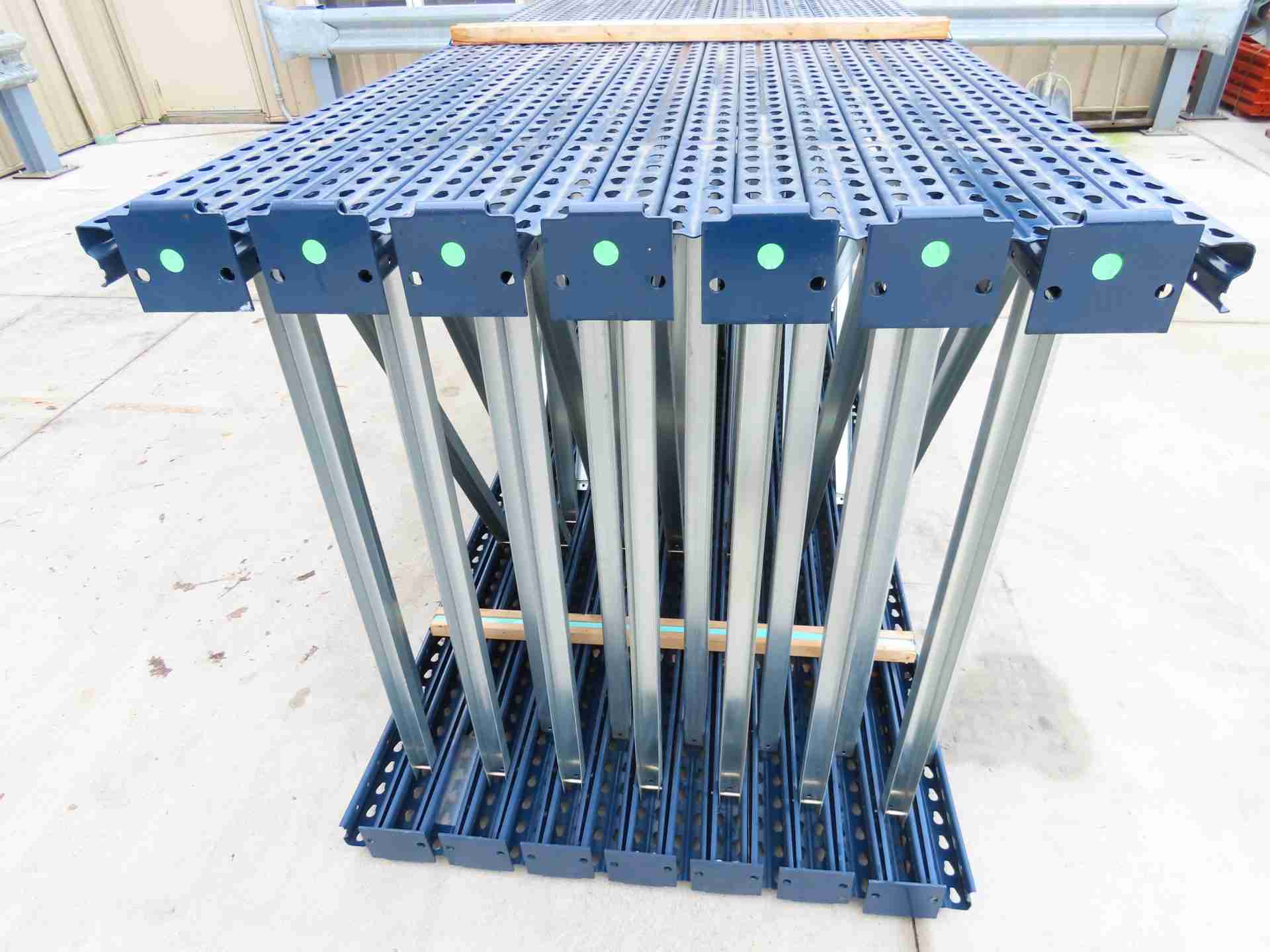
How Often Should Warehouse Equipment Be Inspected For Maintenance?
What Maintenance Tasks Are Essential For Warehouse Machinery?
Running an efficient warehouse is no small feat, especially when it comes to maintaining the lifeblood of your operations – your machinery. Just like your favorite pair of shoes, if you don’t take care of your equipment, it’ll leave you stranded when you need it the most. Here’s why a proactive maintenance strategy is not just a good idea, but a necessity that can save you time, hassle, and money.
First up, let’s talk about the pallet racking system. Those steel frameworks are the backbone of your warehouse storage, holding up everything from boxes to pallets full of goods. Regular inspections are paramount. Look for any signs of rust, damage, or misalignment. A slight adjustment can prevent catastrophic failures down the line. After all, maintaining your pallet racking isn’t just about efficiency; it’s about ensuring the safety of your employees. A well-maintained racking system establishes a culture of safety and responsibility that resonates throughout your entire organization.
Then, don’t overlook your forklifts and other heavy machinery. It’s easy to forget these workhorses when they seem to be running smoothly, but a little attention goes a long way. Implement a routine check-up schedule that includes battery checks, fluid levels, and tire integrity. Remember, malfunctioning equipment can lead to delays and costly downtimes. By investing in regular maintenance, you’re not only protecting your bottom line; you’re enhancing productivity and demonstrating to your team that you value their safety.
Next, consider preventive maintenance for conveyor belts and automated systems. These systems work efficiently until they don’t. Schedule regular cleanings, lubrications, and inspections to keep them humming. A small investment in maintenance can help extend the lifespan of these essential machines, ultimately giving you more bang for your buck.
Lastly, maintain an open-door policy for your team’s feedback on equipment performance. After all, who better understands the day-to-day functionality of your machinery than the folks operating it? Their insights can help you identify potential issues before they escalate, building trust and a sense of ownership among your staff.
Making these maintenance tasks a priority is not just a responsibility; it’s a strategic move that can significantly enhance your warehouse operations. By being proactive, you can safeguard your equipment, empower your team, and ultimately drive more success. So, roll up your sleeves and tackle those tasks – your machinery and your bottom line will thank you!

What Maintenance Tasks Are Essential For Warehouse Machinery?
What Maintenance Tasks Are Essential For Warehouse Machinery?
- Efficient warehouse operations rely heavily on well-maintained machinery.
- Regular inspections of the pallet racking system are crucial for safety and efficiency.
- Routine check-ups for forklifts and heavy machinery can prevent costly delays and downtimes.
- Implement preventive maintenance for conveyor belts and automated systems to extend their lifespan.
- Encourage team feedback on equipment performance to identify potential issues early.
- Making maintenance a priority enhances overall warehouse operations and employee safety.
- A proactive maintenance strategy safeguards equipment, empowers staff, and drives success.

What Maintenance Tasks Are Essential For Warehouse Machinery?
How Can Poor Maintenance Affect Warehouse Operations And Safety?
Imagine walking into a bustling warehouse, where every second counts and efficiency reigns supreme. Now picture that same space, riddled with neglected hazards—broken pallet racking, malfunctioning equipment, and veering forklifts. It’s not just a scene from a stressful workday; it’s a reality that can spiral into costly consequences for your operations and safety.
Poor maintenance acts like a ticking time bomb in the world of warehousing. When pallet racking systems falter, the fallout is not just an inconvenience—it can lead to catastrophic accidents. These towering structures are designed to hold extra-heavy loads, and when they’re not routinely inspected or repaired, the risk of collapse increases dramatically. This isn’t just an issue of damaged goods; it’s a matter of protecting the very people who keep your operation running.
Imagine a worker, focused on their task, when suddenly a shelf gives way, sending pallets tumbling down. Aside from potential injuries, the resulting chaos can halt operations—productivity plummets, delivery schedules shift, and profits wane. If you think skimping on maintenance is saving money, think again. The expenses linked to injuries, lost time, and equipment replacement can chew through your bottom line faster than you can imagine.
Furthermore, an environment lacking in proper upkeep breeds distrust. Your employees are your greatest asset—don’t let poor maintenance shake their confidence. When workers see that the pallet racking isn’t up to par or that safety protocols aren’t being followed, anxiety builds; productivity suffers. Trust is everything in a warehouse. Create a culture of safety and reliability by prioritizing maintenance.
Make it a point to schedule regular inspections of your pallet racking and equipment. From tightening bolts to ensuring that your forklifts operate smoothly, early detection of issues can save lives and enhance operational efficiency. Set a standard that not only meets but exceeds industry guidelines. When employees see you put safety first, they’ll rally around that commitment, inspiring a collective effort to keep the workspace safe and efficient.
Taking action today can create a ripple effect, paving the way for safer operations and a more productive workforce. Prioritize maintenance—it’s not just an expense; it’s an investment in your success and your people’s safety.

How Can Poor Maintenance Affect Warehouse Operations And Safety?
How Can Poor Maintenance Affect Warehouse Operations And Safety?
- Poor maintenance in warehouses can lead to serious hazards like broken pallet racking and malfunctioning equipment.
- Unattended pallet racking can collapse, posing safety risks and resulting in catastrophic accidents.
- Injuries and operational chaos from maintenance neglect can negatively impact productivity and profits.
- A lack of maintenance breeds distrust among employees, affecting morale and overall productivity.
- Regular inspections and upkeep can prevent accidents and enhance operational efficiency.
- Creating a culture of safety through maintenance increases employee confidence and accountability.
- Investing in maintenance is essential for safer operations and a more productive workforce.

How Can Poor Maintenance Affect Warehouse Operations And Safety?
What Are The Costs Associated With Delayed Maintenance On Equipment?
Picture this: your warehouse is a well-oiled machine, equipped with pallet racking that gleams under the fluorescent lights. Everything seems perfect until, one day, a small issue arises—maybe a bent beam in your racking system. It’s an inconvenience at first. You convince yourself it’s manageable. But let’s pause and reflect on what happens next.
Delayed maintenance can be a silent killer in any operation. The costs associated with it aren’t just financial; they’re systemic, affecting productivity, safety, and even employee morale. Take that bent pallet racking, for instance. At first glance, it appears trivial. However, as time passes, the risk of structural failure grows. A collapsed rack can lead to hazardous conditions, risking employee safety and potentially causing significant damage to valuable merchandise.
Now, let’s talk numbers. A single incident in your warehouse due to neglected maintenance can lead to hefty compensation claims, emergency service charges, and even hefty fines if safety regulations are violated. Did you know that for every day you postpone addressing maintenance issues, the cost of eventual repairs could escalate exponentially? What started as a small issue can spiral into a complete racking replacement, labor costs, and extensive downtime that affects your entire operation.
But here’s where it gets even more interesting: when you view maintenance as an investment rather than an expense, your perspective shifts. Keeping your pallet racking in optimal condition is not just about saving money today but safeguarding against hefty costs down the road. Scheduled inspections and timely repairs ensure that your equipment operates smoothly, which keeps your productivity high and your workers happy—and who wouldn’t want that?
Ultimately, the costs of neglect extend beyond the immediate—they trickle down to customer satisfaction and your brand reputation. If your business can’t deliver on time because equipment issues held you back, customers may choose to take their business elsewhere. We’re in a world where reliability speaks volumes.
Investing in regular maintenance is investing in peace of mind. Protect your operation, your employees, and your bottom line, and let your pallet racking shine as a testament to your commitment to excellence. Don’t wait until it’s too late; act now and position yourself as the leader in your field. Your future self will thank you!

What Are The Costs Associated With Delayed Maintenance On Equipment?
What Are The Costs Associated With Delayed Maintenance On Equipment?
- Imagine a well-maintained warehouse with efficient pallet racking.
- Neglecting maintenance can lead to increased costs, affecting productivity and safety.
- A bent rack may seem trivial but can escalate into significant structural failures.
- Delaying repairs can result in compensation claims, fines, and extensive downtime.
- Viewing maintenance as an investment can shift perspective and promote long-term savings.
- Neglected maintenance impacts customer satisfaction and brand reputation.
- Investing in regular maintenance protects operations, employees, and finances while boosting reliability.

What Are The Costs Associated With Delayed Maintenance On Equipment?
What Role Does Employee Training Play In Equipment Maintenance?
In today’s fast-paced business environment, prioritizing employee training in equipment maintenance—especially for critical structures like pallet racking—has never been more essential. Imagine a warehouse floor bustling with activity, where every piece of equipment is operating at its peak. Sounds idyllic, right? The foundation of this operational harmony is rooted in well-trained employees who understand the intricacies of maintaining and caring for equipment that plays a pivotal role in your logistics.
When it comes to pallet racking, the backbone of any warehouse operation, the stakes are high. Faulty racking can lead to delays, damage, or worse—safety hazards that could hurt your employees and, ultimately, your bottom line. This is where effective training programs come in, creating a knowledgeable workforce that not only understands how to operate machinery but also how to maintain and troubleshoot it effectively.
Think about this: when employees are equipped with the right training tools, they become your best line of defense against costly breakdowns and injuries. Teaching them the proper procedures for handling pallet racking can lead to reduced wear and tear, extending the life of your investments. Knowledgeable employees can take proactive measures—such as performing routine checks, securing bolts, and monitoring weight limits—transforming them from mere operators into vigilant guardians of your equipment.
Furthermore, fostering a culture of continuous improvement through training boosts morale and empowers your team. Employees will feel more confident in their roles, knowing they possess the skills to keep the equipment running smoothly. It’s not just about addressing problems as they arise; it’s about creating an environment where they can thrive, innovate, and contribute to the organization’s success.
Now, let’s not forget the community aspect of employee training. When individuals come together to learn about equipment maintenance, they form connections and foster teamwork. This camaraderie can lead to greater communication and collaboration on the floor, enabling a cohesive approach to maintenance and operations.
Investing in employee training is not merely an expense; it’s a strategic move that pays dividends in safety, efficiency, and productivity. Take action today. Implement robust training programs for your team and watch as the overall efficiency of your equipment, especially your pallet racking systems, skyrockets. Your employees—and your company—will thank you for it!
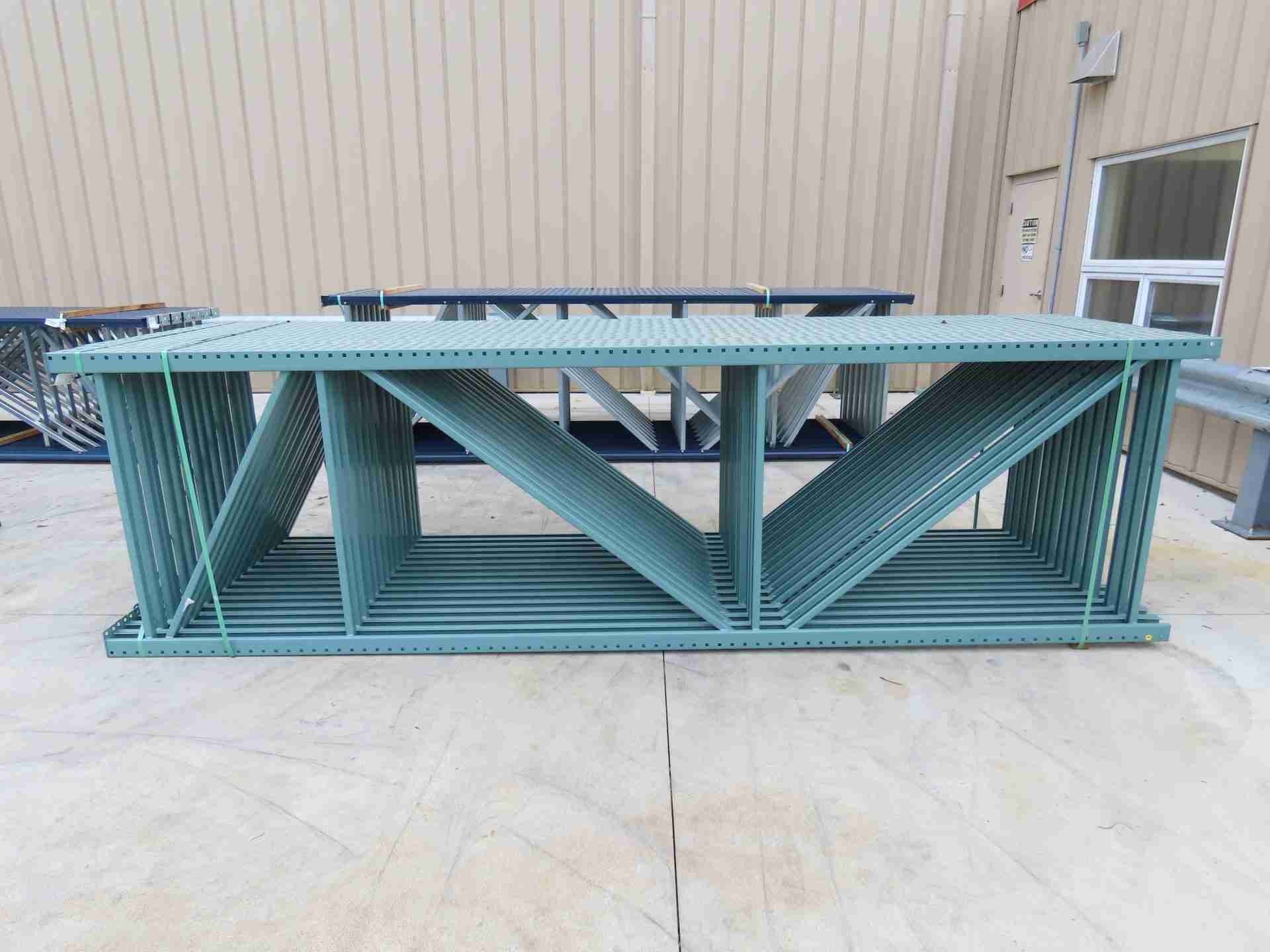
What Role Does Employee Training Play In Equipment Maintenance?
What Role Does Employee Training Play In Equipment Maintenance?
- Prioritizing employee training in equipment maintenance, particularly for pallet racking, is essential in today’s fast-paced business environment.
- Well-trained employees ensure operational harmony by understanding how to maintain critical equipment, reducing delays and safety hazards.
- Effective training programs create a knowledgeable workforce capable of operating, maintaining, and troubleshooting machinery.
- Proper training leads to proactive measures, such as routine checks and monitoring weight limits, extending the lifespan of equipment.
- A culture of continuous improvement through training boosts employee morale and confidence in their roles.
- Training fosters community and teamwork, enhancing communication and collaboration among employees on the floor.
- Investing in employee training is a strategic move that enhances safety, efficiency, productivity, and overall operational effectiveness.

What Role Does Employee Training Play In Equipment Maintenance?
Conclusion
The intricate dance of warehouse operations doesn’t merely hinge on bustling aisles and well-timed deliveries; at its heart lies a vital element often neglected—equipment maintenance, particularly for pallet racking. As we conclude this comprehensive guide, let’s take a step back and reflect on the crucial takeaways you must not overlook.
In an environment where the hustle and bustle of daily operations can overshadow pressing maintenance needs, it’s time to recognize that skimping on upkeep is like dancing on the edge of a cliff. The consequences of neglected maintenance are dire: from safety hazards posed to your staff to the financial ramifications that can shatter your bottom line. A single misstep, such as an unnoticed bent beam, can lead to catastrophic equipment failures or accidents—disasters that echo through your operations, impacting productivity, employee morale, and ultimately your brand reputation.
However, this isn’t just about risk; it’s about opportunity. By investing time and resources into regular maintenance and employee training, you’re not merely preserving equipment but fortifying the very backbone of your business. Establishing a rigorous inspection routine—encouraging proactive measures within your team—creates a culture of reliability and safety that resonates throughout your warehouse. Training your employees isn’t an added expense; it’s an insurance policy for your operations that fosters accountability, efficiency, and a strong sense of community among your staff.
As you ponder your equipment maintenance strategy, remember: every moment you delay could potentially cost you significantly more. Think of maintenance not as a burden but as a stepping stone toward excellence—a way to elevate your operations and distinguish your warehouse from competitors. Make it a priority to schedule those checks, invest in training, and spur a collective commitment to excellence amongst your team.
Now is the time to act. Don’t let your warehouse become just another statistic—be the leader who elevates standards. Call Arrow Industrial Sales at (574) 349-6575 today and take the first step toward safeguarding your equipment and ensuring a thriving, efficient operation. The clock is ticking, and the call for action is clear—prioritize your pallet racking maintenance and watch your warehouse transform into a model of operation—your employees and your bottom line will thank you for it.

Conclusion
Conclusion:
- Warehouse operations depend on effective equipment maintenance, especially for pallet racking.
- Neglecting maintenance leads to safety hazards and financial repercussions.
- A single oversight, like a bent beam, can result in catastrophic equipment failures or accidents.
- Regular maintenance and employee training are essential for building a culture of reliability and safety.
- Investing in training enhances accountability, efficiency, and team spirit.
- View maintenance as a vital step towards operational excellence, not a burden.
- Prioritize pallet racking maintenance to improve warehouse performance and safeguard your business.

Conclusion
Other Resources

Other Resources
Here is a list of other resources you can review online to learn more:
- SEMA
- What is Selective Pallet Racking
- Intro to Warehouse Racks & Warehouse Racking Systems – ShipBob
- Pallet Racking systems in Illinois, Great Lakes
- Wolter
- Teardrop Uprights
- Used Teardrop Pallet Rack – American Surplus
- American Surplus
- Rack Manufacturers Institute
- Cantilever Rack Configuration & Installation: A Comprehensive Guide – BMH
Use This Prompt To Get More Resources With Your Favorite Online AI Tool: Please provide me with a list of online articles with their URLs in a bulleted list that I can read regarding Are You Guilty Of Overlooking Warehouse Maintenance on Vital Equipment?

Other Resources
Glossary Terms
Are You Guilty Of Overlooking Warehouse Maintenance on Vital Equipment? – Glossary Of Terms
1. Preventive Maintenance: Scheduled upkeep of equipment to prevent breakdowns and extend lifespan.
2. Corrective Maintenance: Repairs made after the occurrence of a malfunction or failure.
3. Inventory Management: Overseeing and controlling the storage and flow of products within the warehouse.
4. Material Handling Equipment: Tools and machinery used to move, store, and control materials, such as forklifts and pallet jacks.
5. Forklift Maintenance: Routine checks and repairs on forklifts to ensure they operate safely and efficiently.
6. Compliance Standards: Regulatory guidelines that warehouses must adhere to in order to maintain safety and operational standards.
7. Safety Protocols: Established procedures to ensure the health and safety of employees while operating equipment.
8. Aisle Clearance: The space needed between stacks of goods to ensure safe movement and access for equipment and personnel.
9. Cleaning Regimen: A specified routine for cleaning equipment and areas to prevent dirt and grime buildup that can cause damage.
10. Inspection Schedule: A timeline outlining when equipment checks are to be performed regularly.
11. Wear and Tear: The gradual damage or deterioration of equipment due to use over time.
12. Malfunction: A failure of equipment to operate as intended, potentially causing disruption in warehouse activities.
13. Downtime: Periods when equipment is not operational due to maintenance or repairs, leading to productivity loss.
14. Employee Training: Programs designed to educate staff on proper equipment use and maintenance practices.
15. Pallet Racking Systems: Structures used for storing palletized goods, requiring regular checks for stability and safety.
16. Emergency Repairs: Urgent fixes needed to restore equipment to operational status following unexpected failures.
17. Lubrication Schedule: A timeline for applying oils and greases to moving parts of equipment to minimize friction and wear.
18. Diagnostic Tools: Equipment or software used to assess the condition and performance of machinery.
19. Lifecycle Cost Analysis: Evaluation of the total costs associated with owning and maintaining equipment over its lifetime.
20. Performance Metrics: Standards used to measure the effectiveness and efficiency of equipment in the warehouse.
21. Spare Parts Inventory: Stock of replacement components kept on hand to ensure quick repairs of broken equipment.
22. Environmental Conditions: Factors like temperature and humidity that can affect the operation and maintenance of warehouse equipment.
23. Workplace Ergonomics: Designing workspaces and equipment use in a way that promotes worker comfort and safety.
24. Obsolete Equipment: Machinery that is outdated or no longer efficient, often requiring replacement.
25. Preventive Maintenance Software: Digital tools designed to schedule, track, and manage maintenance activities.
26. Vendor Support Services: Assistance provided by equipment manufacturers for repair and maintenance services.
27. Operational Efficiency: Measure of how effectively resources are used to maximize productivity within the warehouse.
28. Checklists: Documents listing tasks or items to verify during equipment inspections and maintenance routines.
29. Risk Assessment: The process of identifying potential hazards related to warehouse equipment and maintenance.
30. Lifecycle Management: The practice of overseeing the entire life of an asset, from acquisition through use and maintenance to disposal.

Glossary Of Terms
Other Questions
Are You Guilty Of Overlooking Warehouse Maintenance on Vital Equipment? – Other Questions
If you wish to explore and discover more, consider looking for answers to these questions:
- What are the key components of a warehouse maintenance checklist?
- How can I effectively train my team on equipment maintenance?
- What are the industry standards for pallet racking safety?
- How can I establish a maintenance culture in my warehouse?
- What are the best practices for documenting maintenance tasks?
- How can technology assist in warehouse equipment maintenance?
- What are the legal implications of neglecting warehouse safety regulations?
- How do I choose a reliable maintenance service provider?
- What are some cost-effective maintenance strategies for small warehouses?
- How does poor maintenance impact employee morale and retention?

Other Questions
Checklist
Are You Guilty Of Overlooking Warehouse Maintenance on Vital Equipment? – A Checklist
Monthly Maintenance Tasks
1. Schedule Inspections:
✅ _____ Conduct monthly checks on pallet racking and other essential warehouse equipment.
✅ _____ Review the maintenance schedule to ensure it is up-to-date.
2. Visual Inspection:
✅ _____ Look for visible signs of wear and tear on pallet racks, including dents, bends, and rust.
✅ _____ Check for misalignment in racks and storage systems.
3. Warehouse Organization:
✅ _____ Assess the organization of the warehouse layout to minimize chaos.
✅ _____ Confirm that all items are labeled and stored properly to enhance navigation.
4. Loading and Unloading Efficiency:
✅ _____ Monitor the loading/unloading processes for any signs of delay or difficulty.
✅ _____ Address any mechanical issues that might cause jams.
Quarterly Maintenance Tasks
5. Conduct Thorough Inspections:
✅ _____ Perform a comprehensive inspection of pallet racking systems every six months.
✅ _____ Look for hidden issues such as structural integrity and load capacity.
6. Heavy Machinery Checks:
✅ _____ Inspect forklifts and heavy machinery, focusing on battery checks, fluid levels, and tire integrity.
✅ _____ Ensure that safety mechanisms are functioning properly.
7. Conveyor Belts and Automated Systems:
✅ _____ Schedule regular cleanings and lubrication for conveyor belts and any automated systems.
✅ _____ Inspect for wear and tear and conduct repairs as needed.
Annual Maintenance Tasks
8. Employee Training:
✅ _____ Implement regular training programs focused on equipment maintenance and safety protocols.
✅ _____ Educate employees on how to identify potential issues and report them early.
9. Review Maintenance Records:
✅ _____ Analyze past maintenance records to identify patterns or recurring issues.
✅ _____ Adjust maintenance schedules as needed based on findings.
10. Feedback Mechanisms:
✅ _____ Establish an open-door policy for employees to provide feedback on equipment performance.
✅ _____ Schedule regular team meetings to discuss any maintenance concerns or improvements.
General Best Practices
11. Promote a Culture of Safety:
✅ _____ Foster an environment where safety is prioritized and encouraged throughout the warehouse.
✅ _____ Recognize and reward teams for maintaining equipment and promoting safety.
12. Document and Communicate:
✅ _____ Keep detailed records of all inspections, maintenance tasks, and employee training sessions.
✅ _____ Communicate maintenance updates and safety protocols consistently with all team members.
Action Steps
✅ _____ Designate a maintenance lead or team to oversee the implementation of this checklist.
✅ _____ Review and adjust the checklist based on specific warehouse needs and equipment types.
By following this checklist, you can ensure the longevity of your warehouse equipment, enhance safety, and improve overall efficiency. Take action today for a more effective and reliable operation!

Checklist
At RackingWorld, we help guide you through selecting warehouse storage systems and racking.
Be sure to read our other related stories at RackingWorld to learn more about warehouse storage systems.
0 Comments