
Maximizing Space, Efficiency, And Trust With Cantilever Racking Solutions
By Tom Seest
At RackingWorld, we help guide you through selecting warehouse storage systems and racking.
Be sure to read our other related stories at RackingWorld to learn more about warehouse storage systems.
How Do Plumbing Supply Warehouses Leverage Cantilever Racking?
Plumbing supply warehouses aren’t just about stacking boxes and hoping for the best. They’re about wrangling a mountain of pipes, fittings, and long, awkward materials that don’t fit neatly on your average Pallet Racking. That’s where cantilever racking steps up, turning a chaotic mess into an organized system that works like a well-oiled machine.
Think about it: plumbing supplies come in all shapes and sizes, especially those long pipes and tubing that don’t bend or break just to fit the shelf. Picture rows of steel arms sticking out like a strong arm ready to hold up those heavy, awkward pieces. Cantilever racking gives warehouses the freedom to store these items horizontally without clutter, crushing, or damage. This means workers spend less time hunting for the right materials and more time loading trucks and filling orders.
There’s something honest about seeing a warehouse floor that runs smooth, where down-to-earth folks rely on sturdy, simple design instead of fancy gadgets. The decision to use cantilever isn’t just about efficiency; it’s about respect for the tools of the trade and the people handling them. It’s knowing that the system holds up under the tough demands of the plumbing world without fail. That reliability breeds trust — in the warehouse, in the shipments, and in the entire supply chain.
It’s also a matter of safety and responsibility. Shelving that’s sturdy and designed specifically for those long, heavy items reduces accidents. Workers don’t have to stretch, climb precariously, or wrestle with materials in cramped spaces. When a warehouse commits to thoughtful organization, it’s making a statement: we care about our people, our customers, and the quality of our work.
On the social side, those warehouses become community hubs of action, where crews swap stories, share tips, and get the job done without the usual headaches. Reliable cantilever racking keeps the pulse steady, so everyone can count on what they need without wasted time or trips back to the supplier.
Leveraging cantilever racking in a plumbing supply warehouse isn’t rocket science, but it is smart, practical, and respects both the gear and the grit behind every pipe that eventually reaches a jobsite. It’s the kind of no-nonsense, hands-on solution that makes a difference — a quiet workhorse holding everything together, one arm at a time, while the rest of the team gets the job done right.
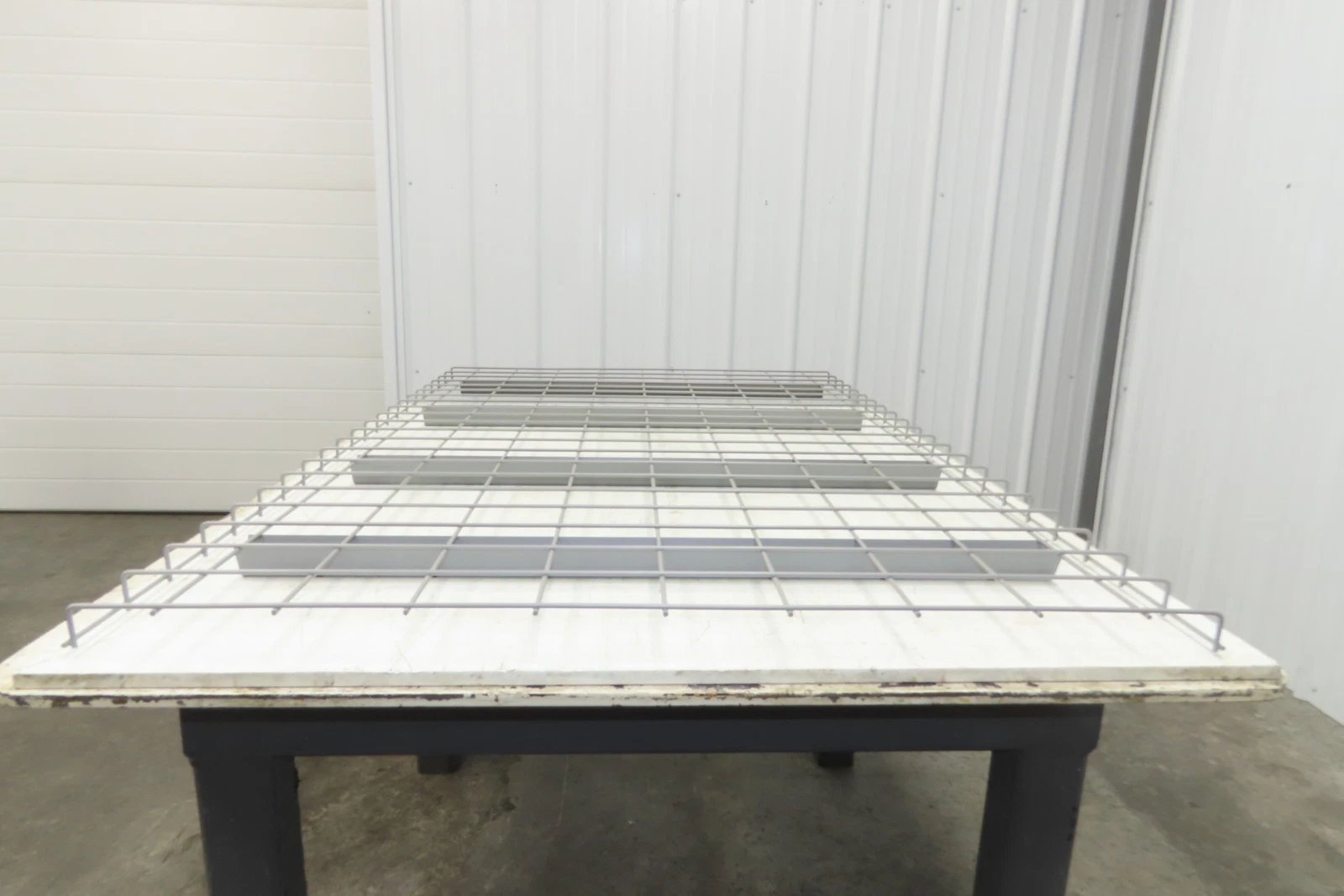
How Do Plumbing Supply Warehouses Leverage Cantilever Racking?
How Do Plumbing Supply Warehouses Leverage Cantilever Racking?
- Cantilever racking organizes long, awkward plumbing supplies that don’t fit on standard pallet racking, creating an efficient storage system.
- It allows horizontal storage of heavy pipes and tubing without clutter, damage, or crushing, speeding up material retrieval and order fulfillment.
- The design emphasizes simplicity and durability, earning trust through reliability under the demanding conditions of plumbing supply handling.
- Sturdy, purpose-built shelving enhances safety by reducing accidents and eliminating the need for workers to stretch or climb dangerously.
- Thoughtful warehouse organization reflects care for employees, customers, and work quality.
- Warehouses using cantilever racking become collaborative community hubs where crews share knowledge and work smoothly.
- Cantilever racking is a practical, no-nonsense solution that respects both the equipment and the labor involved, enabling teams to work efficiently.

How Do Plumbing Supply Warehouses Leverage Cantilever Racking?
Table Of Contents
- How Do Plumbing Supply Warehouses Leverage Cantilever Racking?
- What Challenges Do Plumbing Warehouses Face In Storage?
- How Does Cantilever Racking Improve Space Efficiency?
- Can Cantilever Racking Reduce Product Damage Risks?
- What Emotional Relief Comes From Organized Storage?
- How Do Warehouse Managers Justify Cantilever Investment?
- What Ethical Standards Apply to Warehouse Safety?
- Conclusion
- Other Resources
- Glossary Of Terms
- Other Questions
- Checklist
What Challenges Do Plumbing Warehouses Face In Storage?
Running a plumbing warehouse isn’t just about stacking pipes and fittings; it’s a daily grind where every inch of space and every minute counts. One of the biggest headaches? Finding a way to store a wild assortment of gear without turning the place into a maze. Pallet racking systems offer a lifeline here, giving a solid framework to organize heavy, bulky materials. But even with pallet racking, the juggling act between accessibility and space efficiency is a constant tug-of-war.
These warehouses deal with products that don’t come in neat boxes. Pipes of varying lengths, fragile connectors, heavy valves—all begging for special spots where they won’t get crushed or cause injury. If a pallet rack isn’t set up right, it can mean wasted space or even accidents. Here’s where experience kicks in; folks on the floor learn quick how to stack just so, balancing weight and reachability like a tightrope walker.
There’s also the clock to reckon with. Contractors don’t want their deliveries held hostage by storage chaos. Getting orders picked and shipped fast isn’t just good business—it’s a promise kept. A disorganized warehouse isn’t just slow; it’s a reputation buster. The pressure isn’t just from the bosses; it’s from the crews who rely on timely, accurate supplies to get the job done without wasted trips or delays. That’s where trust is built, brick by brick, at the loading dock.
Ethically, a tidy, well-thought-out storage system respects everyone’s safety and sanity. Slapdash piles of inventory aren’t just a tripping hazard; they’re a sign of corners cut or pride lost. A well-maintained pallet racking setup shows a company that cares about its people and partners—because no one should be worrying about a falling load when they’re just trying to do their job.
This challenge isn’t unique or flashy. It’s the everyday battle faced in warehouses across the country where hard hats and grease-stained hands meet the challenge head-on. Those who get it right know their success hinges on the simple, often overlooked art of good storage: solid pallet racking, smart layout, and a team that respects the grind. That’s how trust takes root, confidence grows, and business moves forward—one well-stacked shelf at a time.

What Challenges Do Plumbing Warehouses Face In Storage?
What Challenges Do Plumbing Warehouses Face In Storage?
- Running a plumbing warehouse requires maximizing space and time while organizing diverse, bulky materials efficiently.
- Pallet racking systems provide essential structure for storing heavy items but require careful setup to balance accessibility and space use.
- Product variety—pipes, fragile connectors, heavy valves—demands specialized storage to prevent damage and injury.
- Experienced workers learn to stack materials strategically, balancing weight and reachability.
- Timely order picking and shipping are critical to maintaining contractor trust and business reputation.
- A tidy, well-organized storage system promotes safety, professionalism, and respect for workers and partners.
- Success in warehouse management depends on solid pallet racking, smart layout, and a dedicated team committed to effective storage.

What Challenges Do Plumbing Warehouses Face In Storage?
How Does Cantilever Racking Improve Space Efficiency?
When it comes to storing bulky, awkward loads like pipes, lumber, or metal bars, cantilever racking is the unsung hero of the warehouse floor. Unlike traditional pallet racking, which relies on beams stacked in fixed rows, cantilever arms reach out like strong, steady arms ready to hold odd-shaped items that just don’t fit neatly on a pallet. That adaptability alone means you’re using every inch of your space without wrestling with boxes or endlessly rearranging stacks. It’s like giving your storage area the freedom to breathe and stretch instead of forcing it into a straightjacket.
There’s something satisfying about a well-organized space where you can see what you’ve got and get to it without climbing a pile or moving half the inventory. Cantilever racking delivers that. It clears the clutter, opens the sight lines, and gives workers a clear, safe workspace. That saves time, cuts frustration, and keeps morale from sinking when a single shipment throws a monkey wrench into the usual order. You earn efficiency not just in square footage but in every minute spent handling materials.
The strength behind cantilever racking speaks to a common-sense engineering ethic: build for what you have, not what you wish you had. It’s heavy-duty, straightforward, and designed with your real-life demands in mind—no fancy gimmicks, just tough steel arms holding your stock steady. It’s the reason warehouses that install cantilever racks don’t just talk about better space use, they prove it day after day with fewer spills, less wasted effort, and a smoother flow of goods.
If you’ve ever felt boxed in by pallet racking that’s only good for uniform crates and standard loads, cantilever racking brings a refreshing dose of flexibility. It’s not just an upgrade—it’s a rethink of how space should serve you, not the other way around. That’s a big deal when every square foot counts and your materials don’t come ready to stack like Lego bricks.
Choosing cantilever racking isn’t just about clever storage; it’s about respect for the work and the people doing it. When materials are stored simply and accessibly, it’s easier to stay safe, focus on quality, and keep the job moving. That builds trust between the floor and the boss, the warehouse and the customer, because everyone knows the job gets done right, on time.
In short, cantilever racking transforms your space from a tight squeeze into a well-oiled machine. For anyone who’s spent a day in the trenches of loading docks and warehouses, that’s not just smart business—it’s common sense. Pallet racking has its place, but when it comes to freeing up space and peace of mind, cantilever racks tell a story every warehouse needs to hear.

How Does Cantilever Racking Improve Space Efficiency?
How Does Cantilever Racking Improve Space Efficiency?
- Cantilever racking efficiently stores bulky, awkward items like pipes, lumber, and metal bars by using arms that hold odd-shaped loads not suited for traditional pallet racking.
- Its adaptability maximizes space utilization without the need for constant rearranging, allowing the storage area to function more freely.
- Cantilever racking creates a well-organized, clutter-free, and safe workspace that improves visibility, reduces handling time, and boosts worker morale.
- Built with a practical, heavy-duty design, cantilever racks focus on real-world demands without unnecessary features, providing stability and reliability.
- It offers flexibility beyond uniform pallet storage, reshaping how space is used to accommodate irregular materials effectively.
- Choosing cantilever racking supports workplace safety, quality, and efficiency, fostering trust between staff, management, and customers.
- Cantilever racking transforms constrained storage areas into efficient systems, proving essential for optimizing warehouse operations.

How Does Cantilever Racking Improve Space Efficiency?
Can Cantilever Racking Reduce Product Damage Risks?
Look, anyone who’s ever worked a warehouse knows that product damage isn’t just a line item on a loss report—it’s money out the door and frustration piled high. When you stack goods wrong or use the wrong system, that risk climbs faster than a forklift on a steep ramp. That’s where cantilever racking steps in, offering a smart alternative to traditional pallet racking setups.
Unlike the usual pallet racking that crams products box to box, cantilever racks reach out with arms instead of shelves, giving you a clear line of sight and easier access. This means less banging and scraping as you load and unload, especially with awkward or long items like pipes, lumber, or rolled goods. It’s more than a convenience; it’s a practical way to cut down on accidents and bruised inventory—stuff that, in a tight-margin business, hits hard.
From a common-sense standpoint, keeping goods uncrushed and properly supported isn’t rocket science. Cantilever racking spreads the weight evenly, preventing pressure points that can crush or deform products. You’re not just stacking; you’re protecting. The system’s open design makes it easier to spot trouble spots early—bent arms or overloaded sections don’t hide behind pallets and boxes. Spot it fast, fix it fast, and save your stock.
There’s also an ethical angle here. Damage means waste—wasted materials, wasted time, wasted effort. Running a lean, efficient warehouse with cantilever racking shows respect for the products, the workers who handle them, and the customers who expect intact goods. It’s a simple way to own up to quality and responsibility in your operation.
Listen, it’s one thing to trust a fancy brochure; it’s another when the industry nods along because cantilever systems have a track record. Those arms and columns are built to standards that keep both the product and operator safe. The proof’s in the footprint of warehouses that swapped out pallet racking for cantilever and saw their damage claims cut down, their picking times faster, and their staff less stressed.
At the end of the day, damage isn’t just a cost—it’s a headache that eats into pride and paycheck. Cantilever racking doesn’t fix all problems, but it’s a hands-on, straightforward tool that helps you keep goods safe and your business rolling. If you’re tired of product losses gnawing at your margins and morale, it’s time to take a hard look at what cantilever racking can do for you.

Can Cantilever Racking Reduce Product Damage Risks?
Can Cantilever Racking Reduce Product Damage Risks?
- Product damage in warehouses leads to financial loss and operational frustration, often caused by improper stacking or racking systems.
- Cantilever racking offers an alternative to traditional pallet racking by using arms instead of shelves, providing better access and reducing damage from loading and unloading.
- Its design evenly distributes weight, preventing product crushing and deformation while allowing easy detection of damage or overload issues.
- Using cantilever racks reduces waste, respects materials and workers, and upholds quality and responsibility in warehouse operations.
- The system is industry-approved, meeting safety standards and improving both product protection and operator safety.
- Warehouses that switch to cantilever racking experience fewer damage claims, faster picking times, and reduced staff stress.
- Cantilever racking is a practical, effective solution for minimizing product loss, protecting business margins, and maintaining morale.

Can Cantilever Racking Reduce Product Damage Risks?
What Emotional Relief Comes From Organized Storage?
There’s something about walking into a space where everything’s got its place that settles you down like a long, deep breath. When you’re up to your elbows in clutter and chaos, it’s easy to feel like you’re losing a grip on your day, your work, even your head. Organized storage, especially when you bring in sturdy gear like pallet racking, isn’t just about neatness—it’s about carving out a small corner of control in a world that’s often anything but. That calm you feel—that’s emotional relief. It trickles down deep, easing the tightness that builds up from juggling too many things at once.
From a practical standpoint, knowing exactly where your tools, supplies, or inventory live saves time and squeezes out frustration. That makes your work smoother, your breaks longer, and your evenings quieter. It’s the difference between hunting down a needed part or just grabbing it off a solid, well-planned shelf. Pallet racking doesn’t just stack stuff up; it stands guard over your sanity and your schedule. And that’s no small thing when deadlines loom and the pressure’s on.
On a deeper level, choosing to organize means respecting the space you’ve got and the effort you put into your craft. It’s a quiet nod to your own values: responsibility, care, and pride. When your storage looks well thought-out, it’s a reflection of your work ethic, making it easier to earn respect from others in your field or community. There’s an unspoken bond in a well-run workplace—people see the effort and respond with trust and confidence because chaos is a poor business partner.
You don’t have to spin some lofty story to get it. Real folks know that the day you finally install solid pallet racking and see your clutter turn into order, that’s the day your gut relaxes, your head clears, and your heart gets a lift. It’s not just about boxes and beams—it’s a small victory that reminds you you’re on top of your game. And once you’ve felt that, you start to chase it again and again. Organized storage isn’t just a setup; it’s a game-changer for anyone looking to take a steady hand at the helm.
What Emotional Relief Comes From Organized Storage?
What Emotional Relief Comes From Organized Storage?
- Walking into a well-organized space provides a calming, emotional relief that eases stress and mental clutter.
- Organized storage, especially with sturdy pallet racking, offers a sense of control amid chaos.
- Knowing where tools and inventory are located saves time, reduces frustration, and improves work efficiency.
- Pallet racking protects both your mental clarity and schedule during high-pressure situations and deadlines.
- Choosing organization reflects respect for your space, craft, and personal values like responsibility and pride.
- Well-planned storage demonstrates work ethic, earning trust and confidence from colleagues and the community.
- Installing pallet racking transforms clutter into order, boosting confidence and motivating continued organization efforts.

What Emotional Relief Comes From Organized Storage?
How Do Warehouse Managers Justify Cantilever Investment?
When you’ve been knee-deep in the grit and grind of running a warehouse, decisions about where to spend money aren’t just about numbers on a spreadsheet—they’re about making life easier for the folks on the floor and keeping the business humming without costly hiccups. Cantilever racking isn’t just some fancy upgrade; it’s a practical answer to a problem many warehouse managers know too well: handling long, awkward loads that don’t fit neatly on traditional pallet racking.
Picture this—loads of pipes, lumber, or sheet metal stacked awkwardly against pallet racks, creating stress points, wasted space, and a higher risk of accidents. You invest in cantilever because it respects the reality of what you store. It’s designed to hold those long, bulky items safely and accessibly, cutting down the time wasted fishing through piles and reducing the chance of injury. That means fewer backaches after a long shift and a smoother day for the entire crew. These racks don’t just store products; they store peace of mind.
From a purely practical standpoint, cantilever racking maximizes your cubic space like a champ. Instead of squeezing materials awkwardly or spreading them across half the warehouse, it lets you stack smart—vertical space finally works for you, not against you. This efficiency doesn’t just help your bottom line; it shows respect for the value of every square foot and every hour your team puts in. Investing here means less wasted space, less damage to materials, and a faster, safer workflow that speaks volumes about how you run your operation.
There’s something ethical about this too. Warehouses aren’t just sterile storage rooms; they’re workplaces where real people show up every day. Choosing the right equipment, like cantilever racking, says you care about your crew’s safety and dignity. It’s about doing right by the people who keep things moving and showing you’re serious about their well-being, not just the numbers. That’s a trust you build with your team and your customers alike.
Warehouse managers relying on time-tested methods and solid, hands-on experience have seen cantilever pay off again and again. The authority of knowing what’s worked through rain, snow, and tight deadlines carries weight. It’s not just theory; it’s cold, hard experience telling you this is a smart call. And when your peers, facing the same tough challenges, endorse the switch, it’s an easy choice to back knowing you’re not alone.
Investing in cantilever racks isn’t just a line item—it’s a smart, grounded move that balances the head, heart, and gut of managing a warehouse. It’s about respect for the work, the workers, and the bottom line. And that’s a combination that’s hard to beat.

How Do Warehouse Managers Justify Cantilever Investment?
How Do Warehouse Managers Justify Cantilever Investment?
- Cantilever racking addresses the challenge of storing long, awkward items that don’t fit traditional pallet racks, improving safety and accessibility.
- It reduces wasted space and stress points caused by stacking bulky loads improperly, lowering the risk of accidents and injuries.
- Maximizes vertical and cubic storage space for more efficient use of the warehouse footprint and smoother workflows.
- Investing in cantilever racks shows care for employee safety and dignity, fostering trust with the workforce and customers.
- Proven by experienced warehouse managers as an effective, reliable solution under various conditions and pressures.
- Endorsed by peers facing similar operational challenges, making adoption a confident and supported choice.
- Represents a balanced investment respecting operational efficiency, worker well-being, and business bottom line.

How Do Warehouse Managers Justify Cantilever Investment?
What Ethical Standards Apply to Warehouse Safety?
In the thick of a busy warehouse, where pallet racking towers like city skyscrapers and every move counts, the rules of safety aren’t just lines on paper—they’re the quiet promises we make to each other. It’s about more than clocks and quotas; it’s about looking out for the person sweating beside you, the one who might be lifting that heavy box when your back’s turned. Ethical standards in warehouse safety start with respect—respect for the hands that build, pack, and stack. It’s knowing that cutting corners on safety could mean a life-changing injury, or worse, and choosing instead to protect folks because they deserve that.
Think about the gut-check moment when you see a wobbling pallet racking that could collapse without warning. The right thing to do isn’t just a checklist item. It’s a call to action. It takes guts to speak up, to challenge the install, to slow down when everyone’s pushing for speed. That’s the heart of ethics: caring enough to prevent harm even when it’s inconvenient. It’s trusting that the team you work with trusts you back, building a culture where safety isn’t just a line in the manual but a shared mission. That kind of trust can’t be faked; it’s earned by everyday choices that show you value people over output.
Rationally, the numbers back it up. Injuries cost more than downtime—they cost lives, families, futures. Ethical standards put money where meaning is; they recognize safety gear, proper training, and equipment maintenance, like keeping pallet racking secure, are investments, not expenses. They acknowledge that a smooth-running warehouse is a safe warehouse, and that long-term success depends on people going home in one piece. These standards act as a blueprint, drawn from hard-earned wisdom passed down from one shift to another. They’re the common-sense rules you learn after seeing what happens when safety slips—because you don’t want to be the one telling the story of a preventable accident.
In every rung on a pallet rack, there’s a responsibility. It’s ethical stewardship—the idea that keeping things stable isn’t just about structural integrity but safeguarding the lives intertwined with that setup. When those standards get ignored, it’s more than a business failure; it’s a betrayal of community and trust that no amount of profit can justify. Warehouse safety ethics invite us all to be part of something bigger: a promise to watch each other’s backs, to keep our hands steady and our minds sharp, because at the end of the day, the warehouse isn’t just a place of work—it’s a place of care.

What Ethical Standards Apply to Warehouse Safety?
What Ethical Standards Apply to Warehouse Safety?
- Warehouse safety rules represent ethical commitments to protect coworkers, emphasizing respect for those who build, pack, and stack.
- Addressing safety risks like unstable pallet racking requires courage and prioritizing people over speed or output.
- Building trust among team members fosters a shared safety culture beyond mere compliance with manuals.
- Injuries have high costs beyond downtime, affecting lives and families, making safety investments essential.
- Proper training, equipment maintenance, and secure pallet racking contribute to a smooth-running and safe warehouse.
- Ethical stewardship involves safeguarding not just structures but the lives dependent on them, reflecting community responsibility.
- Warehouse safety ethics are a collective promise to protect each other, showing care in the workplace.

What Ethical Standards Apply to Warehouse Safety?
Conclusion
Plumbing supply warehouses don’t just stack pipes and fittings—they wrestle with oddly shaped, heavy gear that won’t sit neatly on standard shelves. Cantilever racking is the down-to-earth answer for taming this mess. Those strong steel arms reach out, holding long, unwieldy items horizontally without crushing or clutter. It’s the kind of practical solution born from knowing the work, respecting the gear, and valuing the people handling it every day. When a warehouse sets itself up with cantilever racks, it’s not just about saving space—it’s about trust. Trust that orders will be ready on time, that materials won’t get damaged, and that the jobsite won’t suffer from delays or shortcuts.
Operating a plumbing warehouse is a tough balancing act. Every inch of space and every minute on the clock counts. Traditional pallet racking offers structure, but it’s often a square peg in a round hole when it comes to pipes, valves, and fittings that don’t fit uniform boxes. That mismatch leads to wasted space, frustrated workers, and, worse, safety risks. Cantilever racking respects the real shape of these materials, keeping them organized, protected, and easy to get at. That means fewer injuries, fewer crushed goods, and more time spent loading trucks instead of untangling chaos.
This system isn’t fancy or flashy. It’s heavy steel built for the grit of daily warehouse life. The open design lets workers spot problems fast, avoid accidents, and handle inventory with less stress. It’s common sense engineering that turns cramped storage areas into productive spaces, boosting morale and cutting downtime. Plus, when materials are stored right, it shows care—not just for the product but for the folks on the floor and the customers waiting on the other end.
There’s peace of mind that comes with that order too. Walking into a neat, well-planned warehouse feels like reclaiming control amid the day’s pressure. It’s the quiet victory of knowing where your gear is, how to get it, and that it’s safe. That relief eases the mind and steadies the hands, fueling pride in the work and earning respect from coworkers and clients alike.
From a management perspective, investing in cantilever racking is a smart move. It respects the realities of the materials, the limits of the space, and the needs of the crew. It’s an ethical choice rooted in responsibility—showing you care about safety, efficiency, and quality. It’s a trust-builder that pays off every day in smoother operations and fewer headaches.
At its core, the safety woven into these racks is not just about equipment—it’s about people. Choosing the right storage means protecting those who keep the warehouse running and honoring the silent promise to watch each other’s backs. That’s the kind of grounded, hands-on wisdom that keeps warehouses humming and hearts at ease, knowing the job is done right, every single time.

Conclusion
Conclusion:
- Cantilever racking effectively stores long, heavy, and oddly shaped plumbing materials that don’t fit on standard shelves.
- This system saves space and ensures timely order fulfillment by preventing damage and delays at the jobsite.
- Traditional pallet racking often wastes space and creates frustration and safety risks for workers handling non-uniform items.
- Cantilever racks provide open, sturdy steel arms that keep materials organized, protected, and easily accessible.
- The design reduces injuries, product damage, and downtime, improving worker morale and productivity.
- Investing in cantilever racking demonstrates responsibility toward safety, efficiency, and quality in warehouse management.
- The safety and organization created by cantilever racks ultimately protect workers and contribute to smoother daily operations.
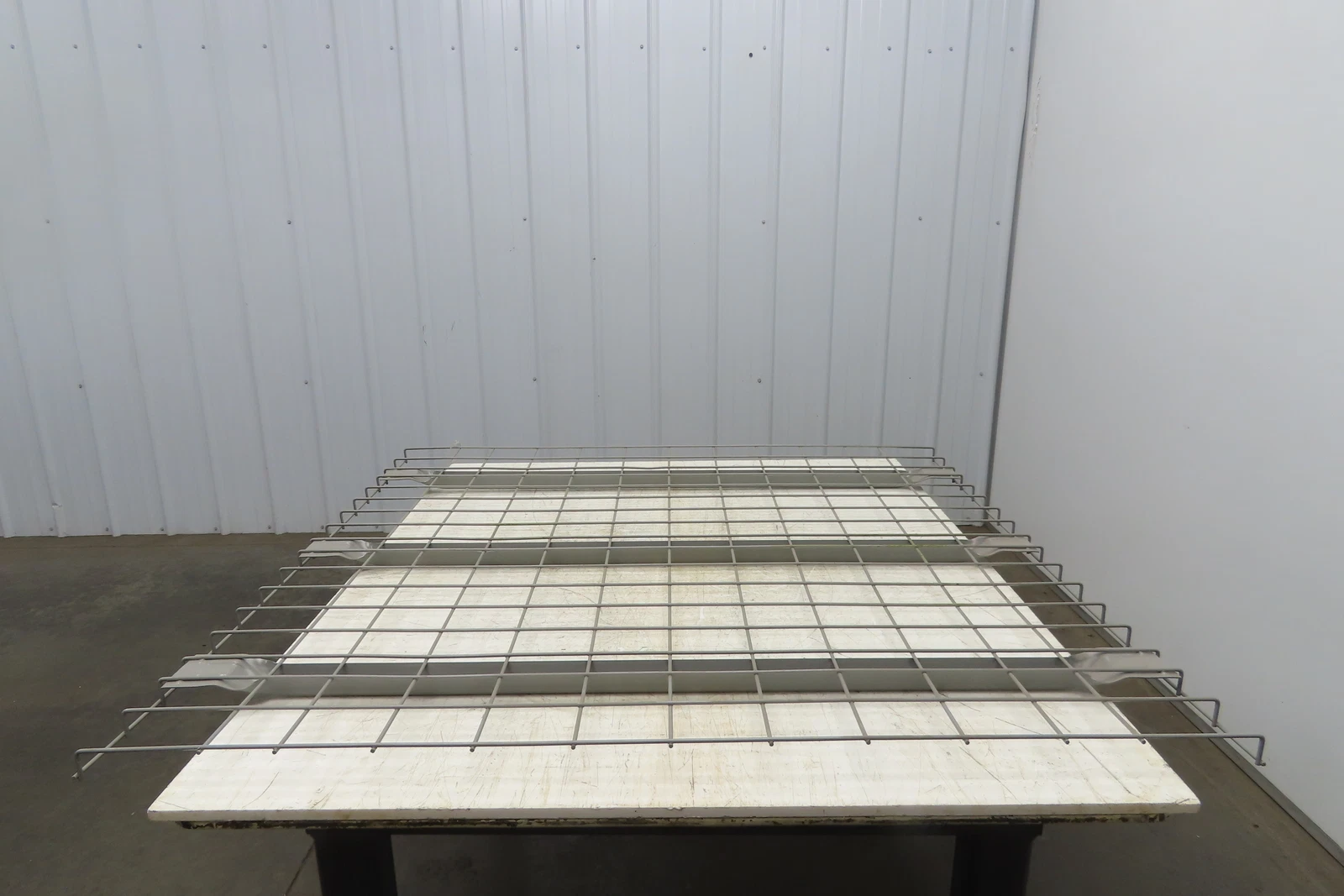
Conclusion
Other Resources

Other Resources
Here is a list of other resources you can review online to learn more:
- Teardrop Pallet Rack – Ridg-U-Rak
- Teardrop Industrial Shelving Rack
- American Society of Safety Professionals
- Arrow Industrial Sales
- The Ultimate Pallet Racking Guide – Speedrack West
- Bradford Systems
- What is Selective Pallet Racking
- Pallet Racking systems in Illinois and Great Lakes
- National Safety Council
- American Surplus
- Used Teardrop Pallet Rack – American Surplus
- Heavy-Duty Cantilever Storage Racks
- Teardrop Racks – Pallet Rack World
- Teardrop Industrial Shelving Rack
- WERC
- International Warehouse Logistics Association
- IWLA
- Warehouse Racking Chicago, IL
- Total Warehouse
- Warehouse Racking System: Powerful Guide to Optimise, 2024
Use This Prompt To Get More Resources With Your Favorite Online AI Tool: Please provide me with a list of online articles with their URLs in a bulleted list that I can read regarding How Do Plumbing Supply Warehouses Leverage Cantilever Racking?

Other Resources
Glossary Terms
How Do Plumbing Supply Warehouses Leverage Cantilever Racking? – Glossary Of Terms
Cantilever Racking: A storage system designed for long, bulky items supported by arms extending from a column.
Plumbing Supply Warehouse: A facility that stores and distributes plumbing materials and products.
Inventory Management: The process of tracking and controlling stock levels and storage in warehouses.
Storage Efficiency: The optimization of space usage to maximize capacity and accessibility.
Load Capacity: The maximum weight a cantilever rack arm or system can safely support.
Accessibility: The ease of reaching and retrieving stored items.
Bulk Items: Large, heavy, or irregularly shaped products typical in plumbing supplies.
Organization: Arranging inventory systematically for quick location and handling.
Material Handling: The movement, protection, storage, and control of materials within a warehouse.
Vertical Storage: Utilizing height in warehouses to increase storage space.
Adjustable Arms: Cantilever racking components that can be repositioned to accommodate different item sizes.
Space Utilization: Effective use of available warehouse space to store materials efficiently.
Safety Compliance: Adherence to regulations ensuring safe storage and retrieval practices.
Load Distribution: Even allocation of weight across rack arms to prevent failure.
Heavy-Duty Racking: Racking systems designed to support substantial weight loads.
Aisle Width: The space between racking rows for movement and material handling equipment.
Forklift Compatibility: Design features that allow forklifts to safely access stored goods.
Long-Term Storage: Keeping inventory for extended periods using durable racking solutions.
Inventory Turnover: The rate at which stock is sold or used and replaced.
Structural Integrity: The strength and durability of racking systems under load conditions.
Customizable Configuration: Ability to modify racking layouts to suit specific inventory needs.
Crossbeam: Horizontal support often used in standard pallet racks (contrast to cantilever’s arm support).
Storage Density: The amount of stock stored within a given volume of space.
Picking Efficiency: Speed and ease of selecting items from storage for orders.
Damage Prevention: Measures taken to avoid harm to products or infrastructure during storage.
Load Height: Vertical dimension of stored material accommodated by racking arms.
Inventory Visibility: The clarity and ease of identifying stored items.
Warehousing Cost Reduction: Savings achieved through efficient storage solutions.
Ergonomics: Designing storage for safe and comfortable access by workers.
Product Segregation: Separating different types or categories of plumbing supplies for better management.

Glossary Of Terms
Other Questions
How Do Plumbing Supply Warehouses Leverage Cantilever Racking? – Other Questions
If you wish to explore and discover more, consider looking for answers to these questions:
- What are the typical load capacities per arm and per column for cantilever racking used in plumbing warehouses?
- How do you calculate the right number of cantilever levels and arm lengths for different pipe and lumber sizes?
- What are the floor and anchoring requirements for safe cantilever rack installation?
- How does cantilever racking compare to pallet racking and drive-in/drive-through options in storage density and accessibility?
- What are the upfront costs and ongoing maintenance costs associated with cantilever systems?
- What is the expected return on investment (ROI) timeline after installing cantilever racking?
- How long does installation take and what downtime should a warehouse expect during retrofit?
- Which safety standards and building codes (OSHA, local, seismic) apply to cantilever racking installations?
- How often should cantilever racks be inspected and what should be included in inspection checklists?
- What training do staff and forklift operators need to safely pick and load long, awkward items from cantilever racks?
- How do you prevent or mitigate tipping, overloading, or arm bending in heavy-use environments?
- Can cantilever racking be used in combination with automated picking systems or conveyors?
- What protective accessories (end-of-aisle guards, arm bolsters, pipe cradles) are recommended to reduce damage?
- How does cantilever racking perform in different environmental conditions (humidity, salt air, cold storage)?
- What corrosion protection and finishes are available, and how do they affect longevity and cost?
- How customizable are cantilever systems for mixed inventories and variable product lengths?
- What are the best practices for labeling, slotting, and inventory control with cantilever layouts?
- How do you stage and pick long items efficiently to minimize travel and handling time?
- What are common pitfalls when converting from pallet racking to cantilever, and how can they be avoided?
- How do cantilever racks impact workplace ergonomics and injury rates compared with other systems?
- What insurance implications or premium changes can result from upgrading to cantilever racking?
- Are there tax incentives, grants, or financing options for warehouse shelving and material handling upgrades?
- How do manufacturers’ warranties and replacement part availability vary across cantilever suppliers?
- What load testing procedures should be performed after installation and periodically thereafter?
- How should a warehouse plan layout changes to accommodate seasonal or project-driven fluctuations in inventory?
- What are the lead times for custom cantilever systems and typical supplier delivery schedules?
- How do you size aisles and turning radii for forklifts when using cantilever racking?
- What metrics should managers track to measure the operational benefits of cantilever racking?
- How does cantilever racking affect picking accuracy and order fulfillment speed?
- Can cantilever arms be adjusted or retrofitted later as product mix or storage needs change?
- What emergency procedures should be in place in case of rack collapse or severe damage?
- How do you handle storage of short or small items that don’t sit well on cantilever arms?
- What are the lifecycle and resale values of used cantilever racking systems?
- Are there recommended case studies or examples of plumbing warehouses that successfully implemented cantilever racking?

Other Questions
Checklist
How Do Plumbing Supply Warehouses Leverage Cantilever Racking? – A Checklist
Purpose and Fit
✅______ Confirm primary inventory includes long/awkward items (pipes, tubing, bars, lumber) better suited to cantilever than pallet racking.
✅______ Profile SKUs by length, diameter, weight, bundle size, and handling frequency.
✅______ Separate fast-movers from slow-movers for location planning.
Space and Layout
✅______ Measure ceiling height, slab thickness, column grid, door/dock positions, and aisle widths.
✅______ Validate forklift turning radius and mast height for intended aisles.
✅______ Plan vertical utilization—target arm levels and clearances per SKU size.
✅______ Place high-velocity items closest to shipping/receiving; define one-way traffic where beneficial.
✅______ Ensure clear sight lines; avoid blind corners and obstructions.
Rack Specification and Design
✅______ Choose single- vs. double-sided uprights based on aisle plan and access.
✅______ Specify upright capacity, base length, brace spacing, and arm length/capacity for worst-case loads.
✅______ Select arm stops, pipe cradles/saddles, and containment for loose or round items.
✅______ Standardize arm pitch and bay widths for consistent labeling and ergonomic reach.
✅______ Confirm design to applicable local codes and seismic requirements.
Safety and Compliance
✅______ Post load ratings at each bay and arm; keep charts visible at aisle entries.
✅______ Define max bundle height, overhang limits, and securement (bands/straps) by material type.
✅______ Install end guards/rails at aisle ends and protect bases from impact.
✅______ Implement traffic rules—speed limits, horn zones, spotter use with long loads.
Installation and Commissioning
✅______ Verify slab capacity; anchor per manufacturer specs and torque requirements.
✅______ Plumb/level uprights; confirm brace and anchor torque; document with as-built photos.
✅______ Complete acceptance inspection checklist before loading any product.
✅______ Record serial numbers, drawings, and certifications in a central file.
Product Protection
✅______ Set arm spacing to prevent sag/deflection of long stock.
✅______ Use protective sleeves, timber dunnage, or V-cradles for coated or delicate materials.
✅______ Separate dissimilar metals or use barriers to prevent staining/corrosion.
✅______ Avoid storing singles on upper levels without containment.
Operations and Handling
✅______ Assign appropriate lift equipment (fork extensions, clamps) for long/awkward loads.
✅______ Define SOPs for loading/unloading from the aisle side only; prohibit climbing on racks.
✅______ Label each arm/bay with SKU, max weight, pick face length, and replenishment min/max.
✅______ Color-code zones by material type/diameter range for quick visual ID.
✅______ Stage cantilever carts or A-frame dollies for safe transfer to cutting/dispatch.
Efficiency and Flow
✅______ Place fast-movers at waist–shoulder height; slow-movers higher/lower.
✅______ Set replenishment triggers; align with receiving schedules to reduce double-handling.
✅______ Minimize travel by grouping complementary SKUs used together.
✅______ Keep bases and aisles clear; enforce 5S housekeeping standards.
Training and Culture
✅______ Train all operators on cantilever-specific hazards, SOPs, and load limits.
✅______ Establish stop-work authority for unstable loads or damaged components.
✅______ Conduct spotter training for long-load navigation; require radios where needed.
✅______ Refresh training after incidents, near-misses, or configuration changes.
Inspection and Maintenance
✅______ Daily—check for bent arms, loose/missing hardware, missing stops, and debris on bases.
✅______ Weekly—verify plumb/level, brace integrity, and label legibility.
✅______ Quarterly—torque-check anchors/bolts; audit compliance with posted load limits.
✅______ Incident response—tag-out damaged components; replace per manufacturer guidance.
✅______ Maintain inspection logs and corrective action records.
Metrics and Justification
✅______ Track cubic utilization and vertical fill rate by aisle.
✅______ Measure pick time per line, travel distance, and dock-to-truck cycle time.
✅______ Monitor damage/claim rates before vs. after implementation.
✅______ Record safety KPIs—near-misses, rack impacts, and lost-time incidents.
✅______ Calculate ROI from labor savings, space deferral, and shrink reduction.
Customer and Trust Outcomes
✅______ Improve OTIF (on-time, in-full) performance and will-call speed.
✅______ Reduce substitutions and re-deliveries through clearer visibility and access.
✅______ Document quality improvements (fewer dents/scratches) for key accounts.
Change Management
✅______ Pilot one aisle; gather feedback; adjust arm spacing, labeling, and slotting.
✅______ Freeze inventory moves during install; verify locations before go-live.
✅______ Capture before/after photos and standardize best practices across sites.
Documentation Pack
✅______ Manufacturer manuals, drawings, load tables, and certifications.
✅______ SOPs, training sign-offs, inspection forms, and maintenance schedules.
✅______ Emergency procedures, incident reporting flow, and key contacts.
Go/No-Go Gate
✅______ All load charts posted and readable.
✅______ Aisle clearances validated with longest/heaviest load.
✅______ Team trained and signed off; SOPs accessible at point of use.
✅______ First cycle count and replenishment completed; locations validated.

Checklist
At RackingWorld, we help guide you through selecting warehouse storage systems and racking.
Be sure to read our other related stories at RackingWorld to learn more about warehouse storage systems.
0 Comments