
Maximizing Efficiency And Safety: Cantilever Racking Transformations Explained
By Tom Seest
At RackingWorld, we help guide you through selecting warehouse storage systems and racking.
Be sure to read our other related stories at RackingWorld to learn more about warehouse storage systems.
How Do HVAC Ducting and Sheet Metal Producers Leverage Cantilever Racking?
In the world of HVAC ducting and sheet metal production, space isn’t just a luxury—it’s the lifeblood of getting the job done right and on time. You’ve got long, awkward pieces of metal that don’t fit neatly on ordinary shelves or pallet racking. That’s where cantilever racking steps in like the unsung hero of the warehouse floor. It’s the kind of storage solution that makes a craftsman’s day easier, turning chaos into order with simple, sturdy arms reaching out to cradle those heavy, cumbersome ducts and sheets.
There’s something honest about it—no nonsense, no fluff. You lean on cantilever racking like you lean on a good work buddy: dependable, tough, and straightforward. It holds lengths of metal with no fuss, giving workers quick access so they can grab what they need without wrestling with bulky pallets or stacks. That cuts downtime, makes the job flow smoother, and saves wear and tear on both gear and backs. It’s practical, efficient, and downright respectful of the hard work that goes into every coil bent and joint welded.
From an ethical standpoint, investing in cantilever racking isn’t just about pushing product faster; it’s about valuing the people on the floor. Making the workspace safer, more organized, and less prone to accidents shows a real commitment to the crew. You’re not just storing metal; you’re safeguarding the hands and sweat that shape it. And that kind of care doesn’t go unnoticed—it fosters pride, trust, and a sense of ownership, turning a job into a craft.
Using cantilever racking also sends a clear message across the industry. It’s a nod to smart planning and respect for materials, setting a standard others will follow. It says you’ve been there, done that, and figured out how to get the most out of your space and resources without cutting corners. That kind of authority earns confidence from customers and partners alike—they know you run a tight ship because you do the little things right.
In a trade where precision meets grit, cantilever racking becomes more than just a storage tool—it’s part of the story. It’s how HVAC ducting and sheet metal producers gather up the chaos, stack up their strengths, and move forward with steady confidence that the work will get done, the right way, every time. No frills, no shortcuts, just good, solid sense.

How Do HVAC Ducting and Sheet Metal Producers Leverage Cantilever Racking?
How Do HVAC Ducting and Sheet Metal Producers Leverage Cantilever Racking?
- Cantilever racking provides essential storage for long, awkward HVAC ducting and sheet metal pieces that don’t fit on standard shelves or pallets.
- It offers a simple, sturdy, and dependable solution that allows quick access to materials, reducing downtime and easing physical strain on workers.
- Investing in cantilever racking enhances workplace safety, organization, and reduces accident risks, showing care for the workforce.
- The system fosters pride, trust, and ownership among workers by respecting the effort involved in the production process.
- Using cantilever racking signals smart planning and respect for materials, setting a high industry standard.
- This approach builds confidence among customers and partners by demonstrating efficient, corner-cutting-free operations.
- Cantilever racking is an integral part of the HVAC and sheet metal trade, promoting steady, precise, and reliable workflow.

How Do HVAC Ducting and Sheet Metal Producers Leverage Cantilever Racking?
Table Of Contents
- How Do HVAC Ducting and Sheet Metal Producers Leverage Cantilever Racking?
- How Does Cantilever Racking Improve Storage Space Efficiency?
- What Are the Cost Benefits Of Using Cantilever Racking?
- How Can Cantilever Racking Enhance Workplace Safety?
- Does Cantilever Racking Reduce Material Handling Time?
- How Does Cantilever Racking Support Heavy Sheet Metal Storage?
- Can Cantilever Racking Adapt to Different Duct Sizes Easily?
- Conclusion
- Other Resources
- Glossary Of Terms
- Other Questions
- Checklist
How Does Cantilever Racking Improve Storage Space Efficiency?
Look, when you’re knee-deep in a warehouse, juggling tons of gear and materials, space isn’t just about square footage—it’s about making every inch count. That’s where cantilever racking steps in and shows its worth. Unlike traditional pallet racking, which boxes you into fixed-width spots, cantilever racks open the doors to flexibility. They give you long, open arms to store awkward, bulky, or oddly shaped stuff without wasted space or elbow room between pallets.
Think about it: you’re dealing with lumber, piping, or sheets of metal—things that don’t neatly stack on standard pallet racking. You can’t fit those in like puzzle pieces, and trying to shove them in there messes up your flow and wastes precious real estate. Cantilever racks let you slide those items in horizontally, no fuss, no wasted space. It’s like finding out the garage door was designed to lift, not just swing open. Suddenly, you’ve got room for more work, more orders, more everything.
But it’s not just about fitting things in; it’s about making your operation smoother. When your storage layout matches the way you work, the whole crew moves faster, safer, and with less frustration. You don’t waste time rummaging through stacks or breaking backs trying to wrestle oversized items onto standard pallet racking. Cantilever racking is straightforward: grab what you need, put it back where it belongs. That kind of clarity builds confidence on the floor and keeps things running like clockwork.
There’s something honest about cantilever systems too. No flashy gimmicks, just solid steel, practical design, and the kind of durability that earns respect over years of hard use. It’s an ethical choice in warehousing—not because it’s fancy, but because it works. Using your space efficiently means less chaos, fewer damaged goods, and a safer workplace for everyone. When you invest in cantilever racking, you’re valuing your team and your inventory, making sure everything has its place and purpose.
Folks who’ve been around warehouses know that efficiency isn’t a buzzword—it’s the lifeblood of your bottom line. Cantilever racking is one of those smart tools that feel like part of the crew—it does the heavy lifting so you don’t have to. It’s practical, trustworthy, and cuts the clutter, freeing up your space so your business can keep rolling. Improving storage space efficiency with cantilever racking isn’t just good sense—it’s good business.

How Does Cantilever Racking Improve Storage Space Efficiency?
How Does Cantilever Racking Improve Storage Space Efficiency?
- Cantilever racking maximizes warehouse space by providing flexible, open storage for bulky, awkward, or oddly shaped items.
- Unlike traditional pallet racking, cantilever racks allow horizontal storage of items like lumber, piping, or metal sheets, reducing wasted space.
- They improve operational flow by matching storage layout to workflow, enabling faster, safer, and less frustrating material handling.
- Cantilever racking is simple to use: easily accessible for placing and retrieving items, which boosts worker confidence and efficiency.
- Designed with solid steel and practical durability, cantilever systems offer a reliable, no-frills solution that performs well over time.
- Efficient use of space with cantilever racks results in less chaos, fewer damaged goods, and a safer workplace.
- Investing in cantilever racking is a smart business decision that supports team productivity and optimizes storage capacity.

How Does Cantilever Racking Improve Storage Space Efficiency?
What Are the Cost Benefits Of Using Cantilever Racking?
When you’re running a warehouse or workshop, every dollar counts. Cantilever racking isn’t just some fancy storage system—it’s the kind of practical, no-nonsense solution that makes your day-to-day grind easier and your budget breathe a little easier too. Unlike traditional pallet racking, cantilever racks handle bulky, awkward loads with ease—think pipes, lumber, or long metal bars—giving you more usable space without the headache of fighting against your own storage.
Here’s the deal: fewer damaged goods. Pallet racking can sometimes be a bear if you’re trying to shove long or weirdly shaped items onto standard shelves. Cantilever racks let you load and unload without squishing or scratching your stock, cutting down losses that quietly eat into your profits. That means your customers get better quality products and your bottom line reflects real savings.
From a hands-on perspective, the simplicity of cantilever racking means faster operations. Workers spend less time wrestling with equipment that doesn’t fit and more time moving inventory. When you think about labor costs, that can add up to serious dough saved over months and years. Plus, less frustration on the floor means fewer mistakes, and happier folks running the show—that’s worth its weight in gold when deadlines loom.
On the ethical side, using a system that reduces waste and avoids needless damage sends a strong message about how you run things. It’s not just smart business; it’s responsible business. When your team, clients, and partners see you investing in practical, efficient solutions that minimize loss and maximize safety, it earns trust and respect. You’re not just making a buck—you’re building a solid reputation grounded in common-sense care.
Authority weighs in too: engineers and warehouse pros recommend cantilever racking for its durability and versatility. If folks who’ve built their careers around efficiency and safety swear by it, that’s a powerful nudge to consider it yourself. Those long-term benefits stack up, saving real money from fewer replacements and repairs.
Ultimately, switching from pallet racking to cantilever is about confidence. It’s about knowing your operation runs smoother, with less waste, less hassle, and better use of space. That feeling of control—like you’ve got a grip on what matters—makes all the difference when you’re juggling deadlines and dollars every day. The cost benefits aren’t just numbers on a page; they’re a practical upgrade that pays off in sweat, time, and peace of mind.

What Are the Cost Benefits Of Using Cantilever Racking?
What Are the Cost Benefits Of Using Cantilever Racking?
- Cantilever racking offers a practical storage solution for bulky, awkward loads like pipes, lumber, and long metal bars, maximizing usable space compared to traditional pallet racking.
- It reduces damaged goods by allowing easy loading and unloading without squishing or scratching items, improving product quality and lowering losses.
- The system’s simplicity speeds up operations, decreases labor time, and reduces mistakes, contributing to significant labor cost savings over time.
- Using cantilever racking demonstrates responsible business practices by minimizing waste and damage, which builds trust and respect among teams, clients, and partners.
- Engineers and warehouse professionals recommend cantilever racking for its durability and versatility, supporting long-term savings through fewer replacements and repairs.
- Switching to cantilever racking enhances operational confidence by reducing hassle, waste, and improving space utilization.
- The cost benefits translate into practical gains in efficiency, time savings, and peace of mind during daily operations and tight deadlines.

What Are the Cost Benefits Of Using Cantilever Racking?
How Can Cantilever Racking Enhance Workplace Safety?
When you step into a warehouse or workshop, safety isn’t just a rule on the wall; it’s the lifeline that keeps folks going home in one piece every day. Cantilever racking plays a quiet but powerful role here, especially when stacked against the more common pallet racking. It’s like swapping out a clunky old toolbox for a well-oiled machine—everything just works smoother and safer.
Pallet racking has been the backbone of storage solutions, but cantilever racking takes it a notch further where long, unwieldy items like pipes, lumber, or metal bars are involved. Those heavy, awkward loads don’t have to cling to each other or balance like a game of Jenga anymore. Instead, they rest easy on strong arms, clear and accessible, cutting down the chances of slippage or collapse. That means fewer accidents, fewer bruised egos, and a workplace where you don’t feel like you’re tiptoeing around danger.
There’s a story baked into every good rack system. A warehouse once wrestling with clutter and constant near-misses found new hope when they switched to cantilever racking. Suddenly, workers moved with confidence because everything was where it belonged, and nothing was half-hanging or blocking an aisle. That ease of movement isn’t just a convenience—it’s a safety shield built on common sense and respect for the folks doing the hard labor.
Not just for the sake of rules, cantilever racking stands as a practical, ethical choice. You owe it to the crew whose hands build the business each day to provide them a workspace that protects their well-being. When management invests in smarter storage, they’re not just buying racks—they’re choosing to value life over shortcuts.
Trust in cantilever racking comes from solid construction and proven durability, verified by industries where heavy-duty reliability isn’t negotiable. This isn’t some passing fad; it’s the kind of grounding that translates into fewer injuries, smoother workflow, and ultimately, better results on the bottom line.
Letting clutter and unsafe stacking rules take over is an accident waiting to happen. Cantilever racking doesn’t just organize your goods—it organizes peace of mind. When your workplace feels safer, confidence rises across the board, from the forklift driver stacking tall to the manager counting the days without a lost-time injury. It’s a simple, honest upgrade with returns you can measure in more than just dollar signs.

How Can Cantilever Racking Enhance Workplace Safety?
How Can Cantilever Racking Enhance Workplace Safety?
- Safety in warehouses is crucial, and cantilever racking enhances this by providing a smoother, safer storage solution compared to pallet racking.
- Cantilever racking is ideal for long, unwieldy items like pipes and lumber, reducing risks of slippage or collapse by securely supporting loads on strong arms.
- Switching to cantilever racking improves workplace organization, reducing clutter and near-misses, allowing workers to move confidently and safely.
- Choosing cantilever racking is a practical and ethical decision that values employee well-being over shortcuts.
- Its solid construction and proven durability have earned trust in heavy-duty industries, leading to fewer injuries and smoother workflows.
- Proper storage with cantilever racking prevents accidents caused by unsafe stacking and clutter.
- Improved safety from cantilever racking boosts overall confidence throughout the workplace and offers measurable returns beyond just financial gains.

How Can Cantilever Racking Enhance Workplace Safety?
Does Cantilever Racking Reduce Material Handling Time?
Look, when you’re knee-deep in the daily grind of a warehouse or workshop, every second counts. You can’t afford to waste time wrestling with awkward loads or hunting down the right piece buried under a mess. That’s where cantilever racking steps in, hands down making material handling quicker—and saving your sanity along the way.
Unlike pallet racking that boxes you into fixed shelf sizes and often forces you to stack things awkwardly, cantilever racks are like the flexible cousin who knows how to roll with the punches. Long pipes, lumber, sheets of metal—stuff that doesn’t fit neatly on pallets or standard racks—can just lean right on those extended arms. No more juggling or double handling. It’s straightforward and gets the job done with fewer trips back and forth.
You’ll notice right off the bat how much simpler it is to load and unload. No cramped spaces, no fumbling with forklifts trying to line up pallets just-so. When material flows easily, handling time drops, plain and simple. The hands-on experience folks in the trade swear by shows that time saved on every lift adds up fast—turning long, frustrating shifts into manageable days where you’re actually ahead, not buried behind.
But it’s more than just speed. There’s a quiet satisfaction and less strain that comes from a well-set-up system. It’s ethical, really, to invest in equipment that values your team’s health as much as your tight schedules. Less hassle means less chance for injury, less frustration, and a better workplace vibe. That’s something you can feel in the bones, not just in the bottom line.
And companies embracing cantilever racking aren’t just cutting corners—they’re tapping into proven authority. Industrial storage experts back it up: this isn’t flashy gimmickry; it’s solid, practical gear that holds up under real conditions. When your equipment has the stamp of experience behind it, you’re not taking chances—you’re making smart moves that build trust across your crew and with clients who see your operation runs like clockwork.
I bet you know the feeling: a cluttered floor, wasted time, worn-out team. Switch over to cantilever, and suddenly there’s breathing room, a clear path, and the kind of order that gets the whole crew nodding in approval. It’s not just about saving minutes—it’s about making your workday something you can handle without losing your cool.
Cantilever racking doesn’t just reduce material handling time—it changes the whole rhythm for the better. When the right tools meet practical needs, you get more than efficiency; you get respect for the work, the workers, and the tough job that keeps everything moving. That’s worth more than a quick fix, and it’s something you can count on day after day.

Does Cantilever Racking Reduce Material Handling Time?
Does Cantilever Racking Reduce Material Handling Time?
- Cantilever racking speeds up material handling by making it easier to store and access awkward or oversized items like pipes, lumber, and metal sheets.
- Unlike pallet racking, cantilever racks offer flexible, extended arms that prevent awkward stacking and reduce double handling.
- Loading and unloading are simplified with more space and less need for precise forklift maneuvering, resulting in decreased handling time.
- Using cantilever racking reduces physical strain and injury risk, improving workplace safety and overall team well-being.
- Industrial experts endorse cantilever racking as durable, practical equipment that performs reliably under real conditions.
- Switching to cantilever racks creates a more organized, efficient workspace that boosts team morale and operational flow.
- Cantilever racking enhances respect for work and workers by improving daily rhythms beyond just quick time savings.

Does Cantilever Racking Reduce Material Handling Time?
How Does Cantilever Racking Support Heavy Sheet Metal Storage?
When you’re dealing with heavy sheet metal, you quickly learn that not all storage solutions are cut out for the job. Pallet racking has its place, no doubt—strong and versatile for a lot of stuff—but stack a bunch of awkward, heavy sheets on it, and you’ve got a problem. That’s where cantilever racking steps in like the seasoned workhorse it is.
Cantilever racking isn’t just another rack; it’s built with a simple, practical design that understands the kind of tough, bulky loads sheet metal demands. Its arms stick out like well-trained hands, ready to cradle those heavy sheets without boxing them in or risking damage. You don’t have to wrestle with tight spaces or worry about supports getting in the way—it’s open, accessible, and made to carry weight where it counts.
From a hands-on perspective, this means less strain when loading and unloading, which is no small thing at the end of a long shift. It respects the muscle behind the work, letting you handle those steel sheets with confidence and less backache. Beyond just making the job easier, it protects the material, too. Sheet metal can be unforgiving if it gets bent or scratched; cantilever arms provide solid, even support so every piece stays in prime shape. That’s common-sense care—it saves money and time by cutting down on damage and waste.
There’s a quiet ethics to that, too. The right storage solution isn’t just about handling weight; it’s about doing right by your gear and the people who move it. Cantilever racking shows respect for your investment and the crew’s safety, cutting the chances of accidents linked to unstable racks or badly balanced loads. It’s a system you can stand behind, knowing it upholds the standards every shop should.
And let’s talk authority—cantilever racking isn’t some fly-by-night fix. It’s earned its stripes in warehouses, metal shops, and industrial yards where nothing less than tough and reliable will do. Its design has been refined through decades of real-world use, not just drawn on a board. That history matters when you’re trusting racks to hold hundreds, maybe thousands, of pounds.
At the end of the day, cantilever racking isn’t about flashy promises. It’s about solid performance, respect for hard work, and a practical way to keep heavy sheet metal organized and secure. If you’re serious about storage—and serious about saving your back and your budget—it’s the quiet hero in a world full of loud, overhyped gear. Trust it to do the job right, and you’ll feel the difference every time you swing those doors open.
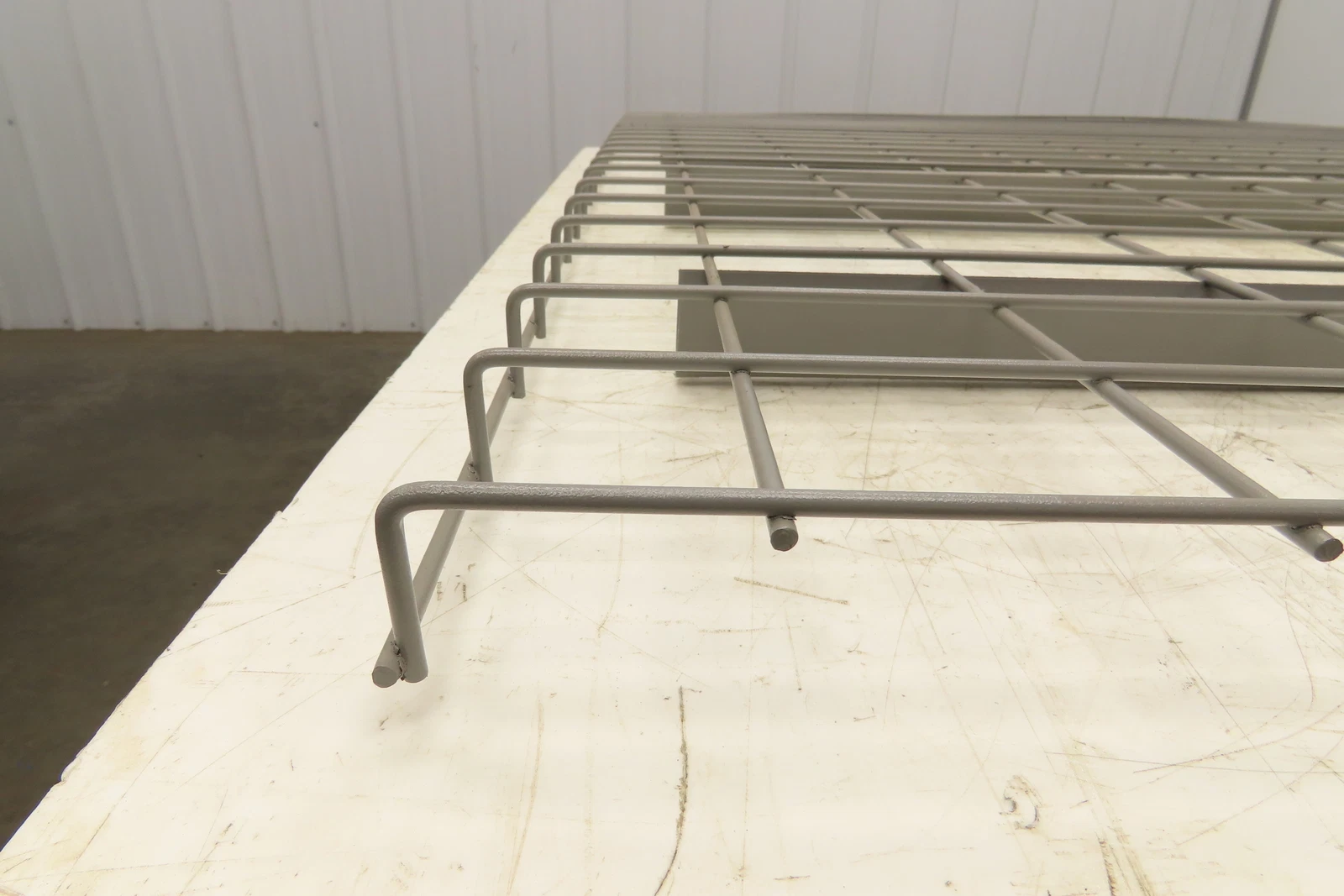
How Does Cantilever Racking Support Heavy Sheet Metal Storage?
How Does Cantilever Racking Support Heavy Sheet Metal Storage?
- Cantilever racking is specifically designed for heavy, awkward sheet metal, outperforming traditional pallet racking in this role.
- Its open, accessible design with protruding arms supports heavy sheets securely without causing damage or restricting access.
- Using cantilever racking reduces physical strain during loading and unloading, promoting worker safety and comfort.
- The rack provides even support that protects sheet metal from bending and scratching, reducing material damage and waste.
- It supports workplace ethics by safeguarding both equipment and employees, minimizing accidents from unstable storage.
- The design is proven and reliable, refined over decades of use in industrial environments to hold heavy loads safely.
- Cantilever racking offers practical, durable storage that respects investment, improves organization, and supports budget and safety goals.

How Does Cantilever Racking Support Heavy Sheet Metal Storage?
Can Cantilever Racking Adapt to Different Duct Sizes Easily?
You show up on the jobsite with a heap of ductwork piled high, all shapes and sizes. Maybe a giant HVAC pipe that sticks out like a sore thumb or a slimmer run that slides under the ceiling joists like a snake. The question’s always there: How do you store these damn things so they don’t get mangled or turn your workspace into a trip hazard? That’s where cantilever racking comes in, and let me tell you, it’s like the handyman’s secret weapon in the warehouse or shop.
Unlike pallet racking, which is great if you’re stacking boxes or pallets in neat little rows, cantilever racking was built for the oddballs. The long arms reach right out, no front columns to get in the way, so you can slide ducts on and off like you’re loading lumber. The beauty is it doesn’t fuss about sizes. From bulky, wide ductwork to skinny, delicate pieces, it holds them up solid without crushing or bending them out of shape. That adaptability is more than a convenience—it means you’re protecting your gear and your crew’s backs by making loading and unloading quicker and safer.
Think about the day-to-day grind. Duct sizes change from project to project, sometimes mid-job. You don’t want to be rebuilding your storage every time you get a new batch. Cantilever racks flex with those demands. Arms can be adjusted, sometimes even swapped out, to fit bigger or smaller pipes with a twist of a wrench or two. That flexibility translates to fewer headaches, less downtime, and a smoother workflow. It’s like having a toolbox that can grow and shrink to fit whatever job’s thrown your way.
There’s also something honest about a system you can trust not to let you down when the deadline’s looming. Good cantilever racks earn their keep every day, holding up everything from heavy steel ducts to lightweight aluminum ones without wobbling or tipping. They’re the reliable hand you don’t need to second guess—a steady presence in an ever-changing jobsite mess.
And if you’re running a team, the right racking system does more than just hold materials; it sets the tone. Organized space, safe storage, easy access—this isn’t just good for business; it’s good for morale. When everyone knows the gear’s not going to fall on them or get scrambled, it builds trust, pride, even a bit of camaraderie. It shows you care about the work and the workers.
Can cantilever racking take on different duct sizes easily? Hell yes. It combines plain-old common sense with solid design to give you a storage solution that meets the mess, adapts on the fly, and keeps the work rolling without fuss. If you respect your gear and your crew, this is the kind of setup that earns your confidence every single day. Pallet racking has its place, but when it comes to handling awkward duct sizes without giving you headaches, cantilever racking is the no-nonsense answer you can count on.

Can Cantilever Racking Adapt to Different Duct Sizes Easily?
Can Cantilever Racking Adapt to Different Duct Sizes Easily?
- Cantilever racking is ideal for storing various sizes and shapes of ductwork, preventing damage and workspace hazards.
- Unlike pallet racking, cantilever racks have long arms with no front columns, allowing easy sliding on and off for odd-sized materials.
- The system adapts to different duct sizes, protecting gear and improving crew safety by making loading and unloading faster and easier.
- Adjustable and sometimes interchangeable arms accommodate changing duct sizes without needing constant rebuilds.
- Cantilever racks provide reliable support for heavy to lightweight ducts, ensuring stability and dependability on busy jobsites.
- Using cantilever racks promotes organization, safety, and morale among teams by showing care for both materials and workers.
- Combining practical design with flexibility, cantilever racking is a trusted, efficient solution for handling awkward duct sizes better than pallet racking.

Can Cantilever Racking Adapt to Different Duct Sizes Easily?
Conclusion
In the world of HVAC ducting and sheet metal, space and safety aren’t just box-checking items—they’re the backbone of getting the job done right without wrecking gear or backs. Cantilever racking steps in as the no-nonsense workhorse every shop needs, turning the chaos of long, awkward metal pieces into neat, accessible lines. It’s not about flashy features or gimmicks; it’s about straightforward reliability, like a sturdy pair of gloves you trust day in and day out.
This system gets real about efficiency, making every inch of space pull its weight. Unlike regular pallet racks that force you into tight slots and awkward stacking, cantilever arms reach out and hold bulky, oddly shaped materials just right. That means no wasted space, no wrestle matches with heavy sheets or pipes, and a much smoother workflow. When the layout respects the way folks actually work, people move faster, safer, and with less frustration—saving time, energy, and sore backs.
The practical side of this isn’t just about quicker shifts; it’s about cutting costs in smart ways. Less damage to materials means fewer scrapped pieces and happier customers. Faster handling means less labor spent spinning wheels and more done right the first time. That’s good for the bottom line, but it’s also a quiet nod to respect—for the tools, the inventory, and especially the folks doing the heavy lifting every day.
Beyond dollars and cents, cantilever racking champions safety like a solid handshake you can count on. It keeps heavy, unwieldy loads secure without the dangerous leaning or stacking that turns workplaces into hazard zones. When your storage system protects your crew and eases their work, it sends a message that safety isn’t just a rule but a genuine priority. Investing in racks that hold steady under pressure isn’t just practical—it’s the right thing to do.
The beauty lies in its adaptability. Ductwork and sheet metal come in all shapes and sizes, changing from job to job. Cantilever racking flexes to fit the bill, adjusting on the fly so you don’t waste time fiddling with setups or risking damage. That flexibility translates into less downtime and more forward motion, keeping teams confident and gear intact.
At the end of the day, cantilever racking is the kind of tool that earns hard-won respect. It’s hands-on, honest, and built for work—not for show. For those drowning in cluttered warehousing or tired of fighting their own storage, it’s a proven fix that makes space work smarter, the crew work safer, and the operation run smoother. No frills, no shortcuts—just solid, dependable sense that holds up long after the job’s done.

Conclusion
Conclusion:
- Cantilever racking is essential in HVAC ducting and sheet metal work, providing reliable support for long and awkward materials without risking damage or injury.
- This system maximizes space efficiency by holding bulky, irregularly shaped items securely, avoiding wasted space and difficult stacking associated with traditional pallet racks.
- It improves workflow by allowing faster, safer handling of materials, reducing worker frustration and physical strain.
- Using cantilever racks cuts costs by minimizing material damage and labor time, leading to fewer scrapped pieces and more efficient operations.
- Safety is a key benefit, as the racks securely hold heavy loads and prevent hazardous leaning or stacking in the workspace.
- The racks are highly adaptable, adjusting easily to various sizes and shapes of ductwork and sheet metal, which reduces downtime and protects equipment.
- Cantilever racking is a practical, durable solution that enhances workspace organization, promotes safety, and supports smoother, more efficient operations without unnecessary features.

Conclusion
Other Resources

Other Resources
Here is a list of other resources you can review online to learn more:
- Pallet Rack Systems – New and Used Pallet Racking and Shelving Experts
- MHI
- Warehouse Racking Layout: The Ultimate Guide – Conger
- Overhead Lifting
- The Ultimate Pallet Racking Guide – Speedrack West
- The Complete Pallet Rack Guide – Simply Rack
- Cantilever Rack Configuration & Installation: A Comprehensive Guide – BMH
- Pallet Racks, Pallet Racking, Pallet Shelves in Stock – ULINE
- Cantilever Racking Specialists – Get the Right Racks
- BMH Equipment LLC
- American Society of Safety Professionals
- Interlake Mecalux
- NSC
- ASSP
- Selective Pallet Racking Systems – Container Systems
- Selective Racking
- IWLA
- Warehouse Racking Systems: Beginner’s Guide to Rack Systems
- Crane Manufacturers Association Of America Inc.
- Total Warehouse
Use This Prompt To Get More Resources With Your Favorite Online AI Tool: Please provide me with a list of online articles with their URLs in a bulleted list that I can read regarding How Do HVAC Ducting and Sheet Metal Producers Leverage Cantilever Racking?

Other Resources
Glossary Terms
How Do HVAC Ducting and Sheet Metal Producers Leverage Cantilever Racking? – Glossary Of Terms
1. Cantilever Racking: A storage system designed to hold long or bulky items using arms extending from a central column.
2. HVAC Ducting: The network of metal or flexible tubes that distribute air throughout a building’s heating, ventilation, and air conditioning system.
3. Sheet Metal: Thin, flat pieces of metal formed during production, commonly used in duct fabrication.
4. Storage Efficiency: The optimization of space usage in warehouses or production areas.
5. Load Capacity: The maximum weight that a racking system or shelf can safely support.
6. Upright Column: The vertical support structure of cantilever racking.
7. Arm: The horizontal support extending from the upright column to hold stored items.
8. Bulk Storage: The practice of storing large or irregularly shaped materials in a warehouse.
9. Material Handling: The movement, protection, storage, and control of materials during manufacturing.
10. Accessibility: The ease with which materials can be reached or retrieved from storage.
11. Production Floor: The area within a factory where manufacturing or assembly takes place.
12. Inventory Management: The oversight of stock levels, storage, and retrieval of materials.
13. Space Utilization: Maximizing the use of available storage or workspace.
14. Structural Integrity: The ability of a system or structure to hold together under load without failure.
15. Cantilever Arms: Extensions on the racking system that hold ducting or sheet metal horizontally.
16. Industrial Storage: Storage solutions built specifically for manufacturing environments.
17. Vertical Storage: Using height to store materials rather than spreading out horizontally.
18. Warehouse Safety: Practices and systems to prevent accidents during storage and handling.
19. Ergonomics: Designing storage and handling systems to reduce worker strain or injury.
20. Modular Design: Systems made of standardized parts that can be reconfigured easily.
21. Heavy-Duty Racking: Storage systems designed to hold extremely heavy or bulky items.
22. Pallet Storage: Systems designed for storing palletized materials, sometimes integrated with cantilever racking.
23. Custom Fabrication: Creating storage components tailored to specific material sizes or shapes.
24. Space Optimization: Adjusting storage layouts to maximize efficiency.
25. Load Distribution: Evenly spreading weight across racking components to prevent damage.
26. Industrial Organization: The arrangement of tools, materials, and products within a manufacturing space.
27. Material Size Accommodation: The ability of storage systems to hold items of varying lengths and widths.
28. Quick Access: Designing storage to allow for rapid retrieval of materials.
29. Production Workflow: The sequence of processes involved in manufacturing, influenced by storage layouts.
30. Storage Accessibility: The ease with which stored materials can be accessed, loaded, or unloaded.

Glossary Of Terms
Other Questions
How Do HVAC Ducting and Sheet Metal Producers Leverage Cantilever Racking? – Other Questions
If you wish to explore and discover more, consider looking for answers to these questions:
- What is the maximum weight capacity per arm and per column for cantilever racking used with HVAC ducting and sheet metal?
- How do I calculate the total load requirements to size a cantilever rack system correctly?
- What safety standards and building codes apply to cantilever racking (OSHA, local codes, seismic regulations)?
- How should cantilever racks be anchored to concrete floors and what are the floor loading considerations?
- Can cantilever racking be used outdoors or in corrosive environments, and what coatings or materials are recommended?
- How adjustable are the arms and supports for handling different duct diameters and sheet thicknesses?
- What accessories are available (dividers, padding, end-stops, rollers) to protect and organize ducts and sheet metal?
- How does cantilever racking compare to alternatives (pallet racking, drive-in racking, vertical storage towers) for long, flat, or irregular items?
- What are the best practices for preventing damage (bending, scratching) to sheet metal stored on cantilever racks?
- How does cantilever racking affect material handling workflows with forklifts, cranes, or manual handling?
- What are recommended aisle widths and ergonomic heights for safe loading and unloading?
- Are there special handling or training requirements for staff using cantilever racking?
- How frequently should cantilever racking be inspected and maintained, and what should inspections include?
- What is the expected lifespan of a commercial cantilever rack system, and what replacement parts are commonly needed?
- How does cantilever racking influence inventory management and picking efficiency for ducting and sheet metal?
- What are typical installation lead times and on-site installation requirements?
- How much does a cantilever system cost to purchase and install, and what are typical ROI or payback timelines?
- Is it better to buy new or used cantilever racking for a sheet metal shop?
- Can cantilever racks be expanded or reconfigured as storage needs change?
- How do you determine whether to use single-sided or double-sided cantilever racks?
- What maximum arm length and overhang are safe for long duct sections?
- How are loads distributed across multiple arms and columns to prevent overloading or tipping?
- What fire-safety and egress considerations apply when installing cantilever racking in a warehouse?
- Are there seismic or wind-bracing options for cantilever racks in high-risk regions?
- How do you protect sharp sheet edges and prevent worker injuries when storing sheet metal?
- Can cantilever racking be integrated with automated storage or retrieval systems?
- What labeling, signage, or organizational strategies work best for long-item storage on cantilever racks?
- What warranty and manufacturer certification should buyers expect or require?
- How do environmental factors (temperature, humidity) affect stored metal and rack selection?
- Are there industry case studies or performance metrics showing time and cost savings after installing cantilever racking?
- What are the insurance or liability implications of switching to cantilever racking?
- How do you handle mixed-material storage (aluminum, galvanized steel, stainless) to avoid contact corrosion?

Other Questions
Checklist
How Do HVAC Ducting and Sheet Metal Producers Leverage Cantilever Racking? – A Checklist
Planning and Business Case
✅______ Identify long and bulky SKUs (ducts, pipe, bar, sheet, coil) unsuitable for pallet racking
✅______ Baseline current space utilization and storage density
✅______ Quantify damage and rework costs from current storage
✅______ Measure average handling time and travel distance per pick
✅______ Estimate payback from labor, damage reduction, and space savings
Site and Layout
✅______ Measure clear heights, aisle widths, forklift turning radii, and door locations
✅______ Verify slab capacity, floor flatness, and anchor requirements
✅______ Choose single- or double-sided runs; plan bay spacing and arm clearances
✅______ Allocate staging near cutting, forming, and shipping areas
✅______ Separate the long-goods zone from palletized goods to reduce conflicts
System Specification
✅______ Select column and base sizes, arm lengths, and per-arm load capacities
✅______ Specify adjustable arms and hole spacing for reconfiguration
✅______ Add end stops, saddles or pads, and optional decking where needed
✅______ Confirm mast reach and attachment compatibility with rack geometry
✅______ Choose finishes (e.g., powder coat, galvanizing) for environment and wear
✅______ Plan expansion capacity (e.g., extra arms or levels, additional runs)
Space Efficiency Practices
✅______ Slot by length, diameter or width, gauge, or alloy to minimize dead space
✅______ Set arm elevations to match typical bundle heights
✅______ Place high movers at ergonomic heights and closest pick faces
✅______ Standardize labeling and bay IDs for fast identification
Safety and Compliance
✅______ Verify compliance with applicable codes and seismic requirements
✅______ Post load ratings visibly on each column or bay
✅______ Install column or base guards and arm end stops where appropriate
✅______ Maintain clear aisles and overhead clearances; mark floor lines
✅______ Implement daily visual checks and scheduled torque and anchor inspections
✅______ Prohibit free-stacking under or around racks; define safe zones
Material Handling Time Reduction
✅______ Orient racks to align with production flow and dock doors
✅______ Designate dedicated pick faces for common lengths and SKUs
✅______ Validate forklift attachments (e.g., poles and booms) and load handling SOPs
✅______ Set one-way traffic and pick paths to limit congestion
✅______ Conduct time studies before and after to confirm handling time gains
Heavy Sheet Metal Storage
✅______ Verify arm deflection and bay capacity at maximum load
✅______ Use smooth or padded arm surfaces to prevent scratching
✅______ Set arm spacing to prevent sagging and edge damage
✅______ Add retainers or stops to prevent sheet creep or slide
✅______ Provide transfer carts or stands between rack and machines
Adaptability for Mixed Duct Sizes
✅______ Keep spare arms and hardware for quick reconfiguration
✅______ Mix arm lengths within bays to fit varying diameters or widths
✅______ Define changeover SOPs for project-based re-slotting
✅______ Color-code arms or levels by size class or material type
Operations and Training
✅______ Train operators on approach angles, placement, and load verification
✅______ Define maximum stack heights and bundle restraints per SKU
✅______ Implement 5S at each bay (labels, floor marks, tool storage)
✅______ Document loading, unloading, and inspection procedures
Maintenance and Inspection
✅______ Conduct quarterly inspections for bent arms, cracked welds, and loose anchors
✅______ Immediately quarantine and replace damaged components
✅______ Maintain spares (anchors, arms, hardware) on site
✅______ Conduct an annual engineering review to match actual loads versus rated capacities
Metrics and Continuous Improvement
✅______ Track picks per hour, travel distance, and dwell time by zone
✅______ Monitor damage rate and near-miss incidents
✅______ Audit space utilization percentage per bay or run
✅______ Review ROI versus baseline at 3, 6, and 12 months; adjust slotting
Rollout and Communication
✅______ Pilot in one area; validate KPIs before scaling
✅______ Update floor plans, signage, and emergency egress maps
✅______ Communicate changes and SOPs across all shifts and contractors

Checklist
At RackingWorld, we help guide you through selecting warehouse storage systems and racking.
Be sure to read our other related stories at RackingWorld to learn more about warehouse storage systems.
0 Comments