
Maximizing Efficiency And Style: The Smart Choice For Fashion Warehousing
By Tom Seest
At RackingWorld, we help guide you through selecting warehouse storage systems and racking.
Be sure to read our other related stories at RackingWorld to learn more about warehouse storage systems.
How Do Fashion and Apparel Distributors Leverage Pallet Racking?
In the world of fashion and apparel distribution, time and space are everything. It’s a constant hustle to keep things moving—fresh styles coming in, orders going out, and inventory that never stops changing. Pallet racking steps in as the unsung hero here, the hardworking backbone that keeps warehouses organized without fancy frills. When you think about it, pallet racking isn’t just about storing boxes; it’s about making the whole operation run smoother and smarter. It’s the difference between a chaotic pile of goods and a system that respects the rhythm of a fast-paced industry.
From the gut perspective, anyone who’s set foot in a warehouse knows the frustration of digging through clutter, wasting time, and risking product damage. Pallet racking gives those weary hands and eyes a break—offering clear, accessible storage that cuts down on chaos and kicks safety into gear. It’s a simple solution but powerful enough to save hours every week, and that, in a busy apparel hub, turns into more orders shipped and happier customers. Having a place for everything and everything in its place is more than a saying here; it’s a way to keep the business’s heart beating steady under pressure.
Now, looking at the head, pallet racking isn’t some clunky leftover from another era. It’s a proven, practical choice that optimizes space vertically, pushing capacity through the roof without messing up the workflow. Distributors lean on pallet racking because it supports heavier loads confidently, handles diverse product sizes, and adapts as inventory shifts through the seasons. This kind of straightforward efficiency means budgets stretch further, with less need for costly expansions or last-minute fixes—smart business sense that speaks for itself.
There’s also an ethical angle tucked in—ensuring the safety and well-being of warehouse workers. Pallet racking systems take strain off strained backs and cut down accident risks, showing respect for the people whose sweat keeps the industry spinning. It’s about doing business the right way, protecting the community inside those walls. That earns trust from employees, partners, and customers alike, reinforcing the distributor’s reputation beyond just delivery times and style trends.
Put it all together—pallet racking is what turns the endless challenge of fashion distribution into an achievable, even manageable challenge. It holds the weight of more than crates and boxes—it holds up the entire operation, making it trustworthy, efficient, and human. For those on the ground day after day, it’s a reminder that sometimes, the simplest things make the biggest difference.

How Do Fashion and Apparel Distributors Leverage Pallet Racking?
How Do Fashion and Apparel Distributors Leverage Pallet Racking?
- Pallet racking is essential in fashion and apparel distribution for organizing warehouses and maintaining smooth operations amid constant inventory changes.
- It reduces clutter, saves time, minimizes product damage, and improves safety, leading to more efficient order fulfillment and happier customers.
- Optimizes vertical space usage, allowing higher storage capacity without disrupting workflow.
- Supports heavier loads, accommodates diverse product sizes, and adapts to seasonal inventory shifts.
- Offers cost-effective efficiency by reducing the need for expensive expansions or urgent fixes.
- Enhances worker safety by alleviating physical strain and lowering accident risks, fostering a responsible workplace culture.
- Transforms the complex demands of fashion distribution into a manageable system, sustaining operational reliability and human-centered efficiency.

How Do Fashion and Apparel Distributors Leverage Pallet Racking?
Table Of Contents
- How Do Fashion and Apparel Distributors Leverage Pallet Racking?
- How Does Pallet Racking Improve Fashion Inventory Management?
- What Cost Savings Come From Using Pallet Racking In Apparel?
- How Does Pallet Racking Enhance Order Fulfillment Speed?
- Can Pallet Racking Reduce Damage to Delicate Clothing Items?
- What Are the Ethical Benefits Of Efficient Warehouse Storage?
- How Does Pallet Racking Support Sustainable Fashion Distribution?
- Conclusion
- Other Resources
- Glossary Of Terms
- Other Questions
- Checklist
How Does Pallet Racking Improve Fashion Inventory Management?
There’s something honest and straightforward about pallet racking that makes it a quiet hero in the whirlwind world of fashion inventory. When you’re dealing with racks of clothing, shoes, and accessories flying in and out, you need a system that’s as tough and reliable as the blue-collar folks running the warehouse. Pallet racking does just that—it keeps your inventory organized, visible, and accessible without any fancy frills or guesswork.
Think about the heart of any fashion operation: people hustling to get the right item in the right hands at the right time. Pallet racking helps ease their burden by giving them a clear, physical structure to lean on. This isn’t just about stacking goods; it’s about respect for the work done, ensuring each piece of clothing isn’t lost in chaos but rather placed where it belongs, ready to be pulled without second-guessing. That kind of order brings a sense of pride and confidence to the team—knowing their work won’t get buried under clutter.
On the head level, the rational benefits stand tall. Pallet racking maximizes space, turning warehouse square footage into a finely tuned engine of productivity. By utilizing vertical space, you reduce congestion and improve airflow, cutting down on damage and waste. It also simplifies stocktaking, making audits less of a headache and spotting mistakes faster. That efficiency trickles down to the bottom line—less time wasted hunting for inventory means faster deliveries and happier customers. It’s common sense, plain and simple.
Ethically, it’s about doing right by the product and the people involved. Fashion items aren’t just goods; they represent someone’s labor, creativity, and dreams. Keeping inventory well-organized with pallet racking respects that investment, reducing damage and loss. Plus, a well-maintained, safe storage system respects the workers’ well-being, cutting down on accidents caused by cluttered or unstable stacks.
From an authority standpoint, pallet racking is a proven, time-tested solution widely trusted across industries. Its rugged simplicity and adaptability have kept countless warehouses running smoothly, giving anyone managing fashion inventory a tool they can rely on without gimmicks.
Every warehouse has its story of chaos tamed by pallet racking—tales of frantic searches turned into calm order, last-minute rushes transformed into smooth operations. It’s the kind of thing folks talk about over lunch breaks with a knowing nod, because they’ve seen the difference firsthand.
When you embrace pallet racking, you’re not just picking a storage option; you’re choosing a partner that makes sense, feels right, and gets the job done. It gives fashion inventory management a backbone—steady, strong, and ready for whatever the day throws at it.

How Does Pallet Racking Improve Fashion Inventory Management?
How Does Pallet Racking Improve Fashion Inventory Management?
- Pallet racking provides a tough, reliable system for organizing fashion inventory such as clothing, shoes, and accessories.
- It supports warehouse workers by offering a clear, physical structure to keep items accessible and orderly, fostering pride and confidence.
- Maximizes warehouse space by utilizing vertical storage, improving airflow, reducing damage, and simplifying stocktaking and audits.
- Improves efficiency, leading to faster deliveries and increased customer satisfaction by reducing time wasted searching for inventory.
- Ethically respects both the products and workers by minimizing damage, loss, and accidents through organized, safe storage.
- Trusted across industries as a proven, adaptable, and straightforward solution for inventory management without unnecessary complexity.
- Transforms chaotic operations into smooth, orderly processes, providing a dependable backbone for fashion inventory management.

How Does Pallet Racking Improve Fashion Inventory Management?
What Cost Savings Come From Using Pallet Racking In Apparel?
When it comes to running an apparel warehouse, every dollar saved on storage means more room to invest elsewhere—whether that’s better gear for the team or tighter margins that help keep the business steady through tough times. Pallet racking isn’t just fancy shelving; it’s a tried-and-true way to cut costs in ways you might not notice at first glance but feel deep down in your gut every day.
First off, pallet racking lets you stack smarter, not messier. By organizing goods off the ground and into neat, accessible rows, you free up precious square footage. That’s more merch under one roof without the need to rent extra space or build costly additions. Maintenance costs drop too—less clutter means less wear and tear on forklifts and fewer accidents, which keeps both equipment and folks safer. And when your crew doesn’t have to play hide-and-seek with products, they get things done faster, making labor hours stretch further without burning out the team.
This isn’t just about saving a buck here and there; it’s about instilling a sense of pride and control in your workforce. When employees see an organized, safe workspace that treats inventory like the valuable asset it is, they handle it with respect. That care cuts back breakage, shrink, and costly mistakes. It’s the kind of ethics that speaks to everyone who makes their living in the apparel business—treat your stock right, treat your people right.
Here’s the real kicker: pallet racking systems are built to last. Investing in good-quality racks means they stand up to the heavy loads and constant use day after day, year after year. That longevity turns this into smart money—not a short-term fix but a fixture that supports your operation’s backbone. Industry pros have known this for decades—solid materials, clear layouts, and smart inventory flow equate to a business operating like a well-oiled machine.
Picture the flow of your warehouse—work orders move faster, stock counts stay accurate, and everyone knows where to find their gear without chasing ghosts. That peace of mind isn’t just good business; it’s good sense. So next time you walk through your storage area, think about what pallet racking does quietly behind the scenes: saving money, saving time, and building a foundation you can trust. It’s the no-nonsense approach every apparel operation deserves.

What Cost Savings Come From Using Pallet Racking In Apparel?
What Cost Savings Come From Using Pallet Racking In Apparel?
- Pallet racking maximizes storage by organizing goods off the ground into neat, accessible rows, freeing up valuable warehouse space.
- Efficient stacking reduces the need for extra rental space or costly warehouse expansions.
- Clutter reduction lowers maintenance costs by minimizing forklift wear and decreasing accidents, enhancing safety for equipment and staff.
- Improved organization speeds up workflow, allowing labor hours to stretch further without overworking employees.
- An organized and safe workspace fosters employee pride and respect for inventory, reducing breakage, shrinkage, and costly errors.
- High-quality pallet racking systems are durable investments that endure heavy use over time, supporting long-term warehouse operations.
- Clear layouts and smart inventory flow lead to accurate stock counts, smoother work orders, and overall efficient warehouse management.

What Cost Savings Come From Using Pallet Racking In Apparel?
How Does Pallet Racking Enhance Order Fulfillment Speed?
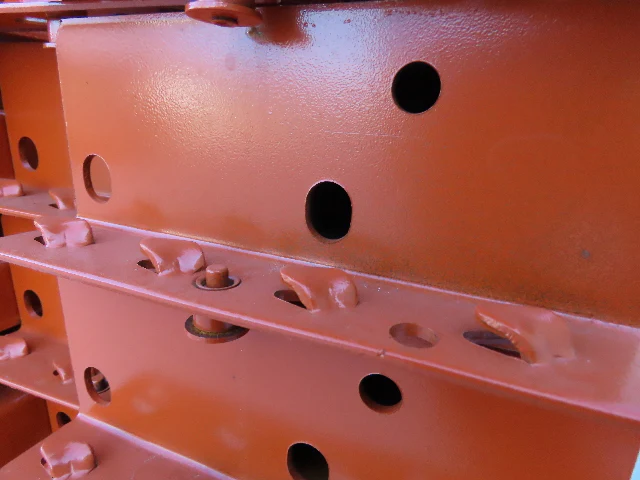
Picture a busy warehouse where every tick of the clock counts. Orders pile up, customers wait, and the pressure’s on. In that hustle, pallet racking isn’t just metal shelves; it’s the backbone that keeps things moving smooth and fast. If you’ve ever wrestled with cluttered floors or hunted for a pallet like a needle in a haystack, you know how much time—read: money—gets wasted. Pallet racking changes that story. It organizes, it streamlines, and it cuts out wasted steps, turning chaotic spaces into well-oiled machines.
Here’s the raw truth: order fulfillment speed depends on how quick and easy it is to grab what you need, when you need it. Pallet racking raises everything off the floor and stacks it with purpose. That means forklifts glide in and out without playing bumper cars. Workers spend less time hunting and more time loading up trucks destined for eager customers. It’s common sense—less clutter equals less confusion, equals faster fulfillment.
But it’s not just about saving seconds. Using pallet racking is a commitment to doing right by the team. It’s safer, reducing trips and spills that can lead to injury or costly mistakes. When workers know the setup is solid, their confidence grows, they move quicker, and morale stays up. In a way, pallet racking respects the people who make fulfillment happen, treating their time and effort like the valuable assets they are.
From a leadership standpoint, investing in pallet racking sends a message: you’re serious about efficiency and quality. It’s a smart decision backed by solid experience and proven outcomes. Companies that rely on pallet racking aren’t just guessing—they’re leveraging a system trusted across industries because it works. It shows a respect for tight deadlines and customer satisfaction, two things at the heart of any business.
Stories from the floor reinforce this truth every day. A warehouse that upgraded their pallet racking saw order times cut nearly in half, not by magic but by making each movement count. Workers felt the difference, too; the frustration of scrambling around vanished, replaced by a rhythm that got the job done—and done right.
Pallet racking is simple, sturdy, and saves time—not just for bosses crunching numbers, but for the folks on the ground pushing pallets and proving every day that common sense and hard work still rule the day. If speed matters, this is one place where investing in the basics pays off big time.
How Does Pallet Racking Enhance Order Fulfillment Speed?
How Does Pallet Racking Enhance Order Fulfillment Speed?
- Pallet racking is essential in busy warehouses, organizing space and reducing wasted time searching for pallets.
- It raises inventory off the floor, allowing forklifts to operate smoothly and speeding up order fulfillment.
- Less clutter leads to less confusion, enabling faster and more efficient workflow.
- Pallet racking improves safety by minimizing trips and spills, boosting worker confidence and morale.
- Investing in pallet racking demonstrates leadership’s commitment to efficiency, quality, and customer satisfaction.
- Warehouses upgrading pallet racking report significant reductions in order times and increased worker productivity.
- Pallet racking is a straightforward, effective solution that benefits both management and frontline workers by saving time and effort.

How Does Pallet Racking Enhance Order Fulfillment Speed?
Can Pallet Racking Reduce Damage to Delicate Clothing Items?
When you’re dealing with delicate clothing, every wrinkle, snag, or misplaced fold hits harder than you might think. It’s not just fabric—it’s craftsmanship, a story stitched in threads, hours of work that don’t bounce back like a cheap T-shirt. That’s where pallet racking steps in, not just as some fancy warehouse talk but as a down-to-earth solution that protects that hard-earned quality.
Pallet racking isn’t about piling up boxes in a chaotic heap; it’s a system built on solid, common-sense principles. It organizes space, keeps items safely off the floor, and controls how everything stacks. When clothes hang or rest on these racks, they’re less likely to be crushed under the weight of other goods or trampled in a rush. That physical buffer doesn’t just reduce damage—it saves time, money, and frustration. You don’t have to chase down replacements or face unhappy customers who know the difference between fresh fabric and a mangled mess.
From a practical standpoint, pallet racking lets you see your inventory clearly. You pull what you need without disrupting the rest. No more frantic digging or tossing clothes around like you’re scrambling for change in a jam jar. It means less handling, which means less damage. It’s like having a good tool on the job: it makes the tough parts easier and respects the effort you put into quality.
There’s also something ethical about it. Taking care of delicate clothing with the right storage shows respect—for the makers, the workers, and the environment. Damaged goods often end up wasted, tossed in dumpsters or returned with no chance of repair. When pallet racking reduces damage, it champions sustainability by cutting down waste and promoting efficiency. It aligns with a moral compass that values thrift and thoughtful stewardship over careless disposal.
Experience makes this real. Folks who’ve seen warehouses before and after upgrading to pallet racking talk about the shift like swapping out a rusty truck for a well-oiled machine. No more headaches over damaged stock or lost orders. The social aspect can’t be ignored either—teams work smoother when their tools make sense and the mess shrinks. It creates pride, confidence, and trust from supplier to retailer and right down to the customer who gets a piece of clothing that looks as good as it should.
Pallet racking isn’t just metal beams and shelves. It’s a straightforward, grounded way to treat delicate clothing with the care it deserves—and in the end, that care shows.

Can Pallet Racking Reduce Damage to Delicate Clothing Items?
Can Pallet Racking Reduce Damage to Delicate Clothing Items?
- Delicate clothing requires careful handling as wrinkles and damage affect its craftsmanship and value.
- Pallet racking is a practical system that organizes space, keeps items off the floor, and prevents crushing or trampling of clothes.
- It saves time and money by reducing damage, streamlining inventory access, and minimizing handling.
- Pallet racking promotes clear visibility of inventory, allowing for efficient and careful retrieval of items.
- Using pallet racking demonstrates respect for the makers, workers, and environment by reducing waste and supporting sustainability.
- Upgrading to pallet racking improves warehouse operations, creating a smoother workflow and reducing damaged stock.
- The system fosters pride and trust throughout the supply chain by protecting the quality of delicate clothing.

Can Pallet Racking Reduce Damage to Delicate Clothing Items?
What Are the Ethical Benefits Of Efficient Warehouse Storage?
When you think about warehouse storage, it might not seem like the kind of thing that stirs the soul. But dig a little deeper, and you’ll see how getting it right pulls on a lot more than just the bottom line. Using smart pallet racking setups isn’t just about squeezing more boxes on shelves — it’s about respect. Respect for the workers who climb ladders and haul loads, respect for the products that get shipped out to families and businesses, and respect for the planet we’ve all got to share.
Efficient warehouse storage makes every day safer. Picture a setup where pallet racking is organized so well that nothing’s stacked to the point of teetering perilously. The folks on the floor don’t have to take unnecessary risks, and accidents drop off. That’s no small thing. It means families don’t get phone calls about injuries from poorly stored goods. That responsible approach says you value human lives over shortcuts or quick fixes.
On the ethical front, an organized warehouse cuts waste. When you’re working with clear, accessible pallet racking, what’s on the shelves doesn’t get lost or forgotten. That means fewer products expired or tossed out. That efficiency isn’t just good business, it’s a solid stand against the wastefulness that so many industries struggle with. It’s telling the world—and yourself—that you care enough to do the job right, the first time, every time.
Trust builds here too. Customers, employees, and partners all see an operation that values precision and care. And that’s what wins respect. Efficient storage isn’t just about speed; it’s about reliability. When orders arrive intact and on time, people know you mean business, and they’ll stick with you longer. Behind every pallet rack installed thoughtfully is a promise kept — to treat goods, people, and resources with fairness and honesty.
The bigger picture is this: responsible warehouse management with solid pallet racking isn’t some fancy add-on. It’s a grounded, common-sense approach that connects ethics to everyday hard work. That connection—between what’s right and what gets done—feeds the kind of pride that keeps folks showing up for the long haul. It’s the kind of quiet, steady integrity that turns a busy warehouse into a place where everyone’s effort truly counts.

What Are the Ethical Benefits Of Efficient Warehouse Storage?
What Are the Ethical Benefits Of Efficient Warehouse Storage?
- Smart pallet racking in warehouse storage reflects respect for workers, products, and the environment.
- Efficient storage improves safety by preventing unstable stacking, reducing accidents and injuries.
- Organized pallet racking minimizes waste by keeping products visible and preventing expiration.
- Reliable storage builds trust with customers, employees, and partners through precision and care.
- Timely and intact order deliveries demonstrate commitment to fairness and honesty.
- Responsible warehouse management links ethical practices to everyday operations.
- This integrity fosters pride and long-term dedication among warehouse workers.

What Are the Ethical Benefits Of Efficient Warehouse Storage?
How Does Pallet Racking Support Sustainable Fashion Distribution?
You ever stop and think about all those clothes stacked up in a warehouse before they hit the store? That’s where pallet racking comes into the picture, quietly doing its part to keep the whole sustainable fashion train chugging along. It’s the unsung hero, the backbone, the hands-on solution that keeps things organized, efficient, and less wasteful — without a fuss or fancy talk.
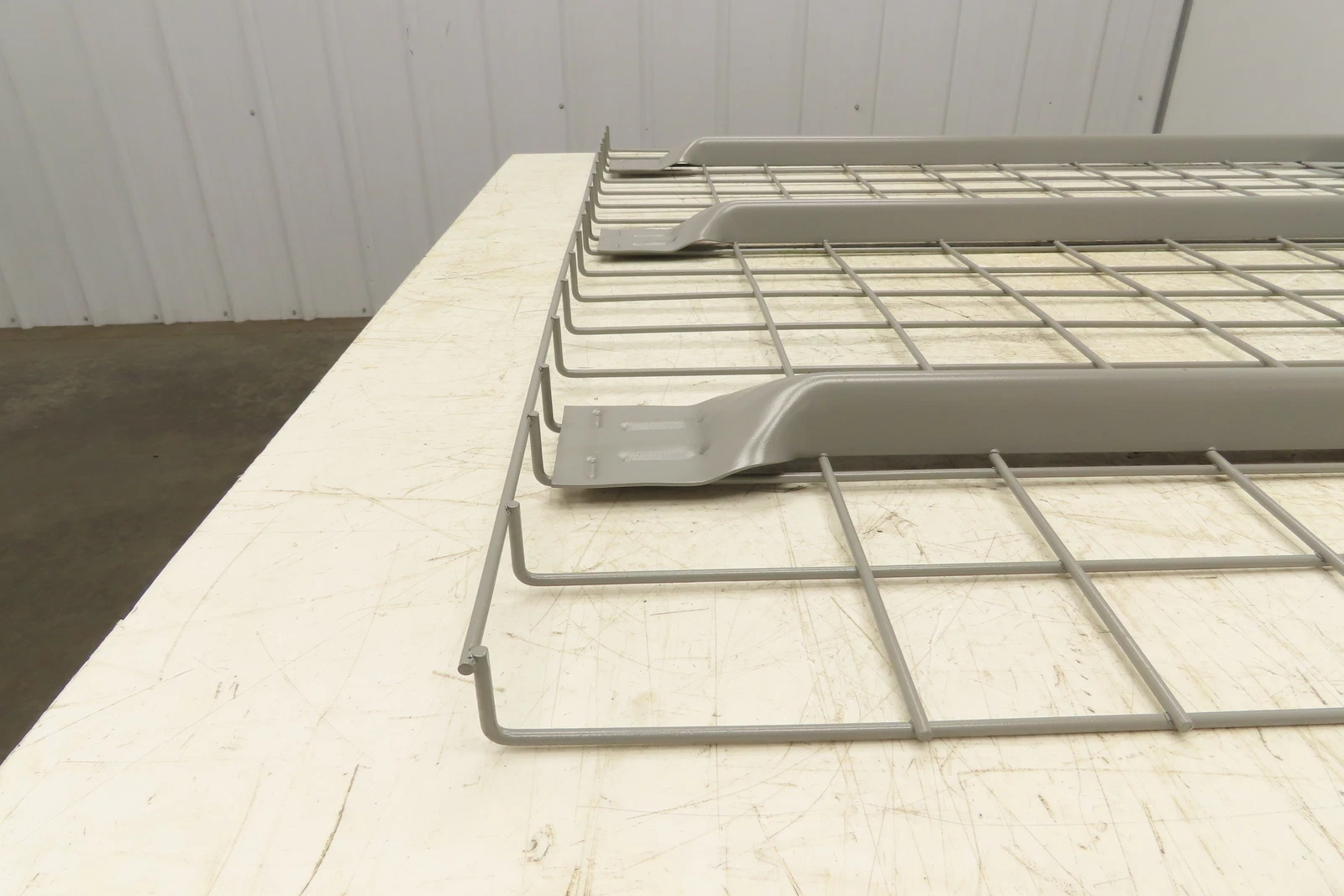
When you’re handling loads upon loads of apparel, efficient storage isn’t just some fancy perk; it’s a necessity. Pallet racking lets warehouses make the most of their space—stacking high and wide while keeping everything accessible. Less wasted space means fewer warehouses needed, less energy burned heating or cooling empty areas, and fewer trucks rolling back and forth hauling half-empty loads. It’s common sense with an environmental punch.
On a gut level, there’s something satisfying about seeing things put away right, neat and clear. Pallet racking makes it so workers aren’t scrambling, aren’t wasting time rooting through piles of boxes, and aren’t accidentally damaging precious stock. It cuts down mistakes and spoilage, and that’s good for everyone—from the folks in the warehouse grinding through shifts to the customers betting on buying ethically made clothes that actually get to them in decent shape.
Beyond the physical ladder of steel and wood, it’s about responsibility. Using pallet racking thoughtfully supports brands and distributors who’ve committed to sustainable practices—not just slapping on a green label. It’s about reducing the carbon footprint behind the scenes, something most end consumers never get to see but feel deep down when they hold a quality garment that didn’t come at the planet’s expense. Pallet racking is a tool that helps turn good intentions into solid results.
Few things matter more in this game than trust. Warehouse managers and distribution leaders count on reliable, durable pallet racking to keep their operations humming smoothly. Hacks or shortcuts here risk the whole supply chain snarling up and falling apart. When things work right, everybody wins: the planet, the workers, the brands, and yes—the people rolling up their sleeves to make the sustainable fashion movement more than just a buzzword.
Pallet racking is common-sense muscle behind the scenes, making sure clothes arrive sustainably, efficiently, and ready to be worn with pride. It’s not glamorous, but it’s steady, smart, and it earns its stripes every day.
How Does Pallet Racking Support Sustainable Fashion Distribution?
How Does Pallet Racking Support Sustainable Fashion Distribution?
- Pallet racking is essential in warehouses for organizing and storing large amounts of apparel efficiently, supporting the sustainable fashion supply chain.
- It maximizes space usage by enabling high and wide stacking, reducing warehouse needs, energy consumption, and transportation emissions.
- Pallet racking improves worker efficiency by preventing damage, mistakes, and spoilage, ensuring ethically made clothes reach customers in good condition.
- Beyond physical storage, pallet racking represents responsibility, helping brands reduce their carbon footprint through better logistics.
- Reliable, durable pallet racking builds trust in the supply chain, allowing operations to run smoothly without costly disruptions.
- Effective pallet racking benefits everyone involved: the planet, warehouse workers, brands, and consumers supporting sustainable fashion.
- Though not glamorous, pallet racking is a practical, steady backbone that ensures clothes arrive efficiently and ready to wear with pride.

How Does Pallet Racking Support Sustainable Fashion Distribution?
Conclusion
When it comes down to it, pallet racking is the quiet workhorse that keeps fashion warehouses ticking. It’s not some flashy gadget or fancy tech — just plain, solid steel doing the job right. In an industry where styles change fast and time is money, pallet racking turns chaos into order, giving every piece of clothing its place and making sure things move without hitches. Nobody’s wasting hours digging through messes or worrying about crushed goods. That’s respect — for the product, the people handling it, and the bottom line.
From a practical angle, pallet racking makes the most of space by stacking vertically and keeping things neat, freeing up precious square footage. That means fewer headaches over expansions and less time lost hunting down inventory. It’s smart business — stretching every dollar while letting crews work safer and faster. And when workers feel respected and safe, their morale holds steady, which means fewer mistakes and accidents. That matters more than numbers alone; it’s about doing right by the folks on the ground who keep the wheels turning.
There’s also an ethical backbone here. Keeping inventory organized cuts down damage and waste, protecting the hard work sewn into every garment. It’s a nod to sustainability, saving resources and cutting unnecessary trash in a world that’s still figuring out how to treat fashion without breaking the planet. Pallet racking doesn’t shout about saving the environment, but it gets it done — quietly, steadily, and without fuss.
Speed in order fulfillment? Pallet racking makes it happen by letting forklifts glide through clear aisles and workers pull orders without scrambling. That rhythm — the smooth, no-drama pace — doesn’t just speed up shipments; it builds trust with customers who know they’ll get their orders right and on time. Trust isn’t built on fancy promises; it’s in the steady, reliable flow day after day.
At the end of the line, pallet racking holds up more than boxes. It holds up the whole fashion distribution operation — steady, sturdy, and sensible. It’s the kind of no-nonsense solution that folks who’ve sweated through long shifts appreciate because it respects their work and backs their effort. When the job gets hectic, the real winners are the ones who remember that sometimes, the simplest tools carry the heaviest load. This is that tool — the unsung hero that keeps fashion moving, people safe, products protected, and hearts and hands confident every step of the way.

Conclusion
Conclusion:
- Pallet racking is a durable steel system that organizes fashion warehouses efficiently, preventing damage and delays.
- It maximizes vertical space, maintaining order and freeing up valuable floor area for better inventory management.
- By enhancing workspace safety and efficiency, pallet racking supports worker morale and reduces mistakes and accidents.
- Organized storage minimizes product damage and waste, contributing to sustainability efforts in fashion logistics.
- Clear aisles created by pallet racking enable faster, smoother order fulfillment and reliable customer service.
- Pallet racking serves as a fundamental, no-nonsense solution that supports the entire fashion distribution process.
- It respects and empowers warehouse workers by providing a steady, dependable tool that handles heavy workloads.

Conclusion
Other Resources

Other Resources
Here is a list of other resources you can review online to learn more:
- American Society of Safety Professionals
- MHI
- RMI
- Wolter
- Pallet Racking 101: A Comprehensive Guide & Options Explained
- Teardrop Industrial Shelving Rack
- Total Warehouse
- What is Selective Racking: Understanding Benefits & Options
- Logic Material Handling
- IIWS Inc. Rack Installation Illinois & Rack Repairs Illinois
- Warehouse Automation
- What is Cantilever Racking? – AK Material Handling Systems
- Pallet Racking systems in Illinois, Great Lakes
- NSC
- Warehousing and Fulfillment
- Storage Equipment Manufacturers’ Association
- Iowa Illinois Warehouse Racking
- Teardrop Pallet Rack – Ridg-U-Rak
- Overhead Lifting
- IWLA
Use This Prompt To Get More Resources With Your Favorite Online AI Tool: Please provide me with a list of online articles with their URLs in a bulleted list that I can read regarding How Do Fashion and Apparel Distributors Leverage Pallet Racking?

Other Resources
Glossary Terms
How Do Fashion and Apparel Distributors Leverage Pallet Racking? – Glossary Of Terms
1. Pallet Racking: A storage system designed to hold materials on pallets in horizontal rows with multiple levels.
2. Apparel Distributor: A company or entity responsible for storing, managing, and distributing clothing products.
3. Inventory Management: The process of efficiently overseeing and controlling stock levels and storage.
4. Warehouse Optimization: Techniques used to maximize space utilization and operational efficiency in warehouses.
5. Load Capacity: The maximum weight a pallet racking system can safely support.
6. Picking Efficiency: The speed and accuracy with which items are selected from storage for orders.
7. Storage Density: The amount of goods stored in a given space within the warehouse.
8. Space Utilization: The effective use of available storage area to maximize capacity.
9. Accessibility: The ease with which products can be retrieved from storage units.
10. FIFO (First In, First Out): Inventory rotation system where the oldest stock is used or shipped first.
11. LIFO (Last In, First Out): Inventory method where the most recently stored items are accessed first.
12. SKU (Stock Keeping Unit): A unique identifier for each distinct product or item for sale.
13. Load Stability: The security and balance of goods placed on the pallet racks to prevent shifting or collapse.
14. Pallet Dimensions: Standard sizes of pallets used for storing apparel products.
15. Mezzanine Floor: An intermediate floor in a warehouse that expands storage or workspace above the main floor.
16. Aisle Width: The walkway space between pallet racks allowing for movement of workers and equipment.
17. Material Handling Equipment: Tools like forklifts or pallet jacks used to move goods within the warehouse.
18. Lead Time: The time between ordering from suppliers and receiving inventory.
19. Cross-Docking: A logistics practice where products are directly transferred from inbound to outbound shipping without storage.
20. Stock Replenishment: The process of restocking inventory to maintain adequate supply levels.
21. Load Distribution: Even spreading of weight within racks to ensure safety and stability.
22. Safety Compliance: Adhering to safety standards and regulations in warehouse storage solutions.
23. Custom Racking: Pallet racking systems tailored to specific storage and product needs.
24. Vertical Storage: Utilizing height to store more items in less horizontal floor space.
25. Ergonomics: Designing systems and processes to maximize worker comfort and minimize strain.
26. Order Fulfillment: The complete process from picking to packing and shipping customer orders.
27. Cold Storage: Temperature-controlled warehousing often used for specific apparel materials.
28. Inventory Turnover: The frequency at which stock is sold and replaced over a period.
29. Modular Racking: Pallet racking that can be reconfigured or expanded as storage needs change.
30. Barcode Scanning: Technology used to track inventory and manage stock through scanning product codes.

Glossary Of Terms
Other Questions
How Do Fashion and Apparel Distributors Leverage Pallet Racking? – Other Questions
If you wish to explore and discover more, consider looking for answers to these questions:
- What types of pallet racking systems are best for fashion and apparel distribution?
- How do you choose the right pallet racking layout for a specific warehouse footprint?
- What is the typical cost to purchase and install pallet racking?
- What is the expected ROI and payback period after installing pallet racking?
- How long do pallet racking systems typically last and what affects their lifespan?
- What load capacities and safety factors should be considered for apparel pallets?
- How do pallet racking systems need to comply with local building, fire, and safety codes?
- What maintenance and inspection schedule is recommended for pallet racking?
- How do racking systems integrate with warehouse management systems (WMS) and inventory software?
- Can pallet racking be configured for garment-on-hanger (GOH) storage or hanging rails?
- How can pallet racking reduce damage to delicate fabrics and finished garments?
- What ambient conditions (temperature, humidity) are needed for sensitive apparel and how does racking affect them?
- How does pallet racking help manage seasonal peaks and rapid SKU turnover?
- What are best practices for slotting and SKU organization within pallet racking?
- How should racking layouts be designed to optimize picker travel and order fulfillment speed?
- How does pallet racking influence forklift choice, traffic patterns, and equipment safety?
- What safety accessories (row spacers, pallet supports, guarding, netting) are recommended?
- What are the most common causes of racking damage and how can they be prevented?
- Can existing warehouses be retrofitted with new or different racking systems, and what are the constraints?
- How long does installation or retrofit typically take and what operational downtime should be expected?
- What financing, leasing, or phased-installation options are available for racking purchases?
- How does pallet racking contribute to sustainability goals and lower carbon footprint?
- Are there industry certifications, standards, or manufacturer qualifications to look for?
- What staff training is required to ensure safe and efficient use of pallet racking?
- Which KPIs should be tracked after installing pallet racking (space utilization, order accuracy, pick time)?
- How does racking accommodate mixed-size pallets, odd dimensions, or non-standard packaging?
- What storage alternatives exist for small-batch, high-value, or frequently inspected apparel?
- How should returns and reverse logistics be handled within a racked storage environment?
- Can pallet racking be combined with automation (ASRS, conveyors, robots) and what are the integration challenges?
- What labeling, barcode placement, and pick-face organization work best with pallet racking?
- How should a racking system be specified to allow for future scalability and changing product mixes?
- What warranties, service agreements, and after-sales support should you expect from racking suppliers?
- How do material choices (painted vs. galvanized steel) affect durability and maintenance needs?
- Will insurance premiums change after installing regulated pallet racking and improved safety features?
- Are there case studies or benchmarks showing measurable improvements after racking upgrades in apparel distribution?

Other Questions
Checklist
How Do Fashion and Apparel Distributors Leverage Pallet Racking? – A Checklist
Objectives and Scope
✅______ Defined business goals for racking (space, speed, accuracy, safety, cost)
✅______ Baseline metrics captured (picks per hour, order cycle time, inventory accuracy, damage rate)
✅______ Seasonality and SKU volatility mapped (launches, returns, peak periods)
✅______ Mix of pallets, cartons, and garment on hanger (GOH) quantified
✅______ Future growth and reconfiguration needs estimated (12–36 months)
Space and Layout
✅______ Building clear height, slab capacity, and column grid verified
✅______ Aisle widths matched to equipment (standard, narrow, very narrow aisle)
✅______ Fire code, egress, and sprinkler coverage checked for proposed heights
✅______ Vertical space utilization target set (≥70% of clear height)
✅______ Travel paths separated for people, forklifts, and staging
✅______ Dock-to-rack flow and staging zones defined
Rack System Selection
✅______ Primary system chosen (selective) for access and flexibility
✅______ High-density where appropriate (double-deep, drive-in, push-back, pallet flow)
✅______ Carton flow or shelving planned for each-pick SKUs
✅______ GOH rails or specialized racks planned for hanging items
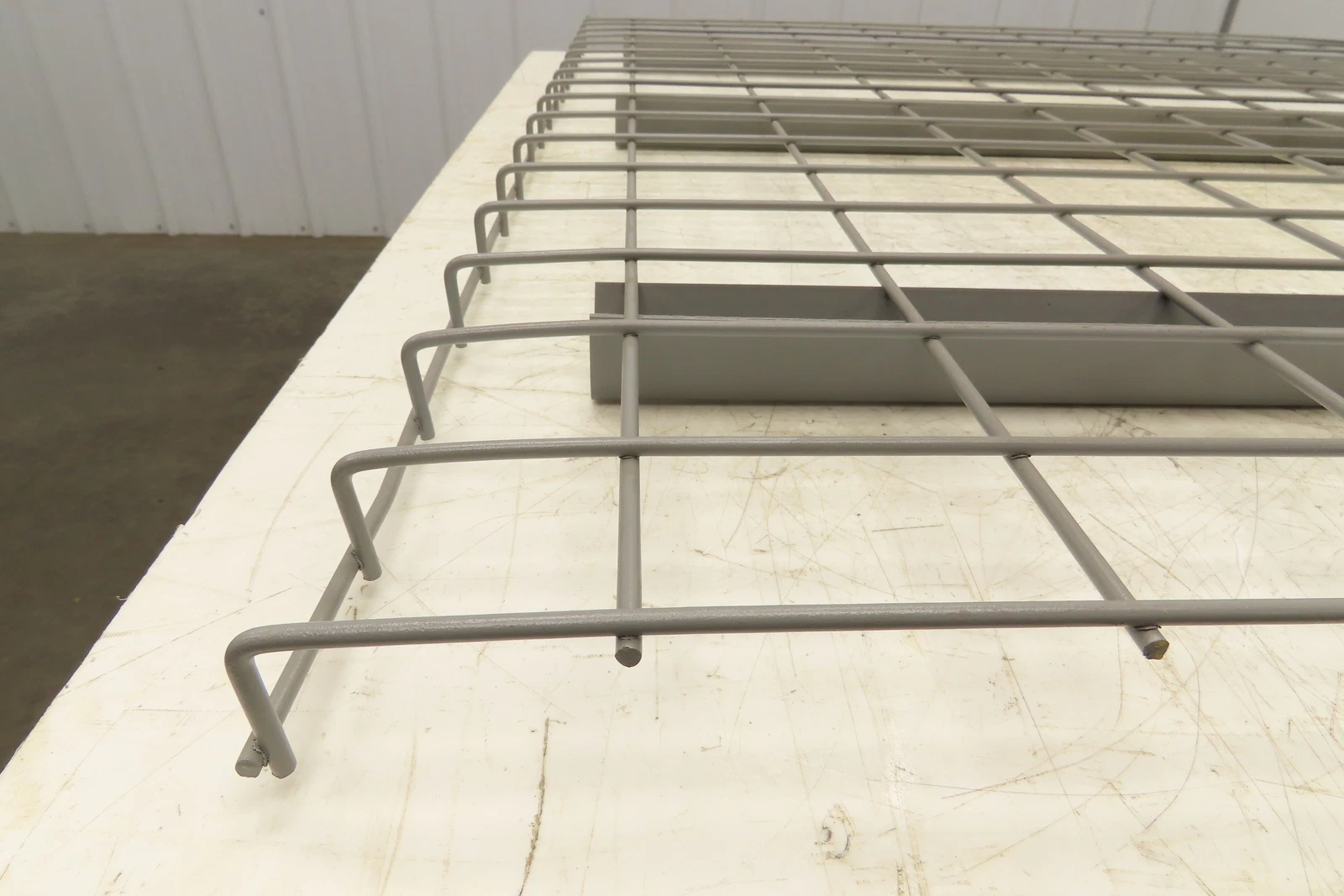
✅______ Decking specified (wire, mesh, or solid) based on product and fire code
✅______ Beam levels set to fit carton and pallet heights with clearances
Loads and Product Protection
✅______ Pallet types standardized (dimensions, quality, condition)
✅______ Load capacities confirmed for frames, beams, and decking
✅______ Column guards, end-of-aisle protectors, and rack backs specified
✅______ Anti-snag surfaces or coverings for delicate fabrics
✅______ Stretch-wrap and strapping standards to prevent crushing or shifting
✅______ Environmental controls reviewed (temperature, humidity, dust, lighting)
Inventory Management and Slotting
✅______ ABC velocity analysis completed; fast movers at optimal pick faces
✅______ Family grouping by brand, collection, and size run implemented
✅______ Reserve vs. forward pick locations defined
✅______ Clear location schema created (aisle–bay–level–position)
✅______ Labeling plan designed (barcode or RFID) for rack, pallet, and carton
✅______ Cycle count strategy aligned to slotting (more frequent for A items)
Order Fulfillment Speed
✅______ Pick paths optimized to reduce travel and cross-traffic
✅______ Batch, wave, or zone picking method selected per order profile
✅______ Dedicated fast-pick zones for high-velocity styles and sizes
✅______ Consolidation and packing stations positioned near pick exits
✅______ Replenishment triggers set to protect forward pick continuity
Safety and Compliance
✅______ Engineering stamps and seismic calculations obtained where required
✅______ Load plaques installed on every rack bay
✅______ Guardrails and pedestrian barriers installed at crossings
✅______ PPE, powered industrial truck (PIT), and rack safety training completed
✅______ Emergency access and fire extinguisher visibility maintained
✅______ Incident tagging protocol for rack impacts implemented
Cost and ROI
✅______ Space-cost comparison completed (vertical storage vs. expansion or lease)
✅______ Labor time studies completed before and after design
✅______ Damage and shrink baseline set with target reduction
✅______ Maintenance and repair budget allocated
✅______ Payback period and total cost of ownership calculated
Sustainability
✅______ Damage reduction targets set to cut waste and returns
✅______ Energy-efficient lighting and zoning in racked areas
✅______ Reusable pallets and containers evaluated
✅______ Rack materials with recycled content preferred where feasible
✅______ End-of-life and reuse plan for rack components documented
Operations and Training
✅______ Standard operating procedures written for putaway, picking, and replenishment
✅______ New-hire and refresher training scheduled and tracked
✅______ Visual management in place (signage, color-coding, floor markings)
✅______ Ergonomic reach and lift limits validated at all beam levels
✅______ Communication plan for peak-season changes
Maintenance and Inspections
✅______ Daily operator visual checks for damage and misalignment
✅______ Monthly supervisor inspections with documented logs
✅______ Annual third-party rack safety audit scheduled
✅______ Torque checks and component replacement schedule defined
✅______ Spare parts inventory (beams, clips, guards) maintained
Technology Integration
✅______ WMS/ERP locations mapped to rack layout
✅______ Barcode or RFID hardware tested in all rack areas
✅______ Slotting software rules configured for seasonality
✅______ Real-time inventory and replenishment alerts enabled
✅______ Forklift terminals or handhelds mounted and commissioned
Go-Live and Continuous Improvement
✅______ Pilot aisle tested and validated before full rollout
✅______ KPIs tracked weekly (picks per hour, cycle time, accuracy, damages, incidents)
✅______ Feedback loop with floor staff established for rapid tweaks
✅______ Post-peak review conducted with action items prioritized
✅______ Re-slotting cadence set (e.g., quarterly or post-season)
Print-Ready Quick KPIs to Monitor
✅______ Order cycle time (target: consistent reduction)
✅______ Picks per labor hour (target: steady increase)
✅______ Inventory accuracy (target: ≥99%)
✅______ Damage rate (target: ≤0.5% of units handled)
✅______ Recordable incident rate (target: year-over-year decrease)
Checklist
At RackingWorld, we help guide you through selecting warehouse storage systems and racking.
Be sure to read our other related stories at RackingWorld to learn more about warehouse storage systems.
0 Comments