
Maximizing Efficiency And Impact: Pallet Racking’s Role In Regional Hubs
By Tom Seest
At RackingWorld, we help guide you through selecting warehouse storage systems and racking.
Be sure to read our other related stories at RackingWorld to learn more about warehouse storage systems.
How Do Regional Distribution Hubs Leverage Pallet Racking?
When you step into a bustling regional distribution hub, you’re not just looking at stacks of boxes and pallets; you’re witnessing a carefully orchestrated dance, guided by the humble, but mighty, pallet racking system. These racks aren’t just metal shelves—they’re the backbone that keeps everything moving smoothly, from the moment goods roll in until they head out the door.
Think about the folks on the floor, navigating forklifts through aisles lined with pallet racking that’s designed to maximize every inch of space. It’s more than just saving room—it’s about making sure the right product is front and center when the clock’s ticking and orders need to ship. The efficiency here isn’t accidental; it’s built on a foundation of hard-earned common sense and practical know-how. Pallet racking allows teams to organize inventory logically, reducing downtime, and cutting the chaos that can easily happen when things are piled up willy-nilly.
There’s an ethical layer, too. Using pallet racking responsibly means creating a safer workplace. When gear and goods are stacked securely, workers aren’t risking their necks wrestling with unstable loads. This trust in “the system” pushes everyone to do their best; it builds a culture where care on the floor translates to care for the customers counting on timely deliveries. It’s not flashy, but it’s real—knowing your setup keeps people safe and products intact gives peace of mind, and that peace is worth more than some shiny gadget.
From a rational standpoint, pallet racking empowers distribution hubs to scale smartly. When the orders pick up or seasons shift, these racks mold right along with the flow. Add a tier here, rearrange a bay there—it’s a practical solution that sees the long haul ahead. It respects the budget, avoiding waste, and boosts productivity without reinventing the wheel or blowing the roof off with costly upgrades. It’s common sense in steel.
Socially, these racking systems connect teams by providing a shared framework everyone understands. Veteran loaders, new hires, supervisors—they all know the drill because the rack layout speaks a universal language of order and reliability. This shared understanding strengthens teams, cuts friction, and builds confidence from the ground up.
At the end of the day, regional distribution hubs leverage pallet racking because it works—it’s the grunt work hero that quietly keeps the wheels turning, with no fuss, just solid results anyone can count on. If you’re in the business of moving goods fast and right, you learn to respect the straightforward muscle of pallet racking. It’s the practical heart of getting the job done.

How Do Regional Distribution Hubs Leverage Pallet Racking?
How Do Regional Distribution Hubs Leverage Pallet Racking?
- Pallet racking systems serve as the essential backbone in regional distribution hubs, ensuring smooth movement of goods from arrival to shipment.
- They maximize space efficiently, enabling quick access to the right products and reducing downtime through logical inventory organization.
- Responsible use of pallet racking creates a safer work environment by securely stacking goods and reducing risks for workers.
- Pallet racks provide scalable, cost-effective solutions that adapt to changing order volumes and avoid unnecessary expenses.
- The standardized layout of pallet racking fosters team cohesion by creating a shared system understood by all staff levels.
- These systems build a workplace culture focused on care, safety, and reliability, benefiting both employees and customers.
- Pallet racking operates quietly and effectively as a practical, indispensable tool for efficient and reliable goods handling.

How Do Regional Distribution Hubs Leverage Pallet Racking?
Table Of Contents
- How Do Regional Distribution Hubs Leverage Pallet Racking?
- How Does Pallet Racking Improve Warehouse Space Efficiency?
- What Emotional Impact Does Clutter-Free Storage Have on Workers?
- How Do Distribution Hubs Decide on the Best Pallet Racking System?
- Why Is Safety a Critical Factor In Choosing Pallet Racking?
- How Can Pallet Racking Reduce Operational Costs In Hubs?
- What Role Does Technology Play In Modern Pallet Racking Systems?
- Conclusion
- Other Resources
- Glossary Of Terms
- Other Questions
- Checklist
How Does Pallet Racking Improve Warehouse Space Efficiency?
There’s something about walking into a cluttered warehouse that gets under your skin. Boxes piled high, aisles too narrow to get a forklift through, and all that wasted space up near the ceiling just begging to be used. That’s exactly the problem pallet racking solves. It’s not fancy or flashy, but it’s straight-up common sense — stacking pallets vertically instead of just spreading them all over the floor. When you slap on a pallet racking system, you’re not just buying shelves, you’re buying back your space, your time, and your peace of mind.
This isn’t some magic fix. It’s hard work and smart planning. You get those racks installed right, and suddenly you can fit twice or even three times as much inventory without building a new warehouse or squeezing shipments into tighter spots. That kind of efficiency doesn’t just boost productivity—it keeps the whole operation safer. There’s less risk of tripping over stray boxes or crashing into a poorly stacked pile. It’s a simple idea, but it packs a punch: safer workers, less damaged goods, and faster, cleaner workflows.
Pallet racking earns trust because it’s built on steel, not hype. Companies that rely on these racks don’t have to guess where their stock went or waste hours hunting for a particular item. Instead, everything’s organized in a way that makes sense — items easy to find, easy to grab, easy to move. That reliability resonates. When your team knows the system won’t fail them, morale gets a quiet boost. You’re not just managing goods; you’re managing confidence and respect for the daily grind.
It’s ethical too, in a straightforward, no-nonsense way. Efficient space means less environmental waste — less need to build bigger warehouses, less energy to heat or cool unused space. Pallet racking lets businesses do more with less, which feels right for both the bottom line and the planet. That’s the kind of win that sits well in the guts of anyone who’s spent a lifetime working with their hands.
When your warehouse feels like a well-oiled machine instead of a chaotic mess, it invites a sense of pride across the whole crew. Pallet racking isn’t just about holding inventory, it’s about holding up the backbone of your business — orderly, smart, solid. So, whether you’re hauling a load or scanning a barcode, that system’s got your back, giving the space you need to get the job done good and right.

How Does Pallet Racking Improve Warehouse Space Efficiency?
How Does Pallet Racking Improve Warehouse Space Efficiency?
- Pallet racking solves clutter by utilizing vertical space, freeing up floor area and improving warehouse organization.
- Proper installation allows storing two to three times more inventory without expanding the warehouse or crowding shipments.
- Improves safety by reducing risks of accidents, damaged goods, and creating faster, cleaner workflows.
- Built from durable steel, it ensures reliable, easy-to-find, and accessible inventory management, boosting team confidence and morale.
- Promotes environmental efficiency by minimizing the need for larger warehouses and reducing energy usage for heating and cooling.
- Supports a sense of pride and professionalism among workers by transforming chaotic spaces into well-organized operations.
- Functions as a fundamental support system for business operations, enhancing productivity and orderliness in daily tasks.
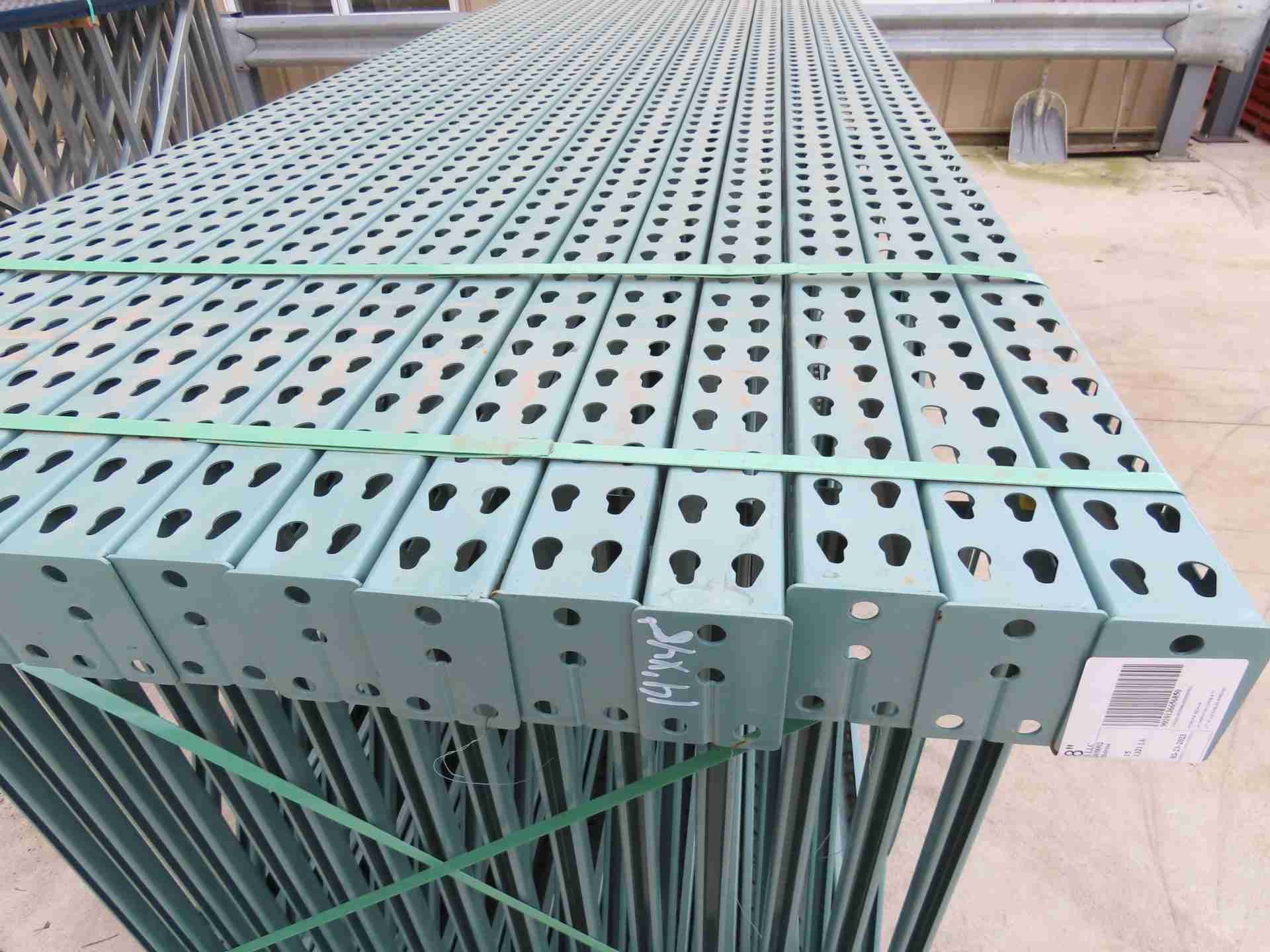
How Does Pallet Racking Improve Warehouse Space Efficiency?
What Emotional Impact Does Clutter-Free Storage Have on Workers?
When workers step into a clutter-free space equipped with solid Pallet Racking, it’s more than just an organizational upgrade—it hits deeper than most folks realize. There’s a calm that settles in when everything has its place, and you don’t have to root around like you’re digging for treasure every single day. That kind of order isn’t just easier on the eyes; it settles down the noise in your head. The daily grind gets a little less grinding when tools and materials are easy to find and out of the way.
Emotionally, clutter-free storage offers a sense of respect—both for the worker and the work itself. It’s hard to take pride in a workspace when the floor’s a mess or the shelves are jam-packed with chaos. But when Pallet Racking holds everything steady and tidy, workers feel seen. Their time isn’t wasted. Their effort is valued. That respect builds trust in the system and confidence in their own work. Over time, that trust softens the stress that piles up when chaos rules the day.
On a gut level, order keeps people safer and less worn out. Nobody wants to trip over a stray box or sift through a mountain of scrap trying to find the right part. A cluttered workspace doesn’t just slow things down; it wears you down, physically and mentally. Pallet Racking isn’t just about neatness; it’s about protecting backs, saving knees from needless bends, and cutting down on mistakes that come from rushed or frustrated work.
There’s also something ethical about providing a clean, organized environment. It says the company respects its people enough to invest in their well-being. Nobody wants to work in a pigsty—that’s a matter of dignity. When management commits to clutter-free spaces, it’s management saying, “You’re worth it.” That sense of fairness and care doesn’t just sit on paper; it trickles into how folks show up every day and stick around for the long haul.
When done right, clutter-free storage with Pallet Racking changes the whole rhythm of a workplace. It’s a quiet partner in productivity and morale, making room for focus, reducing frustration, and turning hard days into manageable ones. That’s power you can feel in your bones. It’s practical, it’s real—and it makes all the difference.

What Emotional Impact Does Clutter-Free Storage Have on Workers?
What Emotional Impact Does Clutter-Free Storage Have on Workers?
- Clutter-free spaces with Pallet Racking create a calming environment where everything has its place, reducing daily frustration.
- Organized storage offers emotional benefits by fostering respect for workers and their efforts, building trust and confidence.
- Orderly workplaces enhance safety and reduce physical strain by preventing accidents and minimizing unnecessary movements.
- Clutter-free environments demonstrate management’s respect and care for employee well-being, promoting dignity at work.
- Investment in clean, organized spaces reflects fairness and encourages employee retention and commitment.
- Pallet Racking supports productivity and morale by reducing frustration and enabling better focus throughout the workday.
- Overall, organized storage transforms workplace rhythm, making workdays more manageable and less stressful.

What Emotional Impact Does Clutter-Free Storage Have on Workers?
How Do Distribution Hubs Decide on the Best Pallet Racking System?
When a distribution hub sets out to pick the best pallet racking system, it’s not just about stacking boxes and making things look neat. It’s about making the whole operation hum smoothly, day in and day out, knowing that every pallet counts. You see, the folks running these hubs know their business by heart—they’ve been around enough corners to understand that the right pallet racking isn’t just metal on metal; it’s the backbone of reliability.
They start with the cold, hard facts. What kind of products are moving through here? Are pallets heavy or light? Bulky or fragile? These questions cut straight to the bone because choosing a system that can handle the load without bending under pressure means fewer headaches from damaged goods and less wasted time fixing mistakes. It’s a puzzle that demands a rational approach—figuring out the density of storage needed, the height of ceilings, the width of aisles, and everything in between. You can’t just slap in some racks and call it a day.
But there’s a bigger picture, too. These hubs are about people—drivers, warehouse workers, managers—everyone who counts on a safe setup. Selecting pallet racking is an ethical decision, too. It’s about making sure everyone goes home in one piece after a hard day’s work. Safety rails, sturdy materials, well-planned layouts—they aren’t just boxes checked off a list, they’re a promise kept.
Years of hands-on experience teach the folks in charge that the best pallet racking systems are flexible. Tomorrow’s needs might look different from today’s, and a system that can adapt is like having a friend you can trust in the trenches. This approach earns respect across the board; when workers see management investing in smart, reliable storage solutions, it builds morale and trust that the company values them.
Stories from warehouses where a wrong choice meant pileups, delays, and frustration aren’t just cautionary tales—they’re lessons. So the best pallet racking decisions come with a dose of humility and common sense. This isn’t rocket science—it’s about listening to the ground-level folks, weighing the practical realities, and doing what’s right for the whole team.
The pallet racking system that wins the nod is the one that stands tall, keeps the flow moving, and sends a quiet message to everyone: you’re in good hands. And in this business, that’s as good as gold.
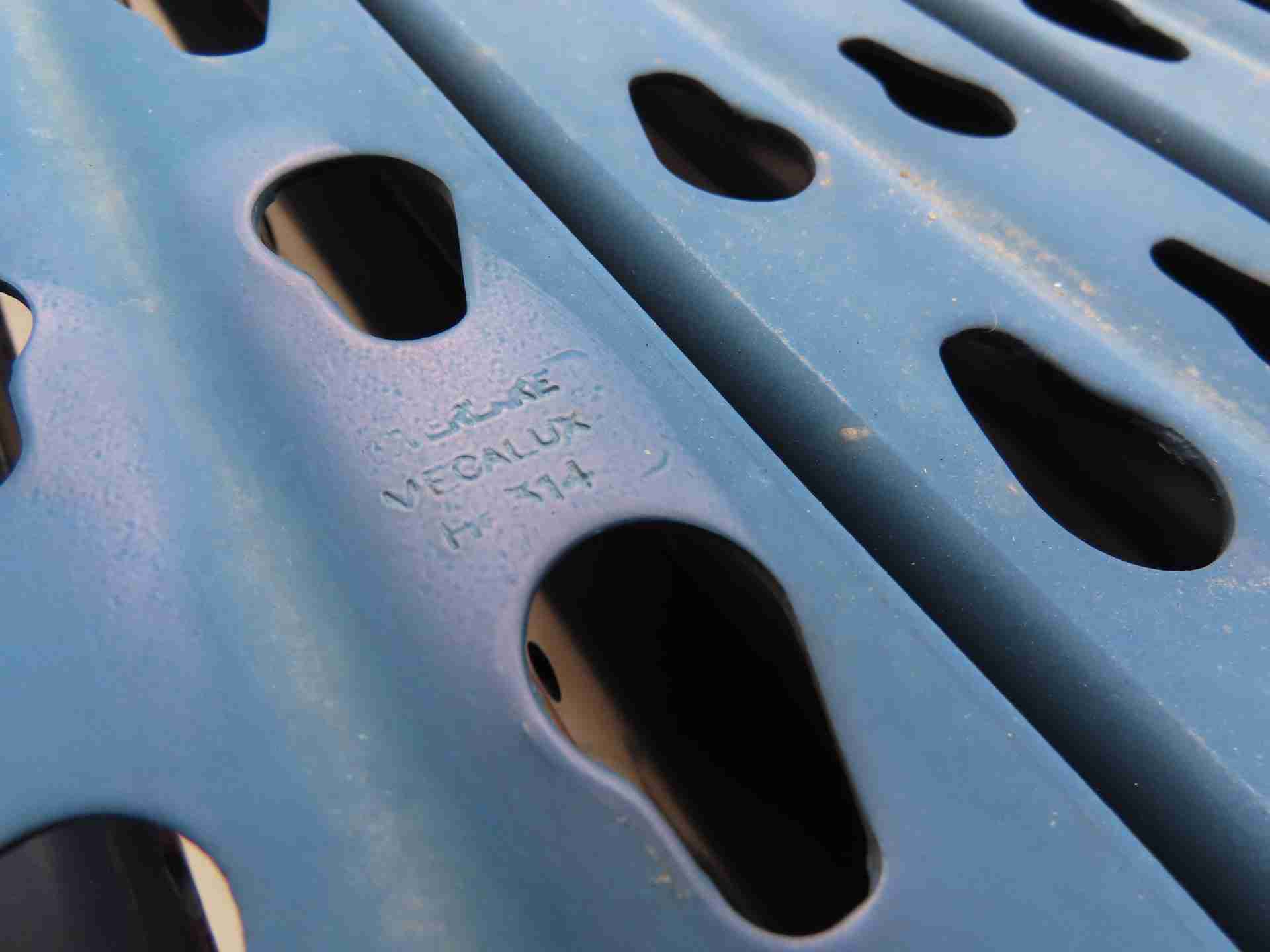
How Do Distribution Hubs Decide on the Best Pallet Racking System?
How Do Distribution Hubs Decide on the Best Pallet Racking System?
- Choosing the best pallet racking system is crucial for smooth, reliable warehouse operations where every pallet matters.
- Decision-making starts with assessing product types, pallet weight, size, and fragility to ensure the system handles loads without damage.
- A rational approach considers storage density, ceiling height, aisle width, and other spatial factors rather than just installing racks arbitrarily.
- Safety is a key ethical consideration, focusing on protecting all workers through sturdy materials, safety rails, and thoughtful layouts.
- Flexible systems that adapt to future needs build trust and morale by showing management’s commitment to smart, reliable solutions.
- Learning from past mistakes prevents delays and frustration, emphasizing humility, common sense, and input from ground-level workers.
- The ideal pallet racking system ensures steady workflow, reliability, and reassurance to everyone involved in the operation.
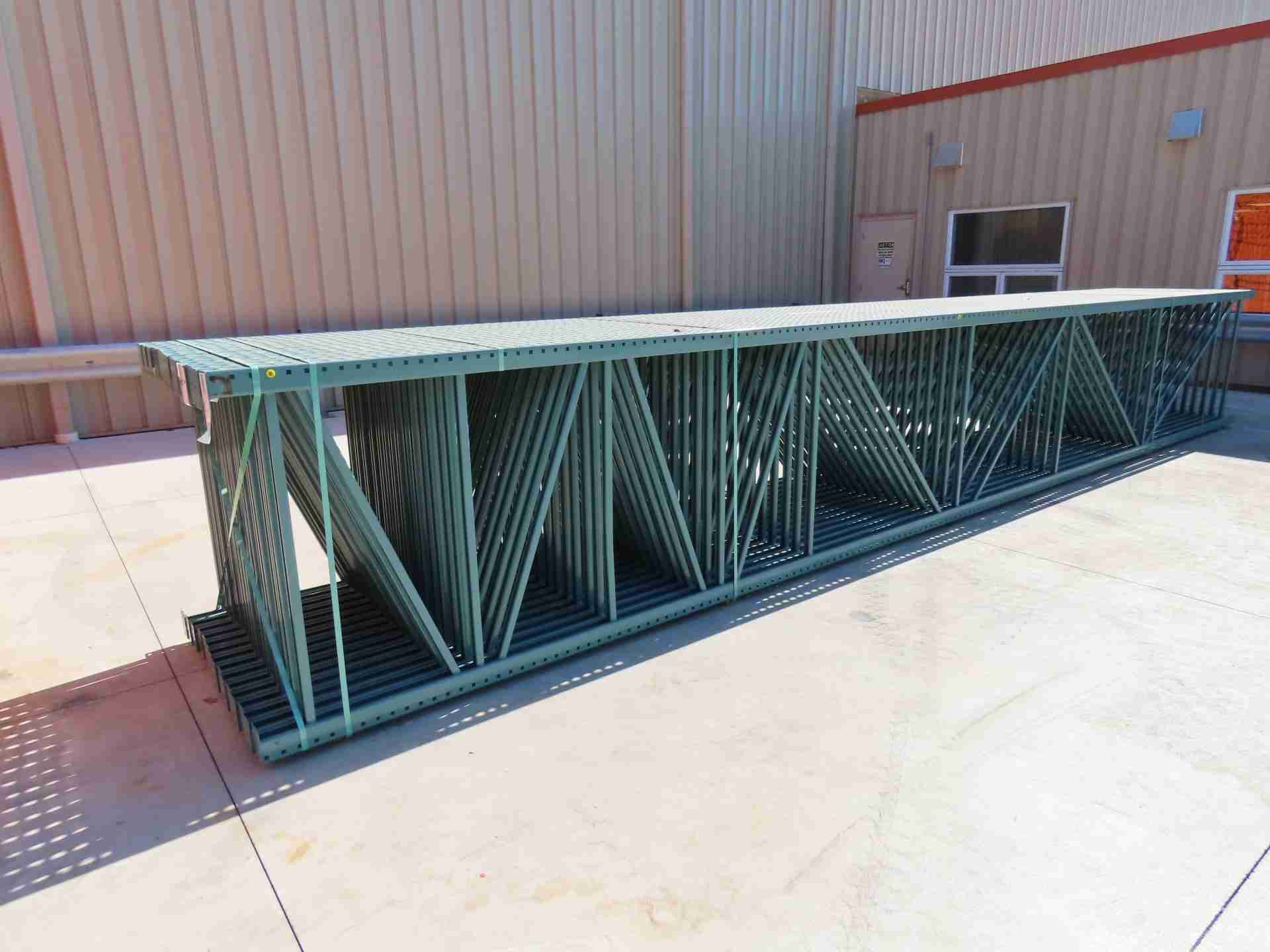
How Do Distribution Hubs Decide on the Best Pallet Racking System?
Why Is Safety a Critical Factor In Choosing Pallet Racking?
When it comes to picking pallet racking, safety isn’t just another checkbox on some long list—it’s the lifeline holding the whole operation together. You might think racks are just steel shelves, but they’re the backbone that keeps everything from falling like a house of cards, keeping folks on their feet and products intact. You don’t want your warehouse turning into a maze of hazards, with every wrong move risking a spill, a fall, or worse. That’s not just theory — it’s about the person next to you, the team counting on the gear, and the business depending on steady, reliable flow.
Look, every box on those racks tells a story, each piece stacked with sweat and know-how. When those racks buckle or bend, it’s not just metal giving way, it’s months of work, payroll, and trust hanging in the balance. Choosing the right pallet racking means thinking ahead, weighing strength and stability over quick fixes or cheap copies. It’s about having the confidence that what’s holding your load can take the weight day in and day out, through the rush and the quiet, so you’re never caught off guard.
The ethics of good pallet racking run deeper than just rules and regulations. It’s about responsibility to the folks on the floor who load and unload every day, knowing they can count on solid gear. It’s about honoring the hard work everyone puts in, by giving them safe tools that respect their effort and protect their well-being. Skimping on this is like tossing common sense out the window—it’s not just careless, it’s downright reckless.
Hard-earned expertise shows that respecting safety upfront saves you from headaches, lost time, and those moments of “what if” that nobody wants creeping in after a close call. When you pick pallet racking built for the job, you’re not only following best practices—you’re setting a standard. A standard everyone sees, feels, and lives by. That sense of trust, it’s earned, built one strong beam and secure bolt at a time, the kind that keeps the team whole and moving forward without fear breathing down their necks.
Safety in pallet racking isn’t negotiable—it’s the smart, steady choice that protects people, business, and pride. It’s about standing behind what you put in place, knowing it won’t let you down when it counts. That’s the kind of assurance that turns a simple decision into something you can bet your day on.
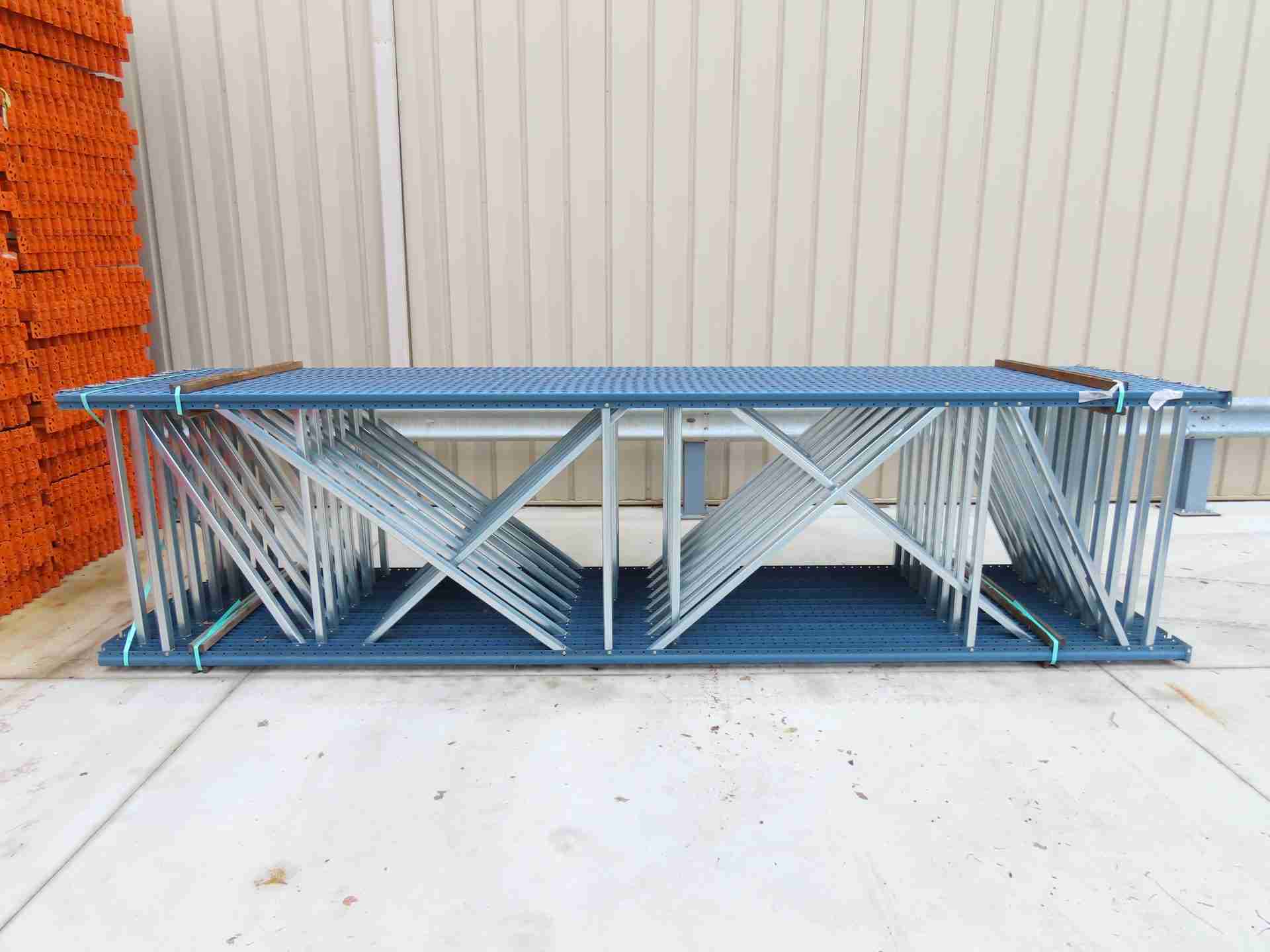
Why Is Safety a Critical Factor In Choosing Pallet Racking?
Why Is Safety a Critical Factor In Choosing Pallet Racking?
- Safety in pallet racking is essential, serving as the foundation that prevents accidents and maintains operational integrity.
- Pallet racks are critical structures that protect both people and products from falls and hazards in the warehouse environment.
- Choosing the right pallet racking involves prioritizing strength and stability over quick fixes or low-cost alternatives.
- Good pallet racking reflects a responsibility to workers who rely on safe and durable equipment daily.
- Skimping on pallet racking safety is reckless and disregards the hard work and well-being of the workforce.
- Investing in safe pallet racking reduces risks, lost time, and potential close calls, setting a reliable safety standard.
- Safety in pallet racking is non-negotiable, providing assurance that protects people, business continuity, and organizational pride.

Why Is Safety a Critical Factor In Choosing Pallet Racking?
How Can Pallet Racking Reduce Operational Costs In Hubs?
Look, every warehouse or hub out there wrestles with the same beast: making space work without tearing your hair out or draining your wallet. Pallet racking isn’t just a fancy term tossed around by sales reps; it’s the backbone of keeping things moving smooth and costs down. When you stack your goods smartly on pallet racking, you’re not just saving floor space—you’re cutting down on the chaos that slows everyone down and pumps up expenses.
Think about the time wasted hunting for a misplaced box or the headache of shuffling pallets around because you ran out of room. Pallet racking turns that mess into order. It’s like setting up your shop with tools exactly where you need them, so you’re not pacing back and forth or asking folks to double-handle stock. Less time lost means fewer overtime hours, fewer errors, and less wear and tear on your gear—all adding up to real money saved.
From an ethical standpoint, investing in quality pallet racking shows you care about your crew’s safety and well-being. Nobody wants to work in a cluttered pit where pallets topple like dominoes. When people see you’ve respected their workspace with solid, reliable pallet racking, morale picks up, and that’s not just touchy-feely stuff—it translates into better teamwork and fewer accidents, which costs nobody anything good.
More than just numbers, it’s about pride and trust. When a hub operates like a well-oiled machine, with pallet racking making every inch count, everyone knows the business takes its job seriously. That sense of reliability spreads to customers, suppliers, and your team alike. You’re not just stacking pallets; you’re stacking confidence.
I’ve seen hubs transform from cluttered nightmares into clean, efficient spaces just by embracing the humble pallet racking. It’s about working smarter, not harder. The upfront cost might look like a pinch, but the payoff is a hub that hums along, controlled, confident, and cutting losses where it counts. When you get pallet racking right, you’re telling everyone involved: we respect what we do, and we’re not wasting a single inch or dime. That’s the kind of pride every blue-collar crew knows is worth its weight in steel.
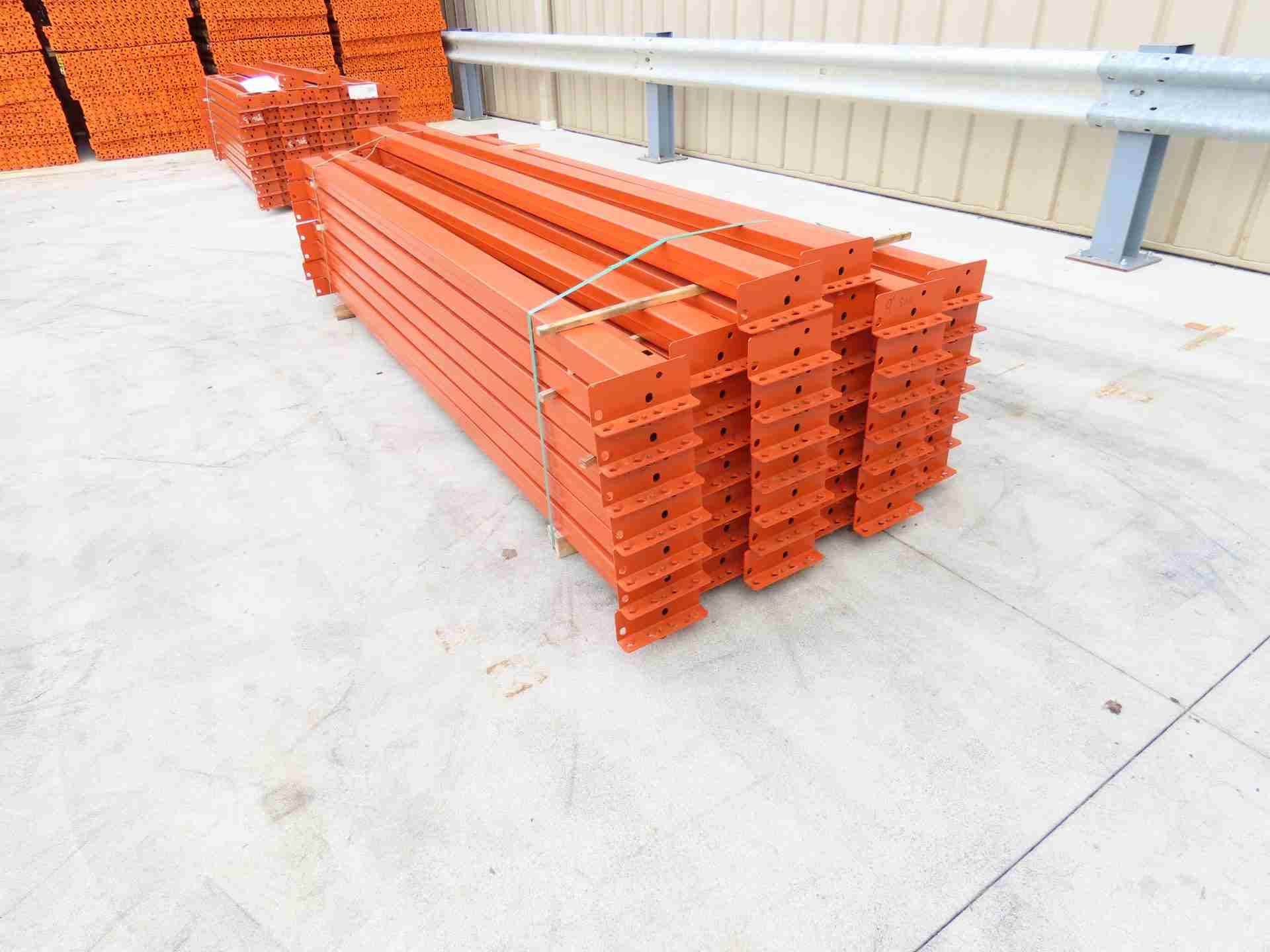
How Can Pallet Racking Reduce Operational Costs In Hubs?
How Can Pallet Racking Reduce Operational Costs In Hubs?
- Pallet racking is essential for efficient warehouse or hub space management, reducing chaos and controlling costs.
- Smart stacking on pallet racking saves floor space and minimizes time wasted searching for misplaced items or rearranging stock.
- Efficient racking reduces overtime, errors, and equipment wear, leading to significant cost savings.
- Investing in quality pallet racking demonstrates care for worker safety, boosting morale and reducing accidents.
- Well-organized warehouses foster pride and trust, enhancing teamwork and confidence among employees, customers, and suppliers.
- Pallet racking transforms cluttered spaces into clean, efficient operations by enabling smarter work, not harder work.
- Although initially costly, pallet racking pays off by optimizing space, cutting losses, and supporting a respectful, productive work environment.

How Can Pallet Racking Reduce Operational Costs In Hubs?
What Role Does Technology Play In Modern Pallet Racking Systems?
When you step into a warehouse these days, the old image of piles of crates stacked haphazardly is fading fast. Pallet racking systems have grown smarter, tougher, and more efficient—thanks to technology. It’s not just about metal beams and bolts anymore; it’s about harnessing tools that turn clutter into order and chaos into calm.
Technology in pallet racking isn’t some fancy, untouchable magic—it’s the practical lifeline for businesses that want to get stuff done right, and get it done fast. Imagine tracking every single pallet’s exact spot without wasting a minute or risking a costly mistake. With barcodes, RFID tags, and warehouse management software syncing up, operators stop guessing and start knowing. This precision doesn’t just save time; it saves nerves and hard-earned dollars. That’s common sense hard at work, making lives easier and profits leaner.
But it goes beyond spreadsheets and scanners. Automated retrieval systems and smart forklifts link directly to racking layouts, cutting down human error and wear and tear. Picture a well-oiled machine where every move counts, where the equipment anticipates needs rather than reacting late. This kind of coordination not only boosts productivity but protects workers—a nod to ethics rooted in respecting the folks who keep the wheels turning day in and day out.
There’s a dignity in doing the job well and safely, something technology backs up without stealing the soul of good, honest work. It’s a partnership, not a replacement. The warehouse team remains the backbone, and technology the muscle that makes them stronger. When combined thoughtfully, the results are reliable results—stacks of pallets stored efficiently, accessible without hassle, and with a footprint that tells you the whole operation respects space and time alike.
At the end of the day, embracing technology in pallet racking systems feels a bit like joining a legacy of problem-solvers who’ve always looked for better ways. It’s about pride in what you build and how you build it. Trust comes from knowing you’re not just throwing parts together, but crafting a system that works hard, lasts long, and treats the workforce right. When technology plays its role well, the whole warehouse breathes a little easier, and so do the people behind it.

What Role Does Technology Play In Modern Pallet Racking Systems?
What Role Does Technology Play In Modern Pallet Racking Systems?
- Pallet racking systems have evolved from simple metal structures to smart, efficient tools that organize warehouse spaces effectively.
- Technology like barcodes, RFID tags, and warehouse management software enables precise tracking of pallet locations, reducing errors and saving time and money.
- Automated retrieval systems and smart forklifts integrate with racking layouts to minimize human error, equipment wear, and enhance productivity.
- Technological advancements promote worker safety by anticipating needs and reducing physical strain.
- Technology supports, rather than replaces, warehouse teams, strengthening their efficiency and maintaining the dignity of skilled labor.
- Modern systems optimize space and time, ensuring pallets are stored efficiently and easily accessible.
- Embracing technology continues a tradition of innovation focused on building durable, reliable, and respectful warehouse operations.
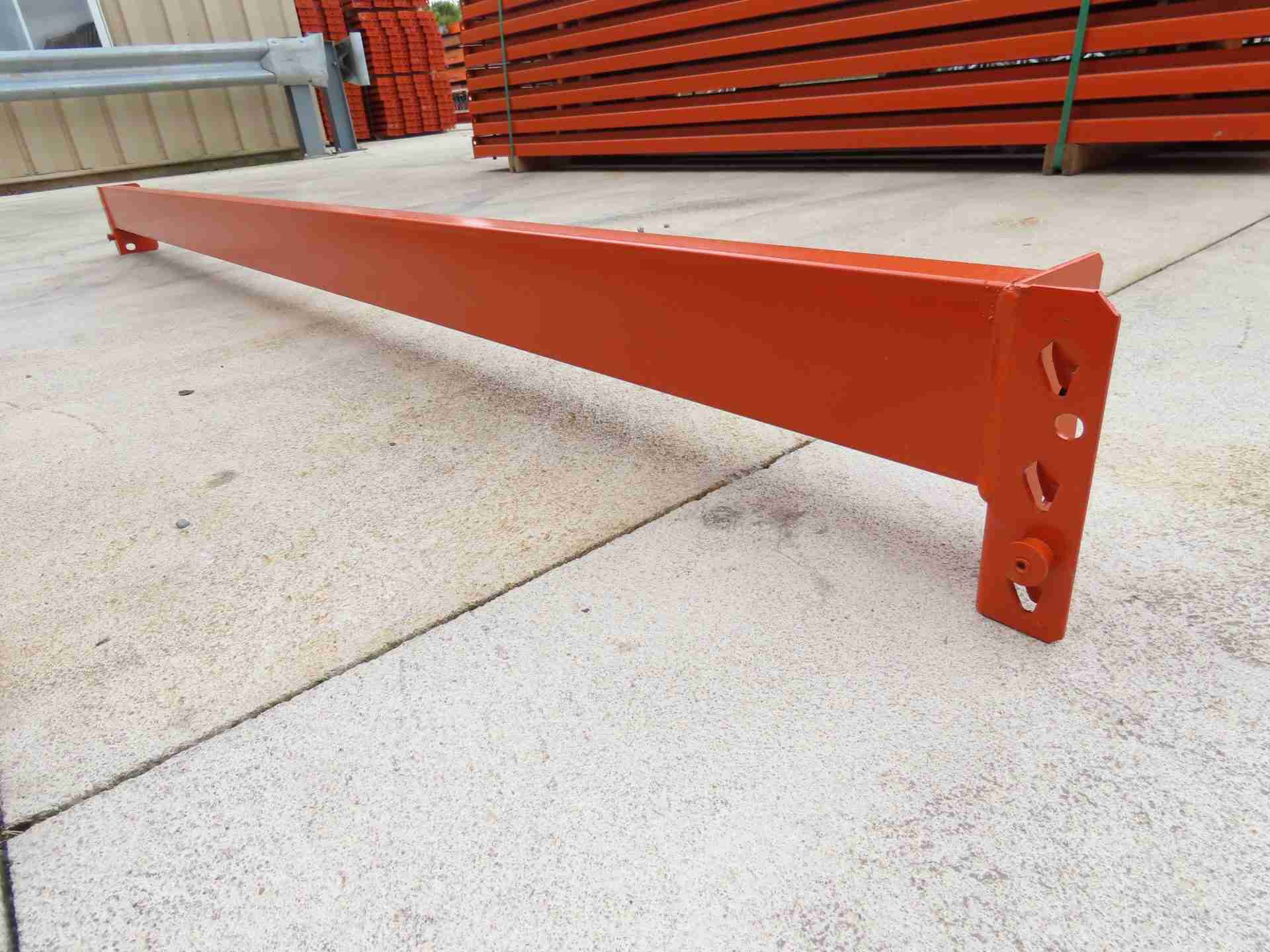
What Role Does Technology Play In Modern Pallet Racking Systems?
Conclusion
Regional distribution hubs run on pallet racking systems—the unsung heroes of the warehouse world. These sturdy steel frameworks aren’t just about stacking goods; they’re the backbone that keeps things moving sharp and steady. When you see a hub humming along, every pallet slid into its place tells a story of common sense, hard work, and respect for the people and products involved. It’s not just about saving space, though that’s a big part of it; it’s about making sure everything is in the right spot so teams can grab what they need without wasting a second.
A well-designed pallet racking setup means safer floors and clearer aisles, cutting down the risks of accidents from toppling boxes or cluttered walkways. That safety isn’t just a rule to tick off; it’s an ethical promise. Investing in strong racks shows you value the folks doing the heavy lifting day in and day out—you’re saying their well-being matters. That respect flows back into the work, building trust and pride in the job that’s hard to fake. When workers know their workplace isn’t a mess but a well-oiled machine, it lightens the mental load. There’s a quiet dignity in walking into organized aisles where everything has its place, and that calm drives morale in a way money can’t buy.
From a practical view, pallet racking lets hubs bend and flex with the seasons and shifting order volumes without tearing down walls or throwing money at new buildings. You tweak, rearrange, and add tiers where needed—smart moves drawn from hands-on experience, not guesswork. This flexibility saves cash by slicing wasted time, reducing inventory damage, and keeping operations lean. Beyond the bottom line, it also means less environmental waste—not paving over acres for storage, but doing more with less space and energy. That’s a win that feels good on every level.
Technology has joined the cause, turning old-school racks into high-tech allies. Barcodes, RFID tags, and smart systems cut down on missed pallets and missteps, letting crews work smarter without losing the honest grit that comes from hard labor. Automated retrieval and smart forklifts weave safety and speed into every move, protecting workers while cranking up productivity. It’s not about replacing the crew; it’s about strengthening their game with tools that respect their craft and keep the whole operation humming.
Choosing the right pallet racking system isn’t a slapdash purchase—it’s a thoughtful balance of load needs, safety, and future-proofing. It demands listening to those on the ground who know the grit behind the products and people. A poor choice isn’t just inconvenient; it can mean injuries, delays, and frustration that ripple through the whole crew. But the right system stands tall, a solid promise that the work will go right, the goods will stay put, and people will head home safe at the end of the day.
At heart, pallet racking is the grunt work hero—quiet, steady, and indispensable. It’s about making tough jobs easier, safer, and smarter with nothing fancier than steel beams and a good plan. When a hub respects this humble backbone, it respects the people behind it, the goods it stores, and the promise it keeps to customers. That’s the kind of raw, no-nonsense efficiency that builds trust, pride, and results you can bet your day on.
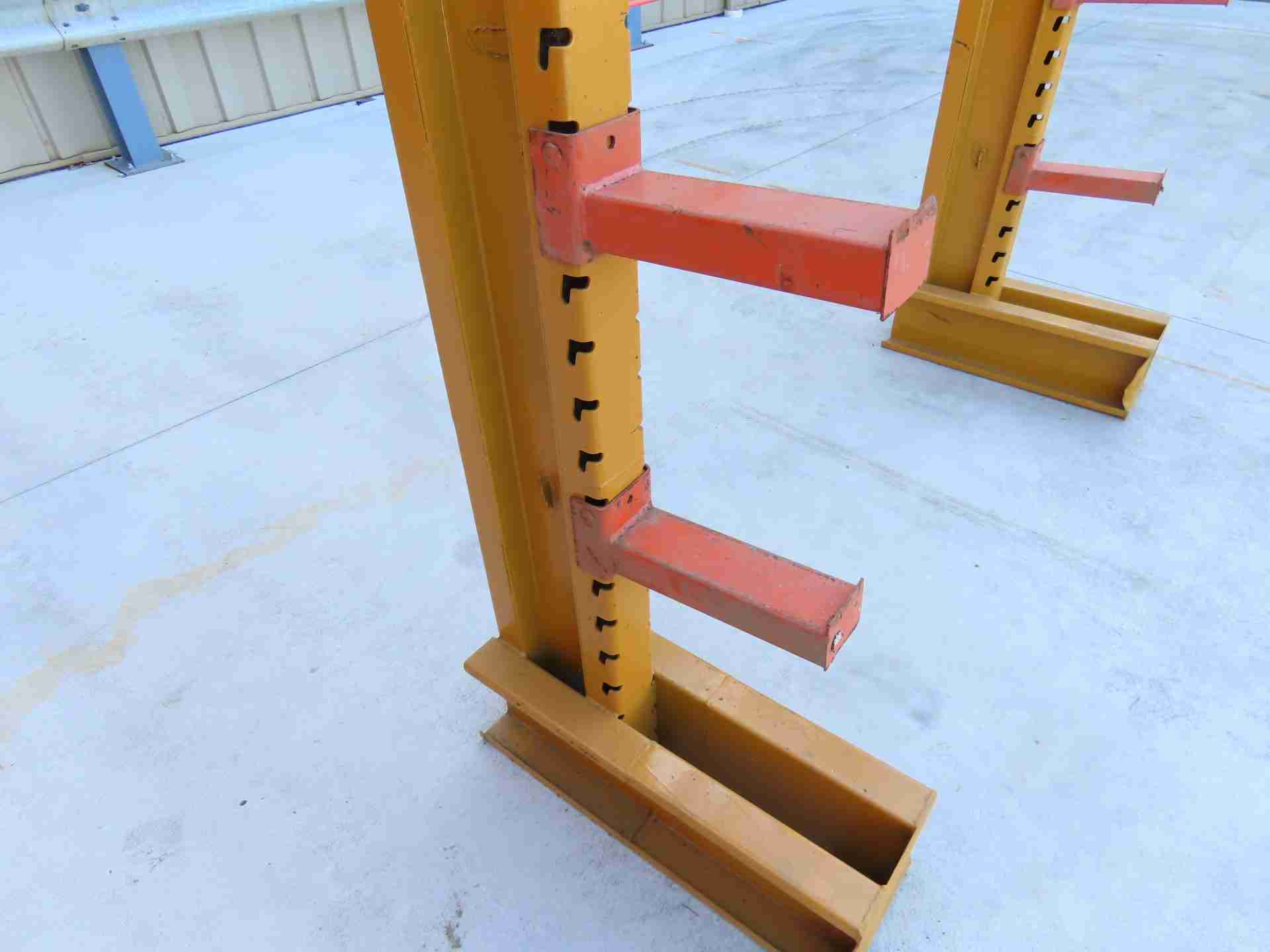
Conclusion
Conclusion:
- Pallet racking systems form the essential steel framework of regional distribution hubs, organizing goods efficiently and supporting smooth operations.
- Well-designed racking setups enhance safety by preventing accidents and promoting clear, clutter-free aisles, reflecting respect for workers’ well-being.
- These systems offer flexibility to adapt to seasonal changes and varying order volumes without costly structural changes, optimizing space and reducing waste.
- Integrating technology like barcodes, RFID, and automated equipment improves accuracy, safety, and productivity while supporting the workforce’s efforts.
- Selecting the appropriate pallet racking requires careful consideration of load capacity, safety, and operational needs to avoid disruptions and injuries.
- Pallet racks serve as reliable, straightforward tools that make warehouse work easier and more efficient through strong, simple steel design and planning.
- Respecting and investing in pallet racking systems demonstrates commitment to workers, goods, and customer promises, fostering trust and pride.

Conclusion
Other Resources
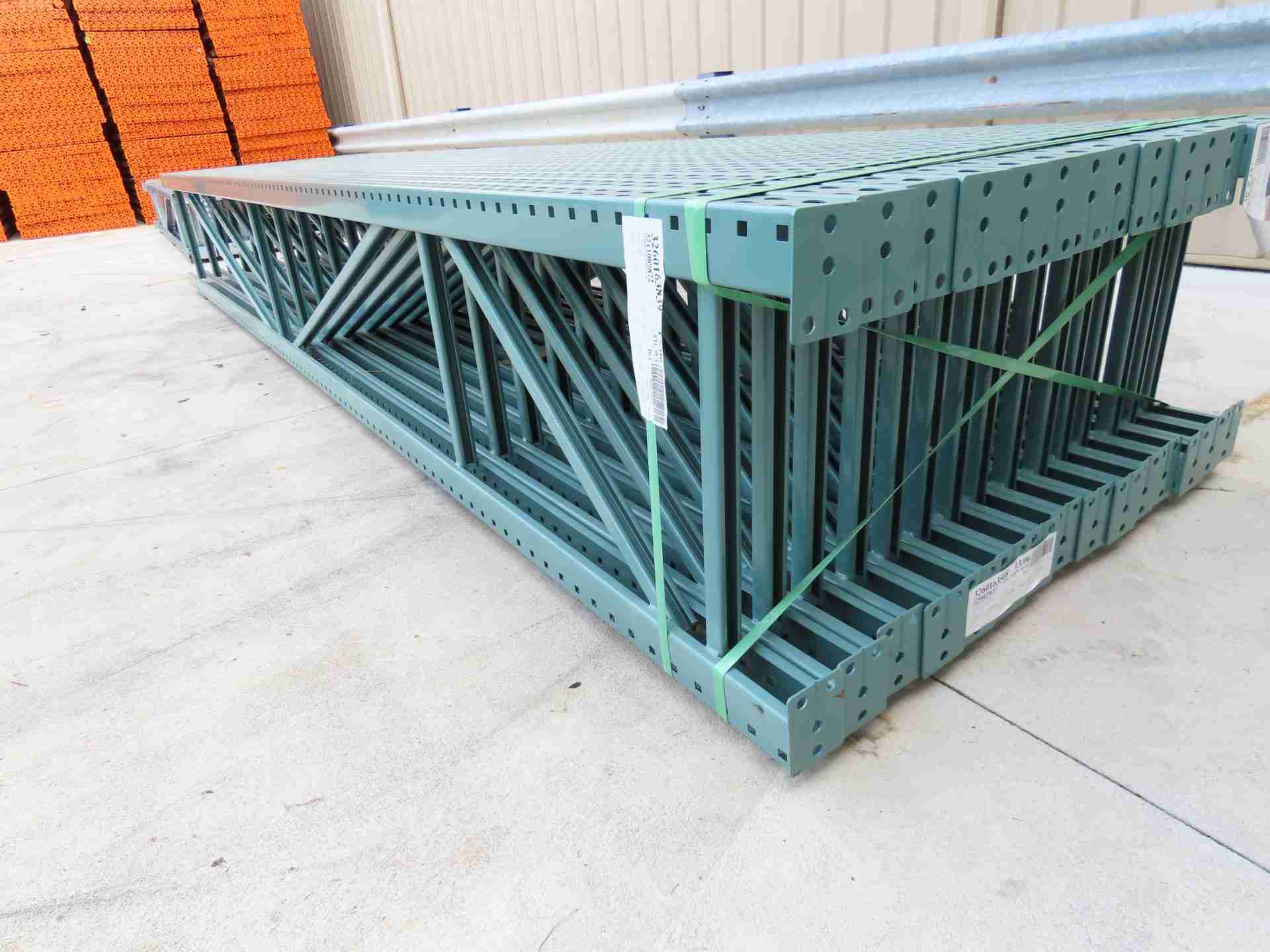
Other Resources
Here is a list of other resources you can review online to learn more:
- Chicago Pallet Racking
- Shipping Boxes, Packaging Materials, Pallet Racking
- Selective Racking
- Bradford Systems
- Warehouse Storage Racks
- ASSP
- Logic Material Handling
- Wolter
- American Surplus
- Interlake
- The Complete Pallet Rack Guide – Simply Rack
- Interlake Mecalux
- Cantilever Racking Specialists – Get the Right Racks
- NSC
- Used Teardrop Pallet Rack – American Surplus
- Iowa Illinois Warehouse Racking
- MHI
- RMI
- Racking World
- Mustang Material Handling
Use This Prompt To Get More Resources With Your Favorite Online AI Tool: Please provide me with a list of online articles with their URLs in a bulleted list that I can read regarding How Do Regional Distribution Hubs Leverage Pallet Racking?
Other Resources
Glossary Terms
How Do Regional Distribution Hubs Leverage Pallet Racking? – Glossary Of Terms
1. Pallet Racking: A storage system designed to hold materials on pallets in horizontal rows with multiple levels.
2. Regional Distribution Hub: A centralized warehouse area serving a specific geographic region for storage and distribution.
3. Inventory Management: The process of ordering, storing, and using a company’s inventory efficiently within a hub.
4. Space Optimization: Maximizing storage capacity within a distribution hub through effective pallet racking layout.
5. Load Capacity: The maximum weight a pallet rack can safely support.
6. SKU (Stock Keeping Unit): A unique identifier for each distinct product stored in the warehouse.
7. Accessibility: The ease of reaching pallets stored on racks for order picking or replenishment.
8. Vertical Storage: Utilizing height in pallet racking systems to increase storage density.
9. Forklift Compatibility: Designing racking systems that accommodate forklift operations for loading and unloading.
10. Warehouse Layout: The arrangement of racks, aisles, and equipment to facilitate efficient material flow.
11. Order Fulfillment: The process of picking, packing, and shipping customer orders from a hub.
12. Just-In-Time (JIT) Delivery: Inventory system minimizing stock by receiving goods only as needed.
13. Cross-Docking: Transferring pallets directly from inbound to outbound transportation within the hub.
14. Pallet Flow Racking: A high-density storage system that uses gravity rollers to move pallets.
15. Selective Racking: A pallet rack design that allows direct access to each pallet location.
16. Drive-In Racking: High-density system where forklifts enter racks to place or retrieve pallets.
17. Load Beam: Horizontal support in pallet racking that holds pallets.
18. Upright Frame: Vertical support structure in pallet racking.
19. Aisle Width: The space between racks allowing equipment movement.
20. Picking Efficiency: Speed and accuracy of retrieving items from racking.
21. Material Handling Equipment: Tools such as forklifts used to move pallets within the hub.
22. Safety Barriers: Protective devices preventing damage to pallet racks.
23. Rack Configuration: The specific arrangement of racking systems based on operational needs.
24. Pallet Standardization: Using uniform pallet sizes to enhance racking efficiency.
25. Load Stability: Ensuring pallets are secured and stable on racks.
26. Warehouse Throughput: The volume of goods processed through a hub in a given time.
27. Cold Storage Compatibility: Designing pallet racks suited for refrigerated hubs.
28. Automated Storage and Retrieval System (AS/RS): Technology integrated with pallet racks for automated handling.
29. Cycle Count: Periodic inventory checks facilitated by organized racking systems.
30. Load Distribution: Even spreading of pallet weight across rack beams to prevent collapse.
Glossary Of Terms
Other Questions
How Do Regional Distribution Hubs Leverage Pallet Racking? – Other Questions
If you wish to explore and discover more, consider looking for answers to these questions:
- What types of pallet racking systems are available (selective, drive‑in, push‑back, pallet flow, cantilever, mezzanine) and which fits my operation?
- How do I calculate the right rack load capacity and safety factor for my products?
- What is the typical cost range for different pallet racking systems and installations?
- What is the expected ROI and payback period after installing pallet racking?
- How long does installation usually take and what operational downtime should I expect?
- What are the ongoing maintenance and inspection requirements for pallet racking?
- Which industry standards and regulations apply (OSHA, EN 15635, local codes) and how do I comply?
- How do I determine optimal aisle widths and layout for forklifts and automation?
- How does pallet racking integrate with warehouse management systems (WMS), barcoding, RFID and automation?
- What considerations are there for cold storage, humidity‑controlled, or hazardous materials environments?
- How do seismic, wind, or other structural concerns affect rack design and anchoring?
- What safety accessories and protections are recommended (column guards, row spacers, netting, pallet stops)?
- How often should racks be inspected, who should perform inspections, and what are common signs of damage?
- What training is required for staff to operate safely around pallet racking and forklifts?
- How do pallet dimensions and pallet types (e.g., EUR vs. US pallets) affect racking choices?
- Can I retrofit existing warehouse space with new racking or add mezzanines and multi‑tier systems?
- How does pallet racking support different picking strategies (single‑order, batch, zone, wave) and order profiles?
- What are the best practices for inventory organization and slotting on pallet racking?
- How does the choice of racking impact throughput, labor costs, and error rates quantitatively?
- What are the typical warranties, service contracts, and after‑sales support offered by racking suppliers?
- How are damage costs and accident rates reduced by specific racking choices or protective measures?
- What common mistakes should be avoided when specifying, installing, or using pallet racking?
- How do I select and vet racking suppliers and installers—what questions should I ask?
- What permitting or local authority approvals are required before installing heavy racking?
- How compatible are different racking systems with automated storage and retrieval systems (AS/RS) and robotics?
- What are the lifecycle and expected service life of pallet racking, and when should I plan replacement?
- How can racking choices support sustainability goals (recycled steel, modular reuse, reduced footprint)?
- Are there case studies or benchmarks showing performance improvements after implementing specific racking solutions?
Other Questions
Checklist
How Do Regional Distribution Hubs Leverage Pallet Racking? – A Checklist
Space & Layout Efficiency
✅______ Vertical space mapped and utilized to safe, code-compliant height
✅______ Aisle widths matched to equipment turning radius and traffic patterns
✅______ Clear flue spaces maintained (longitudinal and transverse)
✅______ Slotting strategy defined (FIFO or LIFO) by SKU velocity and handling needs
✅______ Fast movers placed at optimal pick heights and closest travel paths
✅______ Clear, accurate location labels and signage in place and visible
✅______ Congestion points identified and mitigated (staging, docks, end-of-aisles)
✅______ Staging zones marked and separated from active travel lanes
Safety & Compliance
✅______ Load ratings posted on every rack bay and match engineering specifications
✅______ Racks anchored, plumb, and level; no bent frames, beams, or base plates
✅______ End-of-aisle and rack protection (guard rails and column protectors) installed
✅______ Pallet quality standards in place; damaged pallets removed from service
✅______ Clearances maintained for sprinklers, egress, and fire code requirements
✅______ Seismic and bracing requirements verified for local code and building
✅______ Daily and weekly visual inspections documented; deficiencies corrected promptly
✅______ Certified training for lift operators on rack interaction and safe load handling
System Selection & Scalability
✅______ SKU profile analyzed (size, weight, velocity, and fragility) to match rack type
✅______ Mix of rack types evaluated (selective, drive-in, push-back, pallet flow)
✅______ Beam levels adjustable without major reconfiguration
✅______ Design supports seasonal peaks and easy reslotting
✅______ Future expansion pathways identified (additional bays, tiers, or aisles)
✅______ Compatibility checked with current and planned MHE (forklifts and AGVs)
Operations & Cost Control
✅______ Double handling reduced through direct putaway and optimized pick paths
✅______ Travel time measured and minimized with layout adjustments
✅______ Damage and loss tracked; root causes tied to locations and equipment
✅______ Overtime linked to layout constraints; corrective actions planned
✅______ Energy use considered (shorter travel and optimized lighting and HVAC zones)
✅______ Cross-docking and fast lanes defined where applicable
Team, Culture & Housekeeping
✅______ 5S standards implemented (sort, set in order, shine, standardize, sustain)
✅______ Housekeeping schedule enforced (no pallets in aisles, clear fire exits)
✅______ Floor team consulted on layout changes and pain points
✅______ Visual maps and SOPs posted for putaway, picking, and replenishment
✅______ Onboarding includes rack safety, load placement, and damage reporting
✅______ Feedback loop established for continuous improvement
Technology Integration
✅______ Locations and SKUs barcoded; scanning enforced at putaway, pick, and ship
✅______ WMS configured with precise location master and slotting logic
✅______ RFID or real-time location tracking evaluated for high-velocity zones
✅______ Cycle counting program linked to locations and rack bays
✅______ Equipment telematics and smart forklifts integrated with WMS where possible
✅______ AS/RS or shuttle systems assessed for dense or repetitive storage needs
✅______ Dashboards monitor accuracy, pick rates, dwell times, and exceptions
Maintenance & Support
✅______ Preventive maintenance calendar for racks and anchors in place
✅______ Annual professional rack inspection scheduled and documented
✅______ Spare components (beams, safety pins, protectors) stocked
✅______ Incident reporting process captures near-misses and corrective actions
✅______ Vendor or installer provides as-builts, certifications, and warranties
✅______ Change control process for rack moves, additions, or structural changes
Quick Metrics to Track
✅______ Cubic utilization (target __% and current __%)
✅______ Dock-to-stock time (target __ and current __)
✅______ Order pick rate (target __ lines/hr and current __)
✅______ Inventory accuracy (target __% and current __%)
✅______ Rack-related damage incidents per month (target __ and current __)
✅______ Lost-time safety incidents (target __ and current __)
Go-Live and Readiness Gate
✅______ All signage, labels, and load charts installed
✅______ Safety walk completed and signed off
✅______ WMS locations validated end-to-end
✅______ Training completed for all affected roles
✅______ Pilot run executed; issues logged and resolved
✅______ Contingency plans in place for peak periods and exceptions

Checklist
At RackingWorld, we help guide you through selecting warehouse storage systems and racking.
Be sure to read our other related stories at RackingWorld to learn more about warehouse storage systems.
0 Comments