
The Ultimate Guide To Selecting The Right Pallet Rack
By Tom Seest
At RackingWorld, we help guide you through selecting warehouse storage systems and racking.
Be sure to read our other related stories at RackingWorld to learn more about warehouse storage systems.
Roll-Formed Vs. Structural Pallet Racks: Which Should You Choose?
When it comes to choosing between roll-formed and structural pallet racks, it’s more than just about load capacity or design. This decision is about how you operate, how you care for your people, and how you invest in your future. Think of these racks as the backbone of your warehousing system. They’re the strength behind your productivity, the support that keeps everything running smoothly.
Roll-formed racks offer flexibility, allowing you to adapt to changing needs quickly. They’re perfect for businesses that see fluctuating inventory levels. Just imagine the peace of mind knowing you can rearrange things efficiently when demand spikes. However, that very flexibility can sometimes feel a bit fragile—like a trusty old pickup truck that’s great for getting you around town but might not handle the rough terrain of constant heavy lifting.
On the other hand, structural racks are the heavyweights of storage systems. Crafted from thicker steel, they’re designed to withstand the rigors of daily use and absorb the impacts that come from a bustling warehouse environment. Picture your employees working safely amidst durable racks, gaining confidence as they navigate aisles without worrying about what might happen if a pallet shifts. These racks can carry that extra load, offering a sense of security that transcends mere functionality. It’s a choice that speaks to the ethical responsibility we have to provide a safe working environment.
But let’s not forget the narrative here: every rack tells a story. Choose the roll-formed, and you’re creating a narrative of agility and adaptability—for the startup that’s hustling to make its mark. On the other hand, structural racks resonate with the established operation, embodying stability and strength. Which story do you want to tell about your business?
When you’re debating between these systems, think about longevity, potential growth, and, most importantly, the safety of your workers. Trust is built on competence; the right racking can showcase your commitment to the welfare of your teams, amplifying their performance, morale, and pride in the work they do.
Engage with your suppliers, listen to their expertise, and consider the long-term impact of your choice. Choosing the right racking isn’t just an operational decision—it’s a promise to your people and your company’s future. So, roll-form or structural? It’s not just an answer—it’s a choice that shapes your entire operation.

Roll-Formed Vs. Structural Pallet Racks: Which Should You Choose?
Roll-Formed Vs. Structural Pallet Racks: Which Should You Choose?
- Choosing between roll-formed and structural pallet racks involves more than load capacity; it reflects operational care and future investment.
- Roll-formed racks provide flexibility for businesses with fluctuating inventory levels, allowing quick adaptation to changes.
- Despite their flexibility, roll-formed racks can feel fragile under heavy lifting conditions.
- Structural racks, made from thicker steel, offer durability and are better suited for the demands of busy warehouse environments.
- Using structural racks enhances safety for employees, providing confidence while navigating warehouse aisles.
- The choice between these racks reflects the narrative of the business—agility for startups versus stability for established operations.
- Deciding on racking systems should involve consideration of longevity, growth potential, worker safety, and collaboration with suppliers.

Roll-Formed Vs. Structural Pallet Racks: Which Should You Choose?
Table Of Contents
- Roll-Formed Vs. Structural Pallet Racks: Which Should You Choose?
- What Emotional Impact Does the Choice Between Racks Have on Your Team?
- How Do the Durability and Strength Of Racks Affect Long-Term Costs?
- How Do Peer Opinions Shape Your Decision on Pallet Racks?
- What Long-Term Financial Impacts Should You Consider In Your Decision?
- How Does Choosing the Right Rack Contribute to Operational Success?
- Conclusion
- Other Resources
- Glossary Of Terms
- Other Questions
- Checklist
What Emotional Impact Does the Choice Between Racks Have on Your Team?
When your team faces the choice between racks, it’s not just a matter of logistics; it’s about the very soul of your operation. Picture this: a bustling workspace, filled with dedicated individuals who rely on stable, efficient systems to thrive. The decision to implement a new racking system can stir up emotions, challenge relationships, and ultimately redefine your team’s identity.
Look around you. Each team member has their own reasons for wanting a particular racking solution. Some might argue for a system that optimizes space; others may advocate for a design that fosters collaboration. Listen closely; those discussions aren’t just strategic—they’re heartfelt. Every time a team member raises their voice, they’re not just echoing numbers and facts; they’re expressing a vision for a shared future, one that reflects their values and aspirations.
This choice carries weight. Racking systems symbolize more than just physical structures; they represent trust, responsibility, and the ethical commitment to doing right by each other. When you evaluate options, consider what each choice reveals about your team culture. Are you prioritizing cost over capability? Or are you investing in a solution that raises the bar for everyone involved? This decision sends a message, loud and clear, about what you stand for as a unit.
And let’s not discount the authority these choices demand. Nothing disrupts morale faster than a poorly chosen racking system. It could lead to inefficiencies, frustrations, and ultimately, a breakdown of team spirit. It’s wise to engage experts or consult those who’ve faced similar dilemmas. Tap into their insights, their experiences, and, importantly, their successes. When we acknowledge the history of those before us, we build a foundation of trust that empowers our current choices.
Narratively, think about a time when members of your team felt demoralized by a disorganized space. Remember that collective sigh of discontent? Now, imagine replacing that with excitement, collaboration, and clear communication—all because of a thoughtful choice in racking. This isn’t merely about products; it’s about fostering a shared sense of purpose.
The choice isn’t just between racks—it symbolizes your values as colleagues and as a community. It shapes the environment you work in and impacts the legacy you leave behind. Make that choice count, and don’t underestimate its emotional weight. Your team is counting on you.

What Emotional Impact Does the Choice Between Racks Have on Your Team?
What Emotional Impact Does the Choice Between Racks Have on Your Team?
- Choosing a racking system goes beyond logistics; it affects the core identity of the team.
- Team members have diverse motivations for their preferred racking solutions, reflecting personal values and visions for the future.
- Racking systems symbolize trust, responsibility, and ethical commitments within the team.
- Decisions about racking convey messages about team culture, prioritizing cost versus capability.
- A poorly chosen system can disrupt morale and lead to inefficiencies and frustrations.
- Engaging experts and learning from past experiences helps build trust and informs better choices.
- The racking decision shapes the work environment and influences the team’s legacy, emphasizing its emotional significance.

What Emotional Impact Does the Choice Between Racks Have on Your Team?
How Do the Durability and Strength Of Racks Affect Long-Term Costs?
When you think about the backbone of any warehouse or distribution center, what comes to mind? If you said racking, you’d be spot on. These structures don’t just hold our product; they hold our businesses. Choosing racking that boasts durability and strength is not just a smart decision; it’s a lifeline for your operation, impacting everything from efficiency to long-term costs.
Picture this: a well-constructed racking system can stand up to years of heavy loads and the hustle and bustle of daily operations. On the flip side, imagine a flimsy, unstable rack collapsing under pressure. Beyond the immediate danger, the financial ramifications are staggering. Replacing damaged inventory, dealing with workplace injuries, and repairing the racking itself can quickly chew through your budget, leaving a bitter taste. You need to ask yourself—can your business really afford to gamble on inferior materials?
Think about the people behind those products. Every time someone reaches for an item, they rely on a system designed to keep it all together. Investing in sturdy racking isn’t just a financial decision; it’s an ethical one. It says, “I care about my team, my customers, and the products we deliver.” Can you put a price on that sense of security, that peace of mind when you walk the floors of your facility, knowing that everything is lined up safely and efficiently?
And let’s not forget the narrative of trust. By choosing racks engineered for longevity, you’re signaling to your employees and customers that you take your operations seriously. There’s an authority that comes from using reliable elements that enhance productivity. It’s this kind of strategic thinking that builds a reputation—one where businesses thrive, refusing to cut corners for the sake of a quick save. Every high-performing company you admire likely has a history rooted in solid investments.
Social conversations around racking don’t typically get the limelight. But as we lean into a culture of sustainability and responsibility, making the choice to invest in durable and strong racking sends a loud message to the community: we prioritize quality, safety, and longevity. This type of decision isn’t merely about racks; it’s about how we treat our workforce and our bottom line. It’s about creating a lasting legacy that speaks to our responsibility, not just today, but for years to come.

How Do the Durability and Strength Of Racks Affect Long-Term Costs?
How Do the Durability and Strength Of Racks Affect Long-Term Costs?
- Racking is essential for the operation of warehouses and distribution centers, holding both products and businesses together.
- Durable and strong racking systems enhance efficiency and reduce long-term costs, making them a critical investment.
- Flimsy racking poses risks, including potential collapses, financial losses, and workplace injuries, impacting the overall budget.
- Investing in sturdy racking reflects a commitment to team safety, customer satisfaction, and product integrity.
- Choosing reliable racking fosters trust and signals professionalism to employees and customers alike.
- Strategic choices in racking contribute to a company’s reputation and long-term success.
- Investing in strong racking aligns with a commitment to sustainability and workplace responsibility, creating a lasting legacy.

How Do the Durability and Strength Of Racks Affect Long-Term Costs?
How Do Peer Opinions Shape Your Decision on Pallet Racks?
When it comes to choosing pallet racks, the opinions of your peers can weigh heavily in your decision-making process. It’s not just about picking the right equipment; it’s about joining a community of like-minded individuals who prioritize safety and efficiency. Imagine walking through a warehouse, surrounded by towering racks, and feeling the reassurance that you’re surrounded by fellow professionals who have made choices rooted in experience and expertise. It’s about more than steel and shelves; it’s about the stories they tell and the lives they touch.
Every decision in a warehouse echoes beyond the concrete walls. Racking isn’t just a structure; it’s a backbone supporting entire operations. According to your peers, whom you trust and respect, this choice can either fortify or weaken that backbone. When someone shares their experience about how a particular type of pallet rack saved their business from a catastrophe, you don’t just hear words; you feel the gravity of those moments. Their passion and pride resonate, triggering your gut instinct to also want that safety net.
But let’s bring facts into the mix too. Peer opinions aren’t just casual banter over a cup of coffee; they are often grounded in solid data and hard-earned wisdom. When your colleague shares an anecdote about the durability or longevity of a specific rack, they’re not merely recounting; they’re providing empirical insight that helps you weigh options logically. After all, investing in quality racking saves you headaches down the road, and those peer recommendations often pave the way.
Now, let’s not overlook the ethical side of this. The manufacturing and distribution industries have seen their fair share of shortcuts. When you base your decision on peer-reviewed recommendations, you’re not just making a choice for your warehouse; you’re contributing to a culture that values integrity and craftsmanship. You stand in solidarity with others who refuse to compromise on quality simply because it’s cheaper.
And what about the social fabric of our industry? Those conversations at trade shows, the laughter, the brainstorming sessions—they all contribute to a collective wisdom that shapes how racks are perceived. Choosing a pallet rack based on what your peers advocate fosters connection, builds trust, and inspires confidence in your decisions. It’s a powerful reminder that you’re not alone in the maze of decisions; you have an entire community at your back, making the journey worthwhile.

How Do Peer Opinions Shape Your Decision on Pallet Racks?
How Do Peer Opinions Shape Your Decision on Pallet Racks?
- Peer opinions play a crucial role in choosing pallet racks, emphasizing community, safety, and efficiency.
- Warehouse racking is not just structural but essential for operational support.
- Experiences shared by peers about pallet racks can influence decision-making, highlighting safety and reliability.
- Peer recommendations are often based on data and personal insights, aiding logical decision-making.
- Choosing based on peer advice promotes integrity and craftsmanship, resisting the temptation of cheaper shortcuts.
- Social interactions within the industry foster collective wisdom, shaping perceptions of rack quality.
- Following peer recommendations builds connection and trust, providing a supportive community in decision-making.

How Do Peer Opinions Shape Your Decision on Pallet Racks?
What Long-Term Financial Impacts Should You Consider In Your Decision?
When making significant financial decisions, it’s crucial to look past the immediate gains and consider the long-term impacts. Picture this: you’re racking your brain over whether to invest in that shiny new car or save for your child’s education. The vehicle might provide a thrill today, but what are its implications five or ten years down the road? Will it pull you closer to your financial goals, or will it push you into the quicksand of debt? It’s vital to listen to that inner voice—the one that weighs the fleeting excitement against the lasting responsibilities we bear.
Think about the stories of those who’ve been in similar shoes. Let’s say you’ve heard from a neighbor who bought a luxury vehicle on a whim. Sure, they had a few great years with it, but they never anticipated the avalanche of maintenance costs and depreciation. Now they feel shackled to a debt that could have gone toward their kids’ future or a secure retirement. This isn’t just about what’s in your bank account today, but how your choices can ripple through the years, shaping the lives of those you care about.
Now, let’s use some numbers for a reality check. If you choose to spend your savings on that impulsive buy, consider what it means for your long-term investments. Would that money gain interest in a savings account instead? Would it lead to greater financial freedom or limit your options in the future? The emotional satisfaction of a new toy can be tempting, but it’s crucial to balance that feeling with rational foresight—planning for tomorrow while you enjoy today.
On an ethical note, think about your values. Are you living in alignment with your financial beliefs? Every purchase you make affects not just you but your family and the community at large. It’s about making choices that reflect your values, fostering a sense of integrity in your financial journey.
When looking at financial choices, it’s not just about the numbers—it’s about the people behind them. Your decisions today shape your legacy tomorrow. So, take a moment to assess the impact of your choices honestly, and let that assessment guide you. Because when you align your heart, head, and gut, the path forward becomes clearer, and the future brighter.

What Long-Term Financial Impacts Should You Consider In Your Decision?
What Long-Term Financial Impacts Should You Consider In Your Decision?
- Consider long-term impacts when making significant financial decisions.
- Weigh immediate excitement against lasting financial responsibilities.
- Learn from others’ experiences to avoid impulsive purchases that lead to debt.
- Evaluate how spending decisions affect your future financial opportunities.
- Balance emotional satisfaction with rational foresight in financial planning.
- Align financial choices with personal values and broader community impact.
- Understand that current decisions contribute to your legacy and future.

What Long-Term Financial Impacts Should You Consider In Your Decision?
How Does Choosing the Right Rack Contribute to Operational Success?
Choosing the right racking system isn’t just a matter of efficiency; it’s about building a foundation for success—a foundation that can transform the way your operation runs. Picture yourself standing in a vast warehouse, each row of steel shelves steady and reliable, ready to hold the weight of your ambitions. When you invest in quality racking, you’re not just piling boxes; you’re creating an environment where your team can thrive, where every second counts, and wasted movements can mean lost opportunities.
Now, let’s think about what this really means. Your operation is a living organism, and every part plays a role. The right racking adds structure, allowing for clarity and organization—qualities that echo through every layer of your workforce. Employees aren’t just working; they’re flowing through the space like a well-oiled machine, empowered to tackle their tasks without the frustration of clutter and chaos. When they know exactly where to find what they need, it sparks a sense of pride and ownership, igniting a passion that resonates from the stockroom to the front office.
On a rational level, let’s consider the numbers. An efficient racking system maximizes space, reduces waste, and improves inventory management, translating into higher profit margins. But it’s not only about dollars and cents; it’s about creating a sustainable operation. Quality racking can withstand the test of time, minimizing the need for costly replacements while also promoting safety. It’s an ethical choice, showing you care for your employees and your bottom line.
As we share stories of racking successes across different industries, a common thread emerges: businesses flourish when they prioritize the right tools. There’s a sense of camaraderie among those who invest in smart systems. They’re not just colleagues; they’re part of a larger community of forward-thinkers, sharing strategies, tips, and wins. It’s those connections that inspire you to take action, to embrace change, and to tackle challenges head-on.
Ultimately, choosing the right racking is about trust—trust in the system and in your team. It’s a decision that reverberates throughout your operation, shaping its culture and driving its success. So, as you contemplate your choices, remember: it’s more than a shelf. It’s the backbone of your future. Choose wisely, and watch the transformation unfold.

How Does Choosing the Right Rack Contribute to Operational Success?
How Does Choosing the Right Rack Contribute to Operational Success?
- Choosing the right racking system is crucial for operational efficiency and overall success.
- Quality racking creates a structured environment that enhances employee productivity and teamwork.
- A well-organized racking system fosters clarity, allowing employees to work efficiently without chaos.
- Efficient racking maximizes space, reduces waste, and improves inventory management, leading to higher profit margins.
- Investing in durable racking promotes workplace safety and minimizes the need for costly replacements.
- Businesses that prioritize the right tools and systems cultivate a sense of community and collaboration.
- Ultimately, choosing the right racking is a matter of trust in the system and the team, influencing operational culture and success.

How Does Choosing the Right Rack Contribute to Operational Success?
Conclusion
When you dig into the nuts and bolts of selecting a pallet rack, what emerges is not just a logistical decision—it’s a reflection of your organization’s ethos, its heartbeat. This choice is where practicality marries purpose; it signifies how you safeguard your people and invest in the future of your operation. Roll-formed racks offer flexibility, accommodating the ebb and flow of inventory with grace, akin to a well-practiced gymnast. But this adaptability can be misleading; at times, it may lack the robust durability needed for daily challenges. Imagine your team, confident in maneuvering through aisles constructed with rock-solid structural racks. These heavyweights stand tall, embodying strength and safety, allowing your workers to navigate their tasks without a flicker of fear. This isn’t just about capacity; it’s about crafting a safe, responsible environment where trust isn’t earned but intimately felt.
Consider the narrative woven into your choice. Every rack symbolizes a story—one of agility for the upstart or steadfast reliability for an established player. Your selection sends a powerful message about your values, steering the identity and culture of your team. When discussions unfold around the coffee pot, employees share not just opinions but visions of what your workspace could be, fraught with the emotional weight of expectations and hopes. In these exchanges, you discern the heartbeat of your organization—what do you stand for, and how do you manifest that through the tools you employ?
Let’s not overlook the financial implications. Investing in quality racks isn’t merely a checkbox; it’s a commitment to longevity, to avoiding future headaches of subpar materials and unplanned expenses that gnaw at your resources. Ethical responsibility plays a role here—your choices resonate beyond the walls of your facility, calling upon a culture that values robustness and integrity. It’s a decision that not only affects the present but shapes the legacy you leave for future generations.
By engaging in dialogue with your suppliers and learning from peers, you can align your decision with a community that prioritizes excellence. The right racking system becomes more than a structure; it’s the backbone of operational success, fostering collaboration, enhancing morale, and ultimately, transforming your workforce into a powerhouse. Your choice defines you. Are you building a safe, efficient future? The answer to that lies in the racks you choose today. Choose wisely, and you’ll cultivate not just productivity but a legacy steeped in pride and purpose.

Conclusion
Conclusion:
- Choosing a pallet rack reflects your organization’s ethos and priorities.
- Roll-formed racks offer flexibility but may lack durability for everyday challenges.
- Structural racks provide strength and safety, allowing confident navigation for workers.
- Every rack represents a narrative of either agility or steadfast reliability, informing company culture.
- Quality rack investment promotes longevity and avoids future financial headaches.
- Your choices impact not just the present but also the legacy for future generations.
- Engaging with suppliers and peers fosters a community that values excellence in operational success.

Conclusion
Other Resources

Other Resources
Here is a list of other resources you can review online to learn more:
- Pallet Racking systems in Illinois and Great Lakes
- MHI
- Warehouse Racking Systems: Beginner’s Guide to Rack Systems
- Used Teardrop Pallet Rack – American Surplus
- Rack Manufacturers Institute
- CA Wire
- Crane Manufacturers Association Of America Inc.
- Teardrop Industrial Shelving Rack
- Selective Racking
- Teardrop Pallet Rack – Ridg-U-Rak
- Storage Equipment Manufacturers’ Association
- Material Handling Industry
- NSC
- Intro to Warehouse Racks & Warehouse Racking Systems – ShipBob
- Selective Pallet Racking Systems – Container Systems
- Warehousing and Fulfillment
- Pallet Racking systems in Illinois and Great Lakes
- BMH
- CMMA
Use This Prompt To Get More Resources With Your Favorite Online AI Tool: Please provide me with a list of online articles with their URLs in a bulleted list that I can read regarding Roll-Formed Vs. Structural Pallet Racks: Which Should You Choose?

Other Resources
Glossary Terms
Roll-Formed Vs. Structural Pallet Racks: Which Should You Choose? – Glossary Of Terms
1. Pallet Rack: A storage system designed to hold palletized goods, optimizing warehouse space.
2. Roll-Formed: Refers to the manufacturing process of pallet racks using thin steel sheets, rolled into shape.
3. Structural: A type of pallet rack made from heavy-duty steel beams and columns, offering greater strength and durability.
4. Load Capacity: The maximum weight a pallet rack can safely support, critical for storage planning.
5. Upright: The vertical support component of a pallet rack, crucial for stability and load distribution.
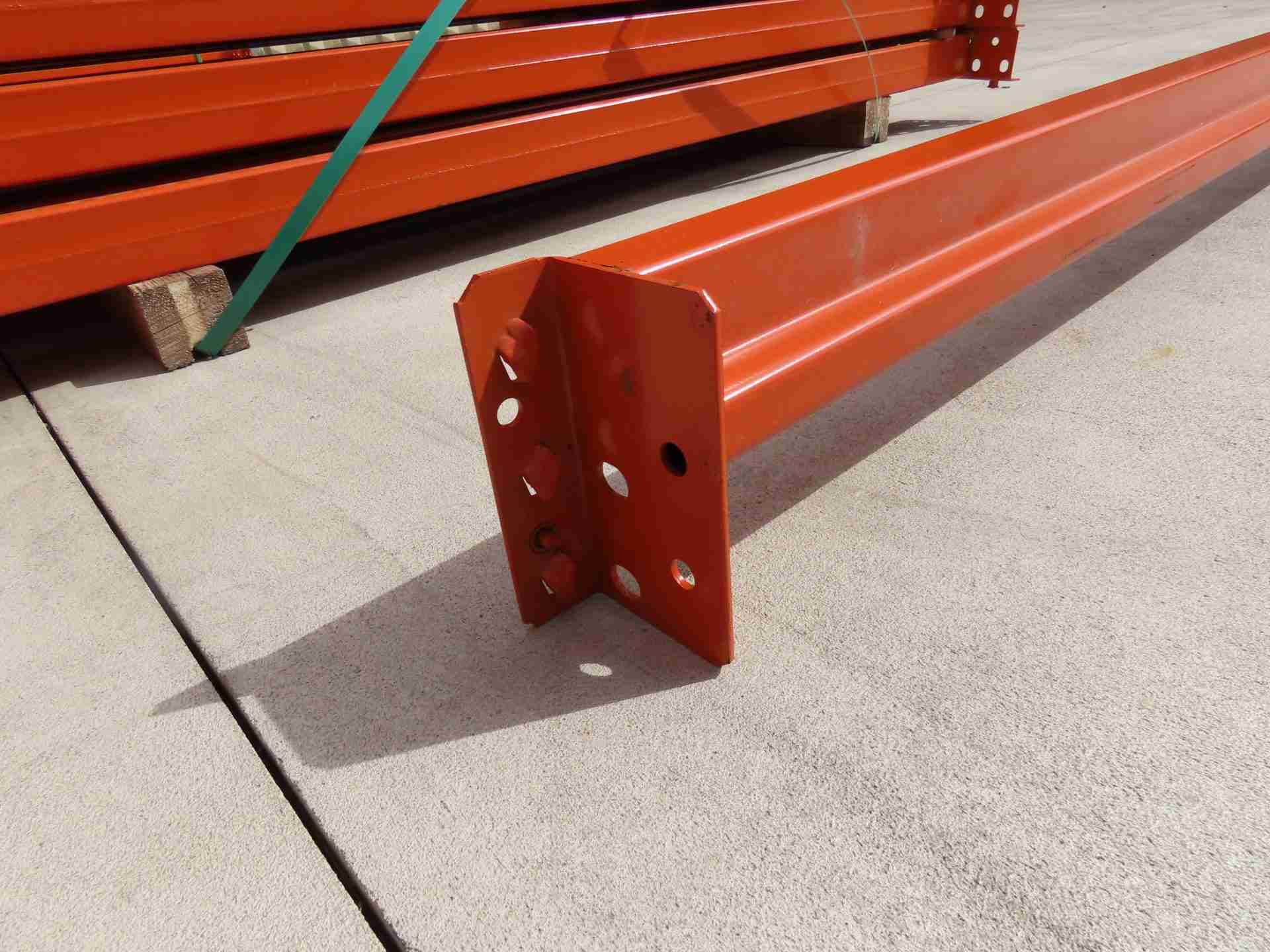
6. Beam: The horizontal part of a pallet rack that supports the pallets, connecting the uprights.
7. Cross Beam: A beam that connects multiple uprights, enhancing rack stability and load capacity.
8. Pallet Positioning: The correct placement of pallets in a rack system to ensure safety and accessibility.
9. Warehouse Management: The process of efficiently overseeing warehouse operations, including storage systems.
10. Aisle Width: The space between rows of pallet racks, determining forklift accessibility and maneuverability.
11. Selective Racking: A common pallet rack type allowing direct access to each pallet, improving inventory management.
12. Drive-In Racking: A compact storage system allowing forklifts to drive into the rack, maximizing space but limiting accessibility.
13. Double Deep Racking: A system where pallets are stored two deep in each bay, increasing storage density.
14. High-Density Storage: A design aiming to maximize storage space, often at the cost of accessibility.
15. Inspection: The regular check of rack systems for safety and compliance with regulations.
16. Safety Standards: Guidelines established to ensure pallet racks are designed and used safely; compliance is mandatory.
17. Load Beams: Components that support the weight of the pallets and distribute loads evenly across uprights.
18. Rack Configuration: The layout and arrangement of pallet racks in a warehouse, impacting efficiency and workflow.
19. Durability: The ability of a pallet rack to withstand wear, load stress, and environmental factors over time.
20. Assembly: The process of putting together pallet rack components to form a complete storage system.
21. Forklift Compatibility: The compatibility of pallet racks with various types of forklifts for effective material handling.
22. Tiers: The levels at which pallets can be stored within a pallet rack system, affecting vertical space utilization.
23. Inventory Control: The management of stock levels to optimize storage efficiency and reduce losses.
24. Pallet Jack: A manual or powered device used to lift and move pallets within a warehouse.
25. Ergonomics: The design consideration to ensure ease of use and safety for workers when accessing stored goods.
26. Interleaving: Storing different products on the same rack level for space-saving while maintaining organization.
27. Environmental Factors: Elements such as humidity, temperature, and exposure to chemicals that can affect pallet rack material integrity.
28. Customization: Adapting pallet rack designs to fit specific storage needs, such as unique dimensions or additional features.
29. Weight Distribution: The manner in which weight is spread across a pallet rack, influencing stability and load capacity.
30. Rack Collapse: A failure in the structural integrity of a pallet rack, leading to potential hazards and asset loss.

Glossary Of Terms
Other Questions
Roll-Formed Vs. Structural Pallet Racks: Which Should You Choose? – Other Questions
If you wish to explore and discover more, consider looking for answers to these questions:
- What are the key differences between roll-formed and structural pallet racks?
- How do I determine the load capacity needed for my warehouse?
- What safety standards should I consider when selecting pallet racks?
- How can I assess the flexibility needs of my business?
- What is the average lifespan of roll-formed versus structural pallet racks?
- What are the maintenance requirements for each type of rack?
- How do local regulations influence the choice of pallet racks?
- What are the best practices for organizing inventory with pallet racks?
- How can I involve my team in the decision-making process for pallet racks?
- What are the long-term benefits of investing in high-quality racking systems?
- How do peer opinions influence purchasing decisions for pallet racks?
- What are common pitfalls to avoid when choosing pallet racks?
- How does warehouse layout affect the type of pallet racks I should use?
- What are the trends in pallet rack technology and design?
- How can I effectively evaluate supplier options for pallet racks?
Other Questions
Checklist
Roll-Formed Vs. Structural Pallet Racks: Which Should You Choose? – A Checklist
Checklist for Choosing the Right Pallet Rack System
Emotional Appeals
_____ Visualize Your Team’s Environment: Imagine how each type of rack can affect team morale and productivity. Are your employees feeling safe and confident?
_____ Identify Team Values: Discuss the values that matter most to your team. Are they prioritizing safety, efficiency, or adaptability?
_____ Growth Narratives: Think about the story you want to tell about your business. What message does your choice send to employees and customers?
Rational Appeals
_____ Assess Load and Durability: Calculate the load capacities for both roll-formed and structural racks. Which one meets your operational needs?
_____ Cost Analysis: Evaluate the long-term costs associated with each type of rack, including repair, replacement, and potential downtime.
_____ Future-Proofing: Consider the adaptability of the racks to future changes in inventory levels or business operations.
Ethical Appeals
_____ Safety Considerations: Reflect on how your choice impacts workplace safety. Are you prioritizing the well-being of your employees?
_____ Reputation and Integrity: Assess how each rack choice aligns with your company’s ethical stance on quality and responsibility in manufacturing.
Authority Appeals
_____ Consult Industry Experts: Reach out to suppliers and peers for their experiences and recommendations. What best practices can they share?
_____ Analyze Case Studies: Look for examples of successful businesses in your industry. What types of racks do they use, and what benefits have they seen?
Narrative Appeals
_____ Collect Team Stories: Encourage team members to share experiences related to previous racking systems. What worked well, and what didn’t?
_____ Visualize Outcomes: Paint a picture of your operation after making the right choice. How does it transform workflows and team dynamics?
Social Appeals
_____ Peer Comparison: Discuss with your peers about their preferred racking solutions. What insights can you gain from their successes and challenges?
_____ Community Engagement: Consider how your choice reflects your company’s commitment to the broader community and industry standards. Are you leading by example?
Utilize this checklist to make informed, heartfelt decisions when selecting your pallet racks, ensuring you align your choice with the needs of your team, your operations, and your community.

Checklist
At RackingWorld, we help guide you through selecting warehouse storage systems and racking.
Be sure to read our other related stories at RackingWorld to learn more about warehouse storage systems.
0 Comments