
Protecting Your Investment: The Comprehensive Guide To Secondhand Rack System Insurance
By Tom Seest
At RackingWorld, we help guide you through selecting warehouse storage systems and racking.
Be sure to read our other related stories at RackingWorld to learn more about warehouse storage systems.
Insurance Considerations for Secondhand Rack Systems
When diving into the robust world of secondhand racking systems, it’s not just about finding a sleek metal frame to hold your products. It’s about safety, reliability, and ultimately, the peace of mind that comes with knowing your operation is secure. You’re entrusting your livelihood to these structures, and that’s where insurance considerations come into play.
Imagine walking into your warehouse, the sun filtering through the windows, casting a glow on those well-organized shelves. Everything looks pristine, but lurking beneath that shiny surface could be a disaster waiting to happen. Racking that doesn’t meet safety standards, or worse, has hidden defects, could not only compromise your product but also jeopardize the safety of your employees. This isn’t just about insuring expensive equipment; it’s about protecting your team, your clients, and the community that relies on your business.
Let’s get tactical, though. When considering these secondhand systems, you’d want to know what kind of insurance coverage you’re staring down. Liability coverage is a must. If a stack of boxes comes tumbling down because of a compromised rack, you don’t want to find yourself on the wrong end of a lawsuit—not to mention the ethical obligation to ensure your operations are safe for everyone involved. Building a safe workplace fosters a culture of trust and respect, strengthening your brand in the eyes of both employees and customers.
Then there’s the aspect of certification. Just like a delicious recipe passed down through generations, not all secondhand racks are created equal. Investigate the history of those systems; check for certifications or inspection reports. Your insurance provider can be an invaluable resource here, helping you navigate the murky waters of compliance and safety standards. They’re the watchful guardians, giving you confidence that the racks you choose won’t turn into liabilities.
At the end of the day, equipping your space with secondhand racking feels good—like a clever find at a thrift store. It’s resourceful, eco-friendly, and dare we say, thrifty. But take the time to ensure you’re covered. Engage with your insurance provider, check the credentials of your suppliers, and foster that sense of community safety. You’re not just purchasing racking; you’re investing in your future, your people, and the very fabric of your business. Make that choice with confidence, and watch your operation thrive.
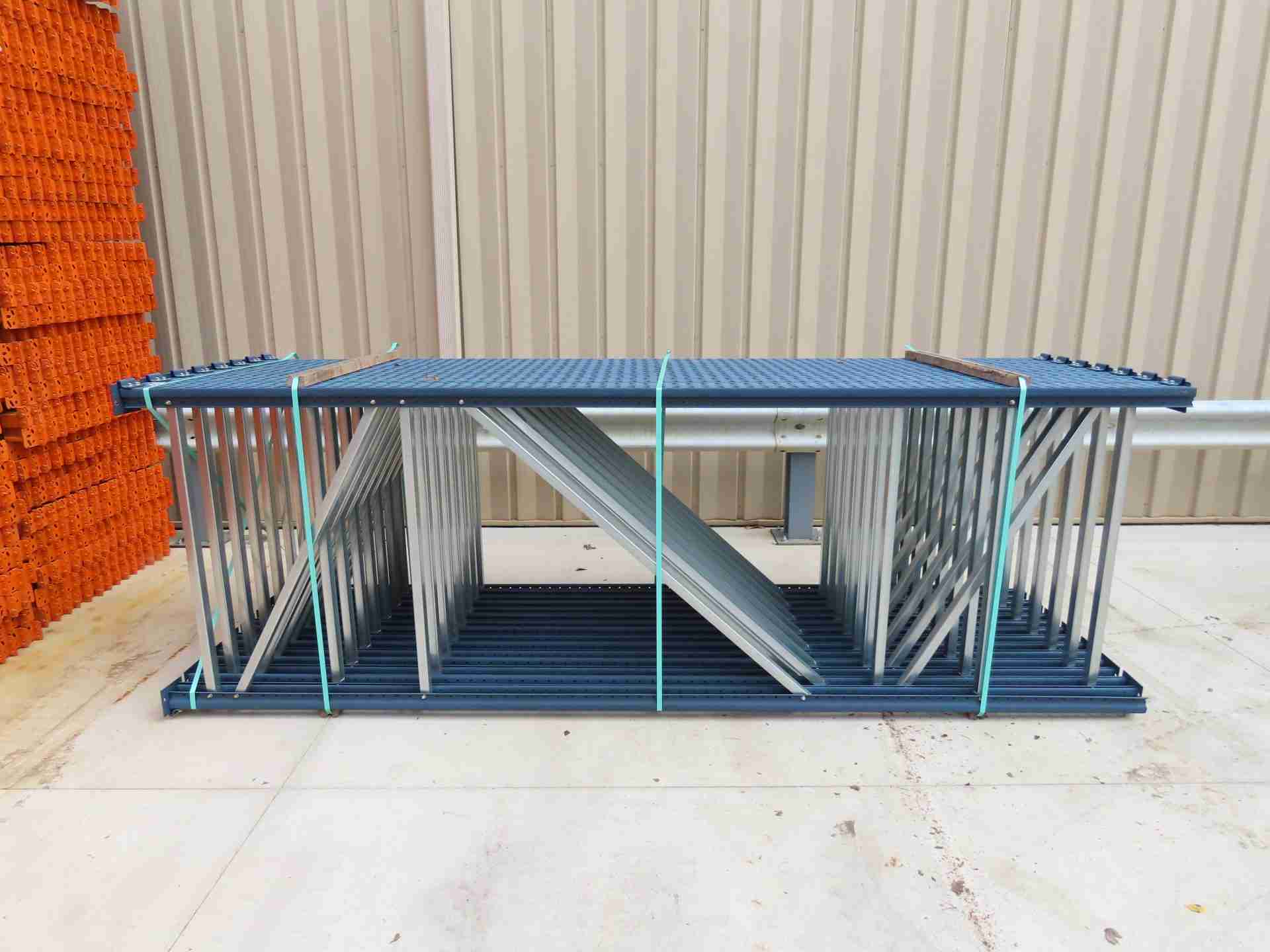
Insurance Considerations for Secondhand Rack Systems
Insurance Considerations for Secondhand Rack Systems
- Secondhand racking systems should prioritize safety, reliability, and peace of mind.
- Racks that don’t meet safety standards may compromise products and employee safety.
- Insurance considerations are critical for protecting your team, clients, and community.
- Liability coverage is essential to guard against lawsuits from accidents involving racking systems.
- Check for certifications and inspection reports to ensure the quality of secondhand racks.
- Engage with insurance providers for guidance on compliance and safety standards.
- Buying secondhand racking is resourceful and eco-friendly, but requires due diligence.
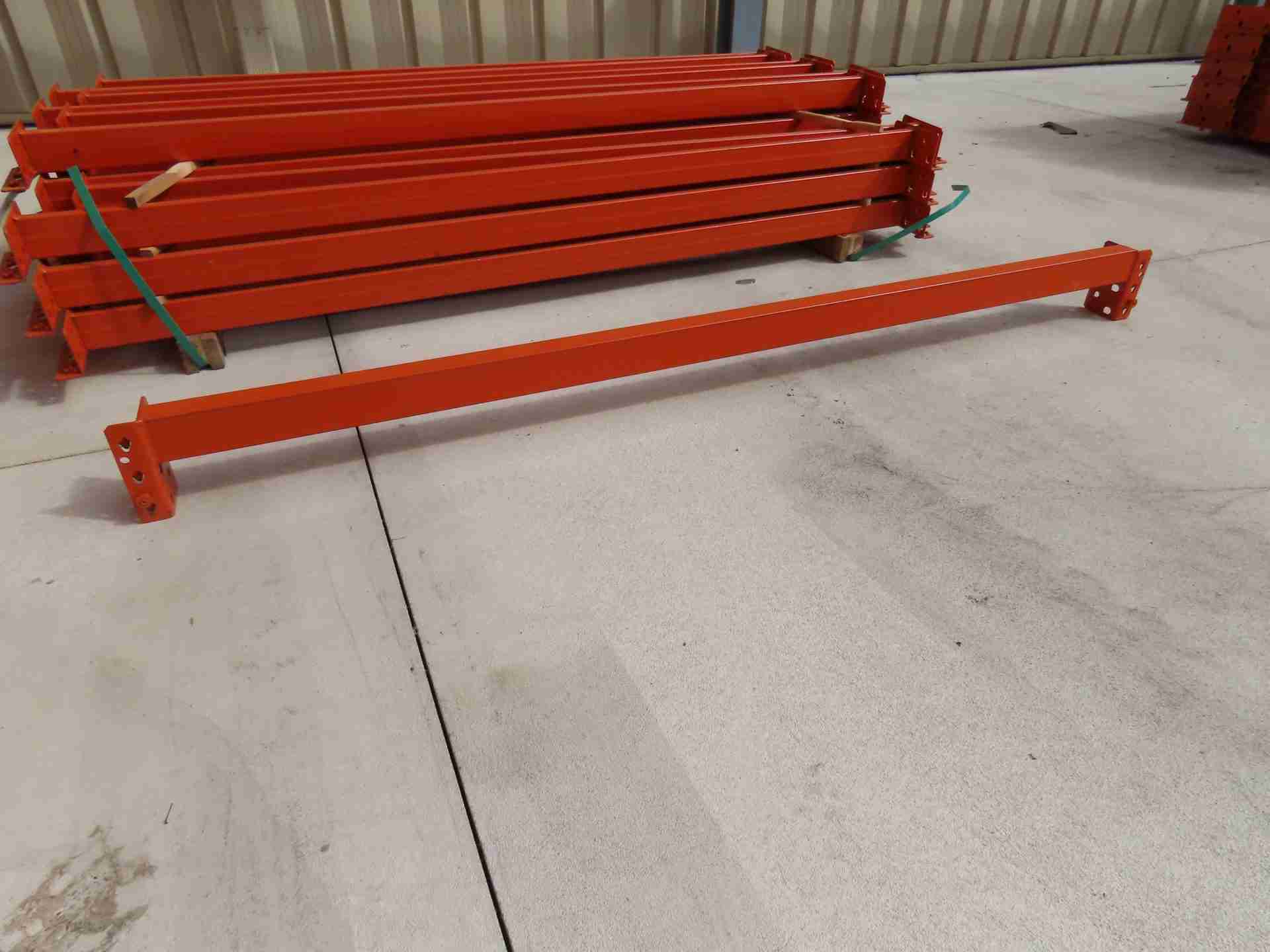
Insurance Considerations for Secondhand Rack Systems
Table Of Contents
- Insurance Considerations for Secondhand Rack Systems
- What Risks Do Secondhand Rack Systems Pose to Your Business?
- How Can You Ensure Your Secondhand Racks Meet Safety Standards?
- Is Your Insurance Adequate for Potential Liabilities From Used Racks?
- How Do Industry Experts Recommend Managing Secondhand Rack Risks?
- What Stories Have Others Shared About Secondhand Rack System Failures?
- Conclusion
- Other Resources
- Glossary Of Terms
- Other Questions
- Checklist
What Risks Do Secondhand Rack Systems Pose to Your Business?
When it comes to your business, the stakes couldn’t be higher. Picture your warehouse floor bustling with activity, racks full of inventory, machines humming, and employees working hard to fulfill orders. Now, imagine the precarious integrity of those secondhand racking systems supporting all that effort. It’s not just about saving a few bucks; it can be about safety, productivity, and even the reputation of your business.
Every time you load up that racking, there’s an unspoken trust that the materials will hold their ground. However, secondhand systems can sour that trust. You see, racking is more than just metal shelves; it’s the backbone of your logistics. Insufficiently tested or damaged racks can jeopardize the goods they hold and, more critically, the people who work around them. The gut-wrenching thought of a collapse can be debilitating. The potential for injuries, disruptions, or accidents lurks in the shadows, ready to turn a normal day into a nightmare.
Rationally, let’s consider the return on investment. Choosing used racks might seem appealing on the surface, but are you truly coming out ahead? An unexpected failure could lead to costly damages, both from lost inventory and the halting of operations as you scramble to resolve the aftermath. It’s an expense that could quickly outweigh any savings you thought you made by opting for cheaper alternatives.
Think about the ethical implications, too. Your employees’ safety should never be a line item on the budget. If you cut corners on racking, you might be sending a message that the bottom line outweighs their wellbeing. This can erode morale and trust—employees want to know they’re working in a safe environment.
Statistics show that workplaces with subpar racking face higher incident rates. Think of the communities they represent. When accidents happen, it’s not just numbers; it’s real lives affected. Customer trust in your brand can fade in the blink of an eye if word gets out that you compromise safety for savings.
Engaging in a relationship with reputable suppliers who can provide quality racking solutions fosters a sense of accountability. By investing in reliable systems, you’re not just securing your inventory; you’re nurturing a culture of safety and trust. Choose wisely. Your people—and your business—deserve it.
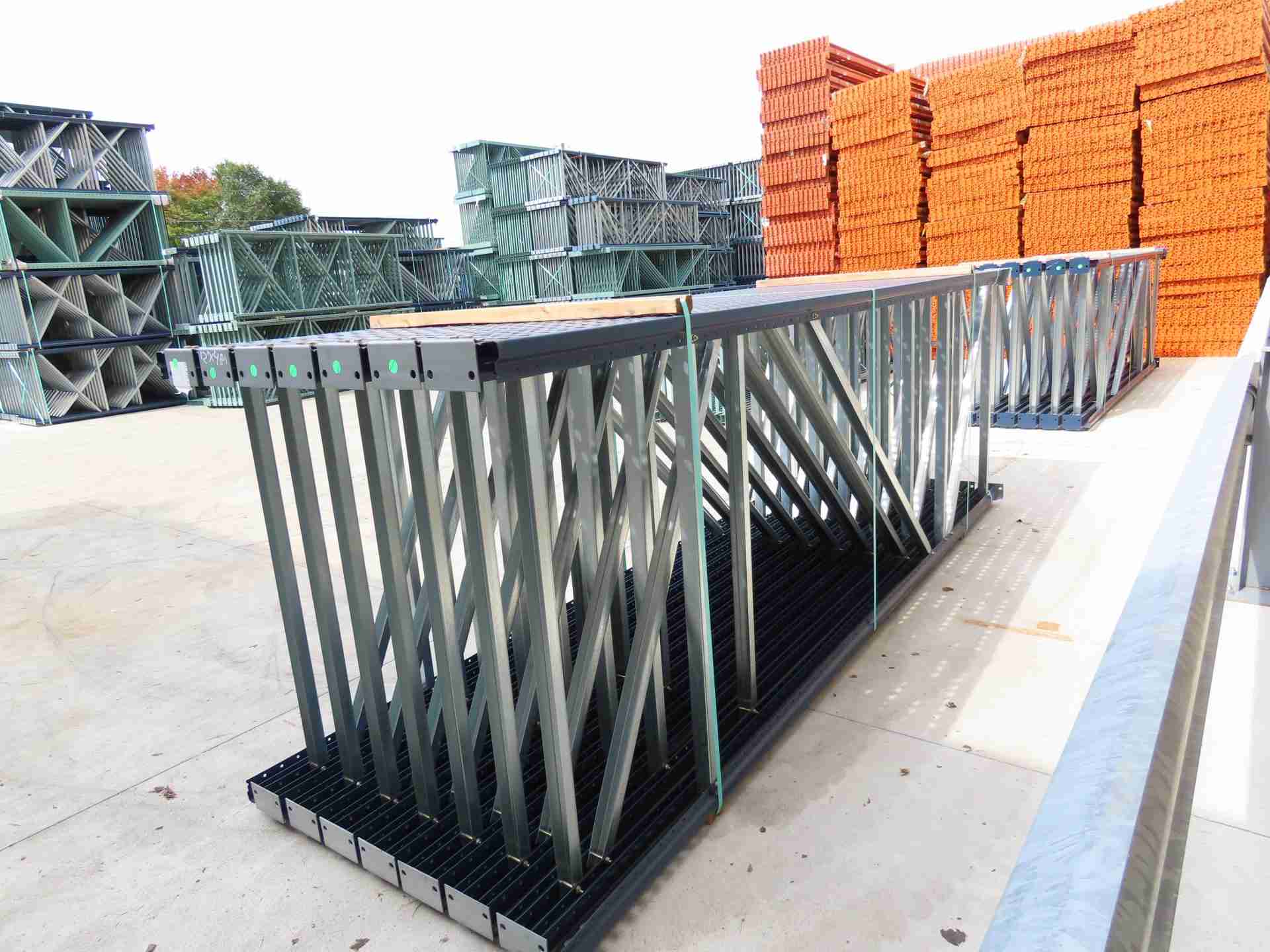
What Risks Do Secondhand Rack Systems Pose to Your Business?
What Risks Do Secondhand Rack Systems Pose to Your Business?
- Warehouse safety is critical, with secondhand racking systems posing risks to both employees and inventory.
- Reliable racking is essential; damaged or poorly tested racks can lead to accidents and jeopardize safety.
- Cost-saving choices like used racks can result in expensive consequences from potential failures.
- Employee safety should not be neglected for budget considerations, as it impacts morale and trust.
- Subpar racking correlates with higher accident rates, affecting real lives and community safety.
- Customer trust can diminish quickly if a company is perceived to prioritize savings over safety.
- Investing in quality racking from reputable suppliers fosters accountability and a culture of safety.
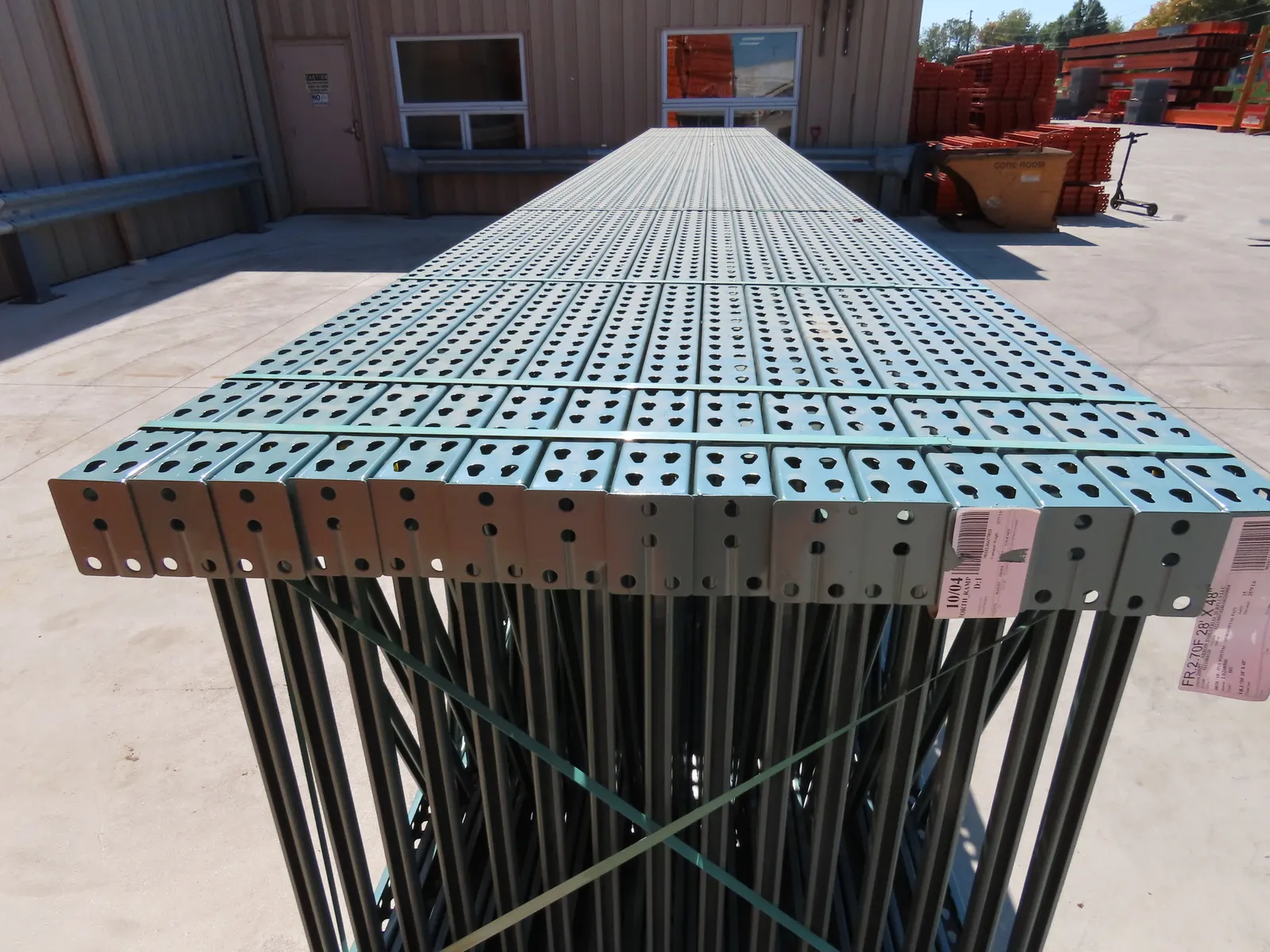
What Risks Do Secondhand Rack Systems Pose to Your Business?
How Can You Ensure Your Secondhand Racks Meet Safety Standards?
When you walk into a warehouse filled with secondhand racking, it might look like a treasure trove of potential. Those metal beams, perfectly positioned, whisper promises of efficiency and organization. But beneath that sturdy exterior lies a critical question: how can you ensure your racking systems meet safety standards?
Start by trusting your instincts—your gut knows when something feels off. It’s essential to look for signs of wear and tear. Is there rust creeping up the beams? Are there wobbly foundations that could spell disaster? Understand that safety isn’t just a checkbox; it’s a commitment to everyone who walks the aisles of your workspace. They count on you to create a secure environment where they can focus on what matters most: getting the job done.
Now, shift your perspective to the head. Research local regulations and industry standards for racking systems. Familiarize yourself with the relevant guidelines from authoritative bodies; they’re there for a reason. Knowing these standards isn’t just an academic exercise; it’s your roadmap to safer operations. If you’re unsure where to start, consult an expert. Engaging a qualified inspector can be a game-changer, lending their seasoned insights to the evaluation of your secondhand racking.
Don’t forget the ethical aspect. Choosing secondhand materials can be a sustainable option; it’s an opportunity to recycle and reduce waste. But with that choice comes the responsibility to ensure you’re doing it right. Prioritize safety over cost. Sometimes, it’s worth spending a little more to guarantee peace of mind—for you and your team.
Now, let’s not overlook the human element. Each person who relies on those racks brings their own story, their own hopes and dreams. By ensuring that your racking systems are safe, you’re not just protecting steel and bolts; you’re safeguarding livelihoods and families. That’s what makes the effort worthwhile.
Finally, connect with your community. Talk to industry peers and share experiences. There’s a comfort in knowing you’re not alone; others are navigating the same waters, and sharing victories and mistakes fosters a sense of camaraderie. Safety is everyone’s responsibility, and together, we can create environments where productivity thrives and lives are preserved. So, gear up and take the steps necessary to make your secondhand racking a beacon of safety. Your team—and your conscience—will thank you.
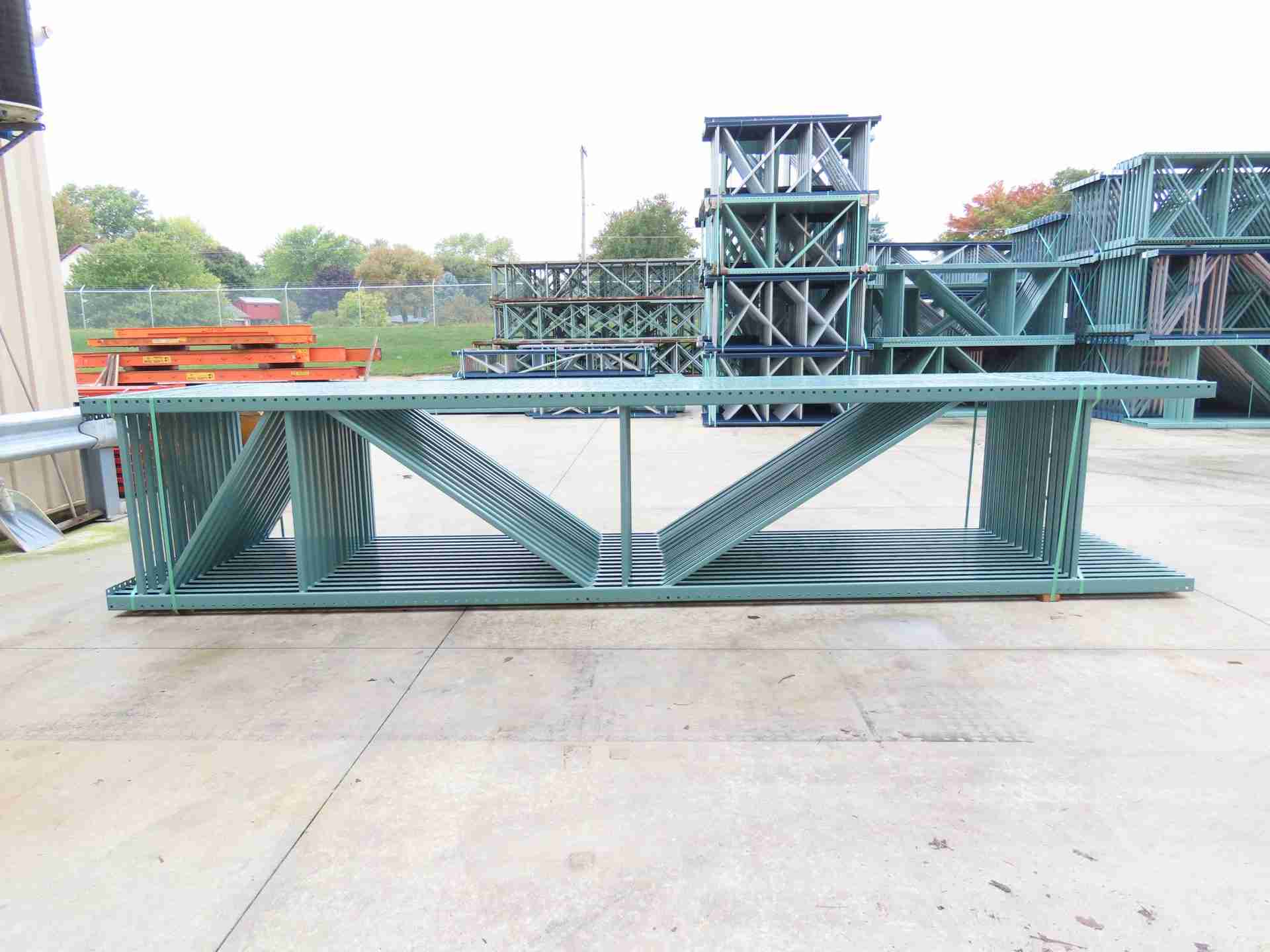
How Can You Ensure Your Secondhand Racks Meet Safety Standards?
How Can You Ensure Your Secondhand Racks Meet Safety Standards?
- Secondhand racking can appear appealing, but safety must be prioritized.
- Trust your instincts; watch for signs of wear such as rust and unstable foundations.
- Understand that ensuring safety is a commitment to the well-being of those in your workspace.
- Research local regulations and familiarize yourself with industry standards for racking systems.
- Consider consulting a qualified inspector for expert insights on your racking evaluation.
- Choosing secondhand materials supports sustainability, but prioritize safety over cost.
- Engage with your community to share experiences and foster a collective responsibility for safety.
How Can You Ensure Your Secondhand Racks Meet Safety Standards?
Is Your Insurance Adequate for Potential Liabilities From Used Racks?
When it comes to securing your business’s future, consider the unsung hero of the warehouse world: the racking system. It’s more than just steel beams cradling your inventory; it’s a silent guardian against potential liabilities and financial ruin. Picture this: you’ve invested countless hours and dollars into curating your stock, ensuring every box and barrel is in the right place. But what happens if a racking system collapses? If safety protocols aren’t followed, you don’t just risk property—but livelihoods, your reputation, and peace of mind.
Take a moment and let that sink in. You’re not just managing materials; you’re guiding lives and dreams. And yet, the challenge lies in whether your insurance is adequate to cover the potential liabilities from used racks. The ethical responsibility of owning a business goes beyond profitability; it’s about safeguarding your employees and customers. When you see a frail racking system wobbling under the weight of your success, do you feel a knot of anxiety in your gut? You should! That unease is your instinct warning you to reassess.
Let’s talk facts for a second. Many think general liability coverage is enough. But when it comes to racking, the game changes. The statistics of workplace accidents due to inadequate storage solutions don’t lie. A comprehensive liability insurance policy tailored for warehousing can protect you against claims that could cripple your business overnight. Nothing says “I care” quite like being prepared for the unpredictability of life.
Your community, your employees, and your bottom line all depend on the choices you make today. Insufficient coverage can send shockwaves through your entire operation and your reputation within the industry. Being diligent about securing the right kind of insurance isn’t just smart; it’s a pledge to everyone involved that their safety and wellbeing are your top priority.
Every successful business owner knows—you can’t afford to cut corners, especially when it comes to safety. So, as you stand on the cusp of opportunity, ensure your racking systems—and the insurance that supports them—reflect integrity and foresight. Because in this business, being prepared isn’t just a choice; it’s an obligation.
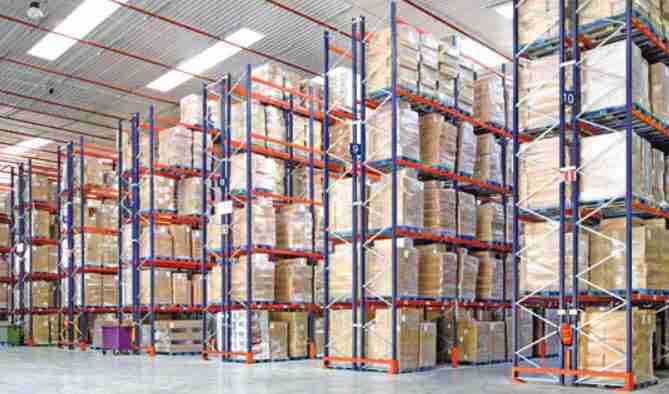
Is Your Insurance Adequate for Potential Liabilities From Used Racks?
Is Your Insurance Adequate for Potential Liabilities From Used Racks?
- Racking systems in warehouses are crucial for securing business futures and protecting against liabilities.
- A collapse of a racking system can endanger property, livelihoods, reputation, and peace of mind.
- Business owners have an ethical responsibility to safeguard employees and customers beyond profitability.
- General liability coverage may not be sufficient for protecting against risks associated with racking systems.
- Comprehensive liability insurance tailored for warehousing is essential to mitigate claims that could harm the business.
- Insufficient insurance coverage can negatively impact community trust and operational integrity.
- Successful business owners prioritize safety and ensure their racking systems and insurance reflect their commitment to well-being.
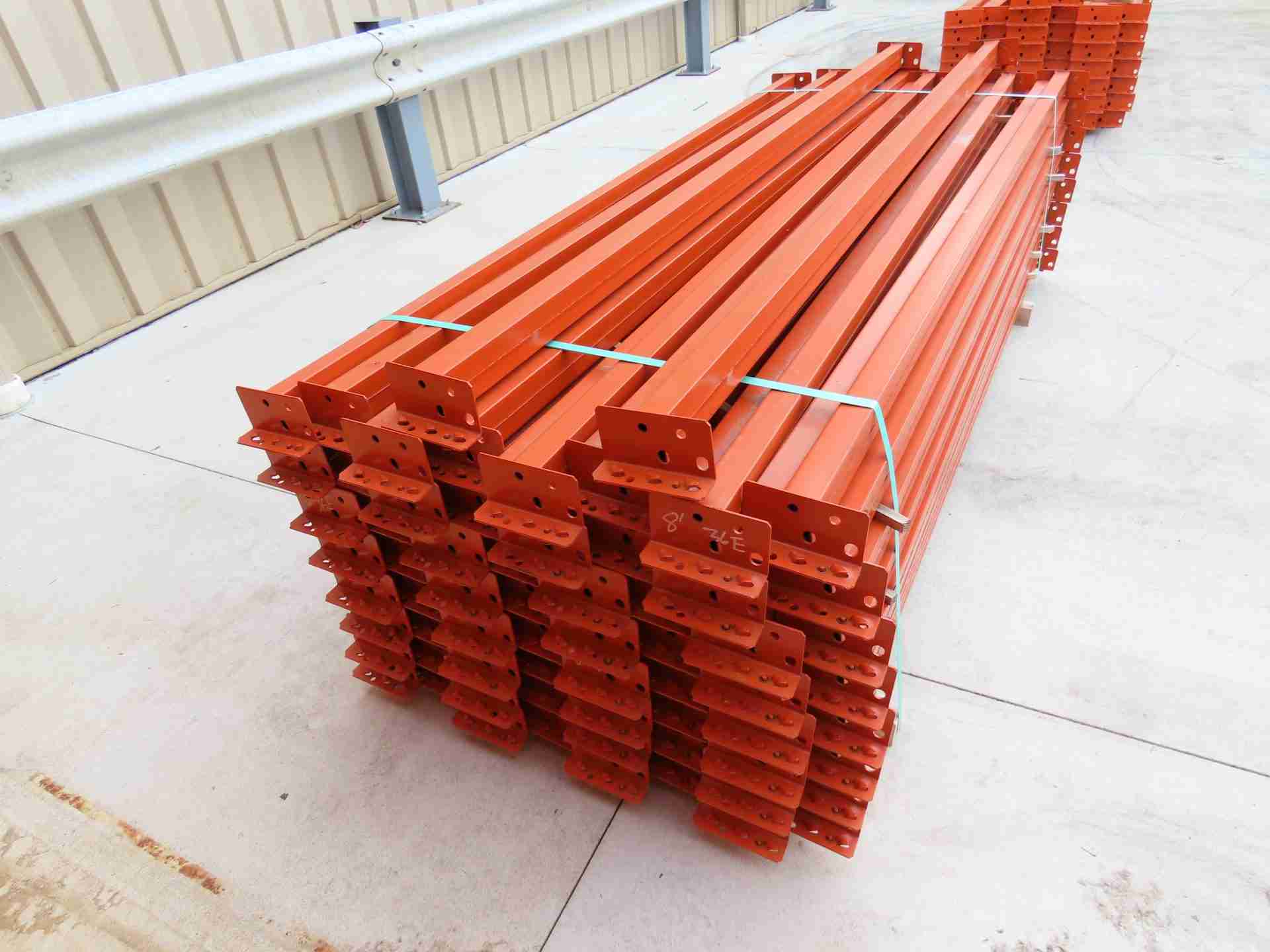
Is Your Insurance Adequate for Potential Liabilities From Used Racks?
How Do Industry Experts Recommend Managing Secondhand Rack Risks?
When it comes to managing secondhand rack risks, the stakes are higher than an unsteady load teetering at the top of a warehouse. Racking isn’t just about stacking; it’s about responsibility—to your team, your customers, and your bottom line. Every time a worker walks through the aisles, you’re not just witnessing a routine; you’re observing a delicate dance between safety and productivity. So, how do industry experts recommend navigating this tricky terrain?
First, let’s talk about the emotional aspect. Picture your team, dedicated and hardworking, relying on those shelves to do their job safely. They deserve a workspace where they don’t have to second-guess their surroundings. A robust inspection routine is non-negotiable. Regularly evaluating your secondhand racking systems can identify potential risks, ensuring your employees feel secure in their environment.
Now, flip the coin to rational thinking. Think of the costs associated not only with accidents but also with halted operations. It’s easy to dismiss investing in quality inspections as an overhead, but in reality, it pays dividends. Every dollar spent on maintenance is a dollar saved from potential disaster. A trusted assessment not only protects your investment but strengthens your operation’s reputation as well.
On the ethical front, there’s a fundamental obligation to prioritize safety over savings. Choosing to compromise on rack integrity for a cheaper alternative is like ignoring the warnings of a smoke detector: it’s a gamble no one should take. Experts universally agree: integrity in your racking system reflects a larger value—commitment to your people.
A compelling narrative comes into play when real stories resurface. Delivery fleets remember the fateful day when a poorly secured rack collapsed, causing injury and a workplace uproar. The aftermath wasn’t just about physical damage; it tore through trust and reassured yet another right into the wrong hands. Avoid becoming a cautionary tale; learn from those who have walked this treacherous path before you.
Finally, let’s consider the social aspect. In a community driven by outcomes, standing out means being relentless about safety and quality. By engaging with your peers and sharing best practices, you not only foster a culture of safety within your walls but elevate industry standards as a whole.
In managing secondhand rack risks, you’re not just ensuring compliance; you’re embracing responsibility, forging stronger connections, and setting a tone of excellence that others will follow. The action must begin today—because safety isn’t just a checkbox; it’s the very foundation upon which success is built.
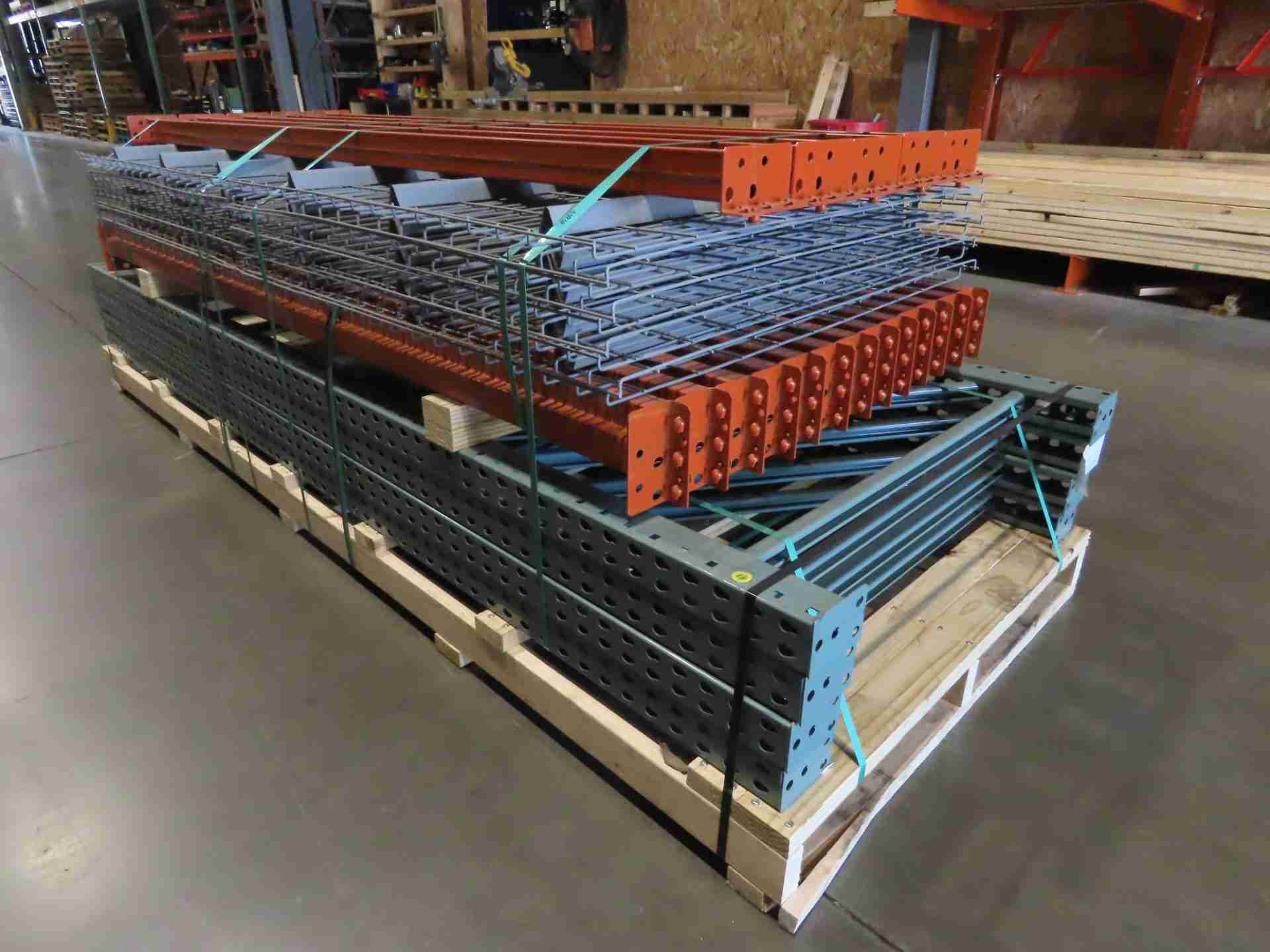
How Do Industry Experts Recommend Managing Secondhand Rack Risks?
How Do Industry Experts Recommend Managing Secondhand Rack Risks?
- Managing secondhand rack risks is crucial for ensuring safety and productivity in the workplace.
- Regular inspection of racking systems is essential to identify potential risks and create a secure environment for workers.
- Investing in quality inspections can prevent costly accidents and operational disruptions, saving money in the long run.
- Prioritizing safety over cost is fundamental; compromising on rack integrity can lead to dangerous situations.
- Learning from real-life incidents can help avoid becoming a cautionary tale for others in the industry.
- Fostering a culture of safety and sharing best practices can elevate industry standards and enhance community outcomes.
- Embracing safety and responsibility in racking management builds trust and sets a tone of excellence for the organization.
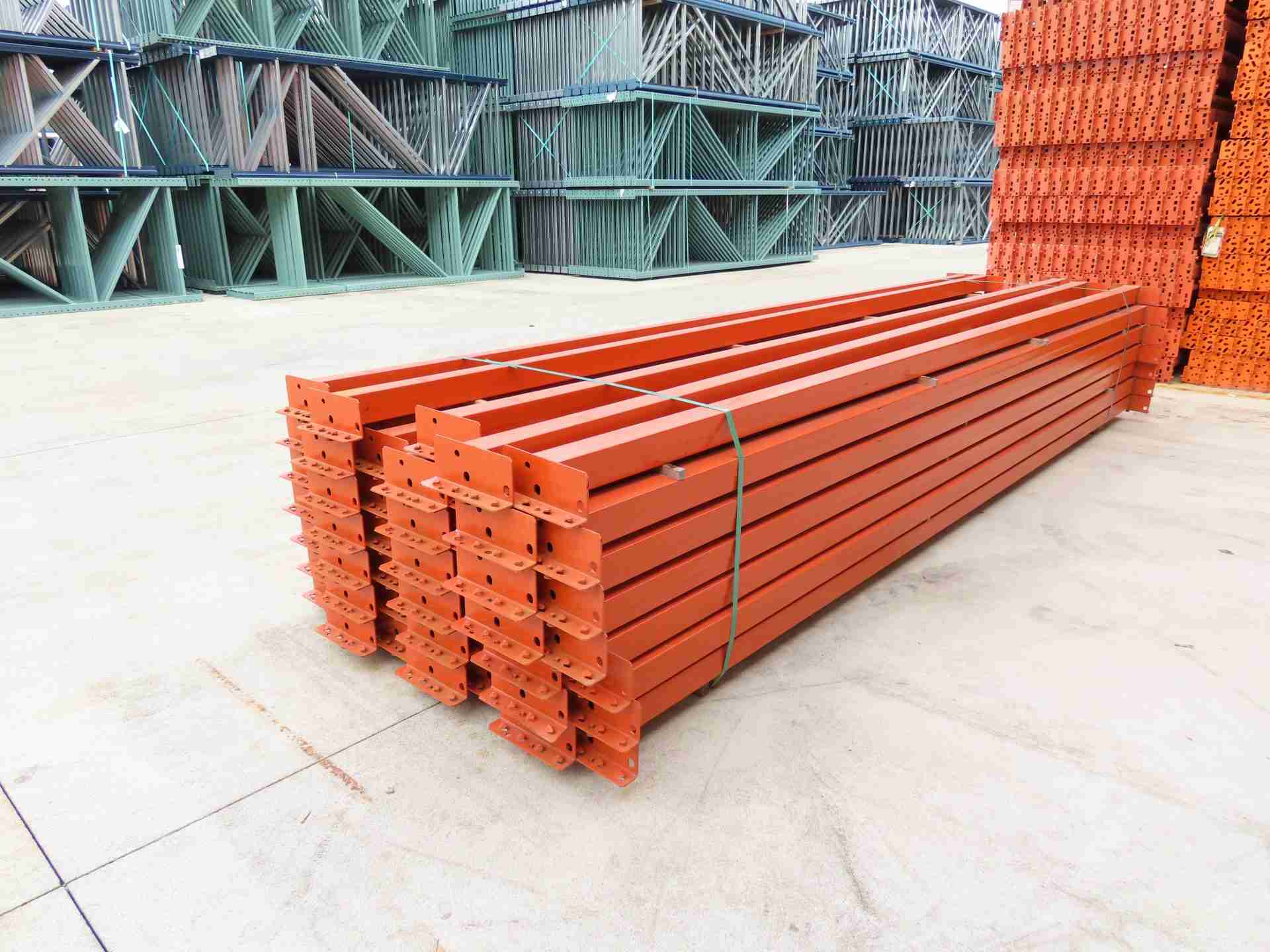
How Do Industry Experts Recommend Managing Secondhand Rack Risks?
What Stories Have Others Shared About Secondhand Rack System Failures?
When it comes to secondhand rack systems, the stories of collapse and chaos don’t just echo in warehouses; they resonate in the hearts of those whose livelihoods hang in the balance. Imagine a bustling distribution center, brimming with anticipation and activity. The hum of machinery and the chatter of workers create a symphony of productivity. But then, without warning, a section of racking gives way. The sound is enough to stop hearts. Lives shift in an instant, as inventory cascades to the ground. It’s not just metal and goods falling; it’s hard-earned jobs at risk, friendships strained, and dreams in jeopardy.
These narratives are far from isolated incidents. They serve as cautionary tales for anyone considering the integration of secondhand racking systems. Take, for instance, the story of a small family-run business that bought what they thought was a steal on a used racking unit. Their excitement turned to despair when a structural failure sent thousands of dollars’ worth of products crashing down, exposing vulnerabilities in trusting a mere price tag over safety. That moment of decision – to save a few bucks or invest in quality – is a recurring theme. It prompts reflection on what truly matters: the safety of your workforce and the stability of your operation.
Beyond individual incidents, these narratives weave a larger fabric of ethical responsibility. Every warehouse is a community, and every rack system represents the trust we place in our equipment. Choosing secondhand systems might seem innocuous, but it raises questions about accountability. Did the previous owner maintain it properly? Where did it come from? These are not merely financial considerations; they touch on our duty to protect those who rely on us.
Moreover, the emotional toll of failure extends beyond the immediate physical damage. There’s the gut-wrenching disappointment of employees who show up every day, believing they are safe, only to have that trust shattered. The scars of such incidents run deep, threading through relationships and reputations.
In sharing these stories, we not only bear witness to the human experience but also spark a vital conversation about value versus cost. Let’s prioritize what truly matters: safety, reliability, and the well-being of our workforce. Your decision today could prevent a catastrophe tomorrow. So, as you consider the choices before you, remember: it’s not just about finding a deal; it’s about saving lives.
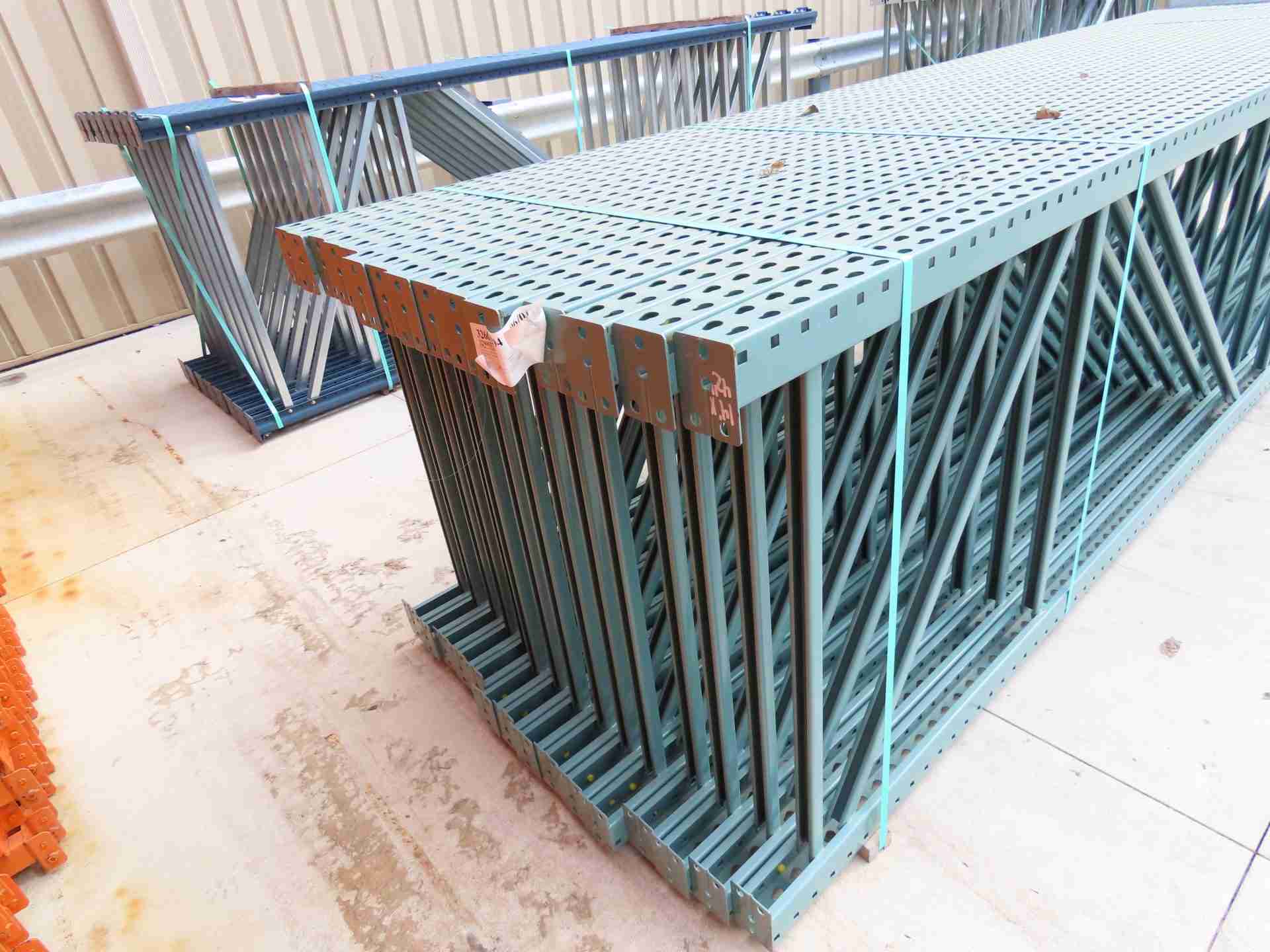
What Stories Have Others Shared About Secondhand Rack System Failures?
What Stories Have Others Shared About Secondhand Rack System Failures?
- The potential dangers of secondhand rack systems can jeopardize livelihoods and disrupt warehouse productivity.
- A sudden racking collapse leads to significant loss, affecting inventory and job security.
- Stories of failure highlight the critical choice between saving money and ensuring safety and quality.
- Choosing used racking raises ethical questions about maintenance history and accountability.
- Emotional impacts of racking failures extend beyond physical damage, affecting employee trust and morale.
- The narratives serve as a reminder that decisions influence the safety and well-being of the workforce.
- It’s essential to prioritize safety and reliability over deals, as today’s choices can prevent tomorrow’s disasters.
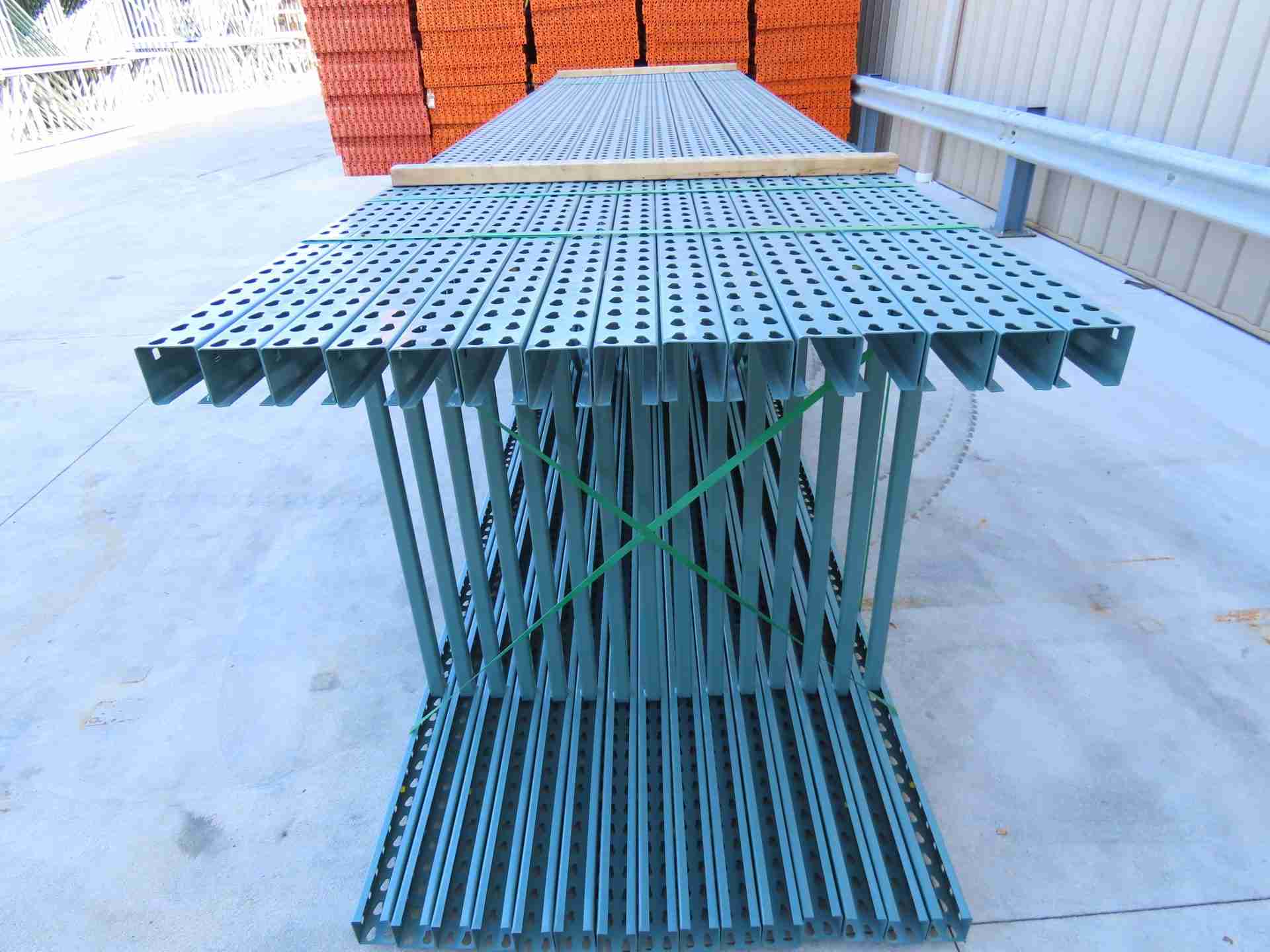
What Stories Have Others Shared About Secondhand Rack System Failures?
Conclusion
In the world of secondhand rack systems, the stakes are not just financial; they’re deeply personal. Every time you step into your warehouse, you’re surrounded by a labyrinth of metal beams, each holding the weight of your business, your employees, and every product you’ve worked tirelessly to stock. The question of safety isn’t just a matter of compliance; it’s a moral duty that echoes in the heart of every business owner. Imagine that scene disrupted by the catastrophic collapse of one of those racks. It doesn’t just risk inventory; it puts lives on the line, shattering trust and safety in an instant.
Inspecting the integrity of secondhand racks isn’t just a procedural task; think of it as your responsibility to the people who count on you, from employees to customers and the community at large. Engaging with your insurance provider isn’t just about securing policies; it’s about reinforcing a culture of safety that defines your operation. The reality is harsh: inadequate insurance can lead to devastating financial repercussions, and the aftermath of negligence transforms into a narrative that can haunt a business for years.
Decisions made today ripple through the lives of your team tomorrow. The stories from those who faced disaster serve as poignant reminders of the consequences lurking behind bargain purchases. Choosing secondhand doesn’t inherently mean compromising on quality; it’s about balancing budgetary constraints with the earnest need to protect your most valuable asset—your people.
Think practically and embrace the idea that every dollar spent on safety is not just an expense, but an investment in the trust you build with your team and your clients. When you commit to diligent inspections and certified systems, you’re not merely avoiding catastrophe; you’re nurturing a workplace where productivity, positivity, and respect flourish.
Community matters in a space where safety is paramount. Engaging with fellow business owners about best practices creates a network dedicated to shared responsibility and accountability. It’s a reminder that you’re not alone in this journey and that together, standards can rise and reputations can thrive.
So as you scope out those secondhand racks, let your gut guide you, your head inform you, and your heart remind you of the lives at stake. Your choices define the fabric of your business. Make them count, and foster an environment where hope, safety, and success intertwine. Your legacy depends on it.
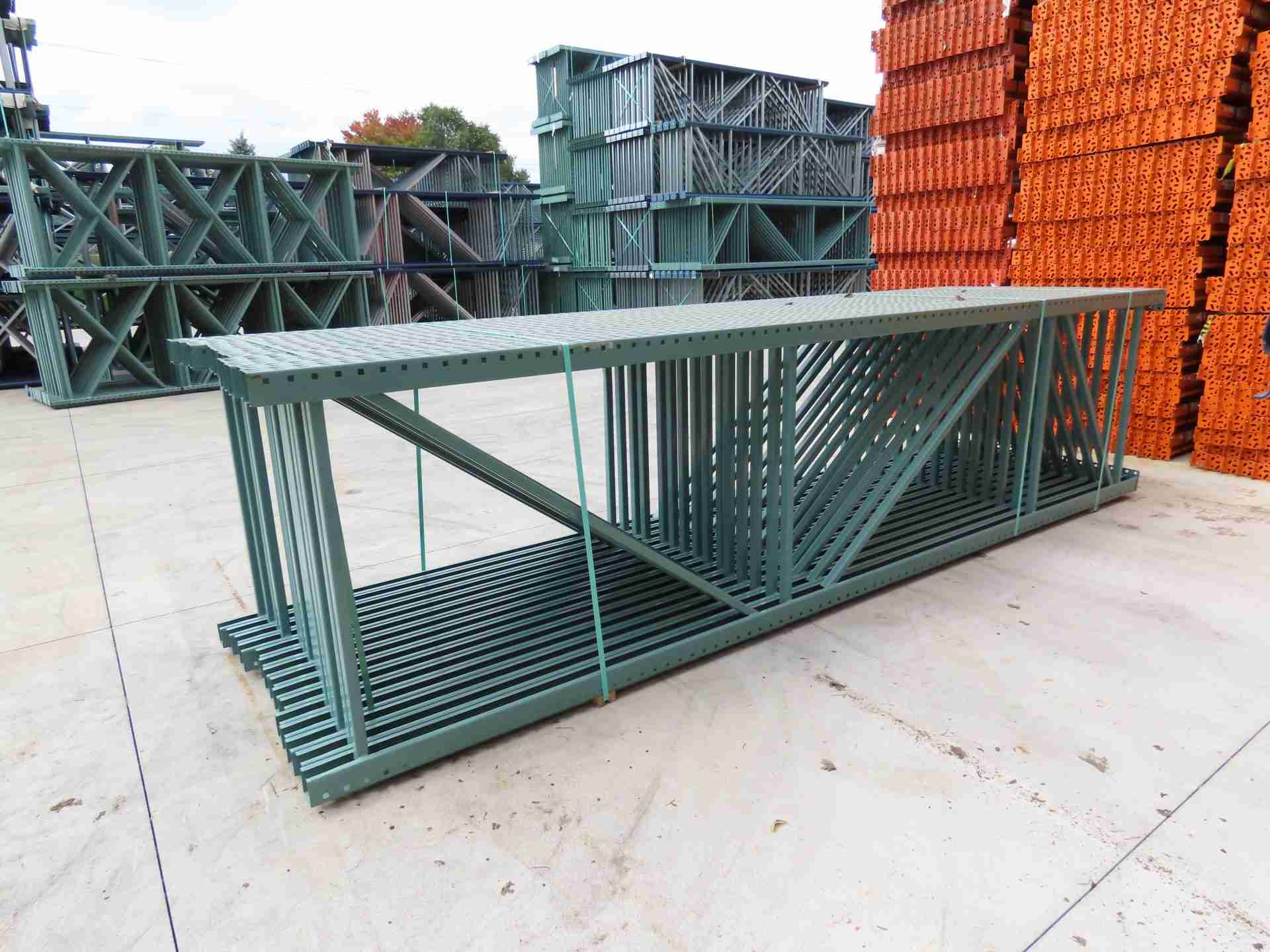
Conclusion
Conclusion:
- The stakes of secondhand rack systems are financial and deeply personal for business owners.
- Ensuring the safety of these racks is a moral duty that affects employees and customers alike.
- Inspecting the integrity of secondhand racks is a critical responsibility, rather than just a procedural task.
- Inadequate insurance can have severe financial repercussions and can lead to long-lasting negative narratives for the business.
- Choosing secondhand items does not mean sacrificing quality; it necessitates a balance between budget and safety.
- Investing in safety enhances trust with employees and clients, fostering a productive and positive work environment.
- Engaging with other business owners on best practices strengthens the community’s commitment to safety and accountability.
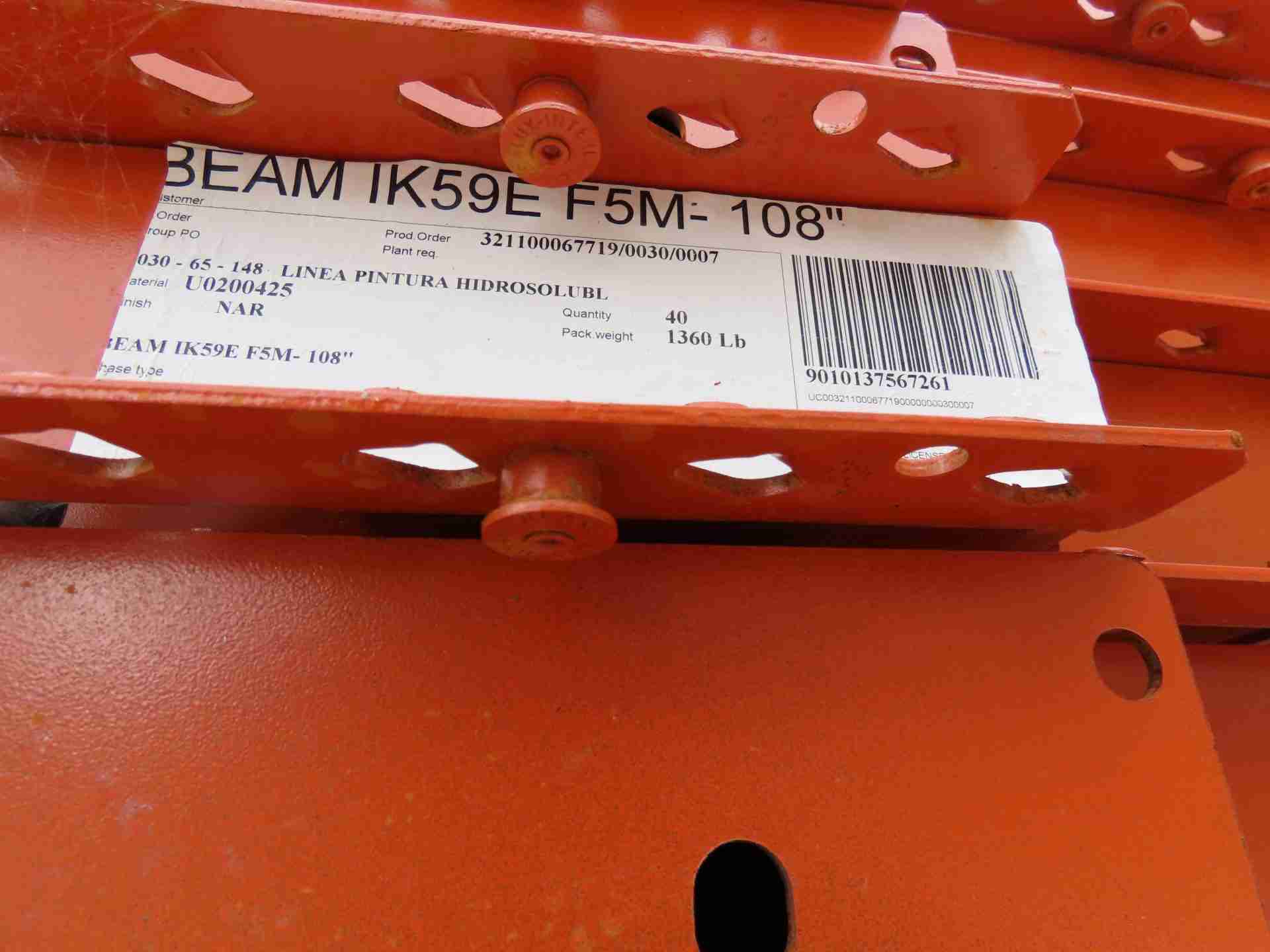
Conclusion
Other Resources

Other Resources
Here is a list of other resources you can review online to learn more:
- CMMA
- Chicago Pallet Racking
- Teardrop Pallet Rack – Ridg-U-Rak
- Interlake Mecalux
- American Surplus
- Selective Pallet Racking Systems
- WERC
- NSC
- New Cantilever Racks and Racking Kits
- Teardrop Industrial Shelving Rack
- Warehouse Automation
- Selective Racking
- Total Warehouse
- IWLA
- Teardrop Racks – Pallet Rack World
- International Warehouse Logistics Association
- Interlake Mecalux
- Warehouse Racking Layout: The Ultimate Guide – Conger
- Bradford Systems
- The Ultimate Pallet Racking Guide – Speedrack West
Use This Prompt To Get More Resources With Your Favorite Online AI Tool: Please provide me with a list of online articles with their URLs in a bulleted list that I can read regarding Insurance Considerations for Secondhand Rack Systems
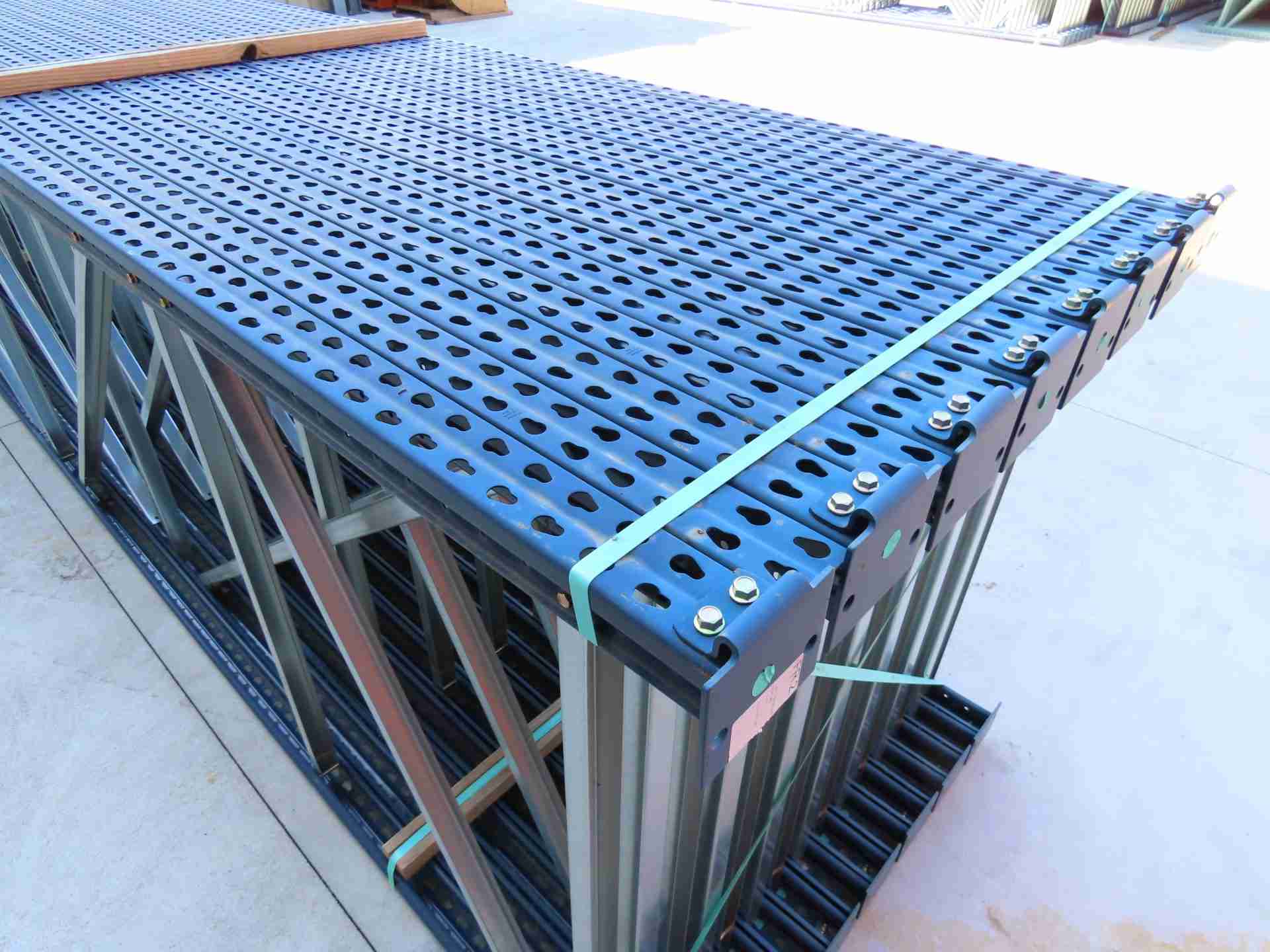
Other Resources
Glossary Terms
Insurance Considerations for Secondhand Rack Systems – Glossary Of Terms
1. Insurance: A contract that provides financial protection against potential losses in exchange for premium payments.
2. Secondhand Rack Systems: Pre-owned shelving units used for storage in warehouses or retail environments, which can be resold or reused.
3. Liability Insurance: Coverage designed to protect against claims resulting from injuries and damage to people or property.
4. Property Insurance: A type of insurance that protects physical assets, including inventory and equipment, from damage or loss.
5. Risk Assessment: The process of identifying and evaluating the potential risks associated with using secondhand rack systems.
6. Coverage Limit: The maximum amount an insurer will pay for a covered loss or claim.
7. Exclusions: Specific conditions or circumstances that are not covered by an insurance policy.
8. Underwriting: The process by which an insurer evaluates the risk of insuring a potential client and decides on coverage terms.
9. End User: The final consumer or business that utilizes the secondhand rack systems for their intended purpose.
10. Installation Standards: Guidelines that dictate how secondhand rack systems should be installed to ensure safety and compliance.
11. Maintenance Protocols: Recommended practices for upkeep and inspection of rack systems to mitigate risks.
12. Compliance: Adhering to relevant regulations and standards for safety and quality related to shelving systems.
13. Claim: A formal request made to an insurance company for coverage or compensation for a loss.
14. Premium: The amount paid periodically to maintain insurance coverage.
15. Deductible: The out-of-pocket expense the insured must pay before the insurance coverage kicks in.
16. Inventory Valuation: The assessed worth of goods stored on secondhand racks, used for insurance purposes.
17. Hazard Analysis: The evaluation of potential dangers associated with using secondhand rack systems.
18. Collateral: An asset pledged as security for the repayment of a loan or as a risk management strategy.
19. Indemnification: Compensation for harm or loss that may arise from using secondhand rack systems.
20. Forklift Operations: The use of power-operated vehicles for moving goods, which can influence insurance requirements.
21. Storage Capacity: The total weight and volume that secondhand rack systems can hold, affecting safety assessments.
22. Inspection Report: Documentation outlining the condition, safety, and compliance of secondhand rack systems.
23. Third-party Liability: Legal responsibility arising from injury or damage caused to others during the operation of secondhand racks.
24. Business Interruption Insurance: Coverage that protects against loss of income due to disruptions in operations.
25. Depreciation: The reduction in value of an asset over time, important for insurance valuation.
26. Salvage Rights: The rights to recoup costs from damaged or unusable secondhand rack systems.
27. Safety Protocols: Established procedures aimed at ensuring safe operation of secondhand rack systems.
28. Market Value: The estimated price at which secondhand rack systems could be sold in the current marketplace.
29. Reinsurance: Insurance purchased by insurance companies to manage risk and protect against large claims.
30. Subrogation: The process by which an insurance company seeks reimbursement from a third party responsible for a loss.
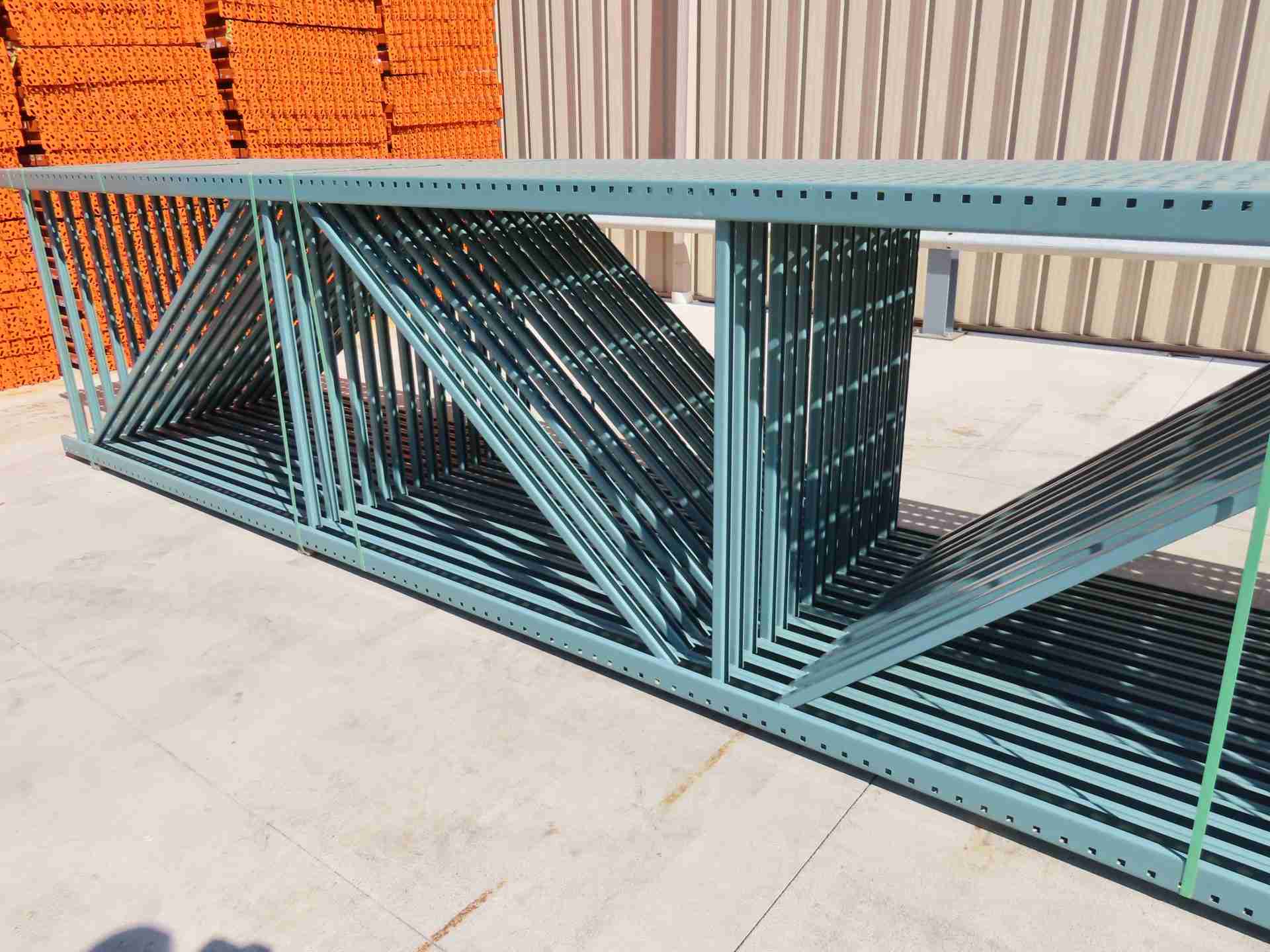
Glossary Of Terms
Other Questions
Insurance Considerations for Secondhand Rack Systems – Other Questions
If you wish to explore and discover more, consider looking for answers to these questions:
- What types of insurance coverage are essential for secondhand rack systems?
- How do I identify whether a secondhand rack system is safe for use?
- What are the common hidden defects to look for in secondhand racks?
- How does investing in quality secondhand racking systems influence workplace safety?
- What are the industry standards for secondhand racking systems?
- Can I modify secondhand racks to meet safety regulations?
- What role do insurance providers play in the safety and compliance of secondhand racking?
- How often should secondhand racking systems be inspected for safety?
- What are the legal implications of using secondhand racking systems without proper insurance?
- How can I find reputable suppliers for secondhand racking systems?
- What preventive measures can be taken to minimize risks associated with secondhand racks?
- How can businesses promote a culture of safety regarding secondhand racking?
- What should I do if my secondhand rack system fails?
- What are some real-life examples of secondhand rack system failures?
- How can I educate my employees about the risks of secondhand racks?
Other Questions
Checklist
Insurance Considerations for Secondhand Rack Systems – A Checklist
Checklist for Ensuring Safe and Insured Secondhand Rack Systems
Emotional Appeals
_____ Reflect on Team Safety: Consider the well-being of your employees. Are your racking systems a source of comfort and security for them?
_____ Visualize the Risks: Picture a scenario where a rack fails. How would that impact your employees, their families, and the community?
Rational Appeals
_____ Evaluate Potential Liabilities: Assess the insurance coverage you currently have. Is it sufficient to cover accidental damages from secondhand racks?
_____ Research Regulations: Familiarize yourself with local and industry standards for racking systems. Do you understand the requirements fully?
Ethical Appeals
_____ Prioritize Safety over Cost: Reflect on the ethical responsibility to invest in quality racking that ensures employee safety rather than opting for cheaper, potentially unsafe options.
_____ Commit to Community Responsibility: Understand how your choices affect not only your business but also the larger community around you.
Authority Appeals
_____ Consult Experts: Engage qualified inspectors to evaluate the condition and safety standards of your secondhand racks. Have you scheduled an inspection?
_____ Connect with Reputable Suppliers: Ensure your suppliers can provide you with the necessary certifications and inspection reports for the racks you are considering.
Narrative Appeals
_____ Learn from Past Failures: Research and share stories of businesses that faced failures due to inadequate racking. Are there cautionary tales that resonate with your operational choices?
_____ Create a Safety Culture: Share positive narratives within your team about how focusing on safety has led to success and strengthened relationships.
Social Appeals
_____ Foster Open Communication: Discuss safety protocols and any concerns about racking systems with your team. Are there forums for employees to voice their opinions?
_____ Engage with Industry Peers: Participate in discussions with other businesses about best practices for managing secondhand racking risks. Are you leveraging communal knowledge for safer operations?
By following this checklist, you will not only comply with safety standards but also enhance the overall integrity and reputation of your business.
Checklist
At RackingWorld, we help guide you through selecting warehouse storage systems and racking.
Be sure to read our other related stories at RackingWorld to learn more about warehouse storage systems.
0 Comments