
Creating A Sustainable Rack Improvement Strategy
By Tom Seest
At RackingWorld, we help guide you through selecting warehouse storage systems and racking.
Be sure to read our other related stories at RackingWorld to learn more about warehouse storage systems.
How to Build a Multi-Year Rack Upgrade Plan
When it comes to overhauling your racking system, it’s not just about replacing old steel with new. It’s a journey—one that should be carefully mapped out, with a clear vision and a pinch of grit. Building a multi-year rack upgrade plan might feel like a colossal task at first. However, envisioning your warehouse’s future can set the wheels in motion. Picture this: An efficient, productive workspace where everything has its place, and workers can navigate with ease. You’re not just upgrading equipment; you’re cultivating a culture of safety and productivity.
Start with a deep dive into your current racking system. Conduct an assessment that weighs not just the structural integrity but how the current setup affects daily operations. This is where the head meets the heart. Employees are the backbone of your business, and a thoughtful approach to racking can enhance their safety and efficiency. By investing in this upgrade, you are telling your team, “We care about you” and “Your work matters.”
Now, let’s get pragmatic. Develop a budget that allows for gradual improvements rather than a one-time overhaul that could break the bank. Focus on critical areas first—those pain points that derail productivity or pose safety hazards. This thoughtful allocation of resources ensures long-term sustainability while steering clear of budgetary pitfalls.
Next, grab the reins of your project and engage employees in the planning process. Leverage their insights; they know the intricacies of daily operations far better than any spreadsheet ever could. This collaboration creates bonds that strengthen the workplace culture, validating each worker’s role in the upgrade.
As you create your plan, consider the ethical implications. Is your new racking system sustainable? Are you opting for materials that are environmentally friendly? An upgrade plan rooted in ethics not only uplifts your brand but fosters community trust.
Finally, don’t just go for the quick fix. Make your upgrades a phased approach, introducing new racking gradually, allowing your team the time to adjust. You’ll build trust, bolster confidence, and inspire a shared commitment to the craft. The right racking isn’t just about storage; it’s about creating an environment where everyone can thrive. So embark on this journey armed with a solid plan, the camaraderie of your team, and the conviction that, together, you are building more than just a rack—you’re forging a foundation for success.
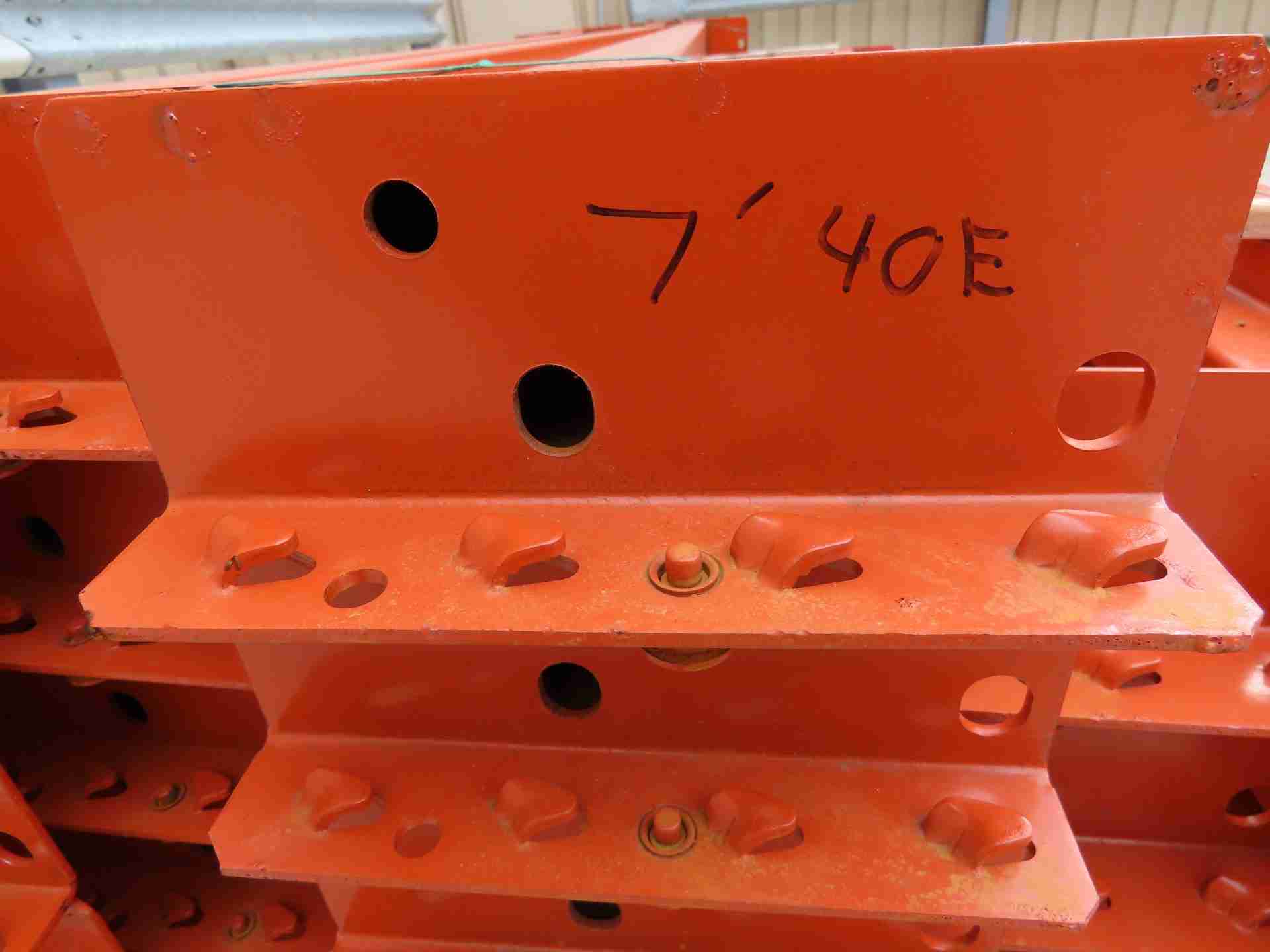
How to Build a Multi-Year Rack Upgrade Plan
How to Build a Multi-Year Rack Upgrade Plan
- Overhauling a racking system is a strategic journey, not just a replacement task.
- Creating a multi-year upgrade plan helps envision a more efficient and productive workspace.
- A thorough assessment of the current racking system is essential for improving safety and efficiency.
- Develop a gradual budget for upgrades, focusing on critical pain points first.
- Engage employees in the planning process to leverage their insights and strengthen workplace culture.
- Consider the ethical implications of the upgrade, such as sustainability and eco-friendly materials.
- Implement upgrades in a phased approach to build trust and foster a thriving environment.

How to Build a Multi-Year Rack Upgrade Plan
Table Of Contents
- How to Build a Multi-Year Rack Upgrade Plan
- What Emotional Impact Does an Outdated Rack Have on Your Operations?
- How Can a Multi-Year Upgrade Plan Improve Your Bottom Line?
- What Ethical Considerations Should Guide Your Upgrade Decisions?
- How Do You Balance Short-Term Needs with Long-Term Goals In Upgrades?
- What Stories Of Success Have Others Experienced with Rack Upgrades?
- Conclusion
- Other Resources
- Glossary Of Terms
- Other Questions
- Checklist
What Emotional Impact Does an Outdated Rack Have on Your Operations?
When you walk into a warehouse lined with aging, rusty racking systems, it’s hard not to feel a twinge of anxiety. Those once-gleaming structures now sag under the weight of neglect and outdated designs. They’re not just shelves; they’re the backbone of your operations, and their deteriorating state can have profound emotional repercussions on your team and bottom line.
Picture your employees. Their lives are spent navigating a maze of outdated racking, battling cramped spaces and unstable shelves. Each trip to that rickety rack feels like a gamble. Will that load hold? Will their colleagues stay safe? The psychological toll is real. Distrust lingers in the air, breeding uncertainty and slowing morale. There’s power in confidence, and when your team lacks faith in their tools, you can bet productivity will wane.
Now, switch gears for a moment. Think about the costs associated with injuries or accidents due to a faulty racking system. An outdated rack doesn’t just disrupt operations; it risks livelihoods. It’s not just an ethical dilemma; it’s a responsibility. Your people deserve a space that prioritizes their safety and efficiency. Investing in modern racking isn’t just about compliance; it’s about respect—respect for the workers who make your operations tick and for the health of your business.
From a rational standpoint, consider inventory accuracy. An outdated racking system can lead to miscounts and misplaced items. Picture scrambling to locate a shipment while your competitors glide ahead, armed with efficient, reliable systems. A modern racking solution is an investment that yields dividends in speed and accuracy. Your warehouse could become a beacon of efficiency rather than a cause for concern.
In a world where collaboration is key, think about how your outdated racking impacts not just your crew but your entire organization. Teams that share space, hustle together, build trust. When they work side by side, inspired by modern tools and a commitment to safety, they form bonds that drive success.
Don’t let outdated racks undermine your mission. It’s time for a change—a change that fosters confidence, nurtures connections, and propels you forward. When you’re ready to upgrade, you’re not just improving your operations; you’re showing your team that you care. That’s the kind of message that resonates, inspires action, and builds a strong, united workforce.
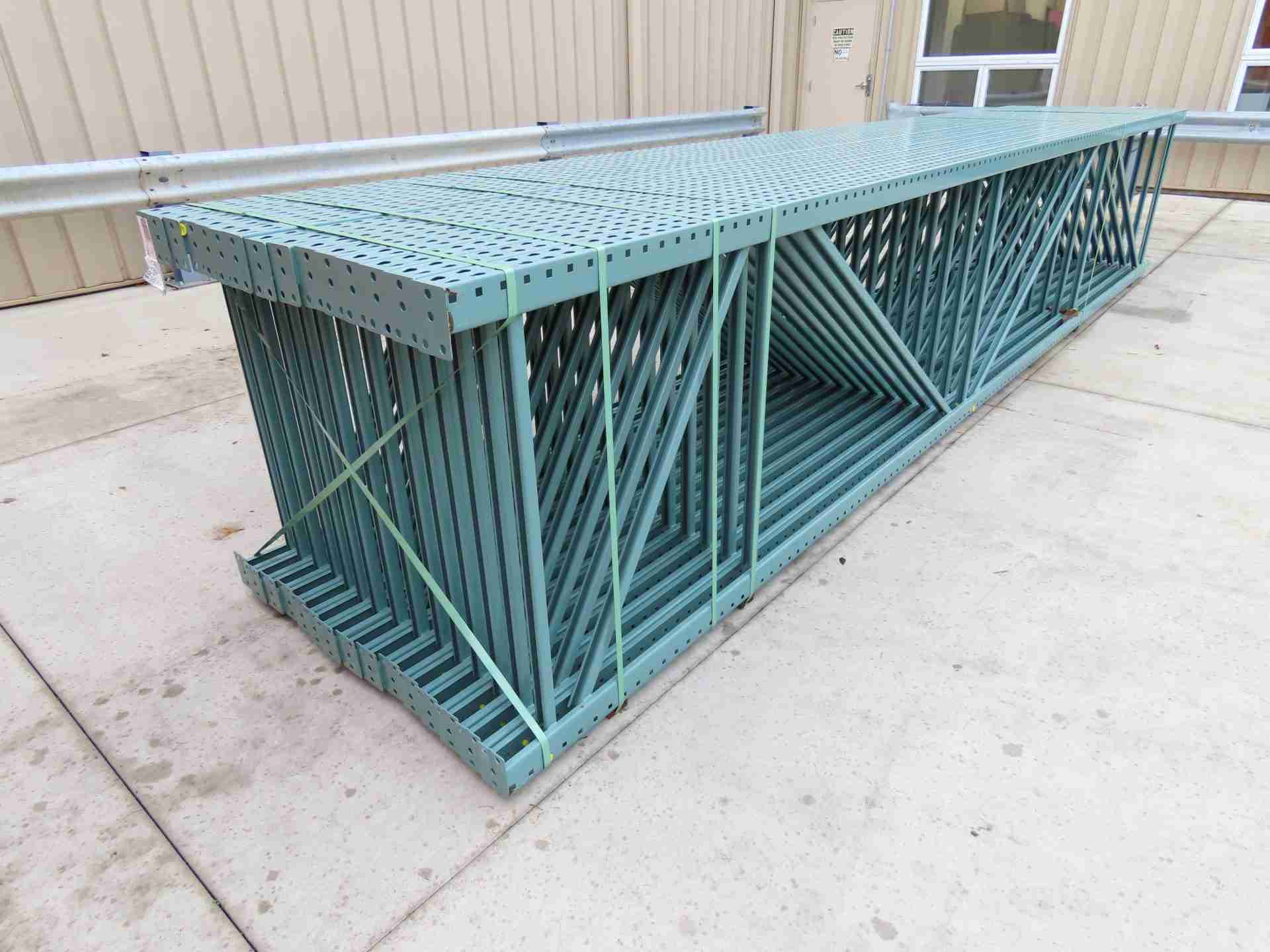
What Emotional Impact Does an Outdated Rack Have on Your Operations?
What Emotional Impact Does an Outdated Rack Have on Your Operations?
- Neglected racking systems create anxiety and affect team morale.
- Employees face safety risks and uncertainty while navigating outdated racks.
- Injuries from faulty racking systems pose ethical and financial risks.
- Modernizing racking improves workspace safety and demonstrates respect for workers.
- Outdated systems can lead to inventory inaccuracies and operational inefficiencies.
- Collaborative teams thrive with modern tools that enhance safety and trust.
- Investing in updated racking shows care for employees and strengthens the workforce.
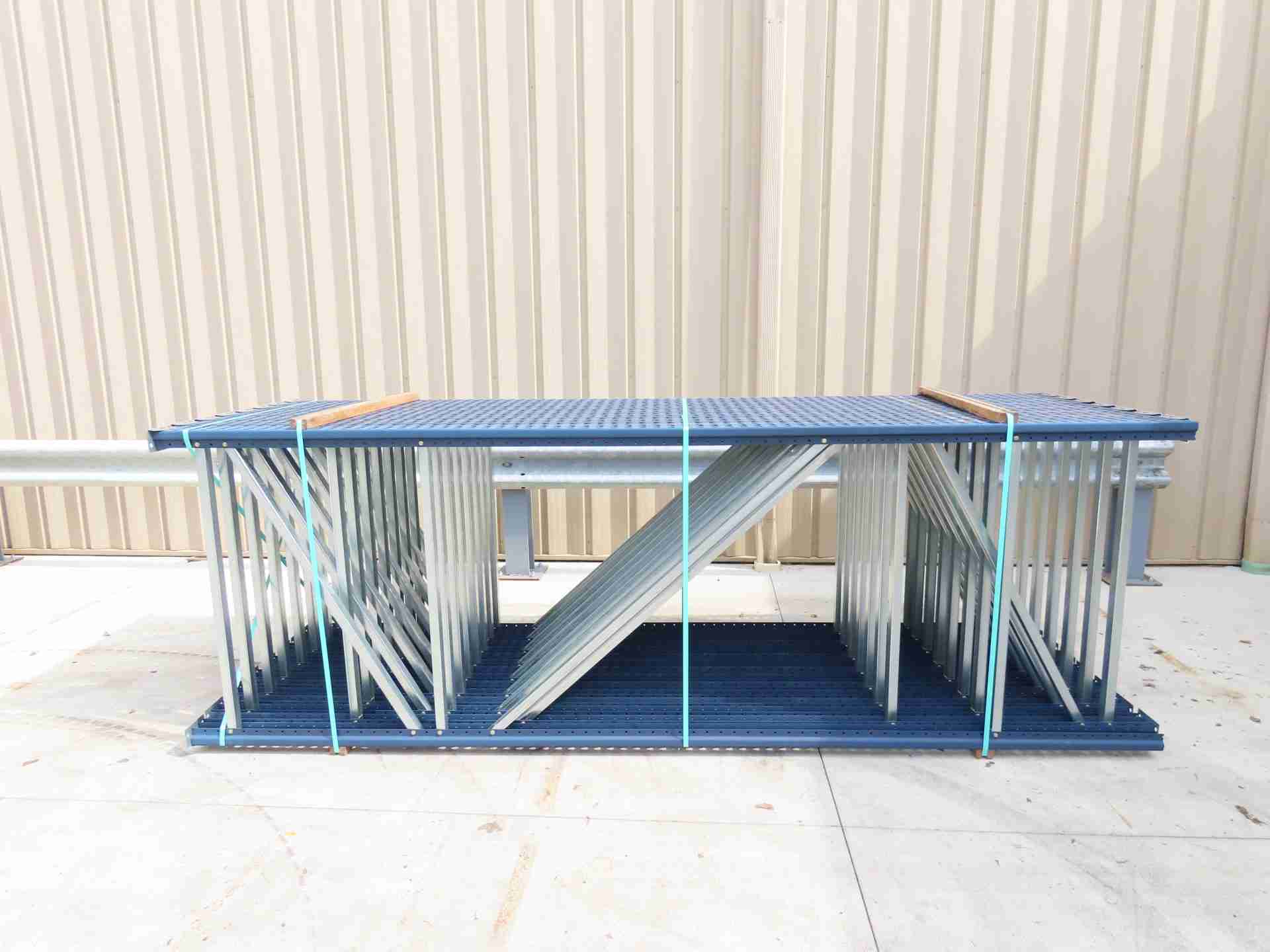
What Emotional Impact Does an Outdated Rack Have on Your Operations?
How Can a Multi-Year Upgrade Plan Improve Your Bottom Line?
When you think about your business’s future, consider what it’s built upon: hard work, determination, and a vision that stretches beyond the next quarter. A multi-year upgrade plan isn’t just financial strategy; it’s a lifeline that can breathe new life into your operations and “racking” up sustainable profits. Picture a farmer planting seeds not just for the immediate harvest but with a long-term vision for future seasons. That’s where you need to be—investing today for the victories of tomorrow.
The heart of this approach lies in its ability to foster resilience. A well-thought-out upgrade plan helps you navigate those inevitable storms—be it economic downturns or unexpected market shifts. With modern technology in your toolkit, you’re not just keeping up; you’re staying ahead of the pack. Think about it: what does it feel like to be the business that others look to for inspiration? The one that not only survives but thrives in any climate? When you innovate sustainably, you’re building a reputation that goes beyond profit, establishing an ethical standard that resonates with customers and employees alike.
Rationally speaking, every dollar spent on upgrading equipment or streamlining processes is a dollar invested back into your future. This isn’t about instant gratification; it’s about cultivating an environment where efficiency becomes the norm, not the exception. Businesses that adopt a multi-year plan are often characterized by a culture of continuous improvement. Your team will see first-hand how their daily efforts translate into long-term gains. They’ll feel the pride of contributing to something larger than themselves, fostering loyalty that’s often hard to measure but deeply felt.
And let’s be real: in a world where everyone is trying to gain the upper hand, the social appeal can’t be overstated. Companies opting for a long-term vision often shine in community goodwill. Customers are drawn to businesses that align with their values, and a commitment to growth shows you’re in it for the long haul—not just for a bump in short-term profit. This is your chance to build a legacy, one upgrade at a time, creating not just a bottom line but a better world.
So, don’t just think about today. Cast your eyes on the horizon, take that leap, and watch your business flourish. Greatness isn’t built overnight; it’s a journey paved with thoughtful decisions, each one bringing you closer to the success that inspires others to follow.
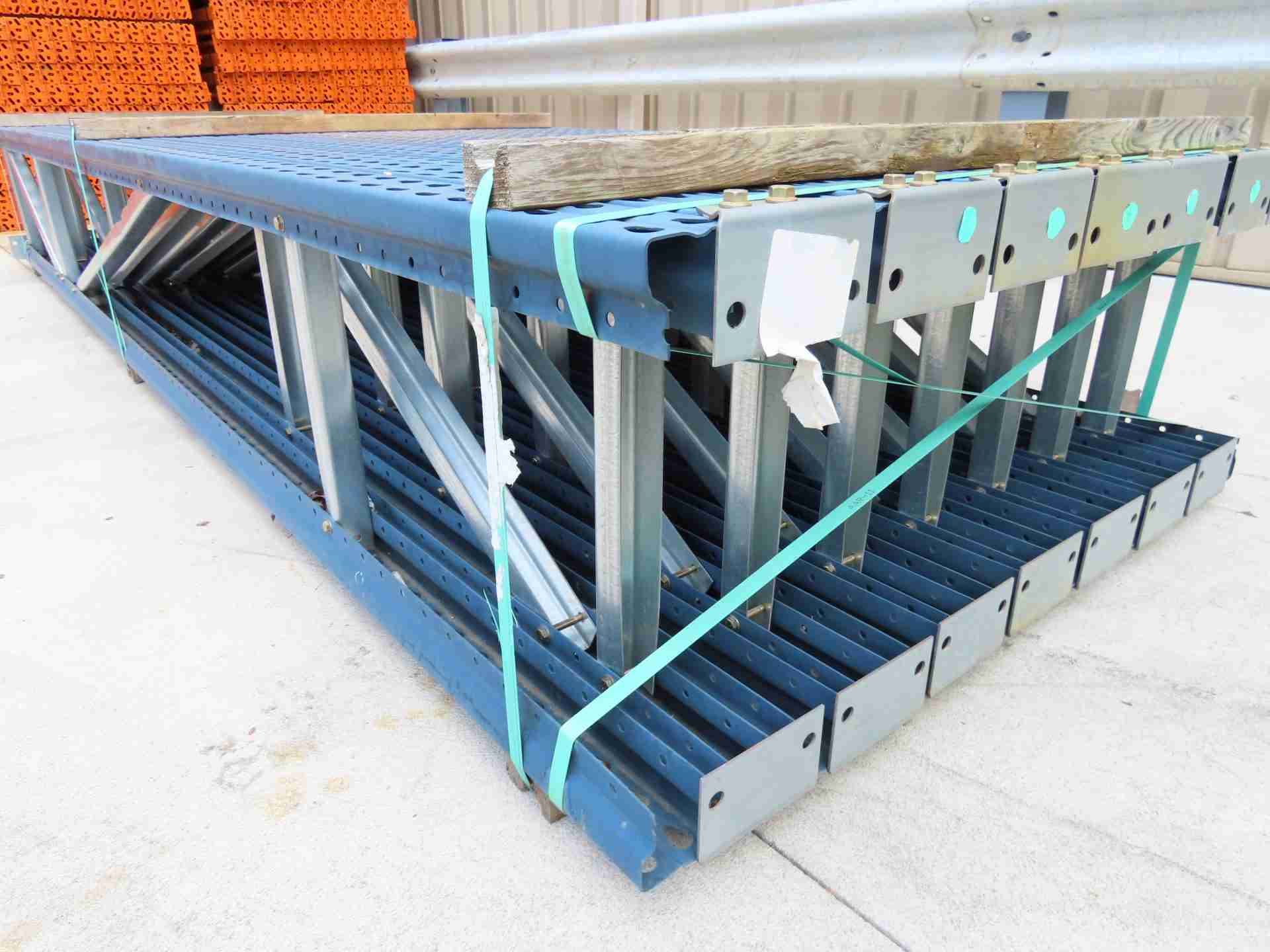
How Can a Multi-Year Upgrade Plan Improve Your Bottom Line?
How Can a Multi-Year Upgrade Plan Improve Your Bottom Line?
- Consider your business’s foundation built on hard work, determination, and a long-term vision.
- A multi-year upgrade plan serves as a lifeline, revitalizing operations and generating sustainable profits.
- This approach fosters resilience, helping businesses navigate economic downturns and market shifts.
- Modern technology keeps you ahead of the competition and builds an inspiring reputation.
- Investing in upgrades nurtures a culture of continuous improvement and enhances team loyalty.
- Companies with long-term visions tend to generate community goodwill and align with customer values.
- Focus on thoughtful decisions to achieve long-term greatness and inspire others to follow.
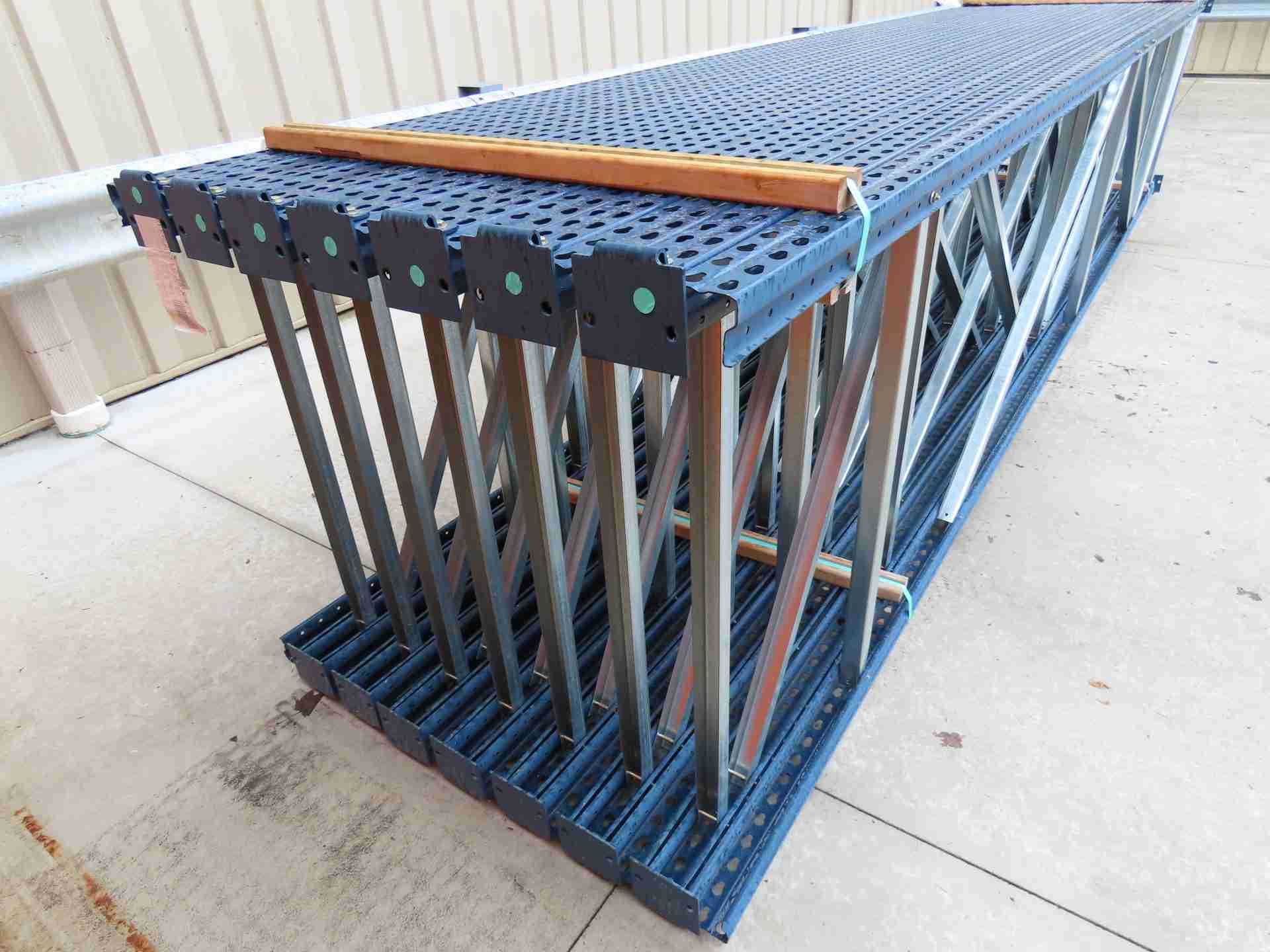
How Can a Multi-Year Upgrade Plan Improve Your Bottom Line?
What Ethical Considerations Should Guide Your Upgrade Decisions?
When it comes to upgrading your tech, the decision can be more complicated than just racking up the latest gadgets. Each choice we make carries consequences, and in the sea of flashy sales pitches and shiny new devices, it’s vital to anchor your decisions in ethical considerations. This isn’t just about you; it’s about how your choices ripple through the lives of others, the planet, and even future generations.
Picture a family who just scraped together enough to buy a refurbished computer, only to find out that your discarded device turned into e-waste because it was “just too old.” Those seemingly harmless upgrades may release toxic materials into landfills. By holding onto your devices a little longer, you’re giving someone else a chance to benefit from what you once considered obsolete.
Now let’s talk dollars—and I don’t just mean your wallet. Investing in quality over quantity supports companies committed to sustainable practices. Choose brands that prioritize eco-friendly production and responsible sourcing. You’re not just making a smart financial choice; you’re advocating for ethical corporate behavior. Think about that the next time you find yourself tempted by the latest model with that enticing discount.
It takes guts and a bit of self-reflection to ask: “Is this upgrade truly necessary?” Our society often glorifies the newest model, equating it with a sense of status, but it’s crucial to challenge that narrative. Ask yourself who benefits from this upgrade? Is it you or the company pushing the latest hype? This simple exercise can guide you toward a more conscious decision that considers not only your needs but those of the communities and ecosystems affected by your choices.
Having conversations with friends and family about your upgrade decisions opens the door to a powerful exchange of values. You’ll find that many share your concerns and are eager to explore sustainable alternatives. Fostering these connections can inspire a small, meaningful movement in your circle, amplifying the message that responsible tech consumption is just as vital as the products we choose.
So, the next time you’re tempted to jump on the upgrade train, pause and reflect. Your choices matter—not just to you, but to the world at large. Embrace the opportunity to act from a place of ethics, supporting a brighter future.
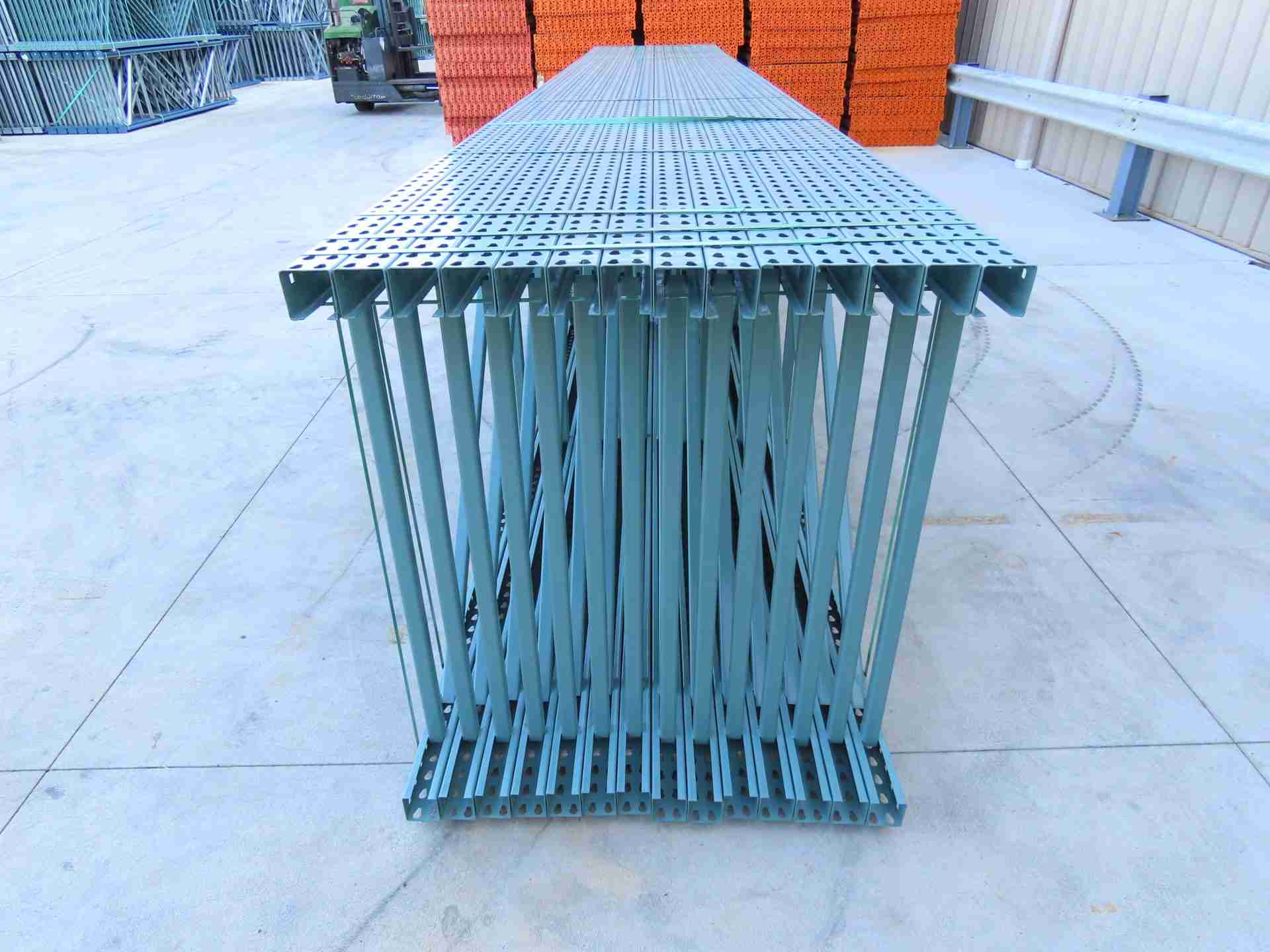
What Ethical Considerations Should Guide Your Upgrade Decisions?
What Ethical Considerations Should Guide Your Upgrade Decisions?
- Upgrading tech involves complex decisions that have ethical consequences beyond personal benefit.
- Discarding old devices can contribute to e-waste and environmental harm; consider holding onto devices longer.
- Investing in quality tech from sustainable brands supports eco-friendly practices and ethical corporate behavior.
- Challenge societal norms that equate new models with status; assess if upgrades are truly necessary.
- Engaging in discussions with friends and family can promote awareness and foster shared values on sustainable tech.
- Reflect on the broader impact of tech choices on communities and ecosystems before making upgrades.
- Your decisions regarding tech upgrades can drive positive change for the future and contribute to a sustainable world.
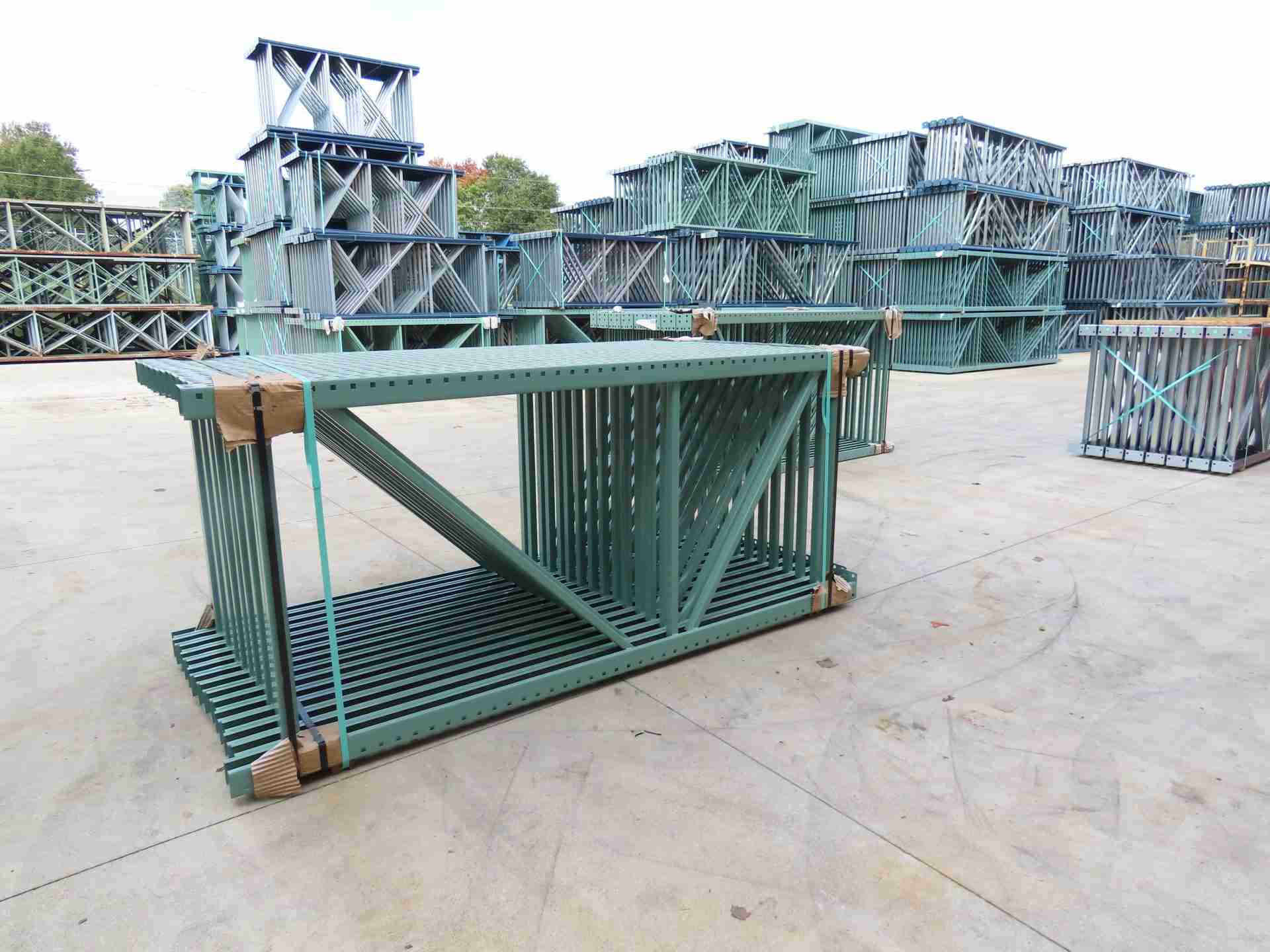
What Ethical Considerations Should Guide Your Upgrade Decisions?
How Do You Balance Short-Term Needs with Long-Term Goals In Upgrades?
When it comes to upgrades, the balancing act between short-term needs and long-term goals is like a high-wire performance. Just imagine walking that tightrope, with the wind howling and every step feeling like a leap of faith. That precarious spot between immediate demands—like urgent repairs or outdated equipment—and visionary aspirations—like sustainable growth and future-proof technologies—can make even the steadiest hearts race.
We often find ourselves racking our brains over the best path forward. Should we invest in a shiny new tool that promises to streamline our work now, or should we hold off for a more comprehensive approach that aligns with our long-term vision? This dilemma isn’t just a technical challenge; it’s an emotional one. Timely upgrades can boost morale, igniting sparks of excitement among our teams. Who hasn’t felt a thrill when the new equipment arrives? On the flip side, holding back and strategizing for the future often brings a sense of security, the quiet confidence of knowing we are building something better.
And therein lies the ethical choice: what’s best not just for today’s profits but for tomorrow’s integrity? When making decisions grounded in ethics, we foster trust—trust in our leadership and a shared vision of where we’re headed.
Remember, we’re all part of a community. Our choices impact our families, our colleagues, and the next generation who will step into our shoes. We have a responsibility to consider how our investments today will serve our collective future. Upgrading isn’t just about us; it’s about creating a legacy, a ripple effect that extends far beyond the confines of our immediate realities.
So, take a moment to evaluate: Are we simply chasing today’s pressures, or are we intentionally aligning our actions with our aspirations? Picture the long-term benefits as a horizon, and every thoughtful upgrade as a step toward that beautiful vista. Weaving that balance—where short-term wins don’t overshadow durable results—is the key to not just surviving the marketplace but thriving in it. Let’s carve a path that echoes with purpose and resilience, where every upgrade serves as a testament to our commitment to both today and tomorrow.
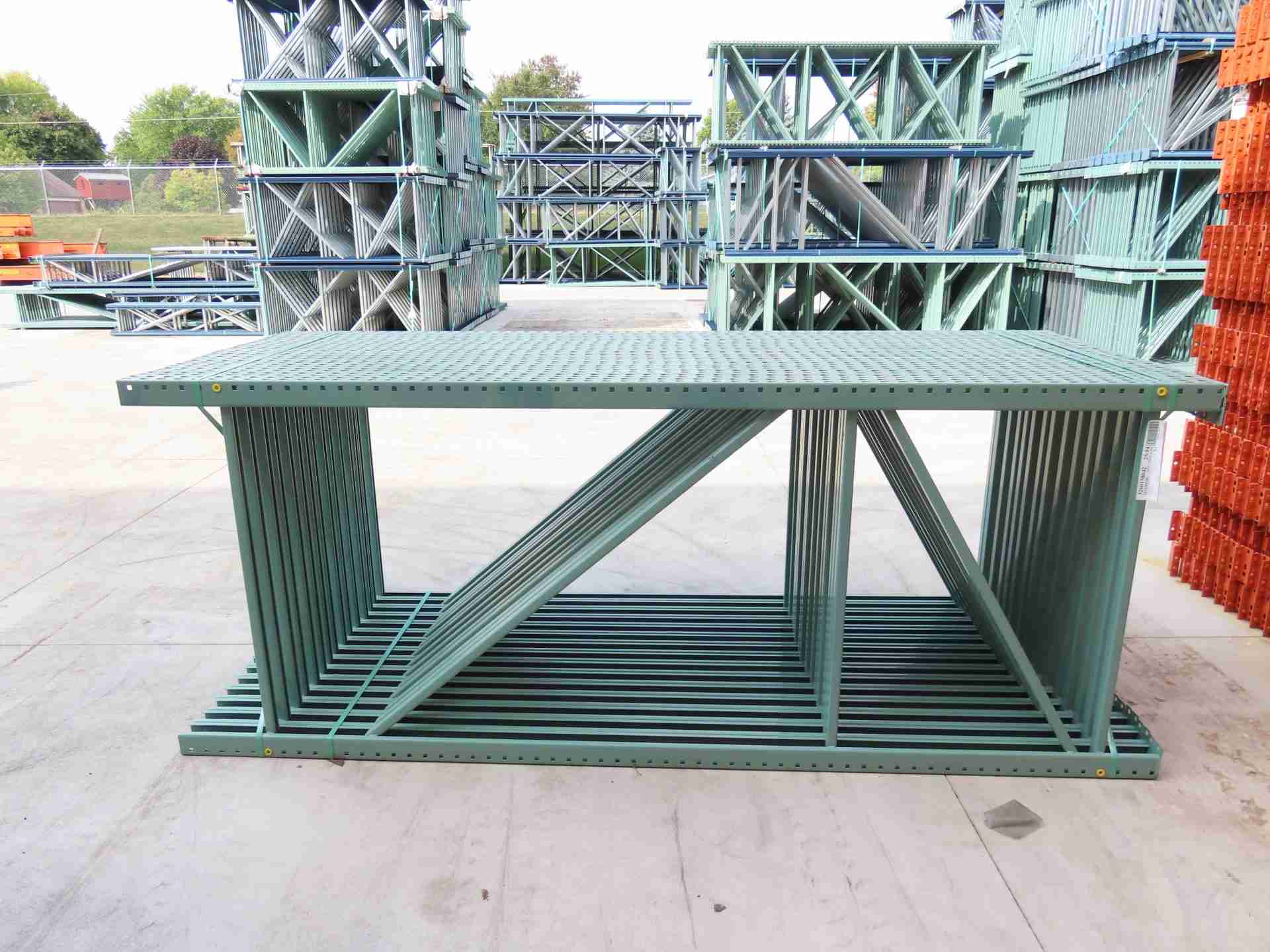
How Do You Balance Short-Term Needs with Long-Term Goals In Upgrades?
How Do You Balance Short-Term Needs with Long-Term Goals In Upgrades?
- Upgrading involves balancing short-term needs with long-term goals.
- The decision-making process can be both technical and emotional, impacting team morale.
- Investing in upgrades can lead to immediate excitement, while strategic planning fosters security.
- Ethical choices in upgrades build trust in leadership and a shared vision for the future.
- Consideration for collective impact is crucial, as upgrades affect families and future generations.
- Evaluating our approach ensures alignment between actions and aspirations for sustainable growth.
- Striking the right balance is essential for thriving in the marketplace, beyond just surviving.
How Do You Balance Short-Term Needs with Long-Term Goals In Upgrades?
What Stories Of Success Have Others Experienced with Rack Upgrades?
When it comes to racking upgrades, the stories of transformation can be as inspiring as they are practical. Consider a small family-owned distribution center that was complete chaos. Boxes piled high, items misplaced, and workers tripping over the inefficiencies of outdated racking systems. The owners were not just losing money—they were losing their grip on the vision that had built their livelihood. They knew they needed to act, but hesitation loomed large like a storm cloud overhead.
In a moment of clarity, they decided to invest in a racking overhaul. They sought out experts who guided them toward a more efficient layout that streamlined their operations. This wasn’t just a financial decision; it was about creating a culture of teamwork and accountability. Employees felt the immediate impact. With organized, intuitive racking systems, they could find products quickly and contribute more effectively. Their productivity soared—so much so that they eventually expanded their client base, not through aggressive marketing but through word-of-mouth. Happy employees lead to happy customers, after all.
On the flip side, there’s the story of a municipal warehouse that faced a crushing demand for emergency supplies. Their outdated racking system put lives at risk during disasters. An upgrade was not just necessary; it became a moral imperative. The city leaders went all in, investing in racks that maximized space and visibility. The result was nothing short of heroic—their response time improved, and their community began to trust that help would arrive faster than ever. These racking upgrades didn’t just save the day; they saved lives, building an ethical foundation that reverberated through the town.
These narratives echo a collective human experience. We’re all navigating some version of chaos in our lives—whether in the workplace, at home, or in our communities. When we hear about others who took that leap of faith toward efficiency and productivity, it resonates. It invites us to consider the potential in our own circumstances.
Upgrading racking systems isn’t merely about improving workflow. It’s about empowerment—taking the reins of your situation and steering it toward success. It’s about fostering connection, both within teams and with customers. Trust isn’t built overnight, but a well-implemented racking solution lays a foundation for lasting relationships. Join those who have dared to take the plunge; transform chaos into order and watch how it ripples out into every aspect of your life.

What Stories Of Success Have Others Experienced with Rack Upgrades?
What Stories Of Success Have Others Experienced with Rack Upgrades?
- Transformation stories highlight the impact of racking upgrades on operational efficiency.
- A small family-owned distribution center struggled with chaos and inefficiencies, risking their vision and livelihood.
- Deciding to invest in a racking overhaul led to a more organized layout and increased employee productivity.
- This shift fostered a culture of teamwork, enhanced accountability, and improved customer satisfaction through word-of-mouth.
- A municipal warehouse upgraded their outdated racking system to ensure timely emergency supplies, turning a necessity into a moral imperative.
- Upgrades improved response times during disasters, reinforcing community trust and saving lives.
- The overarching message encourages individuals and organizations to embrace upgrades for empowerment and lasting connections.
What Stories Of Success Have Others Experienced with Rack Upgrades?
Conclusion
Where do we go from here? When it comes to upgrading your racking systems, it’s not just about shiny new shelves or the latest technology; it’s about crafting a vision that aligns with your core values. In every warehouse filled with outdated racks, there’s an opportunity waiting to be seized—a chance to turn chaos into a chorus of efficiency, safety, and purpose. Take a moment to step back and appreciate what you’re really doing when you embark on this journey. You’re not merely enhancing physical structures; you are cultivating a culture where trust, pride, and safety thrive. You’re signaling to your employees, “Your well-being matters,” transforming their daily grind into a workspace where they can flourish.
Getting practical, let’s emphasize the importance of a multi-year strategy. This isn’t about a one-time splurge that could drain resources, but rather a thoughtful evolution that gradually addresses pain points, enhances safety, and respects your budget. Engage your team in this planning; their insights are invaluable. They navigate the chaos every day and can illuminate the hidden inefficiencies that spreadsheet models might miss. By involving them, you are nurturing not only their trust but a deep-rooted commitment to your mutual goals.
Then there’s the ethical dimension. Are you prioritizing sustainability in your choices? Each racking upgrade should reflect a commitment to the future—a future where decisions made today resonate positively for years to come. This is not merely good business; it’s responsible stewardship of your community and environment.
Consider also the short-term versus long-term dilemma. Instant gratification can be tempting, but each upgrade is a stepping stone toward a more sustainable and successful pathway. Picture your warehouse a year down the line—more productive and efficient than ever—because you resisted the urge to rush and instead made calculated, ethical choices.
As you contemplate this journey, remember the stories of success that prove the power of these upgrades. A struggling family distribution center turned chaos into triumph; a city warehouse saved lives by improving response times during emergencies. These narratives inspire and resonate, illustrating that when you invest in systems that value safety and efficiency, you’re not just building a structure but laying down a legacy of integrity and care. You have a chance to forge a future where not only your business but your team, community, and even the environment can flourish together. Equip yourself with a robust upgrade plan, seek the wisdom of your people, and step boldly into a future where you don’t just meet expectations but exceed them.
Conclusion
Conclusion:
- Upgrading racking systems involves aligning with core values, not just implementing new technology.
- Transforming outdated racks offers an opportunity to enhance efficiency, safety, and purpose.
- Creating a positive workspace reflects care for employees’ well-being and fosters trust and pride.
- A multi-year strategy is essential for thoughtful evolution, focusing on budget, safety, and addressing pain points.
- Involving team members in planning reveals hidden inefficiencies and builds commitment to shared goals.
- Ethical considerations, such as sustainability, should guide every racking upgrade for responsible stewardship.
- Success stories illustrate the impact of upgrades on productivity and safety, contributing to a legacy of integrity.
Conclusion
Other Resources
Other Resources
Here is a list of other resources you can review online to learn more:
- Teardrop Industrial Shelving Rack
- Pallet Racks, Pallet Racking, Pallet Shelves in Stock – ULINE
- ASSP
- Storage Equipment Manufacturers’ Association
- Pallet Racking 101: A Comprehensive Guide & Options Explained
- Teardrop Pallet Rack – Ridg-U-Rak
- WERC
- Logic Material Handling
- National Safety Council
- Total Warehouse
- Teardrop Industrial Shelving Rack
- Cantilever Rack Guide: Ordering Cantilever Racking
- Cantilever Racking Specialists – Get the Right Racks
- Teardrop Pallet Rack – Ridg-U-Rak
- Pallet Racking systems in Illinois and Great Lakes
- Material Handling Safety
- American Surplus
- Shipping Boxes, Packaging Materials, Pallet Racking
- Warehouse Automation
Use This Prompt To Get More Resources With Your Favorite Online AI Tool: Please provide me with a list of online articles with their URLs in a bulleted list that I can read regarding How to Build a Multi-Year Rack Upgrade Plan
Other Resources
Glossary Terms
How to Build a Multi-Year Rack Upgrade Plan – Glossary Of Terms
1. Upgrade: The process of enhancing or replacing hardware or software to improve performance or functionality.
2. Rack: A structure designed to hold and organize equipment, usually in data centers or server rooms.
3. Architecture: The overall design and structure of a system or network, including hardware and software components.
4. Capacity Planning: The process of determining the necessary resources needed to meet future workloads.
5. Scalability: The ability of a system to grow and manage increased demand without performance loss.
6. Redundancy: The inclusion of extra components to ensure system reliability and availability in case of failure.
7. Lifecycle Management: Strategies for managing the phases of hardware and software, from acquisition to disposal.
8. Compatibility: The ability of different systems or components to work together without issues.
9. Virtualization: The creation of a virtual version of physical hardware, allowing multiple virtual systems to run on a single physical machine.
10. Networking: The interconnection of computers and devices to share resources and communicate.
11. Monitoring: The process of tracking system performance and health, often using specialized tools.
12. Maintenance: Routine procedures carried out to keep hardware and software running smoothly and efficiently.
13. Benchmarking: The practice of measuring system performance against standards or best practices.
14. Documentation: Written records detailing the specifications, processes, and maintenance of systems.
15. Cost Analysis: An evaluation of the expected costs associated with purchasing and maintaining equipment over time.
16. Deployment: The process of installing and configuring hardware or software in a live environment.
17. Migration: The transfer of data and applications from one system or environment to another.
18. Future-proofing: Designing systems to minimize obsolescence and accommodate future technological advancements.
19. Procurement: The process of acquiring goods or services, often involving vendors or suppliers.
20. Collaboration: Working together with stakeholders and team members to achieve project goals.
21. Capacity: The maximum output or performance level a system can sustain.
22. Inventory Management: Tracking and managing physical equipment to ensure optimal usage and availability.
23. Security: Measures and protocols implemented to protect systems against unauthorized access or threats.
24. Infrastructure: The foundational physical and virtual resources that support computing environments.
25. Disaster Recovery: Strategies and plans established to protect and restore systems in case of catastrophic events.
26. Timeframe: The duration set for each phase of an upgrade plan, including milestones and deadlines.
27. Stakeholders: Individuals or groups with an interest in the planning, execution, and outcomes of the upgrade.
28. Evaluation: The assessment of system performance and upgrade effectiveness post-implementation.
29. Training: Educational initiatives aimed at equipping staff with the skills to manage and operate upgraded systems.
30. Sustainability: Practices that ensure long-term environmental, economic, and operational viability of technology investments.

Glossary Of Terms
Other Questions
How to Build a Multi-Year Rack Upgrade Plan – Other Questions
If you wish to explore and discover more, consider looking for answers to these questions:
- What are the first steps in assessing the current racking system?
- How do you prioritize which areas to upgrade first?
- What are some common budgetary pitfalls to avoid during upgrades?
- How can you effectively engage employees in the upgrade planning process?
- What are the benefits of using sustainable materials in racking systems?
- How can an upgrade impact employee morale and productivity?
- What specific steps can be taken to improve safety in the workplace with new racking?
- How can a phased approach to upgrades reduce disruptions in operations?
- What metrics can be used to measure the effectiveness of a new racking system?
- Can you provide examples of technologies that can complement new racking systems?
- How do you handle training for employees on new systems?
- What long-term benefits should be expected from investing in rack upgrades?
- What are the ethical implications of disposing of old racking systems?
- How can businesses communicate their commitment to sustainability to customers?
- What frameworks exist for creating a multi-year upgrade plan?
- How do successful companies share their upgrade stories for community inspiration?
Other Questions
Checklist
How to Build a Multi-Year Rack Upgrade Plan – A Checklist
Checklist for Building a Multi-Year Rack Upgrade Plan
Emotional Appeals
_____ Visualize Future Success: Imagine your warehouse transformed into a space that fosters efficiency and safety. How does this vision motivate you?
_____ Motivate Team Morale: Consider how your upgrades show employees they are valued and contribute to a positive workplace culture.
_____ Address Psychological Impact: Reflect on the stress caused by outdated racking systems. How can upgrades alleviate this burden?
Rational Appeals
_____ Conduct a Current System Assessment: Review your existing racking for structural integrity and operational efficiency. What are the critical pain points?
_____ Develop a Budget Plan: Outline a financial strategy for gradual improvements rather than an overwhelming one-time expense. Are you prioritizing effectively?
_____ Evaluate Inventory Accuracy: Assess how an updated racking system can prevent miscounts and misplaced items. What would improved accuracy mean for your operations?
Ethical Appeals
_____ Source Sustainable Materials: Consider the environmental impact of your racking choices. Are you opting for eco-friendly products?
_____ Promote a Responsible Upgrade: Think about the social implications of your decisions. How do your upgrades affect employees, communities, and future generations?
_____ Engage in Continuous Improvement: Foster a culture where ethical considerations guide all upgrade decisions. How can you ensure every choice reflects your values?
Authority Appeals
_____ Collaborate with Experts: Seek guidance from professionals in racking systems. What insights can they provide to enhance your upgrade plan?
_____ Leverage Employee Knowledge: Involve your team in the planning process. How can their firsthand experience improve decision-making?
Narrative Appeals
_____ Learn from Success Stories: Research case studies of businesses that successfully upgraded their racking systems. What parallels can you draw for your situation?
_____ Empower Your Team: Encourage team narratives around the upgrade process. How does their involvement in the story enhance engagement and ownership?
Social Appeals
_____ Foster Team Collaboration: Create a shared commitment to the upgrade journey. How can teamwork strengthen relationships across departments?
_____ Build Community Trust: Consider how your business practices reflect broader values. What message do your upgrade decisions send to customers and stakeholders?
_____ Challenge Societal Norms: Reflect on conventional upgrade motivations. Are you setting an example by prioritizing thoughtful, ethical improvements?
Checklist
At RackingWorld, we help guide you through selecting warehouse storage systems and racking.
Be sure to read our other related stories at RackingWorld to learn more about warehouse storage systems.
0 Comments