
Efficiency, Safety, And Performance In Racking Systems
By Tom Seest
At RackingWorld, we help guide you through selecting warehouse storage systems and racking.
Be sure to read our other related stories at RackingWorld to learn more about warehouse storage systems.
Drive-In Vs. Drive-Through Racking: Design and Usage Differences
When it comes to efficient storage solutions, the choice between drive-in and drive-through racking systems can feel like choosing between two paths in a winding forest. Each path has its unique advantages, appealing to different needs and scenarios. Understanding these differences isn’t just about square footage; it’s about maximizing your operation’s potential while keeping your team safe and productive.
Drive-in racking is like a cozy nook in a busy café—perfect for maximizing space, yet it requires careful navigation. This system allows for high-density storage where forklifts can enter from one side, stacking pallets tightly in a single lane. It’s efficient for businesses with a limited inventory variety, keeping costs down while still providing ample storage. But the compactness comes with a trade-off: accessing the back pallets can be a challenge, requiring some foresight and careful planning.
Now, let’s take a stroll down the other path: drive-through racking. Picture an open highway where vehicles can enter and exit from both sides, offering flexibility and ease of access. This system allows for a smoother flow of goods. It’s great for operations dealing with a larger variety of products—think of it as a well-oiled machine where everything runs like clockwork. With drive-through racking, you can quickly rotate stock, ensuring freshness and minimizing waste. It’s a system that respects your time and gets the job done efficiently.
Emotionally, we want to eliminate the chaos and frustration that come from a cluttered warehouse. When your workspace is optimized, you create a harmonious environment where team members feel empowered to do their best work. The ethical implications of a well-organized space also resonate; fewer workplace accidents mean a safer environment for everyone involved.
Rationally, however, it’s about understanding your specific needs—volume, accessibility, and product rotation. Drive-in may be perfect for those who are looking to maximize vertical space and hold a consistent inventory, while drive-through shines in environments where agility and variety reign supreme.
An informed choice fosters confidence, connecting you not only with the best layout but also with the well-being of your team. Just like choosing the right tools for a job, selecting the proper racking system can make all the difference in your operational success. Choose wisely, and let your warehouse work as hard as you do.
Drive-In Vs. Drive-Through Racking: Design and Usage Differences
Drive-In Vs. Drive-Through Racking: Design and Usage Differences
- Drive-in and drive-through racking systems offer unique advantages for storage solutions.
- Drive-in racking maximizes space with high-density storage but can make accessing back pallets challenging.
- This system is cost-effective for businesses with limited inventory variety.
- Drive-through racking allows entry and exit from both sides, providing flexibility and ease of access.
- Ideal for a larger variety of products, it facilitates quick stock rotation, ensuring freshness.
- Both racking systems impact workplace organization, influencing team safety and productivity.
- Selecting the right racking system depends on specific needs like volume, accessibility, and product rotation.
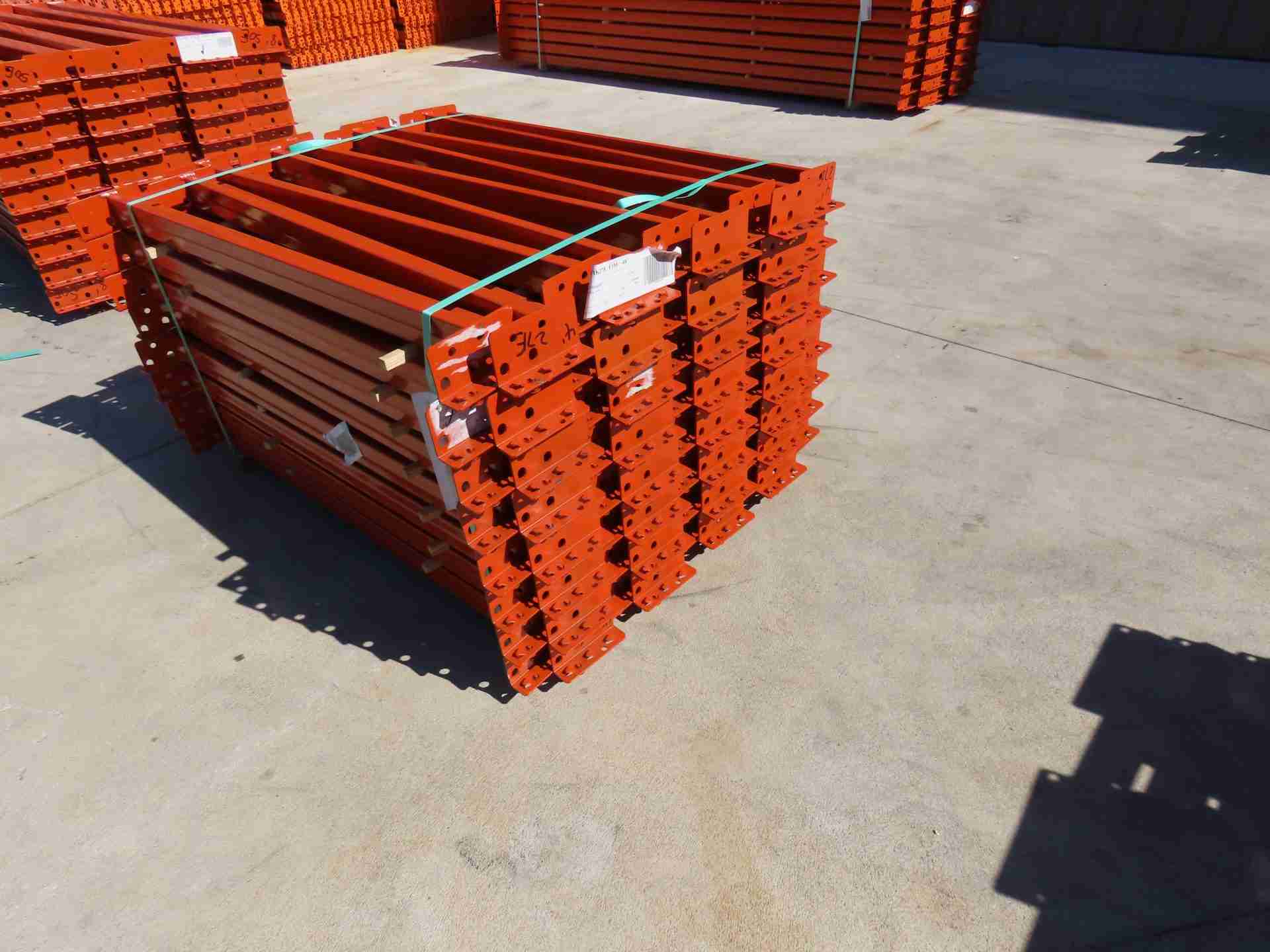
Drive-In Vs. Drive-Through Racking: Design and Usage Differences
Table Of Contents
- Drive-In Vs. Drive-Through Racking: Design and Usage Differences
- What Emotional Benefits Do You Prioritize In Your Racking System?
- Are You Aware Of the Safety Regulations for Drive-In Racking Designs?
- How Do Drive-In and Drive-Through Systems Affect Employee Morale?
- What Narratives Can Your Racking Design Tell About Your Business?
- How Does the Choice Of Racking Impact Your Supply Chain Efficiency?
- Conclusion
- Other Resources
- Glossary Of Terms
- Other Questions
- Checklist
What Emotional Benefits Do You Prioritize In Your Racking System?
When you think about your racking system, what comes to mind? Is it just metal and bolts, or is it a cornerstone of your workplace, a silent but sturdy support to the everyday hustle? The truth is, the right racking can yield more than just physically organized space; it can nurture a sense of belonging, purpose, and even pride.
Picture this: your team isn’t just moving products; they’re moving with efficiency and confidence, all thanks to a racking system that serves as a backbone for their labor. The emotional benefits of a well-thought-out racking system are profound. In a world that thrives on chaos, when employees feel empowered to work in an organized space, it spills over into their morale, productivity, and ultimately, your bottom line. Rationally speaking, an accessible racking system reduces time spent searching for items, making work smoother and easier for everyone involved, while also expertly balancing the books.
Let’s not forget the ethical aspect. Consider how a well-designed racking system can promote safety. Opting for reliable solutions not only shows care for your team but also fosters trust. Employees appreciate an environment where their well-being is prioritized, which translates into loyalty. When workers feel valued, they are more engaged and less likely to view their roles as mere jobs. By investing in thoughtful assembly, you’re making an ethical choice that speaks volumes about your core values.
Draw upon real-life stories when exploring the impact of racking systems. Perhaps you’ve heard anecdotes from those who have stepped into a disorganized maze of materials, only to transform it into a streamlined space with a simple change. Those triumphs create a ripple effect within the workforce—a camaraderie that fuels innovative thinking and boosts team spirit.
And let’s not overlook the social appeal. A well-maintained racking system becomes a hallmark of professionalism that reflects on your entire organization. It’s not just about efficiency; it’s about how you present yourself to clients and partners. It communicates that you care about quality, and in turn, boosts your reputation.
Every time you glance at those shelves filled with framed success stories, remember this: choosing a racking system is more than an operational decision; it’s a chance to cultivate an environment where people feel inspired, connected, and ready to tackle the challenges of tomorrow. That’s an emotional benefit worth prioritizing.

What Emotional Benefits Do You Prioritize In Your Racking System?
What Emotional Benefits Do You Prioritize In Your Racking System?
- Racking systems are essential to workplace organization, contributing to a sense of belonging and pride among employees.
- An efficient racking system enhances team productivity and morale, positively affecting the bottom line.
- Organized spaces reduce time spent searching for items, leading to smoother work processes.
- Well-designed racking systems promote safety, showing care for employee well-being and fostering trust.
- Investing in thoughtful assembly reflects core values and enhances employee engagement and loyalty.
- Real-life success stories demonstrate how transforming disorganized spaces can boost team spirit and encourage innovation.
- A professional racking system enhances organizational reputation and communicates a commitment to quality to clients and partners.
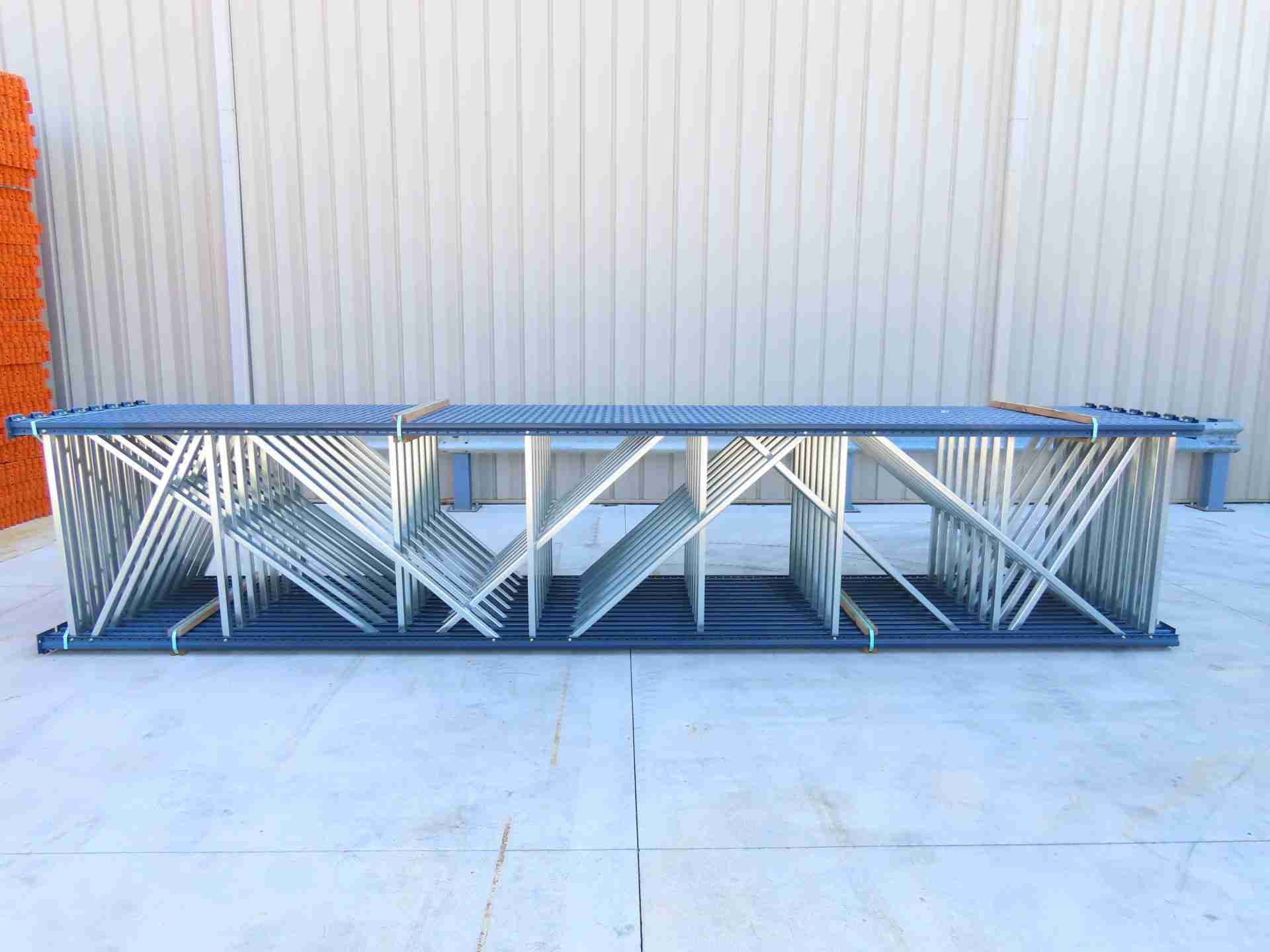
What Emotional Benefits Do You Prioritize In Your Racking System?
Are You Aware Of the Safety Regulations for Drive-In Racking Designs?
When it comes to drive-in racking, safety regulations are not just a checklist; they represent a commitment to the well-being of every individual involved in the operation. Imagine a bustling warehouse, where the hum of equipment blends with the clicks of pallets being moved in and out, all while workers navigate their tasks with precision. That environment thrives on a foundation built on safety, which is where those regulations come into play.
Consider the stories behind those warehouse walls. Each worker is a person with hopes, dreams, and families waiting for them at home. When you think about safety regulations, picture the peace of mind that comes from knowing your colleagues are protected. That’s not just idealism—it’s reality, where compliance ensures no one goes home injured or worse.
From a rational perspective, implementing robust drive-in racking designs means reducing risk and avoiding financial losses due to accidents. The cost of neglect can be staggering; not just in terms of medical expenses but also in lost productivity, legal ramifications, and the toll on morale. When businesses prioritize safety, they don’t just abide by rules—they create a culture of care that resonates from the loading dock to the boardroom. This ethical responsibility is paramount; after all, if a business doesn’t safeguard its people, who will?
As you navigate through your own experiences, think about the competencies that come with following established guidelines. Authorities in warehousing have laid these out for a reason; they draw from years of knowledge and expertise. The guidelines act as a map through the complexities of racking systems, ensuring you don’t just know how to arrange pallets but do so with a clear focus on safety and longevity.
Imagine the camaraderie that builds when everyone in the warehouse understands the safety regulations not as a burden but as a shared mission. You’re not just moving goods; you’re creating an environment where everyone plays a vital role, exhibiting respect for each person’s journey. Empower your team by fostering an atmosphere where safety is hailed as a collaborative effort.
So, next time you walk into that warehouse, remember: it’s not just about getting the job done. It’s about doing it right—the right way, for the right reasons. Embrace the regulations; they are the heartbeat of a safe, productive workplace.
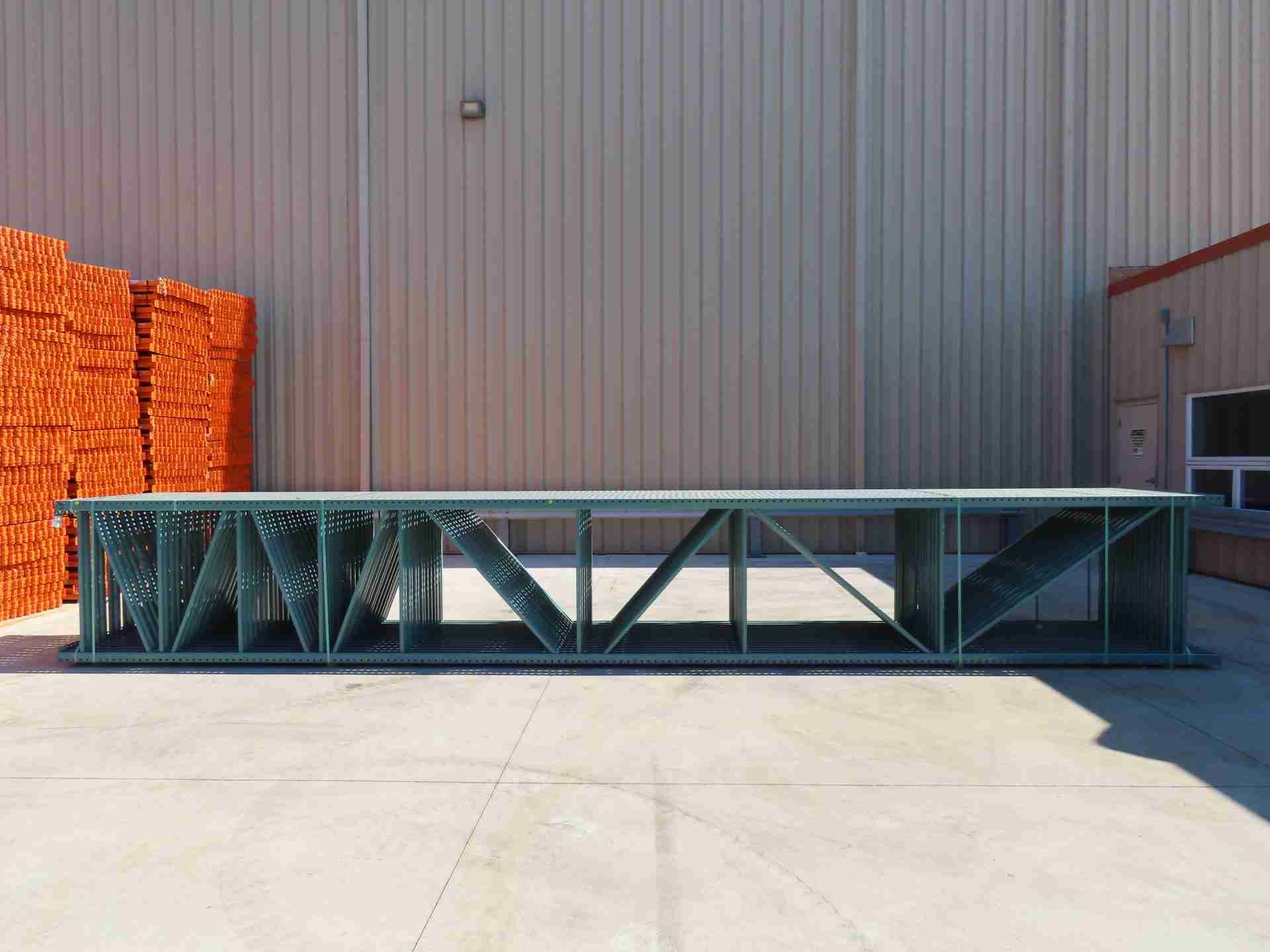
Are You Aware Of the Safety Regulations for Drive-In Racking Designs?
Are You Aware Of the Safety Regulations for Drive-In Racking Designs?
- Drive-in racking safety regulations represent a commitment to the well-being of all warehouse workers.
- These regulations ensure that workers can navigate a bustling environment while minimizing risks and potential harm.
- Compliance offers peace of mind, helping guarantee that no one goes home injured or worse.
- Robust racking designs help reduce risks and avoid significant financial losses from accidents.
- Prioritizing safety fosters a culture of care, resonating from loading docks to executive offices.
- Established safety guidelines draw from expert knowledge, providing a framework to navigate racking complexities.
- Understanding safety regulations cultivates camaraderie and teamwork, making safety a shared mission in the workplace.

Are You Aware Of the Safety Regulations for Drive-In Racking Designs?
How Do Drive-In and Drive-Through Systems Affect Employee Morale?
Drive-in and drive-through systems, while convenient for customers, take a toll on the heart and spirit of the employees who operate them. Picture this: a busy Friday evening, the sun setting, casting long shadows on a bustling parking lot, and there you are, standing at the racking stations, juggling orders and facing a relentless stream of vehicles. The adrenaline rush can be intoxicating, but it can also lead to feelings of isolation and overwhelm.
At first glance, these systems might seem like a godsend, offering a fast-paced environment that keeps employees on their toes. But beneath the surface lies a stark reality that often goes unnoticed. For many workers, the drive-through lane, a bustling hub of efficiency, becomes a gauntlet of stress. The pressure to keep the line moving and satisfy customers in the blink of an eye can wear down even the most dedicated employees. The result? Burnout. It’s not just about taking a customer’s order; it’s about losing sight of the human experience amidst an assembly line of vehicles.
But let’s pause and consider this from a rational standpoint. Companies that prioritize employee well-being see tangible benefits, too. Happy employees translate into happy customers. When team members feel supported, engaged, and valued—even while standing at that racking station—they are more likely to go the extra mile, delivering not just orders but moments of joy.
Ethically speaking, fostering an environment where employees feel connected can’t just be an afterthought. It must be part of a company’s core values. By investing in training and providing adequate breaks, organizations send a message loud and clear: “We care about you.” This, in turn, creates a ripple effect in the workplace, generating a culture of camaraderie that extends beyond the high-pressure moments of shift changes and rush hours.
Through narrative appeal, think of the employees—their stories and struggles. Behind every drive-through window is someone seeking fulfillment, dreaming of growth while wrestling with the reality of long hours and demanding customers. Creating spaces where they can share their experiences fosters community and connection.
Ultimately, the drive-in and drive-through systems should not just be about speed and convenience. By recognizing the challenges faced by employees and making conscious efforts to lift their morale, we build a foundation of trust and resilience, turning what could be a grueling experience into one filled with purpose and pride. Let’s make employees feel as valued as the customers they serve, transforming the hustle into a shared journey worth celebrating.
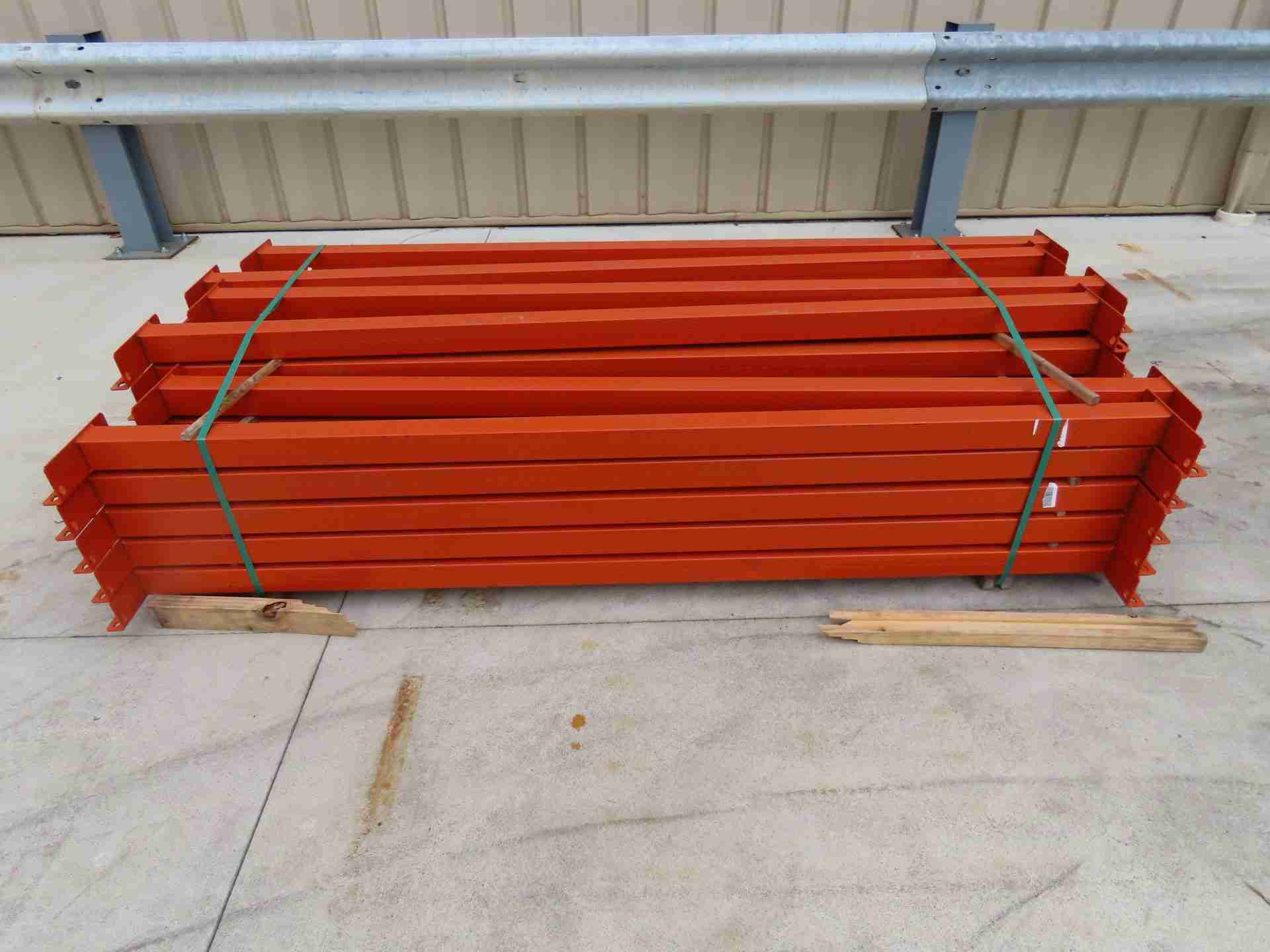
How Do Drive-In and Drive-Through Systems Affect Employee Morale?
How Do Drive-In and Drive-Through Systems Affect Employee Morale?
- Drive-in and drive-through systems offer convenience but can negatively impact employee morale.
- High-pressure environments lead to feelings of isolation and stress for employees.
- The relentless demand for speed can result in burnout among workers.
- Companies that prioritize employee well-being see benefits in customer satisfaction.
- Employee support, engagement, and recognition contribute to positive workplace culture.
- Fostering community and connection among employees enhances their fulfillment and morale.
- Recognizing and addressing employee challenges can transform their work experience into one of purpose and pride.
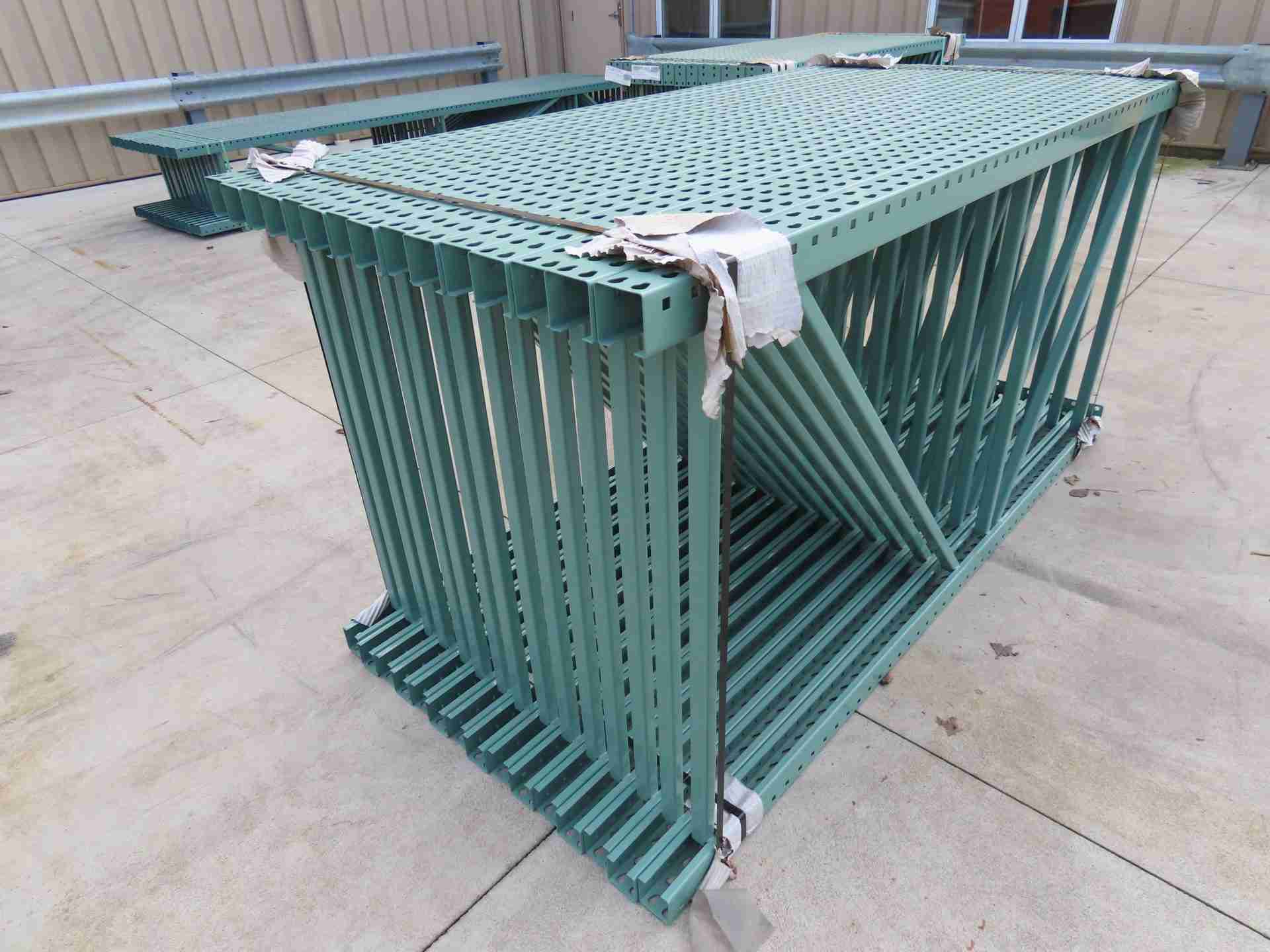
How Do Drive-In and Drive-Through Systems Affect Employee Morale?
What Narratives Can Your Racking Design Tell About Your Business?
Every warehouse, every storage space, is a canvas waiting for the strokes of purpose and principles. Your racking design? That’s not just steel and space; it’s a narrative waiting to unfold, a story that encapsulates your business’s values, ambitions, and ethics. Picture this: an elegantly designed racking system doesn’t simply hold products; it’s a visual testament to your commitment to efficiency and quality. You’re sending a message with every beam and shelf: “Here, we value organization and dedication, just like we value the people who support our mission.”
Now, let’s get a bit more analytical. The choice of racking isn’t just about aesthetics; it reflects your strategic thinking. Are you opting for a narrow aisle racking system that maximizes space and productivity? Or perhaps you prefer pallet racking, showcasing your commitment to versatility and clear inventory management. Each decision resonates with your customers, speaking to their expectations of reliability and professionalism. This is where the heart of your operations meets the brains of your business, fostering trust every time someone enters your space.
On a deeper level, the racking design can signify your ethical stance. Are you implementing sustainable materials or systems that promote energy efficiency? This mindful approach communicates to your audience that you’re not just about profit; you care about the planet and future generations. That sentiment taps into a primal urge within us to belong to something greater, something that matters—a community.
Your racking isn’t simply a fixture; it’s a character in your corporate story. Imagine clients walking through, feeling inspired by the orderliness of your warehouse, witnessing a reflection of your standards. They see not only the products they came for but a symbol of accountability, commitment, and quality assurance. It’s a narrative woven with threads of trust that cements customer relations.
As you design your racking system, consider: what story do you want to tell? What values do you want to evoke? Let your racking radiate those ideals, attracting customers not just with what’s on the shelves but with what your business stands for—a space where hearts, heads, and guts align.
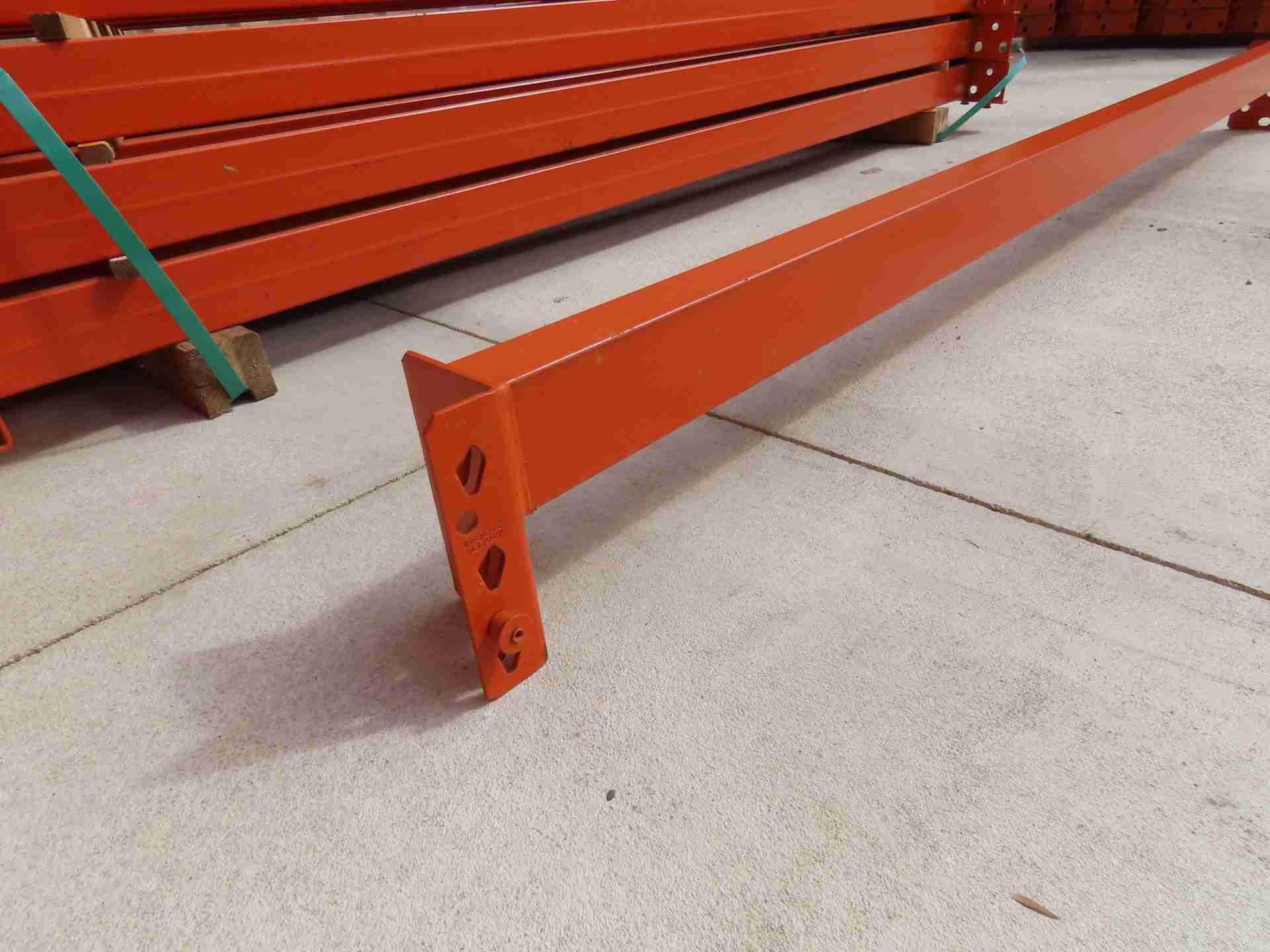
What Narratives Can Your Racking Design Tell About Your Business?
What Narratives Can Your Racking Design Tell About Your Business?
- Each warehouse is a canvas reflecting purpose and principles through racking design.
- Racking systems convey narratives that showcase a business’s values, ambitions, and ethics.
- Well-designed racking is a visual testament to commitment to efficiency and quality.
- Racking choices reflect strategic thinking—options between narrow aisle or pallet racking affect productivity and organization.
- The design can signify ethical stances, like the use of sustainable materials or energy-efficient systems.
- Your racking serves as a character in your corporate story, influencing customer perceptions and trust.
- Consider the story and values you wish to convey through your racking design to attract and resonate with customers.
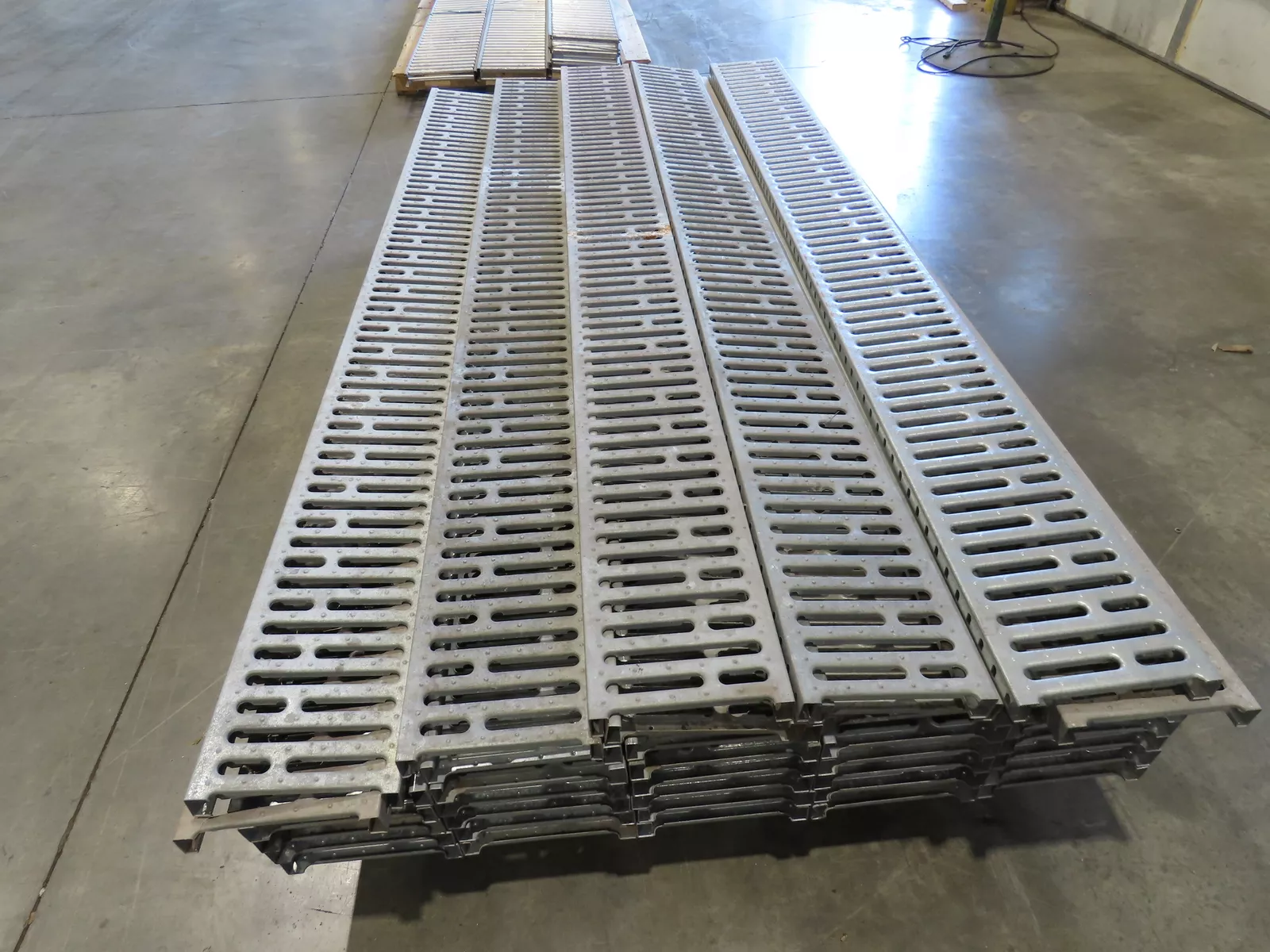
What Narratives Can Your Racking Design Tell About Your Business?
How Does the Choice Of Racking Impact Your Supply Chain Efficiency?
When it comes to supply chain efficiency, the importance of racking often gets swept under the rug. Picture this: a bustling warehouse, workers moving with purpose, yet something isn’t quite right. Products are buried beneath towering stacks that are awkwardly arranged. The clumsiness of it all creates delays, frustrations, and missed deadlines. Racking, though it may seem mundane, is the backbone of that operation—an unsung hero in an industry that thrives on speed and precision.
Think about the heart of your supply chain, the pulse that keeps everything in sync. Efficient racking systems ensure a smooth flow of goods, enabling faster retrieval and streamlined operations. Imagine the relief of a worker gliding through the aisles, their path clear, knowing that with just a pull or a push, they can access what they need without hassle. This isn’t just about efficiency; it’s about empowerment and pride. Racking configurations can turn a chaotic space into an organized haven, fostering a culture of productivity that energizes your team, allowing them to do their best work.
Now, let’s engage the mind. Consider the rational implications: choosing the right racking not only optimizes space but also maximizes the lifespan of your products. Whether it’s pallet racking, shelving, or even automated systems, each option comes with its own set of benefits and considerations. Investing in robust, flexible racking solutions prepares you for future growth, making room for both current and new inventory without the dreaded growing pains that come from ill thought-out choices.
Ethically speaking, think about your environmental footprint. An efficient racking system minimizes waste and promotes sustainability by ensuring that products are stored and handled with care. This commitment speaks volumes about your business’s values—it’s not just about the bottom line; it’s about being a responsible player in the global market. When partners and customers see you prioritizing ethical practices, trust builds, creating a solid foundation for long-term relationships.
Ultimately, the choice of racking resonates beyond mere logistics; it’s a narrative woven into the fabric of your operations, a reflection of your commitment to excellence. Every aisle, every shelf, and every pallet plays a role in crafting a story of reliability, efficiency, and trust—connecting your supply chain to the people who depend on it. So take a closer look, because that simple choice could very well redefine your operation, heartbeat by heartbeat.
How Does the Choice Of Racking Impact Your Supply Chain Efficiency?
How Does the Choice Of Racking Impact Your Supply Chain Efficiency?
- Racking is crucial for supply chain efficiency, often overlooked in warehouse operations.
- Efficient racking systems facilitate smooth goods flow, enabling faster retrieval and operations.
- Well-organized racking empowers workers, reducing frustration and enhancing productivity.
- Choosing the right racking optimizes space and extends product lifespan with various options available.
- Investing in flexible racking solutions supports future growth and prevents operational challenges.
- Efficient racking minimizes waste and promotes sustainability, reflecting ethical business practices.
- The choice of racking embodies a commitment to excellence, creating reliability and trust in operations.
How Does the Choice Of Racking Impact Your Supply Chain Efficiency?
Conclusion
In the world of warehousing and logistics, choosing the right racking system could be the difference between chaos and harmony. Think of it as the backbone of your operation—a sturdy foundation that supports not just products but people, too. Drive-in and drive-through racking systems offer unique benefits tailored to different operational needs, yet both routes lead to the same ultimate destination: efficiency, safety, and productivity.
Drive-in racking is akin to finding a hidden gem in a bustling city; it maximizes vertical space and keeps costs low, ideal for businesses with a consistent inventory. However, it comes with its challenges—accessing items can feel like navigating a labyrinth. Then there’s the drive-through system, an open highway of logistics that facilitates smooth stock rotation and quick access, ensuring fresh inventory and minimal waste. It’s an environment where resources flow seamlessly, echoing the pulse of a well-oiled machine.
Beyond the operational efficiencies, consider the human element. A well-designed racking system transforms the chaos of a busy workspace into a realm of organization and empowerment. Employees thrive in environments where they can move confidently, knowing that every item has its place. When safety is prioritized, it fosters trust and loyalty, creating a culture where workers feel valued and engaged. In this shared journey, productivity flourishes, and morale soars.
Let’s not forget the ethical implications of your choice. Investing in reliable, safe racking fosters a culture of care and responsibility. It means you’re looking out not just for the bottom line but for the wellbeing of your team—a value that resonates far beyond the warehouse walls. Smart operations understand this; they see that a commitment to safety translates directly into financial stability and long-term success.
Moreover, think of the narrative your racking systems tell. They reflect your corporate values and commitment to quality, organization, and sustainability. Every choice, from the type of racking to the materials used, is a brushstroke on the canvas of your business’s identity. It’s a story where trust, reliability, and a sense of belonging play pivotal roles, drawing in customers and partners alike.
At the end of the day, choosing a racking system is more than just inventory management; it’s a chance to cultivate an environment of inspiration, connection, and efficiency. Let your racking work as hard as you do, and watch your operations thrive, heart and soul.
Conclusion
Conclusion:
- Choosing the right racking system is crucial for warehouse efficiency and harmony.
- Drive-in racking maximizes vertical space and is cost-effective for consistent inventories but poses access challenges.
- Drive-through racking enables quick access and stock rotation, promoting minimal waste and smooth operations.
- A well-designed racking system enhances organization, empowering employees and boosting morale.
- Prioritizing safety fosters trust, loyalty, and a positive workplace culture among employees.
- Investing in safe racking systems reflects a commitment to employee wellbeing and corporate responsibility.
- Racking choices express corporate values and contribute to the business’s identity, impacting customer and partner relationships.
Conclusion
Other Resources
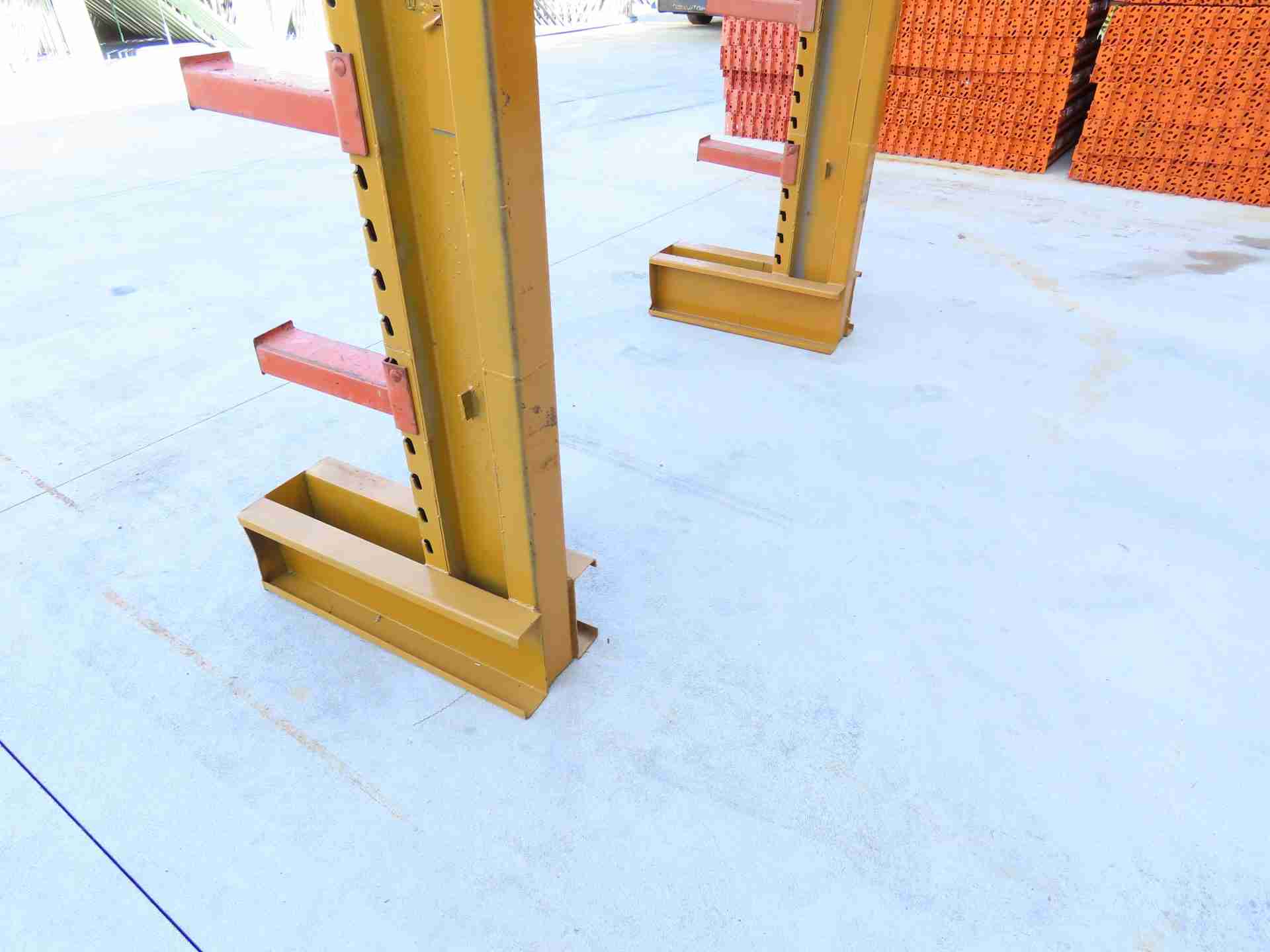
Other Resources
Here is a list of other resources you can review online to learn more:
- Bradford Systems
- Illinois
- Selective Rack – Raymond West
- Arrow Industrial Sales
- Warehouse Automation
- Pallet Racking 101: A Comprehensive Guide & Options Explained
- Interlake
- RMI
- CMMA
- Cantilever Racking Specialists – Get the Right Racks
- International Warehouse Logistics Association
- BMH Equipment LLC
- Warehouse Racks, Warehouse Racking in Stock – ULINE
- What is Selective Racking: Understanding Benefits & Options
- Pallet Racking systems in Illinois, Great Lakes
- IIWS Inc. Rack Installation Illinois & Rack Repairs Illinois
- Cantilever Racks Chicago
- What is Selective Pallet Racking
- Warehouse Storage Racks
- NSC
Use This Prompt To Get More Resources With Your Favorite Online AI Tool: Please provide me with a list of online articles with their URLs in a bulleted list that I can read regarding Drive-In Vs. Drive-Through Racking: Design and Usage Differences
Other Resources
Glossary Terms
Drive-In Vs. Drive-Through Racking: Design and Usage Differences – Glossary Of Terms
1. Drive-In Racking: A high-density storage system allowing forklifts to access pallets from the same side, enhancing space utilization.
2. Drive-Through Racking: Similar to drive-in racking but allows access from both sides, facilitating FIFO (first in, first out) inventory management.
3. Pallet: A flat structure used for supporting goods in a stable manner while being lifted by a forklift or jack.
4. Density: A measure of how much storage space can be utilized, often considered in terms of product volume and available rack space.
5. Forklift: A powered industrial truck used to lift and move materials over short distances, essential for operating racking systems.
6. FIFO: A method of inventory management where the oldest stock is sold or used first to minimize waste and ensure freshness.
7. LIFO: Stands for “last in, first out,” where the most recently added inventory is used first, often used for non-perishable goods.
8. Pallet Position: The location where a pallet is stored within a racking structure, impacting accessibility and retrieval efficiency.
9. Aisle Width: The space between rack systems that dictates the mobility of forklifts, affecting overall operational efficiency.
10. Load Capacity: The maximum weight that a specific rack configuration can safely hold, based on materials and design.
11. Rack Configuration: The layout and design of storage racks, including the number of levels and the arrangement of beams.
12. Material Handling: The process of moving, protecting, and storing products throughout the manufacturing and distribution process.
13. Warehouse Efficiency: A measure of how well space and resources are utilized to optimize storage and retrieval processes.
14. Inventory Turnover: A ratio indicating how often inventory is sold and replaced over a given period, reflecting operational efficiency.
15. Vertical Space Utilization: Maximization of height within a warehouse by employing taller racking systems to increase storage capacity.
16. Cross-Stocking: A practice of moving goods directly from receiving to shipping without storing them, often facilitated by drive-through racking.
17. Picking Efficiency: A measure of how effectively items are retrieved from storage, critical in optimizing order fulfillment processes.
18. Safety Features: Design elements in racking systems, such as guardrails and braces, that ensure the safety of both personnel and goods.
19. Modular Racking: A flexible racking system that can be easily adjusted or expanded to accommodate varying inventory needs.
20. Access Aisle: The space allocated for forklift navigation that allows operators to enter and exit racking systems efficiently.
21. Storage System: Any organized arrangement for storing goods, which includes various types of racks and shelving methods.
22. Load Beam: A component of racking that supports the pallets and bears the weight of stored materials.
23. Selective Racking: A racking system that offers direct access to each pallet, encouraging a flexible and efficient storage method.
24. High-Bay Racking: Tall storage systems designed for maximizing vertical space, often suited for automated guided vehicles.
25. Inventory Management: The process of ordering, storing, and utilizing a company’s inventory, crucial for operational success.
26. Storage Density: A comparison of storage volume to the overall floor area the racking occupies, indicating efficiency.
27. Weight Distribution: The manner in which weight is spread across pallets and racking, essential for maintaining stability and safety.
28. Operational Flexibility: The ability of a warehouse system to adapt to changes in product mix or volume without significant alterations.
29. Rack Stability: The reliability of a racking system to maintain structural integrity under various loads and conditions, critical for safety.
30. Inspection Protocol: A regular assessment procedure to ensure racking systems remain safe, intact, and compliant with industry standards.
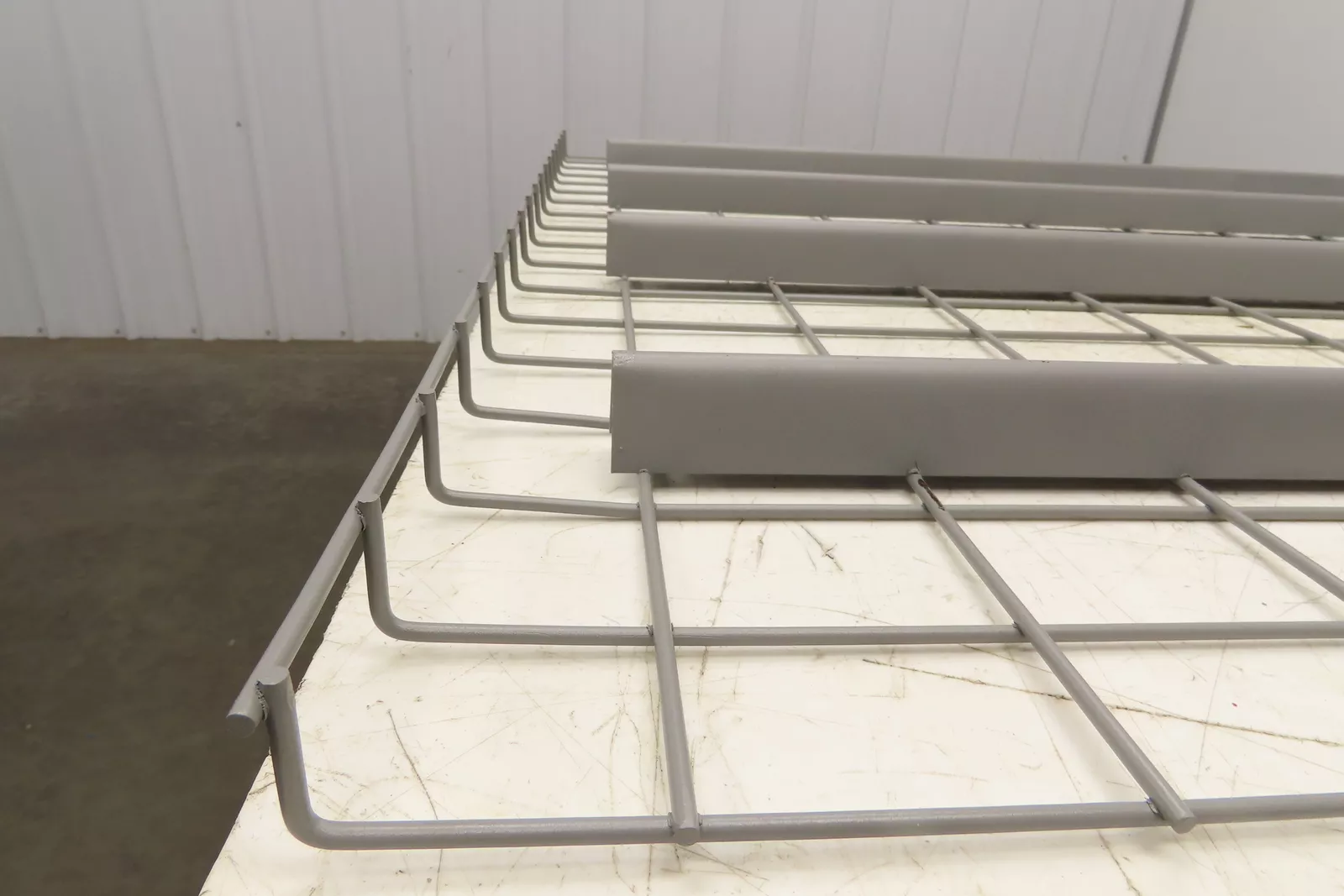
Glossary Of Terms
Other Questions
Drive-In Vs. Drive-Through Racking: Design and Usage Differences – Other Questions
If you wish to explore and discover more, consider looking for answers to these questions:
- What are the cost implications of choosing drive-in versus drive-through racking systems?
- How does the installation process differ between drive-in and drive-through racking?
- What types of businesses benefit most from drive-in racking systems?
- What types of businesses benefit most from drive-through racking systems?
- What specific safety regulations should be considered for each type of racking system?
- How does each racking system impact inventory management practices?
- What training should employees undergo when implementing either racking system?
- How do maintenance and upkeep differ for drive-in and drive-through racking systems?
- Can hybrid systems be effective, integrating both drive-in and drive-through designs?
- What common challenges arise from using either racking system?
- How does the choice of racking affect overall warehouse layout and design?
- What are the best practices for maximizing storage capacity in each system?
- How does technology integrate with drive-in and drive-through racking systems?
- What are the long-term implications of each racking choice on operational efficiency?
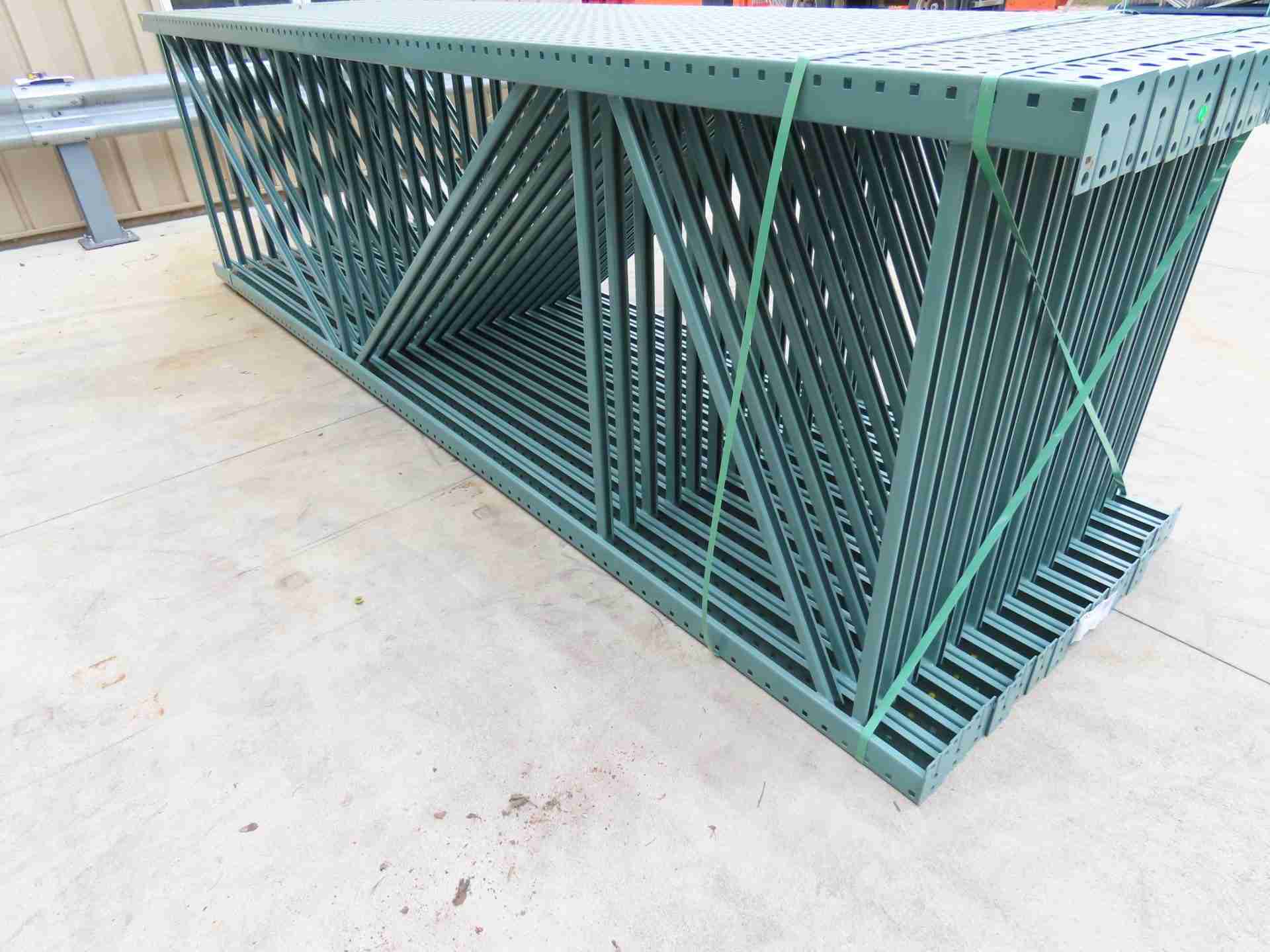
Other Questions
Checklist
Drive-In Vs. Drive-Through Racking: Design and Usage Differences – A Checklist
Racking System Considerations Checklist
Emotional Appeals
_____ Empower Your Team: Ensure your racking system promotes an organized and supportive work environment that boosts employee morale.
_____ Foster Community: Create spaces for team members to share experiences and connect, enhancing camaraderie and trust.
Rational Appeals
_____ Assess Your Needs: Evaluate your operational requirements—consider volume, accessibility, and product rotation when selecting between drive-in and drive-through systems.
_____ Maximize Space: Choose a racking solution that efficiently utilizes your space, helping to avoid clutter and delays in operations.
Ethical Appeals
_____ Prioritize Safety: Familiarize yourself with safety regulations and invest in high-quality racking solutions to protect your workforce.
_____ Sustainable Choices: Consider eco-friendly materials and energy-efficient practices when designing your racking system, reflecting your commitment to ethical business practices.
Authority Appeals
_____ Consult Experts: Seek advice from industry professionals or experienced personnel to help guide your racking decisions and adhere to best practices.
_____ Follow Guidelines: Stay informed about established safety and design guidelines that can shape your racking system decisions.
Narrative Appeals
_____ Tell Your Story: Reflect on what your racking design communicates about your business values and operational philosophy.
_____ Highlight Success: Share real-life examples of how a well-designed racking system has transformed other operations for inspiration.
Social Appeals
_____ Present a Professional Image: Showcase an organized racking system that enhances your company’s reputation among clients and partners.
_____ Encourage Public Engagement: Engage employees in discussions about the racking system and its impact on their work, promoting a sense of ownership and responsibility.
Checklist
At RackingWorld, we help guide you through selecting warehouse storage systems and racking.
Be sure to read our other related stories at RackingWorld to learn more about warehouse storage systems.
0 Comments