
Maximize Safety And Efficiency In Warehouse Layouts
By Tom Seest
At RackingWorld, we help guide you through selecting warehouse storage systems and racking.
Be sure to read our other related stories at RackingWorld to learn more about warehouse storage systems.
Is Your Warehouse Layout Creating Unnecessary Risks for Your Team?
The Risky Business of Poor Warehouse Layout
Every warehouse manager understands the delicate balance between efficiency and safety. Yet, many overlook a critical variable—the physical layout of their operations. Is your warehouse layout creating unnecessary risks for your team? Let’s face it: an ill-planned space can turn the best employees into accident-prone liabilities. When aisles are too narrow, or pallet racking is improperly positioned, you’re not just inviting chaos; you’re setting the stage for mishaps that could lead to injuries, damages, and costly downtime.
Imagine navigating through a maze of mismanaged pallet racking while trying to execute your daily inventory tasks. Frustrating, isn’t it? Employees shouldn’t spend their valuable time dodging obstacles instead of focusing on what truly matters—getting the job done safely and efficiently. Each corner turned and every item relocated amplifies the risks. Injuries add up quickly, and they may lead to low morale and higher turnover. This is where proactive planning comes into play.
A well-thought-out warehouse layout can not only maximize space but also streamline operations and significantly reduce risks. Start by assessing high-traffic zones. Is the pallet racking creating bottlenecks? Are there areas where heavy lifting occurs that could be moved closer to loading bays? Consider creating designated pathways for foot traffic and machinery. This simple step can save lives and improve productivity.
Moreover, comprehensive training programs on warehouse layout safety should be top of mind. Your team should be armed with knowledge about the layout and best practices for navigating it safely. Encourage them to communicate openly about potential hazards they encounter. An empowered team is not just a safer team; they’re also a more engaged and productive one.
Ultimately, investing in a well-structured warehouse layout is investing in your people and your bottom line. By prioritizing safety in your design, you’re sending a clear message that your team matters. Don’t wait for accidents to happen. Take a proactive stand today—reevaluate your space, optimize your pallet racking, and build a safer environment. You’ll foster trust and confidence among your workforce, leading to better performance and enhanced loyalty.
Your warehouse layout doesn’t just dictate efficiency; it also speaks volumes about how much you value your team’s safety. Make the changes today, and watch both morale and productivity soar!
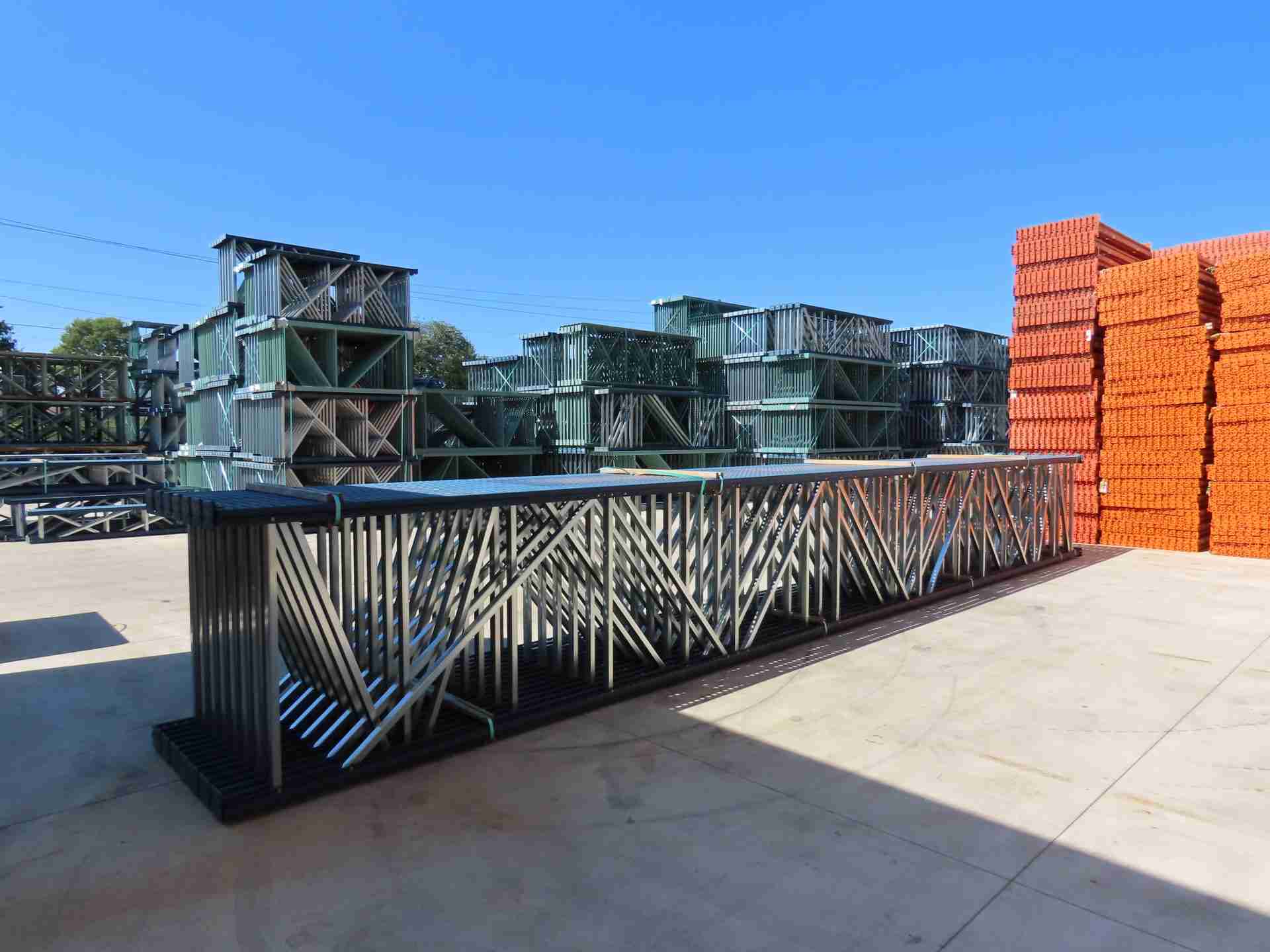
Is Your Warehouse Layout Creating Unnecessary Risks for Your Team?
Is Your Warehouse Layout Creating Unnecessary Risks for Your Team?
- Warehouse layout is crucial for balancing efficiency and safety.
- Poorly designed spaces can increase the risk of accidents and injuries.
- Narrow aisles and improper pallet racking create chaos and inefficiency.
- Proactively planning warehouse layouts can maximize space and reduce risks.
- Designated pathways for foot traffic and machinery enhance safety and productivity.
- Comprehensive training on layout safety empowers teams and fosters engagement.
- Investing in a well-structured warehouse layout sends a message about valuing team safety.
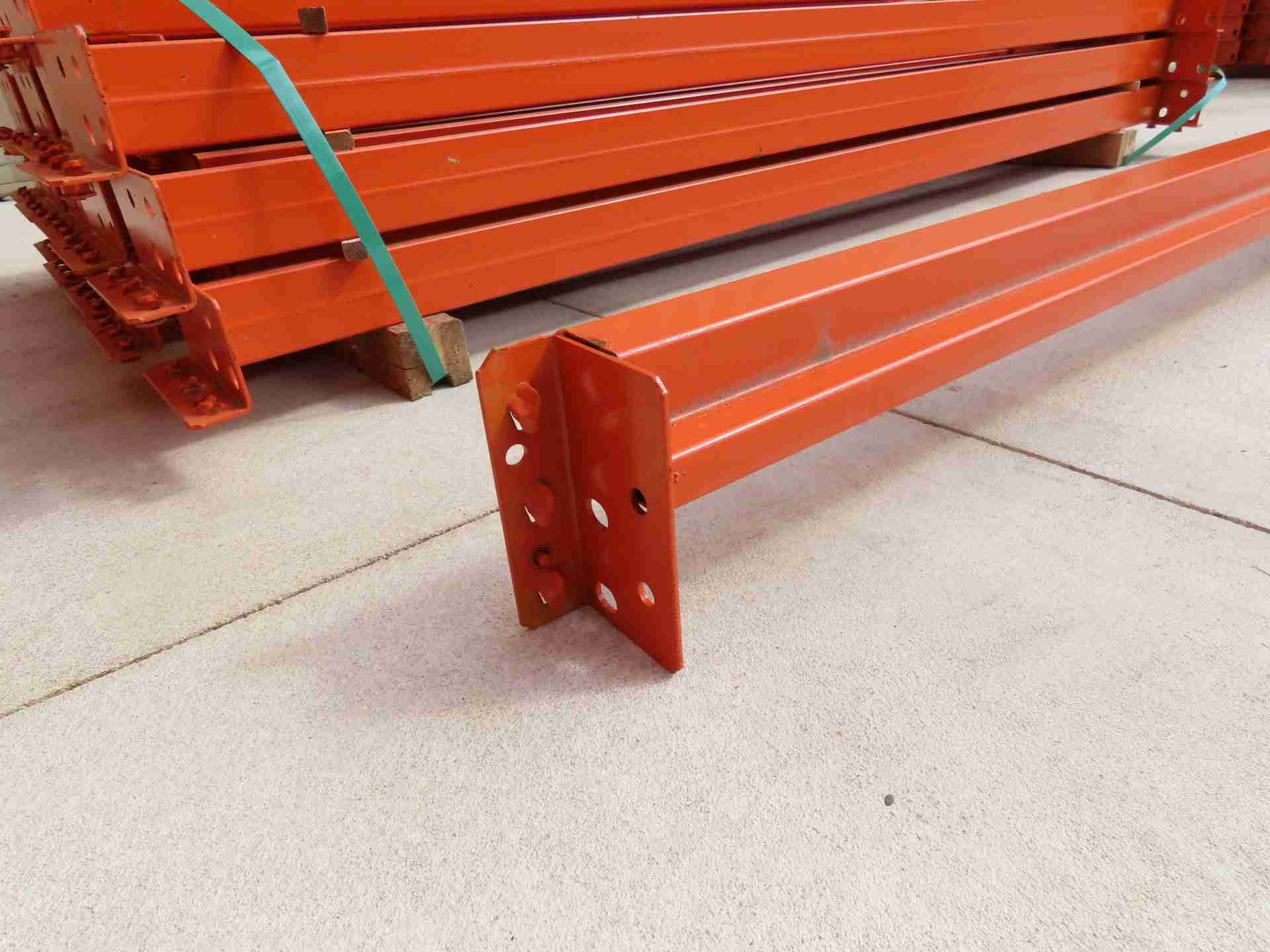
Is Your Warehouse Layout Creating Unnecessary Risks for Your Team?
Table Of Contents
- Is Your Warehouse Layout Creating Unnecessary Risks for Your Team?
- Is Your Warehouse Layout Optimized For Employee Safety?
- What Are The Common Hazards In Warehouse Layouts?
- How Can Poor Organization Lead To Accidents?
- Are There Specific Design Elements That Minimize Risks?
- What Role Does Proper Training Play In Warehouse Safety?
- How Can You Assess The Safety Of Your Current Layout?
- Conclusion
- Other Resources
- Glossary Of Terms
- Other Questions
- Checklist
Is Your Warehouse Layout Optimized For Employee Safety?
Is Your Warehouse Layout Optimized for Employee Safety?
When it comes to warehouse operations, efficiency is king. But let’s not forget the unsung hero of productivity: employee safety. An optimized warehouse layout is not only about speeding up operations; it’s crucial for protecting your most valuable asset—your workforce. Are you managing your warehouse space wisely, or are you leaving your employees vulnerable to accidents?
Picture this: a well-structured environment, where every aisle is clear, where pallet racking systems are strategically placed to maximize space without compromising safety. It’s a place where employees can focus on their tasks instead of dodging hazards. When your warehouse layout promotes safety, you create a culture of trust, engagement, and productivity. After all, employees who feel secure are more likely to perform at their best.
So, how do you ensure your layout is optimized for safety? Start by assessing the workflow. Analyze how materials are handled and where they are most frequently moved. Is your pallet racking set up to facilitate this flow efficiently? If not, it may be time for a rethink. Remember, reducing unnecessary foot traffic and minimizing obstacles can drastically cut down on accidents.
Also, don’t overlook the importance of visibility. Make sure your pallet racking doesn’t block sightlines between employees and machinery. Clear sightlines foster better communication and enhance situational awareness. Lighting should also be a top priority; dimly lit areas can mask potential dangers, while bright, well-organized spaces bring issues into plain view.
But the journey doesn’t end once you think you’ve achieved an “optimized” layout. Regularly review and update your safety protocols. Schedule routine inspections to ensure your pallet racking systems remain stable and well-organized, aligned with safety regulations. Engaging your employees in these assessments can also boost morale—they’ll feel valued and involved in the safety process.
Ultimately, the goal is crystal clear: to cultivate an environment where safety isn’t just a checkbox; it’s woven into the fabric of your operations. Commit to an optimized warehouse layout, and inspire the confidence of your team. When employees know you prioritize their safety, they’ll not only appreciate it—they’ll pay it forward through enhanced performance and loyalty. So, take that step now and ensure that your warehouse is not just a hub of activity, but a sanctuary for your dedicated workforce. Transform your space today for a safer, more productive tomorrow!
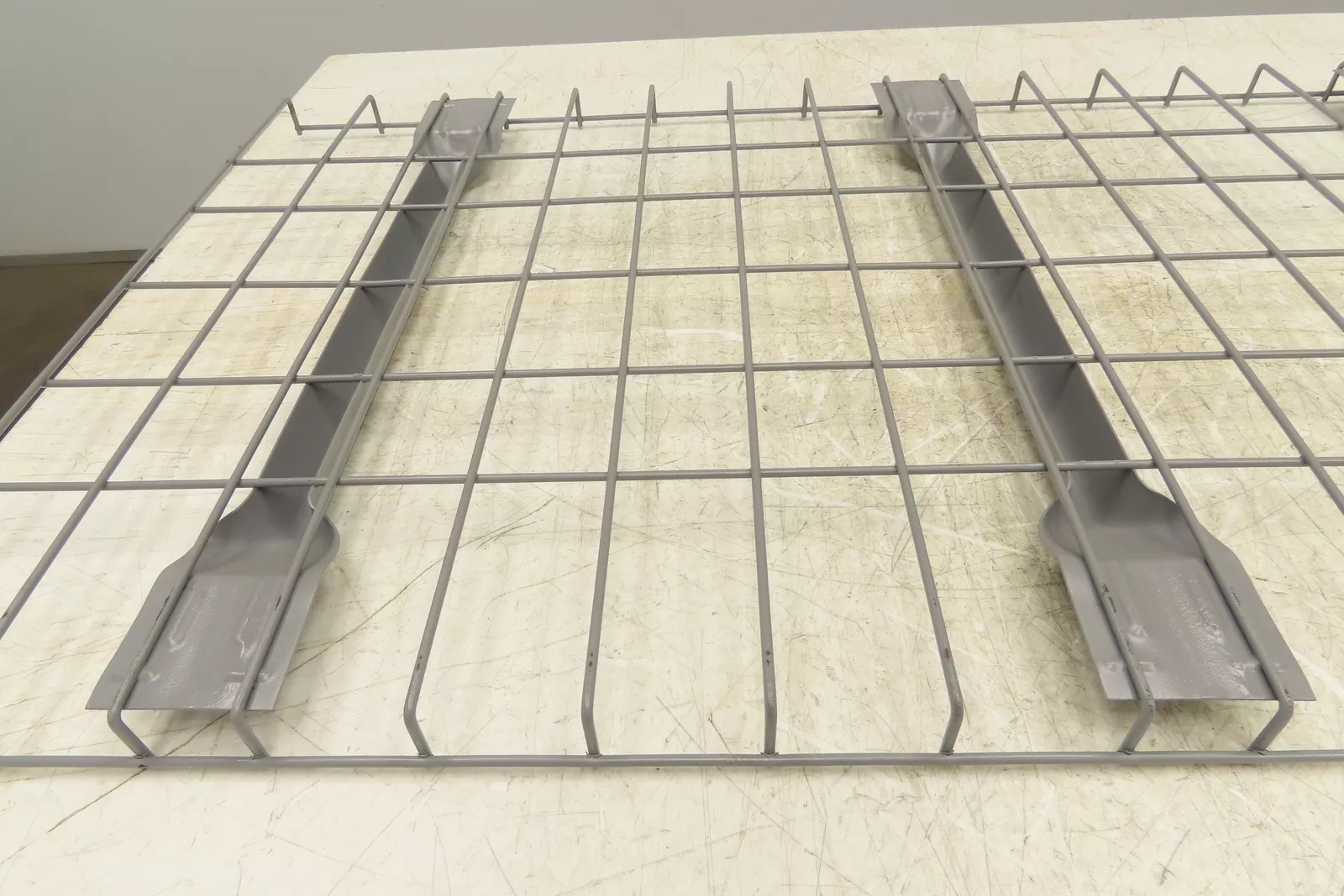
Is Your Warehouse Layout Optimized For Employee Safety?
Is Your Warehouse Layout Optimized For Employee Safety?
- Employee safety is crucial for warehouse operations, complementing efficiency.
- An optimized warehouse layout protects the workforce and enhances productivity.
- Clear aisles and well-placed pallet racking improve safety and workflow.
- Reducing unnecessary foot traffic and obstacles minimizes accident risks.
- Visibility is key; ensure pallet racking doesn’t block sightlines and optimize lighting.
- Regular reviews and updates to safety protocols are essential for maintaining safety standards.
- Cultivating a safety-first culture encourages employee trust and loyalty, improving overall performance.
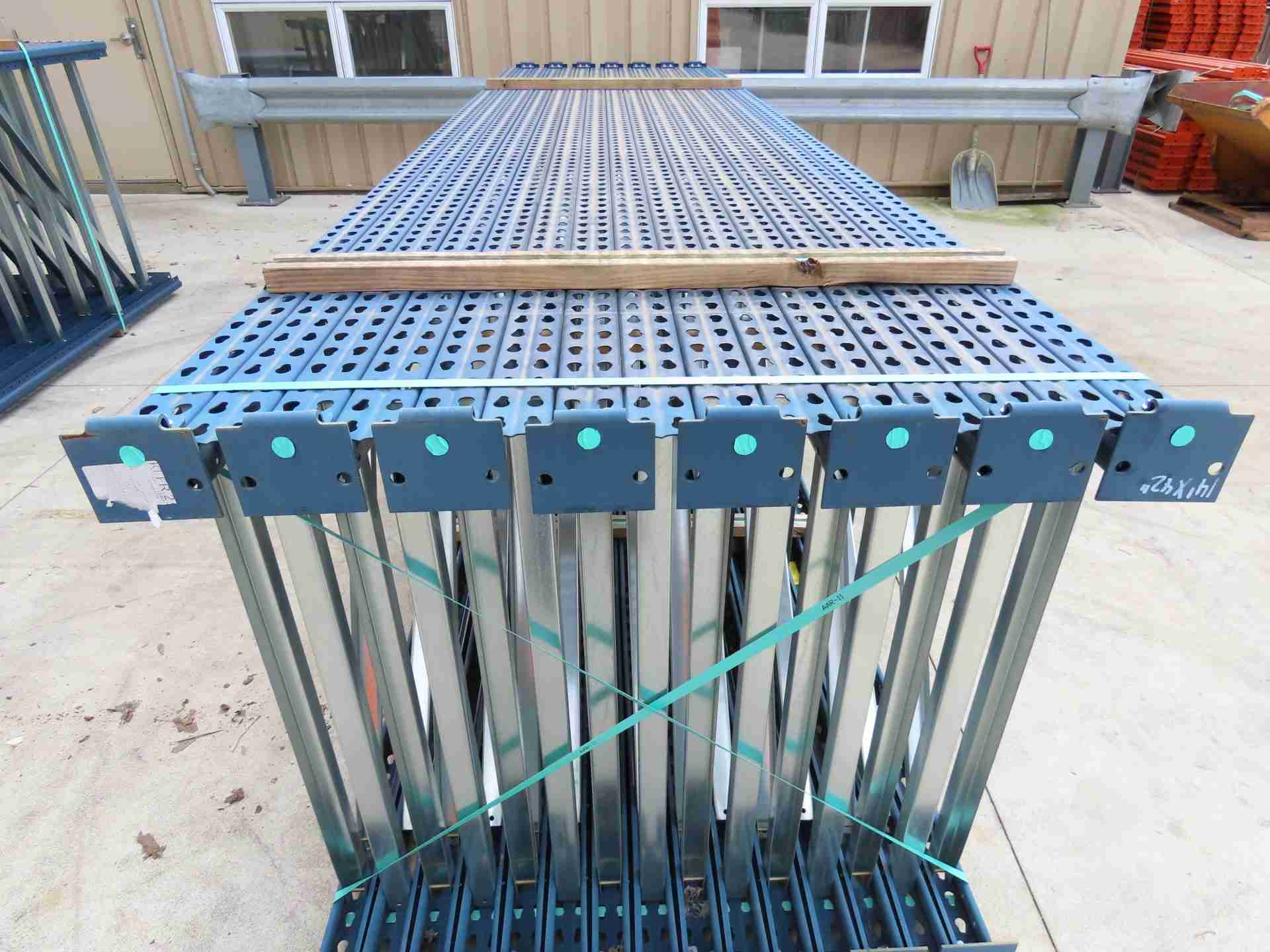
Is Your Warehouse Layout Optimized For Employee Safety?
What Are The Common Hazards In Warehouse Layouts?
Picture this: a bustling warehouse, packed with products ready to fill customer orders. It’s a hive of activity, but lurking beneath the surface can be some sneaky hazards that are just waiting to disrupt your operations or, worse yet, lead to injuries. Understanding these hazards is vital for maintaining an efficient workplace and protecting your most valuable assets—your employees.
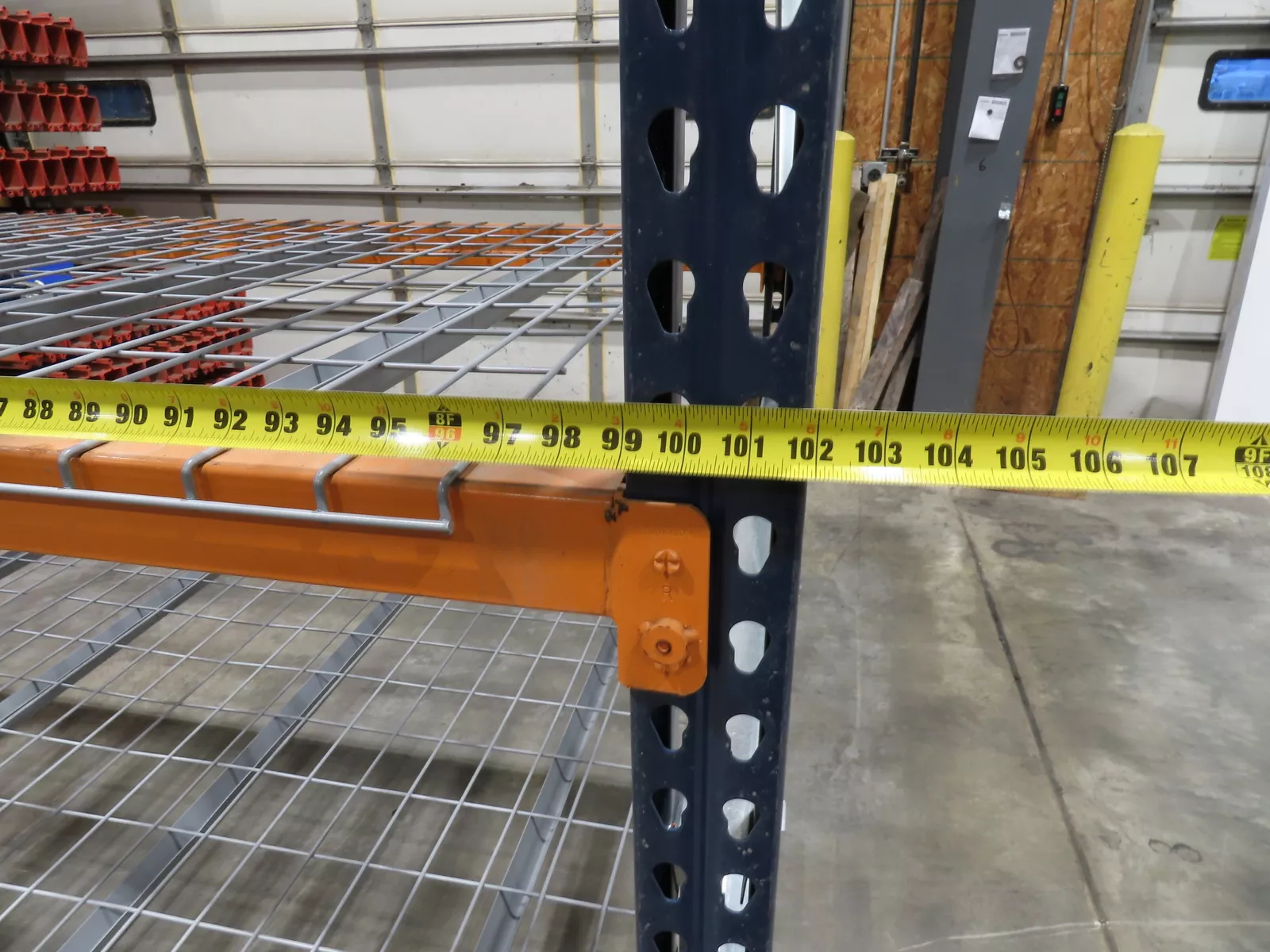
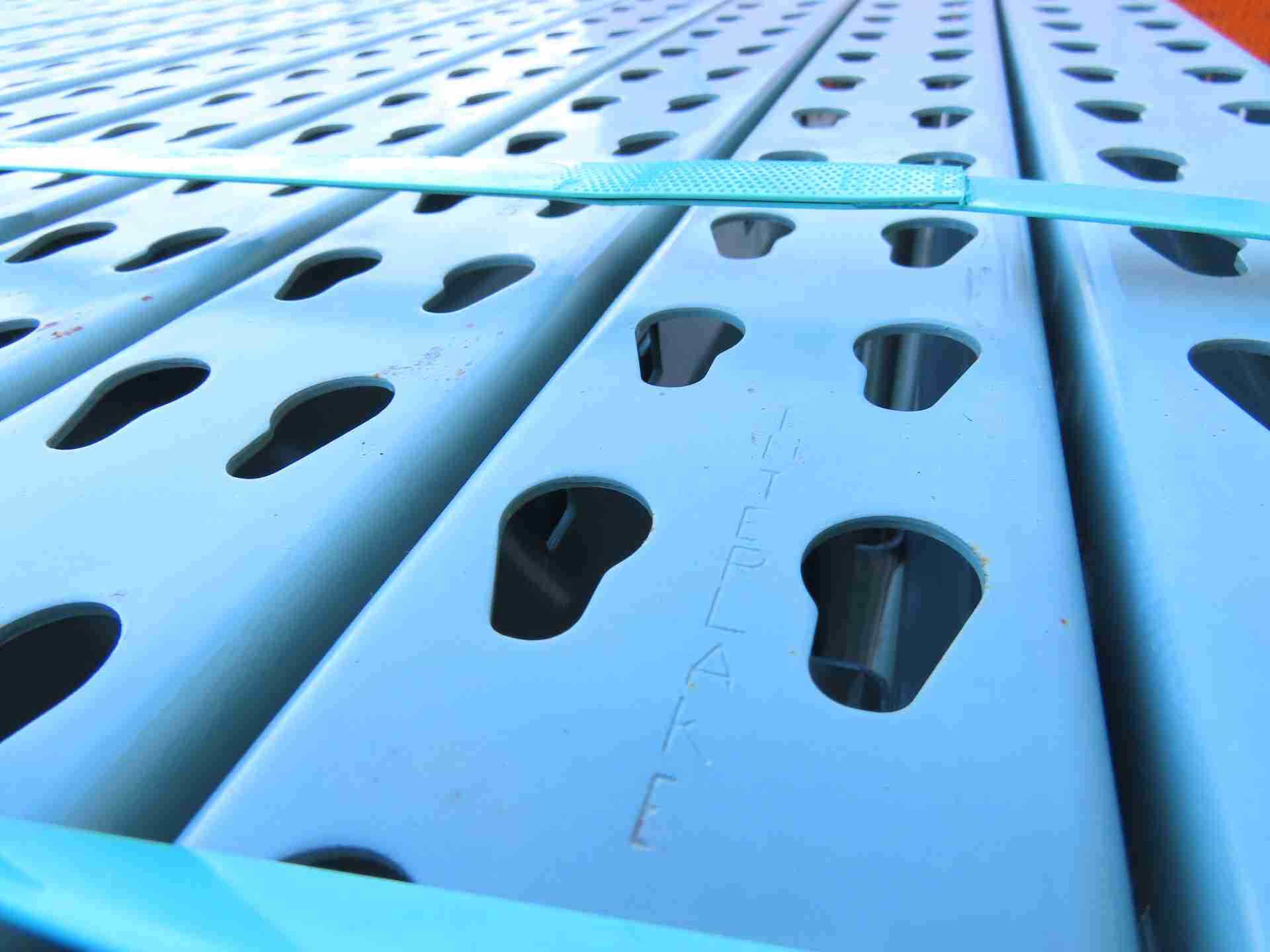
One of the most prevalent hazards comes from poorly designed pallet racking systems. When racks are not properly anchored, aren’t built to handle the load, or are simply misconfigured, they can pose significant safety threats. A toppled pallet can send goods crashing down, leading to injuries that could have easily been avoided with proper design and maintenance. Regular inspections of your pallet racking setup can relieve this tension. Your team should know that working in a safe and reliable environment is not just a wish, but a guarantee provided by a solid layout.
Another hidden menace is inadequate space for maneuvering machinery. When heavy equipment like forklifts and pallet jacks navigate cramped aisles or encounter unnecessary obstacles, the chances of accidents multiply. That’s why your warehouse layout should prioritize clear pathways and appropriate spacing. A little foresight in planning can be the difference between a smooth-running operation and a hectic scene of chaos.
Don’t overlook the power of slip hazards either! Wet floors, spilled products, and clutter can create dangerous environments that lead to falls. Regular upkeep and employing a no-tolerance policy toward spills can foster a culture of safety. Your employees will appreciate working in an environment where they can trust their surroundings.
Lastly, improper lighting can blindside efficiency and safety alike. Low visibility areas can harbor unseen hazards; it’s essential to ensure that every corner of your warehouse is well-lit. Invest in energy-efficient LED lighting that illuminates every aisle, promoting safety while also cutting down on energy costs.
Every choice you make in your warehouse layout can either elevate your operation or compromise safety. Don’t just build a warehouse—craft a thriving, secure environment where your employees feel valued and protected. By staying ahead of these common hazards, you’ll not only optimize functionality but also solidify trust among your team, making them proud to be part of your mission. Let your warehouse be a beacon of safety, efficiency, and excellence!
What Are The Common Hazards In Warehouse Layouts?
What Are The Common Hazards In Warehouse Layouts?
- Bustling warehouses can hide hazards that disrupt operations and lead to employee injuries.
- Poorly designed pallet racking systems pose safety threats; regular inspections are essential.
- Inadequate space for maneuvering machinery increases the chances of accidents; clear pathways are crucial.
- Slip hazards from wet floors, spills, and clutter can cause falls; a no-tolerance policy fosters safety culture.
- Improper lighting creates hidden hazards; ensure well-lit areas using energy-efficient LED lights.
- Warehouse layout choices impact operation efficiency and safety; prioritize creating a secure environment.
- Staying ahead of common hazards builds trust and makes employees proud to be part of the mission.
What Are The Common Hazards In Warehouse Layouts?
How Can Poor Organization Lead To Accidents?
Have you ever walked into a workplace that felt chaotic? Perhaps it was a warehouse cluttered with boxes, or maybe a stockroom where you couldn’t find the items you needed. It’s not just an eyesore; it can be downright dangerous. Poor organization can strip away the safety net in any environment, leading to accidents that no one saw coming.
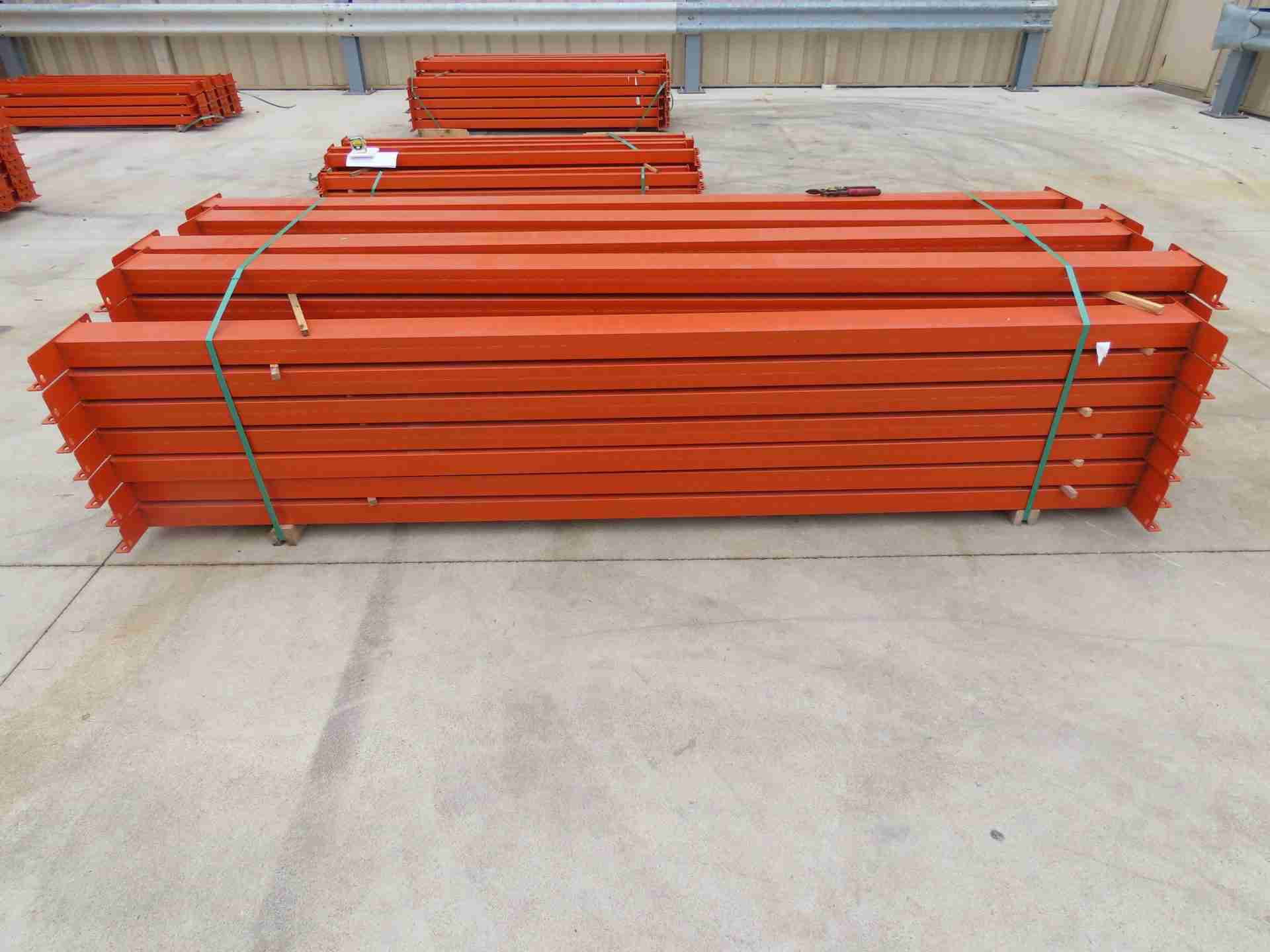
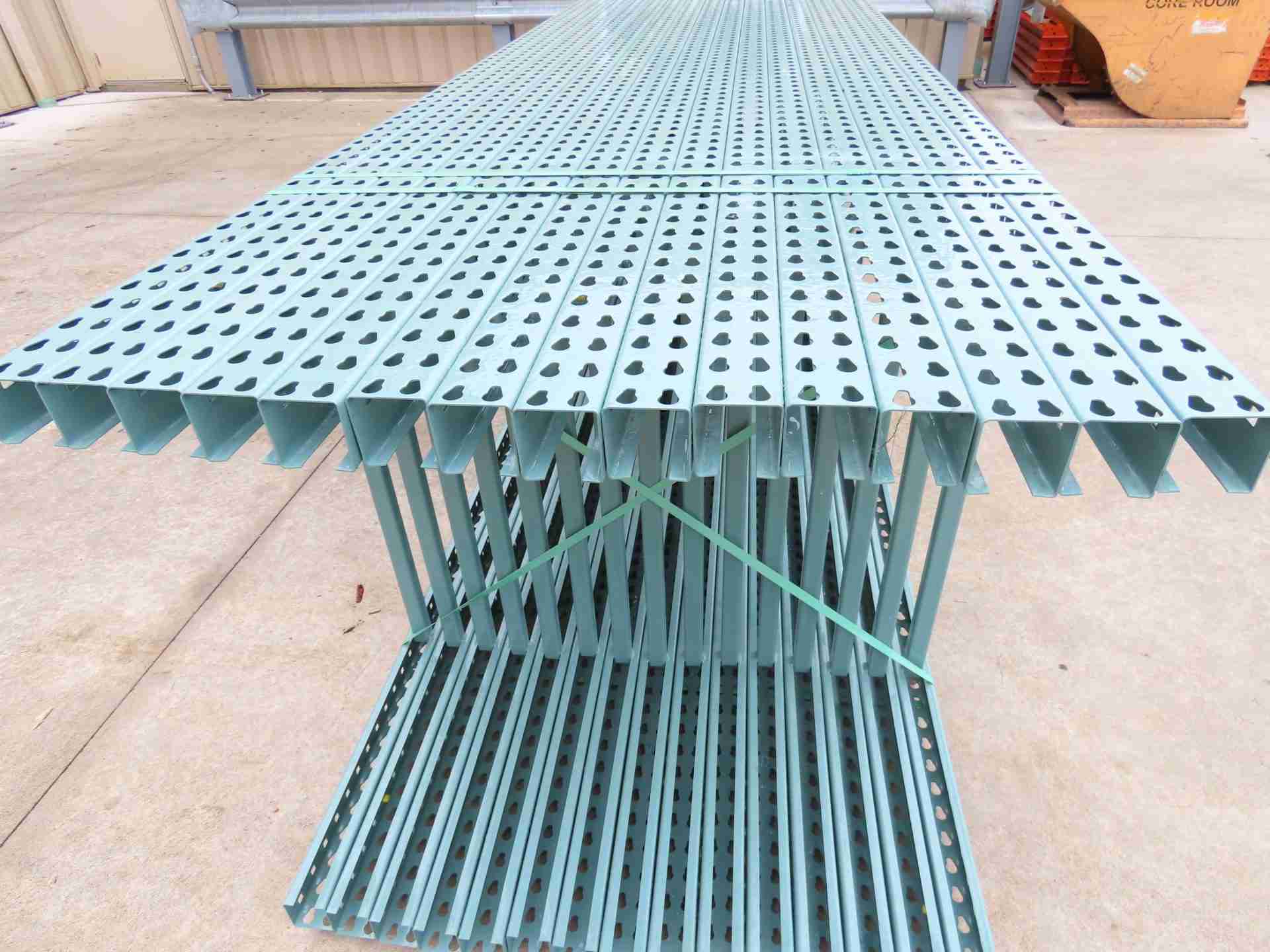
Let’s take a moment to shine a light on pallet racking systems. These robust frameworks are designed to store items efficiently and safely. However, when they’re not organized properly, you introduce a myriad of potential hazards. Imagine a pallet racking unit overloaded with improperly stacked goods. It’s a ticking time bomb—when someone reaches for an item at the back, what’s stopping those precariously balanced boxes from tumbling down?
In businesses where efficiency is paramount, the mantra “time is money” often overshadows safety protocols. Workers rush to retrieve products, and in the frenzy, organization goes out the window. When aisles are clogged with materials and sensitive stock is stashed haphazardly, the likelihood of accidents increases significantly. A misplaced pallet can create a domino effect, causing workplace injuries or damaging valuable equipment.
Now, let’s relate this to your own experience — think of a time when you were frantically searching for something essential in a disorganized space. Frustration mounts, time is lost, and you’re left feeling defeated. Multiply that feeling by the stakes of a busy warehouse environment, teeming with heavy equipment and personnel. Suddenly, those moments of disorder can lead to serious repercussions.
But here’s the good news: you have the power to change this narrative. Implementing a robust organizational structure for your pallet racking and overall workspace can dramatically reduce the risk of accidents. Not only will this foster a safer work environment, but it will also amplify productivity, enhance communication, and instill a sense of pride among employees.
By prioritizing organization, you invite a culture of safety that safeguards both your team and your business’s bottom line. When your workspace reflects order and clarity, you’re not just avoiding accidents—you’re cultivating an atmosphere where people want to work, thrive, and innovate. Let’s invest in the best practices today and pave the way for a safer tomorrow. After all, safety and organization go hand in hand, and the structure you build today can save lives tomorrow.
How Can Poor Organization Lead To Accidents?
How Can Poor Organization Lead To Accidents?
- Chaotic workplaces can be hazardous and lead to accidents due to poor organization.
- Pallet racking systems are essential for efficient and safe storage but can pose risks if not used properly.
- Overloaded and improperly stacked goods in racking units can lead to dangerous situations.
- In fast-paced environments, prioritizing efficiency can compromise safety, increasing the likelihood of accidents.
- Disorganization can lead to frustration and lost time, especially in busy warehouse settings.
- Implementing an organized structure can reduce accidents and improve productivity and communication.
- Prioritizing safety through organization fosters a positive work culture and benefits the business’s bottom line.
How Can Poor Organization Lead To Accidents?
Are There Specific Design Elements That Minimize Risks?
When it comes to the delicate dance of warehouse management, safety should be at the forefront of your operations. One of the crucial areas where risk can be minimized is in the design of your storage systems, particularly when incorporating elements like pallet racking. The choices you make in this realm can directly influence both the safety of your staff and the longevity of your equipment, not to mention your bottom line.
Picture this: a well-organized warehouse filled with sturdy, strategically installed pallet racking. Each rack is not just a simple metal structure; it’s a carefully considered component of a safety-focused design. With proper spacing between racks, for instance, you can ensure that forklifts glide smoothly through your aisles, reducing the risk of accidents. The right design means that operators will have room to maneuver safely, decreasing the likelihood of unfortunate collisions that could lead to costly downtime or injury.
Taking things a step further, consider integrating modular pallet racking systems. These versatile designs allow for adjustments as your inventory needs evolve. By avoiding a static setup, you minimize the risks associated with space under-utilization or overstocking. Which, let’s be honest, can lead to chaotic environments where accidents are just waiting to happen.
In addition, you should never underestimate the power of visibility. Well-lit storage areas paired with open, accessible pallet racking enable employees to quickly see and retrieve inventory, reducing the potential for mishaps. Visibility is not just a convenience; it’s a safety measure that fosters a sense of control and awareness among your team.
Also, think safety labels and signage. Clear, visible instructions on weight limits and recommended storage practices on your pallet racks can serve as constant reminders for your workforce. This not only keeps safety top-of-mind but also creates a culture of accountability. When your employees feel informed and empowered, they are more likely to operate safely and efficiently.
The goal is to create a warehouse that is a confidently functioning machine, where each design choice works in harmony to minimize risks. By embracing thoughtful design elements in your pallet racking and overall warehouse layout, you’re not just protecting your assets; you’re investing in a safer, more productive work environment. So, as you navigate through your operational choices, remember that every detail counts, and safety starts with you.
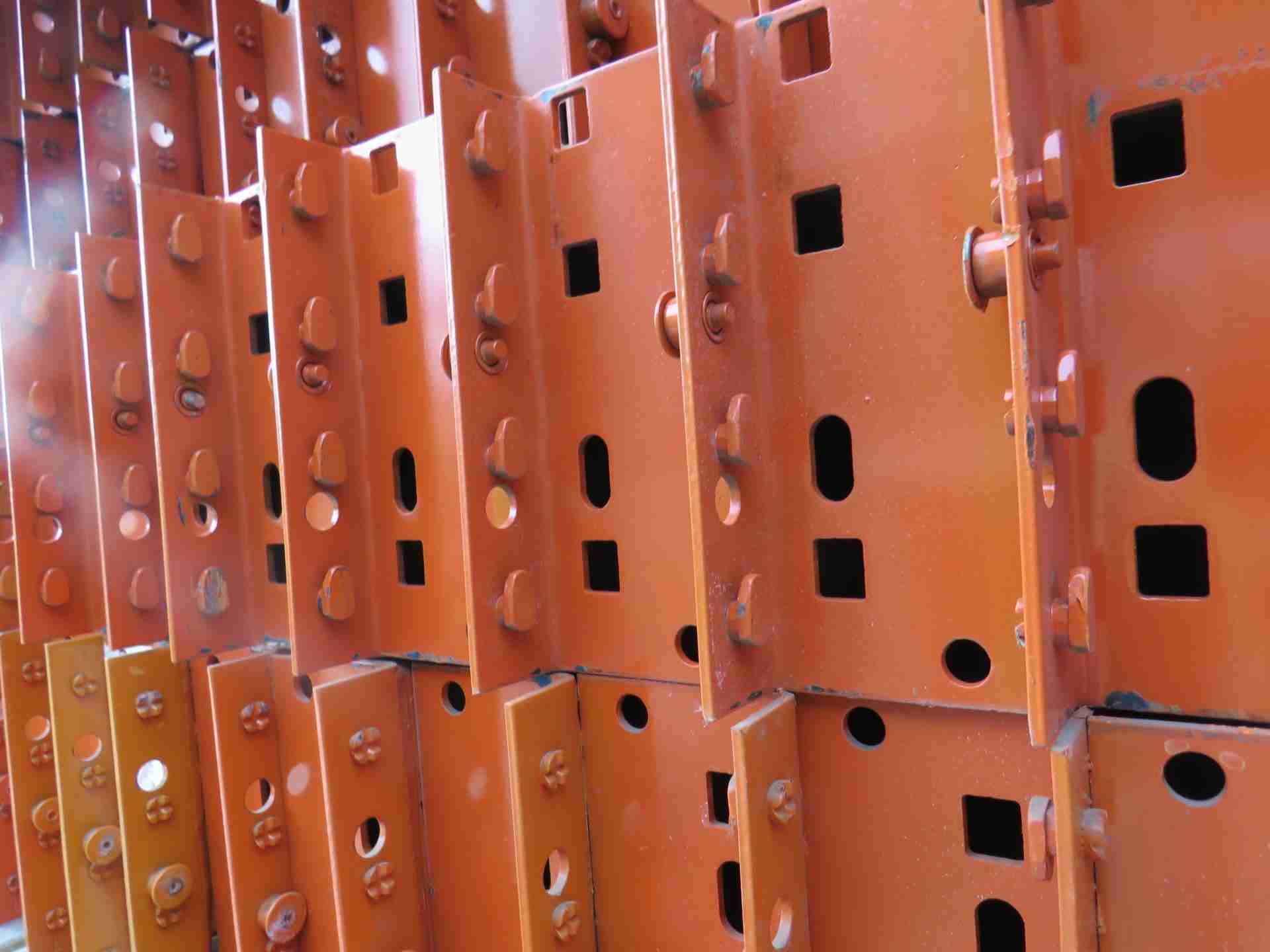
Are There Specific Design Elements That Minimize Risks?
Are There Specific Design Elements That Minimize Risks?
- Safety should be prioritized in warehouse management operations.
- Designing storage systems, including pallet racking, is crucial for minimizing risks.
- Properly spaced pallet racking facilitates safe forklift navigation and reduces collision risks.
- Modular pallet racking systems allow for adaptability as inventory needs change.
- Good visibility in storage areas enhances safety and efficiency for employees.
- Clear safety labels and signage promote accountability and inform staff about best practices.
- Thoughtful design choices in warehouse layout contribute to a safer and more productive environment.
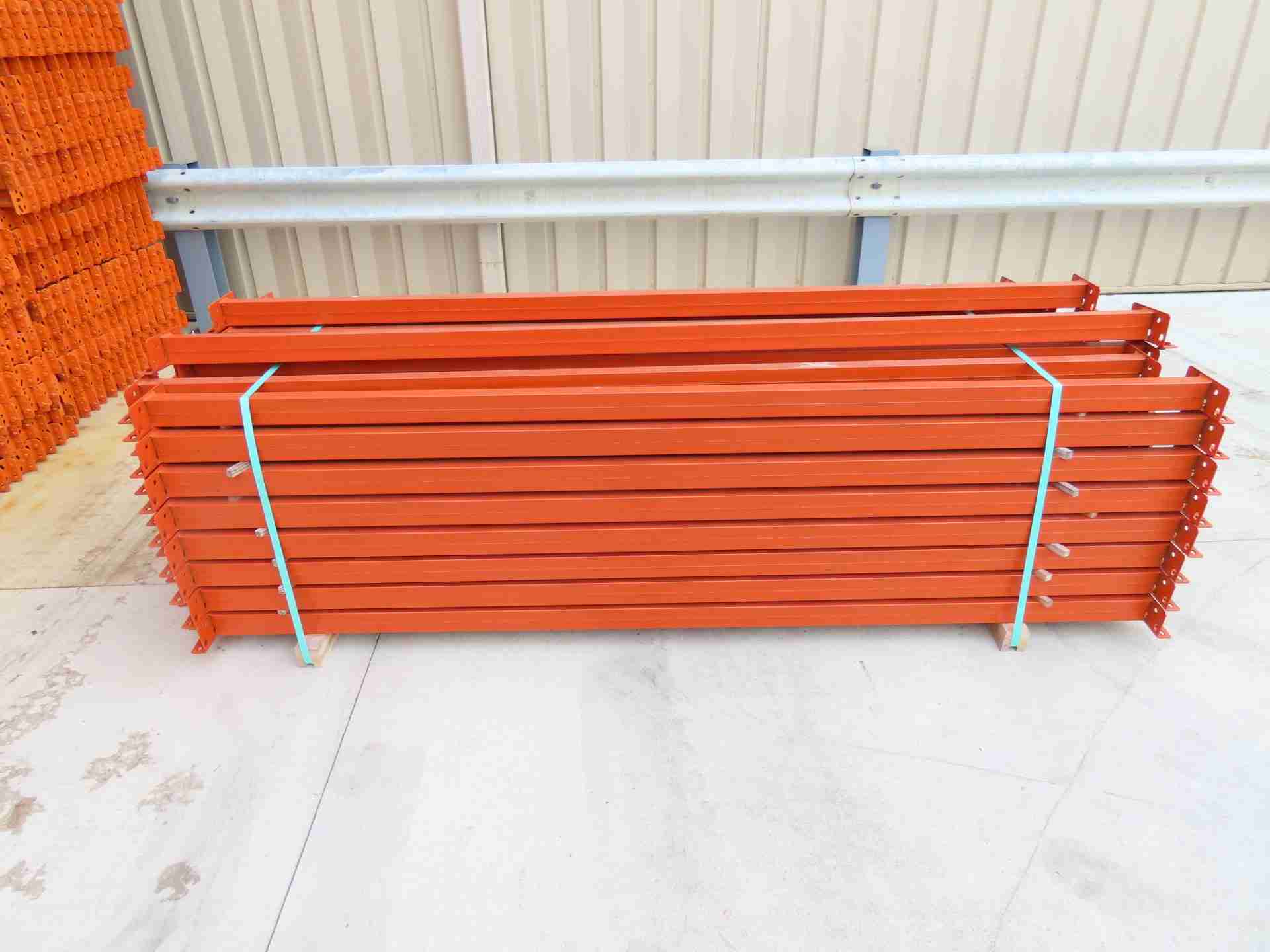
Are There Specific Design Elements That Minimize Risks?
What Role Does Proper Training Play In Warehouse Safety?
In the bustling world of warehouses, where the hum of machinery and chatter of staff create a unique tapestry of productivity, safety often hangs in the balance. Proper training is your ultimate safety net, the invisible thread that weaves through every operation, ensuring each employee knows what to do, how to do it, and most importantly, why it’s crucial. Let’s face it—the logistics of managing a warehouse can feel a bit like directing a symphony orchestra. Without the right conductor (that’s you!), even the best musicians may falter.
Imagine a scenario where an employee is handling pallet racking. What seems like a straightforward task can quickly escalate into a precarious situation if safety protocols aren’t followed. Picture a product being placed incorrectly on the racking system, creating instability. A well-trained team member wouldn’t just follow their instincts; they would rely on their training to know that the integrity of pallet racking doesn’t just depend on the load—it requires proper balance and meticulous attention to detail. It’s this kind of knowledge that transforms a good employee into a great one.
Training gives your workforce the confidence to act decisively, especially when faced with hazardous situations. When employees understand the core principles of ergonomics, equipment handling, and inventory flow, they operate not only more efficiently but also with a heightened awareness of their surroundings. They start to foresee potential issues, which means they can prevent accidents before they even happen. It’s not just about compliance; it’s about cultivating a culture of safety where each team member takes ownership of their role.
Now, let’s talk numbers. Companies that invest in thorough training programs often report a noticeable dip in workplace accidents and insurance costs. This isn’t merely a coincidence; well-trained employees make fewer mistakes and are less likely to endanger themselves or their colleagues. It’s a win-win scenario that inspires trust across the board.
Ultimately, proper training in the warehouse isn’t just another checkbox on your to-do list. It’s an investment in your team’s future—a future where safety isn’t just a policy; it’s a way of life. Take that leap. Empower your workforce with comprehensive training that emphasizes safety, and watch as productivity soars. After all, in a space filled with pallet racking and tons of moving parts, peace of mind is priceless. So, why wait? Let’s get started on building a safer, more effective warehouse today!

What Role Does Proper Training Play In Warehouse Safety?
What Role Does Proper Training Play In Warehouse Safety?
- In warehouses, safety is crucial alongside productivity, optimized through proper training.
- Employees must be trained to understand processes, safety protocols, and the importance of their roles.
- Improper handling, such as incorrect pallet racking placement, can lead to dangerous situations.
- Effective training builds employee confidence, enabling them to act decisively in hazardous conditions.
- Knowledge of ergonomics, equipment handling, and inventory flow enhances operational efficiency and awareness.
- Investing in training leads to reduced workplace accidents and lower insurance costs, benefiting the company overall.
- Comprehensive training is an investment in the workforce’s future, fostering a culture of safety and increasing productivity.
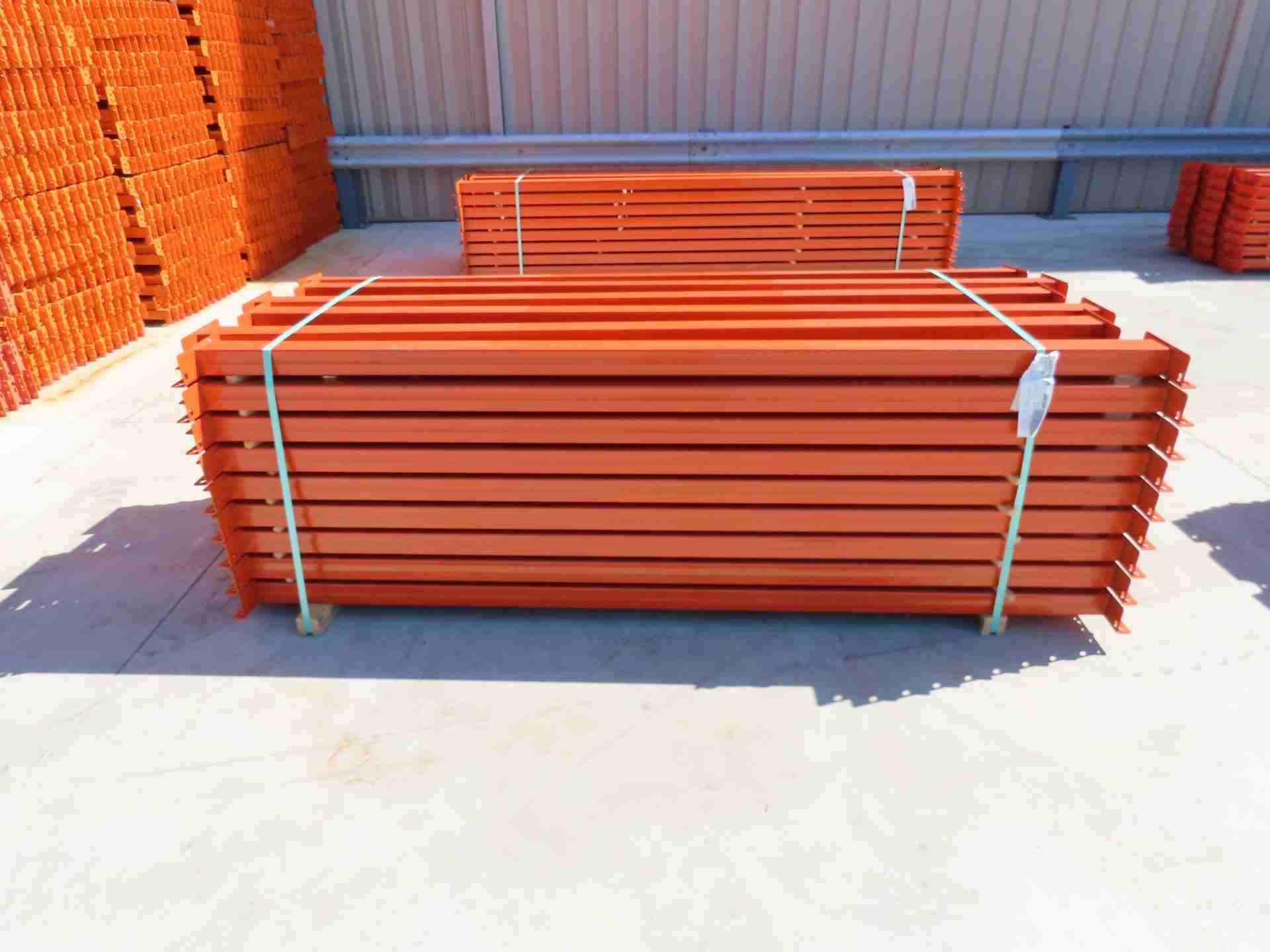
What Role Does Proper Training Play In Warehouse Safety?
How Can You Assess The Safety Of Your Current Layout?
Your warehouse layout isn’t just a collection of aisles and shelves; it is the backbone of your operation, influencing efficiency, productivity, and—most importantly—safety. If you’ve been running a business for a while, it can be easy to overlook the subtle dangers lurking within your current setup. That’s where the importance of a thorough safety assessment comes into play.
Start by taking a step back and observing your pallet racking systems. Are they organized in a manner that prevents overcrowding? Pallet racks are a crucial component, and their arrangement can significantly impact not just accessibility but also the risk of accidents. Take note of any signs of wear or instability. Look for damaged beams or misaligned rows, as these can compromise the integrity of your storage system.
Additionally, consider the flow of traffic in your warehouse. Are there clear pathways for forklifts and team members? You want to make it easy for people to navigate without risking collisions or accidents. Implementing a one-way traffic pattern can drastically reduce potential hazards and keep your team safe.
Next, engage with your employees; their insights are invaluable. After all, they’re the ones navigating the space daily. Hold informal discussions or safety meetings to gather feedback on areas they believe are problematic. A little dialogue can go a long way toward fostering a culture of safety.
But don’t stop there. Schedule regular inspections of your pallet racking and layout. You can’t just set it and forget it; safety is an ongoing commitment. Keep track of any issues that arise and address them promptly. This not only protects your employees but also enhances morale; a safe workplace is a productive workplace.
Finally, consider bringing in an external expert who specializes in warehouse safety assessments. They can provide a fresh perspective and identify risks you may not have noticed. Yes, it involves an investment, but think of it this way: Protecting your most valuable asset, your workforce, is worth every penny.
Take ownership of your warehouse’s safety today! By assessing your layout and making the necessary adjustments, you create not just a safer workspace but one where productivity and efficiency can thrive. Your people deserve it, and your business will thank you. Don’t just aim for compliance; aim for excellence in safety!
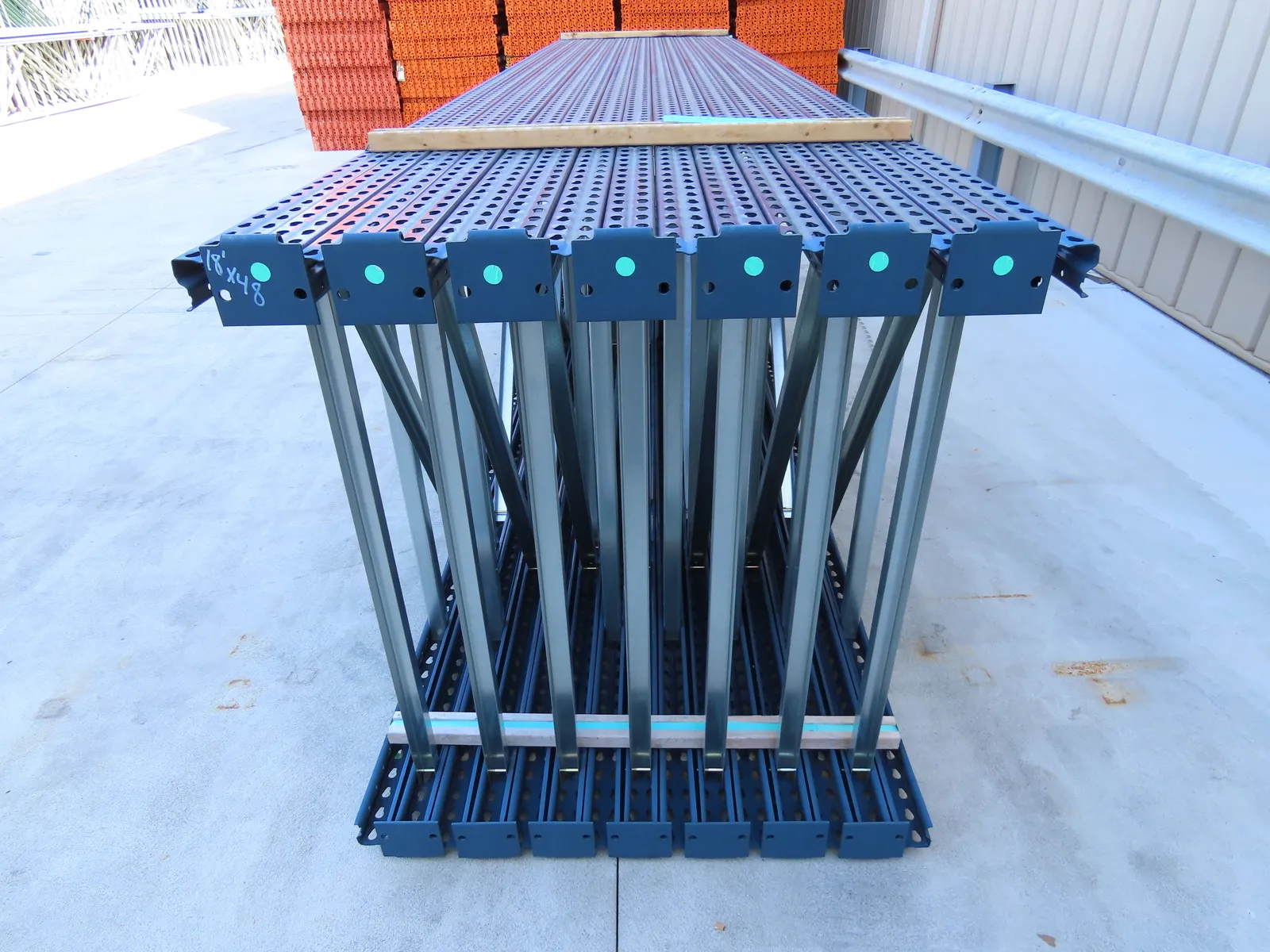
How Can You Assess The Safety Of Your Current Layout?
How Can You Assess The Safety Of Your Current Layout?
- Warehouse layout is crucial for efficiency, productivity, and safety.
- Conduct a thorough safety assessment to identify and address hidden dangers.
- Evaluate pallet racking systems for organization and potential hazards like overcrowding or instability.
- Ensure clear pathways for forklifts and employees to reduce the risk of accidents, possibly implementing one-way traffic flows.
- Engage employees for feedback on safety concerns, fostering a culture of safety through open discussions.
- Schedule regular inspections of the pallet racking and workspace layout to maintain safety and boost morale.
- Consider hiring an external expert for a comprehensive safety assessment to spot risks and improve overall safety practices.

How Can You Assess The Safety Of Your Current Layout?
Conclusion
Conclusion: Prioritizing Safety and Efficiency in Your Warehouse Layout
In today’s fast-paced industrial environment, the importance of a strategically designed warehouse layout cannot be overstated. The reality is clear: a poorly structured warehouse is a breeding ground for accidents, chaos, and inefficiency. When employees find themselves maneuvering through tight aisles filled with improperly organized pallet racking, they not only face increased risks of injury but also experience decreased morale and productivity.
The solution lies in a proactive approach toward warehouse design that emphasizes safety without sacrificing efficiency. By assessing the high-traffic zones, ensuring adequate maneuverability for machinery, and implementing straightforward pathways, you can significantly reduce workplace hazards and promote a culture of safety. Each element in your layout should serve a dual purpose: optimizing space while providing a protective framework for your employees.
Furthermore, training your workforce on safety practices is crucial. An empowered team that understands warehouse layout and hazard identification is invaluable. Regular communication about potential risks fosters a culture of engagement, resulting in higher productivity and loyalty. When employees feel safe and valued, they become more conscientious and efficient, allowing your business to thrive.
To maintain a secure environment, routine safety assessments are a must. Regular inspections of your pallet racking systems and clear communication with employees will help identify issues before they escalate into accidents. Moreover, enlisting the help of professionals can shine a light on overlooked hazards, reinforcing the commitment to an injury-free workplace. Remember, safety should not just be a checkbox; it needs to be woven into your operations.
At Arrow Industrial Sales, we understand that your warehouse is the heart of your operations. Don’t wait until an accident prompts a costly overhaul of your layout—act now to create a safe and efficient environment. Every moment spent waiting is a risk you can’t afford to take. Call us today at (574) 349-6575 to discuss how to optimize your warehouse layout for safety and efficiency. Remember, investing in your warehouse’s design is ultimately an investment in your team and your bottom line. Together, we can enhance productivity, improve employee morale, and ensure safety is at the forefront of your operations. Make the choice for a safer tomorrow—your workforce deserves it!
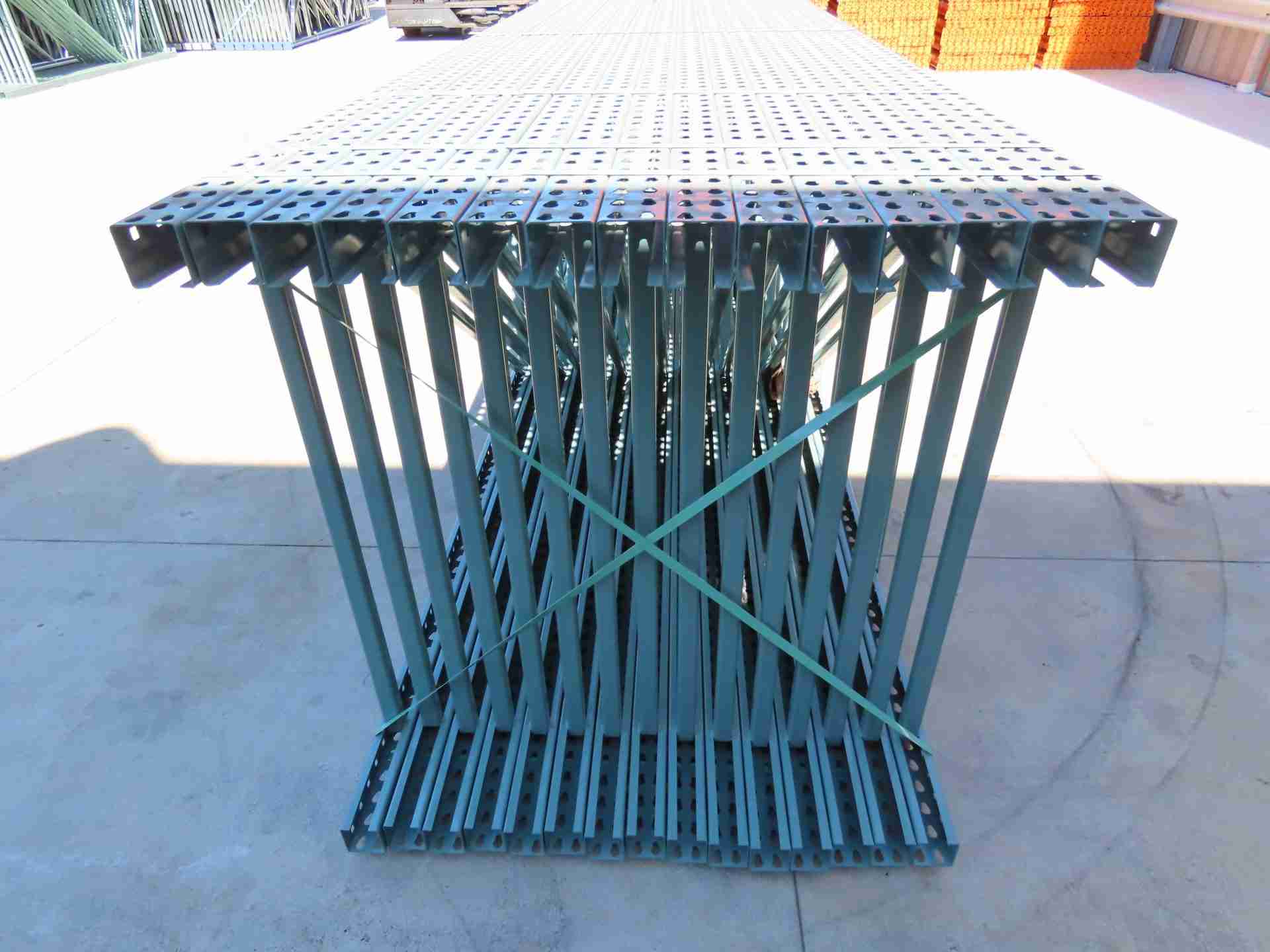
Conclusion
Conclusion:
- A well-designed warehouse layout is crucial for safety and efficiency.
- Poorly structured warehouses can lead to accidents, chaos, and decreased productivity.
- A proactive design approach should focus on high-traffic zones and clear pathways for machinery.
- Employee training on safety practices is key to fostering a safe workplace culture.
- Regular safety assessments and inspections can help identify and mitigate potential risks.
- Engaging professionals can uncover hidden hazards, reinforcing safety commitments.
- Investing in warehouse design is an investment in employee morale and overall business success.
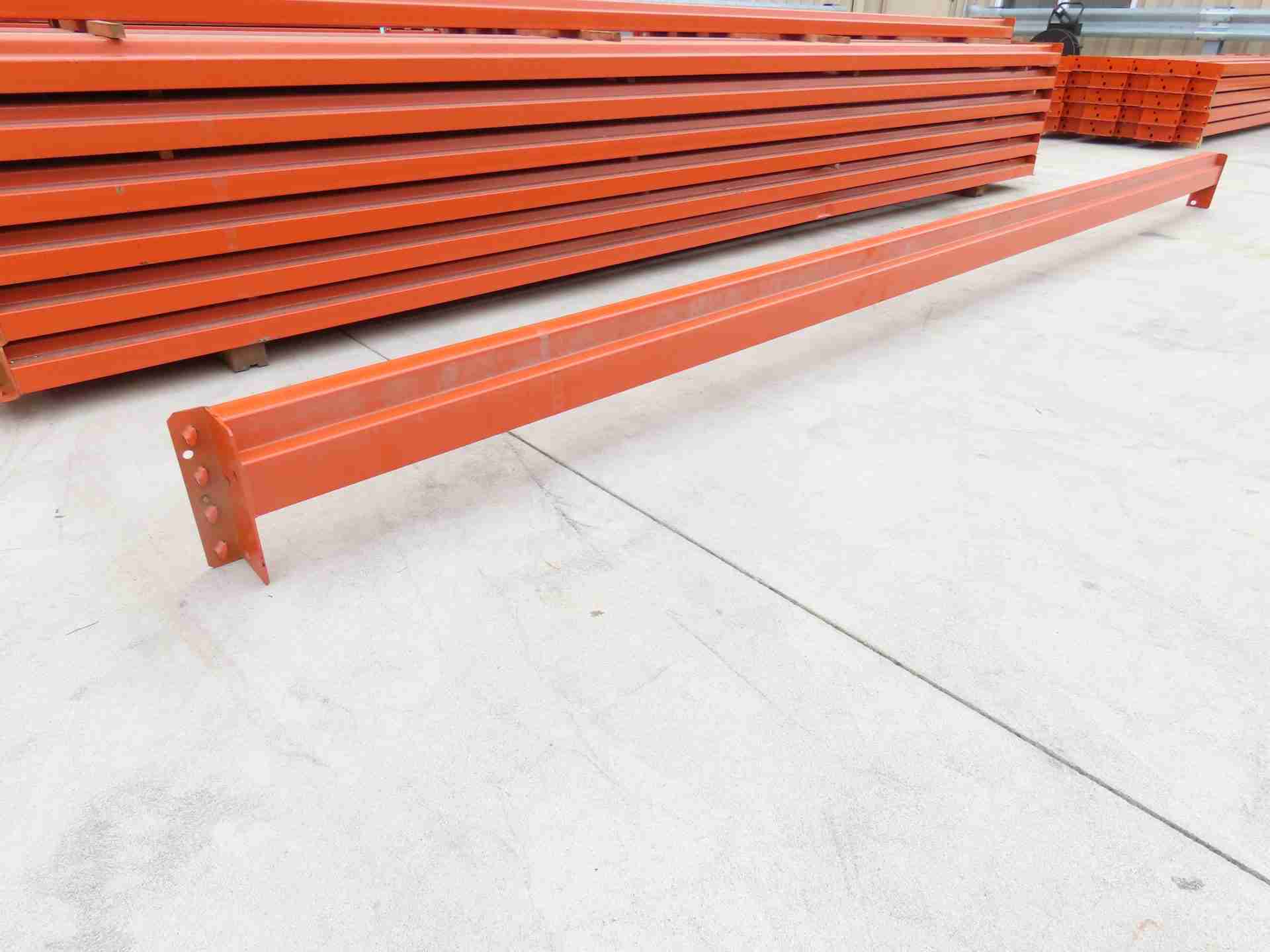
Conclusion
Other Resources

Other Resources
Here is a list of other resources you can review online to learn more:
- CA Wire
- Crane Manufacturers Association Of America Inc.
- Warehouse Racking Chicago, IL
- Used Teardrop Pallet Rack – American Surplus
- Pallet Racking systems in Illinois, Great Lakes
- Rack Manufacturers Institute
- Used Pallet Rack for Sale in Illinois – American Surplus
- Overhead Lifting
- Illinois
- International Warehouse Logistics Association
Use This Prompt To Get More Resources With Your Favorite Online AI Tool: Please provide me with a list of online articles with their URLs in a bulleted list that I can read regarding Is Your Warehouse Layout Creating Unnecessary Risks for Your Team?

Other Resources
Glossary Terms
Is Your Warehouse Layout Creating Unnecessary Risks for Your Team? – Glossary Of Terms
1. Aisle Width: The space between shelves or storage units, important for safe navigation of equipment and personnel.
2. Breach: A failure in safety protocols, leading to accidents or injuries in the warehouse.
3. Ergonomics: The study of how to design workspaces, taking into account how people interact with their environment, to enhance safety and productivity.
4. Forklift Traffic: The movement of forklifts and other heavy machinery, which can pose risks if not properly managed in the layout.
5. Hazard Identification: The process of recognizing potential sources of harm within the warehouse environment.
6. Incident Report: A formal document created when an accident occurs, essential for evaluating safety and improving layout.
7. Inventory Rotation: A method for managing stock to ensure older products are used or shipped before newer ones, affecting layout efficiency.
8. Load-Bearing Capacity: The maximum weight that storage racks or shelving can safely support.
9. Personal Protective Equipment (PPE): Safety gear worn by warehouse staff, such as helmets and gloves, to minimize risk during operations.
10. Racking Systems: Structures used to store goods efficiently; improper design can lead to instability and accidents.
11. Safety Signage: Visual indicators that communicate hazards or safety protocols within the warehouse.
12. Standard Operating Procedures (SOPs): Detailed, written instructions designed to achieve uniformity in warehouses to enhance safety.
13. Slips, Trips, and Falls: Common types of workplace accidents that can result from cluttered aisles or uneven flooring.
14. Storage Density: The amount of space used to store products in the warehouse; high density can lead to organization issues and hazards.
15. Traffic Management Plan: A strategy developed to control and minimize the risks associated with the movement of people and vehicles in a warehouse.
16. Warehouse Ergonomics: Tailoring the physical layout to suit the needs of workers, reducing the risk of musculoskeletal injuries.
17. Workplace Culture: The shared values and practices regarding safety and organization that influence behavior in the warehouse.
18. Emergency Exits: Designated escape routes from the warehouse, crucial for ensuring quick evacuation during emergencies.
19. Warehouse Zoning: The practice of dividing the warehouse into specific areas for different functions to reduce risks and improve flow.
20. Obstruction: Any barrier that hinders the safe movement of personnel or equipment, increasing the likelihood of accidents.
21. Palletization: The process of stacking and organizing products on pallets, affecting how goods are stored and accessed safely.
22. Lighting: Proper illumination in the warehouse to enhance visibility and reduce the risk of accidents.
23. Maintenance Schedule: Routine checks and repairs to safety equipment and warehouse infrastructure to prevent hazards.
24. Load Securing: Techniques for securing goods on transport vehicles or shelves to prevent shifts that could cause accidents.
25. Workstation Design: Configuring areas where tasks are performed to ensure efficiency and employee safety.
26. Spill Management: Procedures for containing and cleaning up hazardous spills to mitigate risks to workers.
27. Training Programs: Structured learning initiatives aimed at educating employees on safety protocols and operational procedures.
28. Distribution Efficiency: The effectiveness of product movement within the warehouse, which impacts safety and productivity.
29. Compliant Layout: A warehouse design that adheres to safety regulations and best practices.
30. Safety Audits: Regular assessments of warehouse safety practices, helping to identify areas for improvement in layout and protocols.
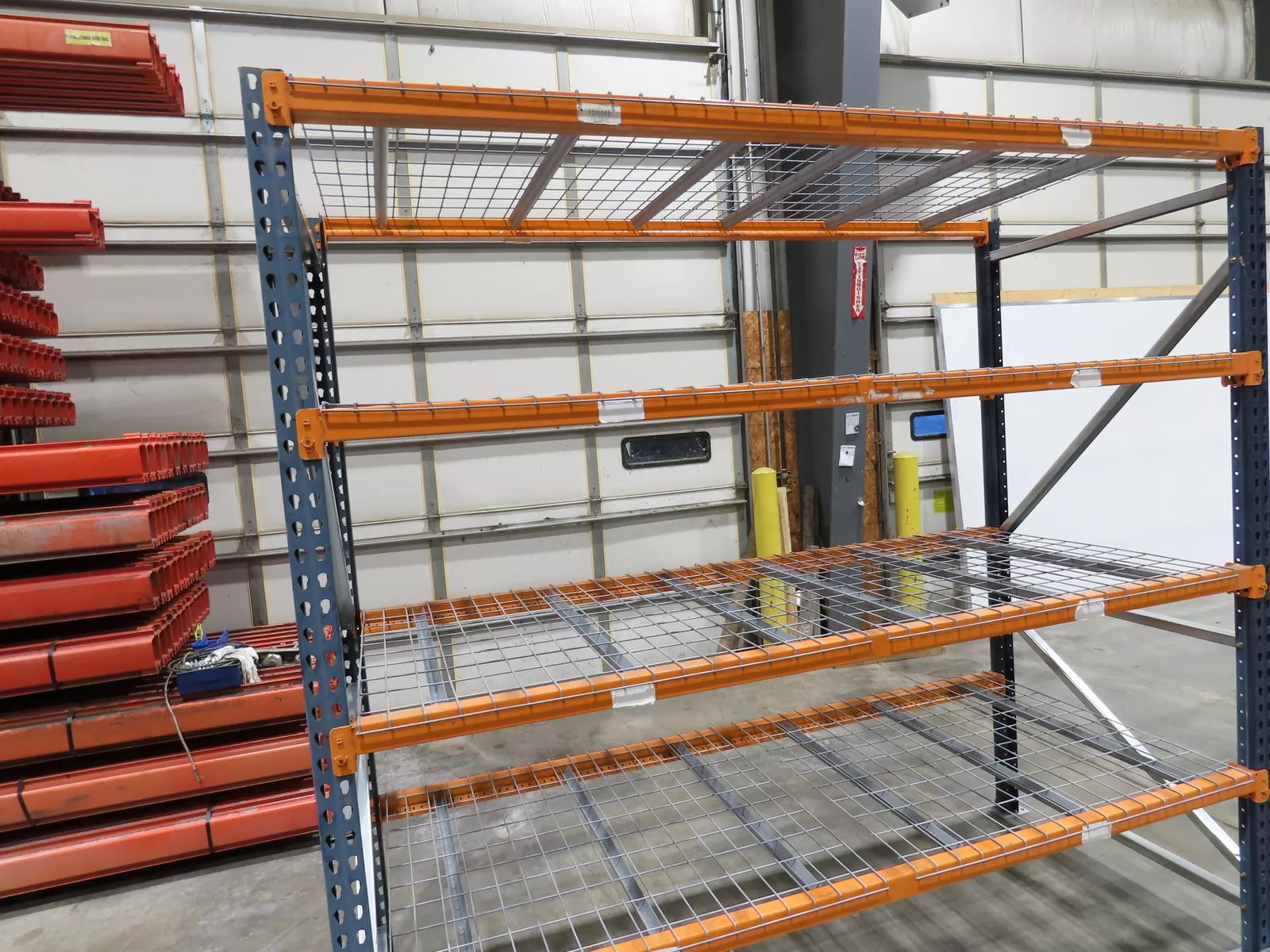
Glossary Of Terms
Other Questions
Is Your Warehouse Layout Creating Unnecessary Risks for Your Team? – Other Questions
If you wish to explore and discover more, consider looking for answers to these questions:
- What are the best practices for designing a safe warehouse layout?
- How can technology improve warehouse safety and efficiency?
- What are the legal requirements for warehouse safety in my region?
- How can employee feedback be effectively incorporated into safety assessments?
- What types of training programs are most effective for warehouse safety?
- How often should warehouse layouts be reviewed and updated for safety?
- What are common pitfalls in warehouse layout design to avoid?
- How does employee morale impact warehouse safety?
- What specific safety equipment should be included in warehouse areas?
- Are there industry standards for pallet racking safety?
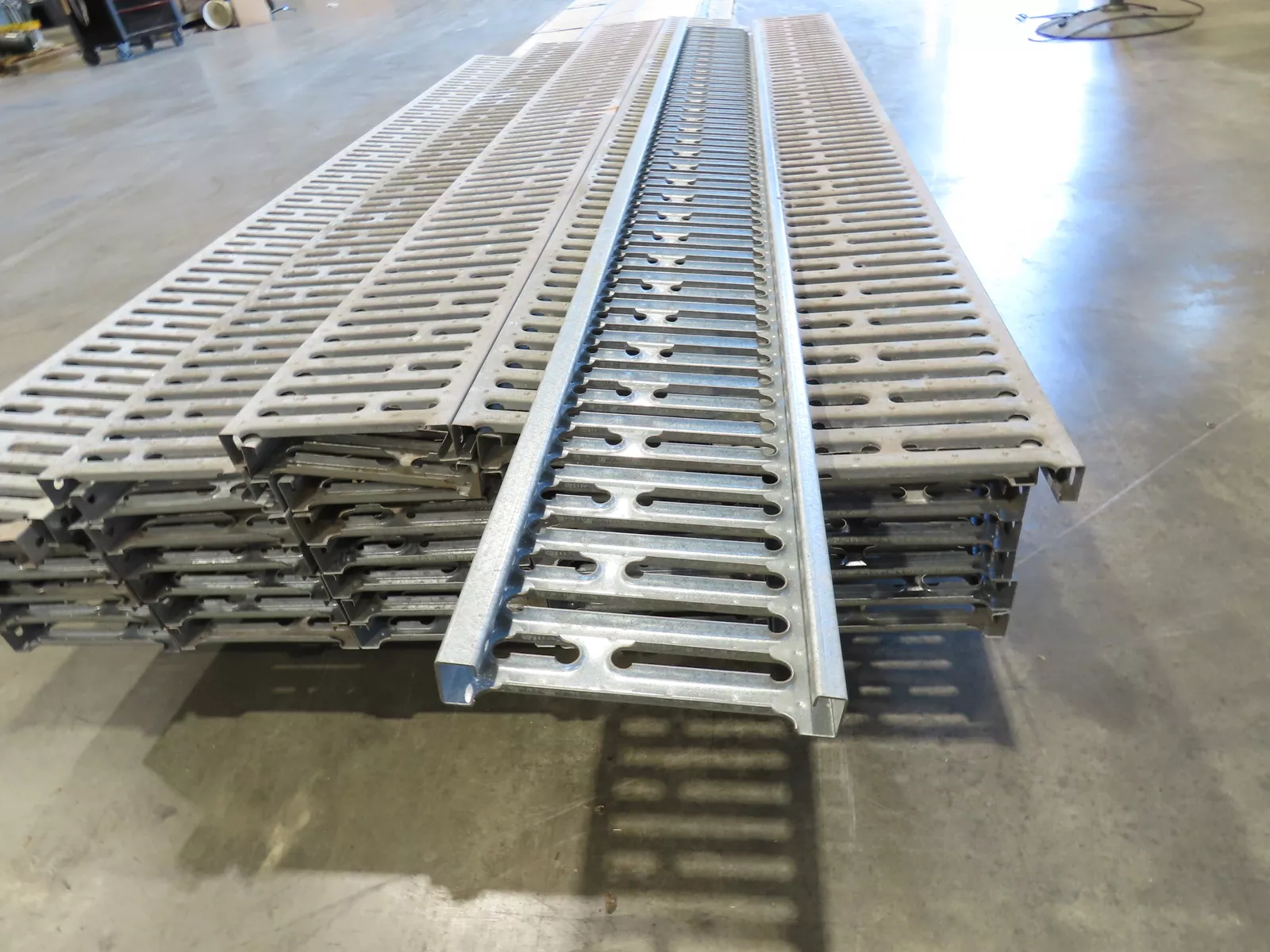
Other Questions
Checklist
Is Your Warehouse Layout Creating Unnecessary Risks for Your Team? – A Checklist
Checklist: Optimizing Your Warehouse Layout for Safety and Efficiency
Warehouse Layout Evaluation
1. Assess Aisle Width:
_____ Are your aisles wide enough for staff and machinery to move safely without obstruction?
2. Evaluate Pallet Racking Positioning:
_____ Is the pallet racking correctly positioned to prevent bottlenecks and allow for smooth workflow?
3. Designate Pathways:
_____ Have you created clear, designated pathways for foot traffic and machinery to minimize foot traffic interference?
4. Inspect High-Traffic Zones:
_____ Are there specific areas of the warehouse that tend to get congested? What can be done to alleviate this?
Safety Protocols
5. Conduct Regular Inspections:
_____ How often do you inspect pallet racking and layout for stability and compliance with safety regulations?
6. Implement a Spill Management Policy:
_____ Do you have a no-tolerance policy for spills? Are employees aware of reporting procedures?
7. Enhance Visibility:
_____ Is the warehouse adequately lit, ensuring all areas are visible to reduce the risk of accidents?
8. Communicate Safety Signage:
_____ Are safety signs and labels clearly visible and informative, providing guidance on weight limits and proper storage practices?
Employee Training
9. Comprehensive Training Programs:
_____ Is ongoing safety training provided to all employees regarding warehouse layout and safe practices?
10. Foster Open Communication:
_____ Are employees encouraged to report potential hazards and adjust practices based on their observations?
Organization and Maintenance
11. Maintain Inventory Organization:
_____ Is your inventory organized to prevent overcrowding and ensure easy access?
12. Establish Regular Maintenance Schedules:
_____ How frequently is your equipment and pallet racking inspected and maintained?
Continuous Improvement
13. Engage Employees in Safety Processes:
_____ Have you involved your team in the safety assessment process, gathering their insights on potential hazards?
14. Seek External Expertise:
_____ Have you considered consulting with a safety expert for an external review to identify unnoticed hazards?
15. Reassess Regularly:
_____ How often do you plan to assess and update your warehouse layout for safety and productivity improvements?
Final Thoughts
_____ Commit to Safety:
_____ Are you ready to prioritize safety in your warehouse design and foster a culture that values employee wellbeing?
Use this checklist to enhance the safety and efficiency of your warehouse layout, ensuring a productive work environment where your team can thrive!
Checklist
At RackingWorld, we help guide you through selecting warehouse storage systems and racking.
Be sure to read our other related stories at RackingWorld to learn more about warehouse storage systems.
0 Comments