
Maximizing Efficiency And Space With Modular Racking Systems
By Tom Seest
At RackingWorld, we help guide you through selecting warehouse storage systems and racking.
Be sure to read our other related stories at RackingWorld to learn more about warehouse storage systems.
Are Modular Racking Systems The Essential Solution for Your Warehouse?
When it comes to optimizing your warehouse space, the question isn’t just about what you have; it’s about how effectively you can use it. Enter modular racking systems—the game-changer your operation has been waiting for. Imagine transforming your cluttered, chaotic warehouse into a streamlined powerhouse of efficiency with the right pallet racking. Sounds appealing, doesn’t it?
Think about how much time your team spends navigating through disorganized aisles. Every minute wasted means money lost. Modular racking systems offer you the flexibility you need to adapt your storage solutions to the ever-changing demands of your business. With a variety of configurations at your disposal, you’re not just installing a shelving unit; you’re investing in a system that will grow with you. This adaptability is key. No longer will you be shackled by static, rigid storage solutions. Instead, you can respond to the ebbs and flows of your inventory with ease.
Consider the trust you place in your warehouse operations. Your employees rely on well-organized space to perform their tasks efficiently and safely. With pallet racking designed for maximum accessibility, you’re not only safeguarding your product but also boosting staff morale. A clean, logically arranged workspace invites confidence and fosters a healthier organizational culture. People want to be part of a well-run operation. They want to feel empowered, and you can provide that by embracing a modular racking system.
Now, let’s talk about ROI. You might hesitate, thinking about the initial investment. But consider this: a well-implemented pallet racking solution can lead to a significant reduction in operational costs over time. Increased storage density translates to less square footage needed, reducing overhead expenses and optimizing your layout. This is not just an upfront cost; it’s a calculated, strategic move towards greater profitability.
But why stop there? The beauty of modular racking is that it fosters scalability. You won’t need to rethink your entire warehouse structure each time your business landscape shifts; instead, you can adjust and realign your shelves and storage solutions seamlessly. That’s a smart, savvy business move.
So, if you’re still wrestling with outdated systems, it’s time to take a leap of faith. Modular racking systems could be exactly what you need to unleash unparalleled efficiency in your warehouse. The future is modular—are you in?
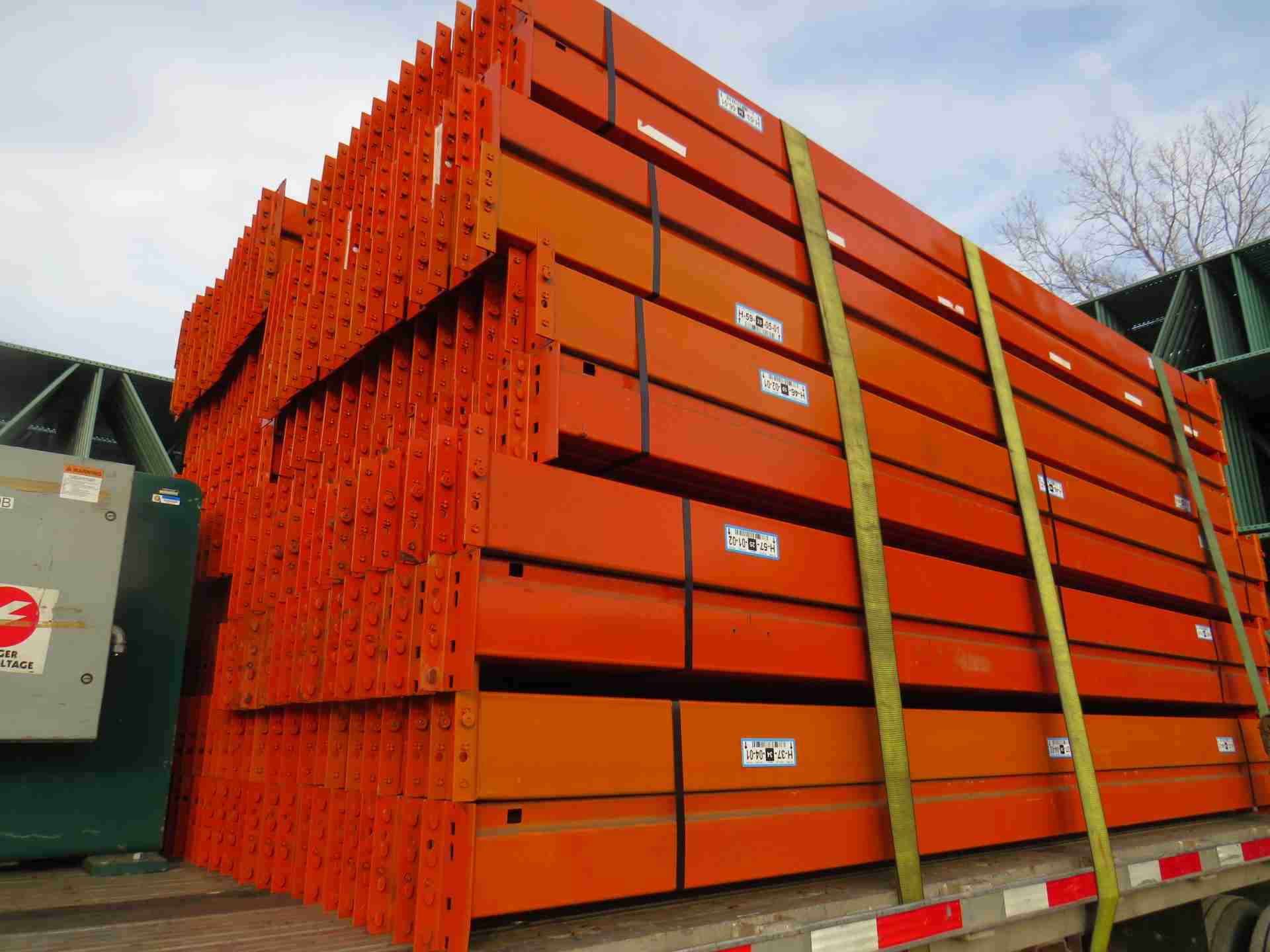
Are Modular Racking Systems The Essential Solution for Your Warehouse?
Are Modular Racking Systems The Essential Solution for Your Warehouse?
- Modular racking systems optimize warehouse space effectively, focusing on usage rather than just what is available.
- Transform disorganized warehouses into streamlined operations, boosting efficiency and productivity.
- Flexible configurations allow adaptation to changing business demands, supporting inventory variations.
- Well-organized spaces enhance employee safety and morale, creating a healthier organizational culture.
- Investing in pallet racking systems can lead to significant long-term cost reductions and increased storage density.
- Modular designs enable scalability, allowing easy adjustments without overhauling the entire warehouse structure.
- Embracing modular racking systems can unleash unparalleled efficiency, making them a vital investment for the future.
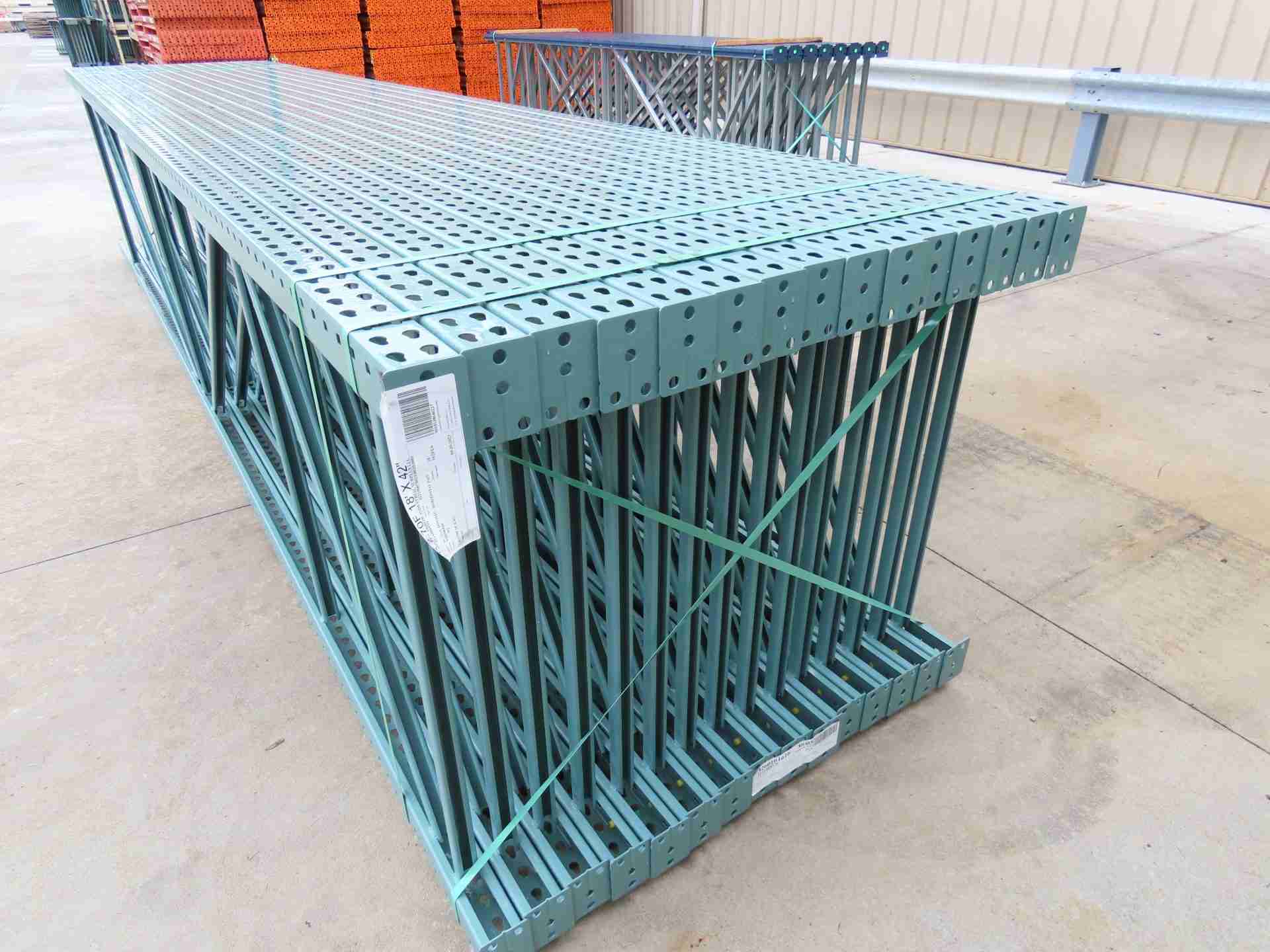
Are Modular Racking Systems The Essential Solution for Your Warehouse?
Table Of Contents
- Are Modular Racking Systems The Essential Solution for Your Warehouse?
- How Can Modular Racking Save Space In My Warehouse?
- Are Modular Racking Systems Cost-Effective For Businesses?
- What Are The Key Benefits Of Using Modular Racking Systems?
- How Do Modular Racking Systems Compare To Traditional Racking?
- Can Modular Racking Systems Be Customized For Specific Needs?
- What Industries Benefit The Most From Modular Racking Systems?
- Conclusion
- Other Resources
- Glossary Of Terms
- Other Questions
- Checklist
How Can Modular Racking Save Space In My Warehouse?
In the ever-evolving world of logistics and warehousing, maximizing every square foot of your storage space is no longer a luxury; it’s a necessity. Enter modular racking systems—a game changer that can transform your warehouse from a cluttered maze into a streamlined powerhouse of efficiency. Imagine walking through a space that feels open, where every item is easily accessible, and every aisle flows seamlessly. Now, let’s get down to how modular racking can accomplish this.
First, let’s talk about pallet racking. Traditional systems often lead to wasted vertical space and inefficient organization. Modular racking systems turn this concept on its head. Designed with flexibility in mind, these systems allow you to customize your racking based on your unique inventory needs. Need to make room for larger items? No problem! Need to adjust for seasonal stock? Simple! This adaptability can help you avoid the frustration of static, outdated solutions that no longer serve your business.
Moreover, modular racking drastically enhances your warehouse’s overall functionality. Have you ever spent precious minutes searching for a specific item, only to find it buried beneath heaps of improperly stored goods? With modular systems, each pallet can be assigned a dedicated location, dramatically reducing retrieval time. You can cycle through high-turnover items with ease, ensuring your operation runs smoothly, and your productivity skyrockets.
But let’s not overlook the aesthetic aspect—an organized warehouse isn’t just functional; it’s also appealing. A tidy, well-structured space sends a message of professionalism to your employees and clients alike. It fosters a sense of pride among your team, knowing they’re working in a modern, efficient, and supportive environment. This can lead to higher morale and better performance across the board.
Finally, let’s touch on the aspect of cost-efficiency. Investing in modular racking means investing in your future. While it may seem daunting to overhaul your current setup, the long-term savings and increased efficiency will far outweigh the initial costs. A well-organized warehouse with modular systems reduces wasted time and labor, enhancing your bottom line and ultimately giving you the freedom to scale operations as needed.
We understand that making an adjustment to your warehouse infrastructure might seem like a big step, but the question isn’t whether you can afford modular racking—it’s whether you can afford not to. Take the leap and watch your warehouse transform into a model of efficiency and productivity. The future of your warehousing capabilities is modular!
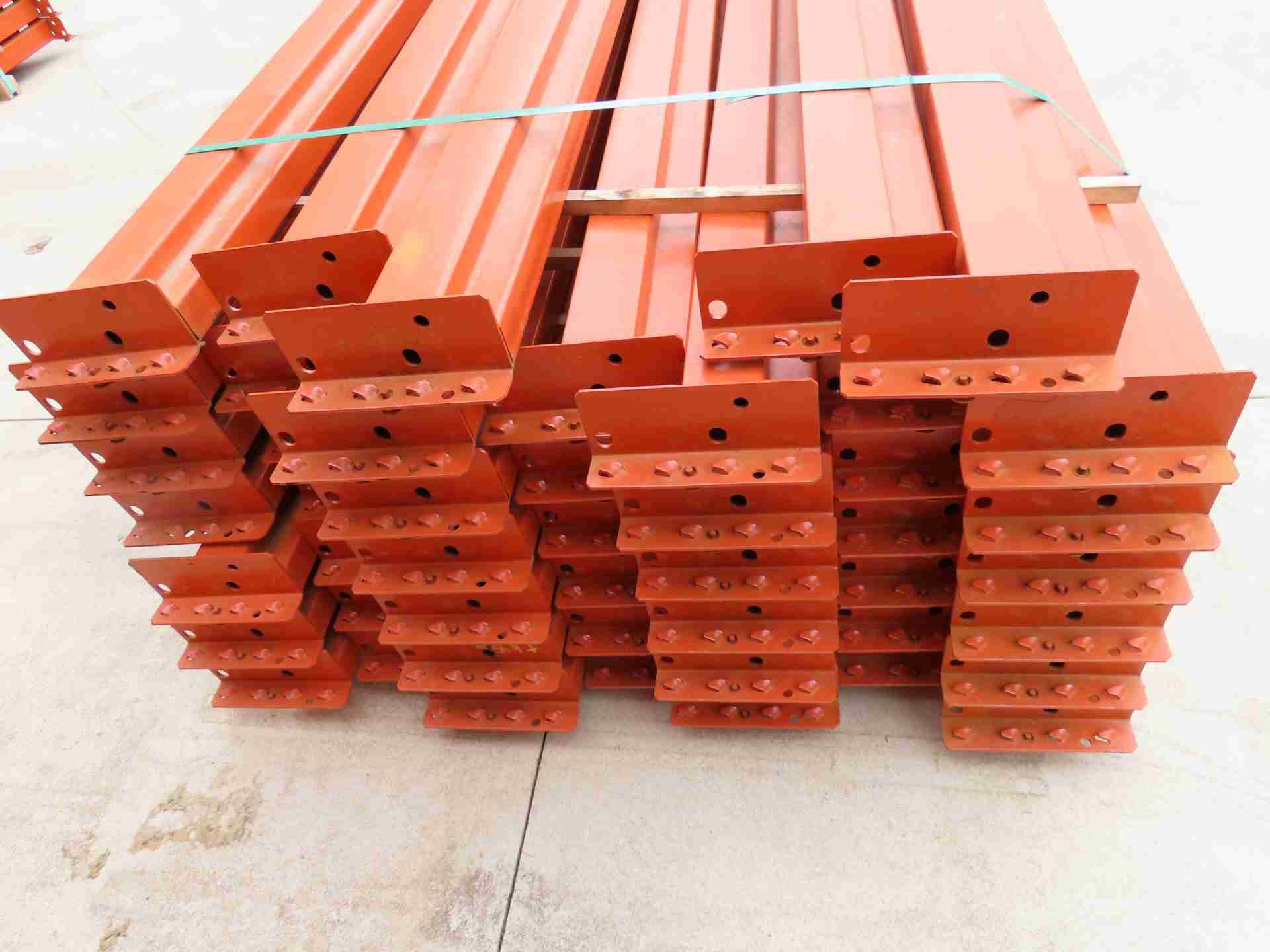
How Can Modular Racking Save Space In My Warehouse?
How Can Modular Racking Save Space In My Warehouse?
- Maximizing storage space is essential in logistics and warehousing.
- Modular racking systems improve warehouse organization and efficiency.
- These systems allow for customization based on unique inventory needs.
- Dedicated locations for pallets reduce retrieval time significantly.
- An organized warehouse enhances professional appearance and employee morale.
- Investing in modular racking leads to long-term savings and increased efficiency.
- Adopting modular racking is a crucial step towards improved warehousing capabilities.
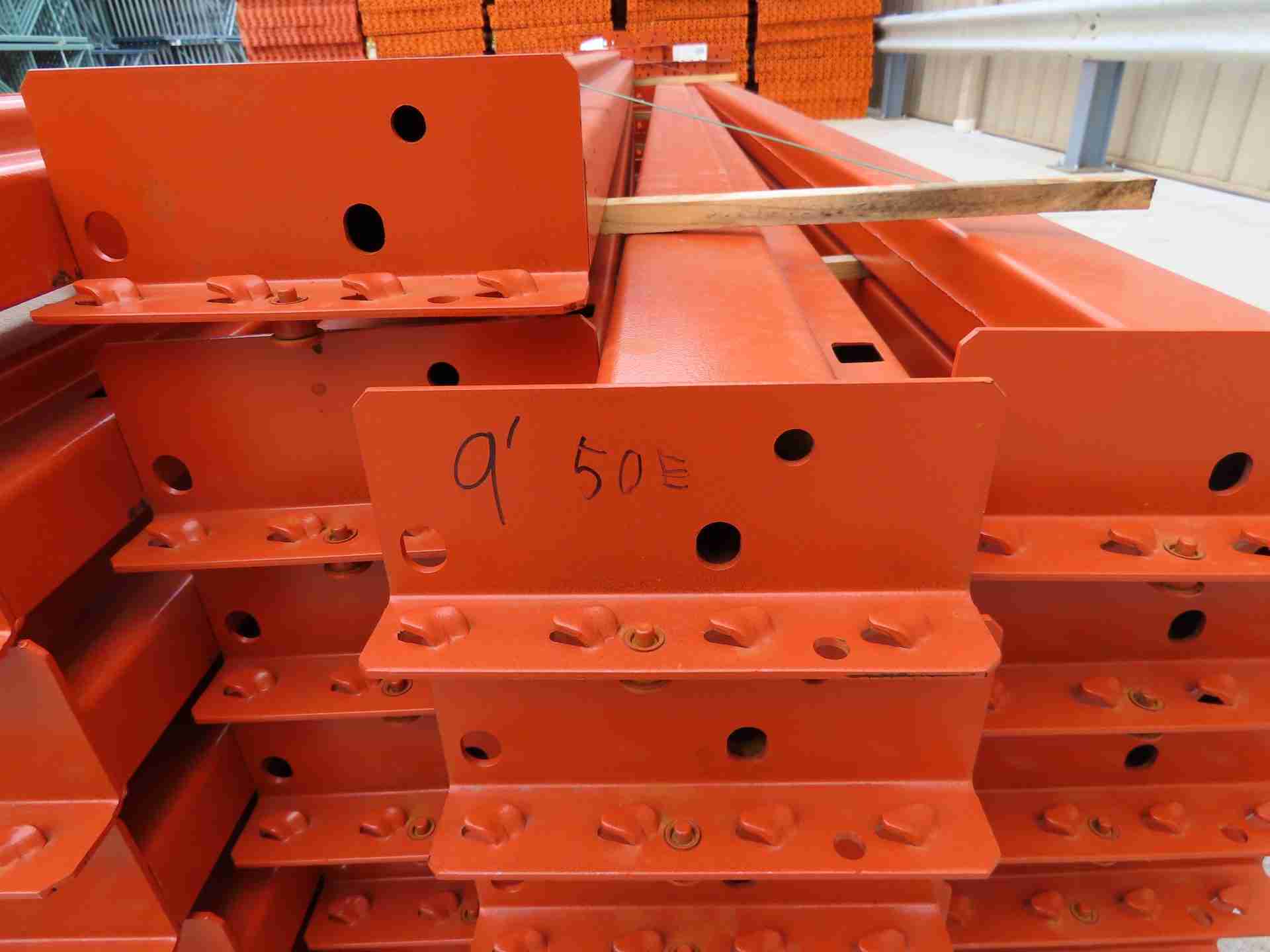
How Can Modular Racking Save Space In My Warehouse?
Are Modular Racking Systems Cost-Effective For Businesses?
In today’s fast-paced business environment, efficiency is not just a luxury; it’s a necessity. When it comes to optimizing warehouse space, modular racking systems stand out as a game-changer—but are they really cost-effective for your business? Let’s explore this crucial question together.
First, consider the rising costs of real estate and how they impact your bottom line. Traditional shelving solutions can take up a considerable amount of space, leading to wasted square footage that could otherwise be generating revenue. Enter modular racking. These versatile systems, such as pallet racking, offer the flexibility to adapt to your changing inventory needs and storage requirements without the need for expensive renovations. This adaptability means you can scale your operations without the financial burden typically associated with growth.
Now, let’s talk about installation costs. Modular racking systems are designed for easy assembly, which not only reduces setup time but also minimizes labor costs. Imagine transforming your warehouse from chaotic to organized in a fraction of the time, allowing your employees to focus on what really matters: delivering exceptional service to your customers. Just think of the positive impact this could have on productivity!
But it doesn’t stop there. A well-organized warehouse translates into quicker pick and pack times. Every second saved during order fulfillment can lead to increased customer satisfaction and repeat business. In the world of commerce, this is invaluable. The investment in a modular racking system is more than just purchasing a product; it is about investing in your operational efficiency and future growth.
Moreover, durability and longevity should not be overlooked. Modular racking systems are built to withstand tough warehouse conditions, ensuring you won’t face frequent replacement costs. Your financial outlay is not just an expenditure; it’s an investment that pays off through reduced operational costs and improved performance.
So, if you’re still weighing the pros and cons of modular racking systems, consider this: the true cost-effectiveness lies not only in immediate savings but in the ability to evolve, adapt, and thrive in an ever-changing marketplace. Take the leap; transform your warehouse with a smart racking solution that empowers your business today and sets you up for success tomorrow. Your bottom line will thank you.
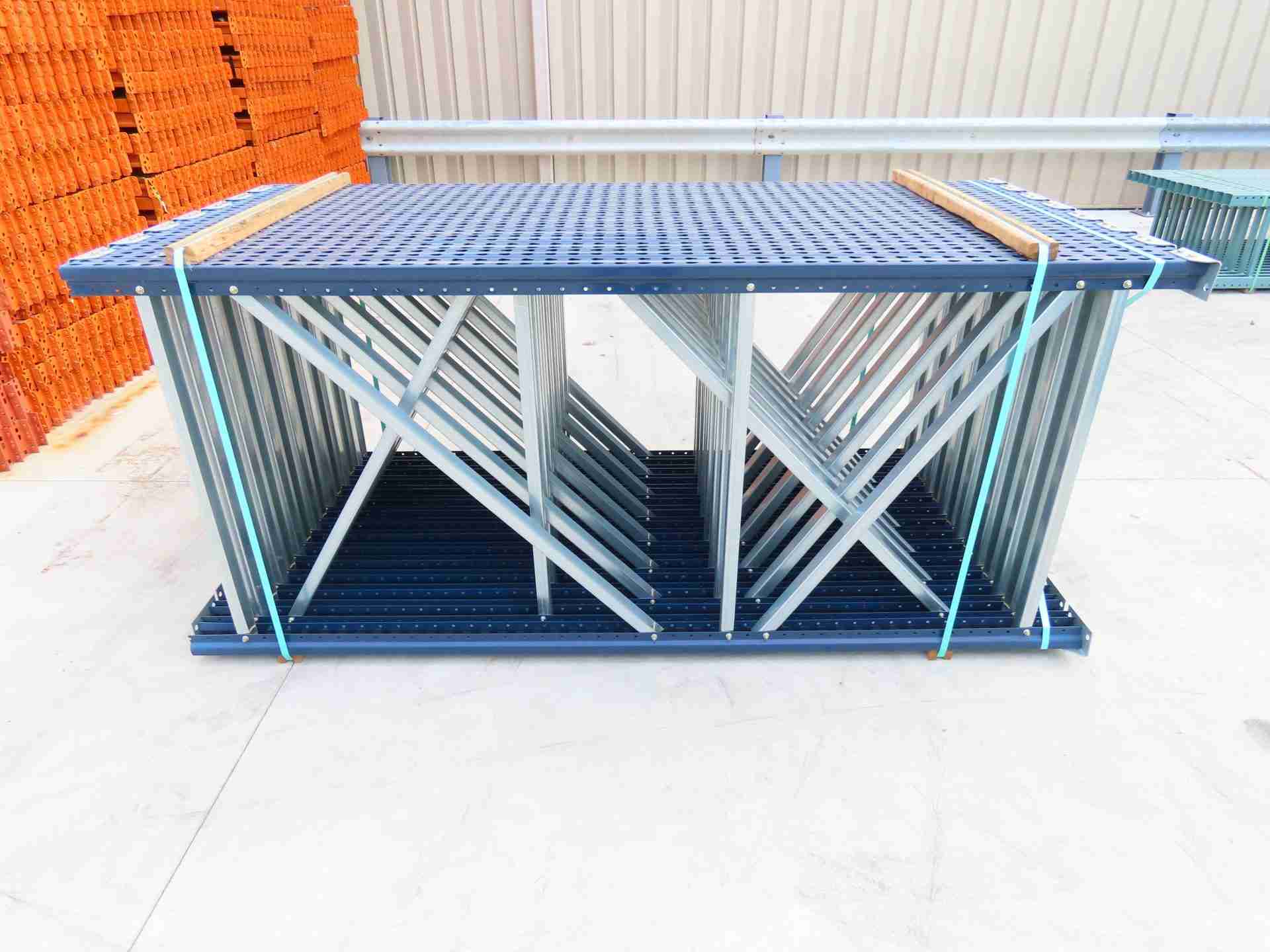
Are Modular Racking Systems Cost-Effective For Businesses?
Are Modular Racking Systems Cost-Effective For Businesses?
- Efficiency is essential in today’s fast-paced business environment, particularly in warehouse operations.
- Modular racking systems, like pallet racking, maximize warehouse space and can adapt to changing inventory needs.
- These systems help avoid costly renovations, making it easier to scale operations without significant financial burden.
- Installation of modular racking is quick and easy, resulting in reduced labor costs and faster warehouse organization.
- A well-organized warehouse leads to quicker pick and pack times, enhancing customer satisfaction and encouraging repeat business.
- Durable modular racking systems minimize frequent replacement costs, contributing to long-term operational efficiency.
- The true cost-effectiveness of modular racking lies in its contribution to adaptive growth and sustained success in a competitive market.

Are Modular Racking Systems Cost-Effective For Businesses?
What Are The Key Benefits Of Using Modular Racking Systems?
In a world where space is at a premium and efficiency is king, modular racking systems emerge as the unsung heroes of warehouses, factories, and retail environments. But what makes these systems so essential? Let’s delve into the key benefits that can transform your storage capabilities—and your bottom line.
First and foremost, flexibility is the name of the game. Unlike traditional fixed racking solutions, modular racking allows you to customize your setup with ease. Whether you’re managing seasonal inventory spikes or shifting product lines, the adaptability of modular systems means you can reconfigure your layout without the headache of a complete overhaul. Picture this: a busy warehouse adjusting its layout to accommodate a new shipment of pallets. With modular racking, you can pivot quickly, ensuring that operations remain smooth and efficient.
Another standout feature of modular racking systems is maximized storage capacity. These systems are designed to optimize vertical space, allowing you to store more products in less square footage. Imagine being able to double your storage capacity simply by reorganizing your racking! The potential for improved workflow is monumental. No more wasted time searching for products—every item has its dedicated place, making retrieval straightforward and fast.
Cost-effectiveness is often a major concern for business owners, and rightly so. By investing in modular racking, you are not just acquiring a piece of equipment; you are securing a long-term solution that can grow as your business grows. With options for adding additional levels or expanding the overall design, these systems essentially future-proof your investment. So why struggle with the limitations of outdated storage solutions when adaptable modular racks can align with your evolving needs?
Last, but certainly not least, is the safety aspect. Properly configured modular racking increases safety by providing clear sightlines and reducing the risk of accidents. Employees are less likely to misplace items or have to navigate cluttered aisles, allowing for a smoother, safer operation daily. When your team feels secure and organized, it boosts morale and enhances productivity.
Making the switch to modular racking systems is not just a wise move; it’s a necessary evolution in efficient storage management. From the charm of flexibility to the undeniable promise of safety and cost-efficiency, it’s time to harness the power of modular racking for your operations. Embrace the change and watch your business flourish!
What Are The Key Benefits Of Using Modular Racking Systems?
What Are The Key Benefits Of Using Modular Racking Systems?
- Modular racking systems are essential for maximizing warehouse, factory, and retail efficiency.
- They offer flexibility, allowing quick customization to manage seasonal inventory and changing product lines.
- These systems maximize storage capacity by optimizing vertical space, increasing storage without expanding the footprint.
- Modular racking improves workflow by ensuring every item has its designated place, reducing search times.
- Investing in modular racking is cost-effective, providing a scalable solution that grows with your business.
- They enhance safety by creating clear sightlines and reducing clutter, minimizing accident risks and boosting employee morale.
- Switching to modular racking is vital for modern storage management, promoting efficiency and productivity.
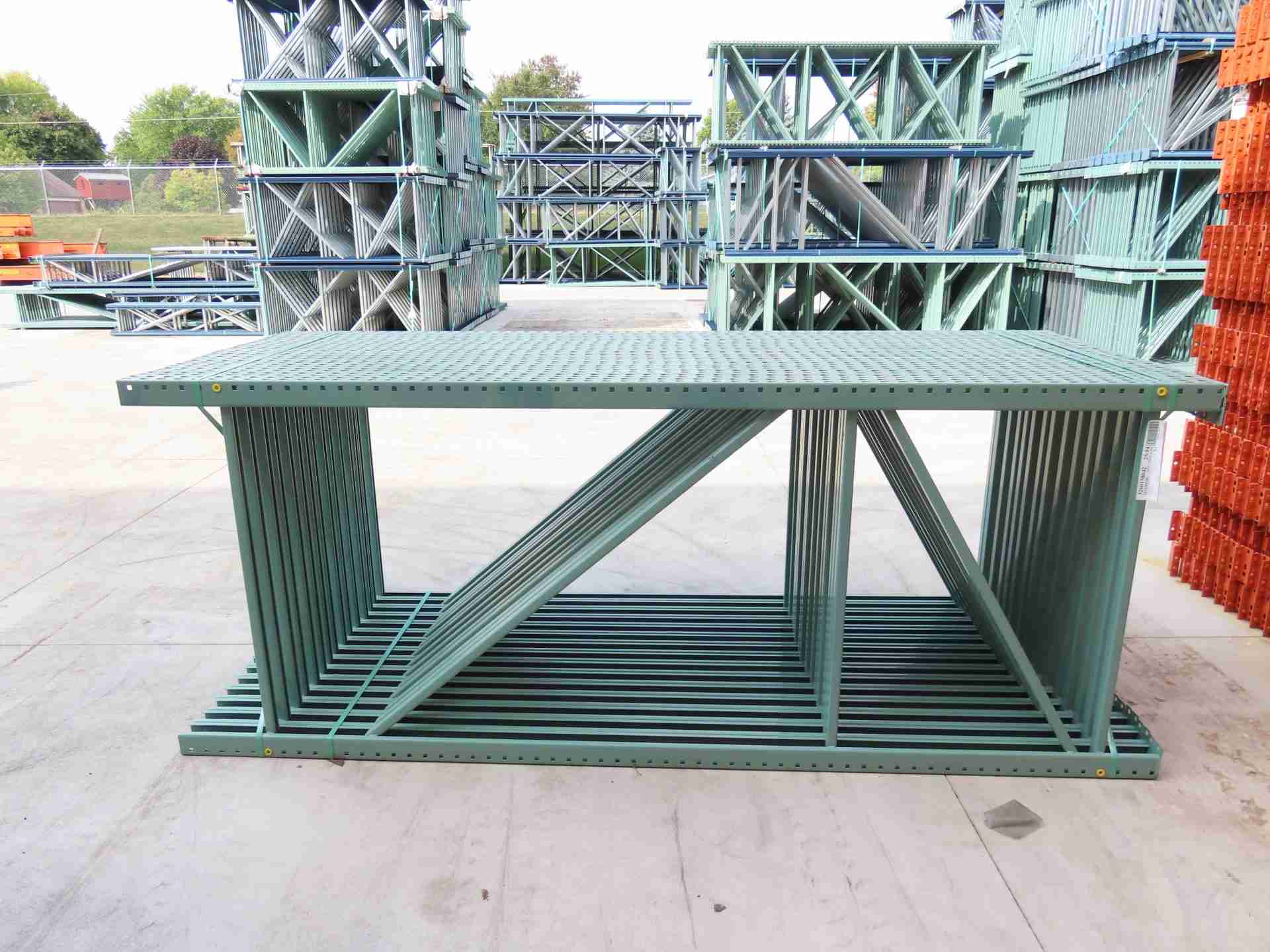
What Are The Key Benefits Of Using Modular Racking Systems?
How Do Modular Racking Systems Compare To Traditional Racking?
When it comes to optimizing warehouse storage, choosing the right racking system can feel like navigating a maze. Traditional racking, known for its reliability, has long been the default choice for many businesses. However, the landscape is shifting, and more savvy operators are realizing the power of modular racking systems. So, why consider this modern approach? Let’s explore how modular racking stacks up against the tried-and-true methods of the past.
Imagine walking into a warehouse bustling with activity, every inch of floor space utilized efficiently. Traditional pallet racking can certainly achieve this, but it often comes with limitations. Rigid configurations might serve short-term needs, yet they can create an inflexible environment, leaving you scrambling when your business demands shift. This is where modular racking steps in, transforming stagnation into adaptability.
With modular systems, each component is designed for flexibility, allowing you to scale your storage according to your exact needs. Want to reconfigure your space for new inventory? No problem! Modular racking makes it not just possible, but effortless. This means you can avoid expensive downtime and lost productivity—a crucial factor that weighs heavily on every warehouse manager’s mind.
Quality matters, and both traditional and modular pallet racking offer strength you can count on. However, modular systems often come with enhanced materials that promote durability while offering lightweight options. This is particularly appealing for businesses looking to maintain high safety standards while reducing the weight on their structures and floors.
Cost-effectiveness is another area where modular solutions shine. Think about the long-term implications—while traditional pallet racking may be less expensive upfront, the potential for hidden costs from inflexible configurations can add up quickly. Modular racking reduces these hidden costs, as you only pay for what you need, and can easily adapt as your business grows or changes.
Perhaps most importantly, consider the psychological benefits of a well-organized warehouse. Employees thrive in a workspace that feels intuitive and organized, promoting efficiency and morale. Modular racking not only provides a clean, professional appearance but also fosters a culture of adaptability and growth.
In a world that never stands still, you need a racking system that can keep pace. Step into the future with confidence, knowing that modular racking systems offer the flexibility, durability, and cost-effectiveness that traditional setups simply can’t match. Is it time for your warehouse to evolve?
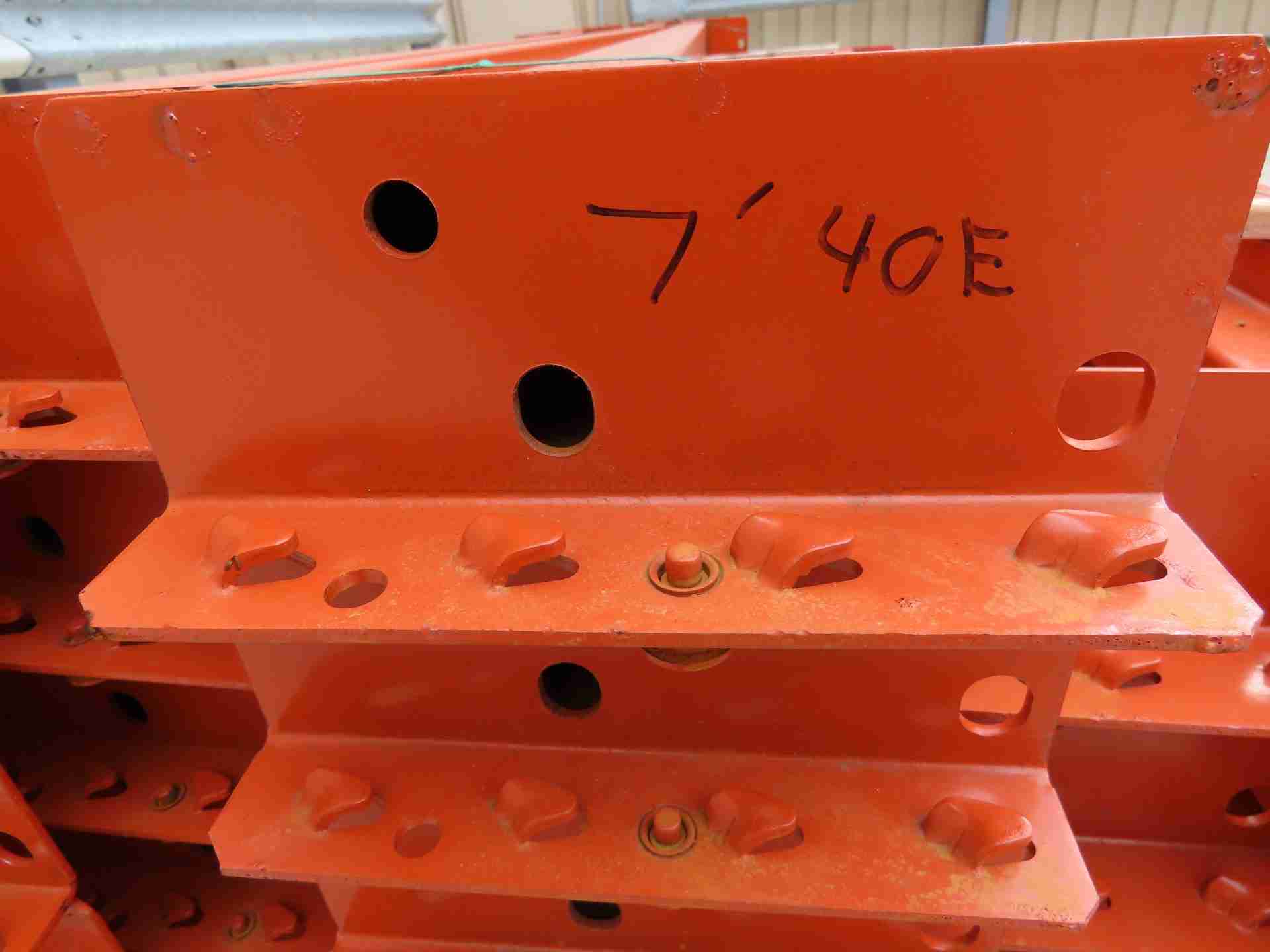
How Do Modular Racking Systems Compare To Traditional Racking?
How Do Modular Racking Systems Compare To Traditional Racking?
- Traditional racking is reliable but often inflexible, limiting adaptability in fast-changing warehouse environments.
- Modular racking systems are designed for flexibility, allowing for easy reconfiguration to meet changing inventory needs.
- Modular systems help minimize expensive downtime and lost productivity during reconfiguration.
- Both racking types offer strength, but modular systems typically utilize enhanced materials for improved durability and lightweight options.
- Modular racking can be more cost-effective long-term, as it reduces hidden costs associated with inflexible configurations.
- A well-organized warehouse using modular racking can enhance employee efficiency and morale through a more intuitive workspace.
- Modular racking systems provide the necessary adaptability, durability, and cost-effectiveness that traditional racking does not offer.
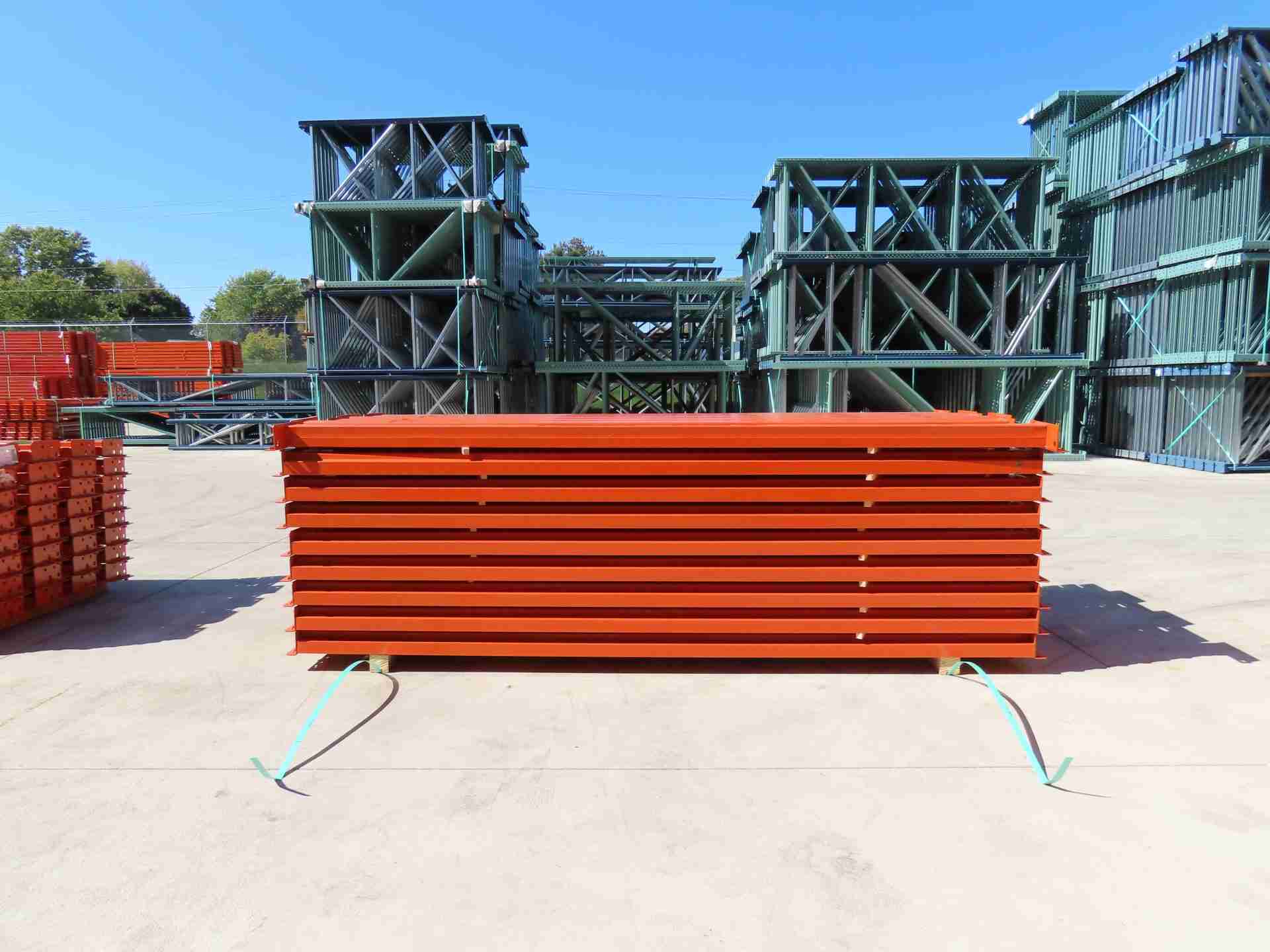
How Do Modular Racking Systems Compare To Traditional Racking?
Can Modular Racking Systems Be Customized For Specific Needs?
When it comes to maximizing your warehouse efficiency, the right storage solution can make all the difference. Enter modular racking systems, your adaptable ally in the logistics battlefield. Perhaps you’re grappling with a workspace that demands flexibility—an old space with new products—or you’re on the frontlines of a burgeoning business that requires smart solutions at every turn. Whatever your circumstances, modular racking can be tailored to fit your unique needs, allowing you to maximize every square inch, streamline operations, and improve your bottom line.
Imagine this: you’ve just introduced a new product line, and your existing storage solution feels like a straitjacket. It doesn’t have to be that way! Modular racking systems are the game-changers that morph with your needs, offering adjustable heights, widths, and depths that cater precisely to the size and volume of your products. Whether dealing with pallets, boxes, or even specialized equipment, these systems adapt quickly and effectively. Say goodbye to wasted space and hello to organized efficiency!
Ever heard the saying, “One size fits all” usually fits no one? That’s particularly true in warehousing. A standard pallet racking setup might have worked in the past, but with the rapid pace of business evolution, what you need is customization. Modular designs allow you to configure your racking systems to accommodate specific goods in any quantity. This means fewer trips to the loading dock, more streamlined workflows, and ultimately, happier employees and customers!
Also, customization goes beyond mere adjustments in the layout. From the materials used to the finishes applied, every aspect of modular racking can be personalized to align with your brand’s identity. You don’t just want functional; you want functional wrapped in a package that echoes the professionalism of your business.
Still not convinced? Think about the peace of mind that comes from knowing you’re investing in a system that won’t strangle your growth potential. The adaptability of modular racking means you’re ready for whatever the market throws your way—seasonal spikes, unexpected demand shifts, or even expansion into new product lines. And with this kind of system, there’s no need to undergo extensive renovations or redesigns; simply reconfigure to meet your needs.
So, if you’re ready to elevate your storage solution and maximize every inch of your space, consider making modular racking systems your first choice. They’re more than just shelves—they’re the backbone of an agile, efficient operation. Let’s transform how you do business!
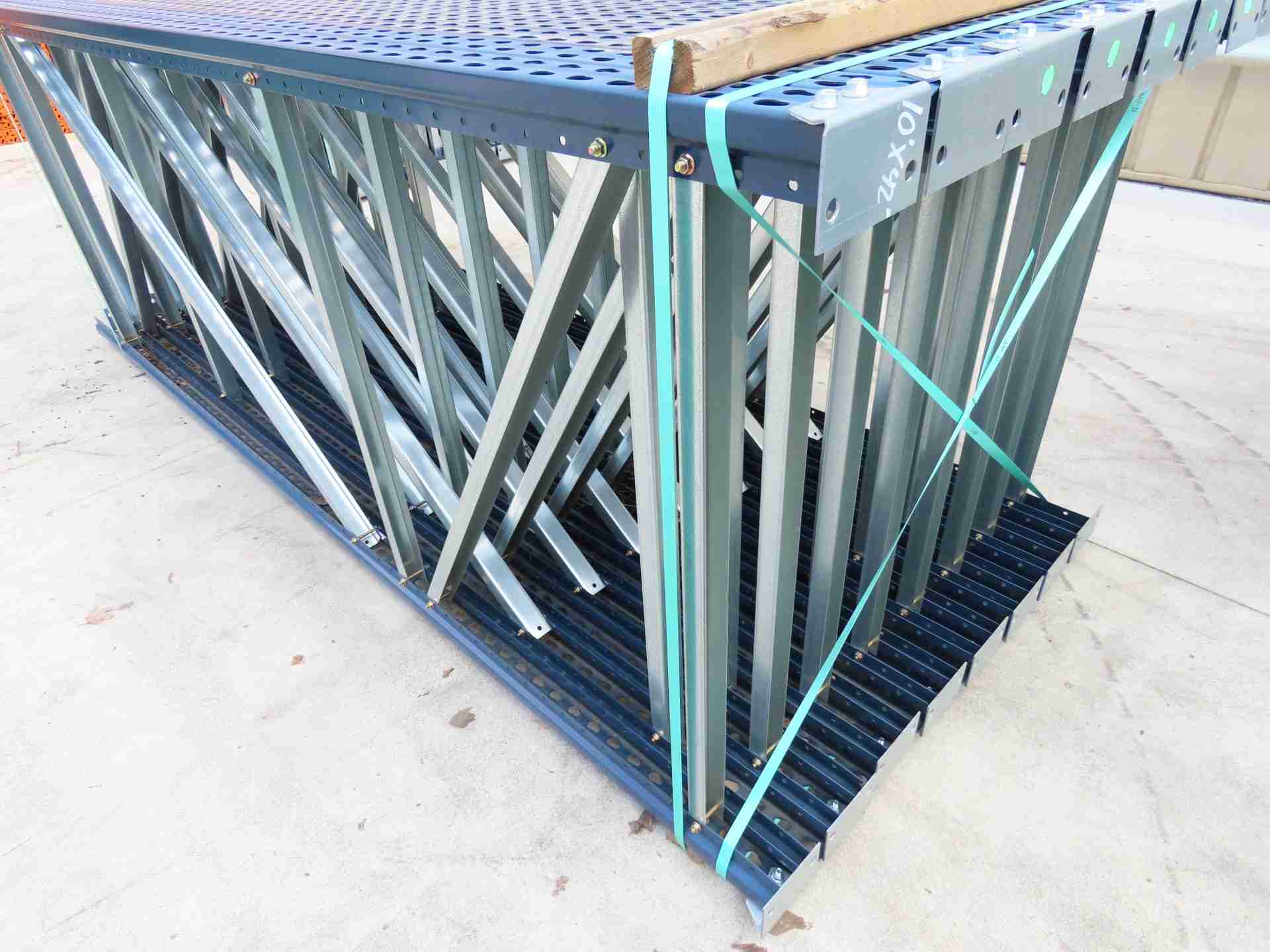
Can Modular Racking Systems Be Customized For Specific Needs?
Can Modular Racking Systems Be Customized For Specific Needs?
- Modular racking systems enhance warehouse efficiency and adapt to unique workspace needs.
- They offer adjustable heights, widths, and depths for optimal storage of various products.
- Customization reduces wasted space and fosters organized operations.
- Flexible designs accommodate specific goods, leading to improved workflows.
- Modular racking can be personalized in materials and finishes to match brand identity.
- These systems support growth by easily reconfiguring to adapt to market changes.
- Investing in modular racking transforms storage solutions into a backbone of agile operations.
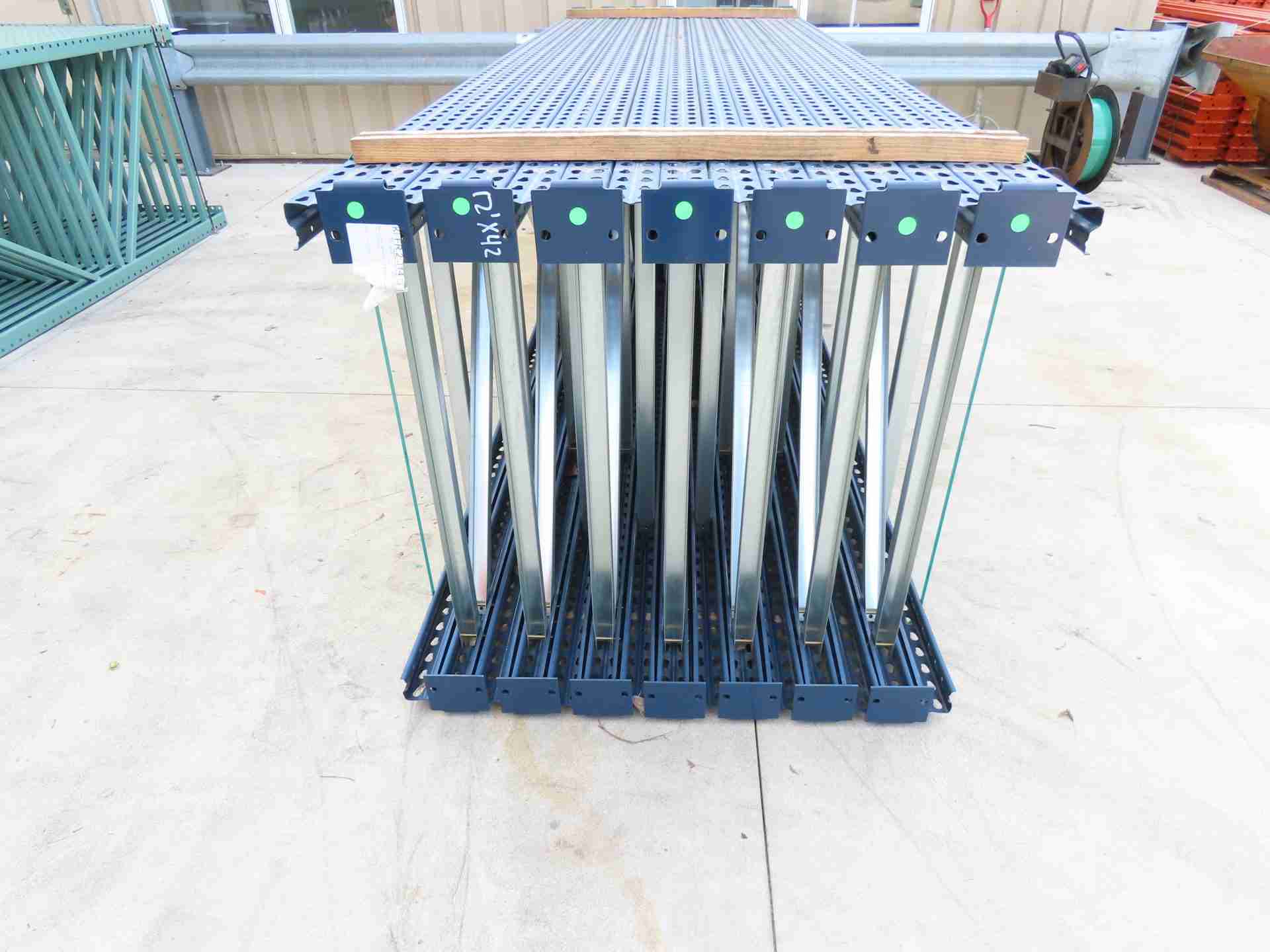
Can Modular Racking Systems Be Customized For Specific Needs?
What Industries Benefit The Most From Modular Racking Systems?
In today’s fast-paced environment, the way you store and manage your inventory can be a game-changer for your business. Enter modular racking systems—a flexible, efficient solution that can elevate your operational efficiency. But which industries can benefit the most from these innovative storage systems? Let’s explore the magic of modular racking systems to discover their potential impact across various sectors.
First up, we have the manufacturing industry. Picture a bustling factory where efficiency is king. With modular racking, you can maximize your floor space, enabling you to store heavy items safely, including machinery parts and raw materials, using adjustable pallet racking configurations. You’ll optimize workflows and reduce downtime as workers will easily access items without wasting time on chaotic searches.
Next, let’s switch gears to the retail sector. Imagine a store that’s alluring and organized, inviting customers to explore every aisle. Modular racking systems provide a streamlined approach to product display, ensuring that everything—from small bags of chips to towering stacks of seasonal decorations—is perfectly arranged and visible. With adjustable configurations, retailers can adapt quickly to seasonal sales or changing trends. Gone are the days of a cluttered sales floor, replaced with a neat, optimized shopping experience that not only pleases the eyes but boosts sales.
Don’t overlook the e-commerce industry, either! As online shopping continues its meteoric rise, warehouses must adapt to escalating demands. Modular racking allows you to design a storage system that scales with your growth. With efficient pallet racking and adjustable shelves, you can manage inventory in real-time, ensuring that every click translates smoothly into lightning-fast order fulfillment.
Healthcare is another field where the benefits of modular racking are profound. Medical facilities require careful organization of equipment and supplies. Modular systems facilitate quick access to essential items, allowing professionals to focus on patient care rather than hunting for supplies. The modularity means healthcare providers can configure their space for maximum utility, enhancing operational flow and improving efficiency.
Lastly, don’t forget about the pharmaceutical industry. With strict regulations and the need for meticulous inventory management, modular racking systems provide the organization and accessibility required to safeguard compliance while streamlining operations.
In short, modular racking systems are not just about storage; they’re about transforming how industries operate. Whether you’re in manufacturing, retail, e-commerce, healthcare, or pharmaceuticals, the time to elevate your workspace is now. Embrace the benefits of modular racking and watch your business thrive.
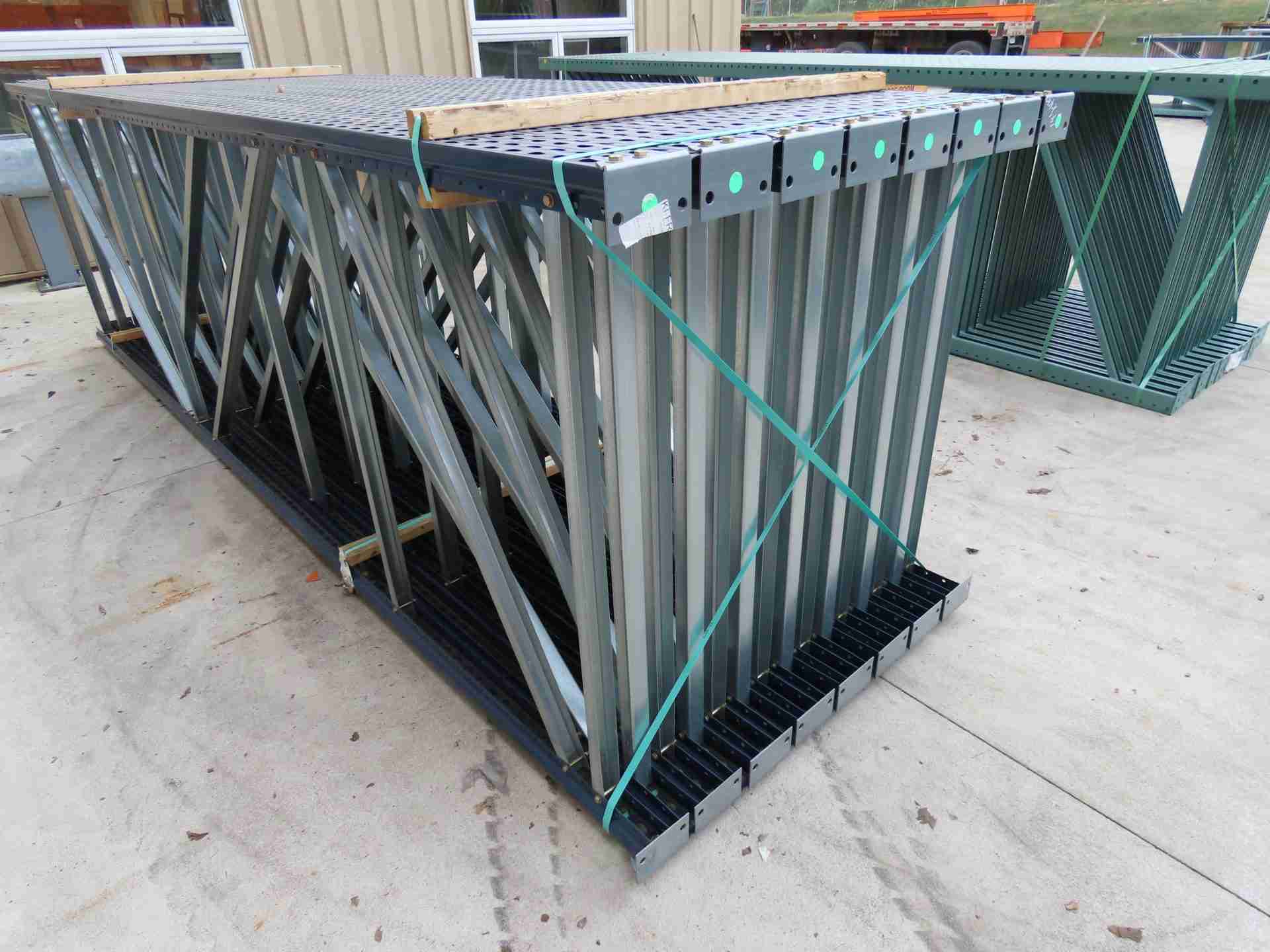
What Industries Benefit The Most From Modular Racking Systems?
What Industries Benefit The Most From Modular Racking Systems?
- Modular racking systems offer flexible and efficient inventory management solutions for various industries.
- The manufacturing sector benefits from maximizing floor space and improving workflows with adjustable pallet configurations.
- In retail, modular racking creates an organized shopping experience, allowing quick adaptation to seasonal trends.
- E-commerce warehouses use modular racking to efficiently manage inventory and ensure fast order fulfillment.
- Healthcare facilities rely on modular systems for quick access to supplies and enhanced operational flow.
- The pharmaceutical industry utilizes modular racking for strict inventory management and compliance with regulations.
- Overall, modular racking systems transform operations across multiple sectors, promoting growth and efficiency.
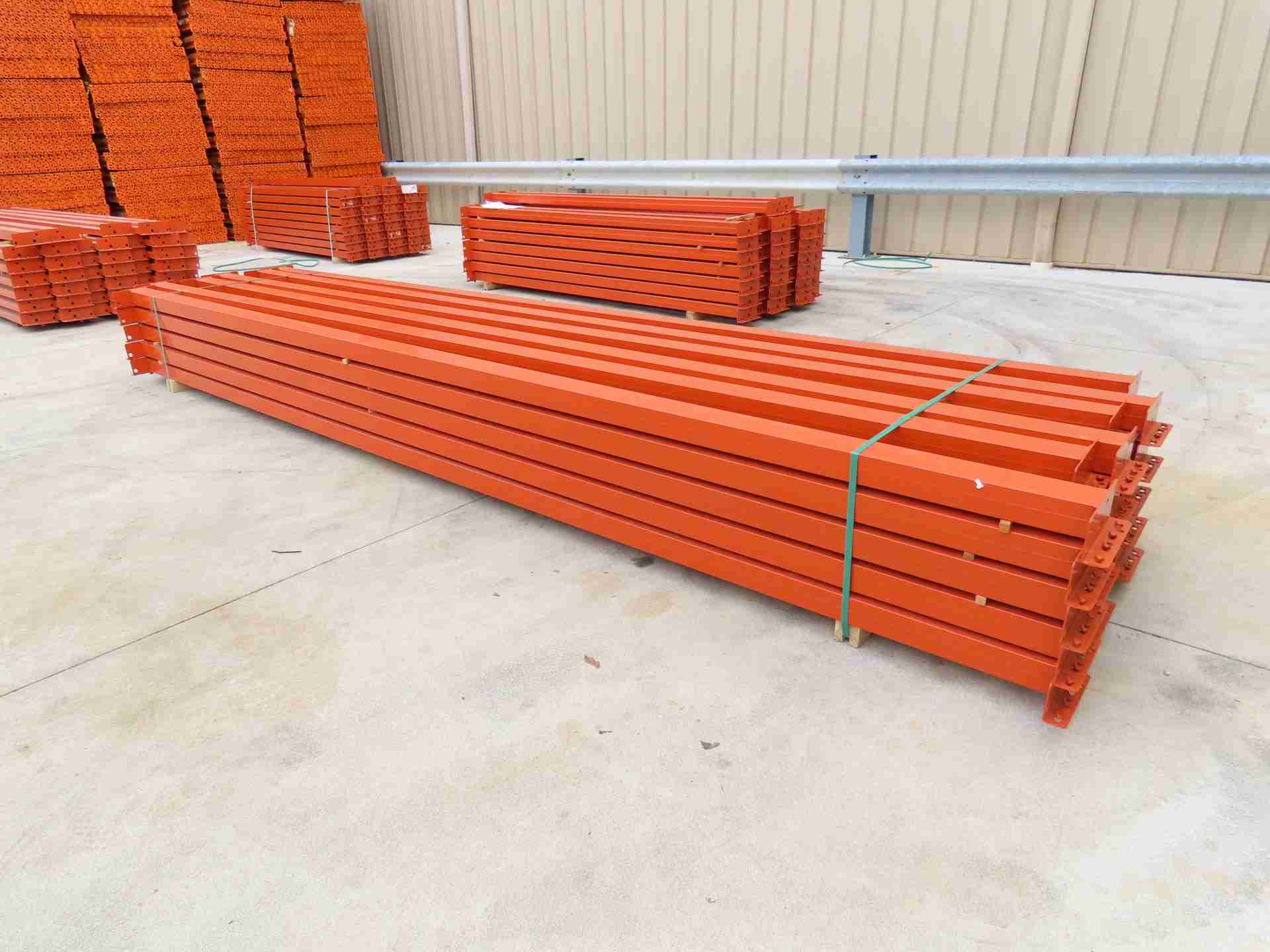
What Industries Benefit The Most From Modular Racking Systems?
Conclusion
In the quest for operational excellence, the efficiency of your warehouse is paramount, and modular racking systems shine as the quintessential solution. Businesses today face the relentless challenge of optimizing every square foot to stay competitive, and these versatile storage solutions provide the perfect answer. If you’re still clinging to traditional, rigid racking systems, it’s time to rethink that strategy. Modular racking systems not only maximize storage capacity but also transform cluttered spaces into well-oiled machines of productivity.
Imagine walking into a warehouse where every item has its dedicated space, where your team can access products swiftly, and where scaling operations with seasonal demands becomes second nature. That’s the magic of modular racking; it adapts as your business evolves—eliminating wasted space and significantly reducing operational costs. The flexibility to reconfigure your setup allows your warehouse to pivot quickly and efficiently, safeguarding against the stagnation that can stifle progress.
Moreover, the return on investment of modular racking systems cannot be overstated. While the upfront cost may seem daunting, the potential for long-term savings through reduced labor and increased accuracy during order fulfillment pays off rapidly. Fostering a culture of organization and safety not only elevates employee morale but also enhances overall productivity, creating a workplace that your team can take pride in.
It’s not just about aesthetics; it’s a crucial investment in your operational framework. Whether you’re in manufacturing, retail, healthcare, or e-commerce, the benefits are universal and undeniable. These systems enable businesses to maintain compliance, streamline inventory management, and adapt quickly to the ever-changing market demands.
So, what are you waiting for? The future of efficient warehousing is modular. Don’t let another day slip by while outdated methods hold your business back. Make the transition to modular racking systems, and watch your efficiency and profitability soar. To explore how Arrow Industrial Sales can assist you in making this essential upgrade, call us today at (574) 349-6575. Time is of the essence—act now, and empower your operations with the storage solution designed for growth and adaptability. Your warehouse transformation starts here!
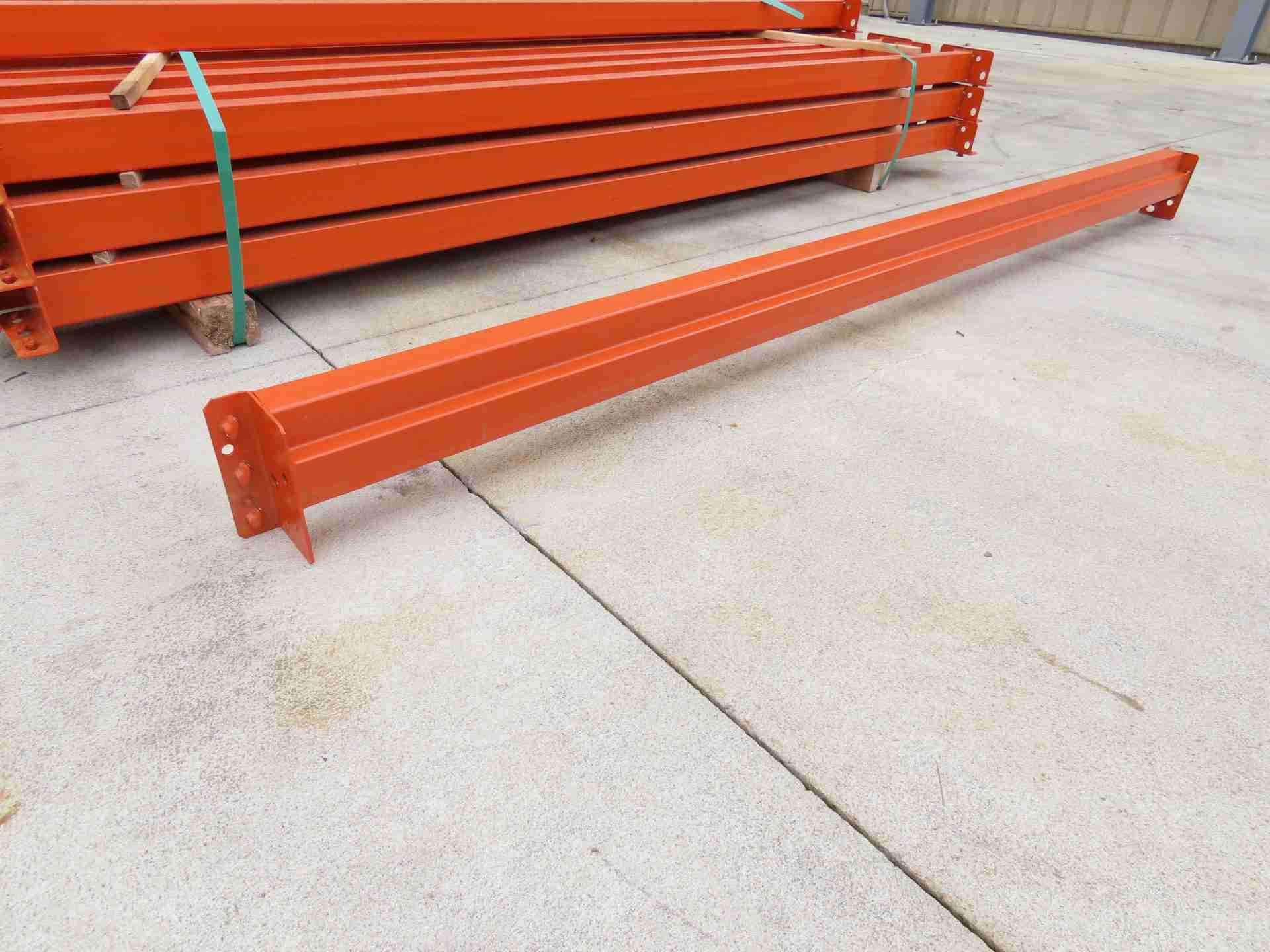
Conclusion
Conclusion:
- Modular racking systems are essential for achieving operational excellence in warehouses.
- These storage solutions help maximize space, transforming cluttered areas into productive environments.
- Modular systems streamline access to products and facilitate scaling during seasonal demand.
- The flexibility of reconfiguring setups reduces wasted space and operational costs.
- Investing in modular racking offers significant long-term savings through improved labor and order accuracy.
- These systems enhance workplace organization and safety, positively impacting employee morale and productivity.
- Transitioning to modular racking is crucial for businesses across various sectors to stay competitive in a changing market.
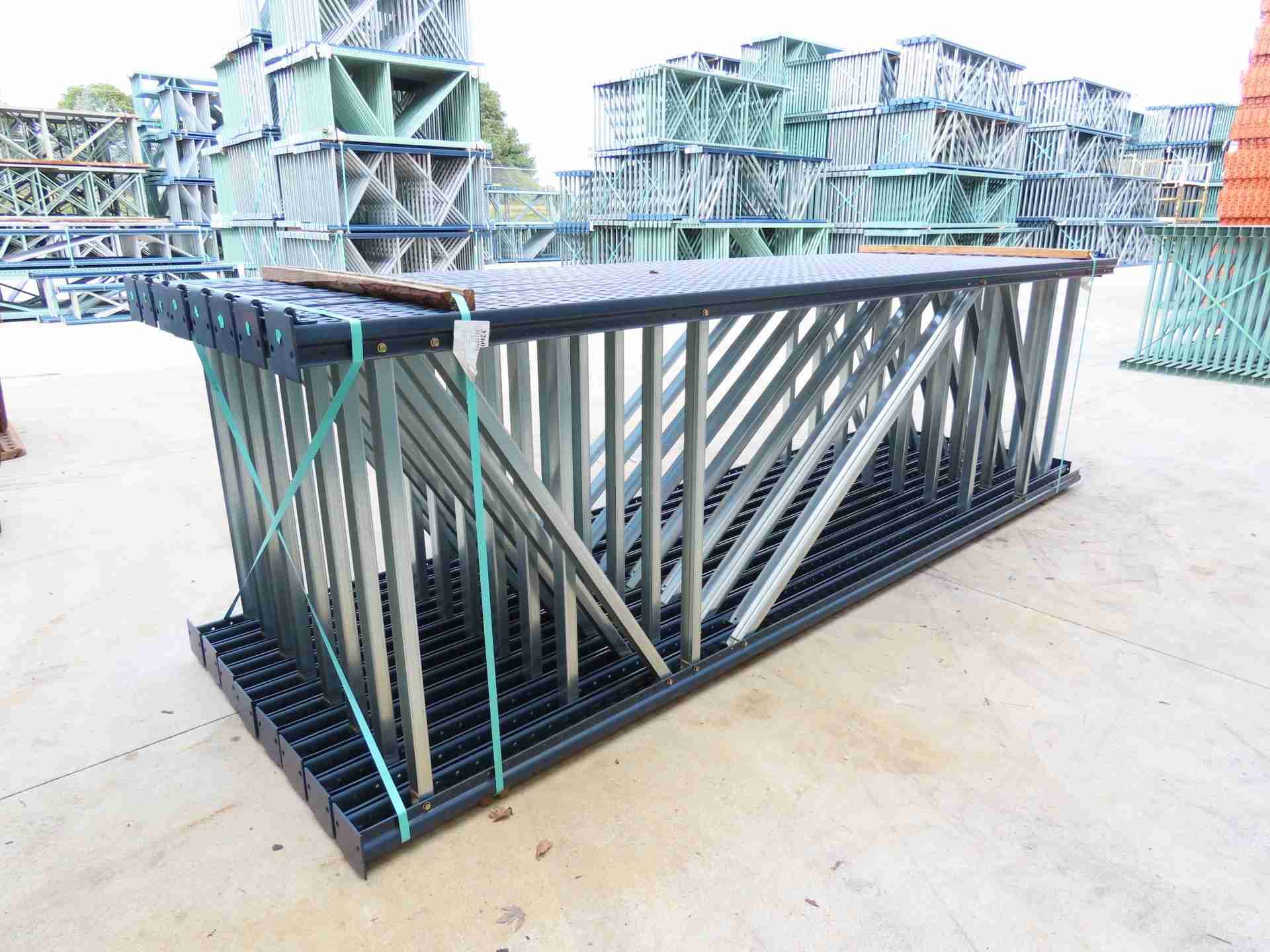
Conclusion
Other Resources
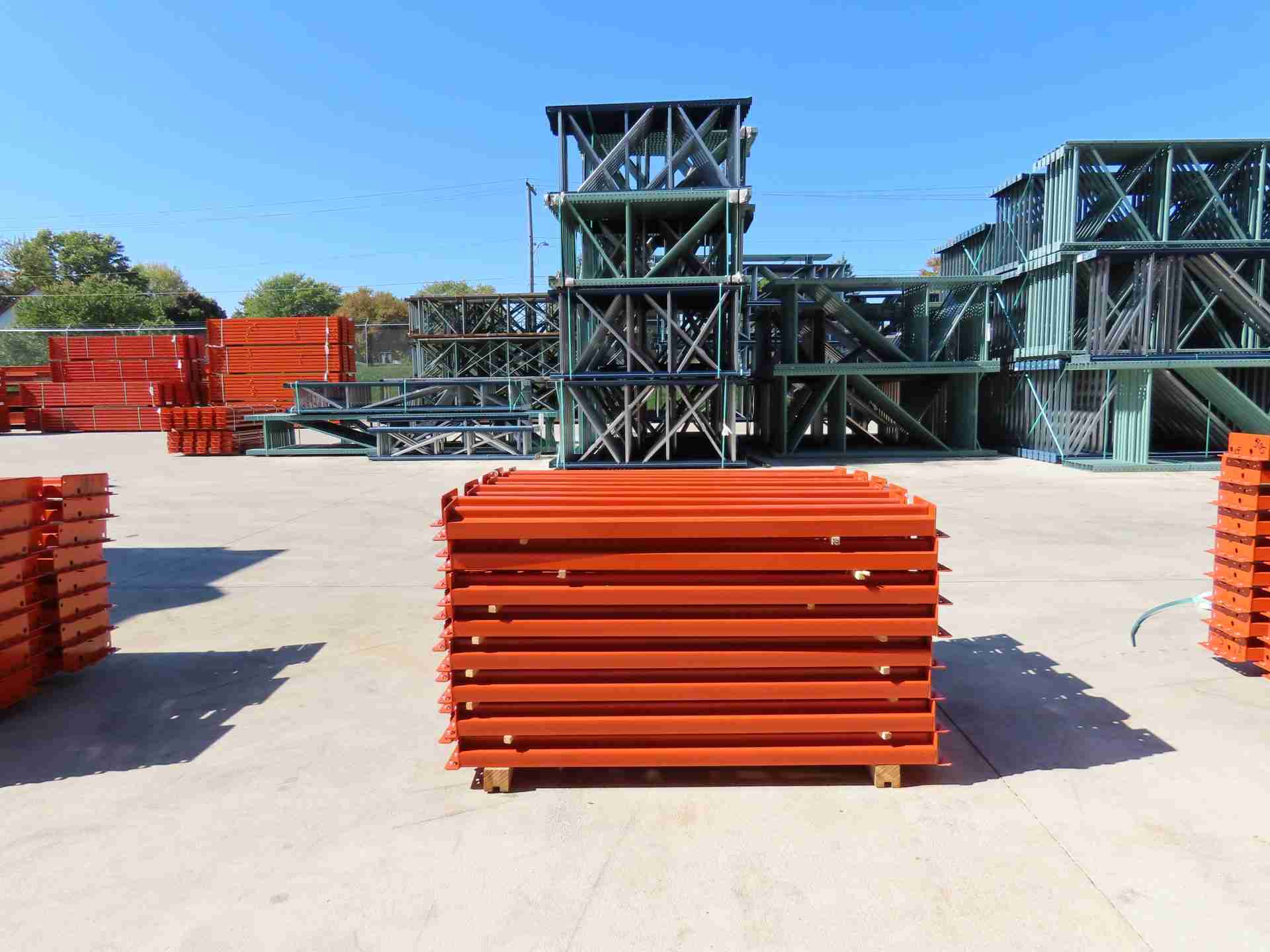
Other Resources
Here is a list of other resources you can review online to learn more:
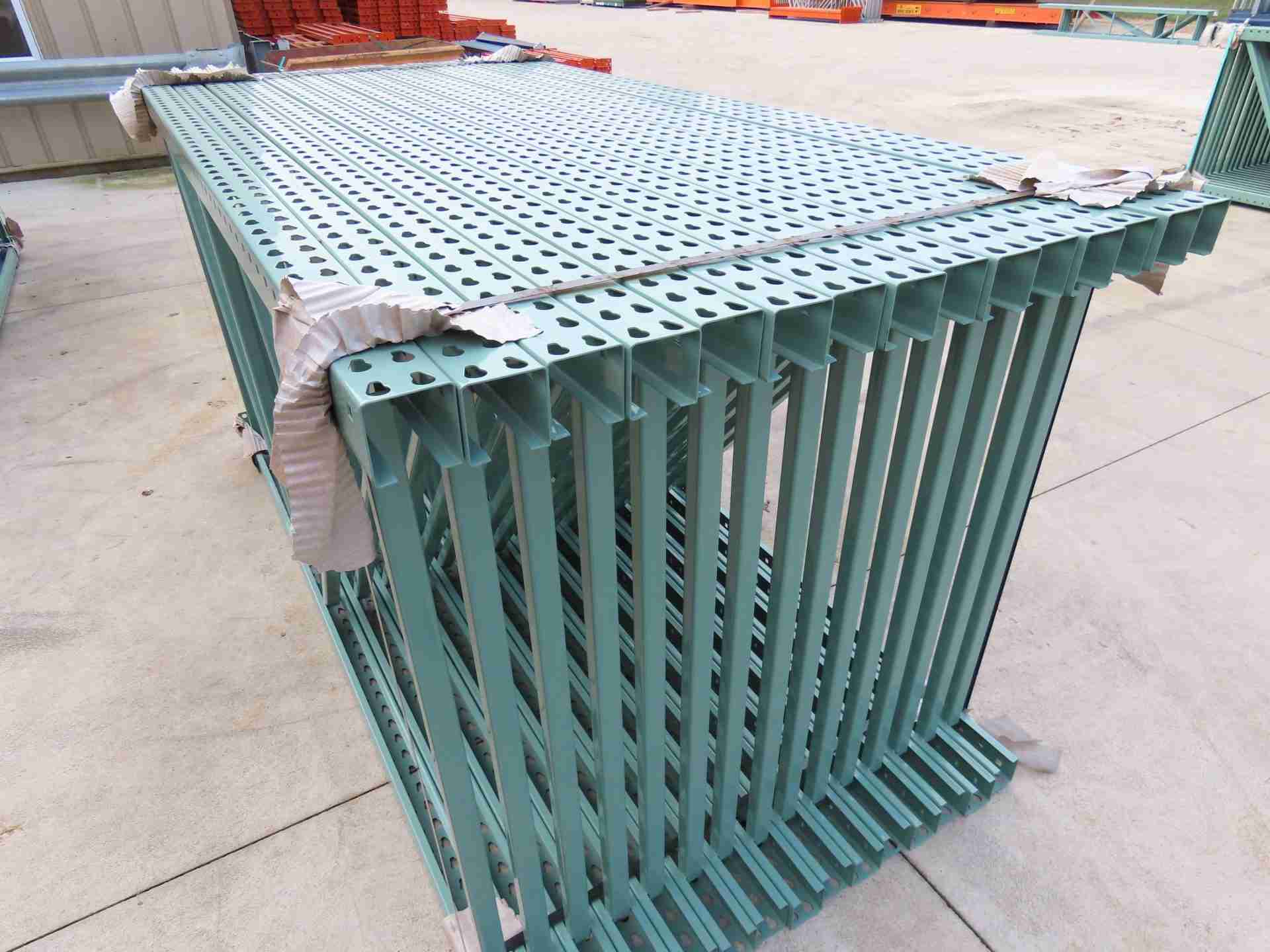
- What is Selective Pallet Racking
- Selective Pallet Racking Systems – Container Systems
- IIWS Inc. Rack Installation Illinois & Rack Repairs Illinois
- BMH
- Cantilever Racks Chicago
- Mustang Material Handling
- Selective Rack – Raymond West
- Teardrop Pallet Rack – Ridg-U-Rak
- New Cantilever Racks and Racking Kits
- NSC
Use This Prompt To Get More Resources With Your Favorite Online AI Tool: Please provide me with a list of online articles with their URLs in a bulleted list that I can read regarding Are Modular Racking Systems The Essential Solution for Your Warehouse?
Other Resources
Glossary Terms
Are Modular Racking Systems The Essential Solution for Your Warehouse? – Glossary Of Terms
1. Modular Racking: A versatile shelving system composed of interchangeable components that can be customized to fit various warehouse needs.
2. Scalability: The ability to expand or contract storage capacity based on warehouse demands, facilitated by modular designs.
3. Load Capacity: The maximum weight a racking system can safely support, crucial for determining suitability for specific products.
4. Pallet Racking: A common type of modular racking designed specifically for storing palletized goods, allowing efficient space utilization.
5. Vertical Space Optimization: The strategic use of vertical storage to maximize the available height in a warehouse, reducing the need for floor space.
6. Customizability: The feature that allows users to modify racking systems according to their unique storage requirements and inventory types.
7. Installation Flexibility: A characteristic of modular racking that enables easy assembly and disassembly, adapting to changing warehouse layouts.
8. Cross-bracing: Structural components added to racking systems to enhance stability and prevent swaying or tipping under load.
9. Access Aisles: Pathways designed between racking systems to ensure safe and efficient movement of personnel and equipment.
10. FIFO (First In, First Out): An inventory management method enabled by modular racking, ensuring that older stock is retrieved before newer stock.
11. Safety Standards: Regulatory guidelines that govern the design and installation of racking systems to ensure safety in warehouse operations.
12. Warehouse Management System (WMS): Software solutions that improve inventory tracking, management, and optimization, often integrated with modular racking.
13. Inventory Turnover: The rate at which inventory is sold and replaced, influencing racking design to accommodate fast-moving products.
14. Load-Bearing Capacity: A measurement of how much weight a specific racking system can support, crucial for preventing overload and accidents.
15. Vertical Storage: A method of storing goods upwards rather than outwards, effectively utilizing the vertical space in warehouses.
16. Dynamic Racking: A mobile system that allows shelves to shift and reconfigure automatically based on inventory levels and demand.
17. End User: The individual or organization that ultimately utilizes the goods stored in the warehouse, influencing racking design.
18. Space Utilization: The efficient use of available space within a warehouse, often enhanced by implementing modular racking systems.
19. Ergonomics: The science of designing workspaces to fit the physical needs of workers, contributing to the layout of racking systems.
20. Cold Storage Racking: Specialized racking designed for refrigeration units, preserving perishable goods efficiently.
21. Inventory Categorization: Organizing inventory into groups based on specific characteristics, enabling more efficient use of racking systems.
22. Mobile Racking: Racking systems on wheels, allowing them to be moved for increased accessibility and space optimization.
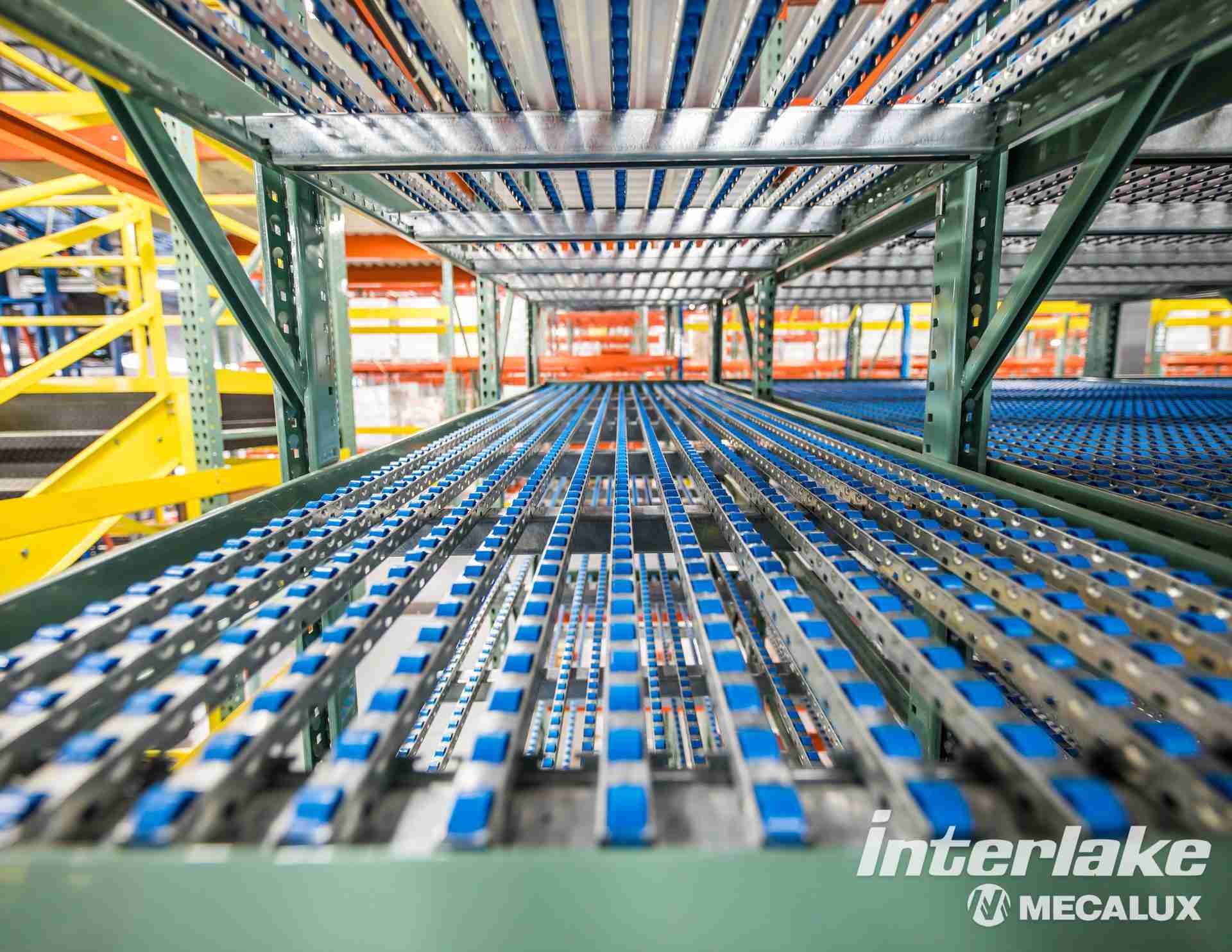
23. Pallet Flow Racking: A racking system that uses gravity to automate the movement of pallets, enhancing picking efficiency.
24. Shelf Life: The period during which stored products remain usable, affecting the selection of racking types in warehouses.
25. Structural Racking: Heavier-duty modular racking designed to support heavy payloads, often utilized in industrial settings.
26. Picking Efficiency: The effectiveness of retrieving goods from storage, often improved through strategic racking design.
27. Environmental Considerations: Factors related to sustainability in warehouse operations, influencing the material and design choices for racking systems.
28. Load Locking System: Safety features that prevent accidental shifts or falls of stored goods in a racked system.
29. Return on Investment (ROI): A performance measure used to evaluate the efficiency of an investment, applicable to the installation of modular racking systems.
30. Modularity: The design principle of creating systems based on standardized units that can be combined in various configurations, significant for adaptability in warehouses.
These terms collectively provide a comprehensive understanding of modular racking systems and their vital role in warehouse operations.
Glossary Of Terms
Other Questions
Are Modular Racking Systems The Essential Solution for Your Warehouse? – Other Questions
If you wish to explore and discover more, consider looking for answers to these questions:
- What types of modular racking systems are available?
- How do I determine the right modular racking system for my warehouse?
- What are the maintenance requirements for modular racking systems?
- How long does it typically take to install a modular racking system?
- What safety standards do modular racking systems need to meet?
- Can I retrofit my existing racking system to be modular?
- What are the potential drawbacks of modular racking systems?
- How do modular racking systems impact employee productivity?
- Are there any case studies or examples of businesses successfully using modular racking?
- What factors should I consider when budgeting for a modular racking system?
- How does modular racking compare in terms of longevity with traditional systems?
- Can modular racking systems be integrated with warehouse management software?
- What industries are seeing the greatest impact from switching to modular racking?
- Is it possible to lease modular racking systems instead of purchasing?
- Are there environmental benefits associated with modular racking systems?
Other Questions
Checklist
Are Modular Racking Systems The Essential Solution for Your Warehouse? – A Checklist
1. Assess Your Current Warehouse Layout
_____ Identify areas of congestion and inefficiency
_____ Evaluate current racking systems and their limitations
_____ Measure available space for new racking solutions
2. Define Your Inventory Needs
_____ List your current inventory items and their storage requirements
_____ Consider any upcoming changes in product lines or volumes
_____ Identify seasonal inventory fluctuations
3. Explore Modular Racking Options
_____ Research types of modular racking systems available (e. g. , pallet racking, adjustable shelves)
_____ Consult with suppliers for customizable solutions
_____ Determine potential configurations that maximize vertical space
4. Calculate Cost-Effectiveness
_____ Compare initial investment costs with potential long-term savings
_____ Assess labor costs related to installation and maintenance
_____ Factor in potential reductions in operational costs due to improved efficiency
5. Plan for Scalability
_____ Design the racking layout with future growth in mind
_____ Ensure that the modular system allows for easy reconfiguration
_____ Prepare to accommodate changing inventory demands
6. Enhance Safety and Accessibility
_____ Implement best practices for racking safety and employee training
_____ Create clear sightlines and accessible walking paths in the warehouse
_____ Keep aisles organized to reduce the risk of accidents
7. Involve Your Team
_____ Gather feedback from employees on current inefficiencies and needs
_____ Educate the team on the benefits of modular racking
_____ Encourage team members to adapt to the new system for seamless integration
8. Establish an Implementation Timeline
_____ Set clear deadlines for planning, ordering, and installation
_____ Consider any potential downtime during the transition
_____ Monitor progress and make adjustments as necessary
9. Track Performance Metrics
_____ Monitor improvements in warehouse efficiency post-implementation
_____ Measure the impact on order fulfillment and employee productivity
_____ Conduct regular reviews to ensure the system remains effective over time
10. Continuously Adapt and Optimize
_____ Stay updated on industry trends and innovations in modular racking
_____ Reassess your storage solutions periodically to ensure continued effectiveness
_____ Encourage a culture of adaptability among staff to embrace new changes
Feel free to download and print this checklist to guide your transition to modular racking systems, ensuring that you maximize efficiency and space in your warehouse!
Checklist
At RackingWorld, we help guide you through selecting warehouse storage systems and racking.
Be sure to read our other related stories at RackingWorld to learn more about warehouse storage systems.
0 Comments