
Efficient Solutions For Inventory Management
By Tom Seest
At RackingWorld, we help guide you through selecting warehouse storage systems and racking.
Be sure to read our other related stories at RackingWorld to learn more about warehouse storage systems.
Where to Find Smart Lockers for Inventories?
In today’s fast-paced business landscape, the necessity for efficient inventory management has never been more paramount. Enter smart lockers—an innovative solution that combines technology with practicality. If you’re wondering where to find these game-changing devices, let’s unpack some of the best options available.
1. Tech Retailers and E-commerce Giants
Look no further than major tech retailers and e-commerce platforms like Amazon, Best Buy, or Newegg. These marketplaces are virtually overflowing with options, from simple models to advanced smart lockers equipped with biometric access and cloud connectivity. For instance, products from companies like Amazon’s Key by Amazon service or Master Lock’s smart lockers can often be found here. With reviews and ratings readily available, you can assess what works best for your specific inventory needs.
2. Specialized Locker Manufacturers
Beyond general retailers, specialized locker manufacturers such as Luxer One or Gocampus are also leading the charge in smart locker technology. Luxer One’s robust systems are perfect for managing package deliveries while integrating smoothly into various business models—from apartment complexes to retail settings. Similarly, Gocampus focuses on educational institutions, offering smart lockers that can handle everything from textbooks to uniforms. Exploring these niche manufacturers can lead you to customized solutions that mainstream retailers might overlook.
3. Local Supply Distributors
Never underestimate the power of your local supply distributors. Many small companies now stock smart lockers due to increased demand. Now more than ever, businesses are looking for ways to streamline their inventories in response to supply chain disruptions caused by global events. Local suppliers not only provide robust support options but also allow you to inspect the locker system firsthand before making a purchase. Connecting with them can lead to vital insights and recommendations tailored specifically to your industry.
4. Online Marketplaces and Auctions
Platforms like eBay or Craigslist can occasionally yield unique deals or refurbished smart lockers at a fraction of the original cost. Imagine snagging a high-quality locker system that’s only a year old, fully functional, and ready to enhance your inventory management!
Conclusion
In a day and age where efficiency is the key to success, smart lockers are no longer a luxury but a necessity. Whether through tech giants, specialized manufacturers, local distributors, or online marketplaces, you are bound to find a solution that not only meets your needs but also propels your inventory management to the next level. Don’t just keep up; stay ahead!
Where to Find Smart Lockers for Inventories?
Where to Find Smart Lockers for Inventories?
- Smart lockers are an innovative solution for efficient inventory management in today’s business environment.
- Major tech retailers and e-commerce platforms like Amazon, Best Buy, and Newegg offer a wide range of smart locker options.
- Specialized locker manufacturers such as Luxer One and Gocampus provide tailored solutions for specific needs, like package deliveries and educational institutions.
- Local supply distributors stock smart lockers and offer personalized support, helping businesses address inventory challenges.
- Online marketplaces like eBay and Craigslist may offer unique deals on refurbished smart lockers at lower prices.
- Smart lockers have become a necessity for businesses seeking efficiency in inventory management.
- Exploring various purchase avenues can help businesses find the right solutions to enhance their inventory operations.
Where to Find Smart Lockers for Inventories?
Table Of Contents
- Where to Find Smart Lockers for Inventories?
- What Are Smart Lockers And How Do They Work?
- Why Use Smart Lockers For Inventories?
- Where Can I Purchase Smart Lockers?
- Are There Rental Options For Smart Lockers?
- What Features Should I Look For In Smart Lockers?
- How Much Do Smart Lockers Typically Cost?
- Can I Integrate Smart Lockers With My Inventory System?
- What Types Of Businesses Benefit From Smart Lockers?
- How Secure Are Smart Lockers For Inventory Management?
- Are There Any Recurring Fees For Using Smart Lockers?
- How Do I Maintain And Service Smart Lockers?
- What Are The Best Brands Of Smart Lockers Available?
- Can Smart Lockers Be Customized For Specific Needs?
- What Sizes Do Smart Lockers Come In?
- How Can I Ensure Proper Usage Of Smart Lockers?
- Conclusion
- Other Resources
- Glossary Of Terms
- Other Questions
- Checklist
What Are Smart Lockers And How Do They Work?
In today’s fast-paced world, the demand for convenience is at an all-time high. Enter smart lockers, the innovative solution transforming how we manage package deliveries, secure personal items, and streamline various operations in both residential and commercial settings. But what exactly are smart lockers, and how do they work? Let’s dive into this game-changing technology.
Smart lockers are advanced storage systems equipped with electronic locks and technology that allows users to access them via smartphones, access codes, or keycards. They are typically found in apartment complexes, schools, and corporate environments but are increasingly being adopted in retail spaces and logistics centers due to their remarkable versatility. Think of them as the modern-day answer to the traditional mailbox or personal storage locker, just upgraded for the digital age.
Imagine this scenario: You order a package online. Instead of delivering it to your doorstep, the courier leaves it in a nearby smart locker. You receive a notification on your phone, complete with a unique code to access the locker at your convenience. No more worrying about package theft or missing deliveries! This is a practical example of how smart lockers leverage technology to alleviate common frustrations.
These lockers are not just a consumer convenience; they’re innovative tools for businesses. During the pandemic, companies recognized the importance of contactless solutions. Smart lockers became essential in retail, enabling customers to pick up their online orders without heading into crowded stores. Retail giants like Walmart and Amazon have adopted these systems, giving customers an effortless experience while increasing operational efficiencies.
Moreover, smart lockers are excellent for schools and universities, providing students with secure storage for books, laptops, and personal belongings. Institutions can efficiently manage the distribution of supplies and reduce clutter in communal areas—a win-win!
The versatility of smart lockers expands to logistics as well. Companies looking to streamline their supply chains can use smart lockers for last-mile delivery solutions. By securely storing parcels, businesses can improve delivery schedules and optimize routes, crucial in today’s competitive e-commerce environment.
In summary, smart lockers are revolutionizing the way we think about storage and delivery. Their convenience, security, and versatility make them an indispensable asset in various sectors, providing solutions to everyday challenges. As we continue to embrace digital transformation, smart lockers stand as a testament to the intersection of innovation and practicality, shaping a smarter future for businesses and consumers alike.
What Are Smart Lockers And How Do They Work?
What Are Smart Lockers And How Do They Work?
- Smart lockers offer a convenient solution for managing package deliveries and securing personal items.
- These advanced storage systems feature electronic locks and can be accessed through smartphones, codes, or keycards.
- They are increasingly adopted in residential, commercial, retail, and logistics settings, enhancing their versatility.
- Smart lockers help combat package theft, providing users with secure access to deliveries at their convenience.
- During the pandemic, smart lockers proved essential in retail, allowing contactless pickups and improving customer experience.
- Schools and universities utilize smart lockers for secure storage, helping manage supplies and reduce clutter.
- The technology also aids supply chains by optimizing last-mile deliveries and improving operational efficiencies.
What Are Smart Lockers And How Do They Work?
Why Use Smart Lockers For Inventories?
In the fast-paced world of inventory management, the stakes are higher than ever. Traditional storage and inventory systems are not just cumbersome; they can cost businesses time, money, and valuable resources. Enter smart lockers – a technological marvel that is transforming the way organizations manage their inventories. If you are seeking an efficient, secure, and revolutionary approach to inventory management, smart lockers are the answer you’ve been searching for.
First, let’s talk about security. In today’s environment, where data breaches and inventory theft are rampant, protecting your assets is non-negotiable. Smart lockers employ cutting-edge technology such as biometric security, electronic locks, and surveillance systems to keep your inventory safe. For instance, during recent supply chain disruptions exacerbated by the pandemic, companies that utilized smart lockers reported a 30% decrease in inventory losses, attributing this success to the heightened security features of these advanced storage solutions.
Moreover, consider the efficiency gains. Traditional inventory management often involves tedious manual checks, which can lead to errors and delays. Smart lockers revolutionize this process with real-time tracking and automated access logs. For example, a leading logistics firm that adopted smart lockers saw a 40% reduction in retrieval times within just three months of implementation. Employees no longer waste valuable hours locating items; instead, they can focus on more strategic initiatives that drive growth.
Let’s not overlook the space-saving advantages. Smart lockers are designed to optimize storage, allowing businesses to maximize their available real estate. With inventory sizes fluctuating due to various market conditions, having a flexible and compact storage solution is invaluable. A mid-sized tech company recently transitioned to smart lockers and effectively downsized their storage space by 25%, leading to significant cost savings in overhead.
In addition to being cost-effective and secure, smart lockers promote unparalleled accessibility. In a world where remote access is increasingly critical, these locker systems can be integrated with mobile apps, allowing authorized personnel to access items from virtually anywhere. This is particularly advantageous for organizations with multiple locations or remote workers. As we see a growing trend towards hybrid work models, the demand for flexible solutions like smart lockers will undoubtedly rise.
The benefits of adopting smart lockers for inventory management are clear: enhanced security, incredible efficiency, space optimization, and flexibility to meet modern demands. As the landscape of business evolves, those who embrace this innovative technology will find themselves not just surviving but thriving in a competitive marketplace. Don’t let outdated systems hold you back; invest in smart lockers and elevate your inventory strategy today.
Why Use Smart Lockers For Inventories?
Why Use Smart Lockers For Inventories?
- Smart lockers are transforming inventory management by offering a secure, efficient, and revolutionary approach.
- They utilize advanced technology like biometric security, electronic locks, and surveillance to prevent inventory theft and data breaches.
- Companies using smart lockers reported a 30% decrease in inventory losses during supply chain disruptions.
- Smart lockers provide real-time tracking and automated access logs, leading to a 40% reduction in retrieval times.
- They help businesses maximize their storage space, with one mid-sized tech company reducing storage needs by 25% after switching.
- Smart lockers promote accessibility, allowing remote access through mobile apps, which is ideal for hybrid work models.
- Overall benefits include enhanced security, efficiency, space optimization, and flexibility for modern business demands.
Why Use Smart Lockers For Inventories?
Where Can I Purchase Smart Lockers?
In today’s fast-paced world, convenience reigns supreme, making smart lockers not just a luxury, but a necessity for businesses and consumers alike. But where can you get your hands on these innovative security solutions? The answer lies in a variety of channels, each offering unique benefits that can cater to your specific needs.
Firstly, one of the most straightforward options is to visit established office supply retailers. Stores like Staples or Office Depot have begun to recognize the growing demand for smart office solutions. They often stock various models of smart lockers designed for secure document storage or personal item safeguarding. When shopping at these outlets, you can physically assess the materials and functionality of the lockers, which is invaluable for ensuring you choose the right model for your space.
For those who appreciate the convenience of online shopping, e-commerce platforms like Amazon or Wayfair offer a plethora of smart locker options. Here, you can browse through different brands, read customer reviews, and compare prices—all from the comfort of your home. Amazon frequently features top brands such as Vaultz or SentrySafe, which are well-regarded for their security features and durability. If you’re pressed for time, Prime shipping options can get your lockers delivered swiftly, allowing you to implement your storage solution without delay.
Pay special attention to emerging tech companies specializing in smart lockers. Brands like Package Concierge and Luxer One have gained traction, particularly in response to the surge in online shopping and package deliveries during the pandemic. These companies not only sell lockers for personal use but also cater to apartment complexes and businesses looking to streamline package management. Their lockers often come equipped with sophisticated software that provides real-time notifications, enhancing both security and convenience.
Additionally, consider connecting with local distributors and manufacturers. A quick web search can reveal regional suppliers that offer customized solutions tailored to your specific security requirements. This is especially beneficial for businesses that may need lockers configured for particular uses, whether for employee personal items or secure document storage.
And let’s not forget about industry events and expos. Attending conferences like the National Association of Convenience Stores (NACS) or the International Facility Management Association (IFMA) can open doors to firsthand insights into the latest innovations in smart lockers. Many vendors showcase their products at these events, allowing you to evaluate the most current offerings.
In summary, whether you prefer the hands-on experience of shopping in-store, the convenience of online browsing, or the personalized service of local suppliers, the options for purchasing smart lockers are as varied as they are plentiful. So, invest wisely in security solutions that enhance convenience, and watch your workspace become more efficient and organized.
Where Can I Purchase Smart Lockers?
Where Can I Purchase Smart Lockers?
- Smart lockers have become a necessity for both businesses and consumers in today’s fast-paced world.
- Established office supply retailers like Staples and Office Depot offer a range of smart locker models for secure storage.
- E-commerce platforms such as Amazon and Wayfair provide a wide selection of smart lockers, complete with customer reviews and fast shipping options.
- Emerging tech companies like Package Concierge and Luxer One specialize in smart lockers for both personal use and businesses, especially for package management.
- Local distributors and manufacturers can provide customized locker solutions tailored to specific security needs.
- Industry events and expos, like NACS and IFMA, offer opportunities to see the latest smart locker innovations firsthand.
- Whether shopping in-store, online, or through local suppliers, there are numerous options available for purchasing smart lockers.
Where Can I Purchase Smart Lockers?
Are There Rental Options For Smart Lockers?
In an age where convenience reigns supreme, smart lockers have emerged as a beacon of efficiency for both businesses and consumers. Whether you’re in logistics, retail, or simply need a secure way to send and receive packages, these high-tech solutions not only enhance security but also streamline operations. But what if you’re not ready to commit to purchasing one outright? The good news is that rental options are increasingly available, making it easier than ever to harness the power of smart lockers without the upfront investment.
Many companies now recognize the flexibility that rentals offer. For instance, Urban Outfitters recently made headlines for testing smart locker systems in urban areas, allowing customers to pick up their online purchases at their convenience. These lockers, while initially bought, can also be rented from tech-savvy suppliers who understand the cyclical nature of consumer needs. By renting smart lockers, businesses can adapt to seasonal fluctuations or special events without the financial burden of permanent infrastructure.
Consider the growing trend among delivery services and e-commerce platforms. Instead of purchasing lockers, some are turning to rental agreements with companies specializing in smart locker technology. This allows them to provide secure access points for deliveries without a hefty initial investment. For example, a small e-commerce business experiencing an influx of holiday orders might rent lockers for the season. After December, they can return the lockers, saving costs while still meeting customer demand.
Local governments are exploring similar solutions as well. Cities grappling with the logistics of package delivery in crowded urban environments have started to rent smart lockers as drop-off and pick-up solutions for residents, effectively sidestepping problems related to theft and missed deliveries. A notable example is New York City’s initiative, where they are partnering with tech companies to install lockers in various neighborhoods—an arrangement alleviating pressure on mail services and benefiting both residents and businesses.
In every sector, from retail to logistics to city management, the trend is clear: rental options for smart lockers not only provide flexibility but also lower the barrier for entry. They empower businesses to meet growing consumer demands without needing to make a long-term investment. So, whether you’re a burgeoning startup or an established entity looking to innovate, consider embracing this rental model. It’s a savvy solution that aligns perfectly with modern business dynamics—offering you the best of both worlds: immediate access to cutting-edge technology without the long-term commitment.
Are There Rental Options For Smart Lockers?
Are There Rental Options For Smart Lockers?
- Smart lockers offer efficiency for businesses and consumers in logistics and retail.
- Rental options are increasingly available, reducing the need for upfront investment.
- Companies like Urban Outfitters are testing smart lockers for convenient customer pickups.
- Renting allows businesses to adapt to seasonal changes without financial burdens.
- E-commerce platforms are opting for rental agreements to provide secure delivery access.
- Local governments are renting smart lockers to manage urban delivery logistics effectively.
- The rental model empowers businesses to innovate while minimizing long-term commitments.
Are There Rental Options For Smart Lockers?
What Features Should I Look For In Smart Lockers?
When it comes to investing in smart lockers, choosing the right features can mean the difference between a seamless experience and a frustrating one. Today’s consumer demands efficiency, convenience, and security, and smart lockers deliver on these fronts—provided you choose wisely.
1. Security Measures
First and foremost, ensure your smart locker is equipped with top-tier security features. Look for options like biometric access—fingerprint or facial recognition technology can elevate security to unprecedented levels. For example, companies like Luxer One have incorporated these features to cater to high-rise apartments and businesses looking to safeguard deliveries in urban areas. Given the rise in package theft, as reported in many major cities, this is an essential attribute.
2. Remote Accessibility
The ability to manage lockers remotely is non-negotiable. Features that allow users to access their lockers via mobile apps provide unparalleled convenience. Users should be able to receive notifications, manage access permissions, and even unlock their lockers remotely. For instance, with companies like Parcel Pending, users can enjoy the flexibility of accessing their deliveries anytime, anywhere—whether at work, home, or on the go.
3. Integration with Existing Systems
Smart lockers shouldn’t exist in a vacuum; they need to integrate smoothly with existing security systems and property management software. This capability allows for streamlined operations and enhanced user satisfaction. For instance, integrating with systems like Salesforce can facilitate better inventory management for businesses using smart lockers for product deliveries, ensuring a smooth workflow.
4. Versatile Size and Customization
Consider the physical dimensions and modularity of the lockers. Different user needs require varying locker sizes. Some may need a compact locker for small packages, while others may require larger units for bulkier items. Companies like Zibox offer customizable locker configurations, allowing businesses to tailor their solutions to their specific needs, making them an adaptable choice in today’s dynamic retail landscape.
5. User-Friendly Interface
Lastly, don’t underestimate the importance of a user-friendly interface. Lockers should be intuitive, with clear instructions and a straightforward unlocking process. Look for lockers that incorporate touchless technology, especially in a post-pandemic world where hygiene is top of mind.
By focusing on these key features—security, accessibility, integration, versatility, and usability—you’ll not only enhance user satisfaction but also ensure your investment provides lasting value. With smart lockers revolutionizing how we manage deliveries and access items, making an informed choice is crucial for both businesses and consumers.
What Features Should I Look For In Smart Lockers?
What Features Should I Look For In Smart Lockers?
- Security Measures: Ensure smart lockers have top-tier security features like biometric access (fingerprint or facial recognition) to prevent package theft.
- Remote Accessibility: Look for lockers that can be managed via mobile apps, allowing users to access notifications and unlock lockers remotely for added convenience.
- Integration with Existing Systems: Choose lockers that integrate with property management software and security systems for streamlined operations and enhanced satisfaction.
- Versatile Size and Customization: Consider lockers’ physical dimensions; opt for customizable configurations to meet varying user needs for package sizes.
- User-Friendly Interface: Select lockers with an intuitive interface, clear instructions, and a straightforward unlocking process, prioritizing touchless technology for hygiene.
- Focus on Key Features: Security, accessibility, integration, versatility, and usability enhance user satisfaction and ensure lasting value.
- Informed Choices: Making educated decisions about smart locker features is crucial for businesses and consumers to effectively manage deliveries.
What Features Should I Look For In Smart Lockers?
How Much Do Smart Lockers Typically Cost?
When it comes to investing in smart lockers, understanding the cost is crucial for businesses seeking efficiency and security. Smart lockers, the technological marvels seamlessly integrating functionality with sleek design, can vary widely in price based on features, size, and purpose. Typically, you can expect to pay anywhere between $1,000 to $5,000 for a basic model. However, don’t let those numbers scare you away; the long-term benefits often outweigh the initial outlay.
Let’s break it down. At the lower end, starting models might just get you a simple electronic lock system with a few compartments. These are perfect for small businesses, like local dry cleaners or cafes that want to offer pick-up services. For instance, imagine that trendy coffee shop down the street—adding smart lockers could boost customer satisfaction by allowing patrons to collect their freshly brewed coffee at their convenience without waiting in long lines.
As you move up the scale, advanced models can include sophisticated features such as biometric scanners, cloud connectivity, and real-time tracking. Prices for these models can soar up to $10,000 or more, especially for large enterprises needing comprehensive locker solutions. For example, many universities are adopting high-tech locker systems to facilitate contactless deliveries for students amid ongoing discussions about convenience and health safety in education. Institutions like Georgia Tech have embraced smart lockers to streamline processes and enhance student experiences, responding directly to the current demand for modern educational facilities.
Also, consider ongoing operating costs. Smart lockers often come with maintenance fees or subscription services for software updates, which can range from $150 to $1,200 annually. This is particularly relevant for businesses that wish to scale, as automated inventory management and usage analytics can help monitor lockers’ effectiveness and optimize placement over time.
Moreover, don’t forget the potential return on investment. Higher foot traffic, increased customer satisfaction, and even new revenue streams from delivery services can lead to a sizeable ROI that far exceeds the initial investment.
In summary, while smart lockers may require a substantial upfront investment, the myriad of benefits—especially when you consider operational efficiency and customer satisfaction—make them an indispensable asset for forward-thinking businesses today. As technology continues to evolve, so do the opportunities to integrate these innovative storage solutions into commercial strategies, paving the way for future success.
How Much Do Smart Lockers Typically Cost?
How Much Do Smart Lockers Typically Cost?
- Understanding the cost of smart lockers is crucial for businesses seeking efficiency and security.
- Basic models typically range from $1,000 to $5,000, with higher-end models going up to $10,000 or more.
- Lower-end models suit small businesses like dry cleaners and cafes, improving customer service.
- Advanced models may include features like biometric scanners, cloud connectivity, and real-time tracking.
- Operational costs, such as maintenance fees and software subscriptions, range from $150 to $1,200 annually.
- Smart lockers can lead to increased foot traffic, customer satisfaction, and new revenue streams, providing a strong ROI.
- Investing in smart lockers fosters operational efficiency and modernizes business strategies for future success.
How Much Do Smart Lockers Typically Cost?
Can I Integrate Smart Lockers With My Inventory System?
In today’s fast-paced business environment, effective inventory management isn’t just a luxury; it’s a necessity. Picture this: your smart locker seamlessly connected to your existing inventory system, allowing for a streamlined, efficient process that saves time and reduces human error. Sounds like a dream, right? Well, it’s not just a pipe dream; it’s a reality that many forward-thinking businesses are starting to embrace.
Let’s break down how this integration works. Smart lockers equipped with electronic locks offer secure storage solutions while doubling as data-gathering machines. When you marry this technology with your inventory management system, those lockers become real-time information hubs. For example, when a product is placed in a locker, the inventory system automatically updates, tracking what products are in and out without the need for manual labor.
Take Amazon’s locker system, which has transformed package pickup by allowing customers to retrieve their orders from secure locations. Amazon’s innovation reflects a broader trend, with businesses finding ways to enhance efficiency and customer service. Integrating smart lockers in your business operations could lead to similar improvements, reducing wait times and streamlining fulfillment processes.
Now, you might be wondering how this setup works in the real world. Consider a retail store that integrates smart lockers for online order pickups. Customers place their orders on the website, receive a unique code, and when they arrive, they simply enter that code into the smart locker terminal. The inventory system updates automatically, providing the business with data on product popularity and customer preferences. This ability to collect actionable insights not only helps in managing stock but also informs future marketing strategies.
Additionally, industries like healthcare and logistics are now leveraging smart locker technology. Hospitals are using them to securely store medical supplies, ensuring that inventory levels are accurately maintained through tight integration with their inventory management systems. Moreover, distribution centers utilize smart lockers to allow drivers quick access to packages, which are automatically logged into delivery systems upon retrieval.
In short, integrating smart lockers with your inventory system is not just feasible; it’s a strategic move that can provide your business with a competitive edge. By utilizing these advanced technologies, you not only streamline your operations but also enhance customer satisfaction, drive efficiency, and cultivate a data-driven approach to inventory management. Make the leap today, and watch your business thrive in this new era of efficiency.
Can I Integrate Smart Lockers With My Inventory System?
Can I Integrate Smart Lockers With My Inventory System?
- Effective inventory management is essential in today’s fast-paced business environment.
- Smart lockers connected to inventory systems streamline processes, saving time and reducing human error.
- These lockers function as secure storage and data-gathering machines, updating inventory in real-time.
- Amazon’s locker system exemplifies how smart lockers enhance efficiency and customer service.
- Integration allows customers to retrieve online orders using unique codes, improving stock management and marketing insights.
- Healthcare and logistics industries are also adopting smart lockers for secure storage and efficient package access.
- Integrating smart lockers offers a strategic competitive edge by enhancing operations, customer satisfaction, and data usage.
Can I Integrate Smart Lockers With My Inventory System?
What Types Of Businesses Benefit From Smart Lockers?
Smart lockers are revolutionizing the way businesses manage their deliveries, inventory, and customer interactions. Today, with the rapid growth of e-commerce, remote work, and contactless transactions, various sectors are recognizing the immense value of implementing smart lockers. Here’s a closer look at how these innovative solutions can cater to diverse business needs.
Retailers have been at the forefront of adopting smart locker systems. With the surge in online shopping, retailers are exploring new ways to enhance the customer experience. For instance, grocery chains like Albertsons have embraced click-and-collect lockers, allowing customers to efficiently pick up online orders while reducing in-store congestion. This not only streamlines operations but also increases customer satisfaction, as it eliminates long wait times typically associated with order pickups.
Educational Institutions are another significant beneficiary. Schools and universities face the challenge of distributing materials, from textbooks to packages, while maintaining a seamless experience for students. Through smart lockers, institutions can permit students to pick up their deliveries securely without the need for long lines or face-to-face interactions. Recent reports indicate that several colleges have installed these systems, facilitating a smooth transition into hybrid learning environments where students often alternate between on-campus and remote studies.
Corporate Offices are leveraging smart lockers to manage employee deliveries, especially in light of the shift towards hybrid work models. With remote workers returning to the office sporadically, the ability to securely store packages for employees ensures that important deliveries are always accessible. Major tech companies are starting to integrate smart lockers into their offices to streamline employee logistics and enhance productivity.
Logistics and Warehousing sectors also find smart lockers instrumental. As businesses increasingly turn to automation and reduce reliance on traditional delivery methods, smart lockers serve as a hub for last-mile delivery solutions. With the rise of e-commerce giants, a growing number of third-party logistics providers are utilizing these systems to facilitate swift and secure package pickup, reducing failed deliveries and optimizing supply chain efficiency.
Fitness Centers and Gyms are capitalizing on the convenience of smart lockers for member usage of personal items and gear. Users can securely store their belongings while enjoying their workouts, ensuring a hassle-free experience. This added convenience can significantly boost member retention and attract new clientele.
Smart lockers are not just a trend; they are a transformative tool that impacts a variety of sectors. Whether it’s making retail more efficient, enhancing the learning experience in educational settings, streamlining corporate logistics, or improving customer satisfaction in fitness environments, smart lockers present an opportunity for businesses to innovate, streamline operations, and ultimately drive more revenue in today’s competitive landscape.

What Types Of Businesses Benefit From Smart Lockers?
What Types Of Businesses Benefit From Smart Lockers?
- Smart lockers are changing how businesses manage deliveries, inventory, and customer interactions.
- Retailers use smart lockers to enhance customer experience, particularly with click-and-collect systems to reduce in-store congestion.
- Educational institutions benefit from smart lockers by providing secure access to materials for students, streamlining the pickup process.
- Corporate offices implement smart lockers to manage employee deliveries, facilitating logistics in hybrid work environments.
- Logistics and warehousing sectors utilize smart lockers for last-mile delivery solutions, improving supply chain efficiency and reducing failed deliveries.
- Fitness centers and gyms offer smart lockers for members to securely store personal items, enhancing convenience and member retention.
- Smart lockers are integral across diverse sectors, driving efficiency, innovation, and revenue growth in a competitive landscape.
What Types Of Businesses Benefit From Smart Lockers?
How Secure Are Smart Lockers For Inventory Management?
In today’s fast-paced world, the integrity of your inventory management system is non-negotiable. Enter smart lockers. These modern marvels combine cutting-edge technology with unparalleled convenience, designed to ensure that your assets are always protected, accessible, and accounted for.
At the heart of every successful business is its ability to safeguard its inventory. Gone are the days when warehouses and storerooms were filled with outdated manual checks and cumbersome keys. Smart lockers streamline the process, using encrypted electronic locks that grant access only to authorized personnel. For example, a recent study showed that organizations employing smart locker systems encountered a 30% decrease in inventory loss due to theft or mismanagement. This statistic speaks volumes about the role these high-tech lockers play in boosting security.
Consider companies like Amazon and UPS, which have embraced smart lockers for their last-mile delivery solutions. These lockers allow customers to pick up orders at their convenience while ensuring that packages are secure until retrieved. This not only cuts down on theft but also streamlines the logistics process. In a recent event, Amazon announced the introduction of additional smart lockers in urban neighborhoods, underscoring the growing demand for secure, self-service options.
But what makes smart lockers truly stand out in the inventory management sphere is their ability to monitor access in real-time. Most smart locker systems come equipped with user-friendly software that tracks who accessed the locker, when, and what was retrieved. This level of transparency brings a newfound peace of mind, ensuring that every item can be traced back to its rightful owner—a crucial feature for companies dealing with sensitive or high-value inventory.
Yet, as with any technology, potential challenges exist. The rise of cybersecurity threats is a genuine concern. Smart lockers that are not properly secured could become targets for hackers looking to exploit vulnerabilities. Therefore, businesses must invest in systems equipped with robust security protocols, including end-to-end encryption and regular software updates.
Smart lockers provide a transformative solution for inventory management, marrying security with efficiency. As companies navigate the evolving landscape of logistics and warehousing, these innovative systems are not merely an option; they are becoming a necessity in safeguarding valuable assets and streamlining operations. Make the leap today—ensure your inventory isn’t just managed; it’s protected.
How Secure Are Smart Lockers For Inventory Management?
How Secure Are Smart Lockers For Inventory Management?
- Smart lockers enhance inventory management by combining technology with convenience.
- They reduce inventory loss by 30% through encrypted electronic locks for authorized access.
- Companies like Amazon and UPS utilize smart lockers for secure last-mile delivery solutions.
- Smart lockers allow customers to retrieve packages at their convenience, minimizing theft.
- Real-time access monitoring provides transparency and traceability for high-value inventory.
- Cybersecurity threats pose challenges, necessitating robust security protocols and updates.
- Smart lockers are essential for effective logistics and warehouse operations in today’s business landscape.
How Secure Are Smart Lockers For Inventory Management?
Are There Any Recurring Fees For Using Smart Lockers?
When it comes to convenience in our fast-paced world, smart lockers have emerged as a game-changer for both individuals and businesses. However, it’s essential to consider whether these innovative storage solutions come with ongoing costs that could eat into your budget. So, let’s dig deep into the recurring fees associated with smart lockers and evaluate their true value.
First off, many smart locker services are designed with transparency in mind, offering a pay-per-use model rather than a subscription-based approach. This means if you’re an occasional user, you can access a locker whenever needed without being tied down to monthly charges. For instance, tech-savvy university students have found these lockers invaluable on campus. Instead of rushing across town to drop off supplies or swap textbooks, they utilize lockers that charge only when accessed. As a bonus, during peak times like exam weeks, many lockers offer promotional discounts, keeping usage affordable.
However, frequent users should calculate their visitation frequency carefully. Some services, especially those integrated into businesses or rental facilities, may implement monthly fees for premium access or extended storage options. For example, recent trends show that urban logistics companies are partnering with smart locker manufacturers to create last-mile delivery points; businesses leasing lockers for their operations often face a monthly fee based on size and location. Understanding these slotted rates can be crucial for budget-conscious managers.
Moreover, it’s worth noting services that cater specifically to package receipt often incur additional charges. Imagine a scenario where you order a series of online purchases and decide to use a smart locker for convenience. While picking up your first package might be free or a nominal fee, extra costs can accrue for storing items for extended periods. The shift toward a subscription model is gaining traction, especially in cities where package theft is rampant—these services offer insurance against losses, albeit at a recurring cost.
Finally, always check for hidden charges that may not be obvious upfront. Some companies implement fees for items not picked up within a designated timeframe, or for access through proprietary mobile apps. As with any service, transparency is key; ensure you read all terms and conditions before diving in.
While smart lockers are a beacon of modern convenience, understanding any recurring fees is critical. Be a savvy consumer, weigh your options, and ultimately, let the cost justify the convenience delivered right to your fingertips.
Are There Any Recurring Fees For Using Smart Lockers?
Are There Any Recurring Fees For Using Smart Lockers?
- Smart lockers provide convenience for individuals and businesses in a fast-paced environment.
- Many locker services use a pay-per-use model, allowing occasional users to avoid monthly fees.
- University students benefit from smart lockers for dropping off supplies, especially during peak times like exams.
- Frequent users should consider potential monthly fees for premium access or extended storage options.
- Package receipt services may incur extra charges for prolonged storage or shift to subscription models due to theft concerns.
- Be aware of hidden fees, such as charges for unclaimed items or app access costs.
- Understanding recurring costs is essential for making informed decisions about smart locker usage.
Are There Any Recurring Fees For Using Smart Lockers?
How Do I Maintain And Service Smart Lockers?
Owning smart lockers is more than just an investment in cutting-edge technology; it’s a commitment to providing convenience, security, and efficiency. However, the real question is: how do you keep these high-tech devices operating smoothly? Regular maintenance and timely servicing are the keys to ensuring your smart lockers remain reliable and functional for your clients.
Establish a Routine Maintenance Schedule
Like any sophisticated system, smart lockers need regular check-ups to avoid costly repairs and downtime. Depending on usage, you should set up a maintenance schedule—monthly, quarterly, or biannually—to inspect key components such as locks, sensors, software updates, and connectivity. For instance, after the holiday season, when locker usage typically spikes, perform a thorough inspection to address any potential wear and tear from high demand. This proactive approach not only minimizes disruption but also enhances customer satisfaction—a crucial factor in today’s competitive market.
Invest in Training for Staff
A well-informed staff can dramatically extend the life of your smart lockers. Train your team on common issues, basic troubleshooting, and proper usage to prevent mishandling. For example, if you manage a college campus, equipping residence hall staff with the knowledge to assist students with common user issues can save time and frustration. Moving forward, consider providing refresher courses and updates as technology evolves—after all, the rapid advancement of tech means your training is never truly done.
Monitor and Analyze Usage Data
Modern smart lockers come equipped with analytic tools that can track usage patterns. Use this data to gauge peak times and identify potential issues before they become critical. If you observe that a particular locker is frequently used but often reports problems, it may be time for a dedicated service review. This strategy is not just wise; it’s a strategic differentiator that demonstrates your commitment to quality service—a ripe opportunity for marketing!
Stay Informed on Software Updates
In the age of smart technology, software updates can be as crucial as hardware maintenance. Systems that run on outdated software are more susceptible to security vulnerabilities. Regularly check for firmware updates from the manufacturer, especially in light of recent cybersecurity threats that have highlighted the importance of robust systems. By prioritizing these updates, you ensure your smart lockers are not only user-friendly but also secure.
Maintaining and servicing your smart lockers is not merely a chore—it’s a powerful way to enhance your brand image and elevate customer experience. By establishing regular maintenance, training staff, monitoring usage, and staying updated, you pave the way for ongoing success. Don’t overlook this opportunity; your lockers—and your business—deserve the best!
How Do I Maintain And Service Smart Lockers?
How Do I Maintain And Service Smart Lockers?
- Regular maintenance and servicing are essential for keeping smart lockers reliable and functional.
- Establish a routine maintenance schedule (monthly, quarterly, or biannually) for inspections and updates.
- Invest in staff training for troubleshooting and proper usage to prevent mishandling.
- Monitor and analyze usage data to identify potential issues and gauge peak times.
- Stay informed on software updates to ensure security and functionality of smart lockers.
- Proactive maintenance enhances customer satisfaction and differentiates your service in the market.
- Overall maintenance is a strategic investment in brand image and customer experience.
How Do I Maintain And Service Smart Lockers?
What Are The Best Brands Of Smart Lockers Available?
In an era where convenience is king, smart lockers have fast become an essential tool for businesses and individuals alike. From reducing package theft to facilitating seamless deliveries, the market is brimming with options. Let’s explore some of the best brands that are setting the standard in the smart locker arena.
1. Package Concierge
Renowned for its innovative technology, Package Concierge has redefined the smart locker landscape. Their lockers are not only designed with security in mind but also integrate with various parcel management systems, making them ideal for multi-family residences and commercial properties. In today’s e-commerce boom, platforms like Package Concierge have observed significant spikes in demand, underscoring how critical they are for secure package retrieval.
2. Luxer One
When it comes to modern aesthetics combined with cutting-edge technology, Luxer One is a name that stands tall. With features like a user-friendly mobile app, an intuitive user interface, and a robust data analytics system, Luxer One caters to multifamily housing, universities, and retail. Last year, they introduced AI-enhanced security features, which have helped curb theft rates by up to 30%—a noteworthy stat in urban environments where package theft is an all-too-common concern.
3. Viking Lockers
For businesses in need of larger-scale storage solutions, Viking Lockers stands out as a powerhouse. Their smart lockers are particularly popular in educational settings and corporate offices, with features like customizable size options and the ability to integrate with existing security systems. They’ve been lauded for their rugged durability, ensuring that they withstand the test of time and usage, particularly in high-traffic areas.
4. iLockerz
Perfect for retailers looking to enhance the customer experience, iLockerz combines practicality with user engagement. Designed for easy use directly from smartphones, their lockers allow customers to pick up online orders conveniently. With the post-pandemic shift towards an omnichannel shopping experience, iLockerz has successfully captured the market, leveraging automation to elevate customer satisfaction.
5. Gategroup
If you’re considering smart lockers in the food service industry, Gategroup deserves a mention. They’ve taken the world of in-flight dining and logistics to new heights with their smart locker solutions that streamline food deliveries to gates. This innovative approach is particularly timely, as the travel sector gradually recovers and seeks more efficient operations.
As smart lockers continue to evolve, these brands are pushing boundaries, offering not just security but also convenience in our fast-paced lives. Investing in smart locker technology isn’t just a trend; it’s a forward-thinking strategy to ensure safety and efficiency. Choose wisely and see how these lockers can revolutionize your space.
What Are The Best Brands Of Smart Lockers Available?
What Are The Best Brands Of Smart Lockers Available?
- Smart lockers are crucial for businesses and individuals, addressing issues like package theft and delivery efficiency.
- Package Concierge: Known for innovative technology, ideal for multi-family residences; integrates with parcel management systems.
- Luxer One: Combines modern aesthetics with technology; features a mobile app and AI-enhanced security, reducing theft rates by up to 30%.
- Viking Lockers: Provides customizable smart lockers for educational and corporate settings; praised for durability.
- iLockerz: Focuses on improving retail customer experiences; allows smartphone access for convenient order pickups.
- Gategroup: Specializes in smart lockers for food service, streamlining in-flight dining logistics.
- These brands exemplify the evolution of smart lockers, offering enhanced security and convenience in modern living.
What Are The Best Brands Of Smart Lockers Available?
Can Smart Lockers Be Customized For Specific Needs?
In a world where convenience and efficiency reign supreme, smart lockers are evolving far beyond their traditional roles. Businesses are discovering the powerful potential of these high-tech systems, and the best part? They can be tailored to meet your unique needs.
Take, for example, retail giants like Amazon and major grocery chains. These companies have successfully integrated smart lockers into their logistics and customer service strategies. Imagine a customer walking into a store, receiving a notification that their online order is ready for pickup, and simply approaching a locker to retrieve their package. Not only does this streamline the process, but it also enhances the customer experience by providing them with flexibility and security.
Customization of smart lockers extends deeply into multifaceted sectors. In educational institutions, for instance, schools and universities are implementing locker systems that can be programmed for secure textbook access, supply distribution, or even student mail retrieval. Imagine a university where students can seamlessly check out equipment for projects or retrieve packages sent from family—each locker programmed with unique access codes based on their student ID. This not only promotes resource sharing but also cuts down on congestion during peak times, effectively transforming campus logistics.
Another noteworthy development can be seen in the rise of smart lockers in the health care sector. With current events underscoring the importance of efficient distribution of medical supplies and personalized care, many hospitals are utilizing customized smart lockers to manage inventory and deliver items directly to staff and patients. For instance, a hospital could implement a system where medical staff uses secure, time-sensitive codes to access emergency supplies quickly. This level of customization not only saves time but mitigates risk in critical situations.
Moreover, businesses are beginning to recognize the value of corporate wellness initiatives through smart lockers. Companies are customizing these lockers to dispense wellness products, like healthy snacks or fitness gear, based on employee preferences. Picture a tech startup implementing a smart locker that selects curated wellness goodies according to employees’ feedback through a simple mobile app. It increases engagement, improves morale, and elevates the workplace culture—all thanks to the agility of smart locker solutions.
The versatility of smart lockers shines through with their exceptional ability to be tailored for various applications. Whether it’s improving customer service, enhancing efficiency in education, or promoting wellness in the workplace, smart lockers provide solutions that adapt to your specific needs. Customization isn’t just an option—it’s a necessity for businesses eager to stay ahead in today’s fast-paced environment. If you’re ready to transform your operations, consider investing in customizable smart locker technology. The future is now—make sure you’re a part of it.
Can Smart Lockers Be Customized For Specific Needs?
Can Smart Lockers Be Customized For Specific Needs?
- Smart lockers are evolving to enhance convenience and efficiency beyond traditional roles.
- Retailers like Amazon have integrated smart lockers into their logistics, allowing for easy pickup of online orders.
- Educational institutions are using customized lockers for secure access to textbooks, supplies, and student mail.
- Hospitals are implementing smart lockers to manage inventory and efficiently deliver medical supplies to staff and patients.
- Companies are utilizing smart lockers for corporate wellness initiatives, dispensing wellness products based on employee preferences.
- Smart lockers can be tailored for diverse applications, improving customer service, educational logistics, and workplace wellness.
- Customization of smart lockers is essential for businesses to thrive in a fast-paced environment.
Can Smart Lockers Be Customized For Specific Needs?
What Sizes Do Smart Lockers Come In?
In a world that’s rapidly shifting towards convenience and efficiency, the rise of smart lockers has revolutionized how we manage deliveries, packages, and personal items. However, as you navigate the plethora of options available, one crucial question looms: What sizes do smart lockers come in? Understanding the various sizes can make a world of difference in optimizing your business operations or enhancing your living space.
Smart lockers come in a variety of sizes to accommodate differing needs. Whether you’re a property manager looking to upgrade your amenities, a retailer aiming to streamline online order pickups, or an organization managing employee equipment, there’s a smart locker solution tailored just for you.
Small Size (12″x12″x12″)
Small smart lockers are perfect for secure package deliveries, personal items, or even electronic devices like laptops and tablets. For instance, universities across the country are adopting these compact lockers to facilitate quick and secure storage for students. With a size similar to a gym locker, they are ideal for high-traffic areas where space is at a premium.
Medium Size (24″x12″x12″ or 24″x18″x18″)
These mid-sized lockers serve as a versatile solution for all sorts of environments, from retail spaces wanting to provide seamless click-and-collect experiences to apartment complexes looking to accommodate larger parcels. In response to the surge in online shopping and the holiday season, businesses are turning to these middle-ground solutions to ensure packages are securely stored and easily accessible.
Large Size (36″x24″x24″ or larger)
For those needing a robust solution, large smart lockers are the way to go. These lockers can hold bulky items, fitness gear, or even serve as cycling lockers in urban areas. Retailers like Gettacart are deploying large smart lockers for larger deliveries, capitalizing on the growth of direct-to-consumer shipping methods. Post-pandemic, companies are embracing large lockers to adapt to increased home delivery needs, providing clean, contactless options for customers.
Stacked and Modular Configurations
Moreover, smart lockers can be configured in stacked arrangements or modular setups, allowing you to customize your storage based on your available space and specific requirements. The trend towards modular systems is evident in co-working spaces and logistics centers, creating flexible environments suited to their unique workflows.
From small to large, the dimensions of smart lockers cater to the evolving demands of consumers and businesses alike. Embrace the future of storage, and choose a smart locker size that meets your specific needs for unparalleled convenience, security, and efficiency! The possibilities are as diverse as the market itself.
What Sizes Do Smart Lockers Come In?
What Sizes Do Smart Lockers Come In?
- The rise of smart lockers offers convenience and efficiency in managing deliveries and personal items.
- Smart lockers are available in various sizes to meet different needs for businesses and individuals.
- Small lockers (12″x12″x12″) are ideal for secure package deliveries, personal items, and electronics.
- Medium lockers (24″x12″x12″ or 24″x18″x18″) cater to retail spaces and apartments for larger parcels.
- Large lockers (36″x24″x24″ or larger) accommodate bulky items and are used for direct-to-consumer shipping.
- Smart lockers can be configured in stacked or modular arrangements to customize storage based on space.
- Choosing the right smart locker size leads to enhanced convenience, security, and efficiency.
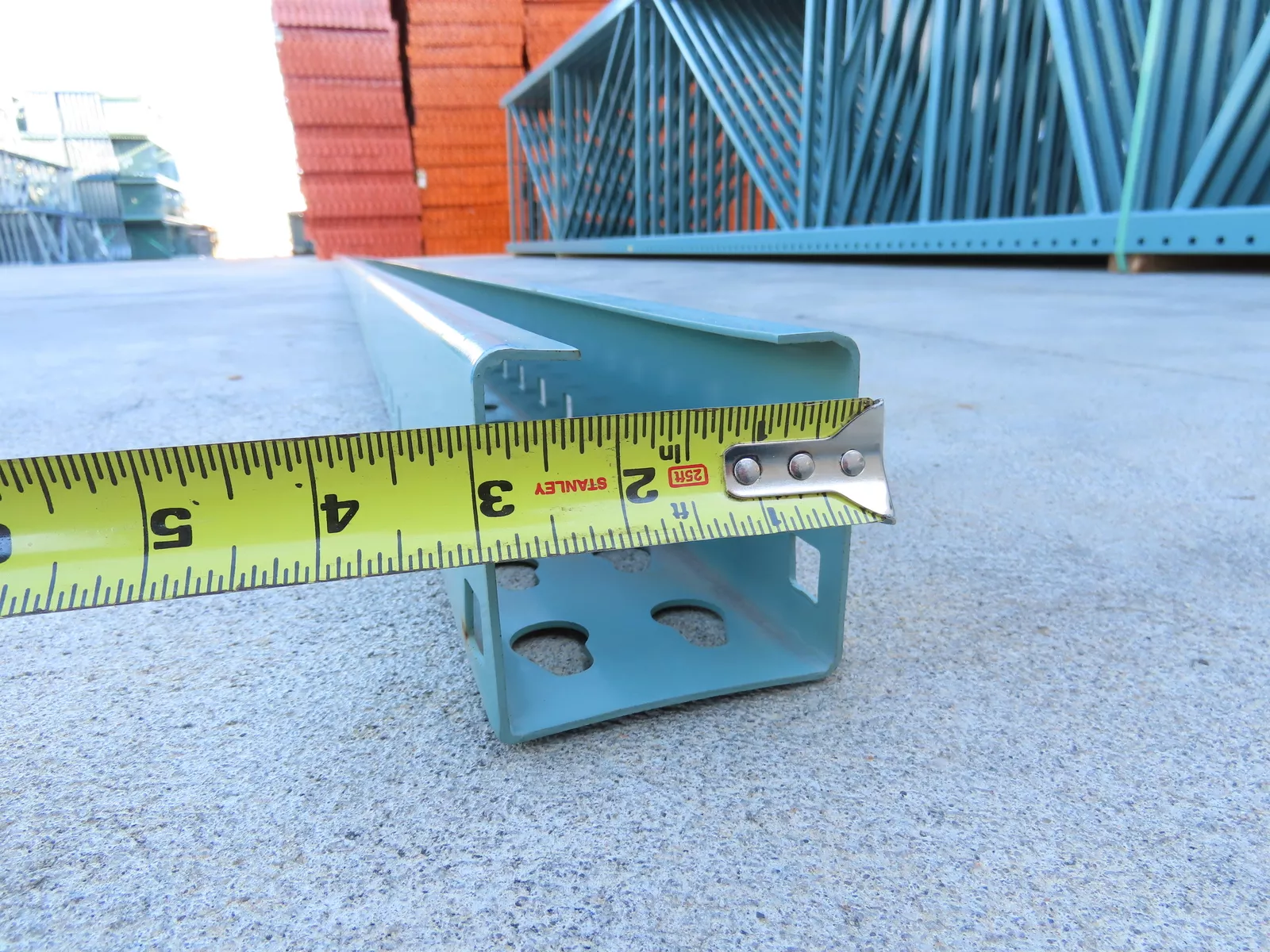
What Sizes Do Smart Lockers Come In?
How Can I Ensure Proper Usage Of Smart Lockers?
Smart lockers have emerged as a revolutionary solution for secure package delivery and storage, but ensuring their proper usage is paramount to reaping their full benefits. To maximize efficiency and enhance user experience, consider implementing the following strategies that resonate across industries and contexts.
1. Education and Training
One of the most vital steps in ensuring proper usage is providing comprehensive education regarding how smart lockers work. Create straightforward instructional materials—think short videos or infographics—that relay the essentials of locking and unlocking procedures. Consider hosting training sessions or webinars, especially in locations that see high foot traffic. For example, if you’ve installed smart lockers in a busy apartment complex, a live demonstration can go a long way in alleviating any user anxiety. Remember, informed users are more likely to embrace the technology confidently.
2. Clear Signage and Guidelines
Visibility matters. Ensure that the locker interface and surrounding areas have clearly marked instructions, from how to initiate a delivery to the process for retrieving a package. Think about the last time you experienced frustration because directions were unclear, whether at an airport or shipping facility. In moments of urgency, users will fall back on what’s easy to understand. Reference current events, such as the supply chain crises we’ve watched unfold. Think how often individuals are encountering uncertainty with package deliveries; smart lockers can be a lifesaver if set up to be user-friendly.
3. Regular Maintenance and Updates
Smart lockers, like any technology, require regular upkeep. Schedule periodic maintenance to ensure all lockers are functioning optimally. Broken locks or malfunctioning screens will deter users and damage your reputation. Moreover, don’t forget about software updates. Cybersecurity threats are more prevalent than ever, so ensure your smart locker systems are equipped with the latest security features. As seen in recent high-profile data breaches, a secure system is a selling point. Promote this commitment in marketing materials to build trust.
4. Solicit Feedback and Adapt
Engagement doesn’t stop once your lockers are installed. Create channels through which users can provide feedback—think surveys or comment cards located near the lockers. Regularly review this information to make necessary adjustments. Just as businesses adapt based on consumer trends, your locker system should evolve to meet the needs of its users. In a dynamic world, responsiveness is your key to success.
Conclusion
By investing in education, maintenance, and user interaction, you can ensure that your smart lockers not only function properly but also become a valued asset in your community. Proper usage leads to satisfaction, and satisfied customers will always return.
How Can I Ensure Proper Usage Of Smart Lockers?
How Can I Ensure Proper Usage Of Smart Lockers?
- Education and Training: Provide comprehensive instructional materials like videos and infographics, and consider hosting training sessions in high-traffic areas to alleviate user anxiety.
- Clear Signage and Guidelines: Ensure locker interfaces and surrounding areas have clearly marked instructions for both delivery initiation and package retrieval to enhance user-friendliness.
- Regular Maintenance and Updates: Schedule periodic maintenance and software updates to prevent malfunctions and enhance cybersecurity, promoting a secure system to build trust.
- Solicit Feedback and Adapt: Create channels for user feedback such as surveys or comment cards and regularly review this information to make necessary adjustments.
- User Engagement: Emphasize ongoing engagement with users post-installation to adapt the locker system based on their needs.
- Community Investment: Focus on building trust and satisfaction within the community to ensure smart lockers become a valued asset.
- Overall Goal: Maximize efficiency and enhance user experience through proper usage to ensure customer satisfaction and loyalty.

How Can I Ensure Proper Usage Of Smart Lockers?
Conclusion
In the ever-evolving landscape of business operations, the quest for efficiency is relentless. Today, smart lockers emerge not merely as technological novelties but as essential tools for transformative inventory management. As we conclude our exploration of where to find these innovative solutions, it’s clear that smart lockers represent a sophisticated answer to the time-tested challenges of securing and managing inventory effectively.
Whether you’re a retailer seeking to streamline your operations, an educational institution aiming for seamless material distribution, or a logistics provider grappling with supply chain complexities, smart lockers come tailored to your specific needs. With options available through tech giants, specialized manufacturers, and even local distributors, acquiring these devices is now easier than ever. What’s more, the flexibility of rental agreements allows businesses to test these systems without the burden of long-term commitments, offering a risk-free path to innovation.
But adopting smart lockers is not just about acquisition; it’s about ensuring optimal use and integration into your existing systems. A focus on user training, regular maintenance, and collecting feedback can significantly enhance operational efficiency and customer satisfaction. Additionally, features like biometric security, remote accessibility, and the potential for integration with inventory management systems ensure that your solution is not only secure but also synergistic with your broader business operations.
Urgency in acting now cannot be overstated. The competitive landscape is reshaping at a rapid pace, and companies that hesitate may find themselves left behind. As you consider enhancing your inventory management strategy, it’s time to take the leap and invest in smart lockers.
Don’t wait for tomorrow. Call Arrow Industrial Sales at (574) 349-6575 today. Our team of experts is ready to assist you in navigating your options and tailoring solutions that meet your unique needs. Elevate your inventory management and stay ahead of the curve; the future of business efficiency is at your fingertips. Make the smart choice now!
Conclusion
Conclusion:
- Smart lockers are essential tools for transformative inventory management in today’s business landscape.
- They cater to various sectors, including retail, education, and logistics, by addressing specific operational needs.
- Acquiring smart lockers is simpler with options from tech giants, specialized manufacturers, and local distributors.
- Flexible rental agreements allow businesses to test smart lockers without long-term commitments.
- Optimal use of smart lockers requires user training, regular maintenance, and feedback collection.
- Features like biometric security, remote access, and system integration enhance security and operational synergy.
- Immediate action is crucial; investing in smart lockers can provide a competitive edge in the rapidly evolving marketplace.

Conclusion
Other Resources
Other Resources
Here is a list of other resources you can review online to learn more:
- “Smart Lock”
- “ECOSMART Locks – Intelligent Solutions for Access Control”
- “LOCKY – Smart Locker”
- “Up and Over Door Lock 4930 Smart Series”
- “Smart Lockers for condos”
Use This Prompt To Get More Resources With Your Favorite Online AI Tool: Please provide me with a list of online articles with their URLS in a bulleted list that I can read regarding Where to Find Smart Lockers for Inventories?
Other Resources
Glossary Terms
Where to Find Smart Lockers for Inventories? – Glossary Of Terms
1. Smart Locker: A secure, electronically controlled locker used for storing items, often equipped with features like digital locks and access control.
2. Inventory Management: The process of overseeing and controlling ordering, storage, and use of inventory to ensure adequacy and efficiency.
3. Access Control: Security features allowing only authorized personnel to access smart lockers, often using PIN codes, RFID, or biometrics.
4. Cloud-Based Software: A service model where software applications are hosted on the cloud, allowing remote access for inventory management and locker control.
5. RFID (Radio Frequency Identification): A technology that uses electromagnetic fields to automatically identify and track tags attached to items, often used for inventory management.
6. Digital Keypad: A keypad interface on smart lockers allowing users to input a code for access.
7. Biometric Access: A security feature that uses unique biological characteristics (e. g. , fingerprints, facial recognition) for access control to lockers.
8. Drop-Off Locker: A type of smart locker designed for users to deposit items securely, often used in parcel delivery services.
9. Pick-Up Locker: A smart locker designed for users to retrieve items, usually requiring a code or card for access.
10. Modular System: A flexible configuration of smart lockers that can be adjusted or expanded according to space and inventory needs.
11. Mobile App Integration: The ability to manage and access smart lockers using a dedicated mobile application.
12. Notifications: Alerts sent to users when items are placed in or retrieved from smart lockers, enhancing tracking and management.
13. User Interface (UI): The point of interaction between the user and the smart locker, often represented by a touchscreen or physical buttons.
14. Weight Sensors: Devices within lockers that detect the weight of items stored to monitor inventory and prevent overloading.
15. Vendor Lockers: Smart lockers provided by third-party vendors as a service, often for package deliveries or inventory storage.
16. Temperature Control: Smart lockers equipped with climate control features to protect sensitive items requiring specific environmental conditions.
17. Secure Access: The assurance that only authorized users can enter or retrieve items from smart lockers, enhancing security.
18. Smart Technology: Devices or systems that utilize advanced technology to enhance functionality and user experience, such as IoT (Internet of Things).
19. Inventory Tracking: The method of keeping records and monitoring the status and location of items within an inventory system.
20. Self-Service Model: A model where users can independently manage their interactions with smart lockers without the need for staff assistance.
21. Installation Requirements: Specifications and conditions necessary for setting up smart lockers, including space, electrical, and connectivity needs.
22. Multi-User Access: Features allowing multiple authorized users to access and utilize the smart locker system, enhancing collaboration.
23. Payment Integration: The capability for users to make payments through the smart locker interface, often seen in rental or purchase scenarios.
24. Return Service: The process of returning items via smart lockers, a feature often used in e-commerce and retail for product exchanges.
25. Location Services: Features that enable users to locate nearby smart lockers using GPS or mapping technology.
26. Security Audit: A review process to ensure that the smart locker system meets security standards and operational efficiency.
27. User Management: The administration of user access and permissions concerning who can access specific lockers or inventory.
28. Durability: The ability of smart lockers to withstand environmental factors or vandalism, ensuring long-term performance.
29. Lock Picker Resistant: Security features designed to prevent unauthorized access by resisting traditional lock-picking techniques.
30. Customizable Options: The ability to tailor features and designs of smart lockers to fit specific needs of a business or organization.
Glossary Of Terms
Other Questions
Where to Find Smart Lockers for Inventories? – Other Questions
If you wish to explore and discover more, consider looking for answers to these questions:
- What are the advantages of using smart lockers over traditional storage systems?
- How do smart lockers compare in terms of cost with other inventory management solutions?
- What are the different types of smart lockers available on the market?
- What security features are essential for smart lockers in high-theft areas?
- What industries are adopting smart lockers the most?
- How can businesses evaluate which smart locker model is best for their needs?
- Are there any compatibility concerns when integrating smart lockers with existing systems?
- What are the environmental impacts of using smart lockers?
- What are the warranty and support options available for smart lockers?
- Can smart lockers accommodate various technologies for user access (e.g., biometrics, QR codes)?
- How do I measure the return on investment (ROI) for implementing smart lockers?
- What are the best practices for maintaining the security of smart lockers?
- Are there specific regulations or compliance issues to consider when using smart lockers?
- How do smart lockers handle potential technological failures or malfunctions?
Other Questions
Checklist
Where to Find Smart Lockers for Inventories? – A Checklist
Checklist for Efficient Smart Locker Use
Title: Smart Locker Essentials: A Quick Checklist for Successful Implementation and Usage
1. Identify Your Needs:
_____ Understand the specific purposes for which you want to use smart lockers (e. g. , inventory management, package delivery, personal item storage).
_____ Evaluate the volume and types of items you plan to store.
2. Select the Right Size:
_____ Choose from small, medium, or large lockers based on your storage requirements.
_____ Consider the option for stacked or modular configurations.
3. Research Reliable Brands:
_____ Investigate reputable smart locker brands such as Package Concierge, Luxer One, Viking Lockers, iLockerz, and Gategroup.
_____ Read customer reviews and testimonials to gauge user satisfaction.
4. Check Security Features:
_____ Look for lockers with biometric access, electronic locks, surveillance capabilities, and encryption.
_____ Ensure the lockers integrate with existing security systems.
5. Examine Remote Accessibility:
_____ Ensure you can manage access and receive notifications through mobile apps for convenience.
_____ Check if you can update permissions remotely.
6. Review Integration Capabilities:
_____ Confirm compatibility with your inventory management system or other relevant software.
_____ Ensure the locker can track item movements automatically.
7. Understand Cost Implications:
_____ Inquire about upfront costs, potential recurring fees, and maintenance expenses.
_____ Evaluate the pricing model (e. g. , pay-per-use vs. subscription).
8. Establish a Maintenance Routine:
_____ Determine a regular schedule for inspections and software updates.
_____ Train staff on basic troubleshooting and common issues.
9. Train Users Effectively:
_____ Provide clear instruction manuals or videos on how to use the lockers.
_____ Organize training sessions for users in high-traffic locations.
10. Implement Clear Signage:
_____ Display instructions around the locker systems for easy reference.
_____ Use visuals to guide users through the process of using the locker.
11. Monitor Usage and Gather Feedback:
_____ Utilize built-in analytics to track locker usage patterns.
_____ Set up a feedback mechanism to understand user experiences and resolve issues.
12. Adapt and Customize:
_____ Be open to customizing lockers based on feedback and specific needs.
_____ Consider adjustments for seasonal demand or special events.
13. Ensure User Access:
_____ Prepare to provide access codes or mobile app permissions to authorized users.
_____ Communicate any access changes promptly.
14. Evaluate ROI:
_____ Assess the cost-effectiveness and efficiency of your smart locker investment after implementation.
_____ Seek ways to enhance customer satisfaction and reduce operational costs.
Use this checklist to streamline the selection, installation, and ongoing utilization of smart lockers, ensuring you maximize their benefits for inventory management and overall convenience.
Checklist
At RackingWorld, we help guide you through selecting warehouse storage systems and racking.
Be sure to read our other related stories at RackingWorld to learn more about warehouse storage systems.
0 Comments