
Navigating OSHA Pallet Rack Regulations Made Simple
By Tom Seest
At RackingWorld, we help guide you through selecting warehouse storage systems and racking.
Be sure to read our other related stories at RackingWorld to learn more about warehouse storage systems.
Are OSHA Pallet Rack Requirements Easy to Understand?
When it comes to maintaining a safe and compliant warehouse environment, understanding OSHA pallet rack requirements can feel akin to deciphering an ancient script. Intimidating jargon, complex regulations, and the constant fear of being audited can leave warehouse managers feeling overwhelmed. But here’s the angle: these regulations aren’t just red tape; they are essential guidelines aimed at fostering a safe workspace for your employees.
Let’s face it. The stakes are high. According to the National Safety Council, workplace injuries cost U.S. businesses over $171 billion annually. Ignoring OSHA requirements can lead to costly fines, increased insurance premiums, and even tragic accidents that can take a toll on morale and productivity. In 2023, as supply chain issues continue to surge and labor shortages loom, the importance of adhering to safety regulations cannot be overstated.
So, are these requirements truly easy to understand? In reality, the core principles of OSHA’s guidelines can be distilled into a few fundamental strategies. Take, for example, the concept of load capacity. Each pallet rack has a specific load limit designed to ensure its stability and safety. Ensuring that your racks are not overloaded is a straightforward, yet critical, first step to compliance.
Furthermore, facility managers should familiarize themselves with inspection procedures. OSHA guidelines stipulate that pallet racks must be inspected regularly for signs of wear and tear, such as bowing beams or damaged uprights. Implementing an easy checklist for inspections can simplify this process significantly. A recent survey reported that companies with organized safety programs saw a 25% reduction in accidents — proof that a proactive approach pays off.
Another key area is training staff. Effective training programs that incorporate OSHA guidelines can demystify the requirements. Clearly outlining the dos and don’ts of pallet storage can empower employees while ensuring compliance. And with the rise of online training platforms, providing this education is easier than ever.
A current event that exemplifies this need is the rise in fulfillment center accidents tied to the e-commerce boom. As businesses rush to meet consumer demand, safety often takes a backseat. Companies that invest the time to understand and implement pallet rack regulations not only protect their employees but also enhance their brand reputation.
While OSHA pallet rack requirements may initially seem daunting, breaking them down into clear, actionable steps can make compliance not just manageable, but also a cornerstone of your operational success. Embrace safety, and watch your productivity soar!

Are OSHA Pallet Rack Requirements Easy to Understand?
Are OSHA Pallet Rack Requirements Easy to Understand?
- Understanding OSHA pallet rack requirements is essential for warehouse safety and compliance.
- Ignoring these requirements can result in substantial financial losses due to fines, insurance premiums, and accidents.
- Key principles of compliance include knowing the load capacity of each pallet rack to ensure safety and stability.
- Regular inspections for wear and tear of pallet racks are mandated by OSHA guidelines.
- Implementing an easy inspection checklist can help streamline compliance efforts.
- Training staff on OSHA guidelines empowers employees and promotes adherence to safety protocols.
- Investing in safety measures can enhance employee well-being and improve brand reputation, especially in high-demand environments like e-commerce.

Are OSHA Pallet Rack Requirements Easy to Understand?
Table Of Contents
- Are OSHA Pallet Rack Requirements Easy to Understand?
- Are OSHA Pallet Rack Requirements Straightforward To Interpret?
- What Are The Key OSHA Regulations For Pallet Racks?
- How Can Businesses Ensure Compliance With OSHA Rack Standards?
- What Common Mistakes Do Companies Make Regarding Pallet Rack Safety?
- How Often Should Pallet Racks Be Inspected For Safety?
- What Are The Consequences Of Not Following OSHA Pallet Rack Rules?
- Are There Specific Training Programs For Pallet Rack Safety?
- How Do OSHA Regulations Differ By State For Pallet Racks?
- What Resources Are Available For Understanding OSHA Requirements?
- Can Pallet Racks Be Modified Without Violating OSHA Guidelines?
- What Role Does Inspection Play In OSHA Compliance For Pallet Racks?
- How Do Facility Layout And Pallet Rack Placement Affect Safety?
- What Are The Most Frequent Hazards Associated With Pallet Racks?
- How Can Businesses Proactively Address Pallet Rack Safety Concerns?
- What Documentation Is Needed To Prove Compliance With OSHA?
- Conclusion
- Other Resources
- Glossary Of Terms
- Other Questions
- Checklist
Are OSHA Pallet Rack Requirements Straightforward To Interpret?
When it comes to workplace safety, few things can be as critical yet convoluted as the OSHA standards for pallet racks. For business owners and warehouse managers, navigating these regulations can feel like deciphering a secret code. But the truth is, while the regulations may appear daunting, with the right approach and resources, they can be tamed. Think of it this way: compliance doesn’t have to be another puzzle to solve—it can be a pathway to operational excellence.
Imagine you’re in a bustling warehouse that’s the lifeblood of your operation. Pallet racks tower over the aisles, efficiently organized and indispensable for inventory management. However, each rack comes with its own set of compliance rules, including structural integrity, load capacity, and maintenance checks. The good news? These regulations are designed to protect both your workforce and your investment, which ultimately translates to a safer, more productive work environment.
Taking a closer look at the general requirements, let’s consider the importance of regular inspections and maintenance. OSHA mandates that pallet racks must be evaluated for stability and load-bearing capacity. For instance, just last year, a major retailer faced hefty fines due to improper inspection protocols, showcasing a lack of diligence in following OSHA guidelines. The repercussions extended beyond fines; they faced operational disruptions that cost them much more than compliance would have.
So, what can you do to interpret these requirements clearly? Start by integrating regular training sessions for your staff. Education is not just about understanding the rules; it’s about fostering a culture of safety. You can establish a system where employees are encouraged to report any concerns about the equipment—or better yet, involve them in the inspection process. This not only empowers your team but also enhances your compliance standing.
Furthermore, consider leveraging technology to make compliance monitoring seamless. Digital tools that track inspection schedules, maintenance logs, and incidents can provide a clear and concise overview of your safety standing. For example, using software that generates alerts before inspections are due can keep your operation proactive rather than reactive, which is a game-changer.
While the OSHA pallet rack requirements may seem intricate, breaking them down into manageable components makes them easier to interpret and implement. By prioritizing safety and compliance, you’re not just adhering to regulations; you’re laying the groundwork for a thriving, risk-free workplace. So take charge—because when you eliminate uncertainty around safety measures, you pave the way for operational success.

Are OSHA Pallet Rack Requirements Straightforward To Interpret?
Are OSHA Pallet Rack Requirements Straightforward To Interpret?
- OSHA pallet rack standards are crucial for workplace safety but can be complex to understand.
- Compliance with these regulations can lead to improved operational excellence rather than being a mere burden.
- Each pallet rack requires adherence to specific rules, such as structural integrity, load capacity, and maintenance checks.
- Regular inspections and maintenance are mandated by OSHA to ensure stability and safe load-bearing capacity.
- Employee training and involvement in inspections foster a culture of safety and enhance compliance.
- Utilizing technology, such as digital tools for tracking inspections and maintenance, can simplify compliance monitoring.
- By effectively interpreting OSHA requirements, businesses can create a safer, more productive work environment.

Are OSHA Pallet Rack Requirements Straightforward To Interpret?
What Are The Key OSHA Regulations For Pallet Racks?
When it comes to workplace safety, especially in warehouses and distribution centers, understanding Occupational Safety and Health Administration (OSHA) regulations regarding pallet racks is non-negotiable. These regulations not only protect your workforce but also secure your bottom line by preventing costly accidents and fines.
Understanding the Basics of OSHA Compliance
At its core, OSHA aims to ensure that every employee works in an environment free from recognized hazards. Pallet racks, which are pivotal for storing materials, can pose unique risks if not properly maintained and utilized. OSHA Subpart I of the General Industry Standards specifies key obligations regarding the safety of materials handling and storage:
1. Load Capacity: Every pallet rack should clearly display its load capacity, defined by the manufacturer. For instance, a standard selective pallet rack might have a capacity of 3,500 pounds per beam level. Regularly verify that your racks are not loaded beyond this limit, as this can lead to structural failure and catastrophic accidents.
2. Inspection and Maintenance: OSHA emphasizes the importance of routinely inspecting racks for structural integrity, including checking for bent beams, damaged columns, and rusting. Regular inspections can prevent incidents such as those reported last winter in Dallas, where a warehouse suffered a collapse due to neglected defective racks. By implementing a solid maintenance schedule, facilities can mitigate risks and enhance operational efficiency.
3. Safety Training: Employees must be trained on the proper use and handling of pallet racks. This includes understanding weight limits, the importance of not exceeding stacking heights, and the correct way to load and unload items. Organizations that prioritize training—like Amazon, for example—experience significantly lower accident rates, enabling them to operate efficiently while keeping their teams safe.
4. Aisle Width: According to OSHA’s regulations, aisles should be wide enough to facilitate safe movement of forklifts and other equipment. The common rule of thumb is to maintain aisles that are at least 36 inches wide for manual handling and up to 48 inches for powered equipment. This was highlighted during the massive February recall of pallet racking systems due to aisle congestion that led to injuries in multiple locations.
5. Emergency Protocols: Finally, established emergency response protocols must be in place. Should an accident occur, personnel needs to know how to respond quickly and effectively, thus minimizing injuries and potential liabilities.
By focusing on these OSHA regulations, businesses can create a safer environment that not only protects employees but also improves operational efficiency and profitability. Enhanced safety leads to heightened morale and productivity, creating a win-win scenario for the company and its workforce. Prioritizing compliance isn’t just about avoiding fines; it’s about building a resilient, responsible company.

What Are The Key OSHA Regulations For Pallet Racks?
What Are The Key OSHA Regulations For Pallet Racks?
- Understanding OSHA regulations is crucial for workplace safety in warehouses and distribution centers.
- OSHA aims to ensure employees work in environments free from recognized hazards, including risks associated with pallet racks.
- Key OSHA regulations for pallet racks include:.
- Load Capacity: Pallet racks must display their load capacity, usually defined by the manufacturer, and should not exceed this limit.
- Inspection and Maintenance: Regular inspections for structural integrity are essential to prevent accidents caused by neglected racks.
- Safety Training: Employees need training on proper handling, weight limits, and loading procedures to reduce accident rates.
- Aisle Width: OSHA mandates aisles must be wide enough (at least 36 inches for manual handling, 48 inches for powered equipment) to ensure safe movement.
- Establish Emergency Protocols: Companies should have protocols to quickly respond to accidents, minimizing injuries and liabilities.

What Are The Key OSHA Regulations For Pallet Racks?
How Can Businesses Ensure Compliance With OSHA Rack Standards?
Navigating the labyrinth of OSHA (Occupational Safety and Health Administration) regulations can feel like maneuvering through a minefield for many businesses. Yet, ensuring compliance with OSHA rack standards is not just a legal obligation—it’s a cornerstone of operational efficiency and employee safety. So how can you ensure that your business is on the right side of those regulations? Let’s break it down.
1. Comprehensive Training Programs: First and foremost, you need to invest in robust training programs. Employees should be well-versed in the proper use of racking systems and aware of the potential hazards. According to a recent OSHA report, businesses that prioritize training and awareness tend to see up to a 30% reduction in workplace accidents. For example, hosting regular workshops or hiring external experts to conduct training can greatly increase employee competency and confidence when interacting with racking systems.
2. Routine Inspections and Maintenance: Schedule regular inspections of your racking systems to ensure that they are structurally sound and compliant with OSHA standards. For instance, the collapse of a shelving unit in a warehouse this year served as a clarion call for many industries, highlighting the importance of routine checks. Create an inspection checklist based on OSHA standards—check for bent beams, loose bolts, and wear-and-tear signs. This proactive approach not only safeguards your investment but also protects your employees.
3. Keep Up with Regulatory Changes: OSHA guidelines are continually evolving. For instance, the recent emphasis on COVID-19 safety measures has led to new considerations in workplace layouts, including racking systems. Make it a priority to stay informed. Subscribe to industry newsletters, attend webinars, or engage with safety organizations to ensure your compliance measures are up-to-date.
4. Leverage Technology: Utilize modern technology to streamline compliance. RFID tags can be attached to racks for real-time tracking and compliance checks. Software solutions can automate inspections and generate compliance reports, reducing human error and increasing accountability. As we enter a more digital age, businesses that adopt these solutions will not just meet compliance; they’ll thrive in a competitive environment.
5. Foster a Culture of Safety: Lastly, it’s crucial to create a culture where safety is paramount. Encourage employees to report safety concerns without fear of retaliation. By building a safe and open environment, you can spot issues before they escalate.
Compliance with OSHA rack standards isn’t merely about avoiding penalties; it’s an opportunity to improve your workplace’s safety and efficiency. Take proactive steps now, and you’ll not only protect your people but also set your business up for long-term success.

How Can Businesses Ensure Compliance With OSHA Rack Standards?
How Can Businesses Ensure Compliance With OSHA Rack Standards?
- Comprehensive Training Programs: Invest in robust training to reduce workplace accidents by up to 30% through employee competency in racking systems.
- Routine Inspections and Maintenance: Schedule regular inspections to ensure racking systems are compliant and structurally sound, using an OSHA-based checklist.
- Keep Up with Regulatory Changes: Stay informed about evolving OSHA guidelines by engaging with newsletters, webinars, and safety organizations.
- Leverage Technology: Use RFID tags and software solutions for real-time tracking, automated inspections, and compliance reporting to enhance accountability.
- Foster a Culture of Safety: Encourage employees to report safety concerns without fear of retaliation to identify and address issues early.
- Beyond Legal Compliance: View compliance as an opportunity to improve workplace safety and operational efficiency.
- Proactive Steps for Success: Take proactive measures now to protect employees and set up the business for long-term success.

How Can Businesses Ensure Compliance With OSHA Rack Standards?
What Common Mistakes Do Companies Make Regarding Pallet Rack Safety?
In the fast-paced world of logistics and warehousing, ensuring the safety of your pallet racking systems is not just a good practice—it’s essential. Yet, despite best intentions, companies frequently stumble over preventable pitfalls. Understanding these common mistakes could save you money, time, and most importantly, lives.
Ignoring Regular Inspections: One of the biggest blunders is neglecting routine safety inspections. A staggering number of companies either underestimate the importance of regular checks or simply push them to the back burner. For example, recent studies found that only 60% of warehouse operators conduct quarterly inspections. This oversight can lead to catastrophic consequences, including storage collapses that risk employee safety and inventory loss. Prioritizing these inspections not only fosters accountability but also helps to catch potential issues before they spiral into disasters.
Inadequate Training: Another egregious error is skimping on employee training. A warehouse is a complex ecosystem that requires knowledgeable personnel to operate equipment safely and efficiently. Take the recent incident at a major logistics firm that made headlines when an untrained employee moved a pallet incorrectly, leading to an avalanche of merchandise that injured several workers. Investing in comprehensive training programs for all team members can mitigate such risks and foster a culture of safety that resonates throughout your organization.
Neglecting Load Capacities: Many companies mistakenly disregard the load capacities specified for their racking systems. Misjudging the weight distribution can cause rack deformation or even collapse, resulting in costly damages and workplace injuries. A polarizing case surfaced recently when a warehouse operator overloaded their racks, leading to a high-profile lawsuit. Make it non-negotiable to educate your team on the specifications and always perform due diligence when assessing load limits.
Improper Use of Equipment: The convenience of shortcuts can often lead to dangerous outcomes. Employees may utilize forklifts or pallet jacks inappropriately, such as attempting to lift loads that far exceed equipment limits. A tragic incident in a distribution center recently highlighted the hazards of this mentality when an improperly operated fork truck led to multiple injuries. Set the standard: all warehouse machinery must be operated strictly according to guidelines.
Neglecting Communication: Lastly, bad communication is a silent killer in every warehouse. Failing to share safety protocols or recent incidents creates an environment of uncertainty. Regular safety meetings and updates can ensure everyone is on the same page, dramatically reducing risk levels.
In summary, sidestepping these common mistakes can put your company on the fast track to a safer, happier, and more profitable workplace. Don’t let safety become a casualty of complacency; act now, and protect your most valuable asset—your people.

What Common Mistakes Do Companies Make Regarding Pallet Rack Safety?
What Common Mistakes Do Companies Make Regarding Pallet Rack Safety?
- Ensuring the safety of pallet racking systems in logistics and warehousing is essential.
- Ignoring regular safety inspections can lead to catastrophic consequences, including storage collapses.
- Only 60% of warehouse operators conduct quarterly inspections, which is a significant oversight.
- Inadequate employee training poses risks; knowledgeable personnel are critical for safe equipment operation.
- Many companies neglect load capacities, leading to potential rack deformation, collapse, and legal issues.
- Improper use of equipment, such as overloaded forklifts, can result in severe injuries and accidents.
- Neglecting communication about safety protocols creates uncertainty; regular safety meetings are essential.

What Common Mistakes Do Companies Make Regarding Pallet Rack Safety?
How Often Should Pallet Racks Be Inspected For Safety?
In the bustling world of warehousing and distribution, the safety of your pallet racking systems is not just an operational consideration; it’s a critical aspect of your business’s overall health. Imagine the chaos an accident could cause—delayed shipments, damaged goods, and injury to your team. This is why regular inspections of your pallet racks are non-negotiable. But how often should these inspections occur to ensure both compliance and peace of mind?
To start, best practices suggest conducting a thorough inspection of your pallet racks at least once a month. This frequency serves as a pragmatic approach for many businesses, especially those with medium to high usage volumes of their storage systems. During these monthly checks, trained personnel should evaluate several key components: upright frames for signs of bending or rust, beams for excessive wear, and the overall load stability of the pallets stored above. A surprising statistic reveals that nearly 70% of pallet rack failures are due to operator errors, making diligent inspections crucial in preventing accidents and increasing accountability among team members.
In addition to monthly inspections, your facility should also have a comprehensive annual inspection performed by a qualified professional. This robust evaluation digs deeper, assessing the structural integrity of the entire racking system, and offering insights into potential upgrades or repairs that may be beneficial over time. Consider the case of a large distribution center in Texas that, after an annual inspection, found that outdated racking designs were severely compromising its safety. The subsequent overhaul not only enhanced safety but increased storage capacity and operational efficiency significantly—an investment that paid off in spades.
Moreover, current events indicate a pressing need for heightened scrutiny in racking safety. The OSHA recently increased fines for safety violations, which means falling short on inspections can be costly. A single incident could trigger investigations that might lead to fines and a damaged reputation. In today’s climate, where companies are held to stringent safety standards, it’s critical to err on the side of caution.
Remember, in business, it’s often the smallest details that lead to the most significant outcomes. Regular inspections of your pallet racks may seem like a burden, but it’s one that can prevent catastrophic failures, protect your employees, and ultimately enhance your bottom line. Prioritize safety today, or risk facing the consequences tomorrow.

How Often Should Pallet Racks Be Inspected For Safety?
How Often Should Pallet Racks Be Inspected For Safety?
- Safety of pallet racking systems is crucial for business health and preventing chaos.
- Regular inspections are necessary; best practices recommend monthly checks for medium to high usage.
- Monthly inspections should assess upright frames, beams, and pallet load stability.
- Approximately 70% of pallet rack failures result from operator errors, highlighting the need for diligent inspections.
- An annual comprehensive inspection by a professional is essential for structural integrity and potential upgrades.
- Increased OSHA fines for safety violations make regular inspections even more critical to avoid costly repercussions.
- Regular inspections can prevent failures, ensure employee safety, and ultimately improve business performance.

How Often Should Pallet Racks Be Inspected For Safety?
What Are The Consequences Of Not Following OSHA Pallet Rack Rules?
Ignoring OSHA’s pallet rack regulations isn’t just a minor oversight; it can lead to catastrophic outcomes that affect employees, finances, and overall business reputation. Picture this: a bustling warehouse where workers are diligently moving products. In the corner, a poorly maintained pallet rack buckles under the weight of improperly stacked inventory. Suddenly, chaos erupts. Injuries ensue, productivity plummets, and your business is left scrambling to recover from the fallout.
For starters, let’s talk about safety. According to the Bureau of Labor Statistics, there are thousands of warehouse-related injuries each year, with faulty pallet racks contributing to a significant portion of these incidents. Failing to adhere to OSHA’s guidelines not only creates hazards for your employees but can also lead to serious injuries or fatalities. Just consider what happened at a major distribution center last year when an unsecured pallet collapsed, injuring several workers and leading to a costly lawsuit. The aftermath included steep medical bills, lost wages, and a tarnished reputation that took years to rebuild.
Now, let’s delve into the financial implications. Non-compliance with OSHA regulations can lead to staggering fines and penalties. In 2022 alone, OSHA levied over $10 million in fines for safety violations related to storage equipment. If your company is targeted for inspection and found lacking, imagine facing hundreds of thousands in penalties because you neglected to properly label or maintain your pallet racks. The financial ramifications can be devastating, forcing you to divert funds away from growth initiatives and into compensating for negligence.
Moreover, your corporate image is on the line. In today’s digital age, news of workplace accidents spreads like wildfire, often fueled by social media. A high-profile incident can prompt public outcry, affecting customer loyalty and retention. If a rival company prides itself on a safe work environment, how do you think that stacks up against your reputation after a preventable accident?
Lastly, consider the long-term effects on employee morale. When employees feel unsafe, their trust in management diminishes. This can lead to higher turnover rates and a toxic culture, further impacting productivity.
The message is crystal clear: failing to follow OSHA pallet rack rules can lead to dire consequences. It’s not just about compliance; it’s about ensuring the safety and well-being of your workforce, safeguarding your finances, and maintaining a positive business reputation. Don’t wait for the storm to hit—prioritize safety today. Your employees and your bottom line will thank you.

What Are The Consequences Of Not Following OSHA Pallet Rack Rules?
What Are The Consequences Of Not Following OSHA Pallet Rack Rules?
- Ignoring OSHA’s pallet rack regulations can result in severe consequences impacting employee safety, finances, and business reputation.
- Faulty pallet racks are a significant contributor to warehouse-related injuries, with potential for serious injuries or fatalities.
- Case example: A major distribution center faced injuries and a costly lawsuit due to an unsecured pallet collapse.
- Non-compliance with OSHA can lead to substantial fines—over $10 million in 2022 for storage equipment violations alone.
- Financial penalties from OSHA can divert funds from growth initiatives to cover negligence costs.
- Workplace accidents can damage corporate image, affecting customer loyalty and potentially benefiting rival companies.
- Unsafe work environments can decrease employee morale, leading to higher turnover rates and a toxic workplace culture.
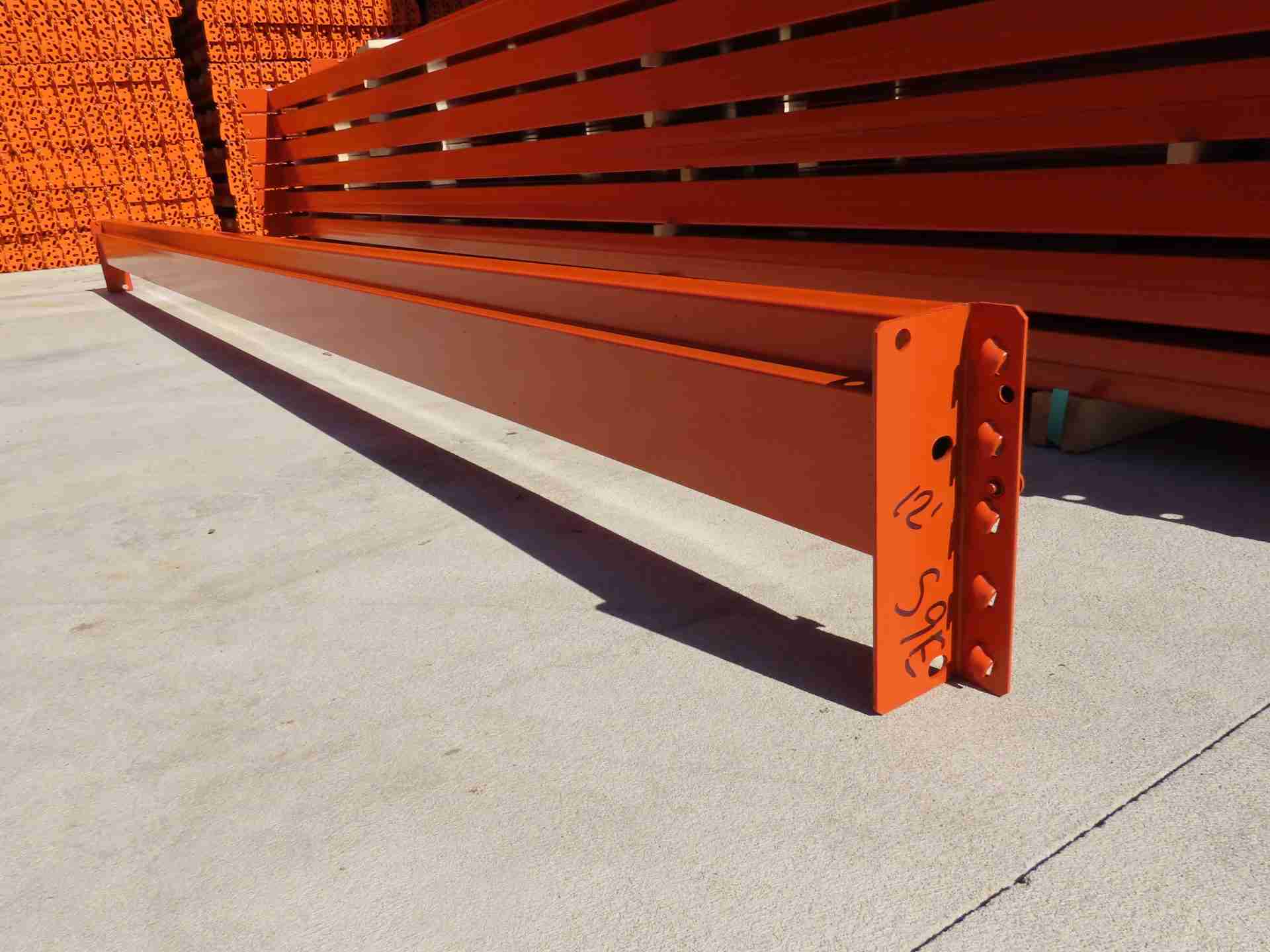
What Are The Consequences Of Not Following OSHA Pallet Rack Rules?
Are There Specific Training Programs For Pallet Rack Safety?
In today’s fast-paced warehousing and distribution environments, the safety of your workforce and the integrity of your materials should be non-negotiable cornerstones of your operations. To achieve this, specialized training programs focused on pallet rack safety are not just beneficial—they’re essential. These programs ensure that employees are well-versed in the proper handling and use of pallet racks, significantly minimizing the risks of accidents and costly damages.
One prominent example is the National Safety Council, which offers comprehensive training that covers the fundamentals of pallet rack design, the proper techniques for loading and unloading, and best practices for regular inspections. Their programs are crafted to align with OSHA regulations, ensuring participants understand legal requirements that govern workplace safety. Such training activities can drastically reduce the incidence of workplace injuries, making it an investment that pays off in more ways than one.
Moreover, companies like HAZMAT Solutions have tailored online courses and in-person workshops designed specifically for pallet rack safety. These programs educate workers on topics such as weight limits, load distribution, and emergency procedures. Given recent statistics indicating that warehouse accidents have surged by 30% over the past year, driven largely by the boom in e-commerce and demand for fast fulfillment, investing in these training programs has never been more critical.
In addition to formal training, companies can benefit greatly from hands-on demonstrations and refresher courses. In light of the increasing number of workplace accidents reported by the Bureau of Labor Statistics, holding regular training sessions ensures that safety remains at the forefront of your operations. Furthermore, integrating virtual reality (VR) training modules can provide employees with immersive experiences that reinforce their understanding of pallet rack safety without the risks associated with real-life scenarios.
It’s also worth noting that the recent trends in the global supply chain, like the emphasis on sustainability, call for innovative training solutions. The focus is shifting towards optimizing space utilization in warehouses, making knowledge on proper pallet rack usage more significant than ever. Keeping your employees informed and adept in handling these changes will ensure ongoing safety.
Ultimately, specific training programs for pallet rack safety are not mere compliance checkboxes—they are vital components that safeguard your employees, enhance productivity, and elevate your company’s reputation in a competitive marketplace. The message is clear: invest in specialized training today, and watch your workplace safety metrics improve—and your bottom line thrive.

Are There Specific Training Programs For Pallet Rack Safety?
Are There Specific Training Programs For Pallet Rack Safety?
- The safety of workforce and integrity of materials are crucial in warehousing and distribution.
- Specialized pallet rack safety training programs are essential for minimizing accidents and damages.
- The National Safety Council offers comprehensive training that aligns with OSHA regulations.
- Companies like HAZMAT Solutions provide tailored online courses and workshops focused on pallet rack safety.
- Warehouse accidents surged by 30% last year, highlighting the urgent need for training programs.
- Regular training sessions, including hands-on demonstrations and VR modules, enhance safety and preparedness.
- Investing in pallet rack safety training is vital for employee protection, productivity, and company reputation.

Are There Specific Training Programs For Pallet Rack Safety?
How Do OSHA Regulations Differ By State For Pallet Racks?
When it comes to workplace safety, particularly regarding heavy-duty equipment like pallet racks, the discussion often pivots to OSHA regulations. However, what many owners and operators may not realize is that these federal guidelines can vary significantly from state to state. Understanding these differences is not just important for compliance; it’s crucial for ensuring the safety of your workforce and protecting your bottom line.
Let’s face it: no one wants to face fines or, worse, workplace injuries. For instance, California has some of the most stringent regulations in the country, often surpassing federal guidelines. In the Golden State, Pallet Rack Safety Regulations stipulate not only routine inspections but also specific requirements for the design and installation of racks. Facilities must comply with the California Code of Regulations, Title 8, which enforces strict guidelines on how products must be stored, loaded, and unloaded. Failure to abide by these can lead to hefty fines, potentially crippling your operation.
Meanwhile, in Texas, while OSHA oversees general safety measures, state regulations may be more lenient regarding pallet rack inspections and maintenance requirements. This difference allows larger warehouses to operate with less regulatory burden, but it doesn’t eliminate the risk of accidents. In fact, recent reports of increased warehouse injuries and citations in the Lone Star State underscore the necessity for operators to adopt best practices even when regulations seem relaxed.
Consider the recent hard-hitting news regarding pallet rack collapses, which sent shockwaves across the industry. By leveraging a proactive stance in understanding and implementing safety measures, regardless of the state’s regulatory stance, businesses can minimize risks. Ignoring local interpretations of the law is a recipe for disaster.
For businesses operating in multiple states, uniform compliance can create logistical nightmares. Each state has its own nuances, and documentation must be meticulously maintained to ensure transparency and adherence to safety practices. Facilities in New York, for instance, have to navigate not only OSHA mandates but also local building codes that dictate rack height and load capacity.
In summary, OSHA regulations related to pallet racks can vary widely across state lines, influencing everything from initial design and installation to maintenance protocol. Ignoring these regulations not only jeopardizes worker safety but also opens the door to potential litigation and financial setbacks. By staying informed and adopting a consistent safety culture—regardless of state-level leniency—businesses can ensure a safer working environment and protect their assets. Remember, compliance is not just about avoiding fines; it’s about fostering a workplace where safety comes first!

How Do OSHA Regulations Differ By State For Pallet Racks?
How Do OSHA Regulations Differ By State For Pallet Racks?
- OSHA regulations for pallet racks vary significantly by state, affecting compliance and workplace safety.
- California has stringent pallet rack regulations exceeding federal guidelines, requiring routine inspections and specific design criteria.
- Texas has more lenient pallet rack regulations, leading to a potential increase in warehouse injuries despite OSHA oversight.
- There have been alarming incidents of pallet rack collapses, highlighting the importance of proactive safety measures.
- Businesses operating in multiple states face challenges in maintaining uniform compliance due to varying local regulations.
- New York facilities must adhere to both OSHA rules and additional local building codes that govern rack specifications.
- Fostering a strong safety culture and staying informed about regulations is crucial for minimizing risks and protecting worker safety.

How Do OSHA Regulations Differ By State For Pallet Racks?
What Resources Are Available For Understanding OSHA Requirements?
Navigating the labyrinth of OSHA requirements can feel like decoding an ancient script. Yet, it doesn’t have to be this way. In fact, a multitude of resources exists to demystify OSHA regulations and help you create a culture of safety in your workplace. Understanding these resources could be the key to protecting both your employees and your bottom line.
# 1. OSHA’s Official Website
The first stop on your journey to OSHA enlightenment should be OSHA’s own website. It’s a treasure trove of information, covering everything from the latest regulations to industry-specific guidance documents. For instance, if your business is in construction, you can access tailored materials that address the unique hazards prevalent in that sector. Did you know that, as of last year, OSHA has introduced new guidelines around heat exposure? This means staying updated is not just good practice; it’s critical!
# 2. Online Training and Webinars
Let’s face it: the days of dusty manuals are dwindling. Online training modules and webinars have exploded in popularity, providing on-demand learning opportunities. Websites like OSHA’s Training Institute and third-party training platforms offer courses that delve into key safety topics such as hazard communication and fall protection. These courses can equip your team with not just knowledge, but the confidence to tackle safety issues proactively.
# 3. Consultation Services
Many states offer consultation services designed to help businesses comply with OSHA standards without the threat of penalties. These services, often funded through grants, provide expert guidance tailored to your specific needs. For example, if your company is planning to implement a new manufacturing process, utilizing a consultation service can help you identify potential hazards before they become costly issues.
# 4. Industry Associations
Don’t underestimate the power of networking! Industry associations such as the National Safety Council provide vital resources and advocacy for businesses striving for compliance. They also host events and conferences that not only address OSHA standards but also offer insights into best practices and emerging trends.
# 5. Social Media and News Outlets
Lastly, keeping an eye on reputable news outlets and social media channels can provide real-time updates on OSHA changes and industry safety trends. With new regulations always on the horizon, staying informed can mean the difference between compliance and a fine.
In a world where regulatory compliance is non-negotiable, arming yourself with the right resources is essential. Remember, an investment in understanding OSHA requirements is an investment in your company’s future.

What Resources Are Available For Understanding OSHA Requirements?
What Resources Are Available For Understanding OSHA Requirements?
- OSHA’s Official Website: A primary resource for industry-specific guidance and the latest regulations, including updates on new guidelines like heat exposure.
- Online Training and Webinars: Growing availability of online modules and webinars that provide flexible learning on safety topics, enhancing proactive handling of safety issues.
- Consultation Services: State-sponsored services offering expert guidance to help businesses comply with OSHA standards without penalties, particularly valuable during process changes.
- Industry Associations: Organizations like the National Safety Council provide resources, advocacy, and networking opportunities focused on OSHA compliance and best practices.
- Social Media and News Outlets: Staying informed via reputable news and social media can help track real-time updates on OSHA regulations and safety trends.
- Importance of Resources: Utilizing these diverse resources is vital for protecting employees and ensuring compliance, ultimately benefiting the company’s future.
- Investment in Compliance: Understanding OSHA requirements is essential for regulatory compliance and serves as an investment in the company’s sustainability.

What Resources Are Available For Understanding OSHA Requirements?
Can Pallet Racks Be Modified Without Violating OSHA Guidelines?
When it comes to industrial storage, pallet racks are your best friend—efficient, versatile, and crucial to maximizing warehouse space. But what happens when your operational needs change and those racks need to be adapted? It’s a question on the minds of many warehouse managers: can pallet racks be modified without stepping on OSHA’s toes?
The short answer is yes, but with caution. The Occupational Safety and Health Administration (OSHA) has established guidelines to ensure workplace safety, and any modifications to your pallet rack systems must comply with these standards to avoid costly fines and potential hazards. Non-compliance not only jeopardizes employee safety but can also lead to severe financial penalties.
Let’s explore some practical modifications and best practices that will keep you in the green.
1. Adjustable Heights: Most modern pallet racks are designed with adjustable beam levels. If your inventory changes frequently, reconfiguring the height of your beams is usually safe, as long as the modifications stay within the manufacturer’s guidelines. Remember: Always check the load capacity of each beam after adjustments. Recent reports indicate steep fines for companies that failed to adhere to load limits during such modifications.
2. Adding Wire Decking: Consider adding wire decking for improved safety. Wire decking provides additional support and minimizes the risk of products falling through. This modification is generally permissible under OSHA guidelines when properly installed. Make sure to consult the decking specifications aligned with your existing rack system.
3. Reinforcements and Safety Pins: Supplementing your pallet racks with additional safety pins or braces can enhance stability and safety. This kind of modification is not only compliant, but it also reinforces your commitment to workplace safety—something that resonates well with both employees and regulatory bodies.
4. Reconfiguration for Flow: Sometimes, the best “modification” is merely reconfiguring the racks to improve workflow. For example, a recent survey in the logistics sector indicated that companies that implemented a “first-in, first-out” system through strategic rack placements saw a reduction in product waste and increased efficiency.
Staying informed about OSHA guidelines and industry best practices is key to successfully modifying pallet racks. By proactively ensuring compliance, you not only create a safer work environment but also safeguard your bottom line from potential fines.
Before diving into modifications, consider consulting with a safety expert to review your proposed changes and their impacts. After all, the road to an efficient warehouse is paved with safety, compliance, and smart decision-making.

Can Pallet Racks Be Modified Without Violating OSHA Guidelines?
Can Pallet Racks Be Modified Without Violating OSHA Guidelines?
- Pallet racks are essential for efficient industrial storage and maximizing warehouse space.
- Modifications to pallet racks can be made, but they must comply with OSHA guidelines to ensure safety and avoid fines.
- Common safe modifications include adjustable heights, provided adjustments meet manufacturer guidelines and load capacities.
- Adding wire decking is a permissible modification that enhances safety by preventing products from falling through.
- Supplementing racks with safety pins or braces boosts stability and demonstrates a commitment to workplace safety.
- Reconfiguring racks for better workflow, such as implementing a “first-in, first-out” system, can enhance efficiency without violating guidelines.
- Consulting a safety expert before making modifications is advisable to ensure compliance and safeguard safety and finances.

Can Pallet Racks Be Modified Without Violating OSHA Guidelines?
What Role Does Inspection Play In OSHA Compliance For Pallet Racks?
When it comes to ensuring worker safety and adhering to OSHA regulations, the importance of regular inspections for pallet racks can’t be overstated. In industries that rely heavily on pallet racks for storage, the stakes are high. Not only does proper inspection help maintain compliance with OSHA standards, but it also protects your most valuable asset—your employees.
Understanding the Foundation of Compliance
OSHA (Occupational Safety and Health Administration) requires employers to provide a safe working environment, which means proactively identifying and mitigating hazards associated with workplace equipment, including pallet racks. Regular inspections are the backbone of this compliance, serving as both a preventive measure and a method for immediate rectification of hazards that may arise from heavy use or wear and tear.
For example, consider a recent incident where a warehouse experienced a significant pallet rack failure that resulted in injuries and costly downtime. Investigations revealed that routine inspections had fallen by the wayside, leading to undetected structural issues. This event not only resulted in a hefty OSHA fine but also tarnished the company’s reputation. Highlighting a clear takeaway: regular inspections save not just lives, but also money.
Catch Issues Before They Catch You
A proactive inspection schedule effectively identifies potential areas of concern such as bent uprights, loose connections, and overloaded shelves. By placing an emphasis on these critical points, you can prevent conditions that lead to accidents and ensure compliance with OSHA’s standards, such as the General Duty Clause and specific regulations outlined in 29 CFR 1910.178 and 1910.176.
Imagine a retail warehouse that sees an uptick in holiday season shipments. With increased load on the pallet racks, a lack of inspection could spell disaster. A robust inspection process, ideally conducted on a weekly or monthly basis, can catch any signs of strain, giving your team the chance to remedy the situation before it escalates.
Training and Accountability
But inspections aren’t just about checking boxes. They should be part of a holistic safety culture that involves training your staff on what to look for and when an issue indicates that it’s time for professional intervention. Providing your employees with the tools and knowledge they need empowers them to be vigilant and engaged in maintaining a safe working environment.
As regulations evolve, staying compliant means adapting. With the recent emphasis on warehouse safety, there’s no better time to implement an inspection protocol that aligns with both current OSHA requirements and best practices in operational safety.
Regular inspections of pallet racks are not merely a regulatory obligation; they are a crucial strategy for safeguarding your workforce, enhancing operational efficiency, and protecting your business from significant financial repercussions. Make inspections integral to your safety strategy today—because preventing a problem is infinitely preferable to solving one after it arises.

What Role Does Inspection Play In OSHA Compliance For Pallet Racks?
What Role Does Inspection Play In OSHA Compliance For Pallet Racks?
- Regular inspections of pallet racks are vital for OSHA compliance and ensuring worker safety.
- OSHA mandates a safe working environment, requiring employers to identify and mitigate hazards associated with workplace equipment.
- Routine inspections serve both as preventive measures and immediate hazard rectification.
- Neglecting inspections can lead to serious accidents, OSHA fines, and damage to a company’s reputation.
- A proactive inspection schedule helps catch potential issues like bent uprights and overloaded shelves before they escalate into accidents.
- Staff training and accountability are essential to maintain vigilance in safety inspections and compliance with regulations.
- Making inspections a core part of workplace safety can safeguard your workforce and protect the business from costly repercussions.

What Role Does Inspection Play In OSHA Compliance For Pallet Racks?
How Do Facility Layout And Pallet Rack Placement Affect Safety?
In today’s fast-paced industrial environment, safety is non-negotiable. A well-designed facility layout and strategic pallet rack placement are not merely logistical considerations; they are critical factors that can prevent accidents, protect your bottom line, and enhance productivity.
Imagine a bustling warehouse overflowing with inventory but lacking a logical flow. Workers maneuvering through narrow aisles, dodging obstacles, and struggling to locate items are more likely to experience injuries—an unsettling reality that could lead to costly downtime and legal ramifications. In fact, the U.S. Occupational Safety and Health Administration (OSHA) recently reported a surge in warehouse accidents, highlighting the urgent need for organizations to reassess their operational setups. A smart facility layout centers on efficient workflow, minimizing unnecessary movement and reducing the risk of accidents.
Consider the example of a leading retail distribution center that revamped its layout by integrating wider aisles and clearly defined pathways. This not only streamlined their picking process but also significantly reduced the chance of collisions between forklifts and personnel. As a direct result, their incident rate plummeted by 30%, and employee satisfaction soared. When workers feel safe and secure in their environment, their productivity levels rise, benefiting the entire operation.
Pallet rack placement is another essential cog in the safety wheel. Properly configured pallet racks allow for easy access to inventory while maintaining stability. When racks are overcrowded or improperly loaded, they become a serious hazard. Just last year, a major logistics firm faced a $1 million lawsuit when improperly stacked pallets caused a catastrophic collapse, injuring several employees. This alarming incident underscores the necessity for adhering to best practices in pallet placement. Ensure racks are not only designed in a manner that optimizes space but are also regularly inspected and maintained.
Furthermore, visual cues such as floor markings and signage can guide workers and improve awareness, thereby enhancing overall safety. Implementing a color-coded system for different inventory types, for instance, can reduce confusion and streamline operations while bolstering safety.
Investing time and resources into thoughtful facility layout and intelligent pallet rack placement is not just a good business practice; it is a cornerstone of safety culture. With the stakes higher than ever, getting it right is essential—not only for compliance but ultimately for the success of your operation. Don’t be the business that waits for an incident to happen; take proactive measures today for a safer tomorrow.

How Do Facility Layout And Pallet Rack Placement Affect Safety?
How Do Facility Layout And Pallet Rack Placement Affect Safety?
- Safety is essential in industrial operations, with facility layout and pallet rack placement being critical factors.
- Poorly designed layouts increase the risk of accidents, resulting in injury, downtime, and potential legal issues.
- Recent OSHA reports indicate a rise in warehouse accidents, emphasizing the need for operational reassessment.
- Effective layouts feature wider aisles and clear pathways that reduce collisions and enhance productivity.
- Improper pallet rack configuration can lead to hazardous situations, including costly accidents and lawsuits.
- Visual aids, such as floor markings and color-coded systems, can improve worker awareness and safety.
- Investing in facility layout and pallet rack strategies is crucial for fostering a safety culture and ensuring operational success.

How Do Facility Layout And Pallet Rack Placement Affect Safety?
What Are The Most Frequent Hazards Associated With Pallet Racks?
In warehouses and distribution centers, pallet racks are essential for maximizing storage capacity and improving operational efficiency. However, while these structures provide remarkable benefits, they also come with significant hazards that can jeopardize the safety of your workforce and operations. Understanding these risks is paramount for any business looking to stay competitive while safeguarding its most valuable assets—its employees.
One of the most frequent hazards associated with pallet racks is structural damage. Whether due to excessive loads or careless handling, damaged racks can collapse and lead to catastrophic injuries. In recent months, several high-profile incidents have occurred nationally, wherein faulty racks experiencing overloading resulted in injuries ranging from sprains to severe lacerations—the kind of accidents that not only harm employees but also financially ruin businesses through litigation and lost productivity.
Another common hazard is improper loading and unloading techniques. Workers often rush or ignore safety protocols, leading to items falling from heights. According to the Occupational Safety and Health Administration (OSHA), falls account for a significant percentage of workplace injuries. A prime example of this can be seen in a warehouse in Ohio where a failure to adhere to proper loading guidelines led to pallets tumbling down, injuring multiple employees and forcing a costly shutdown for safety reviews.
Untrained staff present a substantial risk as well. Investing in employee training programs is not just a compliance issue but a strategic necessity. A lack of education on best practices for using pallet racks can lead to severe incidents. In recent years, there have been calls for more stringent regulations requiring comprehensive training, particularly in environments where forklifts and other heavy machinery are employed.
Another serious threat is the risk of fire hazards due to poor organization and storage of materials. Overcrowded racks with flammable materials can escalate into devastating fires, endangering lives and disrupting operations. A fire outbreak at a major retail distribution center highlighted this risk, illustrating the dire consequences of neglecting proper fire safety protocols within pallet storage areas.
In today’s competitive marketplace, ensuring the safety and efficiency of your pallet racking system is not merely an operational concern—it’s a business imperative. By recognizing and addressing these hazards proactively, you can create a safer working environment, enhance employee morale, and ultimately protect your bottom line. After all, in the world of business, nothing is more valuable than a safe and committed team. Protect your investments, invest in safety, and fortify your operational success.

What Are The Most Frequent Hazards Associated With Pallet Racks?
What Are The Most Frequent Hazards Associated With Pallet Racks?
- Pallet racks are crucial for maximizing storage capacity and improving efficiency in warehouses and distribution centers.
- Structural damage due to excessive loads or careless handling can lead to rack collapses and serious injuries.
- Improper loading and unloading techniques contribute significantly to workplace injuries, with falls being a major concern.
- Untrained staff pose a risk; comprehensive training is necessary for safe pallet rack operation, especially with heavy machinery.
- Poor organization and storage of materials can create fire hazards, leading to devastating incidents and operational disruptions.
- Proactive hazard recognition and mitigation can enhance workplace safety, boost employee morale, and protect business profitability.
- Investing in safety training and protocols is essential for operational success in today’s competitive business environment.

What Are The Most Frequent Hazards Associated With Pallet Racks?
How Can Businesses Proactively Address Pallet Rack Safety Concerns?
In today’s fast-paced marketplace, ensuring the safety of your warehouse operations is not just a regulatory requirement, but a key component of protecting your brand and bottom line. Accidents can be costly, both in terms of potential injuries and the fallout that follows. So, how do you proactively address pallet rack safety concerns while showcasing your commitment to operational excellence?
First and foremost, implement a robust training program for all staff. Educate your employees about the specific hazards associated with pallet racks, including load limits, proper stacking techniques, and the importance of clear walkways. For instance, Amazon recently announced a $500 million initiative to enhance worker safety following incidents in their fulfillment centers. By prioritizing training, companies not only safeguard their personnel but also empower them to take ownership of safety protocols.
Next, conduct regular inspections and maintenance of your pallet racks. Create a routine checklist that examines structural integrity, proper installation, and any signs of wear and tear. After all, even the sturdiest racks can become compromised over time. A recent report highlighted that 20% of pallet rack failures result from neglecting maintenance. By systematically reviewing your equipment, you can catch potential issues before they escalate into serious problems, ultimately maintaining operational efficiency.
Furthermore, invest in quality equipment. A discount on cheap pallet racks may seem appealing, but the hidden costs associated with breakdowns and injuries can far exceed those initial savings. For example, a leading logistics company recently faced hefty fines after subpar racks collapsed during peak season, injuring several employees. Selecting reputable suppliers ensures your racks are built to last, minimizing risk and maximizing productivity.
Lastly, foster a safety-first culture within your organization. Encourage employees to report safety concerns without hesitation and recognize those who actively contribute to a safer work environment. For instance, introducing an employee-led safety committee can empower team members to share insights and recommendations. Not only does this enhance morale, but it also solidifies safety as a core organizational value.
Taking a proactive approach to pallet rack safety involves a multi-faceted strategy: thorough training, regular inspections, quality equipment, and a culture that prioritizes safety. Investing in these areas will not only protect your workforce but also enhance your company’s reputation and profitability in a competitive landscape. Remember, in business, safety isn’t just the absence of accidents; it’s the presence of proactive management.

How Can Businesses Proactively Address Pallet Rack Safety Concerns?
How Can Businesses Proactively Address Pallet Rack Safety Concerns?
- Ensuring warehouse safety is vital for regulatory compliance and brand protection.
- Implement a robust training program to educate staff on pallet rack hazards, including load limits and stacking techniques.
- Conduct regular inspections and maintenance of pallet racks to ensure structural integrity and identify potential issues.
- Invest in quality equipment to avoid hidden costs associated with breakdowns and injuries.
- Foster a safety-first culture by encouraging reporting of safety concerns and recognizing contributions to safety improvements.
- Adopt a multi-faceted strategy that includes training, inspections, quality equipment, and a strong safety culture.
- Proactive management of safety enhances employee protection, company reputation, and profitability.

How Can Businesses Proactively Address Pallet Rack Safety Concerns?
What Documentation Is Needed To Prove Compliance With OSHA?
Navigating the labyrinth of Occupational Safety and Health Administration (OSHA) regulations can feel overwhelming, but keeping your workplace compliant is a critical investment in your business. Being able to prove compliance not only protects your employees but also shields your organization against costly fines and legal troubles. Here’s a roadmap to the documentation you’ll need to successfully demonstrate compliance with OSHA standards.
1. Safety Training Records
One of the cornerstones of OSHA compliance is employee training. Documentation should include safety training records that outline when training took place, what was covered, and who attended. For example, if your industry saw a spike in accidents related to improper lifting techniques—like in recent warehouse accidents highlighted in the news—providing proof that your staff underwent proper ergonomics training can be invaluable. Harness powerful training methods, document the sessions, and keep these records accessible.
2. Hazard Assessments
OSHA mandates that employers perform hazard assessments to identify potential safety risks in the workplace. Documenting these assessments can be the difference between a minor setback and a catastrophic incident. Utilize forms that outline the identified hazards, mitigation measures taken, and follow-up dates for future assessments. A recent rise in workplace injuries has emphasized the need for thorough evaluations; having this documentation offers not just protection but peace of mind.
3. Incident Reports
Accidents can happen, but how you document them can make all the difference. Ensuring that all incidents are reported promptly and accurately is crucial. Include details such as time, location, involved parties, and corrective actions taken. For instance, consider the wave of media attention around recent OSHA violations—proving that you have thorough incident reports can bolster your defense against potential legal actions.
4. Safety Data Sheets (SDS)
Chemical safety is non-negotiable in certain industries. OSHA requires that employers keep Safety Data Sheets available for hazardous substances used or stored on-site. Ensure that every material has an associated SDS and make this information readily accessible to all employees. This includes maintaining digital copies that can be easily retrieved and shared.
5. Equipment Maintenance Logs
To comply with OSHA standards, keep meticulous records of equipment maintenance. Regular checks and balances not only showcase your commitment to safety but also ensure that machinery operates at optimal levels. For instance, if recent government inspections have increased focus on equipment reliability, having a complete log can make your case compelling.
By staying on top of these essential documents, you not only comply with OSHA but also cultivate a culture of safety that can enhance morale and productivity. In today’s increasingly scrutinized work environment, effective documentation is more than a necessity; it’s a powerful tool for business success.

What Documentation Is Needed To Prove Compliance With OSHA?
What Documentation Is Needed To Prove Compliance With OSHA?
- Key to OSHA compliance is maintaining comprehensive documentation that helps prove safety measures and training.
- Safety Training Records: Document employee training details including date, content, and attendees to ensure compliance.
- Hazard Assessments: Perform and document hazard assessments to identify workplace safety risks and outline mitigation measures.
- Incident Reports: Prompt and accurate documentation of all accidents, including details such as time, location, and corrective actions.
- Safety Data Sheets (SDS): Keep SDS for all hazardous materials on-site and ensure easy access for employees.
- Equipment Maintenance Logs: Maintain detailed records of equipment inspections and maintenance to ensure machinery operates safely.
- Effective documentation fosters a safety culture that enhances employee morale and productivity while protecting the organization from legal issues.

What Documentation Is Needed To Prove Compliance With OSHA?
Conclusion
In the intricate world of warehouse management, the compliance landscape can appear daunting, particularly when it comes to OSHA pallet rack regulations. The stakes are high; non-compliance can lead to catastrophic incidents, costly fines, and dwindling employee morale. However, this isn’t just red tape—these guidelines exist to create a safer, more productive environment for all. At RackingWorld.com and Arrow Industrial Sales, we believe that overcoming the regulatory maze is not only achievable but can also enhance your operational success!
Understanding that many warehouse managers may feel overwhelmed, we’ve distilled OSHA’s core requirements into actionable strategies, making the process manageable. From regular inspections and maintenance checks to effective employee training, these steps are crucial for ensuring compliance and safety. The facts are stark: facilities with organized safety programs report a significant drop in workplace accidents. When you prioritize compliance, you’re not just safeguarding lives; you’re investing in the credibility and longevity of your operation.
Moreover, the current business climate demands urgency. With OSHA fines on the rise and the e-commerce boom intensifying the need for fulfillment centers, the time to act is now. Don’t wait for an incident to shine a light on a lack of safety measures. By leveraging technology and establishing clear communication channels within your workforce, your company can not only meet but exceed compliance requirements.
Are you ready to transform compliance from a chore into a cornerstone of your operational excellence? Take the first step by reaching out to Arrow Industrial Sales at (574) 349-6575. Our dedicated team can provide tailored solutions to simplify your compliance journey and enhance the safety of your workplace. Don’t let the complexities of OSHA regulations deter your progress; embrace the guidance of experts committed to your success.
At Arrow Industrial Sales, we believe that a proactive approach to safety not only mitigates risks but also cultivates a thriving workplace. Your commitment to OSHA compliance is not just a legal requirement—it’s a business imperative that can dramatically influence your bottom line. Prioritize it now, and watch your productivity and employee satisfaction soar!

Conclusion
Conclusion:
- The compliance landscape for warehouse management, especially regarding OSHA pallet rack regulations, can seem overwhelming.
- Non-compliance can lead to serious incidents, hefty fines, and low employee morale.
- RackingWorld.com and Arrow Industrial Sales offer actionable strategies to help warehouse managers navigate regulations.
- Regular inspections, maintenance checks, and employee training are essential for compliance and safety.
- Facilities with organized safety programs report a significant reduction in workplace accidents.
- The urgency to comply has increased due to rising OSHA fines and the growing demand for fulfillment centers.
- Contact Arrow Industrial Sales for tailored compliance solutions that can enhance workplace safety and operational excellence.

Conclusion
Other Resources

Other Resources
Here is a list of other resources you can review online to learn more:
-
- “What Does OSHA Say About Pallet Rack Safety?”
- “Understanding OSHA Requirements for Warehouse Racking”
- “Warehouse Racking Safety Guidelines: Satisfying OSHA”
- “Warehousing – Know the Law | Occupational Safety and …”
- “What Does OSHA Have to Say About Pallet Rack Safety?”
- “Training Requirements in OSHA Standards”
- “OSHA Requirements for Warehouse Racking”
- “Is Your Pallet Racking OSHA Compliant”
- “Fundamentals of Occupational Safety and Health”
Use This Prompt To Get More Resources With Your Favorite Online AI Tool: Please provide me with a list of online articles with their URLs in a bulleted list that I can read regarding Are OSHA Pallet Rack Requirements Easy to Understand?

Other Resources
Glossary Terms
Are OSHA Pallet Rack Requirements Easy to Understand? – Glossary Of Terms
1. OSHA (Occupational Safety and Health Administration): The U. S. government agency responsible for ensuring safe and healthful working conditions by setting and enforcing standards.
2. Pallet Rack: A storage structure designed to hold materials on pallets in a warehouse or distribution center.
3. Load Capacity: The maximum weight that a pallet rack system can safely support without risk of failure.
4. Design Load: The anticipated maximum load that a pallet rack is engineered to carry, including the weight of stored goods and material handling equipment.
5. Inspection: The process of examining pallet racks for signs of damage, wear, or non-compliance with safety standards.
6. Bracing: Structural components in a pallet rack that stabilize the system and prevent tipping and swaying.
7. Deflection: The degree to which a pallet rack may bend or distort under a load. Excessive deflection can indicate a problem.
8. Anchor Bolts: Fasteners used to secure pallet racks to the floor and enhance stability.
9. Forklift: A powered industrial truck used to lift and move materials, often utilized in conjunction with pallet racks.
10. Aisle Width: The space between pallet racks, which must be sufficient for safe material handling equipment operation.
11. Guard Rail: A protective barrier installed around pallet rack systems to help prevent accidents and damage.
12. Loading Dock: An area of a warehouse where goods are loaded and unloaded from trucks, often associated with pallet rack systems.
13. Compliance: Adhering to OSHA regulations and standards governing workplace safety and equipment use.
14. Safety Data Sheet (SDS): A document that provides information on handling, hazards, and emergency measures for materials stored on pallet racks.
15. Hazard Assessment: An evaluation process to identify potential risks associated with pallet rack usage and storage procedures.
16. Rack Collapse: A failure of the pallet rack structure due to overload, improper installation, or damage.
17. Mitigation Strategies: Measures taken to reduce the risk of hazards related to pallet rack operations, including training and maintenance.
18. Inspection Frequency: The recommended intervals at which pallet racks should be inspected for safety compliance, typically quarterly or annually.
19. Weight Distribution: The arrangement of load across a pallet rack, critical for maintaining balance and stability.
20. Safety Culture: The collective attitudes and behaviors of employees toward safety protocols within the workplace.
21. Manufacturer Specifications: Guidelines provided by the pallet rack manufacturer, detailing proper use, installation, and safety considerations.
22. Training Programs: Educational initiatives designed to inform employees about safe practices when using and interacting with pallet racks.
23. Pallet Size: The dimensions of the pallets used, which can affect load capacity and storage optimization.
24. Inspection Checklist: A tool used during inspections to ensure all aspects of pallet rack safety are evaluated.
25. Risk Analysis: A systematic process of evaluating potential risks associated with pallet rack storage and use.
26. Load Labeling: The practice of marking pallets with weight and handling instructions to ensure safe loading.
27. OSHA Standards: Specific regulations set forth by OSHA concerning various aspects of workplace safety, including pallet racking systems.
28. Repair Protocol: Established procedures for addressing and fixing damages or deficits in pallet rack systems.
29. Visual Inspection: A quick assessment process that involves checking pallet racks for obvious signs of damage or misuse.
30. Emergency Procedures: Established protocols for addressing incidents or accidents involving pallet racks, ensuring employee safety and compliance.

Glossary Of Terms
Other Questions
Are OSHA Pallet Rack Requirements Easy to Understand? – Other Questions
If you wish to explore and discover more, consider looking for answers to these questions:
- What are the most common violations of OSHA pallet rack requirements?
- How can I find OSHA guidelines specific to my industry?
- Are there penalties for mislabeling load capacities on pallet racks?
- What should be included in a pallet rack inspection checklist?
- How can technology assist in maintaining OSHA compliance for pallet racks?
- What types of safety gear are recommended when working with pallet racks?
- How can companies assess the effectiveness of their pallet rack training programs?
- Can third-party audits help ensure compliance with OSHA pallet rack regulations?
- What role do employees play in maintaining compliance with OSHA requirements?
- How often should training on pallet rack safety be updated for employees?
- What resources are available to interpret OSHA guidelines correctly?
- How do environmental factors impact pallet rack safety and compliance?
- What modifications can be made to pallet racks to enhance safety?
- Are there best practices for loading and unloading pallets safely?
- What impact does a company’s safety culture have on compliance with OSHA guidelines?

Other Questions
Checklist
Are OSHA Pallet Rack Requirements Easy to Understand? – A Checklist
1. Load Capacity Verification
_____ Ensure each pallet rack displays its load capacity as specified by the manufacturer.
_____ Regularly verify that no pallets exceed the specified load limits.
2. Regular Inspections
_____ Conduct thorough inspections of pallet racks at least once a month.
_____ Document any signs of wear and tear, such as bent beams, damaged columns, or rust.
_____ Maintain a maintenance log that reflects the findings from inspections.
3. Staff Training Programs
_____ Implement comprehensive safety training for all employees on pallet rack use.
_____ Conduct training sessions regularly, including on loading, unloading, and workplace safety.
_____ Ensure employees understand the importance of reporting safety concerns.
4. Aisle Width Compliance
_____ Maintain aisle widths of at least 36 inches for manual handling and 48 inches for powered equipment.
_____ Regularly evaluate the layout of the warehouse to ensure clear passageways.
5. Emergency Protocols
_____ Establish and communicate clear emergency response protocols for accidents involving pallet racks.
_____ Regularly review and rehearse emergency procedures with staff.
6. Documentation
_____ Keep all safety training records accessible and up to date.
_____ Document hazard assessments highlighting potential risks associated with pallet racks.
_____ Maintain incident reports for any accidents related to pallet racks.
7. Use of Technology
_____ Leverage digital tools for tracking inspection schedules and maintenance logs.
_____ Consider utilizing RFID tags for real-time tracking of compliance statuses.
8. Safety Culture Promotion
_____ Foster an open environment where employees can report safety concerns without fear of retaliation.
_____ Recognize and reward employees who actively contribute to improving safety.
9. Compliance Monitoring
_____ Stay informed about changes in OSHA regulations related to pallet racks.
_____ Subscribe to industry newsletters or attend safety webinars for updates.
10. Use of Proper Equipment
_____ Invest in high-quality pallet racks and equipment to prevent failures.
_____ Ensure that employees are trained on the proper use of forklifts and pallet jacks.
Final Note
Make safety a priority by incorporating these practices regularly to minimize risks and foster a safe working environment in your warehouse. Periodic audits can help ensure ongoing compliance with OSHA regulations.

Checklist
At RackingWorld, we help guide you through selecting warehouse storage systems and racking.
Be sure to read our other related stories at RackingWorld to learn more about warehouse storage systems.
0 Comments