
Cantilever Racking: Key Safety Features Explained
By Tom Seest
At RackingWorld, we help guide you through selecting warehouse storage systems and racking.
Be sure to read our other related stories at RackingWorld to learn more about warehouse storage systems.
What Safety Features Are Essential In Cantilever Racking Systems?
In today’s fast-paced industrial landscape, safety must be your top priority, especially when it comes to cantilever racking systems. These robust storage solutions are designed to handle heavy loads and longer items, from lumber to piping, but without the right safety features, these systems can become potential hazards. Let’s break down essential safety features that not only protect your inventory but also safeguard your workforce and bottom line.
1. Sturdy Construction Materials
First and foremost, the materials used in cantilever racking must be up to par. Look for systems made from high-quality steel that can withstand the rigors of demanding environments. For example, during recent supply chain disruptions, companies that invested in stronger materials were better equipped to handle increases in load and stress without risk of failure. This not only secures your inventory but also minimizes costly downtimes.
2. Load Limit Indicators
Every cantilever racking system should clearly display load limit indicators. Why? Because they serve as a daily reminder of the weight constraints your system can handle. With recent incidents reported in warehouses where overloading led to collapses, the importance of these indicators cannot be overstated. They empower your team to work confidently, knowing they are operating within safe parameters.
3. Adequate Safety Bracing
Safety bracing is another non-negotiable feature. Bracing provides lateral stability, ensuring the racking system remains upright even under stress. For instance, the devastating effects of warehouse incidents can often be traced back to insufficient bracing. Investing in systems with robust bracing options—both diagonal and vertical—means you are taking a proactive stance against potential accidents.
4. Protective Barriers
Implementing protective barriers around your cantilever racks is crucial. These barriers can prevent items from falling off the shelves and can guard your staff from accidental impacts. Recent advancements have seen barriers designed to absorb shocks, thereby enhancing overall safety. Such precautionary measures not only protect your employees but also secure your assets—invaluable in a world where every incident can hit hard financially.
5. Regular Inspections and Maintenance
Lastly, regular inspections are vital to maintaining safety standards. Establishing a schedule for routine checks of the integrity of your cantilever system keeps risks at bay. With the recent emphasis on safety regulations in manufacturing and warehousing, many companies are recognizing that a proactive approach can drastically reduce accidents and liabilities.
In the competitive world of logistics and warehousing, ensuring the safety of your cantilever racking systems isn’t just about compliance—it’s about instilling confidence in your operations. By integrating these essential features, you’ll not only protect your employees and inventory but also reinforce your reputation as a trustworthy, safety-conscious business.

What Safety Features Are Essential In Cantilever Racking Systems?
What Safety Features Are Essential In Cantilever Racking Systems?
- Safety is crucial in today’s industrial landscape, especially for cantilever racking systems.
- Sturdy construction materials, such as high-quality steel, are essential to withstand heavy loads and demanding environments.
- Load limit indicators must be clearly displayed to prevent overloading and ensure safe operation.
- Adequate safety bracing, both diagonal and vertical, is necessary for lateral stability and preventing accidents.
- Protective barriers are important to prevent items from falling and protect staff from impacts.
- Regular inspections and maintenance are vital to keep safety standards and minimize risks.
- Integrating these features enhances operational confidence and reinforces a company’s reputation for safety.

What Safety Features Are Essential In Cantilever Racking Systems?
Table Of Contents
- What Safety Features Are Essential In Cantilever Racking Systems?
- What Are The Primary Safety Features Of Cantilever Racking Systems?
- How Do Automatic Safety Features Enhance Cantilever Racking?
- What Role Do Load Capacities Play In Racking Safety?
- How Important Is Proper Training In Using Cantilever Racks?
- What Inspections Are Necessary For Cantilever Racking Systems?
- How Can Manufacturers Improve Safety In Cantilever Racks?
- What Are Common Hazards Associated With Cantilever Racking?
- How Do Safety Features Vary Across Different Cantilever Rack Designs?
- Are There Specific Regulations Governing Cantilever Racking Safety?
- What Maintenance Practices Ensure Safety In Cantilever Racking?
- How Can Load Distribution Affect Cantilever Racking Safety?
- What Signage And Labeling Are Essential For Safety On Racking?
- How Can Protective Barriers Enhance Safety In Racking Systems?
- What Impact Does Rack Placement Have On Overall Safety?
- How Do Environmental Factors Influence Cantilever Rack Safety?
- Conclusion
- Other Resources
- Glossary Of Terms
- Other Questions
- Checklist
What Are The Primary Safety Features Of Cantilever Racking Systems?
In the fast-paced world of warehousing and logistics, safety isn’t just a buzzword—it’s a fundamental pillar that ensures the smooth operation of businesses across all industries. Cantilever racking systems stand out as an invaluable solution, designed with several primary safety features that protect not only your inventory but also your workforce.
1. Structural Integrity and Load Distribution
At the heart of a cantilever racking system lies its robust design. These racks are engineered to evenly distribute weight, which significantly reduces the risk of collapse. For instance, when storing heavy materials like lumber or piping, the use of cantilever racks enables secure positioning without the danger of tipping over. Properly designed systems account for dynamic loads and external forces, ensuring that stability is never compromised.
2. Enhanced Accessibility and Visibility
Another key safety feature is the open design of cantilever racking systems, which allows for improved visibility. Workers can see inventory clearly without obscure blind spots, minimizing accidents caused by misplaced items or blind corners. Imagine a busy warehouse. Operators maneuvering forklifts can easily spot hazards and avoid collisions, translating to fewer accidents and enhanced operational efficiency.
3. Adjustable Arms and Versatility
One significant advantage of cantilever racks is their adjustable arms. Businesses can easily modify the height and width of the arms to accommodate various products. This flexibility supports a safer environment by allowing precise storage that fits the specific dimensions of your inventory. As businesses embrace diverse product lines—such as oversized sports equipment or lengthy construction materials—this adaptability reduces the risk of overloading systems.
4. End Stop Features
End stops or safety pins are crucial elements designed to prevent goods from sliding off the rack. They act as a safety barrier for items stored on the upper arms, increasing protection against inadvertent tipping and falls. This feature is especially vital during peak seasons when high-volume stock changes are commonplace, such as during the back-to-school surge.
5. Compliance with Safety Standards
In a post-COVID world, compliance with safety regulations has become paramount. Many cantilever racking systems adhere to industry safety standards, ensuring your operation follows best practices. Adhering to these guidelines is not just about avoiding fines—it’s about fostering a culture of safety in the workplace.
In summary, cantilever racking systems integrate a multitude of safety features that enhance the operational efficiency and well-being of your workforce. By prioritizing safety, you invest not only in your inventory but in a thriving workplace culture, positioning your business for sustained success.

What Are The Primary Safety Features Of Cantilever Racking Systems?
What Are The Primary Safety Features Of Cantilever Racking Systems?
- Safety is a fundamental pillar in warehousing and logistics, essential for smooth operations across industries.
- Cantilever racking systems are designed with primary safety features that protect inventory and workforce.
- The robust design of cantilever racks ensures structural integrity and even load distribution, reducing collapse risks.
- Open design enhances accessibility and visibility, minimizing accidents and improving operational efficiency.
- Adjustable arms in cantilever racks provide versatility, allowing businesses to accommodate various product dimensions safely.
- End stops prevent goods from sliding off racks, acting as a safety barrier, particularly during high-volume seasons.
- Compliance with safety standards fosters a culture of safety and operational best practices in the workplace.

What Are The Primary Safety Features Of Cantilever Racking Systems?
How Do Automatic Safety Features Enhance Cantilever Racking?
In today’s fast-paced warehousing environment, safety is no longer an option—it’s a necessity. Enter automatic safety features in cantilever racking systems that revolutionize how businesses store oversized and unconventional items. This cutting-edge technology doesn’t just ensure compliance; it enhances operational efficiency and protects your most valuable asset—your workforce.
Imagine a bustling distribution center filled with lumber, furniture, or machinery. The risk of accidents and injuries is heightened when dealing with heavy and awkwardly shaped products. This is where automatic safety features come into play. The integration of sensors and advanced locking mechanisms in cantilever racking systems provides a fail-safe measure that’s both intuitive and reliable. For instance, systems equipped with automatic load detection can instantly adjust the racking configuration to accommodate varying weights, minimizing the risk of tipping or collapse.
Consider the recent surge in e-commerce, where businesses are struggling to keep up with increased demand. Take the case of a leading online retailer that faced challenges with its storage solutions. They implemented cantilever racking equipped with automated sway detection technology. This innovation not only safeguarded the integrity of their items but also led to a marked decrease in operational downtime due to fewer accidents. The result? A seamless flow of goods and a happier workforce, free from the anxiety of operating under precarious conditions.
Moreover, these modern safety features often come with integrated alarms and alert systems that notify warehouse personnel in real-time if there are safety breaches, like overloading. Even at a glance, employees are conscious of best practices, reinforcing a culture of safety that permeates through every level of the organization.
As industries continuously adapt to evolving regulations and worker demands, embracing automatic safety features in cantilever racking systems is not just a smart move—it’s a strategic imperative. Safety is not merely about compliance anymore—it’s about reducing liability, decreasing insurance costs, and enhancing your reputation in a crowded marketplace.
Investing in automated safety features for cantilever racking isn’t just a fiscal responsibility; it’s an opportunity to showcase your commitment to excellence and community well-being. In an era where safety is paramount and operational efficiency can set you apart from the competition, the choice is clear. Upgrade now, protect your workforce, and watch your business thrive.

How Do Automatic Safety Features Enhance Cantilever Racking?
How Do Automatic Safety Features Enhance Cantilever Racking?
- Automatic safety features in cantilever racking systems are essential for modern warehousing environments.
- These features enhance operational efficiency and ensure workforce safety through advanced technology.
- Integration of sensors and locking mechanisms reduces the risk of accidents when handling heavy or awkward items.
- Automatic load detection adjusts racking configurations to accommodate varying weights, preventing tipping or collapse.
- Modern safety features include alarms that notify personnel of safety breaches in real-time.
- Investing in these systems helps companies reduce liability, insurance costs, and improve reputations.
- Embracing automated safety features is crucial for staying competitive in a rapidly evolving marketplace.

How Do Automatic Safety Features Enhance Cantilever Racking?
What Role Do Load Capacities Play In Racking Safety?
In today’s fast-paced marketplace, ensuring the safety and efficiency of your warehouse operation is not just a priority—it’s imperative. Load capacities serve as the backbone of that safety framework. When it comes to racking systems, understanding and adhering to load capacities can mean the difference between a well-organized, thriving warehouse and a catastrophic incident.
Why is load capacity so crucial? It all boils down to the physics of weight distribution and structural integrity. Every racking system is designed with specified load limits based on the materials, dimensions, and intended use. Exceeding these limits can lead to rack failure, posing not only a risk to the goods stored but also to the employees navigating these spaces. For example, a major retail chain recently faced downtime after a racking incident caused by improperly loaded shelves. The aftermath—a costly clean-up and compensation claims—served as a stark reminder of the consequences of overlooking load capacities.
But the implications of ignoring these guidelines go further than financial hits. A recent OSHA report highlighted that racking collapses can result in severe injuries or fatalities. In industries from pharmaceuticals to automotive, where heavy materials are standard, maintaining compliance with load capacities enhances not only worker safety but also corporate image and operational efficiency.
Consider this: a company importing bulk beverages decided to maximize its storage space by piling products above the recommended load capacity. What followed was a near-miss disaster; the racking system began to buckle, leading to a safety inspection that exposed numerous violations. Their brand reputation took a significant blow, affecting both customer trust and stock prices.
So, how can you ensure that your racking systems are up to the task? Start with education and training for your staff; they must understand load capacities inside and out. Investing in load management software can yield real-time data, ensuring that every pallet stored is within the safe limits and reducing human error.
In a world where safety procedures can define the success or failure of a business, load capacities are your first line of defense. By prioritizing adherence to these standards, you safeguard your employees, protect your inventory, and promote a culture of excellence. After all, a safe warehouse is not just good practice—it’s good business.

What Role Do Load Capacities Play In Racking Safety?
What Role Do Load Capacities Play In Racking Safety?
- Ensuring safety and efficiency in warehouse operations is imperative in today’s fast-paced marketplace.
- Load capacities are essential for the safety of racking systems, preventing catastrophic incidents.
- Understanding weight distribution and structural integrity is key to adhering to specified load limits.
- Failing to comply with load capacities can lead to serious consequences, including injuries and financial losses.
- Case studies, such as a major retail chain’s downtime from a racking incident, highlight the importance of adherence to load limits.
- Education and training on load capacities for staff, along with investment in load management software, are crucial steps for safety.
- Prioritizing load capacity compliance is vital for employee safety, inventory protection, and overall business success.

What Role Do Load Capacities Play In Racking Safety?
How Important Is Proper Training In Using Cantilever Racks?
When it comes to warehouse efficiency and safety, the adage “you get what you pay for” rings particularly true for cantilever racks. But even the best equipment doesn’t deliver optimal results if your team isn’t adequately trained to use it. Proper training is your insurance policy, preventing accidents that can just as quickly force you to pay in terms of injuries, product damage, and downtime.
Consider this: A recent warehouse accident involving improperly stacked goods on cantilever racks made headlines, leading to significant injuries and costly OSHA fines. This incident could have been averted with proper training. In stark contrast, businesses that invest in employee education see tangible benefits. Not only do they reduce the risk of accidents, but they also improve workflow efficiency and warehouse organization. That’s a win-win scenario.
Training fundamentally alters the safety landscape in a warehouse. Employees trained on cantilever rack specifications and safety protocols understand the importance of load limits, the mechanics of proper weight distribution, and the correct way to maneuver lifting equipment around these structures. For example, a warehouse manager from a leading home improvement retailer reported a 30% decrease in product damage and a 40% reduction in workplace injuries following a comprehensive training program focused specifically on cantilever rack safety.
Today’s warehouses face unprecedented challenges, from labor shortages to rising costs of material handling equipment. Yet, these challenges can also be viewed as opportunities. By investing in proper training, you’re not just enhancing safety; you’re empowering your staff. Training sessions offer the chance to engage teams in discussions about real-world challenges and solutions, fostering a culture of continuous improvement that resonates throughout the organization.
Furthermore, as more companies pivot towards automation and advanced logistics solutions, understanding human interaction with equipment becomes even more critical. The lines between technology and human operation are increasingly blurred. Employees who are trained to efficiently interface with automation alongside cantilever racks can adapt more quickly to changes, enhancing overall productivity.
In a world where safety and efficiency are paramount, neglecting proper training can be a costly oversight. Embrace the importance of knowledgeable staff; they’re your greatest asset. Consider the quantitative and qualitative returns of a thorough training program. Ultimately, investing in your workforce means investing in the future of your business, safeguarding both people and profits effectively.

How Important Is Proper Training In Using Cantilever Racks?
How Important Is Proper Training In Using Cantilever Racks?
- Proper training on cantilever racks is essential for warehouse efficiency and safety.
- A recent accident highlighted the risks of inadequate training, resulting in injuries and OSHA fines.
- Investing in employee education leads to reduced accident risks and improved workflow efficiency.
- Trained employees understand load limits, weight distribution, and safe equipment maneuvering.
- One retailer reported a 30% reduction in product damage and a 40% drop in workplace injuries after training.
- Training empowers staff to tackle challenges and promotes a culture of continuous improvement.
- In an era of automation, understanding human-technology interaction is critical for productivity.

How Important Is Proper Training In Using Cantilever Racks?
What Inspections Are Necessary For Cantilever Racking Systems?
When it comes to ensuring the safety and efficiency of your cantilever racking systems, inspections aren’t merely a formality—they’re a necessity. A well-maintained racking system not only prevents workplace accidents but also protects your investment in inventory and infrastructure. Think of inspections as your proactive shield against unforeseen liabilities. But what specific inspections should you prioritize to keep your racking systems in top shape?
1. Visual Inspections: A First Line of Defense
Start with routine visual inspections. Your team should assess the racking for noticeable signs of wear and tear. Are there any bent arms, rust spots, or cracked bases? Pay close attention to the connections and bracing; these areas bear the brunt of weight distribution. For example, after severe weather events, such as the recent hurricanes that have impacted coastal warehouses, an immediate visual inspection becomes crucial. Inspectors can often catch issues before they turn into costly repairs or worse—user safety incidents.
2. Load Testing: Assessing Capacity
Understand the limits of your cantilever racks by conducting load tests. This involves placing loads on the rack to verify they can safely support their maximum capacity. Particularly in sectors like retail, where inventory levels might fluctuate dramatically, load testing can reveal whether your current setup is adequate. For instance, with the ongoing supply chain challenges, businesses may be tempted to maximize space by overloading. Regular load testing can prevent a potentially disastrous collapse.
3. Structural Integrity Assessment: Go Deeper
While visual checks are essential, they aren’t foolproof. Schedule thorough structural integrity assessments with qualified professionals at least annually. During these inspections, experts look beyond aesthetics, examining welds, bolts, and foundations. This deeper dive helps identify hidden issues that could lead to catastrophic failures. With recent reports highlighting the alarming increase of workplace injuries attributed to insufficient racking maintenance, this step is non-negotiable.
4. Compliance Checks: Stay Ahead of Regulations
Lastly, compliance inspections are crucial. The Occupational Safety and Health Administration (OSHA) mandates specific standards for racking systems. Staying abreast of these regulations protects your business from fines and enhances your reputation. Consider incorporating a compliance audit into your routine inspections, further ensuring that your racking systems meet the latest industry standards.
In summary, investing time and resources into the inspection of your cantilever racking systems not only safeguards your workforce but also optimizes your operational efficiency. Remember, it’s far cheaper to maintain than to replace, and far wiser to prevent than to react. Give your racking the attention it deserves, and it will pay dividends in safety, savings, and peace of mind.

What Inspections Are Necessary For Cantilever Racking Systems?
What Inspections Are Necessary For Cantilever Racking Systems?
- Regular inspections of cantilever racking systems are essential for safety and efficiency.
- Visual inspections should be routine to check for wear, bent arms, rust, and cracked bases, especially after severe weather.
- Load testing is necessary to confirm that racks can support their maximum capacity, particularly in industries with fluctuating inventory levels.
- Annual structural integrity assessments by qualified professionals are vital to identify hidden issues beyond visual checks.
- Compliance checks with OSHA standards are crucial to avoid fines and ensure safety regulations are met.
- Investing in regular inspections not only protects the workforce but also enhances operational efficiency.
- Proactive maintenance is more cost-effective than addressing repairs or incidents after they occur.
What Inspections Are Necessary For Cantilever Racking Systems?
How Can Manufacturers Improve Safety In Cantilever Racks?
When it comes to warehouse efficiency, cantilever racks are the unsung heroes that provide optimal storage solutions for long and bulky items. However, without the right safety measures in place, these systems can pose significant risks. So, how can manufacturers take proactive steps to enhance safety in cantilever racks for a safer, more productive warehouse environment?
1. Invest in High-Quality Materials:
The foundation of any safe cantilever rack is the material used in its construction. Manufacturers should focus on high-grade steel and rigorous testing standards to ensure robustness. For instance, recent incidents in warehouse settings have highlighted the consequences of poor-quality materials. A warehouse collapse in late 2022 resulted from the failure of subpar racking systems, emphasizing the need for stringent quality checks. By using high-grade components, manufacturers not only boost safety but also extend the lifespan of their racks.
2. Design for Accessibility and Visibility:
One of the biggest hazards in any storage environment is poor visibility. Manufacturers can improve safety by designing cantilever racks that maximize visibility. Adding clear safety labeling and color coding can help employees quickly identify load limits and hazards. For example, if a manufacturer colors the arms of the racks differently based on weight capacity, it can significantly reduce user errors. Implementing transparent safety shields can also prevent items from falling off, ensuring that workers feel secure when accessing stored goods.
3. Promote Regular Inspections and Maintenance:
To keep safety at the forefront, manufacturers should advocate for regular inspections and maintenance checks. Fabricating easy-access points for inspection can allow warehouse staff to conduct routine assessments without needing specialized tools. Creating an online portal where users can report potential issues in real-time can further enhance safety across the board. An incident last year in a major distribution center highlighted the peace of mind that comes with frequent inspections; the proactive measures taken in that facility prevented a potential catastrophe.
4. Provide Comprehensive Training Programs:
Lastly, and perhaps most importantly, manufacturers hold the responsibility to educate their clients about proper usage protocols. Offering detailed training programs against the backdrop of current best practices can empower warehouse staff. Conducting hands-on training sessions that include simulated scenarios not only boosts confidence but fosters a culture of safety. Workshops that draw on recent safety failures and successes in the industry can serve as a powerful tool for change.
Manufacturers have a vital role in shaping the safety landscape of cantilever racks. By prioritizing quality materials, design improvements, routine maintenance, and education, they can create a safer environment conducive to higher productivity and a strong safety record. Investing in these areas not only protects employees but also fortifies the manufacturer’s reputation in a competitive market.

How Can Manufacturers Improve Safety In Cantilever Racks?
How Can Manufacturers Improve Safety In Cantilever Racks?
- Cantilever racks are essential for storing long and bulky items in warehouses but carry safety risks without proper measures.
- Investing in high-quality materials, like high-grade steel, is crucial to preventing failures and ensuring longevity of racks.
- Designing racks for enhanced accessibility and visibility with clear labeling and color coding helps reduce user errors and improve safety.
- Regular inspections and maintenance should be promoted, facilitated by easy-access points and real-time issue reporting systems.
- Comprehensive training programs are vital for educating staff on proper usage and fostering a safety culture within warehouses.
- Manufacturers can shape a safer cantilever rack environment by prioritizing quality, design, maintenance, and training.
- Investing in safety measures protects employees and strengthens the manufacturer’s reputation in a competitive market.

How Can Manufacturers Improve Safety In Cantilever Racks?
What Are Common Hazards Associated With Cantilever Racking?
In today’s fast-paced warehousing and distribution environments, efficiency is king. But while cantilever racking systems are designed to maximize storage space and accessibility, they can also harbor significant safety hazards if not managed properly. Understanding these risks is essential for any business aiming to safeguard its workforce and maintain operational efficiency.
1. Structural Instability: One of the primary hazards associated with cantilever racking is structural instability. These systems are usually designed to hold heavy loads. However, overloading the racks can lead to tipping or collapse. For example, in a notable incident at a warehouse in Los Angeles last year, improper load distribution led to a cascading failure of their cantilever system, resulting in injuries and significant property damage. Always ensure that your racking is properly rated and that loads are evenly distributed.
2. Improper Installation: Installation practices can make or break the effectiveness of cantilever racks. Misaligned uprights or inadequately anchored bases can compromise stability. A famous case in Seattle highlighted the dangers of improper installation when rushed procedures resulted in a catastrophic collapse during a routine inventory check. To mitigate this risk, engage certified professionals for installation, and consider routine audits to ensure compliance with safety standards.
3. Human Error: Errors made by workers can pose serious risks as well. Forklift operators may unintentionally collide with racks, causing damage and risking the safety of nearby personnel. A report from a recent industrial safety conference revealed that 30% of warehouse injuries stem from equipment interaction with racking systems. Implementing regular training sessions and utilizing safety barriers can help minimize human error in these situations.
4. Environmental Factors: Environmental conditions can also impact cantilever racking safety. Exposure to moisture or extreme temperatures can weaken racking materials over time. For example, a warehouse in New York faced repercussions last winter when ice formed around their outdoor cantilever racks, leading to a sudden collapse as thawing melted the ice. Regular inspections and maintenance are crucial to identify signs of environmental degradation.
5. Lack of Safety Protocols: Lastly, the absence of solid safety protocols can elevate risks substantially. Without proper guidelines, employees may not recognize safe loading practices or the proper use of personal protective equipment (PPE). A comprehensive safety program should be developed and communicated effectively to all employees.
To sum it up, while cantilever racking systems present remarkable advantages for storage efficiency, they also come with significant risks. Proactively addressing these hazards through careful planning, training, and compliance with safety standards can create a safer work environment and drive operational success. Your team’s health and productivity depend on it!

What Are Common Hazards Associated With Cantilever Racking?
What Are Common Hazards Associated With Cantilever Racking?
- Efficiency in Warehousing: In fast-paced distribution environments, efficiency is crucial, but cantilever racking systems can present serious safety hazards if not managed correctly.
- Structural Instability: Overloading racks or improper load distribution can lead to tipping or collapse, as evidenced by an incident in Los Angeles.
- Improper Installation: Misalignment and inadequate anchoring can compromise stability, highlighted by a catastrophic collapse in Seattle due to rushed installation procedures.
- Human Error: Collisions between forklifts and racks account for 30% of warehouse injuries; regular training and safety barriers can mitigate these risks.
- Environmental Factors: Moisture and extreme temperatures can weaken racking materials, potentially causing collapses as seen in New York with ice formation around outdoor racks.
- Lack of Safety Protocols: Not having established safety guidelines can elevate risks; a comprehensive safety program is essential for promoting safe practices.
- Conclusion: Addressing cantilever racking hazards through planning, training, and compliance can enhance safety and operational success, protecting workforce health and productivity.

What Are Common Hazards Associated With Cantilever Racking?
How Do Safety Features Vary Across Different Cantilever Rack Designs?
When it comes to selecting the right cantilever rack for your warehouse or storage facility, safety should be paramount. However, not all cantilever rack designs are created equal when it comes to incorporating safety features. Understanding these variations can significantly impact your overall operational efficiency and, most importantly, the safety of your workforce.
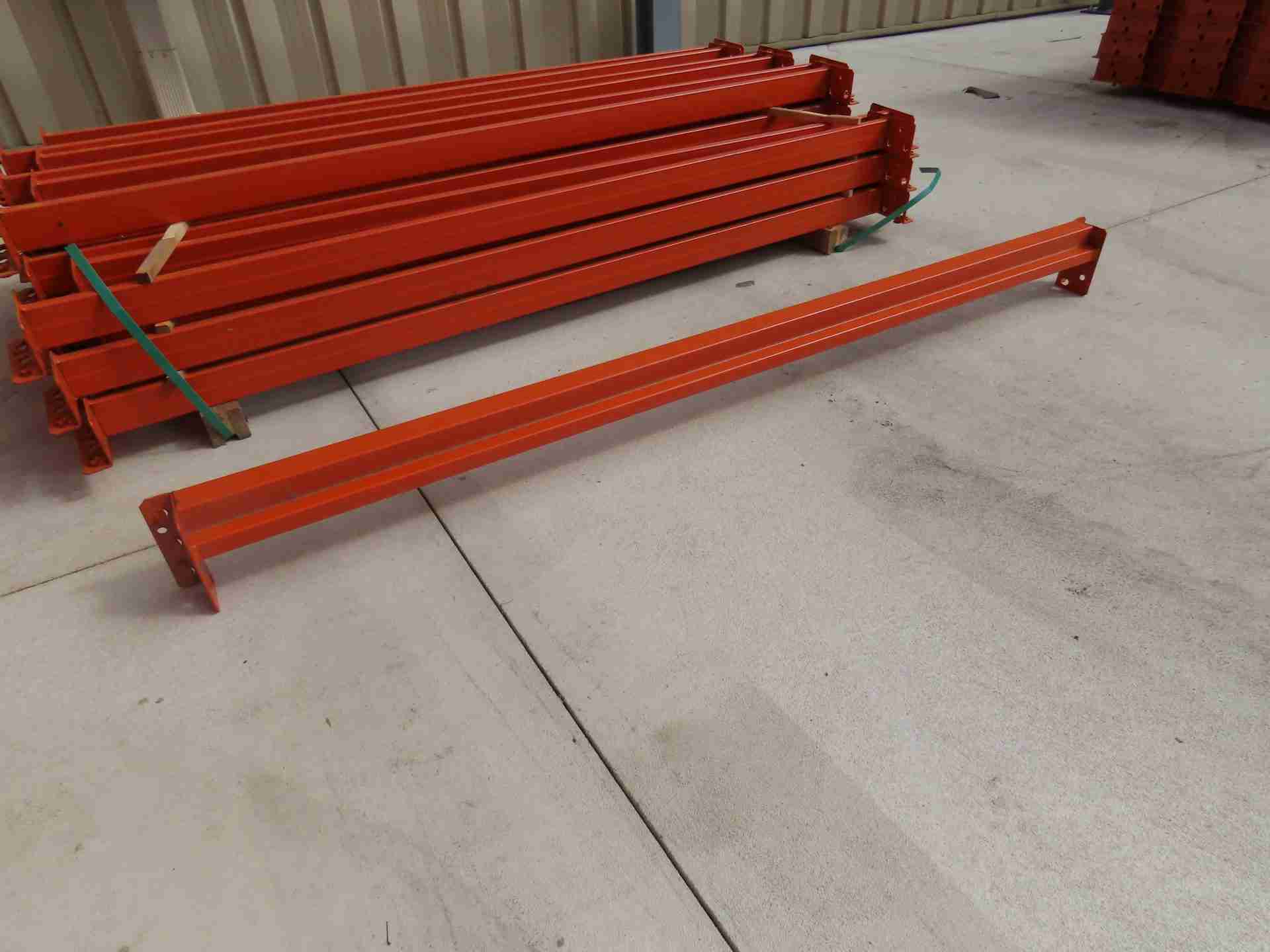
Take, for instance, the two primary designs of cantilever racks: single-sided and double-sided. Single-sided racks are typically easier to access from one side, making them an excellent choice for environments where space is a premium. However, their upright structure may expose them to tipping hazards—especially if overloaded with heavy items. This is where modern cantilever racks have stepped up their game, incorporating stability features like bolted connections and wider base designs, which minimize the risk of accidents.
On the other hand, double-sided racks allow for more efficient storage as they provide access to both sides. However, manufacturers must ensure that these systems are equipped with integrated safety features such as height limiters and reinforced arms to prevent overloading. A recent example can be seen in the response from industry leaders following a notable warehouse incident last fall, where insufficient safety measures led to serious injuries. In response, many companies have begun to adopt enhanced safety protocols, such as load sensors that monitor weight and alert operators when they approach capacity limits.
Another point of variation lies in the materials used in cantilever rack construction. High-strength steel, common in many premium designs, not only provides durability but also contributes to safety. For instance, racks made with heavier gauge materials can better withstand dynamic loads caused by forklifts and other equipment. Conversely, lighter materials may save on costs but potentially compromise safety. Thus, choosing a rack that balances cost-effectiveness with maximum safety should be a priority.
Finally, look at additional safety accessories that can be integrated into cantilever rack systems—things like safety pins, end stops, and protective netting are not just optional add-ons; they are essential for mitigating risks. For instance, safety pins ensure that rack arms remain securely in place, while end stops can prevent items from inadvertently sliding off the rack.
Assessing the safety features of various cantilever rack designs is not just an exercise in compliance; it is an investment in the well-being of your employees and the efficiency of your operations. As the market evolves and new regulations come into play, staying informed and proactive will ensure that your facility remains safe and productive.
How Do Safety Features Vary Across Different Cantilever Rack Designs?
How Do Safety Features Vary Across Different Cantilever Rack Designs?
- Prioritize safety when selecting cantilever racks for warehouses or storage facilities.
- Understand variations in cantilever rack designs, such as single-sided and double-sided racks, to improve operational efficiency and safety.
- Single-sided racks offer easier access but may be prone to tipping hazards if overloaded; modern designs include stability features to enhance safety.
- Double-sided racks allow for efficient storage, but must have integrated safety features like height limiters and reinforced arms.
- Material choice is crucial for safety; high-strength steel provides durability while lighter materials may compromise safety.
- Incorporate safety accessories like safety pins, end stops, and protective netting to mitigate risks associated with cantilever racks.
- Assessing safety features is essential not only for compliance but for investing in employee well-being and operational efficiency.

How Do Safety Features Vary Across Different Cantilever Rack Designs?
Are There Specific Regulations Governing Cantilever Racking Safety?
In the world of warehousing and distribution, safety should never be just an afterthought—it should be a cornerstone of your operations. With cantilever racking increasingly becoming the go-to solution for storing long and bulky items, understanding the regulations that govern their safety is crucial for any business. Not only does compliance protect your workforce, but it also safeguards your investment and enhances your operational efficiency.
Cantilever racking systems, designed for items like lumber, pipes, and furniture, are subject to various national and local regulations. The Occupational Safety and Health Administration (OSHA) provides general guidelines that outline the safe construction and use of racking systems. Compliance with these regulations is not optional—it’s essential. For instance, OSHA mandates that all racks be structurally sound and properly installed. Failure to adhere to these policies can lead to devastating workplace accidents and costly penalties.
Furthermore, the American National Standards Institute (ANSI) has published specific standards for storage racks, including cantilever systems. ANSI/RAI-2008 outlines requirements for design, installation, and maintenance to ensure stability and safety. Regular inspections, a fundamental part of compliance, can prevent dangerous incidents. In 2022, a warehouse in Los Angeles faced significant fines after investigators found multiple cantilever racks that had not been inspected since installation, crippling both their workforce morale and the company’s reputation.
In addition to federal regulations, state and local codes can impose even stricter requirements. For instance, California’s safety regulations, governed by the California Code of Regulations (CCR), require that all racking systems adhere to seismic safety guidelines. This is of utmost importance in earthquake-prone areas, where ensuring stability is not just about safety; it’s about survival. Recent earthquakes have jolted many businesses into taking a serious look at their storage systems and compliance measures.
Being proactive about compliance is about more than just avoiding penalties. It’s about cultivating a culture of safety within your organization. When employees see their company prioritizing safety, they feel more secure and engaged, leading to increased productivity and reduced turnover rates. Include training programs, regular safety audits, and open discussions about warehouse safety in your operational strategy.
Understanding and adhering to the regulations governing cantilever racking safety is not just a legal obligation; it is a strategic advantage that can elevate your warehousing operations. By investing time and resources into compliance, you fortify your business against potential accidents and liabilities while creating a safer and more efficient workplace. Embrace safety regulations as a launching pad for operational success. Your bottom line will thank you.
Are There Specific Regulations Governing Cantilever Racking Safety?
Are There Specific Regulations Governing Cantilever Racking Safety?
- Safety in warehousing and distribution is a fundamental aspect, not an afterthought.
- Cantilever racking is essential for storing long and bulky items, making safety regulations and compliance crucial.
- The Occupational Safety and Health Administration (OSHA) provides guidelines for the safe use of racking systems, mandating structural soundness and proper installation.
- American National Standards Institute (ANSI) standards outline specific requirements for design, installation, and maintenance of cantilever racking systems.
- Regular inspections are vital for compliance and can help avoid workplace accidents and costly penalties.
- State and local codes, such as California’s regulations, can impose stricter safety requirements, especially in earthquake-prone areas.
- Cultivating a safety culture promotes employee engagement and can enhance productivity, making compliance a strategic advantage.

Are There Specific Regulations Governing Cantilever Racking Safety?
What Maintenance Practices Ensure Safety In Cantilever Racking?
When it comes to maximizing vertical space in warehouses and storage facilities, cantilever racking is a tried-and-true champion. However, to ensure safety and longevity, a robust maintenance regimen is paramount. With the rush of e-commerce and the recent surge in warehouse operations, the importance of rigorous maintenance checks has never been more critical, especially with reports like the recent incidents of structural failures in improperly maintained racking systems making headlines.
Regular Inspections: The First Line of Defense
Routine inspections are non-negotiable when it comes to cantilever racking safety. These inspections should focus on identifying any signs of wear and tear, such as bent arms, corroded components, or excessive rust. Establishing a schedule—monthly or quarterly—allows warehouses to preemptively address potential issues. For example, in April 2023, a major retail distributor experienced a considerable delay in operations due to a sudden racking collapse, underscoring the need for proactive inspections.
Employee Training: Empowering Your Team
While structural integrity is crucial, the human element cannot be ignored. Warehouse staff must be adequately trained not only on how to handle stored materials but also on recognizing when something isn’t right. Implementing a continuous training program that emphasizes safety protocols, such as proper loading techniques and weight distribution, keeps safety top of mind. Companies like Amazon have invested heavily in such training, aligning their workforce with best practices to mitigate risks.
Load Management: Know Your Limits
Load management is critical in maintaining the safety of cantilever racks. Each rack has a designated weight limit, and exceeding that can lead to catastrophic failures. Ensure that your team understands how to read load signs and follow the manufacturer’s guidelines rigorously. This is especially relevant in light of global supply chain disruptions, where many are tempted to overload racks to speed up shipments. Remember, a moment’s haste can result in a disaster that halts operations for weeks.
Preventive Maintenance: Schedule Repairs and Upgrades
Beyond inspections, don’t wait for a problem to arise before addressing maintenance. Implement a preventive maintenance schedule that includes regular checks of bolts, braces, and anchors securing the racking system. Consider modern upgrades that can enhance the integrity of your system, such as seismic-rated components if you operate in an earthquake-prone region. The investment in preventive measures can significantly lower the risk of costly accidents.
Ensuring the safety of cantilever racking is an ongoing commitment that requires diligence, training, and a proactive approach. Ignore these practices at your peril; remember that a safe workplace is not just a legal obligation but an essential aspect of operational efficiency. Stay ahead of the curve—protect your assets and workforce with a comprehensive maintenance strategy today!

What Maintenance Practices Ensure Safety In Cantilever Racking?
What Maintenance Practices Ensure Safety In Cantilever Racking?
- Cantilever racking is essential for maximizing vertical space in warehouses and requires robust maintenance for safety and longevity.
- Regular inspections are crucial for identifying signs of wear, with a recommended schedule of monthly or quarterly checks.
- A significant incident in April 2023 highlights the consequences of inadequate maintenance, underscoring the need for proactive inspections.
- Employee training is vital, equipping staff to handle materials properly and recognize safety issues.
- Load management ensures racks are not overloaded, adhering to designated weight limits to prevent structural failures.
- Preventive maintenance should include regular checks and updates, as well as modern upgrades for structural integrity.
- A comprehensive maintenance strategy is critical for operational efficiency and employee safety in warehouse environments.

What Maintenance Practices Ensure Safety In Cantilever Racking?
How Can Load Distribution Affect Cantilever Racking Safety?
In the bustling world of warehousing and distribution, maintaining safety is paramount. One often-overlooked aspect that can drastically influence safety protocols is load distribution in cantilever racking systems. Understanding this critical component not only protects your workforce, but also enhances operational efficiency.
Cantilever racking is an ideal storage solution for long and heavy items, such as lumber or pipe sections. However, like any system, its effectiveness and safety hinge on how evenly and appropriately the load is distributed. Imagine a scenario where heavy materials are stacked unevenly on one side of the rack. This imbalance creates undue stress on one arm of the racking system, which can lead to significant structural failure—an incident that can cause injuries and result in costly downtime.
For example, a recent report from the Occupational Safety and Health Administration (OSHA) highlighted a case in a warehouse where improper load distribution led to a catastrophic collapse of a cantilever rack. The incident resulted in injuries to several employees and a hefty fine for the company involved, serving as a stark reminder that safety should never be compromised.
When loading a cantilever rack, it’s vital to spread weight evenly across all arms. Consider this: when you load a cantilever rack with a 2,000-pound beam, distributing that weight across several arms not only enhances stability but also maximizes the system’s overall load capacity. If the same beam is precariously placed at the edge of one arm, you risk exceeding its capacity and creating a tipping point—one that could have devastating consequences.
Additionally, be aware that environmental factors can exacerbate these risks. For instance, if your facility is in an area prone to earthquakes or high winds, heavy loads must be secured more meticulously than ever. Last year, a manufacturing plant in California experienced a minor quake that caused improperly secured cantilever racks to topple over, resulting in widespread damage and operational delays.
Investing in proper training and load distribution protocols will empower your team to recognize the importance of balanced loading. Regular safety audits can further reinforce these practices, ensuring that everyone understands the stakes. Because when it comes to safety, every detail counts—and balanced load distribution is one of the most critical. In a market driven by efficiency, let safety lead your charge. Ensure that your cantilever rack systems are up to the challenge, safeguarding your workforce and your bottom line.

How Can Load Distribution Affect Cantilever Racking Safety?
How Can Load Distribution Affect Cantilever Racking Safety?
- Maintaining safety in warehousing and distribution is essential, influenced by load distribution in cantilever racking systems.
- Cantilever racking is suited for storing long and heavy items, with effectiveness relying on even load distribution.
- Improper load distribution can cause structural failures and potentially injure workers, leading to costly downtime.
- A report from OSHA highlighted a case where improper load handling resulted in a rack collapse, injuring employees and incurring fines.
- Weight should be spread evenly across all arms of a cantilever rack to enhance stability and maximize load capacity.
- Environmental factors like earthquakes and high winds necessitate careful load securing practices in certain locations.
- Investing in training and conducting regular safety audits can foster a culture of safety and emphasize the importance of balanced loading.

How Can Load Distribution Affect Cantilever Racking Safety?
What Signage And Labeling Are Essential For Safety On Racking?
In the bustling environment of warehouses and distribution centers, the importance of effective signage and labeling cannot be overstated. A well-organized racking system is not just a matter of efficiency; it’s a significant safety concern. With accidents on the rise in various industries—highlighted by recent reports from OSHA that stress the need for improved safety measures—investing in proper signage can mitigate risks and enhance productivity.
1. Clear Hazard Warnings:
First and foremost, every racking system should feature clear hazard warning signs. These signs should indicate potential risks like falling objects or pinch points. For example, utilizing conspicuous yellow caution signs can alert employees to exercise caution in areas where heavy loads are frequently handled. Just last year, a major logistics firm faced costly legal repercussions due to inadequate hazard warnings that contributed to an injury incident. This underlines how a small investment in signage can mean the difference between safety and liability.
2. Load Capacity Labels:
Every shelf in your racking system should display load capacity labels that detail the maximum weight allowed. These labels need to be visible and easy to read from a distance. For instance, brightly colored labels using bold lettering can ensure that no one accidentally exceeds the weight limit, which is a common cause of racking system failures. This proactive approach not only protects employees but also preserves inventory and reduces potential damages.
3. Aisle and Lane Identifiers:
Signage that clearly marks aisles and lanes is crucial for preventing accidents. Directional arrows and lane identifiers help guide forklift operators and pedestrian traffic, minimizing confusion in busy environments. An example of this can be seen at Amazon’s state-of-the-art warehouses, where advanced lane management systems have significantly reduced incidents. Aligning your signage strategy with industry best practices can yield remarkable results.
4. Emergency Information:
Lastly, signage should include emergency exits, fire extinguisher locations, and first-aid stations. Ensuring that employees are aware of safety protocols in emergency situations can save lives. Consider creating color-coded signs that are large enough to be seen from a distance but maintain a clean, professional look. In light of recent natural disasters, where rapid access to emergency information proved crucial, reevaluating your emergency signage can be a pivotal step in enhancing safety culture.
Effective signage and labeling are not just regulatory requirements—they are essential components of a safe, efficient workspace. By investing in these critical elements, businesses not only comply with safety standards but also foster a culture of responsibility and care, ultimately safeguarding their most valuable asset: their workforce.

What Signage And Labeling Are Essential For Safety On Racking?
What Signage And Labeling Are Essential For Safety On Racking?
- Effective signage and labeling in warehouses enhance safety and productivity.
- Clear hazard warning signs should highlight risks like falling objects and pinch points.
- Load capacity labels must be visible on shelves to prevent exceeding weight limits.
- Aisle and lane identifiers guide traffic, reducing accidents in busy environments.
- Emergency signage should indicate exits, fire extinguisher locations, and first-aid stations.
- Investing in signage is essential for compliance with safety regulations and promoting a safety culture.
- Proper signage protects employees and preserves inventory, preventing costly incidents.

What Signage And Labeling Are Essential For Safety On Racking?
How Can Protective Barriers Enhance Safety In Racking Systems?
In the bustling world of warehousing and distribution, safety is not just a priority—it’s a pivotal part of operational success. Enter protective barriers: the unsung heroes of modern racking systems. These formidable safeguards play a crucial role in enhancing safety and minimizing costly accidents, ultimately driving efficiency and profitability.
Imagine your warehouse as a bustling hub where goods are constantly in motion. Here, forklifts whiz by, products are stacked to the ceiling, and every second counts. It’s a high-stakes environment, and one mishap could result in catastrophic injuries or damage to inventory. This is where protective barriers come into play. By strategically placing barriers around racking systems, you create a physical and psychological deterrent that protects employees, equipment, and inventory.
Consider the recent uptick in warehouse expansions post-pandemic. As e-commerce booms, companies are optimizing their storage capacities. Yet, with this expansion, the risk of accidents amplifies. For instance, in 2022, a leading logistics company reported a 30% increase in storage-related incidents during their rapid warehouse expansion phase. By implementing robust protective barriers, they were able to significantly reduce incidents, creating a safer environment while maintaining their high-output objectives.
Protective barriers serve multiple functions. They can prevent forklift collisions with racking systems, thereby safeguarding not just the physical integrity of the racks, but also the workforce navigating around them. Moreover, these barriers can discourage careless behavior, reinforcing a culture of safety that resonates throughout the organization.
Let’s take a closer look at the specific types of barriers available. Steel column protectors and rack safety nets are popular choices that have proven effective in substantially reducing damage from both employee and mechanical interaction. For instance, a recent case study from a major distributor utilizing steel barriers observed a remarkable 40% reduction in rack damage within the first year of implementation. This translates to substantial cost savings—not just in repairs, but also in the avoidance of potential liability claims stemming from workplace accidents.
Today’s business landscape demands adaptability and foresight. The effective integration of protective barriers into your racking systems isn’t merely a safety tactic; it’s a smart business investment. By prioritizing safety through these physical measures, you protect your most valuable assets: your employees and your inventory. As the industry evolves, ensuring a safe working environment is not just best practice; it’s a competitive advantage. Embrace protective barriers, and watch your operational safety and efficiency soar.

How Can Protective Barriers Enhance Safety In Racking Systems?
How Can Protective Barriers Enhance Safety In Racking Systems?
- Safety is essential for operational success in warehousing and distribution.
- Protective barriers are key safeguards in modern racking systems that enhance safety and reduce accidents.
- Accidents can lead to severe injuries or inventory damage, highlighting the importance of protective barriers.
- Post-pandemic warehouse expansions have increased risks, with reports of a 30% rise in storage-related incidents in 2022.
- Protective barriers can prevent forklift collisions and promote a culture of safety within organizations.
- Types of effective barriers include steel column protectors and rack safety nets, which can significantly reduce damage.
- Implementing protective barriers is a strategic investment in safety that enhances operational efficiency and competitiveness.

How Can Protective Barriers Enhance Safety In Racking Systems?
What Impact Does Rack Placement Have On Overall Safety?
In the world of warehouse and industrial operations, the layout is not merely an aesthetic choice; it’s a critical factor that can make or break safety standards. Improper rack placement not only hinders productivity but also poses significant risks that could lead to accidents, injuries, and costly liabilities.
Imagine a scenario where high-rise pallet racks are positioned too close to pedestrian walkways. Within days, you might witness near misses as forklifts whiz by or storage items topple over due to inadequate clearance. In September 2023, a well-known logistics company faced backlash when a lack of designated pathways and poorly placed racks led to injuries during peak shipping times. This incident serves as a stark reminder that safety must be prioritized from the outset.
When implementing a rack placement strategy, consider traffic patterns. High traffic zones should be easily accessible, allowing smooth navigation for both vehicles and workers. For example, a major retail distribution center recently revamped its layout after conducting a thorough risk assessment. They repositioned their racks to create wider aisles and improve visibility, leading to a remarkable 40% reduction in incidents involving employee injuries over just six months.
Moreover, contrasting rack heights can create blind spots. If high racks block the view of lower inventory areas, an operator might miss a coworker crossing an aisle. Consider a recent case where an employee was injured because a high stack of boxes obstructed a driver’s line of sight during a routine operation. This highlights the consequences of neglecting visual safety. It’s essential to ensure that your rack placement allows for clear lines of sight throughout the workspace.
Additionally, think about the seismic safety implications of your rack configurations. In regions prone to earthquakes, the alignment, spacing, and anchorage of racks can mean the difference between falling debris and a secure structure. Following the major earthquakes in late 2022, several facilities found themselves needing to rethink their storage solutions in order to comply with new safety regulations. By adopting an earthquake-resistant rack placement strategy, they not only enhanced workplace safety but also gained peace of mind.
Rack placement goes far beyond simple logistics; it is a fundamental aspect of workplace safety that requires careful consideration and planning. By prioritizing safe rack configurations and staying informed about industry best practices, businesses set themselves up for success – maximizing productivity while minimizing risk. As the adage goes, “An ounce of prevention is worth a pound of cure,” and in the case of safety, that ounce might just come from strategic rack placement.

What Impact Does Rack Placement Have On Overall Safety?
What Impact Does Rack Placement Have On Overall Safety?
- The layout of warehouse and industrial operations is crucial for maintaining safety standards.
- Improper rack placement increases the risk of accidents, injuries, and liabilities.
- High-rise pallet racks positioned near pedestrian walkways can cause near misses and safety hazards.
- A logistics company faced backlash in September 2023 due to safety issues from poor rack placement.
- Assessing traffic patterns and creating wider aisles can significantly reduce workplace incidents.
- Contrasting rack heights can obscure visibility, leading to potential accidents in the workspace.
- In earthquake-prone regions, proper rack alignment and anchorage are essential for safety compliance.

What Impact Does Rack Placement Have On Overall Safety?
How Do Environmental Factors Influence Cantilever Rack Safety?
When it comes to industrial warehouses and retail environments, the safety of cantilever racks is paramount. Yet, the often-overlooked factor in ensuring this safety is the environment in which these racks operate. Understanding how environmental factors influence cantilever rack safety can not only safeguard your workforce but also enhance productivity and reduce costly accidents.
Consider temperature variances. Extreme heat or cold can have a direct impact on the materials used in cantilever racks. Steel, the backbone of most racking systems, can become brittle in freezing temperatures or warp under excessive heat. For instance, if you operate in a region with wild temperature fluctuations—like the Midwest—you need to consider these stresses when designing your storage solutions. Regular inspections and maintenance checks can prevent structural failures that could lead to accidents.
Next, let’s discuss humidity, a silent enemy when it comes to cantilever rack safety. High humidity levels can promote corrosion, especially if the racks are made of less durable materials. During the summer months, consider how the humid environment of a coastal warehouse could compromise the integrity of your storage systems. Businesses are wise to invest in stainless steel or coated racks to ensure longevity and durability in such conditions.
Furthermore, the surrounding workspace plays a crucial role. Busy, cluttered environments can elevate the risk of accidents. For instance, if your warehouse layout doesn’t allow for sufficient maneuverability, workers may unintentionally destabilize racks while navigating forklift traffic. In this case, implementing a streamlined, well-thought-out layout can reduce accidents and increase overall safety.
Don’t overlook the impact of local regulations and compliance standards. Recent changes, like California’s new warehouse regulations necessitating improved structural inspections, highlight the urgency for businesses to adapt to the evolving legal landscape. Falling behind on compliance not only risks hefty fines but also puts employee safety at stake.
Finally, consider natural disasters. Regions prone to earthquakes or hurricanes must take extra precautions regarding cantilever rack safety. Companies like Target and Walmart have invested in seismic bracing for their racks to mitigate damage during such events. Your business can’t afford to wait until an event happens; proactive measures like reinforcing structures can save you from catastrophic losses.
Environmental factors play a significant role in cantilever rack safety. By assessing temperature, humidity, workspace layout, compliance, and local natural disasters, businesses can create a secure environment that prioritizes safety and efficiency, turning a potential risk into a competitive advantage.

How Do Environmental Factors Influence Cantilever Rack Safety?
How Do Environmental Factors Influence Cantilever Rack Safety?
- The safety of cantilever racks in warehouses and retail environments is heavily influenced by their operating environment.
- Temperature fluctuations can affect the materials used in cantilever racks, leading to brittleness in cold or warping in heat.
- Humidity can cause corrosion in racks made from less durable materials, making stainless steel or coated racks a better investment.
- A cluttered workspace can increase accident risk; a well-thought-out layout helps improve safety and maneuverability.
- Businesses must stay updated on local regulations and compliance standards to avoid fines and ensure employee safety.
- Regions prone to natural disasters require additional safety precautions, such as seismic bracing for cantilever racks.
- Assessing environmental factors can transform potential risks into competitive advantages by enhancing safety and efficiency.

How Do Environmental Factors Influence Cantilever Rack Safety?
Conclusion
In the dynamic world of warehousing, safety is not just a choice—it is an absolute necessity, particularly when it comes to cantilever racking systems. These sturdy structures serve as the backbone for efficient storage of long and heavy items, yet they come with a host of potential hazards if not managed correctly. As outlined in this comprehensive discussion, ensuring the safety of your cantilever racks can be accomplished through several critical strategies: sturdy construction, regular inspections, proper training, effective load management, and well-designed safety features.
At the forefront of safety is the use of high-quality materials that can withstand the rigors of a busy industrial environment. Investing in durable racks bolstered by preventive measures, such as rigorous inspection schedules and maintenance practices, can dramatically reduce the likelihood of accidents, safeguarding both your workforce and your bottom line. The alarming reality is that failure to adhere to safety standards can result in severe liabilities, as has been noted in numerous unfortunate incidents across the industry.
Moreover, incorporating automatic safety features, load limit indicators, and protective barriers can significantly mitigate risks associated with overloading and mishandling. Understanding and adhering to load capacities, coupled with a sound training program for your staff, empowers your team to recognize potential hazards and take proactive steps to prevent them.
Don’t overlook the importance of clear signage and strategic rack placement, which play vital roles in enhancing visibility and creating a safety-conscious culture within your organization. By communicating risks effectively, directing employee behavior, and ensuring operational compliance, you can create an environment that prioritizes safety at every level.
Now is the time to act! At Arrow Industrial Sales, we are dedicated to helping you explore your options for cantilever racking systems equipped with the best safety features on the market. Why wait for an accident to remind you of the importance of safety? Call us today at (574) 349-6575 to learn more about how our solutions can protect your workforce, reduce liability, and ensure operational efficiency. Remember, investing in safety is not just about compliance—it’s about building a reputation of excellence in your industry. Don’t let this opportunity slip away; enhance your warehouse safety today!

Conclusion
Conclusion:
- Safety is essential in warehousing, especially for cantilever racking systems.
- Key strategies for safety include sturdy construction, regular inspections, proper training, load management, and safety features.
- High-quality materials enhance safety and durability in industrial environments.
- Regular inspections and maintenance reduce the risk of accidents and liabilities.
- Automatic safety features and load limit indicators help prevent overloading and mishandling.
- Effective signage and strategic rack placement improve visibility and promote a safety-conscious culture.
- Contact Arrow Industrial Sales to explore cantilever racking systems with advanced safety features and enhance your warehouse safety.

Conclusion
Other Resources

Other Resources
Here is a list of other resources you can review online to learn more:
- “New Cantilever Rack Systems for Sale”
- “All You Need to Know About Heavy Duty Cantilever Rack …”
- “1926.250 – General requirements for storage.”
- “Cantilever Racks”
- “DISRUPTION IN THE SUPPLY CHAIN”
- “MHI – The Industry That Makes Supply Chains Work”
- “Inside Logistics – June 2024 by Annex Business Media”

Other Resources
Glossary Terms
What Safety Features Are Essential In Cantilever Racking Systems? – Glossary Of Terms
1. Cantilever Rack: A type of storage system designed with arms and vertical supports to hold long, bulky items like lumber and pipes.
2. Load Capacity: The maximum weight a cantilever rack can support, critical for ensuring safety and stability.
3. Base Stabilizer: A safety component that adds stability to the base of the cantilever rack, preventing tipping.
4. Aisle Width: The distance between rows of racking, which must be adequate for safe movement of forklifts or personnel.
5. Column: Vertical support structures of the cantilever rack that bear the weight of the stored materials.
6. Arm Length: The distance from the vertical column to the end of the cantilever arm, affecting load distribution and stability.
7. Safety Locking Mechanism: Devices that secure adjustable arms to prevent accidental dislodgement.
8. Cross Bracing: Diagonal supports between vertical columns that increase stability and resistance to lateral movement.
9. Safety Labeling: Labels that indicate load limits, safety precautions, and operational instructions on the racking system.
10. Height Restrictions: Guidelines on the maximum height of racking to prevent instability and ensure safety during loading and unloading.
11. Tilt Stability: The ability of a racking system to resist tipping or leaning, crucial for safety during operation.
12. End-of-Aisle Protectors: Barriers at the end of a rack aisle designed to protect racks from accidental collisions with vehicles.
13. Load Distribution: The even distribution of weight across the cantilever arms to prevent bending or overload on any single point.
14. Forklift Compatibility: Adaptations in racking design to ensure safe operation with forklifts or other material handling equipment.
15. Regular Inspections: Scheduled assessments of the racking system to identify and rectify any safety hazards or structural issues.
16. Load Barriers: Safety features that prevent items from falling off the rack, ensuring the safety of personnel below.
17. Non-Slip Surface: Texture applied to rack surfaces to prevent items from slipping during loading or unloading.
18. Vertical Tie Connections: Additional connections that enhance the structural integrity between vertical columns in a racking system.
19. Reinforced Arms: Arms designed with additional strength to handle heavier loads and reduce risk of damage.
20. Adjustable Shelving: The ability to modify arm heights to accommodate various sizes of materials safely.
21. Anti-Collision Systems: Technology used to detect and prevent potential collisions with racking structures during operation.
22. Weight Indicators: Devices or markings that inform operators of the load weight being placed on the rack arms.
23. Emergency Shutoff: A mechanism that quickly disables racking systems in case of an emergency during operation.
24. Training and Certification: Programs designed to educate operators about safe practices and regulations related to cantilever rack systems.
25. Material Compatibility: Considerations on the types of materials that can be safely stored on cantilever racks without compromising safety.
26. Environmental Conditions: Factors such as temperature and humidity that may affect the integrity of the materials stored in the racking system.
27. Upright Protectors: Protective barriers installed at the base of rack columns to prevent damage from forklifts or other equipment.
28. Dynamic Loading: Load conditions resulting from moving items which can impact the stability and safety of the rack system.
29. Pallet Supports: Additional supports placed on cantilever arms specifically designed for palletized loads.
30. Regulatory Compliance: Adherence to safety standards and regulations set by organizations for the storage and handling of materials in racking systems.

Glossary Of Terms
Other Questions
What Safety Features Are Essential In Cantilever Racking Systems? – Other Questions
If you wish to explore and discover more, consider looking for answers to these questions:
- What are the specific load limits for various cantilever racking systems?
- How often should cantilever racking systems be inspected?
- What are the signs of a damaged cantilever rack?
- What training programs are available for employees using cantilever racking systems?
- How can companies implement a culture of safety regarding cantilever racking?
- What are the best practices for loading and unloading cantilever racks?
- How do environmental factors like humidity and temperature affect cantilever racking safety?
- What kind of protective barriers are most effective for cantilever racks?
- What are the differences between single-sided and double-sided cantilever racks in terms of safety features?
- How can manufacturers improve safety certifications for cantilever racks?
- What additional safety technologies can be integrated into cantilever racking systems?
- How do different industries approach safety in cantilever racking systems?
- What is the role of maintenance in prolonging the life of cantilever racking systems?
- Are there specific regulations or codes applicable to cantilever racked items?
- What impact do human errors have on cantilever racking safety?

Other Questions
Checklist
What Safety Features Are Essential In Cantilever Racking Systems? – A Checklist
1. Sturdy Construction Materials
_____ Ensure racks are made from high-quality steel.
_____ Verify that materials meet industry standards for heavy loads.
_____ Regularly assess materials for wear and tear.
2. Load Limit Indicators
_____ Install clear load limit indicators on each rack.
_____ Ensure visibility from a distance to remind workers of weight constraints.
_____ Educate staff on load limits associated with each rack.
3. Adequate Safety Bracing
_____ Check for diagonal and vertical bracing in racking systems.
_____ Conduct regular inspections to confirm stability features are intact.
_____ Reinforce bracing based on anticipated load stress.
4. Protective Barriers
_____ Implement protective barriers around racks to prevent item falls.
_____ Use barriers designed to absorb shocks.
_____ Regularly inspect barriers for effectiveness and damage.
5. Regular Inspections and Maintenance
_____ Schedule routine visual inspections (monthly or quarterly).
_____ Include load testing as part of maintenance.
_____ Engage professionals for thorough structural integrity assessments annually.
6. Enhanced Accessibility and Visibility
_____ Ensure a clear line of sight for both storage and pathways.
_____ Design aisles that are wide enough for safe navigation by forklifts.
_____ Avoid high stacks that may block visibility.
7. Adjustable Arms and Versatility
_____ Verify that arms are adjustable to fit various product dimensions.
_____ Train staff on adjusting arms for safe and precise load storage.
_____ Assess the need for additional arms based on inventory changes.
8. End Stop Features
_____ Ensure end stops are installed on all racks to prevent item sliding.
_____ Regularly check end stops for functionality and proper attachment.
_____ Train employees on the importance of using end stops.
9. Compliance with Safety Standards
_____ Familiarize yourself with OSHA and ANSI standards for racking systems.
_____ Conduct compliance checks regularly to prevent violations.
_____ Document all inspections and compliance measures taken.
10. Proper Training for Employees
_____ Implement comprehensive training programs on cantilever rack usage.
_____ Highlight the importance of load management and safety protocols.
_____ Foster a safety-first culture through ongoing education.
11. Effective Signage and Labeling
_____ Use clear hazard warnings and load capacity labels on racks.
_____ Clearly mark aisles and lanes to guide forklift operators.
_____ Include emergency information on signage for immediate access.
12. Environmental Considerations
_____ Assess the impact of temperature and humidity on racking materials.
_____ Create emergency plans for natural disasters in high-risk regions.
_____ Monitor local regulations and enhance racking designs for compliance.
13. Rack Placement and Layout
_____ Strategically place racks to promote optimal traffic flow.
_____ Ensure high racks do not obstruct visibility and create dangerous blind spots.
_____ Reassess layout frequently, especially during peak operational periods.
This checklist serves as a guide to incorporate essential safety features into cantilever racking systems, minimizing risks and enhancing overall safety in your operation.

Checklist
At RackingWorld, we help guide you through selecting warehouse storage systems and racking.
Be sure to read our other related stories at RackingWorld to learn more about warehouse storage systems.
0 Comments