
Maximizing Storage Efficiency With Cantilever Racking
By Tom Seest
At RackingWorld, we help guide you through selecting warehouse storage systems and racking.
Be sure to read our other related stories at RackingWorld to learn more about warehouse storage systems.
Is Cantilever Racking The Key to Organizing Irregular-Shaped Items?
In our fast-paced world, where efficiency and organization often dictate success, businesses must adopt innovative solutions to manage their inventory effectively. Enter cantilever racking: a game-changing storage system that has transformed the way we handle irregular-shaped items. If you’re grappling with the chaos of oversized lumber, bulky furniture, or unconventional industrial equipment, cantilever racking may just be the solution you’ve been seeking.
Imagine a construction supply store overwhelmed with stacked wood, metal pipes, and assorted building materials. Traditional shelving may fall short when accommodating varying lengths and unpredictable shapes—but cantilever racking takes these challenges head-on. With its adjustable arms and open design, this type of racking allows easy access and organized storage for items that don’t fit neatly into standard shelving units. Think about a recent surge in home improvement projects during the pandemic; as homeowners turned to DIY endeavors, supply chains struggled to keep up with the demand for non-standard materials. Businesses implementing cantilever racking systems thrived, optimizing their space and managing inventory effectively.
Let’s consider another example: furniture manufacturers. They frequently deal with irregularly shaped goods, from oversized sofas to sprawling dining tables. A company can capitalize on the advantages of cantilever racking by reimagining their warehouse layout. With strategic placement of cantilever racks, they can increase visibility, accessibility, and flow, allowing for quick inventory checks and faster order fulfillment. In today’s instant delivery age, this increased speed can set a business apart from competitors.
Furthermore, consider industries like boating and automotive. Boats, engines, and parts come in all shapes and sizes—often cumbersome and heavy. Here, cantilever racking shines. By utilizing vertical space and offering customized storage solutions, businesses can create a tidy and efficient warehouse environment that reflects professionalism, which resonates with today’s consumers who value organization and reliability.
In an era where every inch of space counts, leveraging cantilever racking can vastly improve how irregular-shaped items are stored and accessed. The cost savings from increased efficiency alone can lead to smarter inventory management and, ultimately, a healthier bottom line. So, if you’re looking to elevate your business’s organizational game, don’t overlook the transformative power of cantilever racking. In a time when every advantage counts, could this be the key to streamlining your operations? The answer is yes—because when it comes to managing inventory, innovation is the name of the game.
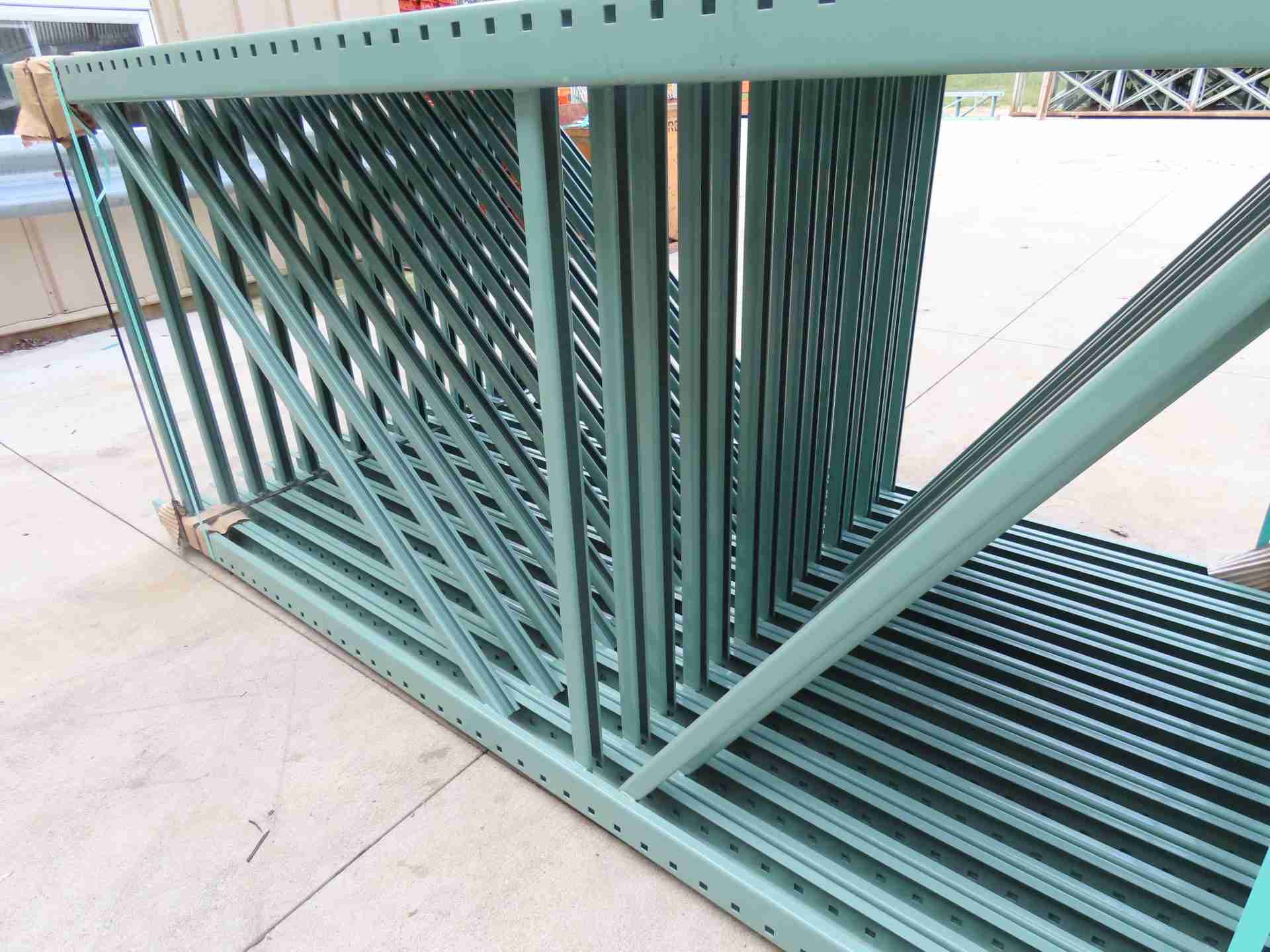
Is Cantilever Racking The Key to Organizing Irregular-Shaped Items?
Is Cantilever Racking The Key to Organizing Irregular-Shaped Items?
- Cantilever racking is an innovative storage solution for managing irregular-shaped items in business.
- Traditional shelving may be inadequate for oversized or unconventional materials like lumber and furniture.
- Cantilever racking features adjustable arms and an open design for easy access and organized storage.
- Businesses utilizing cantilever racking experienced benefits during increased demand for non-standard materials during the pandemic.
- Furniture manufacturers can enhance visibility and accessibility in their warehouses with cantilever racking.
- Industries such as boating and automotive can optimize their storage by utilizing vertical space with cantilever racking.
- Cantilever racking leads to improved inventory management, organizational efficiency, and cost savings for businesses.
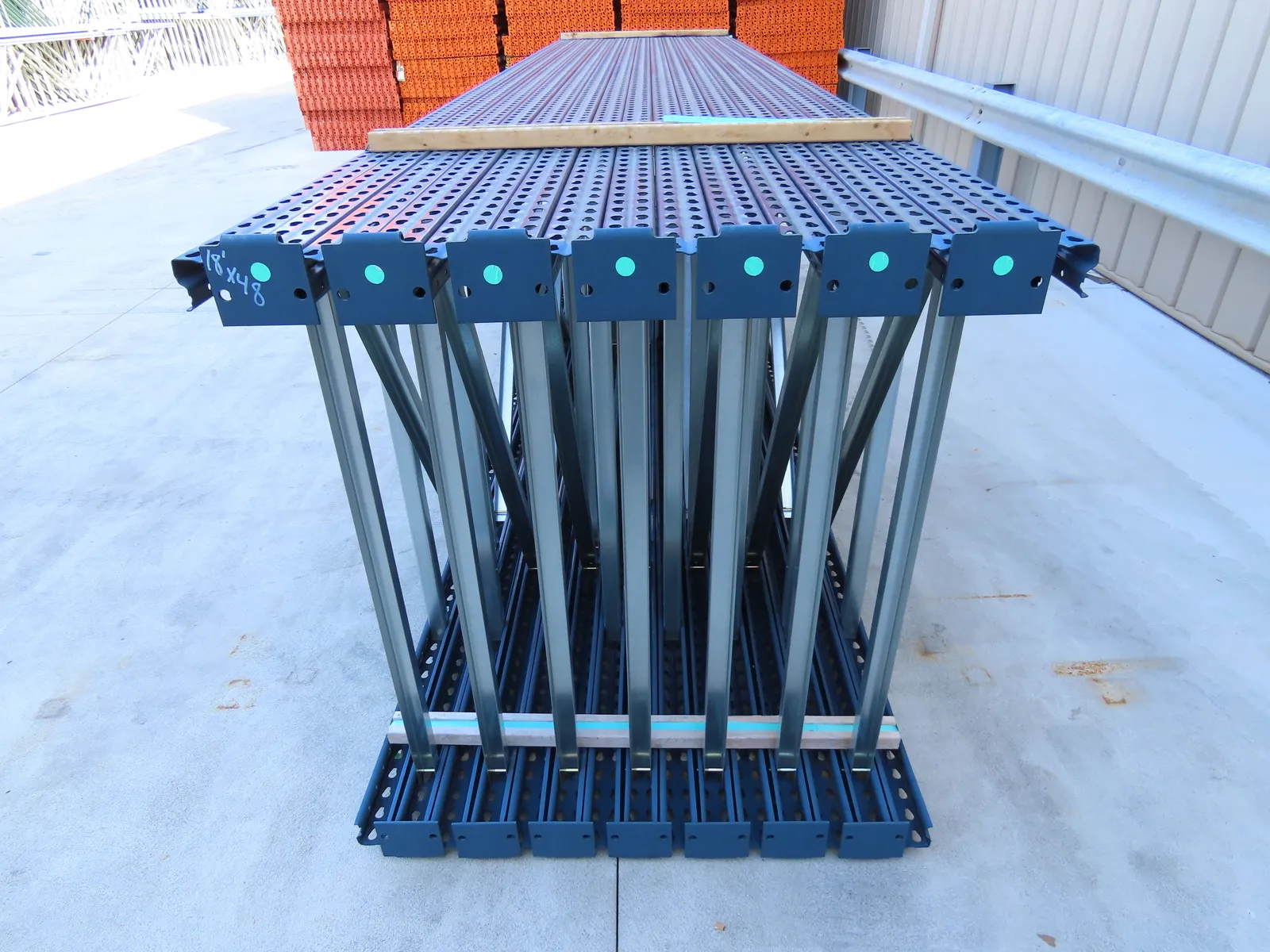
Is Cantilever Racking The Key to Organizing Irregular-Shaped Items?
Table Of Contents
- Is Cantilever Racking The Key to Organizing Irregular-Shaped Items?
- What Are The Benefits Of Cantilever Racking For Irregular Items?
- How Does Cantilever Racking Work For Various Shapes?
- What Types Of Items Are Best Suited For Cantilever Racking?
- Can Cantilever Racking Improve Warehouse Efficiency And Space?
- What Are The Cost Considerations For Installing Cantilever Racking?
- How To Properly Maintain Cantilever Racking Systems Over Time?
- Are There Safety Concerns With Using Cantilever Racking?
- What Customization Options Are Available For Cantilever Racking?
- How Does Cantilever Racking Compare To Other Storage Solutions?
- What Industries Benefit Most From Cantilever Racking Systems?
- Conclusion
- Other Resources
- Glossary Of Terms
- Other Questions
- Checklist
What Are The Benefits Of Cantilever Racking For Irregular Items?
When it comes to maximizing storage efficiency, few solutions stand out quite like cantilever racking, especially for businesses that deal with irregularly shaped items. Ever struggled to stack oversized furniture or awkward pipes? You’re not alone. As industries continuously evolve, so do storage needs. Here’s why cantilever racking is your secret weapon for irregular items.
Flexibility is Key
One of the primary benefits of cantilever racking is its unparalleled versatility. Traditional pallet racking often falls short when faced with items that don’t fit the mold—think long steel beams, heavy machinery parts, or even furniture. Cantilever racks are specifically designed with horizontal arms that can be adjusted to accommodate these unconventional shapes, giving you the flexibility to maximize vertical space. Imagine a lumber yard where bulky beams are stored upright, neatly organized, and easily accessible—every inch of space speaking efficiency.
Enhanced Safety and Accessibility
Another significant advantage is the safety it provides. Irregular items can often be unwieldy, increasing the risk of accidents. Cantilever racking keeps these items stored in a way that minimizes hazards. By allowing for better distribution of weight and easier access, you create a workspace that promotes safety. Recently, a construction supply company that adopted cantilever racking reported a 20% reduction in workplace accidents related to item handling—proving that a well-organized environment can directly impact safety and productivity.
Cost-Effectiveness
From a financial standpoint, cantilever racking is a cost-effective choice for businesses handling irregular items. The ability to store more product in less space means reduced leasing costs for warehouse space. Moreover, with the increased efficiency of your warehouse operations, you’ll find that labor costs decrease as employees spend less time maneuvering through cluttered aisles. The ongoing supply chain challenges—like those seen with recent global shipping disruptions—only amplify the importance of utilizing every square foot of your storage area effectively.
Aesthetic Appeal
Lastly, let’s not overlook presentation. A clean, organized warehouse emits an air of professionalism that helps build trust with clients and suppliers alike. When visitors see your facility optimally utilizing cantilever racking, they know they’re dealing with a serious business. Companies often overlook the image they project, but a neat storage solution speaks volumes.
Integrating cantilever racking into your operations for handling irregular items isn’t just a smart business decision—it’s a declaration of efficiency, safety, and professionalism. In a world where adaptability is a prized asset, cantilever racking stands tall (pun intended) as a top-tier storage solution. Don’t just store—store smart!
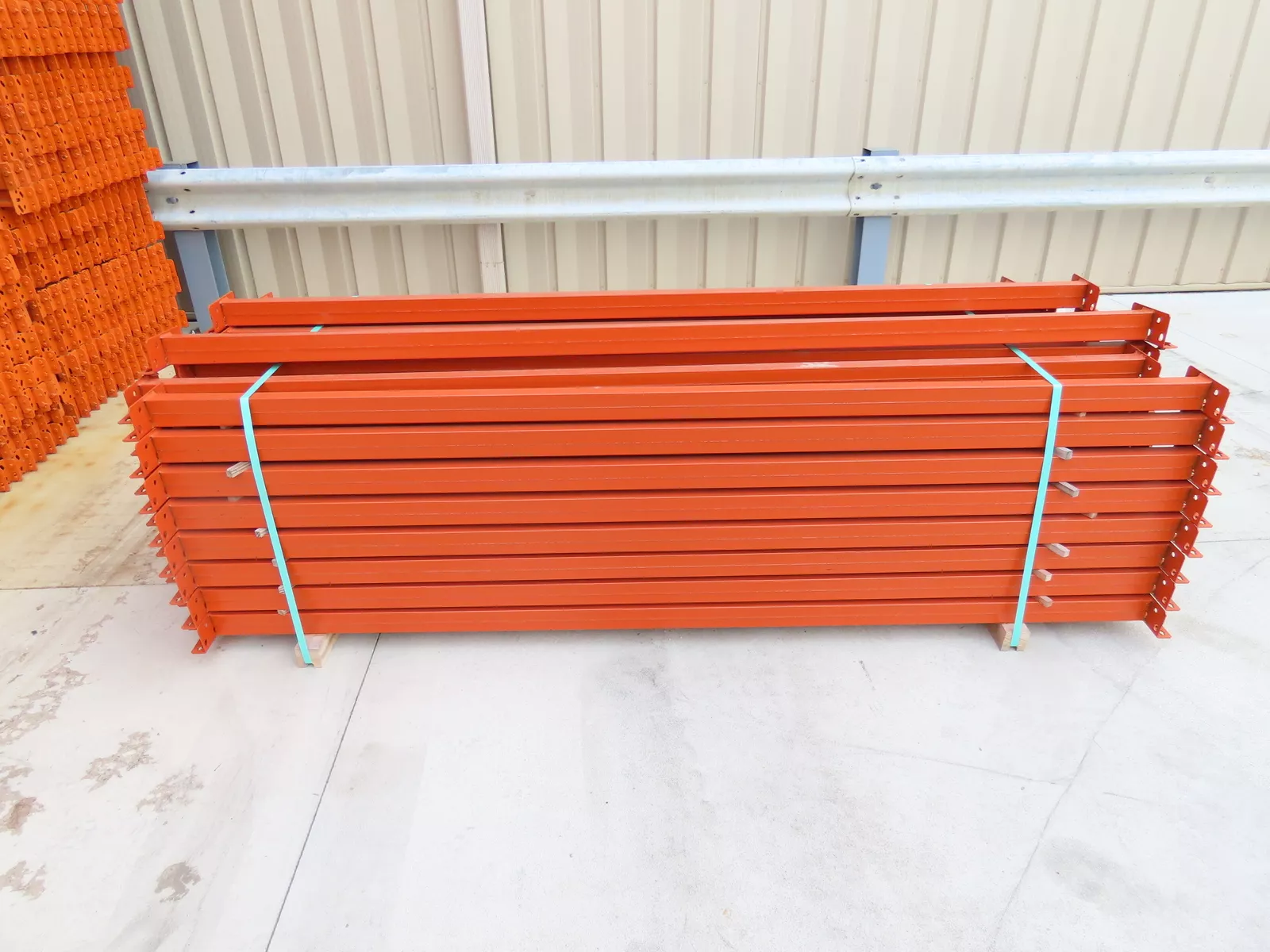
What Are The Benefits Of Cantilever Racking For Irregular Items?
What Are The Benefits Of Cantilever Racking For Irregular Items?
- Cantilever racking maximizes storage efficiency for irregularly shaped items.
- Offers unparalleled versatility, accommodating long and bulky items with adjustable horizontal arms.
- Improves safety by minimizing hazards and better distributing weight for easier access.
- Reported reductions in workplace accidents, enhancing productivity in organized environments.
- Cost-effective by maximizing space and reducing leasing and labor costs.
- Aesthetic appeal projects professionalism, building trust with clients and suppliers.
- Integrating cantilever racking boosts efficiency, safety, and professionalism in operations.
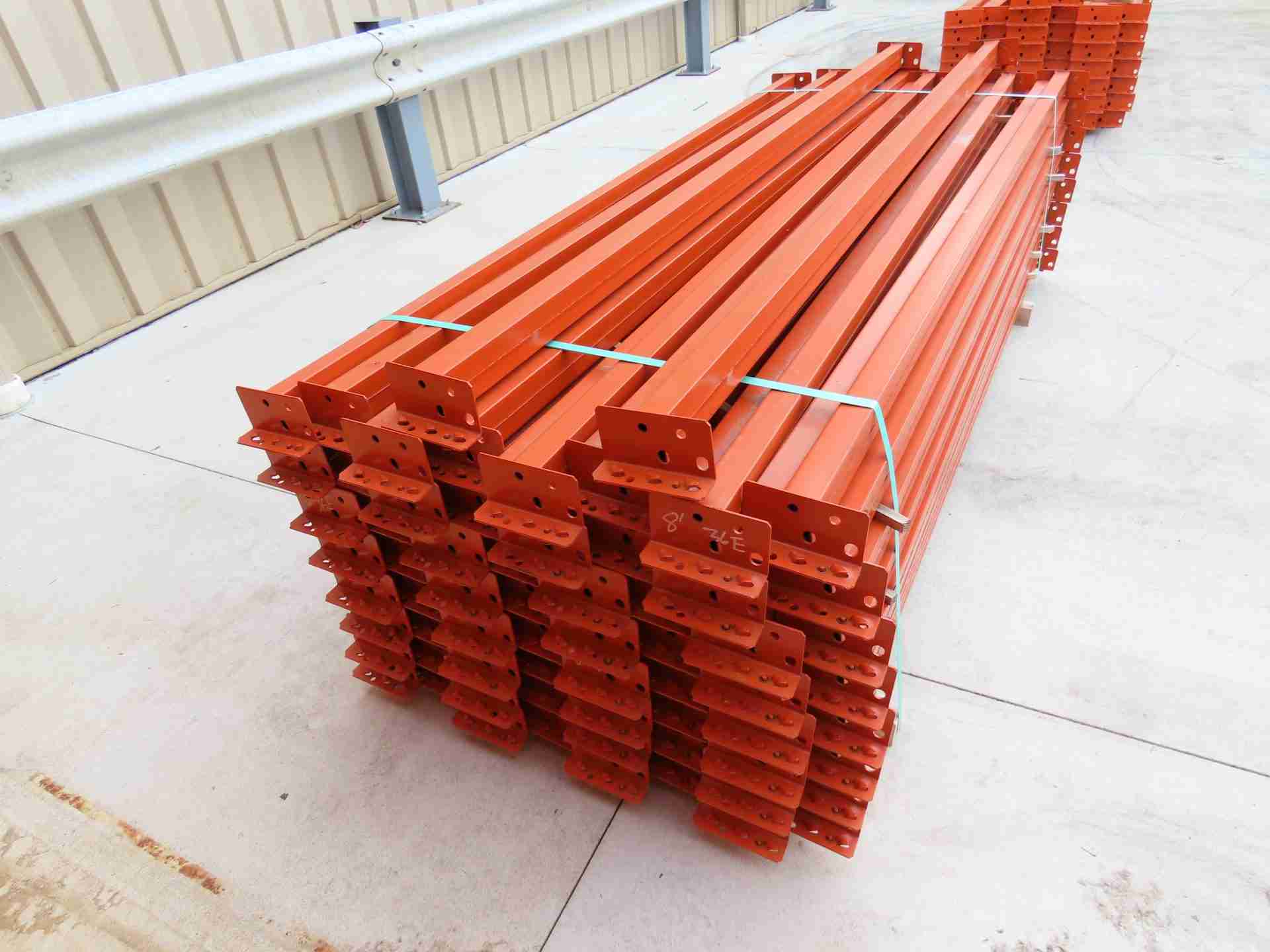
What Are The Benefits Of Cantilever Racking For Irregular Items?
How Does Cantilever Racking Work For Various Shapes?
When it comes to maximizing warehouse space and optimizing inventory management, cantilever racking is at the forefront of innovative storage solutions. This ingenious system is designed to accommodate a multitude of shapes, each with its own unique storage needs, making it an invaluable asset for businesses across diverse industries.
Picture this: You’re managing a lumber yard, where long, heavy planks need to be stored efficiently. Traditional shelving simply doesn’t cut it. Enter cantilever racking. Its upright columns and extendable arms provide the perfect solution for storing long, awkwardly-shaped items. The design allows for beams of varying lengths to support these items without the risk of sagging or collapse. With businesses currently grappling with supply chain disruptions and high inventory turnover due to global trends, ensuring effortless access to materials is more critical than ever. Cantilever racking shines here, offering both efficiency and safety.
Now, let’s shift gears to another industry—manufacturing. For companies that deal in irregular shapes, such as metal tubes or coils, flexibility is key. Cantilever racks are customizable. They can be adjusted in height, width, and load capacity, making them ideal for storing both lightweight and heavy components. For instance, the automotive sector is witnessing a shift toward more complex supply chains and lean inventory practices. With a cantilever racking system, manufacturers can have their inventory organized in a way that enhances productivity and speeds up assembly lines, meeting customer demand in real-time.
Retailers can also leverage cantilever racking to showcase products of various shapes. For example, furniture stores can display different styles and designs side by side without cluttering the floor space. By using cantilever racks, these establishments can create visually appealing arrangements that streamline the shopping experience, allowing customers to navigate effortlessly.
Moreover, the ongoing trend of sustainability means that businesses are increasingly seeking storage solutions that conserve space and resources. Cantilever racking supports this ethos. By maximizing vertical space, businesses can reduce their footprint, ultimately contributing to greener operations.
Whether you are in construction, manufacturing, or retail, cantilever racking presents adaptable storage solutions tailored to diverse inventory shapes. As current global events reveal the importance of efficiency in the wake of ongoing disruptions, investing in a cantilever racking system is not just a smart move—it’s a strategic one that can propel your business forward.
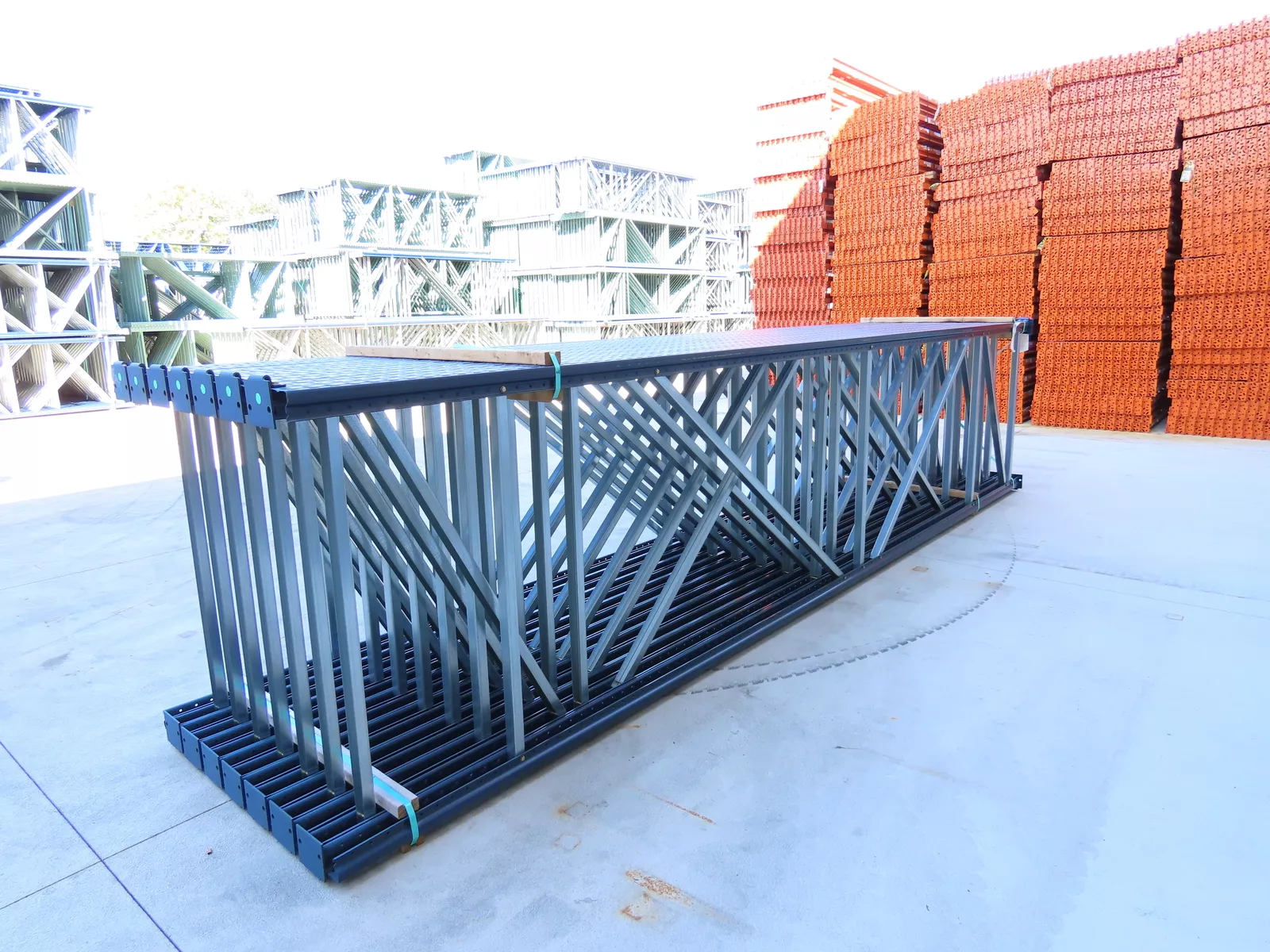
How Does Cantilever Racking Work For Various Shapes?
How Does Cantilever Racking Work For Various Shapes?
- Cantilever racking is an innovative storage solution that maximizes warehouse space and optimizes inventory management.
- It accommodates various shapes and sizes, making it essential for different industries, such as lumber yards and manufacturing.
- This system features upright columns and extendable arms, providing safe storage for long and awkwardly-shaped items.
- Cantilever racks are customizable in height, width, and load capacity, ideal for handling irregular shapes like metal tubes and coils.
- Retailers benefit from cantilever racking by showcasing products neatly, enhancing the shopping experience for customers.
- The design promotes sustainability by maximizing vertical space and reducing the overall footprint of businesses.
- Investing in cantilever racking is a strategic move for businesses looking to improve efficiency amidst global supply chain challenges.

How Does Cantilever Racking Work For Various Shapes?
What Types Of Items Are Best Suited For Cantilever Racking?
Navigating the world of warehouse organization can feel like solving a complex puzzle, especially when it comes to choosing the right racking system. If you’re looking to optimize your storage space and efficiency, cantilever racking stands out as a top-tier solution. But not all items are created equally when it comes to this versatile system. Let’s break down what types of items are best suited for cantilever racking, ensuring your investment pays off.
Long and Bulky Items
The hallmark of cantilever racking lies in its design—arms extending from a single vertical structure allow for the secure storage of long, bulky items. Think of materials like lumber, pipes, and metal sheets. Recent surges in the construction industry, driven by a rise in housing starts and infrastructure projects, have created an increased demand for such materials.
By utilizing cantilever racks, businesses can manage their inventory of these lengthy materials without compromising safety or accessibility. The open design means that you can easily glide these items in and out without the hassle of traditional shelving systems getting in the way.
Oversized Products
Items that don’t conform to standard dimensions, such as furniture or large appliances, also thrive in a cantilever racking environment. Large-scale retailers, particularly in the e-commerce sector, are increasingly adopting these racks to handle oversized products. The ease of access allows for quicker order fulfillment, a crucial factor as consumers grow more impatient for rapid delivery—especially highlighted during recent holiday shopping seasons, where “same-day delivery” has become a standard expectation.
Heavy Loads
One of cantilever racking’s signature strengths is its ability to bear substantial weight. From machinery parts to pallets of industrial goods, thick arms and robust vertical supports provide the strength needed to keep heavy loads secure. With recent supply chain challenges shaking up industries, businesses that manage heavy inventory need a system that provides reliability. Cantilever racks reduce the risk of collapse, ensuring that your items are stored safely while also maximizing available vertical space.
Unconventional Shapes
Lastly, for industries that deal with unconventional items—such as automotive parts or plumbing supplies—cantilever racking is incredibly advantageous. Its adaptability means you can store items of various shapes and sizes efficiently. As we see fluctuating demands in manufacturing due to economic shifts, having a versatile storage solution becomes not just a convenience but a critical necessity.
In summary, cantilever racking is your go-to solution for long, bulky, oversized items, heavy loads, and unconventional shapes. With the ongoing changes in global supply chains and market demands, optimizing your warehouse layout with this system ensures you remain efficient and ready to tackle the challenges of today’s economy. Embrace the future of storage and watch your business thrive!
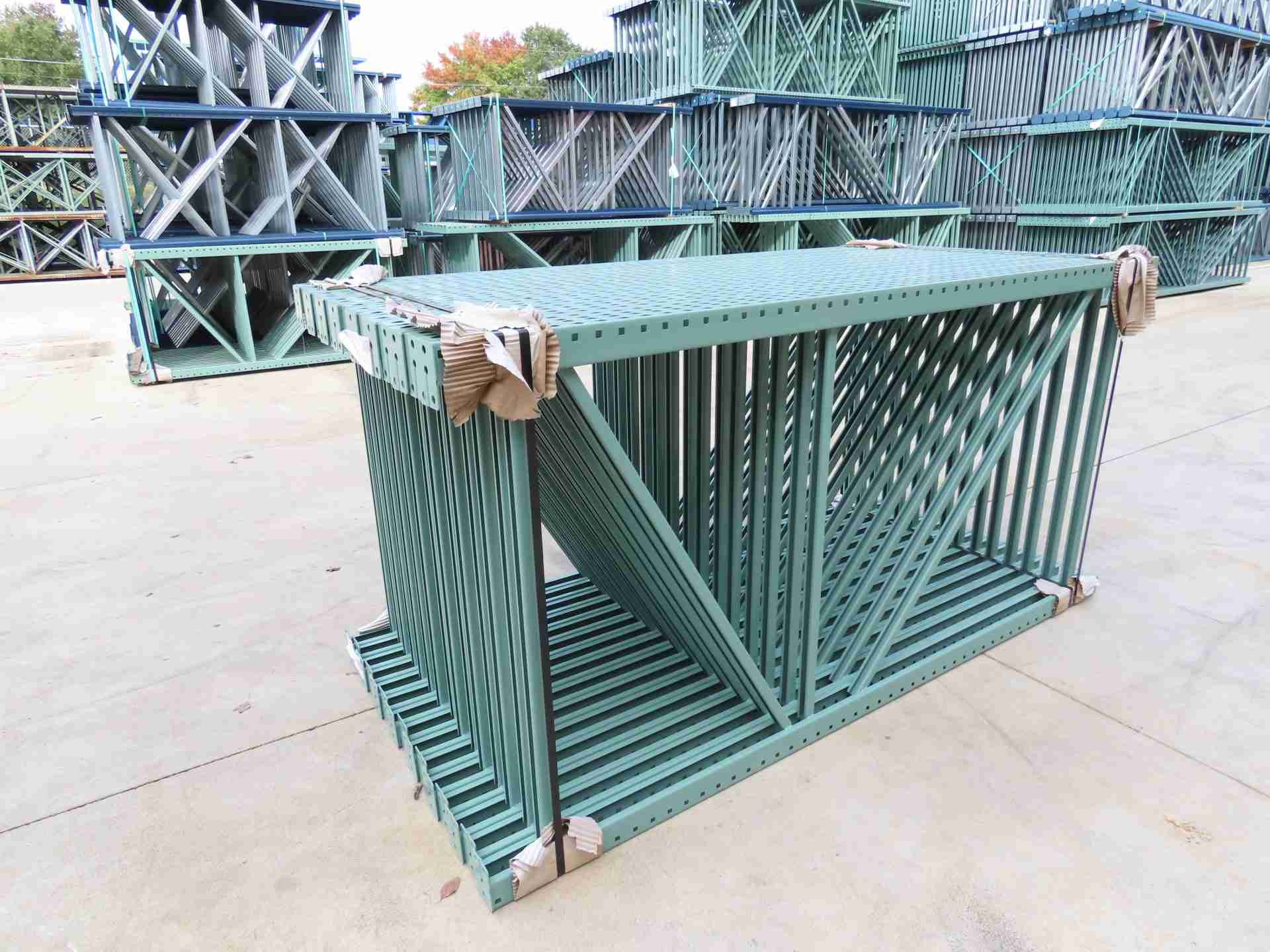
What Types Of Items Are Best Suited For Cantilever Racking?
What Types Of Items Are Best Suited For Cantilever Racking?
- Cantilever racking optimizes warehouse space and efficiency.
- Best suited for long and bulky items like lumber, pipes, and metal sheets.
- Ideal for oversized products such as furniture and large appliances, especially in e-commerce.
- Provides strong support for heavy loads, ensuring safety and maximizing vertical space.
- Accommodates unconventional shapes, making it suitable for industries like automotive and plumbing.
- Offers easy access for quick order fulfillment, enhancing operational efficiency.
- Adaptable storage solution addressing the fluctuating demands of modern supply chains.
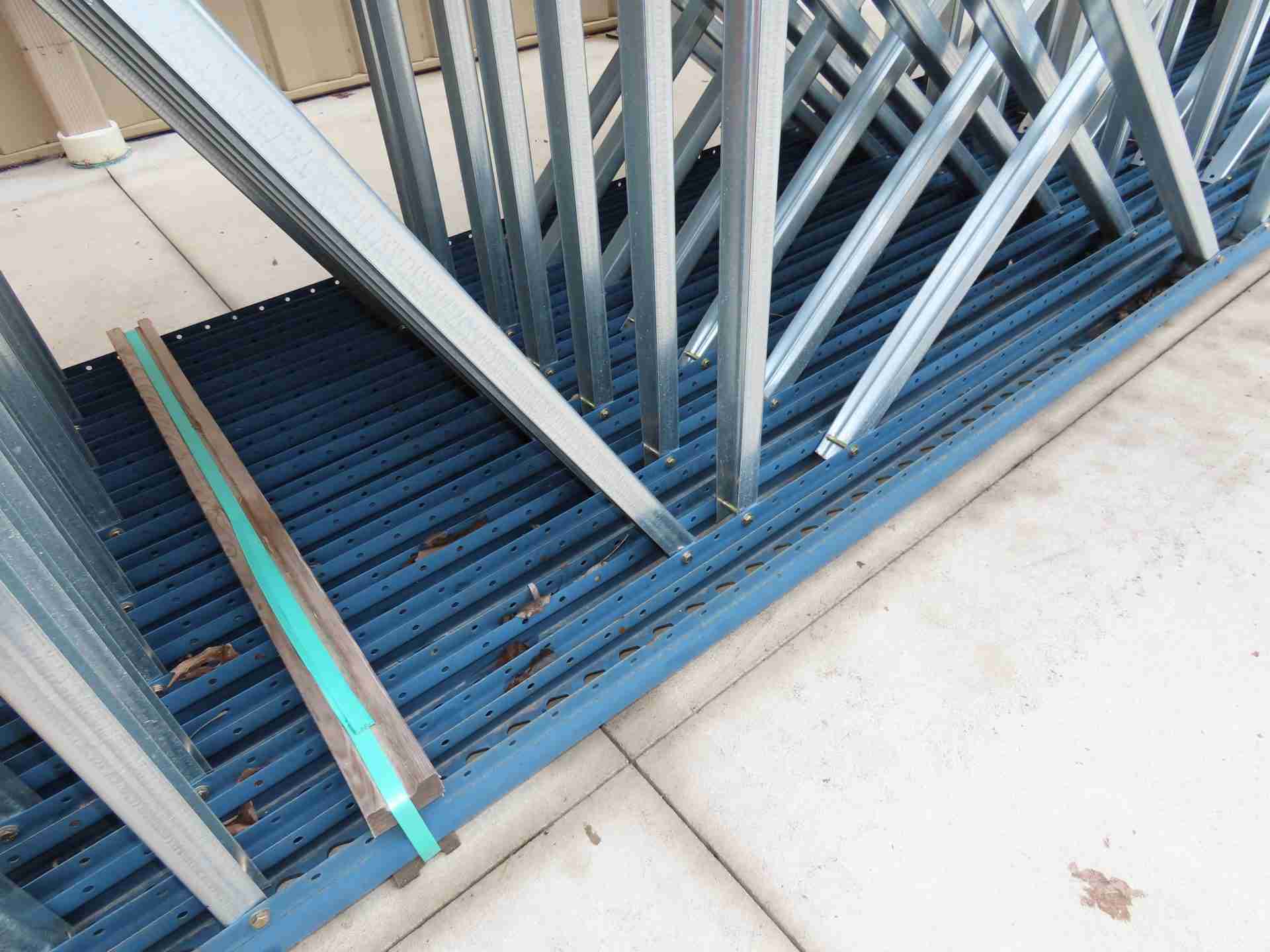
What Types Of Items Are Best Suited For Cantilever Racking?
Can Cantilever Racking Improve Warehouse Efficiency And Space?
In today’s fast-paced logistics environment, maximizing your warehouse’s efficiency isn’t just a luxury; it’s a necessity. Enter cantilever racking—a game changer that redefines storage solutions and reshapes how businesses manage their inventory.
Imagine this: your warehouse is overflowing with goods, and every inch of space counts. Traditional shelving systems often fall short, leaving valuable vertical space underutilized. Cantilever racking, however, allows you to store long and bulky items without compromise. This innovative racking system features extended arms that support goods precariously perched above the floor, liberating space and allowing for seamless navigation throughout the aisles.
Consider a furniture retailer struggling to house its oversized products. By implementing cantilever racking, the retailer could not only increase their storage capacity but also streamline order fulfillment. Instead of spending time searching for items buried under various traditional shelving systems, employees can easily access and retrieve goods, slashing picking times and boosting overall productivity.
But it doesn’t stop there. In a recent report by the Warehousing Modernization Association, warehouses using cantilever racking systems have seen an uptick of 20% in operational efficiency, responding to the rapid surge in e-commerce demand. As businesses grapple with increased online orders—thanks partly to lasting changes from the pandemic—the need for innovative solutions like cantilever racking becomes even more pressing.
Furthermore, cantilever racking isn’t just about improving space; it’s also about enhancing safety. Employees working in a cluttered environment are more prone to accidents. With cantilever racks, items are stored in a more organized manner, reducing the hazards associated with falling objects and improving workplace safety. Companies can bolster their safety records, ultimately decreasing insurance premiums and boosting employee morale.
But don’t forget about cost-effectiveness! Investing in cantilever racking can lead to reduced labor costs and improved inventory management, as underutilized warehouse space is transformed into a streamlined storage powerhouse. Think of a steel supplier that, after upgrading its racking system, reduced its annual lease costs by 15% due to the newfound ability to optimize their existing space.
In a world where warehouse efficiency is paramount, cantilever racking not only offers a practical solution; it serves as a beacon of opportunity for businesses eager to thrive in an increasingly competitive landscape. Embrace the change—because when it comes to efficient space management, cantilever racking is your pathway to success.
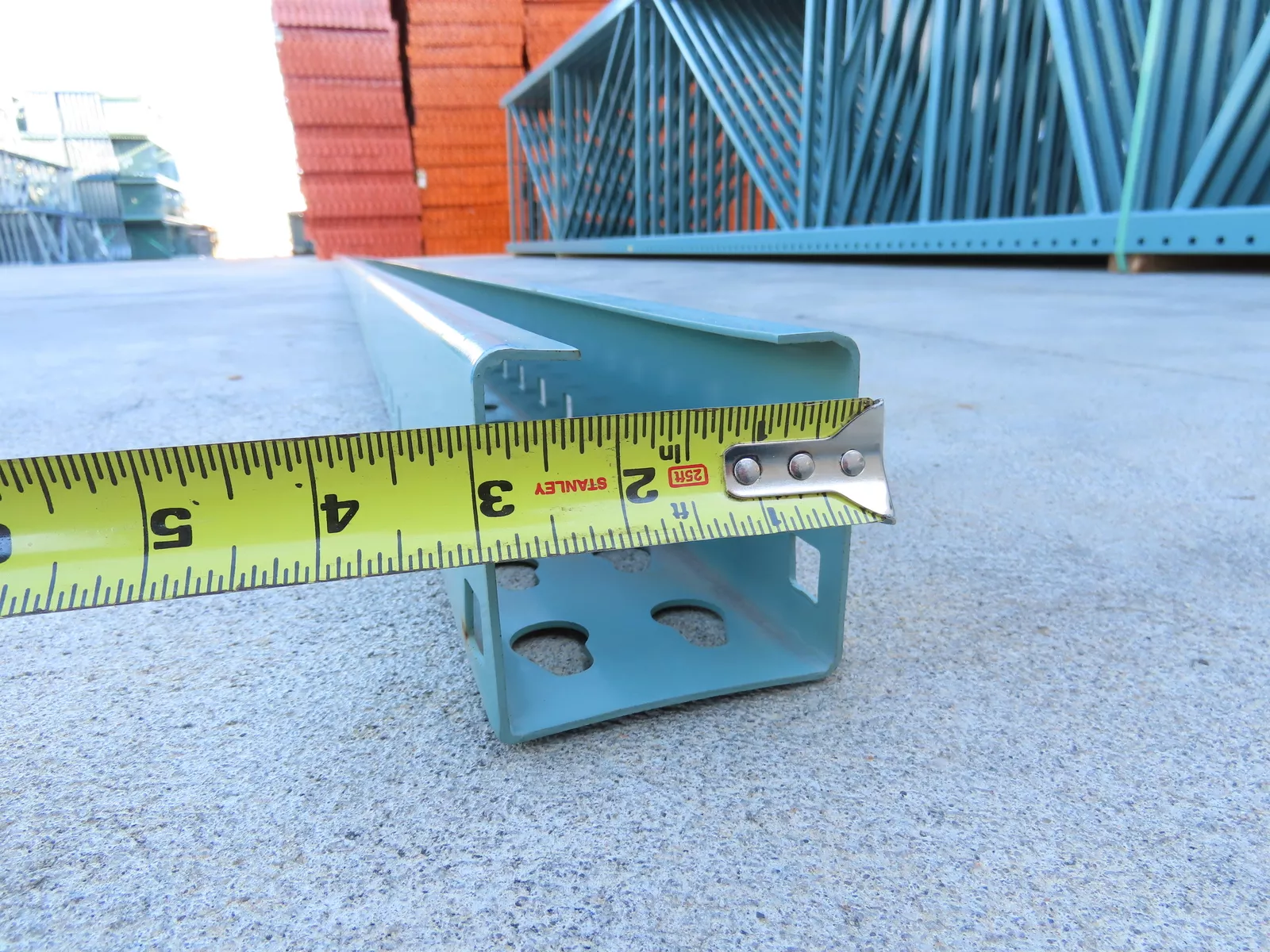
Can Cantilever Racking Improve Warehouse Efficiency And Space?
Can Cantilever Racking Improve Warehouse Efficiency And Space?
- Maximizing warehouse efficiency is essential in today’s logistics environment.
- Cantilever racking allows storage of long and bulky items, utilizing vertical space effectively.
- This innovative system improves item accessibility, reducing picking times and increasing productivity.
- Reports show a 20% increase in operational efficiency for warehouses using cantilever racking.
- It enhances workplace safety by organizing items and reducing hazards from falling objects.
- Cantilever racking can lower labor costs and improve inventory management, leading to cost savings.
- Overall, it represents a vital opportunity for businesses to enhance efficiency and competitiveness.
Can Cantilever Racking Improve Warehouse Efficiency And Space?
What Are The Cost Considerations For Installing Cantilever Racking?
When it comes to optimizing your warehouse space, few investments can match the efficiency and versatility offered by cantilever racking systems. However, before you jump headlong into this upgrade, it’s crucial to address the multifaceted cost considerations that accompany such an installation.
First, let’s talk upfront costs. The price of the racking itself is only the tip of the iceberg. Cantilever racking costs can range widely based on the materials used, design complexity, and weight capacity requirements. A basic unit may start as low as $200, while specialized configurations can soar to over $1,000 each. It’s essential to assess what you need based on your inventory type—lighter products need less robust racks whereas hefty, cumbersome items like steel pipes require heavy-duty options.
Installation is another significant expense that should not be overlooked. While some businesses opt to handle installation in-house, which might seem cost-effective, the risk of improper assembly can lead to costly safety violations and accidents—something the Occupational Safety and Health Administration (OSHA) takes very seriously. On average, professional installation can add another 15-30% to your total expenditure, a price worth paying for peace of mind and regulatory compliance.
Don’t forget about the ongoing costs tied to your new racking system. Maintenance and inspections are critical, particularly in high-volume environments. Allocate a budget for regular checks to ensure that your racking remains safe, especially when the potential for damage increases in busy warehouses. Industry experts suggest budgeting approximately 5% of the initial investment annually for maintenance.
Moreover, consider the opportunity cost of your warehouse floor space. As inventory demands shift—especially in today’s e-commerce landscape—optimizing space is vital. The right cantilever racking can elevate storage density, but the choice and layout will significantly influence your operational efficiency. You might face costs associated with downtime during installation, and a poor design can lead to mismanagement of inventory, costing your business dearly in lost sales.
Lastly, think about potential financing or leasing options available. For many businesses, cash flow constraints can make upfront investments burdensome. Many suppliers now offer lease-purchase options, allowing for more manageable payment plans over time that can align better with your revenue cycles.
The economics of cantilever racking go far beyond the sticker price. A conscientious approach that factors in all elements—initial costs, installation, maintenance, opportunity costs, and financing options—will position you for success in maximizing your warehouse efficiency and enhancing your bottom line. Don’t just spend; invest wisely!
What Are The Cost Considerations For Installing Cantilever Racking?
What Are The Cost Considerations For Installing Cantilever Racking?
- Cantilever racking systems enhance warehouse efficiency and versatility, but involve significant cost considerations.
- Upfront costs can vary greatly; basic units start around $200, while specialized racks may exceed $1,000 based on material and design.
- Professional installation is advised to avoid safety risks and can add 15-30% to total costs, ensuring compliance with OSHA regulations.
- Ongoing costs, such as maintenance and inspections, should account for approximately 5% of the initial investment annually.
- Optimizing warehouse space is crucial, especially with changing inventory demands; poor design can lead to lost sales.
- Financing options, such as lease-purchase plans, can help manage cash flow and align payments with revenue cycles.
- A comprehensive assessment of all costs associated with cantilever racking will enhance warehouse efficiency and profitability.
What Are The Cost Considerations For Installing Cantilever Racking?
How To Properly Maintain Cantilever Racking Systems Over Time?
In the world of storage solutions, cantilever racking systems stand as titans of efficiency, particularly for businesses dealing in bulky or awkwardly shaped products. However, like any significant investment, these systems require thoughtful and consistent maintenance to ensure they continue to operate at their peak level. Ignoring their upkeep can lead to costly repairs, inefficiencies, or even catastrophic failures that can jeopardize both inventory and employee safety.
Regular Inspections: The Backbone of Maintenance
Your first line of defense in maintaining a cantilever racking system is to implement a consistent inspection routine. Depending on your warehouse’s operations, a bi-monthly or quarterly schedule can keep rust, bent arms, or loose bolts at bay. For instance, after a recent rise in warehousing accidents linked to faulty racking, industry experts stressed the importance of regular audits, advocating for visual checks supplemented by detailed inspections biannually. These inspections should focus not just on aesthetics, but on structural integrity, ensuring each column and arm can withstand operational loads.
Load Management: The Key to Longevity
Understanding the weight limits of your cantilever racks is absolutely crucial. Overloading is a common mistake that can lead to both system failure and safety risks. Let’s say your racking system is designed to hold 2,000 pounds per arm, and you start piling on 2,200 pounds. The risk isn’t just immediate damage—over time, that excess weight causes stress fractures that could go unnoticed until it’s too late. Regularly reviewing your load distributions in alignment with storage needs—particularly during peak seasons or product changes—will safeguard your racks.
Professional Servicing: Keeping Things Fresh
While DIY inspections are essential, nothing can replace the insight of a trained professional. Budgeting for annual professional assessments ensures that potential issues are caught before they escalate. It’s similar to regular health check-ups; the cost of prevention vastly outweighs the price of dealing with chronic issues. In the wake of the recent supply chain disruptions, many businesses have opted to prioritize operational safety and efficiency over mere profitability, making this investment a strategic move in uncertain times.
Training your Staff: A Vital Component
Finally, equip your staff with the knowledge they need. Training employees on proper loading techniques, the significance of following weight guidelines, and recognizing potential hazards can eliminate preventable issues. Encourage a culture where safety isn’t just a priority—it’s a mindset.
By committing to these maintenance strategies, you’re not just protecting your investment; you’re enhancing your operational efficiency and ensuring the safety of your workforce, ultimately reinforcing the backbone of your business.
How To Properly Maintain Cantilever Racking Systems Over Time?
How To Properly Maintain Cantilever Racking Systems Over Time?
- Cantilever racking systems are essential for storing bulky items, requiring consistent maintenance to avoid costly repairs and safety hazards.
- Regular inspections (bi-monthly or quarterly) are critical to identify potential issues such as rust and loose bolts, focusing on structural integrity.
- Load management is vital; always adhere to weight limits to prevent system failures and stress fractures.
- Regularly review load distributions, especially during peak seasons, to ensure racking safety.
- Professional servicing should be budgeted annually to catch issues early, much like routine health assessments.
- Employee training on proper loading procedures and hazard recognition fosters a culture of safety.
- Implementing these maintenance strategies enhances operational efficiency and ensures workforce safety, solidifying the business’s foundation.

How To Properly Maintain Cantilever Racking Systems Over Time?
Are There Safety Concerns With Using Cantilever Racking?
Cantilever racking systems are a popular choice for warehouses and distribution centers, offering space-saving solutions for storing long and bulky materials. However, while these racking systems can boost efficiency, they come with potential safety concerns that shouldn’t be overlooked. Addressing these issues is critical for maintaining a safe work environment and preventing costly accidents.
One of the primary safety concerns with cantilever racking is its design, which leaves materials exposed. This characteristic, while advantageous for accessibility, means that improper loading or overloading can lead to the racking buckling or collapsing. A notable incident occurred in a Texas warehouse last year when an improperly loaded cantilever system failed, resulting in significant damages and injuries. This serves as a powerful reminder that adhering to load capacities and following manufacturer guidelines is non-negotiable.
Another concern is the potential for human error. In busy warehouse environments, employees may rush through tasks, neglecting proper protocols. For example, hasty inventory replenishment can lead to items being placed incorrectly, disrupting the balance of the racking. Simple training can mitigate this risk. Ensure that employees are well-versed in proper loading techniques, including distributing weight evenly and securing materials properly. A well-trained workforce is your first line of defense against accidents.
Additionally, maintaining your cantilever racking system is crucial to its safety. Regular inspections should be standard practice. Look for signs of wear, corrosion, or damage. In recent months, several safety organizations have reinforced the importance of routine maintenance after multiple accidents tied to neglected racking systems made headlines. An insistence on proper upkeep can prevent malfunctions that lead to disasters and protect both your employees and your investment.
Another often-overlooked aspect is the environment in which the cantilever racking is used. Extreme temperatures, moisture, and even pests can undermine the structural integrity of the racking. Utilize protective coatings or enclosures tailored to your specific environment. This will not only prolong the life of your racking but also enhance safety.
While cantilever racking systems enhance storage capability and efficiency, safety must be your top priority. By understanding and mitigating their risks, implementing thorough training programs, conducting regular inspections, and respecting environmental factors, you can harness the benefits of these systems without compromising safety. Protect your business, your employees, and your bottom line by being proactive about safety in your warehouse operations.
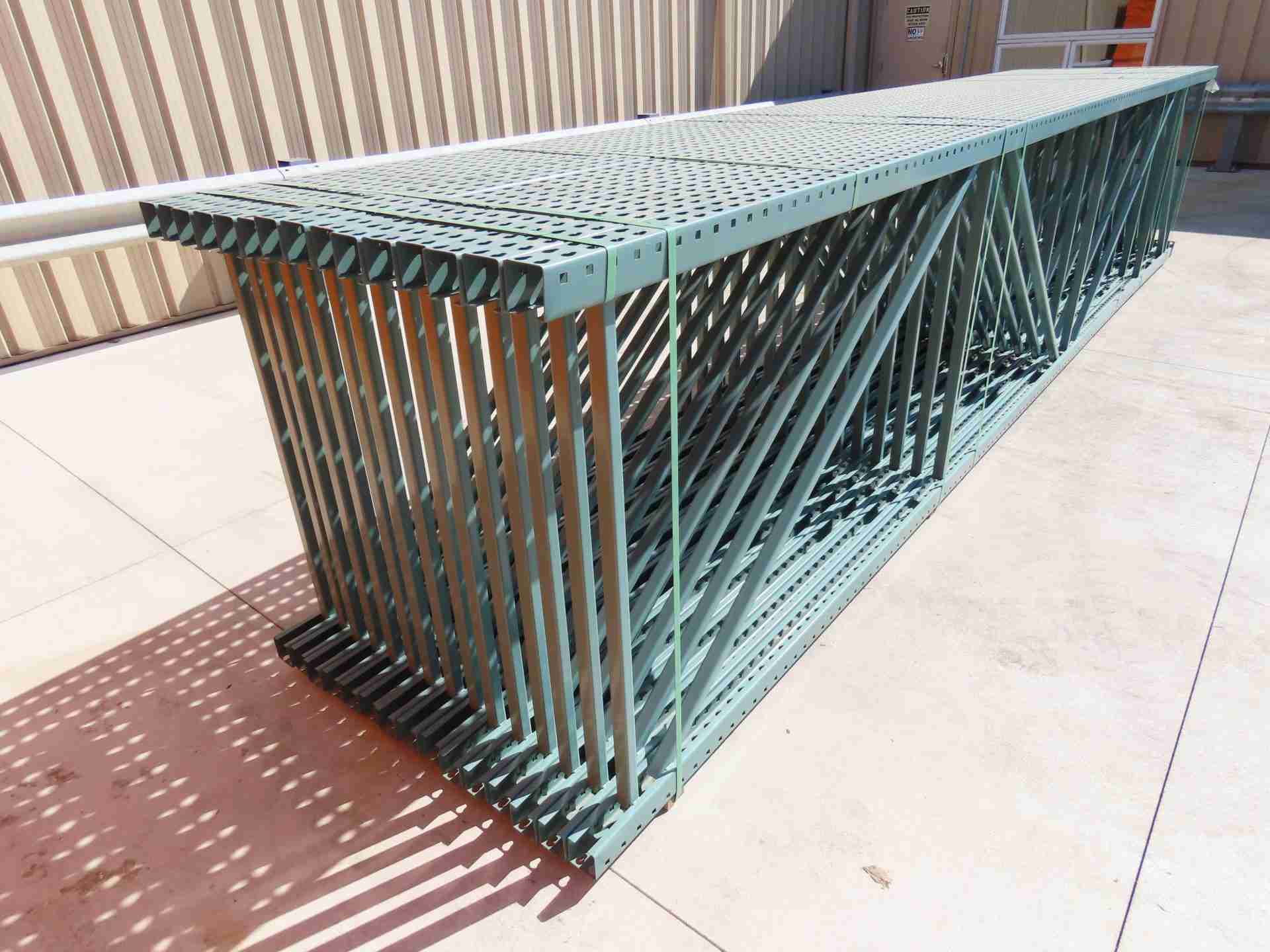
Are There Safety Concerns With Using Cantilever Racking?
Are There Safety Concerns With Using Cantilever Racking?
- Cantilever racking systems are effective for storing long and bulky materials in warehouses and distribution centers.
- These systems can enhance efficiency but pose safety risks, particularly related to their exposed design.
- Improper loading or overloading can lead to racking failures, as evidenced by a significant incident in a Texas warehouse.
- Human error is a major concern; rushed tasks can result in item placement issues that disrupt racking balance.
- Regular maintenance and inspections of cantilever racking systems are essential to identify wear and prevent accidents.
- Environmental factors, such as extreme temperatures and moisture, can compromise the integrity of the racking system.
- Prioritizing safety through training, inspections, and responsive measures can maximize the benefits of cantilever racking without risk.

Are There Safety Concerns With Using Cantilever Racking?
What Customization Options Are Available For Cantilever Racking?
When it comes to optimizing warehouse space and enhancing operational efficiency, cantilever racking stands out as a highly customizable storage solution. Businesses aiming for streamlined logistics and improved inventory management must consider just how tailored their racking systems can be. The good news? The options are extensive and designed to meet specific needs.
1. Adjustable Arm Lengths: One of the most significant advantages of cantilever racking is the ability to customize arm lengths. Whether you’re storing long pipes or bulky sheets of plywood, you can adjust your arms to accommodate virtually any load size. For example, a construction company may utilize 48-inch arms for lumber while switching to 72-inch arms for larger construction materials, maximizing their storage versatility without the hassle of additional equipment.
2. Load Capacity Ratings: Not all loads are created equal, and neither are cantilever racks. Businesses can specify different load capacities based on their requirements. For instance, a metal fabricator storing heavy coils needs a racking system that can handle substantial weight. Manufacturers typically provide various capacities—ranging from 1,000 to 4,000 pounds per arm—allowing businesses to select the perfect fit for their inventory.
3. Base Configurations: The stability of your cantilever rack depends on its base. Organizations can choose from single-sided or double-sided configurations, depending on floor space and access needs. A home improvement retailer might opt for double-sided racks in their lumber yard for maximum accessibility while a smaller operation could lean into single-sided to conserve space.
4. Height Adjustments: Custom height options allow businesses to utilize vertical space effectively. Taller cantilever racks support higher storage, which can be particularly beneficial in environments with high ceilings. This is vital for warehouses adapting to market demands as e-commerce continues to soar. By enabling smarter vertical storage, businesses can keep up with fluctuating inventory levels.
5. Specialized Accessories: The customization of cantilever racking doesn’t stop at its basic structure. Add-ons such as forks, safety locks, and protective nets can also be integrated. These accessories not only enhance safety but also ensure greater efficiency. For instance, the recent supply chain challenges have highlighted how essential protective measures are for maintaining stock integrity.
In a landscape where agility and responsiveness are paramount, investing in customizable cantilever racking is more than just a storage solution—it’s a strategic advantage. As your business needs evolve, these racks will adapt alongside, transforming challenges into opportunities for growth. Don’t just store it; customize and conquer!
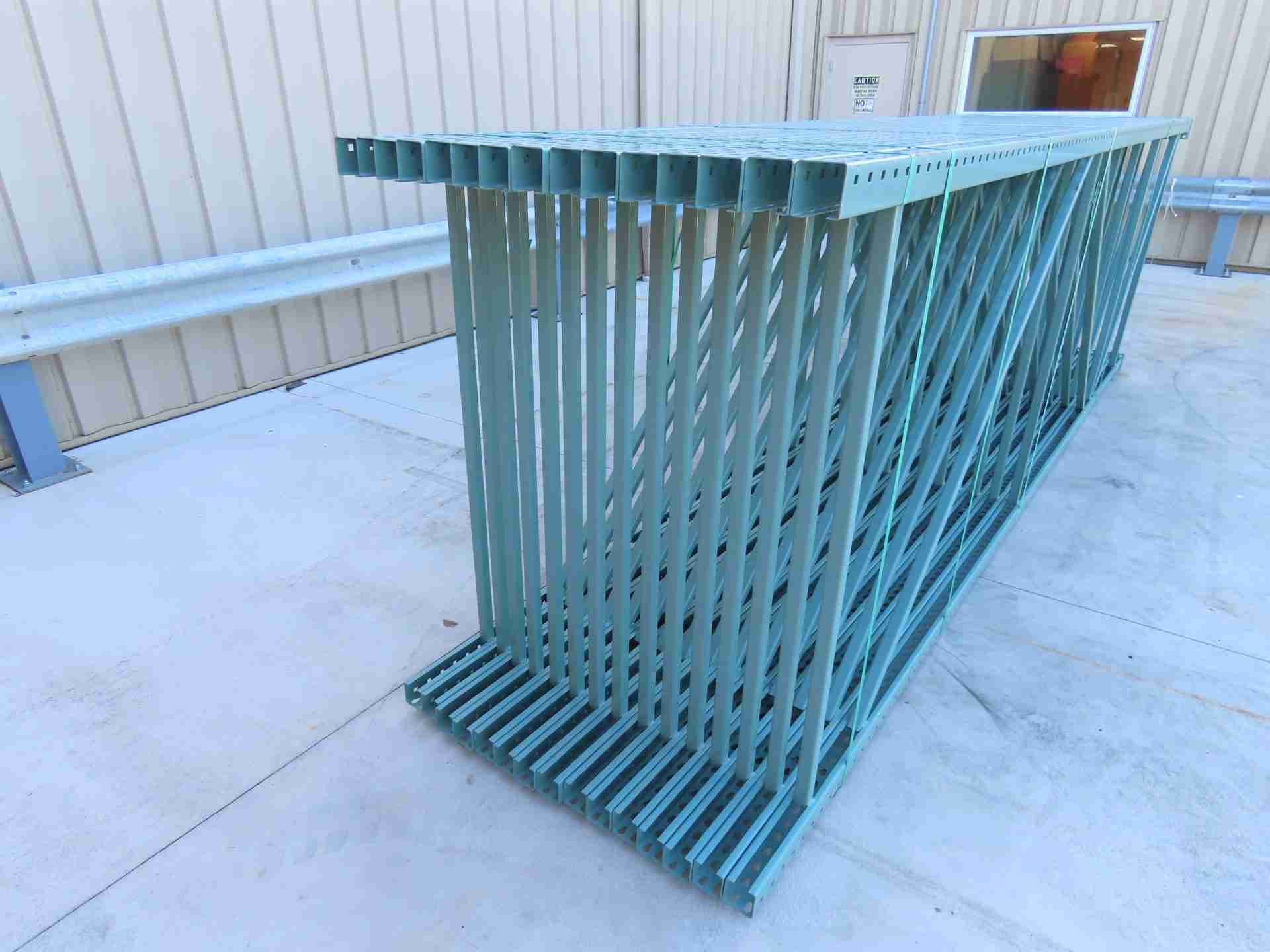
What Customization Options Are Available For Cantilever Racking?
What Customization Options Are Available For Cantilever Racking?
- Customizable Storage Solution: Cantilever racking offers extensive options for optimizing warehouse space and improving operational efficiency.
- Adjustable Arm Lengths: Arm lengths can be modified to accommodate various load sizes, enhancing storage versatility.
- Load Capacity Ratings: Businesses can choose racks with different weight capacities, ranging from 1,000 to 4,000 pounds per arm, based on their specific needs.
- Base Configurations: Options include single-sided and double-sided setups for stability and access, catering to diverse spatial requirements.
- Height Adjustments: Custom height options maximize vertical space, crucial for warehouses with high ceilings due to increasing inventory demands.
- Specialized Accessories: Additional features like forks, safety locks, and protective nets can be integrated to enhance safety and efficiency.
- Strategic Advantage: Customizable cantilever racking adapts to evolving business needs, transforming storage challenges into growth opportunities.
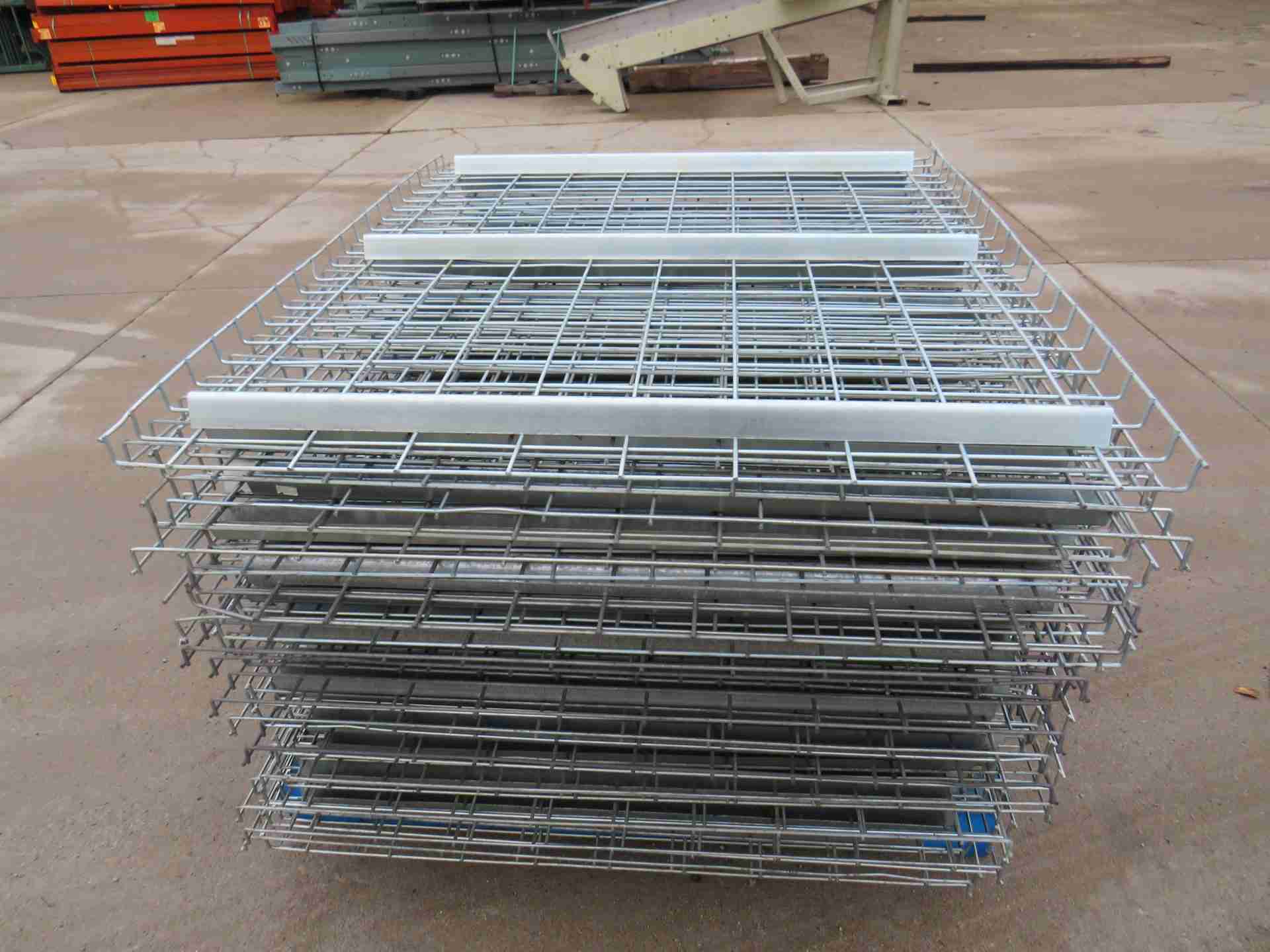
What Customization Options Are Available For Cantilever Racking?
How Does Cantilever Racking Compare To Other Storage Solutions?
When it comes to maximizing space and efficiency in warehouses, cantilever racking stands out as a champion among storage solutions. But how does it really compare to the competition? Let’s explore the benefits of cantilever racking versus traditional shelving and pallet racking systems, and why it’s the go-to choice for businesses looking to elevate their storage game.
Flexibility and Space Utilization
Cantilever racking is designed primarily for the storage of long, bulky, or awkwardly shaped items. Take lumber or steel pipes, for instance. Traditional shelving may struggle to accommodate these materials without wasting valuable space. Cantilever racks provide adjustable arms that extend outwards, allowing for optimal use of vertical and horizontal space. With their open design, these racks promote easier access to inventory, eliminating the need for laborious maneuvering or complex retrieval methods.
In 2023, companies in industries like construction and manufacturing reported an increase in productivity by up to 30% after transitioning to cantilever racking. This is a direct outcome of reduced retrieval time and simplified organization. Companies like Home Depot have leveraged this system in their lumber departments, making it simpler for customers to find precisely what they need without the obstacles of traditional shelving.
Cost-effectiveness and Durability
Investing in the right storage solution can have profound financial implications. While the initial cost of cantilever racking may be slightly higher than standard shelving, its longevity and versatility quickly neutralize that concern. These racks are built with durable materials capable of handling heavy loads, which means fewer replacements and repairs over time. This resilience is particularly useful in industries affected by fluctuating demands, such as energy sectors, where storage needs can shift dramatically from season to season.
For instance, during the recent supply chain disruptions caused by global events, businesses that utilized cantilever racking found themselves better adapted to scale their operations quickly. With the ability to rearrange configurations as needed, they could pivot inventories to meet emerging demands — something a static shelving system simply cannot do.
Conclusion
When comparing cantilever racking to other storage solutions, it’s clear that flexibility, efficiency, and durability put it in a league of its own. As businesses continue to navigate the complexities of the modern marketplace, those that invest in cantilever racking today will not only store products more effectively but will also position themselves to thrive in an ever-changing economy. The time to rethink your storage strategies is now—don’t let outdated systems hold you back. In this fast-paced world, standing still is not an option!
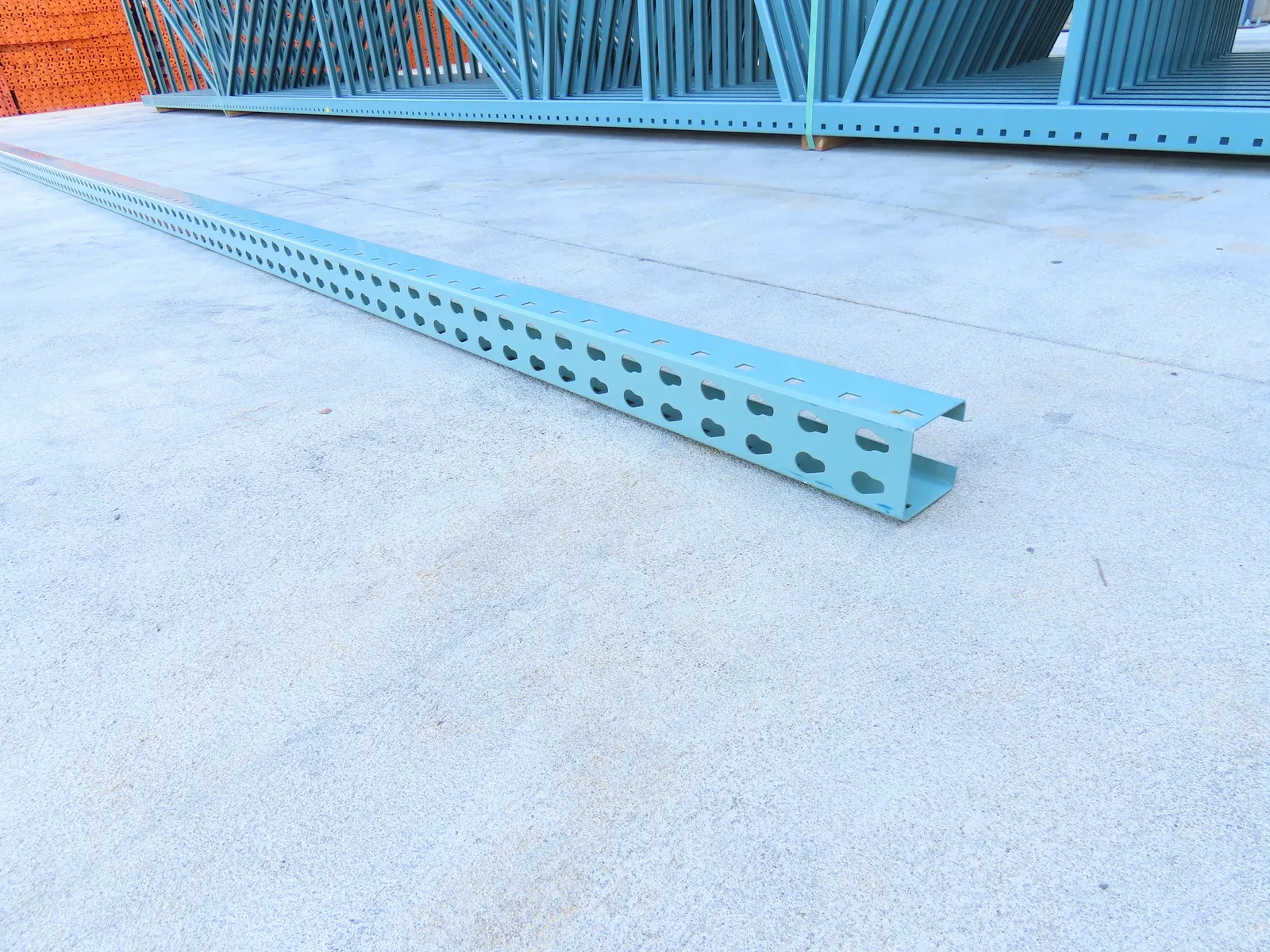
How Does Cantilever Racking Compare To Other Storage Solutions?
How Does Cantilever Racking Compare To Other Storage Solutions?
- Cantilever racking excels in maximizing space and efficiency for warehouses.
- It is ideal for storing long, bulky, or awkwardly shaped items compared to traditional shelving.
- Cantilever racks feature adjustable arms that enhance vertical and horizontal space utilization.
- Companies using cantilever racking reported up to a 30% increase in productivity in 2023.
- While initial costs may be higher, cantilever racking offers long-term durability and cost-effectiveness.
- Businesses can quickly adapt their storage configurations to meet changing demands with cantilever systems.
- Investing in cantilever racking positions businesses for success in a dynamic market environment.
How Does Cantilever Racking Compare To Other Storage Solutions?
What Industries Benefit Most From Cantilever Racking Systems?
When it comes to maximizing warehouse efficiency and storage capabilities, cantilever racking systems stand out as a game-changer for a wide variety of industries. Their unique design is particularly advantageous for businesses that deal with large, bulky items that traditional pallet racking simply cannot accommodate. Let’s explore the industries that reap the most benefits from these innovative storage solutions.
Lumber and Building Materials
The lumber industry is one of the primary beneficiaries of cantilever racking systems. This sector deals with long, heavy materials like timber and steel beams that require specialized storage solutions to prevent damage and optimize space. With the increase in home construction and renovations post-pandemic, as reported by the National Association of Home Builders, lumber yards are investing heavily in cantilever systems. This not only aids in storage organization but also enhances the speed of inventory retrieval, keeping their operations profitable and efficient.
Manufacturing
In the manufacturing sector, especially in metalworking, cantilever racking provides the necessary support for storing long, heavy rods and sheets of metal. Factories can streamline production by positioning raw materials efficiently, reducing time spent searching for materials—essential in an era where supply chain delays can be crippling. Current trends toward lean manufacturing encourage the use of these racking systems to improve workflow and increase productivity.
Automotive and Aerospace Industries
The automotive and aerospace industries are also seeing a rise in the use of cantilever racking. These sectors often require storage for lengthy automotive parts, aircraft components, and other oversized materials. As supply chains evolve and become more consolidated, the demand for hi-tech storage solutions that support just-in-time inventory practices is growing. A recent uptick in electric vehicle production has further necessitated effective organization of battery components and larger parts, positioning cantilever racks as an essential tool for manufacturers in these markets.
Retail and Wholesale Die-Stores
Consider the retail and wholesale industries, where space is at a premium. Stores that deal with overstock or seasonal inventory find cantilever racks indispensable. They facilitate easy access to items that might not fit traditional shelving—think large furniture or sporting goods—without compromising on space. As the retail landscape shifts toward omnichannel approaches, the ability to store and quickly retrieve diverse inventory types is crucial.
Conclusion
In a rapidly changing economic environment, businesses across these key industries are discovering that cantilever racking systems not only optimize their storage needs but also enhance operational efficiency. Whether it’s hoisting heavy lumber or organizing automotive components, these racking systems meet the demands of today’s fast-paced market. Investing in the right storage solutions can be the differentiator that keeps your business ahead of competitors.
What Industries Benefit Most From Cantilever Racking Systems?
What Industries Benefit Most From Cantilever Racking Systems?
- Cantilever racking systems improve warehouse efficiency and storage for various industries.
- The lumber industry benefits significantly due to the need for specialized storage solutions for large materials.
- Manufacturing, especially metalworking, uses cantilever racks to streamline production and improve material retrieval.
- The automotive and aerospace sectors require these racks for organizing lengthy parts and oversized components.
- Retail and wholesale businesses utilize cantilever racks to store large items and manage seasonal inventory effectively.
- These racking systems are crucial for supporting just-in-time inventory practices in evolving supply chains.
- Investing in cantilever racking can enhance operational efficiency and provide a competitive edge in a fast-paced market.

What Industries Benefit Most From Cantilever Racking Systems?
Conclusion
In a world where the ability to adapt can dictate success, cantilever racking systems emerge not just as a storage solution but as a transformative asset for businesses navigating the complexities of inventory management. Whether you’re managing irregularly shaped items in a lumber yard, oversized products in a retail space, or heavy components in manufacturing, cantilever racking is engineered to enhance organization, safety, and accessibility—allowing companies to thrive in an increasingly competitive landscape.
No longer is it acceptable to rely on antiquated shelving systems that can stifle productivity and lead to wasted space. With cantilever racking’s versatile design, businesses can enjoy unprecedented flexibility in storage. Its adjustable arms accommodate various lengths and weights of items—making it the optimal choice for industries confronting fluctuating demands. Beyond just flexibility, with reports indicating a 20% increase in operational efficiency when implementing cantilever systems, businesses are not just saving space; they’re driving profitability, improving workplace safety, and optimizing workflow.
However, enhancing your storage capabilities with cantilever racking is not merely a matter of choice; it’s a crucial strategic decision. The advantages extend beyond immediate organizational benefits to long-term cost savings through reduced downtime and enhanced employee morale. Imagine the value of a warehouse that operates smoothly, with quick retrieval times leading to happier customers eager for fast, efficient service.
If you’re still pondering whether cantilever racking is the right fit for your business during these turbulent economic times, consider the implications of delay. As industries evolve—exemplified by the current surge in e-commerce—adopting an efficient storage system becomes a non-negotiable requirement.
Now is the time to act. Arrow Industrial Sales is ready to empower your operations with the storage solutions you deserve. Don’t miss out on the opportunity to elevate your organizational game! Reach out to Arrow Industrial Sales today at (574) 349-6575 for expert advice tailored to your unique needs and the latest in innovative storage solutions. With every moment that passes, your competitors are optimizing their systems, making it imperative that you take the plunge into the future of inventory management without delay. Embrace the transformative potential of cantilever racking and secure your position at the forefront of your industry.
Conclusion:
- Cantilever racking systems are more than just storage solutions; they are transformative assets for businesses.
- Designed for managing irregularly shaped items, oversized products, and heavy components, enhancing organization, safety, and accessibility.
- Provides flexibility with adjustable arms, accommodating various lengths and weights of items, driving operational efficiency by 20%.
- Supports long-term cost savings through reduced downtime and enhanced employee morale, contributing to smoother warehouse operations.
- The shift to effective storage systems is crucial in an evolving economic landscape, especially with the rise of e-commerce.
- Arrow Industrial Sales offers tailored storage solutions to help businesses optimize their inventory management.
- Acting promptly on transitioning to cantilever racking is essential to staying competitive in the market.
Other Resources
Here is a list of other resources you can review online to learn more:
- “Cantilever Racking & Lumber Racking for Warehouse”
- “Cantilever racking | Racking and Shelving”
- “New Cantilever Rack Systems for Sale”
- “Cantilever Racking Systems”
- “Cantilever Racking Systems Market 2024 Growth …”
- “Cantilever Racking”
- “Cantilever Racks”
Glossary Terms
Is Cantilever Racking The Key to Organizing Irregular-Shaped Items? – Glossary Of Terms
1. Cantilever Racking: A type of storage system with horizontal arms that extend from a single vertical structure, allowing for easy access to long or bulky items.
2. Irregular-shaped Items: Items that do not have a standard shape or size, making them difficult to store using traditional shelving systems.
3. Storage Optimization: The process of maximizing storage space and efficiency, ensuring that all items are organized and accessible.
4. Load Capacity: The maximum weight that a particular racking system or storage unit can safely hold without risk of failure.
5. Accessibility: The degree to which stored items can be easily reached and retrieved from the storage system.
6. Efficiency: The effectiveness of a storage solution in terms of space utilization and speed of access to items.
7. Vertical Storage: Utilizing vertical space within a warehouse or storage area to store items, which can increase total storage capacity.
8. Forklift Access: Space and design considerations that allow forklifts to navigate aisles and retrieve items from racks.
9. Arm Configuration: The arrangement and spacing of arms on cantilever racks, which can be adjusted to accommodate different sizes and shapes.
10. Freestanding System: A type of cantilever racking that is not anchored to walls or other structures, allowing for flexible placement within a space.
11. Weight Distribution: The manner in which weight is spread across a racking system, crucial for maintaining stability and safety.
12. Aisle Width: The distance between rows of racking that allows for safe maneuvering of personnel and equipment.
13. Material Handling: The movement and storage of materials in a warehouse setting, which can influence the choice of racking systems.
14. Inventory Management: The tracking and organizing of products and materials to ensure they are stored correctly and remain accessible.
15. Customization: The ability to modify the design and features of storage solutions, such as cantilever racking, to meet specific organizational needs.
16. Pallet Racking: A type of racking used to store pallets, which are commonly used for transporting irregularly shaped items.
17. Climate Control: Managing temperature and humidity in a storage area to protect sensitive items, which may affect racking design.
18. Safety Standards: Guidelines and regulations that ensure storage systems, including cantilever racks, are safe for use.
19. Durability: The longevity of a storage system and its ability to withstand wear and tear over time.
20. Load Beam: A horizontal bar on cantilever racks that supports the weight of items being stored.
21. Upright Frame: The vertical portion of a cantilever rack that provides stability and support for the arms and stored items.
22. Clear Span: The horizontal distance between the upright frames of a cantilever rack, allowing for unobstructed access to stored materials.
23. Bulk Storage: A storage method that accommodates large quantities of materials or items, often requiring specialized racking.
24. Modular Design: A design approach that allows for the easy expansion and reconfiguration of storage systems as needs change.
25. Quality Control: Procedures and standards that ensure stored items are undamaged and properly maintained during handling and storage.
26. Loading Dock: An area where items are loaded and unloaded from vehicles, often requiring efficient storage systems nearby.
27. Space Utilization: The effective use of available storage space to maximize capacity and minimize waste.
28. Reconfiguration: The process of altering the layout or design of a storage system to adapt to new inventory types or volumes.
29. Strategic Layout: The intentional arrangement of storage systems to optimize flow and accessibility for handling materials.
30. Return on Investment (ROI): A measure of the profitability of investing in a particular storage solution, assessing the benefits gained against costs incurred.
Other Questions
Is Cantilever Racking The Key to Organizing Irregular-Shaped Items? – Other Questions
If you wish to explore and discover more, consider looking for answers to these questions:
- What is cantilever racking, and how does it differ from other racking systems?
- What are the specific advantages of cantilever racking over traditional shelving?
- What types of businesses or industries are best suited for cantilever racking?
- How can cantilever racking improve safety in the warehouse?
- What are the dimensions and load capacities available for cantilever racking systems?
- How does the installation process for cantilever racking typically work?
- What maintenance practices should be followed to ensure the longevity of cantilever racking?
- What are some common mistakes businesses make when using cantilever racking?
- Are there any regulations or safety standards to consider with cantilever racking?
- What factors should be considered when customizing cantilever racking units?
- Can cantilever racking systems be expanded or reconfigured easily?
- What is the estimated return on investment (ROI) when implementing cantilever racking?
- How does cantilever racking impact labor efficiency and staff training?
- What is the average lifespan of cantilever racking systems with proper maintenance?
- Are there specific materials used in the construction of cantilever racks that affect performance?
Checklist
Is Cantilever Racking The Key to Organizing Irregular-Shaped Items? – A Checklist
Assessing Your Needs
_____ Identify the types of irregularly shaped items you need to store (e. g. , lumber, oversized furniture, industrial equipment).
_____ Evaluate your current storage space and determine if it can accommodate cantilever racking.
_____ Analyze the frequency of inventory access to establish the optimal layout for racking placement.
Design Considerations
_____ Choose the appropriate arm length based on the size of the items you are storing.
_____ Determine the load capacity needed for each arm based on the weight of your items.
_____ Decide between single-sided or double-sided racks based on your space and accessibility needs.
_____ Consider height adjustments to utilize vertical space effectively.
Customization Options
_____ Explore specialized accessories like safety locks and protective nets for added security.
_____ Plan for flexible configurations to adapt to changing inventory needs.
Safety Measures
_____ Implement a regular inspection schedule (bi-monthly or quarterly) for the racking system.
_____ Train staff on proper loading techniques and safety protocols.
_____ Ensure that all employees understand weight limits and loading guidelines.
_____ Consider the environment (temperature, moisture) and add protective coatings if necessary.
Maintenance Strategy
_____ Allocate a budget for regular maintenance to safeguard structural integrity.
_____ Set aside approximately 5% of the initial investment annually for maintenance costs.
_____ Schedule professional assessments for comprehensive evaluations.
Cost Considerations
_____ Estimate the upfront costs (racking units, installation, and additional accessories).
_____ Account for installation costs—decide between in-house installation or hiring professionals.
_____ Evaluate financing or leasing options if upfront investment poses a constraint.
_____ Assess potential opportunity costs related to underutilized space.
Comparison with Other Storage Solutions
_____ Review how cantilever racking matches up against traditional shelving options.
_____ Consider the potential return on investment in terms of increased efficiency and space savings.
Industry Applications
_____ Identify specific industries that will benefit the most from cantilever racking in your operations (e. g. , lumber, manufacturing, automotive, retail).
_____ Research case studies from similar businesses that have successfully implemented cantilever racking.
By following this checklist, you can ensure that your transition to cantilever racking is strategic, efficient, and tailored to your specific storage needs!
At RackingWorld, we help guide you through selecting warehouse storage systems and racking.
Be sure to read our other related stories at RackingWorld to learn more about warehouse storage systems.
0 Comments