
Unlocking The Efficiency Of Cantilever Pallet Racking
By Tom Seest
At RackingWorld, we help guide you through selecting warehouse storage systems and racking.
Be sure to read our other related stories at RackingWorld to learn more about warehouse storage systems.
What Is Cantilever Pallet Racking
In the world of warehousing and logistics, efficiency and space optimization can make or break fyour bottom line. Enter cantilever pallet racking—a revolutionary storage solution that not only maximizes your available space but also enhances the organization of your inventory. Imagine a system that allows you to store long, heavy items like steel pipes, lumber, or furniture without the constraints of traditional racking systems. That’s the magic of cantilever racking.
Cantilever pallet racking is designed with adjustable arms extending from vertical towers, allowing you to load and unload products from either side. This flexibility provides easy access to your inventory and is perfectly suited for handling bulky or awkwardly shaped items. For instance, if your business deals in construction materials, a cantilever system enables you to store long sheets of plywood or lengthy pieces of rebar with ease, minimizing the risk of damage and improving retrieval times.
In a time when supply chain efficiency is more critical than ever—especially in light of recent global disruptions—it’s imperative to optimize every inch of your storage space. Take note of companies in the building materials sector like Home Depot, which have embraced cantilever racking to streamline their inventory process. This system not only supports heavy loads but also allows for better visibility and reduces the clutter that often plagues warehouses.
Moreover, cantilever racking is not just limited to industrial applications. Retailers dealing with bulk items or oversized merchandise can also benefit significantly. Think about furniture retailers that need to showcase entire living room sets or outdoor furniture. With cantilever systems, these displays are not just functional—they’re visually appealing, encouraging customers to interact with the products.
Additionally, the versatility of cantilever racks means that they can be customized to fit your specific needs. Whether you require heavy-duty configurations for big loads or lighter models for less demanding applications, there’s a cantilever solution just waiting to optimize your operations.
In today’s fast-paced market, ignoring the benefits of cantilever pallet racking could lead to significant losses—wasted space, inefficiencies, and lost time. Don’t let your competitors get the upper hand. Invest in a cantilever racking solution now, and watch as you conquer your storage challenges with unmatched efficiency, flexibility, and ease. Your business deserves the advantage, and with cantilever racking, it’s well within reach.

What Is Cantilever Pallet Racking
What Is Cantilever Pallet Racking
- Cantilever pallet racking enhances efficiency and space optimization in warehousing and logistics.
- This storage solution is ideal for long, heavy items like steel pipes, lumber, and furniture.
- The design features adjustable arms for easy loading and unloading from either side.
- Cantilever racking is beneficial for businesses in construction and retail, improving inventory organization and retrieval times.
- It supports heavy loads while enhancing visibility and reducing warehouse clutter.
- Customization options are available to suit specific needs, from heavy-duty to lighter configurations.
- Investing in cantilever racking can prevent wasted space and inefficiencies, giving your business a competitive edge.

What Is Cantilever Pallet Racking
Table Of Contents
- What Is Cantilever Pallet Racking
- What Is Cantilever Pallet Racking?
- How Does Cantilever Pallet Racking Work?
- What Are The Main Benefits Of Cantilever Pallet Racking?
- What Types Of Products Are Best Suited For This Racking System?
- How Do I Choose The Right Cantilever Pallet Racking Unit?
- What Are The Safety Considerations For Cantilever Pallet Racking?
- How Does Cantilever Pallet Racking Compare To Other Racking Types?
- What Is The Typical Weight Capacity Of Cantilever Pallet Racking?
- How Much Space Is Needed For Installing Cantilever Pallet Racking?
- What Are The Common Maintenance Requirements For This Racking System?
- Can Cantilever Pallet Racking Be Customized For Specific Needs?
- How Long Does It Take To Install Cantilever Pallet Racking?
- What Are The Different Styles Of Cantilever Pallet Racking Available?
- How Can I Improve The Efficiency Of Cantilever Pallet Racking?
- What Tools Are Needed For Assembling Cantilever Pallet Racking?
- Conclusion
- Other Resources
- Glossary Of Terms
- Other Questions
- Checklist
What Is Cantilever Pallet Racking?
In the bustling world of warehousing and distribution, optimizing space is more than a necessity; it’s a strategic imperative. Enter cantilever pallet racking—a robust storage solution designed to make the most of your vertical real estate while enhancing accessibility and organization.
Cantilever pallet racking stands out with its unique design, featuring arms extending from a vertical frame, allowing for the storage of goods from one or both sides. This ingenious system accommodates a variety of products, especially long, bulky items such as lumber, pipes, and furniture. For instance, if you’re in the construction industry and need to store oversized items, this system can transform your cramped storage area into an efficient, organized haven, increasing your operational productivity while minimizing the risk of damage to your inventory.
Imagine a lumber yard where stacks of wood are scattered haphazardly across the floor. It’s not just an eyesore; it’s a recipe for inefficiency. By implementing cantilever pallet racking, each type of wood can occupy its designated space. This not only makes retrieval of materials quicker for your workers but also showcases your organized inventory to buyers, enhancing their shopping experience and trust in your brand.
Current trends are favoring warehouses that adapt quickly to changing market demands, particularly in light of recent supply chain disruptions. Companies that incorporate cantilever pallet racking can respond more adeptly to inventory fluctuations. For example, many retailers are re-evaluating their storage strategies post-pandemic to handle e-commerce surges. This type of racking is ideal for companies looking to stock seasonal items or rapidly changing inventories, giving them the flexibility needed to stay competitive.
Moreover, safety is paramount. With cantilever racks, products are easily accessible, reducing the need for workers to reach or lift heavy items from awkward angles. By streamlining your storage, you’re not just improving inventory management; you’re also investing in the well-being of your workforce.
Whether you’re a manufacturer, retailer, or distributor, embracing cantilever pallet racking means making a smart move toward greater efficiency and profitability. As the logistics landscape continues to evolve, adapting your warehousing capabilities to meet these demands can set you apart from your competitors. So why not take that leap today and revolutionize how you store your goods? With cantilever pallet racking, you’re not just organizing your warehouse; you’re organizing your path to success.

What Is Cantilever Pallet Racking?
What Is Cantilever Pallet Racking?
- Optimizing space in warehousing is a strategic necessity, and cantilever pallet racking offers a robust storage solution.
- This racking features arms extending from a vertical frame, allowing for storage on one or both sides, suitable for long and bulky items.
- It transforms cramped storage areas into organized spaces, enhancing operational productivity and reducing inventory damage.
- By implementing cantilever racking, companies can improve material retrieval speed and enhance customer trust through organized displays.
- Current trends favor adaptable warehouses; cantilever racking helps respond to market demands and inventory fluctuations post-pandemic.
- The design promotes safety by providing easy access to products, minimizing the risk of injuries from awkward lifting.
- Embracing cantilever pallet racking can lead to increased efficiency and profitability, setting businesses apart in a competitive logistics landscape.

What Is Cantilever Pallet Racking?
How Does Cantilever Pallet Racking Work?
Imagine walking into a warehouse and being greeted by an efficient, organized, and maximally utilized space. One of the secrets behind this level of organization is the cantilever pallet racking system, a solution that offers unparalleled accessibility and flexibility in storage.
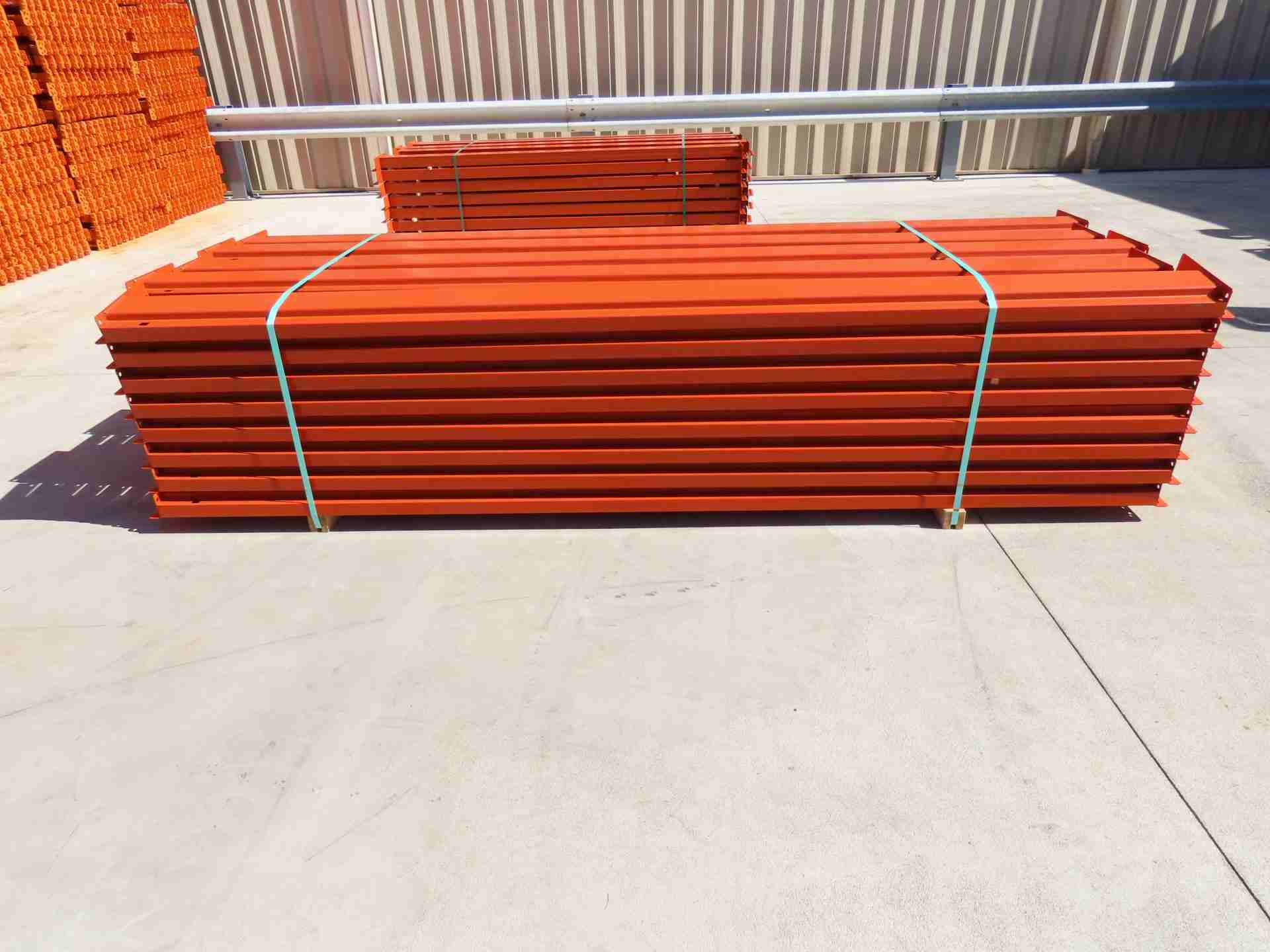
At its core, cantilever pallet racking is designed to store long, bulky items that traditional shelving struggles to accommodate. Think of lumber, pipes, and furniture—items that require both vertical space and easy retrieval. The beauty of cantilever racks lies in their distinctive, uprights with arms extending outward, allowing for products to be loaded and unloaded from either side, optimizing efficiency and minimizing hassle.
Let’s dissect how this all comes together. Each cantilever system consists of vertical columns and horizontal arms, which can be adjusted according to specific needs. This means that whether you need to store items measuring just a few inches long or those reaching up to 20 feet, the adaptability of this racking system has you covered. When you consider the skyrocketing demand for custom operations in today’s ever-evolving retail landscape, this flexibility becomes no longer just an advantage; it’s essential.
Recent events highlight the need for efficient storage solutions. Supply chain disruptions and a booming e-commerce market have forced businesses to rethink their warehousing strategies. For instance, with the increase in home deliveries, retailers like Home Depot have had to optimize their inventory systems to keep up with demand. By integrating cantilever racking in their facilities, they can manage longer items without compromising on space, enabling them to stock more and serve customers faster.
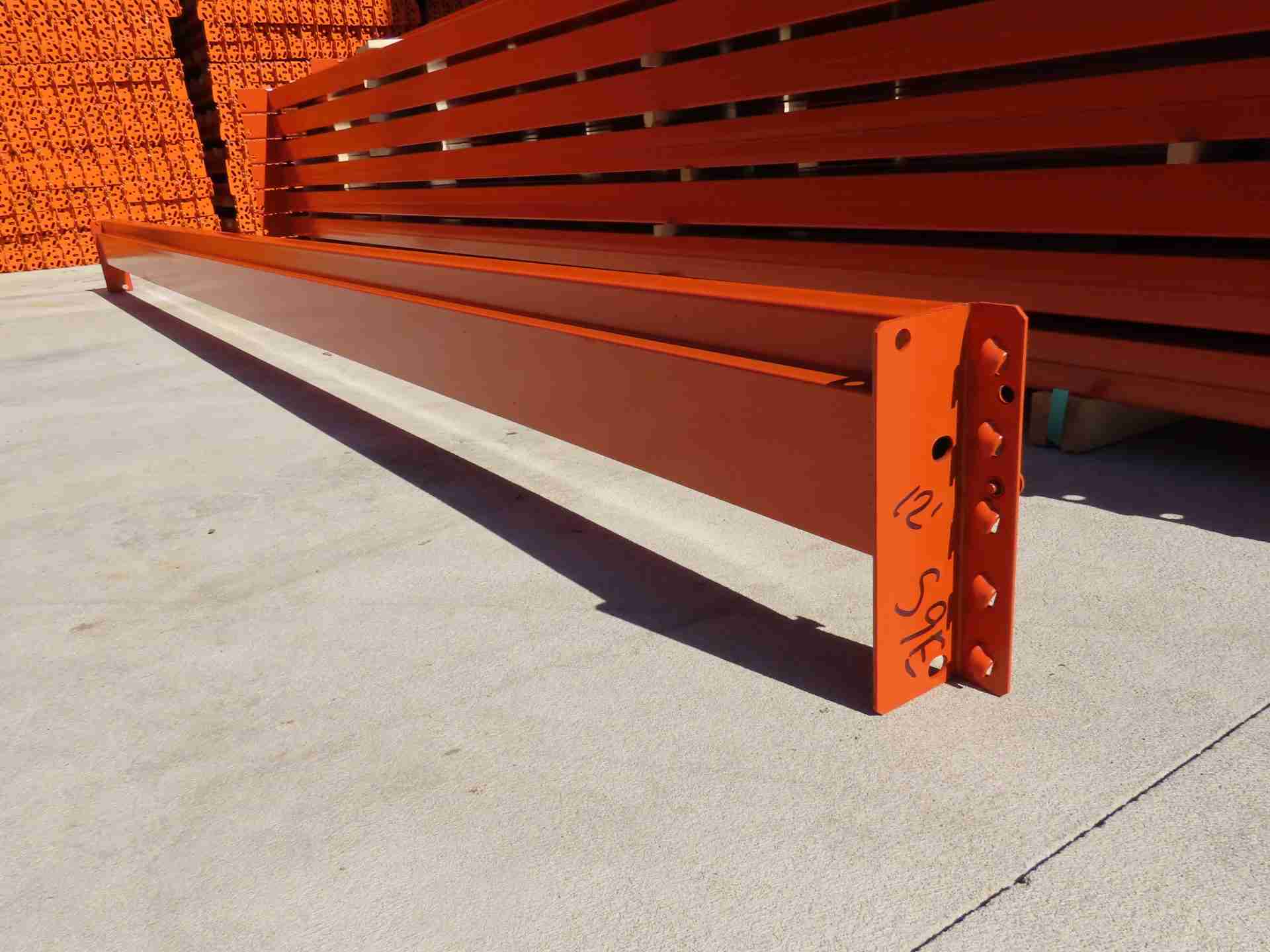
Moreover, consider the safety aspect. Cantilever racking systems come equipped with features that protect both your products and your personnel, such as teardrop safety pins and heavy-duty arms designed to withstand significant weight. The peace of mind you gain translates to greater productivity, as your staff can navigate the space without the fear of accidents or damages.
Lastly, let’s not forget about the cost-effectiveness of cantilever racking. While initial investments may vary, the long-term savings from heightened efficiency, reduced floor space, and minimal maintenance always add up. In an age where every dollar counts, the numbers speak for themselves!
Cantilever pallet racking is more than just a storage method; it’s a strategic advantage that aligns perfectly with the demands of modern business. As you look to optimize your operations, consider making this investment—not just for today, but for a future where efficiency reigns supreme.

How Does Cantilever Pallet Racking Work?
How Does Cantilever Pallet Racking Work?
- Cantilever pallet racking offers efficient and organized warehouse storage.
- Designed for long, bulky items, such as lumber and furniture, which traditional shelving cannot accommodate.
- Features uprights with arms extending outward for easy loading and unloading from either side.
- Adjustable vertical columns and horizontal arms accommodate items of various lengths, enhancing flexibility.
- Responds to the demand for efficient storage solutions driven by supply chain disruptions and e-commerce growth.
- Incorporates safety features to protect products and personnel, fostering a productive work environment.
- Provides long-term cost savings through increased efficiency, reduced space use, and minimal maintenance.

How Does Cantilever Pallet Racking Work?
What Are The Main Benefits Of Cantilever Pallet Racking?
In the fast-paced world of warehousing and logistics, efficiency is king. As businesses strive to maximize space, streamline operations, and reduce costs, the spotlight often shines on cantilever pallet racking. This innovative storage solution offers a plethora of benefits that are transforming warehouses everywhere, making it a game-changer for those in the industry.
1. Optimized Storage Capacity
One of the most compelling advantages of cantilever pallet racking is its ability to accommodate oversized and irregularly shaped items that traditional shelving simply can’t handle. Whether you’re storing lumber, pipes, or heavy machinery, cantilever systems provide a versatile and adaptable solution, allowing you to utilize vertical space creatively. Imagine a lumber yard realizing a 30% increase in storage capacity by simply switching to cantilever racks! This isn’t just a theoretical benefit—such transformations are happening as companies look for ways to reduce their square footage expenses in an era where real estate prices are climbing.
2. Easy Accessibility
Time is money, and nothing frustrates warehouse managers more than inefficiencies created by limited access to stored goods. Cantilever racks are designed for easy visibility and access. With no front columns blocking the way, employees can swiftly retrieve items, significantly reducing the time spent on picking and packing. Companies like Amazon have adopted similar strategies in their fulfillment centers to ensure quick turnaround times, giving them a competitive edge in today’s e-commerce landscape.
3. Enhanced Safety
When handling large or heavy items, safety must always come first. Cantilever pallet racking systems can be customized with safety features such as backstops and arm braces. This robust construction minimizes the risk of goods falling, protecting your inventory and your workforce. Plus, with clutter-free aisles, the chances of accidents are dramatically reduced. As the focus on workplace safety grows amidst increasing labor regulations, investing in a system that prioritizes safety is not just smart—it’s essential.
4. Increased Flexibility
In an ever-changing marketplace, flexibility is crucial. Cantilever racking systems can be easily adjusted to accommodate a range of storage needs, making them ideal for businesses with fluctuating inventories. This adaptability is particularly beneficial in today’s environment where supply chain challenges can impact inventory levels dramatically. For instance, companies that pivot quickly to meet new demands—whether due to seasonal changes or pandemic-related shifts—can rely on cantilever racking as a reliable foundation for their evolving storage requirements.
The benefits of cantilever pallet racking extend beyond mere space-saving—by embracing this revolutionary storage solution, businesses are not only enhancing operational efficiency but also building a robust framework for sustained growth in an ever-evolving market. Don’t just keep up; get ahead with cantilever pallet racking!

What Are The Main Benefits Of Cantilever Pallet Racking?
What Are The Main Benefits Of Cantilever Pallet Racking?
- Optimized storage capacity for oversized and irregularly shaped items.
- Significantly improves easy accessibility for quick retrieval of goods.
- Enhanced safety features, reducing the risk of falling goods and accidents.
- Increased flexibility to adapt storage needs based on fluctuating inventories.
- Helps businesses reduce square footage expenses amidst rising real estate costs.
- Supports operational efficiency, providing a competitive advantage in logistics.
- Builds a robust framework for sustained growth in an evolving market.

What Are The Main Benefits Of Cantilever Pallet Racking?
What Types Of Products Are Best Suited For This Racking System?
When it comes to optimizing your storage solutions, understanding which products fit best with a particular racking system can make all the difference in efficiency, accessibility, and ultimately, profitability. Our racking system is not just about storage; it’s a strategic investment into the future of your operations.
1. Palletized Goods: The Heavy Hitters
If your inventory consists of palletized goods, this racking system is tailor-made for you. Whether you’re storing large quantities of beverages, grocery supplies, or automotive parts, the ability to maximize vertical space with adjustable shelves allows you to create an organized and easily accessible environment. For instance, with increasing pressure on supply chains, having a reliable storage solution becomes paramount. The recent surge in e-commerce has highlighted the need for warehouses that can adapt quickly, and a robust racking system ensures your pallets are optimized for swift movement.
2. In-Season Apparel and Seasonal Products
Consider the fashion industry, which cycles through trends at a breakneck pace. Retailers need to stock not just the current season but also prepare for the next. Our racking system offers modularity, perfect for brands that require frequent reorganizations or the storage of bulk items, like winter wear during summer renovations.
This flexibility becomes particularly valuable now, as stores look to streamline inventory turnover while also maximizing their floor space. The ability to reconfigure your racking to showcase new arrivals quickly can set you apart from competitors who may struggle with inflexible systems.
3. Small Parts and Maintenance Supplies
For industries involved in manufacturing or repair services, the efficient storage of small parts and maintenance supplies is crucial. Our racking system excels at delivering easy access and clear visibility of small components, preventing costly downtimes. Think of a local automotive repair shop stocking screws, bolts, and other fasteners; with a proper racking solution, they can keep everything organized and at hand, allowing their technicians to be more productive.
4. Bulk Items and Overstocks
Finally, for businesses that deal with bulk items—whether foodservice operations or wholesale distributors—our racking system provides a solid foundation for maintaining a tidy stockroom. With current events highlighting food security issues, having an effective bulk storage solution is invaluable. Businesses can take advantage of large shipments and maintain an organized approach to managing their inventory.
In summary, whether you’re dealing with pallets, seasonal products, small parts, or bulk items, this racking system is designed to elevate your storage capabilities. Make the intelligent choice today, and watch as efficiency improves and waste decreases, leading your business towards greater profitability.

What Types Of Products Are Best Suited For This Racking System?
What Types Of Products Are Best Suited For This Racking System?
- Understanding the right products for a specific racking system is vital for efficiency and profitability.
- Palletized goods can be effectively stored with adjustable shelves that maximize vertical space.
- The racking system is ideal for industries with heavy inventory, like beverages, groceries, and automotive parts.
- Retailers in the fast-paced fashion industry benefit from the modularity of the system for seasonal product storage.
- The system allows for quick reconfiguration, enhancing inventory turnover and showcasing new arrivals.
- Efficient storage solutions for small parts and maintenance supplies enhance productivity in manufacturing and repair services.
- For businesses handling bulk items, the racking system helps maintain organization and manage inventory effectively.

What Types Of Products Are Best Suited For This Racking System?
How Do I Choose The Right Cantilever Pallet Racking Unit?
In the competitive landscape of warehouse management, choosing the right cantilever pallet racking unit is more than a mere logistical decision; it’s a strategic move that can enhance efficiency, improve safety, and optimize your bottom line. So, how do you pivot from options to decisions? Let’s break this down.
First, assess your inventory. The nature of your goods will dictate the style and capacity of your racking. For instance, if you’re in the lumber industry, heavy-duty cantilever racks—designed to handle long, awkwardly shaped items—are essential. Consider recent reports highlighting the booming housing market that has increased demand for building materials. Companies are constantly looking to streamline operations to ensure they can meet orders efficiently. A well-structured racking system ensures you keep pace.
Next, consider the space. Measure your warehouse’s dimensions and account for vertical space. High ceilings can enable you to go taller, maximizing your storage capabilities. For instance, if you have height but minimal floor space, selecting a high-density cantilever system could be your answer. Remember the recent trends in urban forestry and sustainable building materials. As businesses pivot towards eco-friendly products, ensure your racking can support these inventory types without compromising space.
Don’t overlook the importance of flexibility. As your business evolves, your storage needs may change. Select a modular system that allows for easy adjustment of arm heights and widths. Recent supply chain disruptions have taught many in the industry that adaptability is crucial. Companies that can reconfigure their warehousing setup rapidly have a competitive advantage, ensuring they can pivot swiftly to accommodate new products or unexpected challenges.
Safety is paramount when choosing your cantilever racking. Choose units with high-quality materials and a solid reputation for stability. Look for features like reinforced bases or integrated safety features that minimize risks. According to industry experts, nearly 30% of warehouse injuries are attributed to poor racking conditions. A robust unit reduces risks—protecting not just your employees, but also your assets.
Lastly, factor in cost vs. value. The most expensive option isn’t always the best one. Evaluate your choices based not only on upfront costs but also on long-term durability, maintenance needs, and potential ROI. With rising material costs and fluctuations in the market due to geopolitical factors, investing in high-quality, reliable storage is more critical than ever.
Selecting the right cantilever pallet racking unit isn’t just about fitting units into your space; it’s about positioning your business to thrive amid current trends and demands. Make informed decisions, and watch your efficiency soar.

How Do I Choose The Right Cantilever Pallet Racking Unit?
How Do I Choose The Right Cantilever Pallet Racking Unit?
- Choosing the right cantilever pallet racking unit is a strategic decision that boosts efficiency, safety, and profitability.
- Assess inventory to determine appropriate racking style and capacity; heavy-duty racks are vital for industries like lumber.
- Measure warehouse dimensions and consider vertical space to maximize storage capabilities, particularly with high-density systems.
- Select a flexible, modular racking system that can adapt to changing storage needs and unexpected supply chain disruptions.
- Prioritize safety by choosing high-quality units with stable construction and safety features, as poor racking conditions contribute to significant injuries.
- Evaluate cost vs. value, focusing on long-term durability and ROI rather than just initial expenses in light of market fluctuations.
- Making an informed choice about cantilever racking supports business resilience against current trends and demands.

How Do I Choose The Right Cantilever Pallet Racking Unit?
What Are The Safety Considerations For Cantilever Pallet Racking?
When it comes to storing materials efficiently and safely, cantilever pallet racking stands out for its structural elegance and functionality. However, the appeal of these systems isn’t solely in their design; it lies in their capacity to safely handle an array of loads. To protect your investment and workforce, understanding safety considerations is paramount.
1. Load Capacity and Distribution
Every cantilever racking system comes with a designated load capacity, which must not be exceeded. For instance, if your racking is rated for 2,000 lbs, loading it with materials exceeding this weight is a disaster waiting to happen. Regularly inspect the load distribution across the arms to prevent uneven stacking, which can lead to tipping. Remember the infamous warehouse incident in Ohio last year, where improper loading led to a catastrophic collapse, causing substantial injuries and financial losses. Ensure regular staff training on weight limits and correct loading practices to circumvent such disasters.
2. Structural Integrity
Corrosion, wear, and tear can weaken your racking system over time. Seasonal changes, particularly if you’re in areas subject to significant moisture or temperature fluctuations, can play a crucial role. An annual assessment should become a standard operating procedure: check for rust, damages, or twisted frames. Just last summer, we saw a major retailer suffer a significant roof collapse due to compromised racking systems—a lesson that emphasizes the importance of routine maintenance checks.
3. Forklift and Equipment Usage
Train your staff to operate forklifts with awareness of the racking layout. Many accidents stem from negligence during the placement or retrieval of inventory. For example, a recent incident in a distribution center saw a forklift operator striking a cantilever rack, causing a domino effect that damaged adjacent systems and injured colleagues. Establish clear pathways and designate loading zones to mitigate risks.
4. Safety Equipment and Protocols
Encourage the use of personal protective equipment (PPE). Helmets, steel-toed boots, and high-visibility clothing are not just for show; they are essential tools in keeping your employees safe. Implement comprehensive safety protocols—including proper lifting techniques and on-the-spot reporting of any safety concerns or incidents.
While cantilever pallet racking systems are integral to warehouse efficiency, prioritizing safety transforms them into tools of security. Safety checks, staff training, and maintaining structural integrity foster a culture of diligence that protects both your workforce and your bottom line. Don’t let avoidable incidents tarnish your productivity; put safety at the forefront of your racking solutions.

What Are The Safety Considerations For Cantilever Pallet Racking?
What Are The Safety Considerations For Cantilever Pallet Racking?
- Cantilever pallet racking is noted for its efficient and safe storage capabilities.
- Understanding safety considerations is crucial for protecting investments and workforce.
- Load capacity must never be exceeded; regular inspections of load distribution prevent accidents.
- Annual assessments for structural integrity are essential to prevent wear and tear from environmental factors.
- Staff training on forklift operation and awareness of racking layout can prevent significant accidents.
- Use of personal protective equipment (PPE) and comprehensive safety protocols is essential for employee safety.
- Prioritizing safety through checks, training, and maintenance helps maintain productivity and protects the workforce.

What Are The Safety Considerations For Cantilever Pallet Racking?
How Does Cantilever Pallet Racking Compare To Other Racking Types?
In the dynamic world of warehouse management and logistics, the right racking system can be the difference between chaos and streamlined efficiency. Among the various options available, cantilever pallet racking stands out with its unique design, allowing for exceptional versatility and accessibility. But how does it measure up against other racking types such as selective pallet racking or drive-in systems? Let’s dive into the specifics.
Cantilever racking features long arms that extend horizontally from a vertical framework, providing a clear and unobstructed space for storing long or bulky items like lumber, pipes, or furniture. This open design not only maximizes your storage area but also enhances operational efficiency. For instance, when it comes to stocking oversized items, a cantilever system can drastically reduce retrieval times, allowing your team to get goods in and out with surgical precision.
Compare this to selective pallet racking — the most common type used due to its straightforward design. While selective racking excels in offering direct access to each pallet, its limitations and inefficiencies become apparent when dealing with long items typically stocked vertically. It restricts product visibility and often leads to fumbling around in an overcrowded space. In industries facing current supply chain challenges, like lumber and construction, where timely access to oversized materials is crucial, cantilever systems shine brightly.
Now let’s address drive-in racking, another popular solution designed for high-density storage. While this system maximizes vertical space and allows for quick inventory turnover, it imposes a “first-in, last-out” (FILO) inventory management approach, which can complicate access and tracking. In a fast-paced sales cycle—think of the booming e-commerce scenario many industries are experiencing—having the ability to access products on the fly can be invaluable. Here, cantilever racking takes the lead, ensuring swift access to frequently needed items.
Additionally, with rising consumer expectations for quick deliveries and stock availability, adopting cantilever racking could give businesses a competitive edge. It not only enhances storage efficiency but can also adapt to changing business needs, standing the test of time as market demands fluctuate.
In essence, when evaluating your storage options, cantilever pallet racking proves itself as a front-running choice. By providing unmatched accessibility, adaptability to various product shapes and sizes, and increased efficiency over other systems, it becomes a pivotal component in mastering modern warehousing challenges. Don’t just settle for any racking system; invest in a solution that propels your operations forward.

How Does Cantilever Pallet Racking Compare To Other Racking Types?
How Does Cantilever Pallet Racking Compare To Other Racking Types?
- Cantilever pallet racking offers exceptional versatility and accessibility in warehouse management.
- Features long arms extending horizontally, ideal for storing long or bulky items like lumber and pipes.
- Maximizes storage area and enhances operational efficiency, reducing retrieval times for oversized items.
- Selective pallet racking provides direct access but limits visibility and efficiency for long items stored vertically.
- Drive-in racking maximizes vertical space but uses a “first-in, last-out” approach, complicating access.
- Cantilever racking allows swift access, crucial for industries with high consumer expectations for quick deliveries.
- Investing in cantilever racking offers unmatched accessibility and adaptability, making it a superior choice in modern warehousing.

How Does Cantilever Pallet Racking Compare To Other Racking Types?
What Is The Typical Weight Capacity Of Cantilever Pallet Racking?
When it comes to optimizing warehouse space and maximizing efficiency, choosing the right racking solution is pivotal. Cantilever pallet racking, with its impressive design and versatility, has become a favored choice for facilities that handle heavy-duty storage. But just how much weight can these systems typically handle? Understanding weight capacity is essential—not just for compliance and safety, but for ensuring that your investment pays off.
Cantilever racking systems are engineered to accommodate a variety of loads, making them ideal for industries ranging from lumber and steel storage to furniture and large appliances. Typically, the weight capacity of a single cantilever arm ranges from 500 to 2,000 pounds. For heavier loads, custom configurations can be designed to support higher weight thresholds, sometimes exceeding 4,000 pounds per arm! This scalability is a game changer for businesses experiencing rapid growth and fluctuating inventory needs.
Consider a construction supply company that recently upgraded to a cantilever system for storing lengths of lumber. By using a heavy-duty cantilever racking system, they efficiently organized their stock while significantly reducing the risk of accidents associated with overloading older, less reliable systems. Now, they can store a diverse array of construction materials, from beams to panels, without sacrificing safety or accessibility.
But weight capacity isn’t the only factor to consider. As market dynamics shift—such as the rise in e-commerce and the push for more sustainable practices—companies are increasingly turning to cantilever racking not just for storage, but as part of a broader strategy to enhance productivity and streamline operations. For instance, the recent supply chain disruptions have made it vital for businesses to have a robust and adaptable inventory management system. Cantilever racking allows companies to easily rearrange or expand their storage solutions in response to fluctuating supply demands.
Moreover, with the ongoing advancements in material technology, new cantilever racking solutions incorporate higher-grade materials that could lead to even greater weight capacities. Investing in such high-tech racking not only improves load resilience but also enhances warehouse aesthetics—a factor growing in importance in today’s visually-oriented marketplaces.
The typical weight capacity of cantilever pallet racking is versatile and can be tailored to fit the unique demands of your business. Whether you’re a small operation or a large-scale distributor, understanding your racking options is crucial. Dive into the world of cantilever racking, and you may find the perfect solution to elevate your storage capabilities to new heights!

What Is The Typical Weight Capacity Of Cantilever Pallet Racking?
What Is The Typical Weight Capacity Of Cantilever Pallet Racking?
- Choosing the right racking solution is crucial for optimizing warehouse space and efficiency.
- Cantilever pallet racking is popular for handling heavy-duty storage across various industries.
- Weight capacity of a single cantilever arm ranges from 500 to 2,000 pounds, with custom designs able to exceed 4,000 pounds.
- Cantilever systems improve safety and organization, as demonstrated by a construction supply company’s successful upgrade for lumber storage.
- These racking systems allow businesses to adapt their inventory management in response to market changes and fluctuating demands.
- Advancements in material technology are leading to cantilever racks with greater weight capacities and enhanced warehouse aesthetics.
- Understanding your racking options is essential for all businesses, from small operations to large distributors.

What Is The Typical Weight Capacity Of Cantilever Pallet Racking?
How Much Space Is Needed For Installing Cantilever Pallet Racking?
When it comes to maximizing your warehouse efficiency, understanding how much space you actually need for installing cantilever pallet racking is paramount. This innovative storage solution allows for the seamless organization of long, bulky items that traditional shelving struggles to accommodate. But, optimizing your investment requires a clear grasp of spatial requirements and operational flow.
First, let’s address dimensions. The footprint of your cantilever pallet racking system depends on the height, depth, and load capacity that suits your inventory’s unique characteristics. Generally, these systems can be customized to fit aisles as narrow as 48 inches, ensuring that even tight spaces can be utilized effectively. For instance, industry leaders like Rack Builders suggest that for optimal accessibility, the aisle width should range between 4-6 feet. This provides enough room for forklift maneuvering while keeping your racked inventory within arm’s reach.
Consider your inventory types as well; typically, a single-sided cantilever rack requires about 12 inches to 48 inches of clearance on either side for loading and unloading. Therefore, if your warehouse stocks oversized materials, allow for additional space—not just for the racking itself, but also for operational movement and employee safety. Factoring in these considerations ensures that your warehouse is not just storing products but doing so efficiently.
Now, let’s talk about current trends. With supply chain disruptions affecting many industries, businesses are reconsidering how they utilize their space. In light of this, companies are investing in adjustable cantilever racks that offer flexibility. For example, a distributer of outdoor construction materials recently transformed a 10,000 square-foot section of their warehouse to accommodate aggregate storage by strategically implementing cantilever systems. This simple adjustment boosted retrieval efficiency by 30%, cutting down on operational chaos during peak season.
In addition to inventory and aisle dimensions, local building codes may impose height restrictions and spacing regulations that you must account for. Always check with local regulations to ensure compliance and avoid setbacks in installation.
Lastly, always remember that the space you allocate isn’t just for racking—it’s for productivity. With the right arrangements, you’ll not only optimize your space but also enhance workflow and reduce loss from damage, giving you a formidable edge over competitors. So, when you’re mapping out your racking system, think strategically about every inch. The right planning today will pay dividends in efficiency tomorrow!

How Much Space Is Needed For Installing Cantilever Pallet Racking?
How Much Space Is Needed For Installing Cantilever Pallet Racking?
- Understanding spatial requirements is crucial for effective cantilever pallet racking installation.
- Cantilever systems are ideal for organizing long, bulky items, outperforming traditional shelving.
- System dimensions should be customized based on height, depth, and load capacity to match inventory needs.
- Optimal aisle width for accessibility is recommended to be between 4 to 6 feet for forklift maneuverability.
- Consider clearance space (12 to 48 inches) for loading/unloading alongside racking and employee safety.
- Adjustable cantilever racks offer flexibility and can significantly boost retrieval efficiency, as demonstrated by a case study.
- Always check local building codes for height and spacing regulations to ensure compliance during installation.

How Much Space Is Needed For Installing Cantilever Pallet Racking?
What Are The Common Maintenance Requirements For This Racking System?
In the fast-paced world of warehousing and logistics, maintaining racking systems is not just about functionality; it’s a strategic imperative that can impact your bottom line. Proper upkeep ensures that your racking systems remain safe, efficient, and able to adapt to fluctuating demands. Below are essential maintenance requirements to keep your investments in top condition.
First and foremost, regular inspections are critical. This isn’t just a routine check; it’s an opportunity to spot potential issues before they become costly problems. According to recent statistics from industry leaders, nearly 70% of warehouse accidents stem from equipment failure, which can often be traced back to neglected maintenance. Whether you’re dealing with selective pallet racks or drive-in systems, aim for bi-weekly inspections focusing on structural integrity, alignment, and any visible signs of wear or damage.
Next, addressing minor repairs immediately can save you big in the long run. For example, if you notice a bent beam during your routine inspection, don’t delay in replacing it. Failing to act may lead to weight distribution issues that compromise safety and could result in accidents. Remember, an ounce of prevention is worth a pound of cure—or in this case, thousands in potential liability costs.
Another pivotal aspect of maintenance is ensuring that your racking system complies with the latest safety standards. The Occupational Safety and Health Administration (OSHA) updates its guidelines frequently, and keeping abreast of these changes is crucial. Recently, new regulations have been enacted to enhance safety protocols in warehouses, emphasizing the importance of training employees on safe racking practices.
You also want to monitor load capacities closely. Each racking system comes with specific weight limits, and disregarding these ratings can lead to failure and, more dangerously, accidents. Implementing a formal load monitoring system can ensure that employees are acutely aware of these limits, preventing overloading that can weaken the structure over time.
Finally, consider a professional maintenance program. While it might seem like an added expense, the investment pays off by extending the lifespan of your racking systems and ensuring peak efficiency. This is especially relevant today as supply chains become more complex and demands for quick turnaround times grow.
To capitalize on the benefits of a well-maintained racking system, remember: proactive maintenance is not just a best practice—it’s a crucial component of operational excellence. Adhering to these requirements can enhance safety, increase productivity, and ultimately drive your profits to new heights. The time to act is now—don’t let negligence derail your success!

What Are The Common Maintenance Requirements For This Racking System?
What Are The Common Maintenance Requirements For This Racking System?
- Maintaining racking systems is a strategic imperative that affects the bottom line.
- Regular inspections are critical; aim for bi-weekly checks to identify potential issues early.
- Address minor repairs immediately to prevent costly accidents and maintain safety.
- Stay updated on OSHA safety standards and train employees on safe racking practices.
- Monitor load capacities closely to prevent accidents and structural failures.
- Consider a professional maintenance program to extend the lifespan and efficiency of racking systems.
- Proactive maintenance enhances safety, boosts productivity, and drives profits.

What Are The Common Maintenance Requirements For This Racking System?
Can Cantilever Pallet Racking Be Customized For Specific Needs?
Absolutely, cantilever pallet racking is not just a one-size-fits-all solution; it’s a versatile storage option that can be tailored to meet a variety of specific needs. In a world where efficiency and adaptability are paramount, businesses can’t afford to settle for outdated storage solutions. They need systems that evolve with their operational demands, and cantilever pallet racking provides precisely that.
Imagine a lumber yard that needs to store lengthy items — from 2x4s to heavy timber beams. A standard shelving system won’t cut it. However, cantilever racking allows for endless customization in both height and arm length, catering specifically to these bulky products. By adjusting the arms to accommodate different sizes, this system not only enhances accessibility but also maximizes vertical space. Businesses that invest in such tailored solutions often see a rapid return on investment by reducing clutter, increasing storage density, and speeding up order fulfillment.
Let’s consider the technology sector. As businesses pivot to e-commerce, adapting warehouses to house an influx of SKUs is essential. Cantilever racks can be designed to handle everything from electronics to oversized packaging materials, effectively and safely. Manufacturers can even design racks with adjustable arms that accommodate changing inventory, enabling quick modifications without the need for total system redesign. Imagine a manufacturer being able to pivot its storage system to meet new market demands overnight — that’s the agility customization provides.
Moreover, current market trends favor sustainability, and cantilever racking can easily incorporate eco-friendly materials or coatings. Forward-thinking businesses are actively seeking solutions that not only fulfill their immediate needs but also align with sustainability goals. Customizations could also include integrating safety features, such as load indicators and anti-collapse mechanisms, ensuring that your workforce remains safe while navigating the complexities of modern storage environments.
In an era defined by rapid change — from supply chain fluctuations to evolving consumer demands — the ability to customize cantilever racking systems gives businesses a significant competitive edge. Investing in tailored solutions now means you’re not just preparing for today’s challenges, but also future-proofing your operations against unforeseen disruptions. Your storage solution can evolve alongside your business, ensuring you’re always ready to meet the market head-on.
Don’t settle for less; embrace the possibilities of customized cantilever racking to transform your storage strategy and drive lasting success.

Can Cantilever Pallet Racking Be Customized For Specific Needs?
Can Cantilever Pallet Racking Be Customized For Specific Needs?
- Cantilever pallet racking offers versatile, customizable storage solutions to meet specific operational needs.
- It enhances efficiency by catering to large items, like lumber, that standard shelving cannot accommodate.
- Customization includes adjustable arm lengths and heights, maximizing vertical space and improving accessibility.
- In the tech sector, cantilever racks can handle a variety of SKUs, adapting quickly to changing inventory demands.
- The system supports sustainability initiatives by allowing the use of eco-friendly materials and safety features.
- Customizable racking provides a competitive edge in a rapidly changing market, future-proofing operations.
- Investing in tailored cantilever racking can reduce clutter and increase productivity, leading to faster order fulfillment.

Can Cantilever Pallet Racking Be Customized For Specific Needs?
How Long Does It Take To Install Cantilever Pallet Racking?
When it comes to streamlining your warehouse operations, investing in cantilever pallet racking is a no-brainer. These innovative storage solutions not only maximize vertical space but can also significantly enhance the efficiency of your inventory management system. However, one common question arises: “How long does it really take to install cantilever pallet racking?”
The installation time for cantilever pallet racking can vary between projects, but you can expect the entire process to typically range from a few hours to a couple of days. Factors influencing this timeline include the complexity of the racking system, the size of your warehouse, and the proficiency of the installation team. For example, a standard single-sided racking unit in a medium-sized facility may only take a skilled crew a few hours to set up, whereas a comprehensive, double-sided configuration might require a full day—or more—especially if the area needs significant preparation.
Let’s consider a practical example: A business that specializes in lumber may choose cantilever racking to hold long, bulky items. They hire a professional crew to install this specialized system, which allows them to optimize available space. The skilled team arrives early, tools in hand, and efficiently assembles the structure in about six hours. With a meticulous approach and a bit of teamwork, they expertly navigate around potential obstacles like lighting fixtures or utility lines. Plus, because they mobilize quickly, the business can return to normal operations without significant disruption.
But like any business strategy, timing can be impacted by factors beyond your control. Take, for instance, the current supply chain issues that many industries are facing. With certain materials and equipment experiencing delays, installation could take longer than anticipated. Businesses must factor this potential setback into their planning. Always discuss timelines carefully with your provider, and it’s wise to build in some flexibility.
Moreover, considering the ongoing inflationary pressures in the economy, investing in an efficient storage solution like cantilever racking could actually save you money in the long run. By allowing you to maximize storage space and reduce handling time, these systems can lead to a quicker return on investment, even if the installation takes a bit longer than expected.
While installation times can vary, the benefits of cantilever pallet racking far outweigh the initial setup inconveniences. When properly planned and executed, the right installation team can optimize your warehouse space without a hitch, ultimately propelling your business toward success.

How Long Does It Take To Install Cantilever Pallet Racking?
How Long Does It Take To Install Cantilever Pallet Racking?
- Cantilever pallet racking maximizes vertical space and improves inventory management efficiency.
- Installation time typically ranges from a few hours to a couple of days, depending on various factors.
- Factors influencing installation time include complexity of the racking system, warehouse size, and team proficiency.
- A standard single-sided unit can be set up in hours, while a double-sided configuration may take a full day or more.
- External factors, such as supply chain issues, may extend installation timelines.
- Investing in cantilever racking can lead to long-term savings by optimizing storage and reducing handling time.
- Benefits of cantilever racking outweigh initial setup inconveniences, boosting overall business success.

How Long Does It Take To Install Cantilever Pallet Racking?
What Are The Different Styles Of Cantilever Pallet Racking Available?
When it comes to optimizing warehouse space and improving inventory management, cantilever pallet racking stands out as a versatile solution. Its unique design allows for the storage of bulky, irregularly shaped items that traditional shelving systems simply can’t accommodate. However, not all cantilever racking systems are created equal. Understanding the different styles available can significantly enhance your warehouse’s operational efficiency.
1. Single-Sided Cantilever Racking
This style is ideal for warehouses with limited aisle space. The design features upright supports on one side, allowing items to be stored on the opposite. Single-sided cantilever is commonly used for storing lumber, drywall, or piping where access from one side is sufficient. If your business is involved in construction or manufacturing, this compact solution can maximize space without disrupting workflow.
2. Double-Sided Cantilever Racking
If your storage needs require access from both sides, double-sided cantilever racking is your answer. This style is perfect for high-density storage setups—imagine a distribution center handling furniture or automotive parts where quick access from either side reduces picking times. The versatility of double-sided systems means you can enjoy increased storage capacity while maintaining organization.
3. Adjustable Cantilever Racking
Innovation in warehouse solutions comes with adjustable cantilever systems. These racks allow you to modify shelf heights on the fly, accommodating various item sizes without investing in new equipment. As businesses evolve, so do their inventory needs. If your stock fluctuates or includes seasonal items—like outdoor furniture in summer—an adjustable system offers unparalleled flexibility.
4. Heavy-Duty Cantilever Racking
Companies managing massive loads, such as industrial manufacturers or large-scale retailers, benefit from heavy-duty cantilever racking. Built with robust materials to support considerable weight, these racks are capable of handling extra-heavy loads like steel beams or oversized machinery. Supporting the heft ensures safety and stability, crucial for a busy environment.
5. Mobile Cantilever Racking
In our fast-paced world, the demand for space efficiency is more pressing than ever. Enter mobile cantilever racking, where racks can be moved along tracks, creating dynamic aisles tailored to your immediate needs. This modern approach saves space and enhances accessibility, making it an exciting option for museums or archives housing large art pieces or manuscripts.
Choosing the right style of cantilever pallet racking can transform your operational efficiency. With the right system, you not only enhance productivity but also position your warehouse for long-term growth and adaptability in an ever-changing marketplace. Whether you’re in construction, retail, or manufacturing, remember, the right storage solution is just a rack away. Take the leap, and watch your business thrive.

What Are The Different Styles Of Cantilever Pallet Racking Available?
What Are The Different Styles Of Cantilever Pallet Racking Available?
- Cantilever pallet racking optimizes warehouse space and improves inventory management.
- Single-Sided Cantilever Racking suits warehouses with limited aisle space for items like lumber and drywall.
- Double-Sided Cantilever Racking allows access from both sides, suitable for high-density storage needs.
- Adjustable Cantilever Racking offers flexible shelf heights to accommodate varying item sizes and inventory changes.
- Heavy-Duty Cantilever Racking is designed for substantial loads, ensuring safety and stability in industrial environments.
- Mobile Cantilever Racking allows racks to be moved along tracks, enhancing space efficiency and accessibility.
- Choosing the right cantilever racking system can boost operational efficiency and support long-term growth.

What Are The Different Styles Of Cantilever Pallet Racking Available?
How Can I Improve The Efficiency Of Cantilever Pallet Racking?
In the dynamic landscape of warehousing and logistics, every inch of space and every second of time counts. One of the most practical investments you can make for your operation is improving the efficiency of your cantilever pallet racking. Here’s how you can turn your storage area into a well-oiled machine.
1. Assess Your Inventory Dimensions
First, know your inventory like the back of your hand. Understanding the dimensions and weight of every item is fundamental to optimizing your cantilever racks. For instance, if you deal with a mix of long, bulky items, ensure your racks are adjustable to accommodate various sizes. Use a strategy similar to IKEA’s—a flat-packed system that maximizes space and minimizes lost inventory. Companies that diligently map their inventory dimensions often report up to a 30% reduction in retrieval time.
2. Embrace Vertical Space
Don’t just think horizontally—think vertically! Cantilever racks can reach impressive heights, so take advantage of this. High-density storage minimizes the footprint and maximizes your use of vertical space. If you haven’t integrated a flooding-light system or inventory tracking drone technology in your warehouse to monitor stock levels, now’s the time. Tools like these improve retrieval speeds and reduce labor costs. Consider the recent advancements in automated inventory systems; many companies aligning with this trend see returns of efficiency year-over-year.
3. Implement FIFO (First In, First Out) Practices
For time-sensitive items, a FIFO system can greatly enhance efficiency. Position the oldest stock in the most accessible spots of your cantilever racks. For example, if your business involves perishable goods or seasonal items, this simple tweak can help you avoid obsolescence and waste—an increasingly hot topic as supply chain disruptions linger due to current economic fluctuations.
4. Invest in Employee Training
Your employees are your greatest asset when it comes to maximizing storage efficiency. Invest time and resources into training your team on best practices for utilizing cantilever racks. A team that understands the layout and optimal retrieval methods can significantly shorten pick times and minimize accidents—two essential features for any competitive operation. Just look at the statistics: organizations committed to continuous training often see a 20% boost in employee productivity.
5. Regular Maintenance Checks
Finally, a system is only as good as its care. Regular maintenance checks ensure your cantilever racks are safe and effective. Scheduled inspections can prevent costly downtime and potential accidents, keeping your operations smooth and safe.
The path to improved efficiency with cantilever pallet racking is clear and actionable. By following these strategies, you can transform your warehousing efforts into a streamlined operation, while staying ahead of the curve in an ever-evolving market. Are you ready to elevate your efficiency game?
How Can I Improve The Efficiency Of Cantilever Pallet Racking?
How Can I Improve The Efficiency Of Cantilever Pallet Racking?
- Assess Your Inventory Dimensions: Understand the dimensions and weight of items to optimize cantilever racks, aiming for a 30% reduction in retrieval time.
- Embrace Vertical Space: Utilize the height of cantilever racks for high-density storage and consider integrating technology for better stock monitoring and retrieval speeds.
- Implement FIFO Practices: Position older stock in accessible spots to enhance efficiency and reduce waste, especially for perishable or seasonal items.
- Invest in Employee Training: Train employees on best practices to significantly shorten pick times and minimize accidents, leading to a 20% boost in productivity.
- Regular Maintenance Checks: Conduct scheduled inspections to ensure safety and effectiveness, preventing costly downtime and accidents.
- Transform Storage Practices: Implementing these strategies can streamline operations and maintain competitiveness in a dynamic market.
- Elevate Efficiency: By following these actionable steps, you can enhance the efficiency of your warehousing efforts.

How Can I Improve The Efficiency Of Cantilever Pallet Racking?
What Tools Are Needed For Assembling Cantilever Pallet Racking?
When it comes to assembling cantilever pallet racking—an essential solution for storing oversized goods efficiently—the right tools are not just helpful; they are downright crucial. The success of any project is contingent on being prepared, and having the right arsenal at your fingertips can save you time and frustration, not to mention costly missteps that can set you back significantly.
1. Power Drill/Driver: This is the hero tool of racking assembly, cutting down the time it takes to secure your racking components by at least half. A power drill with both drill and impact capabilities will allow you to screw in bolts and fasteners with ease. For example, Dewalt, a market leader, offers a robust drill kit that provides lasting power and precision, perfect for the rigorous demands of cantilever racking.
2. Socket Set: A good socket set is indispensable for securing the bolts that hold your cantilever components together. Opt for a set with a mix of metric and standard sockets to cover all bases. Recent trends have shown increased demand for socket sets featuring quick-release mechanisms, ensuring efficiency on-site. Brands like Craftsman have rolled out innovative designs that not only enhance speed but also improve torque control—essential for heavy-duty frameworks.
3. Level: Accuracy is non-negotiable in racking assembly; if the structure isn’t level, it can compromise both safety and functionality. A high-quality level, whether laser or traditional, will ensure each component is perfectly aligned. As safety regulations grow increasingly stringent in warehouses, utilizing a sound leveling tool will save you from hazardous misalignments.
4. Measuring Tape: Precision starts with measurement. A durable measuring tape will ensure that the racking is spaced correctly and fits into your available square footage. Investing in a magnetic measuring tape can be beneficial as it frees your hands for holding the racking pieces in place.
5. Safety Gear: Let’s not forget the importance of safety while working on any assembly project. At minimum, ensure that you wear gloves, safety glasses, and sturdy footwear. With reports highlighting rising accidents in the warehouse sector post-pandemic, it’s imperative to prioritize safety—after all, no save on time is worth a trip to the ER!
6. Step Ladder or Scaffolding: Depending on the height of your cantilever platform, you may require a step ladder or scaffolding. The ability to reach all areas of your structure comfortably can prevent awkward postures that lead to injuries.
Equipping yourself with these vital tools isn’t just a smart move; it’s an investment in efficiency and safety that pays dividends in long-term functionality and peace of mind. With these tools in hand, you’re well on your way to a successful cantilever pallet racking assembly that meets both your operational needs and safety standards. Don’t skimp on preparation; it’s what transforms a daunting task into a smooth operation.

What Tools Are Needed For Assembling Cantilever Pallet Racking?
What Tools Are Needed For Assembling Cantilever Pallet Racking?
- Importance of Right Tools: Assembling cantilever pallet racking requires essential tools that save time and prevent costly mistakes.
- Power Drill/Driver: The key tool that significantly reduces assembly time; a versatile drill with both drill and impact functions is recommended.
- Socket Set: Essential for securing bolts; choose a set with metric and standard sockets and quick-release mechanisms for efficiency.
- Level: Critical for accuracy in assembly; ensures safety and functionality by aligning components correctly.
- Measuring Tape: Necessary for precise spacing and fitting; a magnetic tape can free hands for handling racking pieces.
- Safety Gear: Prioritize safety with gloves, safety glasses, and sturdy footwear to avoid accidents during assembly.
- Step Ladder or Scaffolding: Necessary for reaching high areas comfortably and safely during the assembly process.

What Tools Are Needed For Assembling Cantilever Pallet Racking?
Conclusion
As we’ve explored throughout this article, the role of efficient storage solutions in today’s fast-paced warehousing and logistics environment cannot be overstated. At the heart of this revolution lies cantilever pallet racking—a transformative system designed to optimize your space and enhance the accessibility of long, bulky items. It breaks free from the confines of traditional storage solutions, enabling you to organize materials like lumber, steel pipes, and oversized merchandise swiftly and effectively.
What sets cantilever racking apart is its exceptional versatility. With adjustable arms extending from vertical uprights, these racks provide a customizable storage experience that adapts to your evolving inventory needs. No longer will you have to compromise on space or deal with the chaos of cluttered aisles. By implementing a tailored cantilever system, businesses can leverage their vertical space and streamline their operations to meet customer demands more effectively.
The urgency for businesses to embrace this innovative solution has never been clearer. In light of recent supply chain disruptions and the rising e-commerce market, now is the optimal time to rethink how you store and retrieve products. Companies like Home Depot have already recognized the competitive advantage offered by cantilever racking, significantly improving their operational efficiencies while reducing the risk of inventory damage.
But action must be swift. Every moment spent relying on outdated storage methods is an opportunity lost to competitors who are already capitalizing on the fast-paced changes in the market. By taking the leap towards cantilever racking today, you position your business not just to adapt, but to thrive amid future challenges.
We invite you to take the next step in transforming your storage strategy! Contact Arrow Industrial Sales today at (574) 349-6575 to get detailed information on how cantilever pallet racking can unlock greater efficiency and profitability for your operation. Don’t let inefficiencies stagnate your growth—act now, and give your business the edge it deserves!

Conclusion
Conclusion:
- Cantilever pallet racking is pivotal for efficient storage in modern warehousing and logistics.
- This innovative system optimizes space and improves accessibility for long and bulky items.
- Its adjustable arms allow for a customizable storage experience that adapts to changing inventory needs.
- Adopting cantilever racking helps businesses utilize vertical space and streamline operations effectively.
- Recent supply chain disruptions and growth in e-commerce highlight the urgency to modernize storage solutions.
- Companies like Home Depot benefit from increased operational efficiency and reduced inventory damage with cantilever racking.
- Act now to transform your storage strategy and gain a competitive edge before competitors capitalize on market changes.

Conclusion
Other Resources
Other Resources
Here is a list of other resources you can review online to learn more:
- “Cantilever Racks – Material Handling Equipment”
- “Highly Rated – Cantilever Racks – Material Handling …”
- “New Cantilever Rack Systems for Sale”
- “Best Rated – Cantilever Racks – Material Handling Equipment”
- “Cantilever Racking – Heavy Duty Online Rack Builder”
- “Cantilever Racks & Shelves – Meco & Red Steel”
- “Heavy Duty Cantilever Racks | Platforms and Ladders”
- “Cantilever Lumber Rack & Plywood Storage Rack”
- “Merchant Magazine June 2024 by 526 Media Group”
- “Lumber | Deck Boards”
- “United States Department of the Interior NATIONAL …”

Other Resources
Glossary Terms
What Is Cantilever Pallet Racking – Glossary Of Terms
1. Cantilever Rack: A storage system designed to hold long or bulky items that cannot be stored on conventional shelves.
2. Beam/b>: A horizontal support component that holds the weight of the stored items and is attached to the vertical posts of the racking system.
3. Column/b>: Vertical support structure that provides stability and strength to the cantilever racking system.
4. Base/b>: The foundation of the rack, usually flat and designed to be anchored to the floor for additional stability.
5. Arm/b>: The protruding horizontal components that extend from the vertical columns to support the stored items.
6. Single-Sided/b>: A configuration where the cantilever rack has arms on one side of the column, allowing for access from one side only.
7. Double-Sided/b>: A configuration with arms on both sides of the column, allowing for access from both sides, increasing storage capacity.
8. Load Capacity/b>: The maximum weight that a cantilever rack or its individual arms can safely support.
9. Storage Density/b>: The amount of material or products that can be stored within a given volume of space, referring to efficiency in storage.
10. Adjustable Arms/b>: Arms that can be repositioned at varying heights to accommodate different sizes of items being stored.
11. End Frame/b>: The outermost columns of a cantilever rack, providing support and stability to the structure.
12. Forklift Access/b>: The ability for forklifts to navigate and efficiently retrieve items from the racking system.
13. Safety Pins/b>: Components used to secure the arms to the columns, preventing accidental dislodging under heavy loads.
14. Decking/b>: The surface material placed on the beams or arms to create a flat storage area for specific items.
15. Material Handling/b>: A term describing the movement, protection, and control of materials during storage, distribution, and consumption.
16. Inventory Management/b>: The process of supervising and controlling storage supplies, ensuring stocks are adequately maintained and organized.
17. Heavy-Duty/b>: Describes cantilever racks designed to hold particularly heavy loads, made with thicker materials for enhanced strength.
18. Upright/b>: Another term for the vertical columns of the cantilever rack, essential in supporting the overall structure.
19. Extension Arms/b>: Optional longer arms that can be used to provide extra reach for larger items.
20. Horizontal Frame/b>: Additional support that connects two adjacent columns, providing stability and rigidity to the racking system.
21. Pallet/b>: A flat transport structure used to hold goods, typically employed in conjunction with cantilever racking for moving bulk items.
22. Hazardous Material Storage/b>: Refers to specific safety features or techniques in racking systems that ensure the safe storage of dangerous materials.
23. Accessibility/b>: Refers to how easily items can be reached and retrieved within the storage system.
24. Warehouse Layout/b>: The overall plan of a warehouse, which includes the arrangement of racking systems, pathways, and operational areas.
25. Vertical Space Utilization/b>: The effective use of vertical space in a warehouse to maximize storage capabilities through taller racking solutions.
26. Seismic Ratings/b>: A classification indicating how resistant a racking system is to earthquake forces, important in certain geographic areas.
27. Inspection/b>: Routine checks performed on the cantilever racks to ensure safety, stability, and compliance with regulations.
28. Maintenance/b>: Regular activities to ensure that the racking system remains in good condition and operates safely.
29. Loads and Forces/b>: The weight and dynamic pressures exerted on the racking system, crucial for determining the required specifications.
30. Compliance Regulations/b>: National or local building codes and safety standards that govern the design, installation, and use of racking systems.

Glossary Of Terms
Other Questions
What Is Cantilever Pallet Racking – Other Questions
If you wish to explore and discover more, consider looking for answers to these questions:
- What are the different types of cantilever pallet racking systems available?
- How can businesses integrate cantilever pallet racking into their existing operations?
- What factors should be considered when determining the layout of cantilever racking in a warehouse?
- How do the costs of cantilever pallet racking compare to other racking systems?
- Are there specific maintenance tips for different types of cantilever racking?
- What safety regulations apply to cantilever pallet racking systems?
- How can businesses determine the ideal height and spacing for cantilever racks?
- Can cantilever pallet racking be used for outdoor storage?
- What is the lifespan of cantilever pallet racking systems, and when should they be replaced?
- How does technology play a role in optimizing cantilever pallet racking systems?

Other Questions
Checklist
What Is Cantilever Pallet Racking – A Checklist
1. Assess Your Inventory
_____ Measure dimensions and weights of all products to be stored.
_____ Identify the types of products (long, bulky, irregular shapes) you need to store.
2. Choose the Right Style of Cantilever Racking
_____ Decide between single-sided or double-sided racks based on aisle space.
_____ Consider adjustable cantilever racks for flexibility in storage needs.
_____ Evaluate heavy-duty racks if you will be storing large, bulky items.
_____ Explore mobile cantilever racking for dynamic space management.
3. Plan Your Space Efficiently
_____ Measure the dimensions of your warehouse for optimal layout.
_____ Allow for adequate clearance (12-48 inches) on either side of the racks for loading/unloading.
_____ Establish moving pathways for forklifts and personnel (4–6 feet recommended).
_____ Review local building codes for height restrictions and compliance.
4. Ensure Safety Compliance
_____ Check load capacities and ensure they are not exceeded.
_____ Conduct regular inspections for structural integrity and safety features.
_____ Train employees on safe loading and unloading practices.
5. Gather Necessary Tools for Assembly
_____ Power drill/driver for securing components.
_____ Socket set for fastening bolts.
_____ Level tool to ensure alignment.
_____ Measuring tape to ensure proper dimensions.
_____ Safety gear (gloves, goggles, steel-toed shoes).
_____ Step ladder or scaffolding for higher installations.
6. Implement Efficient Operational Practices
_____ Use FIFO (First In, First Out) for time-sensitive items to minimize waste.
_____ Regularly train staff on best practices for utilizing cantilever racks.
_____ Perform scheduled maintenance checks to ensure long-term functionality.
7. Evaluate Your Layout Post-Installation
_____ Monitor retrieval times and adjust layout as necessary for efficiency.
_____ Evaluate employee feedback on access and usability.
_____ Adjust inventory management strategies based on observed performance.
8. Explore Customization Options
_____ Identify if any custom features are needed (e. g. , extra safety features, specialized arm lengths).
_____ Investigate sustainable materials or coatings for eco-friendly options.
By following this checklist, you can effectively implement cantilever pallet racking in your warehouse, maximizing efficiency, safety, and organization!

Checklist
At RackingWorld, we help guide you through selecting warehouse storage systems and racking.
Be sure to read our other related stories at RackingWorld to learn more about warehouse storage systems.
0 Comments