
Unlocking Maximum Storage with Narrow Aisle Racking
By Tom Seest
At RackingWorld, we help guide you through selecting warehouse storage systems and racking.
Be sure to read our other related stories at RackingWorld to learn more about warehouse storage systems.
How Can Narrow Aisle Racking Increase Storage Capacity?
Narrow aisle racking is a game-changer when it comes to maximizing storage capacity in warehouses and distribution centers. By utilizing narrow aisles and specialized racking systems, businesses can significantly increase their storage space without having to expand their facilities.
One of the key ways that narrow aisle racking can boost storage capacity is by allowing for closer placement of shelves and products. With traditional racking systems, aisles can take up a significant amount of space between rows of shelves, limiting the amount of storage available. However, by narrow aisles, businesses can reduce the amount of wasted space and pack shelves closer together, increasing the amount of inventory that can be stored in the same footprint.
For example, let’s consider a warehouse that currently uses wide aisles with traditional racking systems. By implementing narrow aisle racking, they could potentially free up enough space to add an additional row of shelves, effectively doubling their storage capacity without having to expand their warehouse.
Furthermore, narrow aisle racking systems are designed to maximize vertical space as well. By utilizing taller shelves and specialized equipment such as order pickers or turret trucks, businesses can store inventory higher up, taking advantage of all available space within their facilities.
In a recent study published by the Material Handling Institute, it was found that businesses using narrow aisle racking systems were able to increase their storage capacity by up to 50% in some cases. This increase in storage capacity not only allows businesses to store more inventory but also helps to improve operational efficiency by reducing the amount of time and resources spent on replenishing stock or moving inventory around.
Additionally, with the rise of e-commerce and the growing demand for quick order fulfillment, maximizing storage capacity has become more important than ever for businesses looking to stay competitive in today’s market. Narrow aisle racking systems allow businesses to store more inventory, reduce picking times, and improve overall efficiency, ultimately leading to higher customer satisfaction and increased profitability.
Narrow aisle racking is a powerful tool that businesses can utilize to increase their storage capacity and improve operational efficiency. By implementing these systems, businesses can make the most of their available space, store more inventory, and stay ahead of the competition in today’s fast-paced market.

How Can Narrow Aisle Racking Increase Storage Capacity?
How Can Narrow Aisle Racking Increase Storage Capacity?
- Narrow aisle racking is a game-changer for maximizing storage capacity in warehouses and distribution centers.
- By utilizing narrow aisles and specialized racking systems, businesses can increase storage space without expanding their facilities.
- Narrow aisles allow for closer placement of shelves and products, reducing wasted space and increasing inventory storage.
- Narrow aisle racking systems maximize vertical space using taller shelves and specialized equipment like order pickers.
- According to the Material Handling Institute, businesses can increase storage capacity by up to 50% with narrow aisle racking systems.
- Narrow aisle racking systems help businesses improve operational efficiency, reduce picking times, and meet the demands of e-commerce for quick order fulfillment.
- Implementing narrow aisle racking systems can help businesses store more inventory, increase profitability, and stay competitive in today’s market.

How Can Narrow Aisle Racking Increase Storage Capacity?
Table Of Contents
- How Can Narrow Aisle Racking Increase Storage Capacity?
- Is Narrow Aisle Racking Suitable For Small Warehouses?
- What Are The Main Benefits Of Narrow Aisle Racking?
- How Does Narrow Aisle Racking Help Maximize Warehouse Space?
- What Type Of Forklift Is Required For Narrow Aisle Racking?
- Are There Any Downsides To Using Narrow Aisle Racking?
- How Does Narrow Aisle Racking Optimize Warehouse Space?
- What Are The Key Benefits Of Narrow Aisle Racking?
- Can Narrow Aisle Racking Be Customized To Fit Specific Needs?
- Are There Safety Concerns Associated With Narrow Aisle Racking?
- How Does Narrow Aisle Racking Improve Inventory Management?
- Conclusion
- Other Resources
- Glossary Of Terms
- Other Questions
- Checklist
Is Narrow Aisle Racking Suitable For Small Warehouses?
Narrow aisle racking is a popular storage solution for large warehouses, but many small warehouse owners may wonder if it is suitable for their space. The answer is a resounding yes! In fact, narrow aisle racking can be even more beneficial for small warehouses due to its space-saving design and increased efficiency.
One of the main advantages of narrow aisle racking is its ability to maximize storage space. By utilizing a narrower aisle width compared to traditional racking systems, small warehouses can store more inventory in the same amount of space. This is especially important for small warehouses with limited square footage, as it allows them to make the most of their available storage space.
Additionally, narrow aisle racking can improve efficiency in small warehouses. With a narrower aisle width, forklifts can maneuver more easily between shelves, reducing the time and effort required to retrieve items. This can lead to faster order fulfillment and increased productivity, ultimately benefiting the bottom line of the business.
Furthermore, narrow aisle racking can help small warehouses adapt to changing storage needs. As businesses grow and evolve, having a flexible storage solution is key. Narrow aisle racking can be easily reconfigured and expanded to accommodate changing inventory levels, ensuring that small warehouses can continue to operate efficiently as they expand.
In a time where e-commerce sales are booming and demand for quick order fulfillment is at an all-time high, the efficiency and space-saving benefits of narrow aisle racking are more important than ever for small warehouses. With online shopping becoming the norm for many consumers, small warehouses must be able to maximize their storage space and operate with speed and precision to keep up with competition.
Narrow aisle racking is not only suitable for small warehouses, but it can also be a game-changer for businesses looking to optimize their storage space and increase efficiency. By investing in this innovative storage solution, small warehouses can stay competitive in the ever-evolving world of e-commerce and set themselves up for success in the long run. Don’t wait to upgrade your warehouse – make the move to narrow aisle racking today and see the difference it can make for your business.
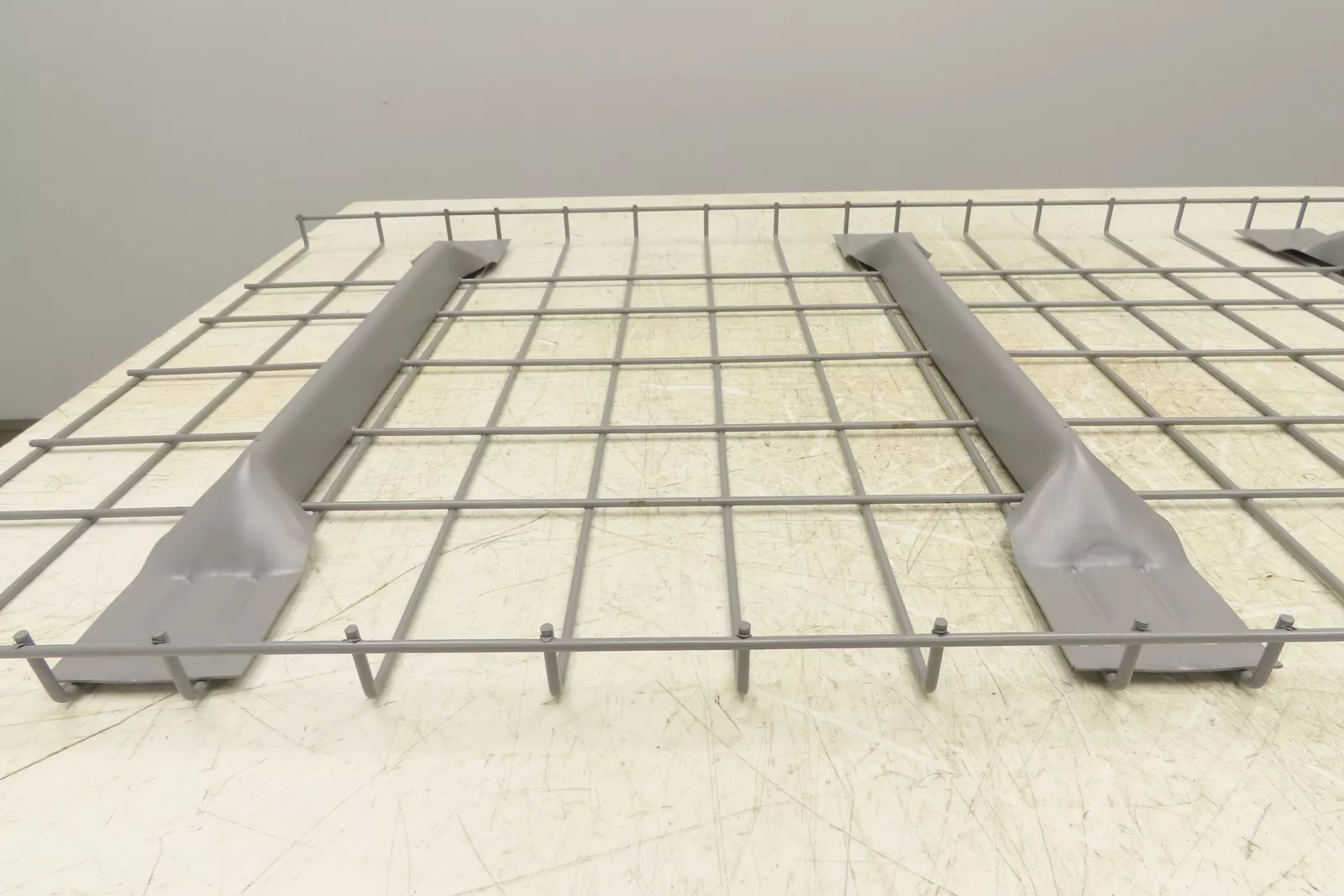
Is Narrow Aisle Racking Suitable For Small Warehouses?
Is Narrow Aisle Racking Suitable For Small Warehouses?
- Narrow aisle racking is a popular storage solution for large warehouses, but it is also suitable for small warehouses.
- Narrow aisle racking can maximize storage space by utilizing a narrower aisle width compared to traditional racking systems.
- Improved efficiency is a key benefit of narrow aisle racking for small warehouses, as forklifts can maneuver more easily between shelves.
- Narrow aisle racking helps small warehouses adapt to changing storage needs by being easily reconfigured and expanded.
- Efficiency and space-saving benefits of narrow aisle racking are crucial for small warehouses in the booming e-commerce era.
- Narrow aisle racking is a game-changer for businesses looking to optimize storage space and increase efficiency.
- Investing in narrow aisle racking can help small warehouses stay competitive and set themselves up for success in the long run.

Is Narrow Aisle Racking Suitable For Small Warehouses?
What Are The Main Benefits Of Narrow Aisle Racking?
Narrow aisle racking offers numerous benefits for businesses looking to maximize their warehouse space and increase efficiency. One of the main advantages of narrow aisle racking is its ability to significantly increase storage capacity. By utilizing narrow aisles and maximizing vertical space, businesses can store more inventory in a smaller footprint. This can be particularly beneficial for businesses operating in expensive urban areas where warehouse space is at a premium.
In addition to increased storage capacity, narrow aisle racking can also improve accessibility to inventory. With narrower aisles, forklifts and other material handling equipment can navigate the warehouse more easily, allowing for faster retrieval of goods. This can lead to a more efficient warehouse operation and decreased labor costs.
Another key benefit of narrow aisle racking is improved inventory control. By organizing inventory in a more compact space, businesses can easily track and manage stock levels. This can help to prevent stockouts and overstock situations, leading to cost savings and improved customer satisfaction.
Furthermore, narrow aisle racking can also enhance safety in the warehouse. With narrower aisles, there is less room for employees to wander or get in the way of moving equipment. This can reduce the risk of accidents and injuries, creating a safer work environment for employees.
Additionally, narrow aisle racking can also have a positive impact on sustainability. By utilizing warehouse space more efficiently, businesses can reduce their overall footprint and lower energy consumption. This can be particularly important in today’s environmentally conscious world where consumers are increasingly concerned about the impact of their purchases on the planet.
Overall, narrow aisle racking offers a range of benefits for businesses looking to optimize their warehouse operations. From increased storage capacity and improved accessibility to enhanced safety and sustainability, narrow aisle racking can help businesses save time and money while maximizing their resources.
Businesses that invest in narrow aisle racking can gain a competitive edge in today’s fast-paced marketplace. By taking advantage of this storage solution, businesses can increase efficiency, reduce costs, and improve overall warehouse operations. As the demand for e-commerce continues to grow and businesses face increasing pressure to deliver goods faster and more efficiently, implementing narrow aisle racking can be a strategic advantage that sets businesses apart from the competition.

What Are The Main Benefits Of Narrow Aisle Racking?
What Are The Main Benefits Of Narrow Aisle Racking?
- Increased storage capacity.
- Improved accessibility to inventory.
- Enhanced inventory control.
- Enhanced safety in the warehouse.
- Positive impact on sustainability.
- Save time and money while maximizing resources.
- Gain a competitive edge in the marketplace.

What Are The Main Benefits Of Narrow Aisle Racking?
How Does Narrow Aisle Racking Help Maximize Warehouse Space?
When it comes to optimizing warehouse space, narrow aisle racking is a game-changer. By utilizing narrow aisle racking systems, businesses are able to maximize their warehouse space and increase storage capacity without having to expand their facilities or invest in costly renovations.
One key benefit of narrow aisle racking is its ability to efficiently utilize vertical space. By narrowing the aisles between racks, more vertical space can be utilized for storage, allowing businesses to store more inventory in the same amount of floor space. This can be particularly beneficial for businesses operating in tight urban areas where warehouse real estate is at a premium.
Take for example the surge in e-commerce during the COVID-19 pandemic. As more consumers turned to online shopping to meet their needs, businesses faced increased demand for warehouse space to store inventory and fulfill orders. For many businesses, investing in narrow aisle racking systems proved to be a cost-effective solution to maximizing their storage capacity and meeting the surge in demand without having to expand their facilities.
Additionally, narrow aisle racking systems can also improve warehouse efficiency and productivity. By reducing the amount of space needed for aisles, workers are able to navigate the warehouse more easily and quickly pick and pack items for orders. This can lead to faster fulfillment times, reduced labor costs, and overall improved operational efficiency.
Furthermore, narrow aisle racking systems can also enhance inventory management and organization. By better utilizing vertical space and implementing inventory management tools, businesses can more easily keep track of their inventory, reduce the risk of stockouts, and improve order accuracy. This is especially important in industries with high-value or perishable goods where inventory management is critical to business success.
Narrow aisle racking is a valuable tool for businesses looking to maximize their warehouse space and optimize their operations. By utilizing vertical space more efficiently, businesses can maximize their storage capacity, improve warehouse efficiency, and enhance inventory management. In today’s competitive market, investing in narrow aisle racking systems can give businesses a strategic advantage and help them stay ahead of the competition.

How Does Narrow Aisle Racking Help Maximize Warehouse Space?
How Does Narrow Aisle Racking Help Maximize Warehouse Space?
- Optimizing warehouse space with narrow aisle racking.
- Maximizing storage capacity without expanding facilities.
- Efficiently utilizing vertical space for storage.
- Cost-effective solution for businesses facing increased demand.
- Improving warehouse efficiency and productivity.
- Enhancing inventory management and organization.
- Strategic advantage for businesses in competitive markets.

How Does Narrow Aisle Racking Help Maximize Warehouse Space?
What Type Of Forklift Is Required For Narrow Aisle Racking?
When it comes to operating in narrow aisle racking systems, having the right forklift is essential for maximizing efficiency and safety in your warehouse operations. The type of forklift required for narrow aisle racking is typically a very narrow aisle (VNA) forklift. These specialized forklifts are specifically designed to navigate tight spaces and work effectively in narrow aisle racking configurations.
VNA forklifts are known for their ability to maneuver in aisles as narrow as six feet wide, allowing for more storage space in your warehouse. These forklifts are equipped with advanced steering systems, such as turret trucks or side loaders, that enable them to turn in tight spaces and easily navigate around narrow aisles and shelving units.
One popular option in the VNA category is the reach truck forklift. Reach trucks are designed to extend their forks beyond the confines of the truck, allowing them to access pallets deep within the racking system without the need for excessive maneuvering. This can greatly increase the efficiency of warehouse operations by reducing the time and effort needed to retrieve and store items in narrow aisle racking.
In addition to reach trucks, there are also other types of VNA forklifts available, such as order pickers and turret trucks. These forklifts offer unique features that cater to specific warehouse needs, such as picking orders at high levels or rotating pallets for easy access.
In the current competitive market landscape, having the right equipment is crucial for staying ahead of the competition. With the rise of e-commerce and the increasing demand for quick order fulfillment, having a VNA forklift in your warehouse can be a game-changer in streamlining your operations and meeting customer expectations.
Investing in a VNA forklift not only boosts efficiency but also improves safety within your warehouse. The advanced steering systems and compact design of VNA forklifts reduce the risk of accidents and damage to inventory, ensuring a smooth and secure operation.
When it comes to narrow aisle racking systems, having the right forklift is essential for maximizing efficiency and productivity. Investing in a VNA forklift can be a smart decision that pays off in the long run by improving operational efficiency and streamlining warehouse processes. So why wait? Upgrade to a VNA forklift today and take your warehouse operations to the next level!

What Type Of Forklift Is Required For Narrow Aisle Racking?
What Type Of Forklift Is Required For Narrow Aisle Racking?
- Having the right forklift is essential for operating in narrow aisle racking systems.
- The typical forklift required for narrow aisles is a very narrow aisle (VNA) forklift.
- VNA forklifts can maneuver in aisles as narrow as six feet wide, maximizing storage space.
- Reach trucks are a popular VNA option, allowing for pallet access deep within the racking system.
- VNA forklifts, such as order pickers and turret trucks, cater to specific warehouse needs.
- Investing in a VNA forklift boosts efficiency, safety, and operational streamlining in warehouses.
- Upgrading to a VNA forklift can improve productivity and take warehouse operations to the next level.

What Type Of Forklift Is Required For Narrow Aisle Racking?
Are There Any Downsides To Using Narrow Aisle Racking?
When considering narrow aisle racking for your warehouse, it’s important to weigh the benefits against any potential downsides. While narrow aisle racking can be a great space-saving solution for maximizing storage capacity, there are a few drawbacks to be aware of.
One potential downside of using narrow aisle racking is the limited maneuverability for forklifts. With narrow aisles, forklift operators may struggle to navigate tight spaces, increasing the risk of accidents and damage to the racking system or inventory. This can be especially challenging in busy warehouse environments where speed and efficiency are essential.
Additionally, narrow aisle racking may not be suitable for all types of inventory. For example, if you are storing bulky or irregularly shaped items, they may not fit well in the narrow aisles or be easily accessible with a forklift. This can lead to inefficiencies in picking and stocking operations, ultimately impacting productivity and customer satisfaction.
Furthermore, the initial cost of installing narrow aisle racking can be higher than traditional racking systems. The need for specialized equipment, such as turret trucks or reach trucks, and additional safety features like aisle guards can add to the overall investment. It’s important to consider these costs upfront and weigh them against the potential long-term benefits of increased storage capacity and efficiency.
Despite these potential downsides, there are ways to mitigate the risks and make the most of narrow aisle racking. Implementing thorough training programs for forklift operators and regularly inspecting the racking system for any signs of damage can help prevent accidents and ensure safe operation. Additionally, conducting a thorough analysis of your inventory and storage needs can help determine if narrow aisle racking is the right solution for your warehouse.
While there are some downsides to using narrow aisle racking, the benefits of increased storage capacity and efficiency can outweigh these challenges with proper planning and oversight. By carefully considering your warehouse needs and implementing best practices for operation and maintenance, you can make the most of narrow aisle racking to optimize your storage space and streamline your operations.

Are There Any Downsides To Using Narrow Aisle Racking?
Are There Any Downsides To Using Narrow Aisle Racking?
- Benefits of narrow aisle racking:
- Maximizes storage capacity.
- Space-saving solution.
.
- Downsides of narrow aisle racking:
- Limited maneuverability for forklifts.
- May not be suitable for all types of inventory.
- Higher initial installation cost.
.
- Ways to mitigate risks:
- Thorough training programs for forklift operators.
- Regular inspection of the racking system.
.
- Considerations for implementation:
- Analyze inventory and storage needs.
- Weigh costs against long-term benefits.
.
- Overall outlook on narrow aisle racking:
- Benefits can outweigh challenges with proper planning.
- Optimize storage space and streamline operations.
.

Are There Any Downsides To Using Narrow Aisle Racking?
How Does Narrow Aisle Racking Optimize Warehouse Space?
In today’s fast-paced world of e-commerce and rapid fulfillment, optimizing warehouse space is crucial for businesses looking to maximize efficiency and profits. One of the most effective ways to achieve this is through the use of narrow aisle racking systems.
Narrow aisle racking systems are designed to maximize warehouse space by reducing the width of aisles between rows of shelves. By narrowing the aisles, businesses can store more products in the same amount of space, ultimately increasing storage capacity and improving overall warehouse efficiency.
One of the key ways that narrow aisle racking systems optimize warehouse space is by allowing for more storage density. By reducing the width of aisles, businesses can add more shelves and storage units, effectively increasing the amount of inventory that can be stored in a given area. This not only helps businesses make better use of their available space, but also allows for easier access to products and faster retrieval times.
For example, let’s say a business is using traditional wide aisle racking systems to store their inventory. By switching to narrow aisle racking, they could potentially double or even triple their storage capacity without having to expand their warehouse footprint. This not only saves on real estate costs, but also allows businesses to better utilize their existing space for other purposes.
Additionally, narrow aisle racking systems can also improve warehouse organization and layout. By reducing aisle width, businesses can create more efficient pathways for forklifts and other machinery, reducing the risk of accidents and improving overall safety in the warehouse. This can lead to increased productivity and reduced downtime, ultimately saving businesses time and money in the long run.
In light of recent events such as the global pandemic, many businesses are looking for ways to optimize their warehouse space in order to meet the increased demands of online shopping and home delivery. Narrow aisle racking systems offer a cost-effective solution for businesses looking to adapt to changing consumer behaviors and market conditions.
Overall, narrow aisle racking systems are a smart investment for businesses looking to maximize warehouse space and improve overall efficiency. By reducing aisle width, increasing storage density, and improving organization, businesses can streamline their operations and better meet the demands of today’s fast-paced market.

How Does Narrow Aisle Racking Optimize Warehouse Space?
How Does Narrow Aisle Racking Optimize Warehouse Space?
- Narrow aisle racking systems maximize warehouse space by reducing aisle width.
- Increased storage density allows for more products to be stored in the same space.
- Switching to narrow aisle racking can potentially double or triple storage capacity.
- Improves warehouse organization and layout, leading to increased safety and productivity.
- Narrow aisle racking systems offer a cost-effective solution for businesses adapting to online shopping demands.
- Smart investment for businesses looking to improve efficiency and meet market demands.

How Does Narrow Aisle Racking Optimize Warehouse Space?
What Are The Key Benefits Of Narrow Aisle Racking?
Narrow aisle racking is revolutionizing the way businesses approach their warehouse storage solutions. With the rise of e-commerce and the ever-increasing demand for faster order fulfillment, companies are turning to narrow aisle racking to optimize their storage space and increase efficiency. But what are the key benefits of investing in this innovative storage system?
One of the primary advantages of narrow aisle racking is its ability to maximize storage space. By utilizing narrower aisles and taller rack heights, businesses can significantly increase the amount of inventory they can store in their warehouse. This means more products can be kept on-site, reducing the need for off-site storage facilities and streamlining the overall logistics process. For example, a retail company that switches to narrow aisle racking may find that they can now store double or even triple the amount of inventory in the same amount of space, leading to cost savings and improved inventory management.
Another key benefit of narrow aisle racking is the potential for increased efficiency. With narrower aisles, forklifts and other material handling equipment can navigate the warehouse with greater precision and speed. This can lead to faster order picking and fulfillment times, as well as reduced labor costs. For instance, a distribution center that adopts narrow aisle racking may find that their order processing times are cut in half, allowing them to fulfill orders more quickly and accurately.
Furthermore, narrow aisle racking is also a flexible storage solution that can be customized to fit the specific needs of a business. Whether a company needs to store pallets, cartons, or other items, narrow aisle racking can be configured to accommodate different types of inventory. This versatility makes it a practical option for a wide range of industries, from retail to manufacturing to logistics.
The key benefits of narrow aisle racking are clear. It maximizes storage space, increases efficiency, and offers flexibility for businesses looking to optimize their warehouse operations. In a competitive market where speed and accuracy are paramount, investing in narrow aisle racking can give companies a significant advantage over their competition.
With the rise of e-commerce and the ever-increasing demand for efficient storage solutions, now is the perfect time for businesses to explore the benefits of narrow aisle racking and revolutionize their warehouse operations.

What Are The Key Benefits Of Narrow Aisle Racking?
What Are The Key Benefits Of Narrow Aisle Racking?
- Maximizes storage space by utilizing narrower aisles and taller rack heights.
- Reduces the need for off-site storage facilities and streamlines logistics processes.
- Increases efficiency by allowing for faster order picking and fulfillment times.
- Customizable to fit the specific needs of a business, accommodating different types of inventory.
- Offers flexibility for a wide range of industries, from retail to manufacturing to logistics.
- Provides a competitive advantage in a market where speed and accuracy are key.
- Perfect time for businesses to explore the benefits of narrow aisle racking and revolutionize their warehouse operations.

What Are The Key Benefits Of Narrow Aisle Racking?
Can Narrow Aisle Racking Be Customized To Fit Specific Needs?
When it comes to maximizing warehouse space and efficiency, there is no one-size-fits-all solution. Businesses today are constantly looking for ways to customize their racking systems to meet their specific needs and challenges. This is where narrow aisle racking comes in to play.
Narrow aisle racking is a popular choice for companies looking to make the most out of their available space. The great thing about narrow aisle racking is that it can be fully customized to fit the specific needs of a business. Whether you need to store long, bulky items or delicate, small items, narrow aisle racking can be modified to accommodate your unique inventory.
For example, if your business deals with a large number of pallets of varying sizes, you can customize your narrow aisle racking to have adjustable shelves that can easily accommodate different pallet dimensions. This level of customization allows for better organization and optimization of space, ultimately leading to increased productivity and cost savings.
Furthermore, narrow aisle racking can also be customized to fit the specific layout of your warehouse. Whether you have a small, cramped space or a large, open space, narrow aisle racking can be designed to fit seamlessly into your layout. This can help maximize your storage capacity and improve the overall flow of operations within your warehouse.
In today’s fast-paced market, businesses need to be able to adapt quickly to ever-changing demands. Customized narrow aisle racking allows companies to be flexible and agile, adjusting their storage solutions as needed. With the rise of e-commerce and the growing demand for fast shipping, having a customizable racking system can give businesses a competitive edge.
Narrow aisle racking can indeed be customized to fit specific needs, making it a valuable asset for businesses looking to optimize their warehouse space and improve efficiency. By investing in customized racking solutions, companies can stay ahead of the curve and meet the challenges of today’s dynamic market. Don’t settle for a one-size-fits-all solution – take advantage of the benefits of customized narrow aisle racking and see the difference it can make for your business.

Can Narrow Aisle Racking Be Customized To Fit Specific Needs?
Can Narrow Aisle Racking Be Customized To Fit Specific Needs?
- Maximizing warehouse space and efficiency requires customization.
- Narrow aisle racking is popular for optimizing space.
- Customizable to fit unique inventory needs.
- Adjustable shelves for different pallet dimensions.
- Customizable to fit specific warehouse layouts.
- Enhances storage capacity and operational flow.
- Provides flexibility and agility for businesses to adapt quickly.

Can Narrow Aisle Racking Be Customized To Fit Specific Needs?
Are There Safety Concerns Associated With Narrow Aisle Racking?
When it comes to narrow aisle racking, safety concerns are always at the forefront of every warehouse manager’s mind. And rightfully so – having efficient storage solutions shouldn’t come at the cost of compromising on the well-being of your employees or the integrity of your inventory.
One major safety concern associated with narrow aisle racking is the risk of forklift accidents. With narrower aisles, there is less margin for error when maneuvering forklifts in and out of racks. However, this issue can be mitigated by implementing proper training programs for forklift operators and ensuring that all safety protocols are strictly adhered to. Additionally, advancements in technology, such as sensors and cameras, can be utilized to improve visibility and reduce the likelihood of accidents.
Another safety concern is the potential for racking collapse. When racks are overloaded or improperly installed, there is a risk of them collapsing under the weight of the inventory stored on them. Regular inspections and maintenance checks can help prevent this from happening, as well as following manufacturer guidelines for weight capacities and proper installation.
In light of recent events, such as the increase in e-commerce sales and the growing demand for faster fulfillment times, the need for efficient storage solutions like narrow aisle racking has never been more pressing. However, this urgency should not come at the expense of safety. It is crucial for warehouse managers to prioritize safety measures and ensure that all employees are well-trained in handling the equipment and following safety protocols.
By addressing safety concerns head-on and implementing measures to mitigate risks, warehouse managers can reap the benefits of narrow aisle racking without compromising on the safety of their employees or inventory. With the right strategies in place, narrow aisle racking can boost efficiency, increase storage capacity, and streamline operations – all while maintaining a safe work environment.
While safety concerns may arise with narrow aisle racking, they can be effectively managed with proper training, maintenance, and adherence to safety protocols. By taking the necessary precautions and staying vigilant, warehouse managers can enjoy the numerous benefits that narrow aisle racking has to offer without sacrificing the safety of their workforce. Stay safe, stay efficient, and watch your warehouse operations thrive with narrow aisle racking.

Are There Safety Concerns Associated With Narrow Aisle Racking?
Are There Safety Concerns Associated With Narrow Aisle Racking?
- Safety concerns are a top priority for warehouse managers when utilizing narrow aisle racking.
- Risk of forklift accidents is a major safety concern due to narrow aisles, but can be mitigated with proper training and technology.
- Another safety concern is the potential for racking collapse from overloading or improper installation.
- The need for efficient storage solutions like narrow aisle racking is increasing, but safety should not be compromised.
- Addressing safety concerns and implementing mitigation measures can allow for the benefits of narrow aisle racking without sacrificing safety.
- Proper training, maintenance, and adherence to safety protocols can effectively manage safety concerns related to narrow aisle racking.
- Warehouse managers can enjoy the benefits of narrow aisle racking by staying safe, efficient, and vigilant about safety measures.

Are There Safety Concerns Associated With Narrow Aisle Racking?
How Does Narrow Aisle Racking Improve Inventory Management?
Narrow aisle racking is a key tool in optimizing inventory management for businesses of all sizes. By utilizing narrow aisle racking systems, companies can maximize their storage space and increase efficiency in their warehouse operations.
One way narrow aisle racking improves inventory management is by maximizing the use of vertical space. With narrow aisles and tall shelving units, businesses can store more inventory in a smaller footprint, allowing for increased storage capacity without expanding their warehouse space. This can be particularly beneficial for businesses experiencing rapid growth or those operating in expensive urban areas where warehouse space is limited and costly.
For example, a retail business that experiences seasonal fluctuations in inventory levels can benefit from narrow aisle racking to store excess inventory during peak seasons. By utilizing the vertical space available with narrow aisle racking, the business can keep more stock on hand without needing to rent additional warehouse space. This ensures that the business can meet customer demand during busy periods without incurring the high costs associated with expanding their storage capacity.
Furthermore, narrow aisle racking can improve inventory management by promoting better organization and accessibility. With narrow aisles, warehouse employees can easily reach and locate specific items within the shelving units, reducing the time and effort required to fulfill orders. This streamlined process not only improves efficiency but also minimizes errors in picking and packing, leading to higher customer satisfaction levels.
In addition, the utilization of narrow aisle racking can support inventory tracking and management systems, such as barcode scanning and inventory control software. By implementing these technologies in conjunction with narrow aisle racking, businesses can accurately track inventory levels, monitor stock movement, and optimize reorder points. This real-time data enables businesses to make informed decisions about inventory replenishment and avoid stockouts or overstock situations.
Overall, narrow aisle racking plays a crucial role in improving inventory management for businesses by maximizing storage space, promoting organization and accessibility, and supporting inventory tracking systems. In today’s competitive market, efficient inventory management is essential for businesses to meet customer expectations, reduce costs, and drive overall success. By investing in narrow aisle racking, businesses can gain a competitive edge in their industry and position themselves for long-term growth and profitability.

How Does Narrow Aisle Racking Improve Inventory Management?
How Does Narrow Aisle Racking Improve Inventory Management?
- Narrow aisle racking is a key tool in optimizing inventory management for businesses of all sizes.
- Narrow aisle racking systems help maximize storage space and increase efficiency in warehouse operations.
- Maximizing the use of vertical space is one way narrow aisle racking improves inventory management.
- Narrow aisles and tall shelving units allow businesses to store more inventory in a smaller footprint.
- Narrow aisle racking promotes better organization and accessibility, reducing fulfillment time and errors.
- Utilizing narrow aisle racking supports inventory tracking systems and improves inventory replenishment decisions.
- Efficient inventory management is essential for businesses to meet customer expectations and drive overall success.

How Does Narrow Aisle Racking Improve Inventory Management?
Conclusion
In conclusion, narrow aisle racking is a powerful tool that businesses can utilize to increase their storage capacity and improve operational efficiency. By implementing these systems, businesses can make the most of their available space, store more inventory, and stay ahead of the competition in today’s fast-paced market. Narrow aisle racking offers numerous benefits, such as maximizing storage capacity, improving accessibility to inventory, enhancing inventory control, and increasing safety in the warehouse. With the rise of e-commerce and the growing demand for quick order fulfillment, maximizing storage capacity has become more important than ever for businesses looking to stay competitive.
Furthermore, narrow aisle racking is not just for large warehouses – it is also suitable for small warehouses and can be even more beneficial for them due to its space-saving design and increased efficiency. In addition, narrow aisle racking can be customized to fit specific needs, making it a valuable asset for businesses looking to optimize their warehouse space and improve efficiency. Despite potential safety concerns, these can be effectively managed with proper training, maintenance, and adherence to safety protocols.
In today’s competitive market, investing in narrow aisle racking can give businesses a strategic advantage and help them stay ahead of the competition. By taking advantage of this storage solution, businesses can increase efficiency, reduce costs, and improve overall warehouse operations. So, don’t wait any longer – contact Arrow Industrial Sales at (574) 349-6575 to learn more about how narrow aisle racking can help unlock maximum storage capacity for your business. Take the first step today and revolutionize your warehouse operations with the power of narrow aisle racking.

Conclusion
Conclusion:
- Narrow aisle racking is a powerful tool for businesses to increase storage capacity and operational efficiency.
- Benefits include maximizing storage capacity, improving inventory accessibility, enhancing inventory control, and increasing safety.
- Maximizing storage capacity is crucial in today’s fast-paced market due to the rise of e-commerce and quick order fulfillment demands.
- Narrow aisle racking is suitable for small warehouses and can be customized to fit specific needs for increased efficiency.
- Potential safety concerns can be managed with proper training, maintenance, and adherence to safety protocols.
- Investing in narrow aisle racking can give businesses a strategic advantage and help improve overall warehouse operations.
- Contact Arrow Industrial Sales at (574) 349-6575 to learn more about how narrow aisle racking can maximize storage capacity for your business.

Conclusion
Other Resources

Other Resources
Here is a list of other resources you can review online to learn more:
- “Advantages and Disadvantages of Narrow Aisle Pallet …”
- “LOGISTICS AND WAREHOUSING MANAGEMENT”
- “(PDF) Order-Picking Efficiency in E-Commerce Warehouses”
- “Narrow Aisle Forklifts for Warehouse Efficiency”
- “Inventory Managment | PDF | Warehouse”
- “Six Ways to Postpone Your Distribution Center Expansion”
- “Order Picking in Narrow-Aisle Warehouses”
- “The Advantages & Disadvantages of Narrow Aisle Racking”
- “Premier Warehouse Logistics & Warehousing Solutions – Monta”
- “(PDF) Simulation and order picking in a very-narrow-aisle …”
- “Guidelines for Warehousing Health Commodities”
- “Layout design planning of a logistics center”
- “Inventory and Warehouse Management Best Practices Title …”
- “Determine your navigation system | PDF”
- “WAREHOUSING MANAGEMENT – MIS”
- “TERMS and GLOSSARY SUPPLY CHAIN …”
- “Top-shelf distribution”

Other Resources
Glossary Terms
How Can Narrow Aisle Racking Increase Storage Capacity? – Glossary Of Terms
1. Narrow Aisle Racking : A storage solution with reduced aisle widths to maximize available storage space.
2. Vertical Storage : Utilizing height to store products, thereby increasing the number of pallet positions.
3. Aisle Width : The distance between racks; narrower aisles increase storage density.
4. Reach Truck : A type of forklift designed to operate in narrow aisles, helping to access vertical storage levels.
5. Density : Measure of how much space is utilized for storage versus aisles and walkways.
6. Selective Racking : Racks allowing access to each pallet without moving others; compatible with narrow aisle setups.
7. Load Capacity : The maximum weight that racking systems can hold per shelf or rack level.
8. Forklift Clearance : The minimal space required for a forklift to safely navigate an aisle.
9. Optimization : The process of arranging a warehouse layout to maximize efficiency and space utilization.
10. Double-Deep Racking : Racks arranged to hold two rows of pallets per aisle, effectively used in narrow aisle systems.
11. Pallet Position : Specific locations within the racking where pallets are stored.
12. Safety Measures : Protocols and equipment used to ensure safe handling in tight spaces.
13. Pallet Weight Distribution : Even distribution of weight across pallets to maintain rack integrity and safety.
14. Picking Efficiency : The speed and accuracy of selecting items from storage, impacted by aisle width and organization.
15. High Bay Warehouse : Warehouses designed with higher vertical storage capacity levels.
16. Rack Adjustability : The ability to modify rack heights to accommodate different sized inventory.
17. Warehouse Layout : The arrangement and organization of space within a warehouse.
18. Footprint Reduction : Minimizing the physical space occupied by racking to increase storage capacity.
19. Accessibility : Ease with which products can be reached in the warehouse, even in a narrow aisle setup.
20. Overhead Clearance : The space above rack levels required for safely maneuvering equipment.
21. Inventory Turnover : The rate at which inventory is sold and replaced, influencing racking needs.
22. Storage Height : The total vertical space available in racking systems from floor to ceiling.
23. Rack Configuration : The specific setup and structure of racking systems to maximize space usage.
24. Modular Racking : Racks that can be expanded or reconfigured as storage needs change.
25. Space Utilization : The efficiency with which warehouse space is employed.
26. Order Fulfillment Speed : The time taken to complete orders, which can be affected by accessibility and storage design.
27. Warehouse Management System (WMS) : Software used to optimize warehouse operations, including racking and inventory management.
28. Load Distribution : How weight is spread across racking systems to ensure stability.
29. Column Protection : Guards and barriers used to prevent damage to racking supports.
30. Cost Efficiency : The financial benefit gained from maximizing storage capacity without extensive construction.
These terms and descriptions provide a comprehensive overview of narrow aisle racking and its impact on storage capacity.
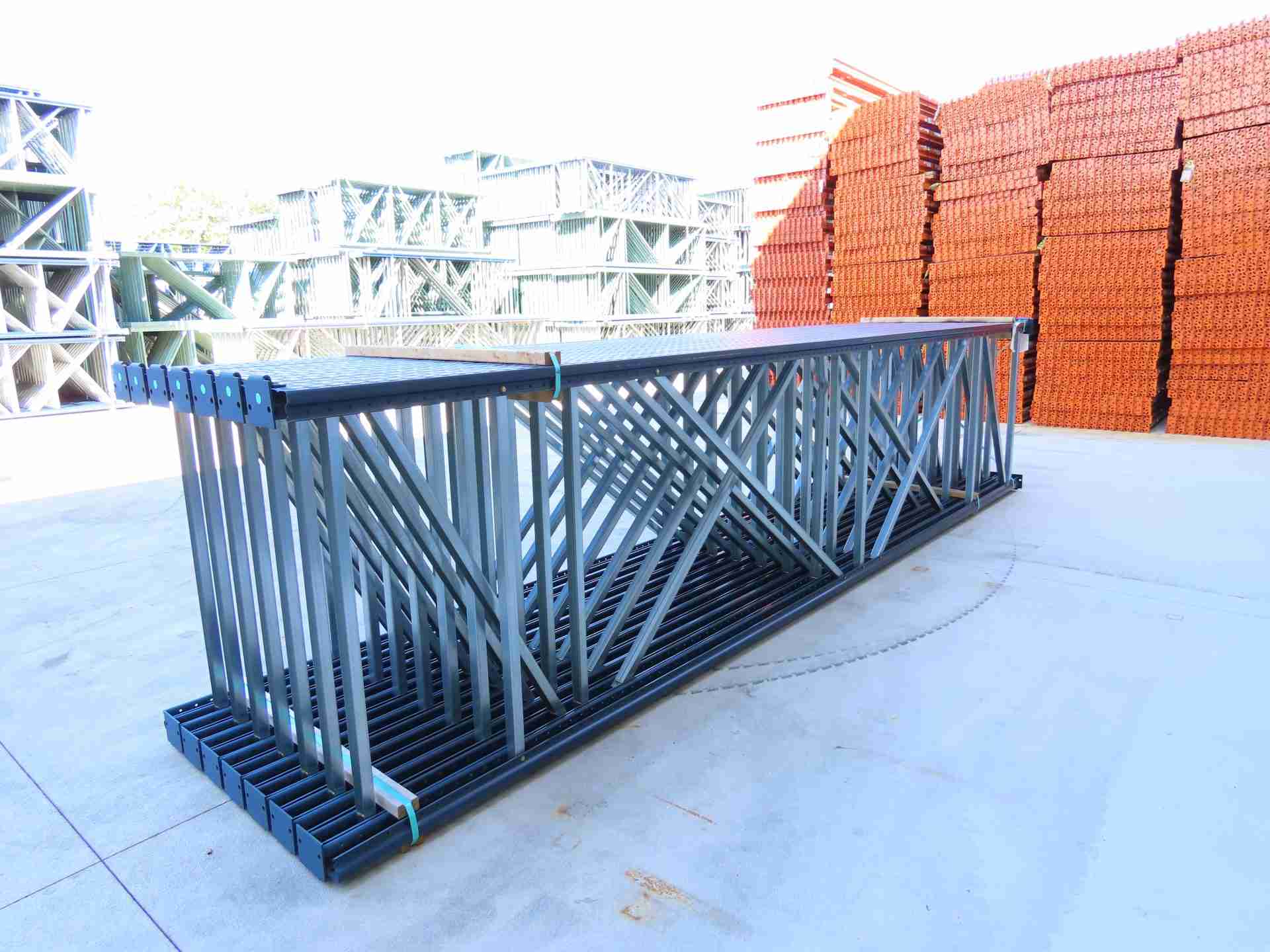
Glossary Of Terms
Other Questions
How Can Narrow Aisle Racking Increase Storage Capacity? – Other Questions
If you wish to explore and discover more, consider looking for answers to these questions:
- What factors should a business consider before switching to narrow aisle racking?
- How does narrow aisle racking compare with traditional racking systems in terms of cost?
- What kinds of businesses or industries benefit the most from narrow aisle racking?
- What is the process of transitioning from traditional racking to narrow aisle racking?
- How does narrow aisle racking impact warehouse workflow and employee productivity?
- Are there specific training and certifications needed for operating forklifts in narrow aisles?
- What are the maintenance requirements for narrow aisle racking systems?
- How does narrow aisle racking affect the ease of inventory cycle counts and audits?
- Are there specific design considerations for implementing narrow aisle racking in cold storage facilities?
- What are some common mistakes to avoid when installing and using narrow aisle racking?

Other Questions
Checklist
How Can Narrow Aisle Racking Increase Storage Capacity? – A Checklist
1. Understand the Concept of Narrow Aisle Racking:
_____ Learn what narrow aisle racking is.
_____ Discover how it differs from traditional racking systems.
_____ Understand its importance in maximizing storage space.
2. Evaluate Your Current Storage System:
_____ Measure your current aisle width.
_____ Assess your current vertical space usage.
_____ Identify areas of wasted space.
3. Benefits of Narrow Aisle Racking:
_____ Increased Storage Capacity: Store more inventory within the same footprint.
_____ Improved Vertical Space Utilization: Use higher shelves with specialized equipment like order pickers or turret trucks.
_____ Enhanced Inventory Management: Keep better track of stock levels, reduce stockouts, and minimize overstock.
_____ Operational Efficiency: Faster retrieval and replenishment times.
_____ Customer Satisfaction: Quick order fulfillment leading to higher customer satisfaction.
4. Determine Suitability for Your Warehouse:
_____ Analyze if narrow aisle racking is a good fit for small warehouses.
_____ Consider if your inventory types (bulky, irregular, or high-value) are suitable for narrow aisles.
5. Necessary Equipment for Narrow Aisle Racking:
_____ Learn about the specific forklifts required, like Very Narrow Aisle (VNA) forklifts.
_____ Explore different types of VNA forklifts, such as turret trucks, side loaders, and reach trucks.
6. Safety Considerations:
_____ Risks of narrow aisles for forklift maneuverability.
_____ Potential issues with racking collapse.
_____ Importance of proper training and regular maintenance.
7. Customization Options:
_____ Explore how narrow aisle racking can be customized to fit your specific needs.
_____ Determine the adjustable features for different inventory sizes and types.
8. Addressing Possible Downsides:
_____ Navigate limitations in forklift maneuverability.
_____ Manage higher initial costs associated with installation and specialized equipment.
_____ Implement thorough training and regular inspection protocols.
9. Examples of Efficiency Improvement:
_____ Case studies or examples of businesses that have benefited from narrow aisle racking.
_____ Real-world applications during peak seasons or high-demand periods.
10. Take Immediate Action:
_____ Steps to move to narrow aisle racking.
_____ Contact professionals for a warehouse assessment.
_____ Invest in necessary equipment and training programs.
Conclusion:Narrow aisle racking is not just a storage solution; it’s a strategic advantage for modern warehouses. By adopting this system, businesses can significantly enhance storage capacity, streamline operations, and maintain a competitive edge in a fast-paced market.

Checklist
At RackingWorld, we help guide you through selecting warehouse storage systems and racking.
Be sure to read our other related stories at RackingWorld to learn more about warehouse storage systems.
0 Comments