
Unlock The Potential: Mezzanine Systems for Vertical Warehousing
By Tom Seest
At RackingWorld, we help guide you through selecting warehouse storage systems and racking.
Be sure to read our other related stories at RackingWorld to learn more about warehouse storage systems.
How Can Mezzanine Systems Maximize Vertical Warehouse Space?
If you’re looking to optimize your warehouse space and increase storage capacity without the need for costly expansions or relocations, mezzanine systems are the solution you’ve been searching for. Mezzanines provide an innovative way to maximize vertical space in your warehouse, allowing you to make the most of every square foot.
One of the key benefits of mezzanine systems is their ability to effectively double your storage capacity. By adding a second level within your warehouse, you can make use of the vertical space that might otherwise go unused. This can be particularly advantageous in high-demand industries where storage space is at a premium, such as e-commerce, retail, or manufacturing.
For example, in the wake of the global pandemic, many businesses have seen a surge in online sales, placing greater demand on their warehousing capabilities. By installing mezzanine systems, these companies can efficiently store and manage their inventory, making the most of their existing space without having to invest in costly expansions.
Furthermore, mezzanine systems can be customized to suit your specific needs and requirements. Whether you need additional shelving for small items, bulk storage for larger products, or even office space for your team, mezzanines can be tailored to fit your unique operational needs. This flexibility allows you to create a warehouse layout that maximizes efficiency and productivity.
In addition to increasing storage capacity, mezzanine systems can also improve workflow and organization within your warehouse. By creating distinct levels for different types of inventory or operations, you can streamline the picking, packing, and shipping processes, reducing the time and effort required to fulfill orders. This can be especially beneficial in industries where speed and accuracy are crucial for customer satisfaction.
Overall, mezzanine systems offer a cost-effective and efficient solution for maximizing vertical warehouse space. By taking advantage of the unused overhead space in your facility, you can significantly increase your storage capacity and improve your operational efficiency. With the ability to customize mezzanines to suit your unique needs, you can create a warehouse layout that maximizes productivity and profitability.
If you’re looking to optimize your warehouse space and increase storage capacity, mezzanine systems are the way to go. Don’t let valuable vertical space go to waste – invest in a mezzanine system and watch your warehouse reach new heights of efficiency and effectiveness.

How Can Mezzanine Systems Maximize Vertical Warehouse Space?
How Can Mezzanine Systems Maximize Vertical Warehouse Space?
- Mezzanine systems optimize warehouse space and increase storage capacity.
- They effectively double storage capacity by utilizing vertical space.
- Mezzanines are beneficial in high-demand industries like e-commerce and manufacturing.
- They can be customized to fit specific needs, such as shelving or office space.
- Mezzanine systems improve workflow and organization in the warehouse.
- They offer a cost-effective solution for maximizing vertical space.
- Investing in a mezzanine system can improve efficiency and productivity.

How Can Mezzanine Systems Maximize Vertical Warehouse Space?
Table Of Contents
- How Can Mezzanine Systems Maximize Vertical Warehouse Space?
- What Are The Benefits Of Using Mezzanine Systems In Warehouses?
- How Do Mezzanine Systems Help Optimize Storage Space?
- What Types Of Businesses Can Benefit From Mezzanine Systems?
- What Factors Should Be Considered When Planning A Mezzanine System?
- What Are Some Common Misconceptions About Mezzanine Systems?
- How Can Mezzanine Systems Improve Workflow Efficiency?
- How Can Safety Be Ensured When Using Mezzanine Systems In Warehouses?
- What Are Some Innovative Design Options For Mezzanine Systems?
- Conclusion
- Other Resources
- Glossary Of Terms
- Other Questions
- Checklist
What Are The Benefits Of Using Mezzanine Systems In Warehouses?
Mezzanine systems offer a wide range of benefits for warehouses looking to maximize their space and increase efficiency. One of the primary advantages of utilizing mezzanine systems is the ability to significantly increase usable square footage without the need for costly expansions or relocations. By adding a mezzanine level to your warehouse, you can create additional storage space, extra work areas, or even office space without sacrificing valuable floor space.
In today’s ever-evolving world of e-commerce, the need for quick and efficient order fulfillment has never been more critical. Mezzanine systems can help warehouses streamline their operations by providing a designated area for picking, packing, and shipping processes. By consolidating these activities onto a mezzanine level, warehouses can reduce the time it takes for employees to locate and retrieve items, ultimately speeding up the fulfillment process and improving overall customer satisfaction.
Furthermore, mezzanine systems can also help warehouses adapt to changing market demands by providing a flexible and scalable storage solution. With the ability to easily reconfigure or expand mezzanine levels as needed, warehouses can quickly adjust their storage capacity to accommodate fluctuations in inventory levels or seasonal demand spikes. This adaptability is crucial in today’s fast-paced business environment, where warehouses must be able to pivot and adjust their operations at a moment’s notice.
Moreover, mezzanine systems can also contribute to cost savings for warehouses in the long run. By utilizing vertical space more efficiently, warehouses can potentially reduce the need for additional off-site storage facilities, which can be costly and logistically challenging. Additionally, by optimizing storage space with mezzanine systems, warehouses can minimize wasted space and improve inventory management practices, ultimately leading to reduced operational costs and increased profitability.
Mezzanine systems offer a multitude of benefits for warehouses seeking to maximize their space, increase efficiency, and stay competitive in today’s fast-paced business landscape. By leveraging the advantages of mezzanine systems, warehouses can improve their operational capabilities, adapt to changing market demands, and ultimately drive bottom-line results.
References:
– “How Mezzanines Help Optimize Warehouse Space and Boost Efficiency” – Supply Chain Dive, 2021
– “The Benefits of Mezzanines in Modern Warehousing Operations” – Material Handling & Logistics, 2020
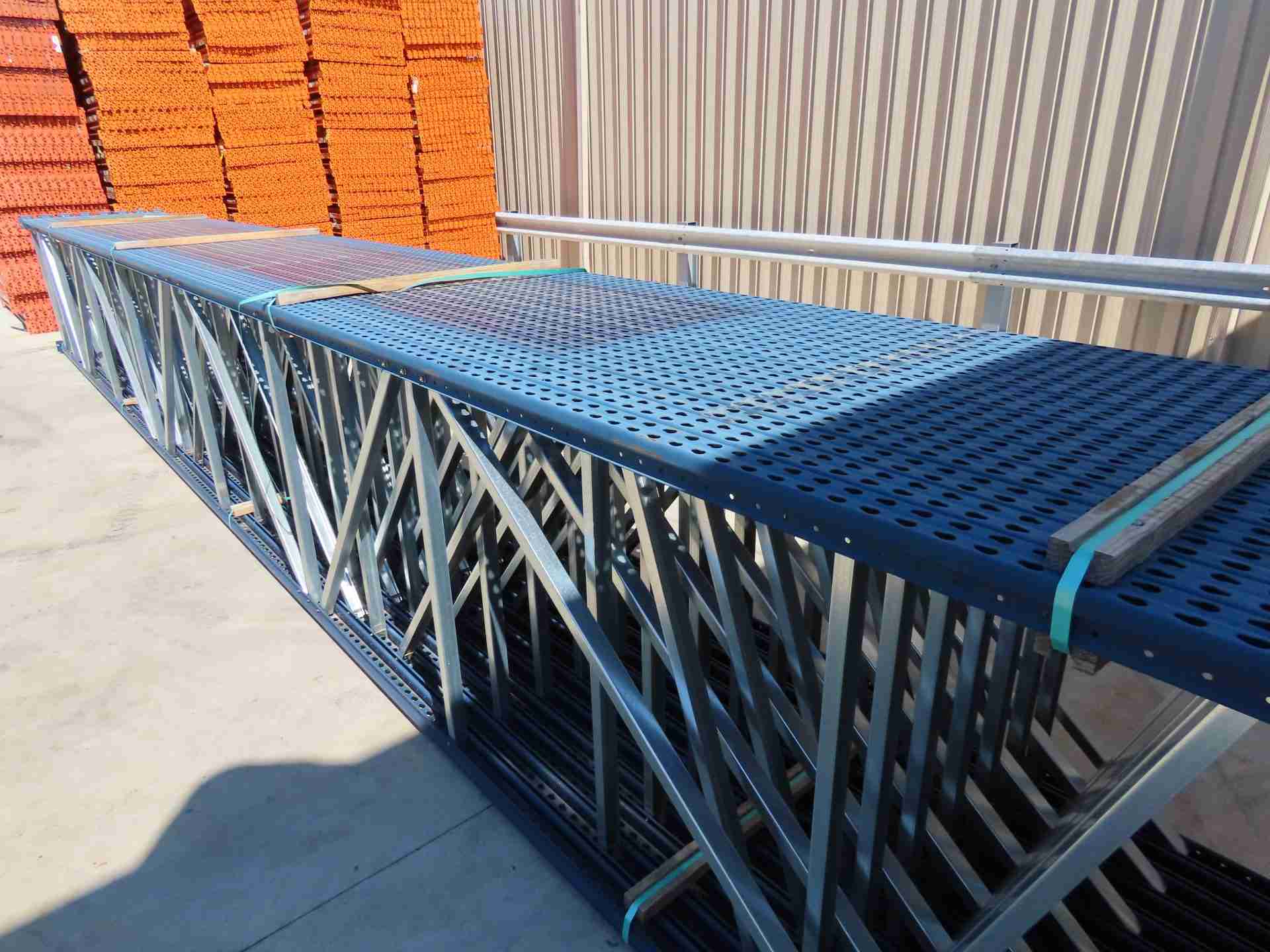
What Are The Benefits Of Using Mezzanine Systems In Warehouses?
What Are The Benefits Of Using Mezzanine Systems In Warehouses?
- Mezzanine systems enable warehouses to maximize space and increase efficiency.
- They significantly increase usable square footage without costly expansions or relocations.
- Mezzanines can create additional storage, work areas, or office space without sacrificing floor space.
- They streamline operations by providing designated areas for picking, packing, and shipping.
- Mezzanine systems offer flexible and scalable storage solutions to adapt to changing market demands.
- They contribute to cost savings by efficiently utilizing vertical space and improving inventory management.
- Utilizing mezzanine systems helps warehouses improve operational capabilities and drive profitability.

What Are The Benefits Of Using Mezzanine Systems In Warehouses?
How Do Mezzanine Systems Help Optimize Storage Space?
Are you looking for a cost-effective solution to maximize your storage space? Look no further than mezzanine systems. These versatile platforms are a game-changer for businesses of all sizes, providing a simple yet highly effective way to optimize unused vertical space in warehouses, industrial facilities, and retail environments.
One of the key benefits of mezzanine systems is their ability to double or even triple your existing storage capacity without the need for costly expansions or renovations. By adding a second level of storage above your existing floor space, you can make the most of every inch of available space in your facility. This can be particularly valuable for businesses facing space constraints or looking to accommodate growth without breaking the bank.
For example, imagine a retail store that is running out of shelf space for its inventory. Instead of expanding the store or leasing additional space, the store owner could install a mezzanine system to create additional storage space above the sales floor. This allows the store to keep more products on hand and easily accessible to customers, without sacrificing valuable retail space.
Similarly, a warehouse that is running out of room for its stock can benefit from a mezzanine system by creating additional levels of shelving for inventory storage. This not only increases storage capacity but also improves organization and efficiency, making it easier for employees to locate and retrieve items as needed.
In addition to optimizing storage space, mezzanine systems can also help businesses improve workflow and productivity. By creating designated areas for storage, shipping/receiving, and other functions, mezzanine platforms can streamline operations and reduce downtime caused by inefficiencies. This can be especially important in today’s fast-paced business environment, where every second counts.
Mezzanine systems are a cost-effective and practical solution for businesses looking to optimize their storage space and improve operational efficiency. By utilizing unused vertical space, businesses can maximize their storage capacity without the need for expensive expansions or renovations. Whether you are a retailer looking to increase product visibility or a warehouse manager facing space constraints, mezzanine systems offer a versatile and effective solution to your storage needs. Don’t let valuable space go to waste – consider incorporating a mezzanine system into your facility today.

How Do Mezzanine Systems Help Optimize Storage Space?
How Do Mezzanine Systems Help Optimize Storage Space?
- Mezzanine systems are a cost-effective solution to maximize storage space.
- These platforms double or triple existing storage capacity without costly expansions.
- Businesses can benefit from added storage without sacrificing valuable space.
- Mezzanine systems improve organization, efficiency, and workflow.
- They create designated areas for storage, shipping, and other functions.
- Businesses can optimize storage space without expensive renovations.
- Mezzanine systems offer a practical and versatile storage solution for businesses of all sizes.

How Do Mezzanine Systems Help Optimize Storage Space?
What Types Of Businesses Can Benefit From Mezzanine Systems?
If you’re looking to maximize your warehouse space and increase storage capacity, a mezzanine system may be the perfect solution for your business. But what types of businesses can benefit the most from implementing a mezzanine system?
Well, the truth is, mezzanine systems can be beneficial for a wide range of industries. For example, manufacturing companies can utilize mezzanines to create additional production space or storage areas for raw materials and finished goods. By adding a mezzanine level to their facility, they can increase efficiency and streamline their operations.
Retail businesses can also benefit greatly from mezzanine systems. With the rise of e-commerce and the increasing demand for fast shipping, retailers are faced with the challenge of storing and organizing large quantities of products. Mezzanines can provide the extra space needed to store inventory and improve picking and packing processes.
Another industry that can benefit from mezzanine systems is the logistics and distribution sector. With the growing trend of same-day and next-day delivery, companies need to find ways to optimize their warehouse space to meet customer demands. Mezzanines can help logistics companies maximize their storage capacity and improve order fulfillment efficiency.
Furthermore, the e-commerce boom has led to a surge in demand for fulfillment centers and distribution hubs. Mezzanines can help these businesses make the most of their warehouse space and increase their order processing capabilities. In fact, companies like Amazon have already started implementing mezzanine systems in their fulfillment centers to handle the massive volume of online orders.
Additionally, industries such as agriculture, automotive, and construction can also benefit from mezzanine systems. These businesses often require large storage spaces for equipment, machinery, and supplies. By installing mezzanines, they can create additional storage space without having to expand their facilities or invest in costly construction projects.
Mezzanine systems are a versatile solution for businesses seeking to optimize their warehouse space and increase storage capacity. Whether you’re in manufacturing, retail, logistics, or any other industry that requires additional storage space, a mezzanine system can help you achieve your goals and improve your bottom line.
So if you’re looking to take your business to the next level and make the most of your existing space, consider investing in a mezzanine system today. Your future success depends on it.

What Types Of Businesses Can Benefit From Mezzanine Systems?
What Types Of Businesses Can Benefit From Mezzanine Systems?
- Mezzanine systems can benefit a wide range of industries including manufacturing, retail, logistics, and more.
- Manufacturing companies can use mezzanines to create additional production space and storage areas.
- Retail businesses can utilize mezzanines to store inventory and improve picking and packing processes.
- Logistics and distribution companies can optimize their warehouse space with mezzanine systems to meet customer demands.
- E-commerce businesses can increase order processing capabilities and storage space with mezzanine systems.
- Industries like agriculture, automotive, and construction can create additional storage space without costly construction projects.
- Mezzanine systems are a versatile solution for businesses seeking to optimize warehouse space and increase storage capacity.

What Types Of Businesses Can Benefit From Mezzanine Systems?
What Factors Should Be Considered When Planning A Mezzanine System?
When planning a mezzanine system for your business, there are several key factors that must be taken into consideration in order to ensure its success and efficiency.
First and foremost, it is essential to carefully assess the available space and layout of your facility. Consider the height of the ceilings, the overall square footage, and any potential obstacles or structural limitations that may impact the design and installation of the mezzanine system. By thoroughly understanding the space constraints, you can optimize the layout of the mezzanine to maximize storage capacity and efficiency.
Furthermore, it is crucial to consider the intended purpose of the mezzanine system. Are you looking to create additional storage space, expand production capabilities, or provide a platform for office space or employee break areas? The specific function of the mezzanine will dictate its design and configuration, so it is important to clearly define your objectives before moving forward with the planning process.
In addition, safety should always be a top priority when planning a mezzanine system. Ensure that the design complies with all relevant building codes and regulations, and consider factors such as load capacity, railing height, and access points to minimize the risk of accidents or injuries. By prioritizing safety in the planning stages, you can create a workspace that is both functional and secure for your employees.
Another important consideration is the cost of implementing a mezzanine system. While these structures can provide significant benefits in terms of storage capacity and operational efficiency, they also represent a substantial investment for any business. It is important to carefully weigh the upfront costs against the long-term savings and benefits that a mezzanine system can provide. By conducting a thorough cost-benefit analysis, you can make an informed decision about whether a mezzanine system is the right choice for your business.
Overall, planning a mezzanine system requires careful consideration of factors such as space constraints, intended purpose, safety precautions, and financial implications. By taking the time to analyze these key factors and working with experienced professionals to design and implement your mezzanine system, you can create a workspace that is tailored to meet the specific needs of your business and support its growth and success.

What Factors Should Be Considered When Planning A Mezzanine System?
What Factors Should Be Considered When Planning A Mezzanine System?
- Carefully assess available space and layout of facility.
- Consider height of ceilings, square footage, and structural limitations.
- Define intended purpose of mezzanine system.
- Consider factors such as load capacity, railing height, and access points for safety.
- Weigh upfront costs against long-term savings and benefits.
- Key factors for planning a mezzanine system: space constraints, purpose, safety, financial implications.
- Work with experienced professionals to design and implement a tailored system.

What Factors Should Be Considered When Planning A Mezzanine System?
What Are Some Common Misconceptions About Mezzanine Systems?
One common misconception about mezzanine systems is that they are only suitable for large warehouses or manufacturing facilities. In reality, mezzanine systems can be designed to fit a wide range of spaces and applications. Whether you need additional storage space in a retail store or want to create a mezzanine office in a commercial building, there are custom solutions available to meet your needs.
Another misconception is that mezzanine systems are expensive and time-consuming to install. While some custom-designed mezzanine systems may require a larger investment upfront, they can actually save money in the long run by maximizing the use of vertical space and increasing efficiency. Additionally, there are modular mezzanine systems available that are quick to install and can be easily relocated if needed.
Some people also believe that mezzanine systems are not compliant with safety regulations. This is simply not true. Mezzanine systems can be designed to meet all necessary safety requirements, including proper handrails, stairs, and weight capacity limits. By working with a reputable manufacturer that follows industry standards, you can ensure that your mezzanine system is safe for employees and customers.
Lastly, there is a misconception that mezzanine systems are outdated or old-fashioned. In reality, mezzanine systems have evolved to meet the needs of modern businesses. From incorporating technology for inventory management to creating stylish and functional workspaces, mezzanine systems can be customized to align with current trends and innovations in the industry.
Mezzanine systems are a versatile and cost-effective solution for maximizing space and improving efficiency in a variety of settings. By dispelling common misconceptions and exploring the different options available, businesses can discover the benefits of incorporating mezzanine systems into their operations. Whether you are looking to expand storage capacity, create additional work areas, or optimize showroom space, a mezzanine system may be the ideal solution for your needs.
References:
– https://www.charlestoncommercialinteriors.com/mezzanine-system/
– https://www.meyerforscale.com/blog/mezzanine-weight-capacity-considerations
– https://www.incmichigan.com/industry-news/the-top-advantages-of-using-a-mezzanine-floor/

What Are Some Common Misconceptions About Mezzanine Systems?
What Are Some Common Misconceptions About Mezzanine Systems?
- One common misconception about mezzanine systems is that they are only suitable for large warehouses or manufacturing facilities.
- Mezzanine systems can be designed to fit a wide range of spaces and applications, such as additional storage space in a retail store or a mezzanine office in a commercial building.
- Some people believe mezzanine systems are expensive and time-consuming to install, but they can actually save money in the long run by maximizing vertical space and increasing efficiency.
- There are modular mezzanine systems available that are quick to install and easily relocated if needed.
- Mezzanine systems can be designed to meet all necessary safety requirements, including proper handrails, stairs, and weight capacity limits.
- Mezzanine systems have evolved to meet the needs of modern businesses by incorporating technology for inventory management and creating stylish workspaces.
- Mezzanine systems are a versatile and cost-effective solution for maximizing space and improving efficiency in various settings.

What Are Some Common Misconceptions About Mezzanine Systems?
How Can Mezzanine Systems Improve Workflow Efficiency?
Are you looking to maximize your warehouse space and streamline your workflow efficiency? Look no further than mezzanine systems. These innovative platforms are a game-changer for businesses looking to optimize their operations and increase productivity.
One key advantage of mezzanine systems is their ability to make use of vertical space, effectively doubling or even tripling the usable square footage in your facility. By installing a mezzanine platform, you can create additional storage, office space, or production areas without the need for costly and time-consuming renovations. This allows you to make the most of your existing space and avoid the need for costly expansion projects.
In addition to increasing your storage capacity, mezzanine systems can also improve workflow efficiency by reducing the time and effort required to move materials or products from one area to another. For example, instead of having to transport materials from the ground floor to an upper level using a forklift or manual labor, mezzanine platforms provide a convenient and efficient way to access goods at different levels. This can help speed up the picking and packing process, ultimately saving you time and labor costs.
Furthermore, mezzanine systems can help enhance safety in the workplace by reducing the risk of accidents associated with moving heavy items up and down stairs or ladders. By providing a stable and secure platform for accessing different levels, mezzanines help create a safer work environment for your employees.
In today’s fast-paced business environment, efficiency is key to staying competitive. By investing in a mezzanine system, you can improve your workflow efficiency and increase your overall productivity. With the ability to maximize your space, streamline your operations, and enhance workplace safety, mezzanine systems are a smart choice for businesses looking to take their operations to the next level.
Don’t let valuable space go to waste – consider installing a mezzanine system today and start reaping the benefits of improved workflow efficiency. Your bottom line will thank you for it.
Mezzanine systems are a cost-effective way to optimize your warehouse space and improve workflow efficiency. With their ability to maximize vertical space, streamline operations, and enhance workplace safety, mezzanines are a valuable investment for businesses of all sizes. Stay ahead of the competition and invest in a mezzanine system for your facility today!

How Can Mezzanine Systems Improve Workflow Efficiency?
How Can Mezzanine Systems Improve Workflow Efficiency?
- Mezzanine systems maximize warehouse space and streamline workflow efficiency.
- They double or even triple usable square footage by utilizing vertical space.
- Mezzanines create additional storage, office space, or production areas without costly renovations.
- They improve workflow efficiency by providing convenient access to goods at different levels.
- Mezzanine systems enhance workplace safety by reducing the risk of accidents.
- Investing in a mezzanine system can increase overall productivity and competitiveness.
- Mezzanines are a cost-effective way to optimize warehouse space and improve operations.

How Can Mezzanine Systems Improve Workflow Efficiency?
How Can Safety Be Ensured When Using Mezzanine Systems In Warehouses?
When it comes to utilizing mezzanine systems in warehouses, safety should always be a top priority. These raised platforms can greatly increase storage capacity and efficiency, but they also come with inherent risks if not properly managed. To ensure safety when using mezzanine systems in warehouses, there are several key steps that can be taken.
One important aspect of maintaining safety with mezzanine systems is regular inspection and maintenance. Just like any other piece of equipment in a warehouse, mezzanines need to be regularly checked for signs of wear and tear. This includes checking for loose bolts, damaged flooring, and rusting components. By staying on top of maintenance, potential safety hazards can be identified and addressed before accidents occur.
Another way to ensure safety with mezzanine systems is by providing proper training to warehouse staff. This includes training on how to properly load and unload items from the mezzanine, as well as how to safely navigate the stairs or ladders leading up to the platform. By ensuring that all employees are well-trained on how to use the mezzanine system, the risk of accidents can be greatly reduced.
Additionally, it’s important to consider the weight capacity of the mezzanine system and to not exceed it. Overloading a mezzanine can lead to structural integrity issues and potential collapses. By carefully monitoring and adhering to weight limits, the safety of the mezzanine system can be maintained.
In light of recent events such as warehouse accidents and collapses, it’s more important than ever to prioritize safety when using mezzanine systems. Ensuring that proper safety protocols are in place, regular maintenance is conducted, and staff are well-trained can help prevent accidents and injuries in the workplace. By taking the necessary precautions and staying vigilant, the use of mezzanine systems in warehouses can be both efficient and safe.
Safety should always be a top priority when using mezzanine systems in warehouses. By implementing proper maintenance procedures, providing comprehensive training to staff, and monitoring weight capacities, the risk of accidents can be minimized. In doing so, warehouse managers can create a safe working environment for their employees and ensure the continued efficiency of their operations.

How Can Safety Be Ensured When Using Mezzanine Systems In Warehouses?
How Can Safety Be Ensured When Using Mezzanine Systems In Warehouses?
- Safety should always be a top priority when using mezzanine systems in warehouses.
- Regular inspection and maintenance are crucial to identify potential safety hazards.
- Proper training for warehouse staff on how to safely use the mezzanine system is essential.
- Adhering to weight capacity limits is important to prevent structural issues and collapses.
- Recent events highlight the importance of prioritizing safety in mezzanine system usage.
- Implementing safety protocols, conducting regular maintenance, and providing staff training can help prevent accidents and injuries.
- By taking necessary precautions, mezzanine systems can be both efficient and safe in warehouses.

How Can Safety Be Ensured When Using Mezzanine Systems In Warehouses?
What Are Some Innovative Design Options For Mezzanine Systems?
When it comes to maximizing space in a warehouse or commercial setting, mezzanine systems offer a versatile and cost-effective solution. But in today’s competitive market, it’s important to think outside the box and consider innovative design options to truly make your mezzanine stand out.
One cutting-edge design option to consider is incorporating glass flooring into your mezzanine system. This not only allows for natural light to flow through the space, creating a brighter and more inviting atmosphere, but it also provides a modern and sleek aesthetic. Imagine walking onto a mezzanine with transparent flooring that offers a unique perspective of the space below – it’s sure to leave a lasting impression on visitors and employees alike.
Another innovative design option is to incorporate greenery into your mezzanine system. With the growing trend of biophilic design, incorporating plants and greenery into workspaces has been shown to improve employee productivity and well-being. By adding planter boxes, living walls, or even a rooftop garden to your mezzanine, you can create a more natural and calming environment for everyone who uses the space.
Incorporating smart technology into your mezzanine system is also a forward-thinking design option. By integrating sensors, automation, and data analytics, you can optimize the use of your mezzanine space and improve efficiency. For example, sensors can track foot traffic and occupancy levels to help you better understand how the space is being used, while automated systems can adjust lighting, temperature, and other factors to create a more comfortable environment for occupants.
Additionally, with the rise of remote work and flexible scheduling, creating a multi-functional mezzanine space that can easily be transformed for different purposes is a smart design option. Consider incorporating movable partitions, modular furniture, or retractable seating to create a space that can be easily adapted for meetings, events, training sessions, or other activities.
By thinking creatively and considering innovative design options for your mezzanine system, you can not only maximize the functionality and efficiency of the space but also create a visually striking and engaging environment for all who use it. Don’t be afraid to think outside the box and push the boundaries of traditional mezzanine design – the possibilities are endless!
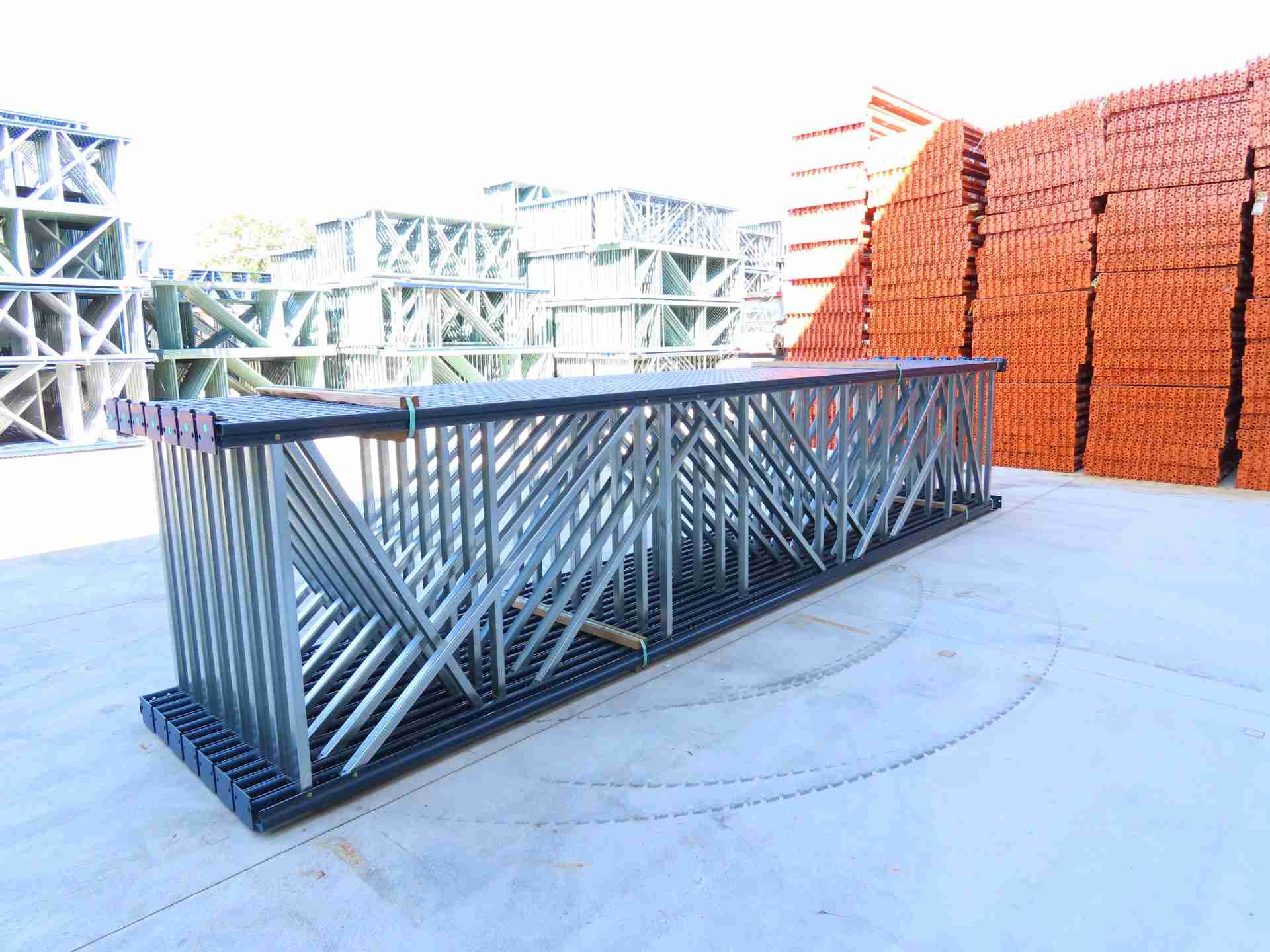
What Are Some Innovative Design Options For Mezzanine Systems?
What Are Some Innovative Design Options For Mezzanine Systems?
- Mezzanine systems offer a versatile and cost-effective solution for maximizing space in a warehouse or commercial setting.
- Incorporating glass flooring into your mezzanine system allows for natural light to flow through the space, creating a brighter and more inviting atmosphere.
- Adding greenery such as planter boxes or living walls to your mezzanine system can improve employee productivity and well-being.
- Integrating sensors, automation, and data analytics into your mezzanine system can optimize space usage and improve efficiency.
- Creating a multi-functional mezzanine space with movable partitions and modular furniture allows for easy transformation for different purposes.
- By considering innovative design options, you can create a visually striking and engaging environment for all who use the space.
- Pushing the boundaries of traditional mezzanine design can lead to endless possibilities for maximizing functionality and efficiency.

What Are Some Innovative Design Options For Mezzanine Systems?
Conclusion
Are you looking to unlock the true potential of your warehouse space and reach new heights of efficiency and productivity? Look no further than mezzanine systems from Arrow Industrial Sales. With the ability to effectively double your storage capacity and make the most of every square foot, mezzanines offer a cost-effective and customizable solution for businesses of all sizes. By creating distinct levels for different types of inventory or operations, mezzanine systems can streamline your workflow, improve operational efficiency, and ultimately drive bottom-line results. Whether you’re in manufacturing, retail, logistics, or any other industry that requires additional storage space, a mezzanine system can help you achieve your goals and stay competitive in today’s fast-paced business landscape.
But don’t wait, the time to maximize your warehouse space is now. Call Arrow Industrial Sales at (574) 349-6575 to get more information and start reaping the benefits of a mezzanine system today. With the ability to integrate innovative design options such as glass flooring, greenery, smart technology, and multi-functional spaces, your mezzanine system can not only optimize your storage capacity but also create a visually striking and engaging environment for your employees and customers. Take the first step towards a more efficient and productive warehouse space – contact Arrow Industrial Sales today and unlock the potential of mezzanine systems for your business. The competition is fierce, the stakes are high, and the time to act is now. Call (574) 349-6575 and start maximizing your vertical warehouse space with a mezzanine system from Arrow Industrial Sales. The future of your business depends on it.

Conclusion
Conclusion:
- Unlock the true potential of your warehouse space with mezzanine systems from Arrow Industrial Sales.
- Mezzanines can double your storage capacity, optimize square footage, and streamline workflow.
- Cost-effective and customizable solution for businesses of all sizes in various industries.
- Mezzanine systems can improve operational efficiency and drive bottom-line results.
- Integrate innovative design options like glass flooring, greenery, and smart technology.
- Create visually striking and engaging environments for employees and customers.
- Contact Arrow Industrial Sales at (574) 349-6575 to start maximizing your vertical warehouse space today.

Conclusion
Other Resources

Other Resources
Here is a list of other resources you can review online to learn more:
- “Maximizing Space: Warehouse Mezzanine Systems”
- “Used Shelf Supported Mezzanines”
- “Storage Mezzanines for E-Commerce Warehouse”
- “Used Mezzanines For Sale”
- “Why Mezzanine Floors Are Great Ecommerce Storage …”
- “Mezzanine for Warehouse: Boost Your Storage …”
- “Industrial Mezzanines: Supporting Fulfillment in 2021”
- “What is Warehouse Optimization & 12 Ways To …”
- “Mezzanine Vertical Storage Warehouse Solutions [Video]”
- “A Look Inside Speculative Cold Buildings”
- “GREAT RIVER GROWERS LLC – CT.gov Business”
- “Blog”
- “2019 annual town report”
- “WAREHOUSING MODULE”
- “Asphalt Contractors”
- “Untitled – Open Access Conference Proceedings”
- “BP_2023_Complete_updated 02.07.24 – Canyon County”

Other Resources
Glossary Terms
How Can Mezzanine Systems Maximize Vertical Warehouse Space? – Glossary Of Terms
1. Mezzanine: An intermediate floor in a building, typically used in warehouses to create additional storage space without expanding the building footprint.
2. Vertical Space Optimization: The process of using the entire height of a warehouse to maximize storage capacity, typically via mezzanines or racking systems.
3. Modular Construction: Building methods where mezzanine systems are prefabricated and installed on-site, allowing for customization and scalability.
4. Load Capacity: The maximum weight a mezzanine floor can support, important for ensuring safe and efficient use of vertical space.
5. Clear Span: The distance between two supports such as columns or walls; in mezzanine systems, clear spans create uninterrupted floor space.
6. Pallet Racking: A storage system designed to hold materials on pallets, often used in conjunction with mezzanine systems for improved storage efficiency.
7. Catwalk: Narrow walkway usually suspended from the ceiling or mezzanine to allow for easy access across different parts of the warehouse.
8. Structural Steel: The material commonly used for mezzanine construction due to its strength, durability, and ability to support heavy loads.
9. Shelving Systems: Storage units that can be placed on mezzanines to organize smaller items, maximizing the utility of the vertical space.
10. Safety Railings: Barriers installed along the edges of mezzanines to prevent falls and ensure worker safety.
11. Staircases: Structures that provide access to mezzanine floors, crucial for connecting different levels within the warehouse.
12. Elevated Work Platforms: Raised areas within a warehouse used for tasks such as packaging or order pick-up, often part of mezzanine design.
13. Material Handling Equipment: Machines like forklifts and conveyor belts used to move goods to and from mezzanine floors.
14. Clear Height: The usable height of a warehouse from the floor to the lowest overhead obstruction, crucial for planning mezzanine installations.
15. Footprint: The amount of floor space a building or structure occupies; mezzanines help maximize storage without increasing the warehouse footprint.
16. Modular Mezzanine Kits: Pre-fabricated components that can be easily assembled and customized to meet specific warehouse needs.
17. Fire Safety Codes: Regulations ensuring that mezzanine systems have adequate fire protection measures, like sprinklers and escape routes.
18. Storage Density: The ratio of stored goods to space available; mezzanines increase storage density by utilizing vertical space.
19. Conveyor System: A mechanical apparatus for moving goods between different levels, often integrated with mezzanine systems.
20. Integrative Design: A holistic approach to designing mezzanine systems so they complement other warehouse operations and increase overall efficiency.
21. Lighting Systems: Lighting solutions that ensure the mezzanine level is well-lit for safe and efficient working conditions.
22. Access Equipment: Tools like ladders and lifts used to facilitate access to mezzanine levels for maintenance or inventory purposes.
23. Expansion Capabilities: The potential for a mezzanine system to be expanded or modified as storage needs grow.
24. Column Spacing: The distance between support columns in a mezzanine, affecting the layout and usability of the space beneath.
25. Cost-Efficiency: The effectiveness of mezzanine systems in increasing storage capacity relative to the cost of installation and maintenance.
26. Elevators: Mechanical lifts used in larger warehouses to move goods and personnel between mezzanine levels efficiently.
27. Dynamic Load: Loads that involve movement (like people or machinery) on the mezzanine; design must account for these to ensure safety.
28. Static Load: Stationary weights that the mezzanine must support, including shelving, inventory, and equipment.
29. MHS (Material Handling System): Comprehensive systems that include software and machinery to manage the storage and movement of goods.
30. HVAC Integration: Heating, ventilation, and air conditioning systems incorporated into mezzanine designs for maintaining optimal working conditions.

Glossary Of Terms
Other Questions
How Can Mezzanine Systems Maximize Vertical Warehouse Space? – Other Questions
If you wish to explore and discover more, consider looking for answers to these questions:
- What are the key components of a mezzanine system?
- How do mezzanine systems compare to traditional storage solutions in terms of cost and efficiency?
- What types of businesses benefit the most from mezzanine systems?
- What are the installation timelines for mezzanine systems?
- How customizable are mezzanine systems for specific industry needs?
- What are the typical load capacities for mezzanine systems?
- How do mezzanine systems impact warehouse safety?
- What are some real-world examples of businesses that have successfully implemented mezzanine systems?
- What are the maintenance requirements for mezzanine systems?
- How can businesses calculate the return on investment (ROI) for mezzanine systems?
- What safety regulations and standards apply to mezzanine systems?
- What are the best practices for designing a mezzanine system layout?
- Can mezzanine systems be easily expanded or modified in the future?
- What are the potential drawbacks or limitations of mezzanine systems?
- How do mezzanine systems integrate with automated warehouse management systems (WMS)?
- What environmental considerations should be taken into account when installing mezzanine systems?
- How do mezzanine systems affect the energy efficiency of a warehouse?
- What are the costs associated with obtaining the necessary permits for mezzanine installations?
- How do mezzanine systems impact insurance premiums for warehouse facilities?
- What are some innovative design options to make mezzanine systems more aesthetically pleasing?

Other Questions
Checklist
How Can Mezzanine Systems Maximize Vertical Warehouse Space? – A Checklist
Planning and Assessment
_____ [_] Assess available space, including ceiling height, square footage, and potential obstacles.
_____ [_] Define the intended purpose (e. g. , additional storage, production space, office space).
_____ [_] Conduct a cost-benefit analysis to weigh upfront costs against long-term savings.
_____ [_] Ensure compliance with building codes and regulations.
_____ [_] Identify safety requirements (load capacity, handrails, access points).
Customization
_____ [_] Determine the specific needs (shelving for small items, bulk storage, office space).
_____ [_] Measure the vertical space to ensure the mezzanine fits properly.
_____ [_] Choose between fixed and modular systems based on flexibility needs.
_____ [_] Incorporate innovative design options (glass flooring, greenery, smart technology).
Installation
_____ [_] Hire experienced professionals for design and installation.
_____ [_] Follow manufacturer guidelines for installation to ensure safety and functionality.
_____ [_] Ensure all safety standards are met (railings, stairs, weight capacity).
Workflow Optimization
_____ [_] Plan the mezzanine layout to streamline picking, packing, and shipping processes.
_____ [_] Create distinct levels for different types of inventory or operations.
_____ [_] Integrate technology for inventory management and operational efficiency.
Safety Protocols
_____ [_] Regularly inspect the mezzanine for wear and tear (loose bolts, damaged flooring, rust).
_____ [_] Provide comprehensive training for staff on safe usage (loading/unloading, navigation).
_____ [_] Monitor and adhere to weight limits to prevent overloading.
_____ [_] Implement safety measures (lighting, signage, access control).
Maintenance
_____ [_] Schedule routine inspections to identify and address potential hazards.
_____ [_] Perform regular maintenance activities (tighten bolts, replace damaged parts).
_____ [_] Document all inspections and maintenance activities for record-keeping.
Financial Considerations
_____ [_] Budget for both upfront installation costs and ongoing maintenance expenses.
_____ [_] Explore financing options if needed.
_____ [_] Evaluate potential savings from improved storage efficiency and reduced off-site storage needs.
Benefits Realization
_____ [_] Monitor key performance indicators (KPIs) to measure improvements in storage capacity and workflow efficiency.
_____ [_] Gather feedback from employees to identify areas for further improvement.
_____ [_] Analyze the return on investment (ROI) over time.
Adaptability
_____ [_] Plan for future expansions or reconfigurations if necessary.
_____ [_] Consider scalability options to accommodate growing inventory or changing market demands.
_____ [_] Remain flexible to adapt the mezzanine system as business needs evolve.
By following this checklist, you can ensure that your mezzanine system is well-planned, safely installed, and optimized for maximum efficiency and productivity, helping you to make the most of your vertical warehouse space.

Checklist
At RackingWorld, we help guide you through selecting warehouse storage systems and racking.
Be sure to read our other related stories at RackingWorld to learn more about warehouse storage systems.
0 Comments