
Choosing Growth: Elevate Your Potential Instead Of Widening Horizons
By Tom Seest
At RackingWorld, we help guide you through selecting warehouse storage systems and racking.
Be sure to read our other related stories at RackingWorld to learn more about warehouse storage systems.
When to Expand Up Instead Of Out
In the business world, the drive to expand often leads to the question: should we build outward or look to the skies? You might think that the answer is always to make a larger footprint, but sometimes, the smart money is on going vertical. There’s something inherently satisfying about reaching for the rafters instead of sprawling outward like a weed. Expanding up means maximizing what you have while reducing the wear and tear on your resources, both financial and human.
Racking systems can often be your best friend in this endeavor. When you think about it, stacking products instead of spreading them across the floor can free up space for creativity and efficiency. Picture a bustling warehouse where the floors are clear, and everything is neatly organized above. Your employees don’t have to waste energy hunting for items scattered about. Instead, they can focus on what really matters—serving customers and driving the business forward.
The emotional pull of expansion is palpable. Businesses that choose to build up rather than out are not just showing wisdom; they’re demonstrating resilience. There’s a deep sense of pride in optimizing the space you already have. It’s like taking a worn-out tool and sharpening it instead of replacing it. You’re investing in the familiar, the tried-and-true, and fostering a culture that values mindfulness and efficiency.
Going vertical also speaks to our ethics. In a world where minimizing waste is more important than ever, building upward can reduce your ecological footprint. It sends a clear message to your team and your customers that you care about the impact your business has on the environment. It’s not just about profit; it’s about responsibility and stewardship.
Through stories of those who’ve taken that leap—business owners who went from cramped quarters to soaring heights—you’ll find inspiration. These aren’t just tales of success; they’re real accounts of overcoming obstacles, of rolling up sleeves and making the most of limited resources.
So lift your gaze. Consider not just what you can do, but how you can do it smarter. Expansion doesn’t have to mean chaos. With the right approach, as you reach for the sky, you’ll not only find space but also pave the way for growth that resonates with every team member, keeper of the trade, and customer who walks through your door. Sometimes, the best route to success is simply above your head.

When to Expand Up Instead Of Out
When to Expand Up Instead Of Out
- The choice between expanding outward or vertically is crucial for businesses.
- Vertical expansion maximizes existing resources and reduces wear on finances and human capital.
- Racking systems facilitate efficient space usage, promoting organization and productivity in work environments.
- Building up instead of out reflects resilience and a commitment to optimizing current assets.
- Vertical expansion minimizes ecological footprints, aligning with ethical business practices.
- Success stories of businesses that have transitioned to vertical growth inspire others to adopt similar strategies.
- Smart growth leads to a more efficient and responsible business environment.
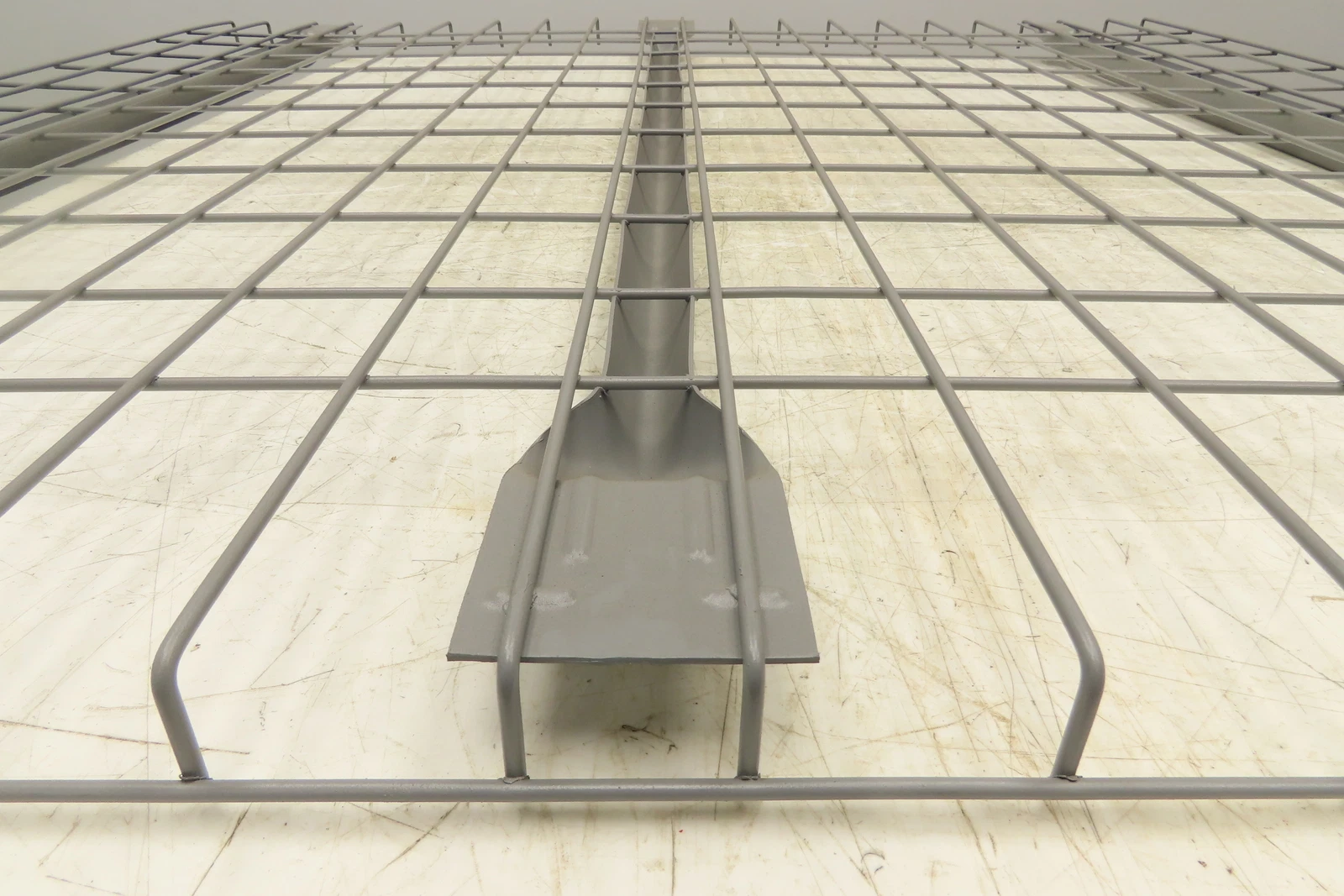
When to Expand Up Instead Of Out
Table Of Contents
- When to Expand Up Instead Of Out
- What Drives Your Desire to Expand Your Business?
- Are You Ready for the Challenges Of Scaling?
- How Can Vertical Growth Improve Your Market Presence?
- What Risks Come with Expanding Up Versus Out?
- How Do You Define Success In Your Expansion Strategy?
- What Resources Do You Need to Scale Upwards?
- Conclusion
- Other Resources
- Glossary Of Terms
- Other Questions
- Checklist
What Drives Your Desire to Expand Your Business?
It starts with a dream, often sparked by a simple need: to make something better, to provide for your family, or to carve out a slice of the world that’s yours. When you look out at your shop floor or your service area, you see potential—the kind that sticks in your gut and won’t let go. It’s that story where you see yourself expanding, not just in size but in impact, moving beyond mere survival to making a real mark in your community.
Consider racking systems, for instance. They’re not just pieces of metal stacked high; they’re tools that can reshape how you operate. When you can store more, organize better, and optimize your space, you’re not just improving efficiency—you’re unlocking the possibility of growth. It’s a tangible example of making smarter decisions that lead to greater results. Investing in these systems is a calculated risk that taps into your common sense, giving you more room to breathe and thrive.
But the head understands that drive can’t stand alone; it needs a backbone of ethics. As you aim for growth, think about how it aligns with your values. Are you creating jobs? Making your community better? When your expansion comes from genuine intentions, it resonates with everyone around you. Your employees, customers, and local partners start to see you as more than just a business owner; they see a leader, someone who cares about the impact beyond profits.
Then there’s the story you tell—both your own and the collective narrative of the people you serve. Share your journey. Talk about the late nights, the uncertainty, and the small victories. They resonate, fostering a bond based on shared experiences. That connection lays the groundwork for trust, making others want to rally behind your vision.
Don’t forget the social aspect of it all. As your business grows, you naturally create a ripple effect, inspiring other local entrepreneurs. They watch you take the leap and think, “If they can do it, so can I.” There’s a triumph in that collective ambition that fuels not just your desire but the ambition of those around you.
So, when you ask yourself what drives your desire to expand, reflect on that dream. It’s about more than profits; it’s about creating a legacy, making a difference, and leading others to follow. Real growth comes from the heart, head, and gut, intertwined in a journey that’s uniquely yours.

What Drives Your Desire to Expand Your Business?
What Drives Your Desire to Expand Your Business?
- Growth begins with a dream to improve, provide for family, and establish a personal legacy.
- Recognizing potential in your business can lead to meaningful expansion beyond survival.
- Investing in tools like racking systems enhances efficiency and unlocks growth opportunities.
- Growth should align with personal and community values, creating jobs and improving lives.
- Sharing your journey fosters connection, trust, and a sense of shared experiences.
- Your business growth can inspire local entrepreneurs to pursue their own ambitions.
- True growth is driven by passion and intention, creating a lasting impact on the community.

What Drives Your Desire to Expand Your Business?
Are You Ready for the Challenges Of Scaling?
Scaling a business is like expanding a well-oiled machine—more parts mean more potential for both growth and friction. When you take on the challenge of scaling, think of those intricate racking systems in a warehouse. Each shelf holds not just products but the weight of your aspirations and dreams. They may seem sturdy on the surface, but without careful planning, things can come crashing down when they’re overloaded.
Scaling isn’t just about numbers. It’s about relationships, trust, and the people who stand beside you in the trenches. Every hire, every new account, every partnership is a thread woven into your business tapestry. You need to ask yourself: are these threads strong enough to withstand the strains of growth? The ethical responsibility here is immense—each decision affects livelihoods, and fostering a culture of trust and collaboration will pay dividends.
From a rational standpoint, growth demands resources—money, time, and effort. You can strategize, budget, and forecast, but unexpected challenges will test your resolve. Maybe it’s a supply chain hiccup or a sudden shift in market demand. Keeping those racking systems organized isn’t just smart; it’s essential. If you wait until the shelves start to wobble, it’s often too late to react effectively.
On the emotional side, recognize that it’s natural to feel uncertain. Scaling means change, and change breeds anxiety. However, embrace that gut feeling; it’s your internal barometer guiding you. Surround yourself with a seasoned team who understands the blood, sweat, and tears that got you here. Like a seasoned crew in a workshop, each person has unique skills and should feel empowered to contribute. Sharing these experiences fosters connection and resilience, making it easier to rally together when the going gets tough.
Engage with your community. Sharing stories with peers can alleviate the isolation that sometimes comes with expansion. Attend industry events, swap insights, and remind yourself that this journey is not just yours. The challenges may be daunting, but when you’re open to connecting, learning, and adapting, scaling can transform from a scary leap into a strategic climb. Embrace the grit and grind with humility; after all, those who stay grounded often rise the highest.

Are You Ready for the Challenges Of Scaling?
Are You Ready for the Challenges Of Scaling?
- Scaling a business involves more complexity, akin to expanding a well-oiled machine.
- It requires careful planning to avoid potential pitfalls when expanding resources.
- Building strong relationships and trust is crucial during the scaling process.
- Every decision impacts livelihoods, necessitating an ethical approach to growth.
- Unexpected challenges such as supply chain issues can arise, demanding effective organization.
- Emotional uncertainty is common; surround yourself with a skilled and supportive team.
- Community engagement and sharing experiences can alleviate feelings of isolation during expansion.

Are You Ready for the Challenges Of Scaling?
How Can Vertical Growth Improve Your Market Presence?
Vertical growth isn’t just a fancy term tossed around in boardrooms; it’s the backbone of solidifying your market presence. Think of it like racking systems in a warehouse—just as they optimize space and improve access, vertical growth enhances your operations and customer connections. When you grow upwards, you’re not just stacking products higher; you’re building a reputation that reaches beyond the everyday grind.
Imagine a local business that started with a few hand tools and a dream. Over time, through hard work and strategic vertical growth, they expanded their offerings. It’s about digging deep into what you do best, honing your skills, and naturally attracting more customers. This isn’t some shiny corporate jargon; it’s the real deal, grounded in experience and grit. You add value to your products or services, creating a ripple effect that draws people in. When your community sees you evolving, it fosters trust—like knowing that the same quality tool you bought years ago is still being improved upon, making your work easier and more efficient.
Additionally, vertical growth aligns with ethical practices. It’s not just about profit margins; it’s about cultivating genuine relationships with your customers. People are drawn to brands that stand for something, that operate with integrity. When you strategically expand within your market, you’re not just selling; you’re engaging people on a level they can relate to. They want to support businesses that are connected to the community, that acknowledge their needs and strive to meet them.
Your expertise counts for something too. As you refine your services or product lines, you become an authority in your niche. Customers gravitate towards brands they perceive as knowledgeable. They’ll likely choose you over the competition—someone unproven or simply resting on their laurels. Vertical growth isn’t about being flashy; it’s about being dependable.
This journey isn’t just about climbing the ladder; it’s about sharing stories along the way. It’s those everyday successes and setbacks that resonate with customers. They see themselves in your narrative, and that personal touch is what keeps them coming back. By inviting them into your growth story, you’re not just a business; you become a part of their lives—reliable like a well-constructed racking system in a busy warehouse, making everything run smoothly. Embrace vertical growth, and watch your market presence soar.

How Can Vertical Growth Improve Your Market Presence?
How Can Vertical Growth Improve Your Market Presence?
- Vertical growth solidifies market presence and enhances operations.
- It involves deepening expertise and expanding offerings strategically.
- Building a reputation fosters trust and attracts more customers.
- Vertical growth aligns with ethical practices and community engagement.
- Brands that operate with integrity resonate with consumers.
- Expertise enhances authority, making businesses more attractive to customers.
- Sharing growth stories creates personal connections and loyalty.

How Can Vertical Growth Improve Your Market Presence?
What Risks Come with Expanding Up Versus Out?
When it comes to expanding a facility, the choices of going vertical with racking systems or spreading out horizontally each carry their own unique set of risks. Let’s break it down through the lens of experience, common sense, and a bit of storytelling.
Think about it this way: expanding upward can be like stacking your belongings in a cramped attic. Sure, it saves ground space, but it’s easy to lose track of what you’ve got up there. You might find a treasure or two, but you also risk creating a precarious situation where things might come crashing down if not properly secured. If safety measures around those racking systems aren’t rigorous, you’re inviting accidents that could compromise not just inventory but lives. It’s a bit like running a high wire act without a safety net; one misstep can undo all your hard work.
On the flip side, expanding out is like building a new barn for your tools. It gives you room to breathe, but it also means more upkeep and maintenance. Planting your roots wider can stretch your resources thin. More ground means you’ve got to cover more distance in security, logistics, and management. It’s about striking a balance: how much can you handle without spreading yourself too thin? Every business knows the risk of losing touch on the ground while chasing expansion.
Ethically speaking, one must consider community impact. Going up means a towering presence, potentially overshadowing neighbors. It can create an “out of sight, out of mind” attitude towards local concerns. Expanding out, however, can foster community. Think about what it means to integrate with your surroundings, employing local folks and participating in shared growth. Both methods can be successful, but they require serious foresight and a heart for the community.
From a financial perspective, each direction holds its weight. Vertical expansion often requires hefty upfront investments—think of those sturdy racking systems that need to withstand the test of time. Horizontal growth can ease cash flow concerns, but property taxes and maintenance fees may start to nudge your budget.
Whether you’re looking to stack or spread, those decisions shape the very foundation of your operation. Weighing the risks isn’t just a number-crunching exercise; it’s like deciding how to build a lifelong home for your business. With a grounded strategy, you can pave the way for success, whatever direction you choose.

What Risks Come with Expanding Up Versus Out?
What Risks Come with Expanding Up Versus Out?
- Expanding vertically saves ground space but risks losing track of inventory and may lead to safety hazards.
- Insufficient safety measures for racking systems can result in accidents that jeopardize inventory and lives.
- Horizontal expansion provides more breathing room but increases maintenance and resource demands.
- Wider ground coverage requires effective security, logistics, and management without overstretching resources.
- Community impact must be considered; vertical growth can overshadow neighbors while horizontal growth integrates local concerns.
- Financial implications differ; vertical expansion needs significant upfront investment, whereas horizontal growth may affect cash flow through property taxes and maintenance costs.
- Choosing the right expansion strategy is crucial for the stability and success of the business.

What Risks Come with Expanding Up Versus Out?
How Do You Define Success In Your Expansion Strategy?
Success in an expansion strategy isn’t just about seeing numbers rise or geographical boundaries stretch; it’s about building something sturdy from the ground up. Think of a racking system in a warehouse. It’s the backbone that holds everything together, ensuring that each product has its place, just like every plan should have a solid foundation. You want your strategy to be as reliable as those racking systems, supporting growth without toppling over at the first sign of a challenge.
At the heart of success is clarity of purpose. It’s not enough to say you want to expand; you need to know *why* it matters. Does it create jobs? Does it boost your community? When you ground your goals in social good, your mission resonates with both your team and customers. People connect with stories of improvement—of a local business that turned its first brick-and-mortar store into a regional force, impacting lives along the way. Share those experiences to build trust and inspire action.
On the rational side, metrics are your best friend. Define success with clear, measurable goals: sales targets, customer satisfaction scores, and market penetration rates. But don’t lose sight of the bigger picture. Numbers tell a story, but they don’t capture the passion and sweat equity poured into the expansion. When you combine emotional and rational appeals, you create a story that invites others to join your journey, to root for your victories, and to learn from your struggles.
Ethics play a crucial role, too. A responsible expansion considers the community and the environment. Engaging local suppliers, practicing sustainability, and treating employees well not only builds a reputation for integrity but shows that success isn’t just profit-driven. It’s about ensuring that the growth reflects positively on everyone involved.
Finally, share your milestones with humility. Celebrate not just growth but the lessons learned along the way. Real growth is a team effort, rooted in collective strength. Your story will resonate with those who may feel they’re just starting their journey, reminding them that every giant leap begins with small, deliberate steps—like installing your first racking system.
Success is about more than just the finish line; it’s about forging relationships, making an impact, and creating a legacy that others can aspire to. Each strategic move should bring you closer to a vision that enhances not just your business, but the community that supports it.

How Do You Define Success In Your Expansion Strategy?
How Do You Define Success In Your Expansion Strategy?
- Success in expansion requires a solid foundation, akin to a reliable racking system in a warehouse.
- Clarity of purpose is essential; understanding the motivations behind expansion enhances mission resonance with team and customers.
- Metrics such as sales targets and customer satisfaction are vital, but emotional narratives of growth add depth to the story.
- Ethical practices, including engaging local suppliers and promoting sustainability, reflect a commitment to community well-being.
- Sharing milestones with humility fosters a collective spirit and celebrates both achievements and lessons learned.
- Real growth stems from relationships, impact, and a legacy that inspires others.
- Every strategic move should ultimately enhance both business and community support.

How Do You Define Success In Your Expansion Strategy?
What Resources Do You Need to Scale Upwards?
Scaling upwards isn’t just about ambition; it’s about having the right resources strapped to your back as you climb. Let’s break this down so it sticks, just like old tools that have been worn in by real hands.
First off, you need a solid foundation. Think of racking systems. They aren’t just metal and bolts; they’re your backbone in a warehouse or storage setting. Investing in quality racking systems allows you to maximize space and efficiency. When you’ve got reliable, adjustable racks, you’re not just storing goods; you’re organizing your future. Picture walking into a well-organized space where each item has its place—there’s a sense of calm and control that comes with it. You can breathe easier knowing your resources are in line for growth.
Next, let’s talk manpower. Your team is the engine that drives your operations. Surround yourself with hands-on folks who share your vision and hustle as hard as you do. Skills can be trained, but genuine passion is something you can’t teach. Encourage that spirit; it builds morale, and when the tough times hit, it’s that camaraderie that keeps the wheels turning. Share stories and learn from each other; that’s how trust develops on the floor.
Then comes technology. Embrace the tools that lighten the load. From inventory management software to automated systems, leveraging technology means less guesswork and more focus on what truly matters—your business and your customers. If you can save time on the backend, you can pour that energy into serving your clients better.
Don’t forget about relationships—both with your suppliers and your clients. Building a strong network isn’t just about getting things done; it’s about creating a community. When suppliers trust you, they’ll bend over backward to keep you supplied, and when customers feel valued, they come back with their friends. Forge those connections; they’ll pay off long after the transactions have settled.
Scaling is a journey, not just a destination. You’ve got to keep your eyes peeled for what works and what doesn’t. Stay humble, listen to feedback, and adjust your strategies. Have faith in the process and the people around you. Together, with the right resources and mindset, you can scale upwards and turn that ambition into reality.

What Resources Do You Need to Scale Upwards?
What Resources Do You Need to Scale Upwards?
- Scaling requires appropriate resources and solid foundations, such as quality racking systems for maximizing space and efficiency.
- Reliable and adjustable racks help organize inventory, creating a controlled and calm environment for growth.
- A motivated and skilled team drives operations; genuine passion and camaraderie enhance morale and resilience.
- Technology, including inventory management and automation, streamlines processes, allowing better focus on business and customer service.
- Building strong relationships with suppliers and clients fosters trust, which is essential for long-term success.
- Adjusting strategies based on feedback and maintaining humility are crucial for effective scaling.
- Scaling is an ongoing journey that relies on the right resources and mindset to turn ambitions into reality.

What Resources Do You Need to Scale Upwards?
Conclusion
In the ever-evolving landscape of business, the choice between expanding outward or upward carries significant weight. Choosing to grow upwards isn’t just a strategic maneuver; it’s a mindset that fosters resilience, efficiency, and community impact. When businesses opt for vertical growth, they embrace the potential of their existing resources, much like utilizing every inch of a well-structured racking system. This approach not only improves operational flow but also cultivates a sense of pride and ownership. Here, every employee plays an integral role, leading to a workforce that is engaged and focused on delivering value to customers.
Pursuing upward growth reflects a company’s ethical commitment to sustainability. In a world increasingly aware of ecological footprints, being responsible means doing more with less. As businesses refine their operations, they showcase their dedication to the environment and community welfare. This ethical grounding transforms expansion into a shared journey, where employees and customers alike feel a part of something bigger than themselves.
The narrative of a business taking the leap from cramped quarters to soaring heights is inspiring. These stories resonate with both gut instincts and rational thinking, illustrating that true success transcends mere monetary gains. It’s about building a legacy, creating jobs, and establishing connections that foster local spirit and resilience. People rally behind businesses that not only aim for success but also prioritize the betterment of their communities.
Scaling a business is not without its challenges. Each new layer of growth requires careful planning and resource management. It’s essential to balance expansion with the relationships that make a business strong. Clarity of purpose and measurable goals must guide this process, ensuring that every step taken aligns with core values. Transitioning upward can lead to growth if anchored in ethics and genuine community engagement.
Success is defined by more than just numbers; it’s about crafting a reputation built on reliability and customer relationships. By embracing vertical growth, businesses not only enhance their market presence but also become vital contributors to their communities. The aim should be to create a ripple effect that inspires other entrepreneurs, showing that success is achievable for anyone willing to put in the effort.
Ultimately, as businesses carve their path upward, they must remain grounded, humble, and adaptable. Success is a collective journey, marked by shared experiences, hard work, and unwavering commitment—to colleagues, customers, and the communities they serve. With every upward step, the possibilities for innovation and impact multiply, proving that sometimes the best expansion strategy is to simply reach for the sky.

Conclusion
Conclusion:
- Choosing upward growth fosters resilience, efficiency, and community impact.
- Vertical growth utilizes existing resources, improving operational flow and employee engagement.
- Upward growth reflects a commitment to sustainability and responsible resource management.
- Inspiring business stories illustrate that success includes building a legacy and community connections.
- Scaling a business requires careful planning, balancing expansion with strong relationships.
- Success is defined by reputation, reliability, and customer relationships, not just financial gains.
- Businesses must remain humble and adaptable, creating a ripple effect that inspires others.

Conclusion
Other Resources
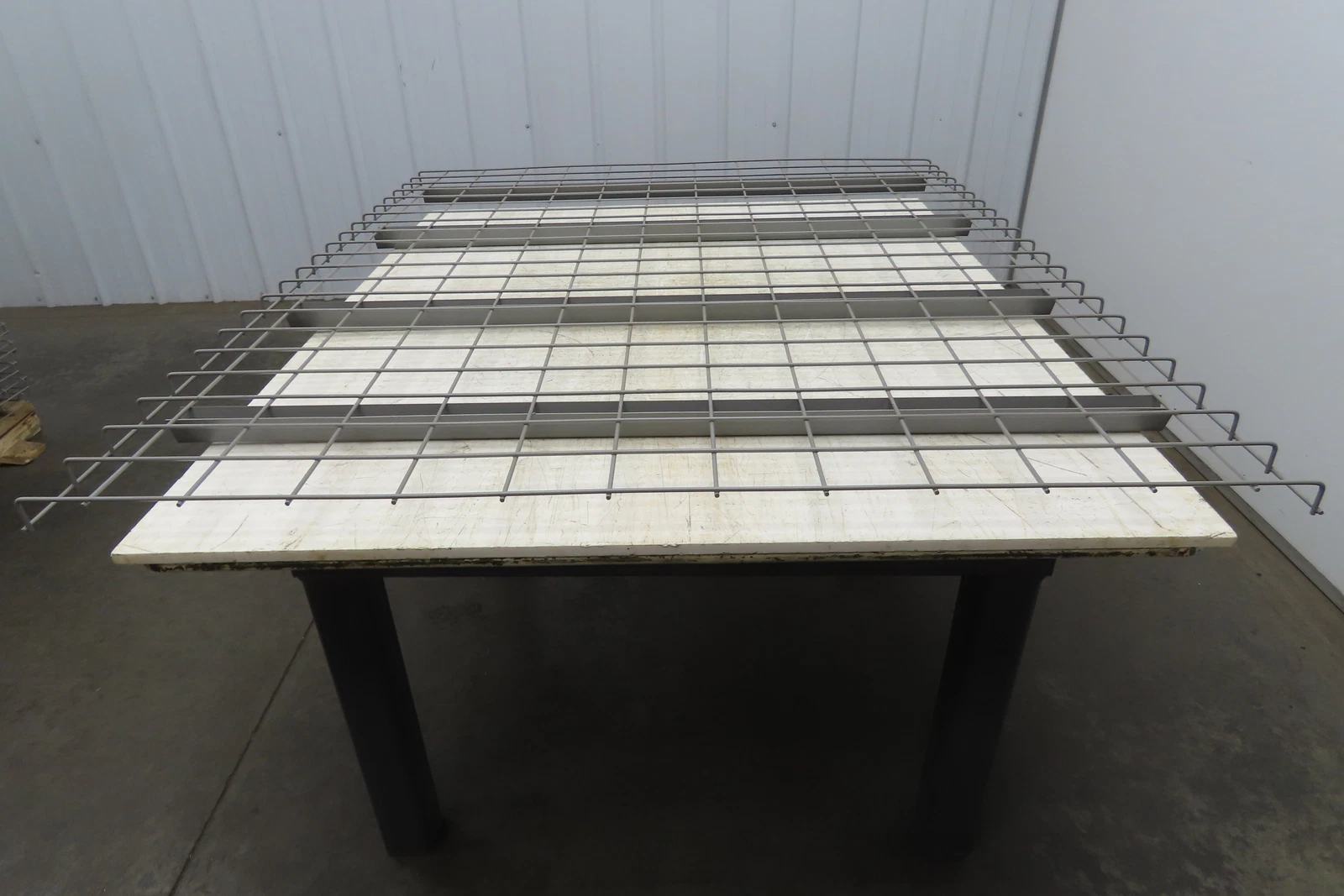
Other Resources
Here is a list of other resources you can review online to learn more:
- RMI
- Arrow Industrial Sales
- SEMA
- Selective Pallet Racking Systems
- WERC
- International Warehouse Logistics Association
- Rack Manufacturers Institute
- Interlake
- Teardrop Uprights
- Illinois
- Warehousing Education and Research Council: https://www.werc.org/
- Warehouse Racking System: Powerful Guide to Optimise, 2024
- Material Handling Industry
- National Safety Council
- Warehouse Racking Layout: The Ultimate Guide – Conger
- Warehouse Storage Racks
- Pallet Rack Systems – New and Used Pallet Racking and Shelving Experts
- Pallet Racking systems in Illinois, Great Lakes
- BMH Equipment LLC
- Warehouse Racking Systems: Beginner’s Guide to Rack Systems
Use This Prompt To Get More Resources With Your Favorite Online AI Tool: Please provide me with a list of online articles with their URLs in a bulleted list that I can read regarding When to Expand Up Instead Of Out

Other Resources
Glossary Terms
When to Expand Up Instead Of Out – Glossary Of Terms
1. Growth: The process of development or increase in size, number, or importance.
2. Strategy: A plan of action designed to achieve a long-term or overall aim.
3. Scalability: The ability of a business or system to grow and manage increased demand without compromising performance.
4. Market Saturation: A situation where most of a target market has been reached, limiting growth opportunities.
5. Diversification: The process of a business expanding its product line or services to reach new markets.
6. Vertical Integration: A strategy where a company expands its operations either backward into manufacturing or forward into distribution.
7. Horizontal Expansion: The strategy of adding new products or services at the same level of the supply chain.
8. Capital Investment: Funds invested in a business with the expectation of future returns.
9. Resource Allocation: The distribution of available resources among various projects or business units.
10. Operational Efficiency: The ability to deliver products or services in the most cost-effective manner without sacrificing quality.
11. Customer Retention: The ability of a company to retain its customers over a defined period.
12. Competitive Advantage: A condition or circumstance that puts a company in a favorable or superior business position.
13. Profit Margin: The difference between the cost to produce a product and its selling price.
14. Market Research: The process of gathering, analyzing, and interpreting information about a market.
15. Revenue Streams: Various sources of income that a business can generate from its activities.
16. Financial Forecasting: The process of estimating future financial outcomes based on historical data and analysis.
17. Innovation: The introduction of new ideas, products, or methods that improve efficiency or effectiveness.
18. Branding: The process of creating a unique name, design, or image for a product to differentiate it from competitors.
19. Stakeholder Engagement: The process of involving individuals or groups with an interest in the company’s performance.
20. Risk Management: The identification, assessment, and prioritization of risks followed by coordinated efforts to minimize them.
21. Business Model: A company’s plan for how it will generate revenue and make a profit.
22. Key Performance Indicators (KPIs): Metrics used to evaluate the success of an organization in meeting objectives.
23. Customer Acquisition: The process of bringing new customers to a business.
24. Benchmarking: Comparing business processes and performance metrics to industry bests or best practices.
25. Return on Investment (ROI): A performance measure used to evaluate the efficiency of an investment.
26. Market Penetration: The percentage of a target market that consumes a product or service.
27. Organizational Structure: The way in which a company arranges its lines of authority and communications.
28. Strategic Planning: The process of defining an organization’s strategy and making decisions on allocating resources.
29. Product Development: The process of creating or improving products for market launch.
30. Exit Strategy: A plan for how a business owner or investor intends to withdraw from a business investment.

Glossary Of Terms
Other Questions
When to Expand Up Instead Of Out – Other Questions
If you wish to explore and discover more, consider looking for answers to these questions:
- When is vertical expansion clearly the better option than horizontal expansion?
- How do I assess whether my current facility is suitable for racking systems?
- What types of racking systems are available and which suits different businesses?
- How much does installing a racking system typically cost?
- What is the expected return on investment (ROI) for vertical storage solutions?
- How do ceiling height and building structure limit upward expansion?
- What floor load and structural reinforcements might be required for added vertical storage?
- How do safety regulations, fire codes, and building permits affect vertical expansion plans?
- What are the main safety risks associated with racking systems and how are they mitigated?
- How does vertical expansion change daily workflow and material handling processes?
- What additional equipment (forklifts, lifts, conveyors, mezzanines) do I need for vertical storage?
- How will vertical expansion affect labor needs, training, and ergonomics for employees?
- How does automation integrate with vertical racking and what are realistic automation options?
- What inventory management or warehouse management systems work best for tall racking layouts?
- How do I measure success for an upward expansion project (KPIs and metrics)?
- What financing options, grants, or tax incentives exist for vertical expansion investments?
- How long does a typical vertical expansion project take from planning to full operation?
- What are the ongoing maintenance costs and lifespan of common racking systems?
- How does vertical expansion impact insurance premiums and liability exposure?
- What contingencies and disaster recovery plans should be in place for tall storage systems?
- How will vertical expansion affect customer service levels, lead times, and fulfillment accuracy?
- When might horizontal expansion still be preferable despite limited floor space?
- How do zoning rules or neighborhood concerns influence decisions to expand up or out?
- What environmental benefits and potential drawbacks come with vertical versus horizontal expansion?
- Are there industry-specific considerations (retail, manufacturing, food, pharmaceuticals) for vertical growth?
- How do small businesses with limited capital phase-in vertical expansion affordably?
- What are practical case studies or examples of businesses that successfully expanded upward?
- How should risk be balanced—inventory accessibility, damage risk, and employee safety—when stacking higher?

Other Questions
Checklist
When to Expand Up Instead Of Out – A Checklist
Strategic Fit and Purpose
✅______ Clear purpose for vertical expansion documented
✅______ Alignment with values, ethics, and community impact articulated
✅______ Success criteria and target outcomes defined (capacity, service, quality)
Space and Facility Audit
✅______ Current space utilization measured (storage density, travel paths)
✅______ Clear height verified; required vertical clearance to sprinklers and ceiling confirmed
✅______ Floor slab capacity, flatness (F-numbers), joints, and repair needs assessed
✅______ Building obstructions mapped (columns, HVAC, lights, pipes, doors)
✅______ Egress aisles, emergency access, and staging areas planned
✅______ Seismic zone and wind load requirements identified
✅______ Lighting levels at upper elevations validated and upgraded if needed
Safety and Compliance
✅______ Applicable codes and standards identified (e.g., IBC, OSHA, NFPA 13/30, RMI/ANSI MH16.1)
✅______ Engineered rack drawings and load calculations stamped
✅______ Permits secured; inspections scheduled
✅______ Fire protection adequacy confirmed (in-rack sprinklers if required; density and coverage)
✅______ Rack load plaques, anchoring, and column and end-of-aisle protection specified
✅______ Guardrails, fall protection, and netting where appropriate
✅______ Formal rack inspection and maintenance program established
Operations and Inventory Design
✅______ SKU analysis completed (velocity, size, weight, fragility)
✅______ Slotting strategy finalized (fast movers at ergonomic heights)
✅______ Plan for oversized or bulky items and hazmat documented
✅______ Aisle widths set to equipment specs; one-way traffic and routes defined
✅______ Replenishment, picking (zone, batch, or wave), and put-away methods set
✅______ Inventory accuracy and cycle counting adapted for multi-level storage
✅______ Packaging standards reviewed for vertical handling
Equipment and Technology
✅______ Material handling equipment selected (reach trucks, order pickers, forks and attachments)
✅______ Charging and battery rooms, ventilation, and power capacity confirmed
✅______ WMS/ERP location schema supports levels, bays, and positions
✅______ RF and voice network coverage validated at height
✅______ Safety technology planned (PIT telematics, sensors, cameras)
✅______ Automation options evaluated (mezzanines, conveyors, AS/RS) with a phased roadmap
People and Change Management
✅______ Staffing plan and skills matrix completed
✅______ Training scheduled (PIT certification, rack safety, working at height)
✅______ Ergonomics addressed (lift assists, pick heights, rest platforms)
✅______ Communication plan for employees, suppliers, and customers prepared
✅______ Culture reinforced around safety, stewardship, and continuous improvement
Financials and Risk
✅______ Total cost model built (racks, MHE, IT, fire, permits, downtime, maintenance)
✅______ ROI, NPV, and payback calculated with sensitivity scenarios
✅______ Cash flow and financing secured; contingency reserve set
✅______ Insurance coverage updated for higher stacking and MHE
✅______ Risk register completed with owners, mitigations, and trigger thresholds
✅______ Business continuity plan for installation and cutover in place
Market and Brand Impact
✅______ Service-level targets protected or improved (OTIF, order cycle time)
✅______ Customer messaging crafted around reliability and efficiency
✅______ Community impact reviewed; local partnerships and opportunities identified
✅______ Sustainability gains quantified (land use avoided, energy, waste reduction)
Implementation Plan
✅______ Phased timeline defined with milestones, owners, and dependencies
✅______ Vendor selection, SLAs, and warranties confirmed
✅______ Pilot area tested and validated before full rollout
✅______ Cutover plan, blackout windows, and inventory freezes scheduled
✅______ Post-go-live hypercare and stabilization plan established
Performance and Governance
✅______ KPIs defined (storage density, lines per hour, travel distance, OTIF, inventory accuracy, TRIR)
✅______ Visual management and daily and weekly review cadence established
✅______ 30/60/90-day outcomes and retrospectives planned; course-correction process ready
Decision Gate: Up vs. Out
✅______ Side-by-side comparison completed (capacity gain, OpEx, CapEx, safety, lead time)
✅______ No-go criteria set (code conflicts, slab limits, SKU fit, ROI threshold)
✅______ Executive approval recorded with documented rationale and next steps

Checklist
At RackingWorld, we help guide you through selecting warehouse storage systems and racking.
Be sure to read our other related stories at RackingWorld to learn more about warehouse storage systems.
0 Comments