
Elevate Your Equipment Setup With Precision And Confidence
By Tom Seest
At RackingWorld, we help guide you through selecting warehouse storage systems and racking.
Be sure to read our other related stories at RackingWorld to learn more about warehouse storage systems.
Understanding Rack Shims and Leveling Tools
When it comes to the backbone of any shelving system—the racking—it all boils down to one critical factor: level. That’s where rack shims and leveling tools make their grand entrance. Imagine the scene: a busy warehouse, bustling with workers moving goods, items shifting, and somewhere among the chaos, an ill-placed shelf threatens to topple over. A simple mishap, yes, but one that can lead to injury, damage, or worse. It’s a sobering thought, and it underscores the importance of precision in the world of racking.
Rack shims are the unsung heroes in this equation. These little pieces of material may not look like much, but their role is pivotal. Used to bridge the gap when uneven surfaces threaten the integrity of a shelving unit, they help create a level playing field—quite literally. It’s not just about moving boxes around; it’s about ensuring that when the team is loading and unloading, they’re doing so in an environment that prioritizes safety and efficiency. Racking that sits flush and firm fosters confidence. When workers know their environment is stable, they can focus on the tasks at hand instead of worrying about potential hazards.
A comprehensive leveling tool collection complements shims perfectly. These tools provide a clear way to assess the situation before any shelving gets installed. By measuring angles and ensuring everything is perpendicular, they turn the daunting task of setup into a straightforward science. This is empowerment in action; it gives you, the installer, authority over your workspace. You’re not just putting up shelves; you’re crafting a reliable platform for everyone who steps foot into that space.
Let’s face it: we all thrive in environments where everything is in its rightful place. That’s a fundamental drive in human nature. Workers that can trust their environment—to know their shelves won’t buckle under pressure—are more productive and engaged. There’s a social aspect here too. When teams know their safety is prioritized, morale increases. It’s about building trust—trust in the tools we use and trust in each other.
So, the next time you are setting up racking, don’t overlook those shims or levelers. Respect their power, lean into their stability, and remember: in the world of storage solutions, the difference between chaos and order often comes down to a few well-placed tools. Embrace the craft, arm yourself with the right equipment, and let’s make the workplace not just productive, but safe and reliable. It’s a small investment that pays off in spades.
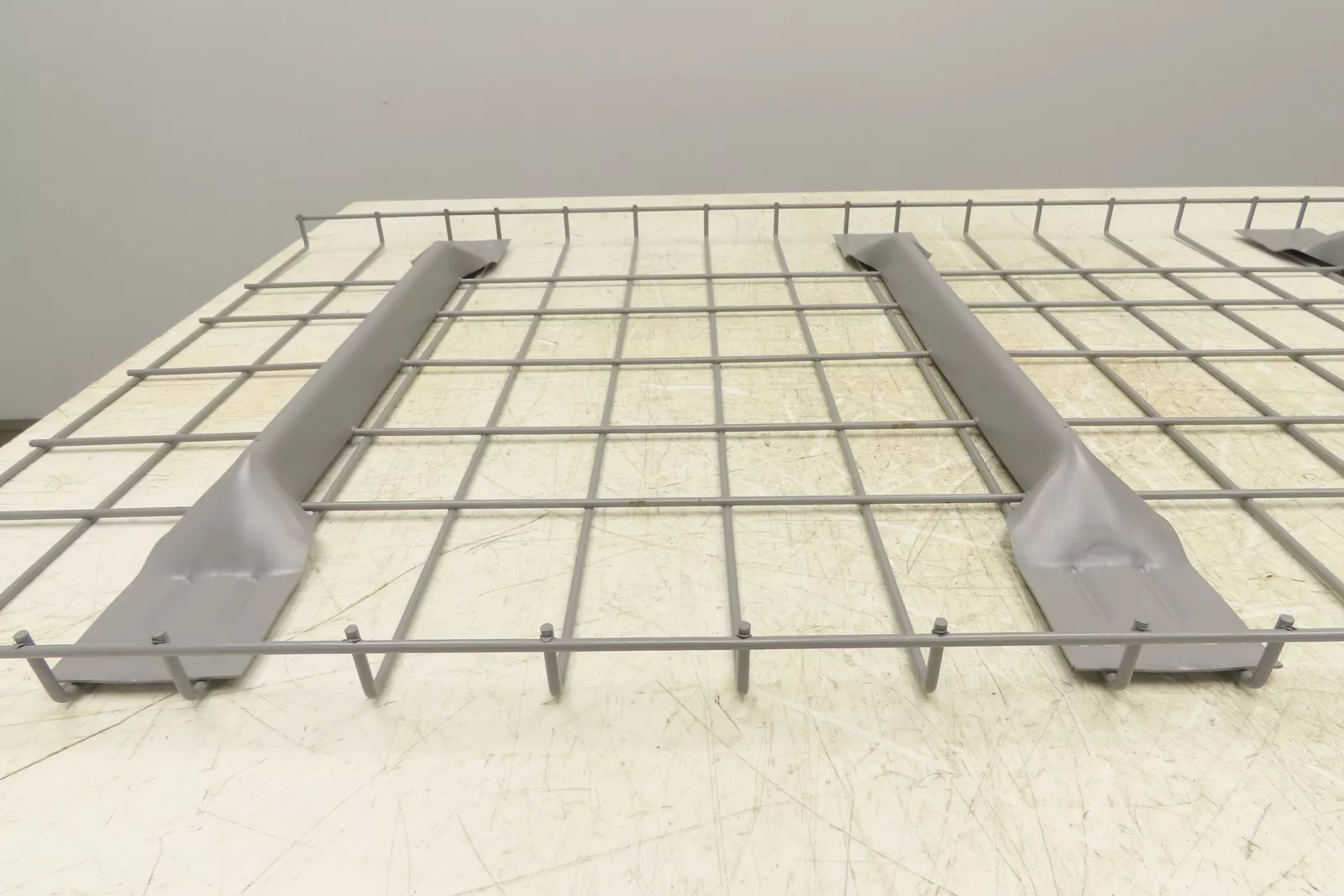
Understanding Rack Shims and Leveling Tools
Understanding Rack Shims and Leveling Tools
- The critical factor in shelving systems is level, making rack shims and leveling tools essential.
- Rack shims are important for bridging gaps created by uneven surfaces, ensuring shelving integrity.
- Using shims promotes safety and efficiency in a busy warehouse environment.
- A comprehensive leveling tool collection aids in accurate shelving installation by measuring angles.
- Workers benefit from stable racking, fostering confidence and allowing them to focus on tasks.
- Prioritizing safety improves morale and productivity among warehouse teams.
- Investing in shims and levelers is essential for creating a reliable and efficient workspace.

Understanding Rack Shims and Leveling Tools
Table Of Contents
- Understanding Rack Shims and Leveling Tools
- What Challenges Do You Face When Leveling Your Equipment?
- How Do Rack Shims Enhance Stability and Safety?
- Can Improper Leveling Lead to Costly Equipment Failures?
- What Are the Best Practices for Selecting Rack Shims?
- How Can Leveling Tools Impact Overall Operational Efficiency?
- Conclusion
- Other Resources
- Glossary Of Terms
- Other Questions
- Checklist
What Challenges Do You Face When Leveling Your Equipment?
When it comes to leveling your equipment, the challenges can feel like climbing a mountain with a boulder tied to your back. Racking up the experience and resources needed to elevate your tools to the next level requires not just sweat, but also grit and resolve. Picture yourself in the workshop, sleeves rolled up, staring at that worn-out gear you’ve been meaning to upgrade. It gets personal, doesn’t it? You’ve poured your heart into this equipment, treating it like a trusted friend, only to realize its limitations are now holding you back.
The command to level up comes with expectations—not just from the world around you but from your own ambitions. You want to move forward, to innovate, to craft something extraordinary. Yet, navigating the maze of choices, technical jargon, and price tags can leave anyone scratching their head. You might ask yourself, is it worth the investment? Will that new tool truly enhance your skills, or is it just another shiny object in a world full of distractions?
Ethically, every craftsman faces the dilemma of where to draw the line. Do you push through the discomfort of making do with what you have, or do you splurge on that top-tier piece of equipment that promises to redefine your capacity? It’s a question of integrity, not just in the products you choose, but in the commitment to your craft and the standards you uphold.
Social pressures can add another layer to the challenge. Look around, and you’ll see others with the latest gear, their work seemingly effortless. It’s easy to feel outpaced. But the truth is: they’ve faced their battles too. Perhaps they’ve wrestled with bankruptcy, made sacrifices, or pulled all-nighters just to get to where they are now. Each scratch and dent on their equipment tells a rich story, much like the wear on yours.
So, rather than letting these challenges intimidate you, let’s embrace them. Lean into the struggle; it’s where we find the authentic connection to our work. Our tools reflect our journey, not just the destination. You’re a part of a greater narrative—once you start sharing your own trials and triumphs, you’ll discover a community just waiting to lift you up. Trust that the hurdles you face are merely stepping stones, each one crucial to your craft. The key lies in recognizing that leveling your equipment is not just an upgrade—it’s an evolution. And that, dear friend, is the heart of what you do.

What Challenges Do You Face When Leveling Your Equipment?
What Challenges Do You Face When Leveling Your Equipment?
- Leveling equipment is a challenging process, compared to climbing a mountain with obstacles.
- Upgrading tools requires not only physical effort but also determination and emotional investment.
- There is a personal connection to equipment, akin to treating it as a trusted friend despite limitations.
- Decisions about upgrading involve weighing personal ambitions against the maze of choices and costs.
- Craftsmen face ethical dilemmas regarding whether to push through limitations or invest in higher-quality tools.
- Social pressures may create feelings of inadequacy when comparing oneself to others with superior gear.
- Embracing challenges leads to growth and community, highlighting that the journey of upgrading reflects personal evolution.

What Challenges Do You Face When Leveling Your Equipment?
How Do Rack Shims Enhance Stability and Safety?
When we talk about stability and safety in racking systems, it’s easy to overlook the unsung heroes: rack shims. Just picture a busy warehouse, bustling with activity. Forklifts whiz by, workers navigate stacks of inventory, and in the midst of all that energy, there’s a quietly efficient foundation ensuring that everything stays upright. Rack shims might seem like simple pieces of equipment, but their role is both foundational and profound.
At first glance, you might dismiss these small, often unremarkable tools as merely supportive; however, their contribution is monumental. Imagine a rack that’s not level, swaying slightly under the weight of countless goods. Now, think about the chaos that ensues when a heavy load tips over. It’s not just about losing product—it’s about the potential for injury, the disruption of workflow, and the costly aftermath of accidents. A simple rack shim keeps that from happening, acting as a stabilizer that doesn’t just hold things together but creates an environment where employees can work confidently and safely.
From a rational standpoint, investing in quality rack shims makes sense. Consider how many businesses account for workplace safety in their budgets. The statistics on workplace accidents are staggering, and many of those could be mitigated with the proper equipment. Think of the ramifications: reduced insurance premiums, fewer injury claims, and a workforce that feels secure knowing their employer cares. That’s not just good ethics—that’s smart business.
On a visceral level, our connection to safety runs deep. It’s about trust—trust in the systems that keep us safe, trust in our surroundings, and ultimately, trust in ourselves. When your environment is stable, your mind can focus on the task at hand rather than worrying about whether that pallet is going to come crashing down.
Interestingly, there’s a social element to this too. Workers notice when safety measures are in place. It fosters a culture of responsibility and care within a team. By incorporating rack shims and promoting their importance, companies are not just showing concern for safety; they’re heralding a commitment to excellence in operational practices.
So the next time you step into a warehouse or a storage facility, take a moment to appreciate the silent sentinels—the rack shims. They’re enhancing stability and ensuring safety, all while giving people the confidence they need to do their jobs effectively. And that’s a foundation worth building on.

How Do Rack Shims Enhance Stability and Safety?
How Do Rack Shims Enhance Stability and Safety?
- Rack shims are essential components for stability and safety in racking systems.
- Despite their simple appearance, rack shims play a vital role in maintaining an upright structure in busy environments.
- Unlevel racks can cause chaos, including product loss and potential workplace injuries.
- Quality rack shims contribute to a safer work environment, thus improving employee confidence and workflow.
- Investing in rack shims can lead to reduced insurance premiums and fewer injury claims, benefiting business operations.
- Implementing robust safety measures fosters a culture of responsibility and care among workers.
- Rack shims are crucial silent sentinels that enhance safety and stability, providing a strong foundation for effective work performance.

How Do Rack Shims Enhance Stability and Safety?
Can Improper Leveling Lead to Costly Equipment Failures?
Picture this: a busy warehouse, bustling with activity. Employees are moving around, machines are humming, and everything seems to be running like a well-oiled machine. But beneath the surface of that apparent smoothness lies a precarious truth—improper leveling of racking systems. It’s a small oversight that we often overlook, yet it can precipitate catastrophic failures that not only disrupt operations but also endanger lives.
Imagine a racking system, heavily laden with valuable products. It isn’t adequately leveled. A mere tilt here, a slight misalignment there, and before you know it, you’ve got a recipe for disaster. A sudden shift can send a cascade of boxes tumbling down, jeopardizing both the integrity of your equipment and, more importantly, the safety of the individuals working in that space. Nobody wants to be in the crosshairs of a 500-pound pallet tipping unexpectedly. It’s a visceral fear, isn’t it?
Let’s think about the financial ramifications. When equipment fails due to improper leveling, the costs don’t just stop at repairs. You’re looking at lost productivity, potential litigation, a tarnished reputation, and perhaps even a complete shutdown. The heart of your business’s success is at stake. The cold, hard truth is that a single misstep in ensuring that your racking is level can lead to a tidal wave of consequences.
Now, beyond the dollars and cents, there is an ethical responsibility to your team. Every day, the individuals working beneath those towering racks trust that their environment is safe. It’s our duty to uphold that trust by ensuring every beam, every shelf, and every inch of racking is properly aligned. Ignoring those guidelines isn’t just negligent; it’s a betrayal of the values we claim to stand for.
But there’s hope. The good news is that making proper leveling a priority is as straightforward as measuring twice, checking your equipment, or bringing in a professional. Each time you invest a bit of time and attention to this crucial detail, you are sparing your operation from potential chaos.
Let’s rally together—this is about more than just the bottom line. It’s about creating an environment where safety, trust, and precision reign. In our quest to drive productivity, let’s not forget the very human element that binds us all. Be proactive. Equip your space, invest in your people, and safeguard the future of your operation.

Can Improper Leveling Lead to Costly Equipment Failures?
Can Improper Leveling Lead to Costly Equipment Failures?
- Busy warehouses may appear efficient, but improper leveling of racking systems can lead to serious hazards.
- Even minor misalignments in heavy racking can cause dangerous collapses, risking both equipment and worker safety.
- Financial impacts of equipment failures include repair costs, lost productivity, potential lawsuits, and reputational damage.
- Ensuring level racking is crucial for maintaining the integrity of business operations and safeguarding employee trust.
- Neglecting proper leveling is not only negligent but a betrayal of workplace safety values.
- Prioritizing proper leveling requires simple measures like careful measurement and professional assessments.
- Fostering a culture of safety and precision benefits productivity while protecting the well-being of all team members.

Can Improper Leveling Lead to Costly Equipment Failures?
What Are the Best Practices for Selecting Rack Shims?
When it comes to selecting rack shims, the stakes are higher than you might think. The right shim can mean the difference between a racking system that stands steady and one that wobbles precariously, leading to safety hazards and damaged goods. So, let’s delve into the best practices for making this crucial choice, shall we?
First off, let’s get our heads around the materials. Not all shims are created equal. Whether you’re dealing with wood, plastic, or metal, each has its strengths and weaknesses. Think about the environment where these shims will be used. Will they be exposed to moisture or heavy loads? Choosing resilient materials that align with your racking needs not only fosters a safer workspace but also enhances the longevity of your equipment, giving you peace of mind.
Next, consider the specifics of your racking setup. Each setup is unique, and a one-size-fits-all approach simply won’t cut it. Measure accurately and pay attention to load capacities. This isn’t just about numbers; it’s about ensuring that your team can maneuver efficiently and safely amongst the shelves. Imagine the trust you’ll build within your team when they know the system is sound and well-supported.
Now, let’s talk ethics. In an industry that often prioritizes cost over quality, choosing carefully can set you apart. Investing in high-quality shims shows a commitment to safety and reliability, which is not only an ethical choice but also appeals to the heart. Your employees and clients alike will appreciate that you’re putting their well-being first. They’ll feel that warmth of trust, knowing that you’ve taken steps to secure their safety.
Don’t overlook the wisdom of experts in the field. Reach out to suppliers with a proven track record. Their insights can guide you through the complexities of your choices, from selecting load-bearing capacities to navigating industry standards. It’s a smart move that not only reinforces your authority as a decision-maker but also empowers your team to perform at their best.
Finally, lean into your community. Connect with other professionals who’ve faced similar challenges. Their stories and experiences can provide invaluable lessons and might inspire you to adopt best practices that you hadn’t considered. Remember, every decision—down to the smallest shim—builds the foundation of your operation. Choose wisely, and you’ll find that the right rack shims support not just your equipment, but the very heart of your business.

What Are the Best Practices for Selecting Rack Shims?
What Are the Best Practices for Selecting Rack Shims?
- Selecting the right rack shims is crucial for safety and stability, preventing hazards and damage.
- Different materials (wood, plastic, metal) have varied strengths; choose based on environmental exposure and load requirements.
- Each racking setup is unique; accurate measurements and load capacity considerations are essential for safety and efficiency.
- Investing in high-quality shims reflects a commitment to safety and ethics, fostering trust from employees and clients.
- Consulting with reliable suppliers can offer expert guidance in selecting appropriate shims and load capacities.
- Engaging with industry professionals can provide valuable insights and best practices for effective shim selection.
- Every choice, including rack shims, contributes to the overall foundation of your business; make decisions wisely.

What Are the Best Practices for Selecting Rack Shims?
How Can Leveling Tools Impact Overall Operational Efficiency?
When you’re standing on the ground, watching a team of workers tackle a complex project, you might not realize that it’s not just about muscle and machinery; it’s also about finding a level ground, both literally and figuratively. Racking up efficiency in any operational setting hinges on one critical element: the right tools. Leveling tools aren’t just instruments; they are the unsung heroes that can transform chaos into order, confusion into clarity. They help not only in ensuring that beams are straight and surfaces are even but also in cultivating a sense of pride amongst the workers wielding them.
Imagine a construction site where everyone is on the same page, where confusion over misaligned materials is replaced by the harmony of a well-laid plan. Leveling tools facilitate that harmony. When a wall goes up perfectly aligned, when shelves are racked with precision, it’s more than just good workmanship; it’s a reflection of teamwork, a shared commitment to excellence. Every level strike can strengthen the bond among workers, instilling confidence in their craft and fostering a culture of accountability.
On a practical level, consider the economic impact. Erroneous measurements can cost time and money—resources that could be better spent elsewhere. When teams utilize accurate leveling tools, they save themselves the headache of rework. It’s not just about immediate profit; it’s about long-term sustainability. An investment in quality leveling tools typically yields returns that go beyond the spreadsheets. They create a smoother workflow, reduce delays, and enhance safety, ultimately leading to happier clients and healthier bottom lines.
Yet, beyond the tangible benefits lies an ethical responsibility. When workers equip themselves with reliable tools, they commit to doing the job right. They respect the materials and the vision behind every project. Adopting top-notch leveling tools says to your team, “We believe in you”—and that belief can spark motivation that permeates every corner of the workplace.
This isn’t just a tale of workers and their instruments; it’s a narrative of triumph against disorder. It’s about elevating standards and striving for excellence with every line and mark. As you ponder the influence that leveling tools might exert on your operations, remember: you’re not merely engaging in a task; you’re shaping a culture that values precision, integrity, and collaboration. In a world where details matter, let’s ensure that every level strike counts.

How Can Leveling Tools Impact Overall Operational Efficiency?
How Can Leveling Tools Impact Overall Operational Efficiency?
- Leveling tools are essential for enhancing efficiency in operational settings, ensuring alignment and even surfaces.
- These tools foster teamwork and pride among workers, promoting a shared commitment to quality and order.
- Accurate leveling tools help prevent costly errors, saving time and resources in construction projects.
- Investing in quality leveling tools leads to smoother workflows, reduced delays, and improved safety on site.
- Using reliable tools reflects respect for materials and project vision, encouraging a culture of accountability among workers.
- Adopting top-notch tools can motivate teams by demonstrating trust and commitment to their craft.
- Overall, leveling tools contribute to building a culture of precision, integrity, and collaboration in the workplace.

How Can Leveling Tools Impact Overall Operational Efficiency?
Conclusion
In the world of racking systems, the importance of precision and stability cannot be overstated. Rack shims and leveling tools may seem like simple additions to your setup, but they are, in fact, the unsung heroes of your operational safety and efficiency. Picture a busy warehouse, alive with the energy of workers and machinery. In this vibrant chaos, all eyes should be on one critical factor: level. Without it, the risk of mishaps looms large, turning a seemingly innocuous shelf into a potential danger. That’s where the power of rack shims comes into play.
These small yet mighty tools are crucial in bridging uneven surfaces, ensuring that every shelf stands tall and stable. The psychological impact is immediate: when workers trust that their environment is secure, they can channel their focus into productivity rather than safety concerns. Moreover, a solid foundation nurtured by the right equipment fosters trust and camaraderie among teams. Workers know they’re stepping onto a reliable platform, which enhances morale and productivity.
The narrative doesn’t stop there—it expands to the larger operational landscape. Each choice you make, from selecting the right materials to prioritizing quality over cost, reverberates through your workplace culture. The ethics of investing in high-quality equipment reflect your commitment to safety and respect for your team’s well-being. It’s not merely about meeting standards; it’s about empowering your people and enhancing their work experience.
Leveling tools add another layer of impact, turning potential confusion into clarity. When everyone on a project understands the goal—achieving alignment and balance—the resulting synergy can ignite a culture of accountability and pride. Think about it: every precise measurement taken is a testament to teamwork and dedication, laying the groundwork for lasting success.
Yet, the stakes are undeniably significant. Improper leveling isn’t just an inconvenience—it can lead to catastrophic failures that endanger lives and disrupt business operations. Each misalignment carries the potential for financial loss and diminished trust within your team. But embracing the challenge of proper leveling not only mitigates risks but also fosters a deeper connection to the craft itself.
As you equip your workspace, acknowledge the vital roles that rack shims and leveling tools play in shaping a safe and efficient environment. This investment, small in appearance yet monumental in impact, is a reflection of the integrity you uphold in every aspect of your work. Elevate your setup and, in doing so, elevate your story—one well-placed shim at a time.

Conclusion
Conclusion:
- Precision and stability are crucial in racking systems for operational safety and efficiency.
- Rack shims and leveling tools are essential for ensuring stable shelving in a busy warehouse environment.
- Properly leveled racks enhance worker trust, productivity, and morale by providing a reliable platform.
- Choosing quality materials reflects a commitment to safety and team well-being, empowering workers in the process.
- Leveling tools help clarify project goals, fostering a culture of accountability and teamwork.
- Improper leveling can lead to catastrophic failures, financial loss, and decreased trust among team members.
- Investing in rack shims and leveling tools signifies a commitment to a safe, efficient workspace and high-quality standards.

Conclusion
Other Resources

Other Resources
Here is a list of other resources you can review online to learn more:
- Shipping Boxes, Packaging Materials, Pallet Racking
- Interlake
- MHI
- Arrow Industrial Sales
- Pallet Racking 101: A Comprehensive Guide & Options Explained
- International Warehouse Logistics Association
- IIWS Inc. Rack Installation Illinois & Rack Repairs Illinois
- Pallet Rack Systems – New and Used Pallet Racking and Shelving Experts
- The Complete Pallet Rack Guide – Simply Rack
- Warehouse Automation
- Interlake Mecalux
- Pallet Racking systems in Illinois and Great Lakes
- Illinois Pallet Racking – WPRP
- SEMA
- Selective Pallet Racking Systems
- The Ultimate Pallet Racking Guide – Speedrack West
- Chicago Pallet Racking
- Cantilever Racking Specialists – Get the Right Racks
- Warehouse Storage Racking in Illinois
Use This Prompt To Get More Resources With Your Favorite Online AI Tool: Please provide me with a list of online articles with their URLs in a bulleted list that I can read regarding Understanding Rack Shims and Leveling Tools
Other Resources
Glossary Terms
Understanding Rack Shims and Leveling Tools – Glossary Of Terms
1. Rack Shim: A small, usually rectangular piece of material used to level equipment racks by compensating for uneven floors.
2. Leveling Tool: A device or instrument used to ensure that a surface is perfectly horizontal or vertical.
3. Calibration: The process of adjusting the precision of a tool or instrument to ensure accurate measurements.
4. Flatness: A measure of how level a surface is, critical for installing racks and equipment.
5. Torpedo Level: A compact, handheld leveling tool equipped with vials that indicate horizontal and vertical alignment.
6. Laser Level: An electronic leveling tool that projects a visible laser beam to establish straight and level lines.
7. Bubble Level: A traditional leveling tool containing a liquid-filled tube with an air bubble; indicates when a surface is level.
8. Shimming: The act of inserting shim material under a rack or other structure to achieve level alignment.
9. Load-Bearing Capacity: The maximum weight a rack or shelving unit can safely support without failure.
10. Set Screw: A small screw used to secure the position of a shim or leveling foot in place.
11. Height Adjustment: The mechanism by which a leveling tool or rack can be raised or lowered to achieve desired elevation.
12. Alignment: The process of adjusting equipment so that it is in the correct position relative to other components.
13. Support Structure: Any basing system designed to provide stability and strength to the racks and shelves.
14. Uneven Surface: A ground condition that can cause instability in racks, necessitating the use of shims for correction.
15. Tilt: The angle at which a surface deviates from a true horizontal or vertical position.
16. Stability: The degree to which a rack maintains its position without tipping or wobbling, influenced by leveling.
17. Material Composition: The type of material used in shims, such as metal, plastic, or wood, affecting durability and load capacity.
18. Installation: The process of setting up a rack or leveling tool to ensure proper function.
19. Measuring Tape: A flexible tool used for measuring distances, essential in determining the height for rack installation.
20. Ruling: The practice of laying out the positions for racks and shims based on systematic measurements.
21. Flooring Considerations: Factors related to the type and condition of the floor that affect rack stability and leveling.
22. Adjustment Knob: A mechanism on leveling feet that allows for fine-tuning of rack height.
23. Modular Design: A configuration that allows for flexible installation and adjustment of racks to fit various spaces.
24. Vibration Dampening: Materials or techniques used to minimize movement and shaking in racks caused by nearby equipment or foot traffic.
25. Foam Shim: A lightweight and flexible shim used for minor adjustments in rack leveling.
26. Foundation Level: The base level of flooring against which racks must be aligned for optimal performance.
27. Rack Stability Test: An evaluation process to ensure that a rack remains level and secure under load conditions.
28. Guideline: A reference standard or set of instructions for proper installation and leveling procedures.
29. Weight Distribution: The manner in which weight is spread across a rack’s surface, affecting stability and leveling.
30. Safety Margin: The extra capacity included in the design or installation of racks to ensure they perform safely under load.

Glossary Of Terms
Other Questions
Understanding Rack Shims and Leveling Tools – Other Questions
If you wish to explore and discover more, consider looking for answers to these questions:
- What types of rack shims are available and what materials are commonly used?
- How can I determine the right size of rack shim for my equipment?
- What tools should I include in my leveling tool collection?
- What are the signs that indicate the need for leveling adjustments in racking systems?
- How frequently should rack shims and leveling tools be checked or replaced?
- What are the most common mistakes made when leveling racks?
- How do I properly install rack shims for optimal stability?
- Can leveling tools be used for equipment other than racking systems?
- What is the cost-benefit analysis of investing in quality leveling equipment?
- Are there specific safety standards or regulations related to racking systems?
- How can poor leveling practices impact employee morale?
- What training resources are available for workers to learn about rack shims and leveling tools?
- In what ways do rack shims contribute to inventory management efficiency?

Other Questions
Checklist
Understanding Rack Shims and Leveling Tools – A Checklist
Checklist for Elevating Your Equipment Setup with Rack Shims and Leveling Tools
Emotional Appeal
_____ Reflect on safety: How does a stable environment impact your peace of mind while working?
_____ Share a story: Recall a time when proper leveling or shimming saved you from potential hazards or chaos.
Rational Appeal
_____ Assess your tools: Do you have a comprehensive collection of leveling tools? Make a list of what you currently own.
_____ Calculate costs: Consider how investing in quality rack shims and leveling tools could save money in the long run by preventing accidents and equipment failures.
Ethical Appeal
_____ Commit to safety: Are you prioritizing the well-being of your team by ensuring all equipment is properly leveled and supported?
_____ Evaluate material choices: Are you selecting high-quality shims that reflect a commitment to craftsmanship and integrity?
Authority Appeal
_____ Research best practices: Are you familiar with industry standards for selecting and using rack shims and leveling tools?
_____ Consult experts: Have you reached out to suppliers or industry professionals for advice on the best tools for your specific needs?
Narrative Appeal
_____ Document your journey: How has your equipment setup evolved over time? List key upgrades that have contributed to your operational efficiency.
_____ Create a shared narrative: Encourage your team to share their experiences and challenges with leveling and shimming equipment to foster community learning.
Social Appeal
_____ Build trust: Are you openly discussing equipment maintenance and safety practices with your team?
_____ Engage with the community: Join forums or groups focused on warehouse safety and equipment management to learn from others’ experiences.
This checklist serves as a practical guide to elevating your workspace and ensuring a safe, efficient, and productive environment for everyone involved.

Checklist
At RackingWorld, we help guide you through selecting warehouse storage systems and racking.
Be sure to read our other related stories at RackingWorld to learn more about warehouse storage systems.
0 Comments