
Elevate Your Warehouse Efficiency: A Comprehensive Guide
By Tom Seest
At RackingWorld, we help guide you through selecting warehouse storage systems and racking.
Be sure to read our other related stories at RackingWorld to learn more about warehouse storage systems.
The Ultimate Pallet Rack Buying Checklist
When you step into a warehouse, it doesn’t just hold products—it cradles dreams, futures, and the tenacity of every individual working behind the scenes. Pallet racking might seem like just a set of steel shelves, but to those who rely on it, it’s the backbone of their livelihood. The right racking system does more than carry weight; it shapes the way a business flows, impacts efficiency, and can even define job security.
As you embark on the journey to purchase pallet racking, allow yourself to connect with the very heart of this investment. Think about the men and women who will be loading and unloading these pallets day in and day out. What they need is more than just sturdy storage; they need a system that embodies safety and reliability. Choosing the wrong racking can lead to workplace injuries, and no one wants to bear the heavy burden of guilt over a preventable accident. Consider the ethical implications of your choice. Placing safety above all else is not just smart, it’s essential.
Let’s dive into the more practical side of things. Choose a racking system that suits your stock levels and makes sense for your operation. A smart selection is not just about what looks good on paper; it’s about functionality. You want a racking system that maximizes storage space while ensuring easy access to inventory. Consult with experts who understand the nuances of logistics and can guide you in selecting a solution that aligns with your operational needs. Their insight adds authority to the process and can save you heartache down the road.
Now, let’s keep it relatable. Picture your warehouse bustling, each pallet moving like clockwork. Customers receiving their orders on time, employees working without fear of mishap. When you invest in the right pallet racking, you’re not just improving your facility’s layout; you’re fostering a culture of efficiency and well-being. It’s more than just business—it’s about community.
So, as you ponder options and quotes, think beyond the product itself. Envision the lives it will touch—the people it will support. This crucial decision calls on every sense, embodying the grit and spirit of those who work tirelessly behind the scenes. Choose wisely, and ensure your choice is one that resonates with the ideals of safety, efficiency, and integrity.

The Ultimate Pallet Rack Buying Checklist
The Ultimate Pallet Rack Buying Checklist
- Warehouses are not just storage spaces but represent dreams and futures of individuals behind the scenes.
- Pallet racking is essential for business flow, efficiency, and job security.
- Choosing a racking system involves ethical considerations, prioritizing safety to prevent workplace injuries.
- Consideration of stock levels and operational needs are key in selecting the right racking system.
- Consulting logistics experts can provide valuable insights for making informed decisions.
- Investing in suitable pallet racking enhances the warehouse environment, fostering efficiency and employee well-being.
- This decision impacts not only business operations but also the community and individuals involved.

The Ultimate Pallet Rack Buying Checklist
Table Of Contents
- The Ultimate Pallet Rack Buying Checklist
- What Safety Features Should I Prioritize In a Pallet Rack?
- How Can I Ensure My Pallet Rack Meets Industry Standards?
- What Are the Long-Term Cost Savings Of Investing In Quality Racks?
- Which Materials Will Provide the Best Durability for My Needs?
- How Do I Balance Weight Capacity with Available Space In My Warehouse?
- Conclusion
- Other Resources
- Glossary Of Terms
- Other Questions
- Checklist
What Safety Features Should I Prioritize In a Pallet Rack?
When it comes to racking, the question isn’t just about getting goods up off the floor; we’re talking about creating a safe environment for you, your team, and the products you rely on every day. Safety features should be perched at the top of your priority list like a hawk ready to swoop down at the first sign of danger. Why? Because every day, in warehouses across the globe, accidents happen due to overlooked safety measures, and those accidents can ripple through families and communities.
First, think about load capacity. Whether you’re stacking high or wide, understanding your racking system’s limits is like knowing how much weight a bridge can handle. You wouldn’t drive a truck over a rickety old span, so don’t put your trust in a racking system that’s not up to the task. Look for racks with clearly defined load capacities, and ensure they’re engineered for the specific weights and sizes of your products.
Then, there’s the issue of stability. Brace yourself for this—improperly secured racks can tip with a mere nudge. Investing in quality rack bracing and anti-tip features is not just a precaution; it’s an ethical responsibility to your workforce. A secure racking setup means fewer injuries, fewer insurance claims, and a higher morale level. Picture your team working confidently, knowing they’re safe amongst those towering shelves.
Don’t overlook aisle width and accessibility. It’s easy to think of efficiency in terms of moving goods, but if a forklift can’t navigate your aisles without a game of chicken, you’re asking for trouble. Prioritize clear pathways; they’re not just about productivity; they signal a commitment to creating a work environment that values safety alongside efficiency.
Finally, let’s talk about training. Your racks may boast the latest safety features, but what good are they if your team doesn’t know how to use them? Effective training fosters a culture of safety and empowers every team member to take ownership of their wellbeing. So engage your people—after all, when your workers feel valued and protected, productivity follows naturally.
Choosing the right features in a pallet rack isn’t just about complying with regulations or checking off a box; it’s a choice that echoes through your entire operation. It’s about protecting lives, fostering connections, and building trust. So, roll up your sleeves and prioritize safety—your team will thank you for it.

What Safety Features Should I Prioritize In a Pallet Rack?
What Safety Features Should I Prioritize In a Pallet Rack?
- Creating a safe racking environment is crucial for the well-being of staff and products.
- Prioritize safety features to prevent accidents that can affect families and communities.
- Understand load capacity limits of racking systems to ensure safety when stacking goods.
- Invest in quality rack bracing and anti-tip features to enhance stability and reduce injuries.
- Ensure aisle width and accessibility to allow safe navigation for forklifts and prevent accidents.
- Implement effective training for staff on safety features to cultivate a culture of safety.
- Choosing appropriate pallet rack features protects lives and builds trust within the workforce.

What Safety Features Should I Prioritize In a Pallet Rack?
How Can I Ensure My Pallet Rack Meets Industry Standards?
When it comes to ensuring your pallet racking meets industry standards, it’s not just about compliance; it’s about creating a safe and productive environment for everyone involved. Picture this: a bustling warehouse, the smell of fresh shipments, the sound of forklifts humming along as they glide past rack after rack of organized inventory. Each pallet holds the blood, sweat, and tears of hard-working individuals, and each shelf must bear that responsibility well. If your racking isn’t up to snuff, you’re not just risking merchandise; you’re jeopardizing livelihoods.
First off, let’s talk about the framework of trust in the workplace. You might be thinking about how to get the best racking for your buck, but remember this: when you cut corners on safety, it’s the workers who pay the price. Head over to the industry guidelines published by credible organizations such as the American National Standards Institute or the National Fire Protection Association. These standards aren’t just suggestions—they’re the guidance that keeps everyone safe. When you start thinking about compliance as an investment rather than a chore, you elevate not just your pallet racking system, but the entire ethos of your operation.
Now let’s get into the nitty-gritty. Regular inspections should be part of your routine. Assessments—monthly, quarterly, or annually—you choose the frequency, but don’t let complacency creep in. It’s not only about meeting the standards; it’s about exceeding them. Implement a visual inspection checklist for your team. Familiar faces looking for issues before they occur fosters a proactive culture that’s bound to spark conversations about quality and safety.
Moreover, consider your suppliers. Big names in the racking world are often so for a reason—they’ve built trust through time-tested practices. When selecting a vendor, compare their credentials and how they align with the latest safety standards. Building relationships with reputable companies means you’re not just choosing equipment; you’re choosing a partner in safety.
Finally, remember you aren’t in this alone. Ask questions, seek advice, and connect with others in your industry. Share experiences, learn from mishaps, and inspire a culture where safety is everyone’s responsibility. At the end of the day, strong, reliable pallet racking doesn’t just protect goods; it protects people. And that’s a goal worth pursuing with passion.

How Can I Ensure My Pallet Rack Meets Industry Standards?
How Can I Ensure My Pallet Rack Meets Industry Standards?
- Ensuring pallet racking meets industry standards is crucial for a safe and productive environment.
- Cutting corners on safety can jeopardize both merchandise and the livelihoods of workers.
- Consult credible organizations like ANSI and NFPA for reliable industry guidelines on safety.
- View compliance as an investment that enhances the entire operation rather than just a chore.
- Regular inspections should be conducted to exceed safety standards and avoid complacency.
- Choose reputable suppliers with credentials that align with safety standards to ensure reliable equipment.
- Foster a culture of safety by sharing experiences and encouraging collective responsibility in the workplace.

How Can I Ensure My Pallet Rack Meets Industry Standards?
What Are the Long-Term Cost Savings Of Investing In Quality Racks?
When it comes to the nuts and bolts of running a successful operation, investing in quality racking may strike some as an unnecessary expense. But let’s take a step back and consider the bigger picture. How often do we prioritize short-lived savings over lasting benefits? Quality racking isn’t just a stack of steel or wood; it’s the backbone of your space, the unsung hero of efficiency, and a guardian of your resources.
Think about it: every time you organize your inventory on robust, well-engineered racks, you’re not just saving a few bucks—you’re extending the life of your products, reducing the risk of damage, and minimizing costly mishaps. You wouldn’t skimp on the foundation of a house, right? The same logic applies here. Invest a little more upfront, and you’ll reap a slew of long-term savings, keeping your operations not just active but thriving.
Let’s pivot to the ethical side of things. Every time we choose quality over quantity, we’re supporting manufacturers who value craftsmanship and sustainability. These racks are built to last, which means fewer replacements and less waste in landfills. It creates a ripple effect; when we make smarter decisions, we contribute to a culture of conscientious consumption. Your choices matter, and when you invest wisely in quality racking, you’re also investing in a healthier planet.
Now consider the narratives we hear from peers in the industry. Successful businesses often have one thing in common: they prioritize quality. It’s not just a financial strategy; it’s a mindset. When you walk through a well-organized warehouse with racks that eliminate chaos, it speaks volumes about the operation’s commitment to excellence. It inspires confidence among employees and signals professionalism to clients.
Finally, there’s the bottom line—the undeniable authority of facts and figures. Quality racking eliminates costly mistakes, improves workflows, and significantly boosts productivity. Imagine significantly reducing time spent looking for misplaced items or damaged goods due to shoddy storage solutions. This isn’t just better for business; it’s better for morale. Employees want to work in an environment that reflects attention to detail, and quality racking is a testament to that commitment.
Think of investing in quality racking as laying down roots for a resilient future, one where costs are minimized, systems are streamlined, and every item in your inventory is treated with the respect it deserves. It’s about trust—trust in your systems and in the people who rely on them every single day.

What Are the Long-Term Cost Savings Of Investing In Quality Racks?
What Are the Long-Term Cost Savings Of Investing In Quality Racks?
- Quality racking may seem like an unnecessary expense but offers lasting benefits over short-term savings.
- Investing in sturdy racks extends product life and minimizes risks of damage and costly mistakes.
- Choosing quality supports manufacturers who prioritize craftsmanship and sustainability, reducing waste.
- Quality over quantity fosters conscientious consumption, contributing to a healthier planet.
- Successful businesses prioritize quality, reflecting a professional commitment that inspires employee confidence.
- Quality racking boosts productivity, eliminates costly mistakes, and improves workflow efficiency.
- Investing in quality racking establishes a resilient operational future, enhancing trust in systems and personnel.

What Are the Long-Term Cost Savings Of Investing In Quality Racks?
Which Materials Will Provide the Best Durability for My Needs?
When it comes to choosing materials that promise durability, you’re not just making a decision based on facts and figures—you’re engaging in a personal journey that connects with your values, needs, and aspirations. Imagine standing in your garage or living room, surveying the tools and objects that fill your space. Each item, crafted from materials that speak to resilience and endurance, has its own story—one that intertwines with your life.
Let’s talk about wood for a moment. It’s more than a mere material; it carries the weight of tradition, craftsmanship, and the heartbeats of nature. A rocking chair made from oak not only offers strength to withstand the test of time, but also evokes the warmth of family gatherings. Racking shelves made from high-quality hardwood can transform your garage, blending function and aesthetic as they store your belongings safely and stylishly. Choosing wood is a nod to sustainability, an ethical commitment to the environment that benefits us all.
Then there’s metal—steel, specifically. It’s the backbone of construction, synonymous with strength and reliability. Picture a sturdy workstation made of steel, designed to endure the rigors of daily use. It’s not just a surface for your tools; it’s a place to transform ideas into reality, a sanctuary of creation and problem-solving.
On the other hand, composites offer a unique way to harness the best of both worlds. They’re engineered to provide durability without compromising on weight or practicality. Think of your outdoor furniture—crafted from advanced composites, it resists the elements while giving you a space to gather with friends and family, making memories under the stars.
As you weigh your options, consider the impact of your choices. Each material reflects not just your preferences, but your legacy—what you value and how you choose to live your life. Durability is not simply about resistance to wear and tear; it’s about fostering connections and creating a space that nurtures your soul and those you love. This isn’t just a purchase; it’s a partnership with the materials that will accompany you through life’s adventures.
So take a breath, trust your instincts, and let your choices resonate with the larger narrative of who you are. Choose wisely, and you’ll discover that the right materials not only stand the test of time but also stand by you.

Which Materials Will Provide the Best Durability for My Needs?
Which Materials Will Provide the Best Durability for My Needs?
- Choosing durable materials is a personal journey linked to values and aspirations.
- Wood embodies tradition, craftsmanship, and a connection to nature, enhancing homes with warmth.
- High-quality hardwood serves as functional and aesthetic storage solutions, promoting sustainability.
- Steel is synonymous with strength and reliability, forming the backbone of practical workspaces.
- Composites combine durability and lightness, creating practical outdoor furniture that withstands the elements.
- Your material choices reflect legacy and values, fostering meaningful connections in living spaces.
- Making thoughtful selections results in lasting partnerships with materials that enrich life’s experiences.
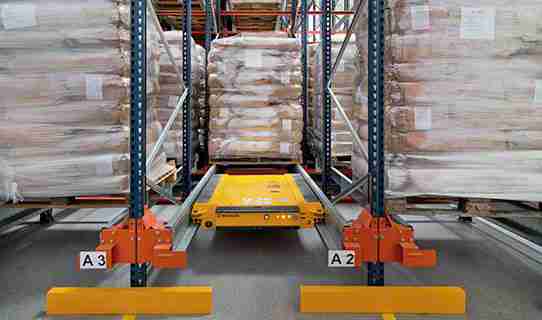
Which Materials Will Provide the Best Durability for My Needs?
How Do I Balance Weight Capacity with Available Space In My Warehouse?
When it comes to balancing weight capacity with the available space in your warehouse, it’s not just a numbers game—it’s about the heartbeat of your operation. You see, every inch of racking isn’t just a shelf; it’s a promise kept to your team, your customers, and yourself. Imagine the sense of relief when you’ve designed a storage system that not only holds the weight of your inventory but also ensures that the flow of work is streamlined and efficient. This is not merely an exercise in logistics; it’s about creating a workspace where safety meets productivity.
Start with the hard truth: not all racking systems are created equal. Understanding weight limits isn’t just an administrative task; it’s an ethical responsibility. Overloading shelves can lead to accidents, injuries, and costly damages. Picture the faces of your employees. Each time they reach for a box or heavy load on an overloaded rack, they’re trusting you to keep them safe. That trust is sacred. By discerning the right capacity for your specific needs, you’re not just optimizing space; you’re fostering a culture where your employees feel valued and protected.
Now, let’s talk about the numbers, the rational side of it. You’ve got a set space and a variety of products with different weights and dimensions. Assessing your inventory—understanding what moves quickly versus what lingers like an unwelcome guest—provides clarity. By calculating weight distribution across your racking, you’re not just optimizing space but maximizing efficiency. Do you find yourself constantly moving products or dealing with jams? This is a direct correlation; a smart layout minimizes wasted time and energy, allowing your team to focus on what they do best.
On a more personal level, think about the stories that unfold in your warehouse every day. Every box represents a connection—be it with a customer waiting for their delivery or an employee fulfilling their role. When you take the time to design your racking for both weight capacity and available space, you’re shaping an environment that nurtures those connections. It’s about being part of a community, a collective where each role matters, where each square foot is purposefully utilized.
So, when you lay out your warehouse, remember: it’s more than just racking systems and weights. It’s about building a safe haven for your team, a dependable place for your goods, and an efficient operation that stands strong in the face of challenges. Aim for balance, and you’ll discover the harmony that comes from knowing you’ve set your warehouse up for success.

How Do I Balance Weight Capacity with Available Space In My Warehouse?
How Do I Balance Weight Capacity with Available Space In My Warehouse?
- Balancing weight capacity and available space is crucial for warehouse operation efficiency.
- Every racking system represents a commitment to safety and productivity for team members and customers.
- Proper weight limit understanding is not only essential for logistics but also an ethical responsibility to safeguard employees.
- Assessing inventory and understanding product movement are key to optimizing storage space and workflow efficiency.
- Effective racking layout minimizes wasted time and energy, allowing teams to focus on their tasks.
- Racking design should also reflect the connections within the warehouse community, valuing every role and space.
- A well-planned warehouse promotes safety, dependability, and operational resilience amidst challenges.

How Do I Balance Weight Capacity with Available Space In My Warehouse?
Conclusion
In the heart of every warehouse lies the pulse of industrious dreams and relentless ambition. It’s not merely a space for storage; it’s the epicenter of communities fueled by the hard work and dedication of individuals whose livelihoods depend on what goes on within those walls. Choosing the right pallet racking system is about embracing this responsibility to safeguard those dreams. Each piece of steel isn’t just an asset; it’s a commitment to your employees’ safety and well-being. With every decision you make here, you carry the weight of countless lives and countless futures.
Consider safety as your North Star. A robust racking system isn’t merely a legal requirement; it’s an ethical imperative. Prioritizing features like load capacity, stability, and accessibility isn’t just about compliance—it’s about cultivating an environment where workers can hustle without fear. Remember, every accident prevented resonates through families and communities, reinforcing a culture of care and diligence that extends far beyond the warehouse.
As you contemplate options, don’t overlook the wisdom of experts who can provide guidance tailored to your operation’s unique needs. Their insight isn’t merely authoritative; it’s a lifeline ensuring that your investment contributes to efficiency and safety. Over time, a well-thought-out racking system will eliminate costly mistakes, boost productivity, and support the morale of a workforce that feels valued and protected.
Now, let’s reflect on the sustainability of your choices. Opting for quality over shortcuts is not just financially prudent—it’s good for the planet and the soul of your business. When you choose sustainable materials, you send a powerful message that you care about the environment and the health of future generations. This is more than about fixing racks; it’s about laying down roots for lasting change.
Finally, picture the warehouse of your dreams: a well-orchestrated symphony of efficiency where each rack plays its part perfectly. This isn’t just an operational necessity; it’s a testament to the grit and heart of the people it serves. Striving for efficiency, safety, and integrity can transform your warehouse into a thriving community where dreams are realized, connections are forged, and futures are brightened. Make decisions that reflect those ideals, and you’ll be investing in much more than a mere storage solution; you’ll be investing in a legacy that endures.

Conclusion
Conclusion:
- The warehouse is the heartbeat of industrious dreams and community effort, essential for livelihoods.
- Selecting the right pallet racking system signifies a commitment to employee safety and well-being.
- Safety should be prioritized as a key ethical imperative, beyond just legal compliance.
- Consulting experts can provide tailored guidance to enhance efficiency and safety in operations.
- Investing in quality and sustainable materials sends a message of care for the environment and future generations.
- A well-organized warehouse fosters a thriving community, emphasizing efficiency, safety, and integrity.
- Decisions made today can contribute to a lasting legacy, beyond mere storage solutions.

Conclusion
Other Resources

Other Resources
Here is a list of other resources you can review online to learn more:
- American Surplus
- Cantilever Racks Chicago
- NSC
- Mustang Material Handling
- Racking World
- Storage Equipment Manufacturers Association
- Pallet Racking systems in Illinois and Great Lakes
- Teardrop Industrial Shelving Rack
- Warehousing and Fulfillment
- Used Pallet Rack for Sale in Illinois – American Surplus
- Warehouse Racking System: Powerful Guide to Optimise, 2024
- Total Warehouse
- MHI
- Chicago Pallet Racking
- Warehouse Automation
- Pallet Racking systems in Illinois and Great Lakes
- What is Selective Racking: Understanding Benefits & Options
- Logic Material Handling
- Warehouse Racking Systems: Beginner’s Guide to Rack Systems
- SEMA
Use This Prompt To Get More Resources With Your Favorite Online AI Tool: Please provide me with a list of online articles with their URLs in a bulleted list that I can read regarding The Ultimate Pallet Rack Buying Checklist

Other Resources
Glossary Terms
The Ultimate Pallet Rack Buying Checklist – Glossary Of Terms
1. Pallet Rack: A storage system designed to hold palletized goods in warehouses and distribution centers.
2. Beam: The horizontal component of a pallet rack that supports the weight of the pallets.
3. Upright: The vertical structure of a pallet rack that provides support and stability.
4. Forklift: A powered industrial truck used to lift and move materials, commonly used to handle palletized loads.
5. Load Capacity: The maximum weight a pallet rack can safely support, determined by the manufacturer.
6. Depth: The measurement of a pallet rack from front to back, affecting how pallets are arranged.
7. Height: The vertical measurement of a pallet rack, influencing storage capacity and accessibility.
8. Width: The horizontal measurement of a pallet rack, affecting the amount of space for pallet placement.
9. Configuration: The arrangement or setup of pallet racks, which can vary based on the warehouse layout and product types.
10. Selective Racking: A type of pallet rack that allows easy access to all pallets, providing high flexibility in storage.
11. Drive-In Rack: A storage system that allows forklifts to drive into the rack for more density but less accessibility.
12. Push-Back Rack: A dynamic storage system where pallets are loaded from the front and pushed back, allowing for deeper storage.
13. Compact Rack: A storage solution maximizing space utilization, often with adjustable shelving.
14. Safety Factor: A ratio used to determine the strength of a pallet rack in relation to its maximum load capacity.
15. End-of-Aisle Rack: Racking positioned at the end of a row, providing extra storage while maximizing space.
16. Guard Rails: Safety features installed to protect products and personnel from falling loads.
17. Connectors: Components used to join various parts of a pallet rack system, ensuring stability and safety.
18. Leveling Feet: Adjustable features on pallet racks that ensure stability on uneven ground.
19. Static Rack: A racking system fixed in place, providing no movement of pallets once loaded.
20. Dynamic Storage: A system that allows for the movement of pallets to optimize storage and retrieval efficiency.
21. Pallet Size: The dimensions of a pallet, which dictate how it can be stored within a rack system.
22. Weight Distribution: The manner in which weight is spread across a pallet rack, critical for safety and stability.
23. Aisle Width: The space between rows of pallet racks, influencing forklift accessibility and maneuverability.
24. Rack Inspection: Regular checks performed on rack systems to identify potential hazards and ensure safety compliance.
25. Installation Plan: A detailed strategy for setting up pallet racks, taking into account layout, accessibility, and safety.
26. Accessorial Components: Additional features like row spacers and safety pins that enhance the functionality of pallet racks.
27. Adjustable Shelving: Flexible shelving systems within racks that can be customized to accommodate different products.
28. Warehouse Management System (WMS): Software used to manage inventory, including the organization of pallet racks.
29. Compliance Standards: Guidelines and regulations that must be followed to ensure safety and efficiency in racking systems.
30. Lead Time: The time taken from placing an order for pallet racks to their delivery and installation, important for planning storage solutions.

Glossary Of Terms
Other Questions
The Ultimate Pallet Rack Buying Checklist – Other Questions
If you wish to explore and discover more, consider looking for answers to these questions:
- What are the different types of pallet racking systems available?
- How do I choose the right pallet racking system for my specific needs?
- What are the common mistakes to avoid when purchasing pallet racking?
- How can I improve warehouse layout using pallet racks?
- What is the average lifespan of a pallet rack?
- How do I maintain and inspect my pallet racks for safety?
- What certifications should I look for in a pallet racking manufacturer?
- Can I customize my pallet rack system?
- What are the signs that my pallet racking system needs to be replaced?
- How does pallet racking impact warehouse ergonomics?
- What role does technology play in optimizing pallet rack systems?
- How can I train my staff on pallet rack safety and procedures?
- What are the options for retrofitting existing pallet racking for better safety?
- How do environmental factors affect the choice of pallet rack materials?

Other Questions
Checklist
The Ultimate Pallet Rack Buying Checklist – A Checklist
Pallet Rack Buying Checklist
Heart
_____ Employee Safety: Prioritize racking systems that emphasize safety features to protect your team.
_____ Community Impact: Consider how your racking choices positively affect the lives and livelihoods of your employees and their families.
_____ Emotional Investment: Reflect on the significance of your purchasing decisions and their long-term effects on the workforce.
Head
_____ Functionality Assessment: Analyze and select racking that fits your specific stock levels and operational flow.
_____ Cost-Benefit Analysis: Evaluate the long-term savings of investing in high-quality, durable racks over cheaper alternatives.
_____ Regular Inspections: Implement a schedule for regular inspections to maintain safety and compliance with regulations.
Gut
_____ Intuitive Safety Features: Choose racking with clear load capacities, stability features, and anti-tip designs to mitigate risks.
_____ Trustworthy Suppliers: Research and select vendors known for adhering to industry standards and best practices for safety.
_____ Effective Training Programs: Ensure your team is properly trained on the racking system to foster a proactive safety culture.
Emotional Appeals
_____ Narrative Understanding: Think about the stories and hard work behind each pallet and how your choices affect those involved.
_____ Ethical Considerations: Make decisions that align with your values, prioritizing sustainability and quality over cost-cutting.
Rational Appeals
_____ Data-Driven Choices: Use logistics and operational data to determine the best racking solutions for your space and inventory needs.
_____ Space Optimization: Analyze available space and weight capacities to create an effective, efficient layout.
Ethical Appeals
_____ Safe Work Environment: Commit to a racking system that not only complies with regulations but goes beyond, prioritizing employee well-being.
_____ Quality Over Quantity: Support sustainable manufacturing practices by investing in racks that last longer and reduce waste.
Authority Appeals
_____ References and Standards: Consult industry guidelines from recognized organizations (ANSI, NFPA) for compliance and best practices.
_____ Expert Consultations: Seek advice from logistics and safety professionals to guide your decisions.
Social Appeals
_____ Industry Connections: Share insights and experiences with peers to foster a culture of best practices and safety in your operations.
_____ Community Responsibility: Reflect on the social responsibility tied to your business decisions and how they impact your local workforce and community.

Checklist
At RackingWorld, we help guide you through selecting warehouse storage systems and racking.
Be sure to read our other related stories at RackingWorld to learn more about warehouse storage systems.
0 Comments