
Building Better Warehouses: The Power Of Modular Rack Design
By Tom Seest
At RackingWorld, we help guide you through selecting warehouse storage systems and racking.
Be sure to read our other related stories at RackingWorld to learn more about warehouse storage systems.
The Case for Modular Rack Design In Modern Warehouses
In the vast expanse of modern warehouses, where the relentless hum of forklifts mingles with the soft clatter of moving goods, stands a silent hero: modular racking. This innovative approach to storage isn’t just about efficiency; it’s a lifeline for businesses striving to adapt in an unpredictable market. Picture this: a modular racking system that transforms an ordinary warehouse into a symphony of organization and productivity. Each piece, a note in a larger composition, playing together to create harmony in the chaos.
Now, let’s connect the dots. Beyond the steel and design lies a vital truth—the health of a business is closely tied to its foundation. Modular racking systems echo this philosophy. They offer adaptability, helping warehouses evolve with changing inventory needs, and, importantly, fostering a culture of safety and care. When you invest in modular racking, you’re signaling to your team that their well-being matters; a secure environment built on thoughtful design speaks volumes. Who wouldn’t want to work in a place that feels both efficient and safe?
But it’s not just about feelings; there’s cold, hard logic at play here. Modular racking systems can be reconfigured or expanded as inventory fluctuates. This flexibility allows businesses to maximize their storage capability without incurring the hefty costs of complete overhauls. It’s a smart financial move, allowing companies to stretch their budgets and invest those saved resources elsewhere. Racking efficiently isn’t merely a decision; it’s a strategy that resonates with the bottom line.
Embracing modular racking is also an ethical choice. In a world where sustainable practices are gaining traction, these systems promote eco-friendliness. By reducing waste—less steel going to the landfill and more efficient use of materials—companies position themselves as responsible players in the market. It’s not just about profits; it’s about stewardship.
And finally, the social appeal cannot be overlooked. When warehouses adopt modular racking systems, they foster collaboration. Employees can move freely among the aisles, products are easier to retrieve, and camaraderie builds as teams work together seamlessly. It’s about creating a community in the workplace, one where everyone feels connected to the mission and proud of their role.
Harness the power of modular racking and transform your warehouse into more than just a storage facility. Let it become a beacon of efficiency, safety, and responsibility. The heartbeat of your business depends on it.
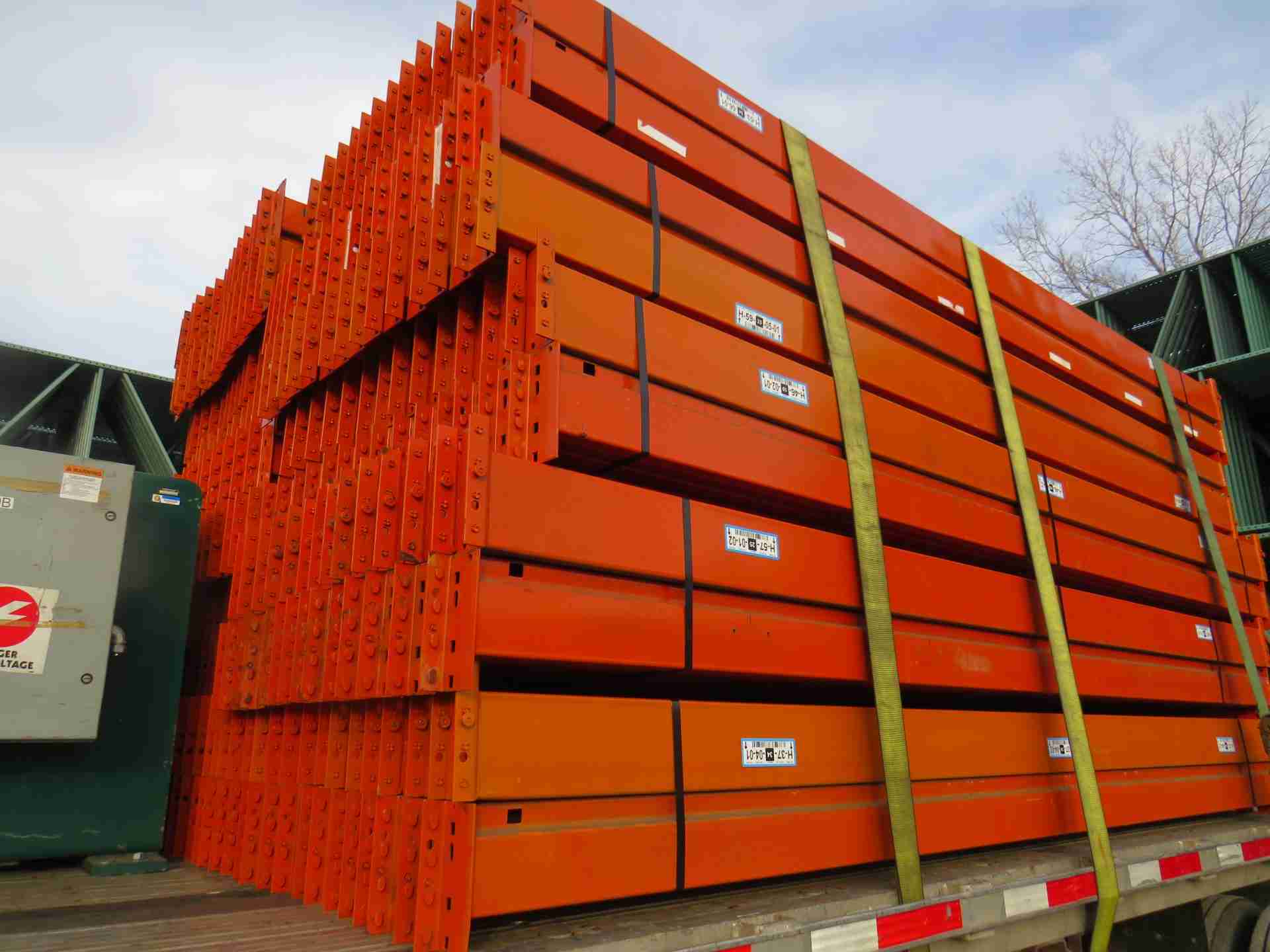
The Case for Modular Rack Design In Modern Warehouses
The Case for Modular Rack Design In Modern Warehouses
- Modular racking systems enhance warehouse efficiency and adaptability in unpredictable markets.
- These systems echo the philosophy that a business’s health is closely tied to its foundational structure.
- Investing in modular racking fosters a culture of safety and care among employees.
- Modular racking can be reconfigured and expanded, maximizing storage capability while minimizing costs.
- The approach promotes sustainability by reducing waste and encouraging efficient use of materials.
- Adopting modular racking systems enhances workplace collaboration and community among employees.
- Utilizing modular racking transforms a warehouse into a beacon of efficiency, safety, and responsibility.

The Case for Modular Rack Design In Modern Warehouses
Table Of Contents
- The Case for Modular Rack Design In Modern Warehouses
- How Can Adopting Modular Rack Designs Save Costs In the Long Term?
- Is Your Warehouse Space Being Used Efficiently with Current Racks?
- How Does Modular Design Improve Safety and Reduce Workplace Injuries?
- Can You Envision the Flexibility Modular Racks Offer As Needs Change?
- How Can Modular Racks Enhance Collaboration Among Warehouse Staff?
- Conclusion
- Other Resources
- Glossary Of Terms
- Other Questions
- Checklist
How Can Adopting Modular Rack Designs Save Costs In the Long Term?
When you think about a storage solution, what comes to mind? Huge warehouses packed to the gills? Rows of racking that seem to stretch on forever? Or maybe it’s the cramped quarters of a garage, overflowing with everything from bikes to holiday decorations? Now, picture this: modular racking. It’s like putting together a well-oiled machine that not only organizes but also saves you money in the long run.
Let’s dig deeper. Modular designs aren’t just a flashy buzzword; they represent a smart, strategic choice that speaks to both logic and intuition. Picture a family-run business that switches to a modular racking system. They start with a small footprint, but as they grow, each module can be added seamlessly. This is more than just cost-effective—it’s downright empowering. It allows businesses to utilize their space efficiently while keeping adaptation at their fingertips. Flexibility isn’t just a nice-to-have; it’s essential in today’s market that demands agility.
Now, let’s address the gut feeling. Have you ever wrestled with a crammed storage area, feeling claustrophobic, frustrated, and overwhelmed? Maybe you’ve watched products gather dust because you couldn’t find what you needed when you needed it. That’s where the magic of modular racks comes into play. By simplifying your space, you free your mind and maintain an orderly, stress-reducing environment. You walk in, and everything is in its right place—confidence surges.
From an ethical standpoint, the decision to adopt modular racking sends a message. It signifies a commitment to sustainable practices. Modular systems often use fewer raw materials during production and can be reconfigured rather than replaced when needs change. You’re not just saving bucks; you’re making a conscious choice that benefits the environment and your community.
Think about the social aspect, too. Every time a warehouse optimizes its operations with modular racks, it can pass those savings on to its customers. This creates a ripple effect, where community members benefit from better prices and services.
So here’s the call to action: Embrace the future. Whether you’re a business looking to grow or an individual trying to reclaim your space, modular racking could be the first step toward efficiency and cost savings. It’s more than a system; it’s a commitment to better living and working for all.
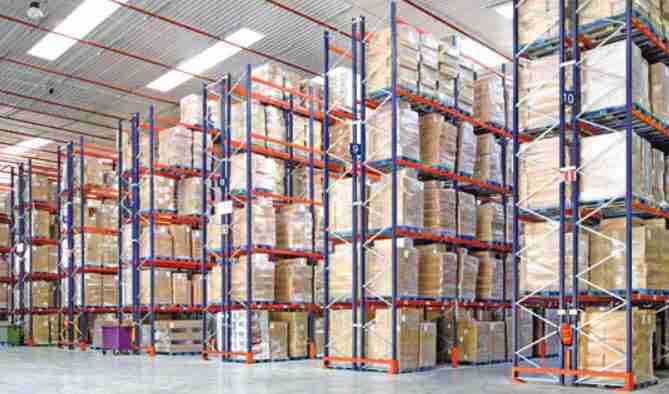
How Can Adopting Modular Rack Designs Save Costs In the Long Term?
How Can Adopting Modular Rack Designs Save Costs In the Long Term?
- Storage solutions can evoke images of overcrowded warehouses or garages filled with items.
- Modular racking is a cost-effective and organized approach to storage, allowing for easy scalability.
- Modular systems are flexible, enabling businesses to adapt their storage as they grow.
- Using modular racks helps create an orderly environment, reducing stress and enhancing confidence.
- Adopting modular racking systems promotes sustainable practices by reducing raw material use and allowing reconfiguration.
- Optimizing storage with modular racks can lead to cost savings that benefit the community through better prices and services.
- Embracing modular racking is a step towards improved efficiency and a commitment to better living and working conditions.
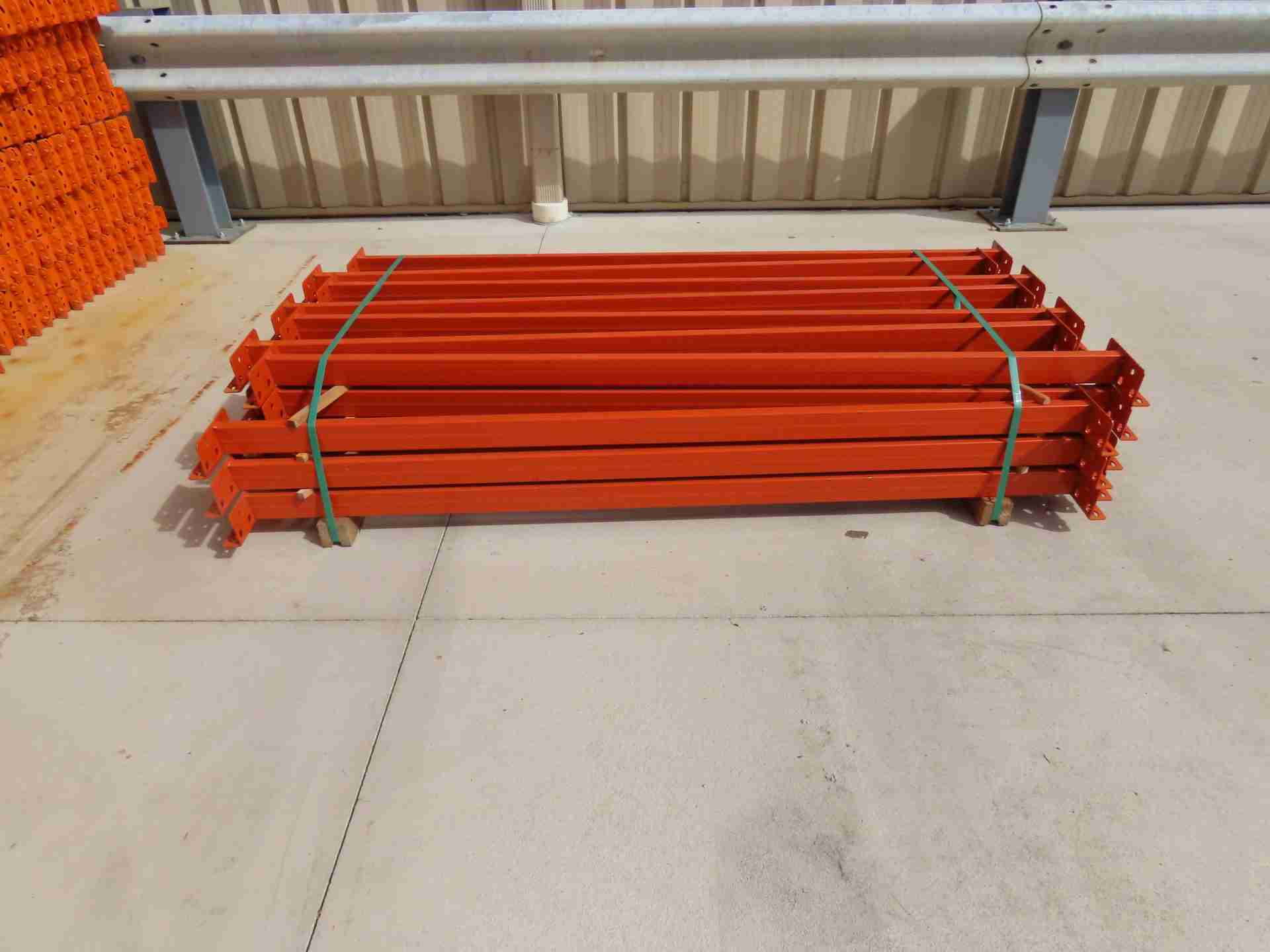
How Can Adopting Modular Rack Designs Save Costs In the Long Term?
Is Your Warehouse Space Being Used Efficiently with Current Racks?
When you walk into a warehouse, it’s like stepping into the heart of an operation. The racking, those metal giants that tower overhead, often tell a story. Each shelf, each beam, is a silent witness to the daily hustle and bustle. But what if those racks are underperforming? What if they’re not telling the story you want them to tell?
Picture this: a well-organized racking system, where every inch of vertical space is maximized, where products sit precisely where they need to be. This isn’t just about aesthetics; it’s about efficiency. When your racking is optimized, it can lead to reduced labor costs and increased productivity. With streamlined operations, your team spends less time searching for items and more time ensuring customer satisfaction. This isn’t just good business; it’s smart business.
Now, let’s talk ethics. Consider the environment. Racking that promotes efficient use of space also promotes sustainability. By utilizing every scrap of that valuable square footage, you minimize waste—not just in materials, but also in resources like time and energy. An efficient warehouse isn’t just beneficial to the bottom line; it also reflects a commitment to doing right by our planet.
Maybe you’ve seen the consequences of poorly utilized racks. Perhaps you’ve experienced the frustration of navigating a disorganized space, where the chaos is palpable. It’s overwhelming, isn’t it? Now, imagine walking into a space where everything is precisely where it belongs. The relief, the clarity—it’s like a breath of fresh air.
And this is not just a dream; it’s achievable. The key to transforming your warehouse lies in analyzing your current racking setup. Is it adaptable? Is it designed for easy access? These are questions that require an honest assessment and perhaps a dose of humility.
Embrace the wisdom of industry experts who have navigated the complexities of warehouse design. Their insights can guide you through restructuring to meet both present and future needs. Communities thrive on efficiency, and as you strengthen your warehouse operations, you foster a culture of trust and reliability.
Ultimately, efficient racking is more than just a physical need; it’s a commitment to better practices, to your team, your customers, and your community. Let’s ensure that every inch of your warehouse is not just filled, but filled with purpose.

Is Your Warehouse Space Being Used Efficiently with Current Racks?
Is Your Warehouse Space Being Used Efficiently with Current Racks?
- Walking into a warehouse reveals the core of its operations, with racking systems telling important stories through their design and organization.
- Optimized racking improves efficiency, reduces labor costs, and increases productivity by maximizing vertical space and minimizing item search time.
- Sustainable warehouse practices are achieved by utilizing space efficiently, reducing waste of materials, time, and energy.
- Disorganized racking can lead to frustration; organized spaces enhance clarity and ease of operation.
- Transforming a warehouse requires honest analysis of the current racking setup, focusing on adaptability and access.
- Consulting industry experts can provide valuable insights for restructuring warehouse designs to meet current and future demands.
- Efficient racking embodies a commitment to better practices for teams, customers, and communities, ensuring purposeful utilization of space.

Is Your Warehouse Space Being Used Efficiently with Current Racks?
How Does Modular Design Improve Safety and Reduce Workplace Injuries?
When you walk into a warehouse filled with racking systems, you might be taken aback by the sheer volume of goods neatly organized and accessible. But beneath that surface lies a deeper story—one of safety, efficiency, and ultimately, the well-being of every worker who navigates that space. Modular design takes on a central role in shaping environments that prioritize the safety of people on the ground, and it’s essential to understand just how transformative that can be.
Let’s face it: injuries in the workplace—whether it’s a sprained ankle from climbing too high or a back strain from improper lifting—can happen in a heartbeat. These aren’t just statistics; they’re real stories of real people who’ve faced severe consequences. Modular design effectively mitigates these risks by creating adaptable spaces that cater to the specific needs of workers. Picture a scenario where racking systems can be easily adjusted to accommodate products of different sizes and weights. This isn’t just a practical solution; it’s a thoughtful approach that acknowledges the human element—workers deserve to have their safety prioritized.
Take a moment to reflect on the connection between efficiency and safety—two sides of the same coin. When a workspace is designed with modularity in mind, it minimizes clutter and creates pathways that are intuitive, making it easier for workers to navigate. Fewer obstacles mean fewer chances for accidents, a reality that enhances the collective morale of teams. When everyone feels safer, productivity follows naturally. That’s the kind of culture we should aim to foster—one that values human life over fleeting profits.
Moreover, there’s an ethical dimension to this conversation. Companies have a responsibility not only to their bottom line but, more importantly, to their workforce. Investing in modular design isn’t just about compliance; it’s about a commitment to best practices that protect every person who steps onto that shop floor. It’s a pledge that says, “We care about you,” which resonates deeply with workers who crave recognition for their contributions.
And let’s not forget the power of community. When a workplace is visibly committed to safety, it fosters an environment where workers feel valued and supported, paving the way for stronger connections among team members. As a community thrives on trust, workers are more likely to look out for each other, make wiser choices, and promote a culture of safety.
Choosing modular design is not just an architectural decision; it’s a heartfelt commitment to keeping our most valuable assets—our people—safe. Take the first step in that commitment today; it begins with a belief in better design for a safer tomorrow.
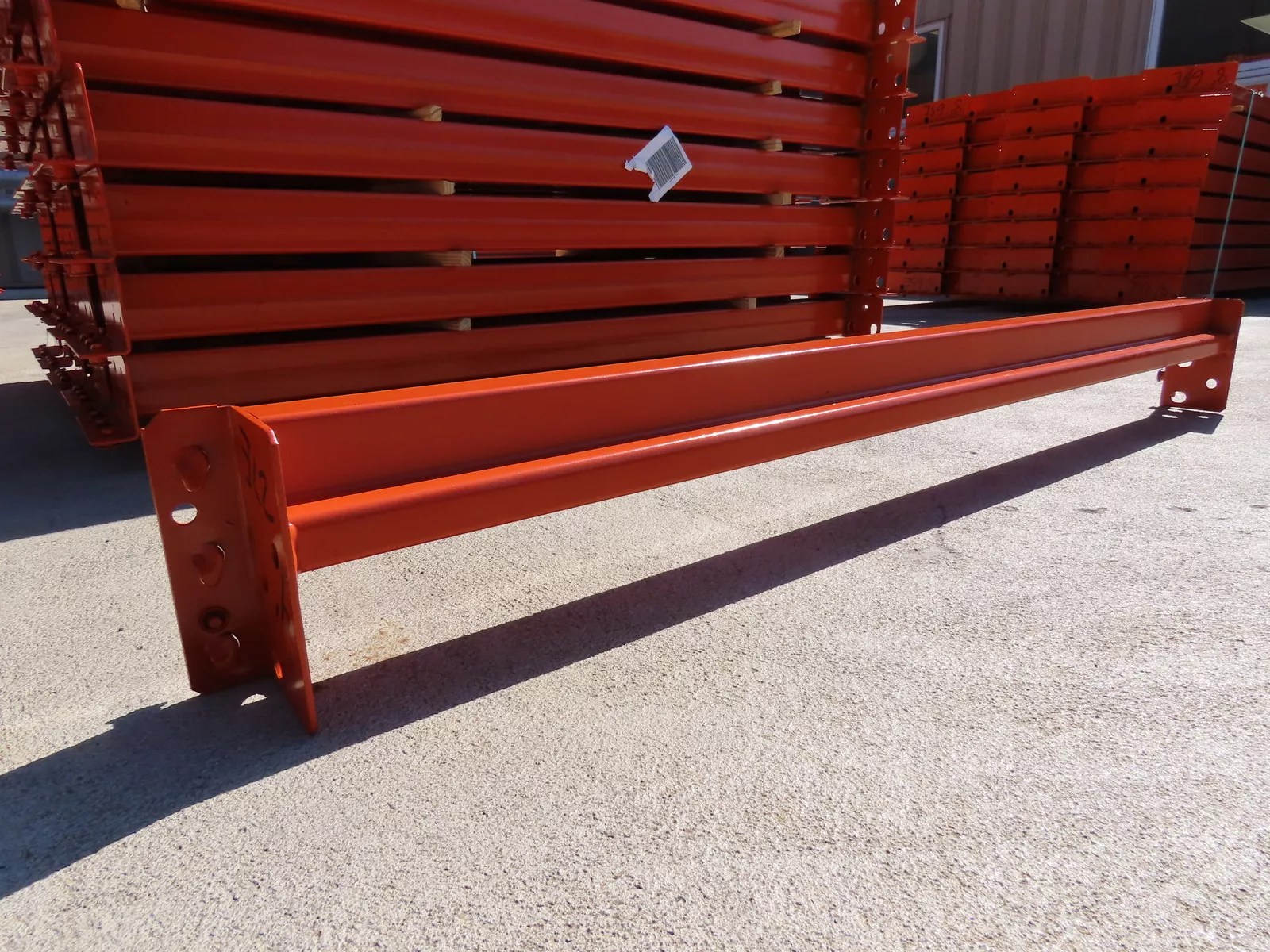
How Does Modular Design Improve Safety and Reduce Workplace Injuries?
How Does Modular Design Improve Safety and Reduce Workplace Injuries?
- Warehouse racking systems contribute to the organization and accessibility of goods.
- Injuries such as sprained ankles and back strains can occur quickly, highlighting the importance of safety.
- Modular design enhances safety by creating adaptable workspaces tailored to workers’ needs.
- Efficient, modular workplaces reduce clutter and obstacles, minimizing the risk of accidents.
- Companies have a responsibility to prioritize workforce safety alongside profitability.
- A commitment to safety fosters a supportive community, enhancing teamwork and morale.
- Choosing modular design is a proactive step toward ensuring the safety of employees and their well-being.
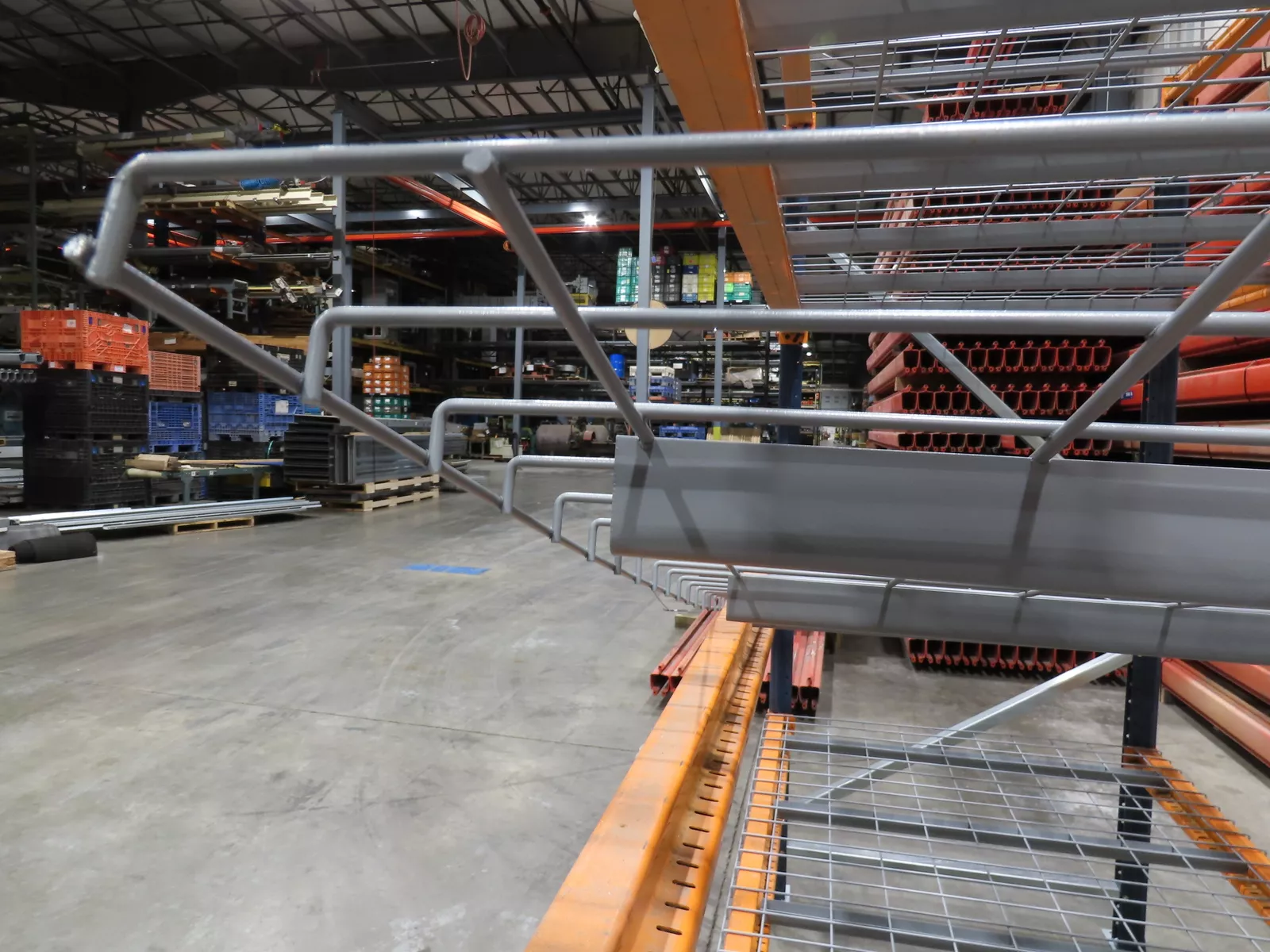
How Does Modular Design Improve Safety and Reduce Workplace Injuries?
Can You Envision the Flexibility Modular Racks Offer As Needs Change?
Can you envision the flexibility modular racks offer as needs change? Picture this: a workshop bustling with potential. Tools hang ready on every inch of wall space, and supplies flow effortlessly from bins to workbench. A well-organized environment isn’t just practical—it’s an extension of the human spirit, a testament to our drive to create, build, and optimize. Modular racks bring that vision to life, adapting to our evolving needs, just like we do.
Imagine a scenario: a carpenter starts with a handful of tools, just hammer and nails, maybe a saw if he’s feeling adventurous. Over time, that humble setup blossoms into a full-fledged operation. New tools arrive, and suddenly, the workspace feels cramped, chaotic. But here’s where modular racking shines like a beacon of hope—it grows with you. A few simple adjustments, and just like that, everything has its place again. You’re not just clearing clutter; you’re reclaiming your sanity, your focus, your passion.
Flexibility isn’t just a buzzword; it’s a necessary quality in a world that’s constantly changing. Businesses often find themselves navigating unexpected challenges, from fluctuating demand to sudden supply shortages. With modular racks, the agility they embody mirrors the adaptability we all strive for, giving you the freedom to pivot and evolve. You’re not merely setting up storage; you’re building a fortress of organization that empowers you to face whatever lies ahead.
Moreover, there’s an ethical dimension in creating spaces that reflect respect for our resources. Every tool, every piece of equipment deserves a home—an allocated space that speaks to the value we place on our work. Modular racks honor that, minimizing waste and maximizing efficiency. The materials might be tough, resilient metal or eco-friendly composites, but it’s the respect they foster for craftsmanship that really resonates.
When we embrace these solutions, we join a community of doers who believe in the power of structure and order. You’re not alone in this; you’re part of a collective of innovators, creators, and problem solvers. Trust in your surroundings, depend on them, and let modular racks give you the freedom to not just envision your workspace, but to craft it into a symphony of order and flexibility. It’s time to take action—embrace the future of storage, one modular rack at a time.

Can You Envision the Flexibility Modular Racks Offer As Needs Change?
Can You Envision the Flexibility Modular Racks Offer As Needs Change?
- Modular racks offer flexibility that adapts to changing needs in workshops.
- A well-organized space reflects the human spirit and enhances creativity and productivity.
- As tools and operations grow, modular racks help maintain order and efficiency.
- Flexibility in storage solutions is crucial for navigating unexpected challenges in business.
- Modular racks create a respectful workspace that honors tools and minimizes waste.
- Using modular racks connects individuals to a community of innovators and problem solvers.
- Embrace modular storage solutions to craft a well-organized and adaptable workspace.
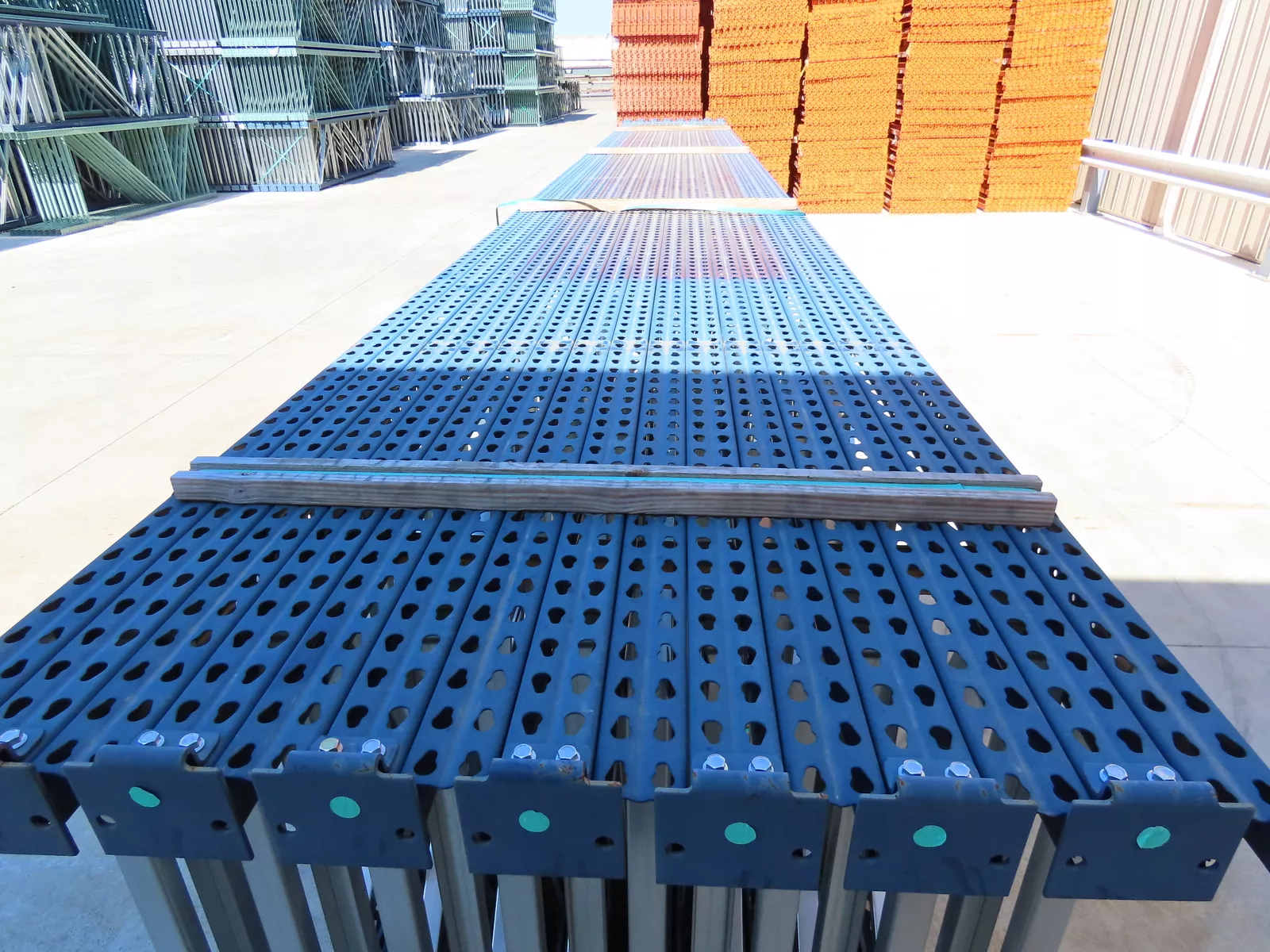
Can You Envision the Flexibility Modular Racks Offer As Needs Change?
How Can Modular Racks Enhance Collaboration Among Warehouse Staff?
In the heart of every bustling warehouse, where the hum of activity meets the careful choreography of supply and demand, lies a powerful tool—modular racking. It’s not just about stacking boxes or optimizing space; it’s about fostering an environment where collaboration thrives. Picture this: your team members, equipped with the right racking system, easily access products without unnecessary hurdles that fragment their workflow. The simplicity of it, that fluid motion from picking to packing, promotes a sense of camaraderie. Working side by side, they build connections that often transcend the workplace.
Now, let’s engage the head. Modular racking offers a customizable solution that adapts to the specific needs of your warehouse, and with that adaptability comes efficiency. Staff can quickly reorganize their spaces to cater to changing inventory demands. This means fewer wasted hours and fewer errors. Imagine the confidence your team feels knowing they can tackle challenges with a racking system designed to keep pace with their hard work.
Allow the ethical implications to resonate: a well-organized space speaks volumes about the respect and consideration you afford your team. When employees feel that their environment is optimized for their success, it cultivates trust. They know you care about their well-being—physically and mentally. In a world where many feel overburdened by inefficiency, a modular racking system communicates a powerful message: “Your work matters.”
Think about the authority and expertise that comes from using tried and true solutions. When warehouses thrive, it’s often due to methods backed by years of industry knowledge. Leaders in the sector champion modular systems not just for their practicality, but for the way they bring teams together. A functional racking setup allows employees to engage in active problem-solving conversations, reinforcing a culture of teamwork that transforms routine tasks into opportunities for collaboration.
And let’s not forget the narrative that unfolds here. Every day, you witness the synergy created by hard work, respect, and shared success. With a modular racking system, your warehouse becomes more than just a collection of aisles and shelves—it turns into a living, breathing organism. Each member is an integral part, working interdependently to meet deadlines and keep the wheels turning.
When warehouse staff can rely on a solid, adaptable racking system, it inspires trust, fuels confidence, and motivates action. After all, in this line of work, it’s not just about moving product; it’s about moving hearts, minds, and entire teams forward together.
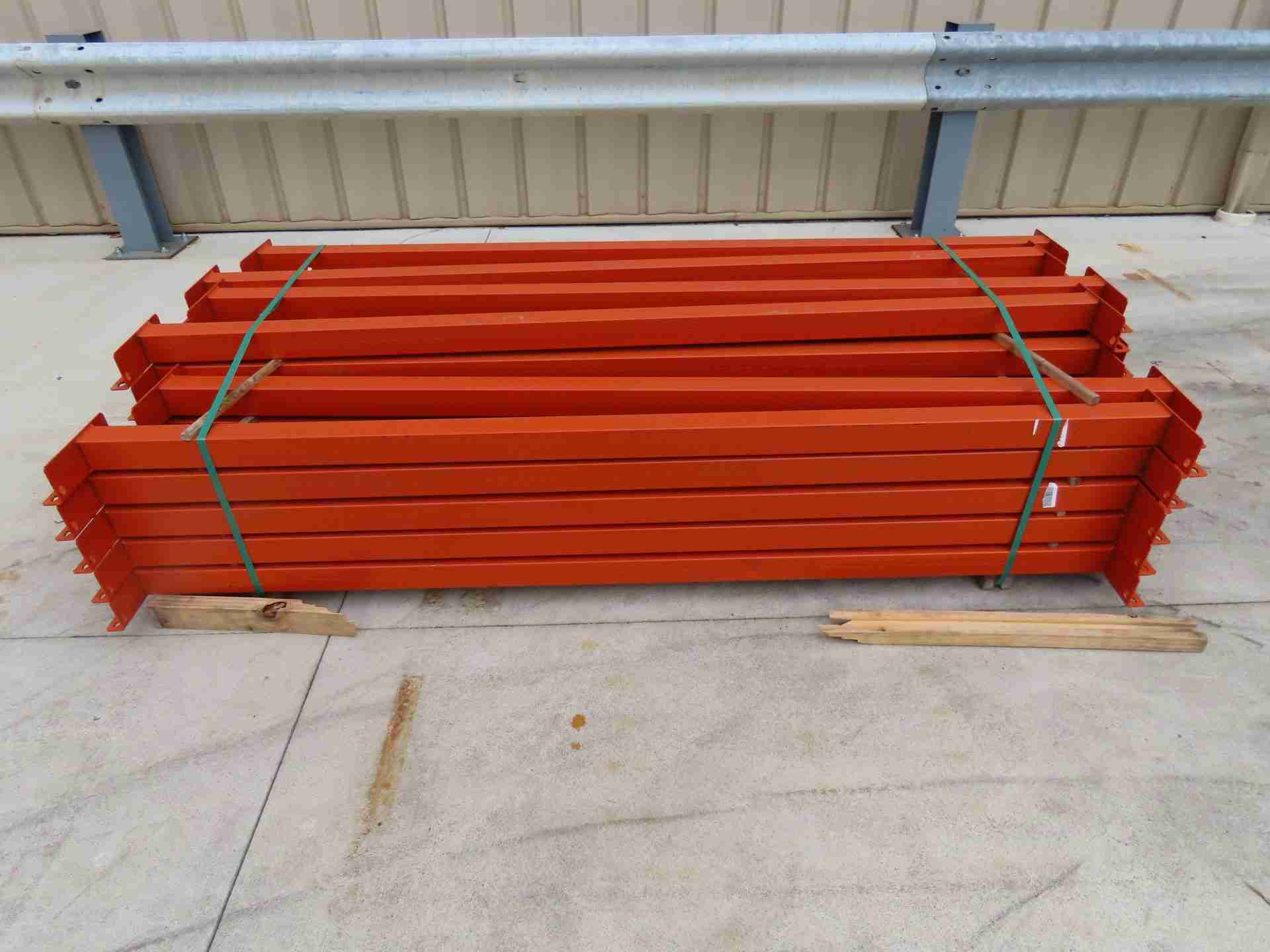
How Can Modular Racks Enhance Collaboration Among Warehouse Staff?
How Can Modular Racks Enhance Collaboration Among Warehouse Staff?
- Modular racking enhances collaboration in warehouses by allowing easy access to products.
- Customizable racking solutions adapt to changing inventory demands, improving efficiency.
- A well-organized workspace fosters trust and respect between management and employees.
- Modular systems promote teamwork and empower employees to engage in problem-solving.
- Effective racking contributes to a culture of shared success and camaraderie among warehouse staff.
- The modular approach transforms warehouses into dynamic environments that support organizational goals.
- Reliable racking systems inspire confidence and motivate teams to perform at their best.
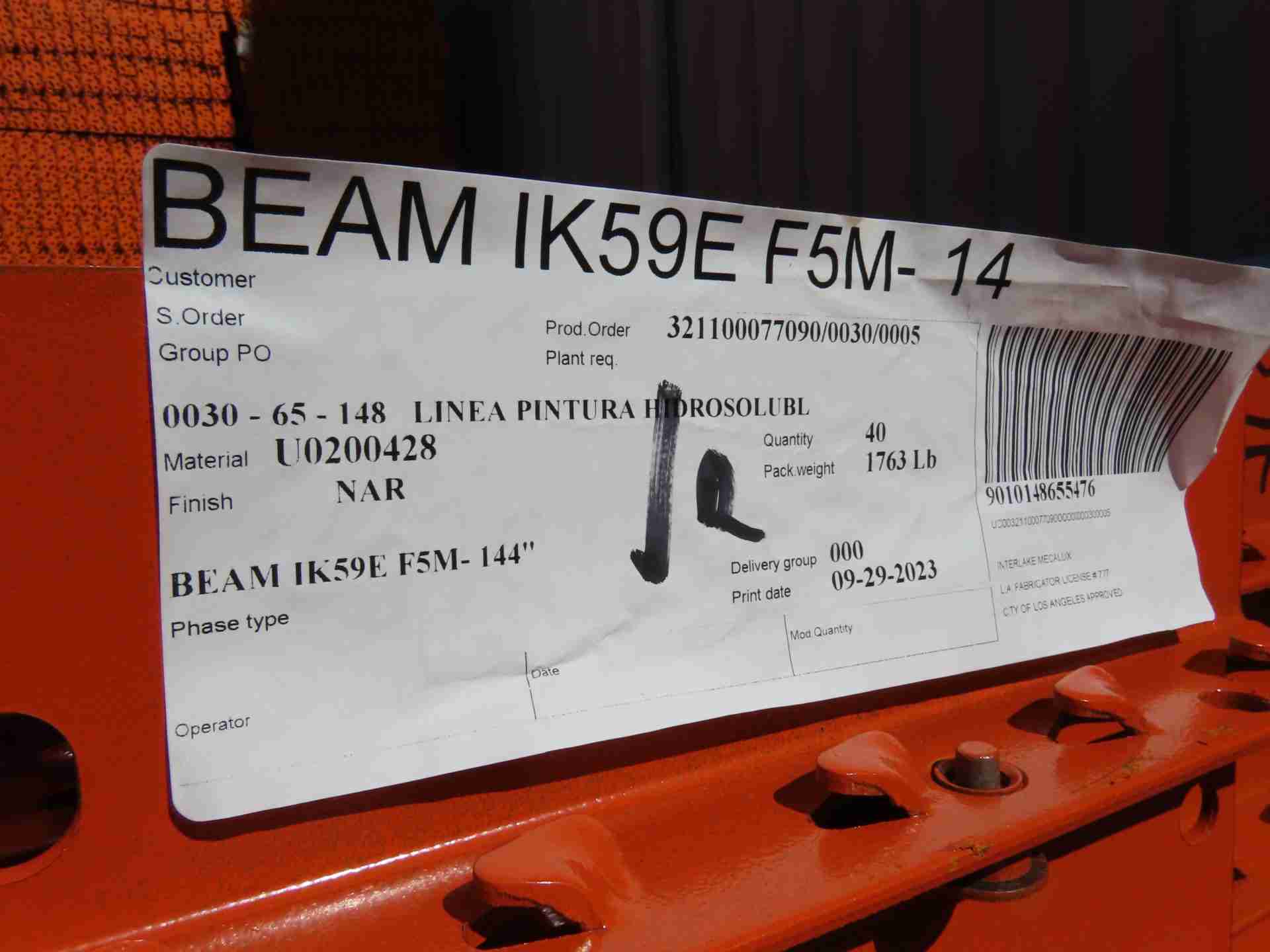
How Can Modular Racks Enhance Collaboration Among Warehouse Staff?
Conclusion
In the fast-paced world of modern warehouses, the underappreciated star is modular racking. This innovative storage solution is not just a practical choice; it’s a game changer that resonates deeply with the heart, head, and gut of every business. Imagine stepping into a warehouse transformed into an orchestra of efficiency, where every racking unit harmonizes with the ebb and flow of goods. It’s not merely about storing items—it’s about fostering a culture of safety, adaptability, and sustainability that empowers your team and enhances your operations.
At the heart of modular design is the principle of adaptability. Businesses today are under constant pressure to evolve with shifting inventory needs. Modular racks shine by allowing companies to reconfigure their space effortlessly, maximizing storage and minimizing wasted resources. This means not only reducing costs but nurturing a proactive work environment where employees feel valued and safe. When they witness their employer’s commitment to sustainable practices—like reducing waste and utilizing materials efficiently—a sense of pride and responsibility takes root.
The logical appeal of modular racking lies in its undeniable cost-effectiveness. As teams work in a well-organized space, the chaos dissipates, allowing for smoother operations and increased productivity. Imagine a workforce that spends less time searching for items and more time on meaningful tasks. This economic sense is complemented by the ethical dimension of fostering a safe work environment. Every worker deserves to operate in a space free from hazards, which modular racking tirelessly promotes by creating uncluttered paths and intuitive workflows.
Beyond the structures themselves, we find the narrative of community. When warehouses embrace modular designs, they cultivate collaboration and camaraderie among staff. Workers, empowered by their surroundings, become more engaged and supported. The shared mission thrives as team members step beyond the transactional aspects of their roles, forging bonds that enrich the workplace culture.
So, stand back and observe. Embracing modular racking is more than a logistical upgrade; it’s a pledge to the well-being of your business and your people. It’s an investment in a future where efficiency isn’t just a goal—it’s woven into the very fabric of your operation. Let modular racks be the framework for your success, ensuring every inch of your warehouse tells a story of adaptability, efficiency, and heart. Remember, it’s not just about moving products; it’s about moving hearts and minds toward a brighter, more connected tomorrow.
Conclusion
Conclusion:
- Modular racking is an innovative and practical storage solution for modern warehouses, enhancing efficiency.
- It fosters a culture of safety, adaptability, and sustainability, empowering teams and improving operations.
- The adaptable nature of modular racks allows businesses to reconfigure spaces easily, maximizing storage and minimizing waste.
- This flexibility reduces costs and nurtures a proactive work environment where employees feel valued and safe.
- Modular racking enhances cost-effectiveness, leading to smoother operations and increased productivity.
- The design promotes safety by creating uncluttered paths and intuitive workflows, ensuring a hazard-free space for workers.
- Embracing modular designs cultivates collaboration and camaraderie, enriching workplace culture and engagement.
Conclusion
Other Resources
Other Resources
Here is a list of other resources you can review online to learn more:
- Warehouse Racking Systems: Beginner’s Guide to Rack Systems
- Cantilever Rack Configuration & Installation: A Comprehensive Guide – BMH
- Warehouse Storage Racking in Illinois
- SEMA
- Cantilever Racks Chicago
- ASSP
- Interlake
- International Warehouse Logistics Association
- Iowa Illinois Warehouse Racking
- What is Selective Racking: Understanding Benefits & Options
- Warehouse Racking Layout: The Ultimate Guide – Conger
- Illinois Pallet Racking – Storage Solutions
- Intro to Warehouse Racks & Warehouse Racking Systems – ShipBob
- Wolter
- Illinois Pallet Racking – WPRP
- New Cantilever Racks and Racking Kits
- Warehouse Racking Chicago, IL
- Selective Pallet Racking Systems – Container Systems
- IIWS Inc. Rack Installation Illinois & Rack Repairs Illinois
- Cantilever Rack Guide: Ordering Cantilever Racking
Use This Prompt To Get More Resources With Your Favorite Online AI Tool: Please provide me with a list of online articles with their URLs in a bulleted list that I can read regarding The Case for Modular Rack Design In Modern Warehouses
Other Resources
Glossary Terms
The Case for Modular Rack Design In Modern Warehouses – Glossary Of Terms
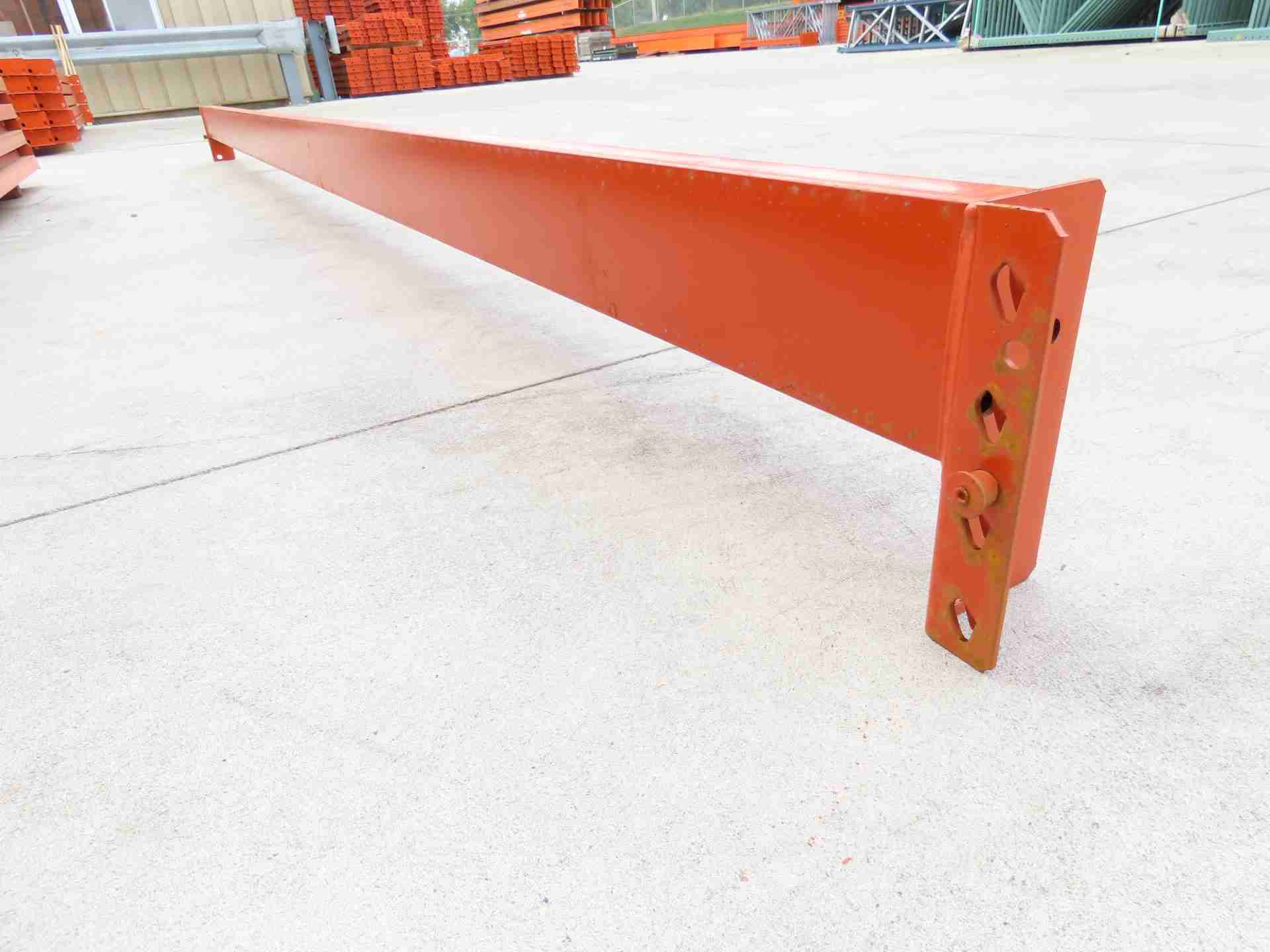
1. Modular Rack: A storage system composed of individual components that can be easily assembled or reconfigured.
2. Warehouse: A large building designed to store goods and materials for distribution or use.
3. Storage Density: The ratio of space utilized in a warehouse compared to its total capacity; important for maximizing efficiency.
4. Flexibility: The ability of a modular rack system to adapt to changing inventory demands or warehouse layout.
5. Scalability: The capability to expand storage capacity by adding more modular units as business needs grow.
6. Accessibility: The ease with which stored items can be reached and retrieved, crucial for operational efficiency.
7. Load Capacity: The maximum weight a rack system can safely support, which varies by design and materials.
8. Customization: The process of adapting rack systems to meet specific storage needs and operational requirements.
9. Safety Standards: Regulations and guidelines that ensure rack systems are built to protect workers and prevent accidents.
10. Throughput: The rate at which product is moved through a warehouse, significantly influenced by the efficiency of the storage system.
11. Inventory Management: The process of overseeing and controlling stocked goods, essential for maintaining stock levels and order fulfillment.
12. Ergonomics: The study of designing equipment and layouts to fit human capabilities, improving comfort and productivity in warehouse operations.
13. Vertical Space Utilization: The optimization of warehouse height for storage, using taller racks to maximize available space.
14. Lean Warehousing: An approach focused on minimizing waste while maximizing productivity and efficiency in warehouse operations.
15. Pallet Racking: A common warehouse storage system where pallets are stored on horizontal ledges or beams.
16. Dynamic Storage: Rack systems designed to allow for movement and rearrangement of products, typically to match demand changes.
17. Push Back Racking: A system where pallets are loaded from the front and pushed back to utilize the space behind them, enhancing storage density.
18. FIFO (First In, First Out): An inventory management strategy where the oldest stock is used first, often facilitated by specific rack designs.
19. LIFO (Last In, First Out): An approach where the newest stock is used first, applicable in certain inventory scenarios.
20. Cross-docking: A logistics practice where incoming goods are directly transferred to outbound transport, reducing storage time.
21. Inventory Turnover: A measure of how frequently inventory is sold and replaced, indicating efficiency in inventory management.
22. Automated Warehousing: The use of technology and machinery to automate storage and retrieval processes, enhancing speed and accuracy.
23. FIFO Racking: Racking systems specifically designed to support the FIFO inventory method, ensuring easy access to older stock.
24. Warehouse Management System (WMS): Software that helps manage and optimize warehousing operations, including tracking inventory and order fulfillment.
25. Dunnage: Material used to protect and secure products during storage and transport, ensuring items remain undamaged.
26. Acoustic Panels: Sound-absorbent materials often used in warehouse environments to reduce noise and improve working conditions.
27. Utilization Rate: The percentage of available space that is actively used for storage, indicating the effectiveness of rack design.
28. Space Optimization: The process of arranging storage to use available space to its fullest potential while maintaining accessibility.
29. Component Interchangeability: The ability to replace or use parts from one modular rack system in another, increasing maintenance efficiency.
30. Rack Safety Inspections: Routine checks conducted to ensure that rack systems are structurally sound and compliant with safety regulations.
Glossary Of Terms
Other Questions
The Case for Modular Rack Design In Modern Warehouses – Other Questions
If you wish to explore and discover more, consider looking for answers to these questions:
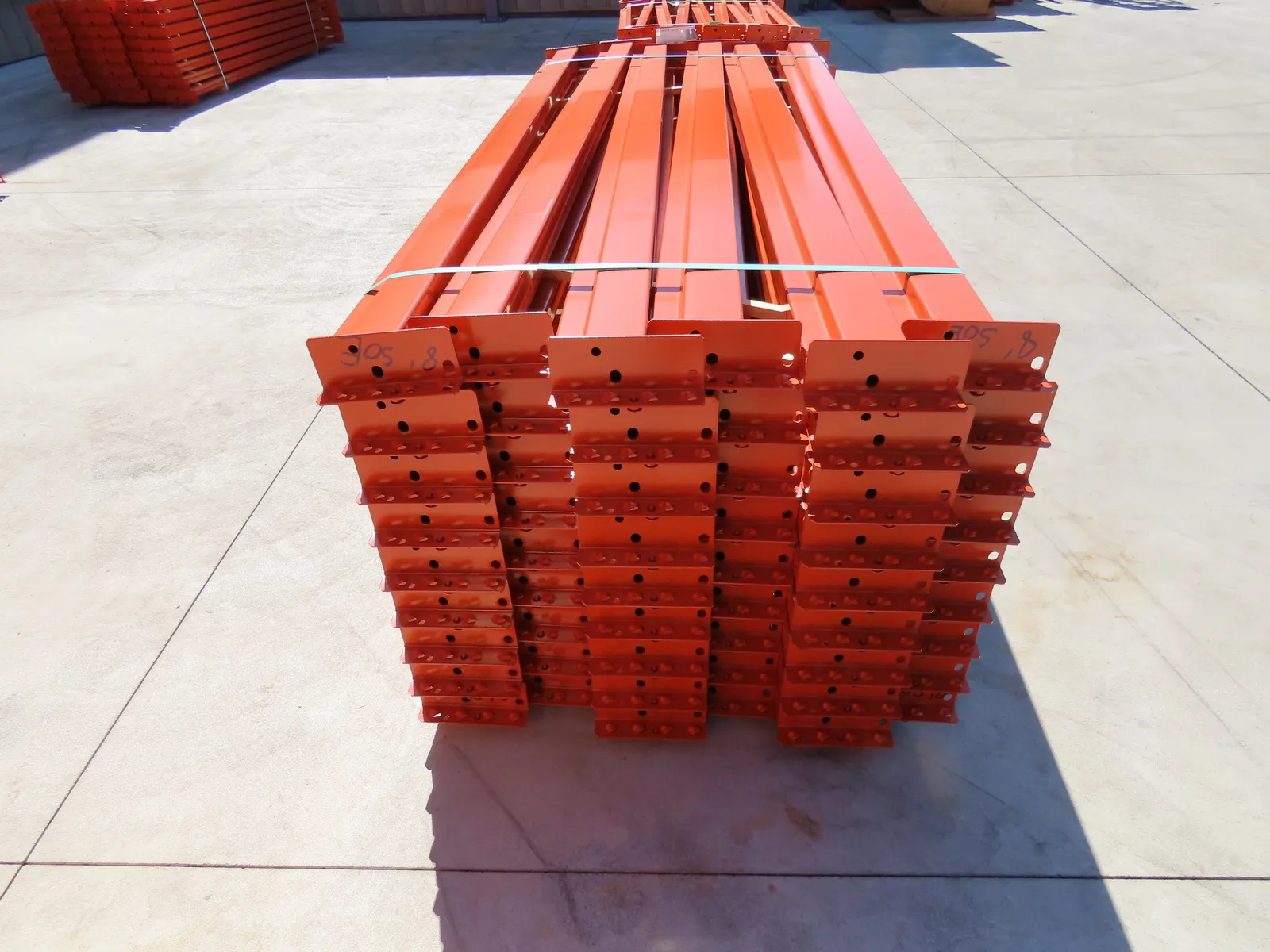
- What are the specific benefits of modular racking over traditional racking systems?
- How can modular rack design be tailored to different types of warehouses?
- What are the cost implications of switching to a modular racking system compared to a conventional system?
- How does modular racking impact overall warehouse productivity and efficiency?
- What safety features are typically included in modular racking systems?
- What are the best practices for implementing modular rack systems in existing warehouses?
- How can businesses measure the success of a modular rack system after implementation?
- What role does technology play in enhancing modular racking systems?
- Are there any case studies or success stories regarding companies that have adopted modular racking?
- What environmental benefits can be expected from using modular racking solutions?
Other Questions
Checklist
The Case for Modular Rack Design In Modern Warehouses – A Checklist
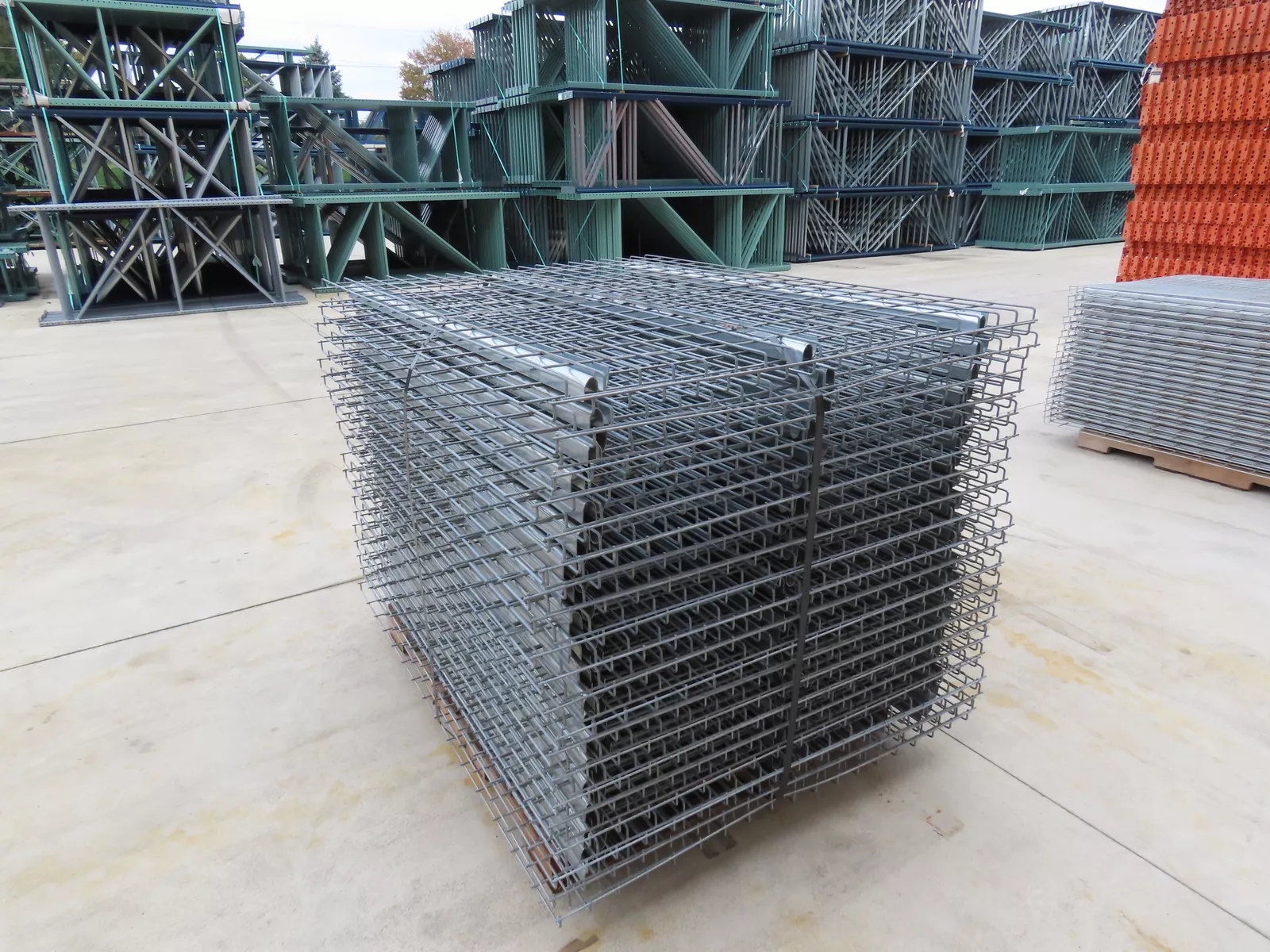
Checklist for Embracing Modular Rack Design in Warehouses
Emotional Appeals
_____ Visualize the Future: Picture your warehouse transformed into an organized and efficient space that promotes safety and well-being.
_____ Foster Community: Encourage teamwork by enhancing collaboration among your staff through improved racking systems.
_____ Prioritize Employee Well-Being: Reflect on how your choices regarding warehouse design impact employee morale and feelings of safety.
Rational Appeals
_____ Assess Flexibility: Evaluate how modular racking systems can adjust to changing inventory needs without costly overhauls.
_____ Cost-Benefit Analysis: Calculate potential savings through reduced labor costs and increased productivity from an optimized racking system.
_____ Efficiency Review: Audit current racking setup to ensure every inch of space is utilized effectively.
Ethical Appeals
_____ Commit to Sustainability: Consider modular racking as a means to promote eco-friendly practices by reducing waste and making better use of materials.
_____ Reinforce Responsibility: Acknowledge your duty to provide a safe workplace through thoughtful racking design that minimizes risks and injuries.
Authority Appeals
_____ Learn from Experts: Research industry leaders and case studies that illustrate the successful implementation of modular racking systems.
_____ Stay Informed: Attend workshops or seminars on best practices in warehouse design and management to gather authoritative insights.
Narrative Appeals
_____ Share Success Stories: Document and share testimonials or stories from teams that have experienced transformations after adopting modular racking.
_____ Create a Vision Statement: Develop a narrative and mission around your warehouse’s purpose and community that showcases the benefits of modular design.
Social Appeals
_____ Engage Your Team: Involve employees in discussions about warehouse design to foster a sense of ownership and pride in the work environment.
_____ Celebrate Wins: Recognize and reward adaptability and teamwork that results from optimized storage solutions, encouraging a positive workplace culture.
By utilizing this checklist, you can take actionable steps towards creating a more efficient, safe, and collaborative warehouse environment through the implementation of modular rack design.
Checklist
At RackingWorld, we help guide you through selecting warehouse storage systems and racking.
Be sure to read our other related stories at RackingWorld to learn more about warehouse storage systems.
0 Comments