
Expert Tips For Local Pallet Rack Maintenance
By Tom Seest
At RackingWorld, we help guide you through selecting warehouse storage systems and racking.
Be sure to read our other related stories at RackingWorld to learn more about warehouse storage systems.
How Do You Maintain Locally Bought Pallet Racks?
When you invest in locally bought pallet racks, you’re not just securing a means of storage; you’re also making a commitment to care for an essential asset that can significantly affect your operational efficiency and bottom line. The upkeep of pallet racking is not merely about preventive maintenance; it’s about maximizing your investment so that each rack serves its full purpose while enhancing safety and productivity in your facility.
1. Regular Inspections:
Start with a routine inspection. Just as you wouldn’t drive a car without checking the brakes, your pallet racks need the same attention. Ensure that all components—beams, frames, and connectors—are free from visible damage like rust or bends. After all, maintaining their integrity is paramount for safe operations. Remember, minor issues today can escalate into significant safety hazards tomorrow.
Example: In recent months, several warehouse operators discovered structural issues in their pallet racking during routine checks, resulting in temporary shutdowns. By prioritizing inspections, these companies not only prevented accidents but also maintained productivity, showcasing the importance of diligent upkeep.
2. Load Management:
Adhering to load specifications is crucial. Every pallet racking system comes with a specified load limit, and exceeding it can lead to catastrophic failures. Conduct regular audits to ensure that loads are distributed evenly, avoiding overloading any individual rack. A good practice is to train your staff on these limits and make sure they understand the hazards of non-compliance.
Example: During the supply chain disruptions of early 2023, many businesses attempted to maximize storage efficiency by cramming in more pallets. This backfired when several companies suffered collapses, leading to downtime and costly repairs. Learning from these events can guide your load practices and avoid such pitfalls.
3. Ensure Proper Installation:
If you’ve purchased used pallet racking, make sure it has been installed by professionals familiar with the system. Poor installation is often at the root of racking issues, and cutting corners can lead to dire consequences. Inspect all anchor bolts and footing to confirm stability, especially in seismic-prone regions where this is non-negotiable.
4. Keep Surfaces Clear:
While it’s tempting to use pallet racks as multi-functional spaces, keeping the area around and on your racks clean is essential. Clutter can obstruct vision and increase the risk of accidents. Implement a “no clutter” policy to encourage a safer working environment.
Maintaining your locally bought pallet racking system is an ongoing process that pays dividends in safety and operational efficiency. As we navigate through economic uncertainties and challenges, ensure your equipment remains a reliable foundation for your business’s success. A proactive approach not only secures investment but also fosters a sustainable work environment for you and your team.

How Do You Maintain Locally Bought Pallet Racks?
How Do You Maintain Locally Bought Pallet Racks?
- Investing in locally bought pallet racks enhances operational efficiency and protects a critical asset.
- Regular inspections are essential to ensure the integrity and safety of pallet racks, preventing minor issues from becoming major hazards.
- Load management is crucial; adhere to specified load limits to avoid catastrophic failures and educate staff on these limits.
- Proper installation of pallet racks is vital, especially for used racking, to ensure stability and safety.
- Maintain a clutter-free environment around pallet racks to reduce accident risks and improve visibility.
- Proactive maintenance of pallet racking systems leads to a safer and more efficient workplace.
- Ongoing upkeep is key to securing your investment and fostering a sustainable work environment amid economic uncertainties.

How Do You Maintain Locally Bought Pallet Racks?
Table Of Contents
- How Do You Maintain Locally Bought Pallet Racks?
- How Often Should I Inspect My Pallet Racks?
- What Are Common Signs Of Wear?
- How Do I Clean My Pallet Racks Properly?
- What Tools Do I Need For Pallet Rack Maintenance?
- How Can I Identify Structural Damage In Pallet Racks?
- Should I Paint Or Treat My Pallet Racks After Purchase?
- How Do I Safely Repair A Damaged Pallet Rack?
- What Are The Weight Limits For My Pallet Racks?
- Conclusion
- Other Resources
- Glossary Of Terms
- Other Questions
- Checklist
How Often Should I Inspect My Pallet Racks?
Maintaining a safe and efficient warehouse means being proactive about your pallet racking systems. Just like any vital asset, the frequency of inspections directly correlates with their lifespan and your overall operational safety. But how often should you really evaluate your pallet racking? The answer is simple: more often than you think.
First, let’s debunk a common myth – inspections aren’t merely an occasional task relegated to the aftermath of accidents or when your annual OSHA audit rolls around. No! Regular maintenance and inspection should be ingrained in your company’s culture. The Occupational Safety and Health Administration (OSHA) advocates for routine inspections to catch potential hazards before they escalate into costly problems. Imagine the financial repercussions of damaged racks leading to product loss or even worse, injuries. Think of the scandal; a safety incident could bring your reputation crashing down faster than a poorly secured pallet.
Monthly Inspections
Start with monthly inspections, especially in high-traffic environments. Look for bent frames, loose connections, or signs of excessive wear. For example, in January 2023, a major retailer in the Midwest had to temporarily shut down operations due to significant pallet rack failures. The result? They lost over $1 million in revenue during a busy season. A proactive approach could have mitigated this disaster.
Quarterly Inspections
Every three months, escalate your inspection process. Utilize a checklist and involve your team—accountability breeds safety. Ensure that all employees understand the warning signs of rack failure, like shifting loads or excessive sway. This is especially crucial during product restocking seasons when racks are constantly in use. Imagine the potential downtime if your operations come to a halt because you overlooked a critical failure.
Annual Inspections
At least once a year, have a certified technician conduct a thorough assessment of your pallet racking system. These professionals can identify structural issues that may go unnoticed by the untrained eye. This deep dive often reveals underlying problems that, if not addressed, could jeopardize the entire racking system.
Conclusion
Your commitment to regular inspections of your pallet racking systems is more than just adhering to safety regulations—it’s about protecting your investment, your employees, and your bottom line. In today’s fast-paced market, where operational efficiency is paramount and safety is scrutinized, a robust inspection routine could be your finest competitive edge. Don’t wait for the impending disaster; be the leader who takes action before it’s too late.

How Often Should I Inspect My Pallet Racks?
How Often Should I Inspect My Pallet Racks?
- Proactive pallet racking inspections are crucial for warehouse safety and efficiency.
- Regular maintenance should be part of the company culture, not just done after accidents or audits.
- OSHA promotes routine inspections to identify hazards early and prevent costly issues.
- Monthly inspections are recommended, especially in high-traffic areas, to spot immediate problems.
- Quarterly inspections should involve a checklist and employee training on warning signs of failure.
- Annual inspections by certified technicians are essential for detecting structural issues.
- Regular inspections protect investments, employees, and enhance operational efficiency in a competitive market.

How Often Should I Inspect My Pallet Racks?
What Are Common Signs Of Wear?
In the bustling world of warehousing and logistics, efficiency is paramount. Properly functioning pallet racking systems are the backbone that supports everything from light storage to massive inventory holdings. However, wear and tear can compromise these essential structures, leading to potential safety hazards and financial setbacks. Recognizing the common signs of wear in pallet racking can prevent disasters before they occur.
1. Visible Damage to Frame or Beams:
One of the most obvious signs of wear on pallet racking is visible damage. This can manifest as crushed or bent beams, dented frames, or rust spots. An example includes the increased use of e-commerce platforms, which has prompted many warehouses to maximize storage at the expense of safety. If you notice any damaged components, it’s crucial to address them immediately. Compromised parts may not only affect stability but can also invalidate safety certifications and insurance.
2. Frequent Instability:
If your pallet racking shows a tendency to sway or tilt when loaded, it’s time to take action. Frequent instability suggests the system isn’t maintaining its load capacity as designed. With incidents of warehouse accidents making headlines, such as those reported in various industry journals, prioritizing structural integrity is non-negotiable.
3. Cracked or Worn-out Pallet Supports:
The wooden or plastic pallets you stack high depend on sturdy support. Over time, the strain of heavy loads can lead these supports to crack or break. If you are relying on older equipment in high-demand situations, like during supply chain disruptions seen recently, it’s even more vital to monitor the condition of these supports closely.
4. Misalignment of Shelving:
As pallet racking endures the strains of daily operations, it can become misaligned. This misalignment can be caused by the continual loading and unloading process, resulting in unsafe configurations. Watch for uneven shelves that could lead to tipping hazards. In the light of recent safety inspections, it’s essential to keep your pallet racking aligned to avoid added liabilities.
5. Increased Maintenance Needs:
A sudden uptick in maintenance needs may signal deeper issues with your pallet racking. If you’re calling in specialists more often and repairs are becoming a routine rather than an exception, it’s time to reassess your racking needs. Investment in newer, more durable systems could save more money long-term by reducing both maintenance costs and downtime.
Recognizing the signs of wear in pallet racking is crucial not just for safety, but for operational efficiency. Stay vigilant, and prioritize maintenance to keep your warehouse running smoothly, especially in today’s fast-evolving landscape.

What Are Common Signs Of Wear?
What Are Common Signs Of Wear?
- Efficiency is crucial in warehousing and logistics, with pallet racking systems being essential for storage.
- Visible damage to frames or beams, such as crushed structures or rust spots, can compromise safety and should be addressed immediately.
- Frequent instability of pallet racking, where it sways or tilts under load, indicates poor structural integrity and requires urgent attention.
- Cracked or worn-out pallet supports impact safety, especially in high-demand scenarios; regular monitoring is vital.
- Misalignment of shelving due to daily operations can lead to unsafe configurations, necessitating maintenance to avoid tipping hazards.
- Increased maintenance needs may indicate deeper issues; investing in newer systems can reduce long-term costs and downtime.
- Recognizing signs of wear is essential for maintaining safety and operational efficiency in warehouses.

What Are Common Signs Of Wear?
How Do I Clean My Pallet Racks Properly?
In the bustling world of warehouse management and logistics, maintaining your pallet racking system is not just about aesthetics; it’s a critical component of operational efficiency and safety. With recent disruptions in supply chains reminding us of the fragile nature of our reliance on organized storage, now is the perfect time to prioritize cleanliness in your warehouse. Here’s how to clean your pallet racks properly to ensure a streamlined operation.
Step 1: Safety First
Before diving into the cleaning process, ensure you have the right safety gear—gloves, goggles, and hard hats are a must. If you’re managing a large facility, consider scheduling cleaning during off-peak hours to minimize disruption and maximize safety.
Step 2: Assess Your Pallet Racking System
Understanding the type of pallet racking you have is essential. From selective racks to drive-in systems, each type may require a different cleaning approach. For instance, selective racks with open beams can accumulate dust and grime that may affect inventory quality, while push-back racks require special attention to ensure proper airflow.
Step 3: Gather Your Tools and Cleaning Solutions
Stock your cleaning arsenal with the right tools. A loading dock sweeper will help manage debris, while a pressure washer can eliminate built-up dirt on exterior surfaces. Use a degreaser that is warehouse-friendly to tackle oily residues left behind from pallet operations.
Example in Action: After the massive operational shifts during the pandemic, many warehouses faced heightened scrutiny over cleanliness practices. A well-known distribution center adopted an intensive cleaning protocol for their pallet racks, resulting in a 30% reduction in workplace accidents. This not only improved employee morale but also enhanced their overall efficiency—a crucial factor in recovering from the challenges of recent years.
Step 4: Cleaning Technique
Begin by sweeping or vacuuming the area to remove loose debris. Once cleared, spray down surfaces with your chosen cleaning solution, allowing it to sit briefly to break down grime. Then, use a brush to scrub hard-to-reach areas—make it a point to include the upright supports and cross beams which often go unnoticed.
Step 5: Conduct a Final Inspection
After cleaning, inspect each pallet rack for signs of wear and tear. Look for rust spots or any bends that could compromise functionality. Now is the time to make necessary repairs, ensuring your pallet racking system is not only clean but also safe.
In a climate where cleanliness can significantly impact operational integrity, taking the time to properly clean and maintain your pallet racks can yield dividends in safety, efficiency, and even employee satisfaction. Don’t let neglect cost you—embrace a proactive approach to warehouse cleanliness today!
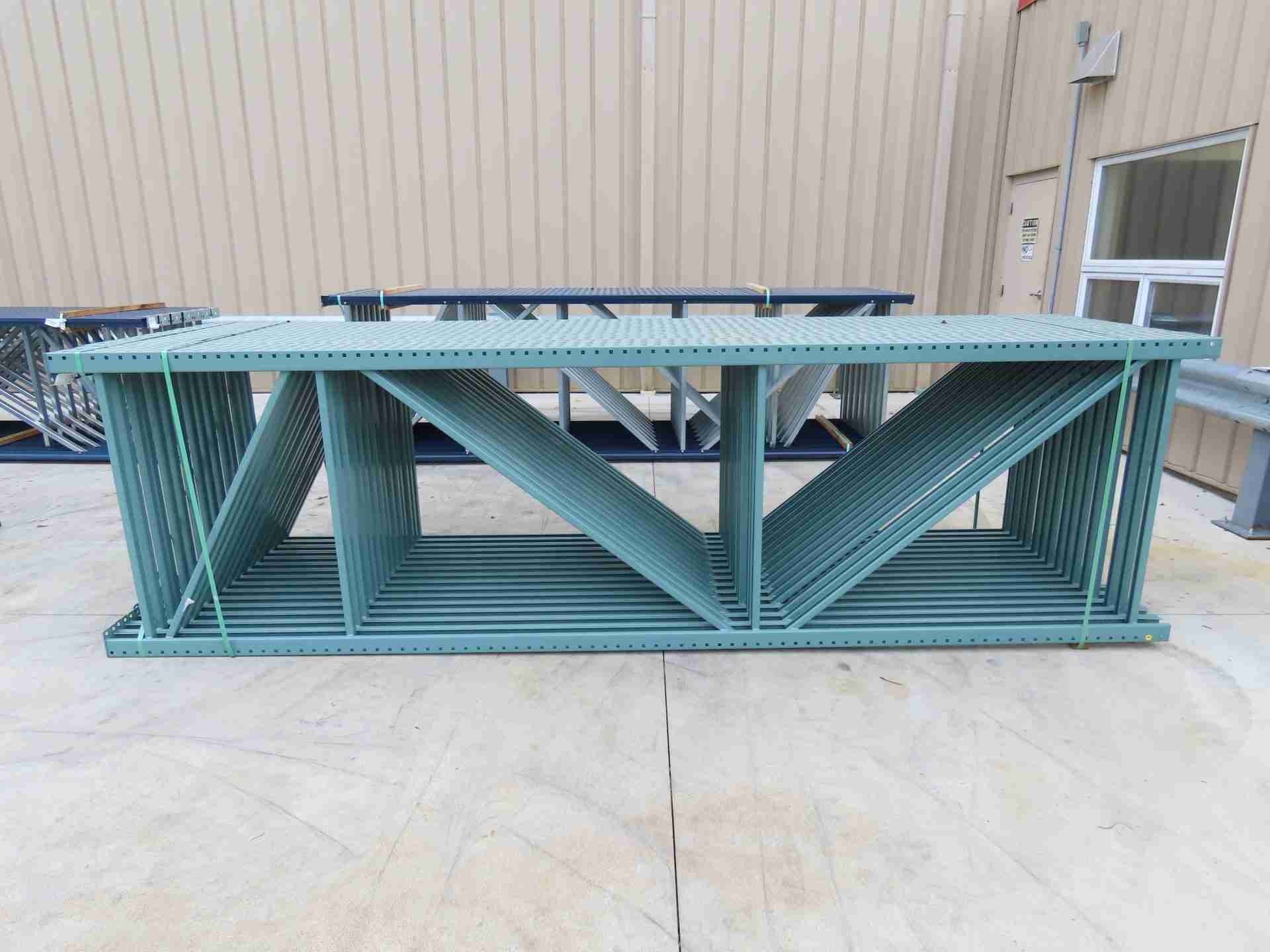
How Do I Clean My Pallet Racks Properly?
How Do I Clean My Pallet Racks Properly?
- Maintaining a pallet racking system is crucial for operational efficiency and safety in warehouse management.
- Prioritize cleanliness in warehouses, especially after recent supply chain disruptions.
- Wear appropriate safety gear and schedule cleaning during off-peak hours to minimize disruption.
- Understand the type of pallet racking system in place to determine the correct cleaning approach.
- Gather essential cleaning tools, including a loading dock sweeper, pressure washer, and warehouse-friendly degreaser.
- Use effective cleaning techniques, including sweeping, applying cleaning solutions, and scrubbing hard-to-reach areas.
- Conduct a final inspection for wear and tear and make necessary repairs to ensure safety and efficiency.

How Do I Clean My Pallet Racks Properly?
What Tools Do I Need For Pallet Rack Maintenance?
In the demanding landscape of warehousing and distribution, the integrity of your pallet racking system is paramount. Not only does robust pallet racking optimize space, but it also safeguards inventory and ensures employee safety. To maintain this crucial asset, having the right tools is indispensable. Here’s a detailed breakdown.
First and foremost, a safety inspection checklist is a must-have tool. With compliance standards tightening, such as those from OSHA, regular inspections are vital. Your checklist should include areas like bolt tightness, upright condition, and beam connections. This documentation not only protects your employees but also serves as evidence of compliance in case of audits—an increasingly likely scenario given the heightened focus on workplace safety post-pandemic.
Next on the list is a forklift inspection tool. A reversed or overloaded lift can wreak havoc on your pallet racking. With regulations shifting as more companies pivot towards e-commerce, implementing rigorous equipment checks ensures that every lift is executed safely. Regular inspection tools include weight gauges and load cells, which help prevent accidents and preserve the integrity of your racking systems.
You also can’t overlook the powerful combination of a screwdriver set and a wrench set. These are essential for any adjustments or repairs needed on your pallet racks. Whether securing loose bolts after an inspection or making height adjustments to accommodate new inventory, these simple tools are your first line of defense.
Topping off your toolkit, consider adding a paint sprayer or touch-up paint specifically designed for metal surfaces. Your pallet racking takes a beating, and much like the roads we drive on, a fresh coat not only enhances aesthetics but also protects against rust and corrosion, aiding in longevity.
Lastly, think about integrating software tools that track and manage maintenance schedules. Companies are increasingly turning to digital solutions as demand for efficient warehousing rises. Keeping tabs on inspections and repairs with a simple app saves time and reduces human error. This shift reflects a broader trend where technology plays a pivotal role in optimizing operations across various sectors.
In summary, maintaining your pallet racking system isn’t just about having tools at hand; it’s about cultivating a culture of safety and efficiency in your operations. Equip yourself wisely, stay informed about current standards, and watch your productivity soar. Investing in the right tools is ultimately investing in the future of your warehousing operations.
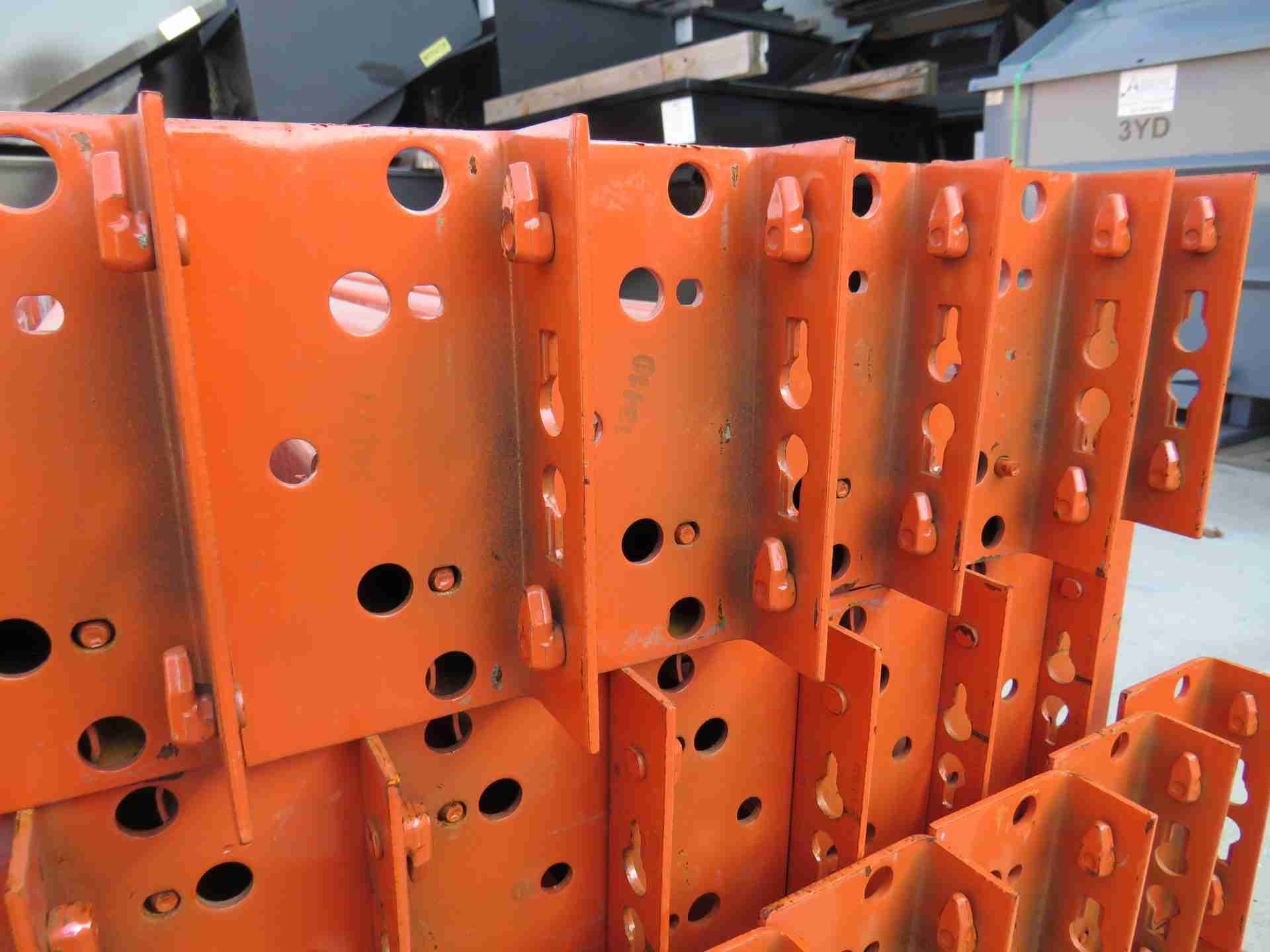
What Tools Do I Need For Pallet Rack Maintenance?
What Tools Do I Need For Pallet Rack Maintenance?
- Maintaining the integrity of pallet racking systems is essential for safety and efficiency in warehousing and distribution.
- A safety inspection checklist is crucial for compliance with tightening standards, including OSHA, and includes checks on bolt tightness, upright condition, and beam connections.
- A forklift inspection tool is necessary to prevent accidents, with regular checks including weight gauges and load cells.
- A screwdriver set and a wrench set are essential for adjustments and repairs on pallet racks.
- Using a paint sprayer or touch-up paint designed for metal can protect pallet racking from rust and enhance aesthetics.
- Software tools to track maintenance schedules are becoming popular, helping to reduce human error and improve efficiency.
- Investing in the right tools fosters a culture of safety and productivity, essential for the future of warehousing operations.

What Tools Do I Need For Pallet Rack Maintenance?
How Can I Identify Structural Damage In Pallet Racks?
Identifying structural damage in pallet racking is crucial for maintaining a safe and efficient warehouse environment. Just consider the potential disaster—a collapsed rack can result in not just property loss, but potential injury or even loss of life. Here’s how you can spot trouble before it escalates into a catastrophe.
First, start with a thorough visual inspection. Look for any signs of bending, warping, or cracks in the beams and uprights. These structural elements bear the weight of your inventory, and a small flaw might signal a bigger issue. For example, after a recent incident in a major retail warehouse, experts emphasized the importance of regular inspections, revealing their racks had been overloaded beyond maximum weight limits, leading to a chain reaction of failures. Don’t let your operation end up in the headlines!
Another red flag is rust or corrosion. While a little surface rust may seem harmless, it can destroy the integrity of the metal over time. If your pallet racking has been exposed to moisture, it is imperative to check for rust as part of your maintenance routine. Ignoring this could result in a shaky structure that could collapse when you least expect it.
Next, pay attention to the connections between beams and uprights. Loose bolts, broken safety pins, or missing components can severely compromise the stability of your pallet racking. Don’t overlook this detail; a simple yearly audit could save you from a lawsuit or more serious accidents.
Consider implementing a rack safety training program for your staff. They should know what to look for: leaning racks, damaged safety pins, or even forklifts that bump into the racks during busy operations. Empowering your employees to take an active role in safety can cultivate a culture of responsibility and heightened awareness within your warehouse.
Finally, stay ahead of potential hazards by consulting industry guidelines. The Material Handling Industry of America (MHIA) regularly updates their standards to ensure workplace safety and structural integrity. By verifying that your pallet racking complies with the latest regulations, you can rest easy knowing that you’re not only meeting safety standards but also protecting your bottom line.
Regularly inspecting your pallet racking is not just prudent—it’s essential. By taking these steps to identify structural damage, you can safeguard your investment and ensure a smooth, safe operation. After all, in the world of logistics, prevention is worth far more than a cure.

How Can I Identify Structural Damage In Pallet Racks?
How Can I Identify Structural Damage In Pallet Racks?
- Identifying structural damage in pallet racking is essential for warehouse safety and efficiency.
- A collapsed rack can cause property loss, injury, or fatalities; proactive inspections are critical.
- Conduct thorough visual inspections for signs of bending, warping, or cracks in beams and uprights.
- Watch for rust or corrosion, as moisture exposure can deteriorate the integrity of the metal over time.
- Check connections between beams and uprights for loose bolts, broken safety pins, or missing components.
- Implement staff training programs to raise awareness of potential hazards like damaged racks or forklift collisions.
- Consult industry guidelines from organizations like MHIA to ensure compliance with safety standards and regulations.

How Can I Identify Structural Damage In Pallet Racks?
Should I Paint Or Treat My Pallet Racks After Purchase?
Investing in pallet racking is a critical decision for any business owner like yourself looking to optimize space and streamline operations. However, once the racks are in your warehouse, you face the essential question: Should you paint them or treat them in some other way?
Consider the recent supply chain disruptions brought on by global events in the last few years. Companies are now more than ever seeking to maintain an organized and efficient space, which directly impacts productivity and ultimately, profitability. With this increased focus on efficiency, the appearance and durability of your pallet racking have never been more important.
First, let’s tackle the aesthetics. A fresh coat of paint can do wonders for the visual appeal of your warehouse. It not only presents a more professional image to your clients but can help boost employee morale. Imagine walking into a bright, clean environment where the pallet racking stands out in a meticulously painted color scheme. While it might seem like a minor detail, a visually appealing workspace can enhance focus and productivity, offering a subtle yet powerful edge against competitors.
But let’s not forget functionality. When considering whether to paint your pallet racks, you must also weigh the practical benefits of treating them. Industrial-grade paints or coatings can protect your racks from the harsh conditions often found in warehouses, such as moisture, chemicals, and heavy use. In fact, investing in a high-quality corrosion-resistant finish can extend the life of your pallet racking significantly, reducing replacement costs in the long run.
As an example, a major distribution center recently faced significant costs due to rusted racks that could not support heavy loads. By choosing to treat their pallet racking with specialized coatings, they enhanced durability while also preventing workplace accidents—a win-win scenario that ultimately saved them thousands in both direct and indirect costs.
Additionally, regulatory standards can play a role in your decision. Recently, OSHA regulations have tightened regarding safety in warehouses. By opting for treatments that improve your pallet racking’s load capacity and structural integrity, you ensure compliance with these regulations while protecting your workforce.
While both painting and treating your pallet racks are viable options, your choice should hinge on your long-term goals. Whether you aim for an appealing workplace or robust durability, investing in the right solution can bolster your operations. Enhancing the longevity and appearance of your pallet racking isn’t just about the racks themselves; it’s about the broader vision of your business. Choose wisely!

Should I Paint Or Treat My Pallet Racks After Purchase?
Should I Paint Or Treat My Pallet Racks After Purchase?
- Investing in pallet racking is essential for optimizing space and streamlining operations.
- The choice between painting and treating racks impacts aesthetics, functionality, and overall efficiency.
- Recent supply chain disruptions have heightened the need for organized and efficient warehouse spaces.
- A well-painted warehouse improves visual appeal and boosts employee morale, leading to increased productivity.
- Industrial-grade coatings can protect pallet racks from moisture, chemicals, and heavy use, extending their lifespan.
- Compliance with OSHA regulations regarding safety can be achieved by choosing treatments that enhance load capacity.
- Your decision should align with long-term goals, balancing workplace appearance and durability for better operations.

Should I Paint Or Treat My Pallet Racks After Purchase?
How Do I Safely Repair A Damaged Pallet Rack?
In today’s fast-paced retail environment, damaged pallet racking can mean the difference between operational efficiency and a costly shutdown. A well-maintained pallet racking system is crucial for maximizing space and ensuring safety. If you find yourself faced with a damaged pallet rack, it’s imperative you handle the situation with care and precision, lest you compromise the safety of your warehouse and employees.
First, evaluate the degree of damage. A slight dent in the frame might seem benign, but even minor issues can escalate into significant hazards. Inspect the vertical frames for bowing and ensure the horizontal cross beams are securely locked in place. You wouldn’t ignore a small crack in your car’s windshield; similarly, neglecting a damaged pallet rack can result in catastrophic failures. For instance, a recent safety report highlighted that 20% of warehouse accidents stem from inadequate racking inspections.
Once you’ve assessed the damage, consider your repair options. For minor dents and scratches, applying a protective primer paint can prevent rust and further degradation. However, if the structural integrity of your pallet racking is compromised, replacement should be your priority. Stocking your warehouse with spare parts is a proactive method to ensure business continuity. For example, during a recent supply chain crisis that affected many sectors, companies that had preemptively stocked replacement components were able to bounce back quicker than counterparts that didn’t.
Next, putting safety first is not just a motto; it’s a necessity. If you’re unsure of the repair process, consult with a professional. Engaging with certified racking specialists can save you headaches down the road. They can assist in conducting a thorough inspection and delineate which areas need repair or replacement.
Finally, once repairs are complete, implement a routine inspection schedule to catch issues early. Regular assessments can reduce the likelihood of costly repairs in the future and foster a culture of safety within your organization. In light of recent trends towards enhanced warehouse automation and sustainability practices, employing a preventative maintenance strategy can align your operations with industry best standards.
Repairing damaged pallet racking is not merely about fixing what’s broken; it’s about reinforcing the backbone of your logistics and operations. By acting swiftly, ensuring safety, and maintaining diligent oversight, you can protect your warehouse investments and ensure your operations run smoothly for years to come.

How Do I Safely Repair A Damaged Pallet Rack?
How Do I Safely Repair A Damaged Pallet Rack?
- Damaged pallet racking can significantly impact operational efficiency and safety in a fast-paced retail environment.
- Evaluate the damage carefully, as minor issues like dents can escalate into serious hazards.
- Inspect vertical frames for bowing and ensure horizontal cross beams are properly locked.
- Consider repair options; minor dents can be addressed with protective primer paint, while compromised structures should be replaced.
- Stocking spare parts in advance can enhance business continuity during supply chain disruptions.
- Consult certified racking specialists for professional inspections and repairs when unsure about the process.
- Implement a routine inspection schedule to catch issues early and foster a culture of safety, aligning operations with industry standards.

How Do I Safely Repair A Damaged Pallet Rack?
What Are The Weight Limits For My Pallet Racks?
Understanding the weight limits for your pallet racking is crucial for maintaining safety and efficiency in your warehouse or storage facility. As businesses grapple with increasing supply chain demands—accelerated by phenomena like the pandemic-related surge in e-commerce—knowing how much weight your pallet racks can support is not just a logistical need; it’s a financial imperative.
Pallet racking systems come in various designs, including selective, drive-in, and cantilever racks, each with specific load capacities. Selective pallet racks, for instance, are among the most commonly used types, offering flexibility in loading and unloading while supporting a range of weights typically between 3,000 to 8,000 pounds per beam. To illustrate, if your warehouse deals with heavy items such as industrial machinery, investing in higher-capacity racks ensures you don’t exceed structural limits while providing easy access for product turnover.
Cheaper isn’t always better in the pallet racking realm. Quality matters. Take a leaf out of Amazon’s warehouse strategies. When the retail giant optimized its storage with pallet racking systems that could handle significant weights, they reduced storage costs while increasing throughput. Today’s supply chain leaders understand that investing in proven, durable racking systems can save money in the long run by avoiding costly accidents and operational downtimes.
However, the weight limits can be deceiving. For instance, consider how temperature variations or improper installation can affect load capacity. In cold storage environments, materials can become brittle, reducing strength and stability. Best practices suggest conducting regular inspections to ensure that the racking systems remain in good condition, especially if you regularly handle heavy loads.
Regulatory standards also play a role in determining weight limits. Adhering to guidelines set by organizations such as OSHA and ANSI will not only keep you compliant but will also safeguard your workforce and assets. Ignorance is not bliss when it comes to storage solutions; failing to follow these standards can lead to catastrophic failures and potential lawsuits.
To summarize, knowing your pallet racking’s weight limits is not merely about compliance or safety; it’s strategic. In today’s fast-paced, ever-evolving marketplace, optimizing your storage solutions gives you a competitive edge that can translate directly into higher profit margins. Don’t let poor storage decisions weigh you down—get informed, stay compliant, and elevate your operational efficiency!

What Are The Weight Limits For My Pallet Racks?
What Are The Weight Limits For My Pallet Racks?
- Understanding pallet racking weight limits is essential for safety and efficiency in storage facilities.
- Different types of pallet racks (selective, drive-in, cantilever) have varying load capacities; selective racks typically support 3,000 to 8,000 pounds per beam.
- Investing in higher-capacity racks is crucial for warehouses handling heavy items to avoid exceeding structural limits.
- Quality of racking systems impacts financial performance; superior systems can reduce costs and improve throughput.
- Weight limits can be affected by factors such as temperature variations and improper installation, which may reduce the strength of materials.
- Adhering to regulatory standards like OSHA and ANSI is important for compliance, workforce safety, and preventing legal issues.
- Optimizing storage solutions not only ensures safety but also provides a competitive edge and can lead to higher profit margins.

What Are The Weight Limits For My Pallet Racks?
Conclusion
In today’s dynamic warehouse landscape, maintaining your locally purchased pallet racks is not just a matter of compliance—it’s a commitment to operational excellence and safety. At Arrow Industrial Sales, we understand that your pallet racks are the backbone of your storage system. Hence, investing in their maintenance is investing in your business’s success.
The journey begins with understanding the importance of regular inspections. Just as you wouldn’t neglect a vehicle’s maintenance, your pallet racking systems require routine checks to ensure all components—beams, frames, and connectors—are functioning correctly. Vigilance in spotting signs of wear, like bent beams or rust, can prevent potential breakdowns that lead to costly downtime and jeopardize worker safety.
Equally crucial is effective load management. Adhering to specified weight limits and ensuring even load distribution protects not only your equipment but also your people. Ignoring guidelines can have dire consequences, as highlighted by recent incidents in various warehouses where overloading led to structural failures. Training your staff on these protocols cultivates an environment of safety and accountability.
Additionally, whether you are investing in new or used racking systems, professional installation cannot be overlooked. The stability of your racks directly impacts their performance. Hence, ensuring that they are set up correctly and adhering to industry standards will pay dividends in the long run.
Let’s not forget the necessity of a robust cleaning regimen. Keeping your racks clear of clutter isn’t merely about aesthetics; it’s about safety and operational efficiency. A clean workplace fosters morale and promotes productivity, essential in a competitive business atmosphere.
In today’s ever-changing economic environment, a proactive maintenance strategy is more important than ever. A regular maintenance schedule not only safeguards your investment but also empowers your workforce to be mindful and vigilant.
So, don’t wait for disaster to strike! Elevate your operational efficiency, protect your assets, and fulfill your duty of care to your employees by implementing a thorough maintenance plan for your pallet racks.
For expert guidance and top-notch equipment, call Arrow Industrial Sales at (574) 349-6575 today. Act now to ensure the longevity and safety of your racking systems! Your bottom line—and your team—will thank you for it.

Conclusion
Conclusion:
- Regular inspections of pallet racks are crucial for operational excellence and safety.
- Vigilance in spotting wear signs like bent beams and rust helps prevent costly downtime.
- Effective load management protects equipment and ensures employee safety by adhering to weight limits.
- Professional installation of pallet racks is key to their performance and stability.
- A robust cleaning regimen is important for safety and boosts workplace productivity.
- A proactive maintenance strategy safeguards investments and empowers staff vigilance.
- Contact Arrow Industrial Sales for expert guidance and equipment maintenance.

Conclusion
Other Resources

Other Resources
Here is a list of other resources you can review online to learn more:
- Storage Equipment Manufacturers’ Association
- Warehouse Storage Racks
- National Safety Council
- Pallet Racking 101: A Comprehensive Guide & Options Explained
- BMH
- Wolter
- Rack Manufacturers Institute
- Rack Manufacturers Institute
- CMMA
- Cantilever Racks Chicago
Use This Prompt To Get More Resources With Your Favorite Online AI Tool: Please provide me with a list of online articles with their URLs in a bulleted list that I can read regarding How Do You Maintain Locally Bought Pallet Racks?

Other Resources
Glossary Terms
How Do You Maintain Locally Bought Pallet Racks? – Glossary Of Terms
1. Pallet Rack: A storage system designed to hold materials on pallets, allowing for high-density storage and easy access.
2. Load Capacity: The maximum weight that a pallet rack can safely support, influenced by its design and materials.
3. Inspection: A systematic examination of pallet racks to identify wear, tear, or damage and ensure safety compliance.
4. Upright: The vertical component of a pallet rack that supports horizontal beams and contributes to the structure’s integrity.
5. Beam: A horizontal component that supports pallets; available in various sizes and load capacities.
6. Cross-brace: Diagonal supports between upright components providing stability and strength to the pallet rack system.
7. Damage: Any form of deterioration or impairment affecting the structure, such as dents, bends, or corrosion.
8. Maintenance Schedule: A planned timeline for regular inspection and servicing of pallet racks to ensure ongoing safety and functionality.
9. Safety Audit: An assessment of pallet racks to ensure they adhere to safety regulations and industry standards.
10. Load Barriers: Protective equipment installed to prevent pallets from accidentally falling, enhancing safety.
11. End-of-Aisle Guard: A protective barrier installed at the ends of pallet rack aisles to prevent collisions from forklifts or other equipment.
12. Forklift Compatibility: Refers to how well pallet racks accommodate forklifts, ensuring that they can be used safely and efficiently.
13. Positioning: The process of placing pallet racks in optimal locations for accessibility and workflow efficiency.
14. Re-leveling: Adjusting the height and position of pallet racks to ensure a level load-bearing surface and proper alignment.
15. Corrosion Resistance: The ability of pallet rack materials to withstand rust and deterioration due to environmental factors.
16. Weight Distribution: The even placement of loads across pallet racks to maintain structural integrity and prevent tipping.
17. Environmental Conditions: Factors such as humidity, temperature, and exposure to chemicals that can affect the longevity of pallet racks.
18. Vertical Space: The height available for pallet storage, which affects how pallet racks are designed and arranged.
19. Aisle Width: The distance between rows of pallet racks, critical for safe maneuvering of forklifts and personnel.
20. Pallet Size: The dimensions of the pallets being used, which must correspond to the design specifications of the rack.
21. Preventative Maintenance: Routine actions taken to prevent malfunctions and extend the life of pallet racks, including cleaning and lubrication.
22. Load Labeling: Marking pallet racks with load limits and specific instructions to ensure safe usage.
23. Retrofitting: The process of updating existing pallet racks with additional features or components for improved functionality.
24. Training: Educating personnel on the proper use and maintenance of pallet racks to promote safety and efficiency.
25. Personal Protective Equipment (PPE): Safety gear worn during maintenance tasks, such as gloves, helmets, and safety shoes.
26. Emergency Procedures: Established protocols to follow in case of accidents or structural failures involving pallet racks.
27. Structural Engineering: The discipline involved in designing and analyzing pallet racks to ensure they meet safety standards.
28. Inspection Checklist: A document containing specific criteria to guide the evaluation of pallet racks during inspections.
29. Reinforcement: Additional components installed to enhance the strength and stability of pallet racks.
30. Life Cycle Assessment: An analysis of the overall impact of pallet racks from procurement to decommissioning, focusing on sustainability and maintenance.

Glossary Of Terms
Other Questions
How Do You Maintain Locally Bought Pallet Racks? – Other Questions
If you wish to explore and discover more, consider looking for answers to these questions:
- What are the best practices for pallet rack maintenance?
- How do I perform a visual inspection of pallet racks?
- What specific safety gear should I use while maintaining pallet racks?
- How can I train my staff on pallet rack safety and inspections?
- What types of pallet racking systems are available and how do they differ?
- What are the consequences of not maintaining pallet racks properly?
- Are there specific tools recommended for pallet rack cleaning?
- How do I determine the load capacity for different types of pallet racks?
- What is the process for replacing damaged pallet rack components?
- How can I improve the overall safety of my warehouse environment?
- What are the signs that it’s time to replace a pallet rack system?
- What related resources are available for further learning about pallet rack safety?

Other Questions
Checklist
How Do You Maintain Locally Bought Pallet Racks? – A Checklist
Regular Inspections
_____ Conduct monthly inspections for visible damage (rust, bends, dents).
_____ Look for issues during peak times when racks are heavily loaded.
_____ Ensure all components (beams, frames, connectors) are intact.
Load Management
_____ Verify that load specifications are not exceeded (check load limits for your pallet racks).
_____ Train staff on proper load distribution practices.
_____ Conduct regular audits on rack loading to prevent overloading.
Proper Installation
_____ Confirm that racks have been installed correctly by professionals.
_____ Inspect anchor bolts and footings for stability.
_____ Ensure installation adheres to local safety standards, especially in seismic-prone regions.
Clutter Management
_____ Implement a “no clutter” policy around pallet racks.
_____ Ensure surfaces and aisles are kept clean to enhance visibility and safety.
Cleaning Procedures
_____ Schedule routine cleaning of pallet racks (consider off-peak hours for minimal disruption).
_____ Gather appropriate cleaning tools and solutions (sweeper, degreaser, pressure washer).
_____ Conduct a visual inspection post-cleaning for signs of wear.
Tools Required for Maintenance
_____ Safety inspection checklist (for compliance and documentation).
_____ Forklift inspection tools (weight gauges, load cells).
_____ Screwdrivers and wrenches for adjustments and repairs.
_____ Paint sprayer or touch-up paint for rust protection.
Identifying Structural Damage
_____ Look for visual signs of bending, warping, or cracks.
_____ Check for rust or corrosion regularly.
_____ Inspect connections for loose bolts or broken safety pins.
Repair Protocol
_____ Assess the degree of damage before repairs.
_____ Use protective primer for minor issues; replace components if structural integrity is compromised.
_____ Consult with certified professionals for extensive damage.
Understanding Weight Limits
_____ Familiarize yourself with the weight capacity of your pallet racking systems.
_____ Make note of variations due to environmental factors (e. g. , temperature extremes).
_____ Ensure compliance with OSHA and ANSI guidelines on weight limits.
Conclusion
_____ Cultivate a culture of safety and efficiency by prioritizing maintenance.
_____ Regularly review and update practices to adhere to updated industry standards.
By following this checklist, you will maintain the operational efficiency, safety, and longevity of your locally bought pallet racks.

Checklist
At RackingWorld, we help guide you through selecting warehouse storage systems and racking.
Be sure to read our other related stories at RackingWorld to learn more about warehouse storage systems.
0 Comments