
Maximizing Efficiency And Trust: The Cantilever Racking Advantage For Distributors
By Tom Seest
At RackingWorld, we help guide you through selecting warehouse storage systems and racking.
Be sure to read our other related stories at RackingWorld to learn more about warehouse storage systems.
How Do Bar Stock and Rod Distributors Leverage Cantilever Racking?
When you’re running a bar stock or rod distribution operation, every inch of space counts—and every minute wasted hunting down a piece chips away at your bottom line. That’s where cantilever racking steps up like the unsung workhorse in your warehouse. Unlike traditional pallet racking, which can be a bit boxy and restrictive, cantilever racking hugs your long, awkward loads like rods, pipes, and bars, giving you more room to maneuver and less headache stacking everything in.
The beauty of cantilever racking for distributors lies in its simplicity and strength. It’s designed with arms reaching out, sturdy but flexible enough to hold heavy stock without the crisscross barriers that pallet racking uses. That means your crew doesn’t have to wrestle with cages or squeeze through narrow lanes—they can grab what they need quickly and safely. When you’re dealing with steel bars or aluminum rods, that ease isn’t just a luxury; it’s a matter of keeping your operation humming without risking injury or delays.
People in this business know it’s not just about putting things on shelves. It’s about honoring the product and the customer’s trust. Using the right racking system shows you respect the material and understand the value of every pound stored. It’s the kind of setup that tells your crew, “We’ve got your back,” and sends a clear message to clients that you run a lean, reliable ship. That trust translates into repeat business and good word-of-mouth, which beats any flashy marketing campaign hands down.
Sure, pallet racking has its place, but for bar stock and rods, cantilever racks offer a practical solution tailor-made for the task. It helps you stay organized and efficient, cutting down on wasted space and time. There’s no guessing games—your inventory is visible, accessible, and stored with common sense. It’s straightforward, like a good tool in a well-worn toolbox.
At the end of the day, leveraging cantilever racking isn’t just about keeping stock. It’s about crafting a workspace where respect for materials and people meet hard-earned experience. It’s smart business. It feels right. And that’s why distributors stick with it—because it works, plain and simple.

How Do Bar Stock and Rod Distributors Leverage Cantilever Racking?
How Do Bar Stock and Rod Distributors Leverage Cantilever Racking?
- Cantilever racking maximizes space and reduces time wasted searching for bar stock, rods, pipes, and similar long, awkward items.
- Unlike traditional pallet racking, cantilever racks are open-armed, sturdy, and flexible, allowing easy handling without restrictive barriers.
- This system enhances safety and efficiency by preventing the need to navigate narrow lanes or cages.
- Using cantilever racking reflects respect for materials and customer trust, promoting a reliable and professional operation.
- It supports repeat business through its demonstration of organized, lean, and reliable warehouse management.
- Cantilever racks improve inventory visibility, accessibility, and space utilization compared to pallet racking.
- Distributors favor cantilever racking because it combines practical functionality with a workspace culture of respect and experience.

How Do Bar Stock and Rod Distributors Leverage Cantilever Racking?
Table Of Contents
- How Do Bar Stock and Rod Distributors Leverage Cantilever Racking?
- What Emotional Benefits Does Cantilever Racking Provide Distributors?
- How Does Cantilever Racking Improve Warehouse Space Efficiency?
- What Ethical Factors Influence Racking Choices In Distribution?
- How Can Authority Figures Impact Decisions on Storage Solutions?
- What Stories Illustrate Success with Cantilever Racking Use?
- How Do Social Trends Affect Adoption Of Cantilever Racking?
- Conclusion
- Other Resources
- Glossary Of Terms
- Other Questions
- Checklist
What Emotional Benefits Does Cantilever Racking Provide Distributors?
When you’re running a warehouse or a distribution center, it’s easy to get lost in the nuts and bolts of operations. But let’s talk about something that doesn’t always get the spotlight: the emotional benefits of cantilever racking. This isn’t just about metal and bolts; it’s about the peace of mind you get when your space works the way it’s supposed to, and how that peace trickles down to every piece of work you do.
First off, there’s relief. Anyone who’s handled bulky, awkward inventory knows the struggle. Pallet racking systems are great for boxy stuff, but when it comes to materials that don’t fit neatly in a crate—pipe, lumber, or oddly shaped gear—that’s where cantilever racking steps up. It feels like a breath of fresh air when you can easily slide those awkward items in and out without wrestling with the whole stack. That relief isn’t just physical; it’s mental. Knowing your setup supports the kind of work you do cuts down frustration, cuts down time lost, and lets you focus on the job, not the storage.
Then there’s the confidence part. When your racking system is built to last and engineered for your unique inventory, you stand taller. You can trust that the heavy stuff won’t topple over, that everything stays organized, and that your team can move faster and safer. Confidence like this isn’t something you buy—it’s earned by experience, reliability, and common sense. It’s the kind of feeling that turns a good day on the floor into a great one.
On a deeper level, cantilever racking fosters a sense of pride. It’s the quiet backbone of your operation—solid, dependable, and practical. When your space is working efficiently, your folks can take pride in their daily grind because it’s not being bogged down by unnecessary complications. You’re showing respect to your crew by giving them tools that make their work achievable, neat, and safe. That ethical nod—doing right by the people who rely on you—means something.
Lastly, think about connection. Good storage solutions bring teams together around a shared goal: getting the job done right. In a world of constant challenges and changing demands, having a rock-solid system underfoot builds teamwork and trust among crew members. As much as it’s about hardware, it’s about the people who make the business run every day. Cantilever racking isn’t flashy, but it’s the kind of no-nonsense ally that wins respect and gets results.

What Emotional Benefits Does Cantilever Racking Provide Distributors?
What Emotional Benefits Does Cantilever Racking Provide Distributors?
- Cantilever racking offers emotional benefits beyond its physical function, providing peace of mind through efficient space usage.
- It provides relief by accommodating bulky, awkward inventory that pallet racking cannot handle, reducing physical and mental frustration.
- Confidence arises from having a durable, custom-engineered system that ensures safety, organization, and faster team movement.
- The system fosters pride by being a reliable, practical backbone that simplifies work and respects the crew’s efforts.
- It supports ethical workplace practices by equipping staff with effective, safe tools for their tasks.
- Cantilever racking strengthens team connection by uniting them around a shared goal of efficient, accurate work.
- Although unflashy, it commands respect and aids business success through dependable, no-nonsense support.

What Emotional Benefits Does Cantilever Racking Provide Distributors?
How Does Cantilever Racking Improve Warehouse Space Efficiency?
When you’ve been in the warehouse game long enough, you know space doesn’t grow on trees. Pallet racking systems have done their part moving bulky goods around, but cantilever racking steps up where they fall short. Think of it like swapping out a one-size-fits-all tool for something tailored to the job at hand. It’s about working smarter, not harder.
Cantilever racking clears out the clutter by ditching the front columns that get in the way. That open space means you can store those long, awkward items—pipes, lumber, metal sheets—without wrestling with pallets stacked sideways or shoving things in tight spots they don’t belong. It’s all about making every inch count. When your shelves don’t box you in, you can load and unload faster, cut down on damage, and keep the workflow moving smooth as a well-oiled machine.
From a gutsy standpoint, you feel the difference the moment you walk into a warehouse optimized with cantilever racks. There’s no frantic zigzagging to find the right materials or squeezing past bulky pallets like a game of human Tetris. It’s cleaner, safer, and frankly less soul-crushing for the folks on the floor. When workers move easier, everyone’s mood and morale get a lift — and that’s good for business all around.
Then there’s the ethical pull of making a space work better for the people who keep it running. A well-organized warehouse with cantilever racking respects the hard work on all sides — from the forklift driver to the shipping clerk. It’s about creating an environment that values efficiency and safety without asking for miracles or shortcuts.
The simple truth backed by loads of experience and countless warehouses is this: cantilever racking isn’t just a storage option, it’s a smart win that makes the entire operation tick. When you pair it with traditional pallet racking, you’re not guessing where to shove things; you’re setting up a system that understands the weight, shape, and size of your goods, giving you control over your space.
Put simply, cantilever racking helps you take command of your warehouse by turning chaos into order, frustration into flow, and wasted space into opportunity. It’s the hands-on, no-nonsense answer to a problem every warehouse faces—making more with less, but doing it right.
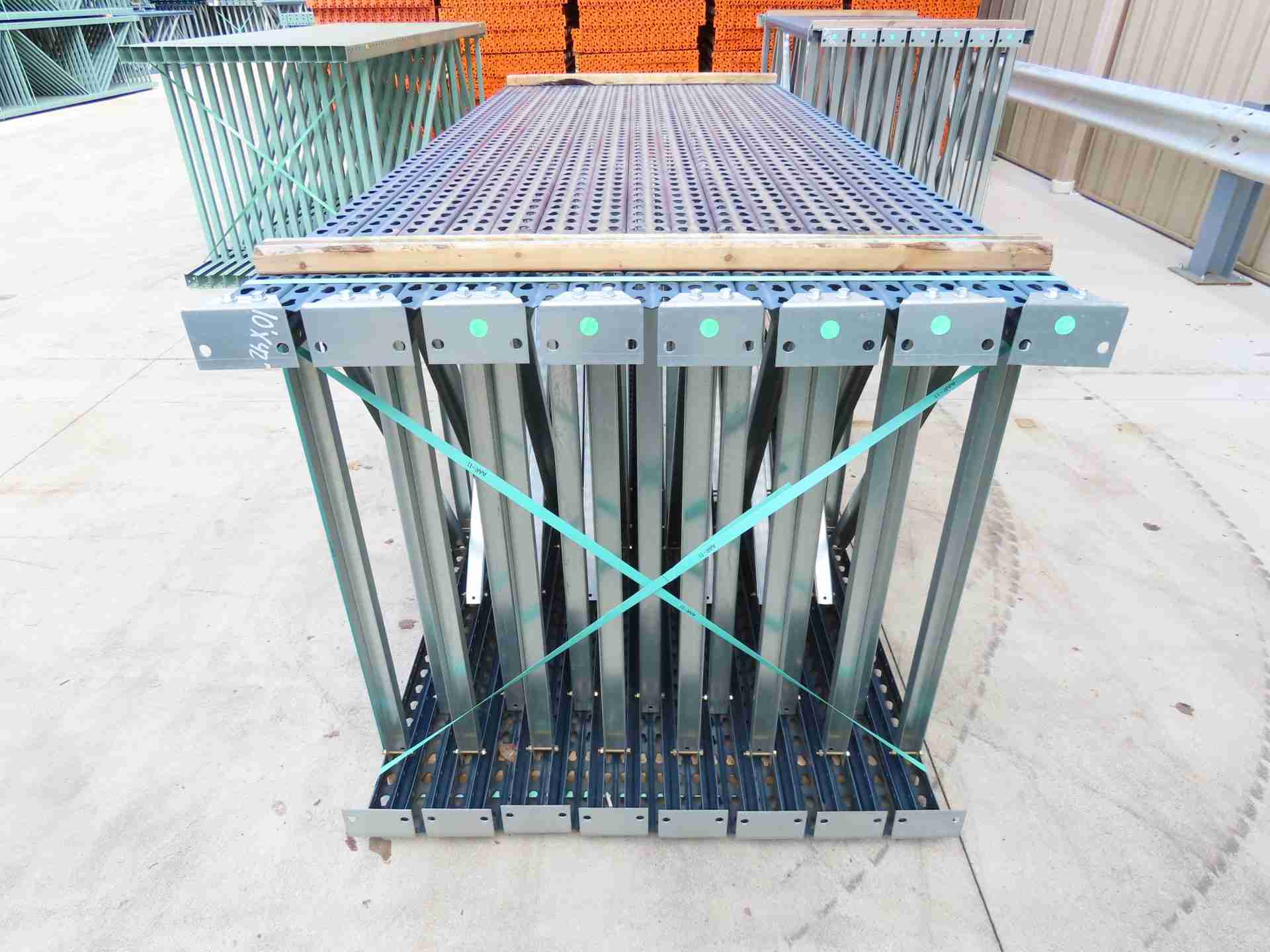
How Does Cantilever Racking Improve Warehouse Space Efficiency?
How Does Cantilever Racking Improve Warehouse Space Efficiency?
- Cantilever racking offers a tailored solution, improving on traditional pallet racking by optimizing space for bulky, long items like pipes and lumber.
- Its design eliminates front columns, allowing easier storage and access, which speeds up loading and unloading while reducing damage.
- Warehouses with cantilever racks experience cleaner, safer, and more efficient workflows, enhancing worker morale and productivity.
- It creates a safer, more respectful working environment that values efficiency and the efforts of all warehouse staff.
- Cantilever racking complements pallet racking, providing a system that caters to different item shapes, weights, and sizes for better space control.
- This racking system transforms chaotic warehouse spaces into organized, efficient areas that maximize usable space and workflow.
- Cantilever racking is a practical, effective solution that helps warehouses do more with less, improving overall operations without shortcuts.

How Does Cantilever Racking Improve Warehouse Space Efficiency?
What Ethical Factors Influence Racking Choices In Distribution?
When it comes to choosing pallet racking in a distribution setting, the decisions aren’t just about stacking boxes higher or squeezing aisles tighter. There’s a lot riding on those choices — safety, fairness, and the kind of workplace people trust. You don’t want your crew worrying about if a rack is going to fail or if they’re being set up to handle unsafe loads just to save a buck. That kind of stress, it chips away at morale and sows doubt where confidence should be.
Pallet racking might sound like just metal beams and shelves, but it’s the backbone that holds up an entire operation. If it’s done right, it’s a quiet hero — steady under pressure, flexing with the weight, and never letting anyone down. But done wrong, it’s a hazard waiting to happen, a gamble with people’s lives and livelihoods. The ethical pull is strong here: you owe it to your people to pick systems that meet or exceed safety standards, not cut corners. The cost isn’t just in the price tag; it’s in broken trust and potential injury if you skim on quality or ignore specs.
Experience tells you that when workers see durable, well-maintained pallet racking, they know they matter. It’s a loud, clear signal that management values their safety and dignity—values that go beyond profit margins. It builds a culture where people look out for each other because the company sets the tone. That connection, forged by sensible choices about equipment, turns a warehouse from a place people have to work into a place they want to stick around.
In the cold light of day, smart distribution operations blend ethics with economics. They pick pallet racking that won’t just store goods but support a fair, safe, and transparent workplace. When bosses make those calls with their heads and hearts tuned in—not just their wallets—it’s no accident that the whole team feels steadier underfoot. That grounded, common-sense approach builds more than racks; it builds trust, confidence, and quiet pride in the job well done.

What Ethical Factors Influence Racking Choices In Distribution?
What Ethical Factors Influence Racking Choices In Distribution?
- Choosing pallet racking in distribution affects safety, fairness, and workplace trust, not just storage efficiency.
- Improper pallet racking causes stress, lowers morale, and creates safety risks for workers.
- Pallet racking is the operational backbone, needing to be strong and reliable under load.
- Ethical responsibility requires selecting pallet racking that meets or exceeds safety standards to avoid injuries and broken trust.
- Durable, well-maintained pallet racking signals that management values worker safety and dignity.
- Sensible equipment choices foster a workplace culture where employees support one another and remain committed.
- Smart operations balance ethics and economics, building trust, confidence, and pride through fair and safe pallet racking decisions.

What Ethical Factors Influence Racking Choices In Distribution?
How Can Authority Figures Impact Decisions on Storage Solutions?
When it comes to deciding on storage solutions, authority figures hold more sway than you might think. These are the people with the experience, the knowledge, and the weight of responsibility on their shoulders. They’ve seen what works and what doesn’t, and that makes their input something you can count on. Take pallet racking, for example. It’s not just about stacking boxes on a metal frame; it’s about safety, efficiency, and making sure the whole operation runs smooth as glass. The folks calling the shots know this because they’ve been in the trenches — maybe not in a flashy boardroom, but out where the forklifts roar and the deadlines pile up.
This kind of practical authority inspires trust. When a seasoned manager or warehouse veteran says, “This racking system will save time and cut down accidents,” it hits home. It’s not just some fancy sales pitch or a checkbox on a spreadsheet. It’s grounded in real-life grit. And that’s where your gut checks in, nodding along because you respect the hard-earned wisdom behind those words. This mix of heart and head—trusting the experience while sizing up the facts—makes decisions feel solid and right, not just guesswork.
At the same time, there’s an ethical layer to this. Authority figures don’t just think about the bottom line; they think about the folks on the floor. Sturdy pallet racking means less risk of falls and spills. It means a workplace where people can clock in without worrying if the next load will tumble down. When decisions come from a place of responsibility, it creates a ripple effect of care and respect throughout the team. That social trust builds a sense of belonging — everyone knows the boss has their back, literally and figuratively. It’s about doing right by your crew, not just crunching numbers.
Stories stick, too. Maybe there’s a tale about a close call prevented by a better-designed rack, or a leaner system that freed up space for a busy season. Those stories bring the dry details to life and make you realize storage isn’t just clutter control; it’s keeping the heartbeat of the business steady. When authority figures share these moments, it cuts through the noise and makes you believe in the solution because you’ve seen it work or felt its absence.
Trust the hands that’ve built, fixed, and managed this kind of setup before, because that kind of authority doesn’t just come with a title. It comes from rolling up sleeves and knowing pallet racking is more than steel — it’s the backbone of a reliable, efficient, and safe operation.

How Can Authority Figures Impact Decisions on Storage Solutions?
How Can Authority Figures Impact Decisions on Storage Solutions?
- Authority figures influence storage decisions due to their experience, knowledge, and responsibility.
- Pallet racking involves more than stacking boxes; it impacts safety, efficiency, and operational flow.
- Practical authority from seasoned managers inspires trust based on real-life experience, not sales pitches.
- Decisions consider ethical responsibilities, prioritizing worker safety and reducing risks in the workplace.
- Responsible choices foster care, respect, and social trust within the team, creating a supportive environment.
- Stories of past experiences with pallet racking illustrate its importance in preventing accidents and optimizing space.
- True authority is earned through hands-on management and understanding that pallet racking supports a safe and efficient operation.

How Can Authority Figures Impact Decisions on Storage Solutions?
What Stories Illustrate Success with Cantilever Racking Use?
Out in the real world, success with cantilever racking isn’t about fancy charts or glossy brochures. It’s about the guy in the warehouse who’s been wrestling with awkward, long pieces of steel or lumber for years, cutting corners and risking injury, until one day he talks to someone who knows about these racks. They install the cantilever system, and suddenly what used to be a headache becomes a smooth rhythm. No more stacking hazards or wasted time hunting for material. It’s a little thing on paper, but on the floor, it means fewer bruises and a quicker day’s work.
Take a small manufacturing shop tucked away where space is tight and pallets fill every nook. They switched from standard pallet racking to cantilever for their bulky, oddly shaped inventory. At first, there was skepticism—standard pallet racking was what everyone’s used to. But once the new system was in, the place breathed. Load handling became safer and more straightforward, inventory turn moved faster, and orders shipped out with fewer delays. The owner saw immediate savings, not just in space but in fewer costly mistakes. The change didn’t just preserve profit margins; it protected workers’ backs and made the shop floor less of a daily grind.
There’s something ethical about that, too—giving workers a system designed not to wear them down but to make their jobs manageable. It’s not just about efficiency; it’s about respect for the folks on the front lines. You don’t find that in every equipment upgrade. Cantilever racking respects the irregular, the unusual loads that standard pallet racking struggles with, and that respect turns into trust over time.
People who’ve used it swear by it not because it’s flashy, but because it delivers. It listens to the needs of the job—long pipes, heavy timber, awkward sheets—where pallet racking’s boxes and stacks just don’t fit right. That real-world reliability turns into an unspoken agreement among crews: this racks helps us do our work without doubling over from the strain.
These stories, told in the breaks over cold coffee and worn hands, aren’t marketing lines. They’re grounded truths, earned through sweat and plain common sense. The authority comes from lived experience, not sales pitches, and that’s why cantilever racking wins trust on the floor. If your job involves moving the kind of gear that laughs at standart pallet racking, then cantilever isn’t just an option—it’s the proven answer.

What Stories Illustrate Success with Cantilever Racking Use?
What Stories Illustrate Success with Cantilever Racking Use?
- Cantilever racking transforms handling of long, awkward items by reducing injury risks and improving workflow in warehouses.
- A small manufacturing shop improved space use, safety, and order efficiency by switching from standard pallet racking to cantilever systems.
- Cantilever racking not only boosts efficiency but also shows respect for workers by easing physical strain on the job.
- The system is designed to accommodate irregular and bulky loads that standard pallet racking cannot handle effectively.
- Users value cantilever racking for its practical reliability rather than flashy features, catering specifically to job demands.
- Trust in cantilever racking is built from real-world experience and worker endorsement, not marketing claims.
- Cantilever racking is the proven solution for industries dealing with materials that don’t fit standard pallet systems.

What Stories Illustrate Success with Cantilever Racking Use?
How Do Social Trends Affect Adoption Of Cantilever Racking?
When you step into any warehouse or workshop these days, you can’t miss the quiet revolution that’s been happening on the floors and in the aisles—cantilever racking isn’t just another storage option; it’s a solution shaped by the changing tides of how we work and live. You see, the social trends that ripple through industries—like downsizing spaces, pushing for efficiency, and the demand for safer, smarter workplaces—push businesses to rethink how they stack, store, and move goods. Cantilever racking answers those calls with a straightforward, no-nonsense approach that gets the job done without fuss.
You’ve got a growing respect, even a need, for flexibility in storage. That’s not just about laws and workplace rules; it’s about people, the ones lifting, moving, and managing stock. Pallet racking systems have their place, sure, but when the job starts dealing with odd lengths or bulky materials—think lumber, pipes, or metal sheets—cantilever racking becomes the reliable, workhorse choice. It adapts to irregular loads and tight spots. That’s not just convenience; that’s saving time and backs, making a safer place to work. People want to come home after a shift without aches or bruises, and that straightforward practicality earns their trust.
Think about the stories behind these social shifts. Businesses shrinking their footprint but needing more out of every inch, warehouse managers finding there’s only so much space to go around. Cantilever racking’s openness and adjustability fit that story perfectly. It’s the no-frills answer for inventory that doesn’t cooperate with traditional pallet racking’s boxy style. It makes sense on paper and feels right under your hands. Watching a crew load or unload with ease, you realize this isn’t just about racks; it’s about respect for the work and the worker.
Ethics come into play too. As companies feel the weight of doing more with less and caring more for their teams, investing in cantilever racking says you’re serious about creating smarter work environments. The solution signals responsibility, not just to efficiency numbers, but to the people on the floor who wrestle with stock day in and day out. It’s a choice that speaks volumes about priorities—putting safety and practicality up front.
In this way, cantilever racking isn’t just a shelf. It’s part of a story about adapting to what people need and expect now—a trusted, straightforward tool that helps industries move forward without forgetting the simple truths about hard work. That’s why it’s winning more ground, not just by being practical, but by being right for the times.

How Do Social Trends Affect Adoption Of Cantilever Racking?
How Do Social Trends Affect Adoption Of Cantilever Racking?
- Cantilever racking is transforming warehouses and workshops, driven by social trends like space downsizing, efficiency, and demand for safer workplaces.
- It offers flexible storage ideal for handling irregular, bulky materials such as lumber, pipes, and metal sheets, unlike traditional pallet racking.
- This system adapts to tight spaces and irregular loads, improving safety and reducing physical strain on workers.
- Businesses shrinking their footprint benefit from cantilever racking’s openness and adjustability, maximizing space use effectively.
- Cantilever racking demonstrates respect for workers by making loading and unloading easier and safer.
- Investing in cantilever racking reflects a company’s commitment to ethical, responsible, and smarter work environments.
- Its practicality and alignment with current work demands make cantilever racking a growing, trusted storage solution for modern industries.

How Do Social Trends Affect Adoption Of Cantilever Racking?
Conclusion
Running a bar stock or rod distribution operation teaches you that space and time aren’t just numbers—they’re the lifeblood of your business. Cantilever racking, with its straightforward, rugged design, fits the bill like a pair of well-worn work boots. It’s built to handle the awkward, heavy loads that traditional pallet racks treat like square pegs in round holes—pipes, rods, lumber—stuff that doesn’t play nice in cramped, boxed-in spaces. This isn’t about flashy new gizmos; it’s about practical, serious gear that respects the shape and size of your inventory while freeing up every inch of precious warehouse real estate.
The beauty lies in how it makes the day easier, safer, and smoother. No more contorting through narrow aisles or wrestling with pallets stacked like a Jenga tower. Workers get in, grab what they need, and get on with it. That peace of mind matters. When your crew isn’t fighting the racks, they’re lifting spirits and keeping the place humming. It speaks volumes about respect—respect for the materials that go out the door and respect for the people on the floor who handle them every day. There’s a quiet pride in having a workspace that actually works, not just looks good on paper.
On the ethical side, choosing cantilever racking is a statement. It’s about doing right by your team, not cutting corners to save a buck. A sturdy, well-planned storage system reduces risks and injuries, sending a clear message that safety isn’t optional. Trust builds where people know management cares enough to invest in reliable equipment. That trust isn’t just about feeling good—it keeps workers steady and focused, which drives results you can count on.
The people calling the shots in distribution understand these stakes. They’re not just guessing; their decisions come from years of getting their hands dirty, seeing what holds up and what falls apart. That kind of practical wisdom turns a storage system from metal on metal into the backbone of the whole operation. It’s a foundation built on experience, the kind that earns faith on the floor and delivers day after day.
Real stories in warehouses large and small back this up. When cantilever racking replaces the clunky, ill-fitting old setups, things change. Safety improves, order picking speeds up, and margins stop getting eaten by inefficiency. It’s the kind of upgrade that respects both the job and the folks doing it, turning a tough shift into a manageable one.
Social shifts toward leaner spaces and smarter working conditions have only amplified the need for sensible solutions like this. Cantilever racking fits that bill—it’s flexible, clear, and gutsy enough for today’s demands without overcomplicating things. It’s proof that sometimes the best answer is the one forged in real-world grit, common sense, and a measure of respect for both people and product.
At the end of the line, choosing cantilever racking isn’t just a tech decision—it’s a no-nonsense pledge. A pledge to run a tight, safe, and honest operation where every inch matters and every person counts. When you lean on gear that’s straightforward and tough, you’re not just storing stock—you’re building trust, saving backs, and grinding out success with a little sweat and a lot of sense. That’s why this simple system keeps winning on the floor and in the books—because it just works.

Conclusion
Conclusion:
- Cantilever racking offers a practical and durable storage solution ideal for awkward, heavy loads like pipes, rods, and lumber that don’t fit well in traditional pallet racks.
- Its design improves warehouse efficiency by freeing up space and making inventory access easier and safer for workers.
- Choosing cantilever racking demonstrates an ethical commitment to worker safety and well-being, reducing risks and fostering trust between management and staff.
- Decisions to use cantilever racking are based on hands-on experience and practical knowledge, making it a reliable foundation for distribution operations.
- Real-world examples show that replacing outdated storage systems with cantilever racks improves safety, speeds order picking, and enhances operational margins.
- The system aligns with modern trends toward leaner spaces and smarter working conditions, offering flexibility without unnecessary complexity.
- Overall, cantilever racking represents a straightforward, trustworthy investment that supports a safe, efficient, and respectful work environment.

Conclusion
Other Resources

Other Resources
Here is a list of other resources you can review online to learn more:
- WERC
- Warehouse Storage Racking in Illinois
- Rack Manufacturers Institute
- Used Pallet Rack for Sale in Illinois – American Surplus
- MHI
- Racking World
- Selective Pallet Racking Systems – Container Systems
- Shipping Boxes, Packaging Materials, Pallet Racking
- Pallet Racking systems in Illinois, Great Lakes
- CMMA
- What is Selective Racking: Understanding Benefits & Options
- Arrow Industrial Sales
- Warehouse Racking Layout: The Ultimate Guide – Conger
- Warehouse Racking Systems: Beginner’s Guide to Rack Systems
- Total Warehouse
- Selective Rack – Raymond West
- Pallet Racking systems in Illinois and Great Lakes
- ASSP
- Wolter
- Cantilever Rack Configuration & Installation: A Comprehensive Guide – BMH
Use This Prompt To Get More Resources With Your Favorite Online AI Tool: Please provide me with a list of online articles with their URLs in a bulleted list that I can read regarding How Do Bar Stock and Rod Distributors Leverage Cantilever Racking?

Other Resources
Glossary Terms
How Do Bar Stock and Rod Distributors Leverage Cantilever Racking? – Glossary Of Terms
1. Bar Stock: Raw metal material in long, straight pieces used for manufacturing and machining.
2. Rod: Cylindrical metal stock used in various industrial applications.
3. Distributor: A supplier who stocks and sells bar stock and rods to manufacturers and fabricators.
4. Cantilever Racking: Storage system with horizontal arms extending from a vertical column, designed to hold long, bulky materials.
5. Storage Efficiency: Optimization of warehouse space through organized storage solutions.
6. Load Capacity: Maximum weight a cantilever rack can safely support.
7. Arm Length: The horizontal extension of cantilever rack arms, determining the length of stored materials.
8. Vertical Columns: Upright structures supporting the arms in cantilever racking systems.
9. Accessibility: Ease of retrieving or storing materials in racking systems.
10. Inventory Management: Processes for tracking and organizing stock levels accurately.
11. Space Utilization: Effective use of available warehouse space for storage.
12. Overhead Clearance: The vertical space required above the stored materials for loading and unloading.
13. Material Handling Equipment: Tools such as forklifts used to move materials in warehouses.
14. Pallet Racking: Storage system using pallets for organized stacking, often less suited for long bar stock.
15. Customization: Tailoring racking systems to specific distributor needs such as height, arm length, or load.
16. Modular Design: Racking systems built with interchangeable components for flexibility.
17. Safety Regulations: Rules and standards ensuring secure storage and handling of materials.
18. Ergonomics: Design considerations that improve worker efficiency and reduce strain.
19. Picking Efficiency: Speed and ease with which products are retrieved from storage.
20. Stock Rotation: Process of managing inventory to use older stock first, typically less critical in bar stock.
21. Damage Prevention: Methods to protect stored materials from harm during storage and handling.
22. Inventory Accuracy: Correct tracking of stock quantities and locations.
23. Offloading: Removing materials from delivery vehicles onto storage racks.
24. Loading: Placement of bar stock or rods onto storage racks.
25. Storage Density: Amount of material stored per unit of warehouse space.
26. Vertical Storage: Utilizing height in the warehouse to maximize capacity.
27. Bulk Storage: Storing large quantities of inventory in a single area.
28. Organization: Systematic arrangement of materials for easy identification and retrieval.
29. Heavy-Duty Racking: Racking designed to support very heavy loads typical of metal bar stock.
30. Warehouse Layout: Arrangement of storage and handling areas to optimize workflow.

Glossary Of Terms
Other Questions
How Do Bar Stock and Rod Distributors Leverage Cantilever Racking? – Other Questions
If you wish to explore and discover more, consider looking for answers to these questions:
- What are the load capacities per arm and per column for cantilever racking, and how are they calculated?
- How do I determine the right arm length, spacing, and number of tiers for my specific bar stock and rod inventory?
- How does cantilever racking compare to pallet racking in cost, space efficiency, and maintenance for long-stock materials?
- What are typical installation costs and lead times for new cantilever racking systems?
- Can cantilever racks be retrofitted into an existing warehouse layout, and what site modifications are usually required?
- What safety standards, codes, and certifications (e.g., RMI, ANSI) apply to cantilever racking, and how do I ensure compliance?
- How often should cantilever racking be inspected, and what are the common signs of wear or damage to watch for?
- What are the best practices for anchoring cantilever racks to floors, especially on concrete that may have limitations?
- How do seismic, wind, or other environmental factors affect cantilever racking design and installation?
- Which types of material handling equipment (forklifts, sideloaders, cranes) work best with cantilever racking, and what clearance is required?
- How does cantilever racking handle mixed lengths and diameters of rods and bars without causing inventory chaos?
- What accessories (stops, dividers, end caps, safety arms) improve safety and organization for rod/bar storage?
- How do you protect stored metal (steel, aluminum) from corrosion or damage when stored on cantilever racks?
- What are recommended loading and unloading procedures to minimize damage and injury when using cantilever racking?
- How do you calculate return on investment (ROI) for switching from pallet racking to cantilever racking?
- What maintenance schedule and procedures maximize the service life of cantilever systems?
- How customizable are cantilever racks for unusual or nonstandard inventory shapes and sizes?
- What warranty options and supplier support should I expect when purchasing cantilever racking?
- How does cantilever racking affect warehouse throughput, picking times, and order accuracy?
- Can cantilever racking be integrated with warehouse management systems (WMS), barcode/RFID, or automated retrieval solutions?
- What training do workers need to use cantilever racking safely and efficiently?
- How do insurance companies view cantilever racking—does it affect premiums or underwriting requirements?
- What are common failure modes for cantilever racks, and how can they be prevented?
- How scalable is cantilever racking for seasonal peaks or business growth?
- What are the differences between single-sided and double-sided cantilever systems, and when should each be used?
- How do arm and column coatings (paint, galvanizing) compare for indoor vs. outdoor use?
- What are the environmental and recycling considerations at end-of-life for cantilever racking?
- How do you plan aisle widths, traffic flow, and staging areas around cantilever racks to maximize safety and efficiency?
- Are there financing or leasing options commonly available for cantilever racking purchases?
- What performance metrics should be tracked after installing cantilever racking to measure its impact?
- How do you handle inventory labeling and identification for long-stock items stored on cantilever racks?
- What real-world case studies or benchmarks show measurable benefits from cantilever adoption?
- How do cantilever racking solutions differ between industries (metal distribution, lumberyards, fabrication shops)?
- What ethical considerations—worker welfare, safety investments, supplier practices—should influence racking procurement decisions?

Other Questions
Checklist
How Do Bar Stock and Rod Distributors Leverage Cantilever Racking? – A Checklist
Fit for Purpose
✅______ Primary inventory includes long or irregular loads (e.g., bar, rod, pipe, lumber, sheet)
✅______ Maximum lengths, diameters, and weights are documented by SKU
✅______ Required mix of single- and double-sided racks is defined
✅______ Need for adjustable arm spacing and removable end stops is identified
Space and Layout
✅______ Clear height, building columns, doors, and obstructions are mapped
✅______ Aisle widths support lift equipment and load lengths
✅______ Load/unload zones and travel paths minimize cross-traffic
✅______ Future growth and reconfiguration options are planned
Capacity and Engineering
✅______ Required arm, column, and base capacities meet peak load scenarios
✅______ Deflection tolerances for stored materials are acceptable
✅______ Engineering drawings and load signage are prepared and reviewed
✅______ Environmental factors (corrosion, temperature, outdoor use) are addressed
Operations and Accessibility
✅______ Fast-moving SKUs are placed at optimal heights and positions
✅______ Dedicated levels by length, diameter, and alloy to reduce handling
✅______ Clear line of sight to all SKUs; no hidden or buried stock
✅______ Standardized picking paths reduce travel and touches
Equipment Compatibility
✅______ Forklift and reach-truck capacities and mast heights match rack design
✅______ Attachments (booms, coil rams, carpet poles, clamps) are validated
✅______ Turning radii and approach angles are tested in the proposed layout
Inventory Control and Labeling
✅______ Locations are labeled with durable, legible identifiers
✅______ Barcoding or RFID aligns with open-face storage
✅______ Cycle counting method supports long-length items
✅______ Visual cues (color bands and separators) indicate size and grade
Process and Training
✅______ SOPs cover putaway, picking, replenishment, and housekeeping
✅______ Team training on load placement, spacing, and safe handling is complete
✅______ Clear rules for mixed loads and maximum arms per bay are in place
✅______ New hire onboarding includes racking use and care
Quality and Maintenance
✅______ Routine inspections are scheduled for arms, columns, bases, and anchors
✅______ Damage reporting and quarantine procedures are defined
✅______ Fastener torque checks and component replacements are logged
✅______ Housekeeping keeps aisles and bases clear of debris
Vendor and Procurement
✅______ Vendor experience with bar and rod use cases is verified
✅______ References and site visits confirm performance and longevity
✅______ Lead times, spares availability, and warranty terms are documented
✅______ Installation plan and verification checklist are provided
Performance and ROI
✅______ Baseline metrics are captured (space utilization, pick time, damage rates)
✅______ Targets are set for throughput, space gains, and labor savings
✅______ Post-installation review is scheduled to compare outcomes vs. targets
✅______ Re-slotting cadence is established to sustain gains
Culture, Trust, and Ethics
✅______ Equipment choices demonstrate respect for people and materials
✅______ Frontline input is gathered and acted on before finalizing the layout
✅______ Clear accountability for upkeep and continuous improvement
✅______ Recognition for teams achieving safer, faster handling
Change Management
✅______ Phased rollout minimizes disruption to live operations
✅______ Temporary staging is identified for transition inventory
✅______ Communication plan covers who, what, when, and how to escalate
✅______ Lessons learned are documented and shared
Future Readiness and Trends
✅______ Layout supports SKU volatility and shorter lead times
✅______ Design accommodates footprint reductions or mezzanine additions
✅______ Modular components enable quick reconfiguration
✅______ Environmental and community expectations are considered

Checklist
At RackingWorld, we help guide you through selecting warehouse storage systems and racking.
Be sure to read our other related stories at RackingWorld to learn more about warehouse storage systems.
0 Comments