
Unleash The Power Of Smart Shelving For Maximum Accessibility
By Tom Seest
At RackingWorld, we help guide you through selecting warehouse storage systems and racking.
Be sure to read our other related stories at RackingWorld to learn more about warehouse storage systems.
Are You Maximizing Accessibility with Smart Shelving Strategies?
In today’s fast-paced world, businesses must prioritize accessibility to stay competitive. Whether you’re managing a retail store or a warehouse, the shelving strategies you adopt can either enhance efficiency or bog down operations. One of the standout solutions in maximizing accessibility is the modern usage of pallet racking systems. These systems are designed not just for storage but for optimizing the flow of goods, ensuring that your most accessed items are readily available.
Consider a retailer focusing on e-commerce during the holiday season. With increasing demand, their warehouse organization becomes critical. By implementing a well-designed pallet racking system, they can strategically position fast-moving items at eye level or in easily reachable zones. No more wasted time searching for products buried in clutter! This isn’t just a minor operational tweak; it’s a game-changer that can drive sales and increase customer satisfaction.
Now, let’s dive deeper into how smart shelving strategies can transform operations. Think about the shift in consumer behavior post-pandemic. Online shopping has surged, and retailers are feeling the pressure. To capitalize on this trend, some smart businesses have turned to lean inventory systems that maintain just enough stock to meet customer demand without overwhelming their storage capabilities. By combining pallet racking with just-in-time inventory, businesses can improve order fulfillment times drastically—leading to happier customers and repeat sales.
Moreover, let’s not overlook the growing emphasis on sustainability. Customers today are more environmentally conscious and prefer businesses that reflect their values. Efficient shelving not only optimizes space but can also minimize waste. Systems that utilize adjustable pallet racks allow businesses to modify their setups easily as inventory changes, thus reducing the need for unnecessary new shelving and contributing to a greener footprint.
With the right strategies in place, you can create a workspace that enhances productivity while improving overall accessibility. Consider your existing shelving arrangements and evaluate whether they meet the evolving needs of your business. Are you utilizing pallet racking effectively? Are your products located where they can be picked quickly?
The optimization of your shelving strategy is about more than just cleanliness and organization. It’s a vital component of your operational efficiency, customer satisfaction, and sustainability initiatives. Embrace smart shelving solutions today, and watch your accessibility—and your profits—soar!

Are You Maximizing Accessibility with Smart Shelving Strategies?
Are You Maximizing Accessibility with Smart Shelving Strategies?
- Businesses must prioritize accessibility to maintain competitiveness in a fast-paced market.
- Modern pallet racking systems enhance the flow of goods and accessibility of frequently accessed items.
- Well-designed shelving can significantly improve operational efficiency, especially during peak seasons like holidays.
- Implementing lean inventory systems alongside pallet racking can optimize stock levels and improve order fulfillment times.
- There is a growing consumer preference for businesses that demonstrate environmental sustainability.
- Adjustable pallet racks provide flexibility to adapt to changing inventory needs, minimizing waste.
- Optimizing shelving strategies is essential for boosting operational efficiency, customer satisfaction, and sustainability.

Are You Maximizing Accessibility with Smart Shelving Strategies?
Table Of Contents
- Are You Maximizing Accessibility with Smart Shelving Strategies?
- Are Your Shelves Designed For Optimal Reach And Visibility?
- How Do Smart Shelving Solutions Enhance Accessibility?
- What Are The Best Practices For Shelf Height Adjustments?
- Are There Tools To Assess The Accessibility Of Shelving Systems?
- How Can You Ensure Shelf Organization Aids Accessibility?
- What Types Of Materials Improve Accessibility In Shelving?
- Conclusion
- Other Resources
- Glossary Of Terms
- Other Questions
- Checklist
Are Your Shelves Designed For Optimal Reach And Visibility?
In the fast-paced world of retail and warehousing, the layout of your shelves can be a game-changer. You might not realize it, but the way you design your shelving, especially with intricate systems like pallet racking, can significantly impact customer behavior and your bottom line. But here’s the kicker: it isn’t just about stacking products high and hoping for the best.
To create an effective and enticing shopping experience, your shelves must be designed with both reach and visibility in mind. Research shows that consumers make decisions in as little as seven seconds upon entering a store—does your shelving capitalize on that vital window?
One approach to consider involves the strategic placement of high-demand items at eye level while utilizing pallet racking for less frequently purchased goods. For instance, during recent supply chain challenges, companies with optimized shelving saw quicker turnaround times and greater accessibility to essential products. The contrast is stark: retailers that neglected this fundamental principle often faced customer frustration and increased cart abandonment rates.
Imagine walking into a grocery store where the most popular cereals are within arm’s reach, beautifully presented on shelves. This kind of layout draws people in and captures their attention. Combine that with the functionality of pallet racking—used effectively at the back of the store for bulk items—and you’ve got a recipe for success. It’s not just about visibility; it’s about moving inventory efficiently.
Take a tip from the tech giants. Companies like Amazon and Walmart utilize advanced shelving systems that allow products to be easily accessible, often integrating smart technology to monitor stock levels. This awareness not only enhances visibility but also ensures that customers find what they’re looking for without frustration. Their success is intrinsic to their ability to merge visibility with intelligent inventory management, a lesson that you can adopt in your own business.
Furthermore, consider seasonal strategies. During peak shopping seasons, adjust your shelving to spotlight trending products. If pumpkin spice is making waves this autumn, ensure those products are prominently displayed at eye level while utilizing pallet racking for seasonal inventory overflow.
Your shelving strategy not only shapes customers’ shopping experience but directly affects your sales. Optimizing for reach and visibility—especially with efficient use of pallet racking—is not merely a suggestion; it’s essential for modern retail success. Evaluate your layout today and watch your sales soar.

Are Your Shelves Designed For Optimal Reach And Visibility?
Are Your Shelves Designed For Optimal Reach And Visibility?
- The layout of shelves in retail and warehousing can significantly impact customer behavior and business profitability.
- Effective shelving design should prioritize reach and visibility, as consumers make decisions quickly upon entering a store.
- Strategically place high-demand items at eye level and use pallet racking for less frequently purchased products.
- Retailers with optimized shelving experienced quicker turnaround times and better access to essential products during supply chain challenges.
- Integrate advanced shelving systems and smart technology for efficient inventory management, as seen in companies like Amazon and Walmart.
- Adjust shelving layouts seasonally to highlight trending products and manage overflow effectively with pallet racking.
- Optimizing shelving strategy is essential for enhancing the shopping experience and boosting sales in modern retail.
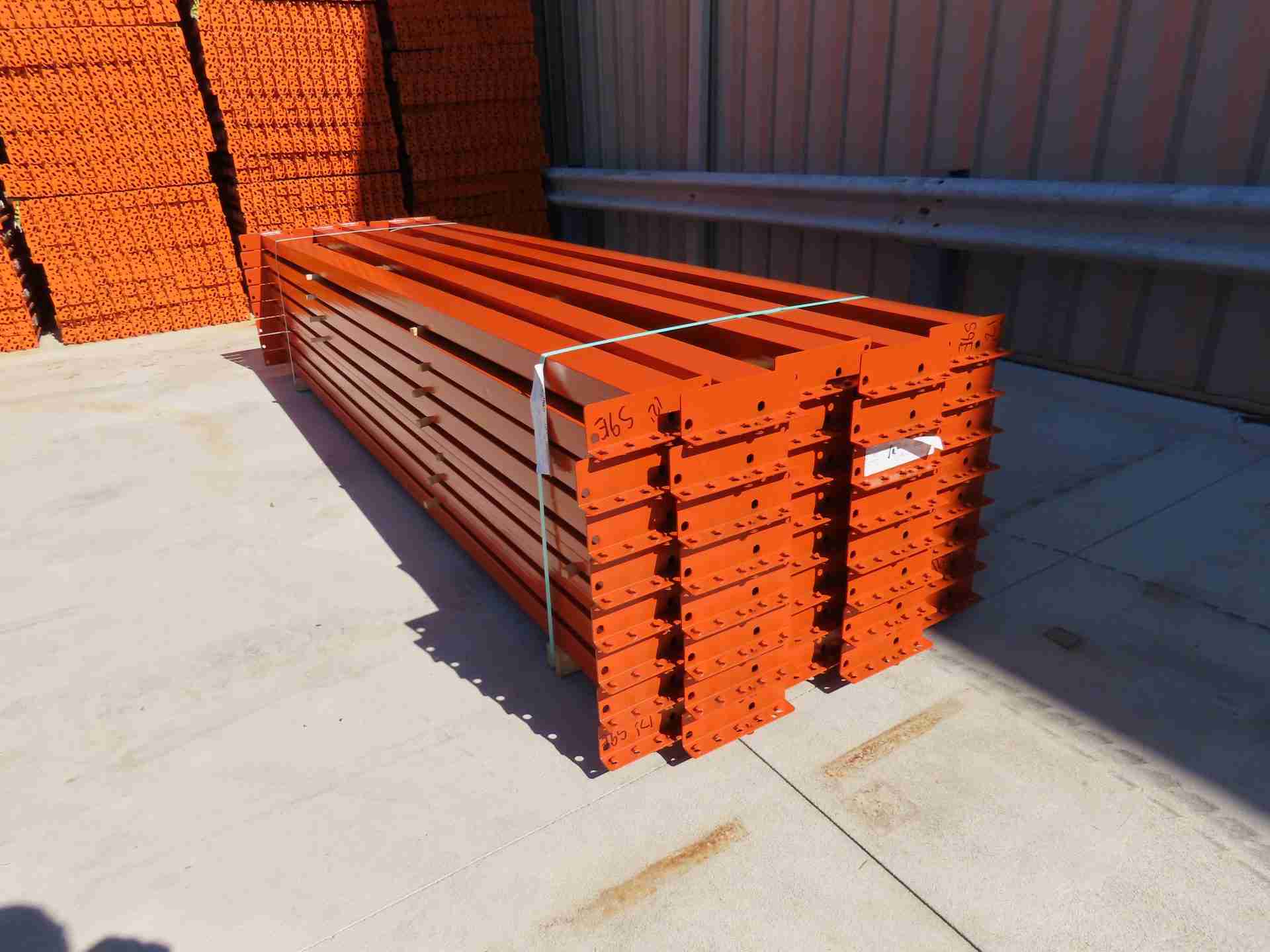
Are Your Shelves Designed For Optimal Reach And Visibility?
How Do Smart Shelving Solutions Enhance Accessibility?
In an era where efficiency reigns supreme, smart shelving solutions are emerging as game-changers in enhancing accessibility across various sectors. Imagine your warehouse equipped with cutting-edge pallet racking that not only maximizes storage but also streamlines the retrieval process. This technology ensures that workers spend less time hunting for items and more time focusing on critical tasks.
Take, for instance, the recent advancements in smart pallet racking systems that integrate RFID technology. These systems automatically track inventory levels and locations, notifying staff of items that require restocking or retrieval. The ability to locate and access products with ease leads to reduced downtime and improved operational efficiency. In 2023, companies embracing these smart systems reported a 30% increase in productivity, showcasing how accessibility translates directly into enhanced profitability.
Moreover, smart shelving solutions are not just about storage; they are about creating an intuitive workspace. Automated systems equipped with voice recognition and mobile compatibility allow workers to interact with their inventory in new, dynamic ways. Picture an employee using a mobile app to receive instructions on where to find particular items, or even employing augmented reality to visualize the optimal path to a product. This level of accessibility empowers staff, reduces errors, and ultimately enhances customer satisfaction by ensuring that products are available when they are needed.
Current events have also highlighted the growing importance of accessibility in logistics. As supply chains around the world experience disruptions, companies that have invested in smart shelving are better positioned to adapt swiftly to changing demands. With enhanced organization and retrieval systems, these businesses can pivot more quickly, ensuring that they meet their customers’ needs without compromising service.
Additionally, the sustainability angle cannot be overlooked. Smart shelving often incorporates eco-friendly materials and designs, showcasing a commitment to environmental responsibility, which resonates with today’s consumers. By maximizing space and minimizing waste through more efficient storage solutions, companies position themselves as forward-thinking players in an increasingly competitive landscape.
Smart shelving solutions enhance accessibility by transforming how products are stored, retrieved, and managed. From pallet racking systems that leverage technology to intuitive interfaces that facilitate user interaction, the benefits are manifold. In a world where time and efficiency are money, businesses adopting these advanced solutions will stand out, driving not just operational success but also customer loyalty and satisfaction.
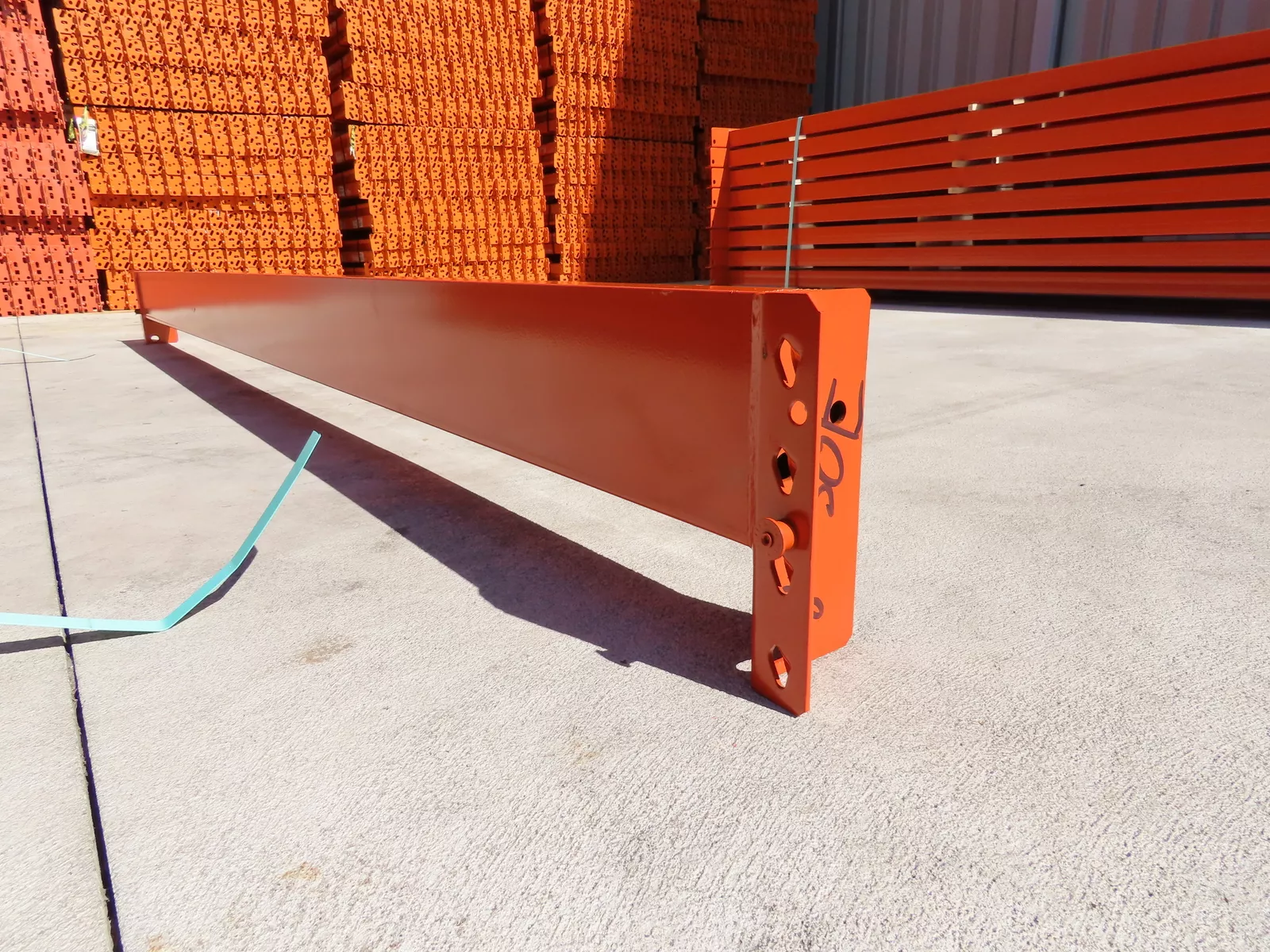
How Do Smart Shelving Solutions Enhance Accessibility?
How Do Smart Shelving Solutions Enhance Accessibility?
- Smart shelving solutions are enhancing accessibility across various sectors by maximizing storage and streamlining retrieval.
- Advanced pallet racking systems using RFID technology automatically track inventory and notify staff for restocking, leading to reduced downtime.
- Companies adopting smart shelving reported a 30% increase in productivity in 2023, linking accessibility to enhanced profitability.
- Automated systems with voice recognition and mobile compatibility improve interaction with inventory, empowering staff and reducing errors.
- Smart shelving enhances adaptability in logistics, allowing companies to quickly respond to supply chain disruptions and customer demands.
- Eco-friendly materials and designs in smart shelving reflect a commitment to sustainability, appealing to environmentally conscious consumers.
- Overall, smart shelving solutions drive operational success and boost customer loyalty through improved efficiency and accessibility.

How Do Smart Shelving Solutions Enhance Accessibility?
What Are The Best Practices For Shelf Height Adjustments?
When it comes to optimizing your storage solutions, making the right adjustments to shelf height is crucial. Understanding the nuances of pallet racking isn’t just an operational necessity; it’s a competitive advantage that can significantly impact your bottom line. Properly adjusted shelves enhance accessibility, organization, and ultimately, your productivity.
1. Analyze Your Inventory Needs
Before making any adjustments, conduct a thorough inventory assessment. What types of items are you storing? Are they large, bulky items or smaller, more delicate products? For large cartons or pallets, configuring your pallet racking to be lower can make picking easier. Conversely, if you’re dealing with smaller items, consider raising the shelf height to utilize vertical space more effectively. Taking into account current trends in direct-to-consumer shipping, e-commerce businesses need fewer, larger packing materials, while the demand for high-velocity picking systems persists in warehouses.
2. Consider the Ergonomics
The height of your shelves should promote efficient and ergonomic access. For instance, items that are frequently picked should ideally be stored at waist height. Research shows that adjusting shelf heights to minimize bending and reaching not only boosts employee morale but also increases picking speeds and reduces injury risks. This is particularly pertinent today, as many industries face slimmer margins and cannot afford downtime associated with workplace injuries.
3. Implement Technological Solutions
Leveraging modern technology can streamline your adjustment process. Many companies are now employing warehouse management systems equipped with data analytics capabilities. These tools can provide insights into the optimal shelf heights based on picking frequency. For example, during seasonal peaks—like the surge seen in e-commerce during holidays—intelligent adjustments can make a world of difference in efficiency.
4. Regularly Review and Adjust
Market dynamics change constantly. What worked in Q1 may not deliver the same results in Q4. Schedule regular reviews of your storage solutions and make incremental adjustments based on sales data, seasonal trends, and inventory shifts. As companies pivot to adapt to rising e-commerce demands, staying ahead of these changes will serve as a vital differentiator.
5. Create Clear Signage and Labels
Lastly, ensure that your adjustments do not lead to confusion. Use clear labels and signage to indicate where products are stored. This increases efficiency and empowers workers, reducing the time spent wandering around seeking out items.
In a world where efficiency is paramount, adhering to best practices for shelf height adjustments within your pallet racking systems will ensure your warehouse remains agile, effective, and ready to meet the demands of today’s market. Embrace these strategies to keep your operations smooth and your profits climbing.
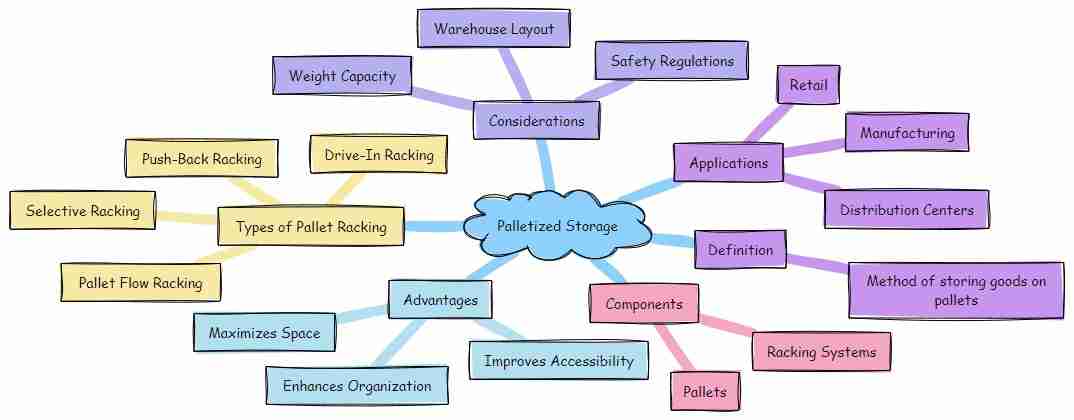
What Are The Best Practices For Shelf Height Adjustments?
What Are The Best Practices For Shelf Height Adjustments?
- Adjusting shelf height is crucial for optimizing storage solutions and gaining a competitive advantage.
- Conduct a thorough inventory assessment to determine the appropriate shelf height based on item size.
- Promote ergonomic access by storing frequently picked items at waist height to reduce injury risks.
- Utilize warehouse management systems to analyze data and optimize shelf heights based on picking frequency.
- Regularly review and adjust storage solutions in response to market dynamics and e-commerce demands.
- Create clear signage and labels to improve efficiency and reduce time spent searching for items.
- Implementing these best practices ensures warehouse agility and effectiveness in meeting today’s market demands.
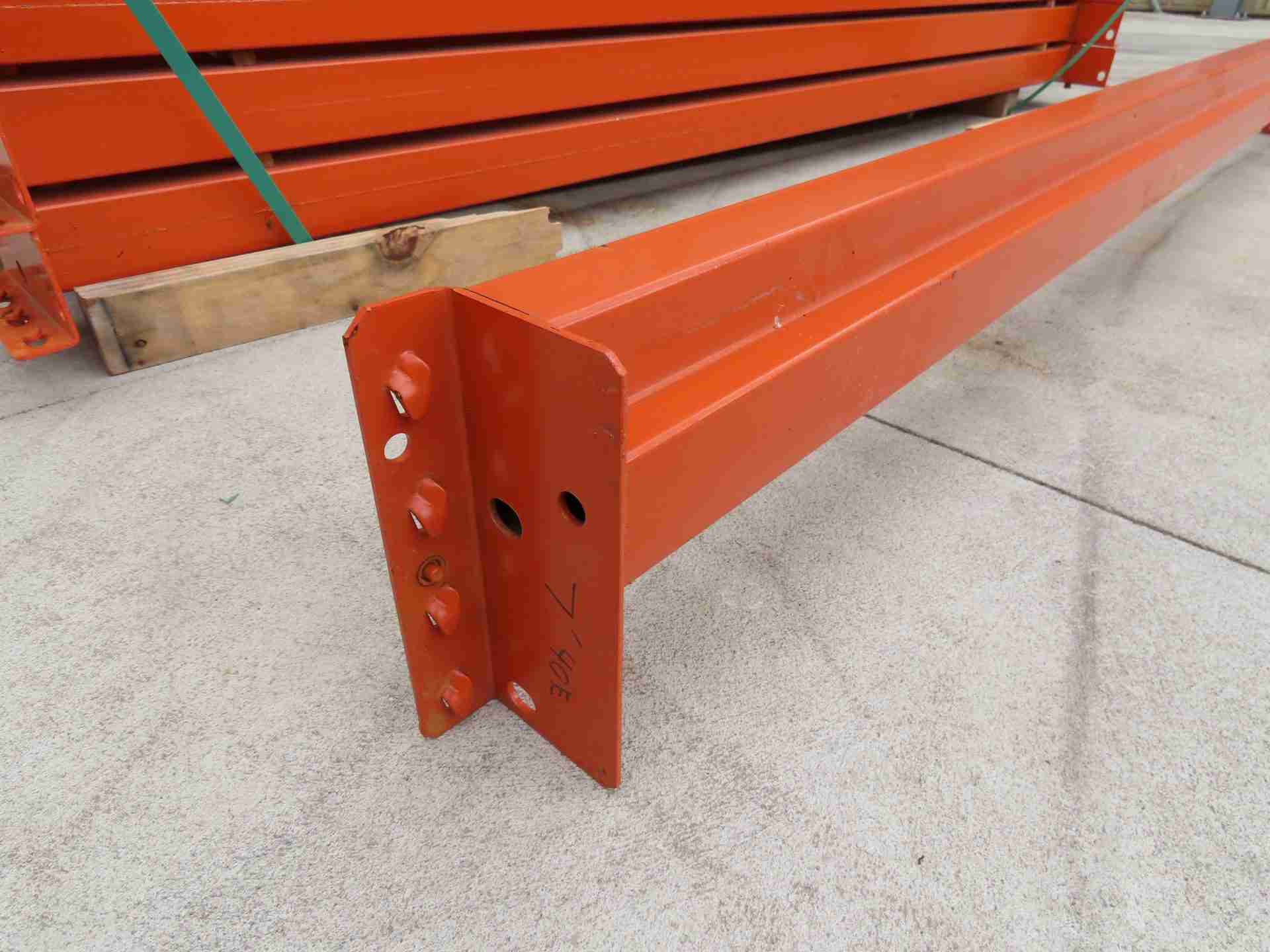
What Are The Best Practices For Shelf Height Adjustments?
Are There Tools To Assess The Accessibility Of Shelving Systems?
In today’s competitive business landscape, maximizing the efficiency and accessibility of your shelving systems isn’t just an operational necessity; it’s a strategic advantage. With the rise of ecommerce and the immediacy of customer demand, it’s crucial to utilize tools that assess and enhance the accessibility of your shelving solutions, including pallet racking systems. But what exactly are these tools, and how can they propel your business forward?
Tools for assessing the accessibility of shelving systems are varied and tailored to the specific needs of your warehouse or distribution center. One effective method is leveraging specialized software that uses advanced algorithms to evaluate your current shelving layout against best practice models. These tools analyze traffic patterns, inventory turnover rates, and physical space constraints. Imagine a scenario where you discover that your pallet racking configuration is hampering efficiency—this data can pinpoint necessary adjustments to optimize space and accelerate picking processes.
Additionally, physical audits of shelving systems are imperative. This involves not just measuring dimensions and clearance but genuinely assessing how easily employees can access items across different shelving heights. It’s a hands-on strategy that can yield immediate action points. For instance, consider implementing ergonomic tools like adjustable pallet racking systems, which allow for quick modifications to accommodate the varied heights of inventory. Such systems not only enhance accessibility but also promote employee well-being by minimizing strain during operations.
As we navigate a world increasingly shaped by logistics challenges—such as today’s container shortages and shipping delays—tools to assess shelving accessibility gain more significance. Companies can no longer afford inefficiencies. Utilization of RFID technology can be transformative; tag items and track their locations within your pallet racking, making retrieval smoother, quicker, and more accurate.
Moreover, continuous feedback mechanisms from warehouse staff can help identify pain points in real-time. Integrating employee insights on system usability ensures that your shelving systems are truly meeting the needs of those who work with them daily.
The tools to assess the accessibility of shelving systems are not just about optimizing space; they are about enhancing overall operational resilience, accommodating current market shifts, and driving consistent productivity. Companies that embrace these tools position themselves at a significant advantage, navigating logistics challenges with ease while meeting customer expectations swiftly and effectively. As the demand for accessible and well-organized inventory grows, investing in the right assessment tools may be the key differentiator for your business.

Are There Tools To Assess The Accessibility Of Shelving Systems?
Are There Tools To Assess The Accessibility Of Shelving Systems?
- Maximizing shelving efficiency is crucial for operational success and strategic advantage in today’s competitive business landscape.
- Tools to assess shelving accessibility include specialized software that analyzes traffic patterns, inventory turnover, and space constraints.
- Physical audits of shelving systems can provide hands-on insights to enhance accessibility and employee well-being.
- Implementing ergonomic solutions, such as adjustable pallet racking systems, can accommodate varied inventory heights and improve accessibility.
- Utilizing RFID technology enables smoother and more accurate tracking of items within pallet racking systems.
- Continuous feedback from warehouse staff helps identify usability issues and enhances operational efficiency.
- Investing in the right tools for shelving assessment is essential for maintaining productivity and meeting customer expectations.
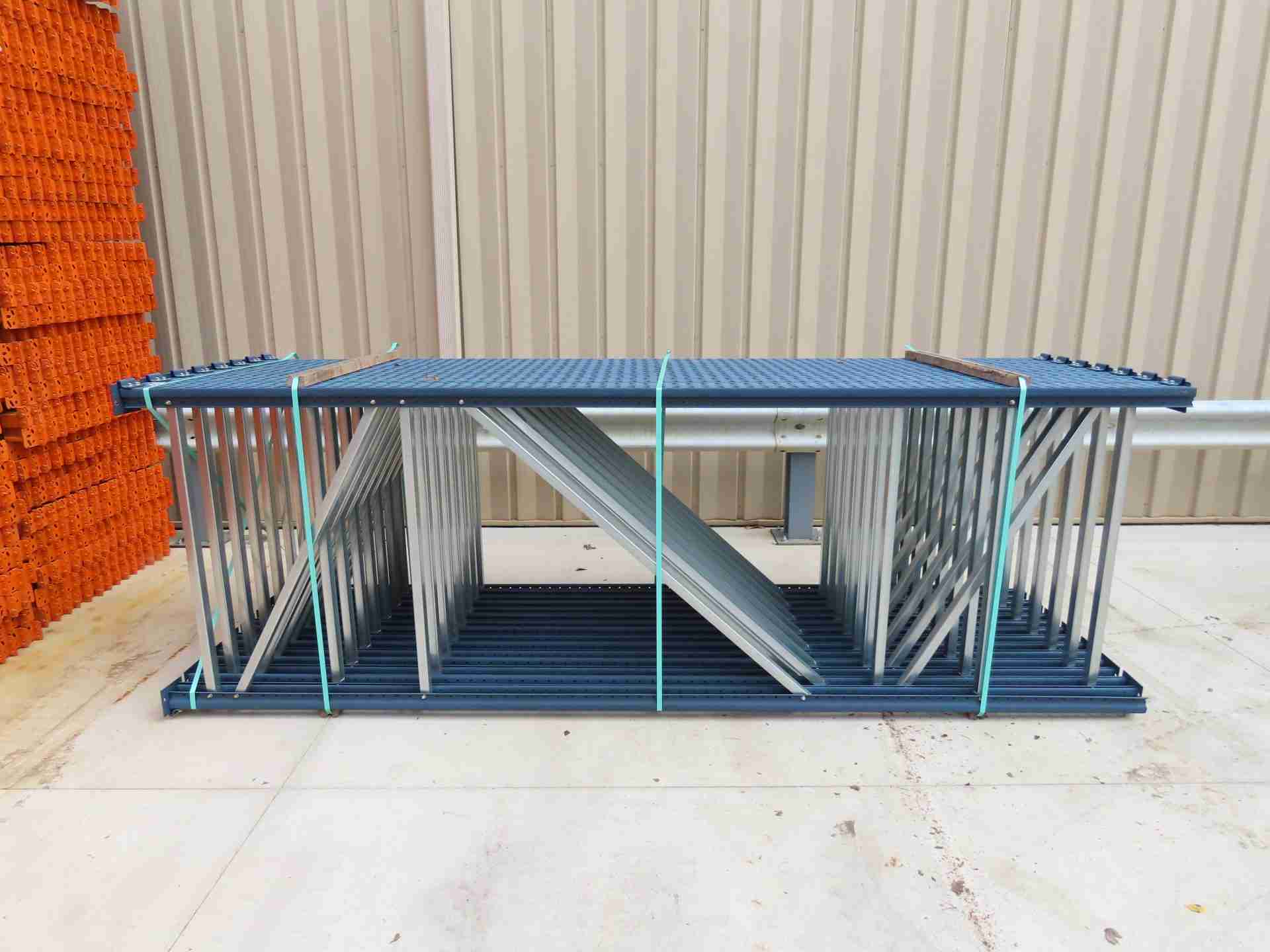
Are There Tools To Assess The Accessibility Of Shelving Systems?
How Can You Ensure Shelf Organization Aids Accessibility?
In the ever-evolving landscape of retail and warehousing, ensuring that your shelf organization enhances accessibility isn’t just a best practice—it’s a necessity. Efficient shelf organization can significantly affect customer satisfaction and operational productivity. One of the critical components to consider is the effective use of pallet racking. This method not only maximizes available space but also opens pathways for easy access to products.
Imagine walking into a warehouse stacked high with products, yet you can’t find what you need. Frustrating, right? By implementing a thoughtfully designed pallet racking system, you eliminate such headaches. These systems allow for tiered storage, meaning items can be arranged based on demand frequency. Place fast-moving items at eye level, while slower-moving goods can be placed higher up. This simple yet effective technique helps ensure that employees and customers can quickly grab what they need, increasing turnover and improving satisfaction.
Let’s take a look at major retailers like Target or Costco, who have recently revamped their shelf orientation strategies to prioritize accessibility. They’ve recognized that efficient shelving does not solely mean placing items neatly; it’s about strategically offering a seamless shopping experience. By utilizing pallet racking, they’ve gained more than just organized aisles—they’ve cultivated customer loyalty. In tune with consumer expectations, these stores have incorporated various innovations such as clear signage and accessible pathways to complement their racking.
Moreover, with the rise of e-commerce, accessibility in physical locations matters more than ever. Nowadays, many shoppers expect a hybrid retail experience where they can check inventory online and find it effortlessly on the shelf. An effective pallet racking strategy paired with clear organization aids online visibility of stock, which is crucial in today’s fast-paced market driven by instant gratification.
In addition to product placement, consider the design of your storage. Bright colors, labels, and clear categories can make a significant difference. This is particularly relevant amid discussions about warehouse safety and operational efficiency post-pandemic; organizations must emphasize visual cues to eliminate confusion.
In summary, effective shelf organization—including the strategic use of pallet racking—can significantly enhance accessibility. By cultivating an efficient, customer-friendly environment, you not only boost satisfaction and sales but also position your business as a leader in the market. Don’t leave accessibility to chance; optimize it today and watch your operations soar.
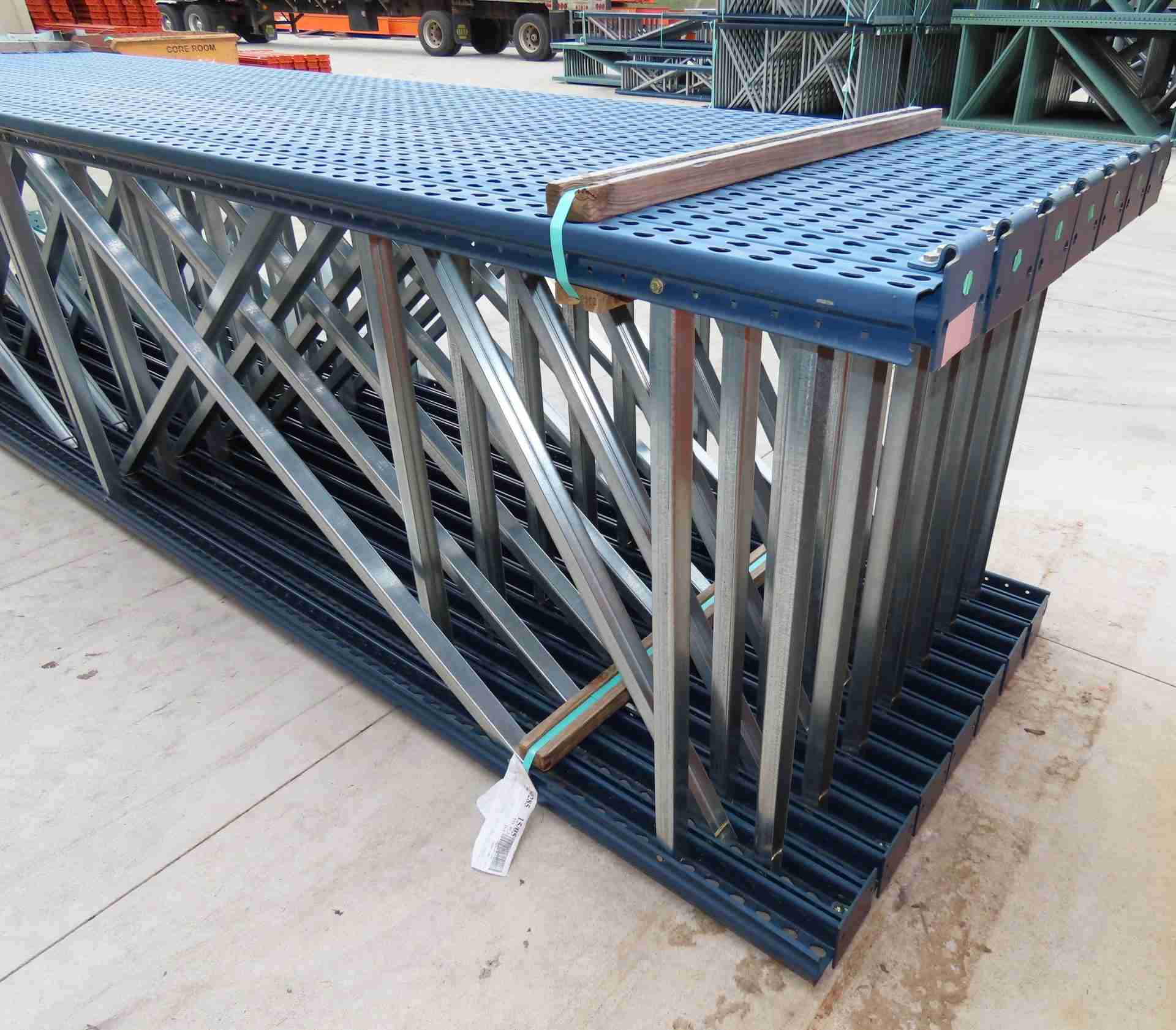
How Can You Ensure Shelf Organization Aids Accessibility?
How Can You Ensure Shelf Organization Aids Accessibility?
- Effective shelf organization is essential for enhancing accessibility in retail and warehousing.
- Efficient use of pallet racking maximizes space and improves product accessibility.
- Pallet racking enables tiered storage based on demand frequency, making it easier to locate items.
- Major retailers like Target and Costco have revamped shelf strategies for better customer experience and loyalty.
- Incorporating clear signage and accessible pathways complements pallet racking for a seamless shopping experience.
- The rise of e-commerce has heightened the importance of accessibility in physical retail locations.
- Bright colors and clear labels enhance visual organization and operational efficiency in warehouses.

How Can You Ensure Shelf Organization Aids Accessibility?
What Types Of Materials Improve Accessibility In Shelving?
In an increasingly efficiency-driven market, the materials that make up your shelving system can significantly elevate both accessibility and utility. It’s no longer just about having shelves; it’s about having smart, user-friendly solutions that cater to everyone. Let’s explore some top materials and systems that enhance accessibility, showcasing how they’ve transformed modern storage.
Pallet Racking stands out as one of the most efficient storage solutions in warehouses and distribution centers. This versatile system not only maximizes vertical space but also ensures that pallets are within easy reach. The adjustable beams and customizable layouts allow businesses to adapt based on inventory needs, making it a perfect solution for enhancing accessibility. With current trends pushing for quicker turnaround times in logistics, investing in pallet racking systems is a strategic move that pays off in productivity.
Incorporating metal shelving into your mix can also revolutionize accessibility. Metal is strong, durable, and versatile, making it ideal for both heavy and lightweight items. It’s resistant to damage, which means it can withstand the rigors of daily use while remaining visually appealing. Current construction trends highlight the incorporation of sustainable materials, and metal shelving can often be sourced from recycled components, making it an eco-conscious choice that satisfies both practical needs and green initiatives.
Wire shelving, another key player, has been gaining traction for its transparency and airflow benefits. This type of shelving can significantly improve visibility, allowing users to quickly identify and access the items they need. In a world where time is of the essence, the speed at which products can be located can make a huge difference in customer satisfaction levels.
Finally, consider integrating plastic shelving into environments such as retail and food service. Lightweight yet sturdy, plastic shelving offers an array of colorful options that can brighten up any space, while also being easy to clean and resistant to moisture. The rise of e-commerce has injected new life into retail spaces and optimized shelving solutions that are easy to navigate and maintain can significantly improve the customer experience.
As companies across sectors reshape their storage strategies to be more inclusive and efficient, choosing the right materials is critical. From pallet racking to metal, wire, and plastic shelving, each option brings unique advantages that can transform your workspace. By investing wisely in these materials, you’re not just enhancing accessibility; you’re paving the way for improved operational efficiency and customer satisfaction in a competitive marketplace. The time to adapt is now; don’t let outdated shelving systems hold you back!
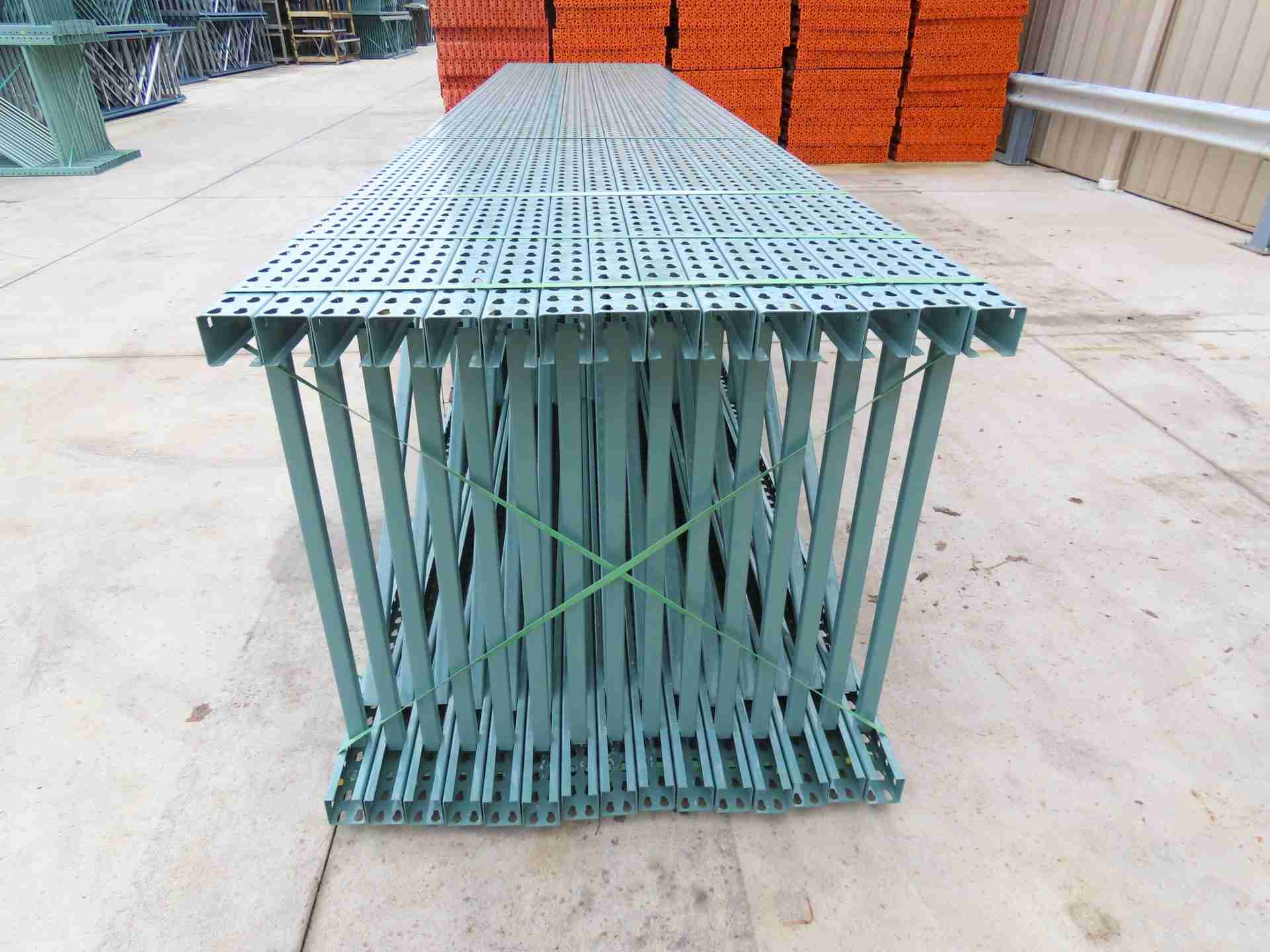
What Types Of Materials Improve Accessibility In Shelving?
What Types Of Materials Improve Accessibility In Shelving?
- Materials used in shelving systems significantly enhance accessibility and utility.
- Pallet racking maximizes vertical space and ensures easy access, adaptable to inventory needs.
- Metal shelving is durable, damage-resistant, and can be sourced from recycled materials for sustainability.
- Wire shelving improves visibility and airflow, allowing for quicker access to items.
- Plastic shelving is lightweight, colorful, moisture-resistant, and easy to clean, making it ideal for retail and food service.
- Choosing the right shelving materials is crucial for creating inclusive and efficient storage solutions.
- Investing in modern shelving options enhances operational efficiency and customer satisfaction.

What Types Of Materials Improve Accessibility In Shelving?
Conclusion
As we wrap up this exploration into the transformative power of smart shelving strategies, it becomes abundantly clear that maximizing accessibility isn’t just an option—it’s a necessity for businesses looking to thrive in today’s demanding market. In a landscape where efficiency is king, the way you organize your shelving can directly impact your bottom line. The implementation of advanced pallet racking systems, for instance, can revolutionize both your operational workflow and your customer experiences.
Take a moment to consider the implications: Businesses that harness smart shelving techniques—think strategic placement of fast-moving items at eye level, or the integration of RFID technology—have reported productivity increases of up to 30%. This isn’t merely a statistic; it’s a testament to the immense value that accessible design brings to the table. More accessibility translates to less time wasted, which directly fosters higher employee productivity, improves customer satisfaction, and ultimately, increases your sales.
Furthermore, smart shelving is not just about alignment with current trends; it’s about positioning your business for sustainable growth. As consumers become more environmentally conscious, the sustainability of your shelving materials and practices can enhance your brand reputation and attract a loyal customer base. Choosing the right materials—be it sturdy metal, versatile plastic, or transparent wire shelving—enhances both functionality and accessibility, crucially influencing consumer behavior in favor of your brand.
But it doesn’t stop there. Accessibility must be continuously assessed and optimized through modern tools and technology. By regularly reviewing your shelving organization and incorporating adjustable shelving options where necessary, you can swiftly respond to changing inventory demands and market dynamics. Outdated systems are not only inefficient; they can cost you valuable sales opportunities.
So, are you ready to embrace a new era of smart shelving solutions? Every moment you wait is another opportunity for inefficiency and potential lost revenue. Don’t risk your competitive edge! Call Arrow Industrial Sales today at (574) 349-6575 to discuss how your shelving can be transformed into an accessibility powerhouse. Remember, the right shelving strategy isn’t just an improvement; it’s a game-changer. Make the leap now, and let accessibility redefine what your business can achieve!

Conclusion
Conclusion:
- Maximizing accessibility is essential for businesses to thrive in today’s market.
- Organizing shelving efficiently can have a direct impact on the bottom line.
- Smart shelving techniques can lead to productivity increases of up to 30%.
- More accessible designs enhance employee productivity, customer satisfaction, and sales.
- Sustainable shelving materials improve brand reputation and attract loyal customers.
- Regular assessment and optimization of shelving are crucial for adapting to market changes.
- Embracing smart shelving solutions can redefine business potential and prevent revenue loss.

Conclusion
Other Resources

Other Resources
Here is a list of other resources you can review online to learn more:
- Warehouse Racks, Warehouse Racking in Stock – ULINE
- Pallet Racking 101: A Comprehensive Guide & Options Explained
- What is Cantilever Racking? – AK Material Handling Systems
- Cantilever Rack Configuration & Installation: A Comprehensive Guide – BMH
- Interlake Mecalux
- Iowa Illinois Warehouse Racking
- The Complete Pallet Rack Guide – Simply Rack
- MHI
- Used Pallet Rack for Sale in Illinois – American Surplus
- Selective Racking
Use This Prompt To Get More Resources With Your Favorite Online AI Tool: Please provide me with a list of online articles with their URLs in a bulleted list that I can read regarding Are You Maximizing Accessibility with Smart Shelving Strategies?
Other Resources
Glossary Terms
Are You Maximizing Accessibility with Smart Shelving Strategies? – Glossary Of Terms
1. Accessibility: The ease with which all individuals, including those with disabilities, can use and navigate a space or system.
2. Smart Shelving: An intelligent shelving system that utilizes technology to enhance storage organization, retrieval, and accessibility.
3. Ergonomics: The study of designing equipment and devices that fit the human body and its movements, maximizing comfort and efficiency.
4. Vertical Space: The use of height in a storage system, allowing for more efficient storage while maintaining accessibility.
5. Modularity: The design principle where components are made to be easily connected or rearranged to customize the shelving setup.
6. Universal Design: Designing products and environments to be usable by all people, regardless of age, ability, or status in life.
7. Retrieval Systems: Methods or technologies that facilitate the quick and efficient access to stored items.
8. Navigation Aids: Tools or systems, such as signage and labeling, that help users locate items easily on shelves.
9. Adjustable Shelving: Shelving units that can be modified in height or spacing to better accommodate various sizes of items or user needs.
10. Local Storage: Storage systems located close to the point of use, reducing the distance items need to be transported.
11. Inventory Management: The practice of overseeing and controlling the storage and accessibility of items within a shelving system.
12. Labeling Systems: Organized methods of categorizing and marking items on shelves to prevent confusion and enhance finding efficiency.
13. Remote Monitoring: Technology-enabled systems that allow users to check availability and status of items from a distance.
14. Smart Technology: Devices or systems that are equipped with advanced features, such as sensors or IoT capabilities, for enhanced functionality.
15. Accessibility Audits: Assessments that evaluate the usability of an environment or storage system for individuals with disabilities.
16. Safety Standards: Established guidelines that ensure shelving systems are safe and accessible for all users.
17. Load Capacity: The maximum weight that a shelving unit can safely support, which is critical for maintaining safety and usability.
18. Horizontal Space: The width of shelving units, which can dictate the organization and layout of stored items.
19. User-Centered Design: A design approach that prioritizes the needs and preferences of users in creating storage solutions.
20. Assistive Technology: Tools or devices that help individuals with disabilities perform tasks that may otherwise be difficult or impossible.
21. Digital Records: Electronic documentation that tracks items stored on smart shelving systems for easier access and management.
22. Color Coding: The practice of using colors to categorize items on shelving, facilitating easier identification and retrieval.
23. Height Accessibility: Ensuring that shelf heights are reachable for all users, particularly those with mobility challenges.
24. Flexible Shelving: A type of shelving that can adapt to various storage needs, allowing for quick reconfiguration.
25. Prototyping: The creation of preliminary models of shelving systems to test design concepts for accessibility and user-friendliness.
26. Emerging Technologies: New and innovative technologies that enhance the functionality and efficiency of shelving systems.
27. User Feedback: Insights gathered from users about their experiences with storage systems, crucial for continuous improvement.
28. Space Optimization: The process of arranging shelves and items in a way that maximizes storage efficiency while maintaining accessibility.
29. Inclusive Design: Designing shelving systems to account for a diverse range of user abilities and needs.
30. Environmental Considerations: Factors such as sustainability and the impact of a shelving system on a workspace’s ecological footprint.

Glossary Of Terms
Other Questions
Are You Maximizing Accessibility with Smart Shelving Strategies? – Other Questions
If you wish to explore and discover more, consider looking for answers to these questions:
- What are the key components of a smart shelving system?
- How do pallet racking systems differ from traditional shelving?
- What are common mistakes to avoid when implementing smart shelving strategies?
- How can businesses assess their current shelving efficiency?
- What impact does shelf height have on employee productivity?
- What technologies are available to enhance shelf accessibility?
- How do customer preferences influence shelving arrangements?
- What role does employee feedback play in optimizing shelving systems?
- How can seasonal changes affect shelving organization and product placement?
- What are the environmental benefits of optimizing shelving systems?
- How do visual merchandising techniques integrate with smart shelving?
- What training resources are available for staff on efficient shelving practices?
- How can businesses balance aesthetics and functionality in shelving design?
- What metrics should businesses track to measure shelving effectiveness?
- How do different industries utilize shelving systems differently?
Other Questions
Checklist
Are You Maximizing Accessibility with Smart Shelving Strategies? – A Checklist
1. Evaluate Current Shelving Systems
_____ Review your existing shelving arrangements.
_____ Identify areas where accessibility is hindered by clutter or poor organization.
2. Assess Warehouse/Store Layout
_____ Analyze traffic patterns and inventory turnover rates.
_____ Ensure high-demand items are positioned at eye level for easy access.
3. Implement Pallet Racking Solutions
_____ Consider adjustable pallet racks to optimize space as inventory changes.
_____ Place frequently accessed items in easily reachable zones to minimize search time.
4. Utilize Technology for Inventory Management
_____ Invest in RFID systems to track inventory levels and locations automatically.
_____ Use warehouse management software to provide data-driven insights for shelf height adjustments.
5. Focus on Ergonomics and Employee Well-being
_____ Store frequently picked items at waist height to reduce bending and reaching.
_____ Regularly review shelf heights based on user feedback and ergonomic best practices.
6. Create Clear Signage and Labels
_____ Use clear labeling to enhance product visibility and guide employees/customers.
_____ Ensure signage aligns with the layout to prevent confusion and improve efficiency.
7. Review Accessibility Tools
_____ Conduct physical audits to assess how easily items are accessed.
_____ Leverage tools that simulate new shelving layouts for enhanced planning and decision-making.
8. Adapt for Seasonal Trends
_____ Revise the shelving strategy during peak times to highlight trending products.
_____ Ensure promotions are visible and attractive at strategic heights.
9. Incorporate Sustainable Materials
_____ Explore using eco-friendly shelving materials that also enhance utility.
_____ Opt for materials like metal and wire shelving for strength, durability, and visibility.
10. Gather Employee Feedback
_____ Create opportunities for staff to share insights on accessibility issues.
_____ Regularly revise strategies based on frontline experiences to further enhance efficiency.
11. Monitor and Adjust Regularly
_____ Schedule periodic reviews of inventory and accessibility metrics.
_____ Be proactive in making necessary adjustments based on sales data and changing market demands.
By following this checklist, you can enhance accessibility in your shelving systems, streamline operations, and ultimately improve customer satisfaction and profitability.

Checklist
At RackingWorld, we help guide you through selecting warehouse storage systems and racking.
Be sure to read our other related stories at RackingWorld to learn more about warehouse storage systems.
0 Comments