
Unlock Efficiency, Safety, And Growth: Cantilever Racking’S Proven Impact
By Tom Seest
At RackingWorld, we help guide you through selecting warehouse storage systems and racking.
Be sure to read our other related stories at RackingWorld to learn more about warehouse storage systems.
How Do Building Materials and Construction Supply Companies Leverage Cantilever Racking?
When you’ve been working around building materials and construction supplies day in and day out, you come to appreciate whatever makes life easier, safer, and more organized. Cantilever racking fits right into that mindset—it’s the unsung hero in warehouses and yards where long, bulky items like lumber, pipes, and steel beams don’t play well with your average pallet racking. Handling those awkward loads without banging up equipment or risking a twisted back? That’s where cantilever racks step in, smart as a whip and tough as nails.
Picture this: a stack of heavy timber or lengths of pipe piled messy on the floor, tripping hazards everywhere, and your crew dragging them around like it’s some kind of workday wrestling match. No one wants that. Cantilever racking offers a clear, simple solution with its open-arm design. No front columns to get in the way means easy loading and unloading with forklifts or even a couple of strong backs. The system bends to fit whatever you’re storing, not the other way around. It’s practical, straightforward, and designed to handle weighty hassle without complaining.
Here’s the thing, it’s not just about convenience—there’s a straight-up ethical call to making workplaces safer for everyone. When materials are stored properly and access is clear, you’re cutting down chances of accidents. That’s not just rules-talk; it’s about real people going home at the end of the day without a scratch. Cantilever racking’s sturdy build means it’s in this for the long haul, not some flimsy setup that ends up a liability. It’s a quiet promise of reliability that folks in construction respect because they know what a busted warehouse can cost—time, money, and worse.
From an authority angle, companies lean on cantilever racks because they’ve been battle-tested on job sites and warehouses across the country. There’s no fluff in its design—just honest metal arms holding up serious weight. And when a crew trusts their racking, it shows in the flow of work. Stock flows out smoother, inventory checks get done quicker, and the whole operation feels tighter.
Cantilever racking is more than just a storage system. It’s a solid partner that shares the heavy lifting, keeps the jobsite clean and efficient, and looks out for the team. It’s a no-nonsense way to handle what pallet racking can’t, proving that sometimes practicality and hard work make the best team.

How Do Building Materials and Construction Supply Companies Leverage Cantilever Racking?
How Do Building Materials and Construction Supply Companies Leverage Cantilever Racking?
- Cantilever racking is essential for storing long, bulky items like lumber, pipes, and steel beams that don’t fit well in traditional pallet racking.
- Its open-arm design allows easy loading and unloading without front columns obstructing forklifts or manual handling.
- Proper use of cantilever racks improves workplace safety by reducing clutter and minimizing accident risks.
- The sturdy construction provides long-term reliability, avoiding liabilities caused by flimsy storage solutions.
- Widely trusted and battle-tested by companies across job sites and warehouses for its straightforward, heavy-duty design.
- Enhances workflow efficiency by streamlining stock movement and inventory management.
- Acts as a dependable partner in keeping job sites organized, safe, and efficient, outperforming pallet rack systems for bulky materials.
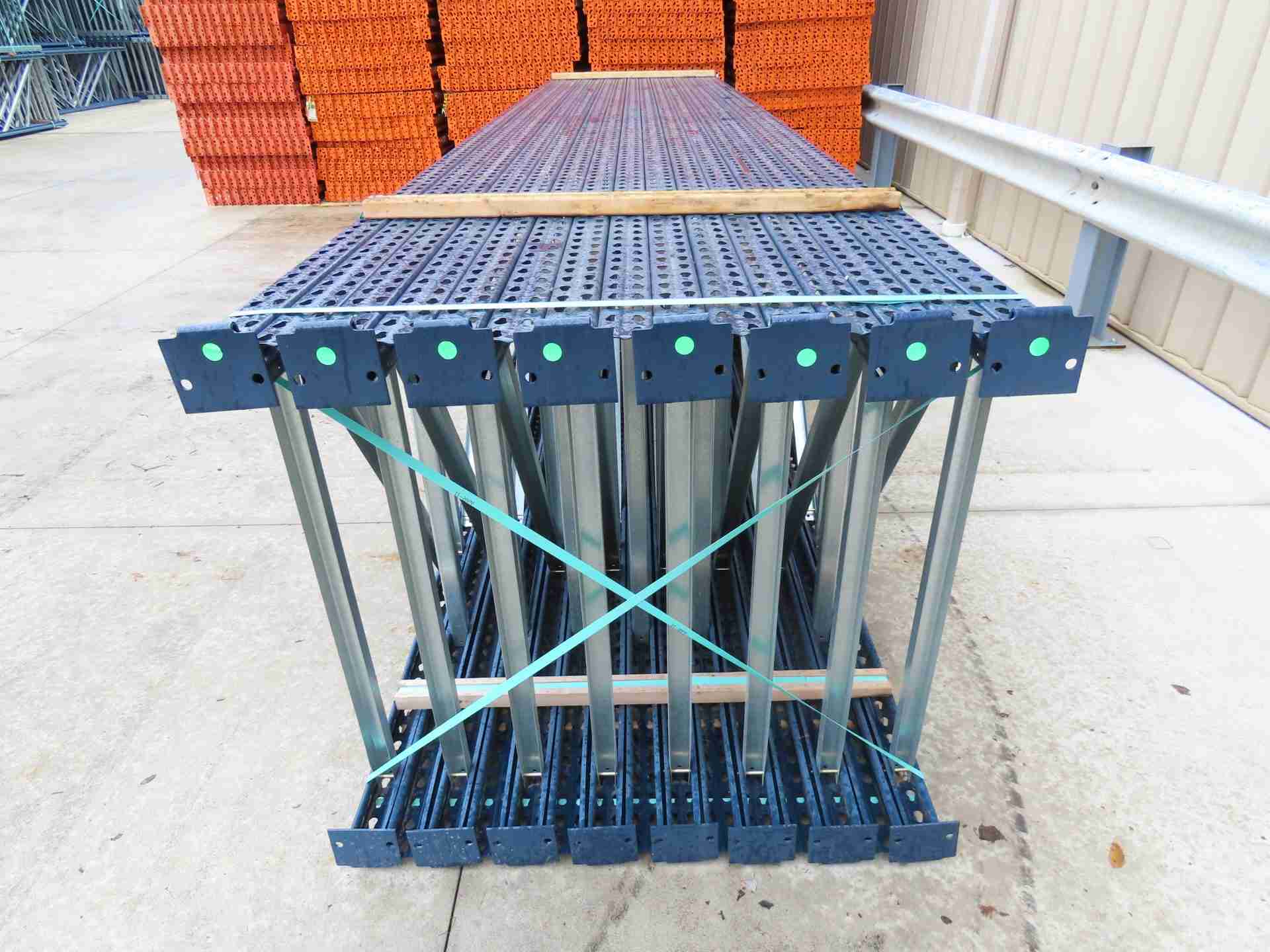
How Do Building Materials and Construction Supply Companies Leverage Cantilever Racking?
Table Of Contents
- How Do Building Materials and Construction Supply Companies Leverage Cantilever Racking?
- What Is Cantilever Racking and How Does It Work?
- How Can Cantilever Racking Save Warehouse Space?
- Why Choose Cantilever Racking Over Traditional Shelving?
- How Does Cantilever Racking Support Heavy Building Materials?
- What Types Of Building Materials Suit Cantilever Racking Best?
- How Can Cantilever Racking Improve Inventory Organization?
- Conclusion
- Other Resources
- Glossary Of Terms
- Other Questions
- Checklist
What Is Cantilever Racking and How Does It Work?
Imagine you’ve got a shop or warehouse piled high with lumber, pipes, or other long, awkward materials that just don’t fit neatly on standard shelves or pallet racking. That’s where cantilever racking steps in like a trusty old workhorse. It’s a straightforward, tough system built for the job of holding those bulky, unwieldy things you deal with every day when neat stacking and easy access aren’t just nice — they’re necessary.
Cantilever racks work by using a series of vertical columns anchored firmly to the floor, each with horizontal arms jutting out like strong, steady arms ready to hold your goods. No front posts to get in the way like with pallet racking. This means you can slide long pieces of timber, steel, or plastic onto the arms directly, with room to spare and no fuss. It’s like having a set of hands you can trust to keep everything balanced, easy to reach, and visible at a glance.
Emotionally, it answers a real need: the frustration of fighting with bulky stock, trying to wedge items into spaces they don’t belong, or risking injury by hauling awkward loads off the ground. This system respects your hard work by making your day smoother — less struggling, less wasted time, less wear on your back and muscles. When the work is tough, a little help like this feels good. It feels right.
From a head standpoint, cantilever racking is a smart investment in safety and efficiency. Unlike traditional pallet racking, it offers adaptable storage without the bottlenecks. The open-front design lets you load and unload with forklifts, cranes, or by hand, with fewer accidents and less damage. It brings order to chaos, turning messy piles into manageable stacks, so your operation runs leaner and faster.
Ethically, using cantilever racks shows you care about your team’s wellbeing and the quality of your work environment. It’s a step toward responsible, respectful management because a safer workspace is everyone’s right, not a luxury. It’s about doing the job well and doing right by the people who do it.
For those who have been around the block, you know trust in your tools and equipment is everything. Cantilever racking is proven; it’s been in the trenches, bearing the load, and still standing tall. The design itself tells a story of built-to-last, practical strength — the kind you don’t find in fancy gimmicks but in good, honest engineering.
When you see a well-set-up cantilever rack, you see a system designed with purpose and a lot of grit underneath. It’s not just storage — it’s the backbone supporting your daily grind, the quiet partner in your success. If you’ve ever wrestled with bulky goods stored on pallet racking that just wasn’t cutting it, cantilever racking will feel like a breath of fresh air. It works hard so you don’t have to strain. That’s common sense you can rely on.
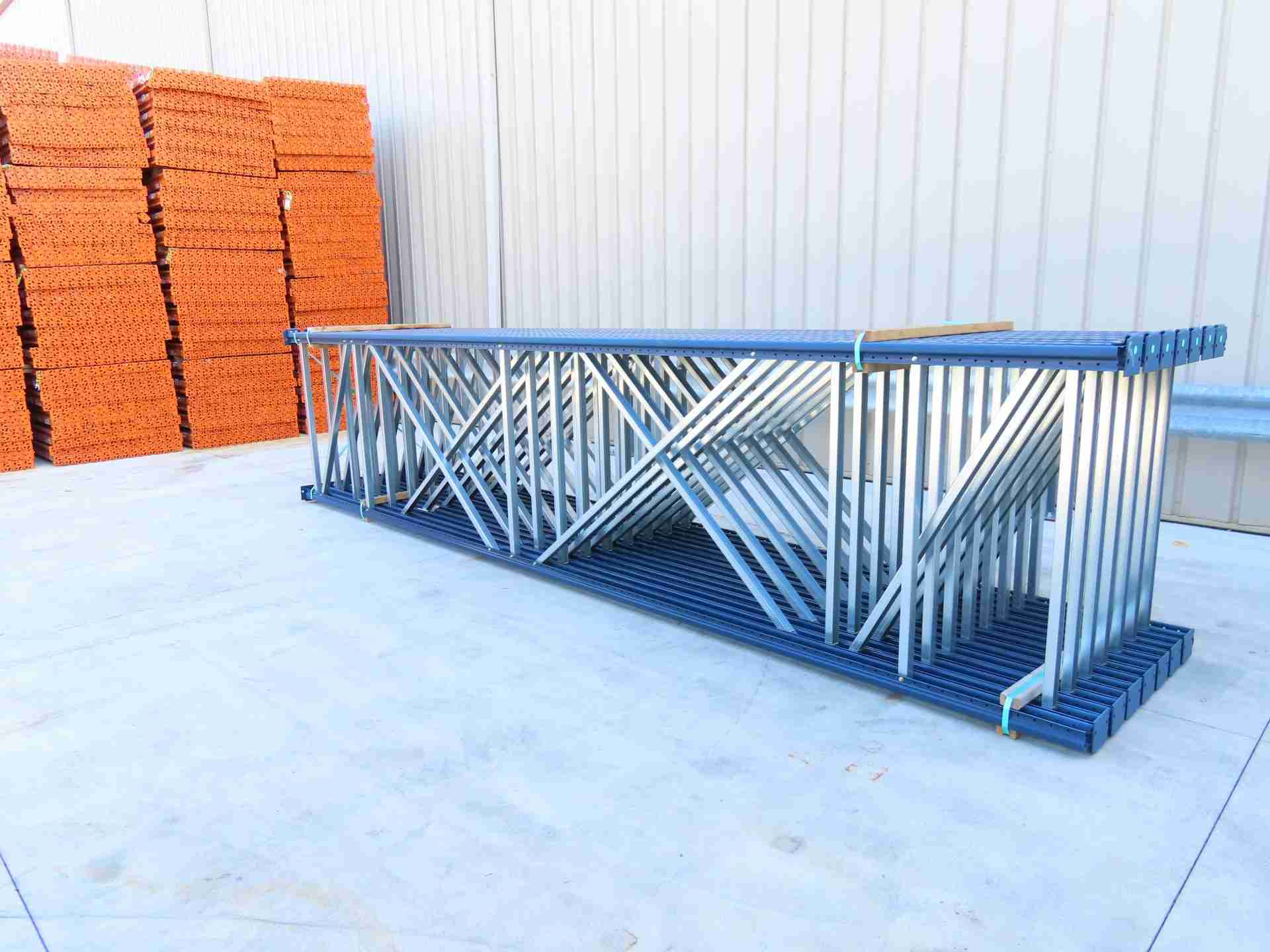
What Is Cantilever Racking and How Does It Work?
What Is Cantilever Racking and How Does It Work?
- Cantilever racking is designed for storing long, bulky materials like lumber and pipes that don’t fit standard shelves or pallet racks.
- It consists of vertical columns with horizontal arms, allowing easy loading and unloading without front posts obstructing access.
- Improves workplace ergonomics by reducing physical strain and frustration when handling awkward materials.
- Offers greater safety and efficiency with an open-front design compatible with forklifts, cranes, or manual handling.
- Transforms cluttered storage areas into organized, accessible, and manageable stacks.
- Demonstrates ethical management by prioritizing employee wellbeing and creating a safer work environment.
- Proven, durable engineering provides reliable, long-lasting support, standing as a dependable system in demanding work settings.
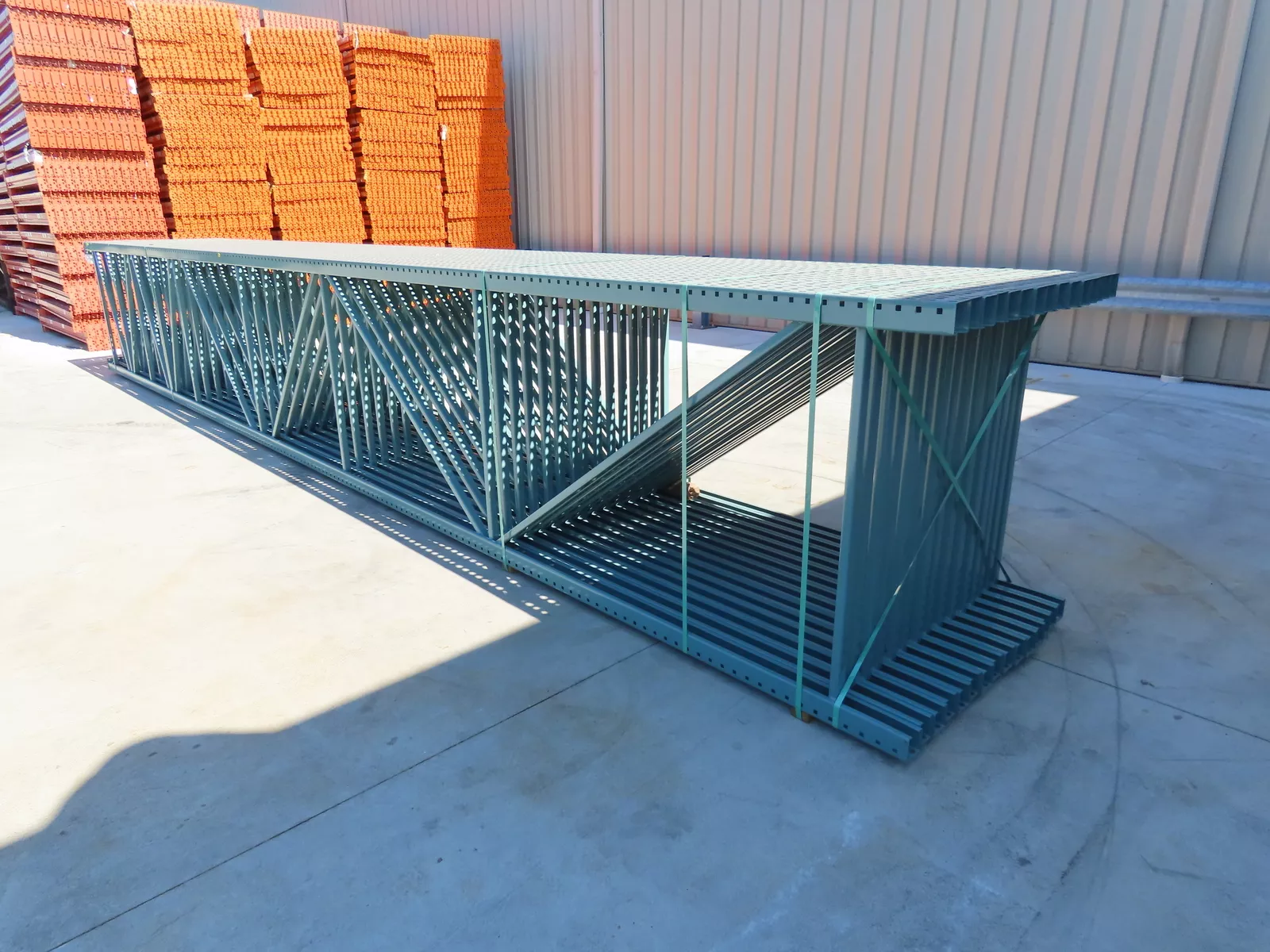
What Is Cantilever Racking and How Does It Work?
How Can Cantilever Racking Save Warehouse Space?
When you walk into a crowded warehouse, you know the feeling — cluttered aisles, awkward stacks, and wasted space that makes getting the job done a headache. Cantilever racking changes the game because it’s built to work with you, not against you. Unlike traditional Pallet Racking that sticks you with fixed beams and bulky legs, cantilever arms hold long, awkward, or oversized items with ease. That means you’re not shoving lumber, pipes, or sheet metal into tight corners or letting valuable space sit empty.
It’s simple: with cantilever racking, you liberate your floor space by using vertical storage smartly. Those open arms let you stack goods without the restrictions of frontal supports, so you can pile higher and deeper without knocking things over or wasting an inch. For a guy or gal who’s run a warehouse or a job site, that’s pure common sense — space you didn’t know you had gets put to work, saving you from renting extra storage or hiring more hands than you need.
There’s an ethical side too — making the most out of your existing property is better for the planet and the budget. You’re not tearing down walls or wasting materials with makeshift shelving that’s a recipe for accidents. Cantilever racking stands tough and reliable, holding heavy loads steady and secure. When equipment works as hard as you do, it’s easier to trust it day in and day out, knowing your crew and your stock are safe.
Stories from the floor back this up. Warehouse managers who’ve switched say it’s like the difference between trying to park a truck in a cramped alley versus a wide-open lot. The room to maneuver changes everything. Families put food on tables faster. Businesses get shipments out on time because their supplies aren’t lost in the shuffle. The efficiency sparks confidence — and that spreads to the whole team.
So, if saving space means getting control back, working smarter, and keeping everyone’s hard work safe, cantilever racking isn’t just an option. It’s the no-nonsense solution that makes sense to your hands, your head, and your gut. It’s about respect — for your tools, your team, and the tough work you do every single day.
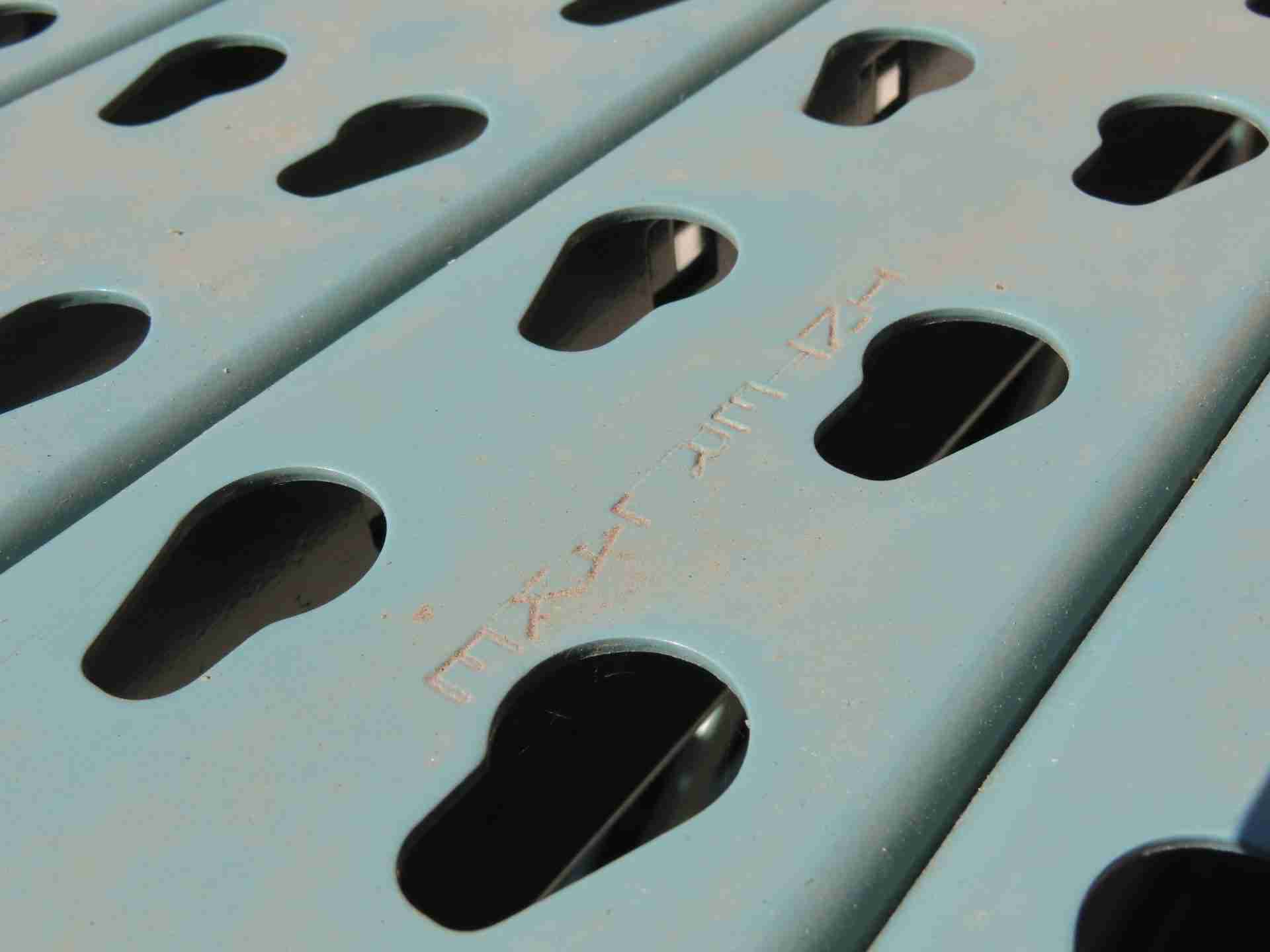
How Can Cantilever Racking Save Warehouse Space?
How Can Cantilever Racking Save Warehouse Space?
- Cantilever racking replaces traditional pallet racking by using arms to hold long, awkward, or oversized items, avoiding wasted space.
- It maximizes floor space through vertical storage without frontal supports, allowing higher and deeper stacking safely.
- Improves warehouse efficiency by freeing up unused space, reducing the need for extra storage or additional staff.
- Offers ethical benefits by optimizing existing property, reducing material waste, and preventing accidents.
- Built tough and reliable, cantilever racking securely holds heavy loads, ensuring safety for crew and inventory.
- Warehouse managers report increased maneuverability and operational efficiency, leading to timely shipments and better team confidence.
- Cantilever racking is a practical, respectful solution that enhances control, safety, and productivity in demanding work environments.

How Can Cantilever Racking Save Warehouse Space?
Why Choose Cantilever Racking Over Traditional Shelving?
Look, anyone who’s spent time in a warehouse or workshop knows that storing long, bulky stuff is a pain. Pallet racking might be the go-to for a lot of places, and it’s great when you’re stacking uniform boxes or pallets. But throw in pipes, lumber, metal rods, or anything awkwardly sized, and traditional shelving quickly shows its cracks. That’s where cantilever racking steps up and earns its keep.
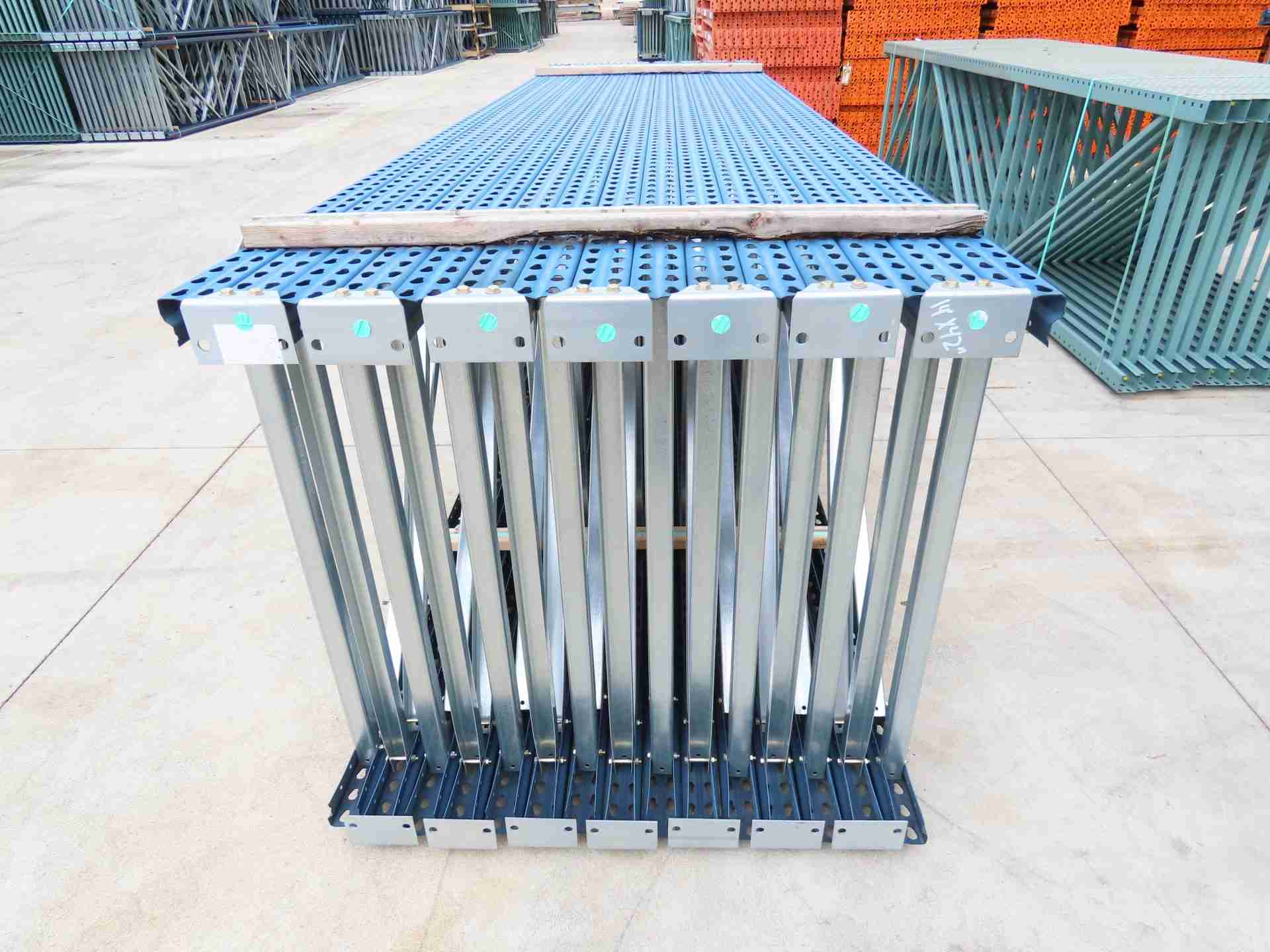
Here’s the bottom line: cantilever racking is built for the long haul, literally. It’s open on the front and supported by arms that reach out like the arms of someone steadying a heavy load. That means you don’t have to wrestle with fences, dividers, or shelves that get in your way when you’re hauling something unwieldy. Stuff like wood planks, steel tubes, or pipe fits right in and stays put without the frustration of trying to jam it into spaces that weren’t made for it.
If you care about efficiency—and who doesn’t—it makes unloading and loading faster, safer, and less of a headache. When the day’s been long and tough, saving those minutes matters. You get fewer bumps, fewer damage claims, and less time spent tuning up your gear or dealing with accidents. That’s the kind of reliability that speaks quietly but powerfully. It’s a tool you can count on when the chips are down.
Beyond just making the job doable, choosing cantilever racking shows you’re thinking ahead. It’s about doing right by your team and your bottom line. Using the right storage system protects your workers and your material investments. It’s a practical move—ethical in the way it values safety and respect for both people and property.
You’re not just picking racking; you’re making a statement. This isn’t about cutting corners; it’s about working smart with common sense and respect for the grind. Over time, you build trust with your crew because they see you’re serious about providing tools that actually help instead of complicate. Solid decisions like this echo in the day-to-day, making a difference long after the installation.
So, if you wrestle with odd-sized loads, if you value a system that works as hard as you do, cantilever racking isn’t just an option—it’s the clear choice. It’s the kind of no-nonsense storage that honors the work, the tools, and the folks doing the work. Pallet racking has its place, sure. But for those tough, awkward jobs, cantilever racking takes the weight—and the worry—off your shoulders.
Why Choose Cantilever Racking Over Traditional Shelving?
Why Choose Cantilever Racking Over Traditional Shelving?
- Cantilever racking is designed specifically for storing long, bulky, and awkwardly sized items like pipes, lumber, and metal rods, where traditional pallet racking falls short.
- Its open-front design with extended arms allows easy loading and unloading without the obstruction of fences, dividers, or shelves.
- This system improves efficiency by making handling faster, safer, and reducing damage claims and equipment downtime.
- Choosing cantilever racking demonstrates foresight and commitment to protecting workers and material investments.
- It supports workplace safety and respect for both people and property, reflecting ethical and practical decision-making.
- Cantilever racking builds trust with workers by providing effective tools that simplify tasks rather than complicate them.
- For difficult, irregular loads, cantilever racking is the superior storage choice, easing workload and reducing operational stress compared to pallet racking.
Why Choose Cantilever Racking Over Traditional Shelving?
How Does Cantilever Racking Support Heavy Building Materials?
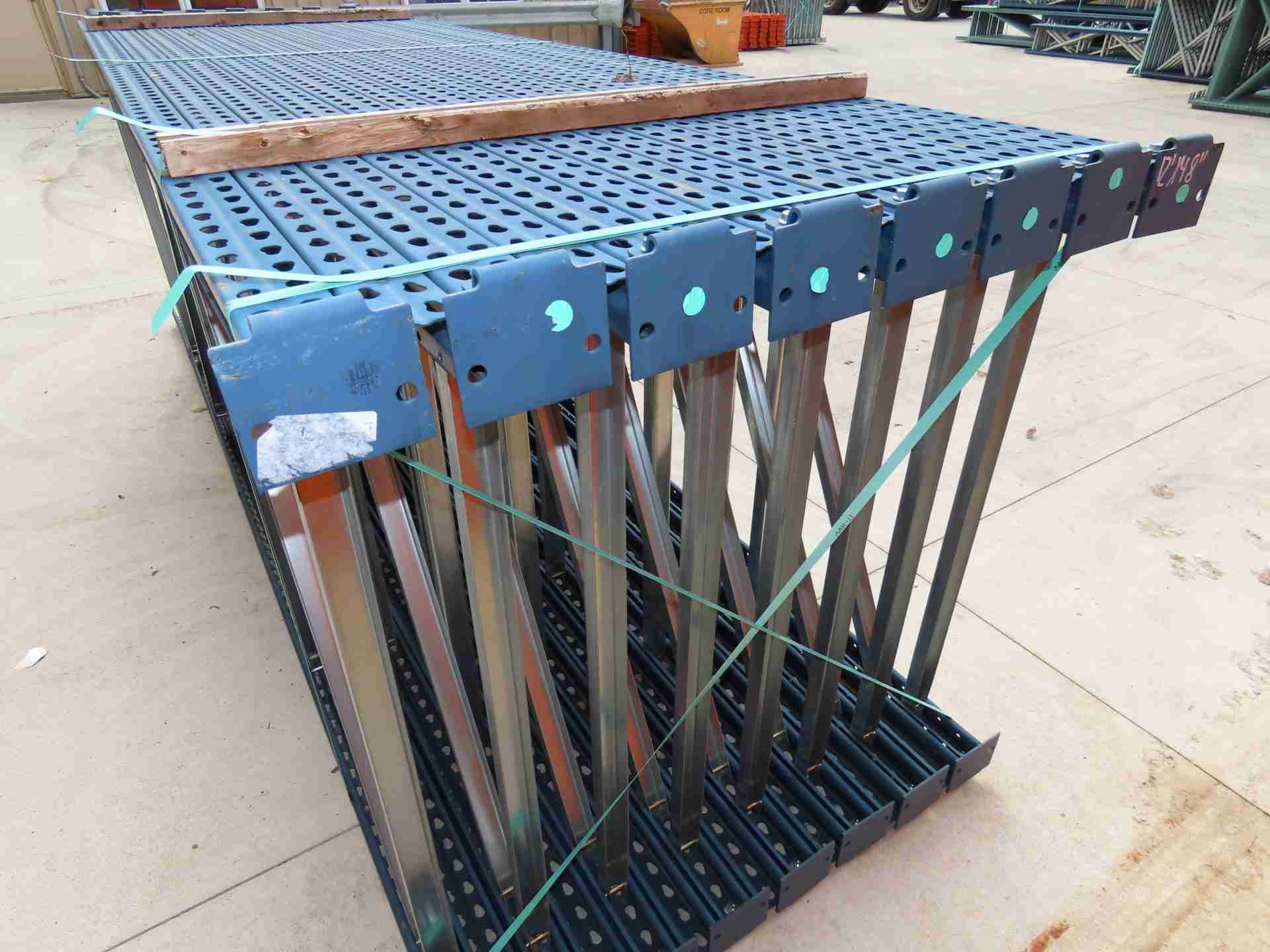
When you’re stacking up heavy timber, steel pipes, or big sheets of drywall, you need a system that doesn’t just hold the weight but stands steady day in and day out. Cantilever racking does exactly that—it’s no-nonsense, practical, and built with a backbone strong enough to handle the tough stuff. Unlike your standard pallet racking, which cradles loads on platforms, cantilever racking uses sturdy arms projecting out from a central column, giving you open space with zero obstructions. That means you can slide in oversized or oddly shaped building materials without a fight, making every fetch or unload smoother by a mile.
From the ground up, cantilever racks are designed to take stress seriously. The thick steel columns anchor deep with heavy base plates, so when you place a stack of heavy timber on those arms, the entire structure leans on steady physics—not wishful thinking. The arms themselves are engineered to balance weight evenly, reducing any wobble or sag. This isn’t some flimsy setup; it’s a system that knows how much a 4×4 or a bundle of conduit can weigh, and still stay solid as the rock it’s built on.
There’s a story in every warehouse where a rack fails—costly falls, damaged materials, lost hours. Cantilever racking remembers those lessons and refuses to repeat them. It’s trusted by builders and suppliers alike because it respects the value of what it holds. Handling heavy building materials isn’t just about strength—it’s about reliability. You want to know your gear won’t give out halfway through a project when deadlines are tight and stakes are high.
One more thing: cantilever racks are straightforward to customize. Whether you’re storing long PVC pipes or heavy steel bars, you can adjust or add arms to match your load’s shape and size. This flexibility saves space and cuts down on time wasted shuffling materials around—a big win when every minute counts. It’s common sense in action, backed by solid engineering.
In a world where every tool, rack, and machine counts on durability and trustworthiness, cantilever racking stands out not just for what it holds, but for how it makes your job easier and safer. And when you’re stacking heavy building materials, that peace of mind is worth its weight in steel. Pallet racking can handle many jobs, but when it comes to those tall, heavy loads that demand open space and tough support, cantilever racking proves it’s your best bet on the jobsite and in the warehouse.
How Does Cantilever Racking Support Heavy Building Materials?
How Does Cantilever Racking Support Heavy Building Materials?
- Cantilever racking offers strong, steady support for heavy and oversized building materials, outperforming standard pallet racking by using projecting arms from a central column for open, unobstructed storage.
- Constructed with thick steel columns and heavy base plates, cantilever racks distribute weight evenly to prevent wobble or sag, ensuring durability and stability under heavy loads.
- Designed to avoid rack failures common in warehouses, cantilever racking emphasizes reliability and safety, protecting materials and minimizing downtime on jobsites.
- Highly customizable, cantilever racks allow adjustment or addition of arms to accommodate various shapes and sizes of materials, improving space efficiency and workflow.
- Its practical and robust engineering supports tough workloads while simplifying loading and unloading processes.
- Cantilever racking provides peace of mind by maintaining structural integrity even under demanding conditions and tight timelines.
- While pallet racking suits many uses, cantilever racking excels for tall, heavy, and irregularly shaped loads requiring open space and strong support.

How Does Cantilever Racking Support Heavy Building Materials?
What Types Of Building Materials Suit Cantilever Racking Best?
When it comes to choosing materials that work well with cantilever racking, you’re not just picking stuff to hold up shelves—you’re deciding what stands between your investment and chaos. Cantilever racking is built for the long haul, designed to carry awkward, lengthy loads like lumber, pipes, or even sheet metal. That means the materials involved need to match that tough job, plain and simple.
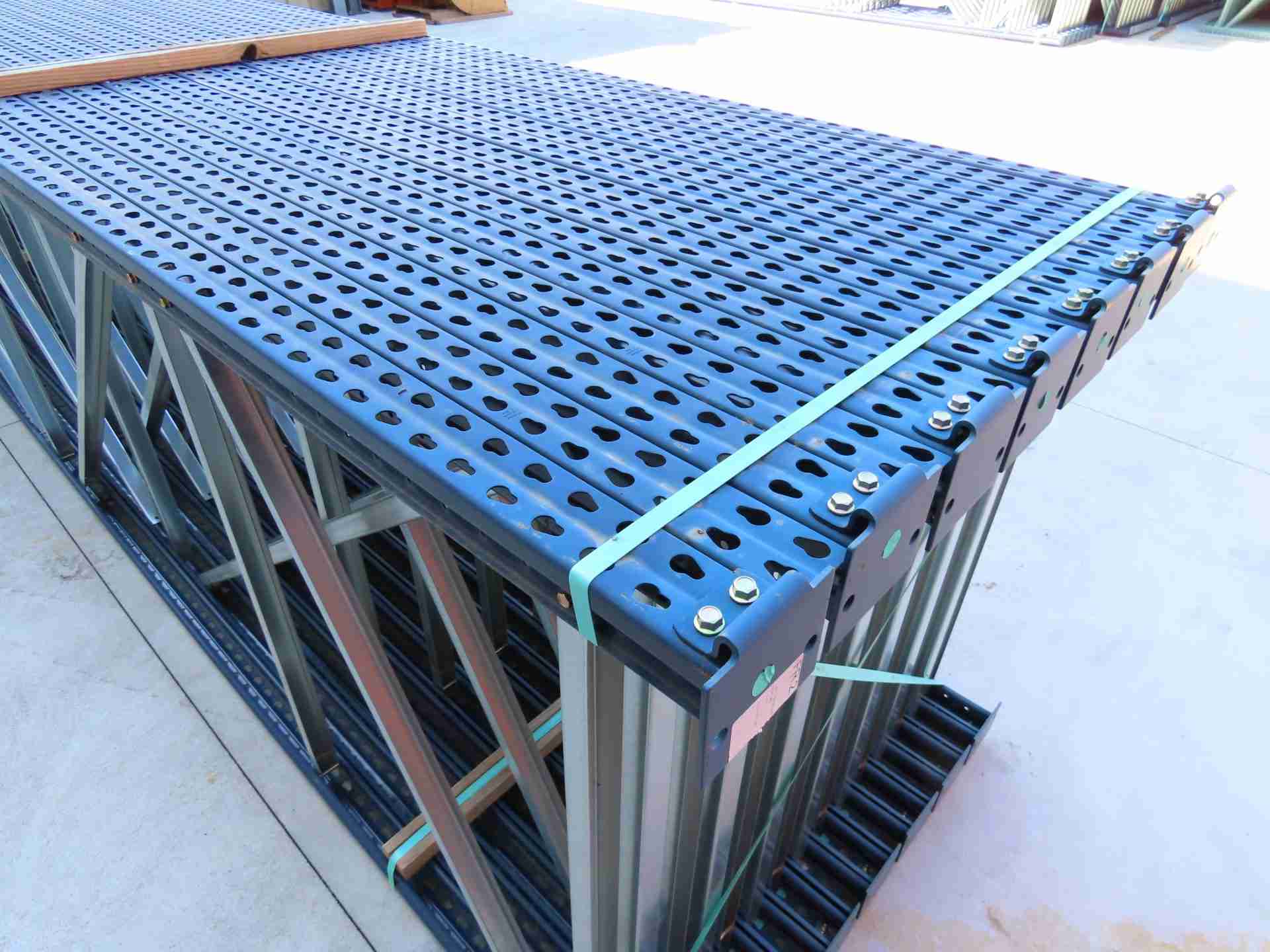
Steel is the heavyweight champion here. It’s the go-to because it won’t bend under pressure, rust easily, or buckle when you stack stuff on it day in and day out. It offers reliability that speaks from experience—every time you slide a 12-foot board into that arm, you want to feel that rock-solid steadiness beneath it. Pallet racking systems often share this preference; steel is simply the backbone of material handling, and cantilever racks are no exception. Investing in steel means you’re betting on durability and safety, not just quick fixes.
On the other side of that coin, wood doesn’t quite fit the bill for cantilever racking. While wood might feel familiar or cheaper on paper, it warps, cracks, or rots, and when you’re piling heavy loads like pipes or drywall, mistakes here can mean costly downtime or worse. It’s about ethics too—getting materials that are safe and honest in performance matters. You want to trust your storage system to hold steady every time, no shortcuts.
Aluminum shows up in some setups, praised for being lightweight and corrosion-resistant. But when the going gets tough and loads get heavy, it falls short compared to steel’s pure brawn. It’s one of those “nice to haves” but not the main act. From hands-on experience, steel’s heft and toughness win every time over shiny alternatives that can’t carry the load years down the road.
So here’s the straight talk—cantilever racking calls for durable, dependable materials like high-quality steel that won’t quit midway through the job. It’s a simple principle grounded in common sense and hard knocks: don’t build on sand when you can build on rock. Trust in a solid setup and you’ll see your storage system work smoothly, protect your inventory, and save you headaches in the long run. When your business depends on what you can reach and count on, choosing the right materials isn’t just technical—it’s a promise you make to yourself and everyone relying on a job well done.
What Types Of Building Materials Suit Cantilever Racking Best?
What Types Of Building Materials Suit Cantilever Racking Best?
- Cantilever racking supports long, awkward loads like lumber, pipes, and sheet metal, requiring materials that match this durability need.
- Steel is the preferred material due to its strength, resistance to bending, rust, and buckling under heavy loads.
- Steel provides reliability and safety, making it the backbone of cantilever and pallet racking systems.
- Wood is unsuitable because it can warp, crack, or rot, risking costly downtime and unsafe storage.
- Aluminum is lightweight and corrosion-resistant but lacks the strength of steel for heavy, prolonged use.
- Choosing durable, high-quality steel ensures a stable, long-lasting storage system that protects inventory and reduces maintenance issues.
- The right material choice is essential for dependable operation, reflecting a commitment to safety and performance.
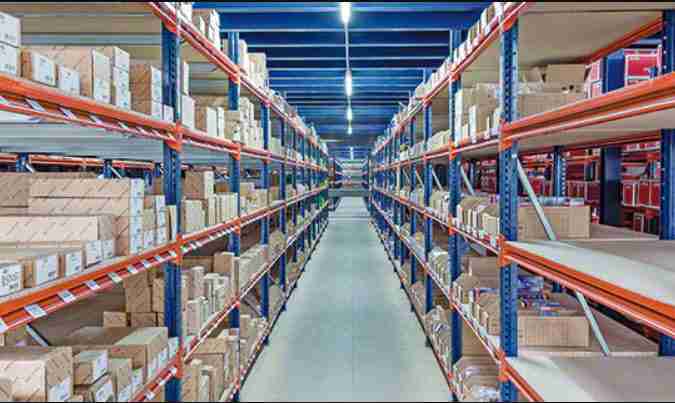
What Types Of Building Materials Suit Cantilever Racking Best?
How Can Cantilever Racking Improve Inventory Organization?
If you’ve ever wrestled with bulky, awkward items cluttering your warehouse or shop floor, you know the frustration—lost time, cramped spaces, and a nagging feeling that things could be simpler. Cantilever racking steps in like a reliable workhorse, offering a no-nonsense solution to tame that chaos. Unlike traditional pallet racking, these open-arm racks give you the freedom to store long, heavy, or oddly shaped goods—think lumber, pipes, or steel bars—with ease and clear sightlines. The kind of system that just gets out of your way and lets you focus on the real work.
On a practical level, cantilever racking maximizes storage space by ditching the front columns that get in the way. That means better accessibility and faster picking. This is inventory organization that actually makes daily life smoother for the folks on the floor—no more climbing over stuff or fumbling in tight spots. Boosted efficiency isn’t just a fancy number on a report; it translates into less stress, fewer mistakes, and more hours squeezed out of the day. Time saved here means hitting deadlines, pleasing customers, and keeping the whole operation humming along.
There’s also a good, honest sort of pride that comes with turning a messy storage area into a lean, orderly setup. When inventory is neatly stacked on cantilever racks, it shows respect for the tools and materials that keep your business running. It’s an ethical nod to safety and professionalism—no one wants accidents caused by piles that shift or collapse. Plus, it sends a message to your team that you value structure and care enough to invest in a rack system that works smarter, not harder.
From an authority standpoint, industry pros and warehouse managers who’ve made the switch swear by cantilever racking for its durability and versatility. Built tough, these racks stand up to the daily grind, supporting heavy loads without bending or breaking. That’s peace of mind you can count on when the pressure’s on and the clock’s ticking. It’s the kind of setup that grows with your business, adapting as needs change without needing a complete overhaul.
When you lock in cantilever racking, you’re not just organizing inventory—you’re changing the rhythm of your workspace. It’s about cutting through clutter to create a system that feels right, makes sense, and honors the hard work that happens every shift. It’s a practical choice that builds trust among your crew, fosters teamwork, and keeps things moving forward with confidence. In the dusty, sharp-edged world of inventory management, cantilever racking is the steady hand you want by your side.

How Can Cantilever Racking Improve Inventory Organization?
How Can Cantilever Racking Improve Inventory Organization?
- Cantilever racking offers an effective solution for storing bulky, long, or oddly shaped items like lumber, pipes, and steel bars with clear sightlines and ease.
- Its open-arm design eliminates front columns, maximizing storage space and improving accessibility for faster, safer picking.
- The system reduces stress and errors on the floor, increases efficiency, and helps meet deadlines by saving valuable time.
- Neatly organized inventory on cantilever racks promotes safety, professionalism, and respect for tools and materials.
- Investing in cantilever racking demonstrates a commitment to structure and care, sending a positive message to the team.
- Durable and versatile, cantilever racks withstand heavy loads and daily use while adapting to changing business needs without major overhauls.
- Implementing cantilever racking transforms workspace workflow, fosters teamwork, and sustains operations with confidence.
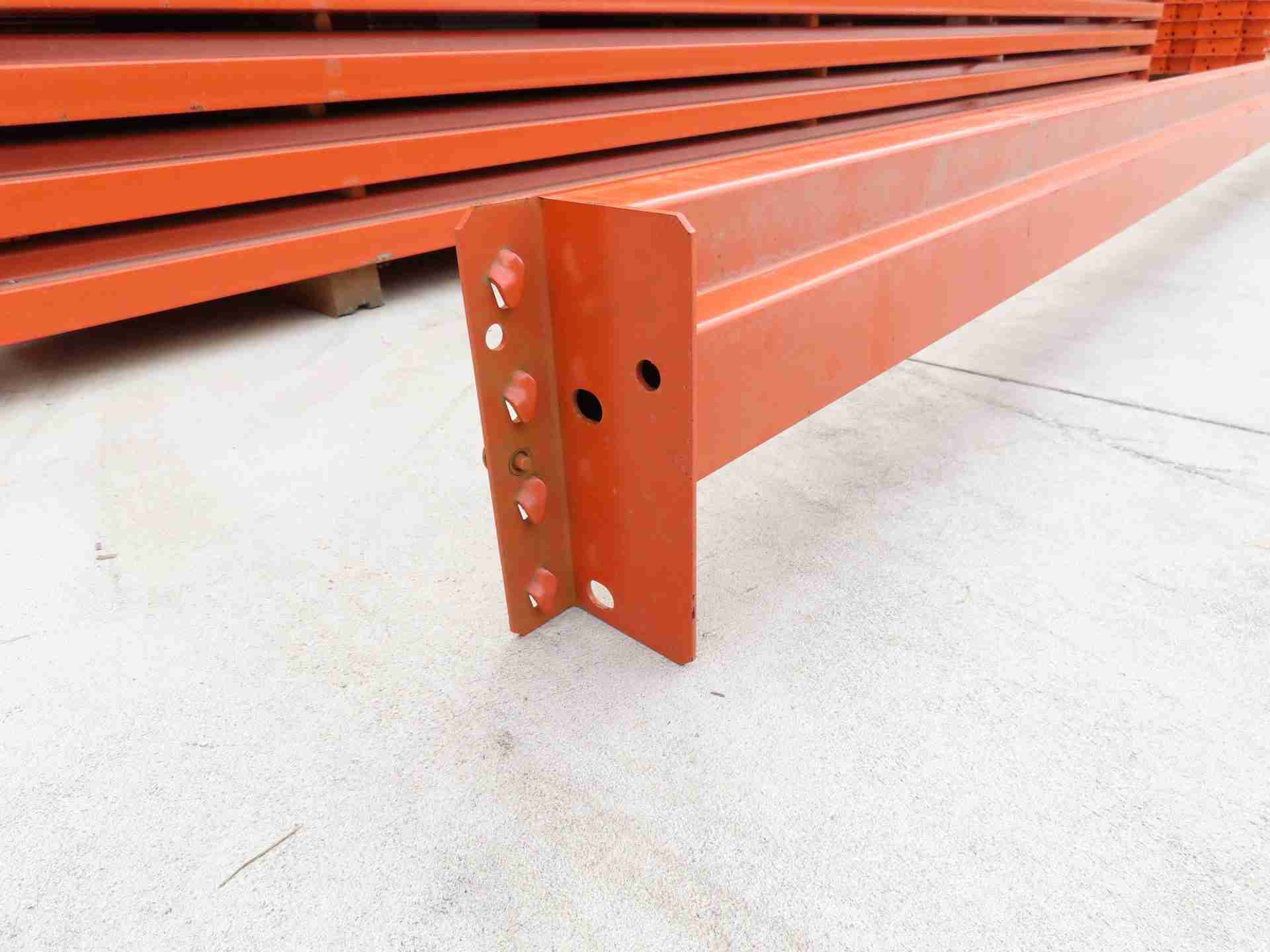
How Can Cantilever Racking Improve Inventory Organization?
Conclusion
After years of lugging around lumber, pipes, and steel beams that just won’t fit on regular racks, it’s clear cantilever racking isn’t some fancy gadget—it’s the grit and muscle your warehouse needs. When you’re dealing with long, awkward loads, anything less than cantilever racks feels like trying to fit a square peg in a round hole. This system’s open-arm design isn’t just clever; it’s downright practical, giving you room to load and unload without fighting against bulky frames or risking bruised knuckles and backs. It makes your workday smoother and safer—that’s something any crew can appreciate.
Safety isn’t just a buzzword here, it’s a lifeline. By keeping materials off the floor and stacked solidly, cantilever racking cuts down on the slip-ups and accidents that can derail a job and wreck lives. It’s a solid commitment to looking out for the people who do the heavy lifting every day. With tough steel arms bearing the weight and no flimsy pieces in the mix, the racks stand firm like they know what’s at stake. When your gear works this hard and holds steady, you’re not just saving space—you’re protecting your investment and your folks.
Speaking of space, these racks turn cluttered, can’t-move aisles into organized zones that actually work for you. You get to use vertical space smart, stacking higher without fear of toppling piles or wasted floor room. It’s a game-changer when every inch counts and hanging onto costs means squeezing value out of every square foot. It’s not just about efficiency—it’s about respect: respect for your tools, your space, and the hard work that fills both.
The choice to go cantilever isn’t just practical; it’s ethical. It says you care enough about your crew’s backs and your company’s reputation to invest in equipment that won’t fail halfway through the job. Steel’s muscle beats fleeting alternatives every time, holding massive loads without giving an inch. That reliability makes you look like you know what you’re doing—because you do.
At the end of the day, cantilever racking isn’t just a place to stash materials—it’s a partner in the daily grind. It frees you from wrestling with awkward loads, cuts down lost time, and keeps the work flowing like a well-oiled machine. It’s the kind of no-nonsense, hard-working solution that speaks to common sense, trust, and pride in a job done right. If you’re serious about keeping your site safe, tidy, and running strong, this is the tool you want in your corner—steady, dependable, and built to last.
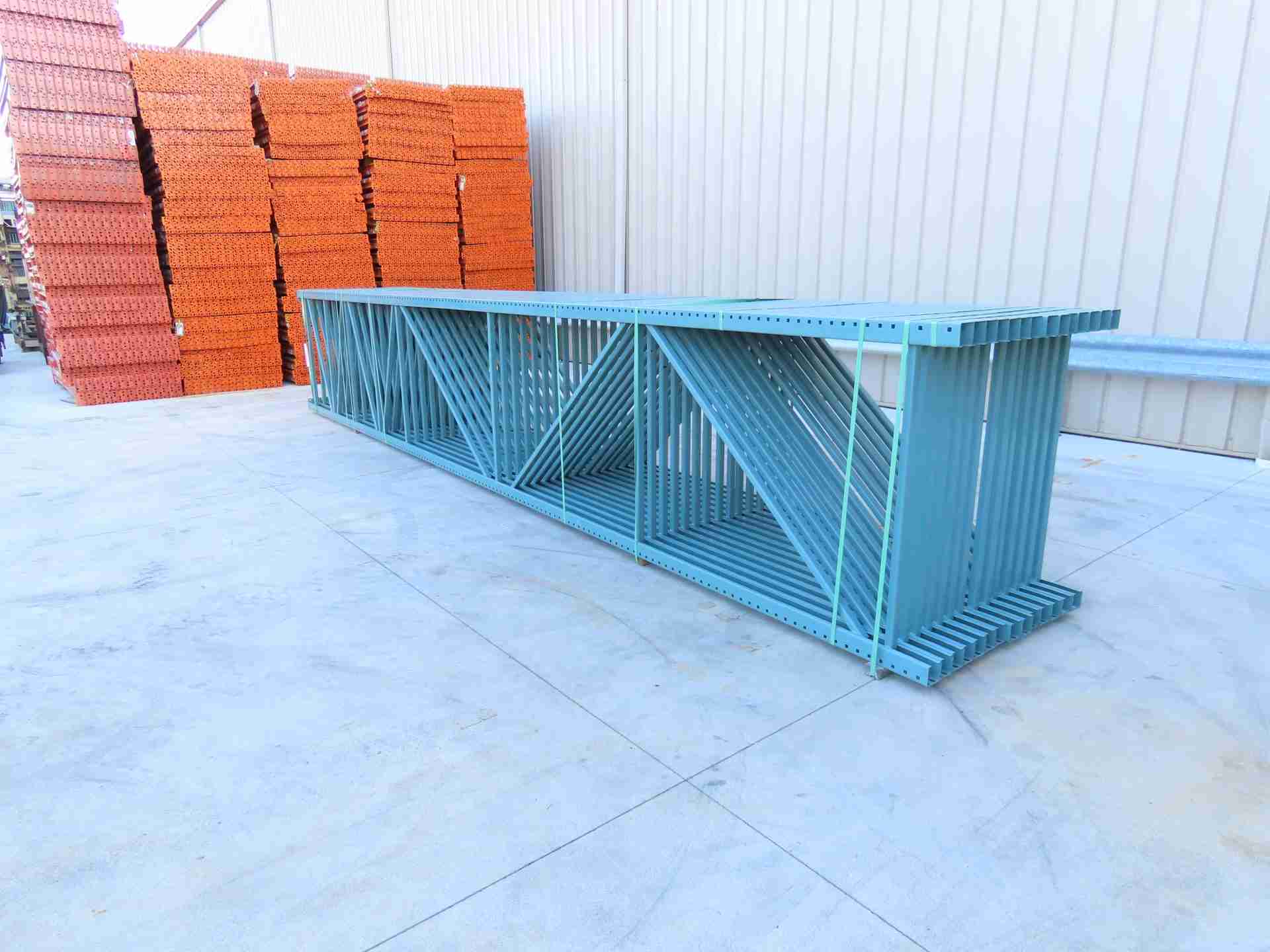
Conclusion
Conclusion:
- Cantilever racking is essential for handling long, awkward loads that do not fit on regular racks, offering a practical open-arm design for easier loading and unloading.
- It enhances workplace safety by keeping materials off the floor and securely stacked, reducing accidents and protecting workers.
- Constructed with tough steel arms, the racks provide durable support without flimsy parts, ensuring stability and long-term investment protection.
- These racks optimize space by allowing vertical stacking and better aisle organization, maximizing efficiency and value from available floor space.
- Choosing cantilever racking reflects a commitment to worker welfare and company reputation through reliable, heavy-duty equipment.
- The system improves workflow by reducing handling difficulties and lost time, making daily operations smoother and more efficient.
- Cantilever racking is a dependable, built-to-last solution that supports safety, organization, and productivity in the workplace.
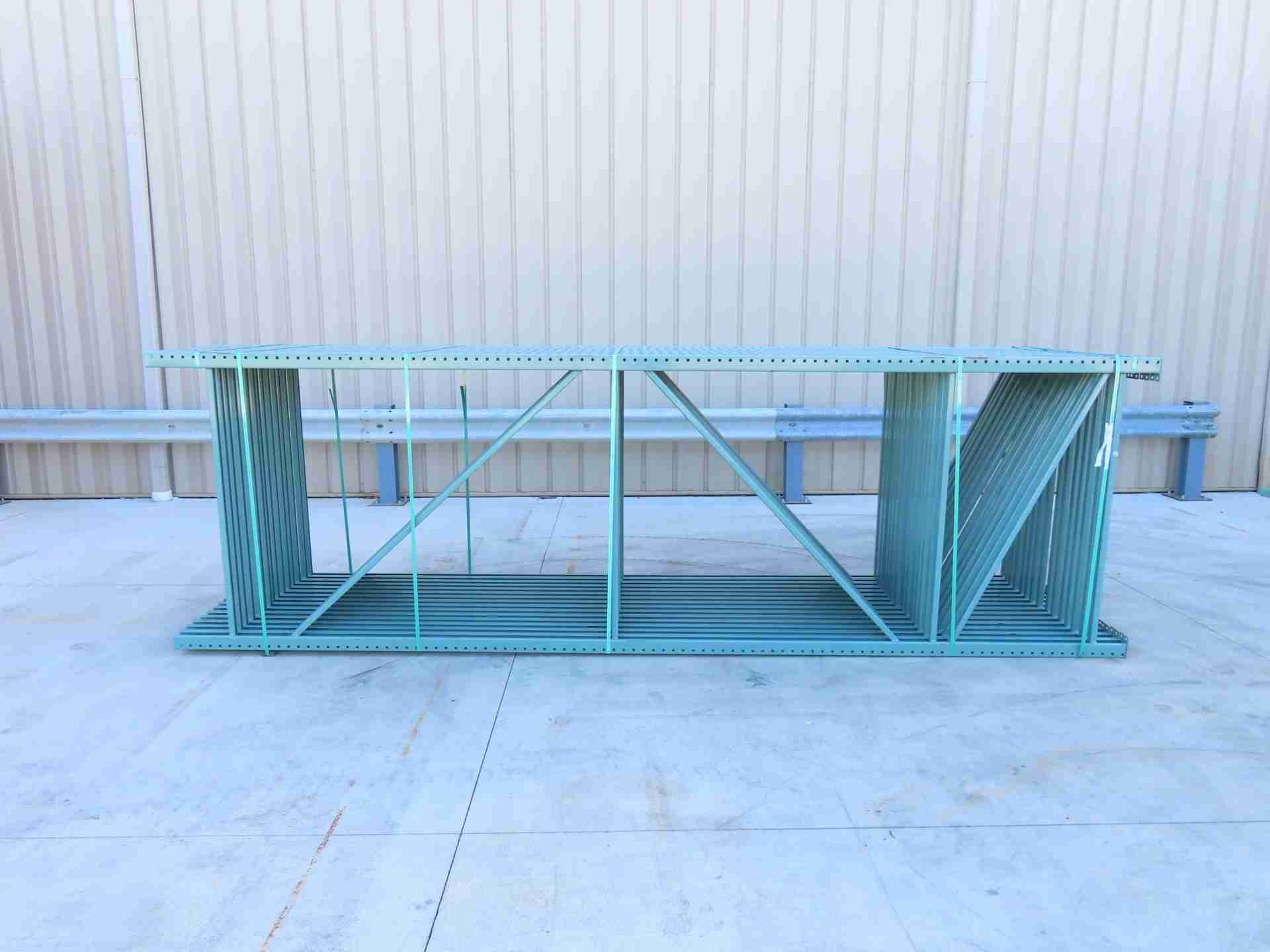
Conclusion
Other Resources
Other Resources
Here is a list of other resources you can review online to learn more:
- International Warehouse Logistics Association
- Selective Racking
- Storage Equipment Manufacturers Association
- Pallet Racking systems in Illinois and Great Lakes
- Illinois Pallet Racking – Storage Solutions
- Chicago Pallet Racking
- Warehouse Racking Systems: Beginner’s Guide to Rack Systems
- WERC
- Selective Rack – Raymond West
- Warehouse Racks, Warehouse Racking in Stock – ULINE
- National Safety Council
- CMMA
- IIWS Inc. Rack Installation Illinois & Rack Repairs Illinois
- Illinois Pallet Racking – WPRP
- Warehousing and Fulfillment
- Teardrop Pallet Rack – Ridg-U-Rak
- Teardrop Industrial Shelving Rack
- Cantilever Rack Guide: Ordering Cantilever Racking
- CA Wire
- American Society of Safety Professionals
Use This Prompt To Get More Resources With Your Favorite Online AI Tool: Please provide me with a list of online articles with their URLs in a bulleted list that I can read regarding How Do Building Materials and Construction Supply Companies Leverage Cantilever Racking?
Other Resources
Glossary Terms
How Do Building Materials and Construction Supply Companies Leverage Cantilever Racking? – Glossary Of Terms
1. Cantilever Racking: A storage system designed to hold long, bulky items using horizontal arms extending from vertical columns.
2. Vertical Columns: Upright supports in cantilever racking that bear the load of stored materials.
3. Horizontal Arms: Extend from vertical columns to support stored items in cantilever racking systems.
4. Load Capacity: The maximum weight a cantilever racking system can safely hold.
5. Storage Density: The efficient use of space for storing materials within a given area.
6. Accessibility: The ease with which materials can be retrieved or stored in a racking system.
7. Bulk Materials: Large, heavy, or irregularly shaped items typically stored on cantilever racks.
8. Distribution Center: A facility where building materials are received, stored, and dispatched.
9. Inventory Management: The process of overseeing and controlling stored goods.
10. Space Optimization: Maximizing available storage space to improve efficiency.
11. Heavy-Duty Racking: Cantilever racks designed to support very heavy materials and loads.
12. Load Stability: The secure placement of materials to prevent shifting or falling.
13. Modular Design: The ability to customize racking components for specific storage needs.
14. Material Handling: Equipment and techniques used to move and store goods.
15. Pallet-Free Storage: Storing items directly on racking arms without pallets.
16. Safety Compliance: Adhering to regulations and standards in warehouse storage.
17. Rack Height: The vertical measurement of cantilever racks determining storage capacity.
18. Bay: A single section or unit within a cantilever racking installation.
19. Arm Adjustability: The feature allowing horizontal arms to be repositioned for variable item sizes.
20. Load Distribution: Evenly spreading the weight of stored items to maintain structural integrity.
21. Forklift Access: The ability for forklifts to maneuver and place/load items on racks.
22. Racking Footprint: The amount of floor space occupied by cantilever racking.
23. Storage Flexibility: The adaptability of systems to accommodate different types of materials.
24. Durable Construction: The use of strong materials to ensure long-lasting racking systems.
25. Warehouse Efficiency: Improving operations through optimized storage solutions.
26. Accessibility Aisles: Spaces between racking for easy material retrieval and movement.
27. Space Utilization Rate: Percentage of warehouse space effectively used for storage.
28. Load Weight Limit: The specified maximum weight per arm or bay in racking.
29. Structural Support: Elements that maintain stability and support cantilever racks.
30. Custom Fabrication: Tailoring racking components to meet unique storage requirements.

Glossary Of Terms
Other Questions
How Do Building Materials and Construction Supply Companies Leverage Cantilever Racking? – Other Questions
If you wish to explore and discover more, consider looking for answers to these questions:
- What weight capacities do different cantilever racking configurations support?
- How do I calculate required arm length, arm spacing, and column spacing for my inventory?
- What are the typical costs (per bay, per linear foot) and expected ROI after installation?
- What site preparation and floor-loading/anchoring requirements are needed?
- How long does installation take and what are typical lead times for delivery and assembly?
- Can cantilever racking be used outdoors, and what weatherproofing or coatings are required?
- What maintenance and inspection schedules should be followed to ensure safety and longevity?
- What safety accessories (end stops, column guards, arm locks, signage) are recommended?
- Which types of forklifts or handling equipment are best suited for cantilever racking operations?
- How do cantilever racks perform in seismic or high-wind zones and what reinforcements are needed?
- What are the common failure modes (arm sag, column deflection, anchorage failure) and how can they be prevented?
- How do you choose between single-sided and double-sided cantilever racking?
- What building codes, industry standards, or regulatory requirements apply to cantilever racking?
- Are there fire-safety considerations (sprinkler interference, clearance) when using cantilever systems?
- How customizable are racks for mixed lengths, diameters, or palletized items?
- Can cantilever racking integrate with inventory/WMS systems and picking workflows?
- What training should staff receive for safe loading, unloading, and general operation?
- How easy is it to reconfigure, add arms, or expand the system as inventory needs change?
- Should I buy new or used cantilever racking, and what inspection criteria apply for used systems?
- What protective coatings or materials work best for corrosive or humid environments?
- How should bundles be secured and stacked on arms to prevent shifting or falling?
- How do cantilever racks compare cost-effectively to alternatives (pallet racking, mezzanines, vertical storage)?
- What documentation, load labeling, and certification should be maintained for compliance and liability?
- How do layout and aisle width decisions impact forklift traffic flow and picking efficiency?
- What warranty, service, and spare-parts support should I expect from suppliers?
- How do insurance premiums or liability exposure change after installing cantilever racking?
- What are best practices for staging returns, damaged goods, and staging large items on cantilever racks?
- Which suppliers or manufacturers have relevant certifications, case studies, or references in the building materials sector?

Other Questions
Checklist
How Do Building Materials and Construction Supply Companies Leverage Cantilever Racking? – A Checklist
Fit and Objectives
✅______ Define primary goals (space optimization, faster picking, reduced damage, scalability)
✅______ Confirm suitability for long, bulky, or irregular items (lumber, pipe, steel, panels)
✅______ Establish target KPIs (space utilization %, pick time, damage rate, throughput)
Material and Load Profile
✅______ List product families by type, length, diameter/width, and bundle size
✅______ Record unit weights, bundle weights, and maximum load per level and per bay
✅______ Define typical and maximum load overhang tolerance
✅______ Group SKUs by handling method (forklift, crane, manual)
Site and Space Planning
✅______ Measure ceiling height, column grid, doors, docks, and obstructions
✅______ Lay out aisles, travel paths, staging areas, and turning radii
✅______ Verify forklift mast height vs. top storage elevation
✅______ Plan single- or double-sided rows and row spacing
✅______ Check sprinkler clearance, lighting, and egress
System Configuration and Engineering
✅______ Select rack type (light, medium, or heavy-duty) based on loads
✅______ Size columns, bases, and arms for maximum expected loads
✅______ Choose arm length, pitch, and vertical spacing per SKU dimensions
✅______ Specify end stops or lips, pipe saddles or cradles, dividers, or decking for sheet goods
✅______ Confirm base length for stability and load distribution
✅______ Define bracing requirements and row ties as needed
✅______ Post calculated load ratings per level and per bay
Floor, Anchoring, and Environment
✅______ Verify floor slab capacity and condition at anchor locations
✅______ Specify anchor type and size, and base plate requirements
✅______ For outdoor yards, confirm concrete or asphalt suitability, drainage, and frost considerations
✅______ Choose finish/coating (galvanized or powder coat) matched to environment
✅______ Plan for snow and wind exposure if using canopies or outdoor installations
Code, Compliance, and Permits
✅______ Check local building codes and seismic/wind requirements
✅______ Coordinate permits and inspections where applicable
✅______ Confirm fire code clearances and sprinkler obstructions
✅______ Ensure load signage, aisle markings, and labels are in place
Material Handling Equipment Integration
✅______ Validate forklift capacity at height with load length and center of gravity
✅______ Set aisle width per equipment class (standard, VNA, side loader)
✅______ Define loading and unloading zones and traffic flow
✅______ Confirm compatibility with cranes or hoists if used
Inventory Organization and Labeling
✅______ Assign locations by SKU length, grade, and turnover
✅______ Implement location IDs and barcode/RFID labeling
✅______ Standardize bundle sizes and strapping for consistent storage
✅______ Define FIFO/FEFO rules and replenishment triggers
✅______ Color-code levels or arms for quick identification
Operations and SOPs
✅______ Create SOPs for loading and unloading, placement, and retrieval
✅______ Define maximum stack heights and arm utilization limits
✅______ Establish rules for overhang, mixed SKUs per arm, and partial bundles
✅______ Set traffic rules for approaches, speed, and staging
Installation and Commissioning
✅______ Review shop drawings and bill of materials
✅______ Verify delivered components against specification
✅______ Inspect plumb, level, anchor torque, and bracing after installation
✅______ Conduct load testing per plan before go-live
✅______ Update facility maps and digital slotting files
Training and Documentation
✅______ Train operators on equipment approach angles and arm engagement
✅______ Train staff on load ratings, signage, and the location system
✅______ Provide quick-reference guides at work areas
✅______ Store engineering calculations, permits, and warranties centrally
Inspection and Maintenance
✅______ Schedule routine inspections (arms, columns, bases, anchors, bracing)
✅______ Record and tag damaged components, and define remove-from-service criteria
✅______ Set repainting and corrosion checks (especially for outdoor installations)
✅______ Calibrate and maintain forklifts and lift attachments
Scalability and Change Management
✅______ Reserve capacity for growth (extra arm positions and levels)
✅______ Confirm modular compatibility for future bays and extensions
✅______ Plan seasonal re-slotting for high-turn items
✅______ Track KPI improvements and adjust layout as needed
Vendor and Procurement
✅______ Vet suppliers for engineering support and code knowledge
✅______ Compare lead times, warranties, and service availability
✅______ Confirm documentation (drawings, certifications, load charts)
✅______ Align delivery schedule with installation and go-live dates
Financials and ROI
✅______ Estimate space savings vs. baseline (sq ft or pallet positions)
✅______ Quantify labor time saved on picks and put-aways
✅______ Track damage reduction and inventory accuracy gains
✅______ Calculate payback period and total cost of ownership
Checklist
At RackingWorld, we help guide you through selecting warehouse storage systems and racking.
Be sure to read our other related stories at RackingWorld to learn more about warehouse storage systems.
0 Comments