
Maximizing Efficiency And Fairness: Rethinking Labor And Racking
By Tom Seest
At RackingWorld, we help guide you through selecting warehouse storage systems and racking.
Be sure to read our other related stories at RackingWorld to learn more about warehouse storage systems.
Why Racking Should Be Tied to Labor Strategy
When it comes to optimizing warehouse operations, an often overlooked but crucial aspect is the alignment of racking systems with overall labor strategy. Picture a bustling warehouse where every inch of space is assigned a purpose and every movement is minimized for efficiency. It’s not just about pushing products; it’s about harnessing human potential in a symbiotic dance of man and machine. This is where the connection between racking and labor strategy comes into play.
The heart of a warehouse beats with its workforce. Imagine the exhausted faces of workers navigating chaotic aisles filled with poorly designed racking. Each misaligned shelf and misplaced pallet does more than frustrate; it drains motivation and breeds inefficiency. By thoughtfully integrating racking solutions with a clear labor strategy, you send a powerful message: that you value not just the volume of goods moved, but the dignity of the people moving them.
Rationally speaking, proper racking reduces wasted movements. Workers aren’t jogging back and forth like trained athletes when everything is organized and within reach. Instead, they can focus on what really matters—serving customers and executing tasks that drive the bottom line. With the right racking in place, you increase accuracy, cut down on errors, and foster an environment where efficiency thrives. Numbers don’t lie; smart racking can drastically improve productivity, and that translates to real dollars saved.
Then there’s the ethical argument: businesses have a responsibility to treat their employees well. Fostering a safer, more organized work environment isn’t merely a financial decision; it’s a moral one. Choosing racking solutions that complement labor strategies acknowledges the very real human element in all this—a workforce that deserves respect and the best possible tools to do their job.
And let’s not forget authority and influence. When you embrace advanced racking systems aligned with labor strategy, you position your organization as a leader in logistics. You inspire other companies to follow suit, creating a ripple effect that could transform the entire industry.
So, take a moment to think about the next time you design or adjust your racking systems. If you combine thoughtful design with a comprehensive labor strategy, you’re not just building a warehouse; you’re cultivating a community—one that works smarter, trades chaos for clarity, and empowers each individual who walks through that door. The future of efficient warehousing starts here; let’s seize that opportunity together.

Why Racking Should Be Tied to Labor Strategy
Why Racking Should Be Tied to Labor Strategy
- Optimizing warehouse operations requires aligning racking systems with labor strategy.
- Efficient warehouse design minimizes movement, enhancing productivity.
- Poorly designed racking negatively impacts worker motivation and efficiency.
- Proper racking reduces wasted movements, allowing workers to focus on customer service and task execution.
- Choosing effective racking solutions demonstrates respect for employees and enhances their work environment.
- Advanced racking systems position organizations as leaders in logistics, inspiring industry transformation.
- Combining thoughtful racking design with labor strategy fosters a productive and empowered warehouse community.

Why Racking Should Be Tied to Labor Strategy
Table Of Contents
- Why Racking Should Be Tied to Labor Strategy
- How Can Effective Racking Improve Worker Productivity and Morale?
- What Are the Long-Term Cost Savings Of Aligning Racking with Labor?
- How Does Racking Efficiency Impact Employee Safety and Well-Being?
- Are We Maximizing Our Racking Potential for Optimal Labor Outcomes?
- What Role Does Racking Play In Shaping a Positive Workplace Culture?
- Conclusion
- Other Resources
- Glossary Of Terms
- Other Questions
- Checklist
How Can Effective Racking Improve Worker Productivity and Morale?
When you step into a bustling warehouse or workshop, it’s easy to overlook the unsung hero holding everything together: the racking. It’s more than just a system to stack boxes or tools; effective racking can be the difference between a frantic scramble for materials and a smooth, fluid workflow. Think about a time when you were in a cluttered environment, wading through chaos just to find what you needed. Frustrating, right? That’s a daily reality for many workers. Organizing spaces with intelligent racking systems not only addresses the logistical puzzle of space management but also elevates the overall work experience.
Imagine a warehouse where every item is in its rightful place—easy to access and clearly marked. Employees can quickly retrieve what they need, contributing to a sense of purpose and efficiency. The gut reaction is a feeling of relief, of lightness. No more wasting precious minutes searching through piles. Instead, there’s a rhythm to the workday, a choreography of movement that fosters teamwork and boosts productivity.
On a rational level, the numbers speak volumes. Companies that invest in optimized racking solutions often see a notable increase in productivity. Less time wasted means more time devoted to value-added tasks. Workers can focus on their craft without the drag of disorganization weighing them down. When you know you’re part of a team that’s streamlined and efficient, it encourages pride in your work. And let’s face it, when morale is high, people are motivated to give their best.
Ethically, creating a well-organized workspace respects the hard work and dedication of every employee. It conveys a message: “We care about you and your ability to perform.” When employers invest in their staff’s environments, it builds trust, crafting a culture that champions collaboration and respect. And as that culture thrives, so does productivity.
Finally, let’s not forget the human factor. We’re social beings, and a tidy, well-organized racking system creates a sense of community. When everyone knows where things are, there’s less frustration and more camaraderie. Team members can lean on one another, share knowledge about efficient loading and unloading, and collectively celebrate the small victories—there’s an undeniable joy in that shared experience.
Improving racking is not just about systems; it’s about transforming the daily grind into a rewarding journey. When the environment speaks order, it cultivates clarity, boosts morale, and ultimately turns the workweek into something worth looking forward to.

How Can Effective Racking Improve Worker Productivity and Morale?
How Can Effective Racking Improve Worker Productivity and Morale?
- Racking systems are essential for maintaining organization in warehouses and workshops, impacting workflow quality.
- Intelligent racking solutions lead to improved accessibility and reduce time spent searching for materials.
- Effective organization fosters a rhythm to the workday, enhancing teamwork and productivity.
- Companies investing in optimized racking often see increases in productivity and employee satisfaction.
- A well-organized workspace communicates care and respect for employees, building trust and a collaborative culture.
- Improved racking cultivates a sense of community among workers, reducing frustration and enhancing camaraderie.
- Transforming racking systems can elevate the work experience, turning the daily grind into a more rewarding journey.

How Can Effective Racking Improve Worker Productivity and Morale?
What Are the Long-Term Cost Savings Of Aligning Racking with Labor?
When you think about racking, it’s easy to see it as just a structure for storing materials. But what if I told you that aligning your racking with labor practices could unlock a treasure trove of long-term cost savings? Picture your warehouse as a finely tuned machine—each gear, cog, and piston working together seamlessly. When racking aligns with the flow of labor, that machine runs smoothly, reducing waste and maximizing efficiency.
Let’s face it, we’ve all been stuck in a rut—those endless hours of searching for misplaced items or hauling heavy loads around like we’re training for a marathon. But when racking systems are designed with labor in mind, not only do we save time, we also save our backs, our sanity, and ultimately our bottom line. Imagine what you could do with the resources freed up by just a few hours of regained productivity each week.
Now, let’s talk about the emotional side. Think of your team: the camaraderie, the sense of purpose, and the pride that comes from working in a well-organized environment. When racking is aligned with the workflow, employees feel valued and empowered, leading to a reduction in turnover and an increase in morale. It’s not just about numbers; it’s about lives and livelihoods.
From a rational perspective, consider the financial benefits. The initial investment in a thoughtful racking system might give some pause, but when you realize the potential for significant savings in labor costs, the math becomes clear. Reduced injury rates, increased throughput, and lower operational errors can yield measurable savings that compound over time.
Ethically speaking, creating a safe and efficient workspace shows your team that you care. It’s a commitment to their well-being and a sustainable approach to business that pays dividends. You’re not just cutting costs; you’re crafting a culture that values hard work and well-being.
Furthermore, think about authority—the experts recommend optimizing warehouse layouts to harmonize with labor. It’s not just a trend; it’s a proven strategy that leaders in logistics have adopted.
So let’s bridge the gap between the heart, head, and gut. Racking is foundational to your operations, but aligning it with labor transforms it into something much more meaningful. It’s a pathway to efficiency, savings, and most importantly, to a thriving workplace culture. Embrace this approach and watch your organization flourish.

What Are the Long-Term Cost Savings Of Aligning Racking with Labor?
What Are the Long-Term Cost Savings Of Aligning Racking with Labor?
- Racking serves not just as a storage structure, but as a means to align with labor practices for cost savings.
- Well-aligned racking structures create a harmonious workflow, improving efficiency and reducing waste.
- Properly designed racking minimizes time spent searching for items or moving heavy loads, enhancing productivity.
- A well-organized racking system contributes to employee morale, camaraderie, and a sense of purpose in the workplace.
- The initial investment in a racking system can lead to significant long-term savings through reduced labor costs and operational errors.
- Creating a safe workspace demonstrates care for employee well-being and fosters a positive organizational culture.
- Experts advocate for optimizing racking to enhance warehouse layouts, making it a proven strategy in logistics.

What Are the Long-Term Cost Savings Of Aligning Racking with Labor?
How Does Racking Efficiency Impact Employee Safety and Well-Being?
When we think of racking systems—those sturdy, towering constructs weaving through our warehouses—the first image that usually springs to mind is the simple functionality of storage. Yet beneath that veneer of orderliness lies a profound connection to employee safety and well-being, a relationship that deserves our attention.
Imagine for a moment: a worker navigating through a maze of poorly organized racking. Each aisle could be a potential hazard, every box precariously perched a looming threat. Now, consider the opposite scene. In an environment where racking efficiency is prioritized, employees glide through organized paths, knowing where to find tools and stock without the fear of a shifting load or an untimely accident. That transition from chaos to order not only protects the physical body, but it also nurtures a sense of peace and focus—a precious commodity in today’s fast-paced workplaces.
The emotional weight of a workplace incident—a sprained back, a close call—sends ripples throughout a community. It doesn’t just affect the individual; it touches families, communities, and colleagues, leaving behind a trail of worry and doubt. Conversely, robust racking systems foster an atmosphere of trust. Employees feel valued when they know their safety is a priority. This builds not only confidence in their environment but also in their leadership. It tells them that the organization cares, sparking a culture of commitment and camaraderie.
The case for investing in effective racking configurations is not merely a dry financial calculation; it’s an ethical responsibility. Companies that recognize the need for efficient systems demonstrate not just an intent to save bottom-line costs but a genuine commitment to nurturing the well-being of their team. This factor can’t be overstated. When workers feel safe, their productivity surges, every movement becomes purposeful. They are not merely cogs in a wheel but valuable members of a thriving community focused on shared goals.
A story emerges from any workplace: one of resilience, camaraderie, of individuals showing up for each other day after day. When racking solutions align with the needs of the workforce, they weave a narrative of safety, trust, and collective strength. So, as we ponder the importance of racking efficiency, let us grasp that this is not just about maximizing space; it’s about preserving lives and spirits, ensuring that every employee walks home with their head held high and a heart full of hope.

How Does Racking Efficiency Impact Employee Safety and Well-Being?
How Does Racking Efficiency Impact Employee Safety and Well-Being?
- Racking systems play a crucial role in workplace safety and employee well-being beyond their primary function of storage.
- Poorly organized racking can create hazards, increasing the risk of accidents for workers navigating the space.
- Efficient racking promotes a sense of safety, allowing employees to work focus without fear of incidents.
- Workplace incidents impact not just individuals but also their families and communities, creating widespread concern.
- Effective racking systems enhance trust, showcasing organizational commitment to employee safety and well-being.
- Investing in quality racking is both a financial decision and an ethical responsibility that supports team resilience and productivity.
- Racking solutions that align with workforce needs foster a culture of safety, trust, and shared purpose in the workplace.

How Does Racking Efficiency Impact Employee Safety and Well-Being?
Are We Maximizing Our Racking Potential for Optimal Labor Outcomes?
In the hustle and bustle of warehouses and storage facilities, there’s a silent partner that often goes unnoticed—our racking systems. Think about it: racking isn’t just rows of metal and shelves; it’s the backbone of efficiency, the silent sentinel that holds our hard work and aspirations. When was the last time we paused to truly assess if we’re maximizing our racking potential for optimal labor outcomes?
Every time we push our carts down those aisles, we’re weaving a story of productivity. Inefficient use of racking can stall that narrative, turning brisk routines into sluggish marathons. Picture your team, fatigued and frustrated, navigating an obstacle course just to retrieve a single item. That’s not just a waste of time; it’s a drain on morale. Workers deserve better than having to fight against their own environment. When we optimize racking systems, we’re essentially saying, “We value your time. We value your work.”
The heart of the matter lies in productivity—the heartbeat of any operation. By maximizing racking potential, we promote smoother workflows, improve safety, and ultimately increase output. Less time hunting for items means more time creating, growing, and succeeding. It’s an investment in the workforce that pays dividends in the form of confidence and efficiency.
But there’s more than just practical benefit here; there’s an ethical responsibility layered within the metal frames and beams. We owe it to our employees to create a workspace that values their well-being and fosters a sense of pride. When racking is poorly arranged or chaotic, it sends a subtle message: the grind matters more than the individual. Let’s flip that script. A well-organized racking system speaks volumes about how much we care for the people behind the processes. It nurtures a culture of respect and appreciation.
And let’s acknowledge the social factor. Optimized racking systems inspire teamwork. They create shared goals and foster collaboration, uniting employees in their mission to achieve streamlined operations. When everyone is on the same page, confidence swells, camaraderie builds, and together, great things happen.
So, as we stand among the towering racks that hold our products and dreams, let’s take a moment to ask ourselves: Are we really maximizing our racking potential for optimal labor outcomes? The answer could very well shape the future of our workforce and our bottom line. Together, we can transform these structures from mere storage solutions into pillars of productivity and pride. Let’s not just stack materials; let’s stack success.

Are We Maximizing Our Racking Potential for Optimal Labor Outcomes?
Are We Maximizing Our Racking Potential for Optimal Labor Outcomes?
- Racking systems are essential for warehouse efficiency, serving as the backbone of operations.
- Inefficient racking can hinder productivity, leading to worker fatigue and decreased morale.
- Optimizing racking systems demonstrates value for employees’ time and effort.
- Maximizing racking potential leads to smoother workflows, improved safety, and increased output.
- A well-organized racking system reflects a commitment to employee well-being and respect.
- Optimized racking inspires teamwork and collaboration, fostering a culture of shared goals.
- Assessing racking systems can significantly impact workforce efficiency and overall business success.

Are We Maximizing Our Racking Potential for Optimal Labor Outcomes?
What Role Does Racking Play In Shaping a Positive Workplace Culture?
Imagine walking into a workplace where everything is organized, tools are readily available, and tasks don’t come to a screeching halt because someone can’t find what they need. That’s the essence of racking. At first glance, it might seem like just a practical solution for storage or equipment, but dig a little deeper, and you’ll discover that racking serves a much more profound purpose in cultivating a positive workplace culture.
When racking is thoughtfully implemented, it promotes efficiency—an anchor for any thriving organization. Employees are empowered to complete tasks swiftly without the frustration of chaos. This structured environment sends a clear message: management values your time and contributions. It instills confidence, fostering a sense of ownership that inspires workers to take pride in their roles. People thrive when they can see the fruits of their labor and feel that their environment supports them.
Reflect for a moment on how you feel when you walk into a clean, organized space. Compare that to a cluttered, messy environment where uncertainty reigns. Racking plays a pivotal role in shaping the latter into the former. When employees feel comfortable and supported, they’re more likely to collaborate effectively. They chat around the shared equipment, share ideas, and develop camaraderie. That camaraderie fuels innovation, teamwork, and ultimately, success, creating bonds that reach beyond the workplace.
Moreover, the ethical implication of investing in racking lies in respect for employees—showing that their safety and well-being are priorities. When workers see that their employers are committed to providing an organized and safe workplace, trust flourishes. They know their needs are being met, and that creates a foundation on which other positive workplace attributes can build.
Racking also ties into social dynamics. Consider the pride that comes from showcasing a neat workspace to clients, partners, and visitors. It sends a powerful, collective message that this is a place of discipline and respect, where every piece of equipment has a purpose. That shared responsibility extends beyond individual roles and transforms the workplace into a community.
At its core, racking isn’t just about structure; it’s about shaping a workplace culture that resonates on all levels. When done right, it inspires action, encourages engagement, and creates an atmosphere where everyone feels valued. This isn’t just a matter of logistics; it’s about building a culture that champions success at every turn.
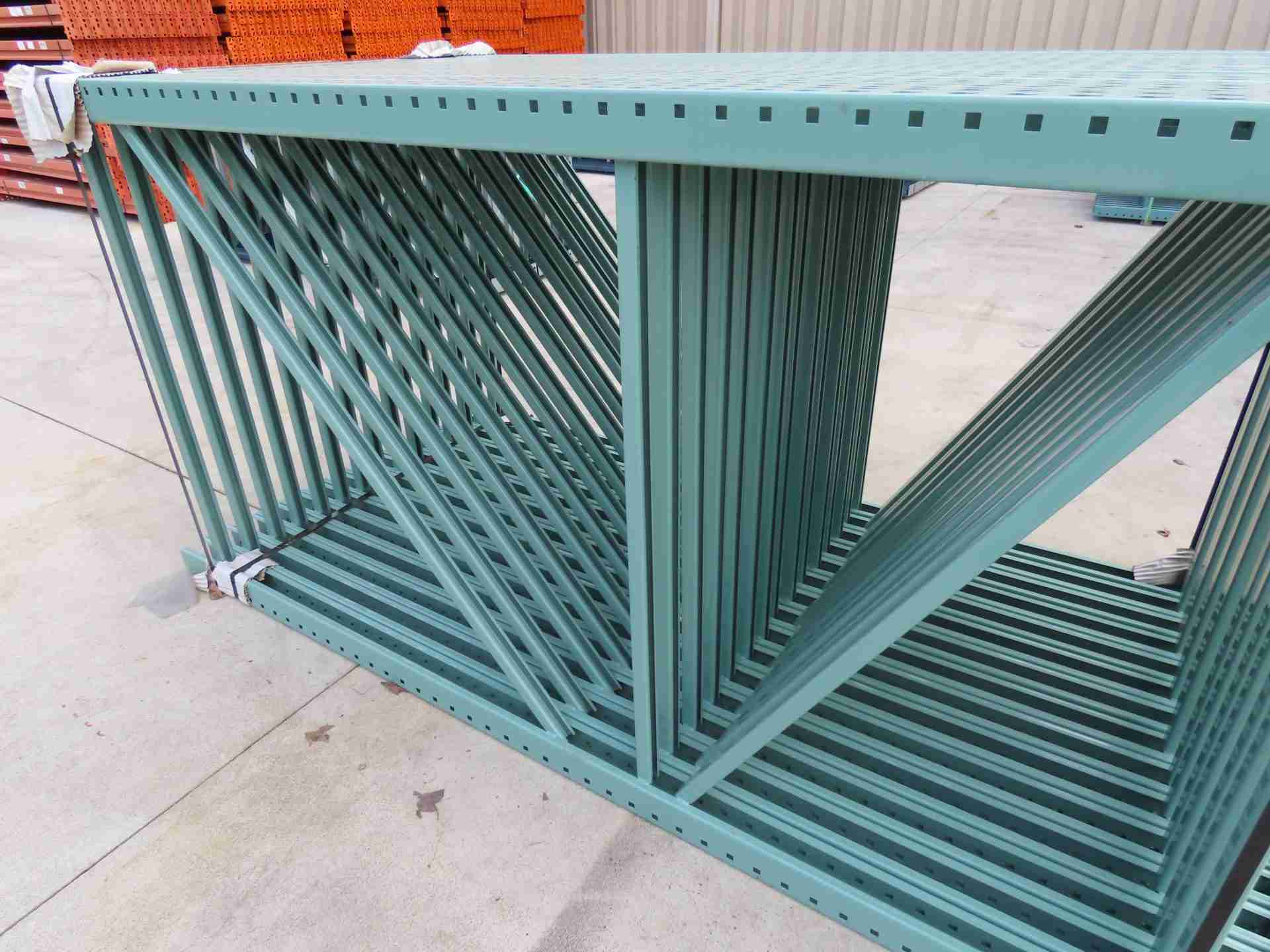
What Role Does Racking Play In Shaping a Positive Workplace Culture?
What Role Does Racking Play In Shaping a Positive Workplace Culture?
- Racking enhances workplace organization, making tools easily accessible and preventing disruptions.
- Thoughtful implementation of racking promotes efficiency, respecting employees’ time and contributions.
- An organized environment boosts employee confidence and ownership, fostering pride in their roles.
- Racking transforms chaotic spaces into organized ones, encouraging collaboration and camaraderie among employees.
- Investing in racking demonstrates respect for employee safety and well-being, building trust within the organization.
- A well-organized workspace positively impacts social dynamics, showcasing discipline and respect to clients and visitors.
- Ultimately, racking shapes a positive workplace culture that inspires action, engagement, and a sense of value among employees.

What Role Does Racking Play In Shaping a Positive Workplace Culture?
Conclusion
Racking systems in warehouses don’t just hold up boxes; they hold the potential for a thriving workplace culture. Imagine the bustling aisles of your facility, where efficient racking transforms chaos into a symphony of productivity. When racking aligns with labor strategy, it creates a powerful harmony between man and machine. Think about your workers, the everyday heroes navigating those aisles. When racking is thoughtfully designed, it empowers them to perform their best, reducing the frustrations of a cluttered environment. These systems are not simply logistical; they are about dignity and respect for the people who work hard every day to fill those shelves.
Effective racking can be the pulse of a warehouse, minimizing wasted movements and allowing employees to focus on what truly matters: delivering excellence to customers. The facts are clear: streamlined operations lead to significant long-term gains. When teams are free from the chaos of disorganization, they experience higher morale, lower turnover, and a deep-rooted sense of pride in their roles. In this way, optimizing racking aligns with an ethical responsibility to provide a workspace where individuals can feel safe, valued, and motivated.
We also tap into an essential narrative—the shared experience of teamwork. A well-organized racking system cultivates camaraderie, as employees cooperate seamlessly, celebrating achievements together. This isn’t merely about logistics; it’s about building a community where every member contributes to collective success. Such environments make leaders who prioritize racking not only authoritative figures but also role models for ethical business practices in the industry.
Additionally, let’s remember the emotional dimensions. A clutter-free space fosters a sense of relief and clarity, translating frustrations into satisfaction. Workers can maneuver easily, feeling supported by their surroundings. When management invests in racking, it signals a genuine commitment to employee well-being. This investment pays off, cultivating trust and loyalty.
As we look to the future of warehousing, it’s clear that racking systems are pivotal in shaping both operational success and workplace culture. They symbolize our respect for workers, drive efficiency, and foster collaboration. The path is clear—by maximizing racking potential, we don’t just enhance productivity; we empower individuals to thrive. Let’s transform these installations from mere storage solutions into beacons of purpose and solidarity. Together, we can create not just a functional workspace but a vibrant community where everyone walks away fulfilled, proud, and ready to tackle the day ahead.

Conclusion
Conclusion:
- Racking systems in warehouses are essential for enhancing workplace culture, turning chaos into productivity.
- When aligned with labor strategy, racking creates harmony between workers and machinery, empowering employees.
- Thoughtfully designed racking reduces clutter, allowing workers to focus on delivering excellence to customers.
- Streamlined operations from effective racking lead to higher morale, lower turnover, and pride in roles.
- Well-organized racking fosters teamwork and camaraderie among employees, contributing to collective success.
- A clutter-free workspace enhances emotional well-being, signaling management’s commitment to employee welfare.
- Maximizing racking potential not only boosts productivity but also cultivates a supportive and vibrant community.

Conclusion
Other Resources

Other Resources
Here is a list of other resources you can review online to learn more:
- Pallet Racking 101: A Comprehensive Guide & Options Explained
- Arrow Industrial Sales
- Overhead Lifting
- What is Selective Racking: Understanding Benefits & Options
- Shipping Boxes, Packaging Materials, Pallet Racking
- IWLA
- Heavy-Duty Cantilever Storage Racks
- Warehouse Racking Systems: Beginner’s Guide to Rack Systems
- Cantilever Racks Chicago
- CA Wire
- MHI
- SEMA
- Teardrop Uprights
- Warehouse Storage Racking in Illinois
- Logic Material Handling
- The Ultimate Pallet Racking Guide – Speedrack West
- Pallet Racking systems in Illinois and Great Lakes
- Cantilever Rack Guide: Ordering Cantilever Racking
- Interlake Mecalux
- Warehousing Education and Research Council: https://www.werc.org/
Use This Prompt To Get More Resources With Your Favorite Online AI Tool: Please provide me with a list of online articles with their URLs in a bulleted list that I can read regarding Why Racking Should Be Tied to Labor Strategy
Other Resources
Glossary Terms
Why Racking Should Be Tied to Labor Strategy – Glossary Of Terms
1. Racking: A storage system designed for organizing products in warehouses and distribution centers to maximize space and efficiency.
2. Labor Strategy: A plan that outlines how human resources will be managed, allocated, and utilized to achieve operational efficiency.
3. Efficiency: The ability to accomplish tasks with minimal wasted resources, including time, labor, and materials.
4. Warehouse Management: The processes and practices involved in overseeing the movement and storage of goods within a warehouse.
5. Inventory Control: Techniques used to keep track of stock levels, orders, sales, and deliveries to optimize inventory management.
6. Space Utilization: The effective use of available space in a warehouse to maximize storage capacity and improve layout efficiency.
7. Productivity: A measure of output per unit of input, often assessed in terms of labor hours or resources spent.
8. Ergonomics: The study of how to design work environments and tasks to fit the physical capabilities and limitations of workers, enhancing safety and productivity.
9. Flow Optimization: The process of improving the movement of goods throughout a warehouse to reduce delays and bottlenecks in operations.
10. Cost Efficiency: The ability to minimize costs while maintaining operational effectiveness and quality output.
11. Modular Racking: A flexible racking system that can be easily adjusted or expanded based on changing storage needs.
12. Lean Principles: Lean manufacturing techniques aimed at reducing waste and improving processes in operations.
13. Automation: The use of technology to perform tasks with minimal human intervention, enhancing speed and accuracy in warehouse operations.
14. Capacity Planning: The process of determining the production capacity required to meet demand, ensuring labor strategies align with capacity needs.
15. Labor Force: The pool of workers who are available and willing to work, impacting operational efficiency.
16. Warehouse Layout: The physical arrangement of storage areas, workstations, and pathways within a warehouse to optimize workflow.
17. Just-in-Time (JIT): An inventory strategy that aligns orders with production schedules to minimize stock levels and reduce holding costs.
18. Cross-Docking: A logistics practice where incoming goods are directly transferred to outbound trucks, reducing storage time.
19. Pick and Pack: The process of selecting items from inventory and preparing them for shipment, crucial for order fulfillment.
20. Safety Regulations: Standards and guidelines set to ensure the safety and health of workers in warehouse settings.
21. Workforce Training: Programs designed to enhance the skills and knowledge of employees to improve job performance and safety.
22. Change Management: Strategies and processes used to manage organizational change, particularly in labor and operational practices.
23. Key Performance Indicators (KPIs): Metrics used to evaluate the success of an organization in meeting objectives, including labor efficiency.
24. Supply Chain Integration: The coordination of processes and functions across the supply chain to enhance efficiency and responsiveness.
25. Fleet Management: The management of transportation logistics and vehicles involved in the distribution of goods.
26. Load-Bearing Capacity: The maximum weight a racking system can safely hold, crucial for safety and efficiency in storage.
27. Data Analytics: The use of analytical tools to interpret data related to labor, productivity, and inventory, guiding strategic decisions.
28. Cycle Counting: An inventory auditing process that involves counting a portion of inventory on a specific day to maintain accuracy.
29. Task Interleaving: A strategy where different types of tasks (e. g. , picking and replenishing) are combined to improve efficiency and reduce downtime.
30. Return on Investment (ROI): A financial metric that evaluates the profitability of investments made in labor strategies and racking systems.

Glossary Of Terms
Other Questions
Why Racking Should Be Tied to Labor Strategy – Other Questions
If you wish to explore and discover more, consider looking for answers to these questions:
- How can businesses assess the effectiveness of their current racking systems?
- What specific racking solutions are most beneficial for different types of warehouses?
- How can companies measure the impact of racking on employee productivity?
- What are some real-world examples of companies that have successfully aligned racking with labor strategies?
- What are the key indicators of a positive workplace culture influenced by racking systems?
- How does racking orientation affect the safety of warehouse operations?
- What training or resources do employees need to adapt to new racking systems?
- In what ways can racking design improve collaboration among warehouse teams?
- What role do technological advancements play in evolving racking solutions?
- How can businesses balance cost with the ethical considerations of employee welfare in racking decisions?

Other Questions
Checklist
Why Racking Should Be Tied to Labor Strategy – A Checklist
Racking and Labor Strategy Checklist
Heart
_____ Visualize the current state of your warehouse: Are employees navigating chaos or enjoying a streamlined environment?
_____ Reflect on employee morale: How does the current racking system impact their motivation and job satisfaction?
_____ Assess how the work environment communicates value to your team: Do they feel respected and supported by the workspace design?
Head
_____ Analyze efficiency: Are movements within the warehouse optimized to minimize wasted time?
_____ Review productivity metrics: How has the investment in racking impacted the bottom line?
_____ Evaluate safety records: Has the organization of racking reduced incidents and injuries effectively?
Gut
_____ Trust your instinct: Do you feel confident that current racking systems prioritize employee safety and well-being?
_____ Gauge team vibes: Is there a noticeable sense of camaraderie resulting from an organized workspace?
_____ Contemplate long-term impacts: How do you feel about the potential savings from optimizing racking aligned with labor strategies?
Emotional Appeal
_____ Identify stories: Collect anecdotes from employees about their experiences navigating the current racking system.
_____ Celebrate small victories: Acknowledge when improvements in racking lead to noticeable boosts in morale and teamwork.
Rational Appeal
_____ Create a cost-benefit analysis: Calculate the financial savings from improved productivity due to efficient racking.
_____ List potential risks of ignoring racking optimization: What could occur if the issues are left unaddressed?
Ethical Appeal
_____ Review company policies: How do they demonstrate a commitment to employee safety and workplace organization?
_____ Consider the message sent to employees: What does your organization’s approach to racking say about its values regarding staff well-being?
Authority Appeal
_____ Research best practices: What strategies do industry leaders use to align racking with labor practices?
_____ Seek expert advice: Have you consulted logistics and warehouse optimization professionals about your racking systems?
Narrative Appeal
_____ Develop compelling narratives: Share stories of transformation within the warehouse when moving from chaotic to organized racking.
_____ Create a vision statement: What future do you envision for your workplace culture if racking is aligned with labor strategies?
Social Appeal
_____ Foster collaboration: How can optimizing racking enhance teamwork and collective outcomes among your workforce?
_____ Build community pride: How does an organized racking system showcase the discipline and professionalism of your organization to clients and visitors?

Checklist
At RackingWorld, we help guide you through selecting warehouse storage systems and racking.
Be sure to read our other related stories at RackingWorld to learn more about warehouse storage systems.
0 Comments