
Crucial Insights For Successful Rack Sizing
By Tom Seest
At RackingWorld, we help guide you through selecting warehouse storage systems and racking.
Be sure to read our other related stories at RackingWorld to learn more about warehouse storage systems.
Used Rack Sizing Issues: What Can Go Wrong
When it comes to racking—those vital structures that hold our gear, products, and dreams—size matters. Think about it. You’re standing in a warehouse. The smell of fresh metal and the promise of productivity fill the air, yet just behind that gleaming façade lurks a common misjudgment that could derail even the finest operations: sizing issues with used racks. This isn’t just about fitting metal into a space; it’s about fitting your aspirations into the framework of reality.
Imagine walking through aisles of majestic racking systems, only to discover they weren’t built for the loads you intend to bear. Maybe you thought a “good deal” was all you needed, replacing quality with a price tag. On occasion, those used racks might look sturdy; they’re lean and proud. But can they handle what you’re asking of them? The heart aches for your hardworking team who might unintentionally bear the brunt of these choices. A small oversight could spell disaster, be it through collapsing shelves or injuries among those you rely on.
From a rational perspective, understanding specifications, load capacities, and safety standards isn’t just smart—it’s ethical. It’s about being responsible for your employees and the integrity of your business. Do you want to cut corners, or do you want to build something that lasts? You’ve built trust with your team, and they believe in the vision you’ve cast. Don’t let a few ill-informed decisions compromise that faith.
Then there’s the narrative of connection. Picture yourself sharing with colleagues about the day-to-day operations; the triumphs and even the trials. Would you want that conversation to be about how someone got hurt because a rack couldn’t support the weight of ambition? No, you envision discussions filled with pride, innovation, and successes.
Sizing issues with used racks aren’t just logistical errors—the consequences reverberate through every aisle, corner, and soul in your business. Choosing the right racking system isn’t merely about maximizing space; it’s about honoring the commitments you’ve made to your team and customers alike. So let’s strive for precision. Let’s make informed decisions. Your business—and everyone who stands behind it—deserves nothing less.

Used Rack Sizing Issues: What Can Go Wrong
Used Rack Sizing Issues: What Can Go Wrong
- Proper racking is essential for holding gear, products, and aspirations in a warehouse.
- Common misjudgment: sizing issues with used racks can jeopardize operations.
- Used racks may appear sturdy but might not support intended loads.
- Oversights can lead to collapsing shelves and potential injuries among employees.
- Understanding specifications and safety standards is ethically responsible.
- Choosing the right racking system preserves trust and ensures employee safety.
- Informed decisions about racking promote a productive, successful workplace culture.

Used Rack Sizing Issues: What Can Go Wrong
Table Of Contents
- Used Rack Sizing Issues: What Can Go Wrong
- How Can Improperly Sized Racks Disrupt Workflow Efficiency?
- Are Your Storage Solutions Costing You More In Lost Space and Profit?
- What Ethical Dilemmas Arise From Choosing Lower-Quality Used Racks?
- How Do Industry Standards Influence Your Rack Sizing Decisions?
- How Can Ineffective Storage Systems Affect Employee Morale and Safety?
- Conclusion
- Other Resources
- Glossary Of Terms
- Other Questions
- Checklist
How Can Improperly Sized Racks Disrupt Workflow Efficiency?
Imagine stepping into a warehouse full of promise—the kind of place where products are neatly displayed, each item ready to fulfill its destiny. But what if the very foundation of that promise—the racking—isn’t quite right? That’s where the trouble begins. Improperly sized racks can be silent saboteurs of workflow efficiency, stealthily eroding productivity and morale, one miscalculated load at a time.
When racking is too small or poorly configured, it can create a ripple effect that impacts everything. Picture a worker, determined to streamline operations, navigating a maze of clutter and chaos. Instead of grabbing and going, they’re grappling with overflowing shelves or wrestling with items that simply won’t fit. This chaos disrupts not only the flow of goods but also the flow of energy and purpose. The heart of every worker beats in rhythm with the efficiency of their environment. When that rhythm is disrupted, the frustration can be palpable.
Now, let’s dig into the rational. With improper racking, inefficiencies stack up like boxes left unsorted. Valuable time is wasted searching for items that are stuck in the wrong places, leading to missed deadlines and unmet customer expectations. That inefficiency doesn’t just cost money—it costs reputations. In an era where trust and reliability are paramount, can you really afford that risk?
On the ethical front, ask yourself: are we setting our teams up for success? Properly sized racking isn’t just about saving space; it’s about honoring the hard work of every individual in that space. Each team member deserves a workspace that empowers them, inspires confidence, and allows them to shine. Failing to provide that is a disservice to everyone involved.
Finally, let’s consider the social aspect. A solid team thrives on collaboration, but when inefficiencies mount due to inadequate racking, camaraderie suffers. Workers can feel isolated in their struggles, diminishing camaraderie and collective problem-solving. When the team is held back by preventable issues, morale takes a hit.
The proper racking is a vital piece of the puzzle that turns potential into tangible results. It can mean the difference between a smooth-running operation and a fraying tapestry of missed opportunities. Trust in the system, and you’ll cultivate an environment where both productivity and people can thrive.

How Can Improperly Sized Racks Disrupt Workflow Efficiency?
How Can Improperly Sized Racks Disrupt Workflow Efficiency?
- Improperly sized racking can negatively impact workflow efficiency and productivity.
- Poorly configured racks create clutter and chaos, hindering smooth operations.
- Disruptions in the workplace environment can lead to worker frustration and decreased morale.
- Inefficiencies from inadequate racking result in wasted time and unmet customer expectations.
- Providing proper racking is essential for empowering team members and honoring their hard work.
- Inadequate racking can weaken team collaboration and camaraderie, affecting overall morale.
- Optimized racking is crucial for transforming potential into tangible results in warehouse operations.

How Can Improperly Sized Racks Disrupt Workflow Efficiency?
Are Your Storage Solutions Costing You More In Lost Space and Profit?
When you walk into a cluttered warehouse, it’s hard not to feel the weight of opportunity slipping through your fingers. Each row of lost space tells a story of what could have been: more productivity, more profit, and ultimately, more freedom. It’s time to confront the idea that your storage solutions, those seemingly innocuous racking systems, may be costing you far more than you ever realized.
Imagine standing at the threshold of your space, looking at those towering metal shelves. They’re supposed to be a beacon of efficiency, yet they often transform into tombs for unused inventory and missed chances. That’s right—every inch of wasted space represents not just lost product but also lost potential customers. Every time you have to dig through the chaos to find that one crucial item, your gut tells you: this isn’t working, and it’s costing us.
But it doesn’t have to be this way. The truth is, effective racking can transform the way your business operates. When you optimize storage with smart, strategic designs, you can turn chaos into clarity. Suddenly, the same square footage that once felt constricting becomes a launching pad for innovation and growth. You can keep your eye on the prize—time and resource management—while knowing that ethics come into play, too. Utilizing your space thoughtfully means less waste, less overflow, and a more sustainable approach to business.
Let’s talk numbers. Resistance to change can often stem from the fear of upfront costs, but think about the long game. Calculate the profits lost each month due to inefficiencies and clutter. That number often eclipses the investment needed for smarter storage solutions. And don’t overlook the influence of authority; companies that adopt cutting-edge racking systems often see a ripple effect throughout their operations, driving employee morale and setting a standard for sustainable practices.
Looking out for your team, your resources, and your bottom line isn’t just good business; it’s the right thing to do. You want a solution that lights up the room rather than cast shadows. So, ask yourself: are you ready to reclaim your space and profitability? Change might seem daunting, but remember that big wins often start with small, courageous steps. Don’t let opportunities gather dust; make a move that your future self will thank you for. It’s time to turn clutter into clarity, and investment into income.

Are Your Storage Solutions Costing You More In Lost Space and Profit?
Are Your Storage Solutions Costing You More In Lost Space and Profit?
- Cluttered warehouses symbolize lost opportunities for productivity, profit, and freedom.
- Improper racking systems can lead to wasted space, unused inventory, and lost customers.
- Optimizing storage with strategic designs can improve operational efficiency and clarity.
- Thoughtful space utilization promotes sustainability by reducing waste and overflow.
- Initial costs of upgrading storage solutions are often overshadowed by the long-term profits lost from inefficiencies.
- Adopting advanced racking systems can enhance employee morale and establish sustainable practices.
- Embracing change is crucial for reclaiming space and profitability, driving future business success.
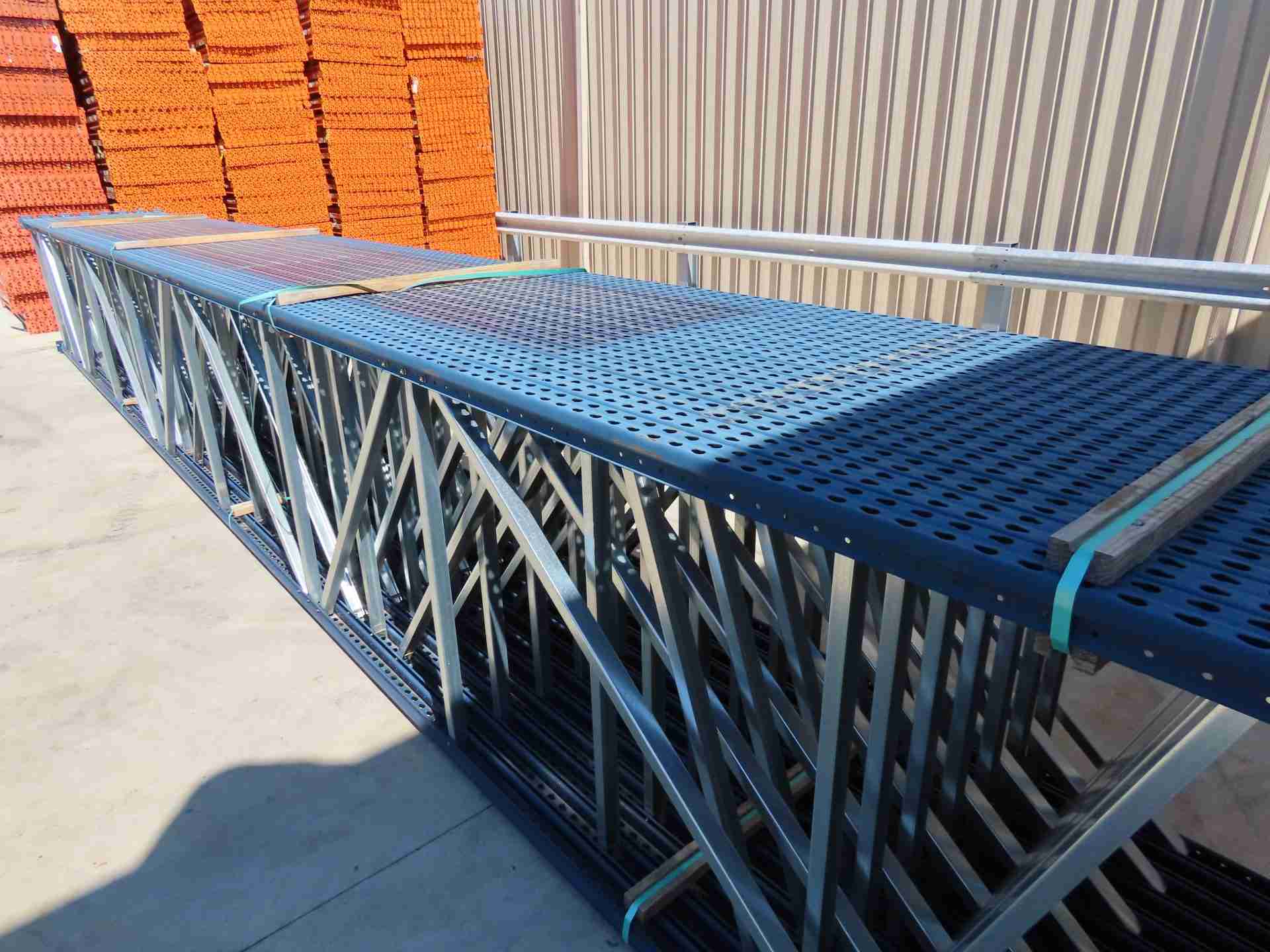
Are Your Storage Solutions Costing You More In Lost Space and Profit?
What Ethical Dilemmas Arise From Choosing Lower-Quality Used Racks?
When businesses opt for lower-quality used racks, the temptation can be palpable. After all, cost savings can make a big difference in tight budgets. However, shiny savings often mask a weighty ethical dilemma. What happens when we prioritize our bottom line over the well-being of our fellow workers and the integrity of our operations?
Imagine a warehouse buzzing with activity. Employees are working tirelessly, moving goods and ensuring order fulfillment. But then, you scan the racking system. The neon green powder coating is peeling, the steel looks like it’s been through a war zone, and you can almost hear the sighs of resignation from those who rely on these structures daily. How secure are they? Can they really support the weight they claim? The gut instinct whispers: something’s off. Choosing these racks isn’t merely a financial decision; it’s a choice that ripples through the lives of those tasked with their upkeep.
Now, let’s talk about ethics. We need to consider the moral implications of putting profit over safety. Lower-quality racking means compromised integrity, which not only endangers employees but also erodes the company’s reputation. Safety violations can lead to accidents that shatter lives and livelihoods, all because a few dollars were saved on racking. Is a fleeting advantage worth the risk of injury or worse? When we tangle ourselves in the web of cost-cutting measures, we undermine the respect and trust between management and employees—something that no amount of savings can replenish.
And here’s the kicker: the racking we choose signifies our values. We’re not just purchasing metal structures; we’re investing in cultures of safety, accountability, and excellence. The rational part of our minds knows quality matters, but don’t let that overshadow the human element. Trust is built on care—care for our people and our principles. When a business stands by high-quality equipment, it sends a clear message: our workforce is our highest priority, and we will not skimp on safety.
So, take a moment to reflect. Consider the weight not only of the materials but of the choices we make. The racks do their job when constructed well. The lives they support are too precious to risk on hasty decisions. As you weigh your options, remember: investing in quality is investing in your team and your legacy.

What Ethical Dilemmas Arise From Choosing Lower-Quality Used Racks?
What Ethical Dilemmas Arise From Choosing Lower-Quality Used Racks?
- Businesses often consider lower-quality used racks for cost savings, especially on tight budgets.
- Choosing cheaper racks raises ethical questions about prioritizing profit over worker safety and operational integrity.
- Visual signs of poor quality in racking systems, such as peeling coatings and damaged steel, can evoke concern among employees.
- Compromised integrity due to low-quality equipment poses risks to employee safety and the company’s reputation.
- Cost-cutting measures may undermine trust between management and employees, leading to serious safety violations.
- The choice of racking reflects a company’s values, emphasizing commitment to safety, accountability, and excellence.
- Investing in high-quality equipment is a statement that prioritizes workforce safety and contributes positively to a company’s legacy.

What Ethical Dilemmas Arise From Choosing Lower-Quality Used Racks?
How Do Industry Standards Influence Your Rack Sizing Decisions?
When it comes to task of racking—be it a warehouse, server room, or display space—industry standards serve as more than just guidelines; they’re foundational pillars that shape not only the physical structure but also the very essence of your operations. Imagine standing in front of a colossal racking system, envisioning how every inch of space can enhance efficiency. That’s your heart speaking through the pulse of possibilities, but let’s ground ourselves in why these standards really matter.
First, let’s engage the head. Not adhering to industry standards can expose you to risks both financial and operational. Think about it: a racking system improperly sized or designed could lead to catastrophic failures, even endangering lives. Nobody wants to be the one to explain why a stack of products collapsed or why server downtime caused an economic hit. This is where the head-driven decisions meet the vital need for compliance and safety—ensuring that every single component meets established codes.
Now, let’s address the gut feelings we have around ethical responsibility. The decisions you make don’t just impact your bottom line; they affect your workers, partners, and customers. By committing to industry standards, you’re signaling that you care—about safety, quality, and the welfare of everyone involved. It’s about establishing a culture of integrity within your organization. When your racking systems are reliable and compliant, you’re not just storing products; you’re nurturing trust.
Speaking of trust, consider the authority of proven practices. Industry standards are crafted by specialists who’ve learned from countless experiences—trials, errors, and successes—that lead to what we now see as best practices. Aligning your racking choices with their findings is akin to following a roadmap traveled by the pioneers of your trade. You’re not navigating this landscape alone; you’re part of a greater community that values excellence.
Finally, let’s not forget the narrative aspect. Picture this: a small local business that invested in proper racking systems based on industry standards. They found that, not only did their operations flourish, but they fostered a sense of pride among employees who saw their workplace as a safe and supportive environment. This is the kind of story that resonates. It’s an invitation for you—not just to comply, but to truly flourish in your racking decisions. Embrace these standards and see just how transformative they can be for your business and community.

How Do Industry Standards Influence Your Rack Sizing Decisions?
How Do Industry Standards Influence Your Rack Sizing Decisions?
- Industry standards in racking systems are essential for enhancing efficiency and shaping operations.
- Non-compliance with these standards can lead to significant financial and operational risks, including safety hazards.
- Adhering to industry standards reflects a commitment to safety, quality, and ethical responsibility.
- Reliable and compliant racking systems help nurture trust among workers, partners, and customers.
- Industry standards are developed by experts and represent proven best practices within the field.
- Aligning with established standards positions your business within a community that values excellence.
- Investing in proper racking can lead to operational success and foster a positive workplace culture.

How Do Industry Standards Influence Your Rack Sizing Decisions?
How Can Ineffective Storage Systems Affect Employee Morale and Safety?
Picture this: a bustling warehouse filled with dedicated workers, each committed to their role but grappling with a racking system that seems to defy logic. Boxes piled high in haphazard fashion, critical supplies tucked away like hidden treasures, and pathways cluttered to the brink. It’s more than just a chaotic storage solution; it’s a recipe for frustration, fatigue, and fear.
When employees navigate an ineffective storage system, it severely impacts morale. Imagine starting your day overwhelmed before you even clock in. You’re not just a worker; you’re a warrior, but every chaotic step makes it feel like you’re wading through mud. Employees on edge don’t just feel the weight of their job; they carry the weight of confusion and stress. Emotional well-being hinges on an environment that allows for efficiency and confidence, but when workers constantly battle with their surroundings, it eats away at both spirit and productivity.
Moreover, let’s think rationally for a moment—what does a poorly organized storage area mean for safety? A cluttered racking system increases the risk of accidents, and when employees fear for their safety, it creates a toxic atmosphere. When they’re forced to maneuver through obstacles, the ever-present sense of danger casts a long shadow over every task. How can one feel empowered when each turn could lead to a spill, a slip, or worse?
Ethically, we must ask ourselves: are we providing a workspace that values every employee as an individual? A well-organized environment sends a clear message— we care. It fosters trust and confidence. When employees see that their safety and efficiency are prioritized, it builds a solid foundation of loyalty and dedication.
Narratively, consider this: a manager who walks in, sees the clutter, and rolls their eyes. They might think, “It’s just the way things are,” but those thoughts resonate with a wider community—the workers feel it too. They know their efforts are being overlooked, and that’s a hard pill to swallow.
By taking action to improve these storage systems, you’re not just optimizing a workspace; you’re uplifting your entire team. You’re igniting their passion, fostering a sense of belonging, and turning a workplace into a community. Let’s be real—it’s time to transform that racking into something that ignites pride instead of frustration. After all, when you invest in the space where your team thrives, you invest in their future, your future, and the future of your whole organization.

How Can Ineffective Storage Systems Affect Employee Morale and Safety?
How Can Ineffective Storage Systems Affect Employee Morale and Safety?
- Bustling warehouses often feature disorganized racking systems, causing frustration and inefficiency for workers.
- An ineffective storage system negatively impacts employee morale, making them feel overwhelmed and stressed.
- Employees’ emotional well-being is compromised in chaotic environments, leading to decreased productivity.
- A cluttered storage area poses safety risks, creating fear and a toxic atmosphere for employees.
- Organized workspaces communicate care for employees, fostering trust, confidence, and loyalty.
- Neglecting organization can lead managers to overlook employee efforts, further demoralizing the team.
- Improving storage systems enhances the entire workplace, igniting passion and transforming it into a supportive community.

How Can Ineffective Storage Systems Affect Employee Morale and Safety?
Conclusion
Racking systems are the backbone of any warehouse, but when they’re poorly sized or inadequately designed, they can become more of a liability than an asset. Every inch of wasted space not only represents lost potential but also reflects the frustrations of workers navigating a convoluted maze of disarray. These aren’t just metal structures; they’re symbols of your aspirations and the livelihood of your team.
Imagine a bustling environment where every worker thrives because they have reliable systems to support them. With the right racking, you’re not just creating efficiency; you’re fostering a culture of trust and care. Workers deserve a workspace that empowers them—one designed with awareness of safety standards and ethical responsibility. By aligning your racking solutions with industry standards, you’re announcing to your team, “We value your well-being more than a fleeting dollar saved.” That doesn’t just reinforce morale; it sends a powerful message about corporate integrity.
Racking choices go beyond mere logistics; they influence everything from productivity to employee safety. Unsafe racking can lead to catastrophic failures, costing lives and damaging the reputation of your business. Rational decision-making encompasses more than just the bottom line; it means understanding the ripple effects of every choice you make. The ethical implications of saving a few bucks by cutting corners can haunt you. An invisible contract exists between you and your employees—they trust you to provide them with safe, efficient environments. Break that trust, and you’re not just risking injury; you’re jeopardizing loyalty, dedication, and morale.
Consider the narrative of your organization. Is it one of triumph and innovation, or one tainted by chaos and preventable accidents? Empower your team by ensuring they have the tools and environment to shine. A well-organized racking system transforms uncertainty into clarity, paving the way for teamwork and community. With insightful racking decisions, you can build a legacy founded on excellence and accountability.
So, let’s pull back the curtain and confront the reality: every decision regarding racking affects the heart of your operation. Aim for precision, embrace quality, and align with industry standards. Invest in environments that foster productivity, safety, and growth. In doing so, you’ll not only enhance your operations but you’ll nurture the very people who make it possible. The message is clear: a commitment to quality racking is a commitment to your team, your customers, and the future of your business. Make the smart choice—one that you can be proud of and that will reverberate through every aisle of your warehouse and beyond.

Conclusion
Conclusion:
- Well-designed racking systems are crucial for efficient warehouse operations, while poorly designed ones can hinder productivity and employee morale.
- Reliable racking promotes a positive work environment that supports employee safety and fosters trust within the team.
- Aligning racking solutions with industry standards emphasizes the importance of employee well-being over short-term cost savings.
- Unsafe racking poses significant risks, leading to potential injuries and damaging business reputation.
- Every racking decision impacts employee trust, loyalty, and morale; cutting corners can have long-term consequences.
- A well-organized racking system enhances teamwork and clarity, fostering a culture of excellence and accountability.
- Investing in quality racking reflects a commitment to employee welfare, operational excellence, and the overall success of the business.

Conclusion
Other Resources

Other Resources
Here is a list of other resources you can review online to learn more:
- Arrow Industrial Sales
- MHI
- Teardrop Racks – Pallet Rack World
- Illinois Pallet Racking – WPRP
- Warehouse Racks, Warehouse Racking in Stock – ULINE
- Cantilever Rack Guide: Ordering Cantilever Racking
- Total Warehouse
- National Safety Council
- Chicago Pallet Racking
- Used Teardrop Pallet Rack – American Surplus
- Racking World
- Heavy-Duty Cantilever Storage Racks
- Rack Manufacturers Institute
- Warehouse Racking Systems: Beginner’s Guide to Rack Systems
- Pallet Racking 101: A Comprehensive Guide & Options Explained
- American Surplus
- Warehousing Education and Research Council: https://www.werc.org/
- Cantilever Rack Configuration & Installation: A Comprehensive Guide – BMH
- Overhead Lifting
- Wolter
Use This Prompt To Get More Resources With Your Favorite Online AI Tool: Please provide me with a list of online articles with their URLs in a bulleted list that I can read regarding Used Rack Sizing Issues: What Can Go Wrong

Other Resources
Glossary Terms
Used Rack Sizing Issues: What Can Go Wrong – Glossary Of Terms
1. Rack: A framework for supporting equipment or components, typically used in data centers or server rooms.
2. Sizing: The process of determining the appropriate dimensions and capacity of a rack to accommodate specific hardware.
3. Load Capacity: The maximum weight that a rack can safely hold without structural failure.
4. Footprint: The physical area that a rack occupies, usually measured in square feet or square meters.
5. Cooling: The process of maintaining a suitable temperature for equipment, often interfered with by improper rack sizing.
6. U Height: A measurement unit indicating “rack units,” where one rack unit equals 1. 75 inches in height.
7. Standard Rack: The most common rack size in data centers, typically 42U tall and 19 inches wide.
8. Overloading: Exceeding the rack’s load capacity, leading to potential structural failure or damage.
9. Cable Management: Organizing and securing cables to ensure proper airflow and accessibility in a rack.
10. Accessibility: Ensuring that equipment can be easily accessed for maintenance or troubleshooting.
11. Airflow: The movement of air around and through equipment, crucial for cooling; can be obstructed by poor rack configuration.
12. Power Distribution: The method of supplying electrical power to various components housed within a rack.
13. Rack Density: The number of devices installed in a rack, often related to cooling and power requirements.
14. Empty Rack Space: Unutilized area in a rack, which can impact airflow and cooling efficiency.
15. Equipment Compatibility: The requirement that hardware fits within the rack’s dimensions and mounting standards.
16. Mounting Brackets: Hardware used to secure devices to the rack, impacting overall stability and safety.
17. Weight Distribution: The placement of equipment within a rack to ensure balanced load and prevent tipping.
18. Heat Generation: The process by which electronic equipment produces heat, which must be managed effectively.
19. Environmental Control: Systems in place to maintain optimal conditions for temperature and humidity around racks.
20. Monitoring Systems: Tools or software used to track the health and performance of equipment in racks.
21. Rack Construction: The materials and design used to build a rack, affecting its durability and performance.
22. Chassis: The frame or housing that contains all the components of a server or other equipment within a rack.
23. Vertical vs. Horizontal Space: The distinction between height (U space) and width in racks, important for planning equipment arrangement.
24. Infrastructure: The physical and virtual systems, including racks, that support data center operations.
25. Rack Mounting: The process of securely installing equipment into the rack for stability and functionality.
26. Distribution Units: Equipment used to manage power supply to multiple devices in a rack.
27. Fault Tolerance: The ability of a rack configuration to continue functioning despite hardware failures.
28. Lifecycle Management: The planning and management of equipment from acquisition through decommissioning, including rack sizing.
29. Compliance: Adhering to industry standards or regulations related to safety and environmental control in rack setups.
30. Data Center Layout: The overall design and organization of racks and infrastructure within a facility for optimal operation and efficiency.

Glossary Of Terms
Other Questions
Used Rack Sizing Issues: What Can Go Wrong – Other Questions
If you wish to explore and discover more, consider looking for answers to these questions:
- What are the most common sizing problems encountered with used racks?
- How can I ensure my racking system meets safety standards?
- What factors should I consider when selecting the size of a racking system?
- How can I assess the load capacity of used racks?
- What are the consequences of using improperly sized racks aside from safety risks?
- How can a well-sized racking system enhance workflow efficiency?
- What strategies can I use to maximize storage space in my warehouse?
- How do different industries impact the requirements for racking systems?
- What are the best practices for maintaining used racks over time?
- How does employee morale influence overall productivity in a warehouse setting?
- What signs indicate that a racking system needs to be replaced or upgraded?
- How can companies balance cost and quality when purchasing storage solutions?
- What resources are available for understanding industry standards in racking?
- How can businesses promote a culture of safety related to their storage solutions?
- What should I do if I discover that my current racking system is insufficient?

Other Questions
Checklist
Used Rack Sizing Issues: What Can Go Wrong – A Checklist
Checklist for Choosing the Right Racking System
*Heart Appeals:*
_____ Reflect on your team’s well-being: Are your current racks supporting their safety and morale?
_____ Envision a harmonious workspace: How would a well-organized racking system uplift your team’s spirits?
_____ Share experiences: What stories do you want to tell about workplace successes rather than frustrations?
*Head Appeals:*
_____ Assess load capacities: Are your racking systems designed to handle the weight and volume you plan to store?
_____ Review industry standards: Are you adhering to safety codes and best practices in your racking choices?
_____ Calculate long-term costs: Have you evaluated how inefficiencies in your storage systems impact your bottom line?
*Gut Appeals:*
_____ Listen to your instinct: Do you feel secure and confident in the quality of your racks?
_____ Consider ethical implications: Are your choices prioritizing safety over cost savings?
_____ Reflect on accountability: What does your choice of racking systems say about your values as a business?
*Ethical Appeals:*
_____ Evaluate the impact on all stakeholders: How do your racking decisions affect employees, customers, and the community?
_____ Prioritize quality: Are you investing in sturdy, reliable systems that safeguard your team and operations?
_____ Commit to sustainability: Are your storage solutions minimizing waste and promoting a responsible business model?
*Authority Appeals:*
_____ Seek expert opinions: Have you consulted with industry professionals to guide your racking decisions?
_____ Stay informed: Are you updated on the latest innovations in racking systems and storage solutions?
_____ Leverage best practices: Are your racking choices aligned with proven strategies from leaders in your field?
*Narrative Appeals:*
_____ Craft a vision: How do you want your workplace story to unfold—with chaos or clarity?
_____ Inspire collaboration: Are your racking systems encouraging teamwork and efficiency among staff?
_____ Create a culture of pride: What actions will you take to turn your storage solutions into a source of employee pride?
*Social Appeals:*
_____ Foster community: How will improved racking systems contribute to a positive workplace culture?
_____ Engage your team: Have you involved employees in the decision-making process for selecting the new racking systems?
_____ Share successes: How will you communicate the benefits of the new racking systems to your team to build collective pride?

Checklist
At RackingWorld, we help guide you through selecting warehouse storage systems and racking.
Be sure to read our other related stories at RackingWorld to learn more about warehouse storage systems.
0 Comments