
Empowering Efficiency: Mastering Pallet Rack Uprights
By Tom Seest
At RackingWorld, we help guide you through selecting warehouse storage systems and racking.
Be sure to read our other related stories at RackingWorld to learn more about warehouse storage systems.
Understanding Uprights: the Backbone Of Your Pallet Rack
When you step into a warehouse, the first thing that captures your attention is the towering presence of the pallet racks. But look a little closer, and you’ll see that it’s the uprights, those vertical columns of steel, that truly hold everything together. These unsung heroes are the backbone of your racking system, silently bearing the load and ensuring that your operation runs smoothly, day in and day out.
Imagine for a moment the weight of those pallets stacked high above you. Each item, whether it’s a box of tools or a crate of delicate glassware, relies on the strength and integrity of those uprights. They’re not just metal poles; they’re the embodiment of trust, standing firm through the chaos and commotion of a bustling warehouse. In our fast-paced world, where every minute counts and precision is paramount, knowing that your racking system can handle the pressure allows you to breathe a little easier.
From an emotional standpoint, consider the people behind those upright structures – the warehouse workers who rely on their safety and stability to do their jobs effectively. Each pallet retrieved, every crate organized, is done under the watchful eye of these robust uprights. When you invest in quality racking, you’re not just making a smart business decision; you’re showing respect for the hard work and dedication of your team. Every upright tells a story of safety, commitment, and the values that drive your company forward.
Rationally, it’s crucial to understand that the sturdiness of your uprights directly correlates to operational efficiency. When uprights are designed to withstand specific loads and forces, it minimizes the risk of catastrophic failures that can halt productivity. Properly assessed and installed, they create a framework where every inch of your warehouse space is utilized effectively, saving you time and money in the long run.
Ethically speaking, acknowledging the vital role of uprights in your warehouse racking means prioritizing the safety of your employees. Compliance with safety standards is not just a box to check; it’s a commitment to creating a responsible working environment.
When you embrace the importance of these uprights, you’re not just reinforcing your racking system; you’re weaving a fabric of trust and reliability that extends throughout your entire operation. It’s a powerful connection that fosters a shared sense of responsibility and pride among your team, and that is what makes all the difference.

Understanding Uprights: the Backbone Of Your Pallet Rack
Understanding Uprights: the Backbone Of Your Pallet Rack
- Pallet racks are a prominent feature in warehouses, with uprights being critical for structural integrity.
- Uprights bear the weight of stacked pallets, supporting various items and ensuring operational smoothness.
- They embody trust and stability amid the hectic environment of a warehouse, allowing for effective workflow.
- Investing in quality racking signifies respect for the hard work of warehouse employees relying on their safety.
- The sturdiness of uprights is directly linked to operational efficiency, minimizing risks of failure and downtime.
- Prioritizing uprights’ importance supports compliance with safety standards, fostering a responsible workplace.
- Recognizing the value of uprights strengthens the culture of trust and reliability within the organization.

Understanding Uprights: the Backbone Of Your Pallet Rack
Table Of Contents
- Understanding Uprights: the Backbone Of Your Pallet Rack
- What Feelings Arise When You Think About Safety In Your Workspace?
- Are the Uprights In Your Pallet Rack Truly Meeting Your Storage Needs?
- How Can the Right Uprights Reduce Workplace Accidents and Injuries?
- Are You Aware Of the Latest Standards for Pallet Rack Uprights?
- What Stories Of Success Can Inspire Changes to Your Storage Solutions?
- Conclusion
- Other Resources
- Glossary Of Terms
- Other Questions
- Checklist
What Feelings Arise When You Think About Safety In Your Workspace?
When you sit down at your workspace—a desk piled high with paperwork, racks filled with tools, or perhaps a kitchen counter where the day’s culinary creations await—what feelings wash over you? The thought of safety here isn’t just about hard hats and safety goggles; it reaches deeper, embedding itself in the very fabric of our daily lives.
Imagine, for a moment, the gut-wrenching anxiety that creeps in when you think about your safety and the safety of those around you. You’re racking your brain, pondering whether that chair you just plopped down in is sturdy enough, or if that electrical cord lying across the floor is a disaster waiting to happen. It’s a mental tug of war, pulling your focus away from productivity and creativity.
Now, flip the coin: what if there’s an unshakeable confidence in your environment? Picture the peace that envelops you when you’ve taken those proactive steps—whether it’s organizing your space to eliminate hazards or ensuring that all equipment is up to standard. There’s an ethics to looking out for one another, a silent promise we make to ourselves and our coworkers that we’ll foster an atmosphere where everyone feels secure. When you prioritize safety, you’re not just safeguarding lives; you’re cultivating trust within your community.
And let’s not forget the stories that bind us. Think of the countless conversations shared among your colleagues about near-misses or experiences that cemented their commitment to safety. These narratives resonate, bringing a sense of camaraderie that’s both heartwarming and powerful. They remind us that each small action, like organizing the workspace or adhering to safety protocols, makes a real difference.
Feeling safe at your workspace is not merely a wish—it’s a fundamental need that allows us to thrive. We are hardwired for connection, and when safety is prioritized, it fosters collaboration and innovation. The workplace becomes a sanctuary of creativity, a breeding ground for ideas where each person knows they can take risks, not just with their work but by contributing to a culture that values well-being.
So, take a moment the next time you step into your workspace. Ask yourself how you can transform that space not just into a safe harbor, but into a launchpad for inspiration and achievement. Because when safety becomes a shared value, it not only protects us; it unleashes our true potential.

What Feelings Arise When You Think About Safety In Your Workspace?
What Feelings Arise When You Think About Safety In Your Workspace?
- Safety at the workspace extends beyond physical gear, influencing our daily lives and mental well-being.
- Concerns about safety can induce anxiety, distracting from productivity and creativity.
- Proactively creating a safe environment fosters a sense of confidence and peace.
- Prioritizing safety builds trust within the community and strengthens coworker relationships.
- Shared stories of safety experiences create camaraderie and highlight the importance of individual actions.
- Feeling safe is essential for collaboration and innovation, turning a workplace into a creative sanctuary.
- Transforming the workspace into a safe and inspiring environment unleashes potential and encourages well-being.

What Feelings Arise When You Think About Safety In Your Workspace?
Are the Uprights In Your Pallet Rack Truly Meeting Your Storage Needs?
When it comes to your pallet racking system, it’s easy to overlook the unsung heroes of your warehouse—the uprights. These vertical columns are tasked with the weight of your operation, literally bearing the burden of your inventory. Yet, too often they stand as silent sentinels, going unnoticed while your storage needs evolve.
Every warehouse has a story, one filled with hustle and heart. Think about what those uprights support: the dreams of entrepreneurs, the hard work of dedicated employees, and the lives of customers waiting eagerly for that next order to be fulfilled. If your racking isn’t accurately meeting your storage needs, you aren’t just risking product loss; you’re jeopardizing the lifeblood of your business and the livelihoods that depend on it.
Take a moment and envision the chaotic scene that unfolds when an upright fails. Amidst the clang of metal and the crash of falling goods, lives can be changed in an instant. That’s where the ethical duty comes in: ensuring safety and integrity in your operations. How can you lead with pride, knowing your team and products are at risk?
Now, let’s engage the head. Look at the data. Are your racks fully utilized? Are they structured for flexibility? The numbers don’t lie. A well-planned system maximizes your space, minimizes risk, and saves you money. Investing in rack optimization isn’t just about dollars; it’s a strategy rooted in enhancing efficiency and bolstering your competitive edge.
But it’s not just about cold, hard facts. It’s about community and connection. Imagine sharing success stories with other warehouse managers, learning from each other’s challenges and triumphs. The best practices in racking technology are more than just dotting I’s and crossing T’s; they’re shared wisdom—lessons learned in the trenches that can elevate your operations from mediocre to remarkable.
As you assess your uprights, don’t just glance; examine, question, and reflect. Speak to the authority of experience—yours and others. By ensuring your racking truly supports your evolving storage needs, you’re not just maintaining a system—you’re building a future. Stand tall, like those uprights. Invest in every aspect of your operation, because when you do, everyone benefits. Trust your instincts, and take that step to re-evaluate what’s holding up your success.

Are the Uprights In Your Pallet Rack Truly Meeting Your Storage Needs?
Are the Uprights In Your Pallet Rack Truly Meeting Your Storage Needs?
- Uprights in pallet racking systems are critical, bearing the weight of your inventory and operations.
- They support the dreams of entrepreneurs and the livelihoods of employees and customers.
- Neglecting uprights and their condition can lead to safety issues and jeopardize business integrity.
- It’s essential to assess whether your racks are fully utilized and structured for flexibility to enhance efficiency.
- Investing in rack optimization maximizes space and minimizes risk, contributing to cost savings.
- Sharing experiences and best practices among warehouse managers can lead to improved operations and collective growth.
- Regularly evaluate your racking system to ensure it meets evolving storage needs and supports future success.

Are the Uprights In Your Pallet Rack Truly Meeting Your Storage Needs?
How Can the Right Uprights Reduce Workplace Accidents and Injuries?
When it comes to safety in the workplace, many people think about personal protective equipment or emergency protocols. While those are crucial, let’s pivot to an often-overlooked hero in the battle against workplace accidents: the right uprights in your racking system. Picture those sturdy steel frames as the silent guardians of your operation, standing tall, ensuring that your goods don’t come tumbling down and create chaos.
Now, let’s engage the heart. Imagine a warehouse bustling with activity—a symphony of productivity. Each worker adds value, every lift is executed with care, yet all it takes is one misplaced box or an unsafe racking system to turn that harmony into disarray. The stakes are not just numbers on a spreadsheet; they’re real lives, filled with hopes and dreams. When we prioritize the right uprights in our racking setups, we’re not just seeking to maximize space or efficiency; we’re fostering an environment where our colleagues can thrive safely and head home to loved ones each day.
Now, let’s churn the head a little. Statistically, workplace accidents are incredibly costly—not just in financial terms but in injuries and their aftermath. A robust racking system designed with the right uprights can drastically reduce the risk of accidents. Consider this: the structural integrity of racking affects not only the stability of heavy loads but also the emotional well-being of the entire team. When workers trust their environment, they can focus on what truly matters—doing their jobs effectively without the nagging fear of something unexpected happening.
Ethically speaking, fostering a safe work environment isn’t just a legal obligation; it’s a moral responsibility. Every organization should strive to support its workforce and ensure their well-being. When you invest in quality uprights, you show your team that their safety comes first. It’s more than just a buying decision—it’s a commitment to doing right by your people.
Let’s not forget the narrative. You likely know someone who’s experienced a workplace injury due to inadequate racking, or maybe you’ve witnessed it firsthand. Those stories linger, casting long shadows. But when we shift the focus to using the right uprights, we build a collective narrative of safety, trust, and resilience within our industries.
In a society that values hard work, let’s work harder to ensure that our safety strategies measure up. Because at the end of the day, it’s not just about what you store; it’s about who you keep safe while doing it. Your actions today can inspire a culture that prioritizes the people who make it all possible.
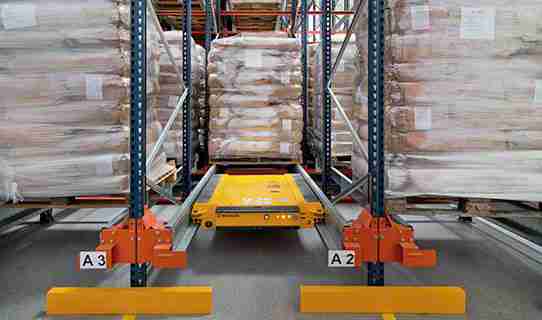
How Can the Right Uprights Reduce Workplace Accidents and Injuries?
How Can the Right Uprights Reduce Workplace Accidents and Injuries?
- Importance of safety in the workplace goes beyond personal protective equipment and emergency protocols.
- The right uprights in racking systems serve as crucial supports, preventing accidents and chaos.
- Workplace harmony can quickly turn to disarray due to unsafe racking and misplaced boxes.
- Investing in proper uprights enhances workers’ safety and allows them to focus on their tasks without fear.
- Robust racking systems reduce workplace accidents and significantly impact team morale and emotional well-being.
- Fostering a safe work environment is both a legal obligation and a moral responsibility for organizations.
- Using the right uprights contributes to a culture of safety, trust, and resilience within industries.

How Can the Right Uprights Reduce Workplace Accidents and Injuries?
Are You Aware Of the Latest Standards for Pallet Rack Uprights?
When it comes to the world of warehouse management, few elements are as crucial as pallet rack uprights. These towering structures are more than just metal supports; they represent a commitment to safety, efficiency, and the very livelihood of those who depend on them. If you’re within the industry, you know that racking isn’t just about holding up products; it’s about upholding standards that ensure every load is properly supported, every aisle remains navigable, and every worker feels secure.
Picture the bustling warehouse floor—workers pulling pallets, machines humming, and products zipping in and out. It’s a heartbeat of commerce, and at the center of this activity is the racking system that keeps it all together. But what happens when standards falter? What happens when we overlook the latest safety regulations for uprights? That’s not just a logistical oversight; it’s an ethical lapse that can compromise safety and trust.
The recent updates to pallet rack upright standards are not merely numbers and codes. They are advances forged from hard lessons, real-world incidents, and tireless dedication to improvement. A commitment to these latest standards is akin to making a proclamation—not just to yourself but to every individual who plays a part in the logistics chain. It’s a pledge to prioritize safety above all, to recognize that behind every pallet rests the potential for risk.
Consider the story of a facility manager who decided to invest in updated racking after a near miss incident. By embracing the latest standards, he turned that close call into a call to action for his whole team. They didn’t just upgrade their equipment; they nurtured a culture of care and responsibility. And in doing so, they built not only a stronger warehouse but a stronger team, united under the ethos that safety comes first.
You may not think about pallet rack uprights every day, but they affect each of us, from the warehouse operator stacking the last box to the customer waiting for their order to arrive safely. By being aware of the latest standards and advocating for them, you are not just staying compliant; you’re part of a larger movement, one that values integrity and accountability in our everyday operations.
Let’s ensure that every pallet is supported by a system that embodies the best practices and safety standards vital for our industry. Stay educated, stay safe, and remember: in the world of racking, every detail counts.

Are You Aware Of the Latest Standards for Pallet Rack Uprights?
Are You Aware Of the Latest Standards for Pallet Rack Uprights?
- Pallet rack uprights are essential for safety, efficiency, and operational integrity in warehouse management.
- Racking systems support products and uphold industry standards for load management and worker safety.
- Neglecting safety regulations for uprights poses serious logistical and ethical risks.
- Recent updates to pallet rack standards stem from lessons learned from past incidents and aim for continual improvement.
- Investing in updated racking standards can foster a culture of safety and responsibility within teams.
- Awareness of and advocacy for current safety standards helps maintain compliance and promote accountability.
- Each detail in racking systems is critical to ensuring a safe and efficient warehouse environment.

Are You Aware Of the Latest Standards for Pallet Rack Uprights?
What Stories Of Success Can Inspire Changes to Your Storage Solutions?
When it comes to storage solutions, we often think of metal shelves and cardboard boxes—practical, yes, but hardly inspiring. Yet, if you dive into the stories of success from those who’ve faced chaos and emerged victorious, you’ll find that storage can become a transformative journey. Picture a family-owned bakery that, after years of cramming ingredients into a cramped corner, finally invested in smart racking systems. Suddenly, their workspace transformed from cluttered chaos to an organized haven. The aroma of fresh bread now dances through aisles of neatly arranged supplies, allowing creativity to flourish and business to thrive.
Then consider the entrepreneur who turned her startup around by tackling her storage woes head-on. After countless setbacks and wasted hours, she realized that a simple rethink—implementing adjustable racking—could mean the difference between survival and success. With that one change, she could finally see her inventory, streamline operations, and use her newfound space to expand her product line. Inspired by her journey, others in her community followed suit, fostering an environment of collaboration and improvement.
For those logical thinkers among us, the numbers don’t lie. Efficient storage leads to lower overhead costs, improved workflow, and heightened productivity. Research shows that businesses that invest in effective storage solutions report a significant uptick in profitability. When your products aren’t sitting in a pit of clutter, every team member can work smarter, not harder. It’s a rational choice, plain and simple, but it’s also a choice with emotional weight. Imagine walking into a place where everything has its place, where each item reflects the values of order and preparation.
Ethically, there’s something commendable about seeking improvements in our environments. We owe it to ourselves, our families, and our communities to maximize the potential of our spaces. When we share our triumphs and struggles, we create a ripple effect, inviting others to join in on the journey toward better organization.
Whether you’re a small business or just someone trying to declutter your life, look around you—success stories are everywhere. The world is full of people who took that leap of faith, embraced effective storage solutions, and discovered a sense of peace in the harmony of their spaces. So maybe it’s time to ask yourself: what stories of success can you inspire with your own journey toward better storage solutions?

What Stories Of Success Can Inspire Changes to Your Storage Solutions?
What Stories Of Success Can Inspire Changes to Your Storage Solutions?
- Traditional storage solutions like metal shelves and cardboard boxes are practical but uninspiring.
- Success stories show that effective storage can lead to transformative journeys for businesses.
- A family-owned bakery improved organization and creativity by investing in smart racking systems.
- An entrepreneur revamped her startup by implementing adjustable racking, leading to streamlined operations.
- Efficient storage contributes to lower overhead costs, improved workflow, and increased productivity.
- There’s ethical value in enhancing our environments for ourselves and our communities through better organization.
- Many success stories reflect the peace and harmony that arise from embracing effective storage solutions.

What Stories Of Success Can Inspire Changes to Your Storage Solutions?
Conclusion
In the realm of warehouses, pallet rack uprights often stand as uncelebrated champions, quietly supporting the weight of entire operations while ensuring the safety and efficiency of workers. These steel structures are more than mere supports; they symbolize trust and reliability in a frenetic environment where every second matters. When you imagine the chaotic dance of pallets and people, it’s clear that the strength of these uprights is foundational, letting you take a breath amidst the hustle and bustle. They carry the hopes of dedicated teams, keeping them safe as they navigate their workday, reminding us that investing in durable racking isn’t just a financial decision but a testament to valuing the lives and well-being of employees.
The emotional connection here runs deep. Each upright tells a story, intertwining the fabric of safety and teamwork. A safe warehouse doesn’t just protect assets; it nurtures an atmosphere where creativity can thrive and colleagues look out for one another, forging bonds that create a culture of care. Amidst hard data, like the staggering costs of workplace accidents, it becomes evident that smart investments in racking systems can minimize risk and ensure stability, allowing everyone to focus on what truly matters.
Ethically, prioritizing the latest standards in pallet rack uprights is about taking responsibility. A commitment to adhering to rigorous safety guidelines isn’t just compliance—it’s a deep-seated promise to every person who walks through those warehouse doors. Picture the shifts that come from learning from past mistakes, transforming potential disasters into stories of triumph and accountability. Each decision to upgrade or educate oneself reflects a moral obligation to safeguard not just products, but the very people that make logistical operations possible.
Let’s not overlook the communal aspect either. Each warehouse is a microcosm of shared experiences, filled with narratives of near-misses and hard-earned lessons. In the grand tapestry of trade and teamwork, the right uprights inspire conversations and unite the workplace under a shared mission of safety and innovation. Investing in these structures means giving strength to a collective effort that transcends individual roles—it’s about building a future where everyone thrives, where every pallet is supported not just by steel, but by shared values of safety and respect. The call is clear: Stand tall like those uprights, and let’s elevate our spaces while honoring the people who fill them.

Conclusion
Conclusion:
- Pallet rack uprights are essential for supporting warehouse operations, ensuring safety and efficiency for workers.
- These structures represent trust and reliability, vital in a fast-paced environment.
- Investing in durable racking systems reflects a commitment to employee safety and well-being.
- A safe warehouse fosters creativity and teamwork, enhancing the workplace culture.
- Prioritizing safety standards in pallet rack uprights is an ethical responsibility and a commitment to employees.
- Each warehouse encapsulates shared experiences that strengthen team bonds and safety awareness.
- Investing in racking systems bolsters a collective mission of safety, respect, and innovation for a thriving future.

Conclusion
Other Resources

Other Resources
Here is a list of other resources you can review online to learn more:
- IIWS Inc. Rack Installation Illinois & Rack Repairs Illinois
- New Cantilever Racks and Racking Kits
- BMH
- Overhead Lifting
- Iowa Illinois Warehouse Racking
- Arrow Industrial Sales
- Interlake Mecalux
- Teardrop Racks – Pallet Rack World
- Warehouse Racks, Warehouse Racking in Stock – ULINE
- Illinois Pallet Racking – Storage Solutions
- Teardrop Industrial Shelving Rack
- CA Wire
- Warehousing and Fulfillment
- Cantilever Rack Configuration & Installation: A Comprehensive Guide – BMH
- Pallet Rack Systems – New and Used Pallet Racking and Shelving Experts
- Warehouse Racking System: Powerful Guide to Optimise, 2024
- RMI
- Crane Manufacturers Association Of America Inc.
- Warehouse Racking Systems: Beginner’s Guide to Rack Systems
- Material Handling Safety
Use This Prompt To Get More Resources With Your Favorite Online AI Tool: Please provide me with a list of online articles with their URLs in a bulleted list that I can read regarding Understanding Uprights: the Backbone Of Your Pallet Rack

Other Resources
Glossary Terms
Understanding Uprights: the Backbone Of Your Pallet Rack – Glossary Of Terms
1. Upright: The vertical support structure in a pallet rack system that provides stability and bears loads.
2. Pallet Rack: A storage system designed to hold pallets, facilitating the easy storage and retrieval of goods.
3. Beam: A horizontal element that connects two uprights and supports the weight of the stored pallets.
4. Load Capacity: The maximum weight that a pallet rack or its components can safely support.
5. Footplate: A metal base attached to the bottom of an upright, providing stability and securing it to the floor.
6. Safety Lock: A device that secures beams in place on the uprights, preventing accidental disengagement.
7. Column: Another term for upright, referring to the sturdy vertical component of the rack.
8. Frame: The combination of uprights and cross members that create the structure of the pallet rack.
9. Cross Brace: Diagonal support that reinforces the frame and prevents sideways movement.
10. Adjustable Shelving: A feature that allows the positioning of beams at different heights for versatile storage.
11. Vertical Load: The weight applied directly downwards onto the uprights from stored pallets.
12. Horizontal Load: Side forces acting on uprights due to the weight distribution of pallets.
13. Rack Integrity: The overall strength and stability of the pallet rack system, crucial for safe storage.
14. Deflection: The amount of bending or displacement experienced by an upright under load.
15. Compliance: Adherence to safety standards and regulations governing pallet rack construction and use.
16. Inspection: The process of examining racks regularly to identify damage or wear and ensure safety.
17. Restoring Load: The process of removing pallets from a rack to redistribute weight evenly.
18. Splicing: The method of joining two upright sections to increase height or for repairs.
19. Seismic Ratings: The classification that indicates the rack’s ability to withstand earthquakes.
20. Manufacturing Standards: Guidelines and specifications that define the quality and safety of rack materials.
21. Retrofit: Upgrading an existing pallet rack with new components to enhance performance or safety.
22. Aisle Width: The space between racks that allows for the maneuvering of forklifts and personnel.
23. Productivity: The efficiency of the storage system in aiding the movement and management of inventory.
24. Load Beam: A beam specifically designed to support the weight of pallets and provide stability.
25. Stability: The structural soundness of a pallet rack, ensuring it can withstand movement and loading.
26. Material Handling: The process of moving, storing, and controlling products within a warehouse or facility.
27. Pallet: A flat structure that supports goods meant for storage or transportation.
28. Ergonomics: The study of how to design systems that enhance human efficiency and safety in material handling.
29. Inventory Management: The supervision of non-capitalized assets and stock items to ensure optimal levels.
30. Capacity Planning: The process of determining the storage space and rack configuration needed to meet product demand.

Glossary Of Terms
Other Questions
Understanding Uprights: the Backbone Of Your Pallet Rack – Other Questions
If you wish to explore and discover more, consider looking for answers to these questions:
- What are the different types of pallet rack uprights available?
- How do I know if my pallet uprights are suitable for my storage needs?
- What factors should I consider when choosing pallet rack uprights?
- How can I ensure that my pallet rack uprights comply with safety standards?
- What common mistakes do people make when selecting pallet rack uprights?
- How do pallet rack uprights affect overall warehouse safety?
- What maintenance is required for pallet rack uprights?
- How often should pallet rack uprights be inspected for safety?
- What are the consequences of using substandard pallet rack uprights?
- Can upgrading my pallet rack uprights improve productivity?
- How does the weight capacity of uprights impact racking efficiency?
- What are some success stories of businesses that improved their racking systems?
- How can I effectively train my employees on the importance of pallet rack safety?
- What role does technology play in managing and maintaining pallet uprights?
- How can I create a culture of safety around the use of pallet racking systems?

Other Questions
Checklist
Understanding Uprights: the Backbone Of Your Pallet Rack – A Checklist
Checklist: Empowering Your Pallet Rack and Workplace Safety
Emotional Appeals: Building Trust and Commitment
_____ Reflect on the stories your uprights tell about your organization’s values. Are they a representation of safety and resilience?
_____ Consider the comfort and confidence your employees feel in their workspace. How can your racking system enhance this environment?
_____ Share safety success stories within your team to foster a sense of community and trust.
Rational Appeals: Ensuring Efficiency and Productivity
_____ Assess the current utilization of your pallet racks. Are they meeting your storage needs effectively?
_____ Review load capacities and structural integrity standards for your uprights. Are they engineered for optimal performance?
_____ Calculate potential cost savings from maximizing warehouse space through efficient racking systems.
Ethical Appeals: Prioritizing Safety and Responsibility
_____ Commit to adhering to the latest safety standards and regulations concerning pallet rack uprights. Have you reviewed recent updates?
_____ Evaluate how your investment in quality uprights translates to prioritizing employee safety and well-being.
_____ Develop a culture of responsibility, where safety protocols are shared and upheld by all team members.
Authority Appeals: Learning from Experts and Best Practices
_____ Consult industry resources or arrange training sessions on the importance of proper racking systems. Are you up to date with best practices?
_____ Engage with experienced warehouse managers in your network. What insights can they provide based on their experiences?
_____ Regularly bring in professionals for inspections of your racking systems to ensure compliance and safety.
Narrative Appeals: Transformative Stories and Inspiration
_____ Document and share transformative stories of successful racking upgrades within your organization.
_____ Encourage team members to share personal experiences related to workspace safety and organization. What lessons can be learned from these narratives?
_____ Create a visual display of progress experienced after implementing effective storage solutions to inspire others.
Social Appeals: Building a Collaborative Environment
_____ Foster an open dialogue about safety concerns related to racking systems among your team. How can everyone contribute to improving safety?
_____ Establish a recognition program for employees who proactively contribute to maintaining a safe workspace.
_____ Participate in community forums or industry discussions to share your experiences and learn from others about effective storage solutions.

Checklist
At RackingWorld, we help guide you through selecting warehouse storage systems and racking.
Be sure to read our other related stories at RackingWorld to learn more about warehouse storage systems.
0 Comments