
Optimizing Storage For Impactful Community Support
By Tom Seest
At RackingWorld, we help guide you through selecting warehouse storage systems and racking.
Be sure to read our other related stories at RackingWorld to learn more about warehouse storage systems.
Pallet Racks In Non-Profit and Food Bank Operations
In the bustling heart of a food bank, where hope and hunger meet, there stands a silent hero: the pallet rack. These unassuming structures are more than just metal frameworks; they are lifelines that help transform a simple warehouse into a sanctuary of sustenance. Imagine a racking system that holds immense potential — a place where community members come together, support one another, and ensure that no plate goes empty. This is the essence of food bank operations, where mission-driven work intertwines seamlessly with the practical needs of storage and organization.
Picture a young mother entering the food bank, her eyes filled with gratitude as she spots shelves stocked high with fresh produce, canned goods, and essential items, all thanks to the strategic use of pallet racking. As she fills her basket, she doesn’t just gather food; she gathers dignity, hope, and a sense of belonging. And let’s not ignore the volunteers sweating it out in the aisles, carefully organizing and distributing food with precision. Each pallet rack positioned with purpose, creates an efficient flow that maximizes both time and resources. It’s not just about stacking boxes; it’s about creating a system that allows us to serve those in need more effectively.
Using pallet racks isn’t just practical; it’s ethical. It demonstrates a commitment to maximizing every resource available — every inch of space, every donation. When your operation runs smoothly, it allows more food to flow to those who need it most, making a profound impact in the community. For those involved, it’s about more than logistics; it’s about trusting that the hard work they put in to create a better world is working.
And let’s not forget the community aspect. These racks symbolize collaboration, a coming together of donors, volunteers, and recipients, united in a common goal. When every pallet is stacked, every item organized, it sends a powerful message: we are stronger together. It’s a tangible representation of the collective spirit, where every can of soup and jar of peanut butter becomes a thread in the fabric of community unity.
So as we reflect on the role of pallet racks in non-profit and food bank operations, let’s remember that it’s not merely a matter of storage. It’s about containing goodwill, compassion, and the powerful possibility of change within our communities. Let’s stand together, supporting these unsung heroes that quietly bear the weight of our mission.

Pallet Racks In Non-Profit and Food Bank Operations
Pallet Racks In Non-Profit and Food Bank Operations
- Pallet racks in food banks serve as vital supports, transforming warehouses into shelters of sustenance.
- They facilitate community connections, ensuring no one goes hungry while promoting a sense of belonging.
- Organized and efficient racking systems enable volunteers to distribute food effectively, maximizing time and resources.
- Using pallet racks showcases an ethical commitment to utilizing every available resource and space.
- A smooth operation contributes to a greater flow of food to those in need, positively impacting the community.
- Pallet racks symbolize collaboration among donors, volunteers, and recipients towards a common goal.
- They represent goodwill and the potential for change, highlighting the power of collective community effort.
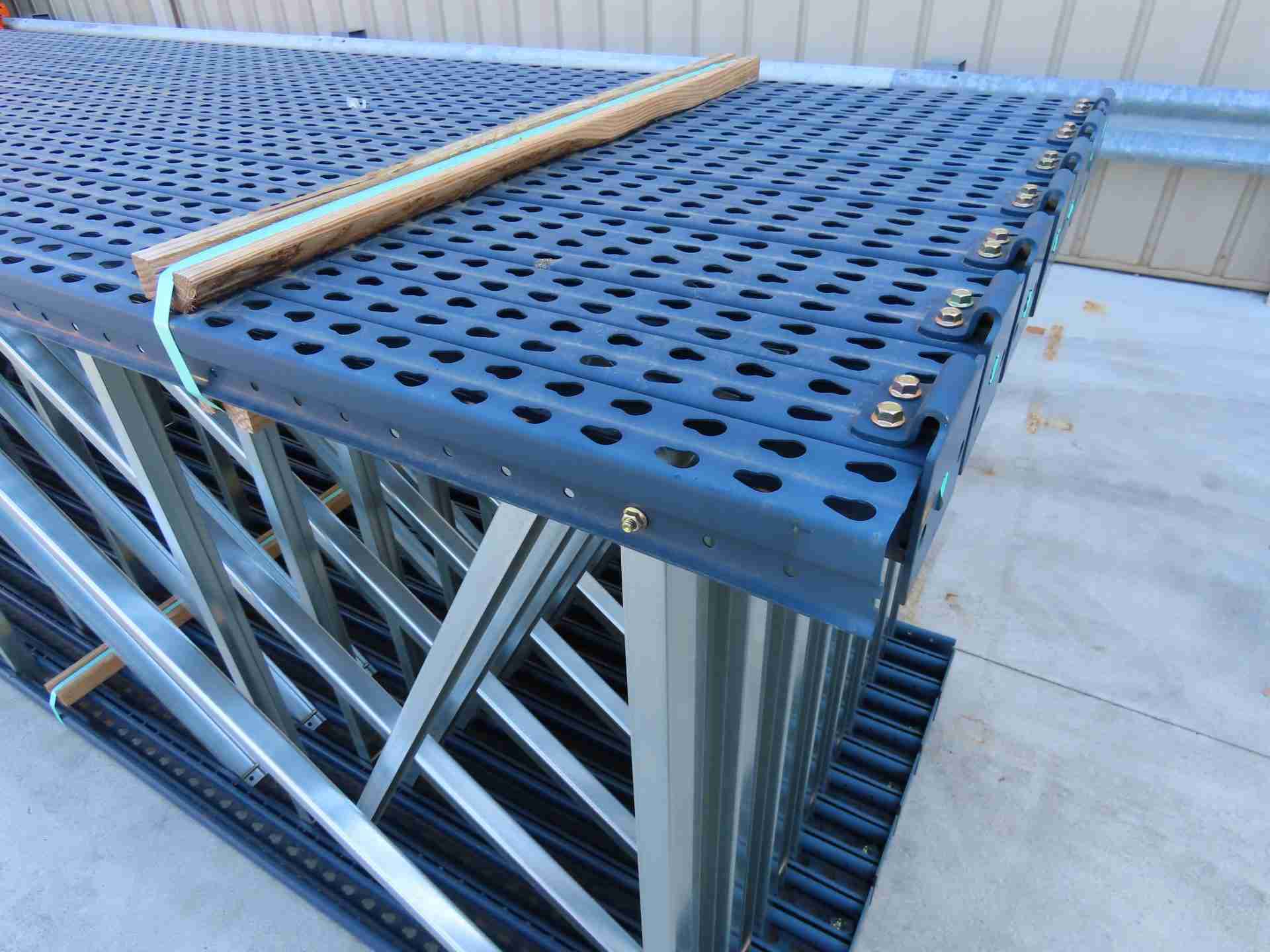
Pallet Racks In Non-Profit and Food Bank Operations
Table Of Contents
- Pallet Racks In Non-Profit and Food Bank Operations
- What Impact Could Efficient Pallet Racks Have on Food Distribution?
- How Do Pallet Racks Improve Storage Efficiency In Food Banks?
- How Can Better Organization Through Racks Lead to Less Waste?
- What Ethical Responsibilities Do Food Banks Have In Their Operations?
- How Do Successful Non-Profits Utilize Pallet Racks for Logistics?
- Conclusion
- Other Resources
- Glossary Of Terms
- Other Questions
- Checklist
What Impact Could Efficient Pallet Racks Have on Food Distribution?
When it comes to food distribution, think about the workers behind the scenes—the ones who rise before dawn, often in frigid warehouses, to make sure that fresh produce reaches our tables. Racking systems might not seem like the focal point of this massive operation, but they play a pivotal role in transforming chaotic storage spaces into organized, efficient environments, ensuring that each item—from apples to zucchinis—makes its journey swiftly and safely.
Imagine a bustling warehouse, where pallets of food are stacked carelessly, causing delays and frustrations. Now picture a well-designed pallet racking system, where every item has its designated spot, clearly labeled and easily accessible. This isn’t just a logistical dream; it’s a necessity. Efficient racking systems drive down operating costs while increasing accuracy in inventory management. The result? Less waste and more food policies focused on sustainability, good for both the wallet and the planet.
This efficiency doesn’t only lighten the load for warehouse workers; it also has significant impacts on the communities relying on these food systems. By maximizing space and streamlining operations, these racking systems help eliminate bottlenecks, allowing more food to be delivered quickly to food banks and families in need. Every second saved in the warehouse can lead to another meal on someone’s table. It’s a powerful ripple effect rooted in human compassion, where the ethics of our operations align with the mission of feeding those in need.
Moreover, when companies invest in efficient pallet racks, they’re not just making a smart business decision; they’re fostering a commitment to better practices in food distribution. Ethical sourcing and responsible logistics can thrive, creating a culture of accountability that resonates far beyond the walls of the warehouse. This commitment inspires consumer trust, inviting customers to choose brands with a conscience, brands that align with their own values.
It’s time we recognize that optimizing our food distribution systems isn’t just about dollars and cents. It’s about ensuring that every box, every can, and every carton gets to where it needs to be—not just quickly, but efficiently, ethically, and compassionately. When we champion these advancements in racking systems, we’re not just moving pallets; we’re moving towards a future where no one goes hungry, a future grounded in community and care. Let’s take a stand for better racking and better food distribution because every meal matters.
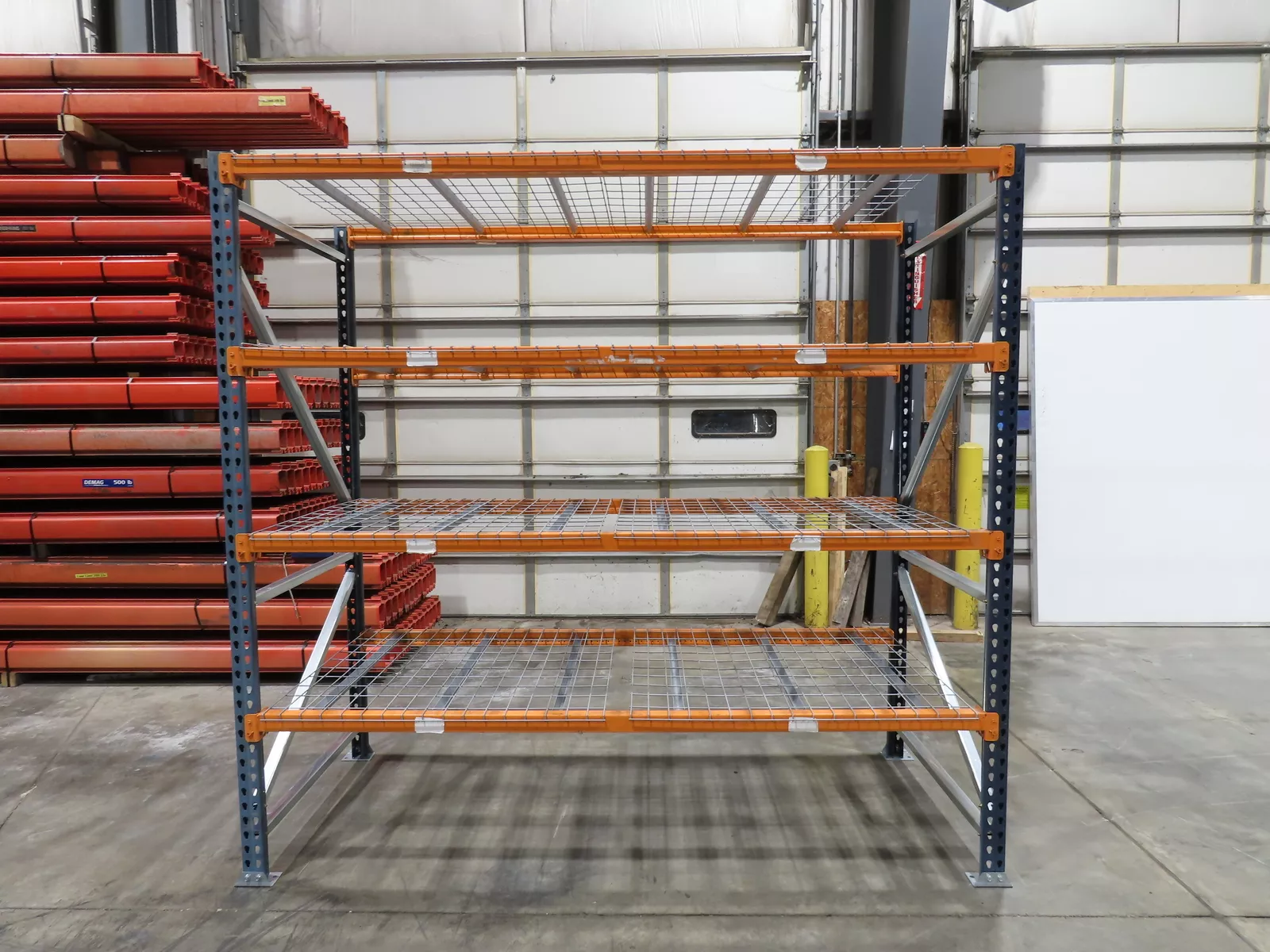
What Impact Could Efficient Pallet Racks Have on Food Distribution?
What Impact Could Efficient Pallet Racks Have on Food Distribution?
- Workers in food distribution play a crucial role by ensuring fresh produce reaches consumers.
- Pallet racking systems are essential in organizing warehouses, transforming chaotic spaces into efficient environments.
- Efficient racking systems help lower operating costs and improve inventory management accuracy.
- Streamlined operations reduce waste and promote sustainability, benefiting both finances and the environment.
- Maximizing space in warehouses enables faster delivery of food to those in need, impacting communities positively.
- Investing in efficient pallet racks fosters ethical sourcing and responsible logistics, enhancing brand trust.
- Optimizing food distribution is about efficiency and compassion, aiming for a future where no one goes hungry.
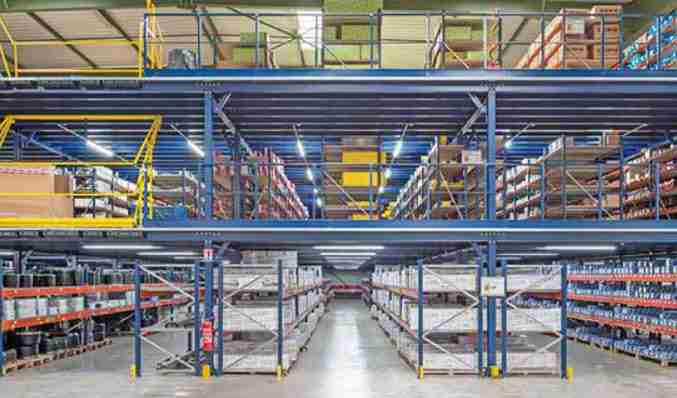
What Impact Could Efficient Pallet Racks Have on Food Distribution?
How Do Pallet Racks Improve Storage Efficiency In Food Banks?
In the bustling heart of a food bank, every inch of space carries weight—weight of expectation, of need, and of hope. When we talk about pallet racking, we’re not merely discussing metal shelves piled high with boxes; we’re witnessing the transformation of that space into a thriving hub of efficiency and compassion. Imagine a scenario where every can, every box, every ounce of nutrition is within reach, organized, and ready to fulfill its purpose. That’s the power of racking systems.
On the pragmatic side, effective racking isn’t just about aesthetics; it’s about maximizing storage efficiency. A well-structured pallet rack system allows food banks to store a higher volume of goods while providing quick access to perishable items. Logistics become seamless when you can easily navigate your environment. This efficiency minimizes food waste and ensures that the pantry is consistently stocked with fresh, wholesome items, meeting the urgent needs of families in crisis.
Consider the ethical implications of what happens when a food bank operates at peak efficiency. Each shelf stocked, each item retrieved promptly, translates to less time waiting for assistance and more time nourishing those who rely on these services. It’s a noble cause, and every volunteer and staff member plays a role in that mission, empowered by the organized chaos that pallet racking brings to the forefront.
Now, let’s not forget the social impact. A well-managed food bank fosters a sense of community and togetherness. It becomes a place where neighbors support each other, bridging the gap between those in need and those willing to help. Pallet racks create a more inviting space where volunteers can connect, collaborate, and engage in meaningful work. There’s a certain camaraderie that develops when everyone knows where to find what they need–efficiency breeds confidence in the mission.
And what about the stories that unfold in these settings? For many, receiving food assistance is a last resort, a humbling experience often filled with uncertainty. But when they enter a food bank that operates like a well-oiled machine, helped by an innovative racking system, they feel valued and respected. They leave not just with bags of groceries, but with a sense of dignity and restored hope.
So, let’s champion those racking systems. They aren’t just tools; they are enablers of generosity and humanity in action, creating a ripple effect that extends well beyond the walls of a food bank. By improving storage efficiency, we enhance lives—one pallet at a time.
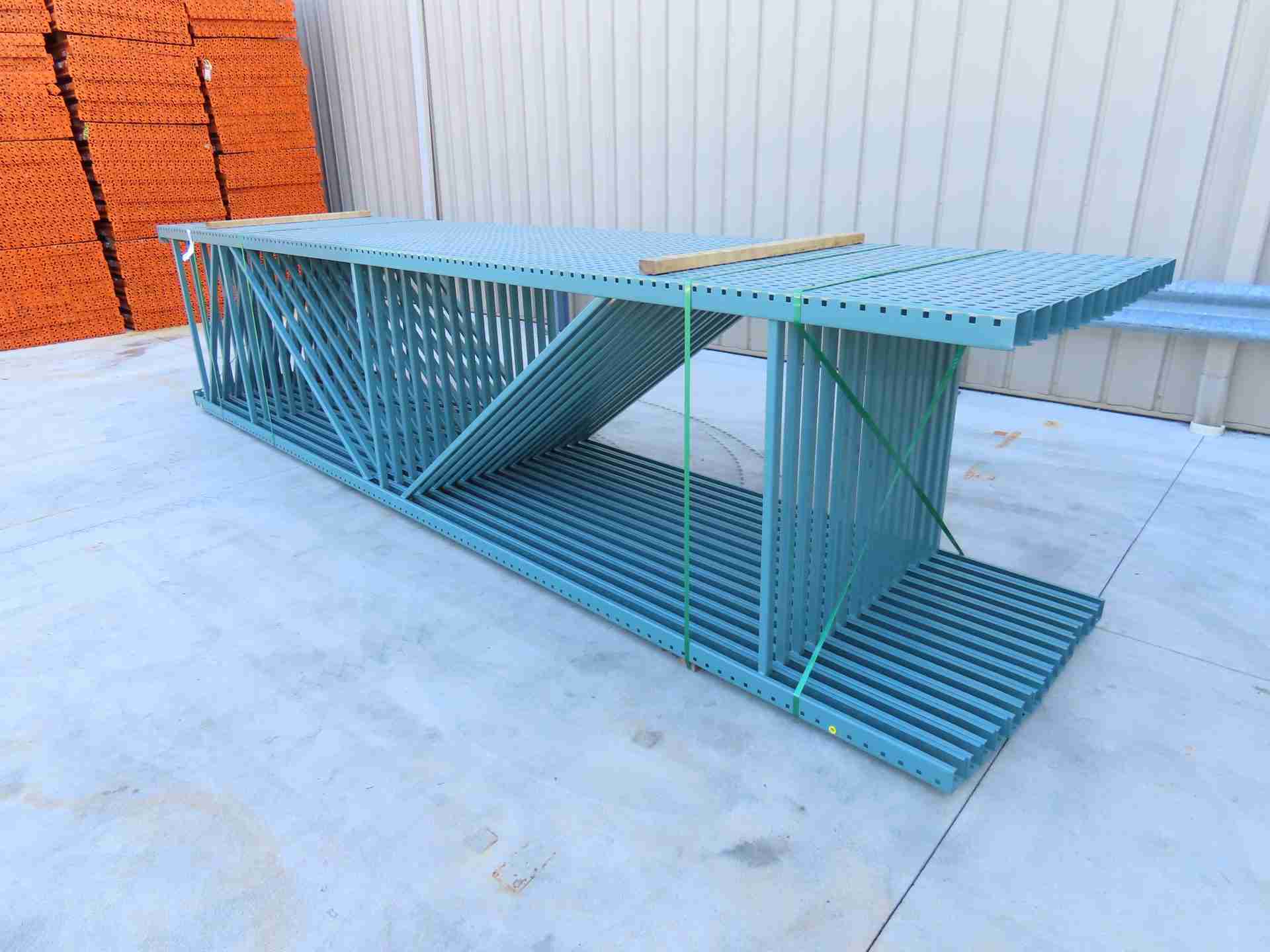
How Do Pallet Racks Improve Storage Efficiency In Food Banks?
How Do Pallet Racks Improve Storage Efficiency In Food Banks?
- The bustling heart of a food bank is filled with expectation, need, and hope, where pallet racking transforms space into a hub of efficiency and compassion.
- Effective racking systems maximize storage efficiency, allowing food banks to store more goods and provide quick access to perishable items.
- Efficient logistics minimize food waste and ensure pantries are stocked with fresh items, addressing urgent needs of families in crisis.
- Peak efficiency in food banks translates to reduced waiting times for assistance, empowering volunteers and staff in their noble mission.
- A well-managed food bank fosters community and togetherness, bridging the gap between those in need and those willing to help.
- Innovative racking systems create inviting spaces for volunteers to connect and engage in meaningful work, fostering camaraderie and confidence.
- Pallet racking systems are enablers of generosity, enhancing lives by improving storage efficiency, one pallet at a time.
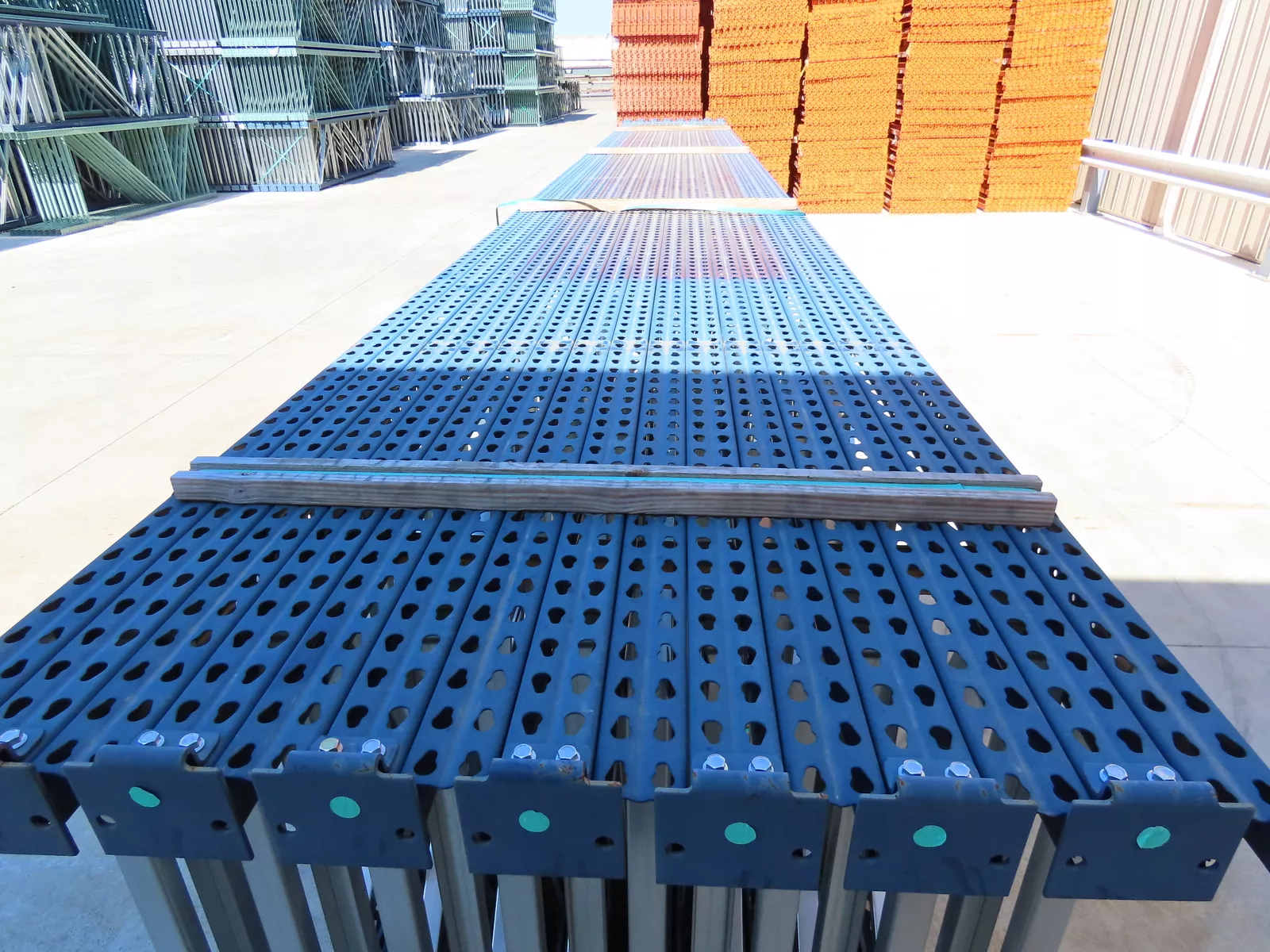
How Do Pallet Racks Improve Storage Efficiency In Food Banks?
How Can Better Organization Through Racks Lead to Less Waste?
When we consider the backbone of any well-organized space, whether it’s a bustling workshop or a cozy garage, racking emerges as a silent hero. Picture this: shelves and racks neatly lined up, each item finding its rightful place. It’s not just an aesthetic charm; it’s a catalyst for change. The clutter starts to clear, and with it, a clearer path to productivity and purpose emerges.
In our hurried, consumer-driven lives, we often find ourselves squandering resources we didn’t even know we had—time, materials, and energy—all lost in a labyrinth of disarray. But imagine stepping into a place where everything is accounted for, where every tool and component sits proudly on a rack designed to highlight its importance. When we convey respect for our resources through thoughtful organization, we not only reduce waste but cultivate an atmosphere of respect for the work we do and the lives we lead.
Racking doesn’t just combat the physical clutter; it offers a psychological boost too. When everything’s in its place, it’s as if the universe realigns, allowing us to focus, to create without the burden of excess weighing us down. Each item visible, each tool ready for action—this is how we transform our environment to fuel progress. The truth is, our relationship with our tools, our projects, and even each other improves when we engage with our surroundings mindfully.
Ethically, it’s an invitation to step outside the cycle of excess and wastefulness. Choosing to embrace organization isn’t merely a practical decision; it’s a commitment to sustainability, an ethical stand against the endless consumption that threatens our planet. By reducing waste through better organization, we show we care—not just for our immediate environment but for future generations.
And let’s not forget the social impact. When friends, family, or colleagues walk into a space that shouts order and efficiency, it fosters collaboration and inspiration. Racking is more than just a function; it’s a community decision to work better together. We support each other when our spaces encourage creativity and connection.
So, let’s roll up our sleeves and embrace the simple yet profound power of racking. By investing a little time to organize our spaces, we can simultaneously declutter our lives and declutter our conscience, paving the way for a more productive, less wasteful world. That’s something we all can get behind.
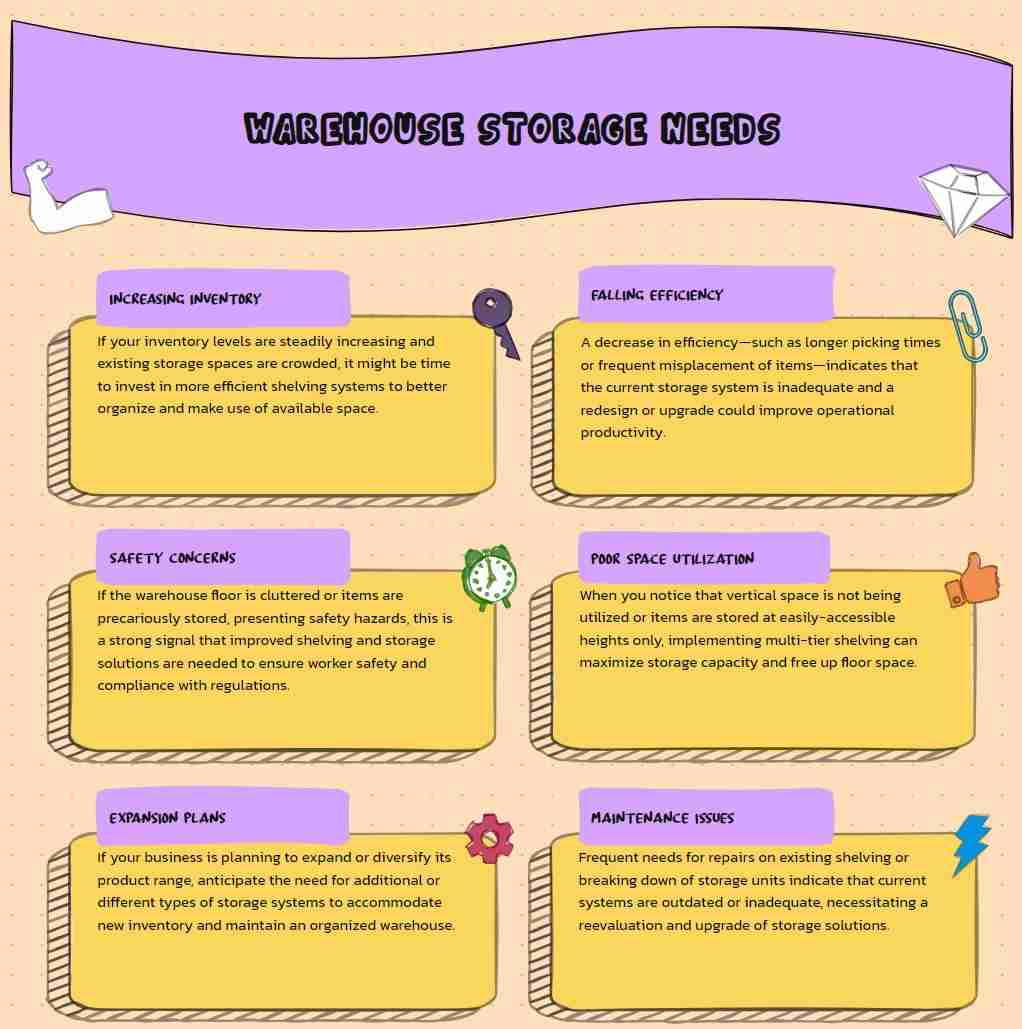
How Can Better Organization Through Racks Lead to Less Waste?
How Can Better Organization Through Racks Lead to Less Waste?
- Racking is essential for organizing spaces like workshops and garages.
- Thoughtful organization leads to increased productivity and a clearer workspace.
- Proper racking helps avoid waste of time, materials, and energy.
- It cultivates respect for resources and the work being done.
- Organization provides a psychological boost, allowing for enhanced focus and creativity.
- Embracing organization supports sustainability and ethical consumption.
- Well-organized spaces promote collaboration and inspire community connection.

How Can Better Organization Through Racks Lead to Less Waste?
What Ethical Responsibilities Do Food Banks Have In Their Operations?
In the lifeblood of our communities, food banks stand as vital organs, filtering and distributing essential nutrients to those in desperate need. Yet, the question that hangs in the air is: what ethical responsibilities do these critical establishments have in their operations? When we think about racking up pounds of food for the hungry, we must not forget the profound responsibility that accompanies every can and carton.
First and foremost, honesty should guide their operations. Transparency isn’t just a nicety; it’s a necessity. When a food bank makes decisions—like which items to stock or how to prioritize delivery—it must communicate openly with its supporters, volunteers, and the community it serves. Imagine a single mother walking into a food bank, hopeful yet apprehensive. The trust developed through honest interactions can be as nourishing as the food offered. If people feel secure in what they receive, they’re likely to return that trust with generosity, creating a cycle of support.
Then there’s the issue of dignity. Distributing food is about more than feeding the hungry; it’s about respecting them as individuals. Research shows that when people feel treated with respect, their sense of self-worth improves. That’s why food banks need to focus not only on what’s being offered but also on how it’s presented. Creating an environment where clients can make choices through a “food pantry market” style rather than a dispensation model allows them to retain their dignity while still racking up meals.
This isn’t just a matter of good ethics; it’s practical, too. Studies reveal that dignity in assistance can lead to increased community participation, more volunteers stepping up, and deeper connections being forged. When food banks embody ethical values, their impact multiplies, transforming isolated acts of charity into a vibrant, interconnected community.
Finally, partnerships with local farms, grocery stores, and other businesses can redefine the notion of food recovery. When food banks become vested players in their local economies, they not only provide for the needy but also help alleviate waste and strengthen community ties. This strategy, rooted in ethical responsibility, isn’t just about filling plates—it’s about racking up real change in the fabric of society.
Emphasizing ethics in food bank operations has the power to inspire action, encourage compassion, and build a more resilient community. Each choice and interaction becomes a chance to uplift those in need, ensuring we all share in the abundance life can provide.
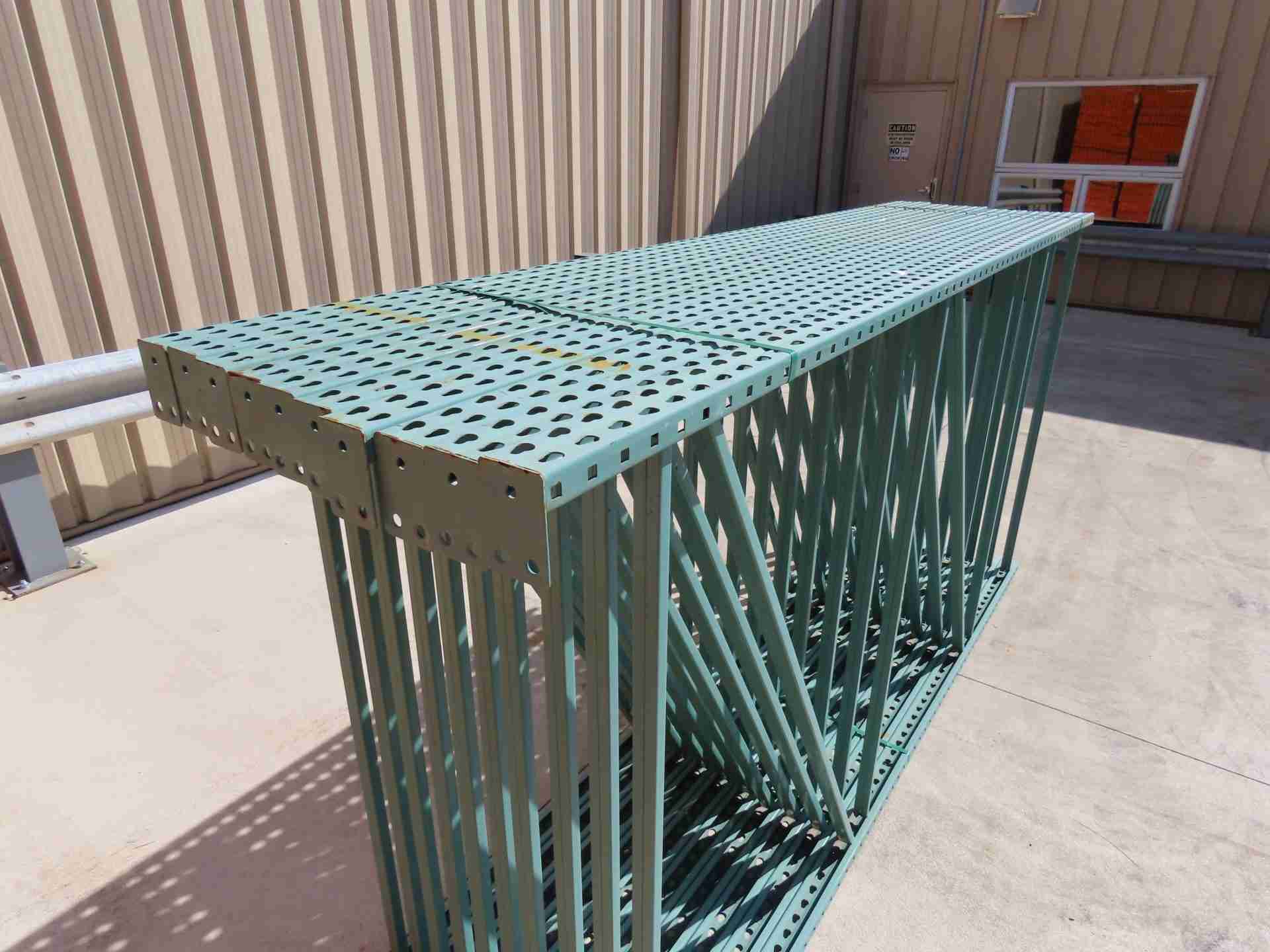
What Ethical Responsibilities Do Food Banks Have In Their Operations?
What Ethical Responsibilities Do Food Banks Have In Their Operations?
- Food banks serve as essential community resources, providing vital nutrition to those in need.
- Ethical responsibilities of food banks include honesty and transparency in operations and decision-making.
- Trust and open communication between food banks and the community enhance support and foster generosity.
- Dignity is crucial in food distribution; respectful treatment improves recipients’ self-worth.
- Implementing a “food pantry market” style allows clients to make choices, preserving their dignity.
- Ethical practices in food banks can lead to greater community participation and stronger connections.
- Partnerships with local businesses can transform food recovery efforts and strengthen community ties.
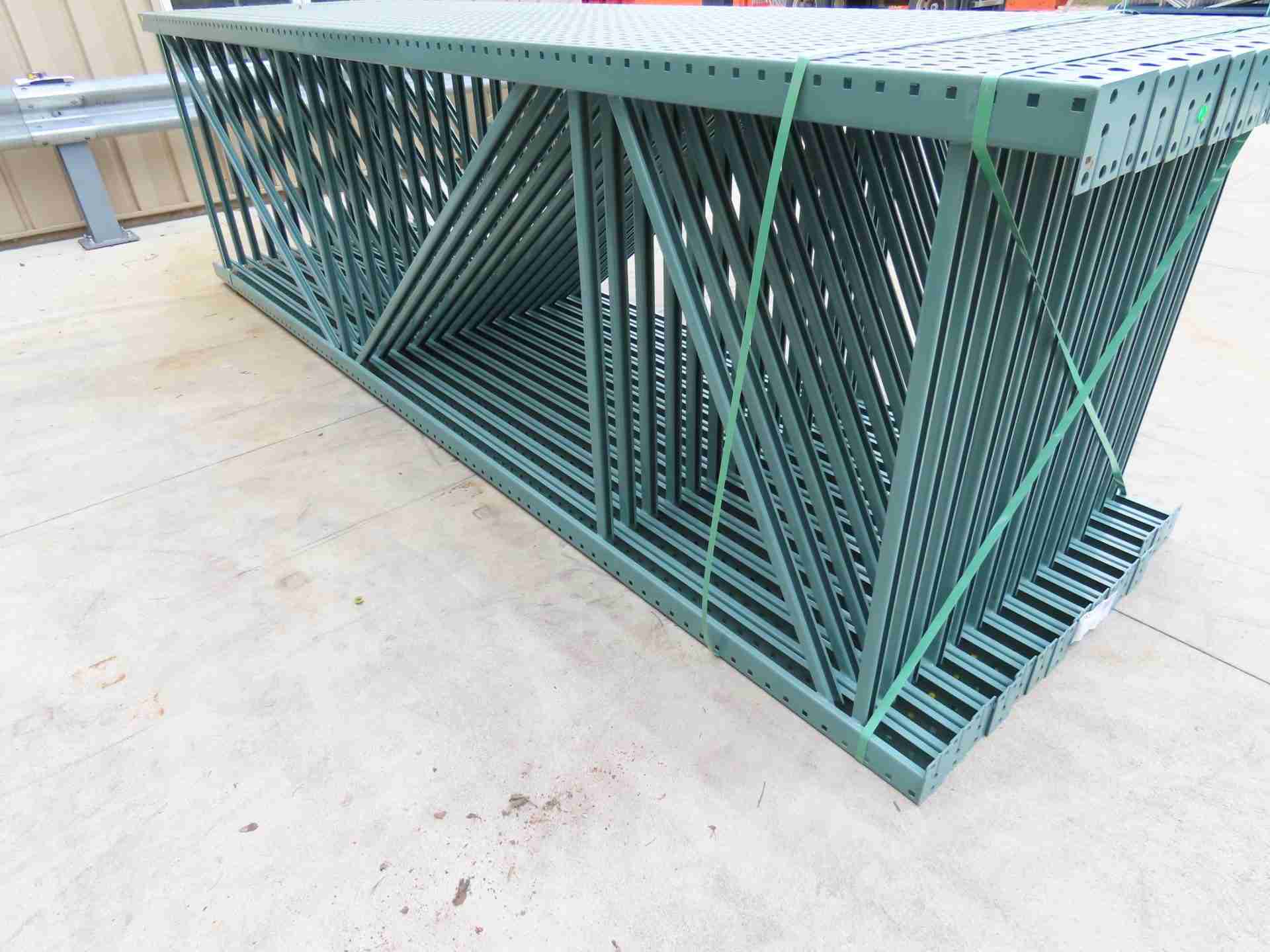
What Ethical Responsibilities Do Food Banks Have In Their Operations?
How Do Successful Non-Profits Utilize Pallet Racks for Logistics?
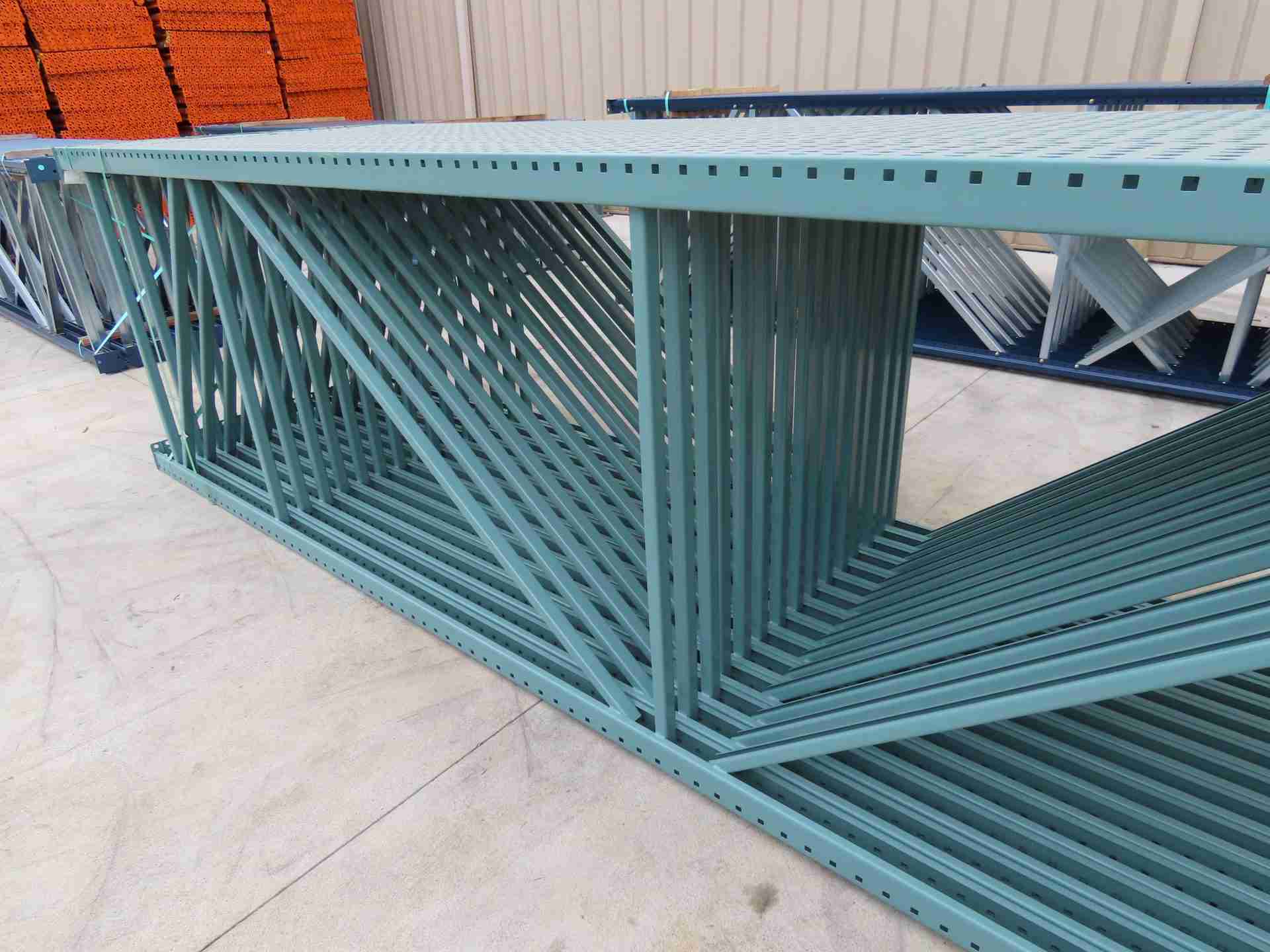
In the world of non-profits, every item stored on a Pallet Rack tells a story. These racks, often taken for granted, are a lifeline for organizations dedicated to making the world a better place. Picture this: a community outreach program, bustling with volunteers, relies on these sturdy systems to transmute raw materials into hope—food, clothing, and supplies for those in need.
Imagine a family facing hardship, caught in the grip of circumstances beyond their control. They enter a community center transformed by efficient logistics into a warm hub of support and assistance. Here, the shelves lined with organized goods show a beautiful output of effort. That’s the impact of smart racking and the very essence of what non-profits aim to achieve: connection, dignity, and respect for every individual.
From a rational standpoint, utilizing pallet racks means maximizing space and minimizing waste. What could be more ethically sound than ensuring that every inch of your facility is used to its fullest potential? In a time when resources are scarce, non-profits can’t afford to let even a single box of supplies go unaccounted for. The right racking system supports this cause, fostering an environment where every resource works harder for the mission.
Consider the authority derived from effective logistics management. Successful non-profits understand that professionalism in operation reflects commitment to the cause. It instills confidence in donors who want to know their contributions aren’t just being thrown into a void. These racking systems don’t just hold items; they symbolize organization and transparency, both of which are vital for fostering trust.
But it doesn’t end there; there’s a narrative woven through the fabric of these seemingly mundane steel racks. Each time a volunteer retrieves a donated coat or a box of canned goods, they’re not just sorting items—they’re igniting change. They’re part of something larger, a social movement that thrives on compassion and community. The efficiency created by these racking systems allows them to focus on what truly matters: human connection.
So, the next time you think about how non-profits operate, remember the racking systems that make their miracles possible. It’s not just about logistics; it’s about the heart behind every item stored, waiting to transform lives, inspire hope, and build a better tomorrow. Join the cause. Support those who support us all. Your involvement matters, and so do the thoughtful systems that help it thrive.
How Do Successful Non-Profits Utilize Pallet Racks for Logistics?
How Do Successful Non-Profits Utilize Pallet Racks for Logistics?
- Pallet racks in non-profits are crucial for transforming raw materials into essential supplies.
- Community centers utilize efficient logistics to create supportive environments for families in need.
- Effective racking maximizes space and minimizes waste, ensuring that every resource is utilized.
- Professional logistics management fosters donor confidence and reflects commitment to the mission.
- Pallet racks symbolize organization and transparency, vital for building trust within the community.
- Volunteers retrieving items from racks are part of a greater social movement driven by compassion.
- Supporting non-profits means recognizing the importance of the systems that help them achieve their goals.

How Do Successful Non-Profits Utilize Pallet Racks for Logistics?
Conclusion
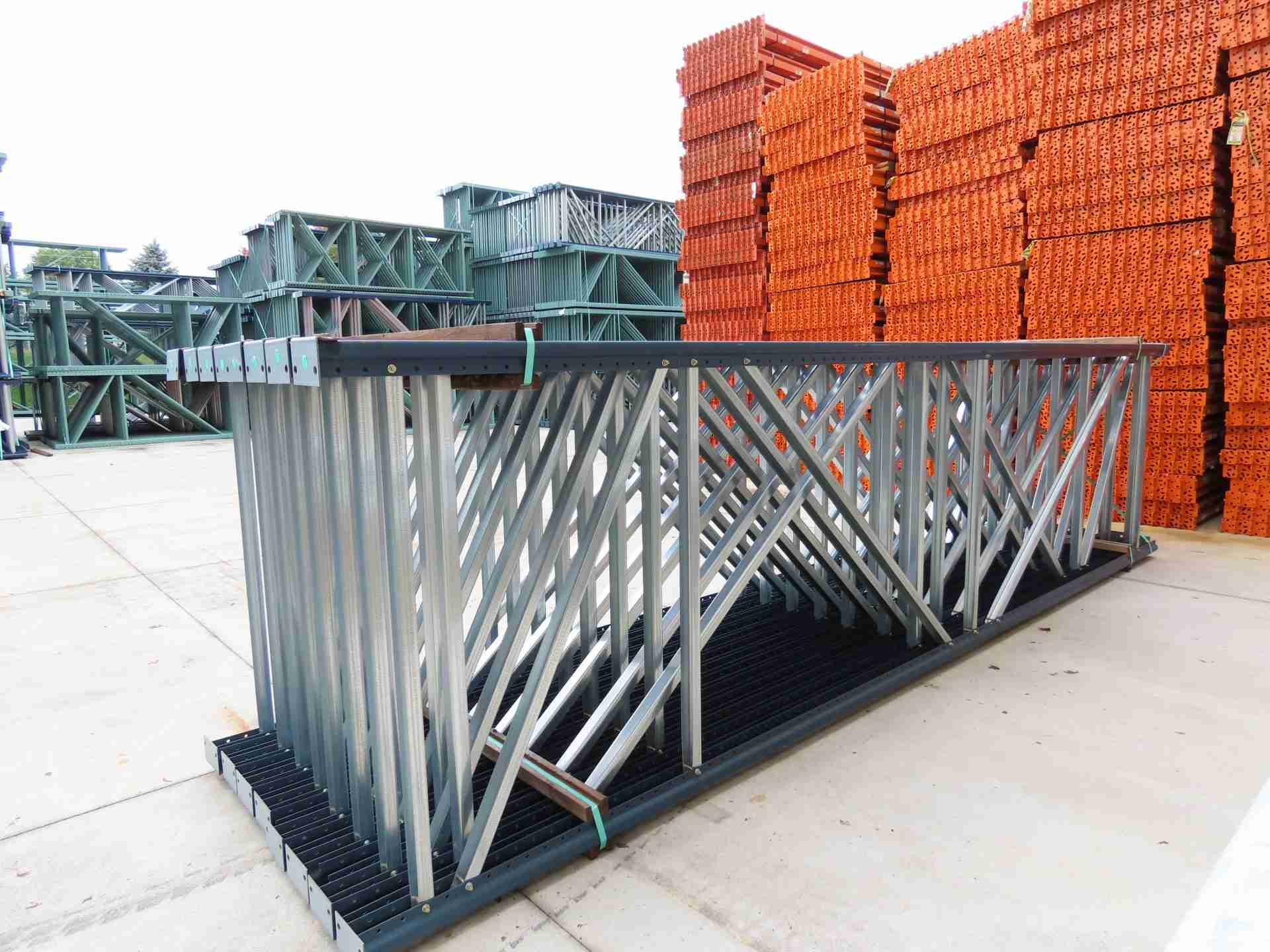
In the intricate dance of food bank operations and non-profit endeavors, pallet racks stand as fundamental pillars of efficiency, unassuming yet profoundly impactful. Imagine entering a food bank, a place often filled with uncertainty, but instead, greeted by the organized sight of shelves brimming with fresh produce and essential goods. Each carefully placed item is not just food; it’s a testament to dignity, hope, and a community’s unwavering support. For families in need, every basket filled is a moment infused with respect and humanity.
The impact of efficient pallet racking extends far beyond simple storage solutions. In a world fraught with food deserts and economic disparities, these systems guarantee that every ounce of food matters. Imagine the workers—early risers braving cold warehouses to ensure that fresh produce reaches tables swiftly. When racks are arranged to promote seamless navigation, the logistics become nimble, reducing waste and amplifying the reach of food assistance. Each second saved translates directly into a meal delivered, showcasing the ethical imperative of utilizing resources wisely.
Moreover, pallet racks are not just tools—they symbolize a shared commitment to community and collaboration. They invite donors, volunteers, and patrons into a space where everyone plays a vital role. Picture the bonds formed over a shared mission, the connection made as each person contributes to the bigger picture. These racks serve as a daily reminder that together, we can achieve more, echoing the very essence of what it means to be part of a community.
In an age where wastage is often taken for granted, the call for better organization through efficient systems takes on a moral weight. When resources are honored and respected, it changes the fabric of how we interact with one another. Each item placed thoughtfully on a shelf isn’t just about inventory; it’s about reducing excess and embracing a culture of responsibility. By improving accessibility and streamlining operations, food banks can not only serve those in crisis but also instill a sense of empowerment within every individual they touch.
In essence, pallet racks represent more than mere organizational tools; they embody a movement grounded in compassion, transparency, and ethical responsibility. They remind us that food banks are not merely places of charity but vibrant hubs of community resilience, proving that—together—we can nurture a future where no one is left hungry. Supporting this vision means advocating for continued innovation in logistics, because every meal served is a step toward a better world. Let’s honor these unsung heroes and the critical work they enable, as we strive for a tomorrow defined by care, community, and connection.
Conclusion
Conclusion:
- Pallet racks are essential for enhancing efficiency in food bank operations and non-profit activities.
- They create an organized environment, showcasing fresh produce and essential goods and symbolizing dignity and hope for families in need.
- Efficient pallet racking systems reduce waste, allowing for faster food delivery in response to food deserts and economic disparities.
- Pallet racks foster community collaboration by bringing together donors, volunteers, and patrons in a shared mission.
- Improved organization through pallet racks promotes responsible resource usage and reduces excess, instilling empowerment within individuals served.
- Pallet racks represent a commitment to transparency and ethical responsibility in food distribution.
- Supporting innovative logistics in food banks can help create a future where no one struggles with hunger.

Conclusion
Other Resources

Other Resources
Here is a list of other resources you can review online to learn more:
- Warehouse Automation
- Teardrop Pallet Rack – Ridg-U-Rak
- Warehouse Racking System: Powerful Guide to Optimise, 2024
- Pallet Racking systems in Illinois, Great Lakes
- Warehouse Storage Racks
- Pallet Racking systems in Illinois and Great Lakes
- Warehouse Racking Chicago, IL
- Warehouse Racks, Warehouse Racking in Stock – ULINE
- Pallet Racking 101: A Comprehensive Guide & Options Explained
- Wolter
- What is Selective Pallet Racking
- Intro to Warehouse Racks & Warehouse Racking Systems – ShipBob
- CA Wire
- NSC
- Warehouse Racking Systems: Beginner’s Guide to Rack Systems
- Logic Material Handling
- Pallet Racking systems in Illinois and Great Lakes
- Teardrop Industrial Shelving Rack
- SEMA
- New Cantilever Racks and Racking Kits
Use This Prompt To Get More Resources With Your Favorite Online AI Tool: Please provide me with a list of online articles with their URLs in a bulleted list that I can read regarding Pallet Racks In Non-Profit and Food Bank Operations
Other Resources
Glossary Terms
Pallet Racks In Non-Profit and Food Bank Operations – Glossary Of Terms
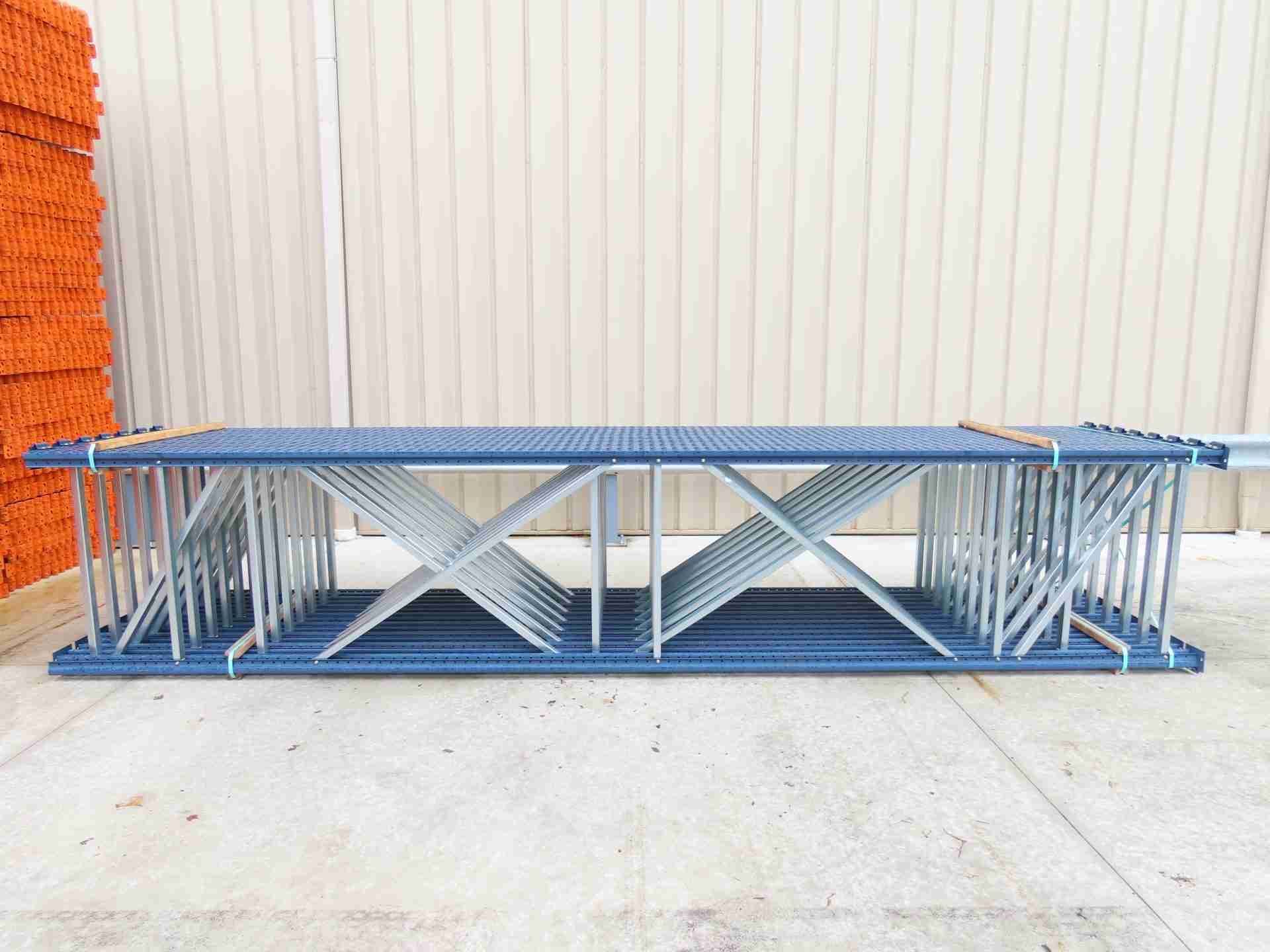
1. Pallet Rack: A storage system designed to hold pallets of goods efficiently in warehouses and distribution centers.
2. Food Bank: An organization that collects, stores, and distributes food to those in need through various community programs.
3. Warehouse Management: The systematic control of warehouse operations to optimize storage, inventory, and logistics.
4. Inventory Control: The process of managing stock levels to meet demand while minimizing excess and ensuring availability.
5. Storage Density: The amount of product stored within a specific volume of space; important for maximizing warehouse efficiency.
6. FIFO (First In, First Out): An inventory management method where the oldest stock is used or distributed first, minimizing spoilage.
7. LIFO (Last In, First Out): An inventory method where the most recently added stock is used first, often employed in industries with low spoilage risk.
8. Cross-Docking: A logistics practice where inbound goods are directly transferred to outbound trucks, reducing storage time.
9. Load Capacity: The maximum weight a pallet rack can safely hold, crucial for ensuring safety and compliance.
10. Forklift: A powered industrial truck used to lift and move materials, essential for handling pallets in warehouses.
11. Lean Inventory: A management strategy aimed at reducing waste and improving efficiency in inventory processes.
12. Safety Regulations: Guidelines and standards set to ensure the safety and health of workers in warehouse and storage environments.
13. Shelving: The platforms within a pallet rack that hold items; can vary in design and material depending on the stored goods.
14. Vertical Storage: Utilizing vertical space in a warehouse to maximize storage efficiency, often achieved with pallet racks.
15. Distribution Center: A facility that serves as a hub for receiving, storing, and distributing goods to various locations.
16. Cold Storage: Temperature-controlled storage designed for perishable items, often necessary for food banks handling fresh produce.
17. Bulk Storage: A storage approach that involves grouping similar products together to maximize space and simplify retrieval.
18. SKU (Stock Keeping Unit): A unique identifier for each distinct product or service for inventory management purposes.
19. Pick-and-Pack: A fulfillment method where individual items are picked from storage, packaged, and prepared for delivery.
20. Donor Relations: The management of interactions and relationships with individuals or organizations that contribute resources to non-profits.
21. Volunteer Management: The coordination of individuals who offer their time to assist with operations at non-profit organizations.
22. Surplus Food: Excess food that is safe to eat but not needed by retailers, often redistributed through food banks.
23. Grant Funding: Financial support provided by government entities or foundations to assist non-profits in fulfilling their mission.
24. Community Outreach: Programs and initiatives aimed at engaging with and serving the local community, often a focus of food banks.
25. Food Distribution: The process of delivering food from a food bank to individuals or families in need.
26. Logistics: The detailed coordination of complex operations involving people, facilities, and supplies.
27. Supplier Relationships: Partnerships with producers and distributors that provide goods for food banks.
28. Material Handling: The movement, protection, and storage of goods throughout the manufacturing, warehousing, and distribution process.
29. Emergency Food Assistance: Support provided by food banks during crises, ensuring access to food for individuals in need.
30. Sustainability: Practices aimed at reducing environmental impact, including the efficient use of resources and reducing food waste.
Glossary Of Terms
Other Questions
Pallet Racks In Non-Profit and Food Bank Operations – Other Questions
If you wish to explore and discover more, consider looking for answers to these questions:
- What types of pallet racking systems are best for food banks?
- How can food banks measure the effectiveness of their pallet rack systems?
- What challenges do food banks face when implementing pallet racking?
- How do different types of food items impact the design of pallet racks?
- What training is necessary for volunteers and staff to effectively use pallet racks?
- How can food banks ensure the safety of their pallet racking systems?
- What technologies can enhance the efficiency of pallet racking systems in food banks?
- How do pallet racks affect the volunteer experience in food banks?
- What role do pallet racks play in food waste reduction strategies?
- How can pallet racking practices be shared among different food banks for best practices?
Other Questions
Checklist
Pallet Racks In Non-Profit and Food Bank Operations – A Checklist
Checklist: Optimizing Pallet Racks for Community Impact
Heart Appeals
_____ Community Connection: Reflect on how well-organized storage can foster a sense of community and dignity for those in need.
_____ Empathy in Operations: Consider the emotional impact of your logistics decisions on the individuals you serve. Are you treating them with the respect they deserve?
_____ Volunteer Engagement: Encourage volunteers by creating an environment that highlights their critical roles in the food distribution process.
Head Appeals
_____ Efficiency Maximization: Evaluate how your pallet racking systems can improve storage capacity and reduce waste. Are you maximizing every inch of available space?
_____ Cost Reduction: Assess the potential for lowering operating costs through optimized logistics. How can better organization impact your budget?
_____ Inventory Management: Implement strategies for accurate inventory tracking. Are your items easily accessible, or is chaos undermining your efficiency?
Gut Appeals
_____ Food Security Impact: Reflect on the direct correlation between effective storage solutions and the number of meals provided to those in need. Are you cognizant of how every second saved impacts your community?
_____ Ethical Responsibility: Consider the ethical implications of your operations. Are you committed to sustainability and transparent practices in your food distribution?
_____ Stories in Storage: Recognize that each pallet tells a story. How does your organization symbolize hope and resilience through its logistics?
Emotional Appeals
_____ Dignity in Service: Advocate for models that allow clients to choose their food. Is your operation designed to empower individuals with agency?
_____ Collective Spirit: Celebrate community efforts and partnerships with local businesses. How can collaboration drive your mission forward?
Rational Appeals
_____ Sustainability Practices: Identify ways to ensure your storage solutions align with sustainable practices that benefit both the planet and your organization.
_____ Logistics Management: Understand the key principles behind successful logistics strategies used by other non-profits. Are you leveraging best practices effectively?
Ethical Appeals
_____ Transparency: Commit to open communication regarding operations and resource allocation. How are you building trust within your community?
_____ Partnership Development: Seek to form alliances with local growers and businesses to bolster food recovery efforts. Are you maximizing local resources to enhance your impact?
Social Appeals
_____ Volunteer Recognition: Create initiatives to celebrate the contributions of your volunteers. How can you highlight their essential role in your operations?
_____ Community Outreach: Regularly engage with your community to gather feedback on operations and strive for continuous improvement. Are you maintaining connection and relevance in your community?
Utilize this checklist to strengthen the impact of your food bank or non-profit operation by fostering greater organization, compassion, and collaboration within your community.

Checklist
At RackingWorld, we help guide you through selecting warehouse storage systems and racking.
Be sure to read our other related stories at RackingWorld to learn more about warehouse storage systems.
0 Comments