
Maximizing Efficiency And Organization In Your Rack Setup
By Tom Seest
At RackingWorld, we help guide you through selecting warehouse storage systems and racking.
Be sure to read our other related stories at RackingWorld to learn more about warehouse storage systems.
How to Reduce Dead Space In Your Rack Layout
When you look at your server room, what do you see? A symphony of blinking lights and humming machines, or a chaotic collection of neglected equipment struggling against the confines of an inefficient layout? Racking systems are crucial to maximizing space and ensuring peak performance, yet many organizations overlook the potential for optimization. Dead space isn’t just wasted square footage; it’s a missed opportunity to streamline operations and enhance efficiency.
Imagine walking into a space where every inch has purpose—a place where your servers stand in proud formation, optimized for airflow, ease of access, and effective cooling. When you eliminate dead space in your rack layout, you aren’t just reorganizing equipment; you’re championing a mindset of efficiency that resonates across your organization. This is about more than hardware; it’s about nurturing a culture that respects resources and maximizes infrastructure.
Now, let’s get practical. Start with a thorough assessment of your current layout. Grab a tape measure, a notepad, and your best instincts. Look for the areas where cables spill over, where shelves collect dust instead of delivering power. Every cable not neatly secured takes away from the aesthetic and functionality of your setup. Simple cable management solutions can transform tangled chaos into a harmonious stream of efficiency, enabling efficient airflow that cools those hardworking machines. Not only does this inspire confidence in your infrastructure capability, but think of the morale boost for your team—less frustration means more focus.
Beyond the technical aspects, consider the ethical responsibility we have to our resources. In a world facing limits, making the most of what we have isn’t just smart; it’s imperative. Racking systems that utilize every bit of their intended space send a clear message: we value our investment, we respect our environment, and we support a productive workplace. This creates a powerful narrative of responsibility that can inspire those around you.
Engage your team in the conversation. Share your ideas and listen to theirs—after all, it’s not just your space; it’s a collective effort. Collaborating on this journey fosters connection, boosts morale, and strengthens community in an often-isolated technical world.
Reducing dead space in your rack layout is more than a utilitarian task; it’s a commitment to excellence that resonates on many levels. Take that leap, and watch as your server room transforms into a beacon of operational efficiency, inspiring trust and action from everyone who steps inside.

How to Reduce Dead Space In Your Rack Layout
How to Reduce Dead Space In Your Rack Layout
- Server room layouts often reveal either organized efficiency or chaotic neglect.
- Racking systems are vital for maximizing space and enhancing performance.
- Dead space represents missed opportunities to improve operations and efficiency.
- Optimized layouts promote a culture of respect for resources and infrastructure.
- Conduct a thorough assessment of your current layout to identify areas for improvement.
- Implementing effective cable management can enhance airflow and operational confidence.
- Engaging your team in layout discussions fosters collaboration and boosts morale.

How to Reduce Dead Space In Your Rack Layout
Table Of Contents
- How to Reduce Dead Space In Your Rack Layout
- What Is the Emotional Impact Of Wasted Space In Our Work Environment?
- How Can Optimizing Rack Layout Boost Our Productivity and Efficiency?
- How Can We Inspire Our Teams to Value Efficient Space Utilization?
- What Authority Figures Or Experts Can We Turn to for Best Practices?
- What Measurable Results Can We Expect From Reducing Dead Space?
- Conclusion
- Other Resources
- Glossary Of Terms
- Other Questions
- Checklist
What Is the Emotional Impact Of Wasted Space In Our Work Environment?
Picture this: a once-vibrant workspace, buzzing with ideas and collaboration, now dulled by neglected corners, empty desks, and forgotten racking. Each square foot of wasted space doesn’t just represent lost potential; it resonates deep within us, whispering of missed opportunities and stifled creativity. When we walk into a cluttered office or an underutilized meeting room, we can almost feel the weight of those unfulfilled aspirations pressing down on our hearts.
At first glance, it might seem like empty spaces are merely an inconvenience. However, the emotional impact runs far deeper. A poorly designed environment doesn’t just kill productivity; it sends a message that our work doesn’t matter. This realization gnaws at our psyche, eroding motivation and dampening enthusiasm. In a world where we yearn for connection and contribution, realizing that our environment fails to reflect our values can lead to feelings of resentment and apathy.
Now, think about the collective responsibility of fostering an environment that celebrates collaboration. When the space around us is neglected, we are not just wasting square footage; we are undermining our culture and relationships. The workspace should be an extension of our identity, a place where every inch is filled with purpose. By revitalizing these areas—the forgotten nooks or underused conference rooms—we create a stage for innovation and camaraderie, breathing life into the very essence of teamwork.
Beyond the personal, there’s a broader narrative to consider. Workspaces are reflections of our aspirations—they project our collective ideals and ethical commitment to fruitful collaboration. When we rectify wasted space, we’re actively choosing to invest in a culture of growth, inclusion, and productivity. It’s an ethical stance that not only uplifts morale but fosters a sense of pride among employees.
Imagine walking into an office replete with vibrant energy, where every corner tells a story of collaboration and initiative. That kind of environment doesn’t just happen; it’s built on the recognition that every inch matters. If we harness the emotional impact of our work spaces, we can galvanize a workforce that is engaged, inspired, and ready to tackle the challenges ahead. So, let’s roll up our sleeves and reclaim our space. After all, it isn’t just about the walls; it’s about what we choose to build within them.
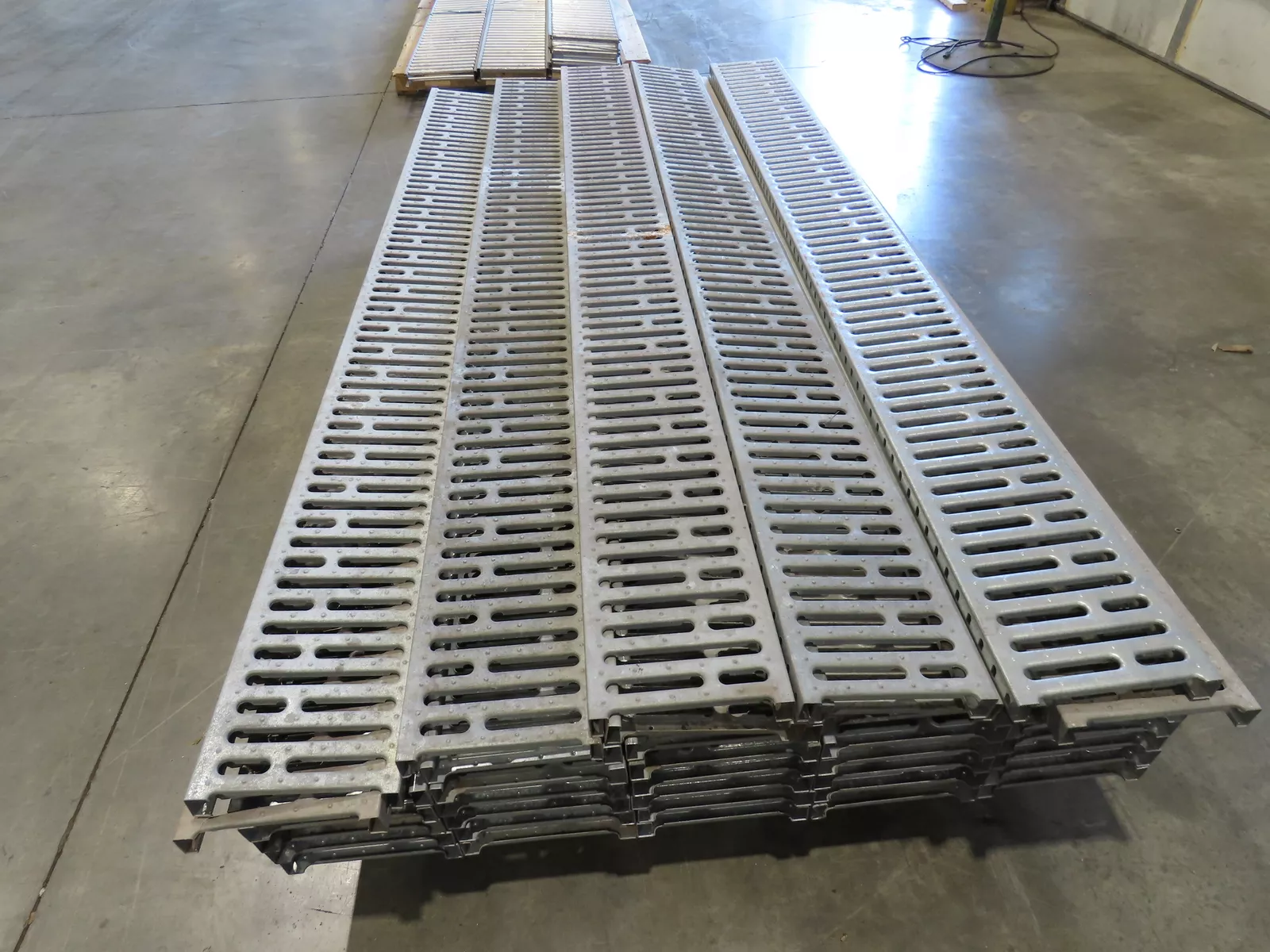
What Is the Emotional Impact Of Wasted Space In Our Work Environment?
What Is the Emotional Impact Of Wasted Space In Our Work Environment?
- Neglected workspaces signify lost potential and creativity, impacting our emotional well-being.
- Empty spaces convey a lack of value in our work, eroding motivation and enthusiasm.
- These environments may lead to resentment and apathy among individuals seeking connection and contribution.
- A collective responsibility exists to foster spaces that encourage collaboration and purpose.
- Revitalizing neglected areas promotes innovation and teamwork, reflecting our identity and culture.
- Workspaces symbolize our aspirations and commitment to growth, inclusion, and productivity.
- Reclaiming and enhancing our work environments can inspire an engaged and enthusiastic workforce.

What Is the Emotional Impact Of Wasted Space In Our Work Environment?
How Can Optimizing Rack Layout Boost Our Productivity and Efficiency?
When you walk into a warehouse or a workshop, the first thing you notice is the layout. Every racking system tells a story—of efficiency or chaos, of organized productivity or wasted time. It’s not just wood and metal; it’s the very backbone of operation that can propel us forward or hold us back.
Consider this: every inch of space in your racking system is a potential opportunity. When racks are arranged haphazardly, not only does that create a labyrinth of confusion, but it also drains the spirit of those who work among them. Imagine a team geared up for a day of hard work, only to spend precious minutes navigating a disorganized racking system. That’s time lost, productivity plummeting, and morale sinking like a stone. And let’s be honest, nobody wants to feel like they’re trudging through mud when there’s work to be done.
Now, think about what an optimized rack layout can do. It’s about more than just aesthetics; it’s a rational approach to enhancing workflow. Each section should be tailored to meet the specific needs of the stock it holds, the tasks at hand, and the individuals who operate it. Consider it a well-oiled machine where each cog, or rack, plays a crucial role in keeping the entire system running smoothly. When we visualize our products and tools in a systematic layout, everything falls into place, propelling us toward our goals and objectives.
But it goes deeper. An ethical responsibility looms over us—a duty to create environments where our teams can flourish. A well-organized workspace fosters not just efficiency but safety and well-being. Employees who feel empowered and capable are more likely to take pride in their work, resulting in fewer accidents, increased morale, and a culture of excellence that permeates through every level of the organization.
And let’s not forget the social aspect. A team that can rely on each other, navigating their space with ease and confidence, builds camaraderie and cohesion. It transforms work from merely a job into a shared journey toward success. By optimizing our racking system, we’re not just improving productivity; we’re creating an environment where people feel valued and purpose-driven.
So, what’s stopping you? Let’s embrace the chance to maximize our impact, empower our teams, and inspire a culture of efficiency. Rethink that racking layout, and you’ll witness the transformation ripple through every corner of your workplace—because every single detail counts in the pursuit of excellence.

How Can Optimizing Rack Layout Boost Our Productivity and Efficiency?
How Can Optimizing Rack Layout Boost Our Productivity and Efficiency?
- The layout of a warehouse or workshop is crucial, reflecting either efficiency or chaos.
- A disorganized racking system can waste time and diminish employee morale.
- Optimized rack layouts enhance workflow and meet specific operational needs.
- A well-organized workspace promotes safety, well-being, and employee empowerment.
- Employees who take pride in their work contribute to fewer accidents and a culture of excellence.
- Optimizing racking systems fosters team camaraderie and builds confidence among employees.
- Rethinking racking layouts can create a more impactful and efficient workplace environment.

How Can Optimizing Rack Layout Boost Our Productivity and Efficiency?
How Can We Inspire Our Teams to Value Efficient Space Utilization?
When we talk about space utilization, it’s easy to get lost in the numbers—square footage, storage efficiency, or the latest racking systems that promise to maximize every inch. But at the heart of it all lies something far more meaningful: the human spirit, the grit and perseverance that fuels our teams each day. Think about it for a moment. Every time we gather to strategize, brainstorm, or plan, we forge connections that transcend the physical space we occupy. Those connections thrive on collaboration, creativity, and a shared vision. Encouraging efficient space utilization isn’t just about rearranging furniture; it’s about fostering an environment where our team members feel valued and empowered to contribute.
Let’s connect the dots. When we optimize our physical environment, we are not simply trying to get more from less; we are making room for ideas to flourish. Every corner turned, every shelf installed, every inch of racking utilized effectively becomes an expression of respect for the hard work each team member puts in. Imagine walking into a workspace that feels inviting, open, and functional—a place that invites innovation instead of stifling it. That realization can awaken a profound sense of ownership and pride in our teams, prompting them to invest their energy and creativity into not just their own tasks but the collective mission.
Consider the stories behind those racked boxes and neatly organized shelves; they are not just items waiting to be picked—they are the lifeblood of our operation. Each piece of equipment represents the diligence and dedication that allows us to serve our clients, deliver solutions, and uphold our reputation. When team members recognize this, they start bearing the responsibility for efficient space management, feeling that they are not merely workers but contributors to a larger purpose.
The ethical imperative here is crystal clear: we have a responsibility to respect our resources and our people. By creating a culture that champions smart, efficient space utilization, we send a message of trust and accountability where every voice matters. We should inspire one another to take action, to fluidly innovate, and to treat our shared space as a foundation for collaboration and growth. Together, we can cultivate an environment that thrives on shared success, making every square foot count, for the greater good of our shared mission.

How Can We Inspire Our Teams to Value Efficient Space Utilization?
How Can We Inspire Our Teams to Value Efficient Space Utilization?
- Space utilization goes beyond numbers, focusing on the human spirit and team perseverance.
- Collaboration and creativity thrive through connections made in shared physical spaces.
- Effective space utilization fosters an environment where team members feel valued and empowered.
- Optimizing physical environments allows ideas to flourish, encouraging innovation.
- Every piece of equipment reflects the dedication of the team and enhances operational effectiveness.
- Creating a culture of efficient space management promotes trust and accountability among team members.
- A shared commitment to space utilization supports collective success and advances the organization’s mission.

How Can We Inspire Our Teams to Value Efficient Space Utilization?
What Authority Figures Or Experts Can We Turn to for Best Practices?
When it comes to navigating the complexities of our daily lives, knowing who to turn to for guidance can feel like racking your brain for the right answer. Whether we’re tackling home repairs, seeking financial advice, or simply trying to live a healthier life, experienced voices can light the way. This isn’t just about following the latest trend or picking the most popular option; it’s about partnering with those whose wisdom comes from the trenches of hard-won experience.
Let’s consider the mechanics of mentorship and expertise. Take the local plumber who’s spent decades fixing leaky pipes and unclogging drains. There’s a level of trust that forms in those exchanges—something more profound than mere technical knowledge. It’s the kind of connection that resonates through shared struggles and triumphs. Every job he completes and every satisfied customer’s nod proves he’s not just another faceless authority figure; he’s part of your community. You might not know him personally, but you recognize the value he brings and the reliability of his craft.
In the world of finance, think of the certified public accountant who listens to your concerns and patiently walks you through your options. They’re not just crunching numbers; they’re guiding you through a landscape fraught with potential pitfalls and opportunities alike. Their expertise grows from years of navigating the fiscal waters, and it’s their job to ensure you don’t capsize under the weight of confusion. Here, ethics come into play. A good CPA isn’t just transactional—they’re a partner invested in your financial well-being. You need that kind of relationship to trust their judgment, especially when your hard-earned money is on the line.
Weighty subjects like health call for doctors and nutritionists whose insights stem from years in academia and practice, yes, but also from an inherent commitment to the welfare of others. Their authority isn’t just about what they know; it’s about their ethical duty to empower you, to encourage you to take steps toward a better life. They share stories not only to teach but to inspire hope—a reminder that better days are within reach.
So, when searching for best practices, don’t hesitate to reach out to these bastions of experience. Build those connections, listen to their narratives, and let their insights shape your journey. Trust your gut; sometimes, the most reliable guide is the one who stands by you, not just in theory, but in practice.

What Authority Figures Or Experts Can We Turn to for Best Practices?
What Authority Figures Or Experts Can We Turn to for Best Practices?
- Guidance in daily life requires identifying experienced individuals who can provide valuable insights.
- Mentorship is rooted in trust and shared experiences, exemplified by skilled professionals like local plumbers.
- Expertise in various fields, such as finance, is built over years of practice, ensuring reliable guidance.
- A competent CPA goes beyond numbers to build a partnership focused on the client’s financial well-being.
- Healthcare professionals, including doctors and nutritionists, have a duty to support and empower patients.
- Successful mentorship involves sharing stories to inspire hope and motivate positive life changes.
- Building connections with experienced guides can significantly influence and improve one’s journey towards better living.

What Authority Figures Or Experts Can We Turn to for Best Practices?
What Measurable Results Can We Expect From Reducing Dead Space?
When it comes to warehouses, offices, or even our homes, one common villain lurks in the shadows—dead space. You know, those corners of your facility that serve no purpose, wasting valuable square footage, time, and resources. But what if we took a hard look at that dead space and decided to do something about it? What measurable results can we really expect? Let’s break it down, because the answers might surprise you.
First, let’s talk numbers. When you reduce dead space, you’re not just reclaiming square footage; you’re reclaiming potential. Imagine a warehouse where racking is efficiently set up, maximizing every inch. According to industry studies, businesses that optimize their space can improve storage capacity by up to 30%. Think about that! More room means more inventory, and more inventory means more options for your customers. So, let’s crunch some numbers: if your business could increase sales by just 10% because you’ve made room for popular products, what does that mean for your bottom line?
Now, consider the emotional side. It’s not just about the money; it’s about pride in your space. Walking through a well-organized facility brings a sense of calm and control. Employees feel empowered when they can navigate their environment without feeling overwhelmed by clutter. Reduced dead space means a better work atmosphere, resulting in happier, more productive employees. When they thrive, so does your business.
On a broader scale, think about your community. A company that optimizes its space is a responsible neighbor. It acknowledges the need for efficiency and sustainability, aligning with ethical practices that resonate with customers who care about how businesses impact the environment. By reducing dead space, you’re not just improving your operations; you’re promoting a culture of smart use of resources, a value we can all rally behind.
Let’s not forget the power of storytelling. Picture this: a small business that was struggling to keep its doors open transforms its operations by cutting out the dead space. With strategic racking in place, they not only boost their efficiency—they reinvigorate their community spirit. What started as a simple tweak became a beacon of hope and resilience, proving that small changes can lead to monumental results.
Reducing dead space isn’t just an industrial exercise; it’s a journey towards revitalization, clarity, and success—both for your business and your community. So let’s take that first step together; it’s time to roll up our sleeves and get to work.

What Measurable Results Can We Expect From Reducing Dead Space?
What Measurable Results Can We Expect From Reducing Dead Space?
- Dead space in warehouses, offices, and homes wastes valuable resources, square footage, and time.
- Reducing dead space can reclaim potential and improve storage capacity by up to 30%.
- More efficient space utilization can lead to increased inventory and sales, positively impacting the bottom line.
- A well-organized facility fosters a sense of calm, pride, and empowerment among employees.
- Optimizing space aligns with sustainable practices, fostering a positive community impact.
- Transformations in space management can reinvigorate community spirit and serve as examples of resilience.
- Reducing dead space is a journey toward clarity and success for both businesses and communities.
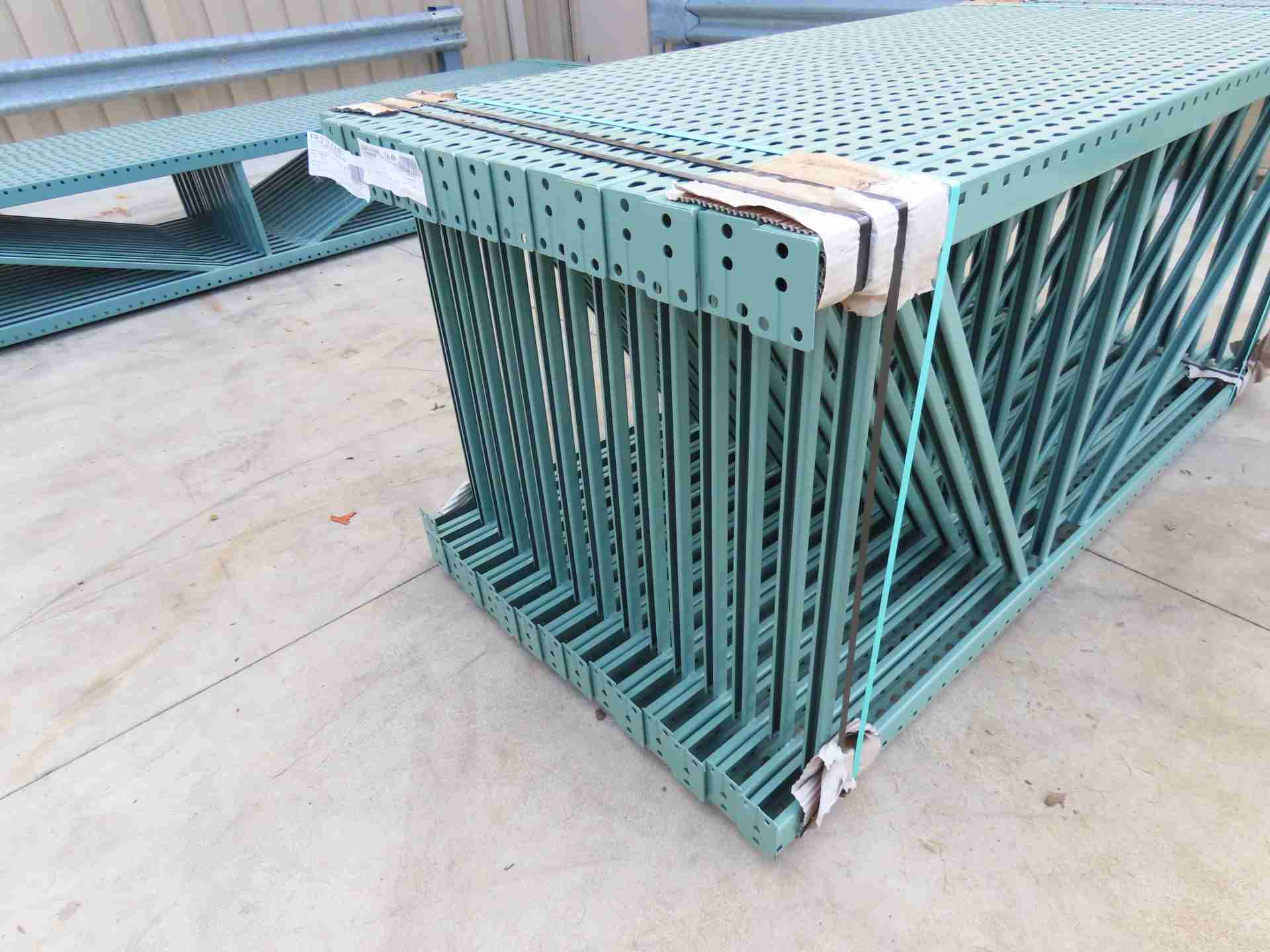
What Measurable Results Can We Expect From Reducing Dead Space?
Conclusion
Picture your workspace: Is it a thriving hub of activity or a cluttered reminder of potential wasted? Reducing dead space in your rack layouts isn’t merely a systematic approach to organization; it’s a profound commitment to fostering a culture of efficiency and respect for our resources. Left unchecked, neglected spaces symbolize lost opportunities and unfulfilled ambitions, casting a shadow on productivity and morale. This isn’t just about reclaiming square footage; it’s about nurturing an environment where every inch serves a purpose, where creativity and collaboration can flourish.
Visualize a server room or a workshop, meticulously arranged, each rack an embodiment of intentional design. This isn’t just a prideful aesthetic; it’s a statement of value for both the work and the workers involved. When you eliminate dead space, you are transmitting a clear message to your team: their contributions matter, and the environment in which they operate is one that encourages excellence. It’s an ethical stance—a recognition of our responsibility to make the most of what we have. When every cable is managed, every shelf utilized, it transforms chaos into a symphony of order—each note vital to the collective performance.
But this journey isn’t solely technical; it’s inherently human. Engage your team in the transformation. Foster conversations that allow everyone to share ideas, contributing to a shared vision that empowers them. A collaborative spirit breeds connection—your workspace becomes more than just walls and ceilings; it’s a reflection of your collective identity.
Moreover, the measurable impacts of rebuilding your space are profound. With optimized racks, businesses see improvement in storage capacity, reduced operational frustration, and heightened employee morale. It can translate into increased productivity—a more energized workforce eager to tackle daily challenges. And don’t underestimate the ripple effect on your community. A business that takes steps to maximize its efficiency stands as a responsible neighbor, attuned to sustainability and smart resource management—values that resonate deeply in today’s conscientious marketplace.
Reclaiming dead space is not just about improvement; it’s about creating a beacon of operational excellence that inspires trust and motivation. By taking this leap, you’re not only enhancing your environment; you’re establishing a legacy—an embodiment of pride, responsibility, and shared success. So roll up your sleeves and get to work—it’s time to transform your space into a testament of what can happen when people come together for a common purpose. Every square foot counts, and every effort matters. Let’s make it count.
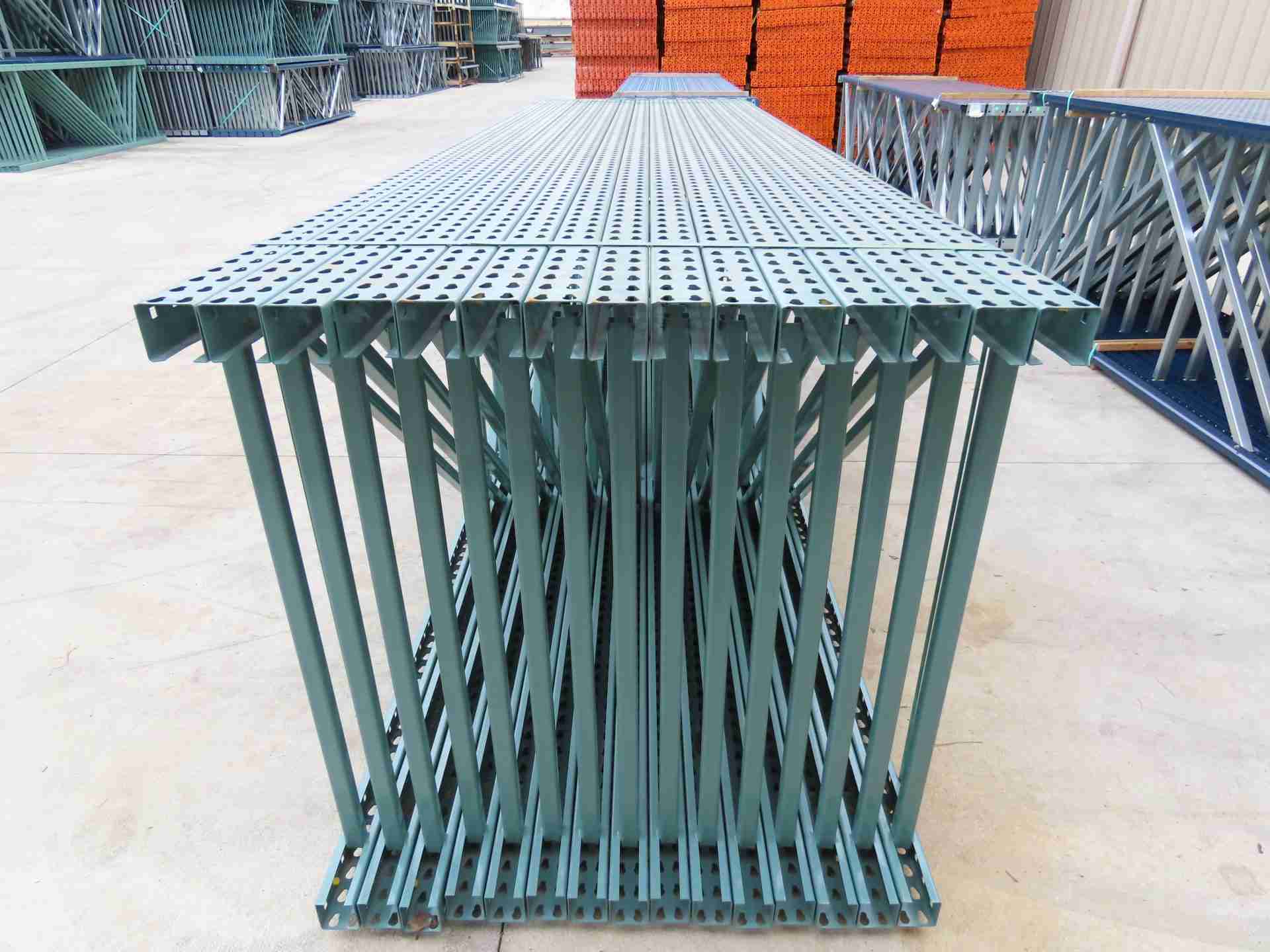
Conclusion
Conclusion:
- Reducing dead space in workspaces promotes efficiency and resource respect.
- Neglected spaces lead to lost opportunities, impacting productivity and morale.
- Intentional workspace design reflects appreciation for both work and workers.
- Eliminating dead space communicates to teams that their contributions are valued.
- Engaging teams in workspace transformation fosters collaboration and connection.
- Optimized racks improve storage capacity, reduce frustration, and enhance employee morale.
- Reclaiming space establishes a legacy of operational excellence and community responsibility.

Conclusion
Other Resources

Other Resources
Here is a list of other resources you can review online to learn more:
- Warehouse Storage Racking in Illinois
- CMMA
- Interlake
- IIWS Inc. Rack Installation Illinois & Rack Repairs Illinois
- Intro to Warehouse Racks & Warehouse Racking Systems – ShipBob
- Selective Rack – Raymond West
- Warehouse Racks, Warehouse Racking in Stock – ULINE
- BMH Equipment LLC
- Pallet Racking 101: A Comprehensive Guide & Options Explained
- What is Selective Pallet Racking
- Cantilever Racking Specialists – Get the Right Racks
- Warehouse Racking Systems: Beginner’s Guide to Rack Systems
- Rack Manufacturers Institute
- Teardrop Industrial Shelving Rack
- Material Handling Safety
- Iowa Illinois Warehouse Racking
- Warehousing and Fulfillment
- Teardrop Pallet Rack – Ridg-U-Rak
- WERC
Use This Prompt To Get More Resources With Your Favorite Online AI Tool: Please provide me with a list of online articles with their URLs in a bulleted list that I can read regarding How to Reduce Dead Space In Your Rack Layout
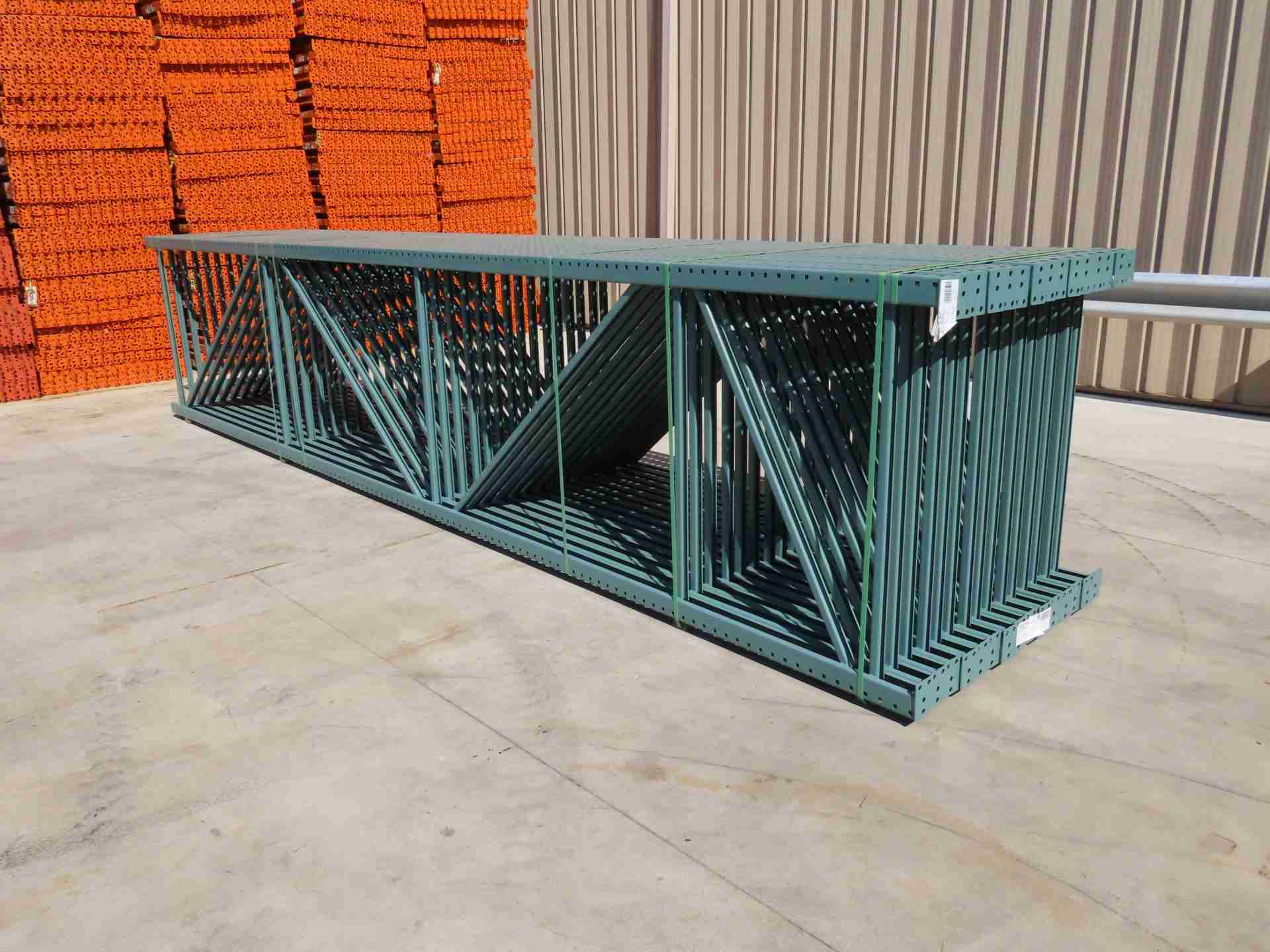
Other Resources
Glossary Terms
How to Reduce Dead Space In Your Rack Layout – Glossary Of Terms
1. Dead Space: Areas in a rack layout that do not contribute to storage or functional use, often leading to inefficiencies.
2. Rack Design: The structured layout of shelving or storage systems intended to maximize utilization and accessibility.
3. Utilization Rate: The percentage of available space that is effectively used for storage or equipment, indicating efficiency.
4. Vertical Space: The height of the storage system that is available for use, encouraging stacking or multi-tier storage solutions.
5. Horizontal Space: The width and depth of the storage system, which can influence accessibility and layout design.
6. Rack Configuration: The arrangement of racks in a layout, affecting how efficiently space is used and accessed.
7. Compact Storage: A method of arranging items closely together to minimize unused space and improve density.
8. Aisle Width: The space between racks that allows for movement and access but can contribute to dead space if overly wide.
9. Modular Racks: Storage systems designed for flexibility, allowing adjustments in size and configuration to minimize unused space.
10. Layering: A technique of stacking or organizing items in different levels to maximize vertical space usage.
11. Inventory Management: The process of overseeing and controlling stock levels to ensure efficient use of spaces and minimize dead space.
12. Space Optimization: Strategies aimed at maximizing usability and reducing waste in storage environments.
13. Load Capacity: The maximum weight that a rack or shelving unit can safely support, influencing design choices and configuration.
14. Flow Rack: A type of storage system that utilizes gravity to move items, optimizing space and reducing dead areas.
15. Storage Density: The amount of storage space utilized within a given area, often measured in volume or weight.
16. Access Paths: Designated routes for movement within a rack layout that can affect how space is utilized.
17. Overstocking: Storing more items than necessary, which can lead to increased dead space and disorganization.
18. Tech Solutions: Use of software or technology to enhance organization, tracking, and efficiency in rack layouts.
19. Design Principles: Guidelines that inform effective rack layouts, focusing on balance, accessibility, and maximization of space.
20. Safety Standards: Regulations that govern the design and use of storage systems, impacting layout decisions to avoid hazards.
21. Flexibility: The capacity of a rack layout to adapt to changing storage needs and optimize space utilization.
22. Cross-Docking: A logistics practice that minimizes storage time, reducing the need for excess space in rack layouts.
23. Vision Systems: Technology that enhances inventory handling and organization, often helping to reduce dead space.
24. Lean Practices: Methodologies aimed at minimizing waste and improving efficiency, applicable to rack design and layout.
25. FIFO (First In, First Out): Inventory management method promoting the use of older stock first, impacting storage strategies.
26. Cycle Counting: A process of regularly counting inventory to maintain accuracy and optimize space utilization.
27. Adjustable Shelving: Racks that allow for height modifications to optimize storage according to inventory needs.
28. Packaging Solutions: Strategies for organizing items that streamline storage and minimize dead space.
29. Ergonomics: Designing the rack layout considering user comfort and efficiency, which can help to reduce wasted space.
30. Inventory Turnover: A measure of how often inventory is sold and replaced, which can inform space utilization and layout decisions.
Glossary Of Terms
Other Questions
How to Reduce Dead Space In Your Rack Layout – Other Questions
If you wish to explore and discover more, consider looking for answers to these questions:
- What are some common signs of dead space in a rack layout?
- What specific cable management solutions are most effective for reducing dead space?
- How can organizations measure the impact of optimizing their rack layout?
- What are the best practices for assessing an existing rack layout?
- How can team collaboration be encouraged during the reorganization of a rack system?
- What tools or resources can assist in optimizing rack layout?
- What role does employee training play in maintaining an efficient rack setup?
- How can organizations ensure the sustainability of an optimized space over time?
- What are some potential challenges in reducing dead space, and how can they be overcome?
- How can optimizing physical space contribute to overall company culture?
- What successful case studies exist for organizations that have effectively reduced dead space?

Other Questions
Checklist
How to Reduce Dead Space In Your Rack Layout – A Checklist
Checklist for Reducing Dead Space in Your Rack Layout
Emotional Engagement
_____ Visualize Your Space: Imagine the transformation from chaos to an organized environment. How can this uplift your team’s spirit?
_____ Connect with Your Team: Share your vision with your team and invite their ideas to foster a collaborative atmosphere.
_____ Celebrate Small Wins: Acknowledge improvements in the workspace to boost morale and foster a sense of ownership.
Rational Evaluation
_____ Conduct a Space Audit: Use a tape measure and notepad to map out your current layout. Identify areas of inefficiency or clutter.
_____ Implement Cable Management Solutions: Explore practical tools and techniques to tidy cables and enhance airflow.
_____ Analyze Storage Capacity: Calculate how much additional storage or productivity could be gained by reducing dead space.
Ethical Responsibility
_____ Promote Sustainable Practices: Emphasize the importance of maximizing resources and respecting the environment in all restructuring efforts.
_____ Foster Inclusion: Ensure all voices are heard in the space optimization process to account for diverse perspectives and needs.
_____ Commit to Continuous Improvement: Advocate for ongoing evaluations and optimizations to uphold a culture of efficiency.
Authority Engagement
_____ Seek Expertise: Identify industry best practices by consulting with mentors or experts in workspace design.
_____ Research Innovations: Stay informed about the latest technologies and strategies in rack organizations that maximize space efficiency.
_____ Join Professional Networks: Engage with platforms or communities that specialize in warehouse and office efficiency for guidance and support.
Narrative Building
_____ Share Success Stories: Highlight case studies of organizations that have successfully reduced dead space and improved productivity.
_____ Create a Vision Statement: Develop a narrative that aligns your space optimization goals with the broader mission of your organization.
_____ Inspire with Visuals: Use before-and-after images or infographics to demonstrate the impact of an optimized layout.
Social Connections
_____ Build Team Cohesion: Organize workshops or brainstorming sessions to involve team members in optimizing space usage.
_____ Encourage Peer Accountability: Foster an environment where team members support each other in maintaining an organized workspace.
_____ Share Progress: Regularly update the team on improvements made, creating a sense of shared achievement and motivation.
Use this checklist to guide your efforts in transforming your rack layout, maintaining a balance between productivity, ethics, and team engagement.
Checklist
At RackingWorld, we help guide you through selecting warehouse storage systems and racking.
Be sure to read our other related stories at RackingWorld to learn more about warehouse storage systems.
0 Comments