
Maximize Storage Efficiency And Collaboration With A Shared Rack System
By Tom Seest
At RackingWorld, we help guide you through selecting warehouse storage systems and racking.
Be sure to read our other related stories at RackingWorld to learn more about warehouse storage systems.
How to Layout a Rack System In a Shared-Use Space
When it comes to laying out a rack system in a shared-use space, think of yourself as a conductor leading an orchestra where everyone plays a part, yet harmony is key. Imagine the community that gathers around these racks—friends sharing gear, neighbors swapping stories, and strangers finding common interests in unlikely places. This is where racking becomes more than just a structural necessity; it transforms into a facilitator of connection and collaboration.
Start by evaluating the physical space. Measure it meticulously—like a tailor fitting a fine suit, the dimensions must be just right. Consider not just the current needs but anticipate future growth. Will your shared space accommodate the next wave of enthusiasts? Think about the flow of foot traffic and how people will interact with the racks. This isn’t just smart planning; it’s an ethical consideration for everyone who will come through those doors. The better the layout, the more welcoming the environment.
Next, remember that the arrangement of the racking systems should tell a narrative. Organize items collectively by function, size, or purpose, crafting a story that’s easy to follow. This simplicity invites trust; when users can find what they need without confusion, they’ll feel respected and valued. Notice how people gravitate toward intuitively organized spaces—this is not by chance, it’s by design.
Now, let’s talk about safety and access. Maintain clear pathways and ensure that heavier items are stored lower. Imagine the gut-wrenching moment if someone were to strain themselves or, worse, get injured because of a misplaced rack. By prioritizing safety over aesthetics, you reinforce the idea that this community cares about its members.
Finally, consider sustainability. If you’re investing in new racking systems, opt for durable materials that will stand the test of time. This speaks not only to financial sense but to a collective responsibility toward our environments.
As you lay out your racks, do so with intention. Create a space that invites creativity and encourages engagement. This is not just a practical endeavor; it’s about shaping a community, fostering relationships, and ensuring that your shared space feels like home to anyone who walks through the door. When everyone feels included, they benefit—so do you. Together, let’s create something remarkable.
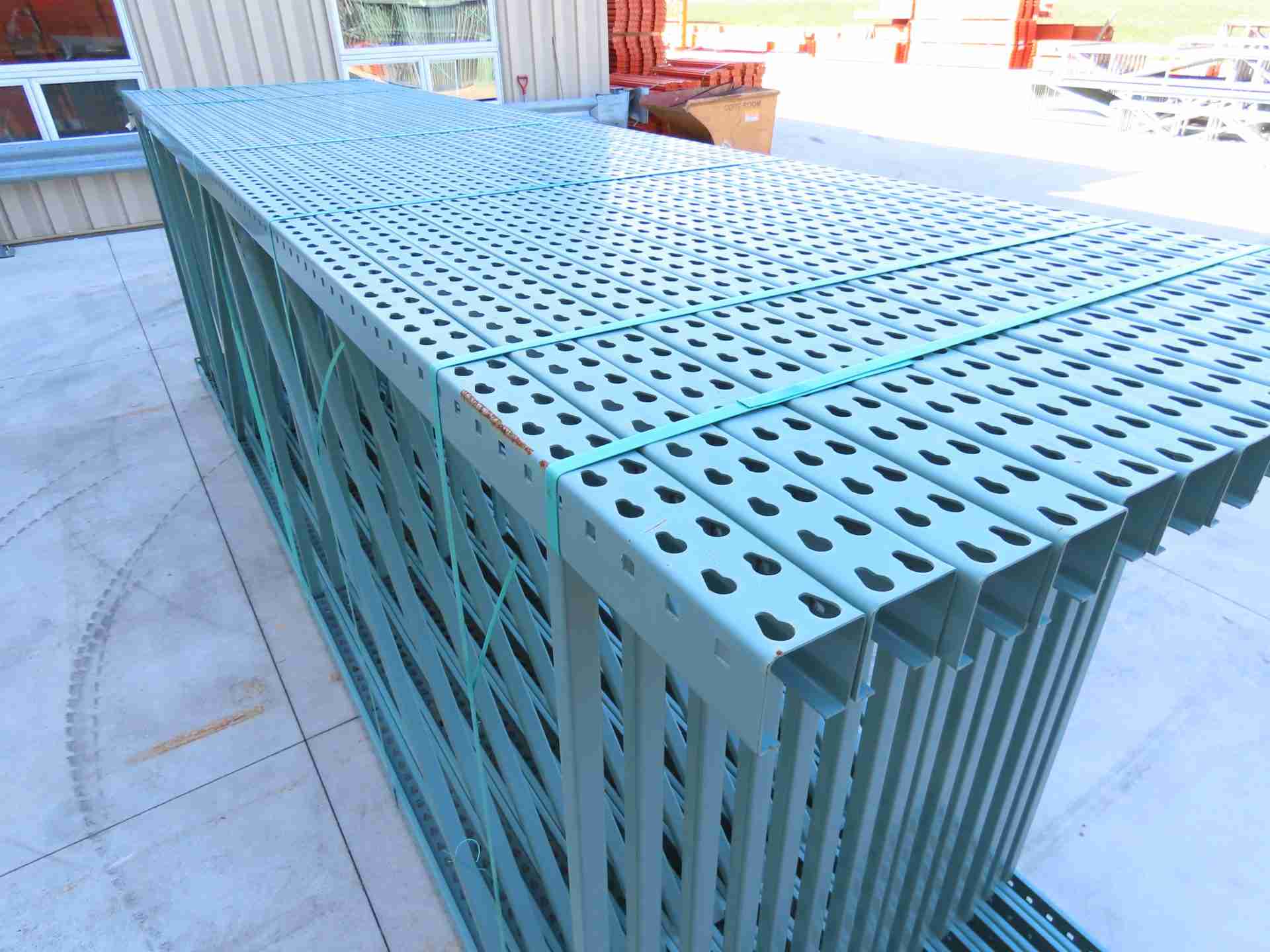
How to Layout a Rack System In a Shared-Use Space
How to Layout a Rack System In a Shared-Use Space
- Think of rack layout as an orchestration of community connection and collaboration.
- Meticulously evaluate the physical space, considering both current needs and future growth.
- Plan for intuitive flow and interaction to create a welcoming environment for all users.
- Organize racking systems by function or purpose to facilitate ease of use and trust.
- Prioritize safety by maintaining clear pathways and storing heavier items lower.
- Choose durable, sustainable materials for racking systems to support long-term use and environmental responsibility.
- Design the space with intention to foster community relationships and engagement.
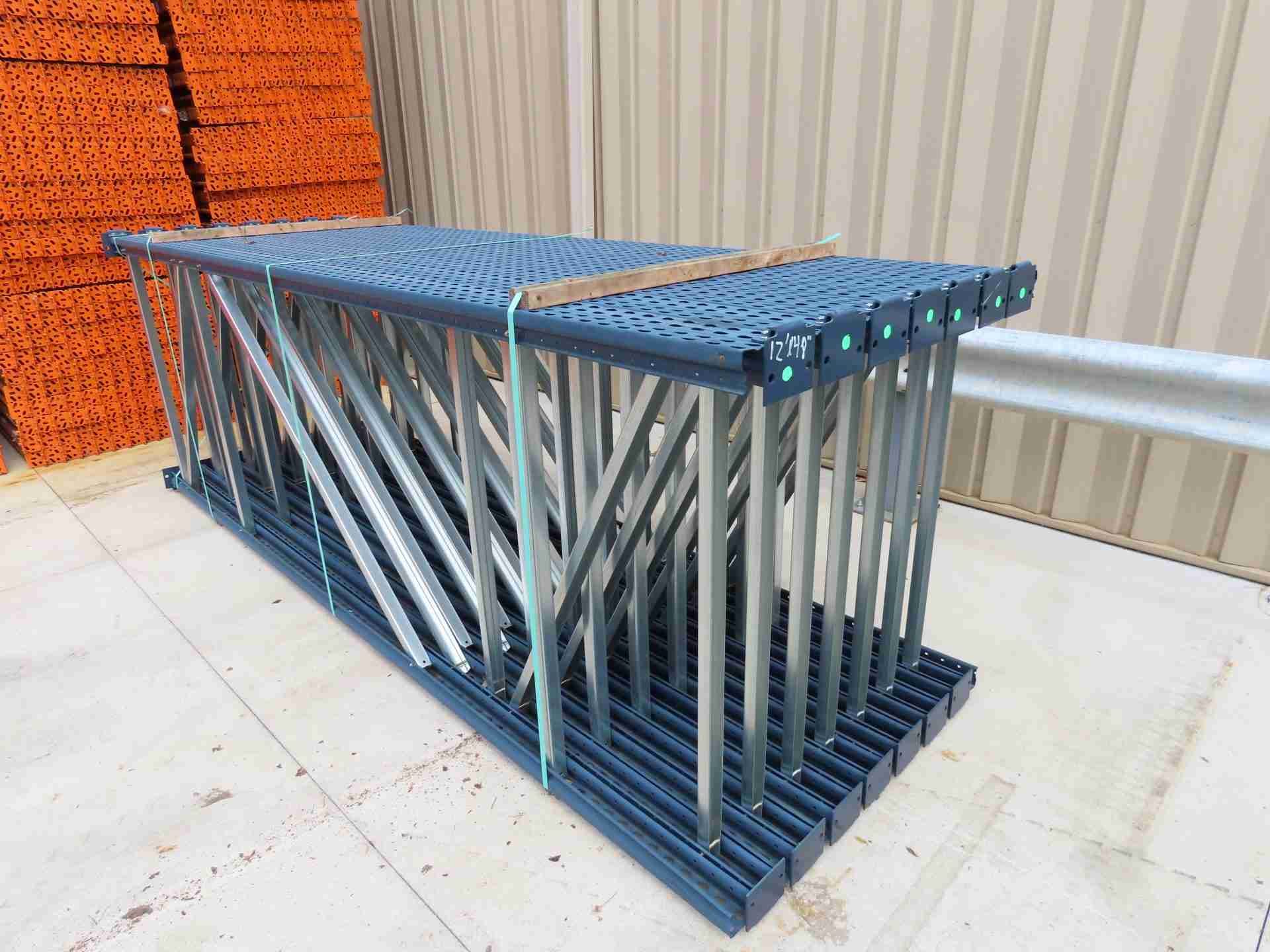
How to Layout a Rack System In a Shared-Use Space
Table Of Contents
- How to Layout a Rack System In a Shared-Use Space
- What Inspires Collaboration In Shared Spaces?
- How Can We Create Equitable Access?
- What Design Promotes Harmony Among Users?
- Are There Best Practices for Optimizing Space?
- How Do We Balance Aesthetics and Functionality?
- Conclusion
- Other Resources
- Glossary Of Terms
- Other Questions
- Checklist
What Inspires Collaboration In Shared Spaces?
Imagine walking into a vast, open room filled with the hum of conversation and the buzz of creativity, where ideas are as abundant as the coffee brewing in the corner. This is the magic of shared spaces—a haven where collaboration flourishes, driven by the simple yet powerful need for connection. It’s in these environments that we trade isolation for interaction, where every shared laugh or brainstorming session serves as racking support for innovation.
At the heart of this collaboration lies an undeniable truth: humanity is wired to connect. We thrive on relationships, and shared spaces cultivate those connections like fertile ground for seeds of inspiration. When people come together, barriers dissolve. The walls built by solitude crumble, paving the way for diverse minds to collide and construct something greater than the sum of their parts.
Rationally, we can see the benefits. Diverse perspectives fuel creativity, spark new ideas, and challenge the status quo. It’s not merely productivity that grows in these spaces, but a rich tapestry of collaboration that can tackle even the most daunting problems. By pooling our strengths and abilities, we create a symphony from our differences, leading to solutions that are not only innovative but ethical.
Yet, it’s on a deeper, more emotional level that shared spaces resonate. They offer a sense of belonging, a community where every voice matters. Each story shared is a thread woven into a larger narrative of collective success and inspiration. Picture the engineer collaborating with the artist, the scientist sharing insights with the writer—these encounters inspire trust and open new avenues of understanding.
Moreover, collaboration in shared spaces fosters a trust that transcends individual differences. We not only exchange ideas but also share values, creating an ethical compass that guides the work being done. It’s this shared sense of purpose that ignites passion and drives action. Each success story grows from the seeds planted here, in an environment where everyone plays a part.
As we navigate the challenges of an ever-changing world, let’s embrace the collaborative spirit of shared spaces. Engaging with one another offers not just a path to innovation but a chance to build lasting connections that enrich our lives. Because at the end of the day, it’s not just about what we create—it’s about who we become together.
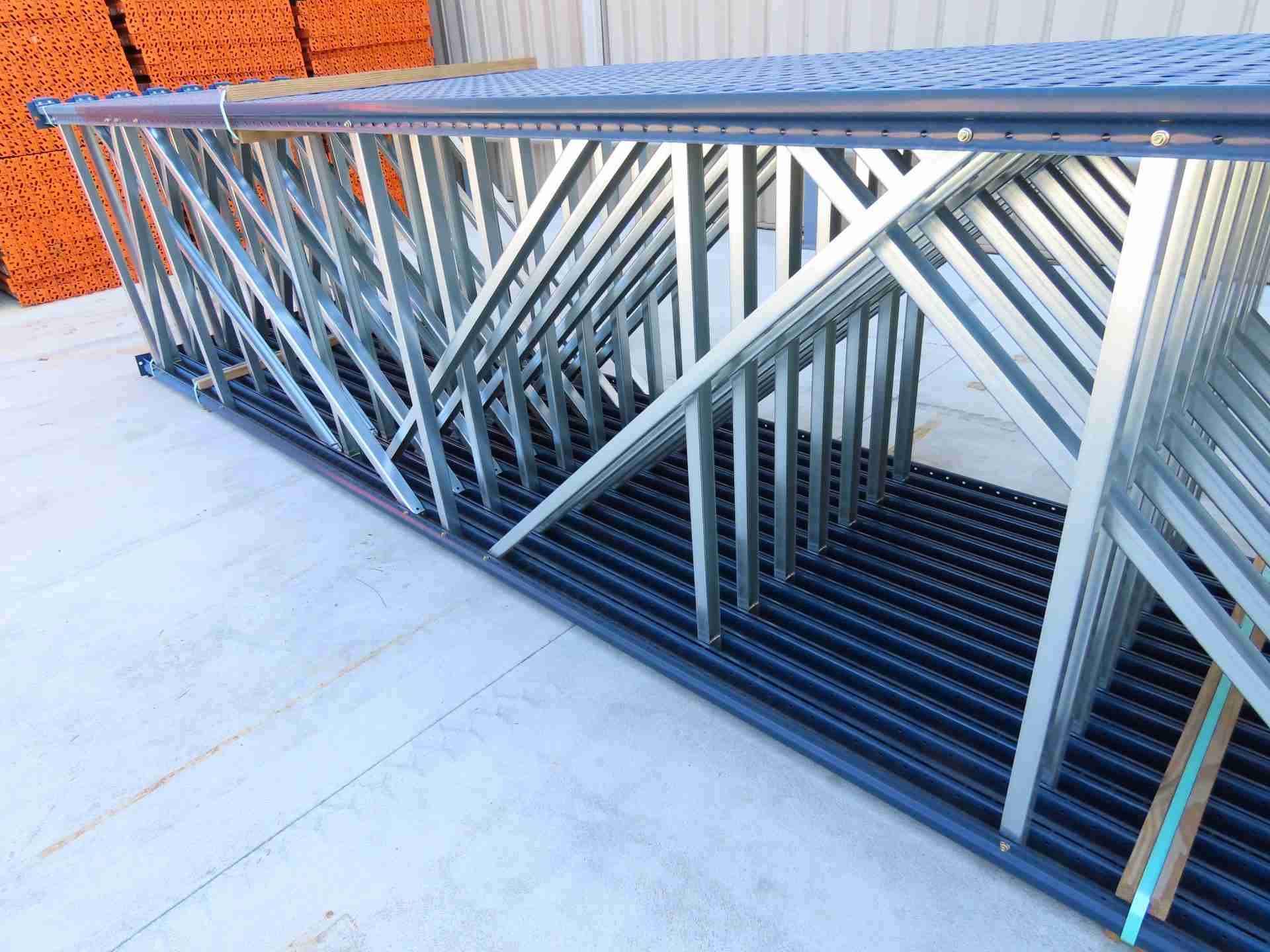
What Inspires Collaboration In Shared Spaces?
What Inspires Collaboration In Shared Spaces?
- Shared spaces foster collaboration, driving creativity and connection among individuals.
- These environments help dissolve barriers, allowing diverse minds to work together effectively.
- Diverse perspectives in shared spaces enhance creativity, challenge norms, and lead to innovative solutions.
- Collaboration creates a sense of belonging and community, making every voice feel valued.
- Interactions among different professions (engineers, artists, scientists, writers) inspire trust and new understanding.
- Shared values in collaborative settings develop an ethical framework that guides projects and initiatives.
- Engaging in shared spaces not only promotes innovation but also fosters lasting connections that enrich our lives.
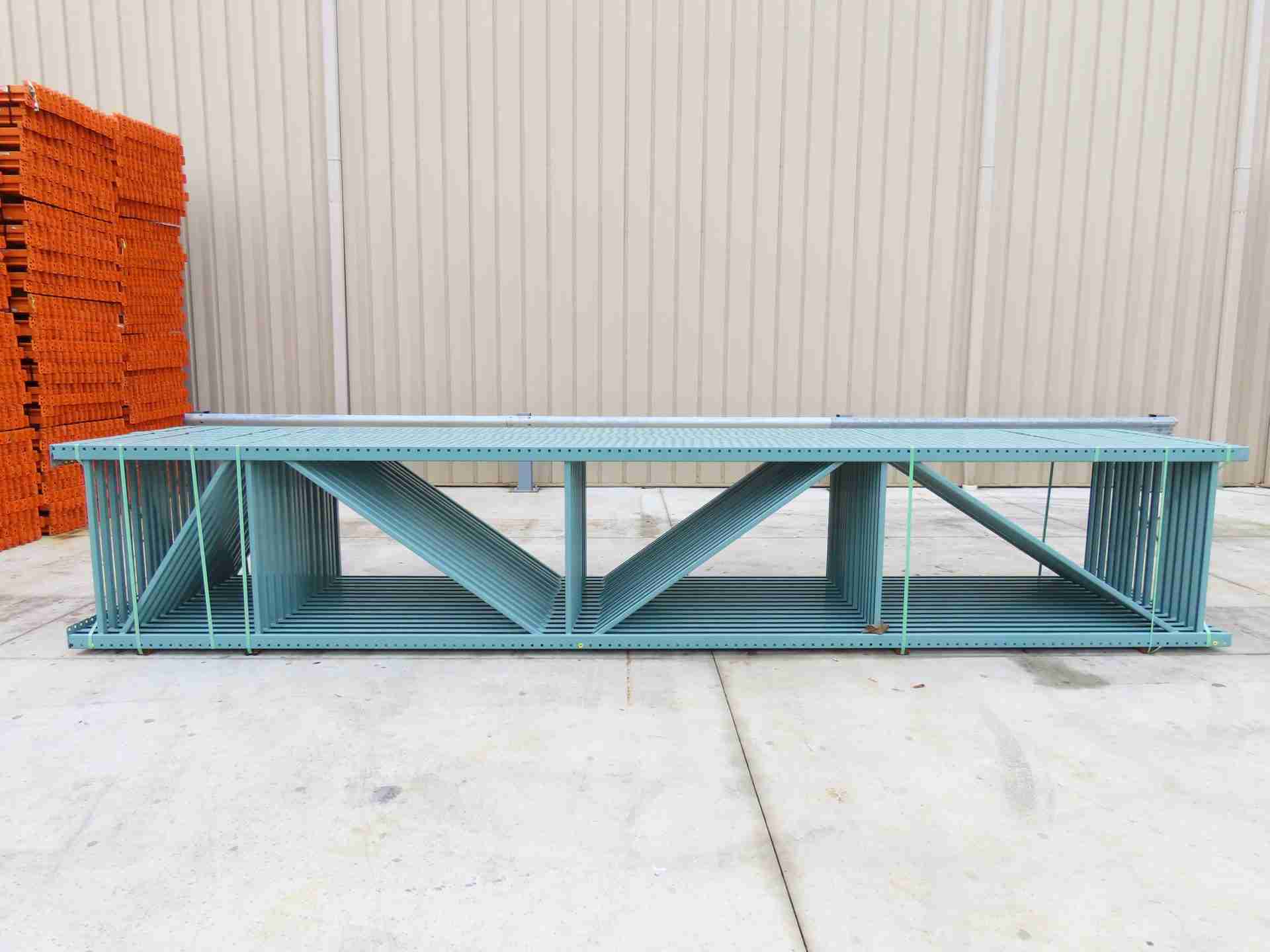
What Inspires Collaboration In Shared Spaces?
How Can We Create Equitable Access?
Equitable access isn’t just a goal; it’s a necessity for a thriving society. Racking our brains over how to make education, healthcare, and opportunities available to everyone—regardless of socio-economic status—can feel overwhelming, but it’s a conversation worth having. Every one of us knows someone who has faced barriers—those heart-wrenching stories of talent untapped and dreams deferred. When you see that potential slipping away due to circumstances beyond someone’s control, it hits you in a profound way.
Here’s the thing: the head knows that providing equal access makes sense. When communities flourish, economies thrive, and everyone wins. Studies pour in every day showing the benefits of equitable access, from lower crime rates to increased innovation. People are more productive when they have access to education and opportunity, and it’s hard to argue against the logic of a strong society where everyone’s skills can shine.
However, reliance on cold, hard data alone won’t get us there. We must engage our hearts too. Imagine a young girl in a rural town who dreams of being an astronaut but has limited access to STEM programs. Now picture opening those gates wide and giving her a chance to soar. It’s not just her future at stake; it’s the collective future of humanity. When we foster environments where potential can flourish, we create a safety net for society’s most vulnerable.
On the ethical side, denying access is akin to denying a part of ourselves. Everyone deserves a fair shot—not just based on birthright but on ability and ambition. As a society, it’s our responsibility to ensure equitable access to resources that allow individuals to thrive.
People long for connection. Engaging in your community to bridge gaps can inspire action. Think about joining local initiatives or even starting one yourself to rattle the cages of complacency. Organizing workshops or fundraisers provides a solid start toward enlightening others and empowering the next generation.
By addressing this issue collectively, authentically, and with a sense of urgency, we can forge a future where no one is left behind. Trust that your involvement can lead to lasting change—because it’s in the act of creating equitable access that we truly discover our shared humanity. Together, let’s ensure that every heart has the chance to beat, dream, and ultimately, achieve great things.

How Can We Create Equitable Access?
How Can We Create Equitable Access?
- Equitable access is essential for a thriving society and should be prioritized in discussions about education, healthcare, and opportunities.
- Many people face barriers that hinder their potential, resulting in untapped talent and deferred dreams.
- Providing equal access leads to flourishing communities, thriving economies, and increased overall productivity.
- Data shows that equitable access contributes to lower crime rates and greater innovation.
- Denying access to opportunities is essentially denying part of our collective humanity and responsibility.
- Community engagement and initiatives can inspire action to bridge gaps and foster equitable access.
- By prioritizing equitable access, we can create a future that allows everyone to thrive and realize their dreams.

How Can We Create Equitable Access?
What Design Promotes Harmony Among Users?
When we think of design, we often focus on the aesthetics: the colors, the shapes, the layout. But true harmony among users is forged in the quiet spaces between these elements—where functionality meets empathy, and beauty intertwines with purpose. It’s about racking up those moments of genuine connection, where every click, swipe, and glance feels intentional, and users feel a sense of belonging.
Imagine a community gathering—everyone is there for a common purpose, sharing stories and laughter. This is what great design does; it creates an environment where users feel at home, fostering collaboration and understanding. This isn’t just about graphics and code; it’s about the heart. Good design tells a story, and those stories resonate. They inspire action, prompt conversation, and spark emotion. Think of the last time you felt a rush of joy when navigating a website or app that just worked—effortlessly guiding you to your goal. That sensation is not by accident; it’s by design.
Rationally, we all know that functionality is key. But have you ever noticed how certain designs seem to ease our minds? A straightforward interface reduces friction, allowing users to focus on their task rather than wrestling with poorly placed buttons. This is where ethics in design becomes paramount. When creators prioritize user experience over profit margins, everyone wins. It’s respectful, responsible, and, frankly, just good business. This design ethics fosters trust—trust that leads to loyalty, because users recognize and appreciate when they are treated well.
On a deeper social level, design has the power to bring people together. Perhaps it’s a beautifully crafted community forum or an intuitive project management tool that transcends pesky barriers to collaboration. Each design choice ripples through the user community, creating an interconnected web of relationships that are as enduring as they are impactful.
The call to action is simple: embrace the power of good design. Demand it, seek it out, and make it a priority in your daily interactions. Whether you’re an end-user, a creator, or merely a lover of beauty, remember that harmony isn’t just an aesthetic; it’s a way of life. Design thoughtfully, and you’ll inspire a ripple effect of trust, connection, and genuine engagement. That’s the kind of design that resonates in the heart, head, and gut.

What Design Promotes Harmony Among Users?
What Design Promotes Harmony Among Users?
- Design involves more than aesthetics; it encompasses functionality, empathy, and purpose.
- Great design fosters a sense of belonging, promoting community and collaboration.
- It tells a story that resonates with users, inspiring action and conversation.
- Functionality is essential; a straightforward interface minimizes friction and enhances user experience.
- Ethics in design prioritizes user experience over profit, building trust and loyalty.
- Design creates connections, breaking down barriers and fostering enduring relationships.
- Embrace good design as a way of life to inspire trust, connection, and engagement.

What Design Promotes Harmony Among Users?
Are There Best Practices for Optimizing Space?
In a world bursting at the seams with stuff, optimizing space isn’t just a practical task—it’s a necessity that speaks to the very core of who we are. We pack away memories, dreams, and yes, even fears into every closet and shelf. Take a moment to consider that old racking in the garage, sagging under the weight of years—it’s not just a storage solution, but a testament to your journey. Each box tells a story, but when the stories pile up, it can feel suffocating.
The first step in reclaiming your space—and by extension, your peace of mind—starts with a clear vision. Assess what you truly need. Cut through the clutter and make decisions grounded in purpose and practicality. Does that half-used paint can spark joy? If not, it might be time to let go.
Think rationally. Clutter can cloud your ability to focus, impacting productivity and creativity. With organized space, your mind follows suit—clearer, sharper, more agile. Studies show that reduced clutter can lower stress levels and increase emotional well-being. It’s not just about fitting more into a smaller space; it’s about fostering an environment that energizes you.
Ethically, consider the impact of waste when it comes to optimal space use. Donating or recycling items can create ripples in your community. You’re not just freeing up space for yourself; you’re making room for others to thrive. Remember, what you no longer need might just breathe new life into someone else’s world.
Now, let’s talk authority. Look to the experts who’ve traversed this path before you—the organizers, the minimalists, the creatives. They often share one common mantra: a well-organized space reflects a well-organized mind. By following their insights, you not only reclaim your physical environment but also gain insight into your own values and priorities, creating a stronger bond with your surroundings.
And let’s not forget the social element. Space optimization can be a family affair. Involve your loved ones in the process. It’s a chance to share stories, relive memories, and set new intentions together. You’ll discover connections that extend beyond the items you’re organizing—they’ll deepen your relationships.
So roll up your sleeves and embrace the journey. Start with that old racking in the garage. Who knows what treasures await you? With each decision to optimize, you’re not just creating space—you’re cultivating a life anchored in clarity, purpose, and connection. Grab a box and get started; it’s time to transform chaos into calm.

Are There Best Practices for Optimizing Space?
Are There Best Practices for Optimizing Space?
- Optimizing space is essential in a cluttered world, reflecting our identities.
- Each storage item holds memories and stories, yet too many can feel overwhelming.
- Begin by assessing what you truly need to clear clutter and regain peace of mind.
- Organized spaces enhance focus, creativity, and reduce stress for better well-being.
- Donate or recycle unused items to positively impact the community and others’ lives.
- Learn from experts who emphasize that a tidy space mirrors an organized mind.
- Involve family in space optimization to strengthen relationships and share memories.

Are There Best Practices for Optimizing Space?
How Do We Balance Aesthetics and Functionality?
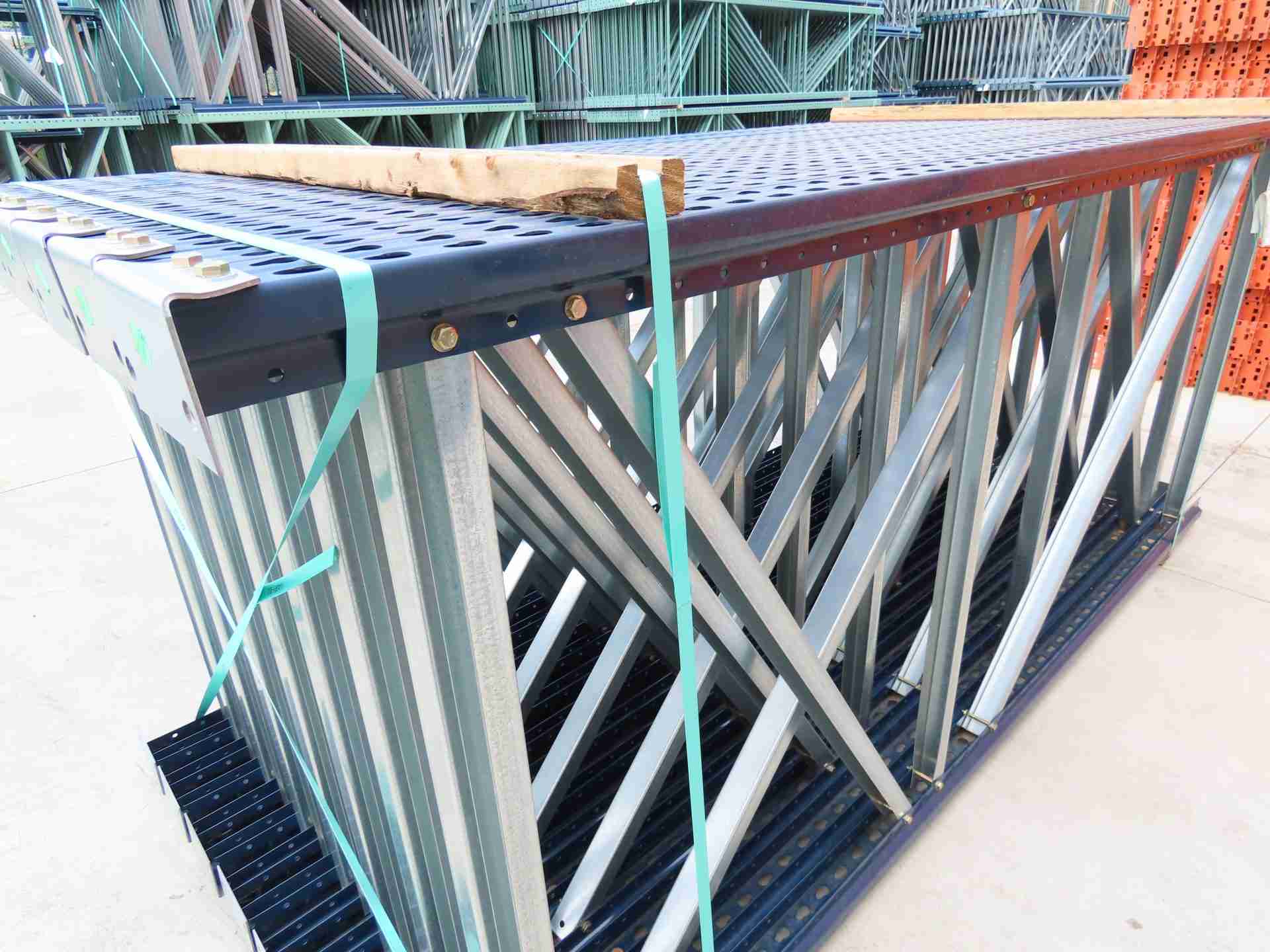
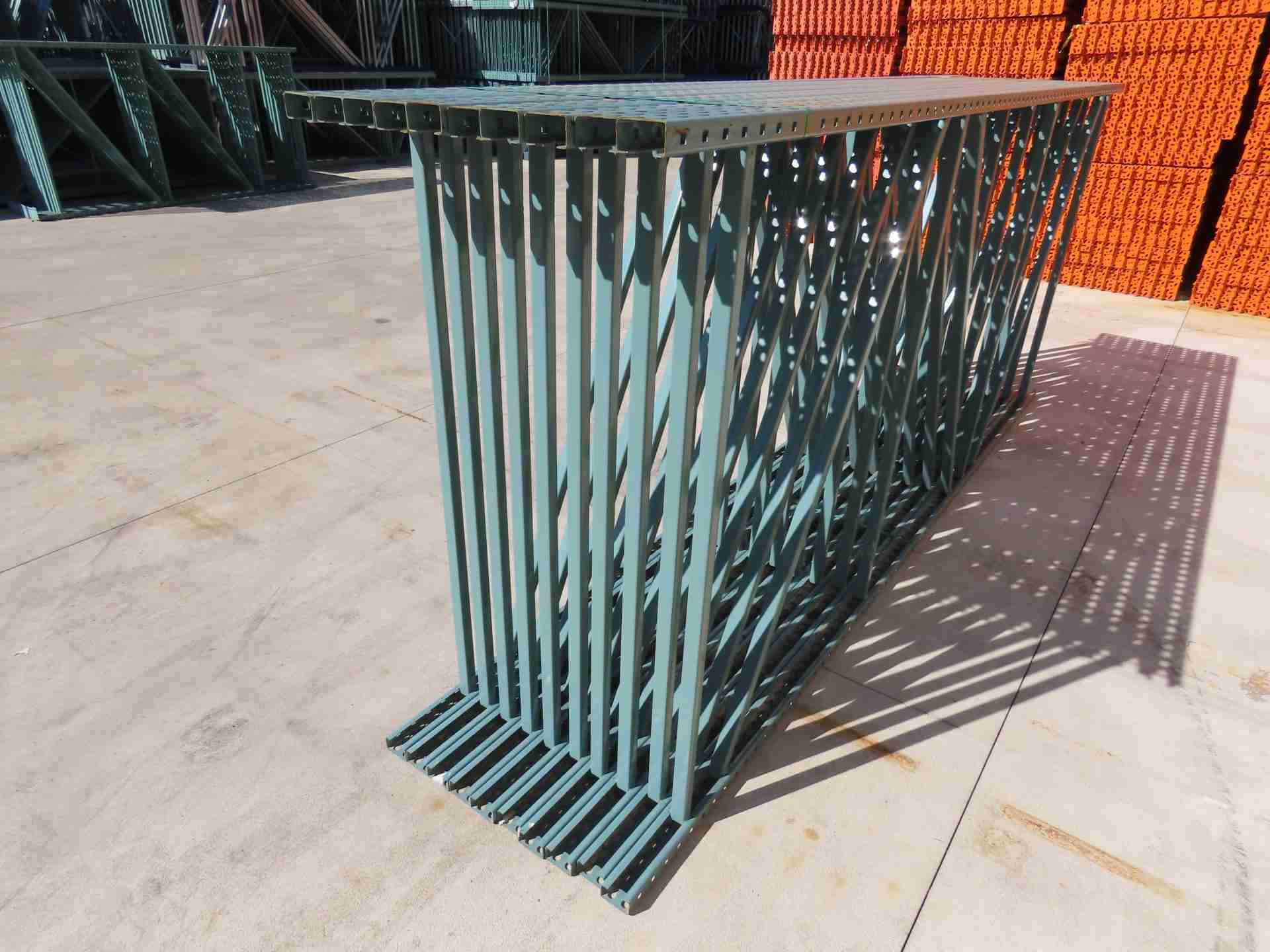
When you look around, you see it everywhere—beauty and utility working hand in hand, like old friends who’ve known each other forever. There’s a rhythm to it, a dance between aesthetics and functionality, and it’s essential in our daily lives. Ever notice how a perfectly racked shelf stands like a proud sentinel in the kitchen, housing everything from colorful spices to cherished dinnerware? It’s not just about what catches the eye; it’s also about what meets a necessity.
We often face decisions in design—whether it’s for our homes, our workplaces, or our environment. Do we choose the vibrant hues that lift our spirits, or do we opt for the sturdy constructs that keep our things organized? The truth is, we don’t have to choose one over the other. Integrating beauty into functionality isn’t just smart; it’s ethical. We owe it to ourselves to create spaces that reflect our values—a place where form and purpose can peacefully coexist.
Think of a family gathering around a rustic dining table, the soft light illuminating the crafted wood. The craftsmanship isn’t just a cold technical feat; it’s a warm invitation. It tells stories, whether of late-night laughter over takeout or holiday feasts laden with laughter and love. Each racking of that table strengthens the community we build around it.
But there’s a challenge in this balance. As society rushes towards efficiency and minimalism, we risk sacrificing the joy that beauty brings. We need to hold accountable the designers, the architects, and ourselves. It’s our collective duty to ensure that every space, every product we bring into existence embodies both allure and purpose. Imagine if every park had art installations that not only astonish the eye but also function as gathering spots, benches, or interactive experiences. This is the kind of creativity that feeds communities and fuels inspiration.
Let’s make a conscious decision to embrace a more thoughtful approach. Let’s speak up for designs that thrill and serve, that adorn and elevate the everyday. In doing so, we can create not just pleasing aesthetics, but truly functional havens that enrich our lives. Let’s celebrate the symbiosis of usefulness and beauty, transforming our environments into spaces where everyone feels at home, engaged, and inspired—one racked item at a time.
How Do We Balance Aesthetics and Functionality?
How Do We Balance Aesthetics and Functionality?
- Beauty and utility work together in our daily lives, creating a rhythm of aesthetics and functionality.
- Design decisions involve balancing vibrant colors with sturdy, organized constructs.
- Integrating beauty into functionality is ethical and reflects our values.
- A well-crafted dining table serves as a community hub, holding stories and memories.
- Rushing towards efficiency may overshadow the joy that beauty brings to design.
- It’s a collective duty to ensure spaces and products embody both allure and purpose.
- Embracing thoughtful design elevates our environments, making them engaging and inspiring for everyone.
How Do We Balance Aesthetics and Functionality?
Conclusion
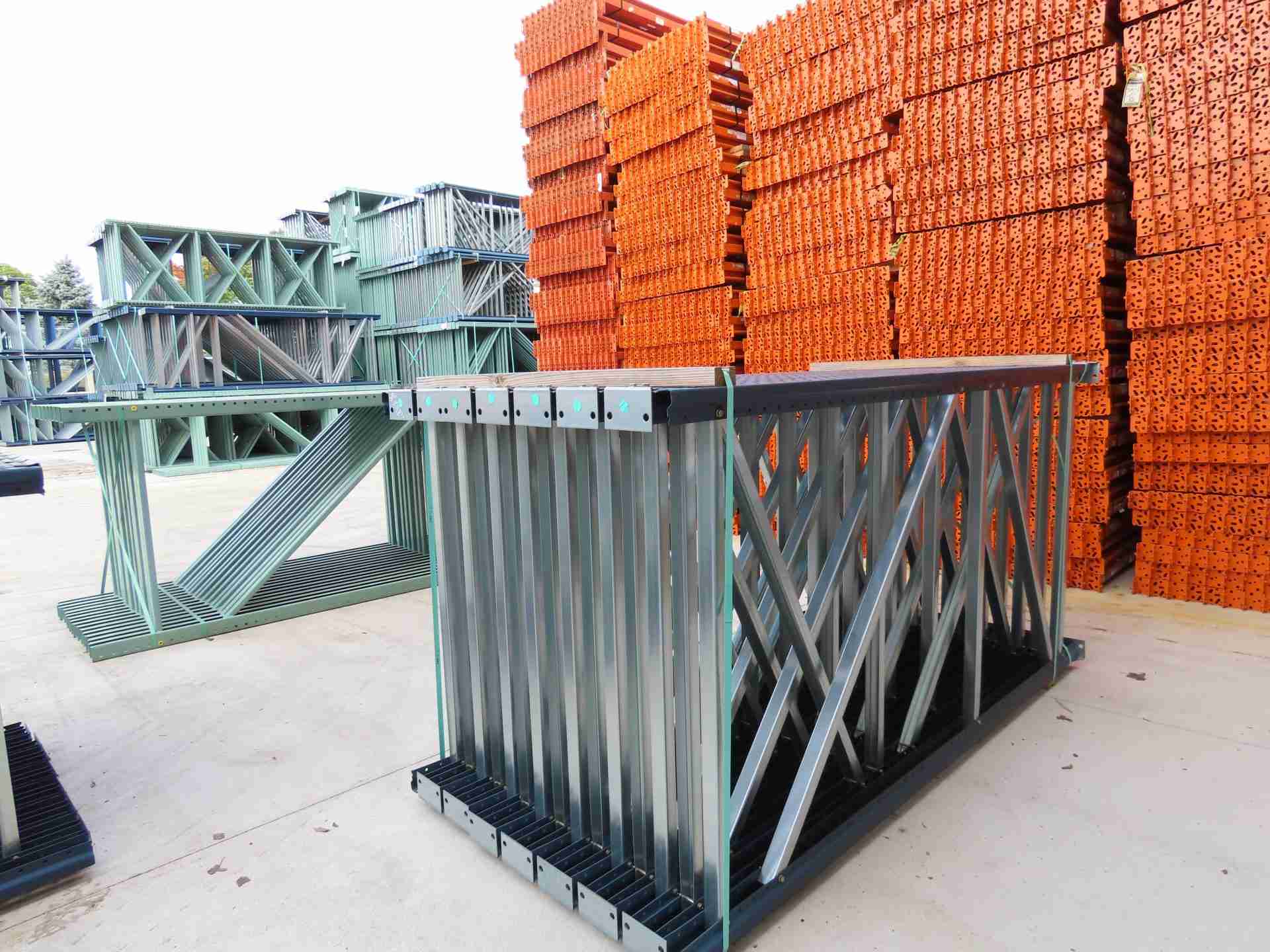
When it comes to creating a shared-use space, it’s essential that we look beyond just shelves and storage. Think of it instead as crafting a living environment that fosters community and connection. Just like a conductor leads an orchestra, your role is to harmonize functions and forms, setting the stage for engagement. Each rack isn’t merely a framework for organization; it becomes a nexus where experiences and relationships are built.
Start with the specific needs of your space, approaching it as more than a technical task. Measurement and layout are vital, yes, but don’t overlook the human element. Anticipating growth, creating pathways that invite movement, and ensuring safety reflect an ethical commitment to those who will inhabit this space. It sends a message: we care about our community’s well-being.
Then, consider the stories encapsulated within every rack. Item arrangement should resonate with users, making it easy for them to navigate their needs while feeling respected and valued. We’re wired to connect, and a well-thought-out layout respects this instinct. Each intuitive design choice is an invitation to engage and collaborate, cultivating an atmosphere where diverse ideas can flourish.
Let’s not forget the ethical implications of our choices. The materials used should consider sustainability, reinforcing a sense of social responsibility. Investing in durable, recyclable items is a pledge to the future, ensuring that our spaces don’t just serve us today but also nurture the world tomorrow.
Imagine walking into a space where every person feels they belong—a community thriving on shared enthusiasm and support. This is the essence of a shared rack system: it’s about amplifying creativity and ensuring that every voice is heard. The emotional toll of isolation is real, yet these inclusive environments can dissolve barriers and bring people together.
As we innovate and optimize, remember that procedural efficiency and human warmth can coexist. In this dance of aesthetics and functionality, let’s aim for beauty that enhances purpose rather than detracts from it. When we balance the two, we are not merely shaping spaces; we’re sculpting a culture that values connection—a culture where every interaction enriches lives, inspires growth, and fosters trust.
So let’s roll up our sleeves and dive into this process. It’s more than an organizational challenge; it’s a chance to craft an experience that resonates deeply within our hearts and minds, leaving a lasting impact on our communities. Together, we can create something remarkable. By building shared spaces that feel like a home, we can pave the way for collective ingenuity and lasting relationships, proving once and for all that we are truly better together.

Conclusion
Conclusion:
- Creating a shared-use space goes beyond just functional elements; it’s about crafting an environment that fosters community and connection.
- Design should harmonize various functions and forms, encouraging engagement and building relationships.
- Focus on the specific needs of the space while considering human elements like movement, safety, and community well-being.
- 布局 should resonate with users, promoting ease of navigation and making them feel valued and respected.
- Choose sustainable materials to reinforce social responsibility and ensure the space serves future generations.
- A shared space should amplify creativity, dissolve barriers, and foster an inclusive community where everyone feels they belong.
- Strive for a balance between aesthetic beauty and functional efficiency to cultivate a culture of connection and trust.
Conclusion
Other Resources
Other Resources
Here is a list of other resources you can review online to learn more:
- RMI
- Illinois Pallet Racking – WPRP
- Material Handling Safety
- BMH Equipment LLC
- Iowa Illinois Warehouse Racking
- Pallet Racking 101: A Comprehensive Guide & Options Explained
- MHI
- Teardrop Industrial Shelving Rack
- What is Selective Racking: Understanding Benefits & Options
- Cantilever Racks Chicago
- NSC
- What is Cantilever Racking? – AK Material Handling Systems
- Pallet Rack Systems – New and Used Pallet Racking and Shelving Experts
- IIWS Inc. Rack Installation Illinois & Rack Repairs Illinois
- Pallet Racks, Pallet Racking, Pallet Shelves in Stock – ULINE
- WERC
- Interlake Mecalux
- Storage Equipment Manufacturers’ Association
- Arrow Industrial Sales
- Used Teardrop Pallet Rack – American Surplus
Use This Prompt To Get More Resources With Your Favorite Online AI Tool: Please provide me with a list of online articles with their URLs in a bulleted list that I can read regarding How to Layout a Rack System In a Shared-Use Space
Other Resources
Glossary Terms
How to Layout a Rack System In a Shared-Use Space – Glossary Of Terms
1. Rack System: A framework or structure designed to hold or store various items, often used in shared spaces for organization and efficiency.
2. Shared-Use Space: An area that is utilized by multiple users or groups, such as community centers, libraries, or co-working environments.
3. Organization: The arrangement and categorization of items within a space to maximize efficiency and ease of access.
4. Accessibility: The ease with which users can reach and utilize the items stored in the rack system.
5. Space Planning: The process of designing the layout of a space to optimize functionality and flow.
6. Ergonomics: The study of how environments can be designed for optimal human use, promoting comfort and reducing strain.
7. Storage Capacity: The maximum amount of items that a rack system can hold, influenced by its size and design.
8. Modularity: The design principle that allows components to be assembled in various configurations, enhancing flexibility in a shared space.
9. Load-Bearing: The capacity of a rack to support weight without collapsing, critical for safety in a shared-use environment.
10. Safety Standards: Regulations that ensure safety measures are met in the design and installation of rack systems.
11. User Guidelines: Instructions provided to users on how to effectively and safely utilize the rack system.
12. Labeling: The process of tagging items or sections within the rack system to enhance organization and quick identification.
13. Visual Aids: Charts or images displayed in a shared space to assist users in navigating the rack system.
14. Workflow: The sequence of processes through which tasks are completed, influenced by the layout of the rack system.
15. Maintenance: Routine checks and upkeep to ensure the rack system remains safe and functional for users.
16. Customizability: The ability to modify the rack system to suit specific needs or preferences of the shared space’s users.
17. Aesthetics: The visual appeal of a rack system, which can affect user satisfaction and the overall environment.
18. Personalization: Adaptations made to the rack system that reflect the preferences or identities of its users.
19. Collision Avoidance: Strategies implemented to prevent accidents and ensure safe navigation around the racks.
20. Maximization: Techniques used to make the most efficient use of available space in a shared environment.
21. Collaboration Areas: Designated spots within the shared space for group work or social interaction, which influence rack placement.
22. Flexibility: The ability of the rack system to adapt to different uses or user needs over time.
23. Separation: Creating distinct zones within the shared space to reduce congestion and enhance user experience.
24. Emergency Exits: Designated pathways or doors that must remain clear for safety, impacting rack placement.
25. Inventory Management: The process of keeping track of items stored in the rack system, crucial for efficient operation.
26. Surface Area: The total area on the rack available for storing items, affecting storage capacity decisions.
27. User Flow: The movement patterns of individuals within the shared space, guiding effective rack layout.
28. Environmental Impact: The consideration of how the rack system affects the surrounding environment, including sustainability factors.
29. Prototyping: The creation of a preliminary model of the rack system to test its functionality in a shared space.
30. Feedback Mechanism: A system for gathering user input on the effectiveness and usability of the rack system, leading to continuous improvement.
Glossary Of Terms
Other Questions
How to Layout a Rack System In a Shared-Use Space – Other Questions
If you wish to explore and discover more, consider looking for answers to these questions:
- What are the key considerations for measuring a shared-use space before layout planning?
- How can a rack system be designed to facilitate community engagement?
- What safety measures can be implemented in a shared rack system?
- How do different materials impact the sustainability of a rack system?
- What factors contribute to creating a welcoming environment in shared spaces?
- How can technology be integrated into shared rack systems for better user experience?
- What are the most common layout mistakes to avoid in shared spaces?
- How can we assess the future needs of users in shared spaces?
- What role does user feedback play in optimizing shared spaces?
- Are there case studies or examples of successful shared rack systems?
- How can equitable access be ensured in shared-use rack systems?
- What are effective strategies for decluttering shared spaces?
- How can we measure the success of a shared rack system in terms of collaboration?
- How can the design of shared spaces influence social dynamics among users?
- What community programs can support equitable access to shared spaces?
Other Questions
Checklist
How to Layout a Rack System In a Shared-Use Space – A Checklist
Checklist for Laying Out a Rack System in a Shared-Use Space
Heart:
_____ Visualize Community: Imagine the connections that will form through your shared space. How can the layout invite collaboration and storytelling?
_____ Include Personal Touches: Consider adding elements that reflect the personalities of users or local culture. What could make the space feel more inviting?
Head:
_____ Measure Space Accurately: Ensure all dimensions are accounted for. Are you considering future needs as well as current ones?
_____ Design for Safety: Prioritize clear pathways and safe storage solutions. Are heavier items stored where they won’t cause injury?
_____ Plan for Organization: Design the layout based on function and ease of use. Can users intuitively find items without confusion?
Gut:
_____ Ethical Decisions: Reflect on how your choices impact the community. Are you creating equitable access for all users, regardless of background?
_____ Sustainability in Materials: Choose durable, eco-friendly materials. Are your decisions considerate of the environment?
Emotional Appeal:
_____ Create a Welcoming Atmosphere: Think about how to make users feel valued and respected. What can you do to elevate their experience in the space?
Rational Appeal:
_____ Assess Needs: Identify the primary functions of the space. How can the rack system maximize storage and collaboration?
_____ Utilize Expertise: Research best practices from experienced designers or organizers. Are you leveraging established knowledge to inform your layout?
Ethical Appeal:
_____ Promote Inclusivity: Design with clear access for everyone in mind. Are you addressing potential barriers that different users might face?
Authority Appeal:
_____ Incorporate Expert Advice: Seek out and apply recommendations from successful shared space initiatives. Have you consulted credible sources or case studies?
Narrative Appeal:
_____ Tell a Story with Layout: Organize items to convey a coherent narrative. How does each aspect of the system contribute to the overall experience?
_____ Share Success Stories: Highlight previous successful layouts or collaborations from similar spaces. What examples inspire you?
Social Appeal:
_____ Engage the Community: Involve users in the planning process. How can feedback from potential users shape the final design?
_____ Foster Team Spirit: Create opportunities for collaboration and connection. Are there events or activities you can host to strengthen relationships?
Use this checklist to ensure your shared rack system not only meets functional needs but also nurtures creativity, safety, and community engagement.

Checklist
At RackingWorld, we help guide you through selecting warehouse storage systems and racking.
Be sure to read our other related stories at RackingWorld to learn more about warehouse storage systems.
0 Comments