
Optimize Your Warehouse: Pallet Rack Placement Strategies
By Tom Seest
At RackingWorld, we help guide you through selecting warehouse storage systems and racking.
Be sure to read our other related stories at RackingWorld to learn more about warehouse storage systems.
How to Lay Out Pallet Racks for Maximum Efficiency
When it comes to racking, laying out pallet racks for maximum efficiency isn’t just about space or numbers; it’s about creating a heartbeat within the warehouse. Imagine walking into an expansive room where every item has its place, every aisle leads to purpose, and the rhythm of work flows like a well-rehearsed symphony. It’s in this environment that employees thrive, where they find a sense of pride in their work and a connection to a greater mission.
First, let’s appeal to the heart. Picture your team arriving every morning in a space that feels organized and welcoming. A well-laid-out racking system reduces frustration and fuels motivation. When workers can easily find what they need—whether that’s raw materials for production or finished goods for shipping—they experience a lift in morale. The satisfaction of efficiency propels them to tackle challenges with vigor and camaraderie.
Now, engage the head by considering the logistics. It’s essential to conduct a thorough analysis of your inventory and workflow before deciding where to place your racks. Think through your picking and packing processes: Are items that are frequently accessed located in easily reachable areas? The rational design of your racking layout will speed up operations, ultimately saving time and, dare I say, money. Invest time upfront in a strategic layout, and you’ll reap the rewards as productivity soars and operational costs plummet.
Then, let’s dive into the gut feeling—the ethical responsibility we have to our teams. A chaotic workspace can lead to injuries and low morale. By investing in a sensible racking system, you’re not just optimizing storage; you’re enhancing safety and valuing your employees’ well-being. This isn’t just good business; it’s the right thing to do.
Finding the right balance also speaks to our collective values. When a company actively works to improve efficiency and employee satisfaction, it fosters a positive culture that everyone wants to be a part of. Satisfied employees lead to happier customers. The narrative of productivity becomes a shared story, woven together with dedication, innovation, and respect.
So, the next time you’re faced with the task of laying out your pallet racks, remember: this isn’t merely a logistical decision—it’s an opportunity to create a vibrant, efficient environment that resonates deeply within the hearts and minds of your team. Let every row and beam serve a purpose; when done right, your racking system will be more than metal and wood—it will be a catalyst for success.
How to Lay Out Pallet Racks for Maximum Efficiency
How to Lay Out Pallet Racks for Maximum Efficiency
- Efficient pallet rack layout creates a vibrant and purposeful workspace in the warehouse.
- An organized environment enhances employee morale and fosters pride in their work.
- A well-structured racking system reduces frustration and boosts motivation.
- Conduct thorough inventory and workflow analysis to strategically place racks for optimal access.
- Investing in a well-thought-out layout can lead to increased productivity and reduced operational costs.
- An organized workspace promotes safety and values employee well-being, reducing the risk of injuries.
- Improving efficiency and employee satisfaction contributes to a positive company culture and happier customers.
How to Lay Out Pallet Racks for Maximum Efficiency
Table Of Contents
- How to Lay Out Pallet Racks for Maximum Efficiency
- What Will It Feel Like to Optimize Your Storage Space for Better Flow?
- How Can You Measure Success When Reconfiguring Your Pallet Racks?
- Who Can You Trust for Expert Advice on Pallet Rack System Design?
- What Impact Does a Well-Planned Layout Have on Inventory Management?
- How Can Collaboration Among Your Team Lead to Better Rack Solutions?
- Conclusion
- Other Resources
- Glossary Of Terms
- Other Questions
- Checklist
What Will It Feel Like to Optimize Your Storage Space for Better Flow?
Imagine standing in your garage or basement, surrounded by mountains of clutter that have slowly taken over your space—a jumbled mess of boxes, tools, and memories. You know something has to change, but getting started can feel overwhelming. Now, imagine the feeling of transforming that chaotic environment into a harmonious sanctuary of organization. That transformation isn’t just about aesthetics; it’s about flow.
When you decide to optimize your storage space, you’re embarking on a journey that will deepen your connection to your surroundings. Each piece of furniture, every shelf, and all that racking will be thoughtfully chosen, becoming part of a bigger narrative: your life. Picture where you can find that winter coat in seconds rather than digging through boxes half-heartedly. When your space has flow, every item has its purpose, and you regain control of your home—and your life.
Rationally, let’s consider the benefits. An organized environment isn’t just manageable; it’s efficient. Studies show that a tidy space can boost productivity and even reduce stress levels. Think about the time you’ll save searching for forgotten tools or family heirlooms tucked away in the depths of your cluttered existence. It’s an investment in your well-being, a path most of us overlook as we hustle through life.
Ethically, an organized home encourages responsible consumption. When you can see everything you own, you may realize how much you have and make more thoughtful decisions about acquiring new things. Plus, that space made available? It could be a great place for someone else’s forgotten treasures. Wouldn’t it be nice to donate or sell items you no longer need, giving them a second chance and helping those in need?
And don’t underestimate the social appeal of a well-organized space. Your home becomes an inviting haven for friends and family. You’ll create memories instead of stressing about where to put the pizza boxes.
So, whether it’s the gut reaction of relief you feel when you finally tackle that project, or the heartwarming joy of hosting a gathering in your newly optimized space, remember that every change you make is not just about storage; it’s about rewriting your story and finding freedom in flow. Take that leap! Your future self will thank you.
What Will It Feel Like to Optimize Your Storage Space for Better Flow?
What Will It Feel Like to Optimize Your Storage Space for Better Flow?
- Transforming cluttered spaces into organized sanctuaries enhances your connection to your surroundings.
- Optimizing storage increases efficiency and adds flow, making items easier to find and access.
- An organized environment can boost productivity and reduce stress levels, benefiting overall well-being.
- Responsible consumption is encouraged when you can see all your belongings, leading to thoughtful acquisition decisions.
- Freed-up space can be donated or sold, providing opportunities for others and reducing waste.
- A well-organized home creates an inviting atmosphere for friends and family, fostering memorable connections.
- Every change made contributes to rewriting your personal story and finding freedom in your living space.
What Will It Feel Like to Optimize Your Storage Space for Better Flow?
How Can You Measure Success When Reconfiguring Your Pallet Racks?
When it comes to reconfiguring your pallet racking, measuring success is about more than just numbers on a spreadsheet. It’s about transforming pixels of performance into a living, breathing reality. Picture this: a bustling warehouse, where every inch of space holds promise and every row of racking serves a purpose. When we think about the outcome of your racking system, we need to look at it through a lens that touches the heart, head, and gut.
Start with the emotional aspect. Success isn’t just about efficiency; it’s also about morale. A well-organized racking system can empower your team. They’ll feel pride in their workspace, knowing they’re part of something larger – a smoothly running operation. Imagine the relief on their faces when they find exactly what they need, right where it should be, instead of digging through a chaotic tangle of goods. That’s not just productivity; that’s passion in motion.
Next, engage that rational mind. Data is key. Keep track of your inventory turnover rates before and after the reconfiguration. Measure the time it takes to pick and pack a product. Are these numbers improving? Ensure you’re leveraging software tools that provide real-time analytics. This is where the intellect of your decision-making comes into play, connecting dots you may not see at first glance. Success is often laid bare by the evidence, right there in black and white.
Ethics in the workplace can often be overlooked, but a reconfigured racking system aligned with safety standards showcases your commitment to your team’s well-being. That’s something to be proud of. Upholding safety protocols improves overall morale and fosters a culture of care. When everyone feels safe, they can focus more fully on their tasks.
In narrative terms, think of your racking system as a storyline that evolves. Perhaps you’ve experienced challenges that demanded a shift. Each triumph in finding new efficiencies contributes to an ongoing saga of improvement, one that employees can relate to and rally behind.
Finally, embrace the social elements. Share victories, big and small, with your team. Celebrate when your new racking system leads to time saved or errors reduced. These moments are connections, knitting your operations team closer together, creating a shared identity defined by progress and success. When your team feels like they’re part of the story, they won’t just work harder; they’ll work smarter.
So, as you assess your racking success, remember it’s not just a metric – it’s a movement. Seek out those emotional, rational, ethical, narrative, and social connections that resonate, and watch your success unfold.
How Can You Measure Success When Reconfiguring Your Pallet Racks?
How Can You Measure Success When Reconfiguring Your Pallet Racks?
- Measuring success in pallet racking goes beyond data; it’s about creating a thriving workspace.
- A well-organized racking system boosts team morale and instills pride among employees.
- Monitor key metrics such as inventory turnover and pick/pack times to track improvements.
- Utilize software tools for real-time analytics to enhance decision-making and reveal insights.
- Align the racking system with safety standards to promote workplace ethics and employee well-being.
- View the racking system as an evolving storyline, reflecting ongoing improvements and team challenges.
- Cultivate a sense of community by celebrating successes and progress, fostering shared identity among the team.
How Can You Measure Success When Reconfiguring Your Pallet Racks?
Who Can You Trust for Expert Advice on Pallet Rack System Design?
When it comes to racking system design, knowing whom to trust can feel a bit like searching for a needle in a haystack. The stakes are high; you’re not just organizing inventory—you’re optimizing your livelihood. Imagine the weight of responsibility as you contemplate investing in a racking system that meets your needs and the safety of your team. You want to find experts who understand the nuances of the industry, those whose advice resonates not just in their knowledge but in their experience.
First, consider the heart—the emotional anchor of your decision-making process. Seek out professionals who prioritize safety and longevity in their designs. Look for stories of satisfied clients, where racking systems did more than just hold pallets; they enhanced productivity, fostered teamwork, and cultivated a thriving workplace culture. When you hear testimonials about how a well-designed racking system turned around a struggling operation, you start to feel the emotion behind the steel and wood.
Next, engage your head. Assess the qualifications of your potential consultants. Look for those with a track record in racking design, industry certifications, and an unwavering focus on innovation. Ask about their process—good experts will be transparent and forthcoming about their methods. Listening to their rationale behind design choices helps you connect the dots between theory and practical application. Remember, it’s not just about filling a space; it’s about creating an efficient environment that drives success.
Lastly, tap into your gut instincts. You should feel a connection with the people you’re considering. Ethical considerations are crucial; align with companies that prioritize sustainability and responsible sourcing. When you engage with seasoned professionals who are genuine, they’ll make the complex world of racking less intimidating and far more approachable. Their passion should inspire confidence, assuring you that you’re making a choice that leverages their experience while aligning with your values.
In this journey, don’t underestimate the power of social engagement. Join industry forums, attend workshops, or even network at trade shows. Witness firsthand how respected authorities in racking systems interact with clients and share their expertise. These relationships build trust and assure you that when it comes to navigating your pallet rack system design, you’re not alone—you have a community ready to support your venture. So, take that leap of faith: connect with the right experts—and watch your operation thrive.
Who Can You Trust for Expert Advice on Pallet Rack System Design?
Who Can You Trust for Expert Advice on Pallet Rack System Design?
- Finding trustworthy experts in racking system design is crucial for optimizing your inventory and livelihood.
- Prioritize safety and longevity in racking system designs by seeking professionals who focus on these aspects.
- Look for testimonials indicating increased productivity and positive workplace culture as results of a well-designed system.
- Assess qualifications, industry certifications, and innovation focus of potential consultants.
- Engage with candidates who are transparent about their design processes and methods.
- Ensure an ethical alignment with companies that value sustainability and responsible sourcing in their practices.
- Participate in industry forums and networking opportunities to build trust and find community support.
Who Can You Trust for Expert Advice on Pallet Rack System Design?
What Impact Does a Well-Planned Layout Have on Inventory Management?
When we think about inventory management, we might envision rows of neatly stacked boxes and endless racks of products. But consider this: behind those racking systems lies a detailed blueprint that can dictate a business’s success or failure. A well-planned layout isn’t just about aesthetics; it’s about efficiency, safety, and the pulse of an organization.
Imagine walking into a warehouse where everything has its place. The racking units are strategically positioned to minimize travel time, reducing the wear and tear on both products and employees alike. This isn’t just a good design—it’s a vital investment in productivity. When employees can quickly locate items, it boosts morale. They feel empowered. And that feeling? It translates into a ripple effect, impacting customer satisfaction and ultimately the bottom line.
Let’s pause here and consider the emotional side. Picture a small business owner—perhaps a single parent juggling both work and family—who has poured their heart and soul into building their venture. They rely on that inventory to serve their community, to provide for their children, to achieve their dreams. A layout that encourages efficiency means that each moment spent working is a moment closer to success. It transforms frustrating hours into a streamlined operation that honors their hard work and dedication.
Rationally, one might argue that a chaotic inventory layout is a breeding ground for errors, lost time, and wasted resources. Statistics back this up: businesses that invest in effective layout planning often see reduced operational costs and increased throughput. It’s not just about the here and now; a smart layout is about forecasting future needs and scaling with grace, instead of scrambling in crisis mode.
Ethically, there’s also the responsibility to create a safe working environment. A thought-out layout promotes not just efficiency, but also safety compliance. An orderly space reduces accidents and creates a culture of care—where the well-being of employees is prioritized.
We are social beings and thrive on connection. When a workforce operates in unity, sharing the common goal of efficient inventory management, it fosters teamwork. A well-planned layout encourages collaboration, elevating individual strengths into a formidable collective that can overcome challenges with ease.
Designing a layout that harmonizes with both the rhythm of the workplace and the heartbeat of its people doesn’t just add tangible value; it breathes life into the entire operation. You’re not merely organizing inventory; you’re crafting an ecosystem where dreams can flourish. And that is where the magic lies.

What Impact Does a Well-Planned Layout Have on Inventory Management?
What Impact Does a Well-Planned Layout Have on Inventory Management?
- Inventory management involves more than just product organization; it’s crucial to business success.
- A well-planned layout enhances efficiency, safety, and overall productivity in a warehouse.
- Strategically positioned racking units minimize travel time, benefiting both products and employees.
- Effective layouts boost employee morale, leading to improved customer satisfaction and financial results.
- A chaotic inventory layout can cause errors and wasted resources, while smart planning reduces operational costs.
- Creating a safe working environment through thoughtful layout design prioritizes employee well-being.
- A harmonious layout fosters teamwork and collaboration, turning individual strengths into a collective advantage.
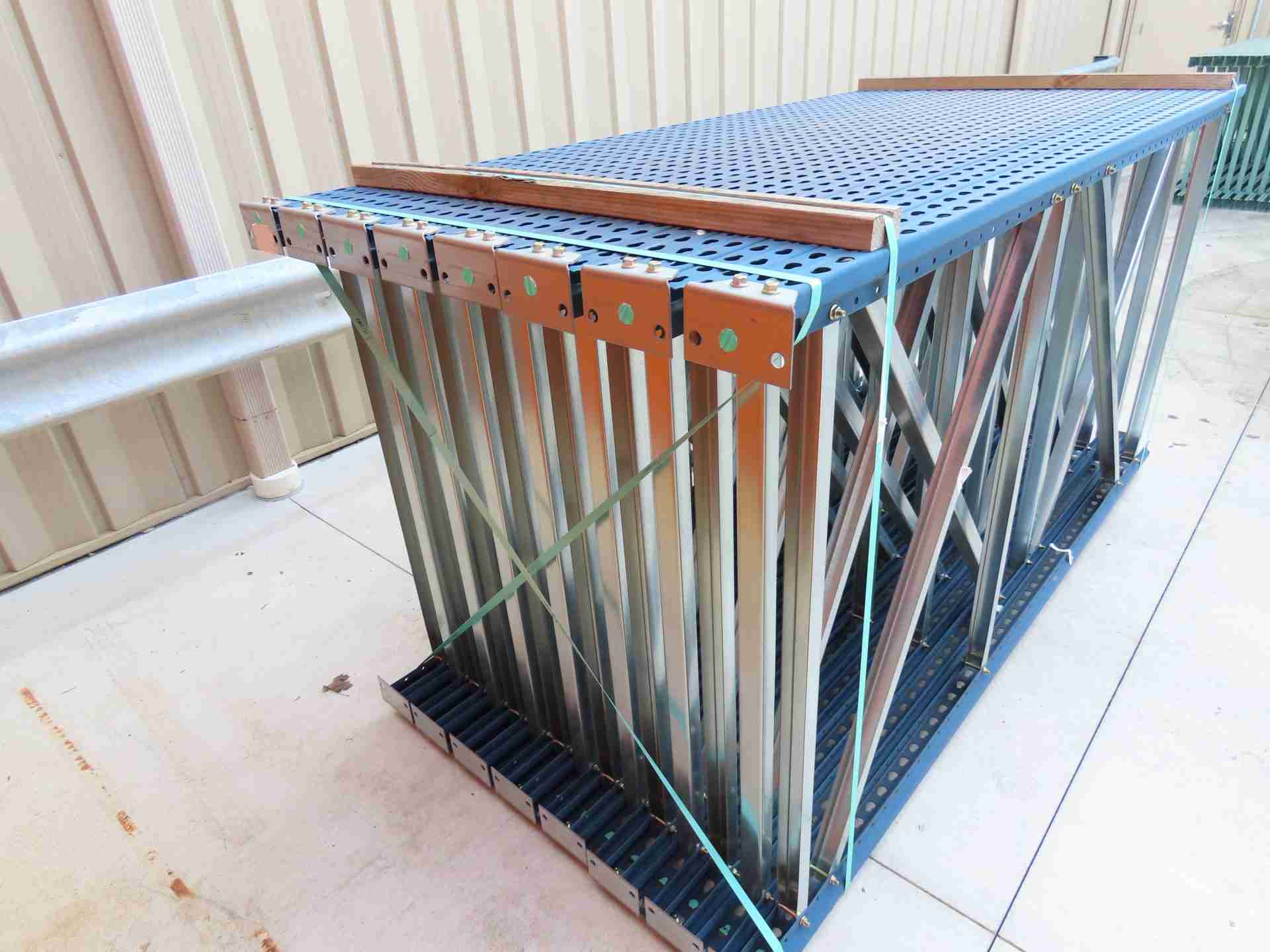
What Impact Does a Well-Planned Layout Have on Inventory Management?
How Can Collaboration Among Your Team Lead to Better Rack Solutions?
Collaboration among your team isn’t just a buzzword; it’s the heartbeat of innovation when it comes to racking solutions. Picture this: a group of talented, diverse individuals gathered around a table, rolling up their sleeves, and engaging in spirited discussion. Each person brings their unique expertise, but what sets this team apart is the willingness to listen, to challenge the ordinary, and to dream a little bigger. When team members actively seek each other’s perspectives, the collective wisdom that unfolds is nothing short of remarkable.
This isn’t just about creating a racking system that fits the specifications; it’s about molding a solution that reflects the heart of your mission. When each team member contributes, a sense of ownership blossoms. A warehouse worker might point out ergonomic concerns, a designer could suggest revolutionary layouts, while a project manager brings the practicality of timelines and budgets to the table. Together, they weave an intricate tapestry of ideas that are not only effective but are ethical and sustainable, serving both the company and the community it operates within.
Let’s be candid: we’ve all been part of teams where communication faltered, leading to stale ideas and uninspired solutions. Yet, when a team collaborates, they craft an environment where creativity thrives, where concepts fly to new heights like a well-constructed racking system, robust and ready to bear the weight of ambition. It’s in this collaborative environment that trust is built—trust in one another, but also in the process. Each person adds layers of authority to the conversation, drawing from their experiences, their trials, and their triumphs.
Moreover, let’s not underestimate the power of a story. Every brainstorming session and design review contributes to a narrative that resonates, creating an emotional connection that binds the team. Remember that time you pushed through a tough deadline, only to emerge with a solution that took racking efficiency to stratospheric levels? Those stories nurture camaraderie and inspire future innovation.
So, gather your team. Foster collaboration like it’s a precious commodity, because it is. The more we share, the more we grow. And in that growth lies not just a superior racking solution, but a unified team ready to tackle whatever challenges lie ahead. When you collaborate, you don’t just create a better racking system—you build resilience, foster creativity, and shape a legacy of teamwork that will endure.

How Can Collaboration Among Your Team Lead to Better Rack Solutions?
How Can Collaboration Among Your Team Lead to Better Rack Solutions?
- Collaboration is essential for innovation in racking solutions.
- Diverse teams bring unique expertise, which fosters creativity and effective solutions.
- Active listening and challenging the ordinary lead to remarkable collective wisdom.
- A sense of ownership grows when each member contributes, incorporating diverse perspectives.
- Collaboration creates an environment where creativity thrives and trust is built.
- Shared stories from past experiences enhance team bonding and inspire future innovation.
- Fostering collaboration leads to superior solutions and builds resilience in the team.
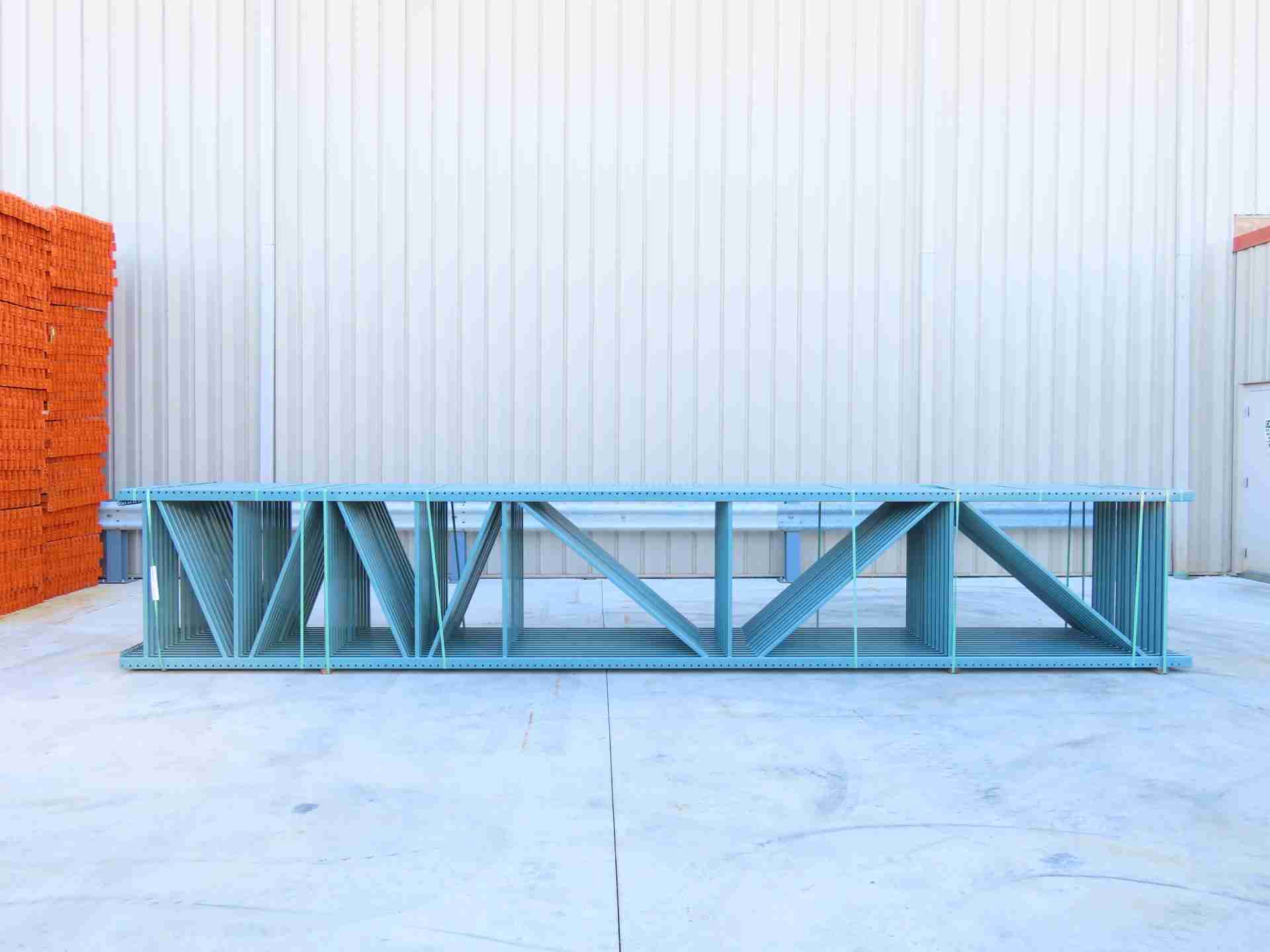
How Can Collaboration Among Your Team Lead to Better Rack Solutions?
Conclusion
Laying out pallet racks for maximum efficiency transcends mere practicality; it’s an opportunity for transformation within your warehouse. It’s about infusing life into an otherwise monotonous environment and creating a rhythm where every worker feels important and every movement purposeful. Picture a well-organized space where employees stride confidently, pride coursing through them as they access resources quickly and effectively. Optimized pallet rack placement isn’t simply a logistical advantage—it’s a morale booster that can ignite passion and camaraderie among your team.
Rational thinking plays a vital role here. Before arranging those racks, conduct a meticulous inventory and workflow analysis. Determine how to place frequently accessed items within easy reach to streamline picking and packing processes. This isn’t just about aesthetics; it’s a matter of saving valuable time and money. Each thoughtful placement translates into heightened productivity and reduced operational costs—a long-term investment that pays dividends.
But let’s not forget the underlying ethical imperative. The right layout mitigates chaos, protects employees from unnecessary hazards, and fosters a sense of safety. Investing in an organized racking system exhibits a commitment to the well-being of your team. When employees know their safety is prioritized, they can better focus on their roles and deliver exceptional results. This is not just morally sound; it enhances the organizational culture, cultivating an environment of trust and respect.
The narrative of your operation becomes richer with every change you embrace. A successful racking system tells a tale of innovation and progress, where each employee’s contribution is valued and acknowledged. Celebrating small victories along the way generates a sense of community, reinforcing a shared identity among team members.
Finally, let’s talk social connections. Engaging everyone in the racking process builds empowerment and teamwork. When your employees feel they’ve had a say in shaping their workspace, they become more than just workers; they develop a stake in the outcome. The laughter, ideas, and determination shared among them coalesce into a unified force pushing toward common goals, rewriting the story of how efficiently your warehouse operates.
Next time you consider your pallet rack layout, see beyond the dimensions and weight limits. Recognize this task as a chance to sculpt your warehouse’s heartbeat—a vibrant ecosystem where employees thrive, productivity flourishes, and success becomes a shared journey. Embrace this crucial opportunity to turn metal and wood into your catalyst for triumph.
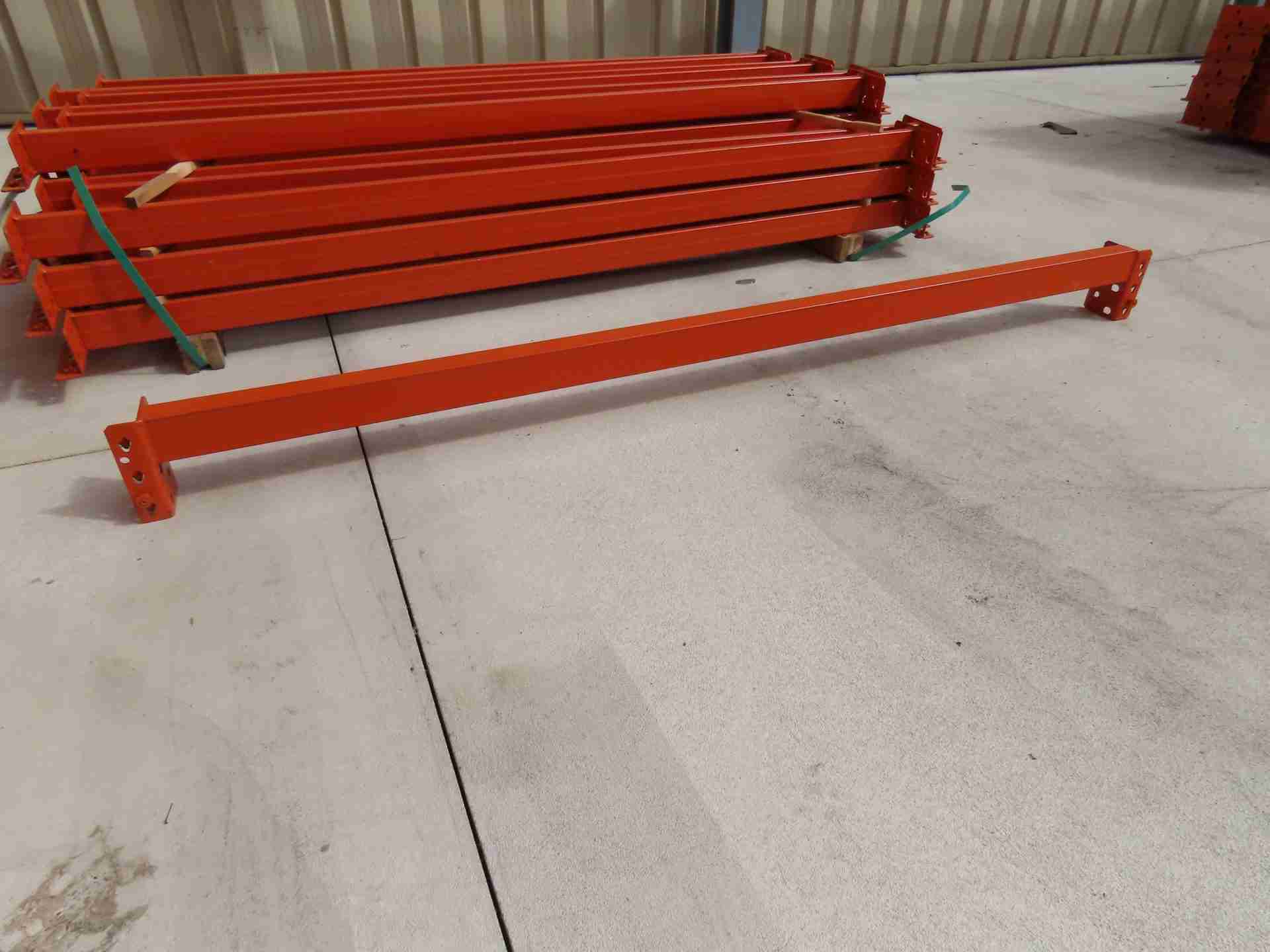
Conclusion
Conclusion:
- Optimizing pallet rack layout transforms the warehouse environment to boost morale and worker engagement.
- Conduct a thorough inventory and workflow analysis before arranging racks for efficiency.
- Strategically place frequently accessed items to streamline picking and packing processes.
- The right layout enhances safety, reduces hazards, and contributes to employee well-being.
- An organized racking system fosters trust and respect within the organizational culture.
- Engaging employees in the racking process builds empowerment and teamwork.
- View pallet rack layout as an opportunity to enhance productivity and create a thriving workplace ecosystem.
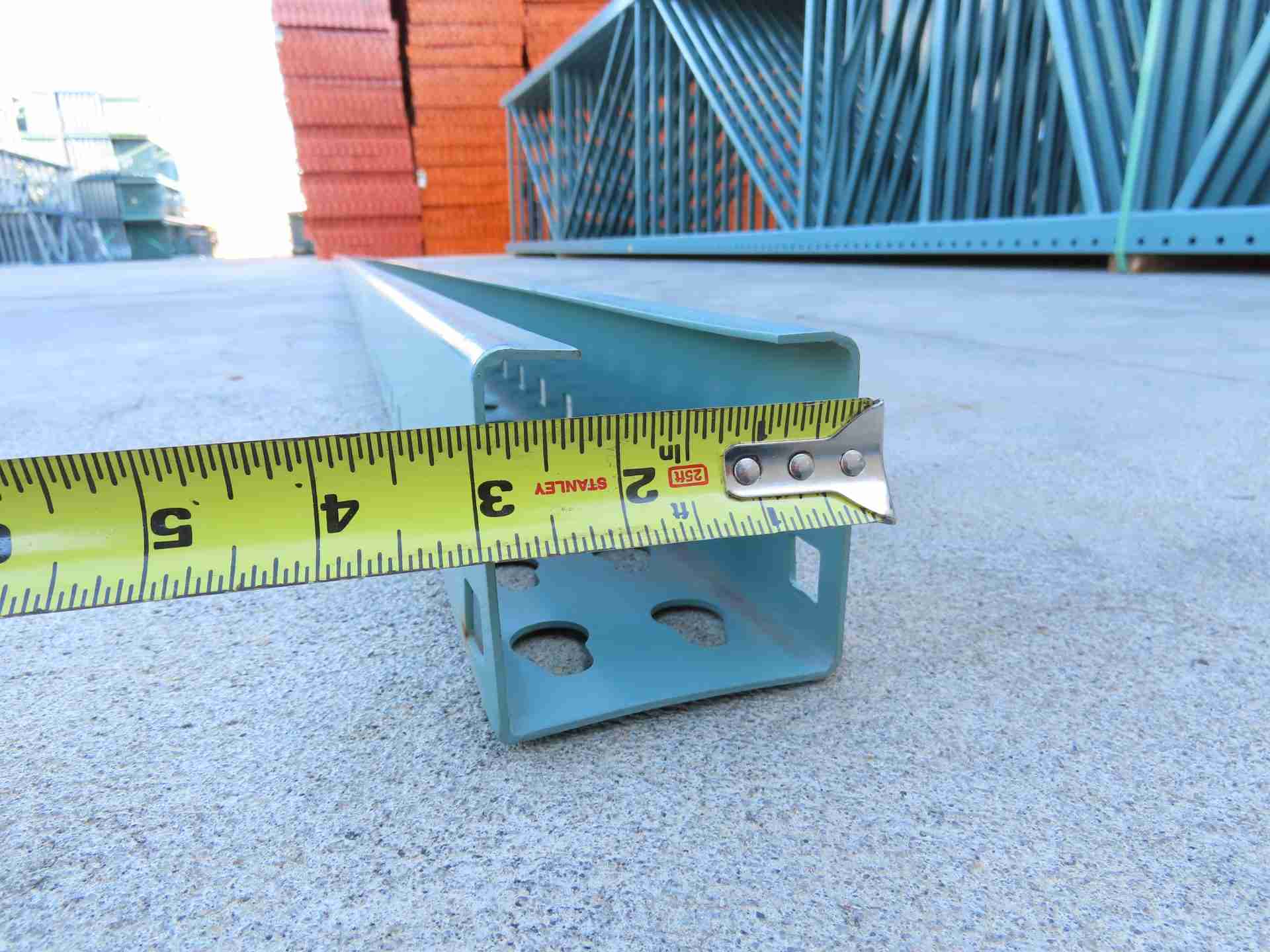
Conclusion
Other Resources
Other Resources
Here is a list of other resources you can review online to learn more:
- Overhead Lifting
- Teardrop Racks – Pallet Rack World
- Crane Manufacturers Association Of America Inc.
- MHI
- NSC
- Pallet Racking systems in Illinois and Great Lakes
- Interlake Mecalux
- American Surplus
- Teardrop Industrial Shelving Rack
- Illinois Pallet Racking – Storage Solutions
- Warehousing Education and Research Council: https://www.werc.org/
- Total Warehouse
- Teardrop Uprights
- Illinois
- Interlake Mecalux
- BMH Equipment LLC
- What is Selective Racking: Understanding Benefits & Options
- Pallet Racking 101: A Comprehensive Guide & Options Explained
- Pallet Racking systems in Illinois, Great Lakes
- IIWS Inc. Rack Installation Illinois & Rack Repairs Illinois
Use This Prompt To Get More Resources With Your Favorite Online AI Tool: Please provide me with a list of online articles with their URLs in a bulleted list that I can read regarding How to Lay Out Pallet Racks for Maximum Efficiency
Other Resources
Glossary Terms
How to Lay Out Pallet Racks for Maximum Efficiency – Glossary Of Terms
1. Aisle: The passage space between rows of pallet racks that facilitates the movement of forklifts and personnel.
2. Beam: Horizontal structural component of a pallet rack that supports the weight of stored pallets.
3. Column: Vertical post of a pallet rack that provides support and stability to the structure.
4. Crossbeam: A beam that connects two columns, enhancing the overall durability of the rack system.
5. Load Capacity: The maximum weight that a pallet rack can safely support without risk of structural failure.
6. Pallet: A flat structure used to support goods, allowing for easier movement and storage.
7. Forklift: A powered industrial truck used to lift and move materials, crucial for pallet rack operations.
8. SKU (Stock Keeping Unit): A unique identifier for each distinct product, essential for inventory management.
9. Vertical Space Utilization: The strategic use of height in a warehouse to maximize storage capacity.
10. Floor Space Utilization: The efficient arrangement of pallets and racks on the warehouse floor to optimize workflow.
11. Accessibility: The ease with which items stored in pallet racks can be reached, important for efficiency.
12. Inventory Turnover: The rate at which inventory is sold and replaced, impacting how racks are organized.
13. Safety Margins: Additional capacity built into the design of racks to ensure stability and prevent overloading.
14. Pallet Positioning: The strategic placement of pallets on racks to maximize space and accessibility.
15. First-In, First-Out (FIFO): An inventory management principle where the oldest stock is used first, impacting rack layout.
16. Last-In, First-Out (LIFO): A method where the most recently added items are the first to be used, affecting storage arrangements.
17. Load Distribution: The manner in which weight is spread across a pallet rack, crucial for maintaining integrity.
18. Rack Configuration: The specific design and arrangement of racks, influencing space efficiency and accessibility.
19. Work Flow: The sequence of processes through which materials are moved, storing and retrieving items efficiently.
20. Throughput: The rate at which inventory is processed, critical for evaluating storage effectiveness.
21. Safety Standards: Regulations and guidelines that ensure the safe use and design of pallet racks.
22. Modular Racking: Racking systems designed to be customizable and adjustable to fit various storage needs.
23. Environmental Conditions: Specific factors in a storage area, such as temperature and humidity, impacting rack material choice.
24. Maintenance: Regular checks and repairs on pallet racks to ensure structural integrity and avoid accidents.
25. Automated Storage: The use of technology and robotics to store and retrieve products from pallet racks.
26. Projection Plan: A visualization or layout plan that outlines the intended arrangement of racks to optimize space.
27. Warehouse Management System (WMS): Software that manages inventory levels, orders, and overall warehouse operations.
28. First Aid Kit: Essential safety equipment mandated in warehouses to address emergencies and injuries.
29. Pallet Flow Rack: A type of rack that allows pallets to slide on rollers, optimizing retrieval and storage.
30. Inventory Audit: A systematic examination of stock levels and storage practices to ensure accuracy and efficiency.
Glossary Of Terms
Other Questions
How to Lay Out Pallet Racks for Maximum Efficiency – Other Questions
If you wish to explore and discover more, consider looking for answers to these questions:
- What are the best practices for analyzing my current warehouse layout?
- How can I determine the right type of pallet racks for my inventory?
- What are the key factors to consider when planning a pallet rack layout?
- How can I involve my team in the pallet rack design process?
- What safety standards should I adhere to when installing pallet racks?
- How do I measure the effectiveness of my pallet rack layout after implementation?
- What are the common pitfalls to avoid when laying out pallet racks?
- How can technology assist in optimizing pallet rack placements?
- What role does employee feedback play in improving warehouse efficiency?
- Are there specific software tools recommended for warehouse layout design?
- How often should I reassess my pallet rack layout for efficiency?
- What training do employees need to work safely and efficiently with a new racking system?
- How can I balance the need for efficiency with the well-being of my employees?
- What are the long-term benefits of investing in a good pallet racking system?
- What should I consider when planning for future growth in my warehouse operations?
Other Questions
Checklist
How to Lay Out Pallet Racks for Maximum Efficiency – A Checklist
Pallet Rack Optimization Checklist
Heart Appeals:
_____ Visualize your ideal workspace: How does an organized layout positively impact team morale?
_____ Consider the pride your team will feel in a well-organized environment. What can you do to enhance that feeling?
_____ Reflect on the emotional connection employees have to their workspace—how can you nurture it?
Head Appeals:
_____ Analyze your inventory: Have you categorized items based on frequency of access?
_____ Evaluate workflow efficiency: Are your racking systems facilitating quicker picking and packing?
_____ Track data: What metrics can you use to measure productivity improvements after reconfiguration?
Gut Appeals:
_____ Safety first: Are your racking systems compliant with safety standards to prevent accidents?
_____ Assess employee well-being: How can the workspace design contribute to a healthier work environment?
_____ Consider ethical implications: Are you prioritizing sustainability in your racking choices?
Authority Appeals:
_____ Seek expert advice: Who in your network has the qualifications and experience to assist with your racking design?
_____ Verify credentials: Are your chosen consultants certified and reputable in the industry?
_____ Analyze testimonials: What success stories can you gather from others who have optimized their racking systems?
Narrative Appeals:
_____ Share success stories: Can you document and celebrate improvements made through reorganizing your racking systems?
_____ Collaborate on narratives: How can team brainstorming sessions inspire innovative racking solutions?
_____ Build a legacy: What ongoing story of improvement and teamwork will emerge from your collaborative efforts?
Social Appeals:
_____ Encourage teamwork: How can you foster a culture of collaboration in your racking design process?
_____ Network within your industry: Are there trade shows or forums where you can learn from peers about racking solutions?
_____ Celebrate milestones: How will you acknowledge team efforts and successes as you implement new racking strategies?
Checklist
At RackingWorld, we help guide you through selecting warehouse storage systems and racking.
Be sure to read our other related stories at RackingWorld to learn more about warehouse storage systems.
0 Comments