
Maximizing Efficiency And Profitability Through Effective Inventory Management
By Tom Seest
At RackingWorld, we help guide you through selecting warehouse storage systems and racking.
Be sure to read our other related stories at RackingWorld to learn more about warehouse storage systems.
Why Is Inventory Management Crucial for Warehouse Operations?
When you step into a bustling warehouse, the first thing that strikes you is the organized chaos. But beneath that surface lies a pivotal element that makes or breaks operational efficiency: inventory management. This isn’t just a term tossed around in boardrooms; it’s the heartbeat of every successful warehousing operation.
Imagine walking through rows of neatly arranged pallet racking, each shelf a gateway to your success. Now, think about your stock—thousands of products, each with its own story, purpose, and demand. Good inventory management goes beyond tracking items; it’s about creating a seamless flow that enhances your service levels and boosts customer satisfaction.
In today’s fast-paced market, customers expect rapid and reliable deliveries. When you can efficiently manage inventory, ensuring that you always have the right products at the right time, you not only meet these expectations but exceed them. It builds trust. Customers feel confident knowing that when they place an order, you can deliver without excuses and delays.
Moreover, effective inventory management directly correlates to financial health. We’ve all heard stories of businesses blindsided by excess stock gathering dust in their facilities, tying up precious cash flow. With smart inventory strategies, you optimize your pallet racking systems, turning potential liabilities into quick-moving assets. Leaner inventory means you can reinvest in growth opportunities rather than languishing in a cycle of overstock and markdowns.
Consider the scalability you gain with robust inventory management practices. As your business grows, so does the complexity of your inventory needs. A well-structured approach allows you to effortlessly adapt, expanding your pallet racking and storage systems without the fear of losing control over your stock. This foresight not only secures your competitive edge but positions you as a market leader.
In essence, inventory management isn’t merely about maintaining order; it’s about creating confidence—confidence in your operations, in your suppliers, and most importantly, in your customers. It’s a relationship built on reliability and quality, ensuring your warehouse doesn’t just function, but thrives.
So, take a closer look at your approach to inventory. Are you ready to elevate your warehouse operations to new heights? Remember, the journey to success starts with one deliberate step: mastering your inventory management. After all, every pallet racking system deserves to be filled with purpose, efficiency, and respect for your hard-earned resources.

Why Is Inventory Management Crucial for Warehouse Operations?
Why Is Inventory Management Crucial for Warehouse Operations?
- Inventory management is crucial for operational efficiency in warehousing.
- It involves maintaining a seamless flow of products to enhance service levels and customer satisfaction.
- Effective inventory management helps meet customer expectations for rapid and reliable deliveries, building trust.
- Smart inventory strategies optimize financial health by reducing excess stock and improving cash flow.
- Robust inventory practices allow for scalability and adaptability as business needs grow.
- Good inventory management fosters confidence in operations, suppliers, and customers.
- Mastering inventory management is essential for elevating warehouse operations and ensuring resource efficiency.

Why Is Inventory Management Crucial for Warehouse Operations?
Table Of Contents
- Why Is Inventory Management Crucial for Warehouse Operations?
- Why Is Inventory Management Important For Warehouses?
- What Are The Benefits Of Effective Inventory Management?
- How Can Poor Inventory Management Affect Operations?
- What Strategies Improve Inventory Accuracy And Efficiency?
- How Does Technology Enhance Inventory Management Practices?
- What Are Common Pitfalls In Warehouse Inventory Management?
- Conclusion
- Other Resources
- Glossary Of Terms
- Other Questions
- Checklist
Why Is Inventory Management Important For Warehouses?
Picture your warehouse filled with hundreds—even thousands—of pallets, stacked high on racking systems designed for optimal space utilization. It’s an impressive sight, isn’t it? But what happens if you don’t manage that inventory meticulously? Chaos. Mishaps. Lost sales. And that’s just the tip of the iceberg.
Inventory management is the backbone of any warehouse operation. It’s not merely about counting boxes or tracking pallets; it’s about ensuring efficiency, profitability, and customer satisfaction. When inventory is organized effectively, every pallet racking system plays its part in creating a seamless flow. With the right management practices, you can minimize excess stock, eliminate wasted space, and make sure that each item is where it’s supposed to be—ready for when you need it.
Imagine this: A customer places a large order for a product that you know should be sitting on a specific pallet on your racking system. You trust your inventory management system, and because you’ve invested in the right tools and processes, you can confidently put together that order without the fear of delays. It’s this sense of reliability that sets you apart in a competitive marketplace.
But let’s get real—poor inventory management can lead to a severe impact on your bottom line. Overstocking ties up valuable resources, while understocking leads to missed opportunities. With a robust inventory management strategy, you’ll harness the power of data to forecast demand accurately. This means no more frantic late-night calls to suppliers because you’re out of stock; instead, you’ll know precisely when to reorder.
Furthermore, effective inventory management helps ensure that your warehouse operates at peak efficiency. When you know what’s in stock and where to find it, the time spent on picking and shipping diminishes. Think about the last time you hesitated because you couldn’t find a product. It left you feeling uncertain and frustrated, didn’t it? Your customers feel the same way. A quick, efficient order fulfillment process builds trust and loyalty, leading to repeat business.
In an era where coddling your customers can make or break your brand, investing in strong inventory management practices is not just smart; it’s essential. So, whether you’re upgrading your pallet racking systems or overhauling your inventory practices entirely, remember this: A well-managed warehouse is not just a storage space; it’s an engine for growth. It’s time to take control of your inventory today—your future success depends on it.

Why Is Inventory Management Important For Warehouses?
Why Is Inventory Management Important For Warehouses?
- A warehouse filled with pallets requires meticulous inventory management to avoid chaos and lost sales.
- Effective inventory management is crucial for efficiency, profitability, and customer satisfaction.
- Organized inventory systems ensure a seamless flow and proper stock placement.
- Reliable inventory tools allow for confident order fulfillment, setting businesses apart in the marketplace.
- Poor inventory management can severely impact the bottom line, leading to overstocking and missed sales opportunities.
- Accurate demand forecasting prevents stockouts and minimizes last-minute supplier calls.
- Strong inventory practices enhance order fulfillment speed, build customer trust, and drive repeat business.

Why Is Inventory Management Important For Warehouses?
What Are The Benefits Of Effective Inventory Management?
Effective inventory management is more than just a system—it’s a game-changing strategy that can elevate your business to new heights, leaving your competition in the dust. Imagine walking into your warehouse, your pallet racking organized impeccably, every item in its place, and the potential for efficient sales staring you right in the face. That’s the power of mastering your inventory.
First and foremost, think about cost savings. Uncontrolled inventory often leads to unsold stock gathering dust, tying up your cash flow—money that could be better used elsewhere. When you manage your inventory effectively, you minimize this risk. You learn to predict demand with certainty, ensuring that you never overstock or understock your goods. This level of control allows you to streamline operations, cut unnecessary expenses, and enhance your bottom line.
Let’s also talk about time—our most precious commodity. In a world where time is money, the last thing you want is to waste hours searching for misplaced items on cluttered pallet racking. A well-run inventory system simplifies the process of tracking and managing stock. With everything organized and easy to locate, your team can focus on what really matters: delivering value to your customers. Imagine the boost in morale and efficiency when your employees spend less time frustrated and more time fulfilling orders and driving sales.
Now, let’s not overlook the competitive advantage effective inventory management provides. In today’s fast-paced market, customers crave speed and reliability. They want to be assured that you have what they need when they need it. By maintaining optimal stock levels and ensuring the swift movement of goods, you’re not just meeting these demands—you’re exceeding them. This builds trust and loyalty, encouraging repeat business while generating positive word-of-mouth.
Moreover, effective inventory management paves the way for better decision-making. With accurate data at your fingertips, you can forecast trends, identify slow-moving items, and capitalize on profitable opportunities. It’s about turning data into actionable insights that position your business for growth.
So, whether you’re a seasoned entrepreneur or just starting out, investing in inventory management is not optional—it’s essential. Take the plunge into this transformative practice, and watch your business flourish, one well-organized pallet at a time!
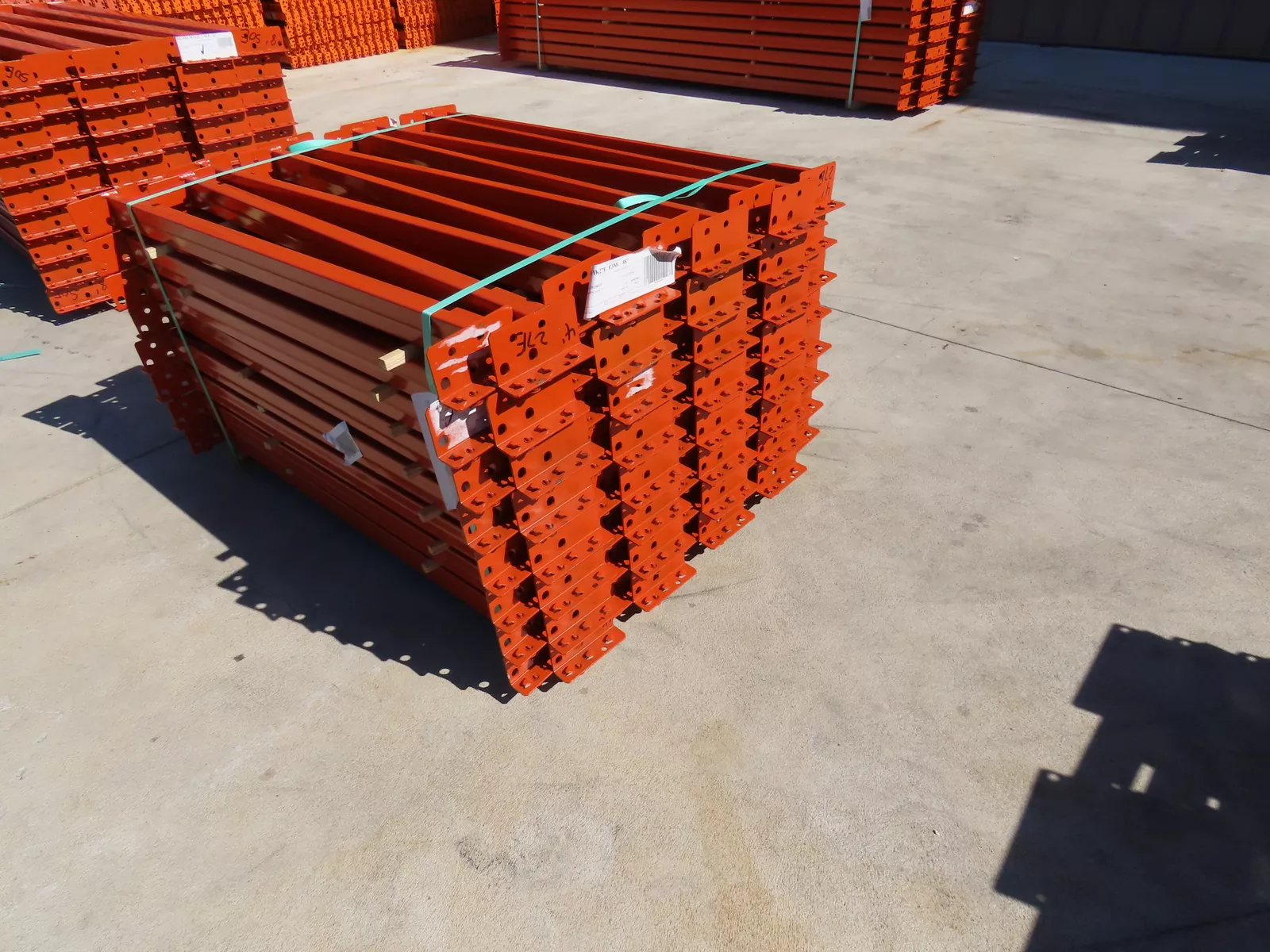
What Are The Benefits Of Effective Inventory Management?
What Are The Benefits Of Effective Inventory Management?
- Effective inventory management is a crucial strategy that can significantly improve business performance.
- Proper inventory control leads to cost savings by reducing unsold stock and optimizing cash flow.
- It enhances operational efficiency by minimizing time spent searching for items and streamlining tracking processes.
- A well-managed inventory system improves employee morale and productivity, allowing focus on customer service and sales.
- Maintaining optimal stock levels gives businesses a competitive advantage, meeting customer demands for speed and reliability.
- Accurate inventory data supports better decision-making, enabling trend forecasting and opportunity identification.
- Investing in effective inventory management is essential for business growth and long-term success.

What Are The Benefits Of Effective Inventory Management?
How Can Poor Inventory Management Affect Operations?
Imagine walking into a bustling warehouse, the hum of activity all around. But beneath that busy facade lies a hidden danger: poor inventory management. It’s a problem that stretches well beyond the aisles of pallet racking and storage shelves. It seeps into every corner of your operations, undermining your success.
When your inventory is in disarray, the consequences can be staggering. Picture a scenario where your sales team is eager to fulfill customer orders, but they quickly find themselves battling stockouts. You’re left to explain to disappointed customers why their orders won’t make it in time. This creates a ripple effect; trust erodes, and brand loyalty evaporates. That’s the power of poor inventory management—it turns potential advocates into skeptics.
Now, let’s talk numbers. An overwhelming amount of capital can become tied up in excess inventory, pushing your cash flow to the brink. You might find yourself trapped, with products that are simply gathering dust on those pallet racks. Meanwhile, the items in demand remain out of reach, leading to missed opportunities and lost revenue. It’s a cycle that can suffocate your operational agility and stifle growth.
But there’s hope. By streamlining your inventory management, you can turn chaos into clarity. Imagine an inventory system that’s impeccably organized—a strategic alignment of your pallet racking that clearly showcases your stock levels, allowing for efficient picking and replenishment. You’ll equip your teams with the tools they need to not just meet but exceed customer expectations.
What’s more, better inventory oversight can enhance supplier relationships, leading to improved access to products when you need them most. This fosters reliability—an invaluable currency in today’s competitive landscape. The fewer frustrations and misunderstandings that arise, the stronger and more resilient your operations become.
Investing in an effective inventory management strategy is not merely a defensive play; it’s an offensive strategy that propels your business forward. Enhance your operational efficiency, safeguard your cash flow, and secure the trust of your customers.
Your journey toward operational excellence starts now. Don’t let poor inventory management hold your business hostage. Take action today, and transform your operations into a well-oiled machine where every pallet racking unit works for you—not against you.

How Can Poor Inventory Management Affect Operations?
How Can Poor Inventory Management Affect Operations?
- Poor inventory management poses a hidden danger in warehouse operations, affecting overall success.
- Stockouts lead to customer disappointment, eroding trust and brand loyalty.
- Excess inventory can tie up capital, harming cash flow and operational agility.
- A disorganized inventory system results in missed opportunities and lost revenue.
- Streamlining inventory management enhances efficiency and meets customer expectations.
- Improved inventory oversight strengthens supplier relationships and reliability.
- Investing in effective inventory strategies boosts operational efficiency and customer trust.
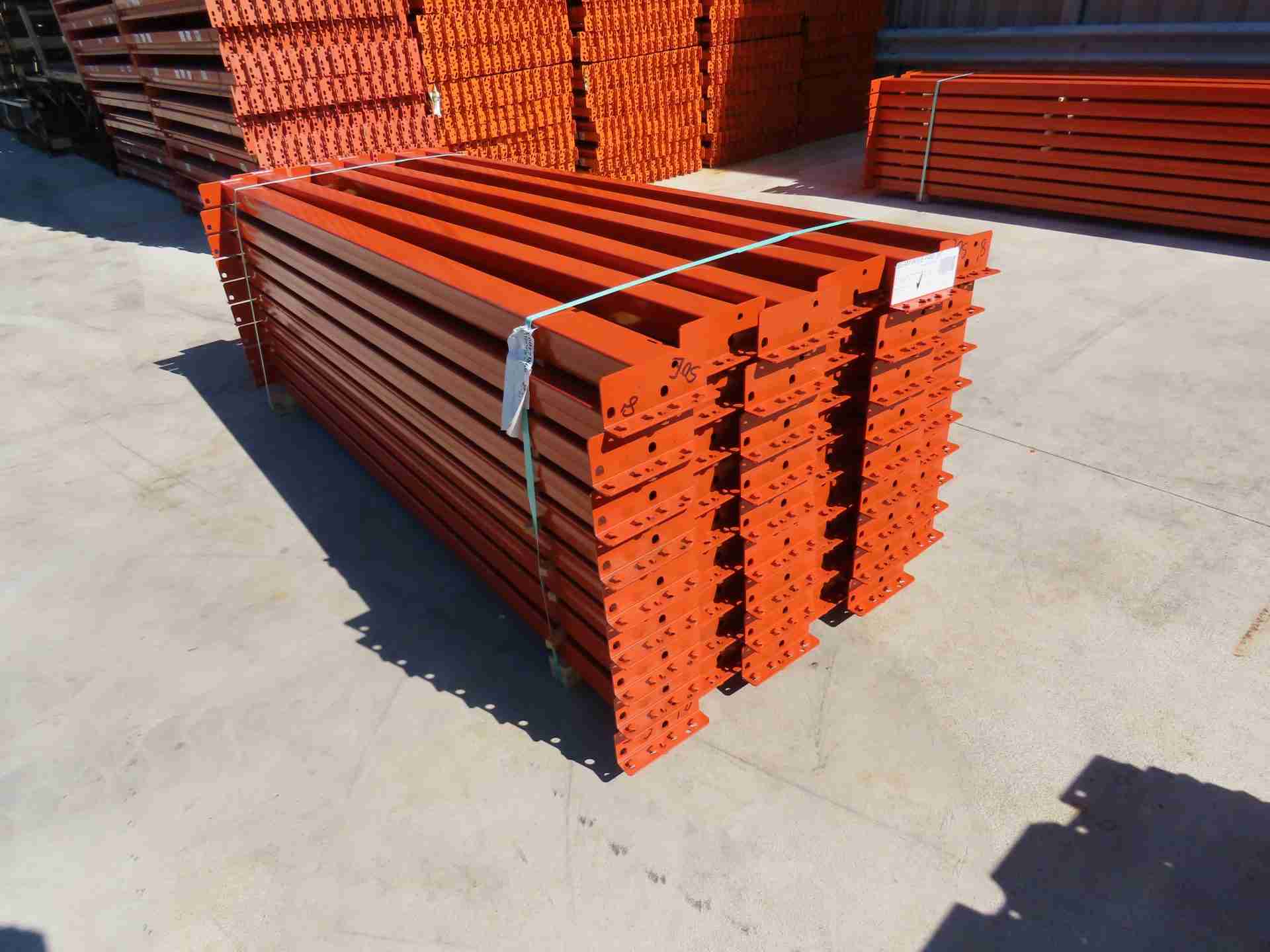
How Can Poor Inventory Management Affect Operations?
What Strategies Improve Inventory Accuracy And Efficiency?
In today’s fast-paced market, maintaining accurate and efficient inventory management isn’t just a luxury—it’s a necessity. Every business owner knows that slipping up on inventory can result in lost sales, unsatisfied customers, and unnecessary costs. So how can you turn the tide in your favor? Let’s dive into some strategies that can revolutionize your approach to inventory management.
First and foremost, embrace technology. Utilize inventory management software to streamline operations, automate stock tracking, and reduce human error. This not only ensures accurate stock levels but provides real-time insights, empowering your team to make informed decisions quickly. If you’re still reliant on spreadsheets or manual counts, it’s time to make that leap into the digital age.
Now, let’s talk about physical space—specifically, pallet racking. Implementing a robust pallet racking system can dramatically improve your warehouse’s organization. Imagine walking into an environment where every product has its rightful place, and retrieving stock feels effortless. This simple upgrade means fewer misplaced items and quicker access, ultimately enhancing your efficiency. You’ll spend less time hunting for items and more time focusing on the core of your business.
Next on the agenda is regular inventory audits. It’s vital to perform these audits frequently—not just for accuracy but also to identify trends and chances for improvement. Ask yourself: Are there items lingering on the shelves longer than they should? Are there dead stocks that are tying up valuable resources? Conducting regular reviews will help you tweak your strategies effectively.
Additionally, foster a culture of accountability within your team. Encourage your staff to take ownership of their respective areas. When everyone feels responsible for inventory accuracy, the buzz of collaboration will elevate your operational efficiency. Make it a point to celebrate small victories in inventory management—any wins, no matter how minor, contribute to achieving your overall goals.
Lastly, never underestimate the power of continuous training. Equip your team with the knowledge they need to excel, whether it’s about new technologies, inventory best practices, or even efficient warehouse layouts. A well-trained workforce is your best asset for maintaining inventory accuracy and efficiency.
To sum it all up, improving inventory management isn’t just about implementing new tools; it’s about creating a systematic approach that intertwines technology, strategy, and people. Trust that with careful planning and persistent execution, you can elevate your inventory processes to new heights, ultimately leading to greater profits and customer satisfaction.

What Strategies Improve Inventory Accuracy And Efficiency?
What Strategies Improve Inventory Accuracy And Efficiency?
- Accurate and efficient inventory management is essential for business success.
- Embrace technology by utilizing inventory management software to automate and streamline operations.
- Implement a robust pallet racking system for improved warehouse organization and quick access to stock.
- Conduct regular inventory audits to maintain accuracy and identify opportunities for improvement.
- Foster a culture of accountability and collaboration within your team for better inventory management.
- Provide continuous training to staff on new technologies and best practices in inventory management.
- Create a systematic approach that combines technology, strategy, and team involvement for optimal results.
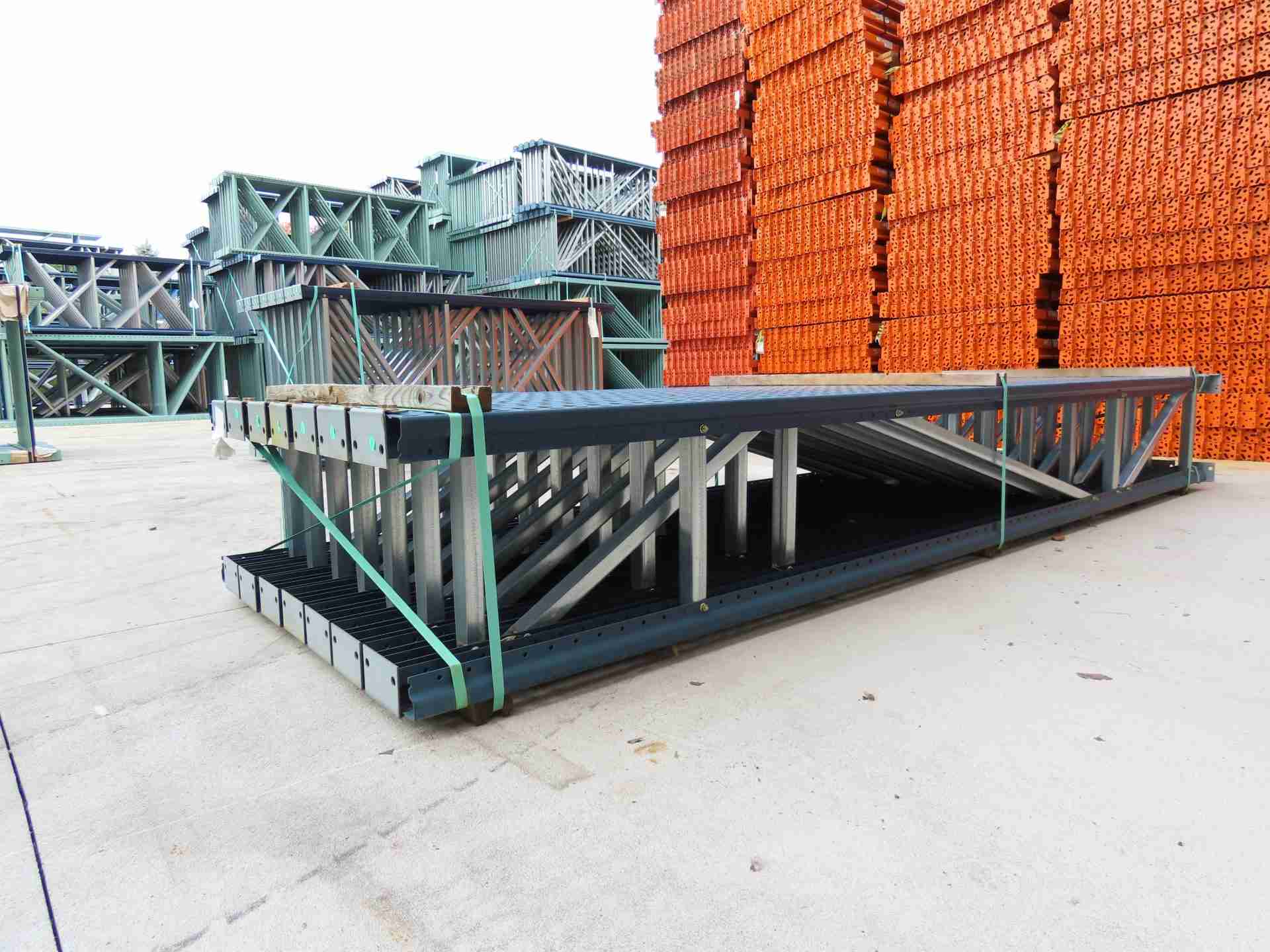
What Strategies Improve Inventory Accuracy And Efficiency?
How Does Technology Enhance Inventory Management Practices?
Imagine a bustling warehouse, humming with the sound of efficiency. Pallet racking systems neatly organized into rows, stocked with products that flow seamlessly from receiving to shipping. Now, picture this: what if you could leverage technology to streamline every step of that process? It might sound like a dream, but with the right tools, this scenario can be your reality—and the key to unlock this potential lies in advanced inventory management technologies.
First, let’s consider the backbone of any efficient warehouse: your pallet racking. This essential component does more than just store products; it sets the stage for how your inventory will move. By integrating technology such as RFID (Radio-Frequency Identification) and barcode scanning, you gain real-time visibility into your stock. Imagine each pallet racking unit equipped with smart sensors that track movement, automatically updating your inventory levels without the need for time-consuming counts. The result? Less human error, more accuracy, and greater peace of mind.
Now, here comes the magic—inventory management software. Successful businesses are embracing cloud-based solutions that enable them to monitor stock levels, predict demand, and manage re-order points with a few clicks or taps. Imagine being able to see exactly where each item is stored in your pallet racking system, eliminating the guesswork and reducing the time wasted searching for products. You can ensure that your shelves are never bare when a customer places an order.
Moreover, forecasting algorithms—powered by artificial intelligence—consider patterns and trends from your previous sales data. This means you’re not just reacting to stock levels; you’re proactively adjusting your inventory, leading to fewer missed sales opportunities and happier customers. And let’s face it, customer satisfaction is what keeps your business thriving.
Lastly, don’t underestimate the synergy that comes from integrating your technology. Connect your pallet racking management system with your sales platform, and suddenly, you’re poised to create an agile operation—one that can adapt to changing marketplace demands in real time.
Technology isn’t just a luxury; it’s a necessity for those looking to excel in inventory management. Dive into this world of possibility, and watch your efficiency, accuracy, and profitability rise like a well-organized shelf of goods. Instead of being weighed down by logistical challenges, let technology lift you to new heights. The time to act is now—transform your practice and watch your business thrive.

How Does Technology Enhance Inventory Management Practices?
How Does Technology Enhance Inventory Management Practices?
- Advanced inventory management technology can streamline warehouse processes from receiving to shipping.
- Pallet racking systems serve as the backbone of efficient warehouses, requiring integration with technology for optimal performance.
- RFID and barcode scanning provide real-time visibility and accuracy in stock management.
- Cloud-based inventory management software allows for easy monitoring of stock levels and efficient re-ordering.
- AI-driven forecasting algorithms help businesses proactively adjust inventory based on sales trends.
- Integrating technology with sales platforms creates a reactive and agile operation for adapting to market demands.
- Investing in technology is essential for enhancing efficiency, accuracy, and profitability in inventory management.
How Does Technology Enhance Inventory Management Practices?
What Are Common Pitfalls In Warehouse Inventory Management?
What Are Common Pitfalls in Warehouse Inventory Management?
Managing a warehouse isn’t just about stacking boxes and counting items; it’s a delicate dance of strategy, organization, and foresight. Yet, many businesses stumble over common pitfalls that can derail their inventory management efforts, leading to wasted resources and ultimately, lost profits. Understanding these pitfalls can empower you to sidestep them and set your warehouse up for success.
Overlooking Inventory Accuracy
One of the biggest traps warehouse managers fall into is overestimating inventory accuracy. Relying on outdated counts or neglecting regular audits can become a slippery slope that leads to excess stock and costly stockouts. Implementing robust inventory management software can provide real-time tracking and alerts, allowing you to maintain control over your assets. Remember, a few minutes spent verifying stock levels is a worthwhile investment when it saves you from many hours of trouble down the line.
Ineffective Use of Space and Pallet Racking
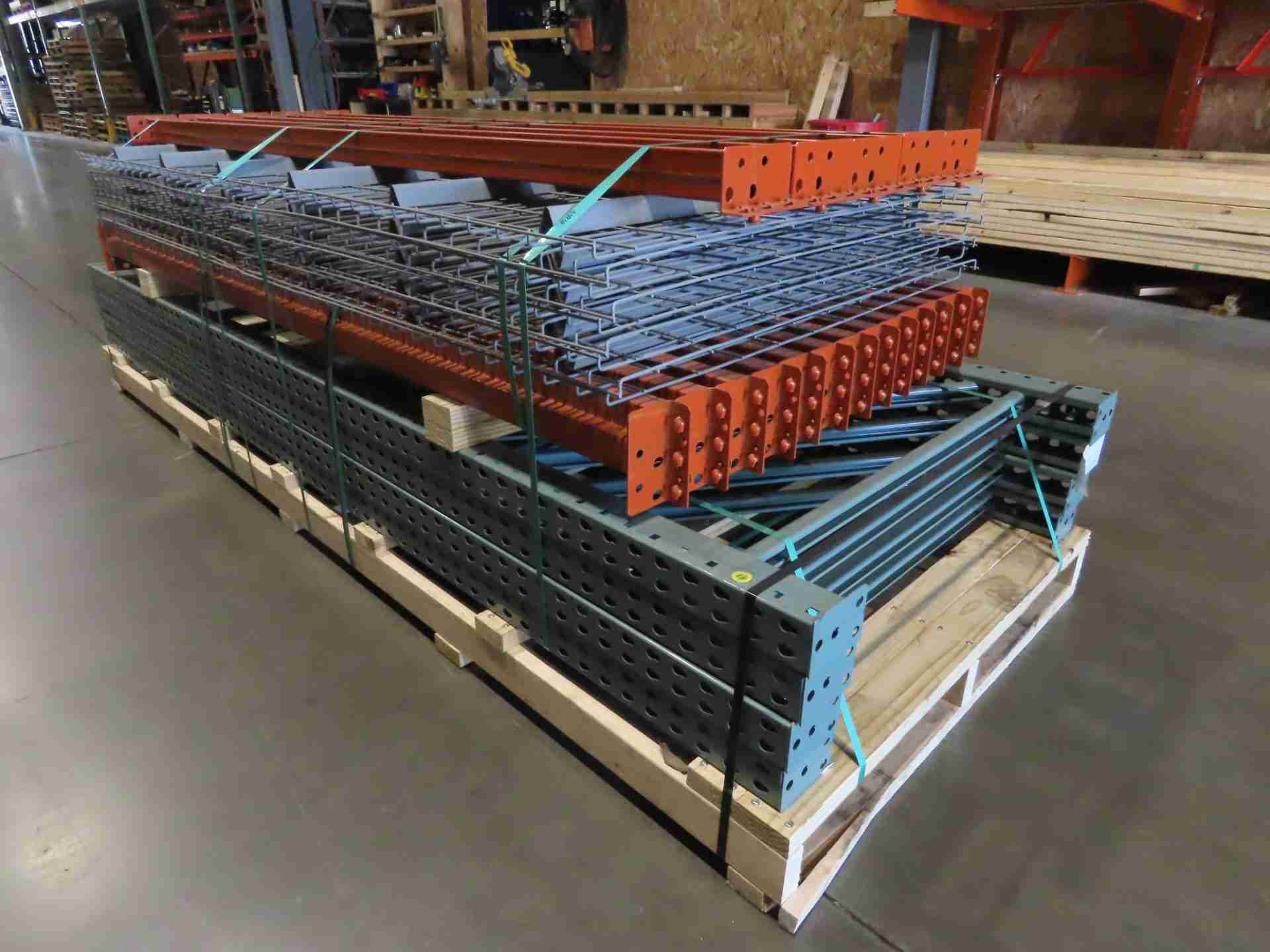
Another common oversight is poor utilization of space. Many warehouses are designed with flawed layouts that underutilize vertical space or cause unnecessary movement. This inefficiency often stems from an inadequate pallet racking system. If your racking isn’t optimized for your inventory, you’re leaving money on the table. Assess your current design and consider reconfiguring your pallet racking to maximize vertical space, streamline accessibility, and enhance workflow. A well-organized warehouse not only enhances productivity; it also boosts employee morale!
Ignoring Employee Training
Your workforce is your most valuable asset. Ignoring the need for continuous training can compound existing problems. Just as technologies evolve, so should the skills of your team. Investing in regular training sessions fosters a culture of accountability and efficiency, ensuring your employees are well-equipped to handle the fast-paced demands of warehouse management.
Neglecting Maintenance of Equipment
Lastly, don’t be tempted to skimp on maintenance. Broken forklifts, worn out pallet racking, and outdated software can wreak havoc on your inventory management system. Prioritize routine checks and maintenance schedules to keep everything running smoothly. A little preventive care today can save you from major headaches tomorrow.
These pitfalls are not just roadblocks; they’re opportunities for growth and improvement. By recognizing and addressing these challenges head-on, you can transform your warehouse into a well-oiled machine—one that inspires trust not just among your team, but also with your customers. Remember, in the world of inventory management, proactive measures pave the way for lasting success. So take charge and supercharge your operations today!
What Are Common Pitfalls In Warehouse Inventory Management?
What Are Common Pitfalls In Warehouse Inventory Management?
- Overlooking Inventory Accuracy: Relying on outdated counts or neglecting regular audits can lead to excess stock and costly stockouts.
- Ineffective Use of Space and Pallet Racking: Poorly designed layouts can underutilize vertical space and cause unnecessary movement, leading to inefficiencies.
- Ignoring Employee Training: Continuous training is essential to equip teams with the skills necessary to meet the demands of warehouse management.
- Neglecting Maintenance of Equipment: Regular checks and maintenance of equipment prevent breakdowns and disruptions in inventory management.
- Opportunities for Growth: Recognizing these pitfalls can lead to improvements in warehouse operations and overall efficiency.
- Enhancing Employee Morale: A well-organized warehouse boosts productivity and employee satisfaction.
- Proactive Measures for Success: Taking charge of these common pitfalls can transform your warehouse into a reliable and efficient operation.

What Are Common Pitfalls In Warehouse Inventory Management?
Conclusion
Conclusion: Elevate Your Warehouse Operations with Masterful Inventory Management
In the bustling world of warehouse operations, effective inventory management is the lifeblood that can propel your business toward efficiency and profitability. As we’ve explored, the organized chaos of a well-functioning warehouse hinges on a well-structured approach to managing stock. It’s not merely about counting boxes and stacking pallets; it’s about cultivating a strategic framework that drives operational excellence. When executed correctly, every facet of your inventory—from the intricacies of your pallet racking systems to customer service touchpoints—becomes an instrument for success.
The problems tied to poor inventory management can cripple a business, leading to delayed shipments, dissatisfied customers, and cash flow issues. Conversely, mastery over your inventory translates to smoother operations, as you confidently fulfill orders and manage stock levels with agile precision. When customers know they can count on you for timely deliveries and reliable stock availability, it builds a foundation of trust and loyalty that distinguishes your business in a competitive marketplace.
Leveraging technology is one of the most transformative steps you can take in this journey. Employing advanced inventory software not only enhances accuracy but also empowers your team with real-time insights to minimize errors and streamline processes. Optimizing your pallet racking systems ensures that every square foot of your warehouse is utilized efficiently. Together, these strategies foster a culture of accountability and continual improvement within your team.
As you reflect on your current inventory management practices, ask yourself: Are they working as hard as you are? Can your warehouse adapt to growing demands without succumbing to chaos? The urgency to refine your operations cannot be overstated—every day spent without a robust inventory strategy is a day of lost opportunities.
Now is the time to seize control of your inventory management. Call Arrow Industrial Sales at (574) 349-6575 for insights and solutions tailored to your specific needs. Don’t let your warehouse be an afterthought; turn it into a well-oiled machine that sets the pace for your success. Together, we can elevate your operations, ensuring that each pallet racking system is filled with purpose, efficiency, and respect for your hard-earned resources. Take that first step today—your future success depends on it!

Conclusion
Conclusion:
- Effective inventory management is essential for warehouse efficiency and profitability.
- A well-structured approach drives operational excellence beyond mere stock counting.
- Poor inventory management can lead to delayed shipments and dissatisfied customers.
- Mastery of inventory leads to smoother operations and builds customer trust and loyalty.
- Employing advanced inventory software enhances accuracy and provides real-time insights.
- Optimizing pallet racking systems maximizes warehouse space utilization.
- Contact Arrow Industrial Sales for tailored inventory management solutions.
Conclusion
Other Resources
Other Resources
Here is a list of other resources you can review online to learn more:
- Pallet Racking 101: A Comprehensive Guide & Options Explained
- Cantilever Rack Configuration & Installation: A Comprehensive Guide – BMH
- NSC
- BMH Equipment LLC
- American Society of Safety Professionals
- Shipping Boxes, Packaging Materials, Pallet Racking
- American Surplus
- Warehouse Racking Layout: The Ultimate Guide – Conger
- Interlake Mecalux
- Selective Racking
Use This Prompt To Get More Resources With Your Favorite Online AI Tool: Please provide me with a list of online articles with their URLs in a bulleted list that I can read regarding Why Is Inventory Management Crucial for Warehouse Operations?

Other Resources
Glossary Terms
Why Is Inventory Management Crucial for Warehouse Operations? – Glossary Of Terms
1. Inventory: A complete set of goods and materials that a business holds for production and sales purposes.
2. Warehouse Management System (WMS): A software application that helps manage warehouse operations, including inventory tracking, order fulfillment, and shipping.
3. Stock Keeping Unit (SKU): A unique identifier for each distinct product and service that can be purchased, often containing details like size, color, and type.
4. Lead Time: The amount of time it takes from placing an order to receiving the ordered inventory.
5. Cycle Counting: A periodic counting of a subset of inventory as a part of the inventory management process to ensure accuracy.
6. Just-In-Time (JIT): An inventory strategy that aims to reduce holding costs by receiving goods only as they are needed in the production process.
7. Reorder Point (ROP): The inventory level at which a new order should be placed to replenish stock before it runs out.
8. Safety Stock: Extra inventory kept on hand to prevent stockouts caused by unforeseen increases in demand or supply chain delays.
9. Stockout: A situation where inventory is unavailable to meet customer demand, potentially leading to lost sales and customer dissatisfaction.
10. Inventory Turnover Ratio: A measure of how many times inventory is sold and replaced over a specific period, indicating inventory efficiency.
11. First-In, First-Out (FIFO): An inventory valuation method where the oldest inventory items are sold first to prevent obsolescence.
12. Last-In, First-Out (LIFO): An inventory valuation method where the most recently acquired inventory items are sold first.
13. Demand Forecasting: The process of estimating future customer demand based on historical data, trends, and market analysis.
14. Order Fulfillment: The complete process from receiving a customer order to delivering the products to the customer.
15. Bulk Storage: A method of storing large quantities of inventory in a way that maximizes space usage in a warehouse.
16. Barcoding: The use of barcodes to track and manage inventory items efficiently, enabling faster scanning and data entry.
17. Cross-Docking: A logistics practice where incoming goods are directly transferred to outbound shipping without being stored in the warehouse.
18. Value Added Services: Additional services provided by a warehouse, such as assembly, packaging, or labeling, that add value to the inventory.
19. Inventory Valuation: The process of determining the monetary value of a company’s inventory at any given time.
20. Shrinkage: The loss of inventory due to theft, damage, or administrative errors.
21. Distribution Center: A specialized warehouse that is designed to store and distribute products rather than for manufacturing or production.
22. Economic Order Quantity (EOQ): A formula used to determine the optimal order quantity that minimizes total inventory costs, including ordering and holding costs.
23. Lot Tracking: The process of tracking inventory items by grouping them into lots based on production or shipment dates.
24. Inventory Accuracy: The degree to which the actual inventory levels match the recorded inventory in the management system.
25. Stock Valuation Methods: Various methods used to calculate the value of inventory, including FIFO, LIFO, and weighted average cost.
26. Palletization: The practice of stacking products on pallets for easier handling and storage in a warehouse.
27. Maintenance, Repair, and Operations (MRO): Inventory items used for maintenance and repair of equipment and facilities that are not part of the final product.
28. Returns Management: The process of handling returned products efficiently, which includes assessment, restocking, or disposal.
29. Supplier Relationship Management (SRM): The practice of managing and optimizing interactions with suppliers to improve efficiency and inventory delivery.
30. Lean Inventory Management: An approach that seeks to minimize waste and reduce inventory carrying costs while ensuring that products are available as needed.
Glossary Of Terms
Other Questions
Why Is Inventory Management Crucial for Warehouse Operations? – Other Questions
If you wish to explore and discover more, consider looking for answers to these questions:
- What are the key components of effective inventory management?
- How can businesses measure the success of their inventory management strategies?
- What role does employee training play in inventory management?
- How can technology improve forecasting accuracy in inventory management?
- What are some examples of inventory management software?
- How do different industries approach inventory management?
- What strategies can be implemented to reduce excess inventory?
- How often should inventory audits be conducted?
- What are the best practices for managing seasonal inventory fluctuations?
- How can businesses handle inventory shortages effectively?
- What metrics should companies track to evaluate inventory performance?
- What are the common mistakes to avoid in inventory management?
- How does customer demand affect inventory management practices?
- What innovations are emerging in inventory management technology?
- How can a business ensure its inventory management system is scalable?

Other Questions
Checklist
Why Is Inventory Management Crucial for Warehouse Operations? – A Checklist
Checklist: Key Strategies for Effective Inventory Management in Warehouse Operations
Understanding the Importance of Inventory Management
_____ Recognize inventory management as the backbone of warehouse operations
_____ Identify the correlation between inventory management and customer satisfaction
_____ Acknowledge inventory management’s impact on financial health
Maximizing Efficiency and Profitability
_____ Implement smart inventory strategies to avoid excess stock
_____ Evaluate the scalability of your inventory management practices
_____ Monitor service levels and adjust processes to meet customer demands
Developing Effective Inventory Management Practices
_____ Embrace technology and software for inventory tracking
_____ Optimize your pallet racking system for better organization
_____ Conduct regular inventory audits to ensure accuracy
Enhancing Inventory Accuracy and Efficiency
_____ Utilize RFID and barcode technology for real-time tracking
_____ Establish a culture of accountability among staff for inventory management
_____ Provide continuous training for employees on best practices
Avoiding Common Pitfalls
_____ Regularly verify inventory accuracy to prevent costly mistakes
_____ Streamline warehouse layout and pallet racking for optimal space utilization
_____ Maintain equipment and conduct routine checks to prevent disruptions
Making Informed Decisions
_____ Use data analytics to forecast demand and manage reorder points
_____ Identify slow-moving inventory and develop strategies to address it
_____ Foster strong supplier relationships for timely access to products
Continuous Improvement
_____ Celebrate small wins in inventory management to encourage team morale
_____ Stay updated on market trends and adjust your inventory practices accordingly
_____ Regularly review and refine your inventory management processes
By following this checklist, you can enhance your inventory management practices, leading to improved operational efficiency and profitability for your warehouse.

Checklist
At RackingWorld, we help guide you through selecting warehouse storage systems and racking.
Be sure to read our other related stories at RackingWorld to learn more about warehouse storage systems.
0 Comments